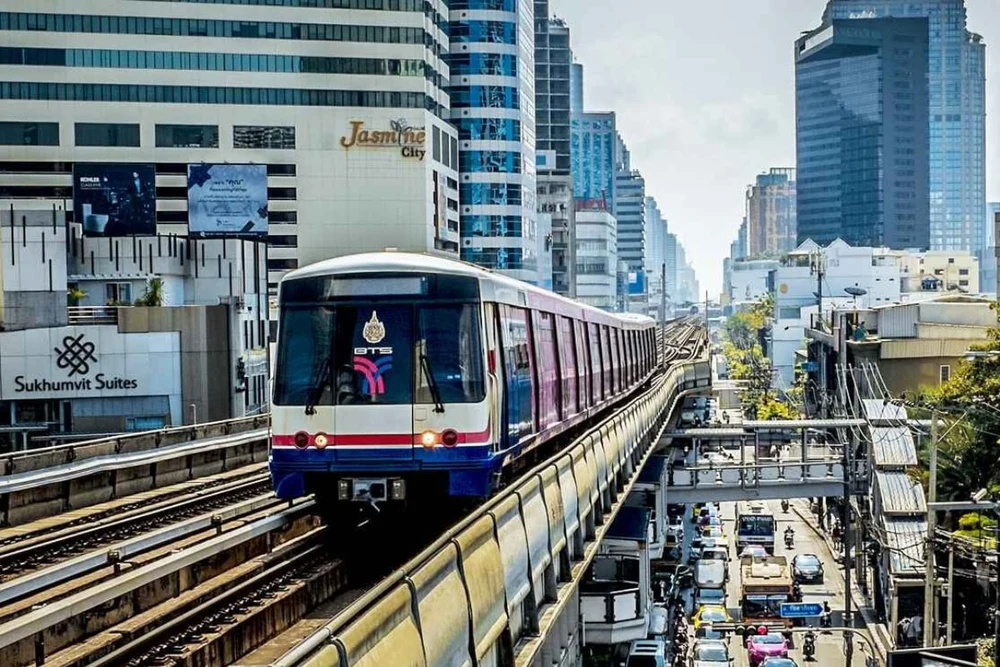









































Exploring the UK becomes a breeze once you master the secrets of navigating its public transport network!
- The Ultimate Guide to Applying for a UK Tourist Visa
- 5 best scenic train rides in Switzerland
- Independent Travel to Bangkok: Why the Rabbit Card is a Must-Have
- Oigawa Railway Shizuoka: Explore Shizuoka’s Highlands Aboard the Oigawa Steam Train
- How to Travel from Osaka to Tokyo Quickly & Economically
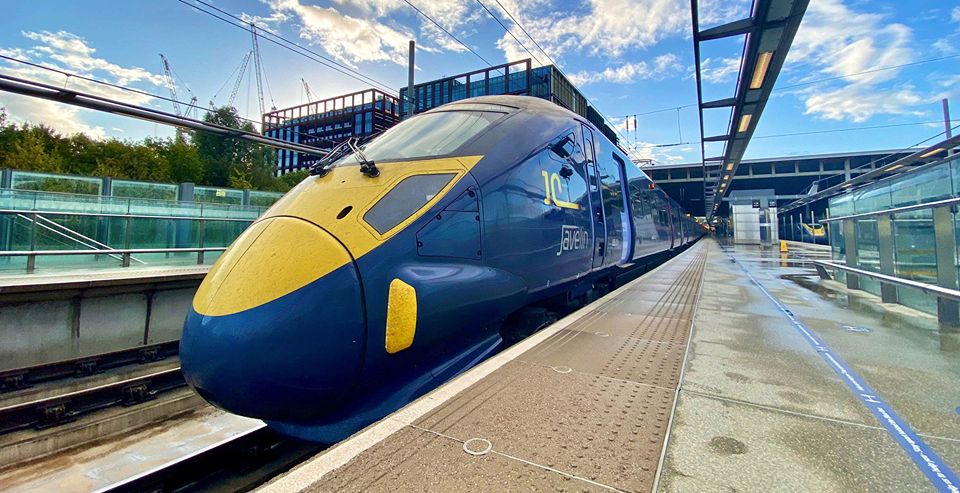
Are you dreaming of a stroll along the Thames, snapping a photo with Big Ben, or wandering through the fairytale villages of the Cotswolds? The UK is a captivating destination, but travel costs can be eye-watering if you don’t plan ahead.
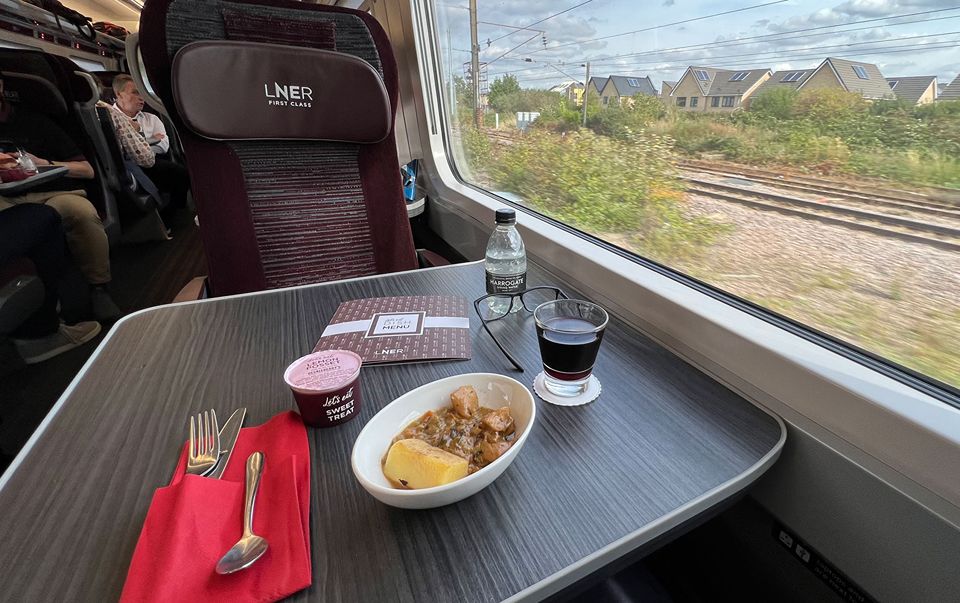
The UK boasts a highly developed transport network, ranging from century-old Underground stations to high-speed trains connecting major cities. To help you navigate the wealth of information out there, we have compiled everything you need to know about public transport in the UK—specifically how to use the Oyster Card and trains—so you can travel like a local while keeping your wallet happy.
Oyster Card and Contactless: The Ultimate “Keys” to London
If you’re visiting London, the first thing to do isn’t grabbing a cup of Earl Grey tea—it’s securing a smart payment method for transport. Cash is virtually obsolete on public transport in the capital.
What Is an Oyster Card and Why Do You Need One?
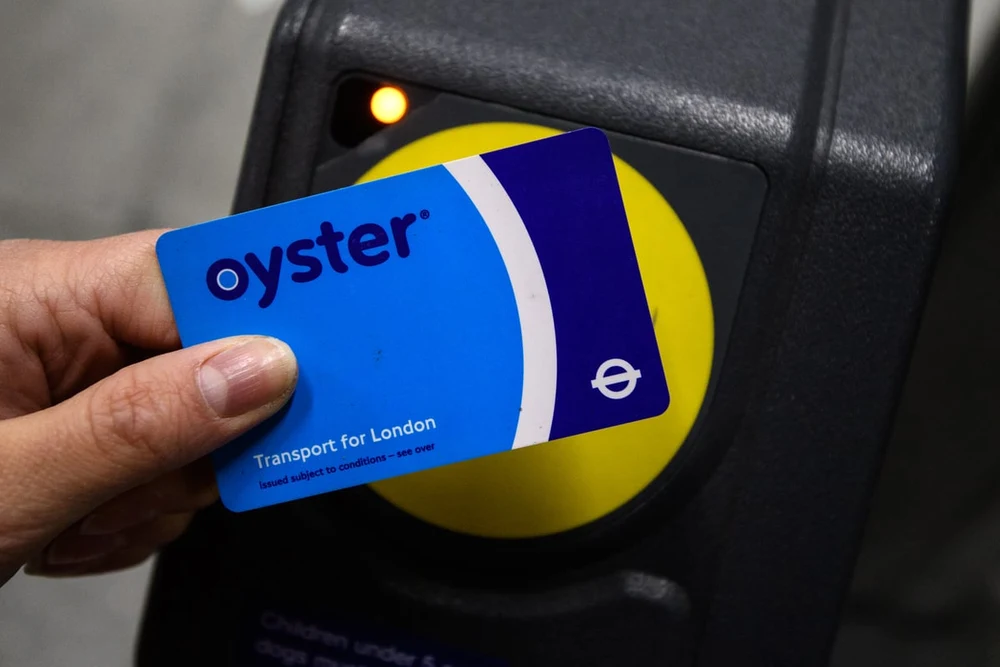
The Oyster Card is a smart card with an embedded chip used to pay for journeys on the Tube (subway), buses, DLR, London Overground, the Elizabeth Line, and even some local train routes. You simply top up the card with credit and tap in and out at ticket barriers.
Currently, the cost to purchase a new Oyster Card is approximately £10, and this fee is non-refundable. However, the advantage is that you can register the card online to protect your balance if it gets lost, or link student or youth discount cards (like Railcards) directly to your Oyster card for even greater savings.
Contactless: The Ultimate Convenience
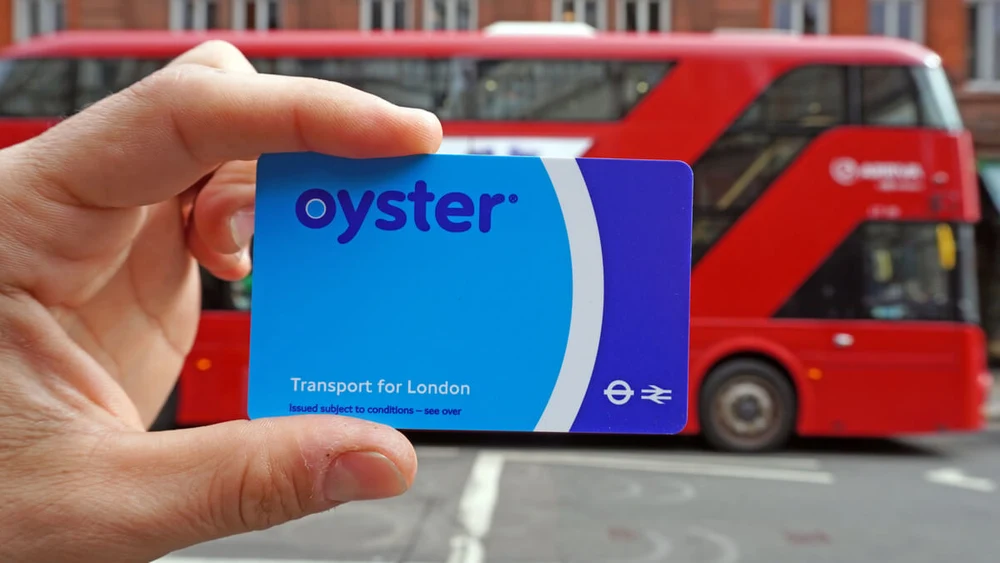
If you don’t want to spend £10 buying a card, simply use a contactless bank card or a mobile wallet app like Apple Pay or Google Pay. Fares using contactless payment are exactly the same as those for the Oyster card.
If you are only in London for a few days, I recommend using your phone for convenience. Just remember: always use the same device or card for your entire day’s travel so the system can automatically calculate the “Daily Cap” for you.
The Daily Cap – The Secret to Unlimited Travel

One of the best features of London’s transport system is the daily fare cap. For example, if you travel frequently within Zones 1 and 2, the maximum amount deducted for the day is around £8.90, whether you take 10 or 20 train or bus rides. Once you hit this limit, any further journeys that day are completely free. This is exactly why you should never buy single paper tickets—they cost twice as much as using a card!
National Rail: Connecting Heritage Destinations
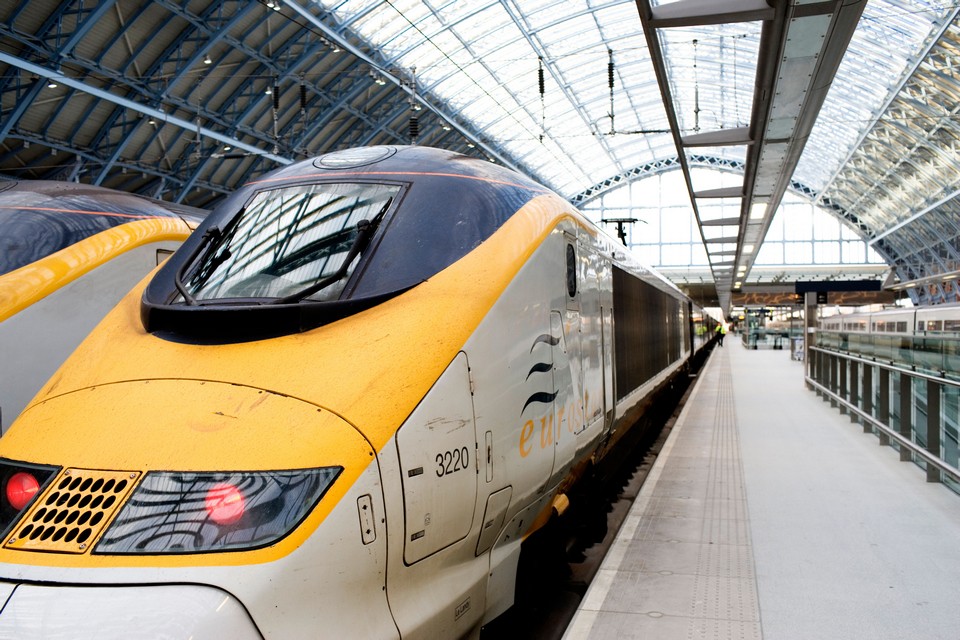
Leaving bustling London behind, trains offer the best way to admire England’s lush green fields and quaint towns. However, train fares in the UK are notorious for fluctuating just like… the stock market.
Train Ticket Types You Should Know
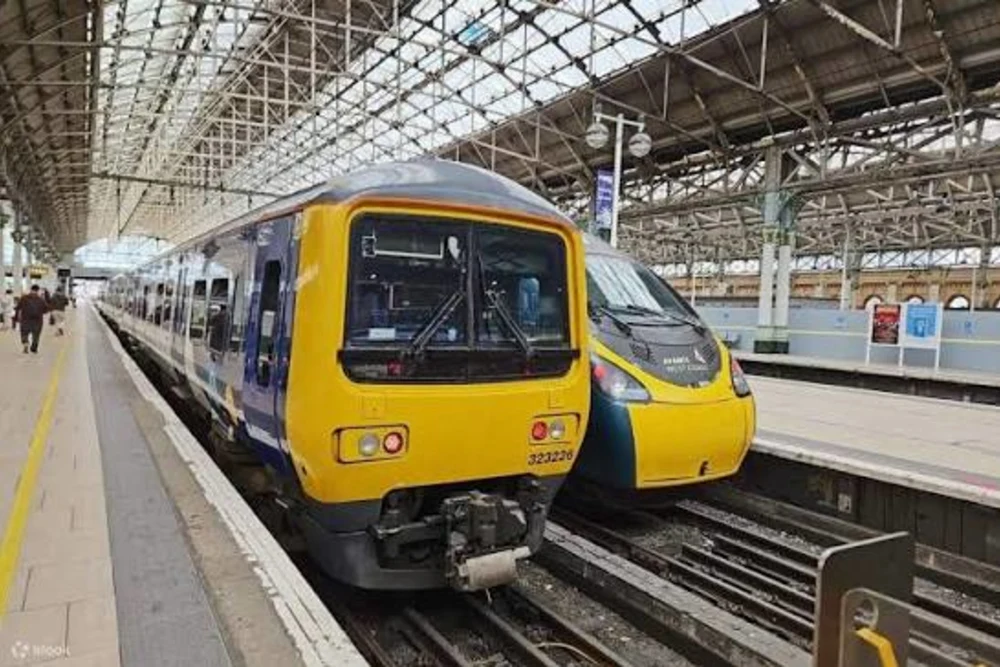
- Anytime: The most flexible ticket; you can take any train on the day of travel. The trade-off is that it is extremely expensive.
- Off-Peak and Super Off-Peak: These are a traveler’s best friend. These ticket types apply only to off-peak hours (usually after 9:30 AM on weekdays and all day on weekends). Fares are significantly cheaper than during peak hours.
- Advance: This is the cheapest ticket option. The earlier you book, the better the deal. Advance tickets require you to travel on the specific train and at the scheduled time you booked; if you miss the train, the ticket becomes invalid.
Railcards: A Highly Profitable Investment
5G eSIM United Kingdom (UK) | O2
If you plan to take 2–3 intercity train trips, buy a Railcard immediately. For an annual fee of around £35, the card instantly saves you one-third off the fare for most journeys.
- 16-25 Railcard: For young people.
- 26-30 Railcard: For the “slightly older” young adult crowd.
- Two Together Railcard: Perfect for couples or best friends who always travel together. A single trip from London to Edinburgh can generate enough savings to cover the cost of the card itself!
Tip for Finding Cheap Tickets: Split Ticketing
There is a handy trick often used by locals called “Split Ticketing.” Instead of buying a single ticket from Point A to Point C, you can buy two separate tickets: one from A to B and another from B to C (while staying on the same train). It might sound unusual, but this method can sometimes save you 30–50% on costs. Apps like TrainPal can now automatically identify these split points to help you book quickly.
London Underground (The Tube) and Elizabeth Line
It would be a major oversight to discuss public transport in the UK without mentioning “The Tube.” It is the world’s oldest underground railway system, featuring a vast, intricate network that resembles a spiderweb.
How to Read the Tube Map Like a Local
Warner Bros. Studio Tour London – The Making of Harry Potter
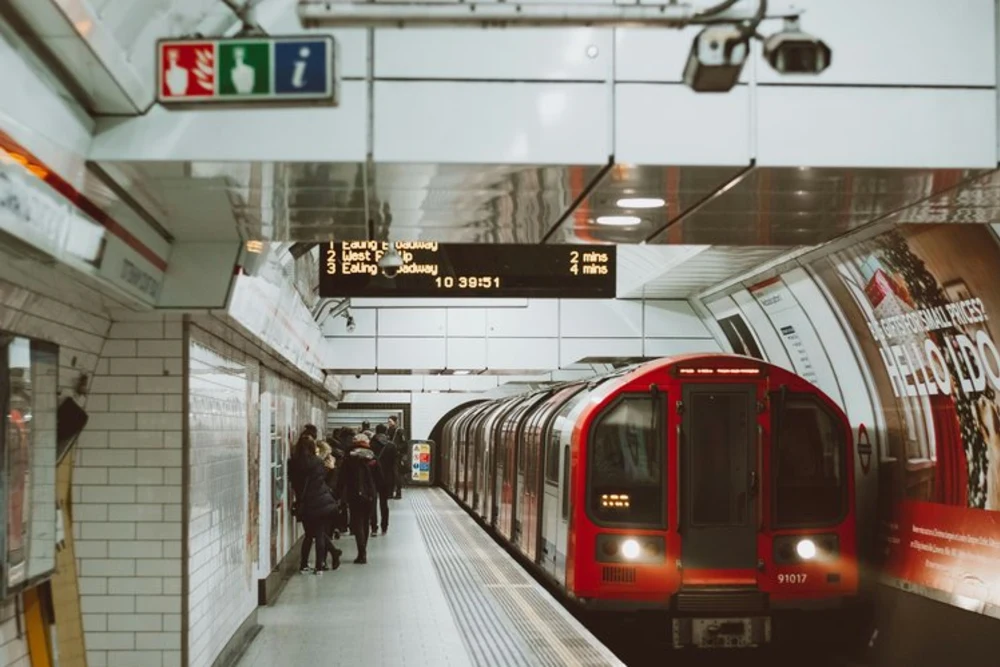
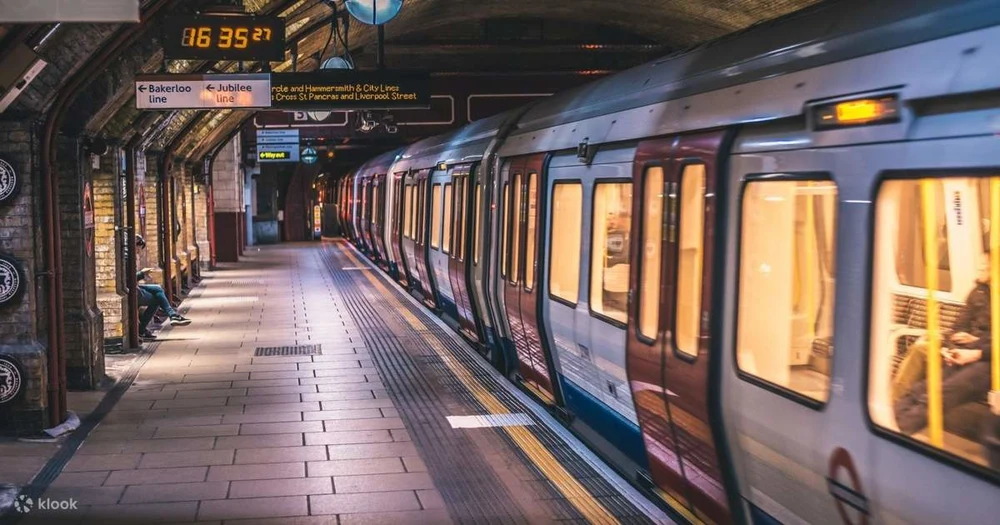
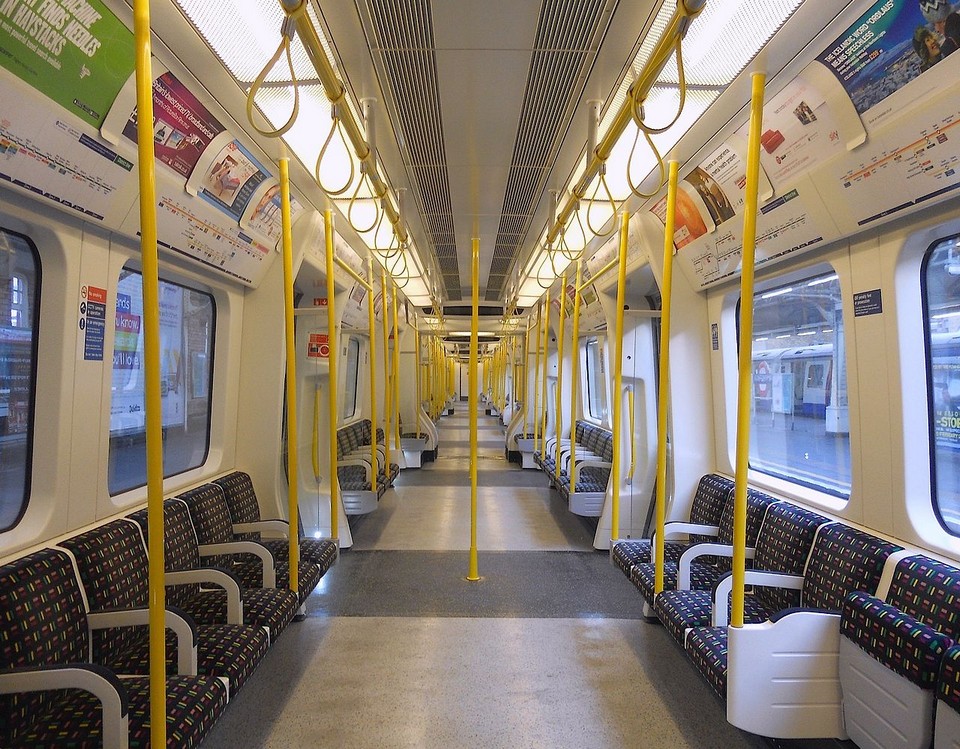
Pay attention to the line colors: the Central Line is red, the Victoria Line is blue, and the Jubilee Line is silver. Most importantly, you need to determine your direction of travel: Northbound, Southbound, Eastbound, or Westbound. Every platform features an electronic display showing highly accurate train arrival times.
The Elizabeth Line – London’s New “Masterpiece”
Westminster Abbey Ticket in London
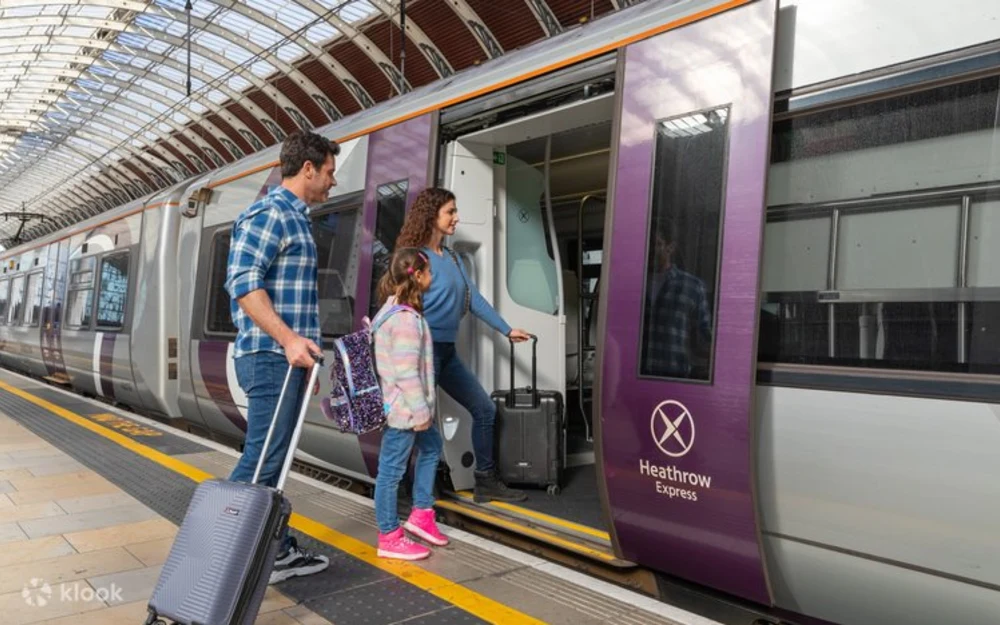
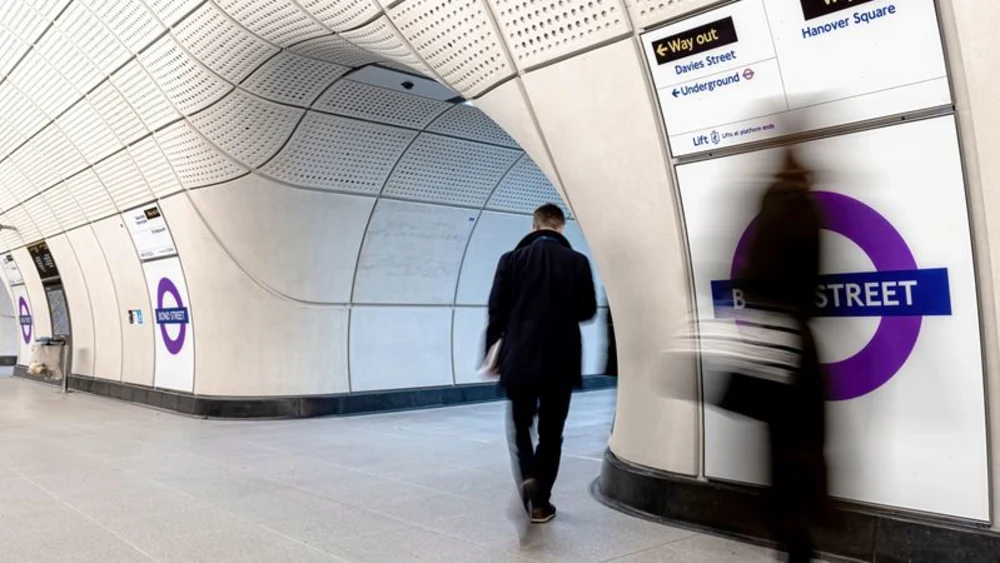
Named after the late Queen, the Elizabeth Line (distinguished by its purple color) is a perfect hybrid of a commuter train and an underground metro. The trains are smoother, more modern, air-conditioned, and incredibly fast. If you are traveling from Heathrow Airport to central London, the Elizabeth Line offers the best balance of cost and speed; it takes just 30–45 minutes to reach the city center at a fare that is very reasonable compared to the Heathrow Express.
Train Etiquette in the UK
London Hop-On Hop-Off Bus by Big Bus
The British place great importance on courtesy. A golden rule when using station escalators is to “Stand on the right.” The left side is reserved for those in a hurry who wish to walk or run up. Avoid standing on the left unless you want to attract “meaningful” glances from the locals!
Red Buses: An Icon and a Budget-Friendly Option
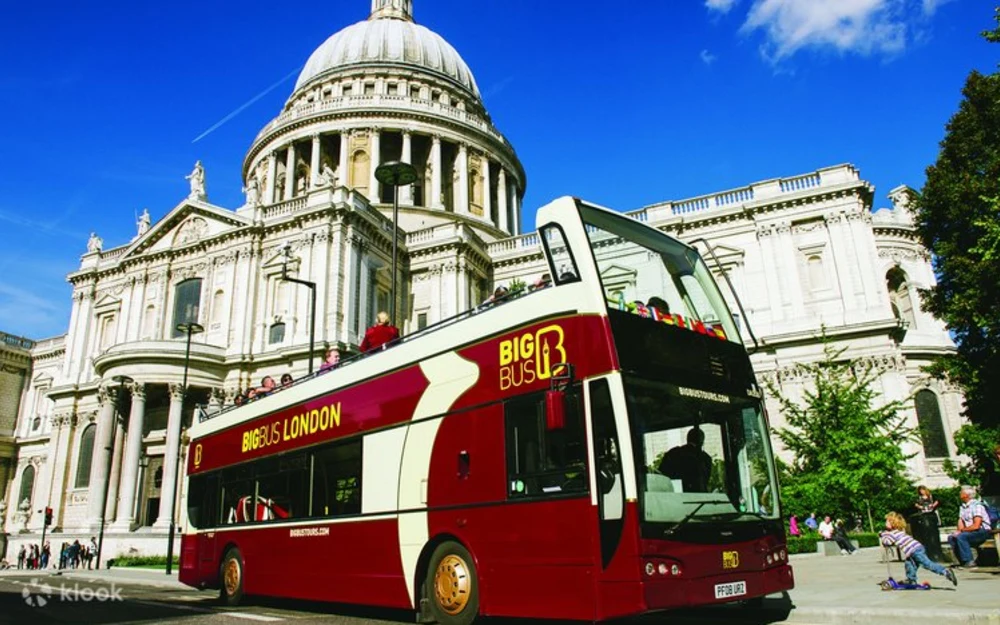
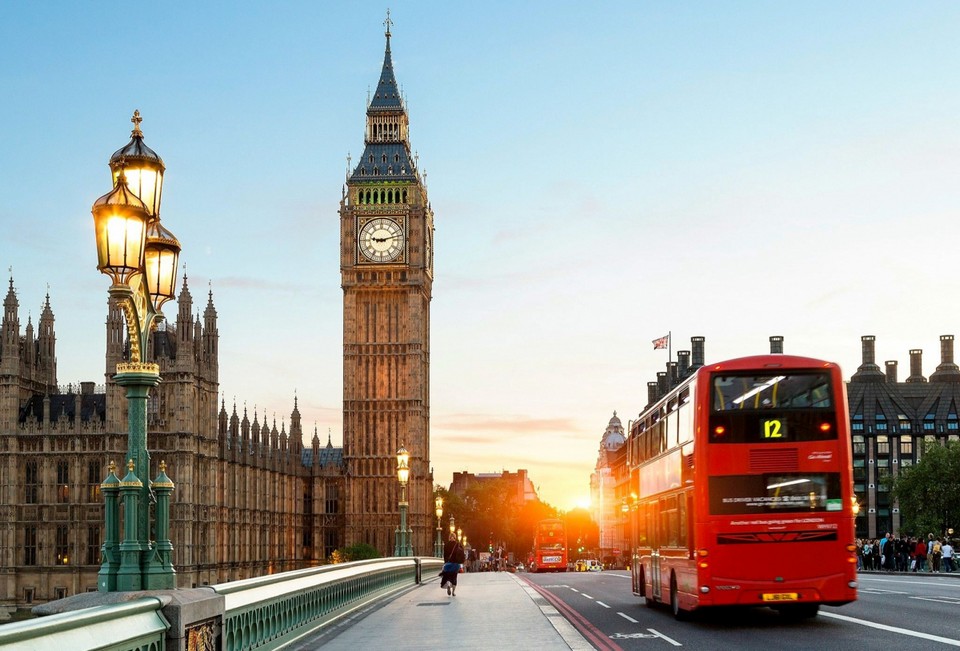
The iconic red double-decker buses are not just great for photos; they are also the cheapest form of public transport in London.
Fares and the “Hopper Fare” System
A bus journey costs around £1.75, regardless of the distance. A standout feature is the “Hopper Fare” policy: if you transfer to one or more additional buses within 60 minutes of your initial tap-in, the subsequent journeys are completely free.
Sightseeing from the Upper Deck
Instead of spending money on pricey hop-on, hop-off sightseeing bus tours, you can simply head to the upper deck of public buses—such as routes 11, 15, or 24. These routes pass by major landmarks like St. Paul’s Cathedral, Trafalgar Square, and Westminster. For just £1.75, you get a sightseeing tour that rivals the best of them.
Intercity Coaches: The Choice for Budget-Conscious Travelers
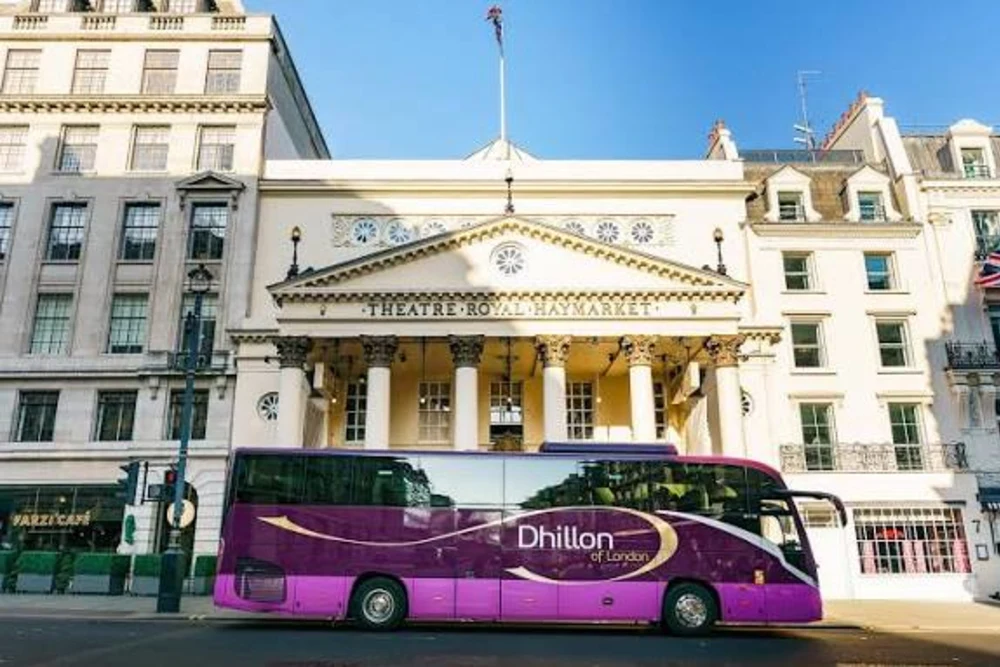
The London Pass®: 100+ Things to do including London Eye
If time isn’t a major concern and you’d rather save your money for dining and shopping, opt for intercity coaches (like National Express or Megabus) to travel between cities.
Pros and Cons of Coaches
- Pros: Extremely low prices; you can sometimes snag tickets for as little as £1–£5 if you book early. Buses are equipped with Wi-Fi, power outlets, and onboard restrooms.
- Cons: Travel times are longer than by train, and journeys can be delayed by traffic congestion. For instance, a train trip from London to Manchester takes only 2 hours, whereas a coach journey can take up to 4–5 hours.
However, coach stations (such as Victoria Coach Station in London) are usually centrally located, making it very convenient to get to your hotel.
Transport Systems in Cities Outside London
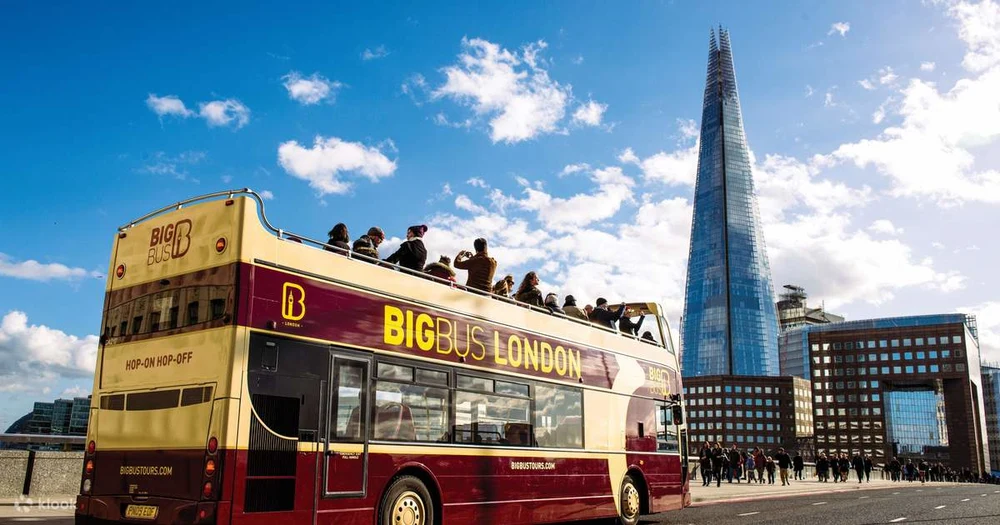
Beyond London, other UK cities have their own distinctive public transport features:
Manchester: Famous for its modern Metrolink (light rail/tram) system, which covers the city center and surrounding areas. As the largest tram network in the UK, it allows passengers to travel quickly and conveniently between cultural sites, shopping centers, and major stadiums.
Edinburgh (Scotland): The city is quite compact, so you can mostly explore its historic nooks and crannies on foot. However, the Lothian Buses system is rated the best in the UK, featuring a dense network, high frequency, and continuous service that effectively connects the historic center to outlying suburbs.
Birmingham: It boasts a well-connected bus and train system, creating a comprehensive public transport network. The system is particularly convenient, with frequent train services to scenic suburbs and neighboring cities, making it an ideal hub for exploring the English Midlands.
Frequently Asked Questions (FAQ)
1. Where can I buy an Oyster card?
You can purchase one from ticket machines at any Underground station, Visitor Centres, or convenience stores displaying the Oyster symbol.
2. Do children travel for free on public transport in the UK?
In London, children under 11 travel for free on buses and the Underground when accompanied by a paying adult. Children aged 11–15 can receive a discount if you apply the “Young Visitor Discount” to their Oyster card at a station.
3. Do I need to book train tickets in advance?
We recommend booking at least 2–4 weeks in advance for long-distance journeys to secure the best rates (“Advance” tickets). Buying tickets at the station on the day of travel can cost significantly more.
4. Are train strikes common in the UK?
Strikes do occur occasionally. It is advisable to download the National Rail app or check the website before your departure date to stay updated on the situation and prepare alternative travel plans if necessary.
Getting the hang of the public transport system in the UK might seem a bit tricky at first, but once you understand how it works, you’ll find it incredibly convenient and enjoyable. Just remember to top up your travel card, keep your phone charged for Google Maps, and bring along a spirit of adventure!
To make your journey even smoother, check out Klook to book attraction tickets, travel passes, or even a day tour so you don’t have to worry about the logistics of getting around.
Wishing you a brilliant trip to the UK filled with wonderful memories!
Some best day tours, trips, activities and transfer services, tickets in, from and to London you can refer to
- Shared London Airports (LHR, LGW, STN, LTN, LCY) Transfers to/from Central London
- Private London Heathrow Airport (LHR) Transfers for London
- Tower of London Ticket
- London Pass with 1 Day Hop-On Hop-Off Bus Tour
- London Eye Ticket
- Madame Tussauds London Ticket
- Westminster Abbey Ticket
- London Visitor Oyster Card
- London Travelcard
- London Explorer Pass
- London Big Bus Hop-On Hop-Off Tours (Open-Top)
Are you looking for more top things to do in London: Tours, activities, attractions and other things? Let’s check it out here. And Where should I go in London? — 21 top famous places to go, see & best places to visit in London.