

































What is the Shinkansen train? Why is the high-speed train a cost-effective mode of transportation in Japan? Let’s explore Klook’s guide to buying Shinkansen train tickets in Japan.
- Oigawa Railway Shizuoka: Explore Shizuoka’s Highlands Aboard the Oigawa Steam Train
- How to Travel from Osaka to Tokyo Quickly & Economically
- Kintetsu Rail Pass: A magical pass to explore the Kansai region of Japan!
- 10 JR Passes Most Loved by Japan Travel Enthusiasts
- “Pocket Guide” to 6 Types of Kansai travel pass for a Convenient Trip
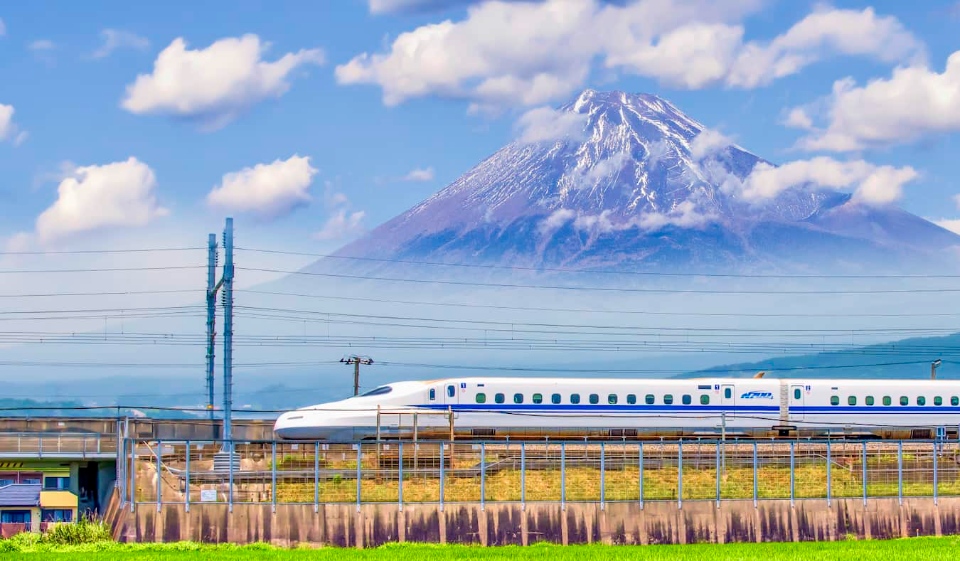
Japan remains a consistently popular destination for Vietnamese tourists. From Tokyo, Kyoto, Osaka to Hokkaido, each prefecture/city in Japan possesses its own unique beauty, unlike anywhere else. However, high transportation costs are a major concern for many tourists, especially after the JR Pass increased in price by 70% from October 2023.
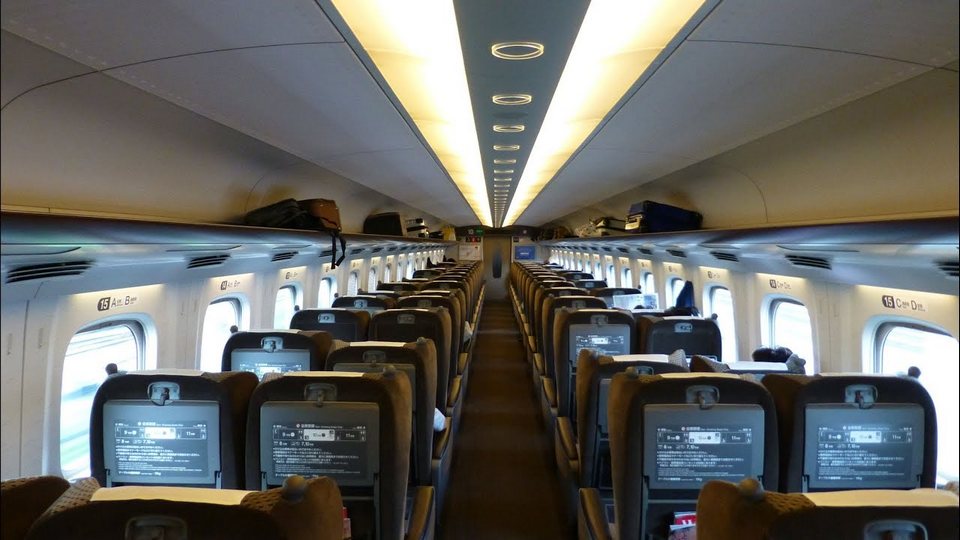
To make your self-guided Japan trip more seamless, choose the Shinkansen high-speed train as your mode of transportation. Below is a short guide from Klook on how to buy tickets and use the Shinkansen high-speed train.
What is the Shinkansen Train?
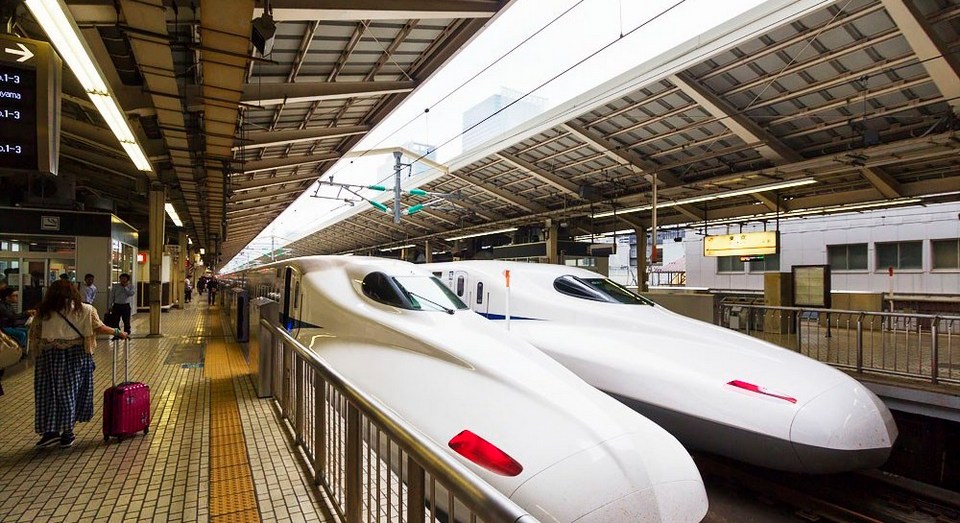
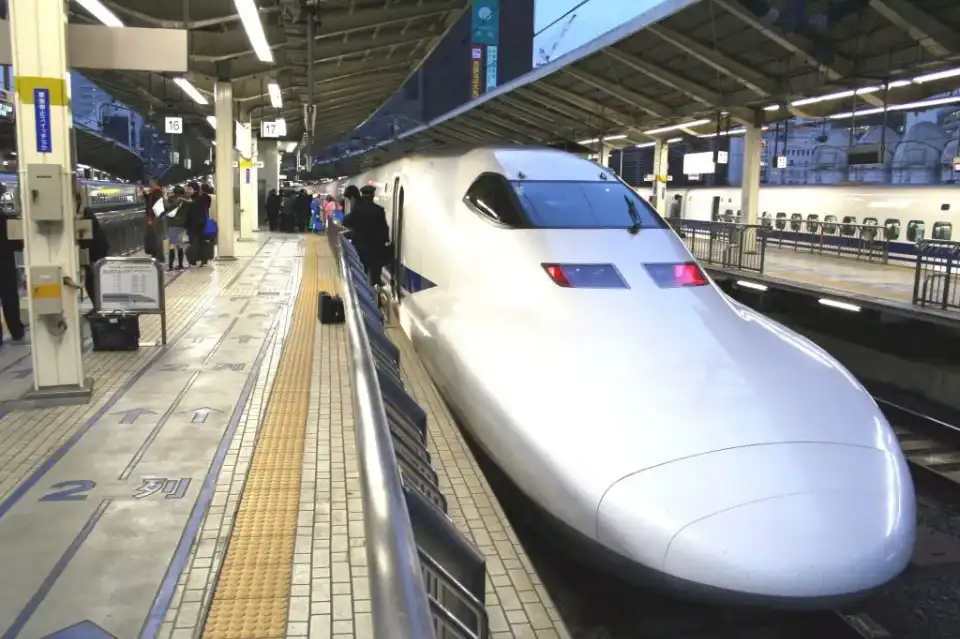
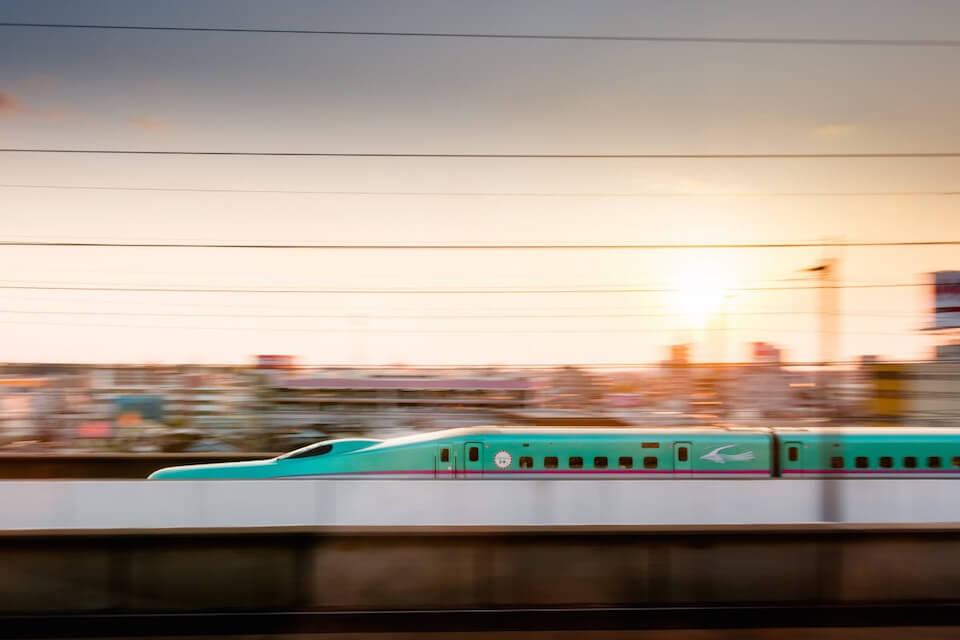
The Shinkansen is Japan’s famous high-speed rail system, nicknamed the “bullet train” due to its aerodynamic design and impressive speed – reaching up to 320 km/h. Not only is it fast, but the Shinkansen also stands out for its absolute safety, near-perfect punctuality, and surprisingly smooth and comfortable passenger experience.
The first Shinkansen high-speed train line opened in 1964 (the Tokaido line, connecting Tokyo and Osaka), marking a major turning point in the global transportation industry. Today, the Shinkansen covers major regions of Japan with various train types such as Nozomi, Hikari, Kodama, Hayabusa, etc. Each trip on the Shinkansen is not just a means of transportation, but an indispensable part of exploring the land of cherry blossoms.
Shinkansen Map – Japan’s High-Speed Rail – Latest Version
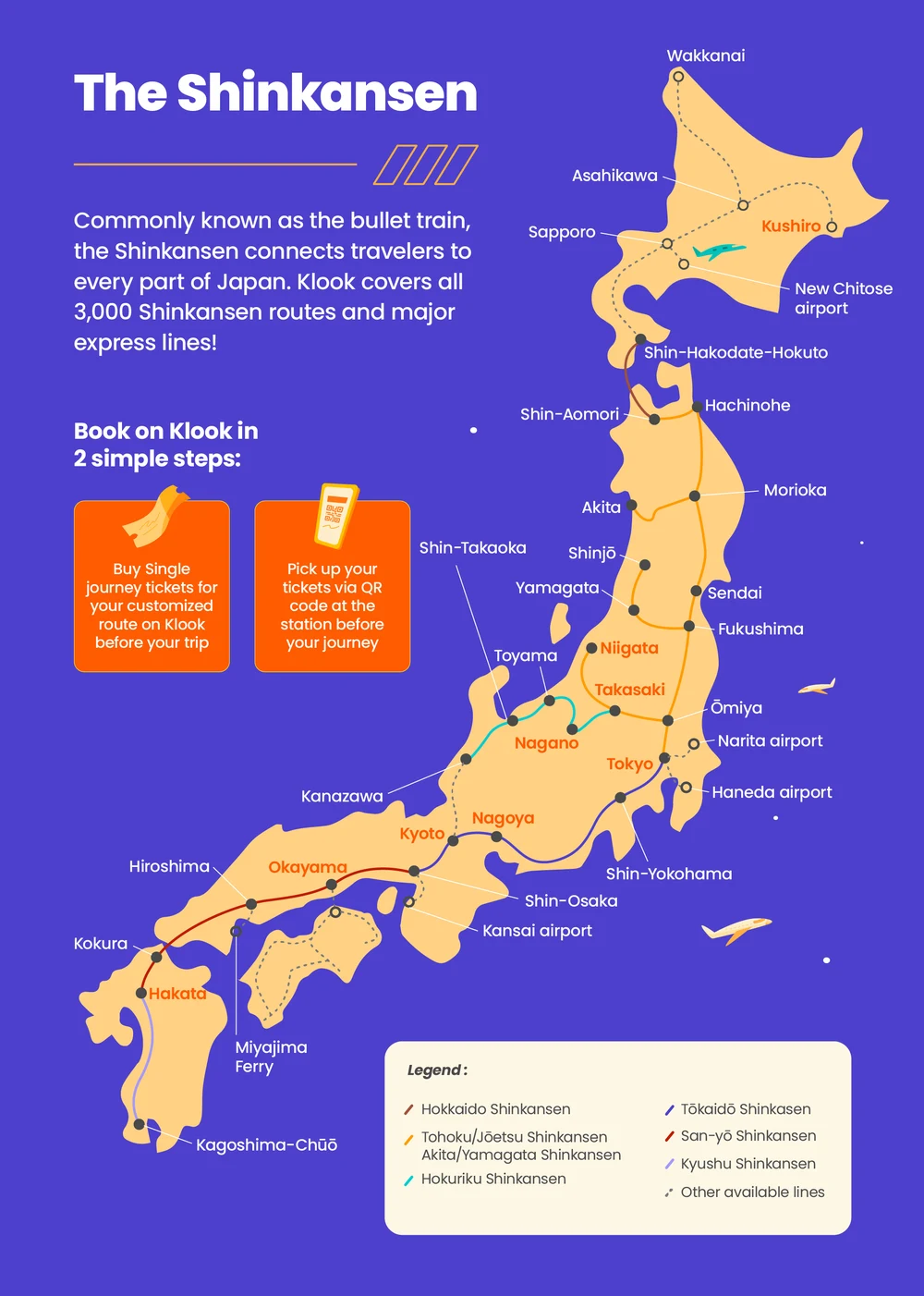
Mastering the high-speed rail map helps you optimize your travel time, especially when combined with travel passes like the Japan Rail Pass. Each stop on the map is not just a station, but a gateway to different cultural experiences, from the hustle and bustle of megacities to the tranquil beauty of the Japanese countryside.
With continuous development and constantly updated new routes, the modern Shinkansen map is an indispensable companion for anyone wishing for a smart, fast, and efficient trip to Japan.
Where to Buy Shinkansen Tickets? Detailed Guide on How to Buy High-Speed Rail Tickets in Japan
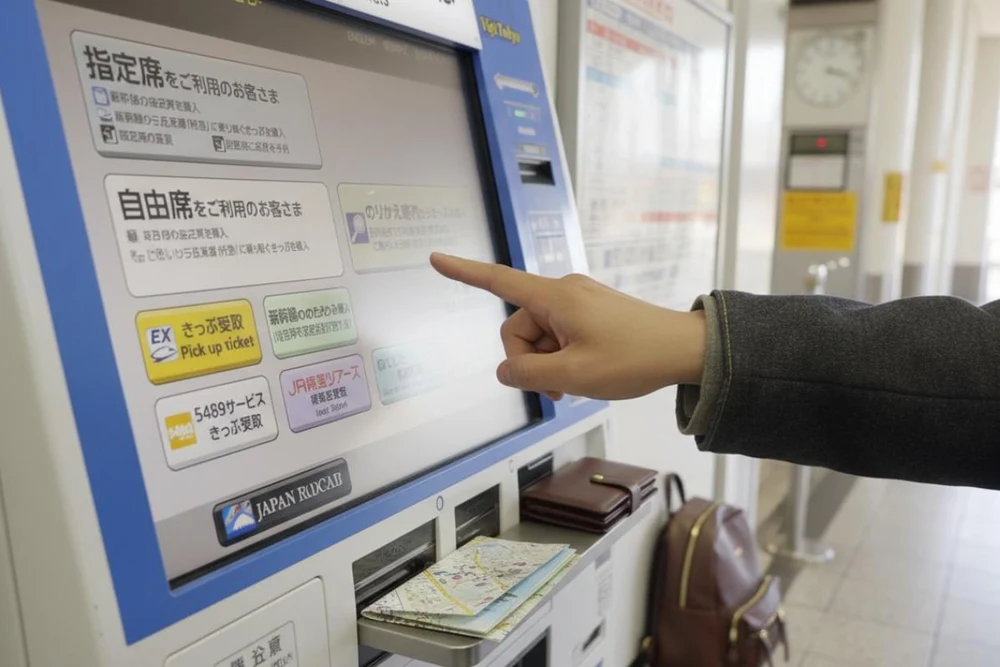
Japan’s extensive and efficient train network is renowned for its timeliness, speed, and seamless connectivity. However, booking train tickets in Japan can seem quite complicated, whether you’re an experienced traveler or visiting the Land of the Rising Sun for the first time. But don’t worry, Klook will guide you through the easy process of buying Shinkansen train tickets!
Popular Platforms & Locations for Buying Shinkansen Train Tickets
It may seem complicated, but buying Shinkansen high-speed train tickets in Japan is actually extremely easy. Here are 4 of the most popular ways to “board the train quickly – without worry”:
- Buy tickets on Klook: Fast – simple – convenient! With just a few taps on your phone, you’ll get a QR code to scan at the ticket machine at the station. No queuing, no hassle.
- Buy tickets via JR website: If you want to book tickets independently, go to the official JR website, choose your seat, check the schedule, pay online, and easily receive your e-ticket.
- Buy directly at JR stations: Prefer in-person transactions? Go to the Midori-no-Madoguchi ticket counter at JR stations. Staff will be happy to assist you, especially if you don’t speak Japanese.
- Use a Japan Rail Pass: If you plan to travel extensively over several days, the Japan Rail Pass is an extremely economical option. You can ride the Shinkansen unlimitedly; simply exchange your voucher for a physical pass at the JR station.
Whichever method you choose, just board the train, sit in your seat, and let the Shinkansen take you smoothly, on time, and… in a very Japanese way.
Guide to Buying Shinkansen Train Tickets Online on Klook – Convenient & Economical
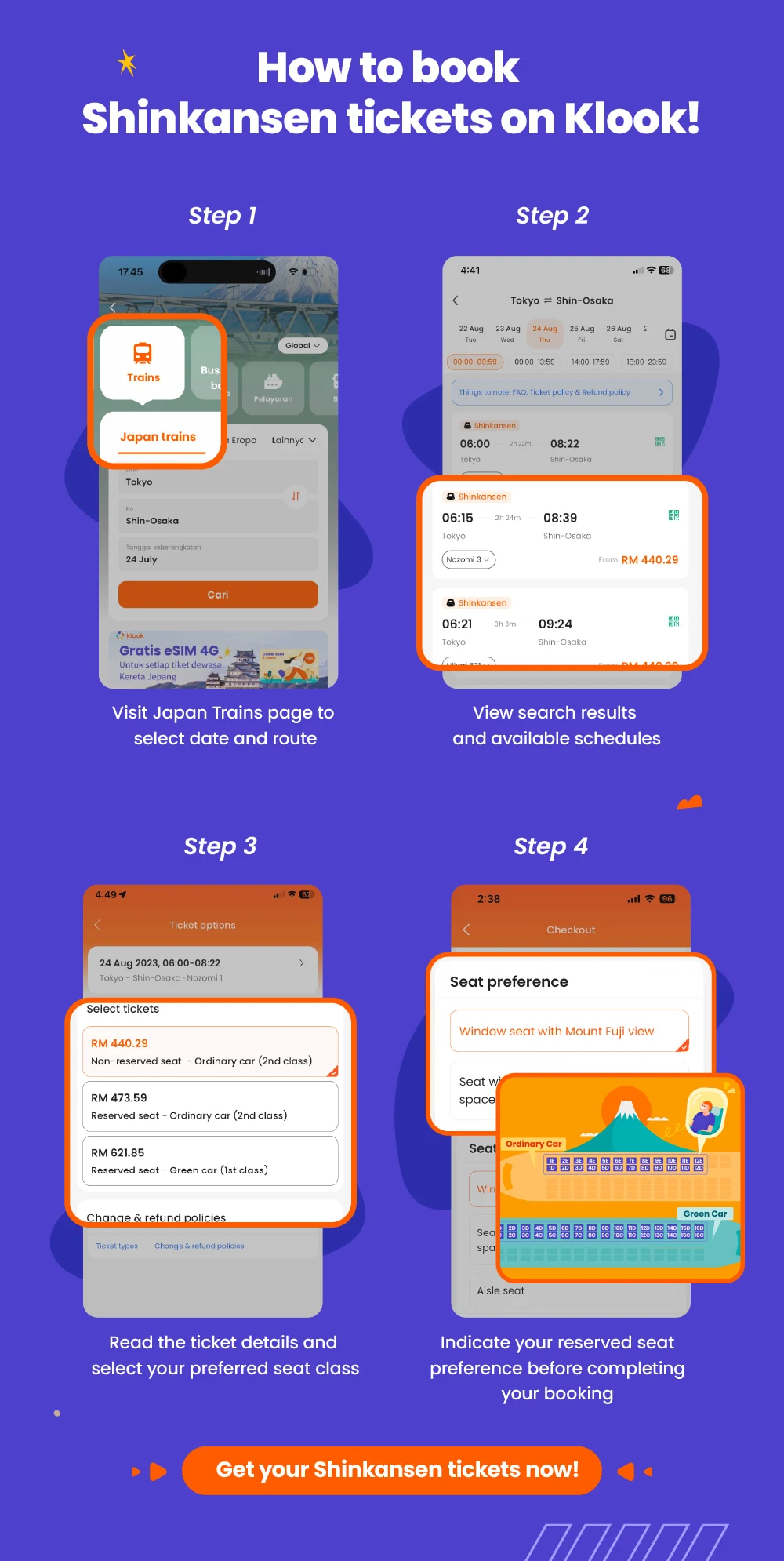
Besides tickets for attractions and tours, Klook is an app you can use when you need to buy Shinkansen train tickets online. With its modern automated process, transparent information, diverse payment methods, and preferential prices, your Shinkansen journey through Japan will be simpler thanks to Klook.
Steps to Buy Shinkansen Train Tickets Online on Klook
- Visit the Klook website or app and select “” in the “Transport” section.
- Enter your departure and destination points along with your departure date.
Choose your preferred schedule and seat type. - Provide your personal information and make payment.
- After purchasing your ticket, you will receive a QR code, making it easy to retrieve your ticket at JR stations.
Booking online on Klook not only guarantees seat reservations but also allows passengers to quickly compare prices and schedules! This is also much simpler and more direct than being confused by the many options on the ticket vending machine screens at JR stations.
How to Book Shinkansen Train Tickets on the Official Website of Japan Railways
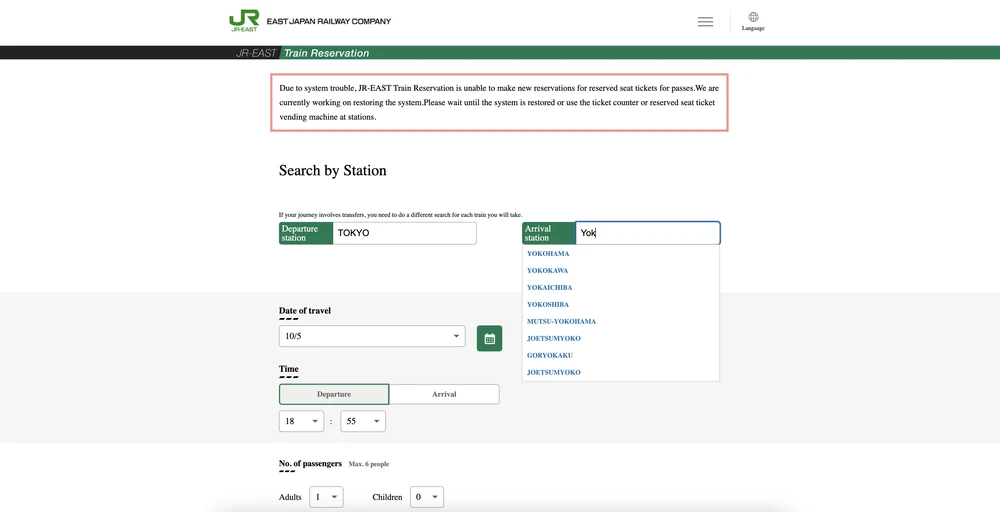
Japanese railway companies, such as JR East, JR West, and JR Kyushu, offer online ticket booking services on their websites. However, please note that you can only purchase tickets for the Shinkansen lines they operate. This means that if you want to travel between Tokyo and Osaka, you will need to consider other options.
If you plan to travel on the popular Tokaido and Sanyo Shinkansen lines, connecting major cities like Tokyo, Kyoto, Osaka, Hiroshima, and Fukuoka, you will have to book your tickets on the SmartEx website. This requires you to register an account and follow step-by-step instructions. Simply select your route, date, and preferred seat.
Buying Shinkansen Tickets Directly at JR Stations
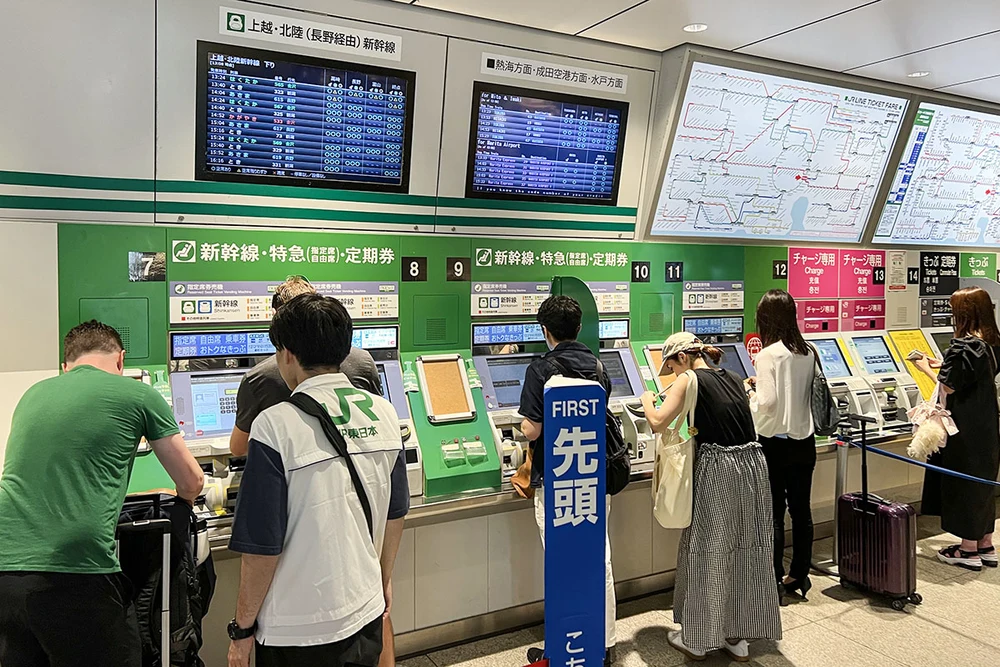
If you wish, you can purchase Japanese high-speed train tickets at JR stations. Automatic ticket vending machines are installed throughout the area and support English, making it convenient for international passengers. Here are the steps to buy Shinkansen train tickets at JR stations:
- Use an app that provides information on train schedules, ticket types, and routes. For travel within Japan, you can use the Japan Travel app.
- Once you’ve found a suitable train route, note down other important details such as your travel date, departure and arrival stations, the type of seat you want (reserved or not), and the total number of passengers for whom you are buying the ticket.
- Bring this information to the ticket counter at the station or ticket office. Give the staff the information you have gathered so they can help you complete the booking process.
- If tickets for your chosen train and seat type are available, you can pay with cash or credit card. After successful payment, your ticket will be printed!
- If the tickets you want to buy are sold out, don’t worry. Politely ask the ticket counter staff about other train or seating options available. They may have other options that suit your travel plans.
Using the JR Pass – Japan Rail Pass – Explore Japan on Public Transportation
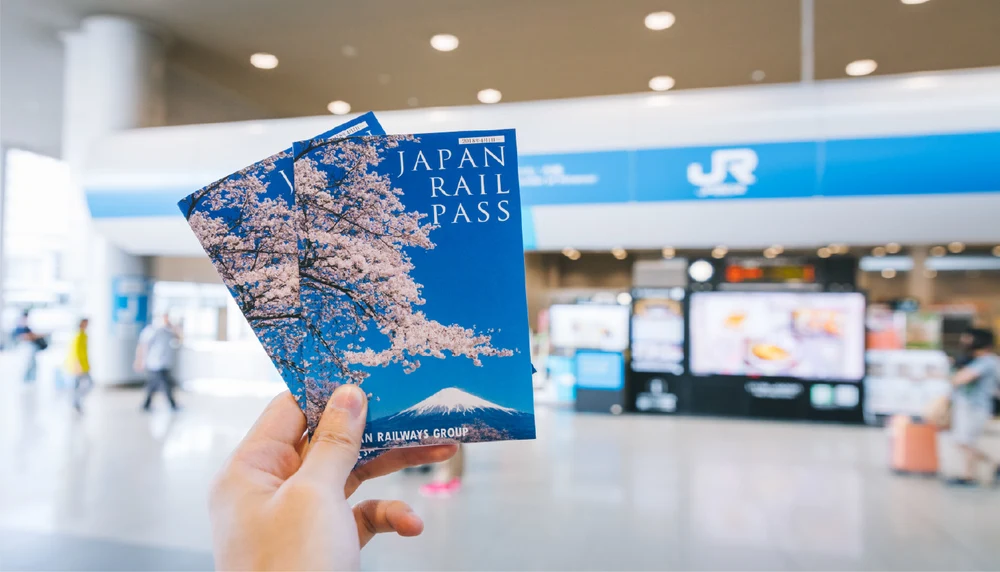
The Japan Rail Pass (JR Pass) is a travel card specifically for foreign visitors, allowing unlimited use of JR Group trains throughout Japan for a fixed period (7, 14, or 21 consecutive days).
You can purchase a JR Pass online through Klook. After successful booking, you will receive an Exchange Order – you need to bring it to exchange for a physical JR Pass in Japan within 90 days of purchase. With a JR Pass, you can:
- Ride JR trains without prior reservation (very convenient if you have a flexible schedule).
- Free reservations for Shinkansen trains (excluding Nozomi & Mizuho) are available at the Midori-no-Madoguchi ticket counter or automatic ticket vending machines.
- Travel by Narita Express from Narita Airport to central Tokyo, or Tokyo Monorail to Haneda.
Remember that the JR Pass does not apply to privately operated trains – it is only valid on the JR system and some JR-operated bus or ferry routes. The JR Pass is the best option if you plan to travel to multiple cities, especially on itineraries spanning from Tokyo to Kyoto, Osaka, Hiroshima, or Sapporo.
How Much Does a Shinkansen Train Ticket Cost? Things to Know When Using Japan’s Bullet Train
Besides the basic Shinkansen train fare, you may have to pay additional fees for certain services or classes. Here are some of the fees you should be aware of.
1. Basic Fare (jōsha ryōkin)
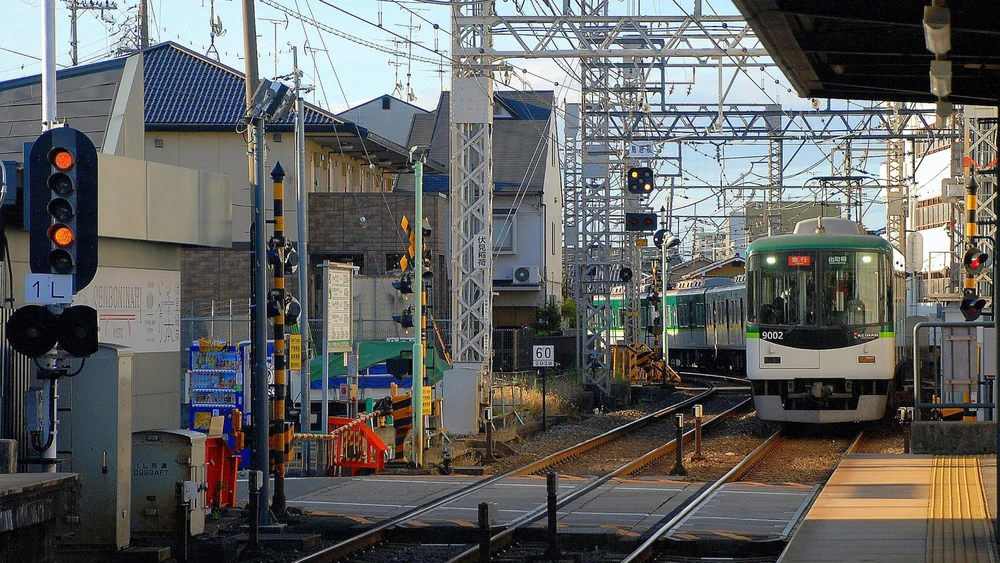
The basic fare is the base price for the journey from point A to point B. It doesn’t change for any regular train ticket. For short distances, you’ll pay around ¥20 per kilometer, but for longer journeys, the cost drops below ¥10.
2. Limited Route Fee (tokkyū ryōkin)
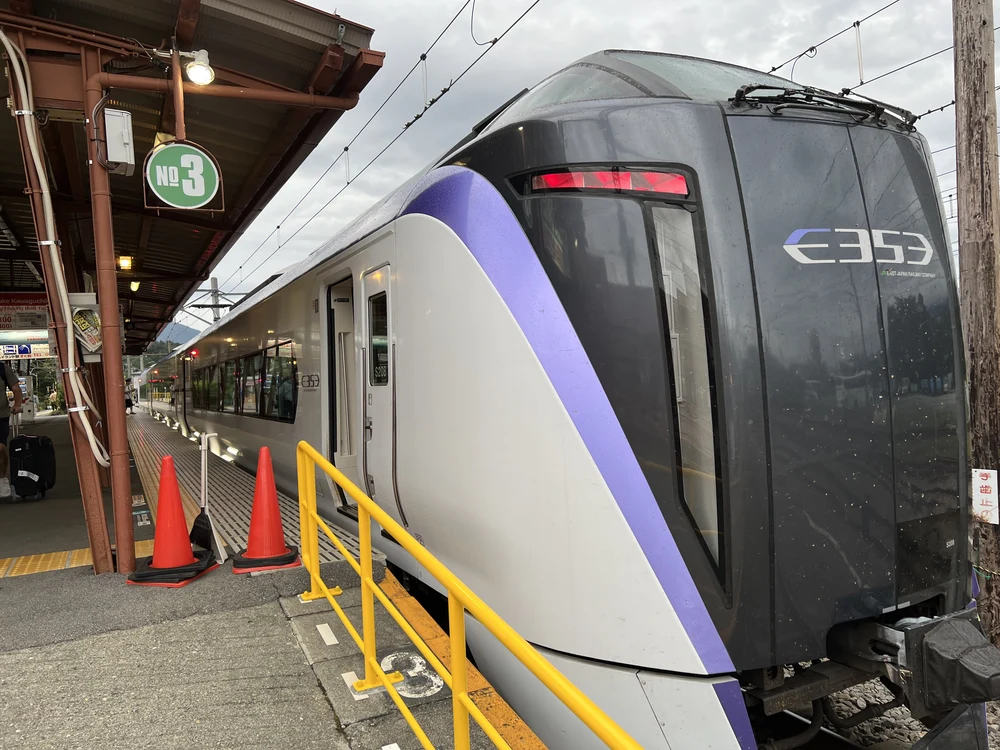
If you choose to use the Shinkansen bullet train or the limited-route Tokkyu train, there will be an additional fee added to the basic fare. This fee varies based on the distance you travel and the specific train type you choose. For the Shinkansen, this fee can range from around ¥800 for short distances to around ¥11,000 for longer journeys. Similarly, for Tokkyu, the surcharge ranges from approximately ¥500 to ¥4,000.
3. Green Car Seat Fee (gurīn ryōkin)
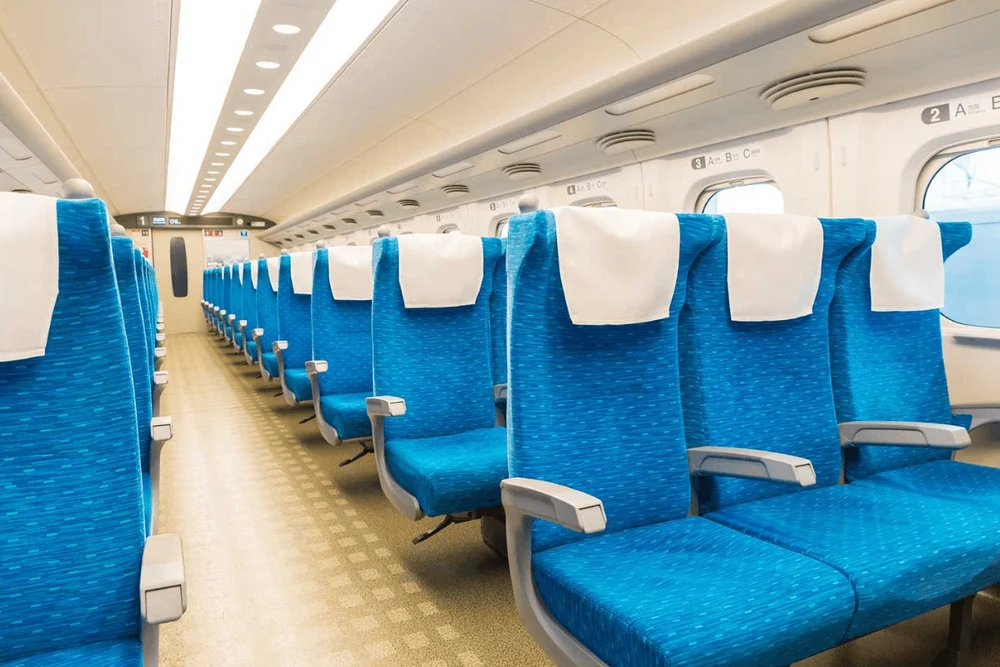
When choosing a Green Car seat, also known as first class, you will need to pay an additional surcharge. This Green Car fee varies depending on the distance traveled. For those who want a comfortable and convenient journey, the higher fee ensures you have access to more advanced amenities.
4. Reservation Fee (shiteiseki ryōkin)
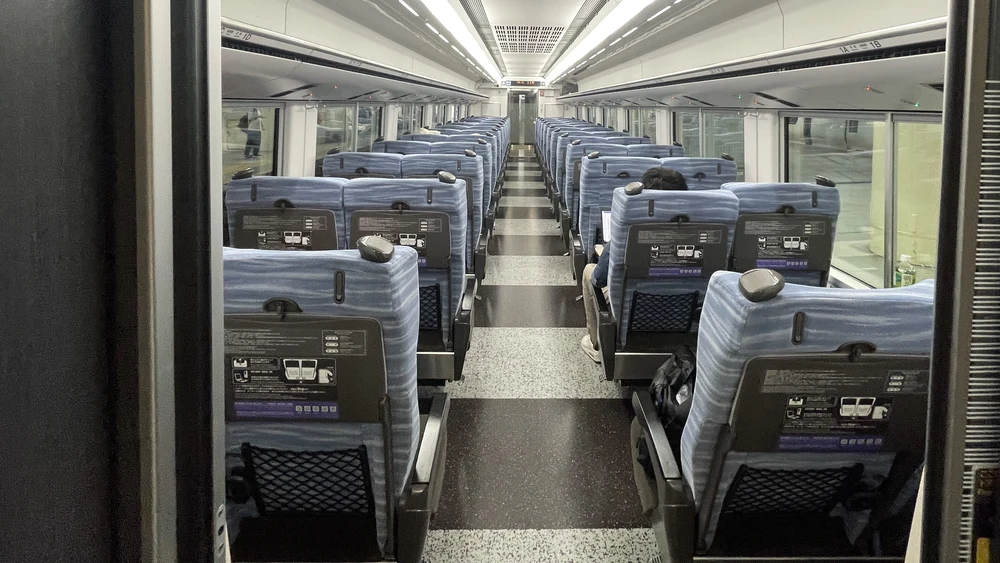
Choose a reserved seat even though there is a higher fee. This ensures that you will have a seat throughout your journey. You can look for the lights on each seat to see the reservation status. A yellow light indicates that these seats have been reserved for passengers boarding at a later station. Green means the seat is reserved, and red means it is not reserved.
5. Night Train Fee (shindai ryōkin)
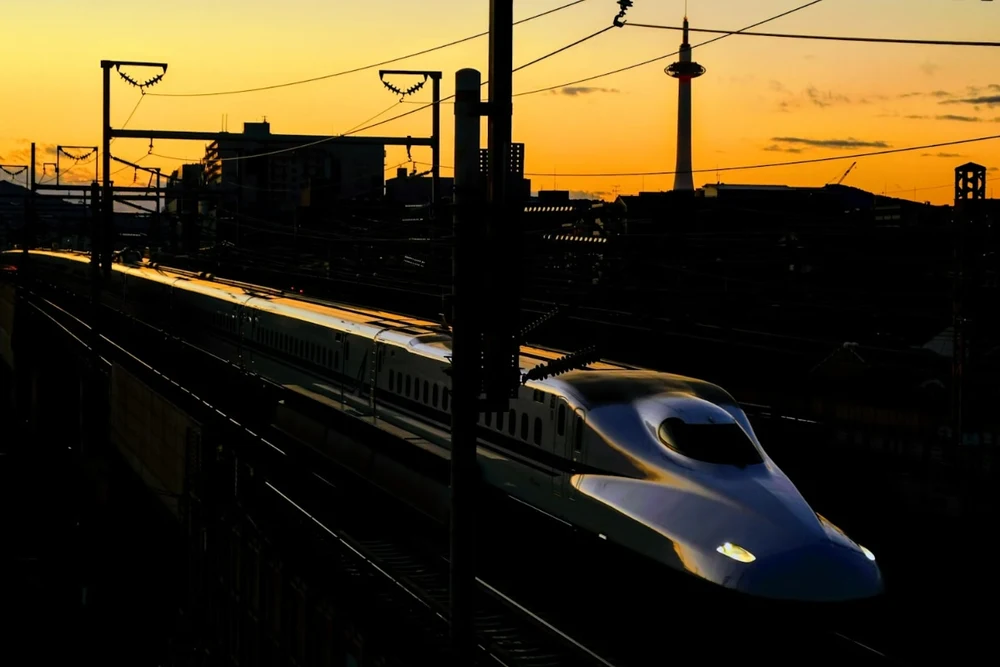
This is the fee for using a sleeping berth or private compartment on overnight trains. There are various types of berths and compartments, with prices ranging from approximately ¥6,600 to ¥14,000. Choosing the right option will ensure a comfortable and private overnight journey.
Frequently Asked Questions About Shinkansen Trains
1. Do I need to reserve a seat when traveling on the Shinkansen?
Shinkansen trains usually have two types of carriages: Non-reserved and Reserved. If you are traveling during the off-season or on short routes, a non-reserved carriage is a cost-effective and flexible option. However, during peak seasons (Cherry Blossom, Golden Week, New Year’s Day) or on popular routes like Hayabusa and Kagayaki (which only have reserved carriages), you are required to reserve a seat to ensure you have one.
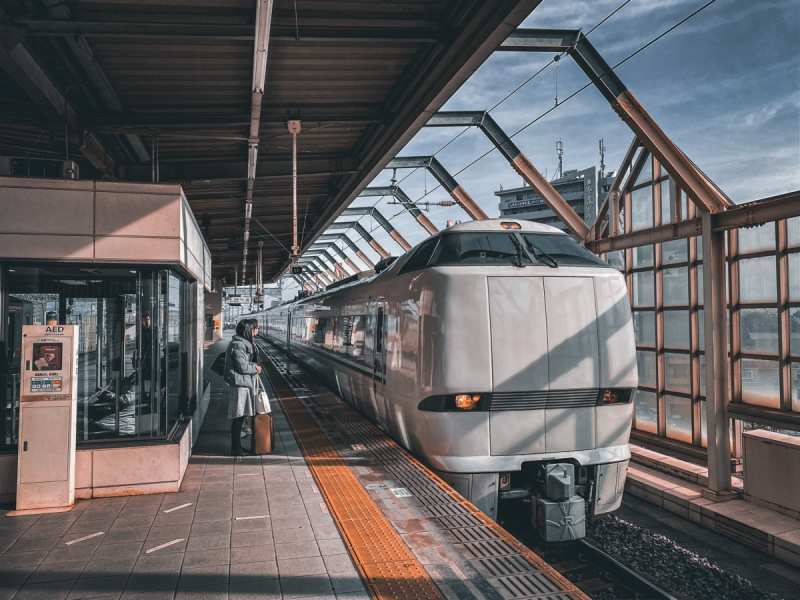
2. What are the regulations regarding large luggage on Shinkansen trains?
Since 2020, luggage with total dimensions (length + width + height) between 160cm and 250cm is considered oversized. You need to reserve a seat in rows with large luggage storage (usually the last row of the carriage). This reservation is free if made in advance, but if you bring large luggage onto the train without prior reservation, you may be fined approximately 1,000 Yen and must move your luggage according to staff instructions.
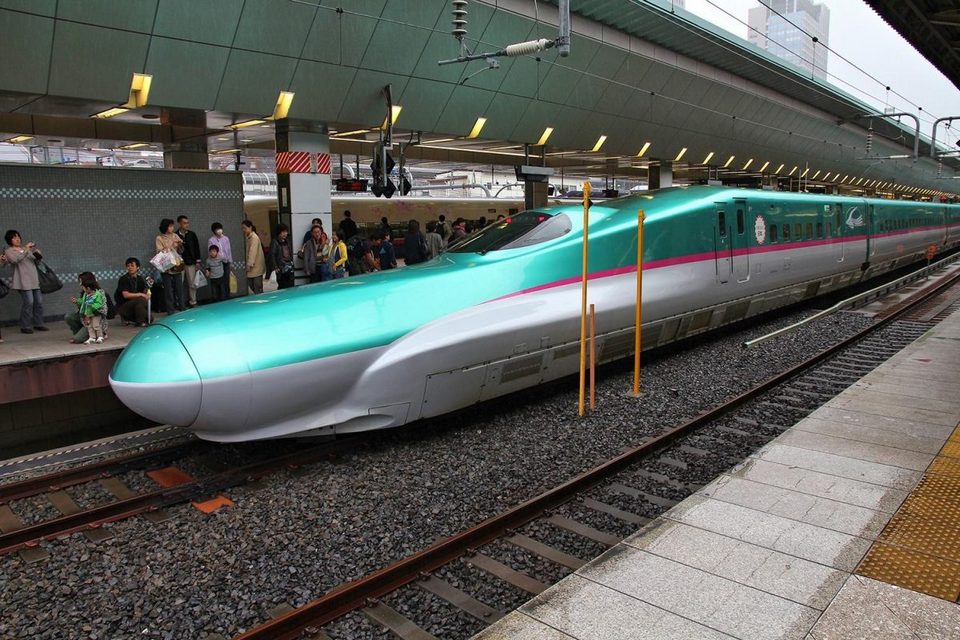
3. How to use a JR Pass or IC card (Suica/Pasmo) to ride the Shinkansen?
With a JR Pass: You cannot swipe it directly at the automatic ticket gate. You need to go to the ticket counter or vending machine to exchange it for a paper Shinkansen ticket for each specific route before boarding the train.
With an IC card (Suica, Pasmo): Generally, you cannot use an IC card for intercity Shinkansen travel unless you have registered and linked it with services such as Smart EX or Touch-and-Go.
For convenience, you should buy a physical ticket at the ticket machine if you are not using specialized online booking services, as this ticket will include both the basic fare and the high-speed train fare.
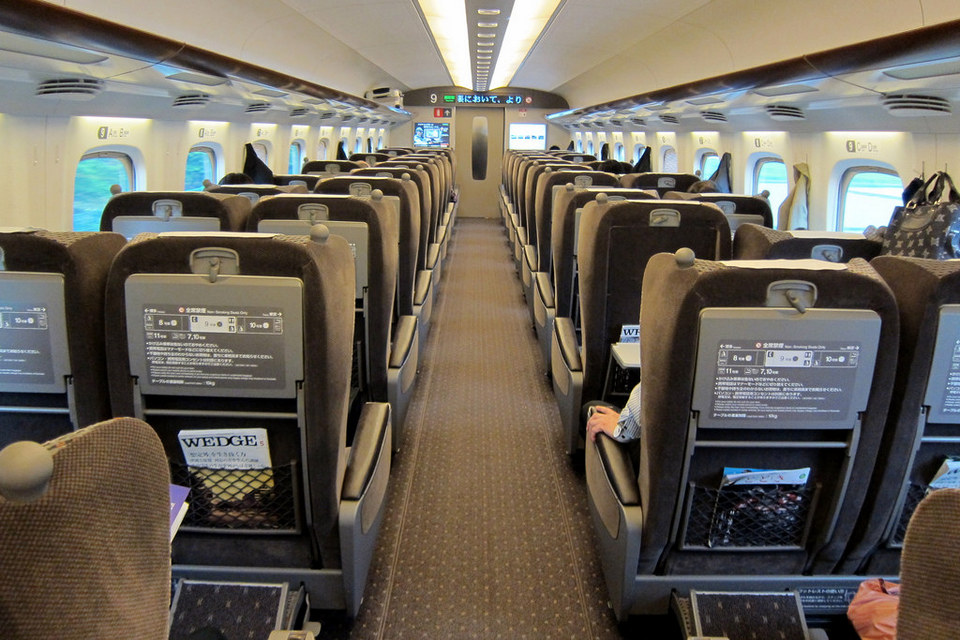
4. Is eating allowed on the Shinkansen train?
Absolutely. In fact, enjoying Ekiben (station bento boxes) is a unique cultural experience when traveling on the Shinkansen. Each major station usually sells attractive regional specialty bento boxes. However, you should avoid foods with strong odors and remember to clean up your trash in the seat trays or in the trash cans in the area between the train cars.
5. How to distinguish between trains like Nozomi, Hikari, and Kodama?
On the same route (e.g., Tokaido Shinkansen), the speed and number of stops will differ:
- Nozomi: Fastest, only stops at major stations (not applicable to the regular JR Pass nationwide).
- Hikari: Faster, stops at slightly more stations than Nozomi.
- Kodama: Slowest, stops at all stations along the route.
- Tip: Check the electronic display at the station for the train type, departure times, and corresponding carriages (Reserved or Non-reserved).
Now that you know about Japan’s incredibly convenient trains, get ready to explore the Land of the Rising Sun and immerse yourself in the joy of rail travel, creating unforgettable memories. Don’t forget that you can book transportation in Japan in advance on Klook to simplify the preparation process and have plenty of time to enjoy your trip.
Are you ready to travel around Japan by Shinkansen bullet train?
Some best day tours, trips, activities and transfer services, tickets in, to and from Tokyo you can refer to
- Mt Fuji & Hakone Day Tour: Lake Ashi & Ropeway Day Trip from Tokyo
- Nikko Cultural Day Tour from Tokyo
- Tokyo Subway Ticket (24, 48, or 72 Hours)
- Shuttle Bus Transfers (One Way/Round Trip) from Shinjuku/Ikebukuro to Tokyo Disneyland or Tokyo DisneySea
- Tokyo Disney Resort Park Ticket
- Klook Pass Greater Tokyo
- SHIBUYA SKY Ticket
- Warner Bros. Studio Tour Tokyo – The Making of Harry Potter Ticket
- Skyliner Narita Airport Express Ticket
- TeamLab Planets Ticket
- TOKYO SKYTREE® Ticket
- Limousine Bus Narita or Haneda Airport to Tokyo
- Skyliner Narita Airport Express With Tokyo Subway Ticket
- JR Tokyo Wide Pass
- Sky Hop-on and Hop-off Bus Pass
- 4G Prepaid Sim Card (JP Airports Pick Up) for Japan
- JR Pass for Whole Japan (7, 14, or 21 Days)
Are you looking for more Tokyo travel guide and top things to do in Tokyo: Tours, activities, attractions and other things? Read more: Tokyo itinerary 3 days — What to do in Tokyo in 3 days?