


























Ride in a wooden carriage from the 1930s and hear the whistle echo across Shizuoka’s tea valleys. A nostalgic journey awaits you! Now, let’s check out our guide to Oigawa Railway Shizuoka: Explore Shizuoka’s Highlands Aboard the Oigawa Steam Train!
- Japan Rail Pass vs individual tickets: Should I Buy a JR Pass or individual tickets When Traveling to Japan?
- JR Pass — 11+ things about Japan Rail Pass you need to know
- How to get around Tokyo? — 3 best way to get around Tokyo & cheapest way to get around Tokyo
- Traveling from Tokyo to Kyoto — 4 fastest & cheapest ways on how to get to Kyoto from Tokyo
- Using Tokyo metro 24 hour ticket — You can discover all the best places of Tokyo during one day for only 600 yen!
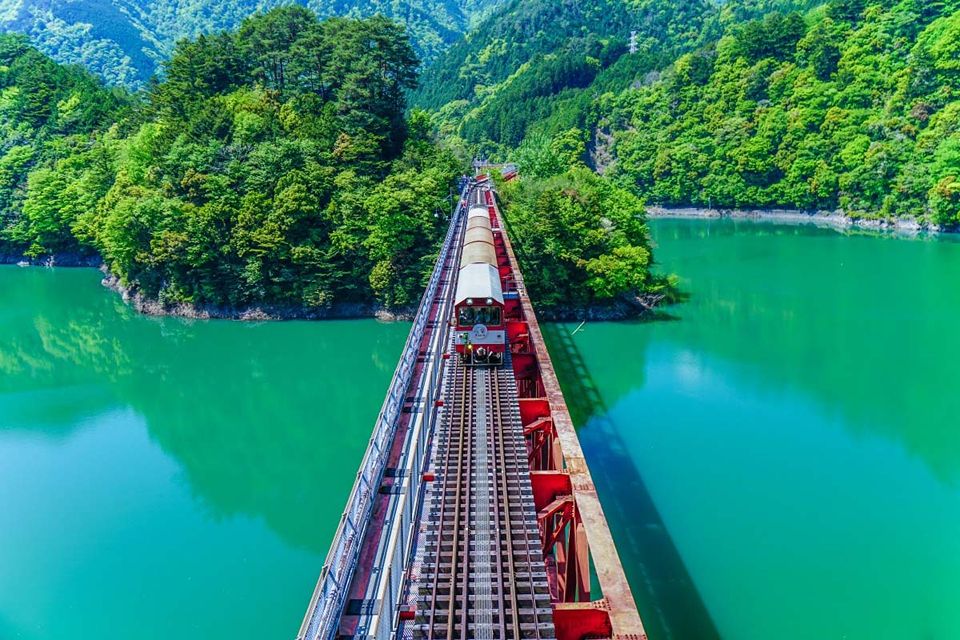
Sitting in a vintage carriage, listening to the rhythmic clatter of iron wheels amidst Shizuoka’s tea hills and green valleys, you will feel as though you have stepped into a classic Japanese film. The Oigawa Railway is more than just a mode of transport; it is a living piece of railway heritage that whisks travelers away from the city and deep into the Okuoi mountains.
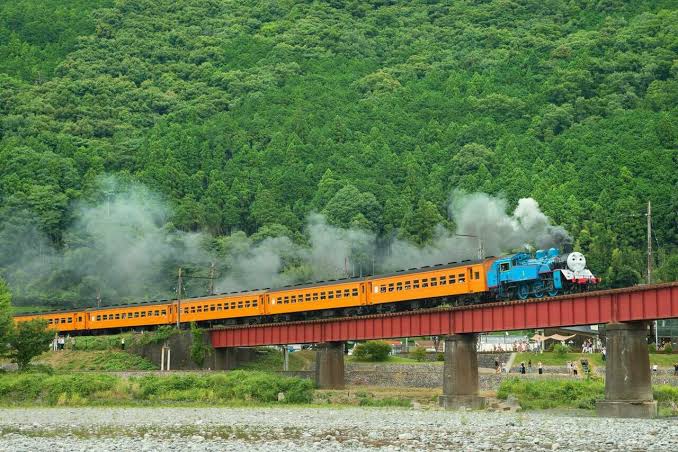
If you love slow travel, are a fan of vintage trains, or simply want to discover a side of Japan different from Tokyo and Osaka, this journey is well worth adding to your itinerary. However, there have been some important changes to the train types and operating sections of the railway system. Let’s take a closer look with Living Nomads before you set off!
Introduction to the Oigawa Railway
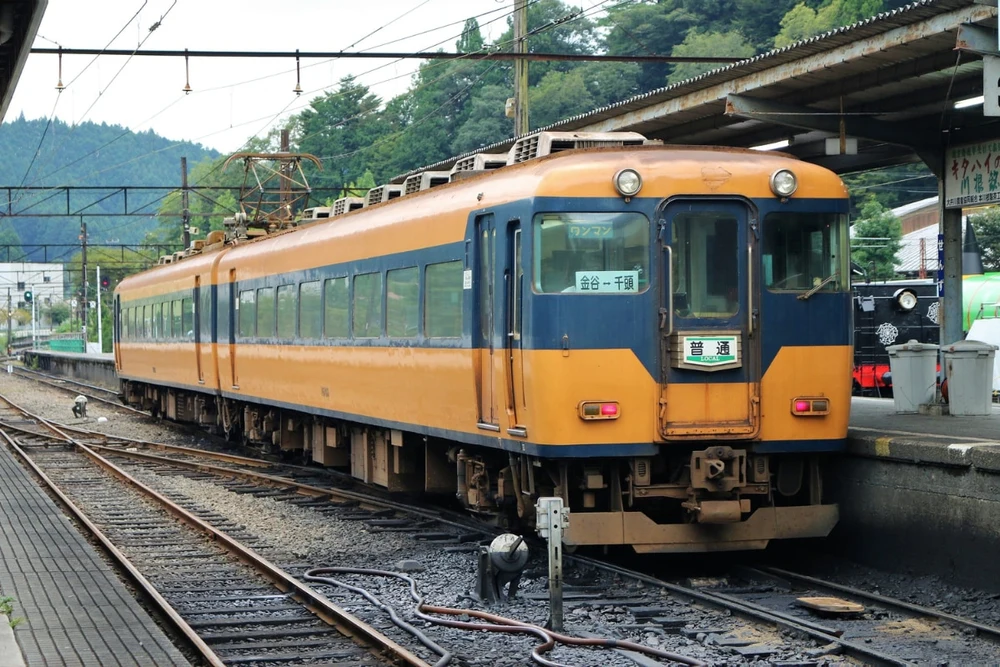
The Oigawa Railway was established in 1925 to support the construction of upstream power plants and the transport of materials. The entire Oigawa Main Line, running from Kanaya to Senzu, began operations in 1931, while the Ikawa Line opened in 1959. Steam train services for tourism were revived in 1976 and have since become one of the region’s iconic attractions.
Kamakura | Great Buddha & Tsurugaoka Hachimangu Shrine..
The network is divided into two main sections:
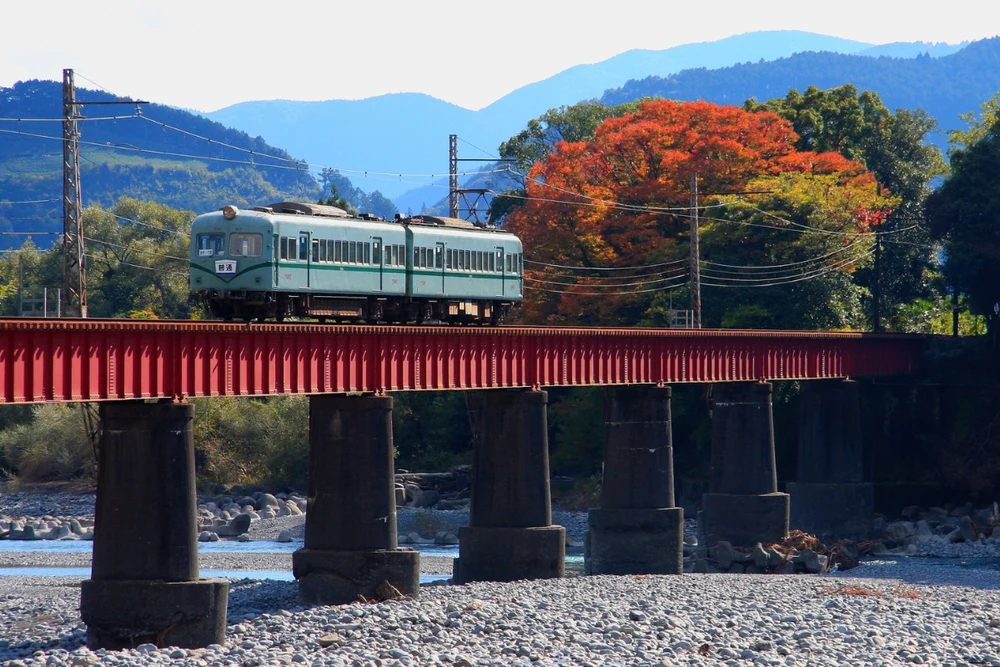
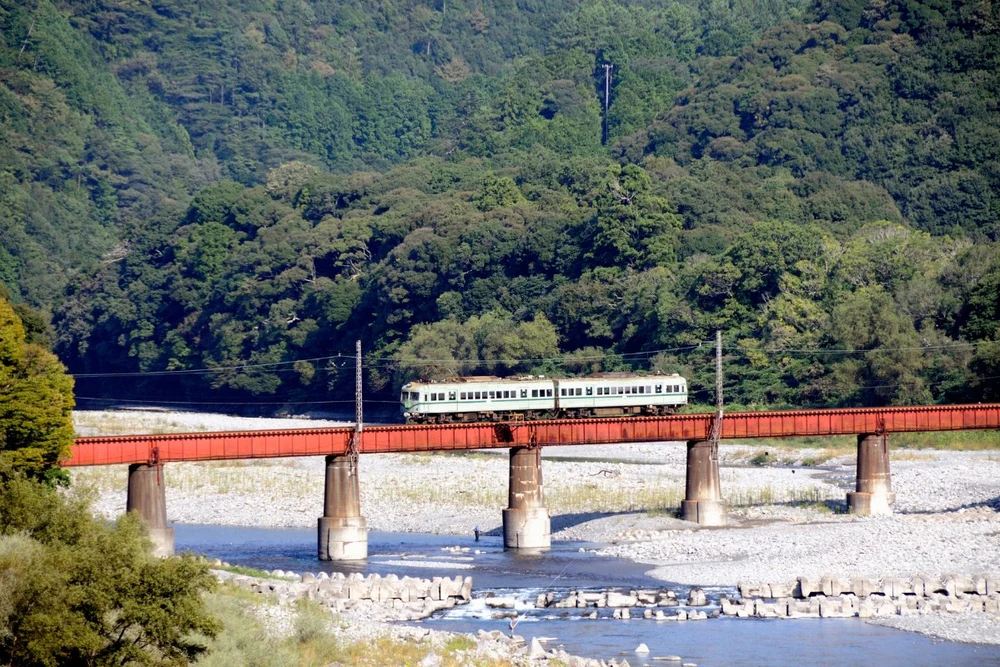
The Oigawa Main Line starts at Kanaya and travels through Shizuoka’s countryside and tea plantations. Here, you can experience nostalgic trains, electric-hauled trains, and special themed services.
The Ikawa Line, also known as the Minami-Alps Abt Line, runs from Senzu deep into the Okuoi mountain region. This line is distinguished by its small red trains, blue waters, iron bridges, and the Abt rack-and-pinion railway system—the only one of its kind still operating in Japan.
Check the Oigawa Railway Schedule Before You Go
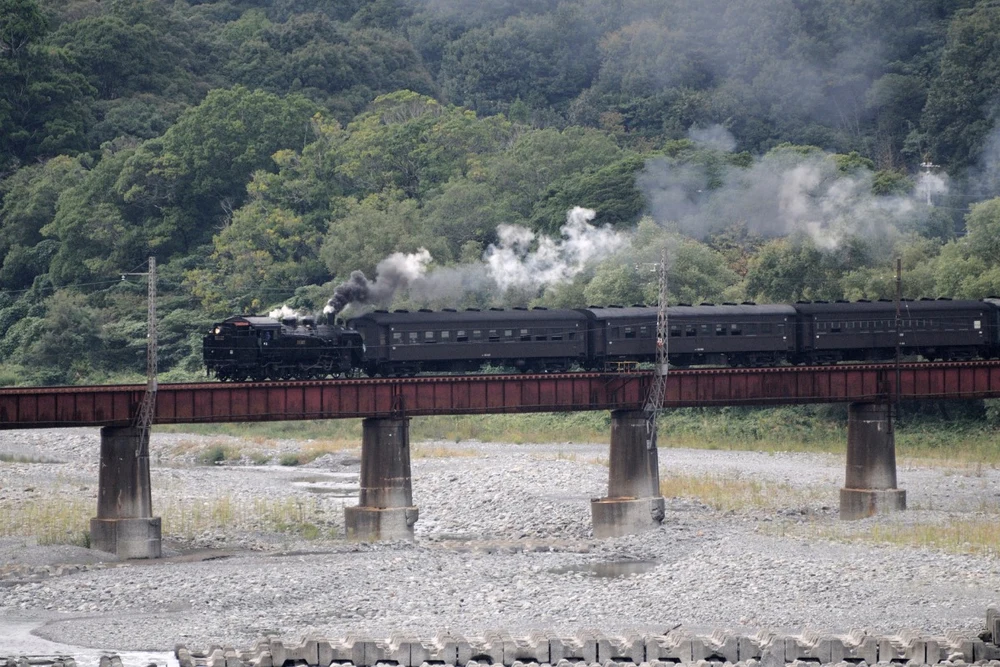
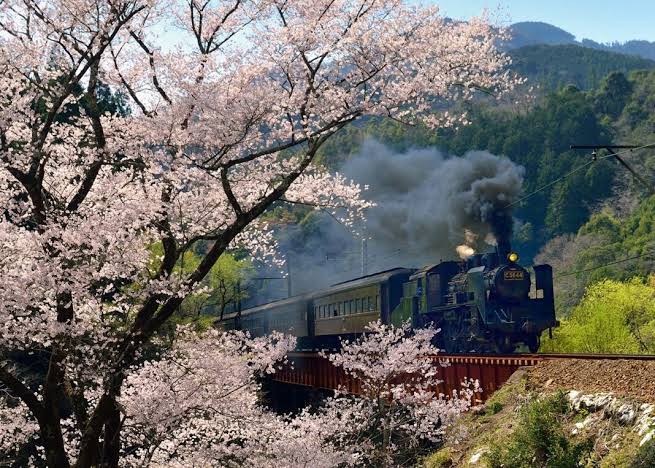
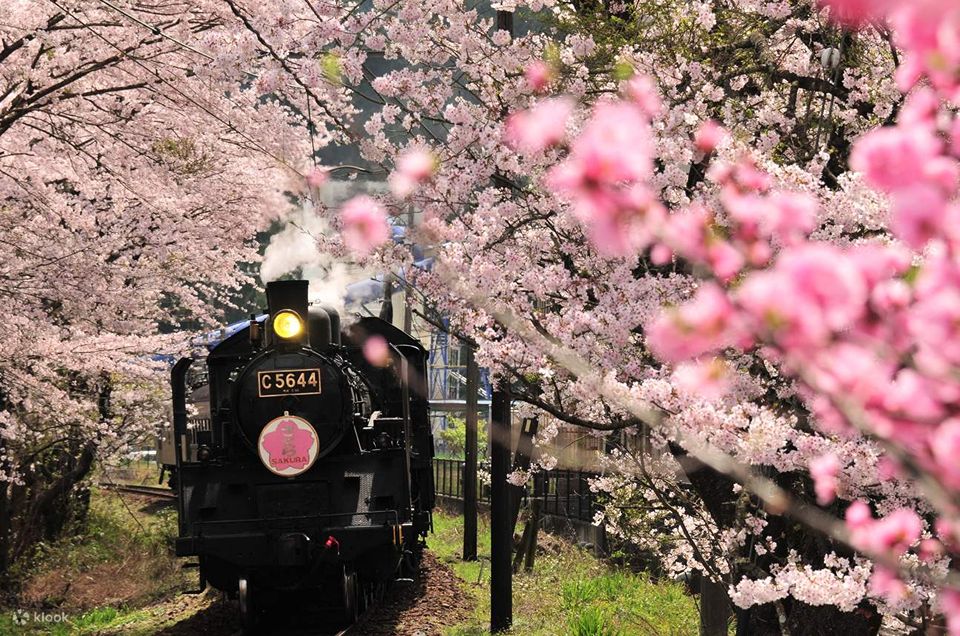
One key piece of information is that regular SL Express services are currently suspended until further notice. In the interim, Oigawa Railway is using electric locomotives to haul vintage carriages on “Heritage Express” or “EL Express” services that follow similar schedules.
Additionally, the Main Line is currently operating only between Kanaya and Kawane-Onsen Sasamado. The section from Kawane-Onsen Sasamado to Senzu remains closed following storm damage in 2022.
If you wish to continue to Senzu or Sumatakyo, or transfer to the Ikawa Line, you must disembark at Ieyama and switch to a Kawanehoncho community bus. Connecting services are limited and wait times can be long, so be sure to check both train and bus schedules before your trip.
Mount Fuji & Hakone – Lake Ashi Torii Gate, Hakone Shrine..
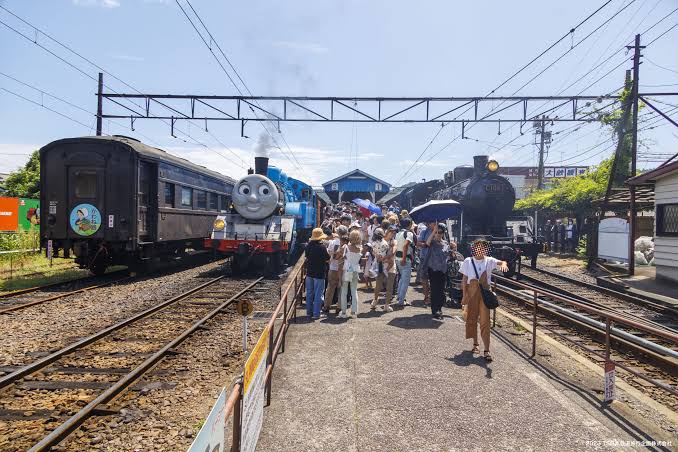
Although the standard SL Express is on hiatus, the “Day Out With Thomas” event continues to run on its own schedule. Thomas, Percy, and other characters appear on dates listed in the official operating calendar. This year, the program began in March and has expanded into a year-round activity, rather than being limited to just a few months as in the past.
You still have the opportunity to see or ride a steam locomotive at Oigawa, provided you choose a scheduled Thomas or Percy service. Do not assume that standard steam trains will be running every day.
Trains Worth Experiencing at Oigawa
Heritage Express and EL Express
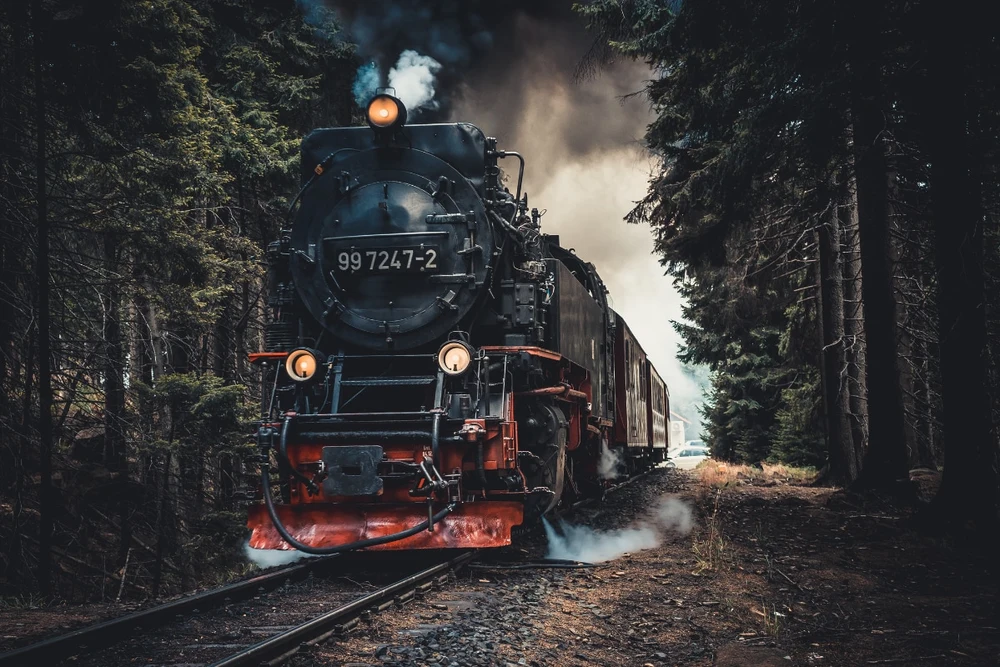
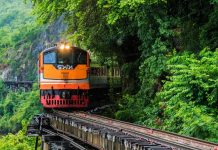
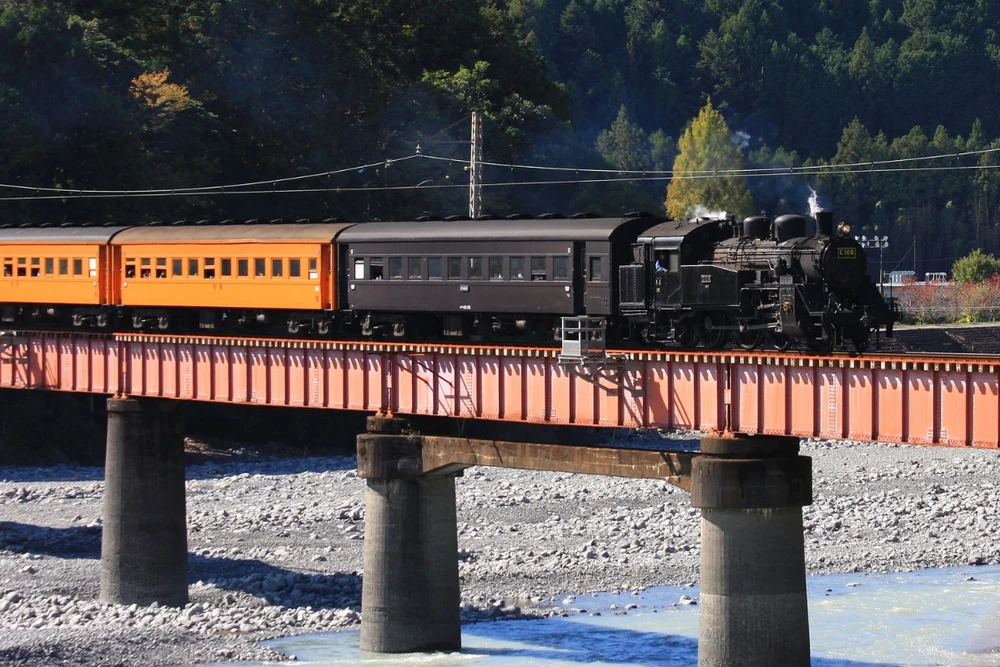
While the SL Express is suspended, the Heritage Express is the best choice if you still want to enjoy a nostalgic atmosphere. Electric locomotives haul vintage passenger carriages dating back to the early Showa era; their interiors retain classic features such as wooden flooring, ceiling fans, and the distinctive design of old Japanese trains.
The train travels through the countryside, crossing the Oi River and passing green tea plantations, offering a leisurely pace far removed from the rush of modern railway lines. Some services now depart from Kanaya—allowing for convenient transfers from the JR Tokaido Line—while others pick up passengers at Shin-Kanaya.
All seats on the EL Express require reservations. You must purchase a ticket based on the distance traveled and pay an additional surcharge of 1,500 yen for adults or 750 yen for children.
Thomas and Percy Trains
Tokyo Fuji Mountain and Lake Kawaguchi Day Trip
Oigawa Railway launched its “Day Out With Thomas” event in 2014, becoming the first location in Asia to operate a real-life version of the Thomas locomotive. The program is particularly well-suited for families with young children and anyone who grew up with the world of *Thomas & Friends*.
The Thomas and Percy trains operate between Shin-Kanaya, Ieyama, and Kawane-Onsen Sasamado on designated days. Beyond the train ride itself, the station area features character meet-and-greets, play zones, and themed merchandise for children.
Schedules vary by month, and not every character appears daily. Ticket sales channels primarily cater to the domestic Japanese market, so international visitors should carefully check the purchasing conditions on each platform before making plans.
Ikawa Line and Abt System Train
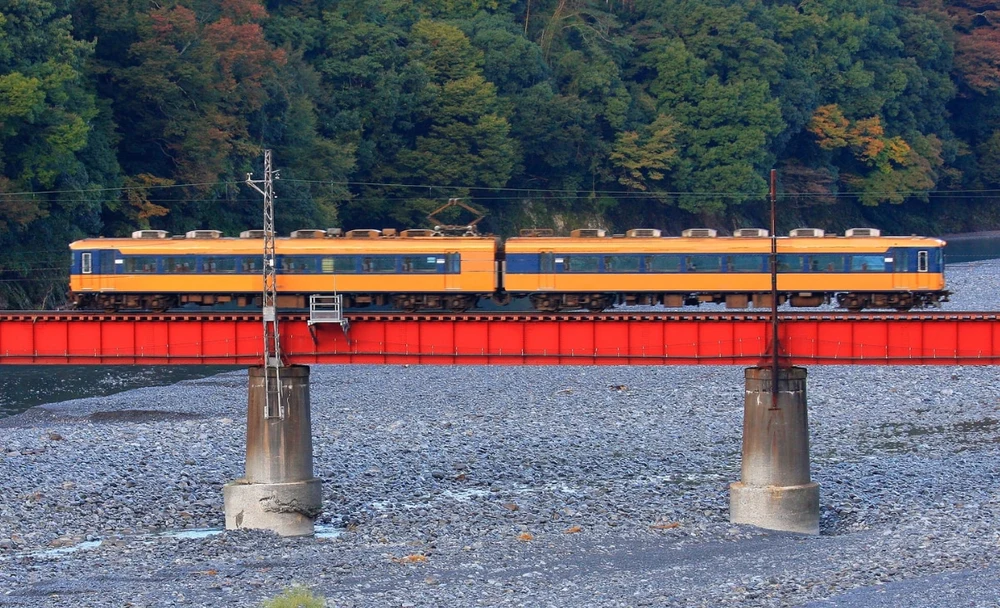
While the Heritage Express evokes a sense of nostalgia, the Ikawa Line feels more like a mountain expedition. The compact train travels through tunnels and gorges, and across reservoirs and iron bridges, moving at a moderate pace that allows you to clearly admire the scenery outside the window.
The section between Abt Ichishiro Station and Nagashima Dam is so steep that trains require an additional ED90 electric locomotive—utilizing a rack-and-pinion system—to assist with the ascent. This is the only Abt-system railway in Japan and offers one of the most fascinating locomotive-coupling experiences for rail enthusiasts. Passengers can step onto the platform to observe and take photos while the locomotive is being attached.
From July onwards, most services on the Ikawa Line operate as sightseeing trains. When booking, you select a specific train and are guaranteed a seat, though specific seat numbers cannot be chosen. A flat fare applies: 3,500 yen for adults and 1,750 yen for children, regardless of the distance traveled. Standard fare pricing still applies to certain regular carriages on the first and last trains of the day, but these do not accept reservations.
Getting to Oigawa Railway
Mt.Fuji Area Multi-Attraction Ticket(Mt.Fuji Pass)
From Tokyo
Take the Tokaido Shinkansen from Tokyo to Kakegawa Station, then transfer to the JR Tokaido Line to reach Kanaya. From there, you can continue on the Oigawa Main Line or board the Heritage Express, provided the schedule aligns.
From Nagoya or Osaka
Take the Shinkansen to Hamamatsu or Kakegawa, then transfer to the JR Tokaido Line to Kanaya. Since not all Heritage Express services run daily, be sure to check the train schedule against your arrival time at Kanaya before booking your Shinkansen tickets.
From Kanaya to Shin-Kanaya
Kanaya and Shin-Kanaya are separate stations. Local Oigawa Railway trains travel from Kanaya Station to Shin-Kanaya in about four minutes. Shin-Kanaya houses the information desk, ticket counters, the Plaza Loco shop, and various activities related to the sightseeing trains.
Please note that Oigawa Railway is a private railway operator; therefore, the Japan Rail Pass is not valid on its lines. You will need to purchase separate tickets after leaving the JR network.
“Viral” Stops: Okuoikojo Station & Yume no Tsuribashi Suspension Bridge
A journey on the Oigawa Railway in Shizuoka isn’t complete if you simply stay on the train. There are two legendary spots—famous on social media—that you absolutely must visit:
Okuoikojo Station: The Station Amidst the Lake
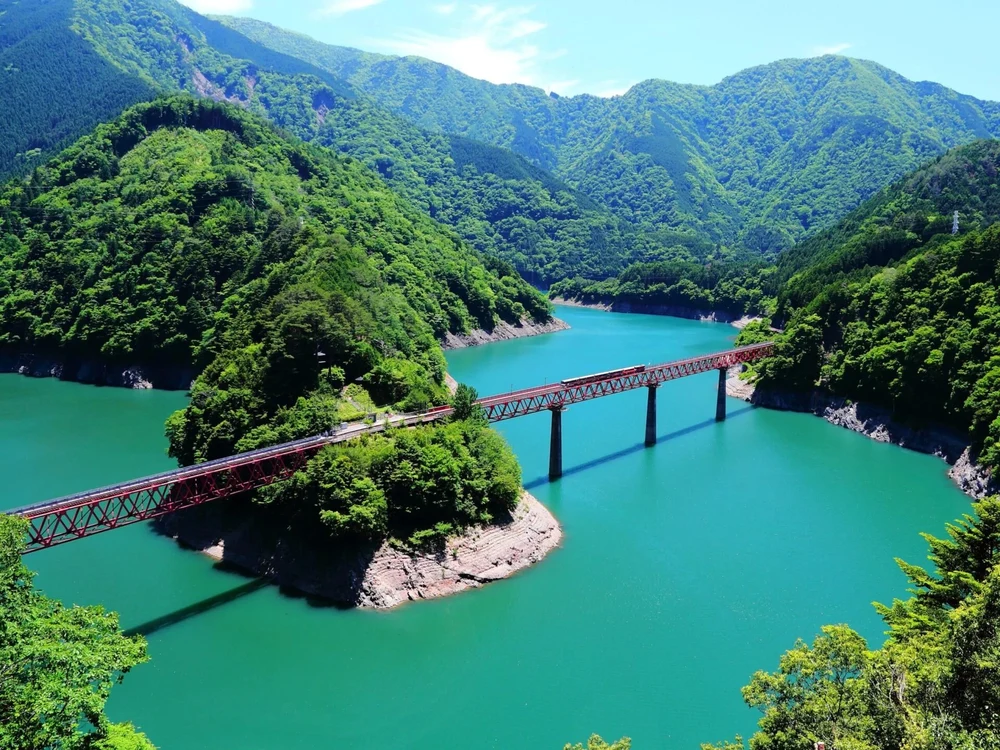
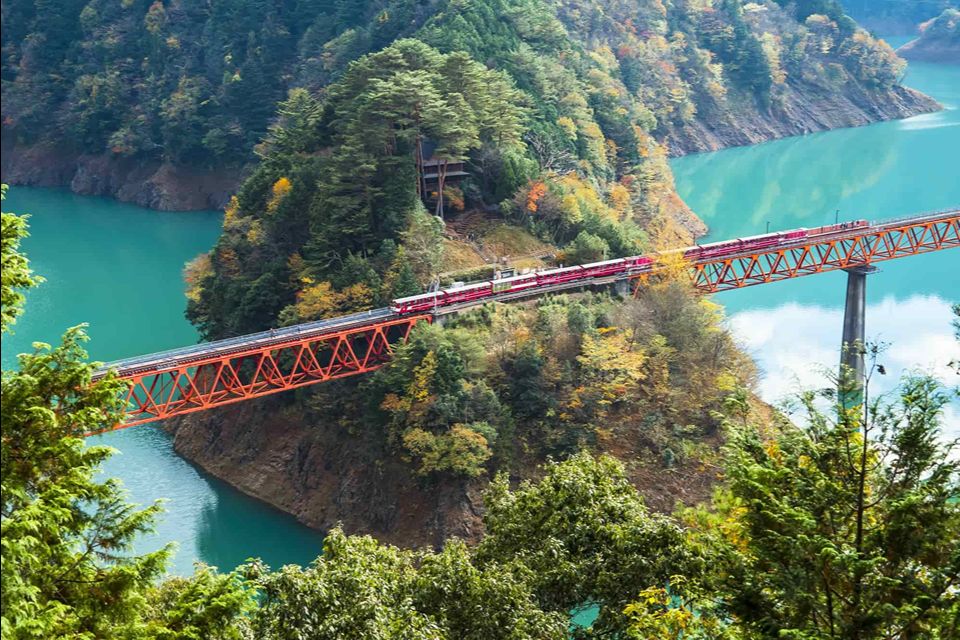
Okuoikojo Station is located on the Ikawa Line, situated between Lake Sesso and the red iron spans of the Okuoi Rainbow Bridge. From above, the station resembles a small island floating on the blue water, while the red train slowly crossing the bridge creates a signature scene of the Okuoi region.
To enjoy the full panoramic view, you need to walk along the pedestrian path beside the tracks and then climb the stairs to the observation point on the opposite side. The walk from the station to the viewpoint takes about 20 to 30 minutes and includes some steep stair sections; high heels or footwear with poor grip are not suitable for this route.
Mount Fuji Internet-famous Attractions One-Day Tour: Ladder Town, Oshino Hakkai..
The area can get very crowded on weekends and during peak seasons. Be sure to check the return train schedule before leaving the platform, as the Ikawa Line has limited service and tickets are valid only for the specific train booked. If you are driving, note that the parking lot may be a fair distance from the station or the viewpoint.
Yume no Tsuribashi Suspension Bridge
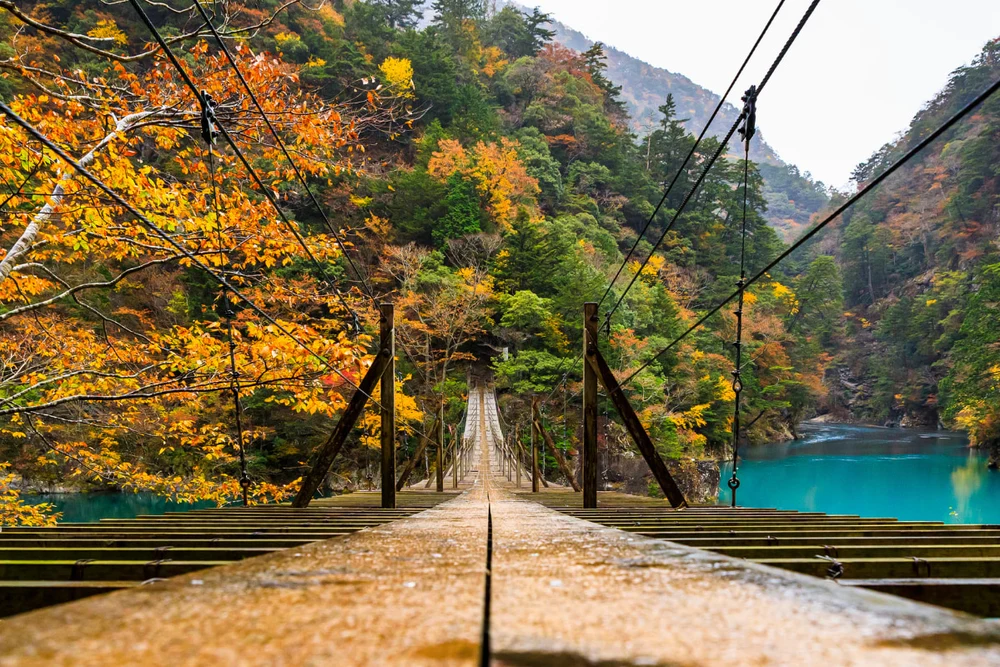
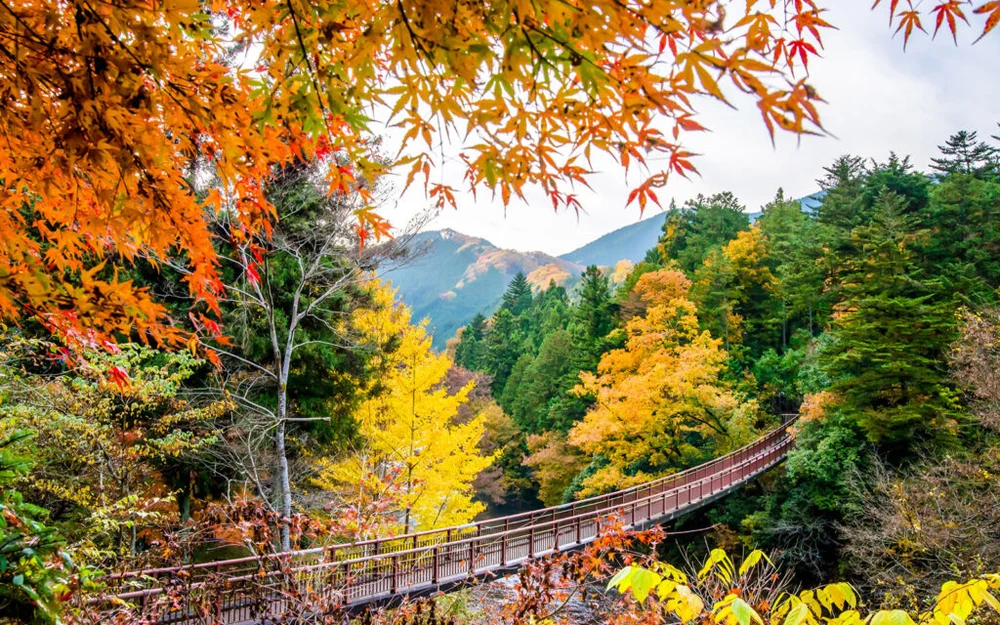
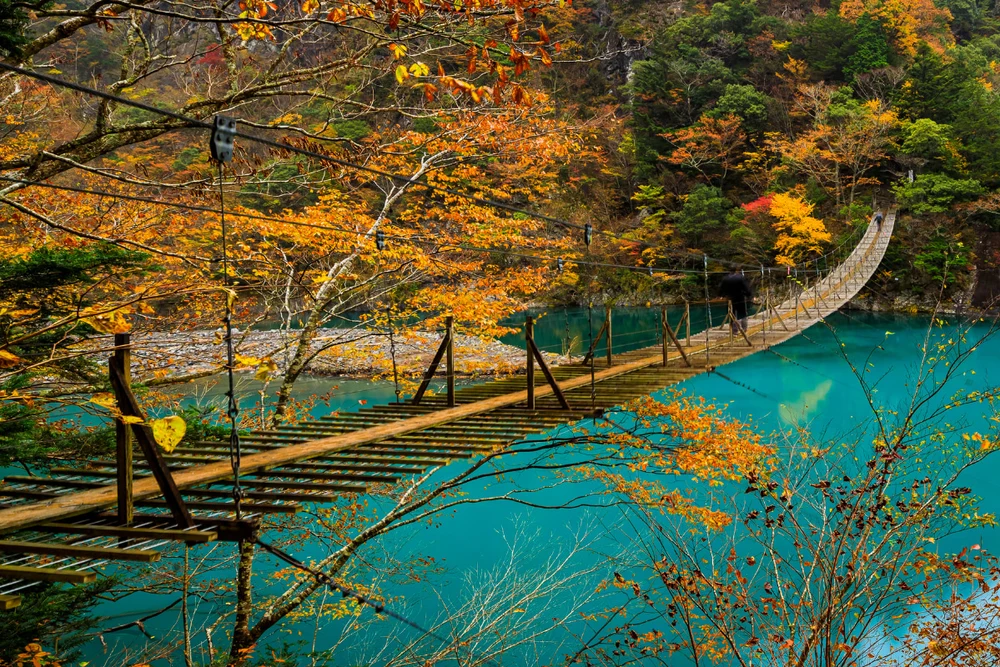
Yume no Tsuribashi is located in the Sumatakyo Gorge; it spans approximately 90 meters and sits about 8 meters above the water. The bridge is famous for the view of the blue lake nestled amidst the mountains and forests—a sight that is particularly stunning during the autumn foliage season. For safety reasons, the number of people allowed on the bridge at one time is limited, and visitors are often required to follow a one-way traffic flow during busy periods.
Scenic Mt. Fuji Day Tour from Tokyo: 5th Station, Matcha Experience
From the Senzu area, you need to take a local bus to Sumatakyo and then walk along the promenade route. This isn’t a spot you can simply drop by quickly while waiting for a train, as the journey relies heavily on bus schedules and walking times.
If you want to explore both Okuoikojo and Yume no Tsuribashi, I recommend setting aside two days or staying overnight in Kawanehoncho. Trying to squeeze both locations into a single day trip from Tokyo would make for a very rushed itinerary.
How to Book Oigawa Train Tickets and Estimated Costs
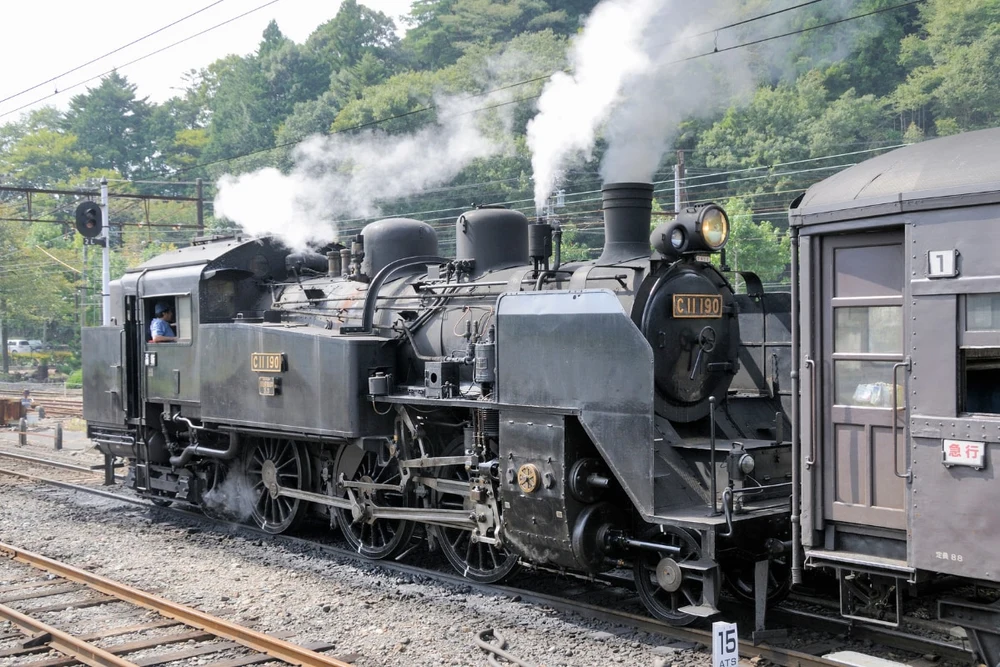
Fares for local trains on the main line are calculated based on distance. You can purchase tickets at staffed stations or pay upon disembarking if boarding at an unstaffed station. For the Heritage Express or EL Express, the price consists of the basic fare plus a surcharge of 1,500 yen for adults and 750 yen for children. Since seats are reserved, it is best to book early if traveling on weekends or during peak seasons.
The Ikawa Line charges 3,500 yen for adults and 1,750 yen for children for most sightseeing trains. E-tickets can be booked online, and passengers must select the specific date and train service. Tickets for the Thomas and Percy trains use a separate sales system. Operating dates, prices, and sales platforms can vary between periods, so you should not rely on schedules or price lists from previous years.
What to Eat at Oigawa? Ekiben Culture and Shizuoka Green Tea
A vintage train journey is even more enjoyable with an *ekiben* (railway bento box). At Plaza Loco in front of Shin-Kanaya Station, Oigawa Railway sells a variety of bento boxes featuring local ingredients such as green tea and *sakura* shrimp. Some boxes even feature steam train or Thomas-themed designs, making them perfect for children.
You can also visit KADODE OOIGAWA, an experiential complex located right next to Kadode Station. It combines agricultural produce shopping, dining, a play area, and activities centered around Shizuoka tea. It is a great stop for tasting tea, buying souvenirs, or taking a break before continuing your journey.
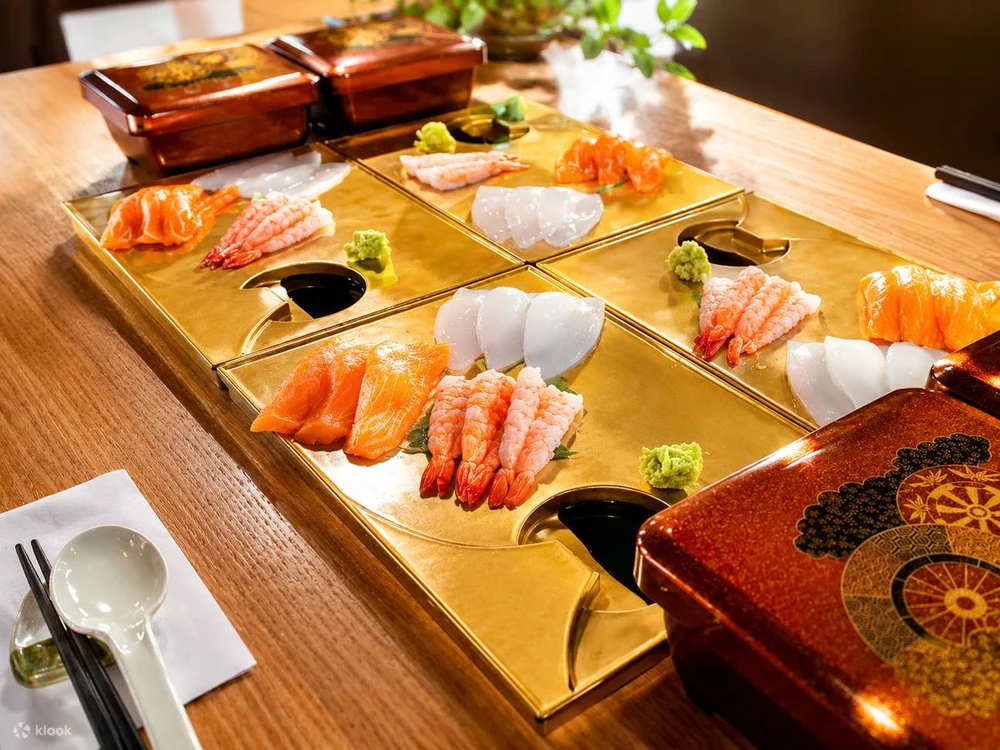
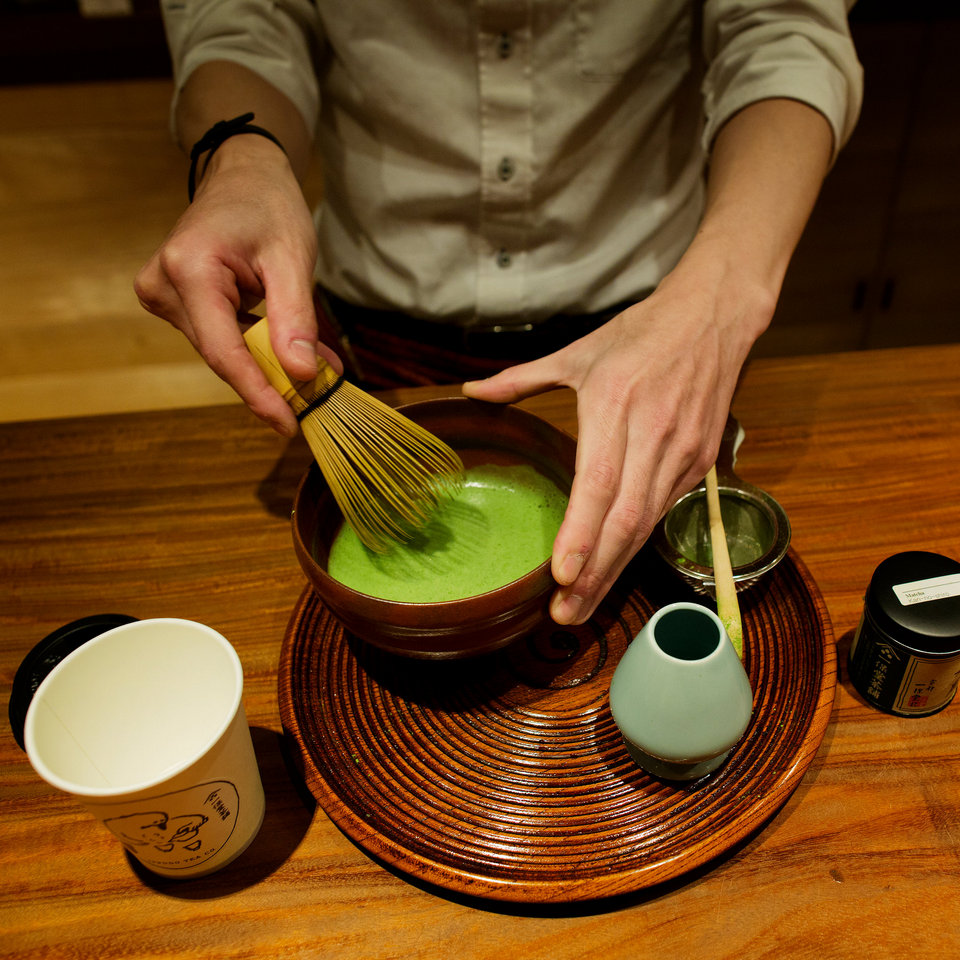
Kawane is a renowned tea-producing region in Shizuoka, so be sure not to miss the green tea, matcha-flavored treats, and local products sold around the stations. However, shops at smaller stations may close early, so it is wise to carry some water and snacks with you.
Suggested Itineraries for the Oigawa Railway
One-Day Itinerary
Shirakawa-go, Gujo Hachiman, and Hida Takayama Day Trip
In the morning, take the JR line to Kanaya and board the Heritage Express or a local train. Then, stop at Ieyama or Kawane-Onsen Sasamado to enjoy views of the Oi River and tea plantations while soaking up the rural atmosphere.
On your way back, you can visit Plaza Loco at Shin-Kanaya or stop at Kadode to enjoy tea and purchase local specialties. This itinerary is ideal for travelers coming from Tokyo, Nagoya, or central Shizuoka who prefer to minimize transfers.
Two-Day, One-Night Itinerary
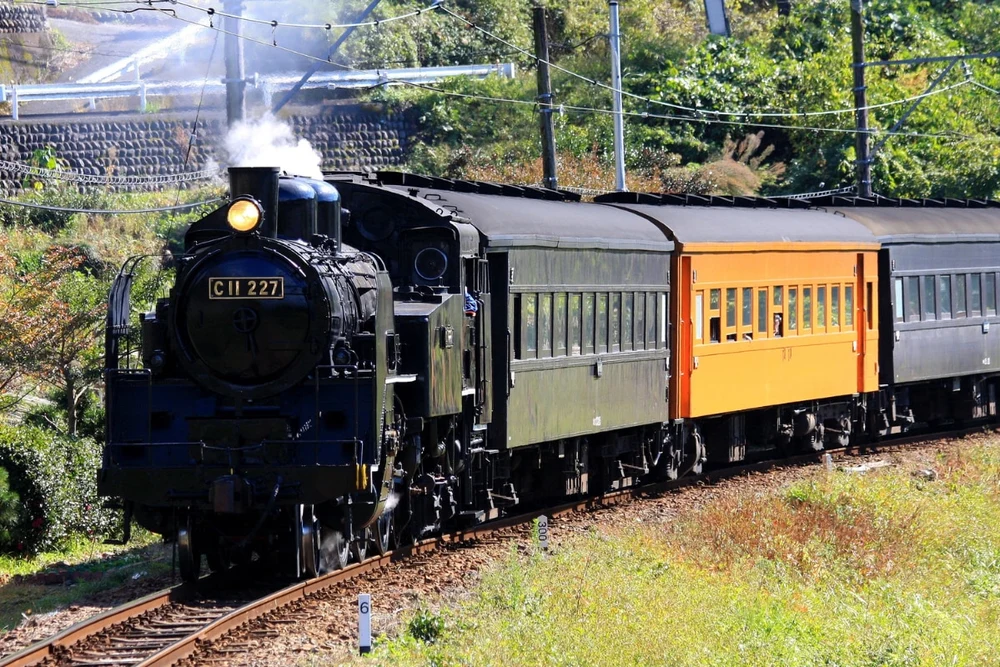
On the first day, travel from Kanaya into the Kawane area, then transfer to a bus heading toward Senzu and stay overnight in Kawanehoncho or Sumatakyo.
On the second day, take the Ikawa Line to Okuoikojo, walk to the observation point, and return to Senzu on your scheduled train. If time permits, you can spend extra time exploring Nagashima Dam or enjoying the local hot springs.
If you plan to visit Yume no Tsuribashi (Dream Suspension Bridge), consider setting aside half a day, as the walk is relatively long and access relies on local buses.
Important Notes for Traveling on the Oigawa Railway
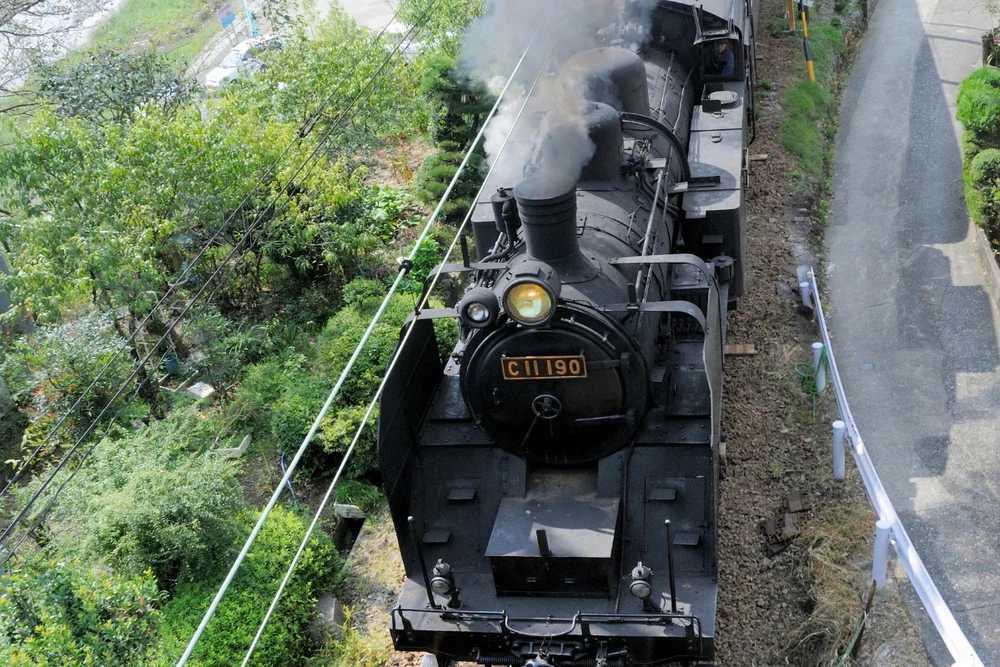
Check service updates close to your travel date, especially following heavy rain or during typhoon season. Mountain train schedules are subject to change more frequently than urban railway lines.
Do not plan your trip based on outdated information suggesting the SL Express runs almost daily. If you wish to ride a steam train, check the operating dates for “Thomas” or “Percy,” or wait for announcements regarding the resumption of the standard SL Express service.
You should also allow for a buffer when transferring between the train and the bus at Ieyama. As the community bus is not an official rail replacement service, schedules and connections may not always align seamlessly.
If you are visiting Okuoikojo or Yume no Tsuribashi, wear shoes with good grip and avoid bringing large suitcases; the journey involves stairs, steep paths, and multiple transfers.
Additionally, some smaller stations do not fully support credit card payments, and there are no ATMs in the station areas. Carrying cash will give you greater flexibility when purchasing tickets or food and using local services.
Even though regular steam train operations are currently suspended, the Oigawa Railway offers an experience vastly different from Japan’s modern rail lines. From the vintage carriages on the Main Line to the mountain-traversing Abt system and the Okuoikojo station set amidst the lake, this journey is perfect for those looking to slow down, escape the city, and discover a deeper side of Shizuoka.
Wishing you a truly memorable journey on the Oigawa Railway!
Some best day tours, trips, activities and transfer services, tickets in, to and from Tokyo you can refer to
- Mt Fuji & Hakone Day Tour: Lake Ashi & Ropeway Day Trip from Tokyo
- Nikko Cultural Day Tour from Tokyo
- Tokyo Subway Ticket (24, 48, or 72 Hours)
- Shuttle Bus Transfers (One Way/Round Trip) from Shinjuku/Ikebukuro to Tokyo Disneyland or Tokyo DisneySea
- Tokyo Disney Resort Park Ticket
- Klook Pass Greater Tokyo
- SHIBUYA SKY Ticket
- Warner Bros. Studio Tour Tokyo – The Making of Harry Potter Ticket
- Skyliner Narita Airport Express Ticket
- TeamLab Planets Ticket
- TOKYO SKYTREE® Ticket
- Limousine Bus Narita or Haneda Airport to Tokyo
- Skyliner Narita Airport Express With Tokyo Subway Ticket
- JR Tokyo Wide Pass
- Sky Hop-on and Hop-off Bus Pass
- 4G Prepaid Sim Card (JP Airports Pick Up) for Japan
- JR Pass for Whole Japan (7, 14, or 21 Days)
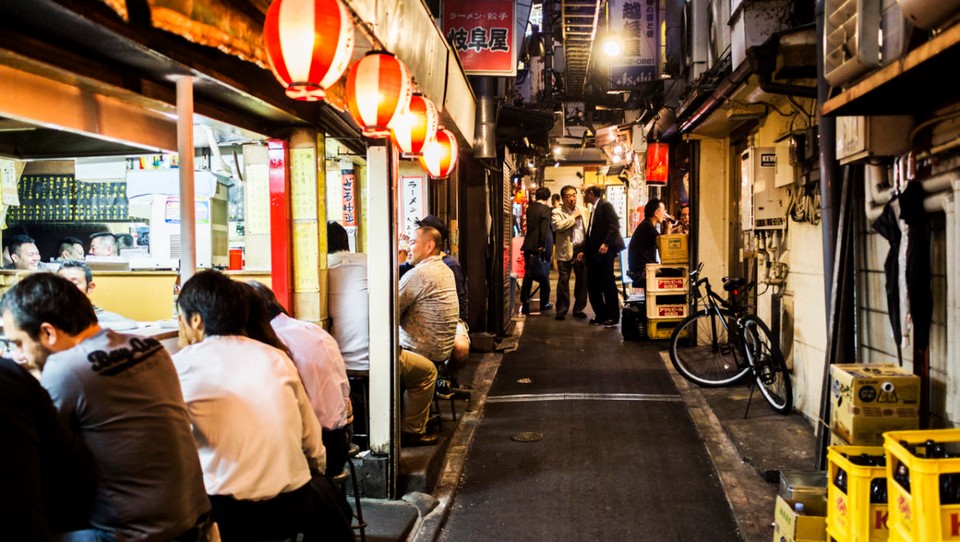
Are you looking for more Tokyo travel guide and top things to do in Tokyo: Tours, activities, attractions and other things? Read more: Tokyo itinerary 3 days — What to do in Tokyo in 3 days?