



















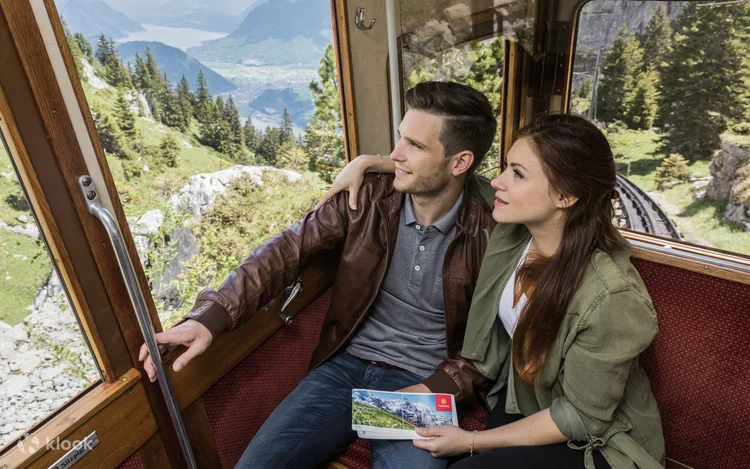
Applying for a Swiss visa requires thorough preparation. Let Living Nomads guide you through assembling a polished application, bringing your dream of reaching the summit of the Jungfrau closer than ever.
- How to travel to Switzerland on a budget? — 3 tips on how to save money in Switzerland trip & how to travel Switzerland cheaply?
- How to Save Money on US Travel with CityPASS
- 10 Amazing Things to Do Around Lake Geneva, Switzerland
- 5 best scenic train rides in Switzerland
- 3 days in Interlaken itinerary: Where to Go and What to Do?
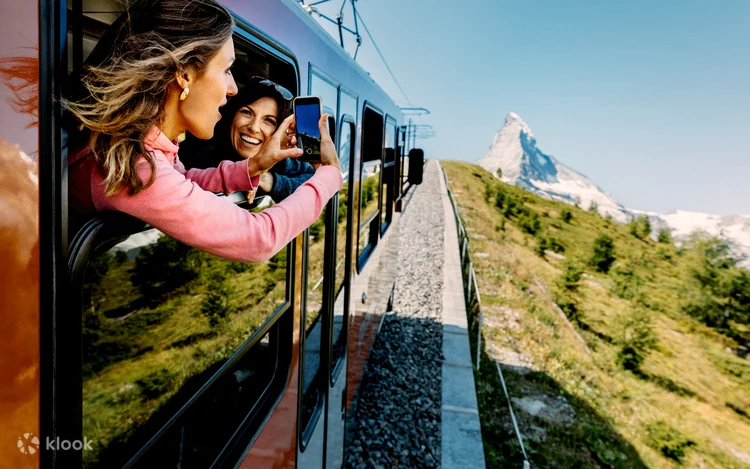
Switzerland is known not only for its eternal snow-capped mountains and crystal-clear lakes but also for its rigorous legal system. Consequently, applying for a visa to enter the country demands careful preparation. However, “difficult” does not mean “impossible.” By mastering the financial requirements and crafting a logical itinerary, the process of preparing your Swiss visa application becomes significantly more manageable.
Understanding Common Types of Swiss Visas
Swiss Travel Pass: Unlimited Travel on Train, Bus & Boat (3 to 15 Days)
Before you begin gathering documents, you must identify the visa type that aligns with the purpose of your trip. Selecting the wrong category can lead to unnecessary complications during the application processing stage.
Short-Stay Visa (Schengen Visa – Type C)
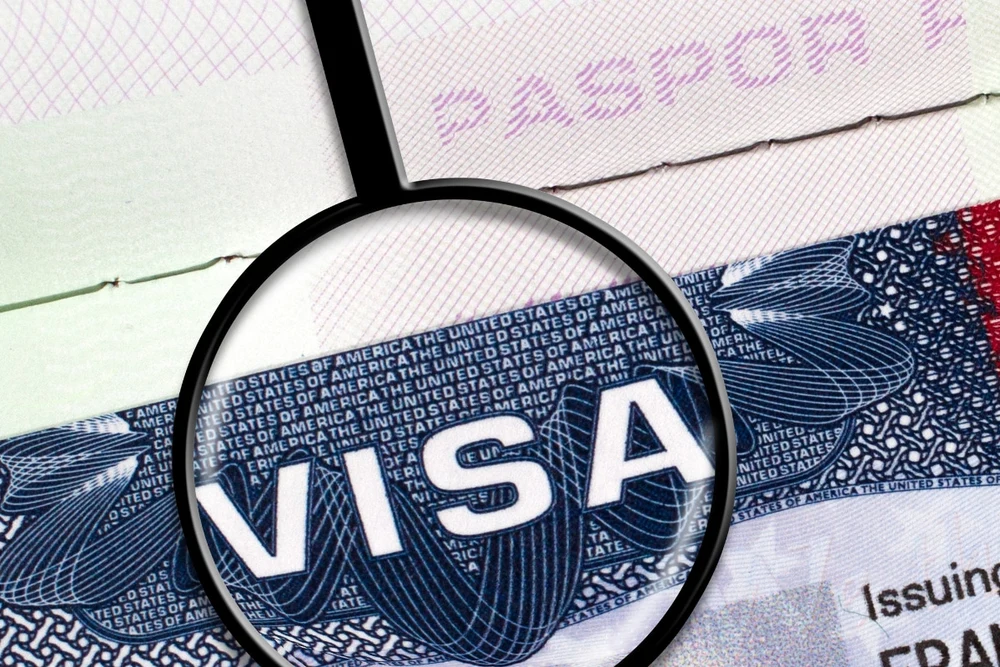
This is the most common type of visa for travelers. A Type C Schengen visa allows for a stay of up to 90 days within any 180-day period in Switzerland and other countries within the Schengen Area. It covers purposes such as tourism, visiting friends or family, short-term business trips, or certain short-term study programs.
Long-Stay Visa (National Visa – Type D)
Swiss Alps Bernina Red Train and St. Moritz Full Day Tour from Milan
This category is intended for individuals planning to stay in Switzerland for more than 90 days—for purposes such as long-term study, employment, family reunification, or other long-term residency scenarios as defined by Swiss regulations. The application process for a D-type visa differs from that of a short-stay Schengen visa and may require approval from the relevant authorities in Switzerland.
Preparing a Complete and Accurate Swiss Visa Application
We recommend preparing your application well in advance to allow sufficient time for providing any additional documentation, if necessary. A Schengen visa application can be submitted as early as 6 months before your intended date of departure. Documents in Vietnamese must be accompanied by a translation into English or one of Switzerland’s official languages: French, German, or Italian.
Personal Documents
Grindelwald, Lauterbrunnen and Interlaken Day Tour with Transport
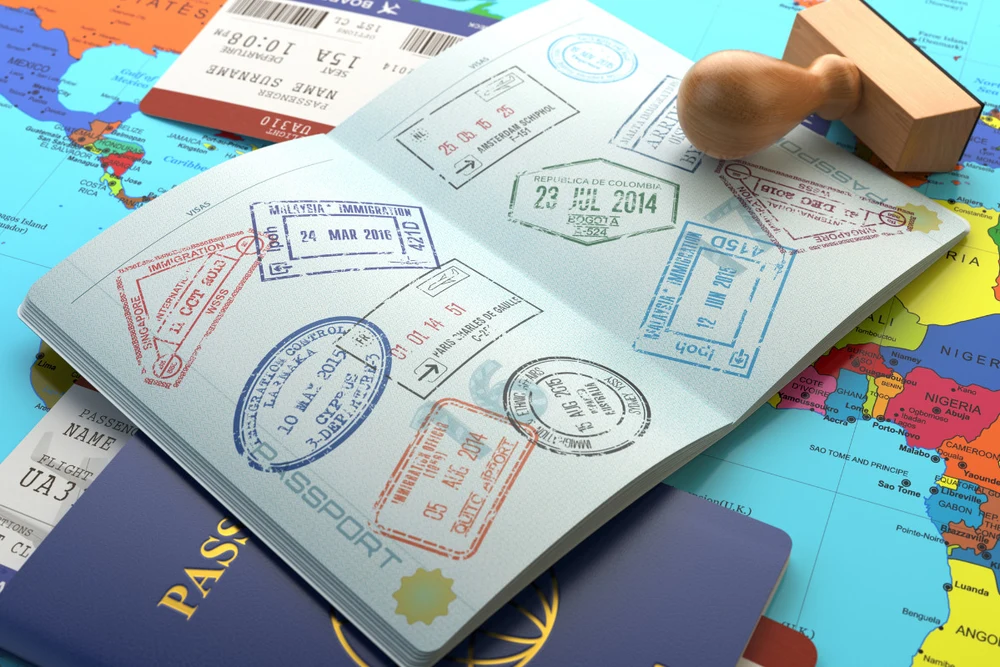
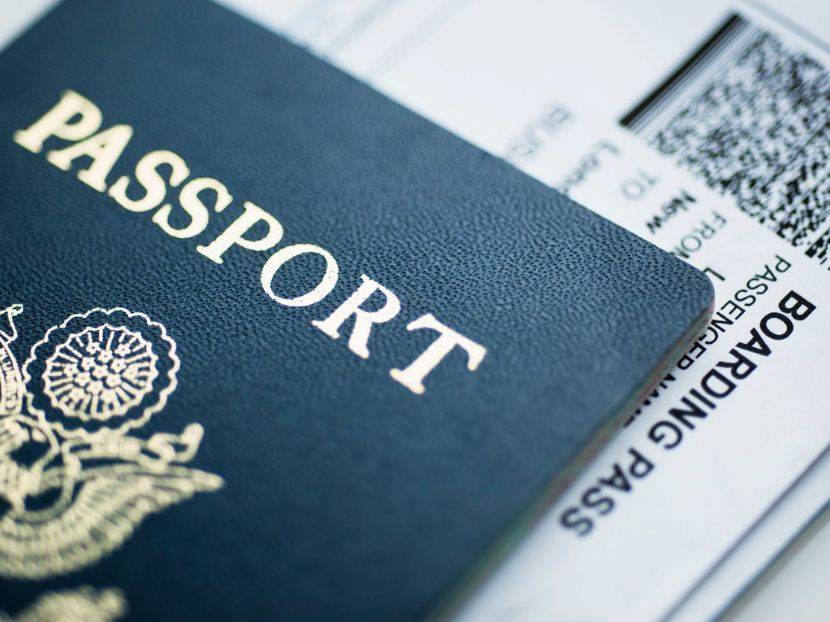
- Passport: Must remain valid for at least 3 months beyond the visa expiration date. You will need to provide A4-sized photocopies of the first 7 pages of your passport, as well as any pages containing existing visas or entry/exit stamps.
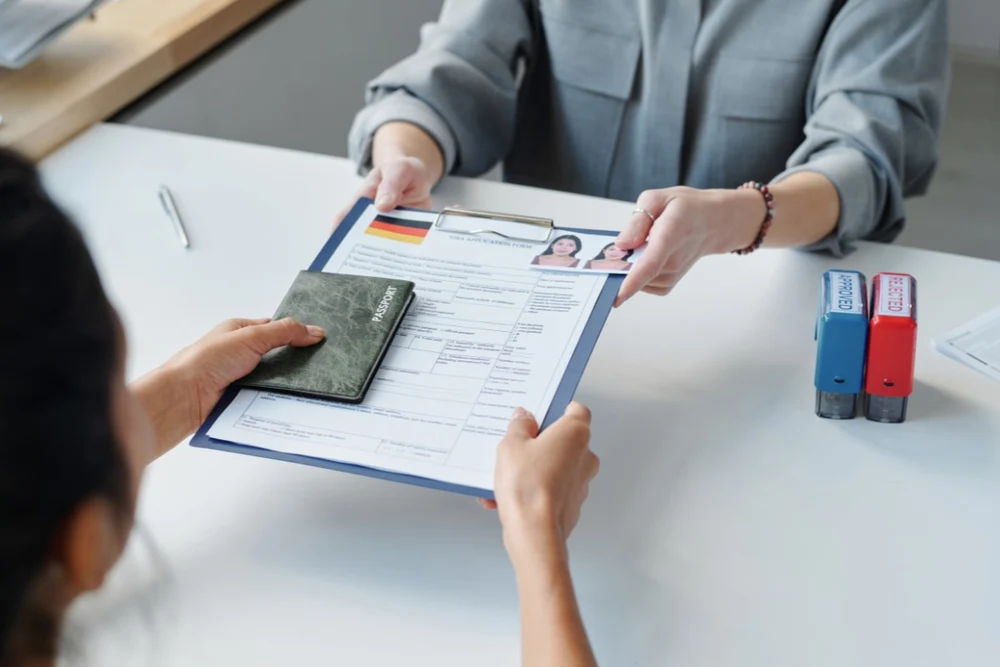
- Visa Application Form: Must be fully completed, dated, and signed.
- Passport-sized Photograph: One recent color photograph with a light-colored background, meeting standard visa photo requirements.
- Proof of Residence: Vietnamese citizens must provide confirmation of their residential status. Foreign nationals residing in Vietnam must provide a valid residence permit.
- For Minors: Additional documents may be required, such as a birth certificate, identification documents of parents or legal guardians, and a letter of parental consent (if the minor is traveling with only one parent or without either parent).
Proof of Employment

This section helps the consular authorities understand your current professional status and sources of income.
- For Employees: Employment contract, certificate of employment, an approved leave request or confirmation of leave from your employer, and your payslips for the last 3 months.
- For Business Owners or Self-Employed Individuals: Business registration certificate and proof of tax payments.
- For retirees: Documents or statements related to your pension.
- For freelancers: Depending on the nature of your work, you may provide service contracts, bank statements showing payments received from clients, and other documentation that proves a stable source of income.
Financial Capacity: The “Backbone” of Your Application
Jungfraujoch Ticket from Grindelwald
Switzerland is a relatively expensive travel destination, so you must demonstrate that you have the means to cover the costs of your trip.
- Bank statements: You are required to submit bank statements for the last three months. Your financial information should be consistent with your reported income, occupation, and the projected costs of your trip.
- Ability to cover expenses: There is no official requirement for a minimum savings balance (such as 150 or 200 million VND) to obtain a visa. According to guidelines from the Swiss immigration authorities, travelers funding their own trip must be able to demonstrate access to approximately 100 CHF per day of their stay.
- Other assets: Documentation regarding real estate, income derived from assets, credit cards, or other financial holdings may be included as supplementary evidence, provided they are relevant to your application.
Optimizing Your Itinerary and Cover Letter
Many applicants provide only a very basic itinerary; however, this document is essential for helping the consular office understand your travel plans.
Detailed Itinerary
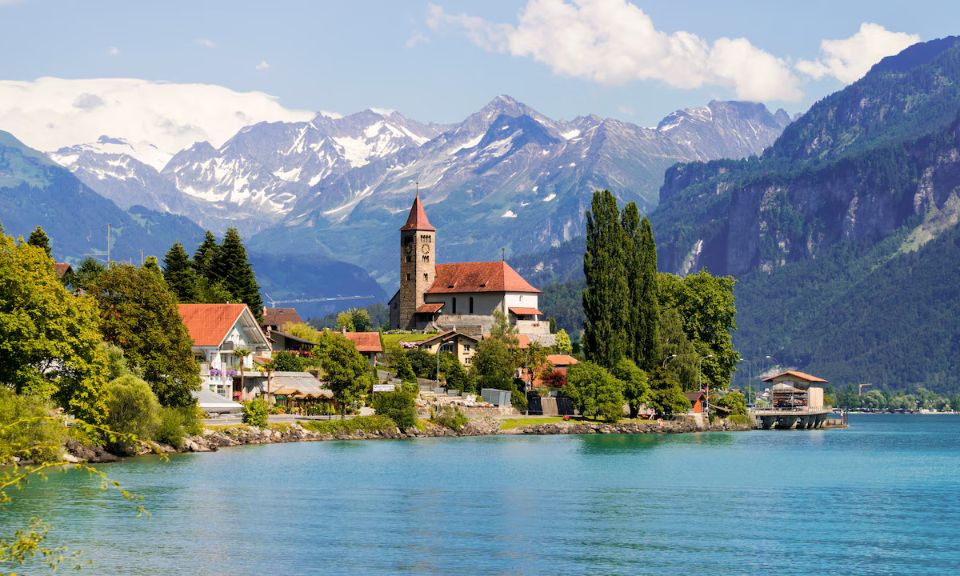
Avoid vague entries like “Day 1: Zurich, Day 2: Lucerne.” Instead, provide more specific details—for example: “Morning: Travel by train from Zurich to Lucerne, visit the Chapel Bridge; afternoon: take a boat cruise on Lake Lucerne.” The itinerary should outline your intended destinations, along with the names and addresses of your accommodations.
Additionally, if you plan to use transport passes—such as the Swiss Travel Pass—you may include this information in your itinerary to provide a clearer overview of your travel arrangements.
Cover Letter
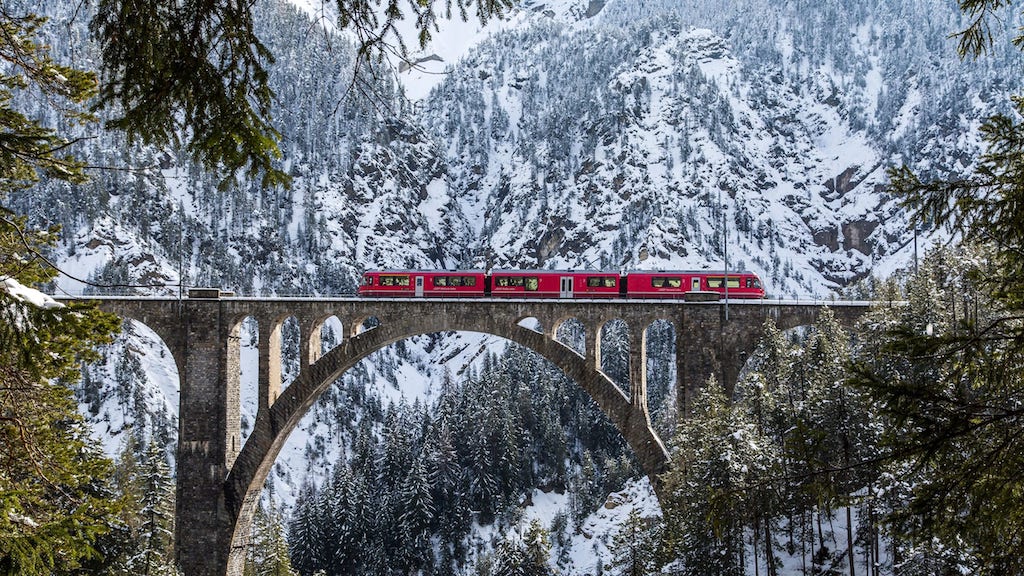
A cover letter is not a mandatory document for a Swiss tourist visa application; however, you may choose to include one if you need to provide further clarification regarding your personal circumstances, financial situation, or travel itinerary. The content may include:
- Why have you chosen Switzerland as the primary destination for your trip?
- How will you fund your trip?
- Any additional information required to clarify your employment, financial situation, or travel plans.
Travel Insurance and Proof of Accommodation
Insurance: You must have travel insurance with a minimum coverage of 30,000 Euros, valid throughout the entire Schengen Area. The policy must cover emergency medical expenses and repatriation, and remain valid for the duration of your stay in the Schengen Area, plus an additional 15 days beyond your intended departure date.
Proof of Accommodation: You must provide proof of accommodation for every night you intend to spend in the Schengen Area. The booking details should align with your travel itinerary and remain valid throughout the visa application processing period.

Zurich, Lake Cruise and Cable Car Half-Day Tour with Transport
Flight Reservation: You only need to provide a round-trip flight reservation. It is advised not to purchase or pay for flight tickets before your visa is granted, to avoid potential financial loss should your application be denied.
Application Process via VFS Global
Geneva City Tour with Optional Boat Cruise and/ or Annecy Tour
For Schengen visa applications for Switzerland submitted in Vietnam, the Consulate General of Switzerland has authorized VFS Global to handle applications in Hanoi and Ho Chi Minh City.
- Scheduling an Appointment: Visit the VFS Global website, create an account, and book an appointment at either the Hanoi or Ho Chi Minh City center.
- Submitting the Application and Providing Biometrics: If you have not provided your fingerprints for a Schengen visa within the last 59 months, you will generally need to appear in person at the center to provide biometric data. Children under the age of 12 are exempt from fingerprinting.
- Payment of Fees: This includes the visa fee and the VFS service fee. Applicable fees are subject to change and will be updated accordingly. Tracking the outcome: The standard processing time for a Schengen visa is approximately 15 calendar days from the date your application is received, though this may take longer in certain cases.
“Golden” Swiss Visa Tips to Increase Your Chances of Visa Approval
The “main destination” principle: If you are visiting only one Schengen country, submit your application to that country’s diplomatic mission. If you are visiting multiple countries, apply through the mission of your primary destination—the country where you will spend the longest duration. If your length of stay is equal across several countries, apply through the Schengen country of your first entry. For example, if your itinerary includes Switzerland but you are staying in France for a longer period, you should submit your application to the French authorities.
Jungfrau Region: Unlimited Travel Pass (3 to 8 Days)
Honesty: All information and documentation provided in your application must be accurate and verifiable. Submitting fraudulent documents can lead to visa denial and other serious legal or immigration-related consequences.
Review your visa history: If you have previously been denied a Schengen visa, disclose this honestly; you may also provide an explanation if your circumstances have changed since that time.
Switzerland: Swiss Half-Fare Card
Prepare for a potential interview: The consular authority reserves the right to request an interview if further clarification regarding your application is needed. Provide concise, clear answers that are consistent with the documents you have submitted.
We hope these detailed insights into the Swiss visa application process help you feel more confident as you prepare your documents. A journey to discover fairytale-like villages and the majestic Alps awaits you! Don’t forget to visit Klook to pick up essential travel items—such as 4G SIM cards, attraction tickets, and unique local tours—to make your trip even more complete!
Estimated Costs for an Independent Swiss Visa Application
Jungfraujoch and Interlaken Day Tour by Glass Roof Bus
To prepare an accurate budget, you should be aware of the following mandatory fees. Please note that exchange rates and certain service charges may vary at the time of actual payment.
- Visa Fee: Approximately 90 Euros for adults and 45 Euros for children aged 6 to under 12. Children under 6 are exempt from the visa fee.
- VFS Global Service Fee: As of the latest update, the standard service fee is approximately 462,000 VND per application.
- Translation Fees: Depending on the volume of documents, these typically range from 500,000 VND to 1,500,000 VND.
- Travel Insurance: Costs vary based on the provider, the duration of the trip, the traveler’s age, and the scope of coverage.
The total cost for preparing and submitting your application can range from approximately 4 to 6 million VND—or more—depending on the number of documents requiring translation, your chosen insurance plan, and any additional services you select.
Suggested 10-Day Itinerary for Exploring Switzerland
A well-structured itinerary not only clearly demonstrates your travel plans for your visa application but also optimizes your time spent traveling. Below is a popular route that allows you to fully experience the beauty of the country:
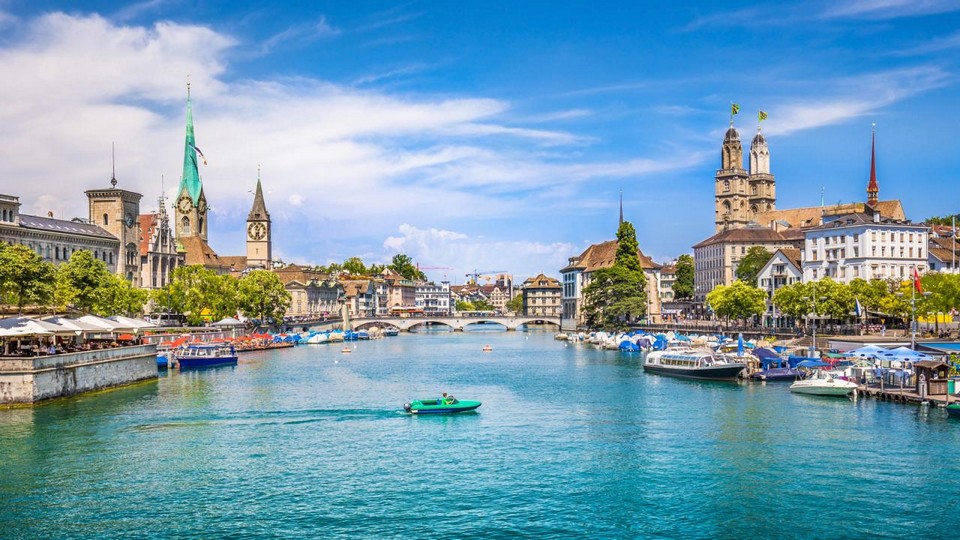
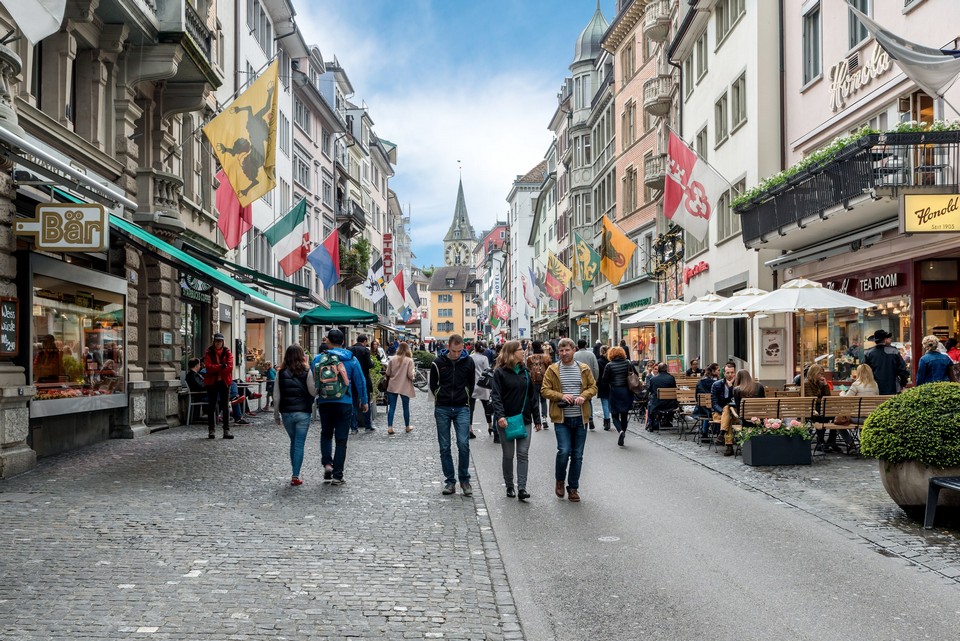
Days 1–2: Zurich & the Rhine Falls: Begin in Zurich, explore the historic Old Town (Altstadt), and visit the Rhine Falls—the largest waterfall in Europe.
Days 3–4: Lucerne, the City of Bridges: See the iconic Chapel Bridge and take a train to the summit of Mount Pilatus or Mount Rigi. The journey to Mount Rigi is included in the Swiss Travel Pass, while routes to Mount Pilatus are available at a 50% discount.
Days 5–7: Interlaken, Grindelwald, and Lauterbrunnen – This is one of the most renowned regions in the Alps. You can ascend to the Jungfraujoch, home to Europe’s highest railway station at an altitude of 3,454 meters, or explore the Lauterbrunnen Valley, which features 72 waterfalls that look like something out of a fairy tale.
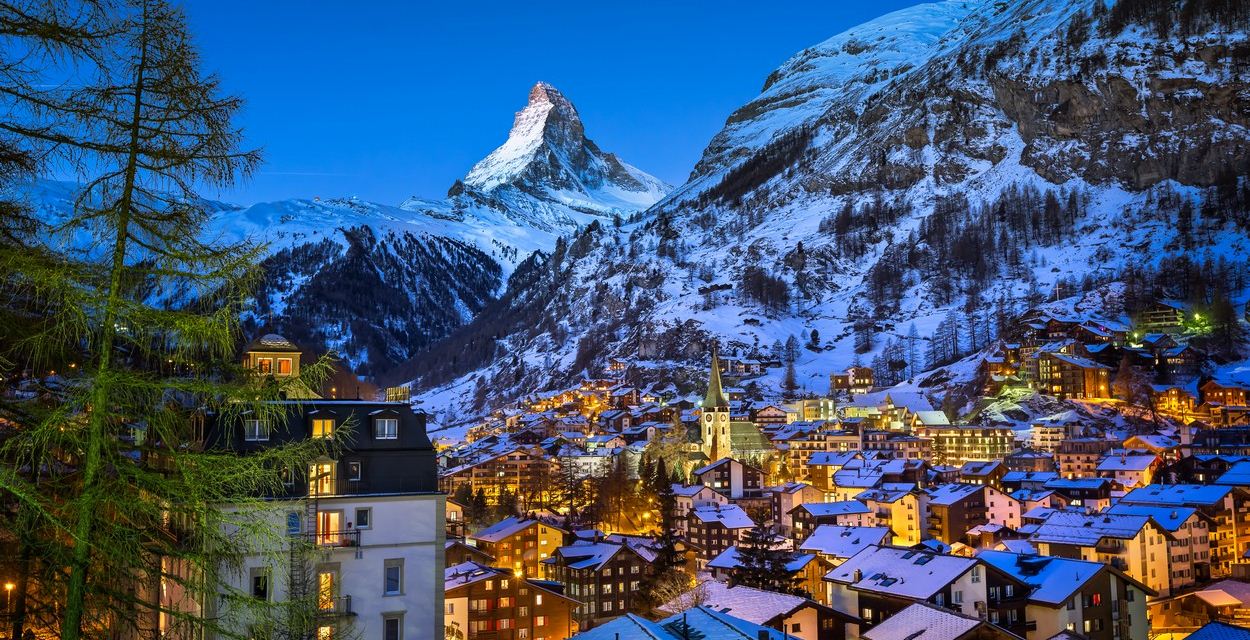
Days 8–9: Zermatt & the Matterhorn – Experience a town where combustion-engine vehicles are restricted, and take in the sight of the iconic, pyramid-shaped Matterhorn—a landmark famously featured on the packaging of Toblerone chocolate.
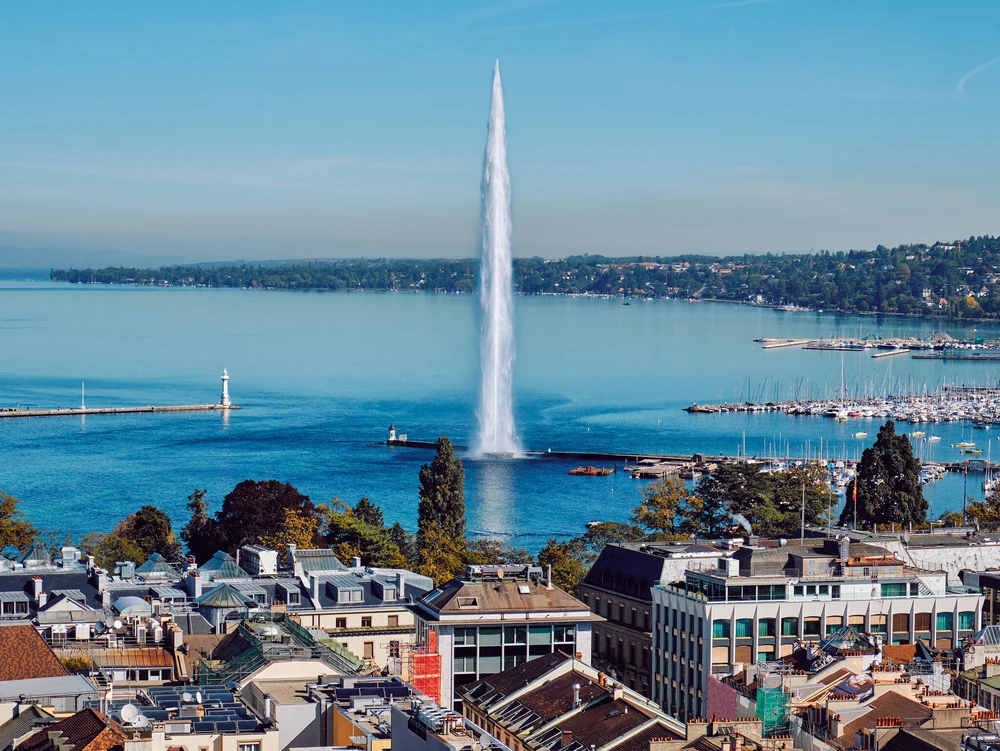
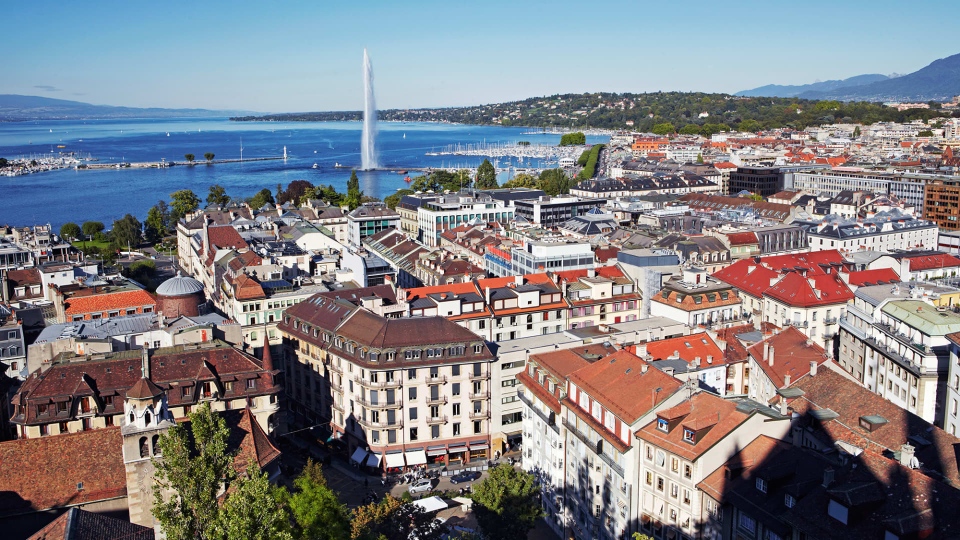
Day 10: Geneva: Conclude your journey in this international city with a visit to the Jet d’Eau and the United Nations Office at Geneva before your departure.
Optimizing Costs with the Swiss Travel Pass
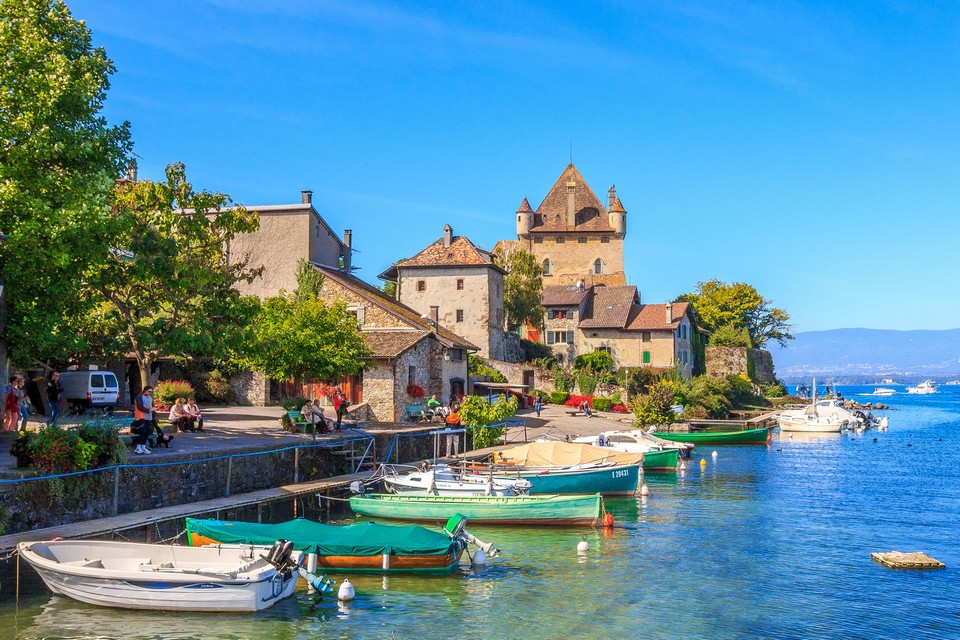
Swiss Travel Pass: Unlimited Travel on Train, Bus & Boat (3 to 15 Days)
Switzerland boasts an extensive public transport network, though costs can be quite high. If you plan to travel frequently between cities, the Swiss Travel Pass is a worthwhile option. This pass offers:
- Unlimited travel on trains, buses, and boats within the Swiss network. Scenic train routes are also included, though some may require seat reservations or additional surcharges.
- Free admission to over 500 museums.
- Complimentary access to certain mountain excursions—such as those to Rigi, Stanserhorn, and Stoos—along with discounts of up to 50% on most other mountain trains and cable cars.
- Children aged 6 to under 16, when accompanied by a parent holding a Swiss Travel Pass, Swiss Travel Pass Flex, or Swiss Half Fare Card, can travel for free with a Swiss Family Card. Children under 6 travel for free.
Currently, the price for a second-class Swiss Travel Pass for adults starts at approximately 254 CHF for 3 consecutive days. You can purchase it in advance and use an e-ticket for greater convenience during your travels.
Frequently Asked Questions About Swiss Tourist Visas
1. Do I need to submit a property deed (land title)?
It is not mandatory. If you own real estate or have other financial assets, you may include relevant documentation to provide further insight into your financial situation. However, such documents cannot replace the mandatory financial records required by the official application checklist.
2. Is it difficult to obtain a visa if I am traveling alone?
Switzerland does not have any regulations that put solo travelers at a disadvantage when applying for a visa. The most important thing is that your application clearly and consistently outlines the purpose of your trip, your itinerary, your financial means, and other relevant information.
3. How long does it take to receive a decision?
The standard processing time for a Schengen visa is approximately 15 calendar days from the date the application is received. However, this timeframe may vary depending on individual circumstances. It is advisable to prepare and submit your application well in advance, especially during peak travel seasons. You may submit your application as early as 6 months before your intended date of departure.
4. Is an interview required for a Swiss visa?
Possibly. After reviewing your application, the consular authority reserves the right to request an in-person interview if further clarification is needed.
Your dream trip to the land of watches is closer than ever! Start today by preparing a thorough, complete, and transparent visa application to increase your chances of a successful outcome on your very first attempt.
Also, don’t forget to check out the travel services and amenities for Switzerland available on Klook—from the Swiss Travel Pass and tickets to iconic attractions like Jungfraujoch, to 4G SIM cards and unique tour packages. You’ll enjoy great deals, save on costs, and ensure your journey is truly complete and memorable!
Getting a Swiss visa isn’t all that difficult, is it? Start planning your trip now!
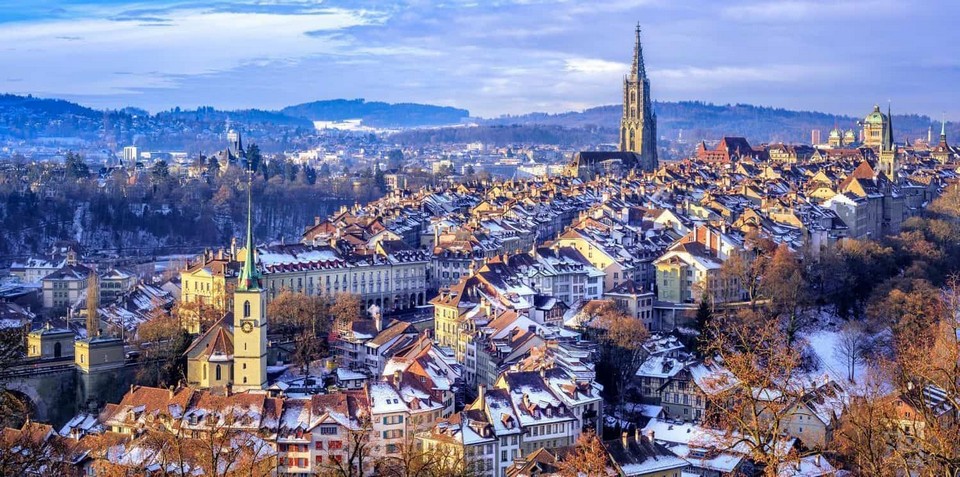
Some best day tours, trips, activities and transfer services, tickets in, from and to Geneva you can refer to
- Sightseeing Cruise in Geneva
- Panoramic Winery Private Tour from Geneva
- Glacier 3000 and Montreux Day Tour from Geneva
- Chamonix Mont Blanc Day Tour from Geneva
- Geneva City Tour with Optional Boat Cruise and/or Annecy Tour
- Geneva Pass
- Annecy Half Day Tour from Geneva
- Geneva Hop-On Hop-Off Tour
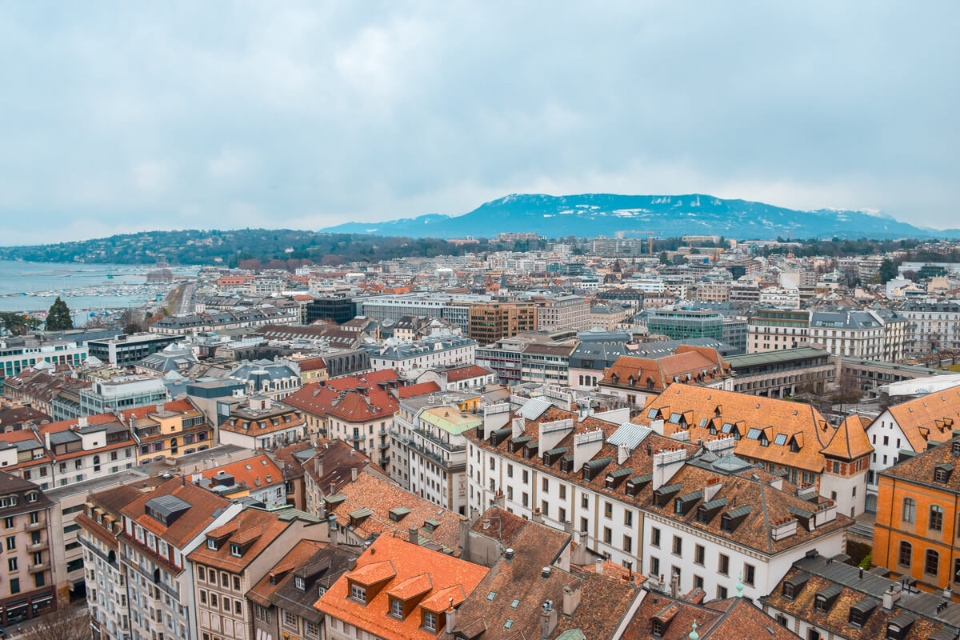
Read more Switzerland guide here.