






























Are you a fan of the culture, religion, and traditional architecture of the Land of the Rising Sun? If so, be sure to save this list of famous Japanese temples!
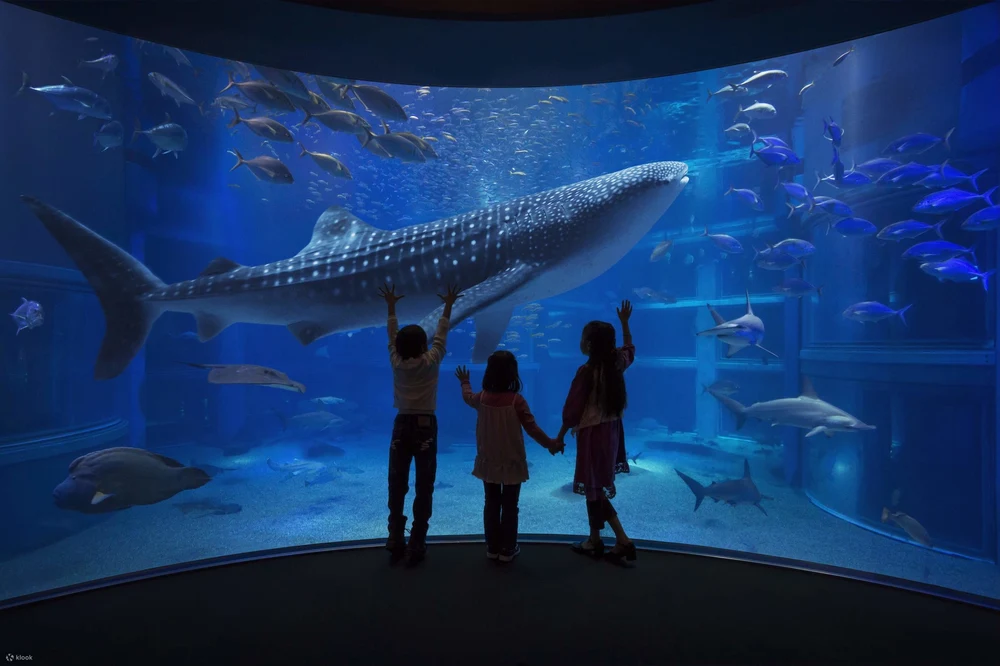
- Review of Osaka’s Kaiyukan Aquarium: A Fascinating Underwater World
- Unlocking the Allure of Kinkaku-ji (The Golden Pavilion) with 1-Day Itinearary
- 15 Must-Visit Tourist Places in Kanagawa
- A Relaxing Uji Itinerary 1-Day: Escaping the Kyoto Crowds
- 16 Tourist Spots Near Tokyo to Make Your Trip Even More Exciting
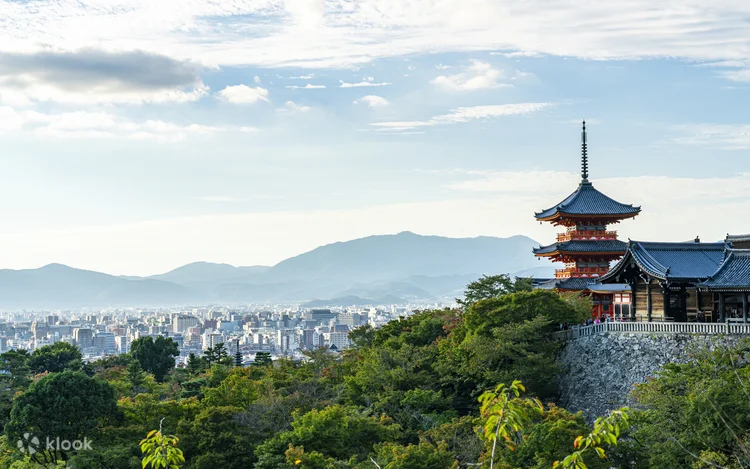
Sometimes, what we need most during a trip is a moment of “healing” within a tranquil space—a place filled only with the soft tolling of temple bells and the faint, lingering scent of incense. The ancient temples tucked away amidst Japan’s stunning natural landscapes are the perfect sanctuaries for such an experience. To me, each temple in Japan is not merely an architectural masterpiece or a unique cultural heritage site; it is a serene spiritual realm where one can cast away all worries.
Let’s step back in time and wander through these peaceful havens to rediscover a sense of inner balance!
Chureito Pagoda: A Famous Temple in Yamanashi with Views of Mount Fuji

Tokyo Mt. Fuji & Lake Kawaguchiko Private Full-Day Tour
Address: 2-chome-4-1 Asama, Fujiyoshida, Yamanashi, Japan
Perched on a mountainside overlooking the picturesque city of Fujiyoshida and the majestic Mount Fuji, the Chureito Pagoda is a popular destination for both domestic and international visitors. This imposing five-story pagoda—part of the Arakura Sengen Shrine complex—was built in 1963 as a peace memorial.

To take in the beauty of the Chureito Pagoda, visitors must climb 400 steps from the main shrine area. The site offers breathtaking natural scenery, especially in the spring, when it is adorned with the vibrant pink of cherry blossoms, and in the autumn, when the landscape glows with the brilliant golden and red hues of maple leaves. If you are a nature lover or a photography enthusiast, be sure not to miss this serene temple!
Yasaka Shrine (Kyoto): A Spiritual Heart in the Midst of the Old City

Situated at the bustling intersection of the Gion and Higashiyama districts, Yasaka Shrine (also known as Gion Shrine) is a spot I always prioritize whenever I visit the ancient capital of Kyoto. Leaving the busy city streets behind and stepping through the shrine’s gates, you will immediately sense a profound tranquility enveloping this architectural landmark, which boasts a history spanning over 1,350 years.


The beauty and vitality of Yasaka shine brightest every July during the Gion Matsuri—one of Japan’s oldest and most significant summer festivals. The experience of joining the crowds as they parade massive, ornate floats through the streets is truly overwhelming in the best possible way. Furthermore, in early April, a leisurely stroll to the adjacent Maruyama Park reveals one of the most romantic and renowned cherry blossom viewing spots in all of Kyoto.
Address: 625 Gionmachi Kitagawa, Higashiyama-ku, Kyoto.
Toji Temple (Kyoto): A Heritage Icon Featuring Japan’s Tallest Wooden Pagoda

Your exploration of the ancient capital of Kyoto would be incomplete without visiting Toji Temple. Once a thriving center of Buddhism in the 8th century—and now a UNESCO World Heritage Site—this historic temple perfectly preserves the architectural hallmarks of a golden age.

Kyoto World Heritage and Popular Attractions Day Trip
The first sight that captures every visitor’s attention upon entering the grounds is the five-story pagoda, standing tall amidst the tranquil surroundings. Despite enduring numerous fires and undergoing reconstruction in the 16th century, this 55-meter-tall structure proudly maintains its record as the tallest wooden pagoda in Japan. As you stroll along the stone-paved path, you can fully appreciate the grandeur of this majestic tower, its silhouette reflected upon the calm surface of the garden’s central pond.
Address: 1 Kujocho, Minami-ku, Kyoto.
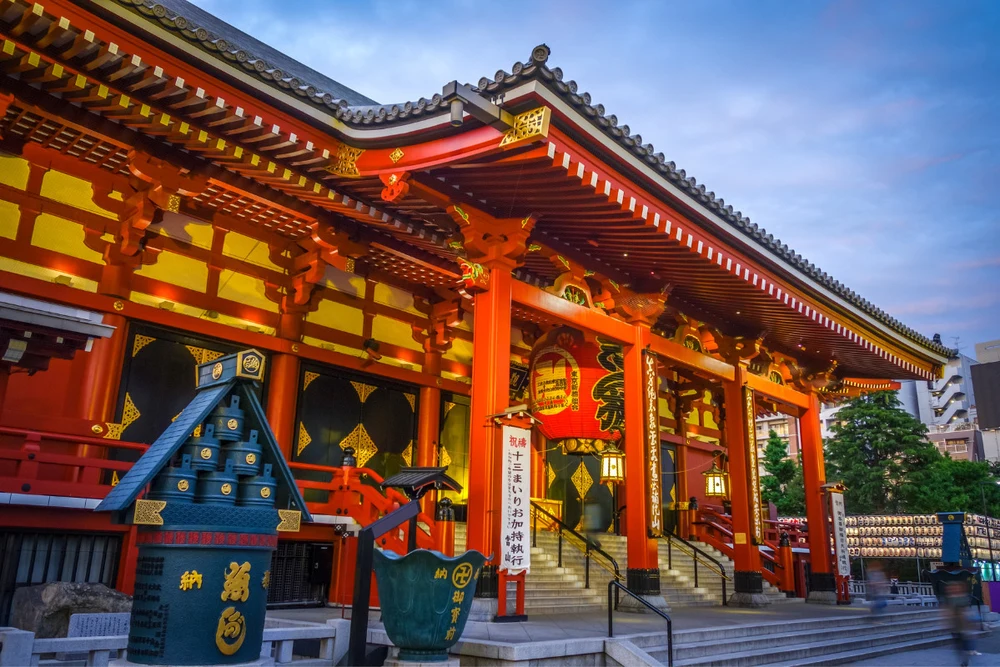
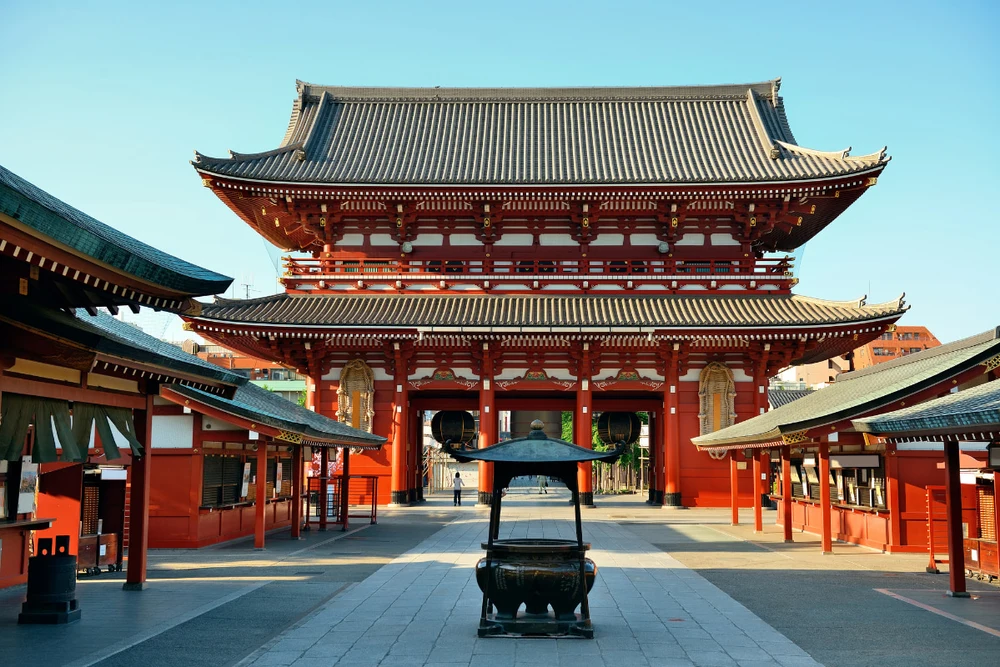
Senso-ji Temple (Tokyo): Discovering the Kaminarimon (Thunder Gate)

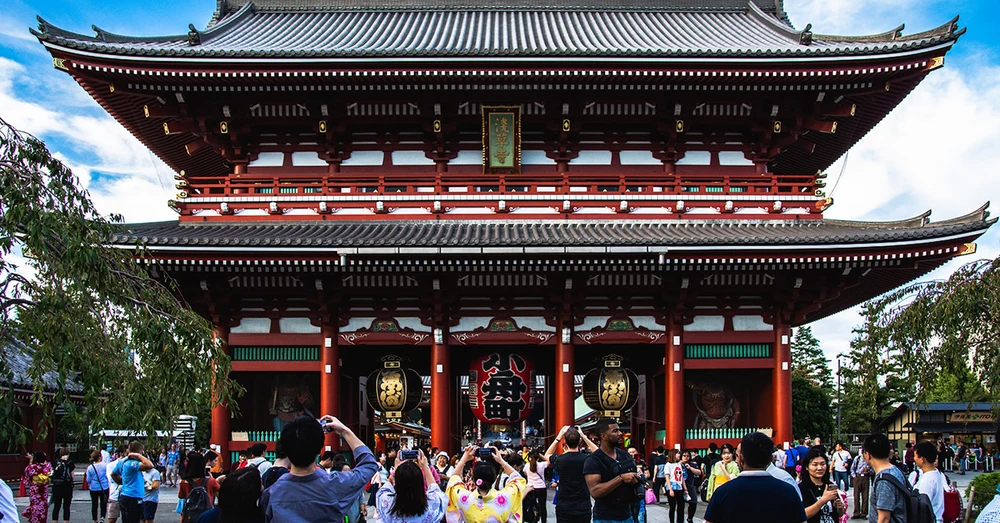
Amidst the fast-paced, modern rhythm of Tokyo, Senso-ji Temple stands as a serene sanctuary, preserving the rich cultural and historical values of ages past. Established in 628, it is not only the oldest temple in Tokyo but also an iconic heritage site that draws millions of visitors each year.
Nankai Limited Express Rapi:t Ticket
The most striking feature of Senso-ji is the Kaminarimon (Thunder Gate), distinguished by its massive red lantern and the statue of Raijin, the god of thunder, standing guard. Passing through this gate, you immediately step into the vibrant atmosphere of Nakamise-dori—a bustling commercial street lined with stalls offering an array of exquisite souvenirs and traditional Japanese snacks.
Address: 2 Chome-3-1 Asakusa, Taito-ku, Tokyo.
Fushimi Inari Shrine: The Tunnel of Thousands of Red Torii Gates
Osaka Car Rental with Driver to umeda/nara/kinkakuji/wakayama/Kobe
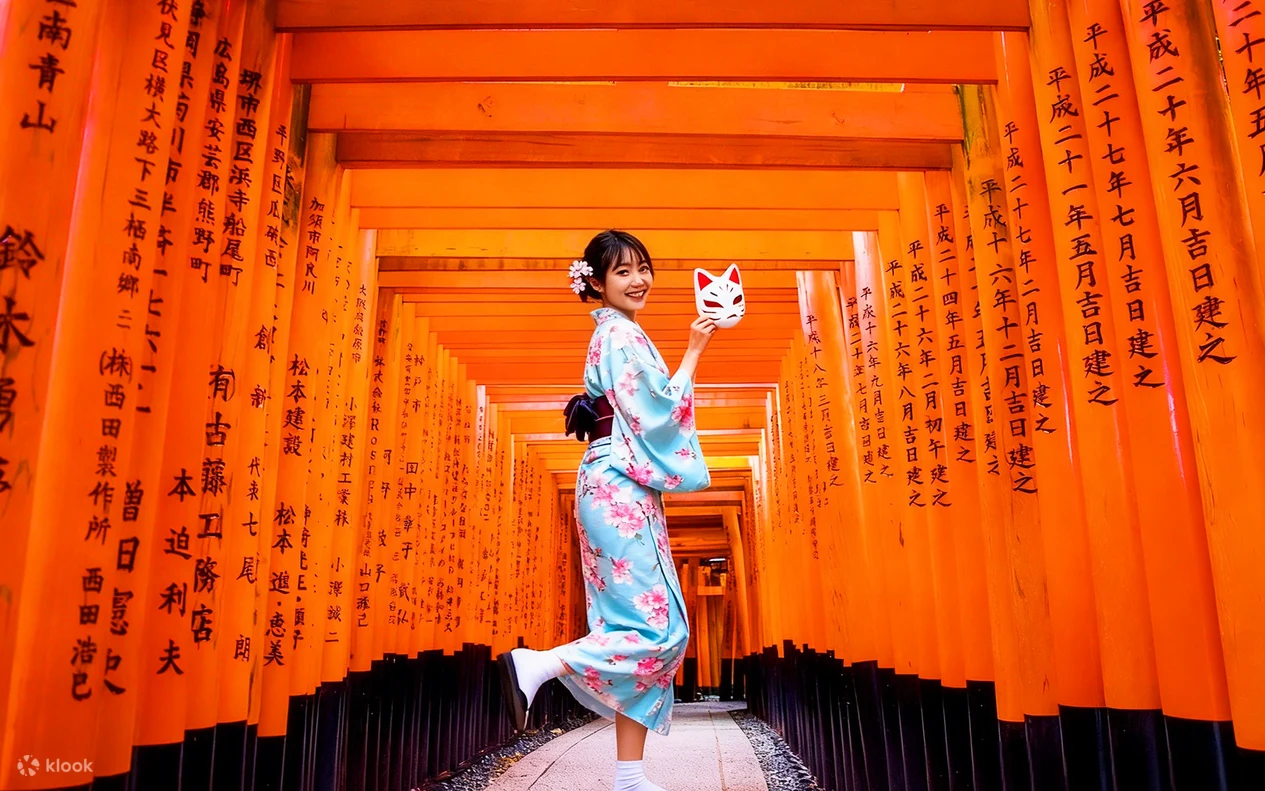
When one thinks of Fushimi Inari, the most striking image that comes to mind is undoubtedly the winding path formed by thousands of vibrant, vermilion-red Torii gates. As one of the most significant Shinto shrines—dedicated to Inari, the deity of bountiful harvests and business prosperity—this site is constantly bustling with locals and visitors alike, all arriving to pray for good fortune and success.
Fushimi Inari-taisha, Arashiyama, Kiyomizudera, Kinkaku-ji Day Tour
The most rewarding experience here is a stroll along the path lined with *torii* gates that leads all the way to the summit of Mount Inari, allowing you to immerse yourself in the stunning, pristine natural surroundings. Once you’ve worked up an appetite from the climb, stopping at one of the roadside stalls to sample *Inari-zushi* (sushi wrapped in sweet fried tofu) or enjoy a steaming bowl of *Kitsune Udon* (udon noodles topped with fried tofu) makes for the perfect culinary highlight of your visit.
Address: 68 Fukakusa Yabunouchicho, Fushimi-ku, Kyoto.
Kinkaku-ji (Golden Pavilion): A Gold-Leaf Masterpiece Reflected in a Tranquil Pond
Kyoto Arashiyama, Nijo Castle, and Fushimi Inari One-Day Tour
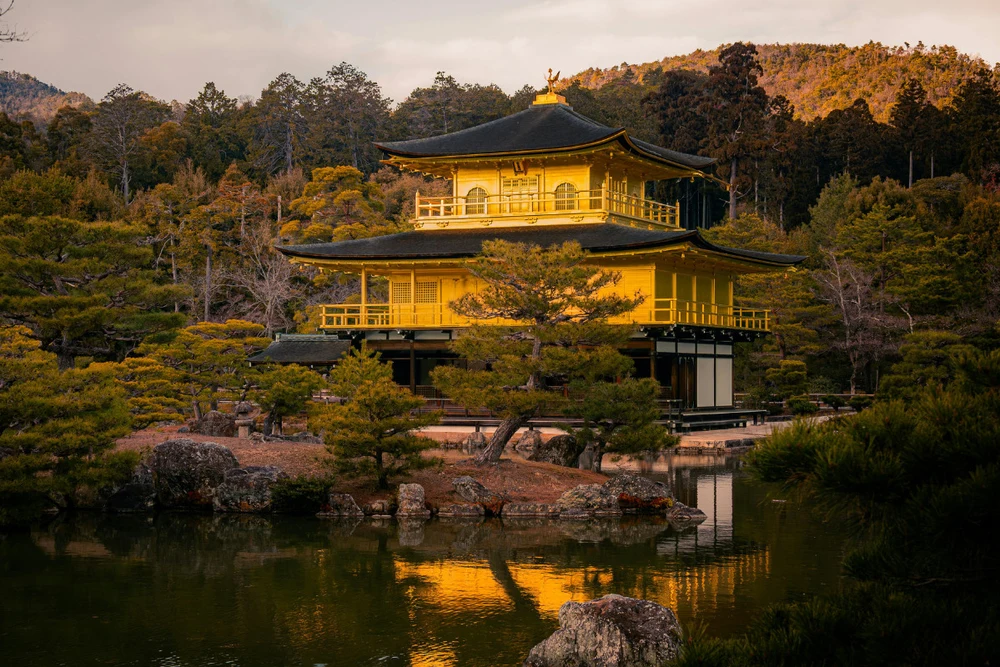
Kinkaku-ji (officially known as Rokuon-ji) never fails to leave visitors in awe at first sight, thanks to its magnificent beauty and unique architecture. Originally built in 1397 as a villa for the shogun Ashikaga Yoshimitsu, the structure was later preserved and converted into a temple of the Rinzai school of Zen Buddhism.

One-day tour of Kyoto’s Kinkaku-ji, Kiyomizu-dera, and Uji
What has earned Kinkaku-ji its immense renown is the fact that its top two stories are entirely covered in shimmering gold leaf, casting a proud reflection upon the calm pond in front of it. This regal scene becomes even more enchanting as it is framed by lush, verdant gardens, meticulously manicured according to traditional aesthetic standards. Simply by walking around the pond and taking in the brilliant golden hue of the temple as it glows under the sunlight, you are guaranteed to capture some of the most spectacular photos and footage of your entire trip to Kyoto.
Address: 1 Kinkakujicho, Kita-ku, Kyoto.
Kiyomizu-dera Temple: A Wooden Stage Built Without Nails
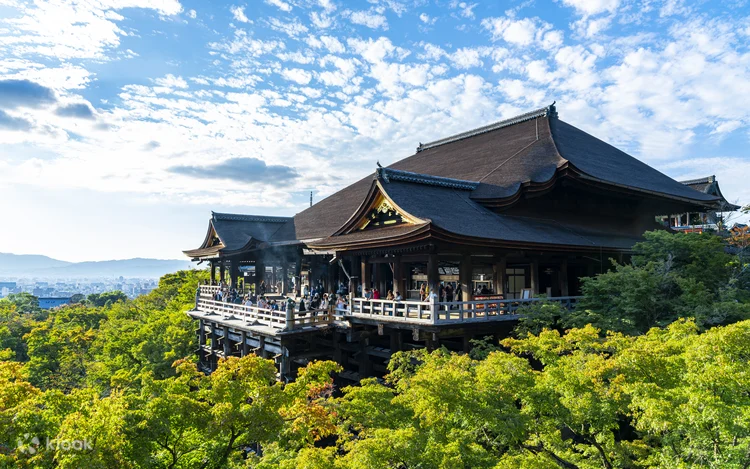
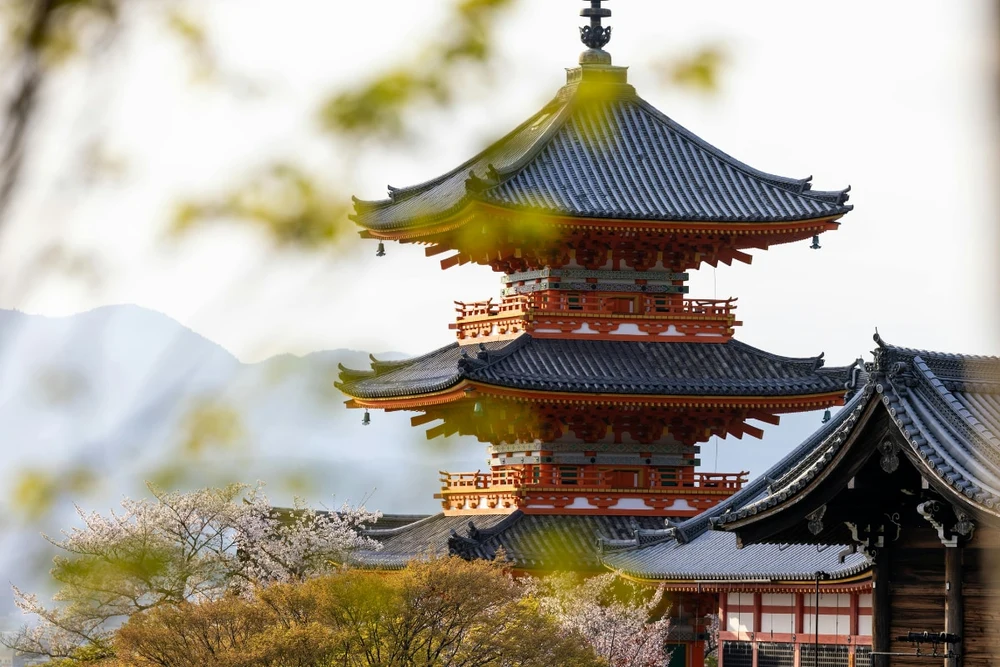
Kiyomizu-dera (Temple of Pure Water) leaves every visitor in awe with its massive wooden stage, which juts out from the mountainside at a height of 13 meters. This entire grand structure was assembled using traditional Japanese joinery—without the use of a single nail. From the balcony of the main hall, you can take in a breathtaking panoramic view of Kyoto.
Kyoto Fushimi Inari Half-Day Cultural Walking Tour
As you make your way down, you will encounter the sacred Otowa Waterfall, which splits into three streams—each representing longevity, success, and love. Be sure to use a ladle to catch the cool, refreshing water and drink from one of the streams to seek a blessing.
Address: 1-294 Kiyomizu, Higashiyama-ku, Kyoto.
Itsukushima Shrine: An Architectural Masterpiece Floating on the Sea

Hiroshima & Miyajima with Ferry and optional bullet train
Located less than an hour from the center of Hiroshima, Itsukushima Shrine proudly ranks among Japan’s three most spectacular scenic spots. What makes this site truly unique is its “floating” architecture: the main shrine complex and a colossal *torii* gate rise majestically from the vast expanse of the sea.

Miyajima Itsukushima Shrine Half-Day All-Inclusive Exploration
The scenery at Itsukushima is captivating at any time of year. Whether it is the romantic bloom of cherry blossoms in the spring or the vibrant, fiery red of maple leaves in the autumn, the harmony between nature and the shrine’s vermilion-red structures creates a truly stunning visual spectacle.
Address: 1-1 Miyajimacho, Hatsukaichi, Hiroshima.
Meiji Jingu Shrine: A Forest of a Hundred Thousand Trees in the Heart of Tokyo

Tokyo: Meiji Shrine Walking Tour – Shintoism & Imperial System
Nestled in the bustling Shibuya district, Meiji Jingu Shrine offers a tranquil sanctuary that stands in stark contrast to the frantic pace of the city outside. The shrine is dedicated to Emperor Meiji and Empress Shoken—monumental historical figures who guided Japan into its era of modernization.

Tokyo Meiji Shrine Cultural Guided Walking Tour
What makes this shrine truly unique is its expansive grounds, enveloped by a dense forest comprising over 100,000 trees. As you stroll along the wide, gravel-paved paths, you can write your wishes on an *ema* (a wooden prayer plaque) or acquire an *omamori*—a traditional Shinto amulet for good fortune and protection.
Address: 1-1 Yoyogikamizonocho, Shibuya-ku, Tokyo.
Shitennoji Temple (Osaka): An Ancient Temple Dating Back to 593

[Spanish-guided] Osaka: Castle, Shitennoji Temple & Market Half-Day Tour
Commissioned by Prince Shotoku Taishi in 593, Shitennoji holds immense historical significance as the first official Buddhist temple in Japan. It houses a wealth of priceless national treasures, ranging from ancient Buddha statues to various sacred artifacts.

Visitors can explore the Main Temple Complex (*Chushin Garan*), admire the collection at the Treasure Museum, or wander through the stunning Gokurakujodo Garden. The temple is also home to “Doya Doya”—a vibrant and unique traditional festival that draws large crowds of both locals and tourists alike.
Address: 1-11-18 Shitennoji, Tennoji-ku, Osaka.
Kotoku-in Temple: The 121-Ton Great Buddha of Kamakura

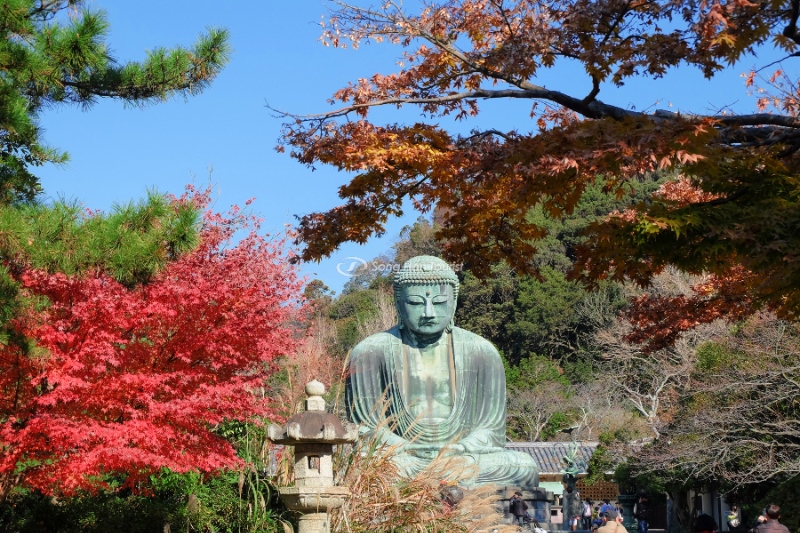
Located in the tranquil city of Kamakura, Kotoku-in Temple is renowned for housing the Great Buddha of Kamakura (Kamakura Daibutsu)—one of Japan’s most iconic Buddhist monuments. This bronze statue stands 11.3 meters tall, weighs approximately 121 tons, and has been designated a National Treasure.
Kamakura | Kamakura Daibutsu & Tsurugaoka Hachimangu..
Beyond the allure of the colossal statue, which stands majestically in an open-air setting, the temple grounds feature several impressive examples of traditional architecture. Most notable are the imposing temple gate—guarded by two Nio (guardian deity) statues—and a pair of giant straw sandals (*warazori*), which are prominently displayed on the wall.
Address: 4 Chome-2-28 Hase, Kamakura, Kanagawa.
Todai-ji Temple (Nara): Behold the Colossal Great Buddha

Constructed in 752 by Emperor Shomu, Todai-ji Temple holds immense historical significance, reflecting both a deep devotion to Buddhism and an aspiration to unify the nation. As an architectural masterpiece of monumental scale, Todai-ji leaves visitors awestruck by its sheer grandeur. Its main gate—the largest of its kind in the world, standing over 25 meters tall—serves as a gateway into a sacred spiritual realm.

Nara UNESCO Walk: Todaiji, Great Buddha & Kasuga Taisha
Inside the temple sits the Great Buddha (Daibutsu), a statue over 15 meters in height that radiates a profound sense of majesty. The temple complex also houses a museum containing precious cultural artifacts from Japan’s past. Visitors are invited on an engaging journey of discovery, immersing themselves in the unique spiritual atmosphere and artistry of this ancient temple.
Address: 406-1 Zoshicho, Nara, Japan
Tenryu-ji Temple (Kyoto): The Remarkable “Cloud Dragon” Painting

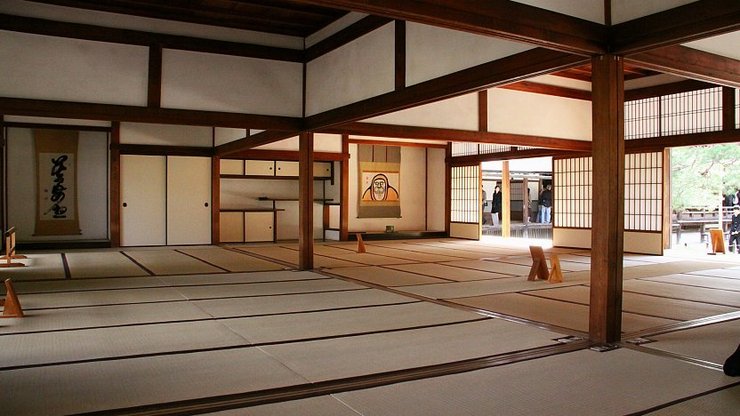
As one of the five most prestigious Zen temples in Kyoto—collectively known as the *Gozan*—Tenryu-ji Temple stands as a brilliant testament to classical architecture. Established in 1339, the complex features the elegant Sogenchi Garden, which holds the distinction of being the first site in Japan to be designated a “Special Place of Scenic Beauty.”
Kyoto Arashiyama Walking Tour: Sagano Bamboo Grove & Tenryu-ji
Upon entering the Dharma Hall, visitors are immediately captivated by the magnificent “Cloud Dragon” painting (*Unryu-zu*) that spans the entire ceiling. This painting of a sacred dragon amidst the clouds employs a highly sophisticated visual technique, creating the illusion that the dragon’s majestic eyes are following you, no matter where you move within the room.
Address: 68 Saga Tenryuji Susukinobabacho, Ukyo-ku, Kyoto.
Enryaku-ji Temple: The Ancient Temple Guarding the Summit of Mount Hiei
Perched atop the magnificent Mount Hiei in Shiga Prefecture, Enryaku-ji stands as one of the most significant and influential centers of Buddhism in Japan. Founded by the monk Saicho in 788, this heritage complex is the cradle of the Tendai school and served as a place of study for many illustrious monks throughout Japanese history.
Hieizan Enryaku-ji Temple Admission Ticket in Shiga
Nestled amidst a mist-shrouded forest of ancient cypress trees, the temple’s intricately carved wooden structures bear the deep marks of time, blending seamlessly into the surrounding mountain landscape. The serene, solemn atmosphere not only preserves a vast cultural legacy—including numerous Buddha statues and ancient manuscripts—but also offers a space for complete mental purification.
Address: 4220 Sakamotohonmachi, Otsu, Shiga.
Hasedera Temple (Kamakura): The Eleven-Faced Wooden Kannon Statue

Renowned throughout the Kamakura region, Hasedera Temple houses an eleven-faced Kannon (Juichimen Kannon) statue—a gilded wooden figure standing over nine meters tall. Exquisitely carved from a single camphor tree trunk, it ranks among the largest and most sacred wooden Buddhist statues in all of Japan. Beyond its majestic main hall, the temple grounds feature an elevated observation deck that offers a sweeping view of the Sagami coastline and the entire city.
In June, the walking path along the hillside is transformed into a vibrant tapestry of color, blanketed by thousands of blooming hydrangeas. Nestled within this lush natural landscape are small, gentle-smiling Jizo statues, scattered throughout the grounds and imbuing the space with a profound sense of peace.
Address: 3-11-2 Hase, Kamakura, Kanagawa.
Are you ready to embark on a healing journey to the serene, architecturally stunning temples of Japan?

Some best day tours, trips, activities and transfer services, tickets in, to and from Tokyo you can refer to
- Mt Fuji & Hakone Day Tour: Lake Ashi & Ropeway Day Trip from Tokyo
- Nikko Cultural Day Tour from Tokyo
- Tokyo Subway Ticket (24, 48, or 72 Hours)
- Shuttle Bus Transfers (One Way/Round Trip) from Shinjuku/Ikebukuro to Tokyo Disneyland or Tokyo DisneySea
- Tokyo Disney Resort Park Ticket
- Klook Pass Greater Tokyo
- SHIBUYA SKY Ticket
- Warner Bros. Studio Tour Tokyo – The Making of Harry Potter Ticket
- Skyliner Narita Airport Express Ticket
- TeamLab Planets Ticket
- TOKYO SKYTREE® Ticket
- Limousine Bus Narita or Haneda Airport to Tokyo
- Skyliner Narita Airport Express With Tokyo Subway Ticket
- JR Tokyo Wide Pass
- Sky Hop-on and Hop-off Bus Pass
- 4G Prepaid Sim Card (JP Airports Pick Up) for Japan
- JR Pass for Whole Japan (7, 14, or 21 Days)
Are you looking for more Tokyo travel guide and top things to do in Tokyo: Tours, activities, attractions and other things? Read more: Tokyo itinerary 3 days — What to do in Tokyo in 3 days?