



























Worried about getting lost or paying the wrong fare when taking a bus in Japan? Keep this guide handy to navigate bus travel in major cities just like a local!
- Oigawa Railway Shizuoka: Explore Shizuoka’s Highlands Aboard the Oigawa Steam Train
- How to Travel from Osaka to Tokyo Quickly & Economically
- What is the Shinkansen? How to Easily Buy High-Speed Train Tickets in Japan
- Kintetsu Rail Pass: A magical pass to explore the Kansai region of Japan!
- 10 JR Passes Most Loved by Japan Travel Enthusiasts
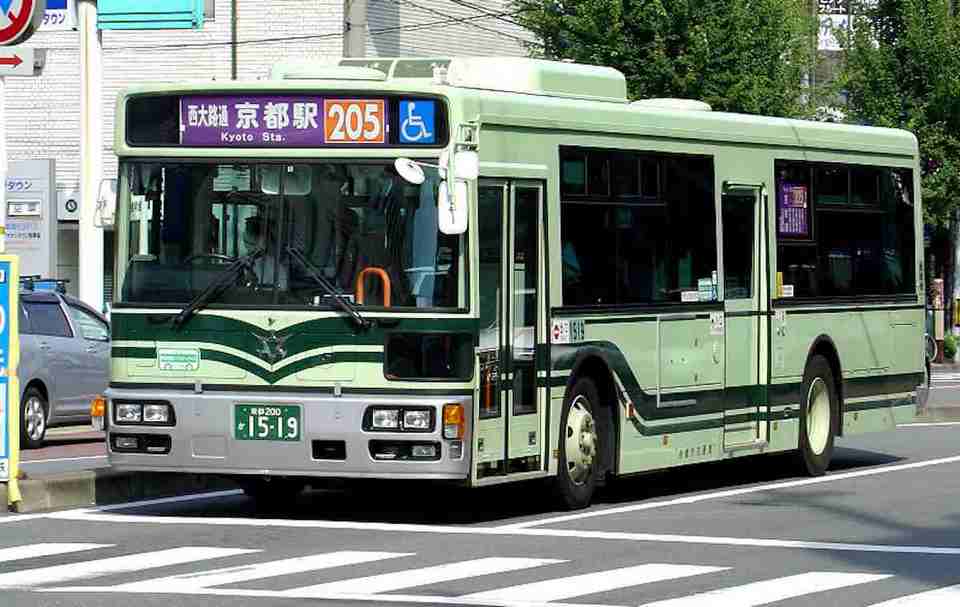
Most travelers exploring Japan tend to favor trains for their speed and convenience. However, buses are actually an excellent way to navigate the narrow, historic streets of Kyoto or enjoy a leisurely view of the tranquil countryside in the suburbs.
Japanese buses are highly regarded for their split-second punctuality and the exceptionally polite, orderly behavior of both drivers and passengers. That said, first-timers might occasionally find themselves feeling a bit bewildered—whether it’s standing frozen in front of the driver or fumbling nervously with the fare machine.

Don’t worry! With this comprehensive A-to-Z guide from Living Nomads, you’ll be able to navigate Japan’s bus network with the confidence of a local. Scroll down to discover everything you need to know!
Understanding the Different Types of Buses in Japan
Upon arriving in Japan, the complex transportation network can sometimes feel overwhelming. Before hopping on a bus, familiarizing yourself with the different types will help you choose the right route and have the correct fare ready, ensuring a smooth journey.
Local Buses

Osaka Dotonbori – Universal Studio Japan Bus
These are the most common “land-based shuttles,” used daily by both locals and tourists to get around the city. The fare structure for city buses is quite interesting and varies depending on the region you are visiting.
In central Tokyo, you can simply hop on without a second thought, as the fare is usually a flat rate for the entire route (approximately 210 yen for adults). However, when visiting the ancient capital of Kyoto, bustling Osaka, or more rural provinces, you will need to be a bit more attentive; the fare increases incrementally based on the distance traveled and the number of stops passed.
Highway Buses

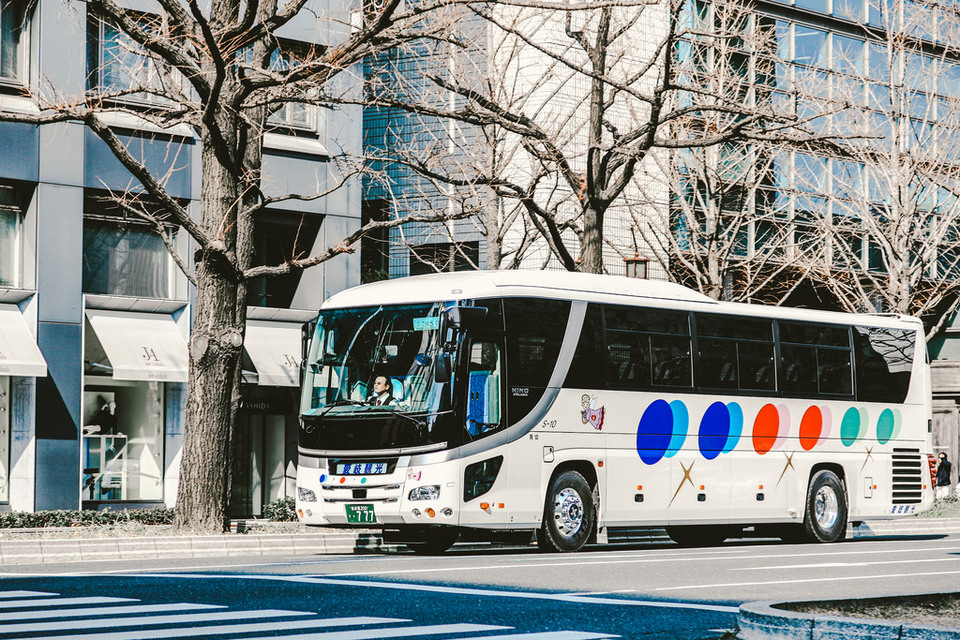
If you are planning to travel between major cities—such as from Tokyo to Osaka, Nagoya, or Hiroshima—highway buses are an excellent choice. Compared to the high cost of a Shinkansen (bullet train) ticket, this option saves you a significant amount of money, which you can then spend on enjoying Japan’s incredible food scene. The best of these are the “night buses.”
For seasoned travelers, this is a clever strategy: you save on the cost of a night’s hotel stay while getting a good night’s sleep on the bus, arriving at your new destination the next morning without having wasted any of your precious daytime hours.
Tourist Buses (Loop Buses)
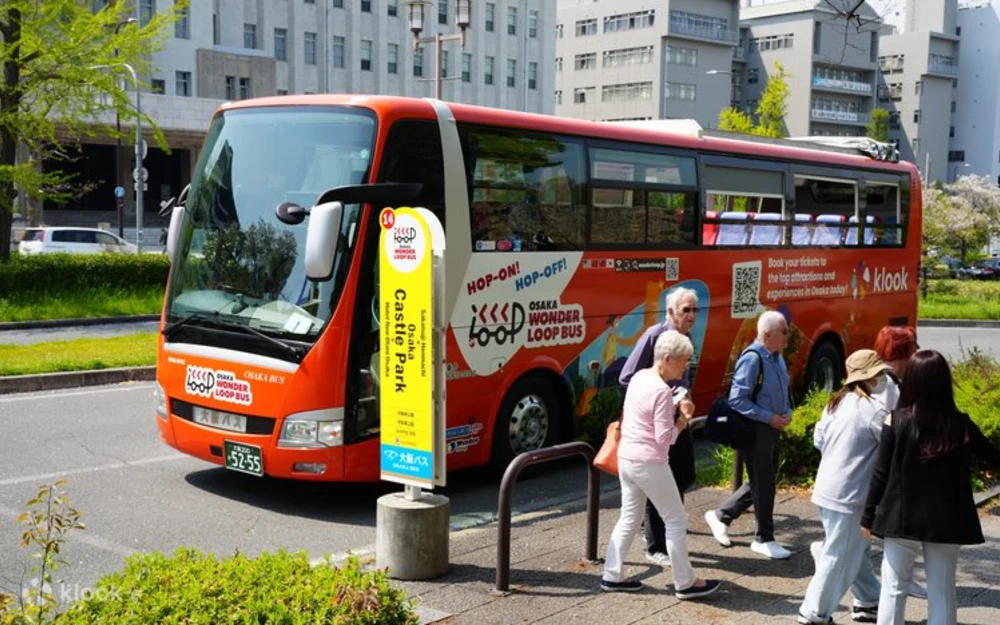
You will frequently come across these charming, vintage-style buses at popular tourist hubs, such as Hiroshima, Sendai, or areas rich in historical sites. Rather than following a standard linear route, these tourist buses are thoughtfully designed to run in a loop, taking you past all the most famous landmarks in the area.
A major plus is that the onboard systems are highly accommodating to international visitors, featuring clear English announcements and multilingual displays, allowing you to enjoy your journey with confidence—no need to worry about getting lost.
Boarding and Alighting Rules: Front Door or Back Door?
This is often the most confusing part. Depending on the region and the bus operator, the rules for boarding and alighting can vary significantly:
Board at the Front, Pay Immediately (*Maenori* – Fixed-Fare System)

You will encounter this frequently in central Tokyo and on bus routes with a flat-fare structure. The process is straightforward: board through the front door and pay right away—either with cash, an IC card, or a credit card—using the payment terminal located next to the driver’s seat. Since the fare is settled upfront, the boarding process is quick and efficient. When you reach your destination, simply exit through the back door—no further action is required.
Board at the Back, Pay Based on Distance Traveled (*Atonori* – Distance-Based Fare System)

Conversely, this system is standard throughout Kyoto, Osaka, and most suburban or rural areas. In this case, you board through the middle or back door. Upon boarding, be sure to tap your IC card on the reader or take a small paper ticket (known as a *seiriken*) from the ticket dispenser. This ticket will show the code for the stop where you boarded.

Highway Bus from Osaka to Takayama
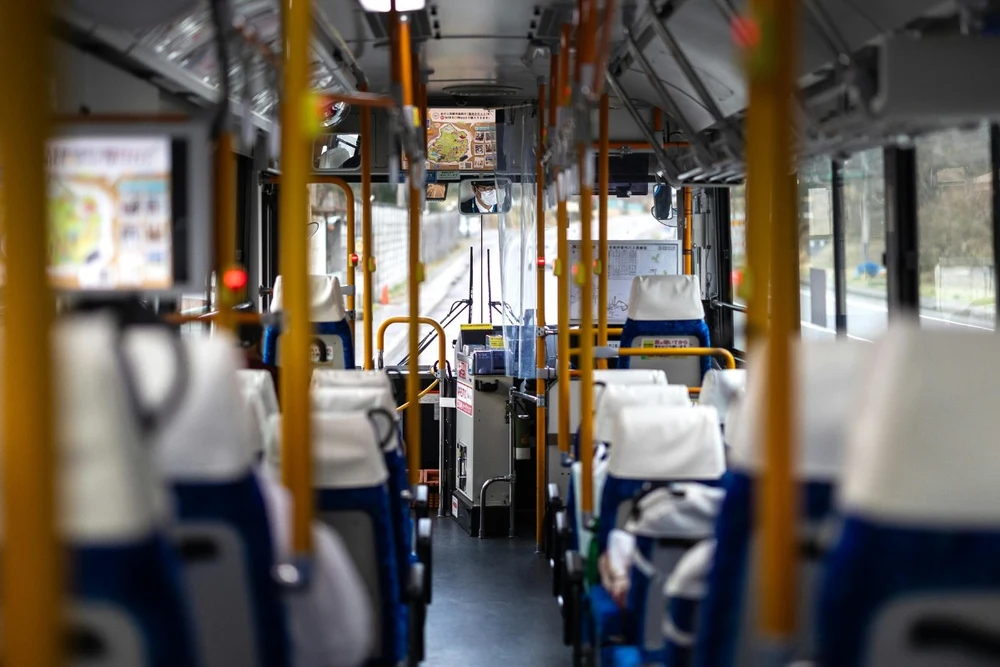
As the bus travels, the fare increases based on the distance covered. As you approach your stop, simply look up at the electronic display above the driver’s seat to find the fare corresponding to the number on your *seiriken* (boarding ticket). When you reach the front exit, drop both your ticket and the exact cash fare into the fare box—or tap your IC card (or contactless transit card) once more—before stepping off the bus.
Guide to Modern Payment Methods
Using IC Cards and Mobile Suica/Pasmo
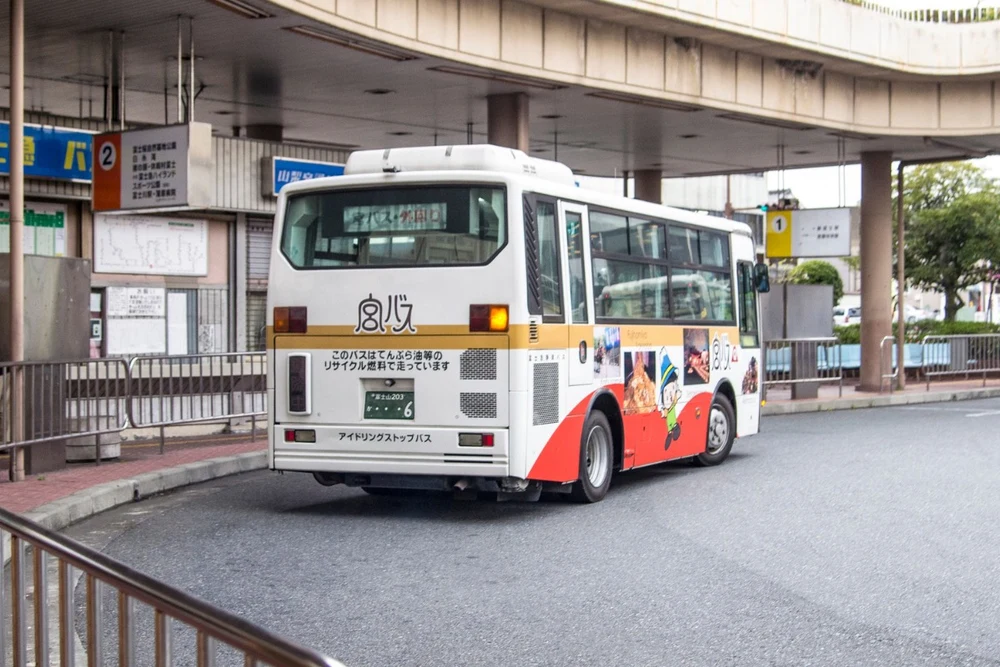
This is undoubtedly the quickest and most convenient method, and a favorite among frequent travelers. Simply tap your phone (with a Suica or Pasmo card added to your Apple Wallet or Google Pay) or your physical IC card against the reader when boarding and alighting; the system will automatically calculate and deduct the correct fare.
A quick note: as of 2026, the availability of new physical transit cards may still be limited. Setting up a mobile version on your phone is the best way to ensure a much smoother travel experience.
Contactless Payments
eSIM Japan | Softbank 5G / IIJ (Docomo) 4G LTE
Great news for travelers: most bus networks in major cities now support contactless payments via Visa or Mastercard (look for the “wave” symbol). You can simply tap your credit card on the reader when boarding and alighting—no need to carry around extra, bulky transit-specific cards.
Cash and Using Change Machines
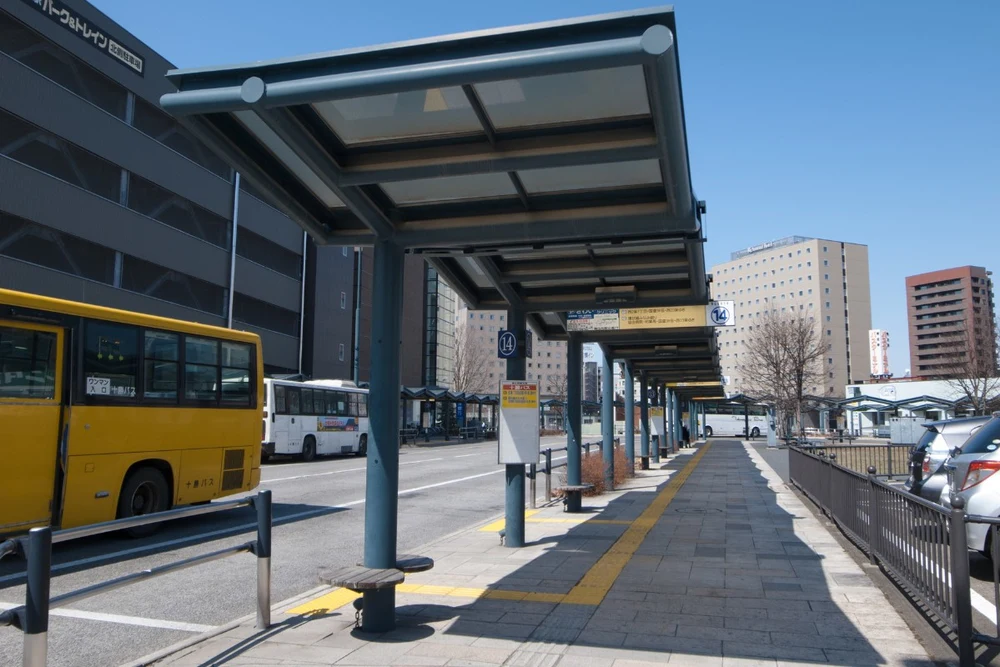
If you prefer using cash, keep this golden rule in mind: fare boxes on Japanese buses do not provide change. If you only have a 1,000-yen note or large-denomination coins, don’t worry—look for the onboard change machine (labeled “両替” or *Ryogae*). Use it to get the exact change you need, then drop the correct fare into the collection box.
Bus Etiquette: “Unwritten Rules” You Should Know
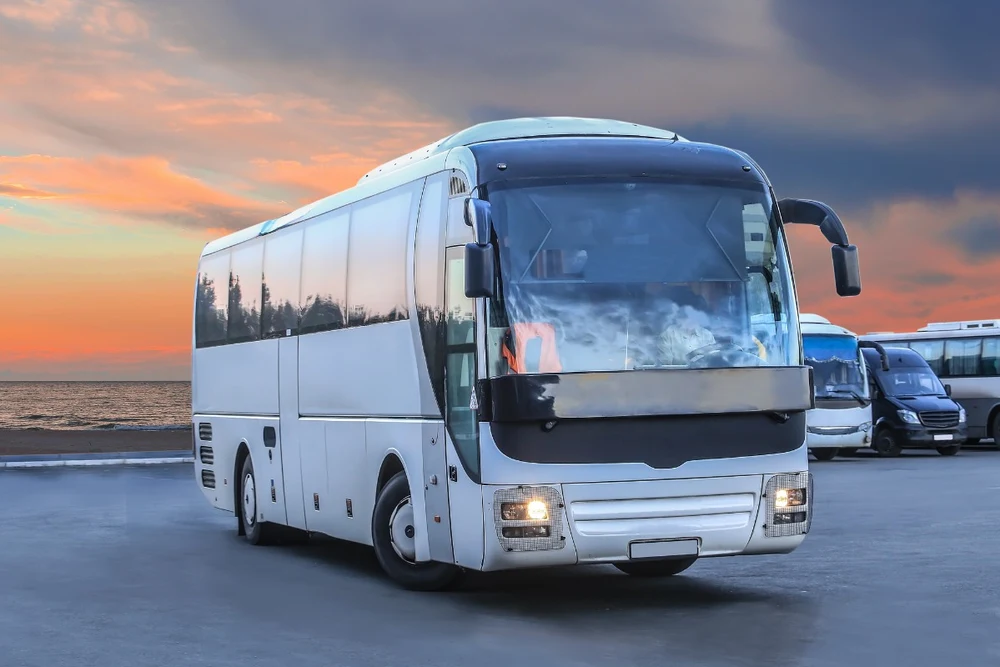
Tokyo – Osaka/Kyoto Night Bus by VIP Liner
To avoid being an inconsiderate passenger, keep these rules in mind:
- Stop Request Buttons: Japanese buses do not automatically stop at every station. When you hear your stop announced, press one of the stop buttons (usually orange or red) located on the bus walls. If no one presses the button and there is no one waiting at the stop, the driver will simply drive past.
- Wait until the bus comes to a complete stop before standing up: This is a strict safety regulation. Don’t rush to stand up while the vehicle is in motion—the driver will likely remind you to stay seated. Remain calm and seated until the vehicle has come to a complete stop before moving toward the exit.
- Keep quiet and stow your backpack: Always keep your phone on silent mode. If you are carrying a large backpack, wear it on your chest or place it at your feet to avoid bumping into others in the confined space.
Money-Saving Tips: Using Day Passes
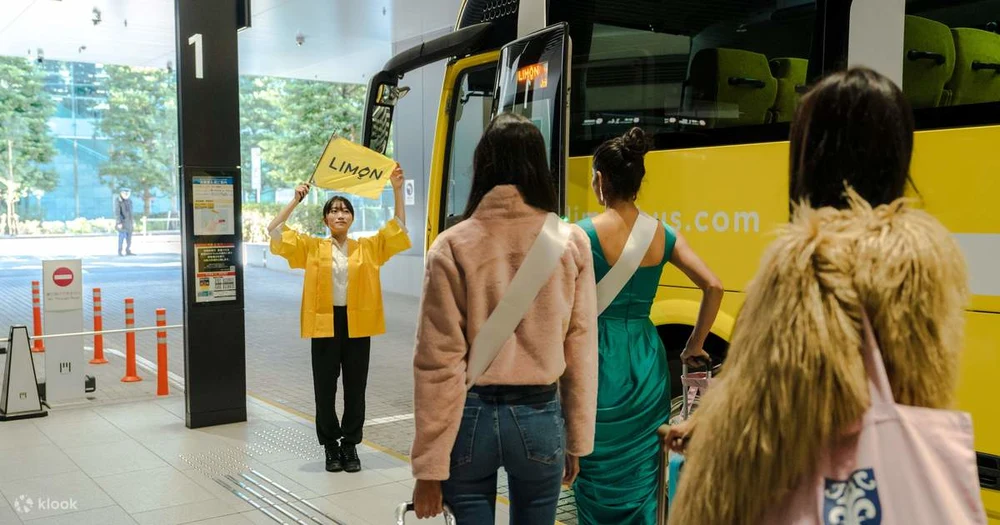
Osaka Dotonbori – Universal Studio Japan Bus
If your itinerary involves a lot of travel, day passes can be a real lifesaver for your wallet:
- Kyoto Subway & Bus One-Day Pass: For approximately 1,100 yen, you get unlimited travel on both buses and subways. This is highly advantageous, as Kyoto’s buses can get very crowded; combining them with the subway is often a faster way to get around.
- Tokyo Toei Bus One-Day Pass: Costing around 500 yen, this pass allows you to explore every corner of the capital using the green Toei bus network.
- SunQ Pass: A powerful option if you are traveling in the Kyushu region, granting access to almost all bus routes in the area for 3–4 days.
How to Read Bus/Train Timetables at Stops
At each stop, the timetable is typically divided into three color-coded columns: white (weekdays), blue (Saturdays), and red/pink (Sundays/holidays). The large numbers on the left indicate the hour, while the smaller numbers on the right represent the minutes of departure. Schedules are generally extremely precise, so aim to arrive 3–5 minutes before the scheduled departure time.
You can use Google Maps to track the vehicle’s location in real-time, or download the “Japan Travel by Navitime” app to determine the exact fare for each leg of your journey. Don’t forget to book your long-distance bus tickets on Klook to receive a QR code for quick boarding—no need to wait in line at the station to buy tickets!
Surprising Amenities on Long-Distance Buses
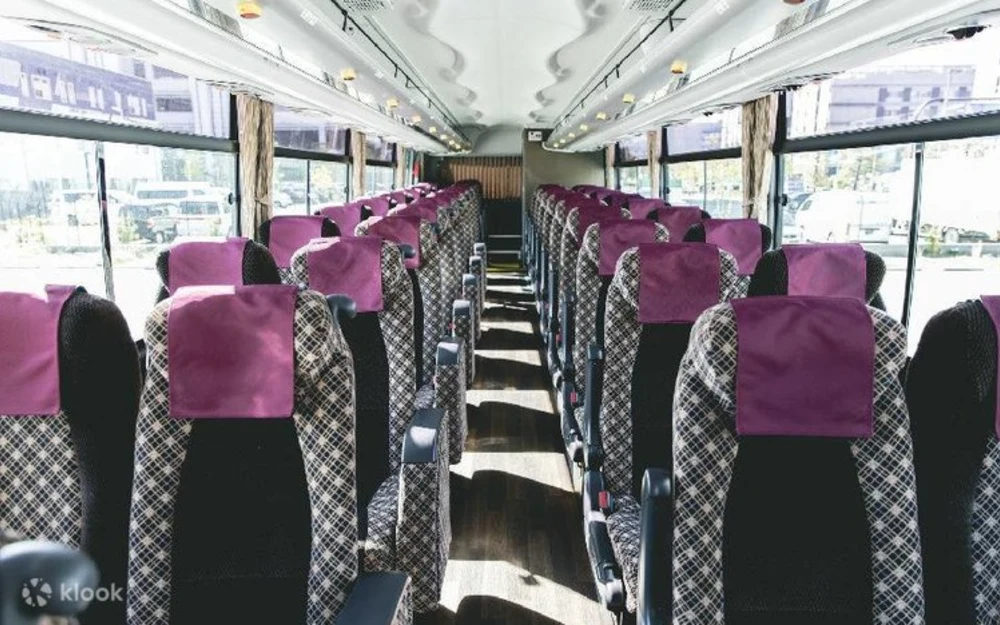
If you choose a highway bus or a night bus for intercity travel, you might be pleasantly surprised by amenities that rival business-class travel. Most modern buses are now equipped with USB charging ports or power outlets at every seat.
Night buses, in particular, often provide privacy curtains for each passenger, along with blankets, headrest pillows, and even air purifiers. Some premium bus operators offer seats that recline up to 140 degrees, ensuring a good night’s sleep so you’re well-rested for your adventures the next day.
A Note on Luggage
Universal Studios Japan Express Pass
Unlike the Shinkansen (bullet train), which offers ample luggage space, local buses tend to be quite cramped. Bringing an oversized suitcase—especially during rush hour—can be difficult for both you and those around you.
- For local buses: Opt for a backpack or a carry-on-sized suitcase. If you have bulky items, consider using a luggage forwarding service (such as *Takkyubin*) to send your bags between hotels.
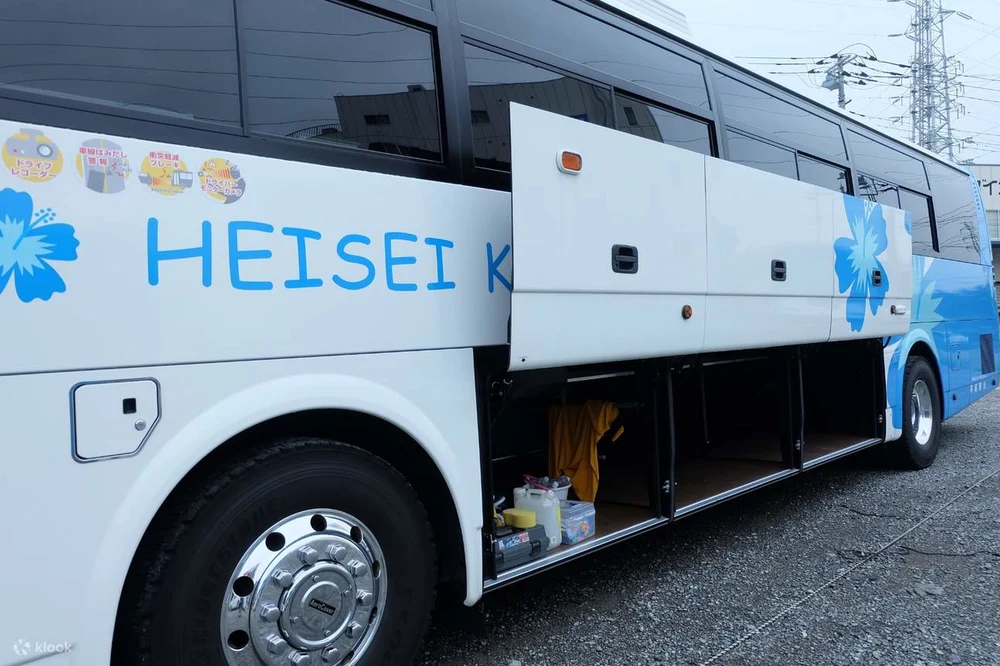
- For long-distance buses: You can check one piece of luggage into the undercarriage compartment. Be sure to keep the luggage claim tag provided by the staff so you can retrieve your bag upon arrival.
Tips for Taking the Bus to Popular Attractions
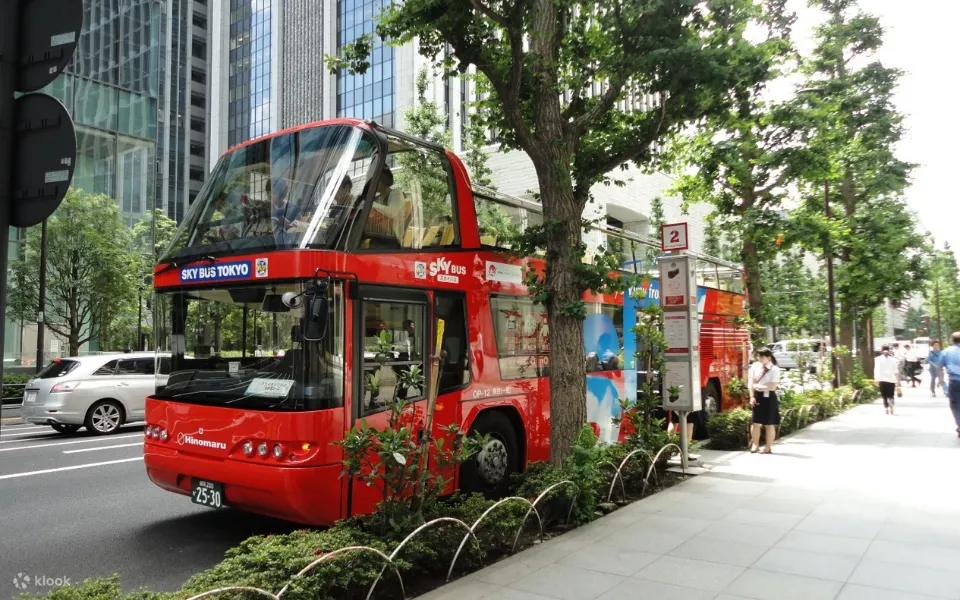
- From Kyoto Station to Kiyomizu-dera Temple: Take bus number 100 or 206. These are popular tourist routes that feature announcements in multiple languages.
- In Hakone: Use the Hakone Tozan Bus to travel between various hot spring locations. If you have purchased a Hakone Free Pass, you will not incur any additional costs for these bus trips.
- In Kawaguchiko: The Red, Green, and Blue bus lines are your only options for getting around the lake to view Mount Fuji, unless you choose to rent a car.
Frequently Asked Questions About Using Buses in Japan
1. Do children travel for free on buses?
Generally, children under 6 years old travel for free when accompanied by an adult (up to 2 children per adult). Children aged 6 to 12 are typically charged 50% of the adult fare.
2. Can I use a Suica card purchased in Tokyo to ride buses in Osaka?
Absolutely. Most major IC cards—such as Suica, Pasmo, and Icoca—are interoperable and can be used for payment throughout Japan.
3. What should I do if I forget to press the stop button?
Stay calm and wait until the next stop to get off. For safety reasons, never ask the driver to stop the bus in the middle of the road. Once you’ve disembarked, you can simply walk back or catch a bus heading in the opposite direction.

4. Do buses operate at night?
Most city bus routes stop running between 10:00 PM and 11:00 PM. After this time, if you miss the last train, your only options are to take a taxi or walk.
Hopefully, these detailed insights will help you feel more confident when boarding the spotless buses in the Land of the Rising Sun. Don’t forget to check out various travel passes and bus tickets on Klook to save on costs for your upcoming trip!

Some best day tours, trips, activities and transfer services, tickets in, to and from Tokyo you can refer to
- Mt Fuji & Hakone Day Tour: Lake Ashi & Ropeway Day Trip from Tokyo
- Nikko Cultural Day Tour from Tokyo
- Tokyo Subway Ticket (24, 48, or 72 Hours)
- Shuttle Bus Transfers (One Way/Round Trip) from Shinjuku/Ikebukuro to Tokyo Disneyland or Tokyo DisneySea
- Tokyo Disney Resort Park Ticket
- Klook Pass Greater Tokyo
- SHIBUYA SKY Ticket
- Warner Bros. Studio Tour Tokyo – The Making of Harry Potter Ticket
- Skyliner Narita Airport Express Ticket
- TeamLab Planets Ticket
- TOKYO SKYTREE® Ticket
- Limousine Bus Narita or Haneda Airport to Tokyo
- Skyliner Narita Airport Express With Tokyo Subway Ticket
- JR Tokyo Wide Pass
- Sky Hop-on and Hop-off Bus Pass
- 4G Prepaid Sim Card (JP Airports Pick Up) for Japan
- JR Pass for Whole Japan (7, 14, or 21 Days)
Are you looking for more Tokyo travel guide and top things to do in Tokyo: Tours, activities, attractions and other things? Read more: Tokyo itinerary 3 days — What to do in Tokyo in 3 days?