





















Stepping into Gotokuji Temple feels like entering an animated world filled with thousands of snow-white cats waving a friendly greeting; it is currently the hottest spot in Setagaya, Tokyo.
- A Relaxing Uji Itinerary 1-Day: Escaping the Kyoto Crowds
- 16 Tourist Spots Near Tokyo to Make Your Trip Even More Exciting
- Conquering Shimokitazawa: Tokyo’s Haven for Thrift Shopping & Indie Culture
- Shibuya vs. Shinjuku – Two Super-Hot Tokyo Entertainment Hubs
- 5 best places to visit in Japan for anime fans That Look Like They Stepped Right From the Screen
If you are already familiar with the bustling Shibuya Crossing or the glitz of Ginza, let me take you to a peaceful yet fascinating little corner in the heart of Tokyo: Gotokuji Temple (豪徳寺). Known as the birthplace of the world-famous *Maneki-neko* (beckoning cat), this site is not only an ancient sanctuary for those seeking spiritual tranquility but also a paradise for cat lovers and photographers looking for a truly unique backdrop.
The Origins of the *Maneki-neko* and the Legend of the Lord’s Rescue
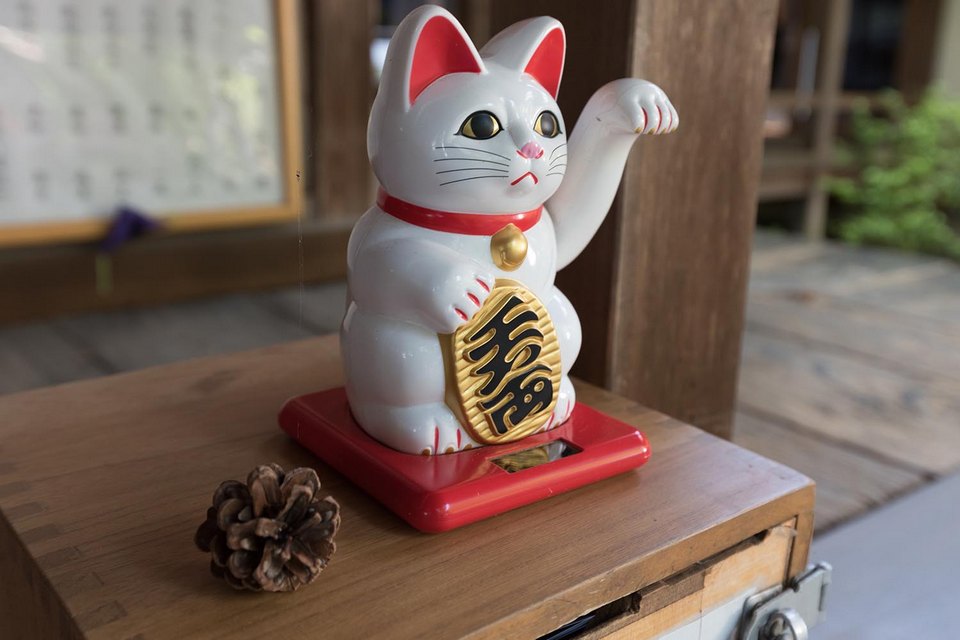
Many people mistakenly believe the “lucky cat” originated in China, but in reality, the *Maneki-neko* is a 100% Japanese creation. To understand why Gotokuji Temple is home to thousands of these cats, we must travel back in time to the Edo period (17th century).
Tama the Cat and the Fateful Lightning Bolt
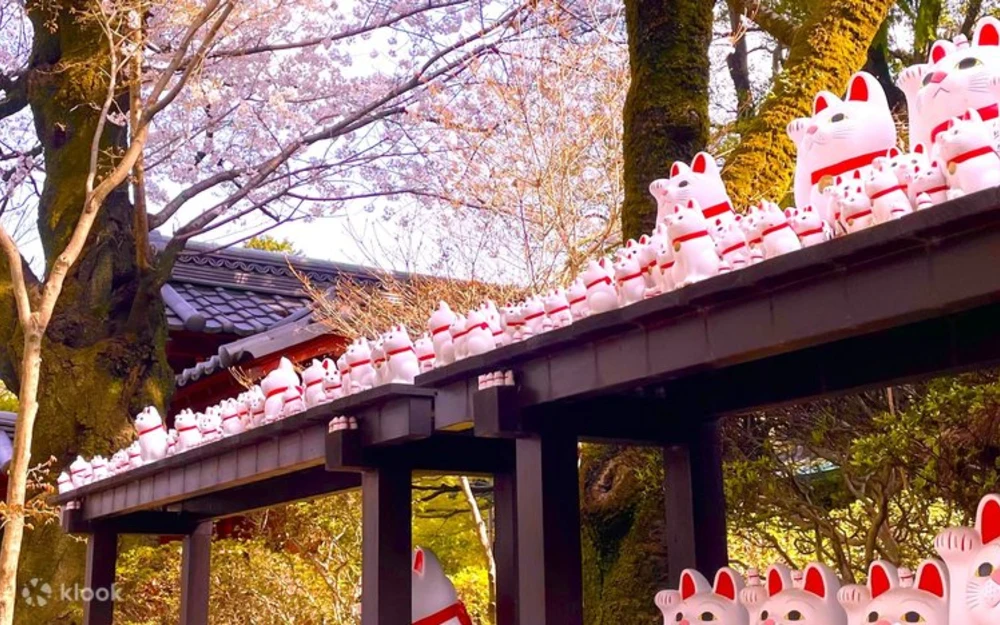
Tokyo Lucky Cat Temple & Harajuku Cat Cafe Half-Day Tour
Legend has it that a powerful feudal lord named Ii Naotaka was out falconry hunting when he was caught in a severe storm. While sheltering beneath an ancient tree near Gotokuji Temple—which was then a poor, dilapidated temple—he noticed a white cat named Tama standing at the temple gate, raising one paw as if beckoning him to come inside.
Intrigued by the cat’s strange behavior, the feudal lord stepped away from the tree and toward the temple gate. The very moment he moved, a massive bolt of lightning struck, completely shattering the tree where he had just been standing. Grateful that the cat had saved his life, Lord Naotaka used his influence and wealth to lavishly renovate the temple and designated it as the family temple for the Ii clan.
The Philosophy of “Opportunity” Behind the Wave
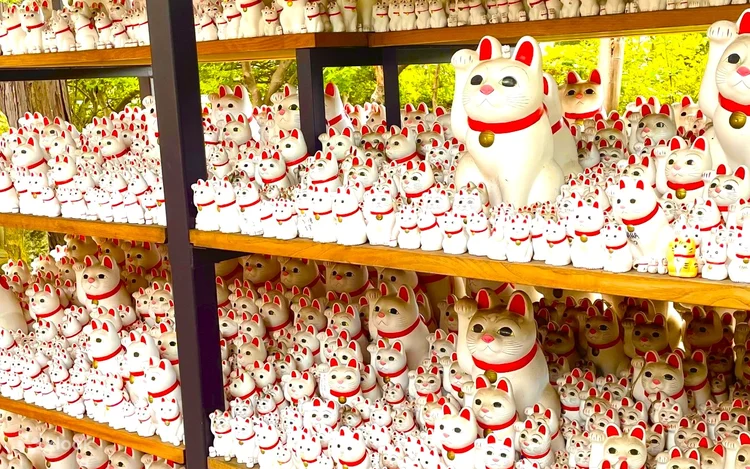
Tokyo Cat Cafe & Gotokuji Temple Half-Day Tour
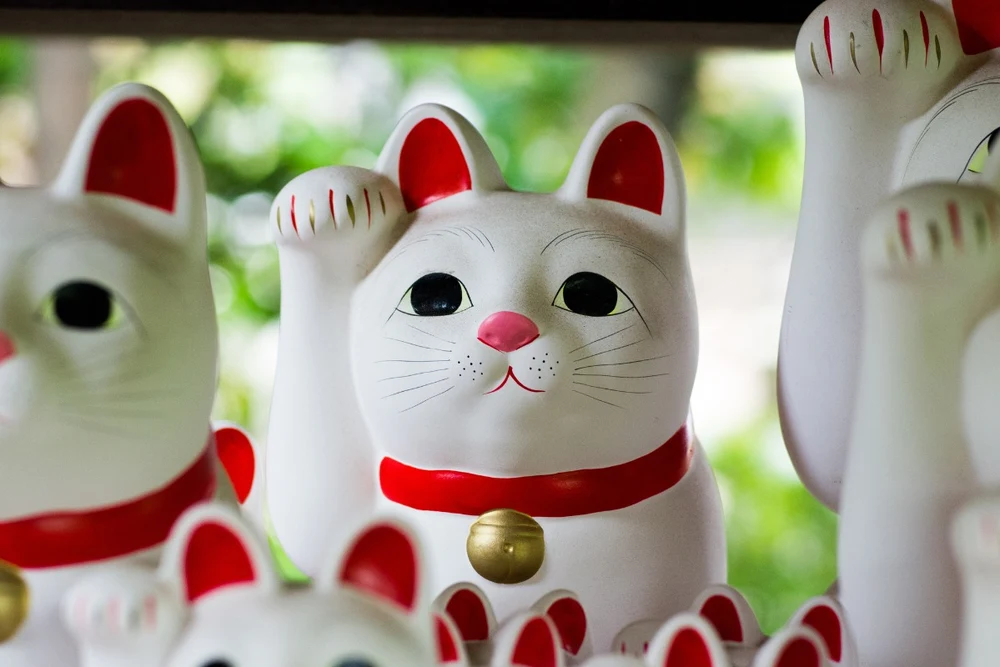
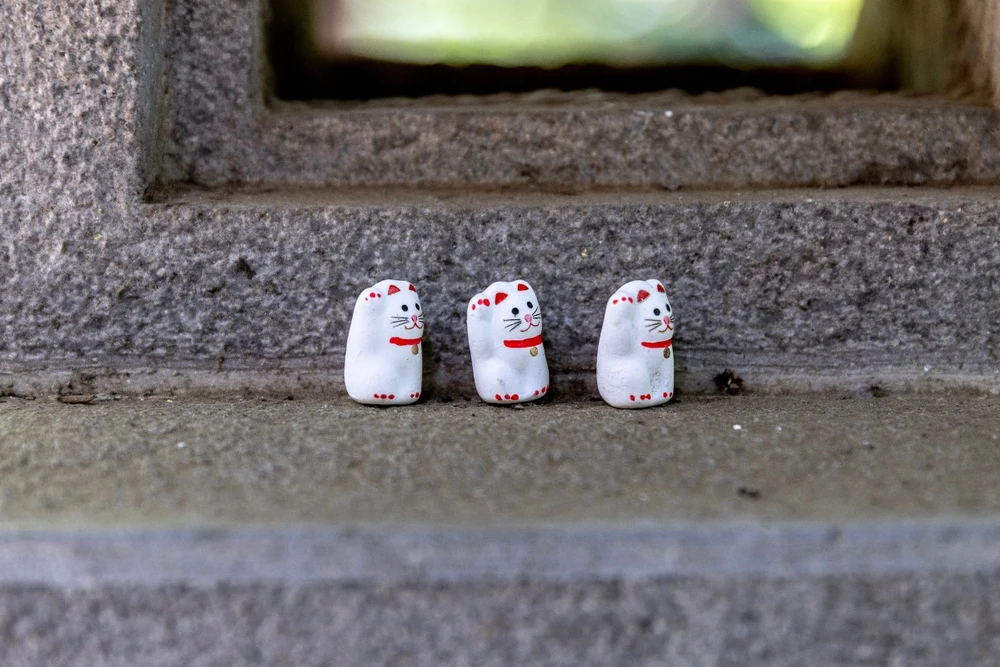
There is a fascinating detail we want you to notice about the cats here: they do not hold a *Koban* gold coin like the cats often seen in restaurants. At Gotokuji Temple, the *Maneki-neko* simply raises its right paw. According to the temple’s philosophy, the cat merely brings you an opportunity; whether you seize that chance to achieve wealth or success depends entirely on your own efforts. It is a very practical and quintessentially Japanese philosophy, isn’t it?
How to Get to Gotokuji Temple from Central Tokyo
Located in Setagaya—a quiet residential district in southwest Tokyo—getting to Gotokuji Temple is easy if you know a few simple tips.
Option 1: Taking the Odakyu Line (Most Popular)
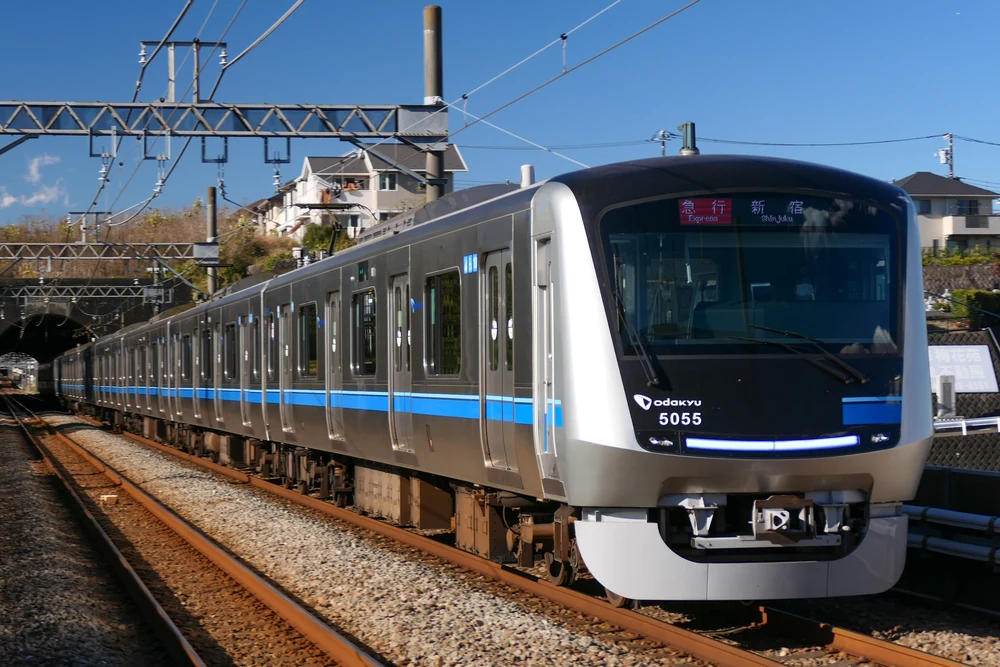
From the bustling Shinjuku Station, take the Odakyu Line (bound for Hon-Atsugi or Odawara). After about 15–20 minutes, get off at Gotokuji Station. From there, it is just a pleasant 10–12 minute walk through the charming neighborhood to reach the temple gate. Keep an eye out for the confectionery shops along the way; you will see images of the *Maneki-neko* everywhere.
Option 2: Ride the “Cat Train” on the Setagaya Line
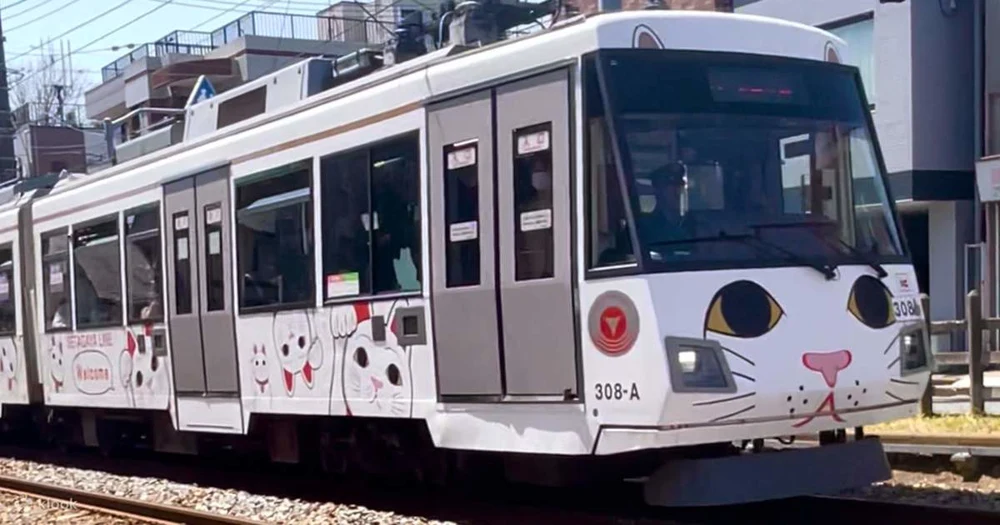
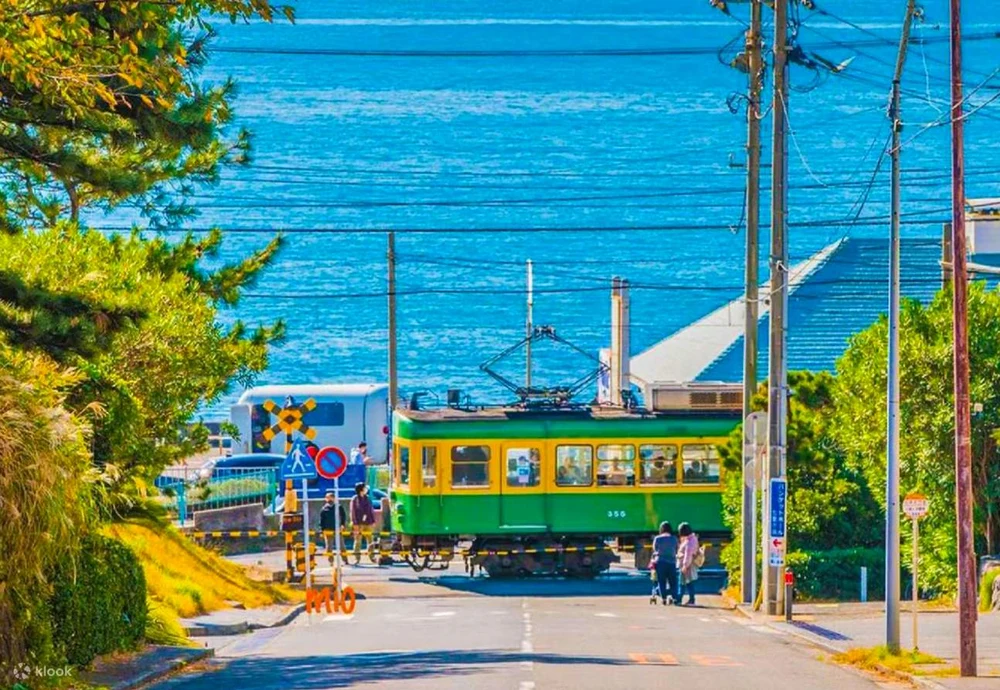
If you want to add a touch of cuteness to your journey, take the Tokyu Setagaya Line and get off at Miyanosaka Station (just a 5-minute walk from the temple). A special feature of this line is that you might encounter trains decorated with “beckoning cat” motifs—both inside and out—making for a delightful experience for children and fans of Japanese creativity alike.
Tip: Don’t forget to have an IC card (like Suica or Pasmo) ready, or use a Tokyo Subway Pass if you’re visiting multiple locations. However, please note that the Tokyu Setagaya Line isn’t covered by the standard Subway Pass, so it’s best to load your IC card with credit beforehand for convenience.
The Unique and Historic Architecture of Gotokuji Temple
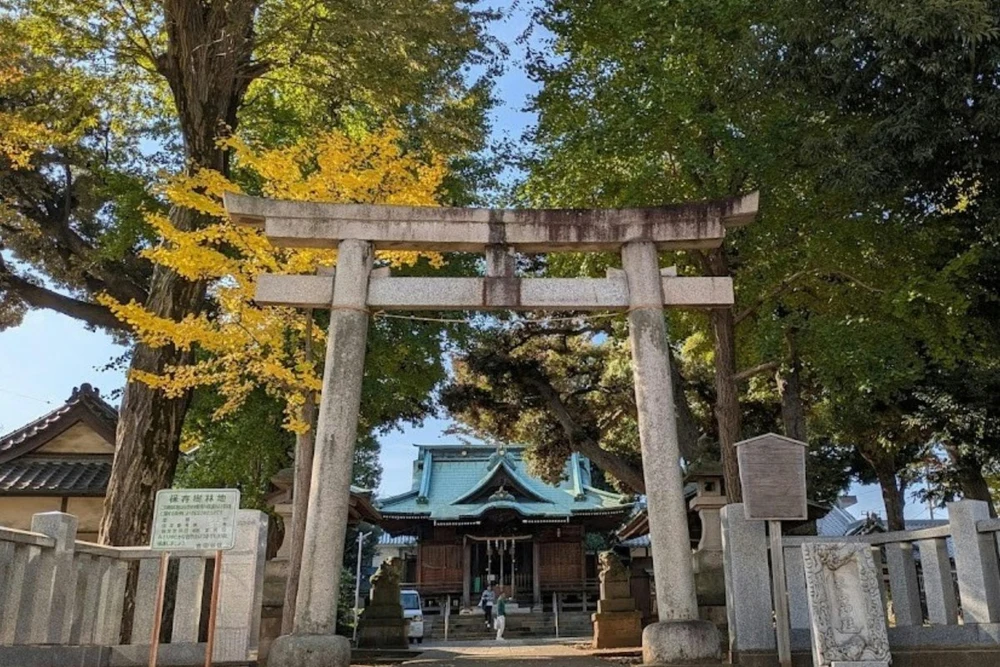
Scenic Mt. Fuji Day Tour from Tokyo: 5th Station, Matcha Experience
Don’t get so caught up in the cats that you overlook the fact that Gotokuji Temple boasts truly impressive architecture and scenery.
The Sanmon Gate and the Pine-Lined Path
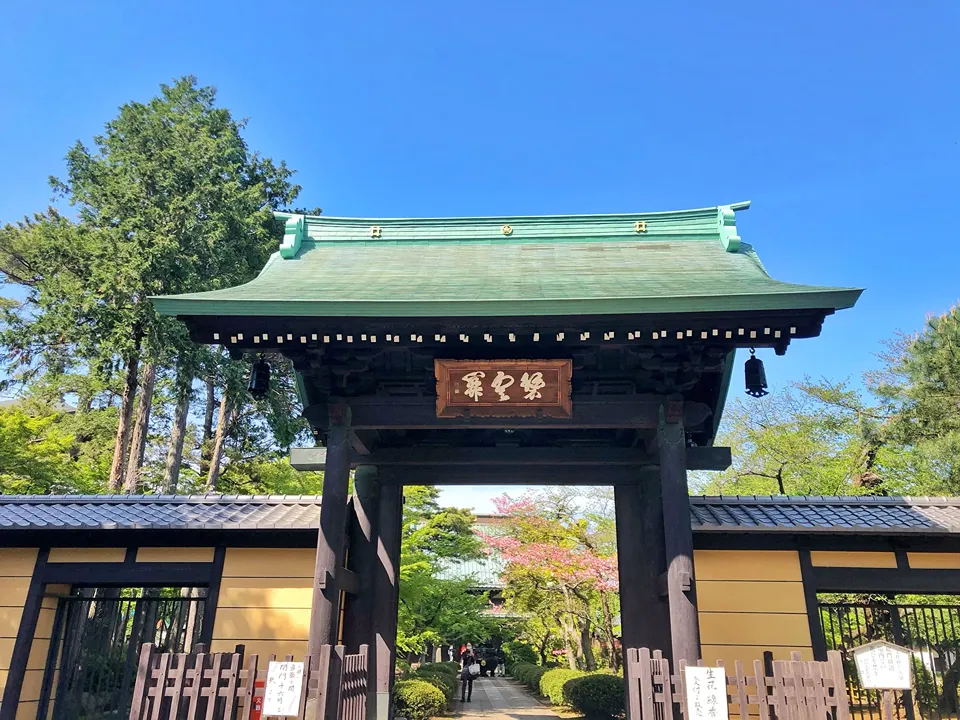
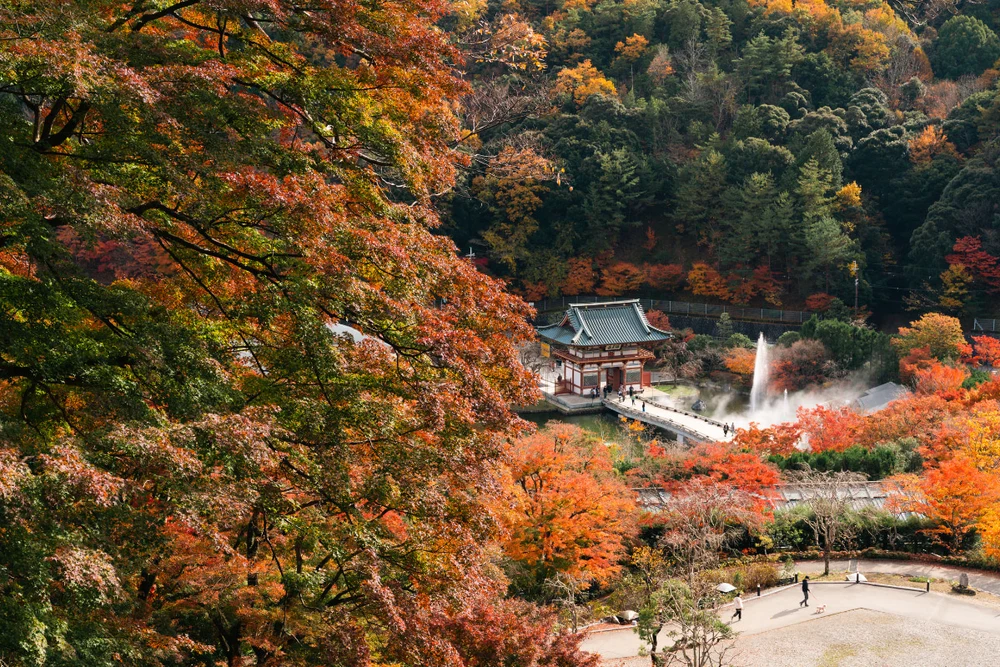
As soon as you pass through the main gate, you’ll feel a refreshing atmosphere that sets the temple apart from the outside world. The path leading to the main hall is flanked by old pine trees and lush green foliage. In autumn (late November), the area transforms into a vibrant canvas of red and orange maple leaves, creating a stunning contrast with the temple’s deep-toned woodwork.
The Three-Story Pagoda (Sanju-no-to)
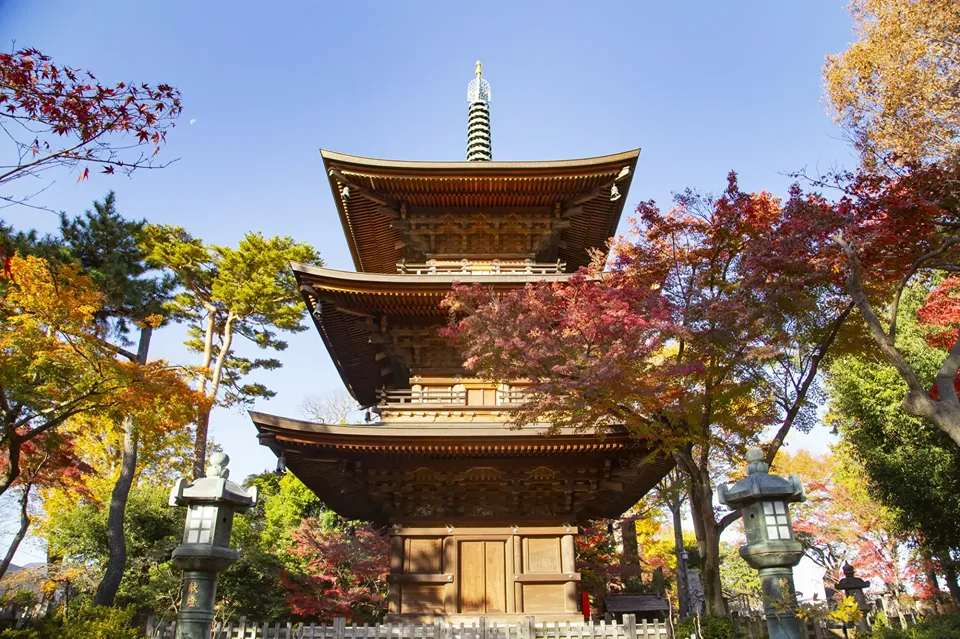
One of the most striking structures is the intricately carved wooden three-story pagoda. If you look closely at the decorative details on the second and third levels, you’ll spot carvings of the twelve Chinese zodiac animals and—of course—beckoning cats tucked away among them. This is a small yet subtle detail that not everyone notices.
The Ii Clan Cemetery
Behind the temple grounds lies an ancient cemetery—the final resting place of the lords of the Ii clan. Although it is a burial ground, the atmosphere is far from gloomy; instead, it is deeply solemn and peaceful. Moss-covered stone tombs tell the story of the glorious Edo period, evoking a profound sense of nostalgia.
The “Thousand-Cat” Check-in Spot: Shofukan
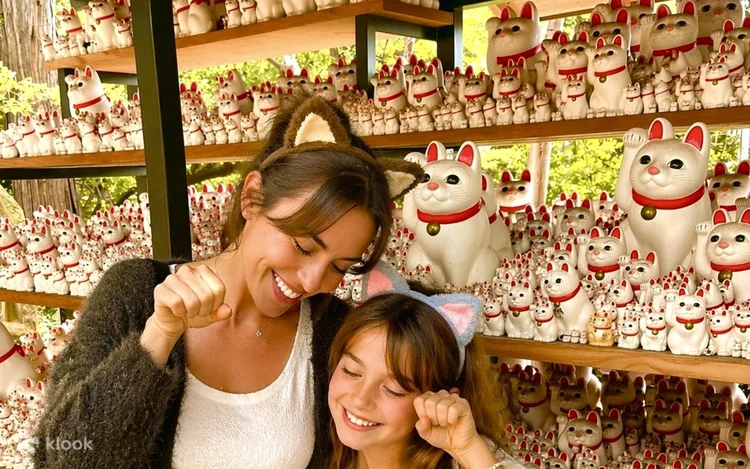
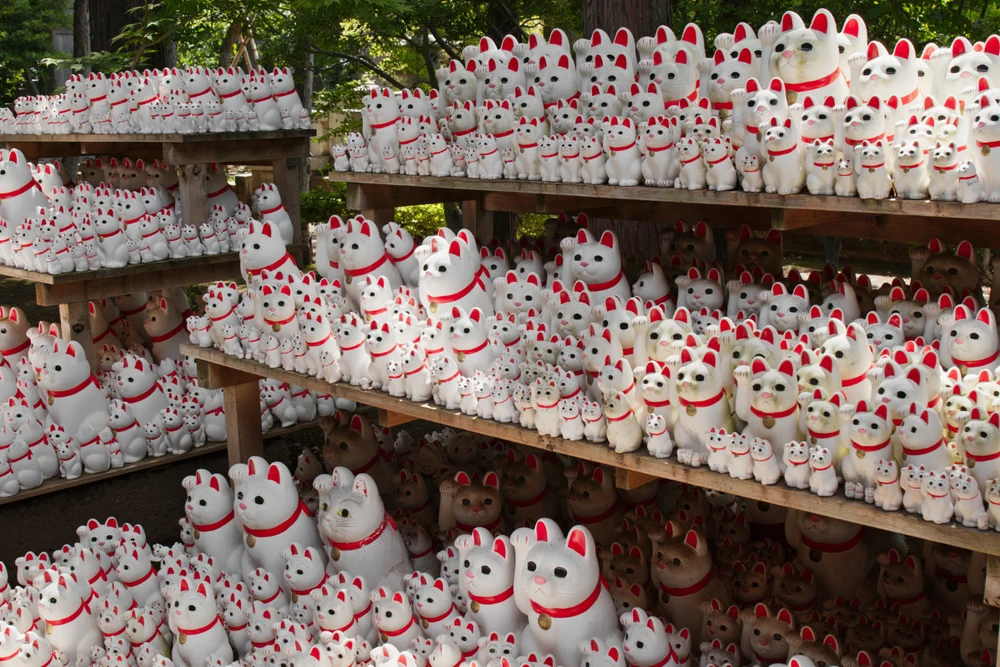
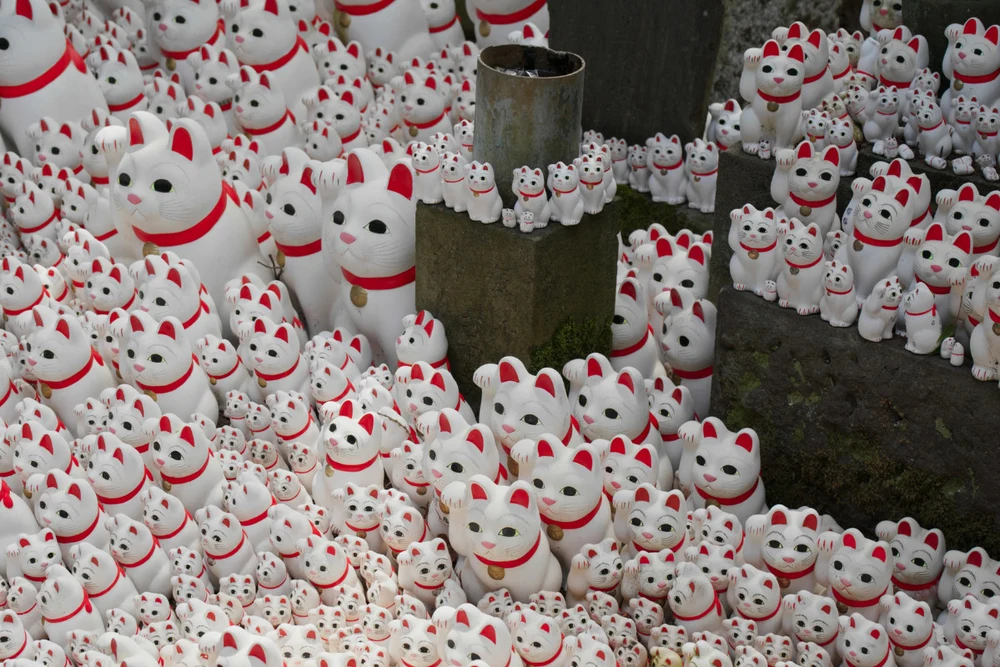
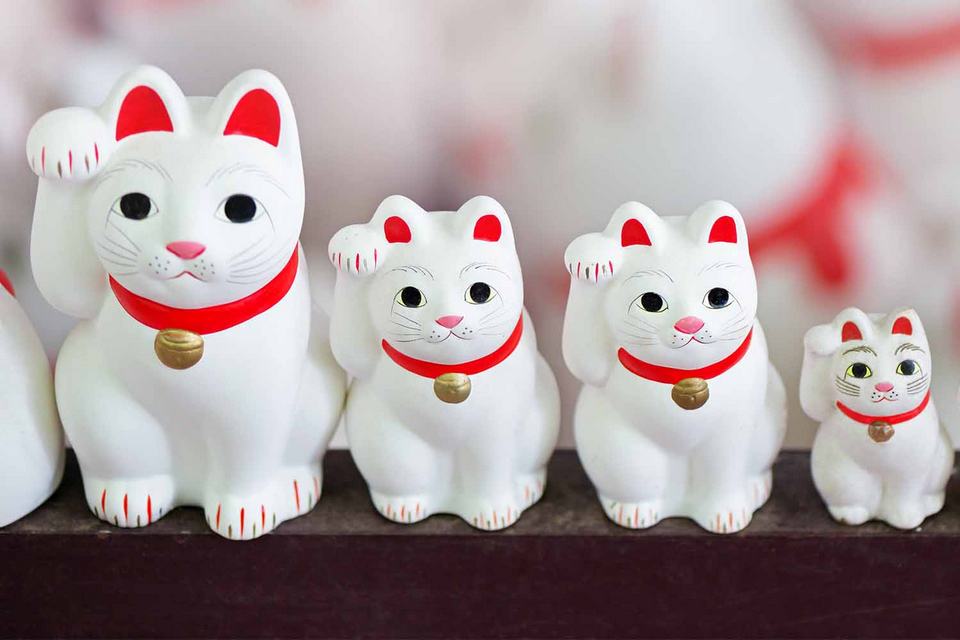
This is the main attraction that every visitor to Gotokuji Temple seeks out: the Shofukuden shrine area, home to thousands of cat statues of all sizes.
Striking Geometric Beauty
Tokyo Disney Resort – Tokyo Disneyland & Tokyo DisneySea Park Tickets
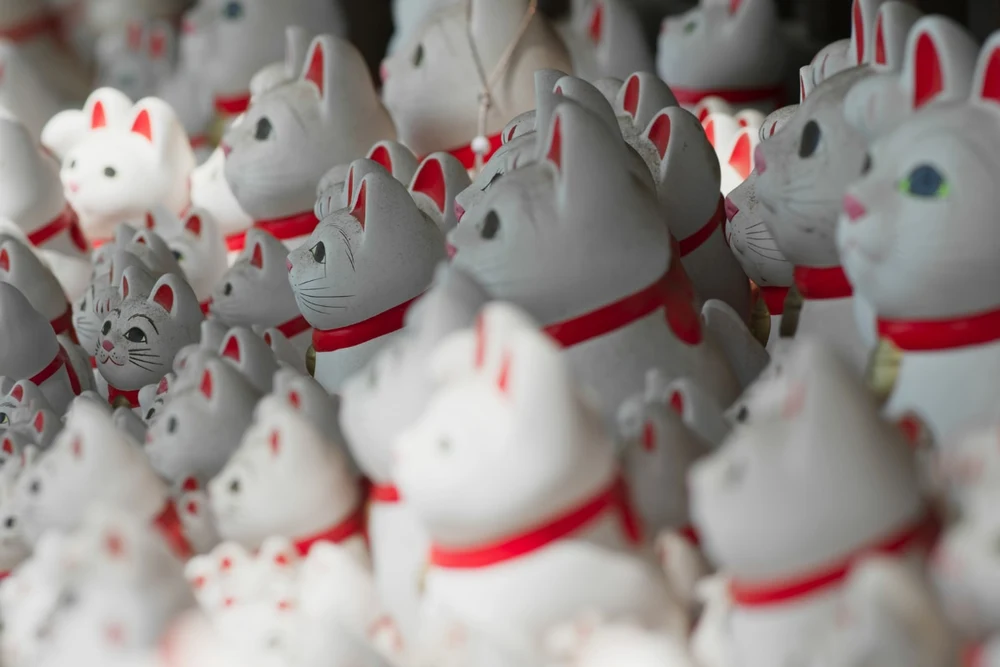
Stepping into this corner, you will be truly overwhelmed by the rows upon rows of snow-white porcelain cats. They are stacked on wooden shelves, nestled among mossy tree roots, and even tucked behind larger statues. This arrangement creates a powerful visual effect—at once mysterious and incredibly adorable.
Why Are There So Many Cats?
Ninja Experience Cafe in Asakusa Tokyo
There is a local tradition where people purchase a small cat figurine from the temple office to keep at home or at work, praying for good fortune. Once their wish comes true, they return the figurine to the temple and place it in the Shofukan area as an act of gratitude. The sheer number of cats today stands as a testament to the thousands upon thousands of wishes granted through the blessing of the Maneki-neko.
Shopping and Prayer at the Temple
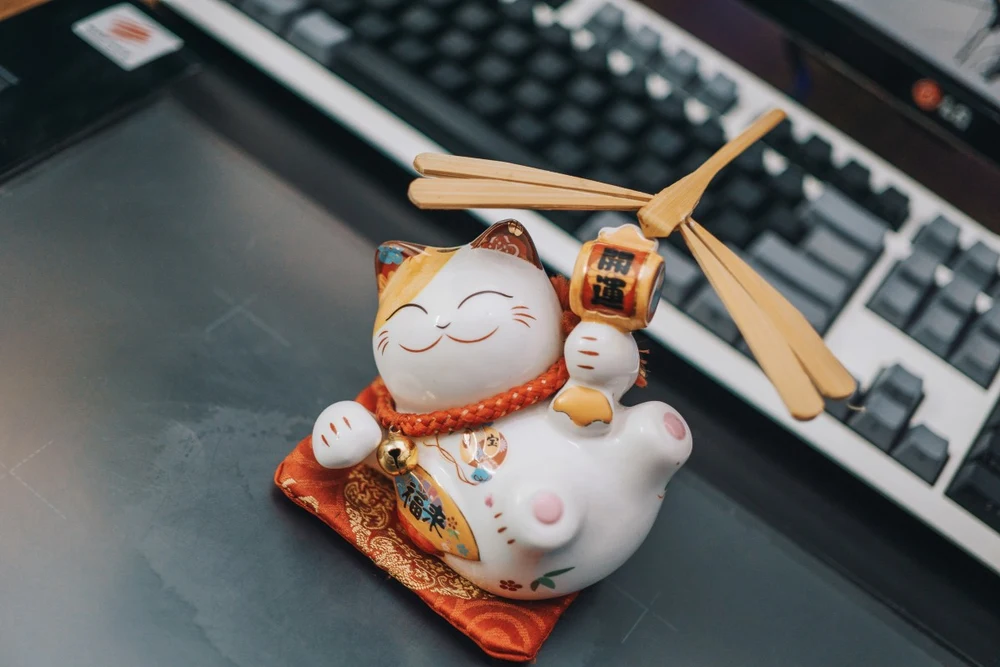
A visit to Gotokuji Temple wouldn’t be complete without taking home a cat figurine as a souvenir or a gift for a loved one.
Choosing a Maneki-neko Figurine
Shinjuku Gyoen Ticket in Tokyo
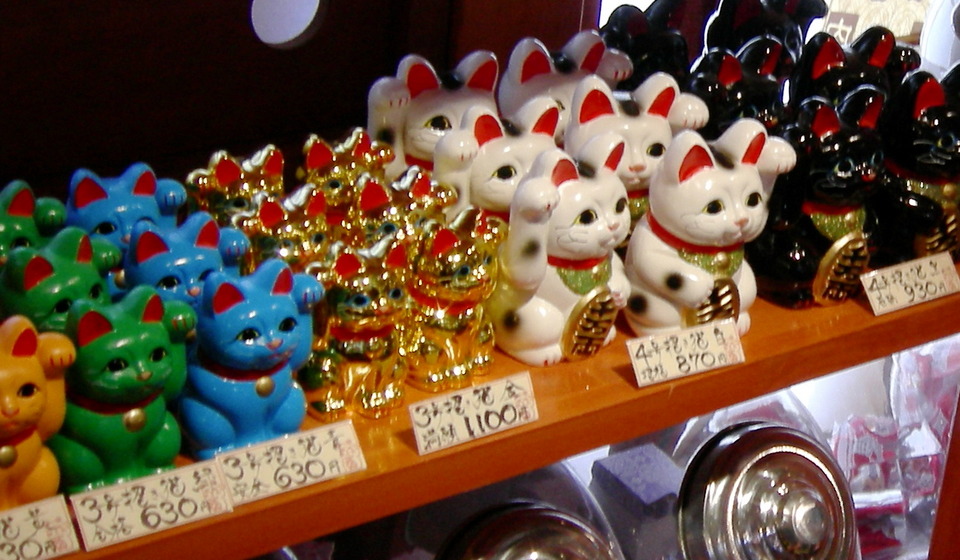
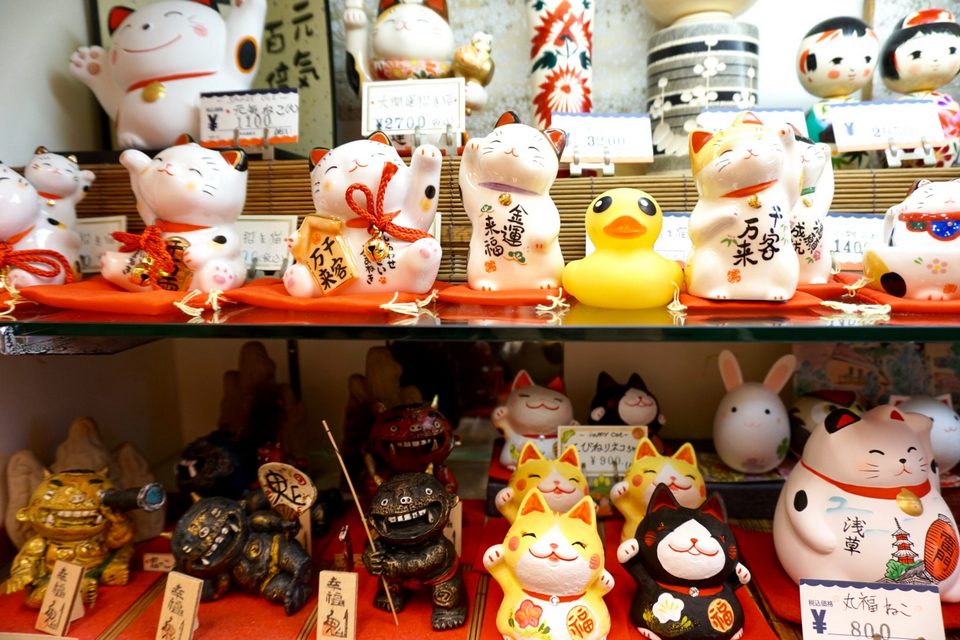
At the souvenir counter (temple office), you can find cat statues in a wide range of sizes—from tiny ones the size of a finger (priced around 500–800 yen) to large, majestic figures (costing over 5,000 yen). All are crafted from exquisite white porcelain and feature gentle, benevolent expressions.
Ema Wooden Plaques and Omamori Amulets
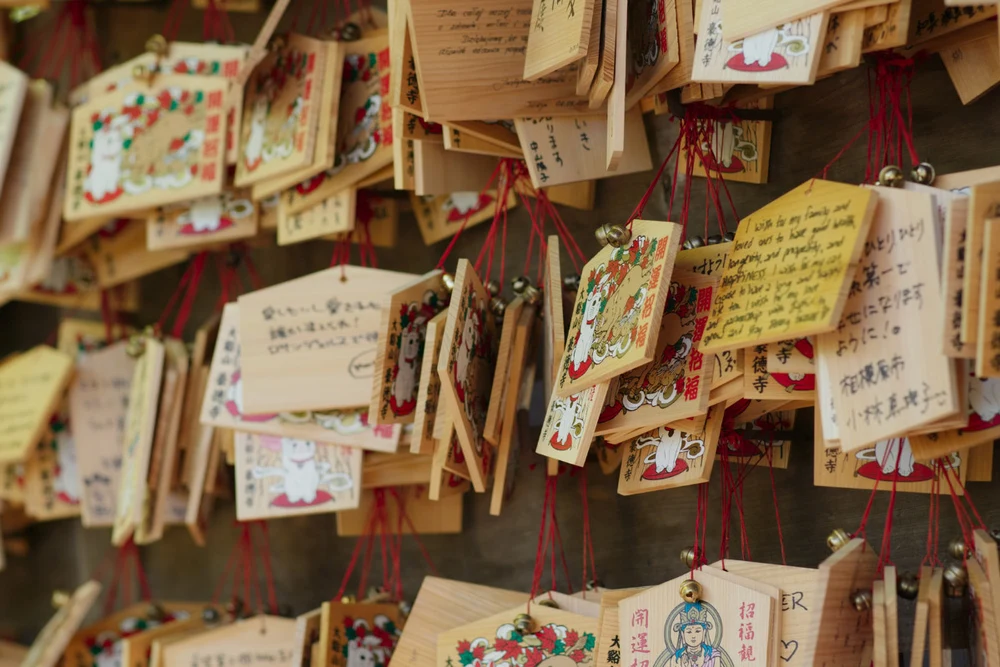
If you wish to share your heartfelt wishes, purchase an *Ema* wooden plaque featuring a lovely white cat. Write your wish on the back and hang it on the wooden rack within the shrine grounds. Additionally, there is a wide variety of *Omamori* (protective amulets) available—ranging from those for health and peace to those for academic and career success—all featuring the lucky cat motif.
A quick tip: The shrine office usually closes quite early (around 3:00 PM – 3:30 PM), so if you want to buy a lucky cat figurine, make visiting the shop a priority before strolling around the grounds.
Suggested Itinerary and Nearby Attractions
To make the most of your trip, I recommend combining a visit to Gotokuji Shrine with a day exploring western Tokyo.
Morning: Visit Gotokuji Shrine early (around 8:00 AM – 9:00 AM) to enjoy the quiet atmosphere and capture the best photos.
Midday: Take the Odakyu Line to Shimokitazawa Station (just 2–3 stops away). This neighborhood is known for vintage clothing stores, artistic cafes, and graffiti-filled alleys. You can find plenty of delicious eateries here, serving everything from curry to pancakes.
Afternoon: Head to Shinjuku Station to see the giant 3D cat on the “Cross Shinjuku Vision” advertising screen—a perfect match for a “Cat Day” theme in Tokyo.
Important Tips for Visiting Gotokuji Shrine
To be a considerate visitor and ensure the best experience, please keep the following rules in mind:
Maintain silence: Gotokuji Shrine is a sacred place of worship situated within a residential area. Please walk softly, speak quietly, and avoid making noise that might disturb the temple’s serenity or the local residents.
Photography rules: You are welcome to take photos of the cats, but strictly do not move or rearrange the statues to suit your own preferences. Touching or knocking over statues—often done in pursuit of the perfect shot—is considered highly taboo.
Harry Potter Studio Tour Tokyo
Attire: While there are no strict dress codes, please wear modest, respectful clothing when entering the main hall.
Best time to visit: Early mornings on weekdays are ideal for avoiding tourist crowds. If you visit on a weekend, be prepared for the Shofukan area to be busy with young people queuing up for photos.
Admission: Completely free! However, you may wish to make a small offering (*Saisen*) in the donation box before praying to help maintain and restore the temple.
At Gotokuji Temple, you can slow down amidst Tokyo’s hectic pace, smile at the adorable cats, and find faith in the good fortune awaiting you. We hope these detailed tips from Living Nomads help you enjoy a delightful journey in search of luck in this land of a thousand beckoning cats.
Don’t forget to check in and share your adorable moments with us. Wishing you a joyful trip to Japan and—of course—plenty of good luck to bring back home!
Some best day tours, trips, activities and transfer services, tickets in, to and from Tokyo you can refer to
- Mt Fuji & Hakone Day Tour: Lake Ashi & Ropeway Day Trip from Tokyo
- Nikko Cultural Day Tour from Tokyo
- Tokyo Subway Ticket (24, 48, or 72 Hours)
- Shuttle Bus Transfers (One Way/Round Trip) from Shinjuku/Ikebukuro to Tokyo Disneyland or Tokyo DisneySea
- Tokyo Disney Resort Park Ticket
- Klook Pass Greater Tokyo
- SHIBUYA SKY Ticket
- Warner Bros. Studio Tour Tokyo – The Making of Harry Potter Ticket
- Skyliner Narita Airport Express Ticket
- TeamLab Planets Ticket
- TOKYO SKYTREE® Ticket
- Limousine Bus Narita or Haneda Airport to Tokyo
- Skyliner Narita Airport Express With Tokyo Subway Ticket
- JR Tokyo Wide Pass
- Sky Hop-on and Hop-off Bus Pass
- 4G Prepaid Sim Card (JP Airports Pick Up) for Japan
- JR Pass for Whole Japan (7, 14, or 21 Days)
Are you looking for more Tokyo travel guide and top things to do in Tokyo: Tours, activities, attractions and other things? Read more: Tokyo itinerary 3 days — What to do in Tokyo in 3 days?