

























Kyushu is a destination deeply marked by Japanese nature and culture. From volcanoes and hot springs to modern cities, it offers diverse experiences for visitors. It’s an ideal place to explore Japan in a more complete way. So, where to go in Kyushu, what to eat in Kyushu with unmissable experiences? Let’s explore more with Living Nomads through this Kyushu travel guide: Top Kyushu attractions, best things to do in Kyushu below!
- Unlocking the Allure of Kinkaku-ji (The Golden Pavilion) with 1-Day Itinearary
- 15 Must-Visit Tourist Places in Kanagawa
- 11 Amazing Japanese Autumn Festivals to Enjoy the Fall Foliage Season
- A Relaxing Uji Itinerary 1-Day: Escaping the Kyoto Crowds
- 16 Tourist Spots Near Tokyo to Make Your Trip Even More Exciting
Where is Kyushu?
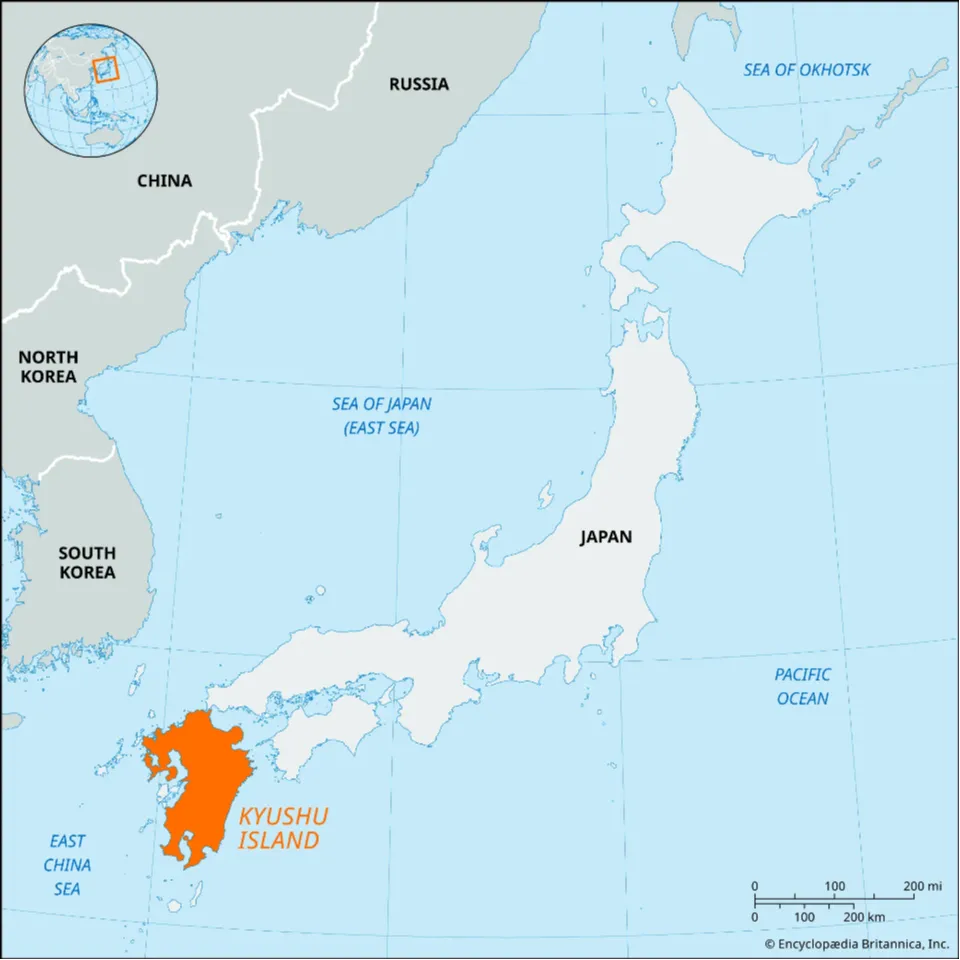
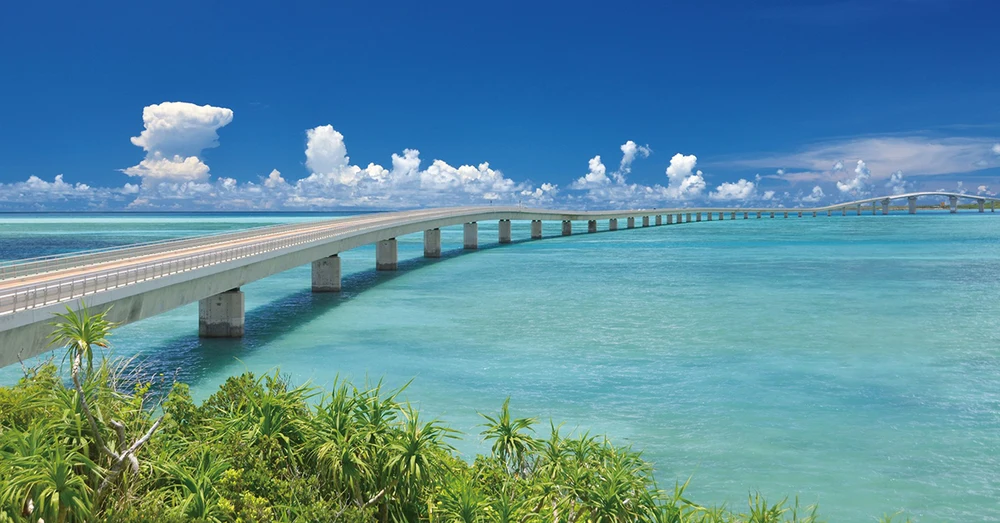
Kyushu is the third largest island in Japan, located in the south and considered the country’s gateway to the sea. The name Kyushu means “nine lands,” linked to its history of formation from nine ancient regions. Currently, this region includes seven prefectures: Fukuoka, Saga, Nagasaki, Oita, Kumamoto, Miyazaki, and Kagoshima.
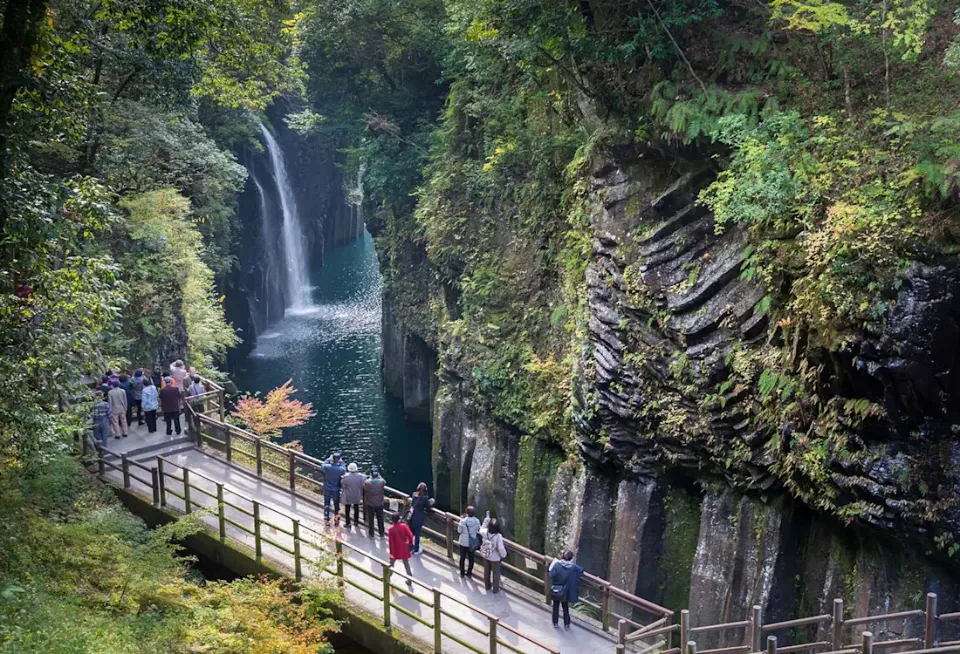
Kyushu stands out with many unique landscapes and experiences such as Mount Aso, Beppu hot springs, and the pristine beaches of Miyazaki. In addition, Kyushu impresses with its distinctive cuisine. The blend of tradition and modern life has made this region an attractive destination for both domestic and international tourists.
Top Tourist Destinations in Kyushu
Kumamoto Castle
Address: Fujikawaguchiko, Minamitsuru District, Yamanashi, Japan
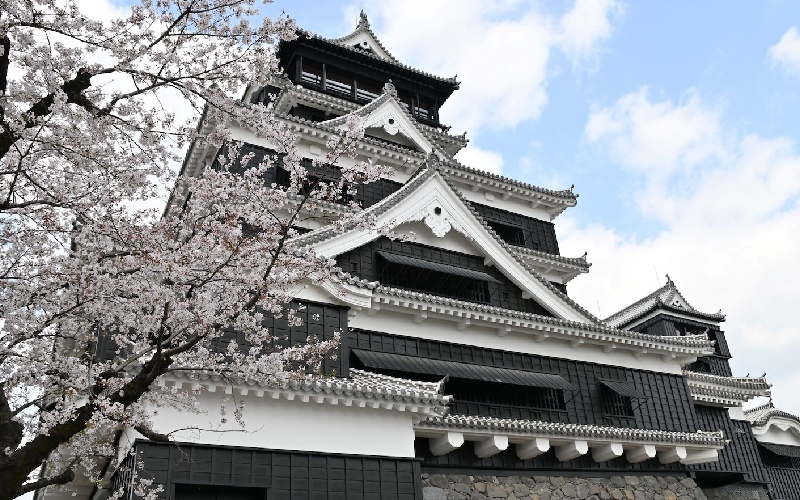
Kumamoto Castle is one of the three most famous castles in Japan, and also a source of pride for the people of Kyushu. Built in the 17th century, it stands out with its sturdy architecture, distinctive curved roofs, and black stone walls that create a sense of majesty.
After the 2016 earthquake, the castle suffered significant damage, but it has now been largely restored and reopened to visitors. In spring, this place becomes nổi prominent with cherry blossoms covering the grounds, creating a scene that is both peaceful and impressive.
Shimabara Castle
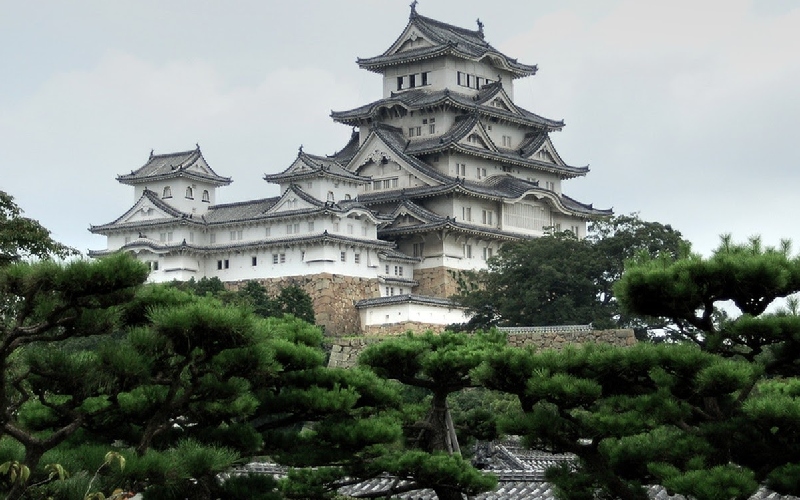
Address: 1-1183-1 Jonai, Shimabara City, Nagasaki, Japan
Shimabara Castle was begun in 1618 by Lord Matsukura Shigemasa and took many years to complete. It witnessed the 1637 rebellion led by Amakusa Shiro Tokisada against the Tokugawa Shogunate.
In 1792, the Shimabara area in Kyushu suffered an earthquake and tsunami, causing severe damage and destroying much of the castle. During the Meiji era, the castle was completely demolished. It wasn’t until 1964 that the structure was restored to its original form, and it now serves as a museum, preserving the history of Catholicism and the changes that have occurred in this region throughout history.
Jigoku Meguri
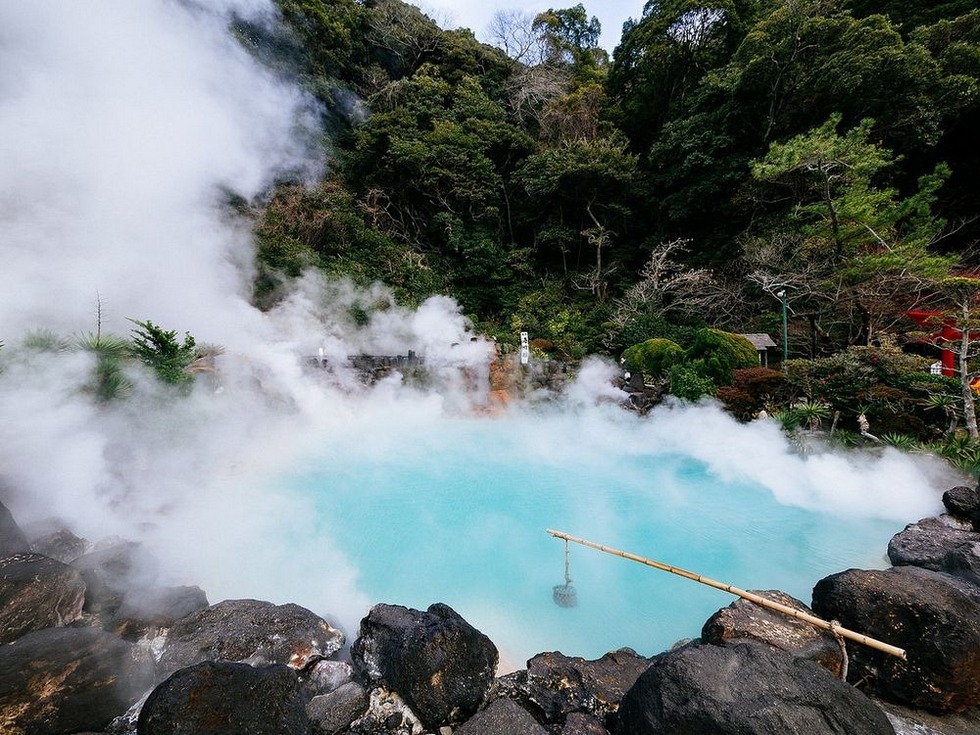
Address: Beppu City, Oita Prefecture, Kyushu, Japan
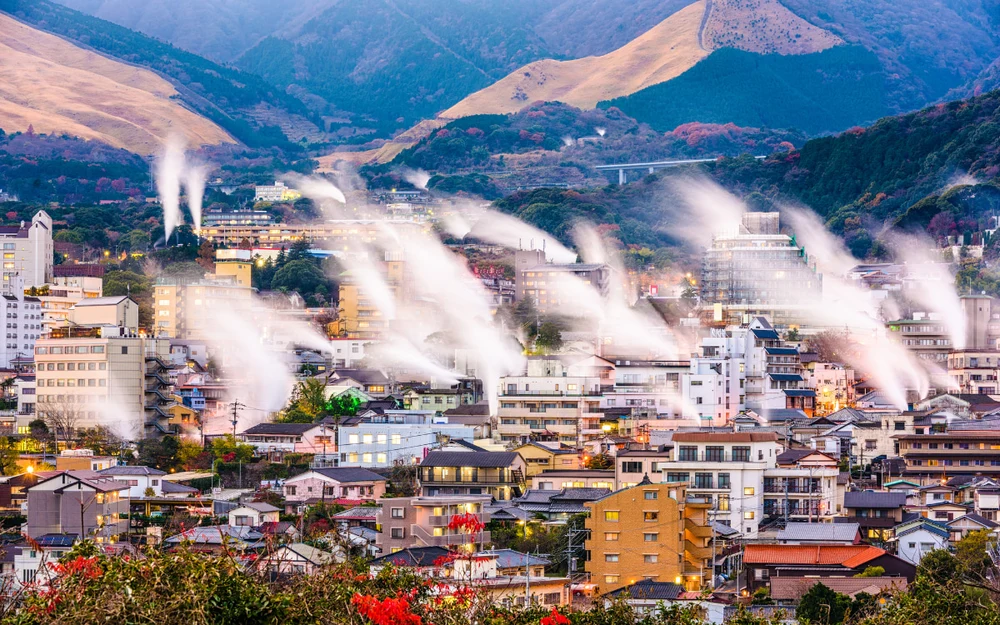
Beppu is known as a “steam hell,” where visitors can witness continuous white smoke rising from the ground, permeating the streets and residential areas. This scene creates a very different experience compared to other destinations.
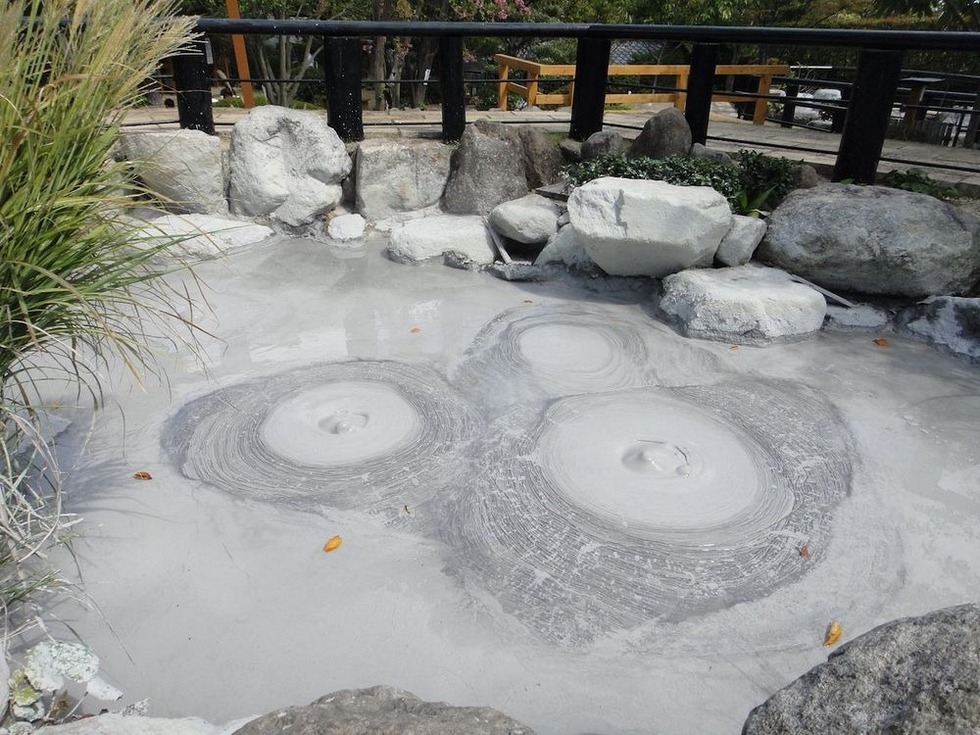
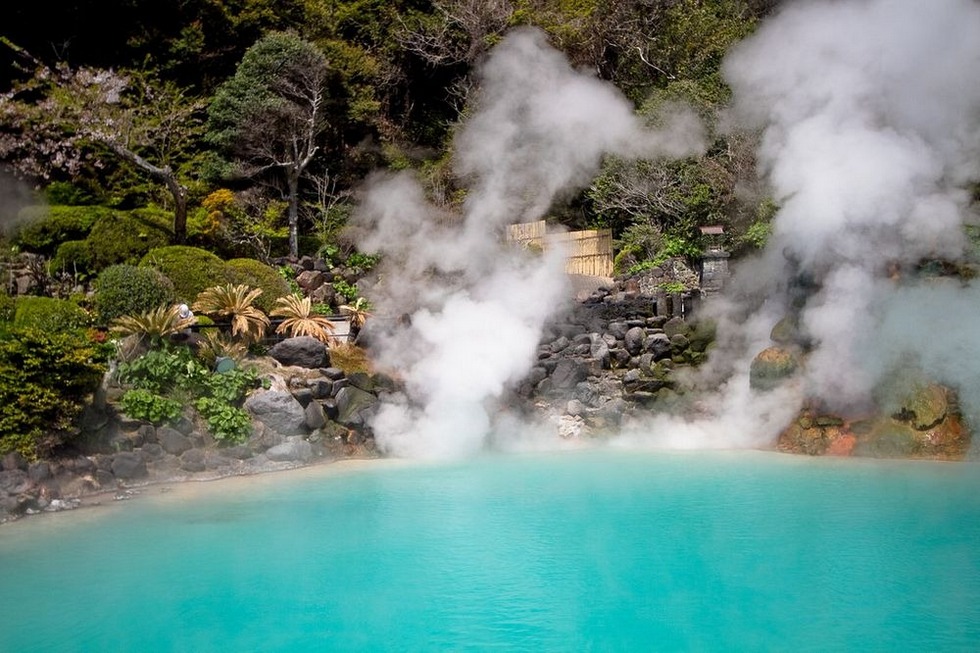
One of the highlights here is visiting the Jikoku Meguri “hell lakes,” with their unique natural formations. Notable examples include Umi Jigoku Lake with its striking blue color due to volcanic minerals, Chi-no Ike Jigoku Lake with its deep red hue from iron and magnesium oxides, and Onishibozu Jigoku Lake with its swirling, gray mud. Each location possesses its own unique charm, contributing to Beppu’s distinctive appeal.
Ohori Park
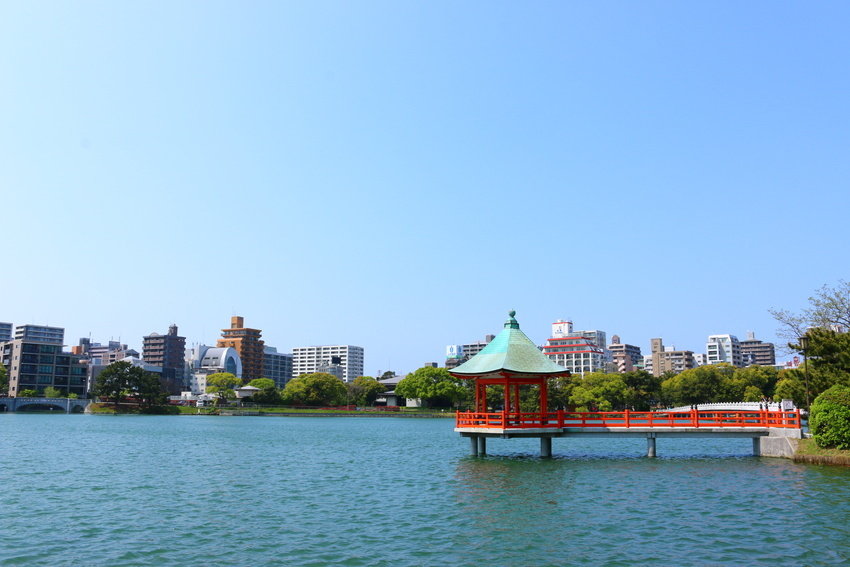
Address: 〒810-0051 Fukuoka, Chuo Ward, Ohorikoen, Japan
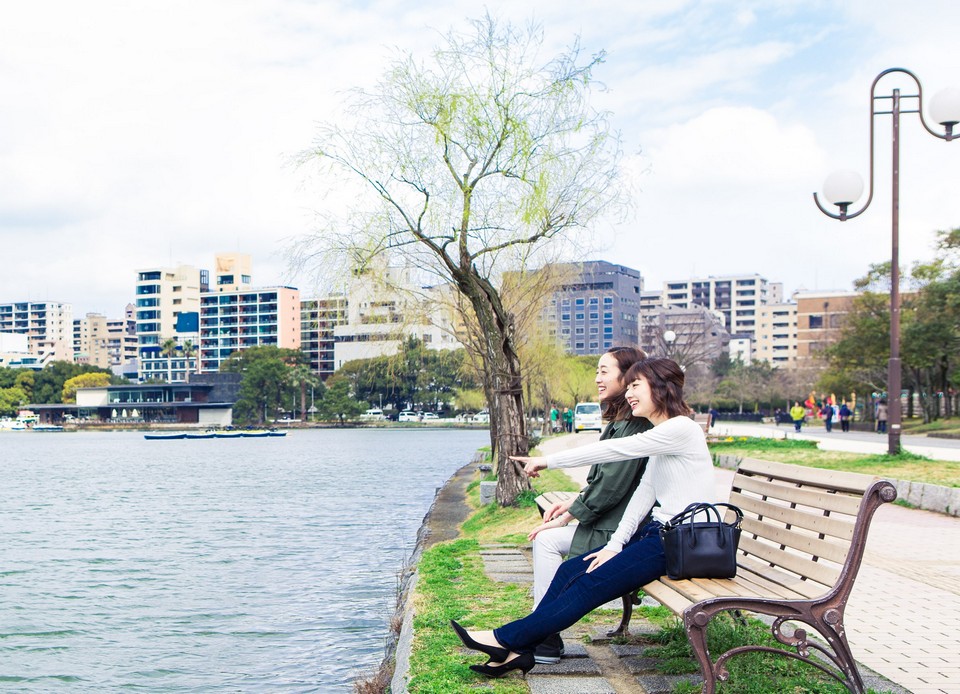
Amidst the bustling life of Fukuoka in Kyushu, Ohori Park offers a tranquil and relaxing space. Built around a large artificial lake, it’s inspired by traditional Japanese garden styles.
Visitors can stroll around the lake, enjoy boating, or find a quiet spot under the trees to rest, especially in autumn when golden leaves blanket the pathways. Additionally, the park features a small Japanese garden where you can enjoy tea and appreciate the subtle beauty of landscape design.
Fukuoka Tower
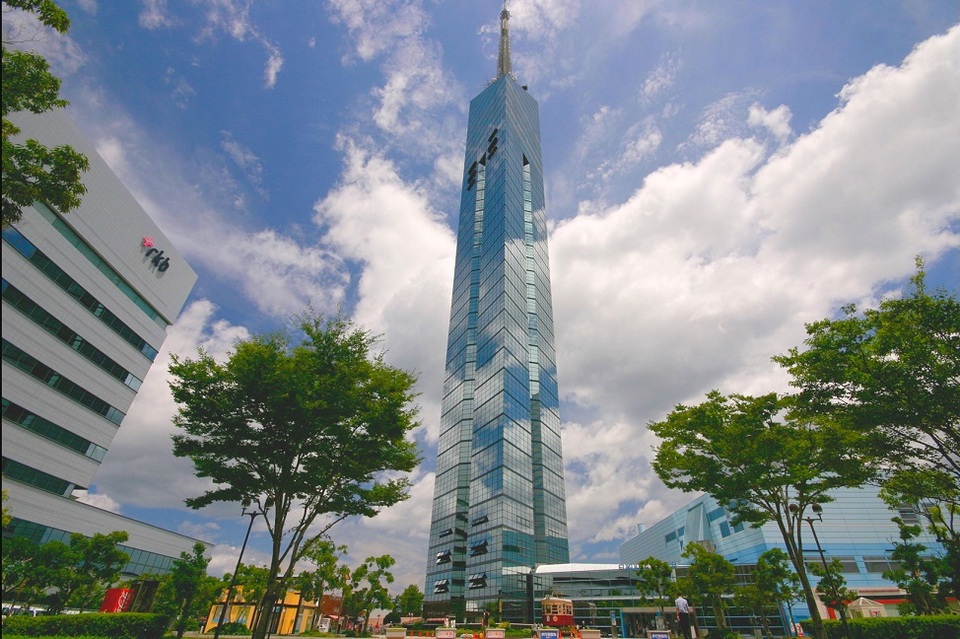
Address: 2 Chome-3-26 Momochihama, Sawara Ward, Fukuoka, Japan
Fukuoka Tower is a prominent modern landmark of the city. At 234 meters tall and situated near the sea, it is considered the tallest seaside tower in Japan. The glass exterior reflects the blue of Hakata Bay, creating an impressive image on the skyline. It is also a very popular spot for panoramic city views.
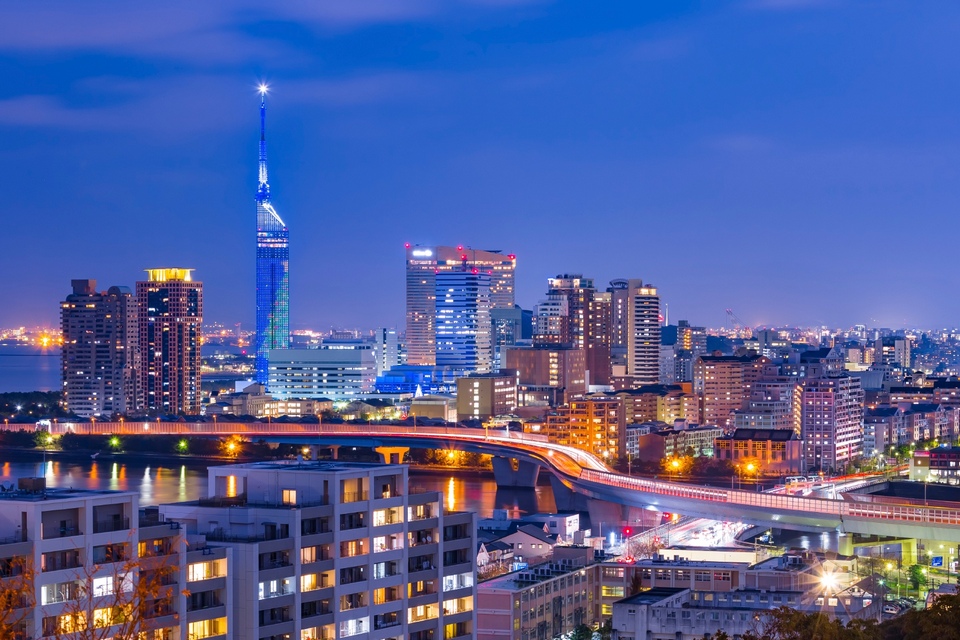
When night falls, the tower is illuminated by LED lights with various seasonal themes, creating a romantic atmosphere. You can bring your suitcase to the rooftop cafe to enjoy a drink while watching the sunset from above.
Yutoku Inari Shrine
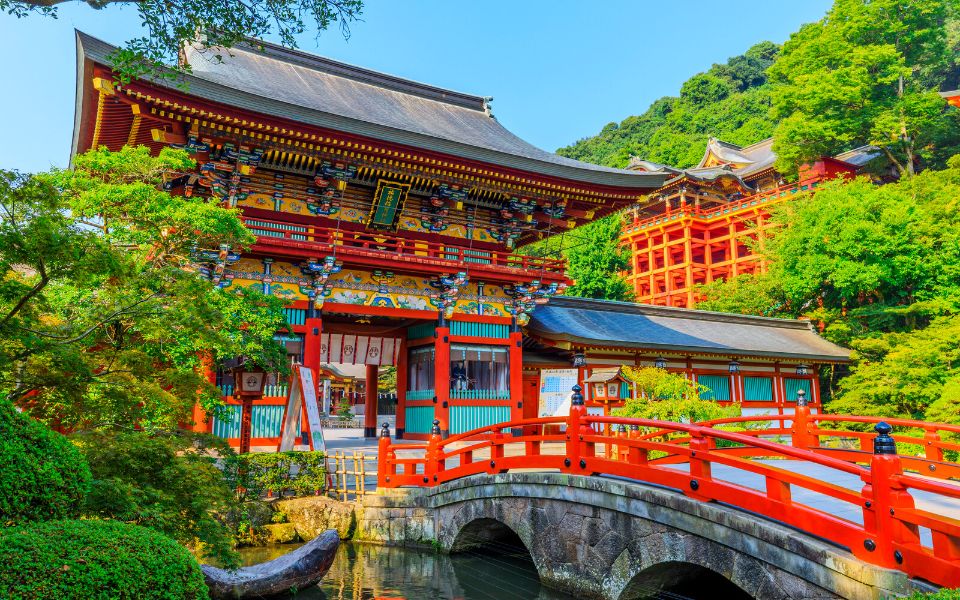
Address: 1855 Furueda, Kashima City, Saga Prefecture, Japan
Yutoku Inari Shrine is one of the three most important Inari shrines in Japan, along with Fushimi Inari (Kyoto) and Kasama Inari (Ibaraki). It was built in 1687 during the reign of Lord Nabeshima Naotomo. With its grand architecture and impressive appearance, this shrine is also known as “Chinzen Nikko,” a metaphor for Nikko Toshogu Shrine in the former Kyushu region.
Marine World
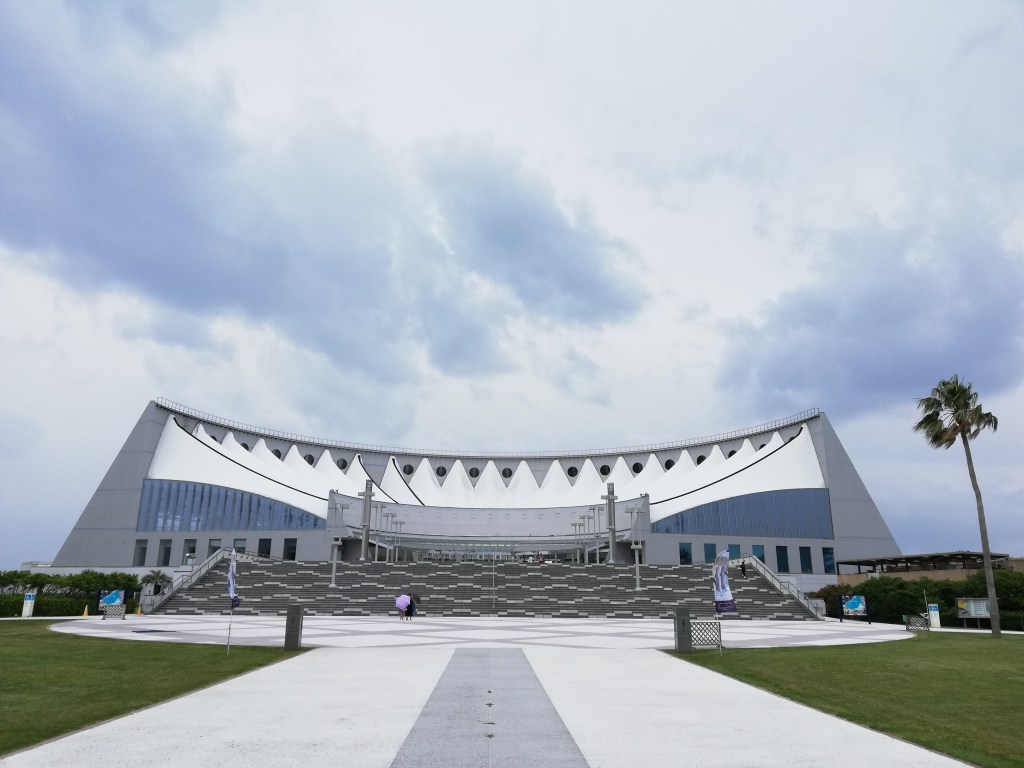
Address: 18-28 Saitozaki, Higashi Ward, Fukuoka, 811-0321, Japan
Located along the Hakata coast, Marine World Uminonakamichi is the largest aquarium in the Kyushu region, home to many marine creatures characteristic of the Japanese sea. The modern design features glass tanks approximately 7 meters high, recreating the natural habitats of various ocean species.
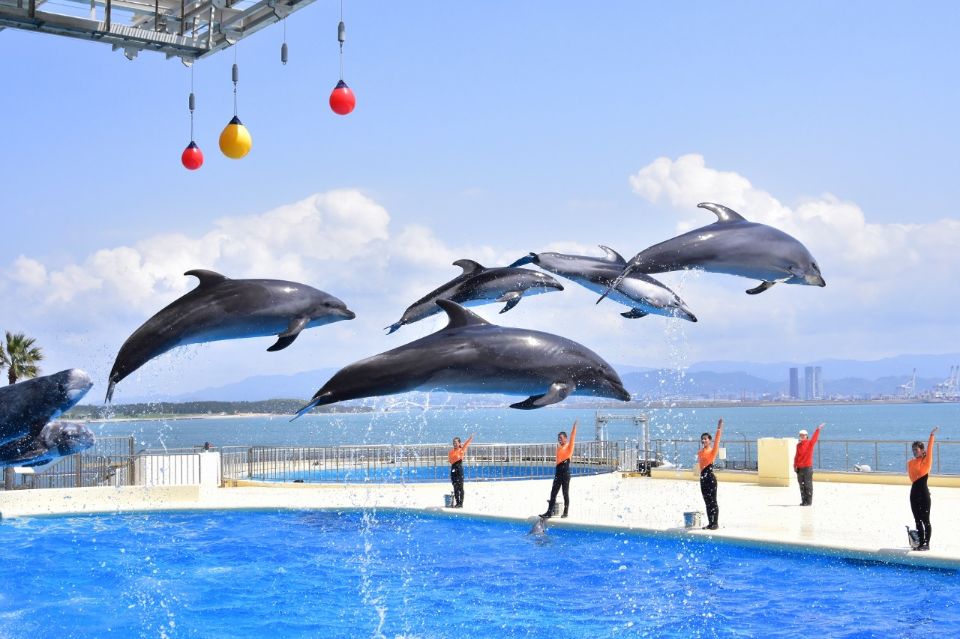
A highlight here is the dolphin and seal shows, combined with vibrant sound, light, and water effects. Additionally, the outdoor area offers expansive views of Hakata Bay, where you can enjoy the fresh and airy sea breeze.
Takachiho Gorge
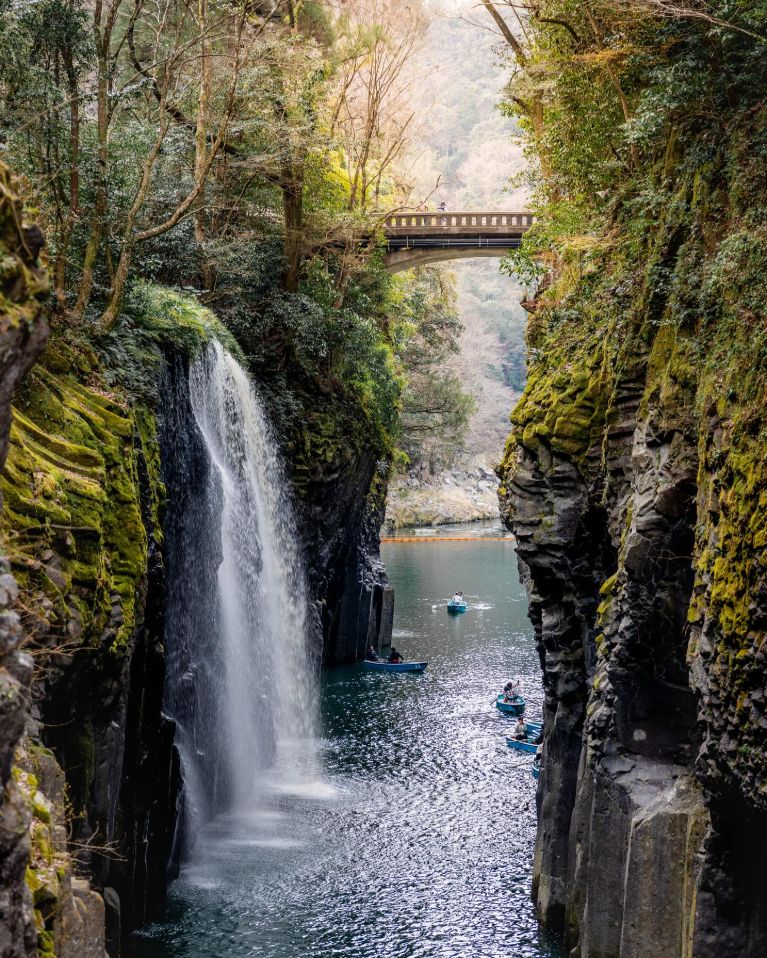
Address: Mukoyama, Takachiho, Nishiusuki District, Miyazaki 882-1103, Japan
Takachiho Gorge in Miyazaki Prefecture is a prominent natural destination when exploring Kyushu. This gorge was formed by volcanic lava flows thousands of years ago, creating sheer cliffs up to 100 meters high with the turquoise Gokase River flowing below.
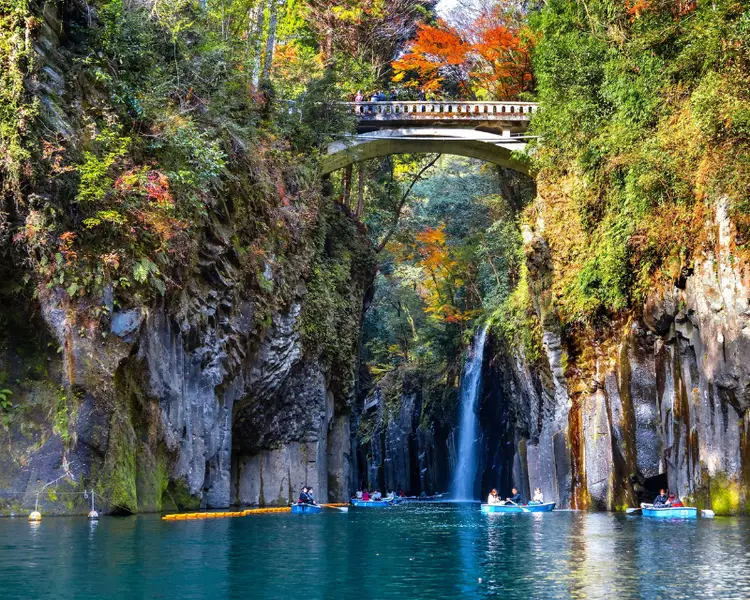
Visitors can paddle boats along the gorge, enjoying the cool air and admiring the cascading Manai Notaki waterfall. In autumn, the entire area is covered in the red and yellow hues of maple leaves, creating a peaceful and impressive scene.
Sengan-en
Address: 9700-1 Yoshino-chō, Kagoshima, 892-0871, Japan
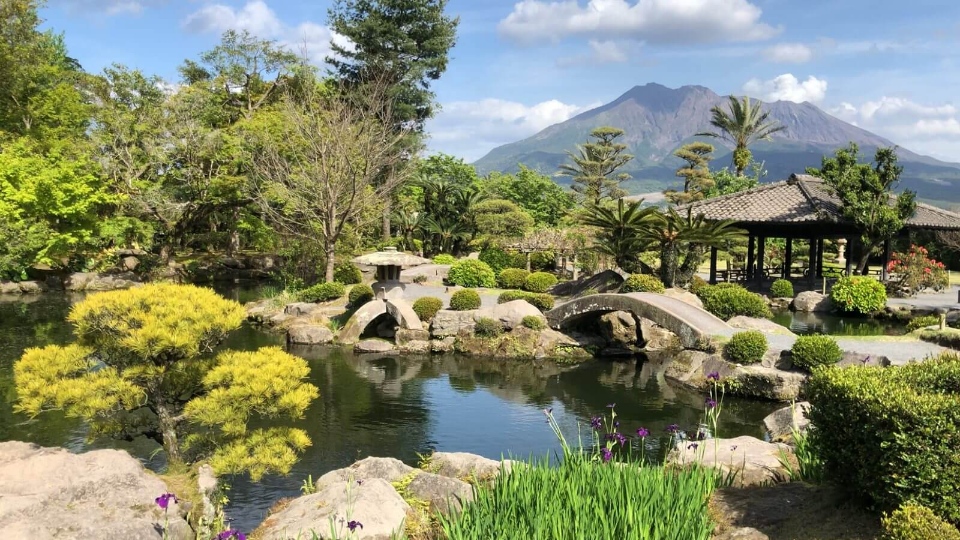
If you love traditional Japanese gardens, Sengan-en in Kagoshima is a must-visit. The garden was built in 1658 by the Shimazu family, one of the most influential families during the feudal era.
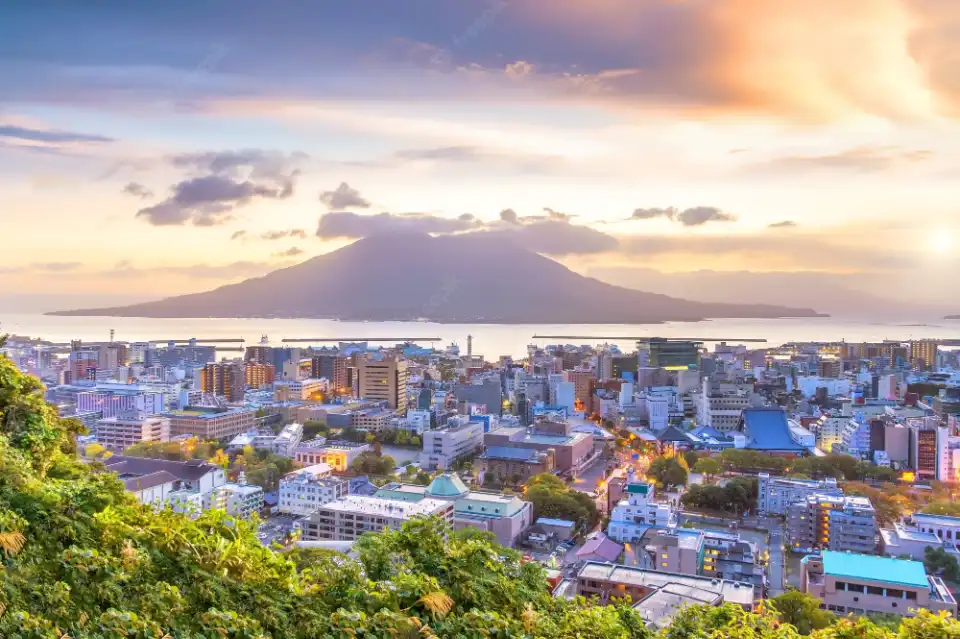
Sengan-en stands out with its harmonious blend of mountains and water, offering stunning views of Mount Sakurajima and Kinko Bay. Within the grounds are an old villa, a tea house, and an exhibition area, providing visitors with insights into the lives of the Japanese aristocracy of the past.
Kokonoe Yume Suspension Bridge
Address: 1208 Tano, Kokonoe, Kusu District, Oita 879-4911, Japan
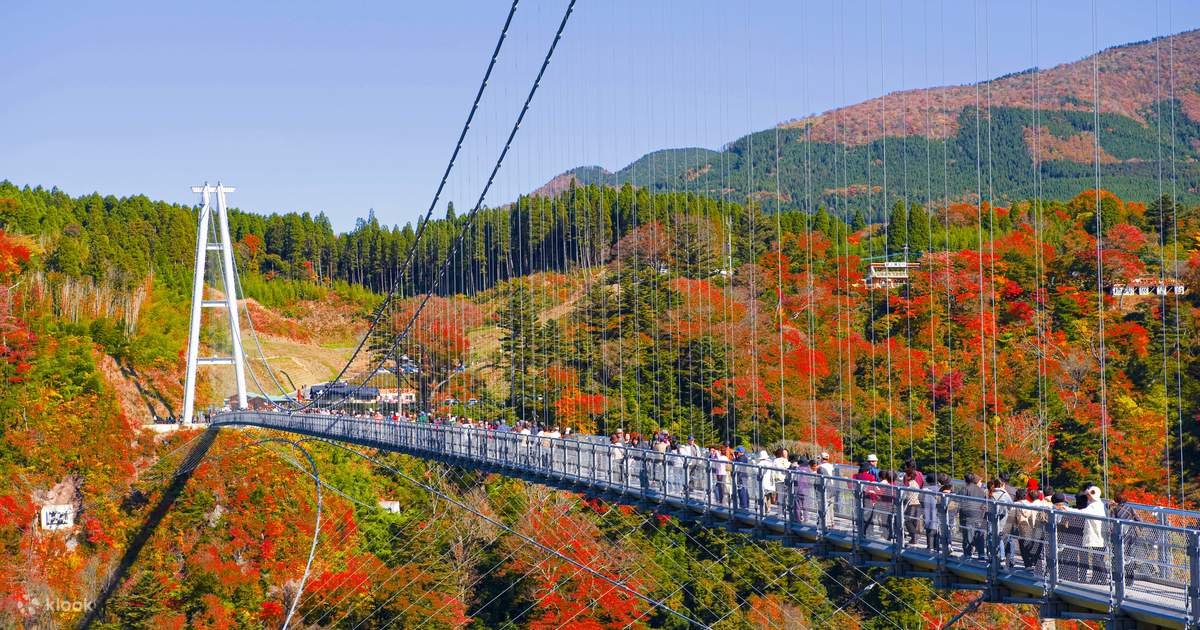
The Kokonoe Yume Suspension Bridge, completed in 2006, is located at an altitude of approximately 173m, with a length of 390m and a bridge deck width of 1.5m. The structure is designed to be sturdy and can support up to 1,800 people at once.
From the bridge, visitors can enjoy panoramic views of the mountains, forests, and majestic waterfalls, including some of the “100 Most Beautiful Waterfalls in Japan.” Thanks to its impressive scenery, especially in autumn, it attracts a large number of tourists every year.
Unique Cuisine in Kyushu
Kyushu is considered one of the regions with the most unique cuisine in Japan, with many dishes that have their own distinct flavors. Each prefecture has its own unique cooking methods and flavors, creating a fascinating diversity. If you have the chance to visit, these are some dishes you should try to fully experience the culinary essence of the region.
Tonkotsu Ramen
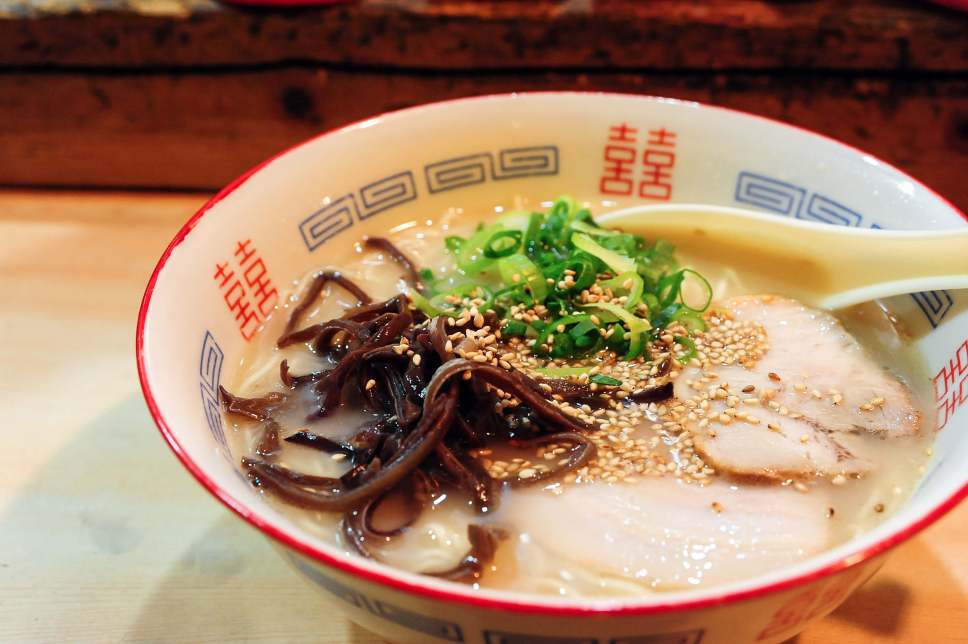
When mentioning Kyushu, one cannot overlook Tonkotsu Ramen, the signature noodle dish of Fukuoka. Its highlight lies in the milky white broth, simmered from pork bones for many hours, giving it a rich and savory flavor. The thin, chewy noodles, combined with tender char siu pork, create a harmonious and memorable overall taste. To enjoy the authentic flavor, you can visit roadside Yatai stalls or familiar addresses such as Oigen, Kumamoto Ramen Tonbi, or Ichiran Hakata.
Tonkotsu Ramen stands out with its milky white broth, thin, chewy noodles, and harmonious toppings. Illustrative image: Glebe kitchen
Kyushu Wagyu Beef
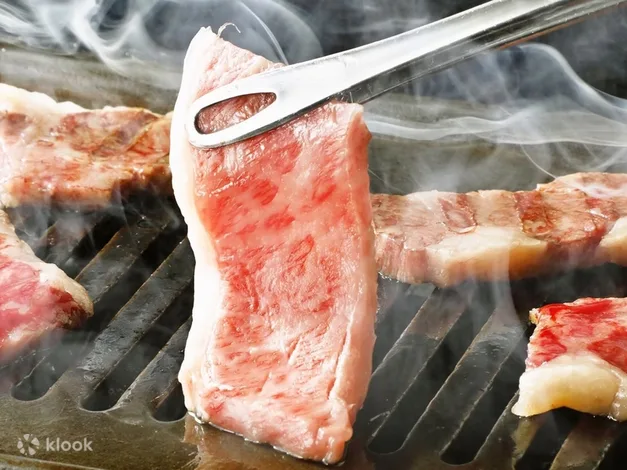
Kyushu is famous for its high-quality Wagyu beef, such as Saga beef and Miyazaki beef. Thanks to meticulous care, the beef here has distinct marbling, resulting in a tender texture and characteristic richness when cooked.
Visitors can enjoy Wagyu in various styles such as Yakiniku grilling, Shabu-shabu hot pot, or steak at specialized restaurants like WAGYU PINFU, Miyachiku, or Wagyu Beef Taka.
Chicken Nanban
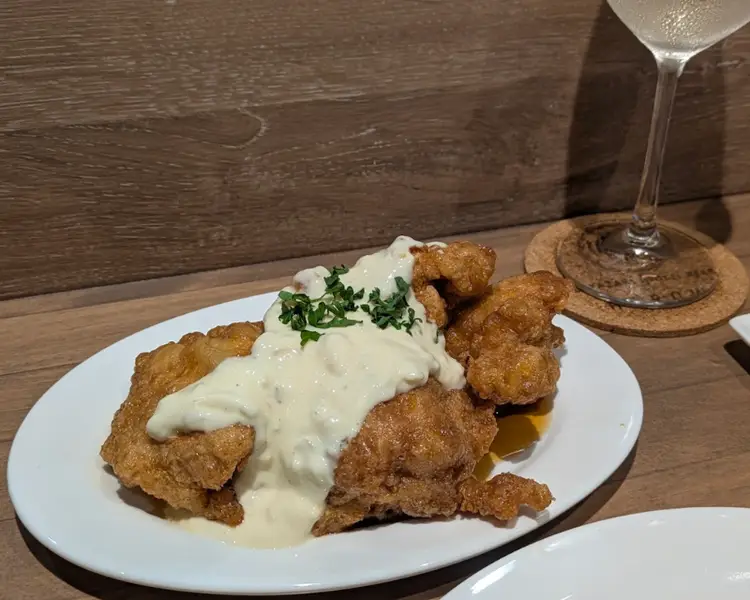
Miyazaki is known as the birthplace of Chicken Nanban, a unique Japanese-style fried chicken dish. The chicken, after being deep-fried until golden brown and crispy, is coated in a sweet and sour sauce, then topped with a creamy tartar. The combination of light, savory, sweet, and rich flavors easily wins over many diners.
For an authentic experience, you can visit restaurants like Watanabe Nanban, Ogōhan, or Kitchenwakoba to fully appreciate the distinctive taste of this dish.
Takamori-dengaku
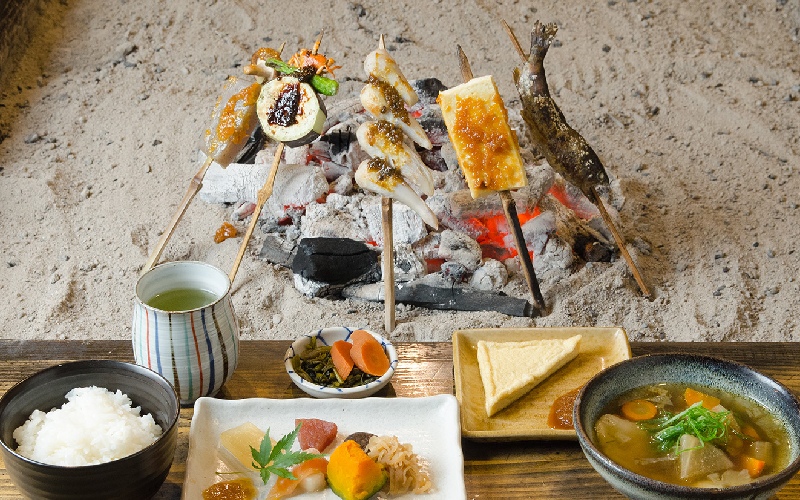
“Takamori-dengaku” is a specialty of Takamori City, in the Aso region (Kumamoto Prefecture), with a long history, believed to date back to the Kamakura period. The ingredients are marinated in miso and then slow-grilled over charcoal. This processing method allows the miso aroma to spread distinctly, combined with the natural flavors of each ingredient. This is a seasonal dish, allowing diners to fully appreciate the flavors at different times of the year.
Okinawa Soba
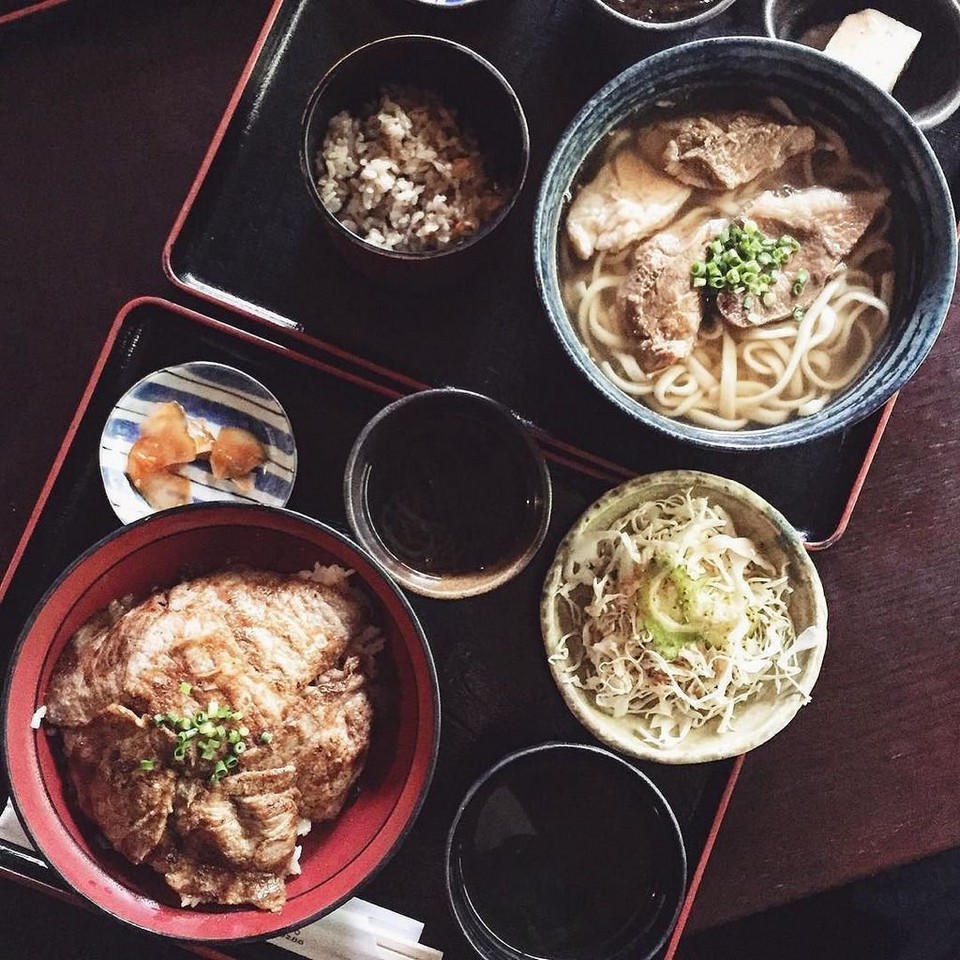
Okinawa Soba is a signature dish when mentioning Okinawan cuisine, Japan. Unlike regular ramen or soba, the noodles in this dish are thicker and firmer, creating a distinct texture when eaten. The broth is made from pork bones combined with bonito flakes, giving it a rich yet easy-to-eat flavor. Nowadays, the dish has been diversified. When enjoying it, it is often served with pickled ginger, onions, and pork to enhance the flavor.
FAQ Frequently Asked Questions about Kyushu
When is the best time to visit Kyushu?

Kyushu is suitable for year-round travel. However, the two most beautiful seasons are spring (March-May) and autumn (September-November), with pleasant weather ideal for outdoor activities such as cherry blossom and wisteria viewing in spring, and autumn foliage viewing and rich cuisine. Summer is suitable for experiencing vibrant festivals and relaxing on beaches and islands, but be aware of the rainy season and typhoons. Winter offers warm hot spring experiences and stunning snow scenery.
Summer is suitable for beach activities and lively festivals. Meanwhile, winter is a great time to experience relaxing onsen baths.
How many days is suitable for a self-guided trip to Kyushu?
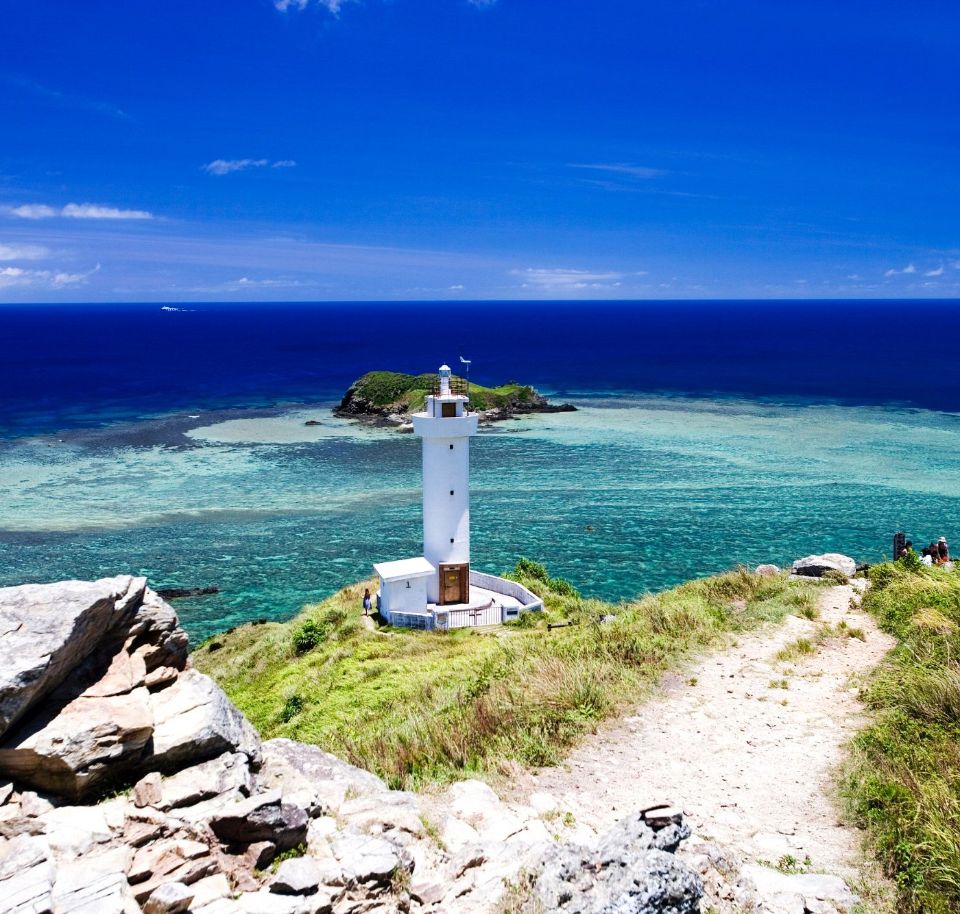
The number of days for a self-guided trip to Kyushu depends on your time schedule and how deeply you want to explore. Generally, 5 days and 4 nights is a relatively comfortable amount of time, allowing you to visit classic destinations such as Fukuoka, Beppu hot springs, and Mount Aso. If you have more time, about a week will allow you to explore more fully, even delving into towns with a distinctly Japanese style like Yufuin.
What destinations should you visit when traveling independently in Kyushu?
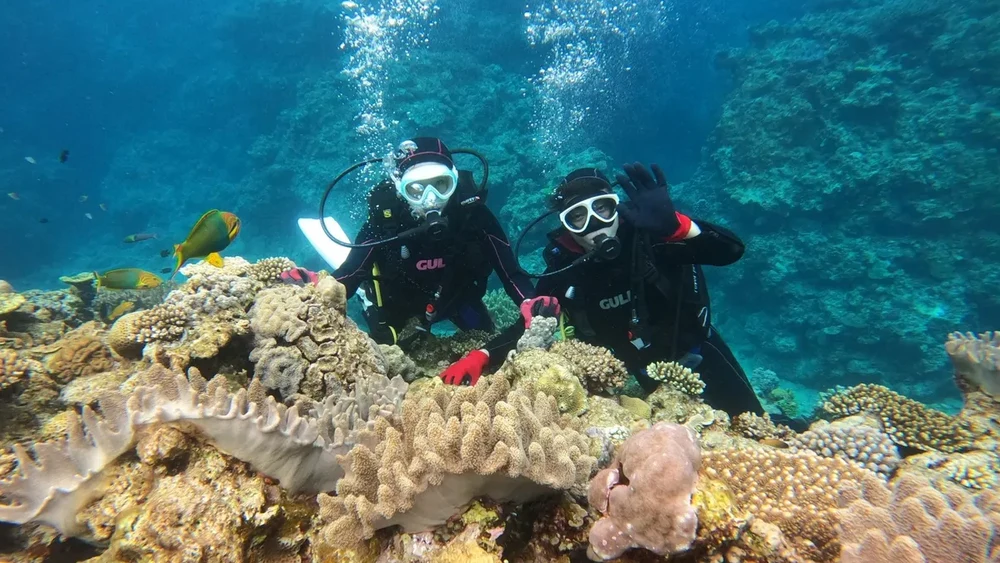
Kyushu has countless diverse destinations. In Fukuoka, you can experience the vibrancy of the city and street food culture (yatai). Beppu is famous for its unique ‘Hell’ hot springs. Mount Aso offers majestic natural landscapes. Yufuin is a small town full of art and a strong Japanese hot spring atmosphere. In addition, Kumamoto Castle and Takachiho Gorge are also well worth exploring.
You can use the JR railway network, including Shinkansen and express trains, to easily connect to major cities. Within the cities, buses and subways are the main modes of transportation. Additionally, renting a car is a great option for exploring Kyushu’s rural landscape, especially when visiting places that are difficult to access by public transport.
How to get to Kyushu?
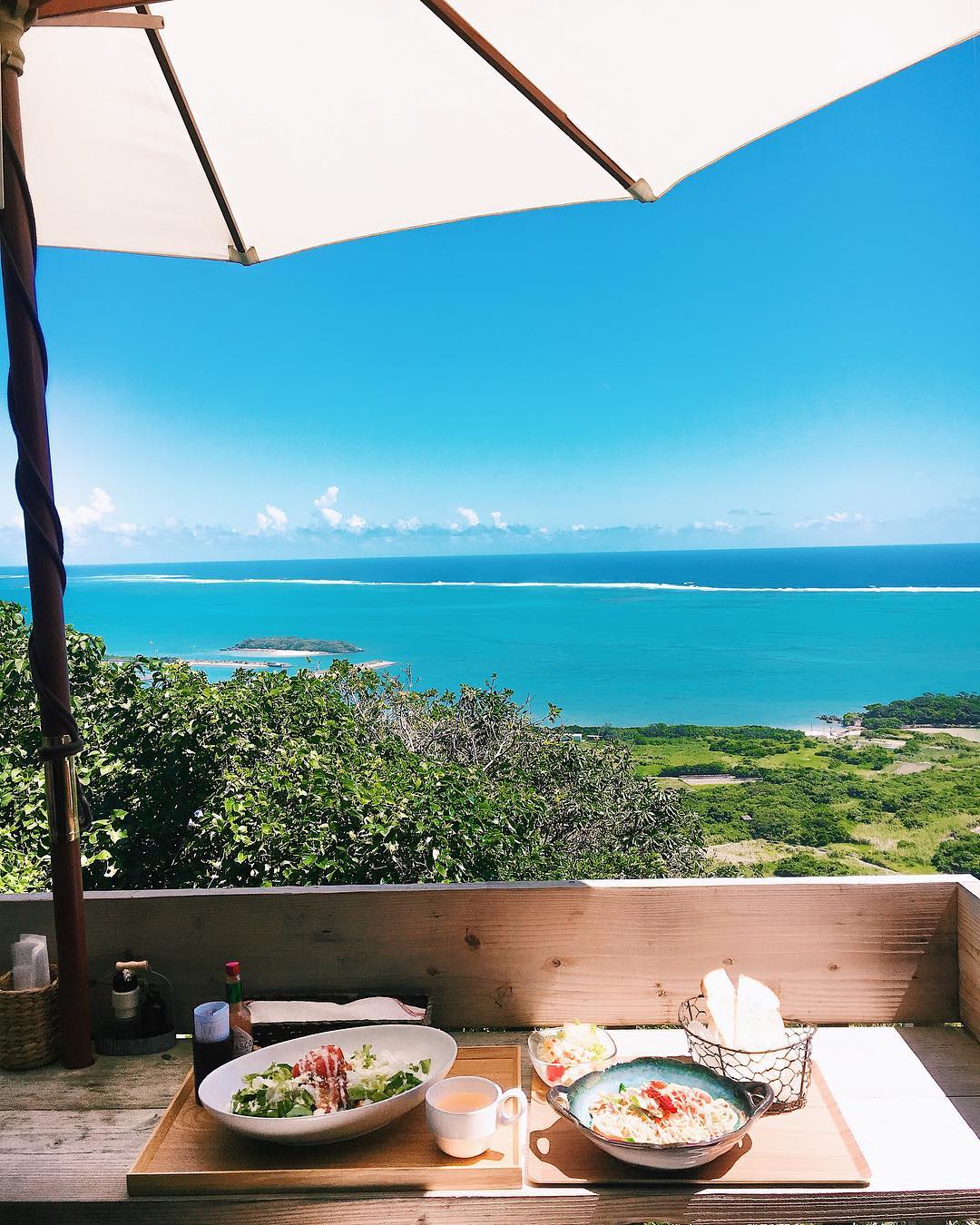
You can travel from Vietnam to Kyushu quite conveniently by air, with Fukuoka Airport being the most popular destination. The flight time from Hanoi is about 4.5 hours, and from Ho Chi Minh City about 5 hours. Round-trip airfare usually ranges from 6 to 10 million VND, depending on the time of year and airline.
After arriving, you can choose a bus or airport shuttle service to quickly get to the city center. Additionally, if departing from major cities like Tokyo, Osaka, or Kyoto, you can conveniently use the Sanyo Shinkansen or Kyushu Shinkansen bullet trains to reach Hakata Station (Fukuoka) or Kumamoto Station.
What to bring to Kyushu?
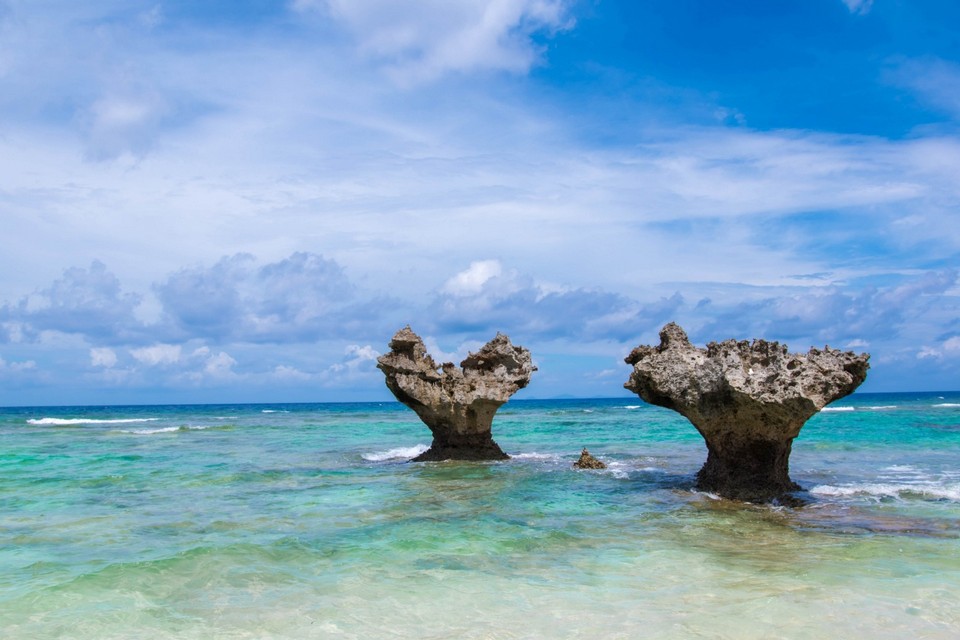
Before starting your Kyushu exploration journey, thorough preparation will ensure a smooth and time-saving trip. Here are some important things to keep in mind:
- Passport: Ensure your passport is valid for at least 6 months from the date of entry.
- Visa: Obtain a valid visa before departure.
- Immigration declaration: Travelers should complete the information on the Visit Japan Web system within 3 days before their flight to save time during the procedure. If you don’t register in advance, you can still fill out a paper form, but it will take longer.
- Itinerary & Supplies: Plan your sightseeing in detail to avoid missing any destinations. Prepare weather-appropriate clothing, comfortable shoes, basic medications, sunglasses, power adapters, a power bank, a coin purse, and a small, convenient bag.
- Essential Apps: Download apps like Taxi Go or Uber for ride-hailing; Mymizu for finding free drinking water; or Flush for finding the nearest restrooms.
- Book Early: Booking flights, hotels, and attractions early saves money and avoids the risk of being fully booked during peak season.
- Travel Insurance: Prepare insurance to cover unforeseen circumstances such as illness, lost luggage, or flight changes.
- Currency: Japan uses the Japanese Yen (JPY) in both banknotes and coins. You can exchange money at banks, airports, or reputable exchange points.
- Payment: Many places accept international cards such as VISA and Mastercard. Additionally, IC cards like Suica or Pasmo are very convenient for travel and quick payments at convenience stores.
- Internet connectivity: Prepare a SIM card or eSIM beforehand for easy navigation, language translation, and online services upon arrival.
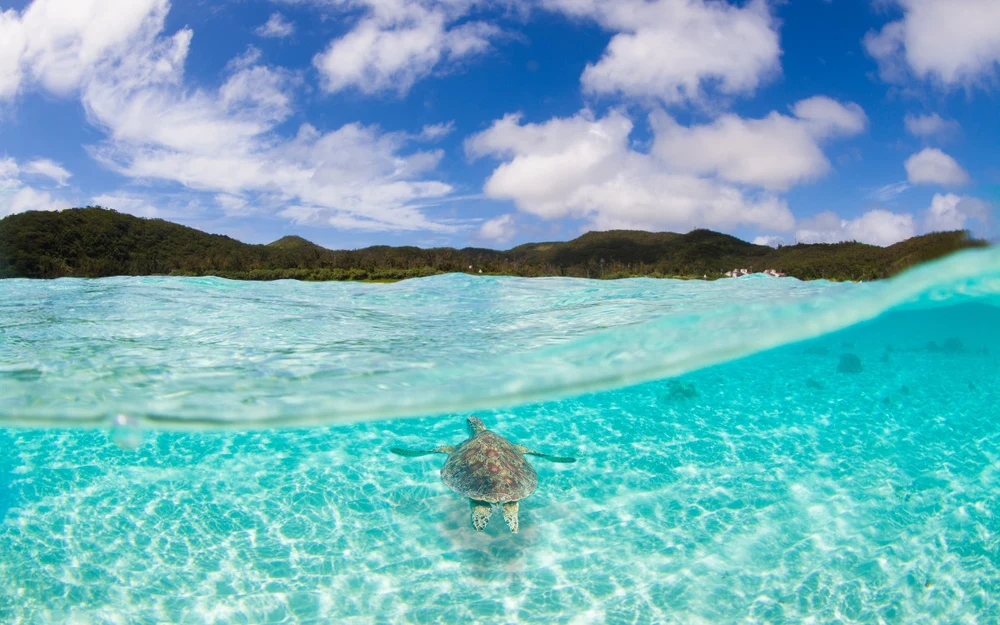
Some best day tours, trips, activities and transfer services, tickets in and from Okinawa you can refer to
- Private Naha Airport Transfers (OKA) for Okinawa
- Okinawa Airport Shuttle Unlimited Ride Pass (3/5 Days)
- Okinawa Stargazing Trip with Taxi/Private Chartered Car Transfer
- Main Island Enjoy Pass in Okinawa
- Okinawa Main Island Route Bus Pass & Monorail Pass
- Okinawa Hip Hop Bus One Day Tour: Cape Manza, Okinawa Churaumi Aquarium & More
- Churashima Okinawa Bus Day Tour (Naha Departure)
- Eight Okinawa Attractions Pass
- Okinawa Cooking Class and Historic Market Tour
- Southern Okinawa Half/One Day Trip
- Okinawa Private Car Charter
- Okinawa Churaumi Aquarium Ticket (Naha Airport Pick Up)
- 4G Prepaid Sim Card (JP Airports Pick Up) for Japan
- 4G WiFi (Japan Pick Up) for Japan
- JR Pass for Whole Japan (7, 14, or 21 Days)
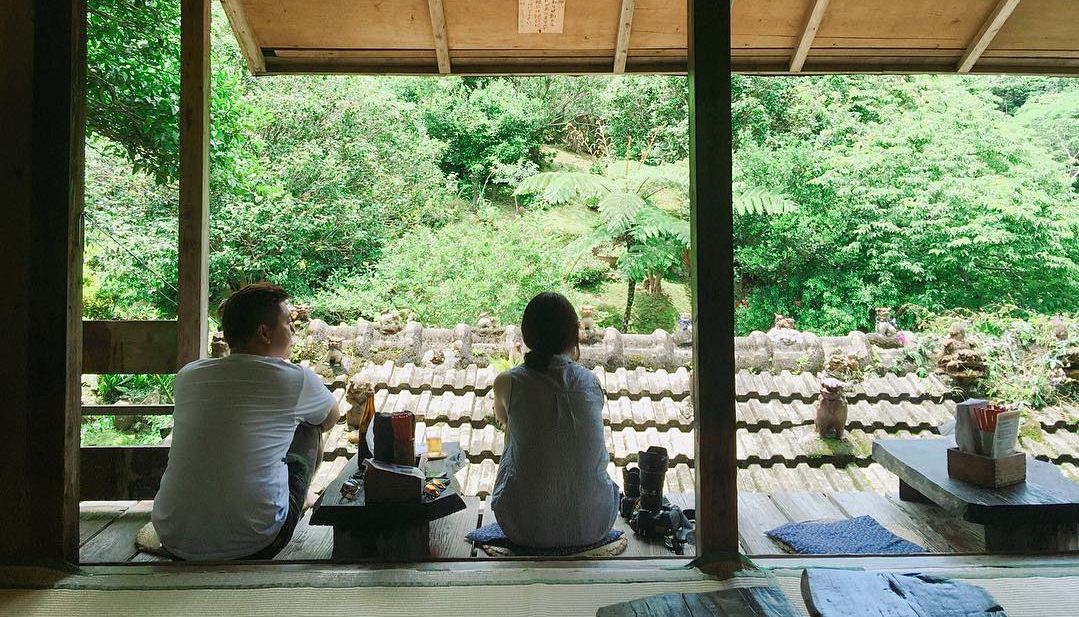
Are you looking for more some hidden gems cafes in Okinawa? Let’s check it out our Okinawa travel blog.