



















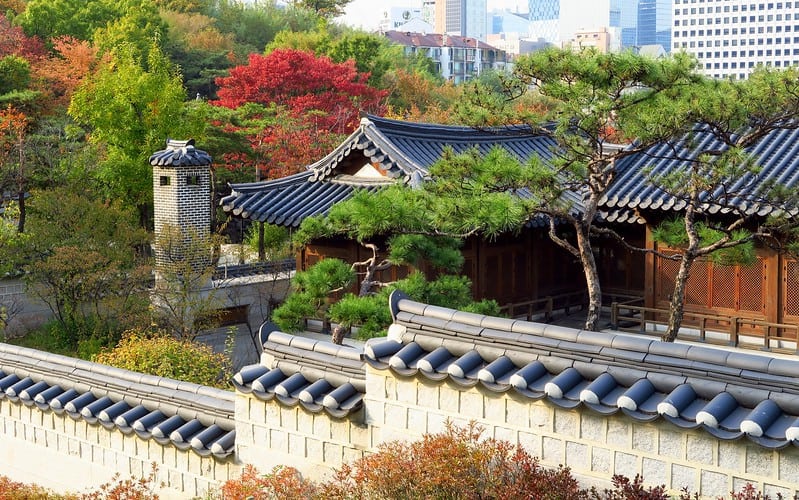
Located in the heart of bustling and modern Seoul, Namsangol Hanok Village is a peaceful place that preserves the history and traditional culture of Korea. Every step through the village gate, you will feel like you are lost in an ancient space, where each brick and each roof tile contains a story of a bygone era, inviting visitors to explore and feel. Now, let’s check out the beautiful and nostalgic village through Namsangol Hanok Village blog below!
- 5 Best Korean Historical Drama Filming Locations for a “Time-Travel” Experience
- 11 Hottest Korean Filming Locations of 2025-2026
- Lotte World Seoul Guide: Explore the Seoul’s Largest Entertainment Complex
- Where to visit in Seoul? 20 Beautiful & best places to visit in Seoul for First-Time Visitors
- 11 Amazing Art Exhibitions and Art Gallery Spots in Seoul
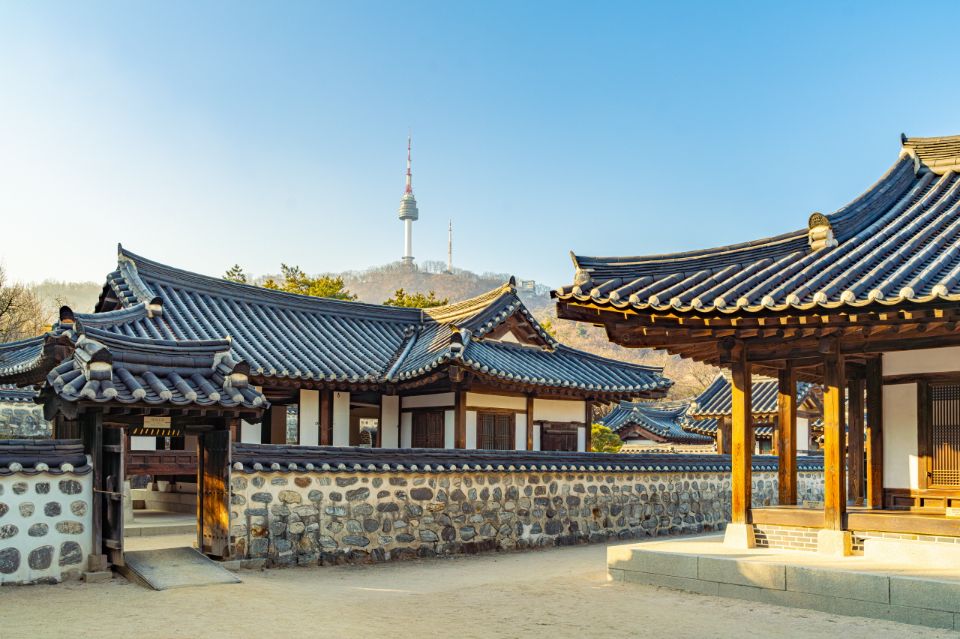
Famous from famous Korean historical dramas, Namsangol Hanok Village will be a great destination on your trip to explore the Land of Kimchi. Coming here, you will not only admire the architectural features of ancient houses, but also experience the ancient cultural activities of the Joseon Dynasty!
Overview of Namsangol Hanok Village
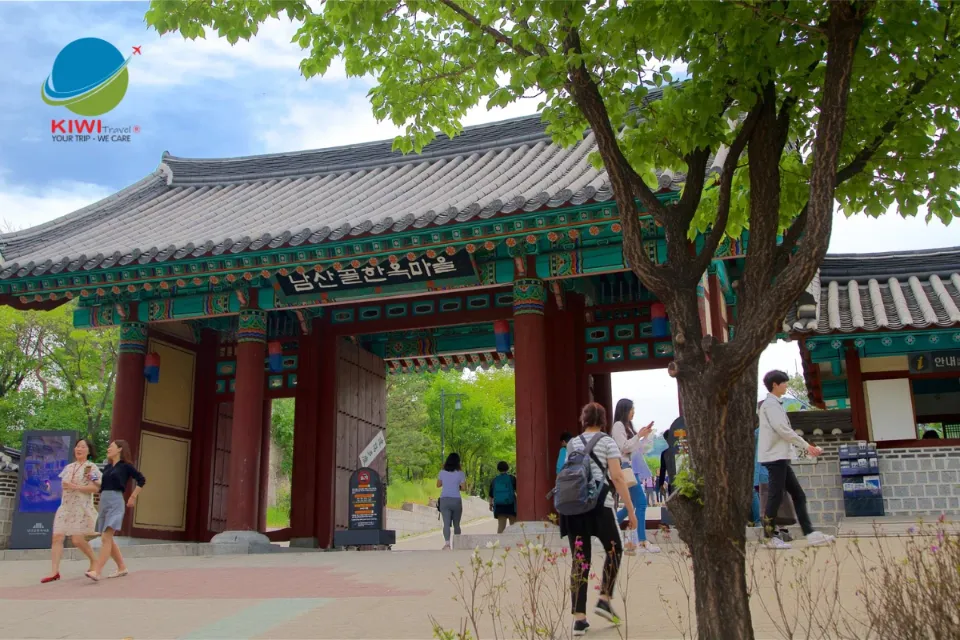
Also known as Namsan Traditional Craft Village, this village is located at 28 Toegye-ro, Pil-dong, Jung-gu, Seoul and is located right at the foot of Namsan Mountain (near the famous Namsan Tower). The village’s traditional houses are on the left side of the main gate, you just need to go through the square in front of Thien Vu Pavilion to see it. Currently, the village has 5 traditional houses of the Joseon Dynasty that are preserved intact.
Namsangol Hanok Village is an open-air museum that recreates the traditional architecture and living space of Korea during the Joseon period, located in Seoul, South Korea. It includes more than 300 ancient houses, including 5 homes that have been carefully restored and preserved by the people to serve visitors. Each house represents a different class of people from the Joseon period, from carpenters to high-ranking officials, nobles and even militiamen.
Namsangol Hanok Village is not only a place to recreate the ancient life of the “land of kimchi” with its long-standing values and traditions, but also a reminder for future generations to preserve and maintain the nation’s precious cultural heritage.
Many tourists confuse Namsangol Hanok Village with Bukchon Hanok Village, both of which are located in Seoul but are different. Previously, Namsangol Hanok Village was a resort from the Joseon Dynasty. And since it was opened to visitors in 1998, it has been chosen by many international tourists as a must-see destination when coming to Seoul.
In addition, this place is also a bridge for locals to introduce traditional cultural values imbued with national identity to international friends when traveling to Korea.
Address: 28 Toegye-ro, Pil-dong, Jung-gu, Seoul
Opening Hours:
- April – October: 09:00 – 21:00
- November – March: 09:00 – 20:00
- Closed every Monday
When is the best time to visit Namsangol Hanok Village
Autumn from September to November is the best time to visit Namsangol Hanok Village. During this time, the weather in Seoul becomes cool and pleasant, the leaves turn brilliant red, creating an ideal setting for you to explore the natural beauty, architecture and traditional Korean culture.
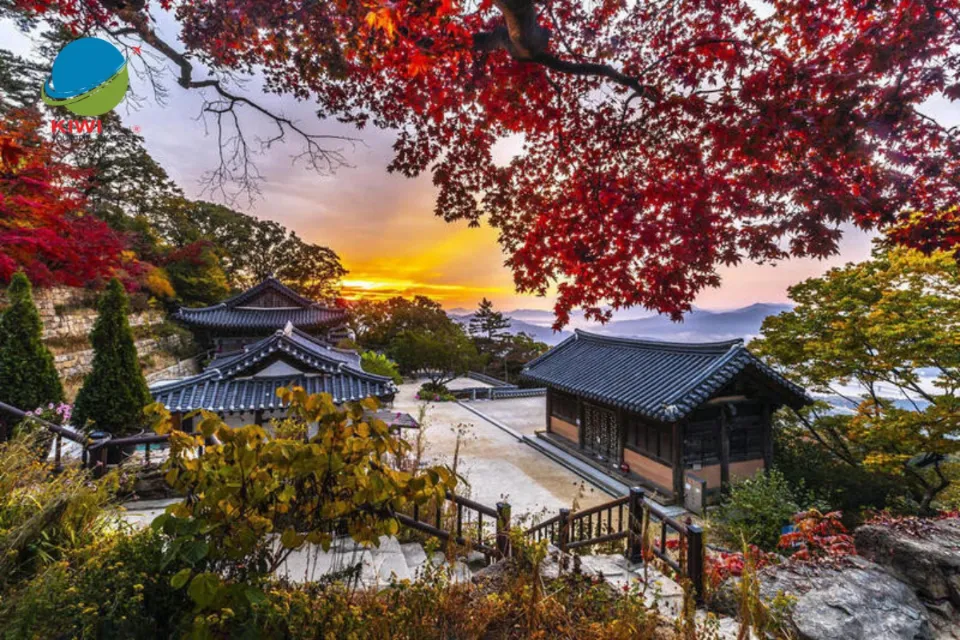
The village exudes its own beauty at any time of the year. But according to many people’s experience, the best time to visit is in the fall, from September to November. The weather is cool, not too cold or too hot, very suitable for spending a whole day exploring the whole village.
Namsangol Hanok Village is also one of the most beautiful places to see autumn leaves in Korea. The scene of golden leaves falling between Hanok houses creates a picture that is both romantic and noble. Surely “check-in” photography enthusiasts will be fascinated with the “backgrounds” here.
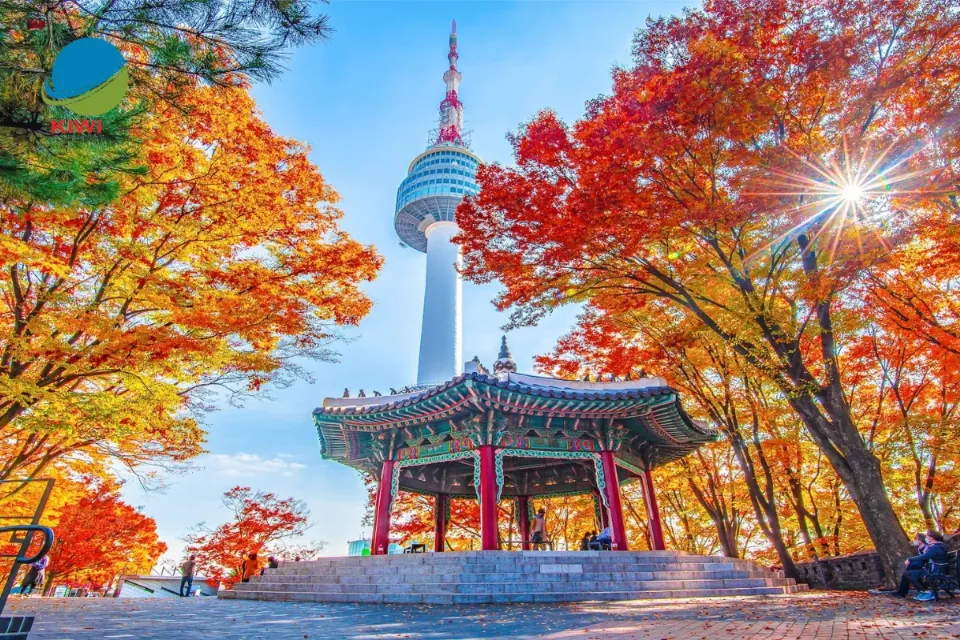
In addition, autumn is also the ideal time for you to enjoy the poetic scenery of the gardens and landscapes around the Hanok village, as well as participate in outdoor cultural activities.
What to do in Namsangol Hanok Village?
When you come here, you will feel like you are immersed in the flow of time going back to history with the architectural features, rows of trees or even the clear blue stream, where life is simple and rustic, in contrast to the hustle and bustle of Seoul. And when going deeper into the village, you can also enjoy the melodious traditional melodies, or learn about the interior furnishings of ancient houses, all of which bring the most authentic “Joseon” experience.

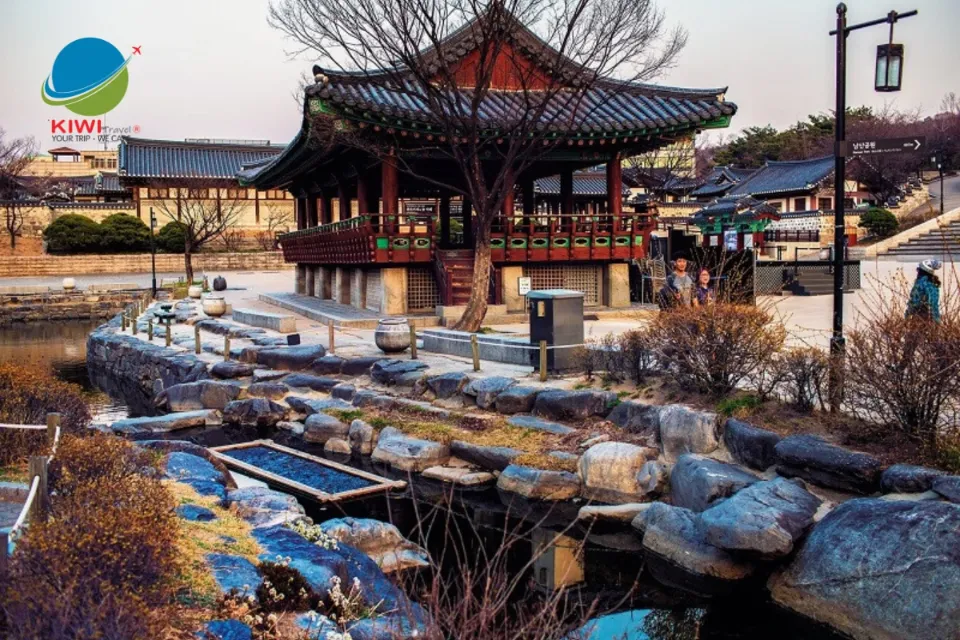
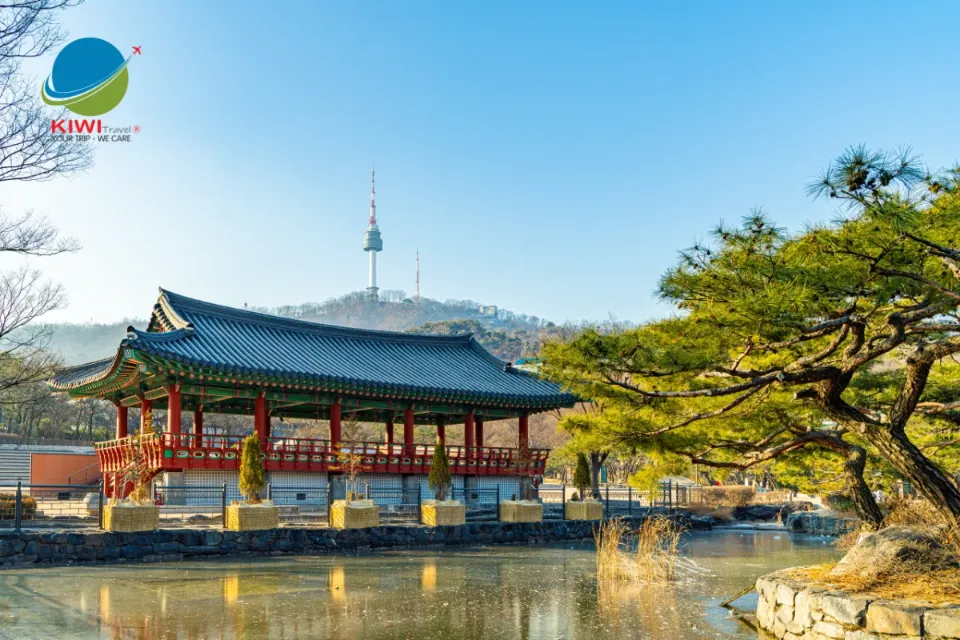
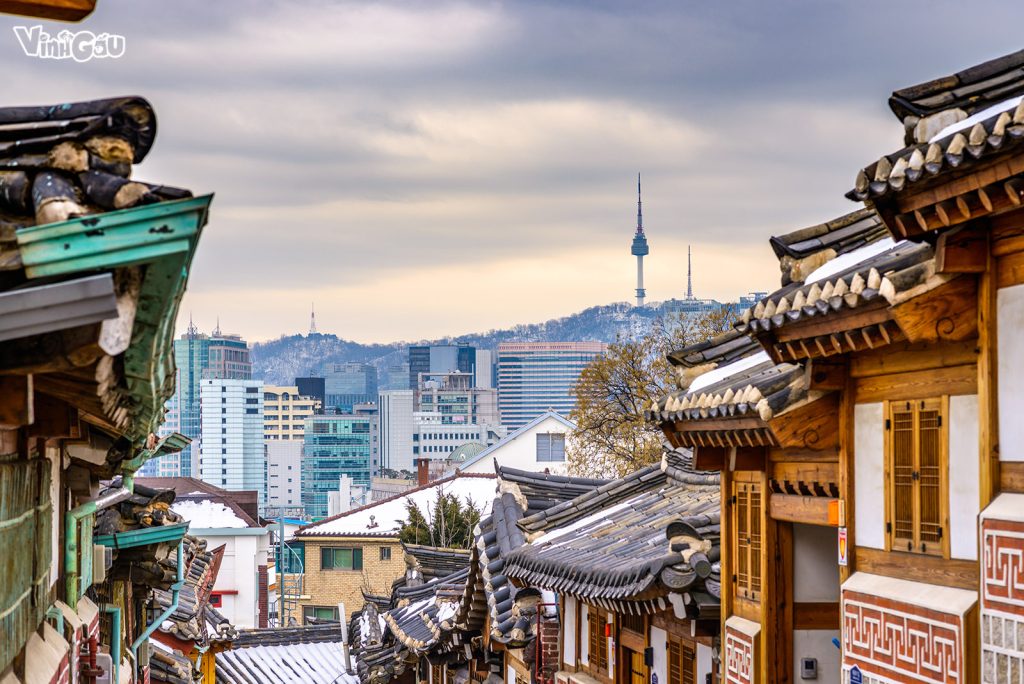
Moreover, in the distance, you can also see the beautiful Namsan Tower, like a modern highlight for the fairy tale picture of Hanok Namsangol. Don’t forget to admire the lake and the pavilion at the village, which is full of poetry and romance. Along with many other massive architectural works such as temples, all contribute to the quiet but extremely charming beauty of this ancient village.
At Namsan Hanok Village, you can participate in many unique cultural and entertainment activities to better understand Korean traditions. Let’s explore right away:
Admire the architectural beauty of the village
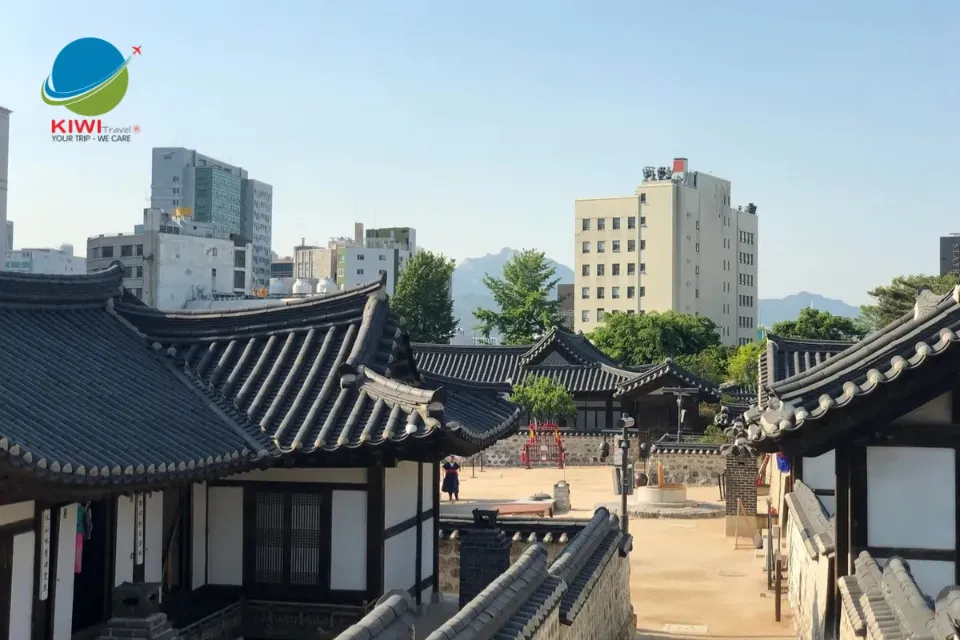
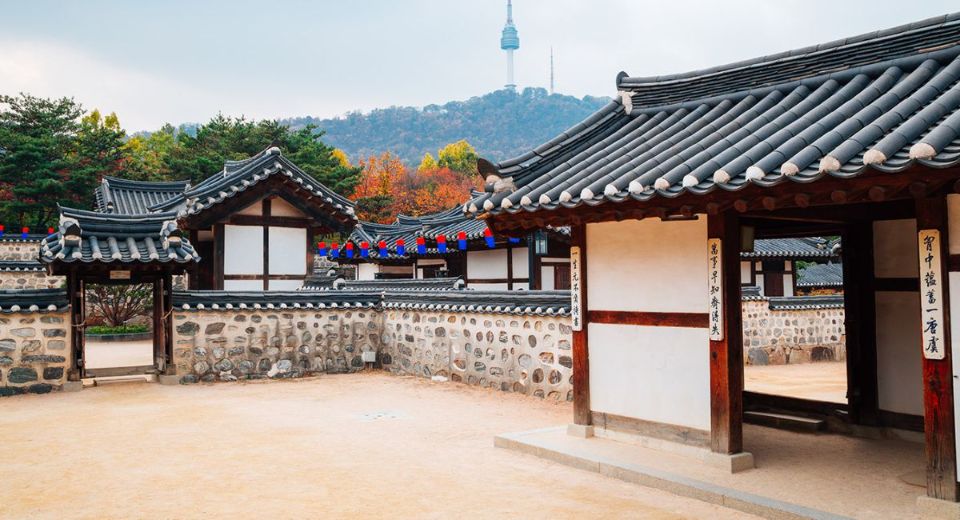
When coming to Namsangol Hanok Village, you will immediately feel the historical space imbued with Korean culture. The 79,000 m² village stands out with five ancient houses from the Joseon Dynasty, each house has its own story, reflecting the lifestyle and cultural values of the social classes in the past. Walking among the rows of green trees and clear streams, you will feel like you are lost in a beautiful picture of time, completely opposite to the hustle and bustle of Seoul. The architecture here blends perfectly with nature, bringing a feeling of relaxation and comfort, making Namsangol Hanok Village an ideal destination for those who love to learn about Korean cultural heritage.
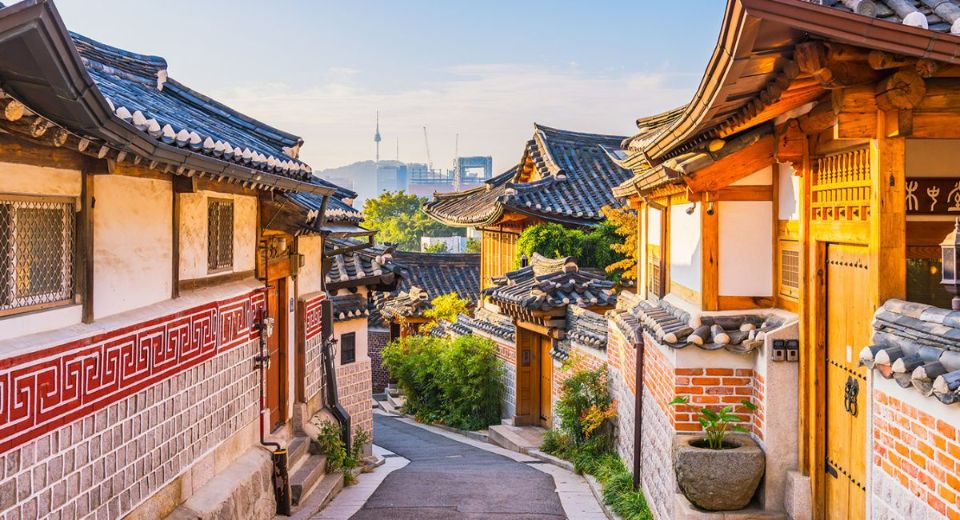
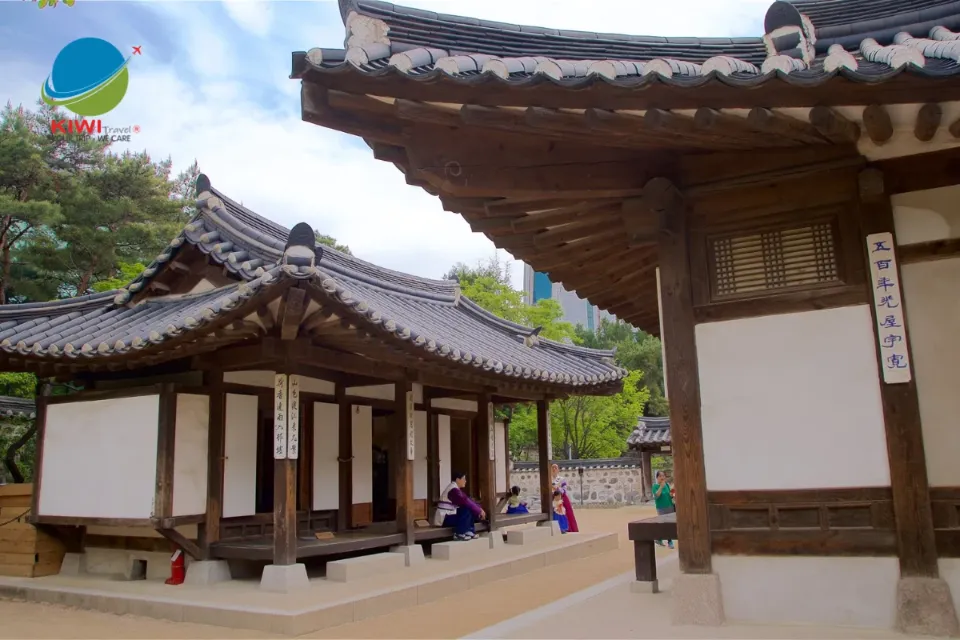
Almost all the buildings in Namsan Hanok Village are built of wood, with tiled roofs, bearing the typical architectural features of Korea. In particular, the corridors of the noble houses in the land are made of wooden bars, exuding majesty and demonstrating the status and power of the ancient owners. When entering the village gate, you will immediately be attracted by a traditional house on the left. When entering inside, you can also see the palanquins that the people used, preserved as a treasure. The rooms are neatly arranged with many daily necessities of the people here.
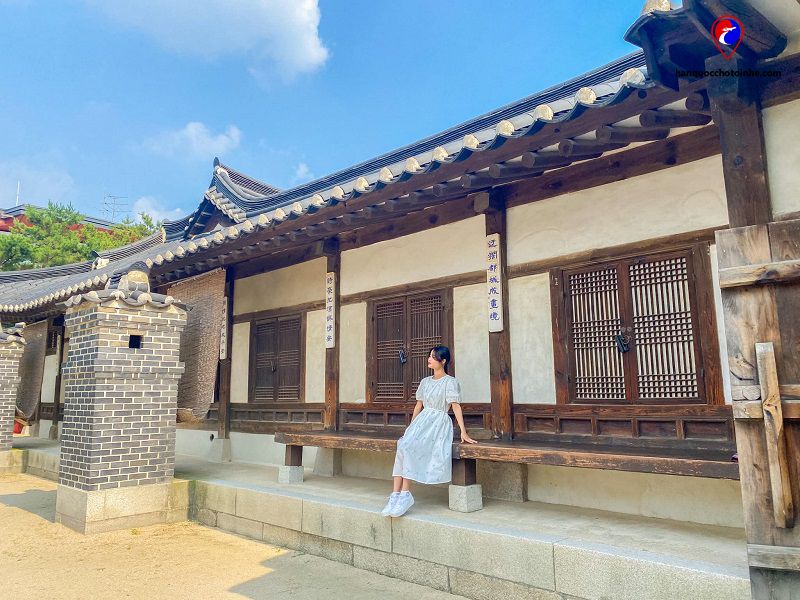
Enjoying Performing Arts and cultural performances
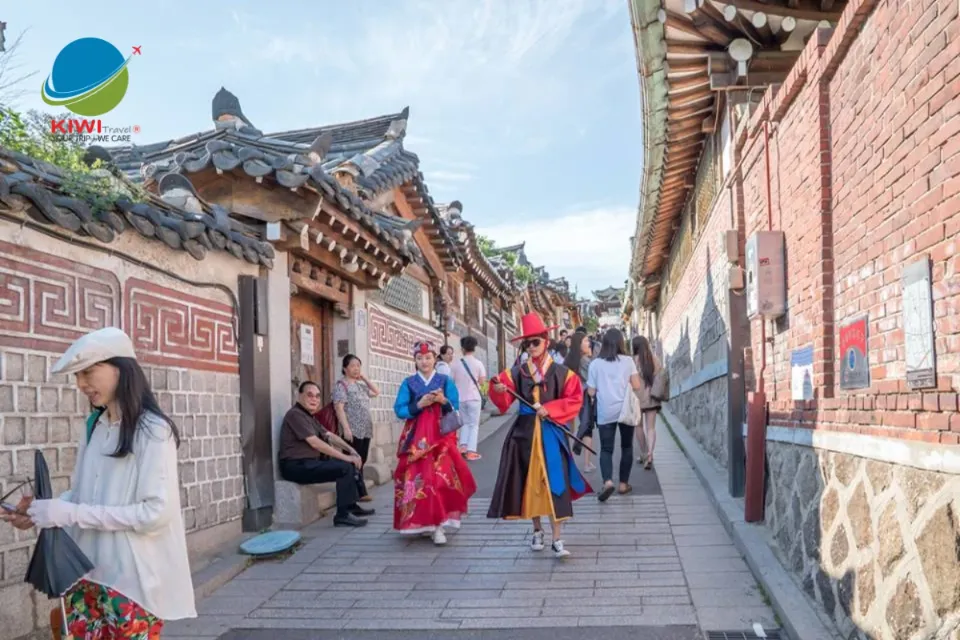
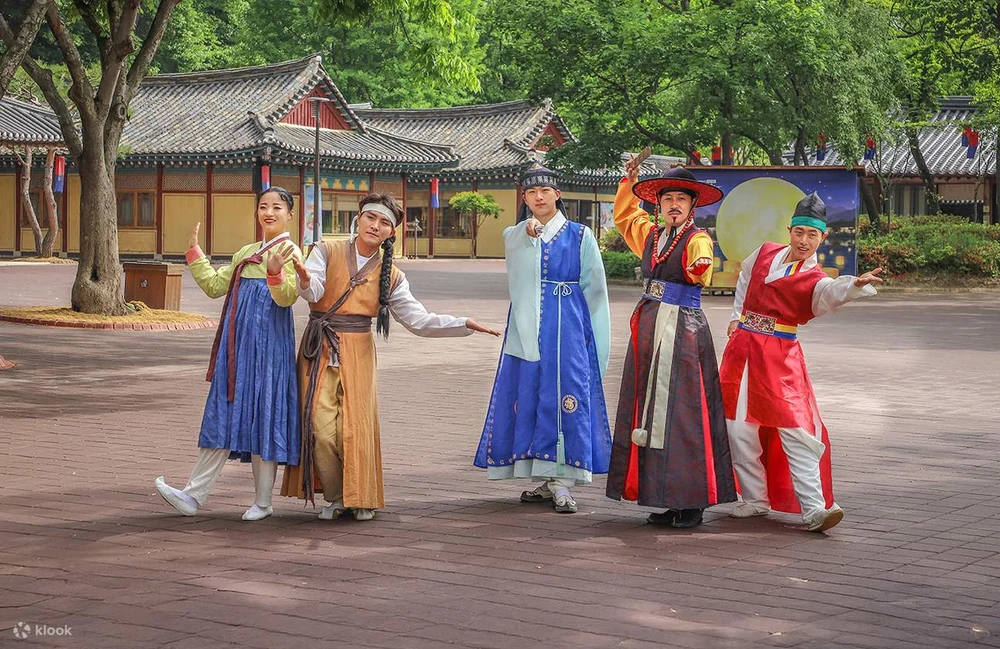
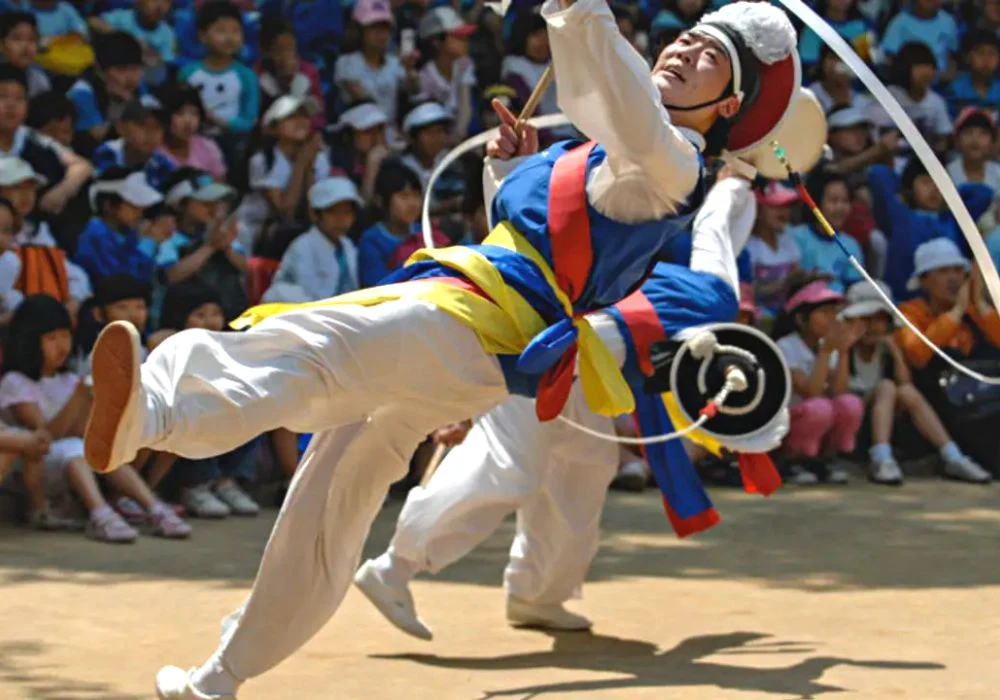
At Namsangol Hanok Village, you have the opportunity to enjoy a variety of traditional Korean art forms from dance, music to drama, giving you a profound cultural experience. Traditional dance performances such as Buchaechum (fan dance) and Talchum (mask dance) will fascinate you with their grace and sophistication, along with the gorgeous Hanbok costumes of the artists. In addition, traditional music such as Pansori (storytelling song) and Samulnori (percussion instruments) will take you into the world of music that is typical and imbued with the national character of the Korean people.
Admire the Landscape
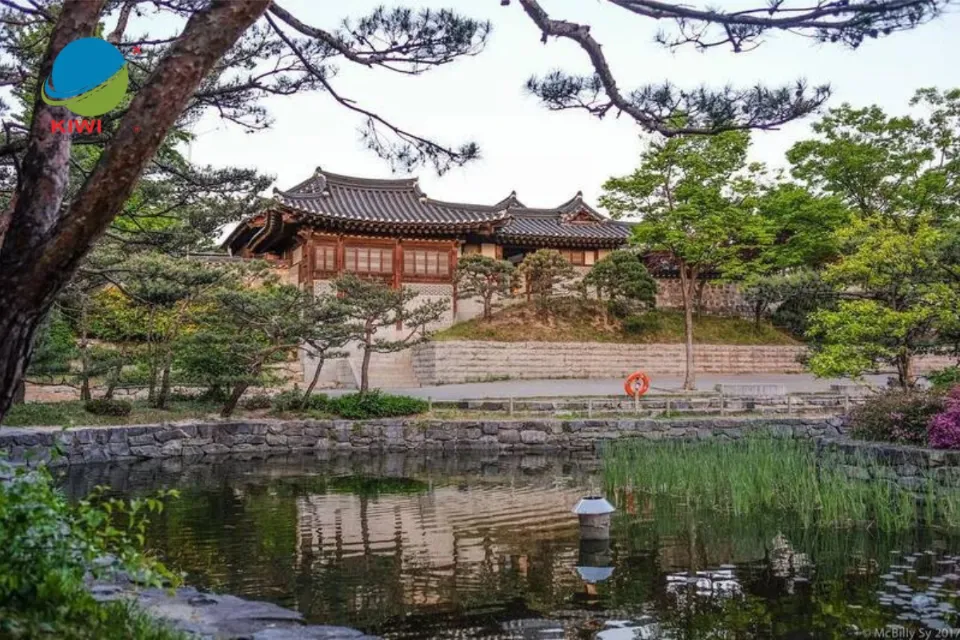
Visiting Namsangol Hanok Village, visitors will be captivated not only by the traditional architecture but also by the surrounding natural beauty. Namsan Tower appears from afar as a modern symbol amidst the ancient village picture, creating a harmony between the past and the present. The lake with its clear blue water and the poetic Pavilion bring wonderful moments of relaxation, an ideal place for walking and taking photos. Architectural works such as Thanh Luu Pavilion also contribute to the charming beauty of the ancient village, with sophisticated details blending with the quiet space.
Understanding Feng Shui and Architecture
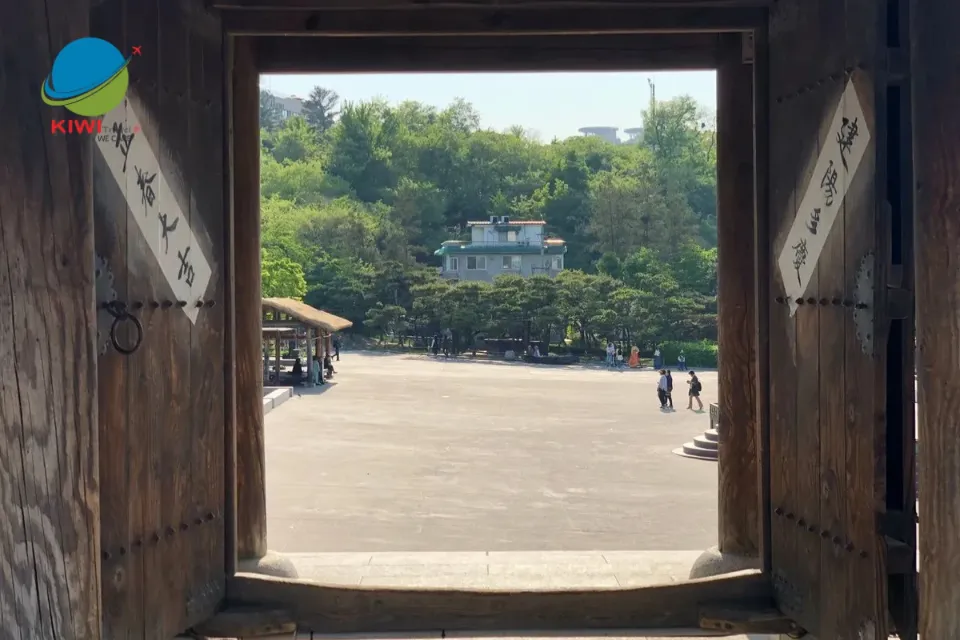
Hanok houses are not only beautiful, but also demonstrate sophistication in design and feng shui. The curved roofs help regulate natural light, while the underfloor “ondol” heating system provides a warm feeling in winter. The orientation of the house is carefully calculated to take advantage of the climate, keeping the space cool in summer and warm in winter. The harmony between architecture and nature reflects the Korean philosophy of life, creating a harmonious and sustainable living environment.
Wearing Hanbok
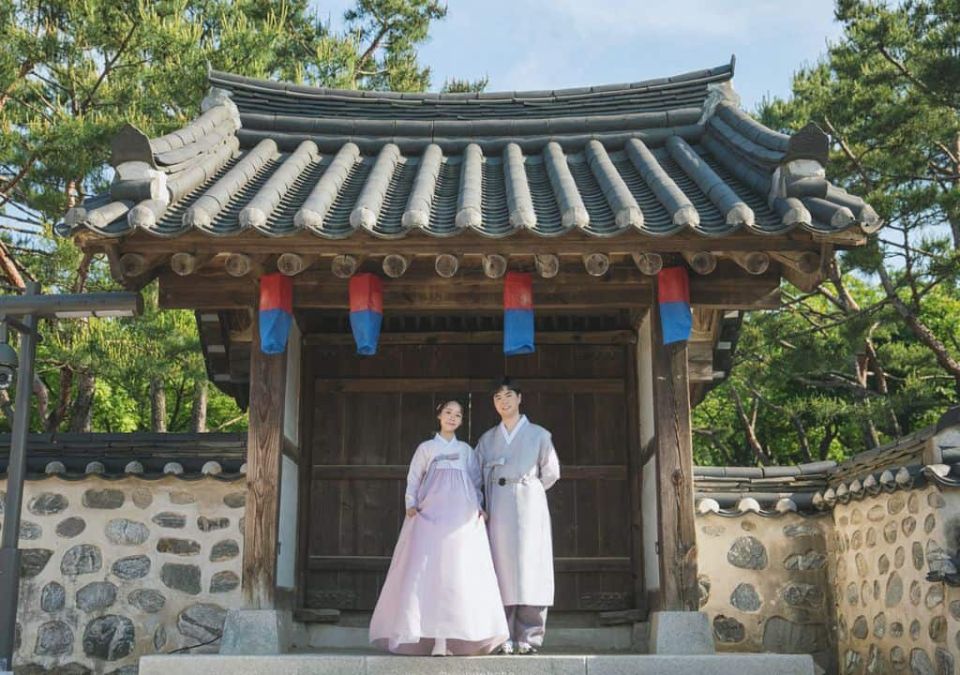
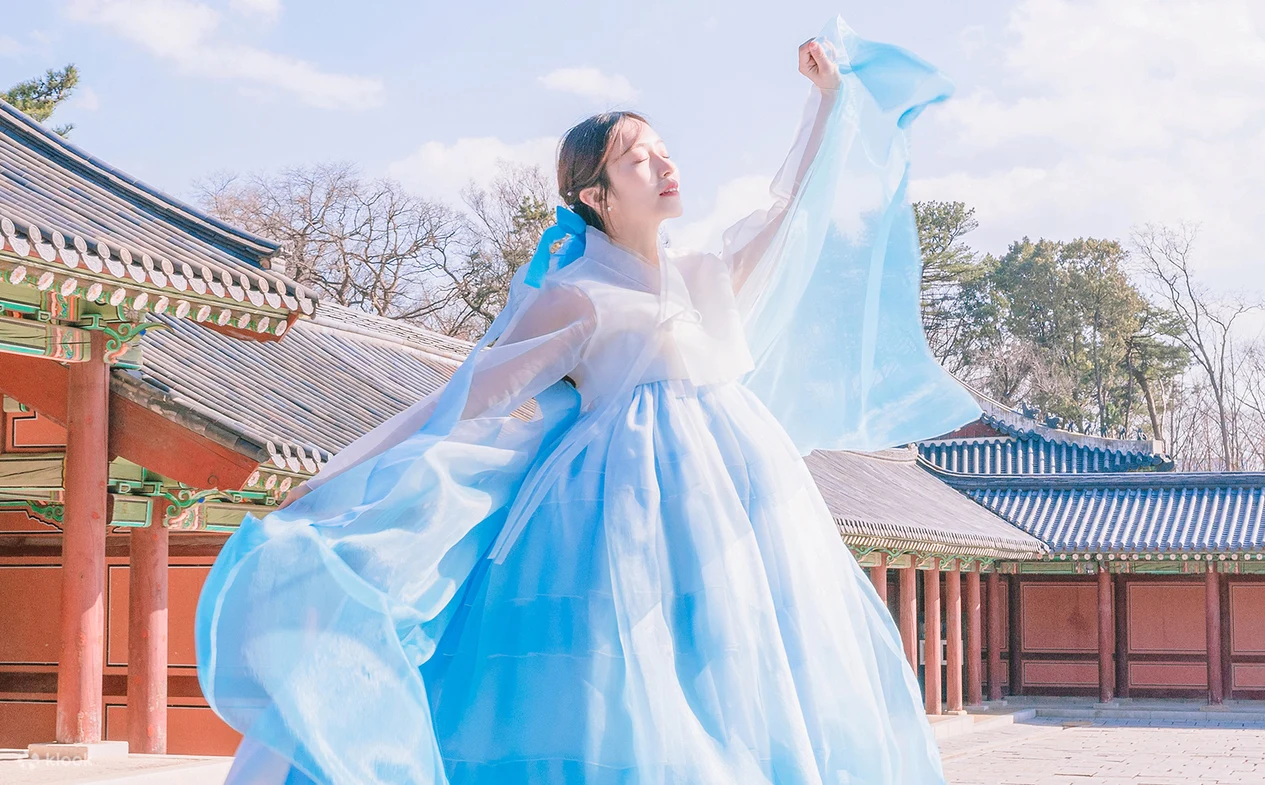
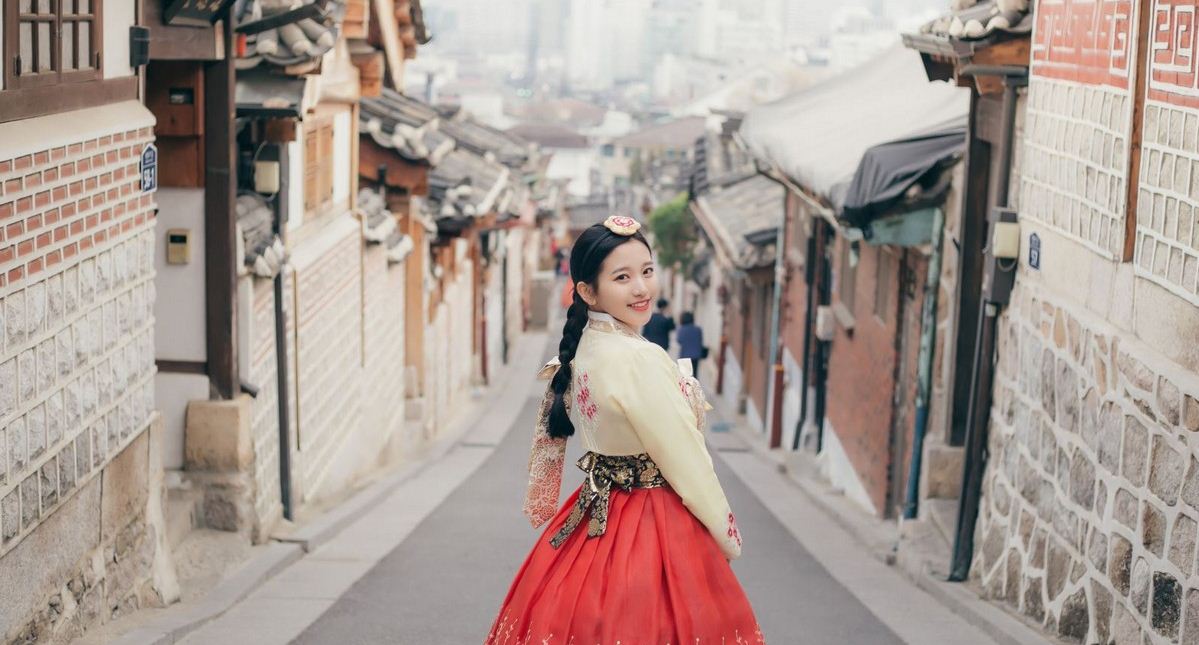
One of the most interesting activities at Namsangol Hanok Village is trying on the traditional Korean Hanbok costume. The Hanbok rental service here not only helps you experience interesting culture but also gives you the opportunity to take beautiful photos in the ancient setting of the village.
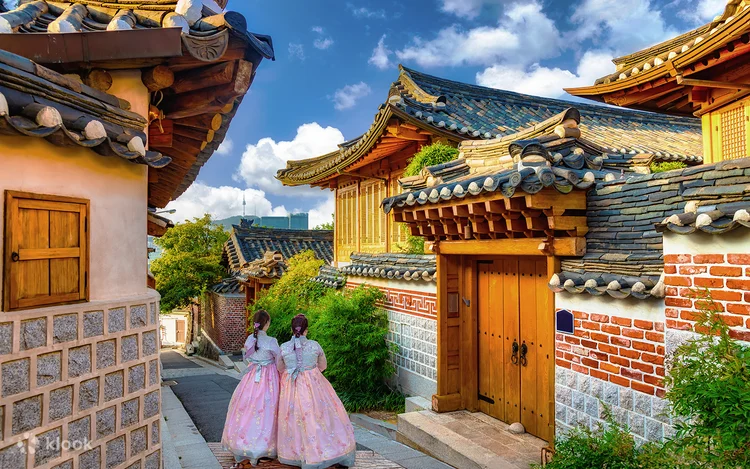
Wearing Hanbok and immersing yourself in the ancient atmosphere of the village is something you should not miss.
Learn to make Hanji
In these classes, you will be given detailed instructions on how to create small, cute objects from paper such as dolls and lanterns. The instructors will show you the basic techniques for folding, cutting and forming Hanji paper into various forms, from simple decorations to more complex items.
For a more complete experience, you can also participate and make your own traditional Korean Hanji paper crafts. Or join tea ceremony, calligraphy classes, learn to play traditional musical instruments, and one thing you definitely must try is wearing Hanbok to “check-in” and take photos with the village, right?
Play Yutnori
Yutnori is a game that requires agility, strategic thinking and luck, often played during holidays and community events of Korean people.
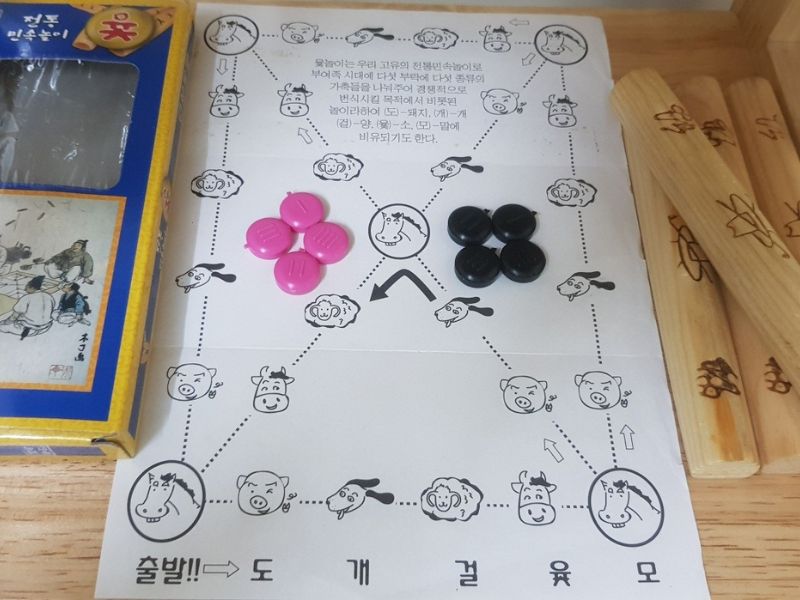
When you come here, you can participate in exciting Yutnori matches, challenging your judgment and strategy. Specifically, this game is played with four Yut sticks, each with a flat side and a round side. Players will take turns throwing the sticks on a flat surface to determine the number of moves of the chess pieces on the board. The result of the stick throw not only determines the number of moves but also affects the overall strategy of the game, as each result can bring new opportunities or challenges.
Participate in a traditional tea ceremony
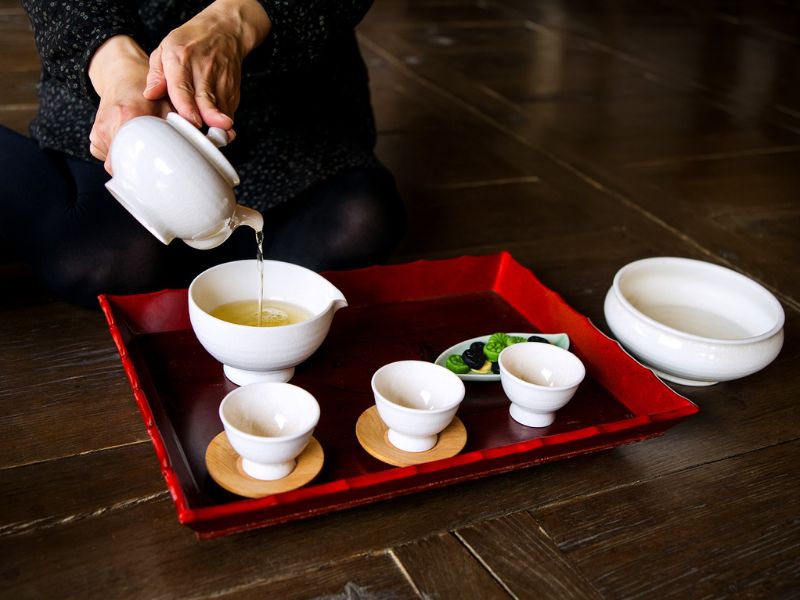
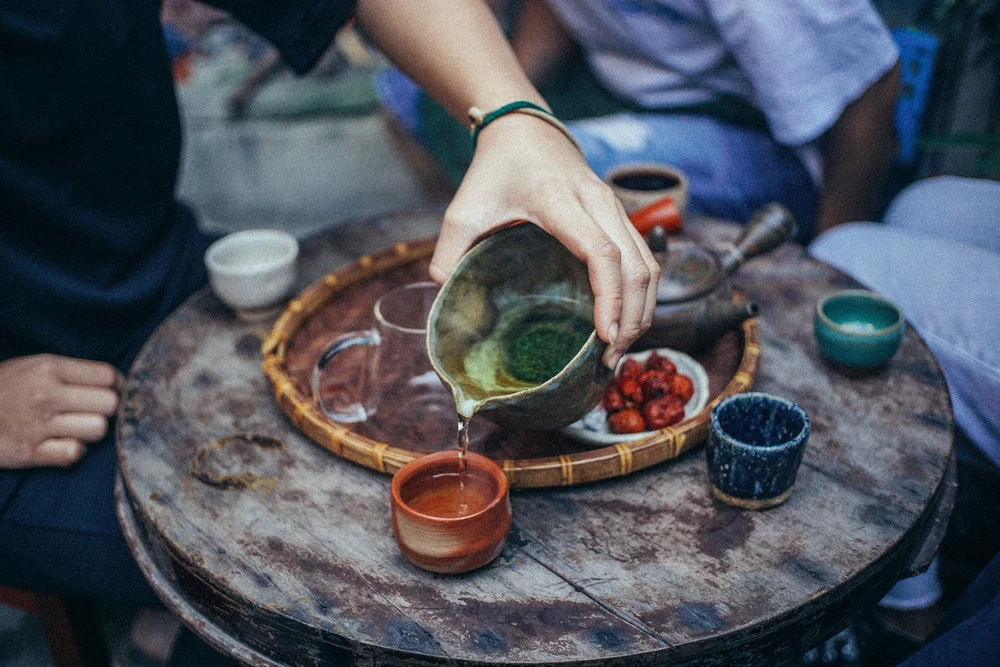
During the ceremony, you will be guided through the traditional way of making tea, from arranging the utensils, selecting and preparing the tea leaves, to pouring hot water and serving the tea. Each step in the process has its own meaning and is carried out at a slow, solemn pace.
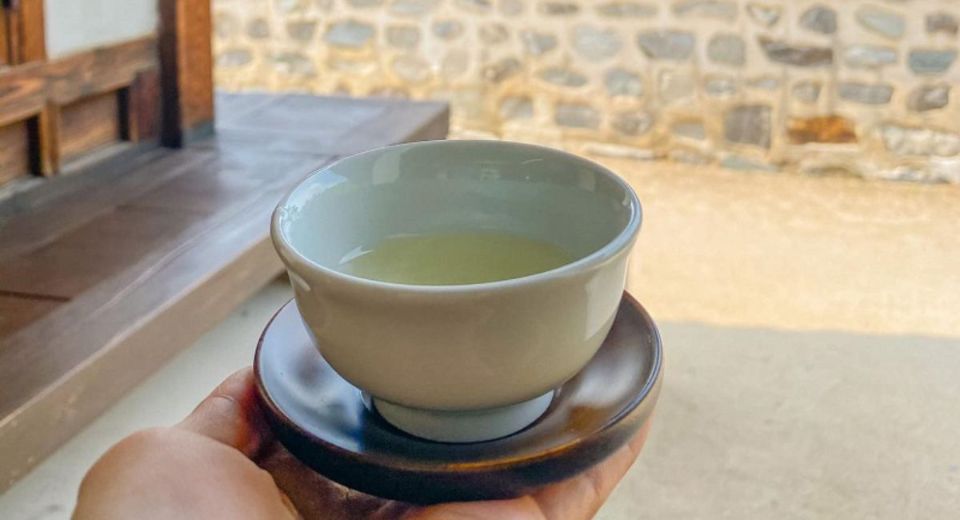
Learning how to make and enjoy tea in the quiet and relaxing space of Hanok Village helps you gain a deeper understanding of the value of stillness and being present in each moment. This is a valuable lesson about the Korean way of life and thinking.
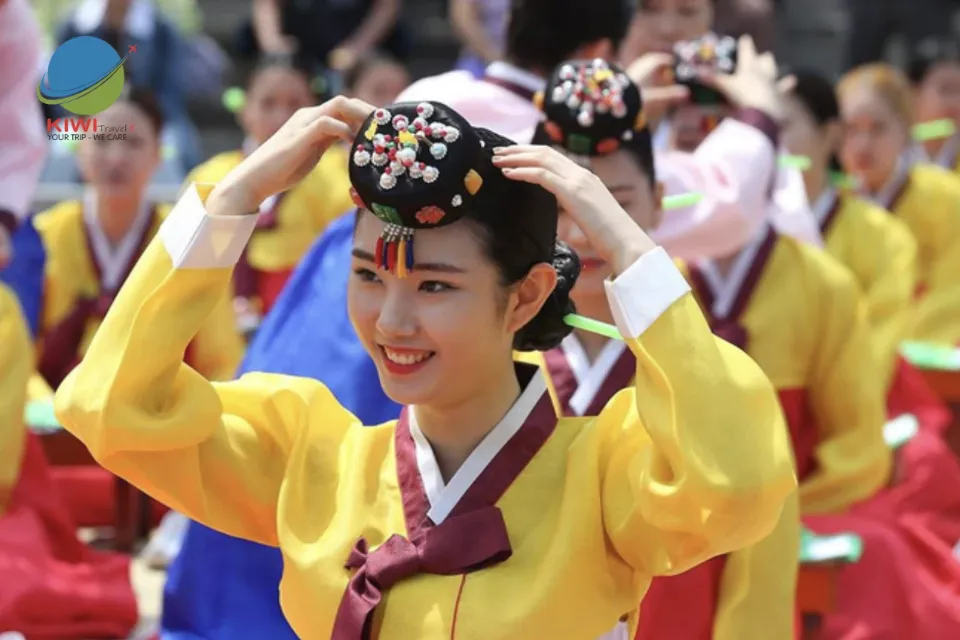
Participate in the Coming of Age Ceremony
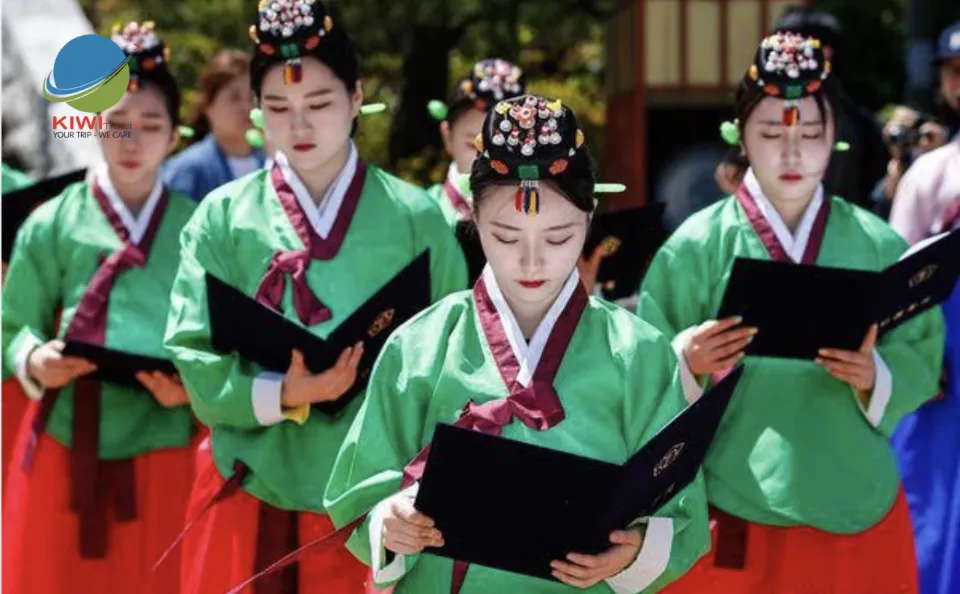
In May, on the third Monday of the month, Hanok Village will hold a coming of age ceremony for those who are 19 years old, a unique cultural feature of Korea where boys and girls will be made up and wear traditional costumes to participate in meaningful activities. This ceremony has a long tradition, marking an important turning point in the lives of young people, demonstrating maturity and responsibility in society. This is a great opportunity for visitors to experience a part of the unique and profound culture of Korean people.
Some small notes when visiting Namsan Hanok Village
When visiting Namsan Hanok Village, you need to note the following to have a more interesting and complete experience:
- Visiting inside the houses: Not all areas in Hanok houses are open to the public. Only some areas of the village allow visitors to look inside the houses, and sometimes an entrance fee may be required.
- Best time to visit: The village is often crowded on weekends and holidays, especially during the peak seasons in spring (April to May) and autumn (September to November). It is recommended to plan your visit during less crowded times and consider booking in advance to avoid disappointment.
- Consider the weather: Activities and tours at Namsan Hanok Village may be cancelled without notice due to bad weather conditions such as heat waves, typhoons, heavy rains or high air pollution. It is recommended to check the weather forecast on the day of your planned visit.
- Take photos: Namsan Hanok Village is a popular place for taking photos, especially in traditional Korean costumes. It is less crowded than other famous places like Gyeongbokgung, providing a more comfortable environment for photography.
We hope that your visit to Namsan Hanok Village will bring you a memorable and profound experience of traditional Korean culture. From enjoying performing arts to participating in handicraft activities, every moment here promises to open up a new perspective on the essence and identity of a nation rich in cultural identity.
As one of the most beautiful and well-preserved ancient villages in Seoul, Namsangol Hanok Village is definitely a must-see destination on any trip to explore the Land of Kimchi.
Some best day tours, trips, activities and transfer services, tickets in and from Seoul you can refer to
- Incheon International Airport (ICN) Limousine Bus Transfers for Seoul (Gangnam District)
- Seoul Yeouido Eland Han River Cruise
- Alpaca/ Nami/ RailBike/ Morning Calm/ LEGOLAND/ Painters/ Wild Show
- [SALE] Instant Ticket! Korea Rail Pass (KR PASS) 2/3/4/5 Days to travel around the cities in Korea
- [Limited Offer] AREX Incheon Airport Express Train One Way Ticket in Seoul
- Nami Island, Petite France, Garden of Morning Calm, and Gangchon Rail Bike Day Tour from Seoul
- Everland 1 Day Pass
- Lotte World Ticket in Seoul
- Discover Seoul Pass
- N Seoul Tower Ticket
- Lotte World Tower Seoul Sky Ticket
- Coex Aquarium Admission Ticket in Seoul
- DMZ(Demilitarized Zone) Tour
- 4G Prepaid SIM Card (SK Airports Pick Up) for South Korea
- [Sale] Hanbok Experience (Hanboknam Gyeongbokgung Store) with Korean Hairstyling
- [SALE] South Korea 4G Pocket WiFi (KR Airports Pick Up) from KT Olleh
Are you finding more top things to do in Seoul: Tours, activities, attractions and other things? Let’s check it out here.