








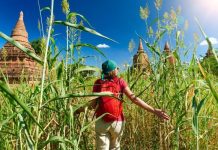
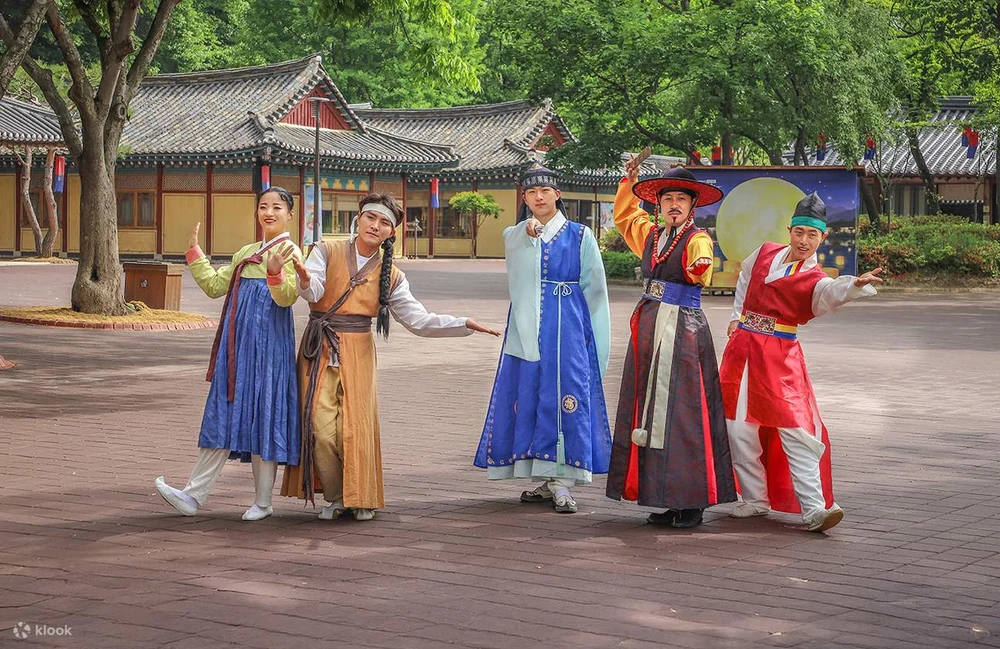
Holding the ticket in my hand, I felt as though I had stepped through a magical portal, transporting me back to the distant Joseon or Goryeo eras right in the heart of modern-day Korea.
- 11 Hottest Korean Filming Locations of 2025-2026
- Where to visit in Seoul? 20 Beautiful & best places to visit in Seoul for First-Time Visitors
- Discover Itaewon: Seoul’s Vibrant International District
- 12 Beautiful and Easy-to-Access Tourist Destinations & top things to do in Gyeonggi that Near Seoul
- The ULTIMATE Gyeongbokgung Palace Review: History, How to get there, Top things to do & MORE
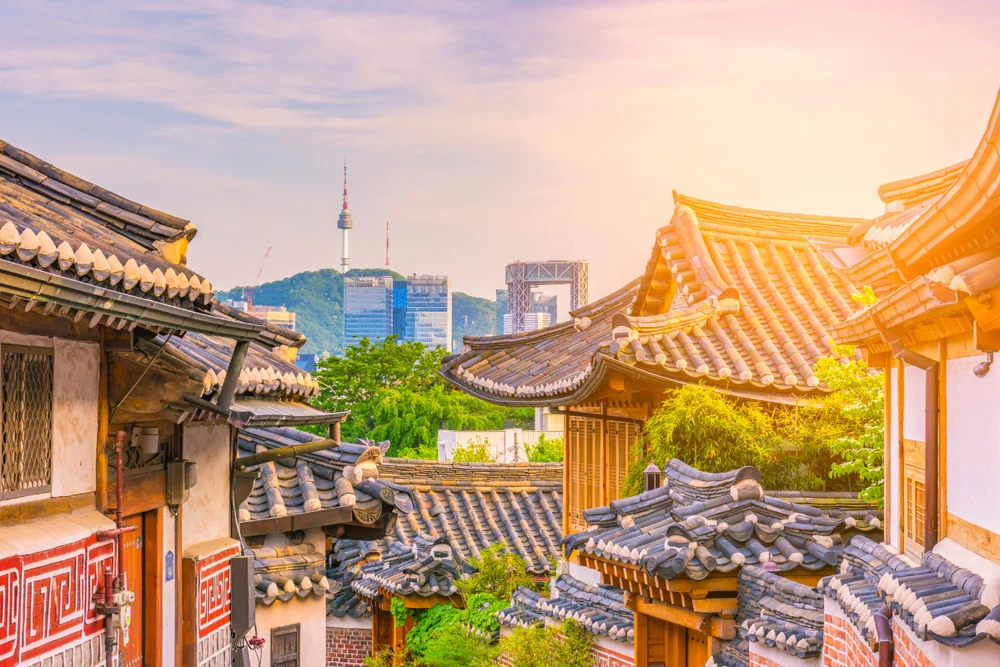
If you’ve ever been captivated by the dramatic power struggles in *Kingdom* or moved to tears by the romances of the princes in *Moon Lovers*, visiting a Korean historical drama set is surely a top priority on your travel bucket list. Far from being mere makeshift structures, these sets are massive architectural complexes that faithfully recreate everything—from individual roof tiles and wooden steps to the very atmosphere of daily life centuries ago.
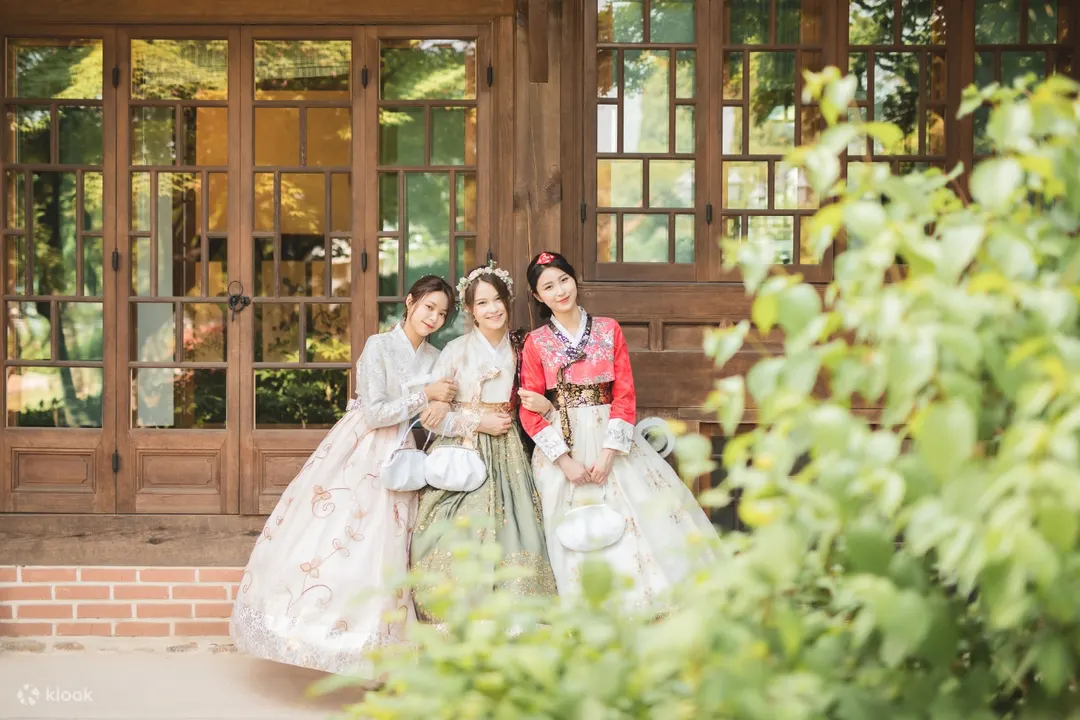
Join Living Nomads as we explore the 5 best spots for an immersive “time-travel” experience today!
Yongin Daejanggeum Park – MBC’s Cinematic Capital
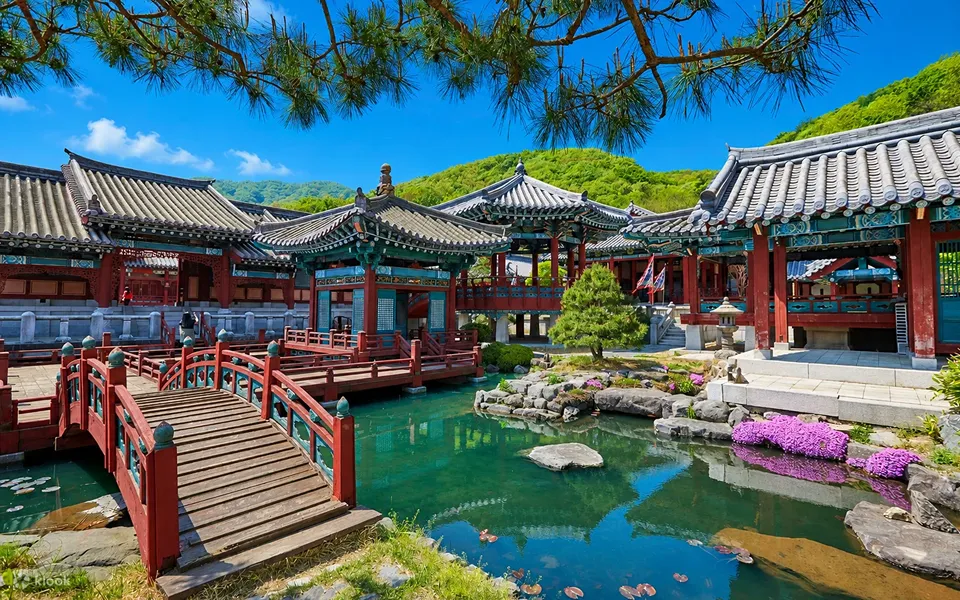
Topping the list is undoubtedly Yongin Daejanggeum Park (formerly known as MBC Dramia). It is not just a simple filming location but the largest historical drama architectural complex in Korea—the birthplace of classic masterpieces like *Dae Jang Geum* (Jewel in the Palace), *Moon Embracing the Sun*, *Empress Ki*, and the recent hit *The Red Sleeve* (East Palace).
Grand and Authentic Architecture
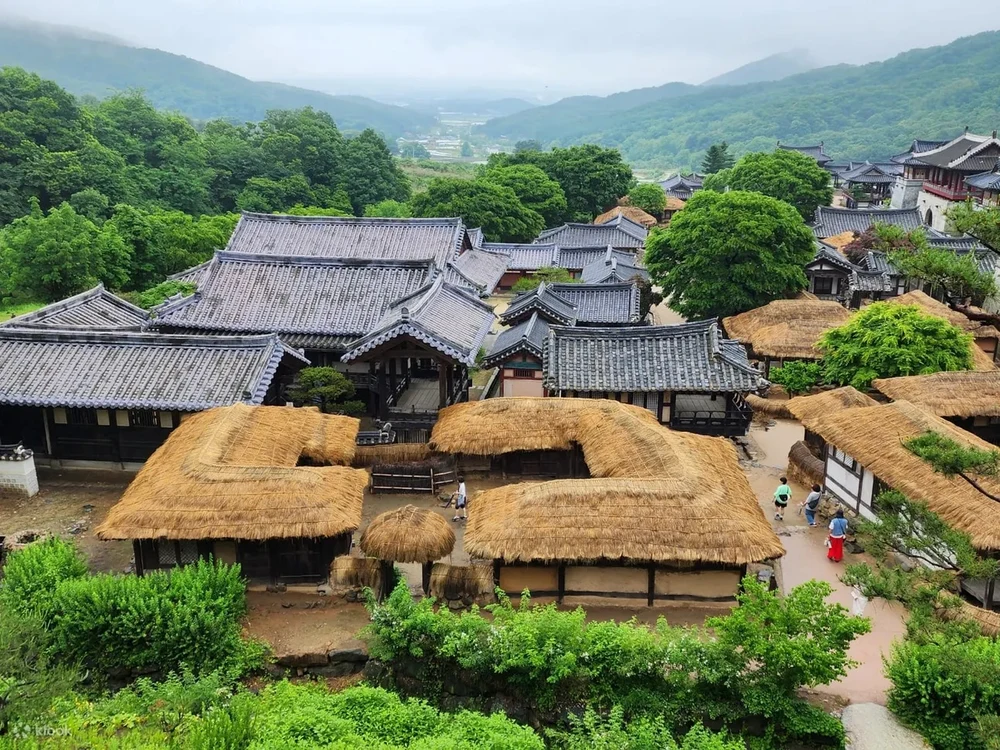
What truly sets Yongin Daejanggeum Park apart is its structural permanence. Instead of using temporary materials, the buildings here are constructed at a 1:1 scale using real wood and stone, based on rigorous historical research. Stepping into the Injeongjeon area (the Main Throne Hall), I was truly overwhelmed by the majestic presence of the throne and the exquisite dragon and phoenix carvings.
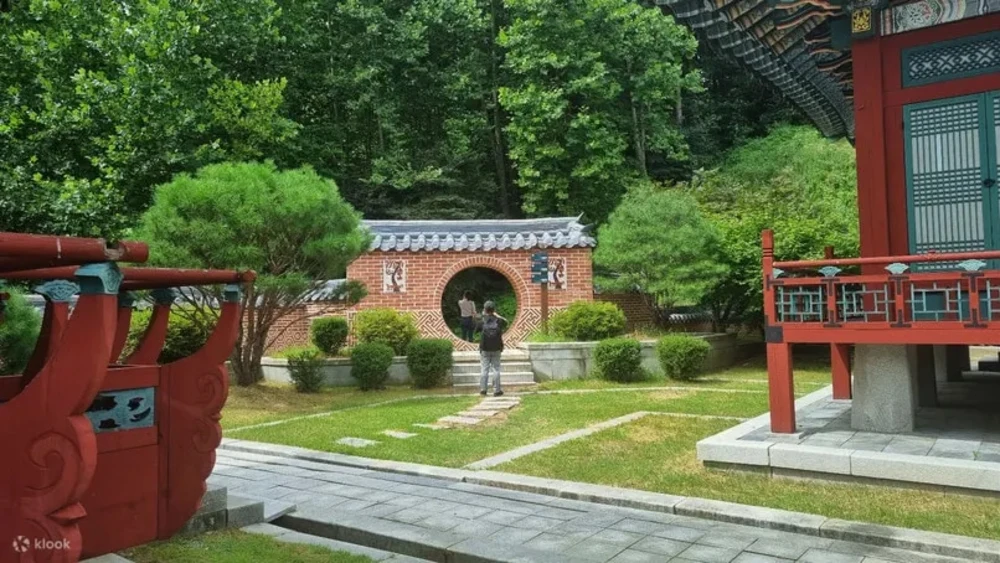
The film set is divided into various zones representing different social strata: from the opulent royal palace to the commoners’ marketplace featuring humble thatched-roof houses. You could spend an entire day here without fully exploring every nook and cranny, as every turn reveals a completely new scene—ranging from narrow alleyways to poetic royal gardens.
An Immersive Experience at the Film Set
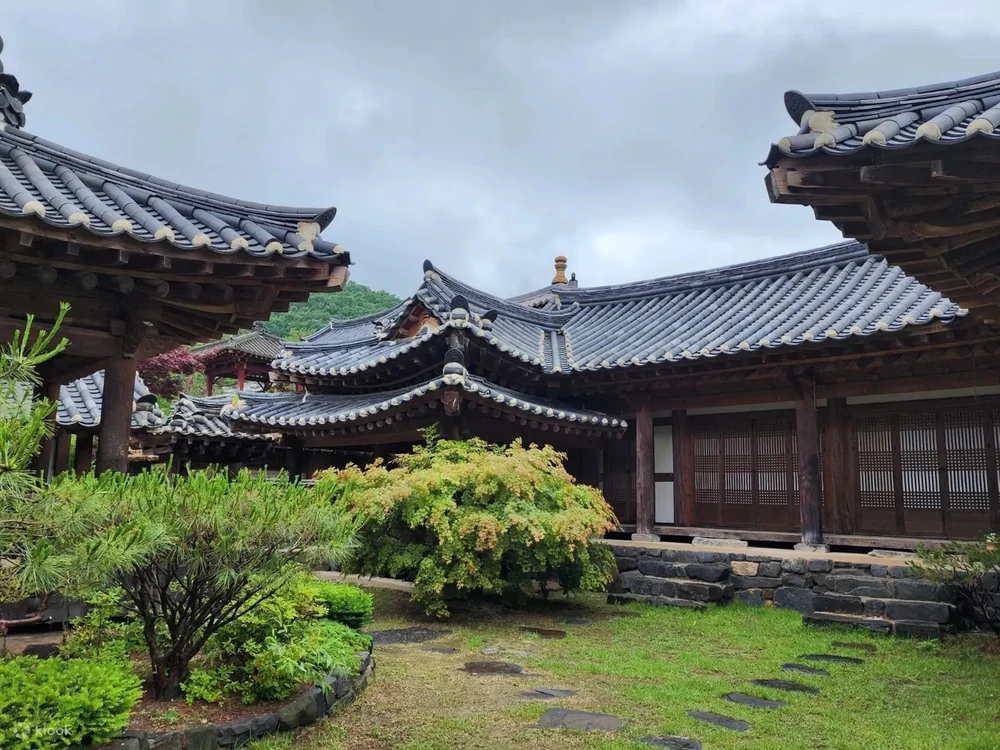
Yongin Dae Jang Geum Park Tour from Seoul
One of the highlights of visiting is the high likelihood of encountering an active film crew. We recommend visiting the warehouse-style studio area, which houses thousands of props—including period costumes, weaponry, and everyday household items from the past. Seeing these items—previously viewed only on screen—in real life is a truly indescribable experience.
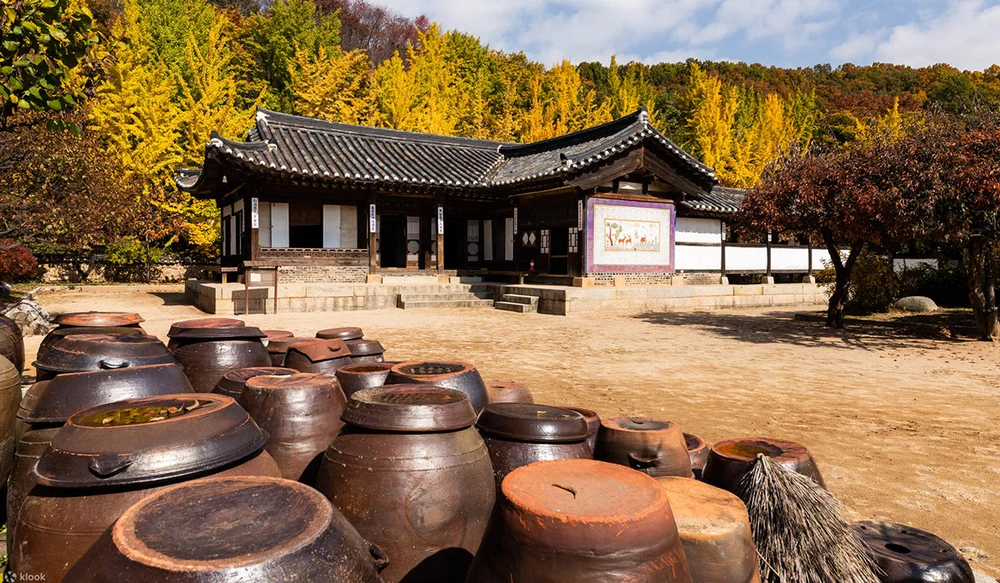
[2026 Special] ARMY Must-Do: Korea’s Most Iconic K-Pop Pilgrimage
Reference ticket price: Approximately 9,500 – 10,000 KRW for adults.
How to get there: From Seoul, take an intercity bus from Nambu Terminal to Baekam Terminal, then catch bus No. 105 or a taxi to the film set.
Mungyeongsaejae Open Set – A Majestic Fortress Amidst the Mountains
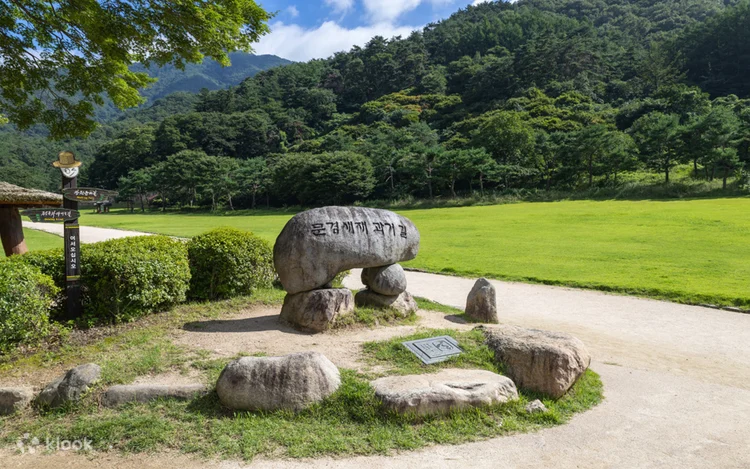
While Yongin exudes regal elegance, the Mungyeongsaejae Open Set embodies the spirit of warfare and resilience. Located within Mungyeongsaejae Provincial Park, this set serves as a familiar backdrop for war and zombie dramas like *Kingdom*, as well as historical epics such as *Taejo Wang Geon*.
Untamed and Ancient Beauty
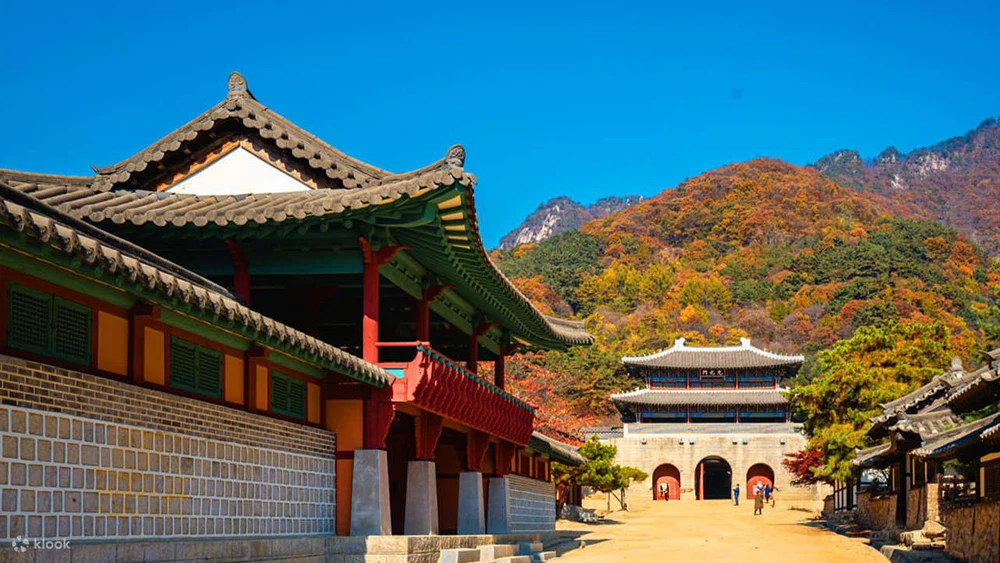
Nestled against the slopes of Mount Juheulsan, the set makes the most of the majestic natural landscape to create a setting of astonishing authenticity. A highlight here is the Gwanghwamun Set—a perfect replica of the main gate of Gyeongbokgung Palace, yet with a more weathered, ancient appearance.
You will notice a distinct contrast between the different residential areas. The noble (*Yangban*) district features buildings with characteristic grey tiled roofs, whereas the commoners’ village consists of thatched-roof houses clustered along a small stream. The blend of man-made architecture and the natural beauty of Mungyeongsaejae Valley creates a truly impressive, cinematic setting.
Why Visit Mungyeongsaejae?
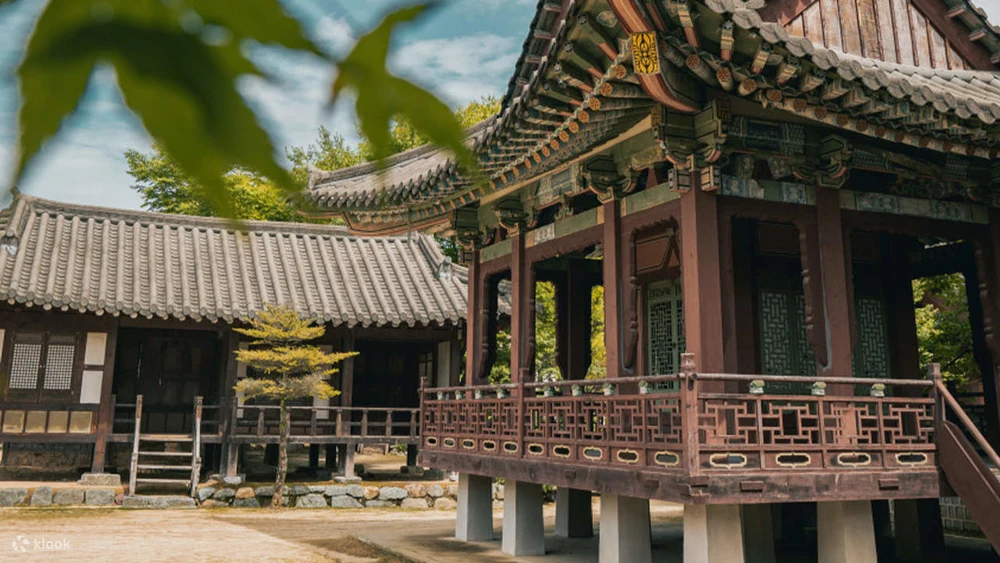
Beyond taking photos at the film set, you can experience walking along the historic mountain pass—the very route where scholars of old once carried their gear to the capital to take the state civil service exams. Walking amidst lush green forests and breathing in the fresh mountain air, only to suddenly see ancient fortress walls appear before you, evokes the feeling of a wandering traveler exploring the world.
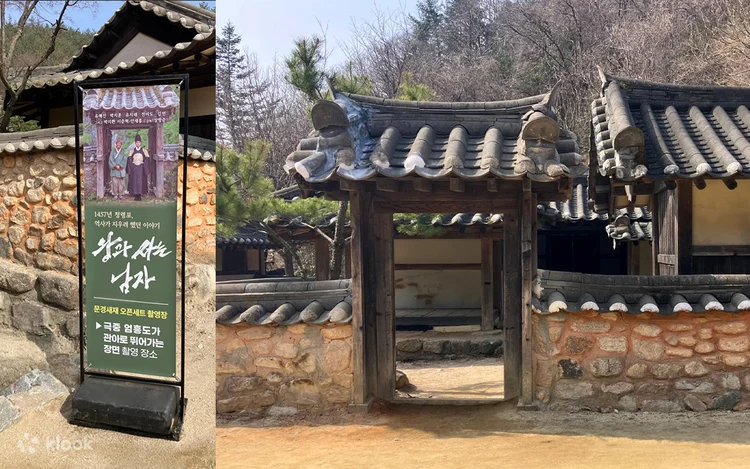
Mungyeong K-Drama & Film Tour–The King and the Clown&Queen of Tears
Reference ticket price: Approximately 2,000 KRW (excluding the park’s electric shuttle bus).
How to get there: Take a bus from Dong Seoul Bus Terminal to Jeomchon (Mungyeong) Terminal, then transfer to a local bus heading toward Mungyeongsaejae.
Korean Folk Village – A Living Museum
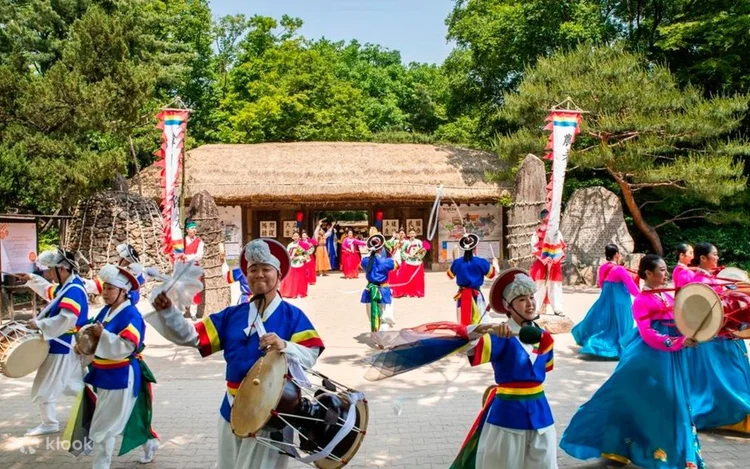
Korean Folk Village Full-Day Tour with Shuttle & Ticket
Unlike the two locations mentioned above, which were built primarily for filming purposes, the Korean Folk Village in Yongin is an authentic open-air museum. However, thanks to its absolute authenticity, it has become an irreplaceable filming location for historical Korean dramas, particularly for scenes depicting everyday life.
An Authentic Recreation of Joseon Culture
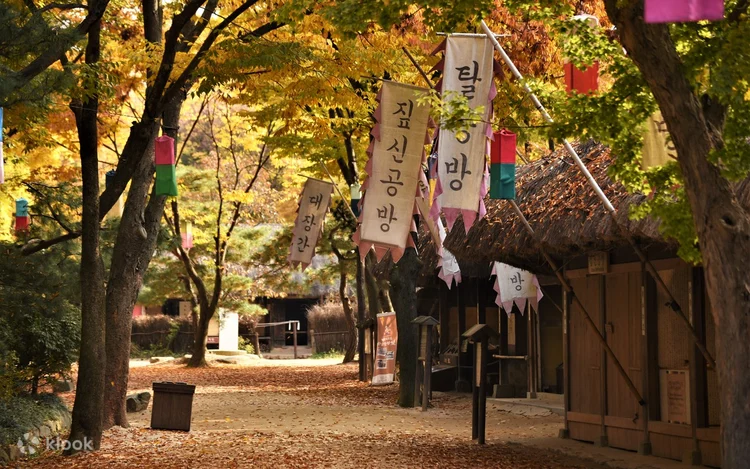
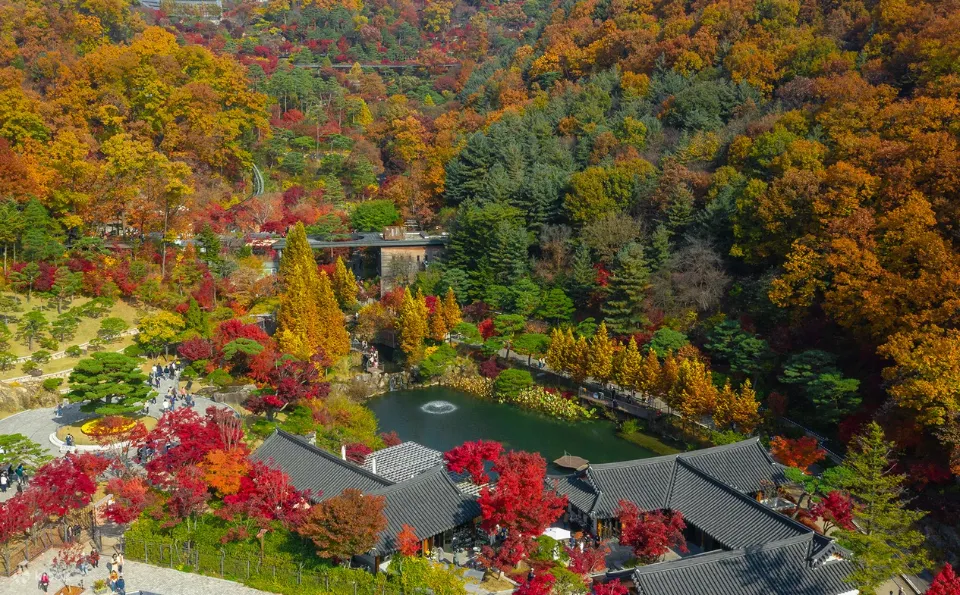
Here, over 260 traditional houses from various regions of Korea have been relocated and restored. You will observe distinct differences between the home of a southern farming family and that of a northern official. Every detail—from the kitchen (*Agungi*) to the wooden veranda (*Daecheongmaru*)—has been preserved in its original state.
What Living Nomads loves most here are the daily cultural performances. You can watch traditional wedding ceremonies, fan dances, or thrilling tightrope walking acts. The staff wear traditional costumes and engage in crafts like weaving, pottery, and basketry, keeping the village vibrant and lively rather than making it feel like a static exhibition.
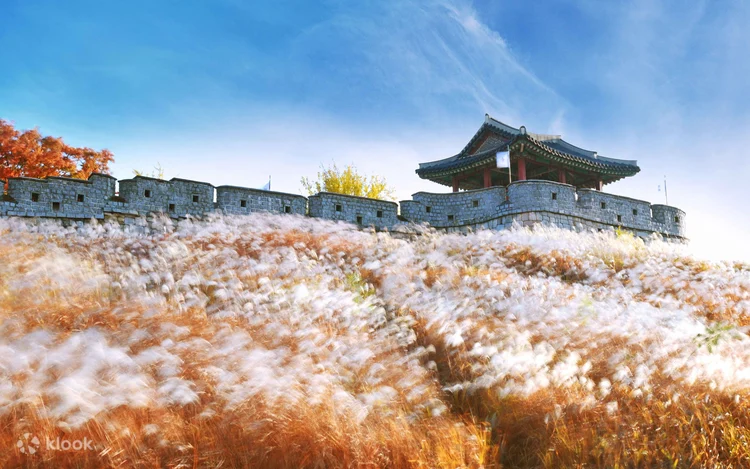
Korean Folk Village, Suwon Hwaseong, Starfield, GwangmyeongCave Tour
An Ideal Photo Spot for K-Drama Fans
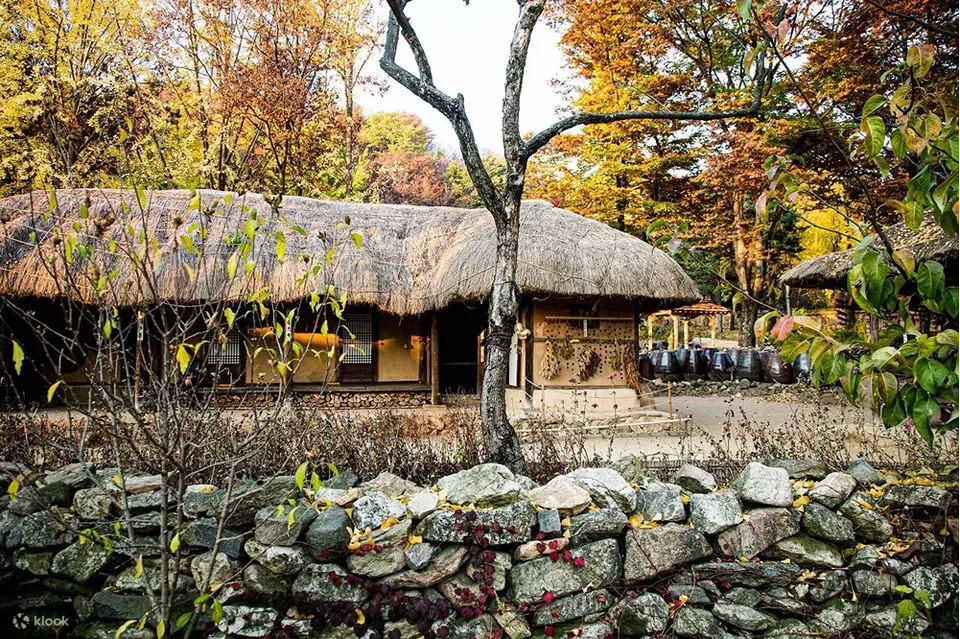
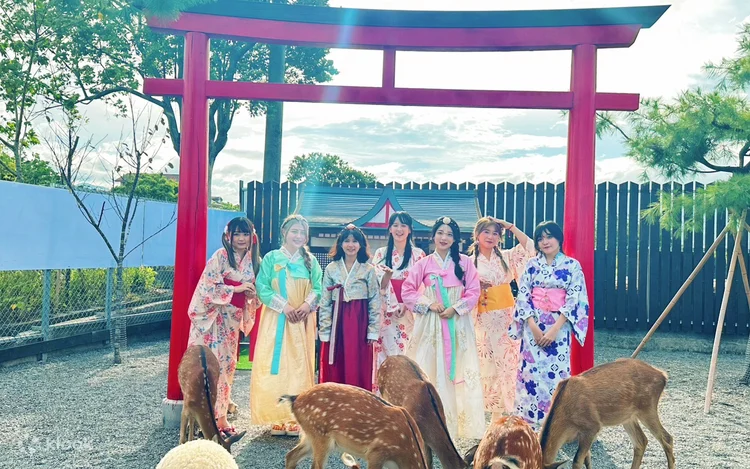
If you remember the scene where Professor Do Min-joon (*My Love from the Star*) speaks about his past, or the humorous moments in *Sungkyunkwan Scandal*, this is the place to be. Don’t forget to rent a stunning Hanbok to stroll along the small dirt paths; you’ll capture photos that look just like movie posters.
August Exclusive | K-Horror Night at Korean Folk Village
Reference ticket price: Approximately 35,000 KRW (includes access to amusement areas).
How to get there: Take the free shuttle bus from Suwon Station or the Bundang Line subway to Sanggal Station.
Baekje Cultural Land – Reviving a Lost Kingdom
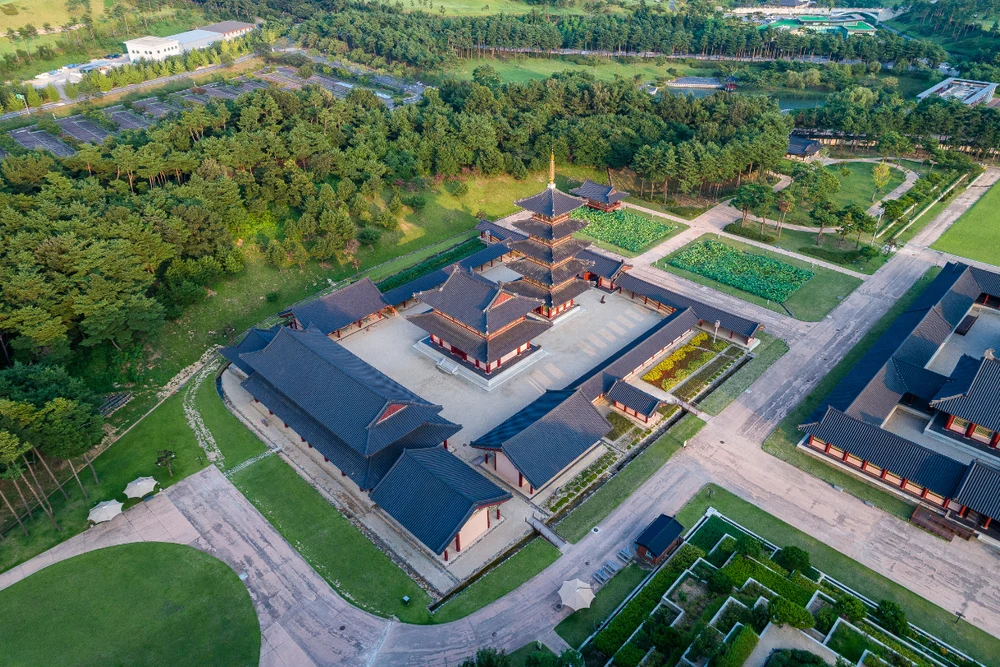
Located in Buyeo, Baekje Cultural Land is an ambitious project designed to recreate the splendor of the Baekje Kingdom—one of Korea’s three ancient kingdoms. It served as the primary filming location for the tear-jerking drama *Moon Lovers: Scarlet Heart Ryeo*.
Architecture Distinct from the Joseon Era
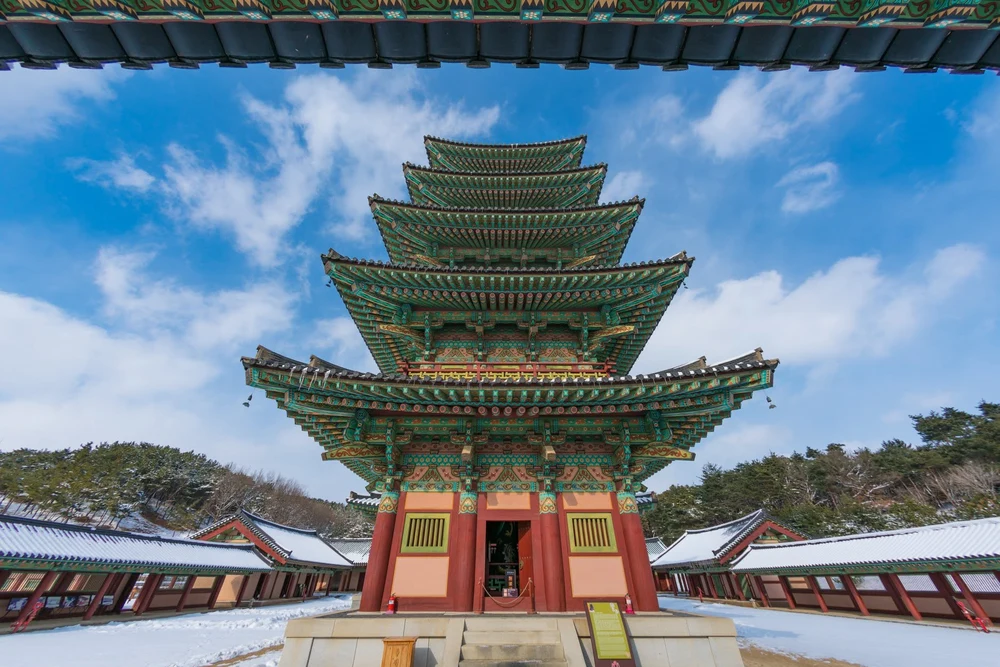
Most film sets you see typically replicate the Joseon era (featuring gray, white, and brown wood tones). However, at Baekje Cultural Land, you will encounter a completely different style: vibrant colors—specifically reds, greens, and golds—characteristic of the Three Kingdoms period.
Buyeo Baekje Kingdom One Day Tour
The Sabigung Palace complex, with its sweeping corridors and vast courtyards, is the very spot where the legendary scene of IU kneeling in the rain was filmed. Nearby stands Neungsa Temple, featuring a towering five-story wooden pagoda constructed entirely using ancient techniques—without a single nail. The meticulous detail in the wood and stone carvings here will leave architecture enthusiasts in awe.
Unique Cultural Experiences
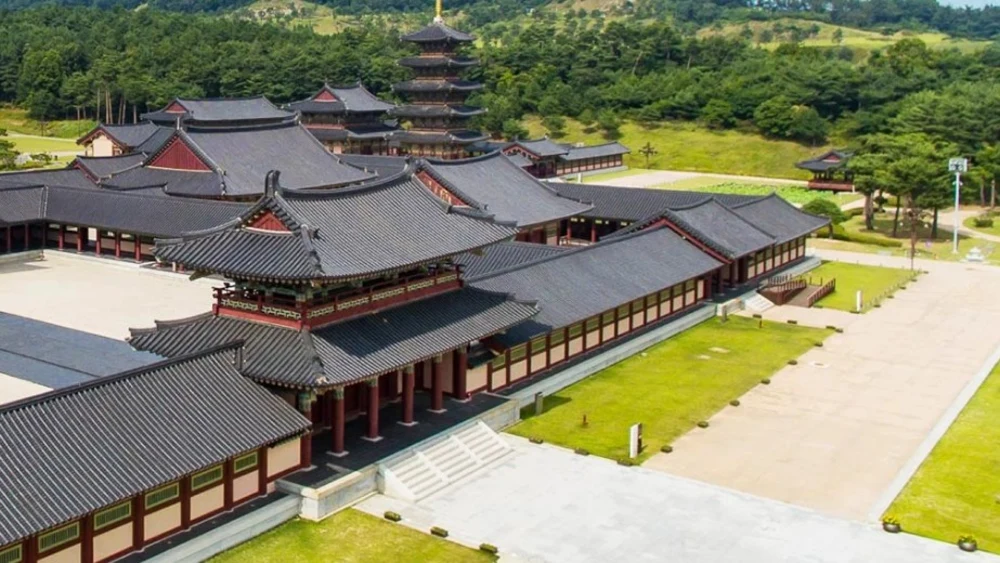
Beyond touring the palace, you can visit the living culture village, which recreates the lifestyles of the military, artisans, and commoners of the Baekje era. The area also houses a modern Baekje history museum, offering deeper insight into the kingdom’s rise and fall before you begin exploring the filming set.
Reference ticket price: Approximately 6,000 KRW.
How to get there: From Seoul, take a bus from Nambu Bus Terminal to Buyeo Bus Terminal, then take a local bus or taxi for about 15 minutes.
Nagan Eupseong Folk Village – Where Time Stands Still
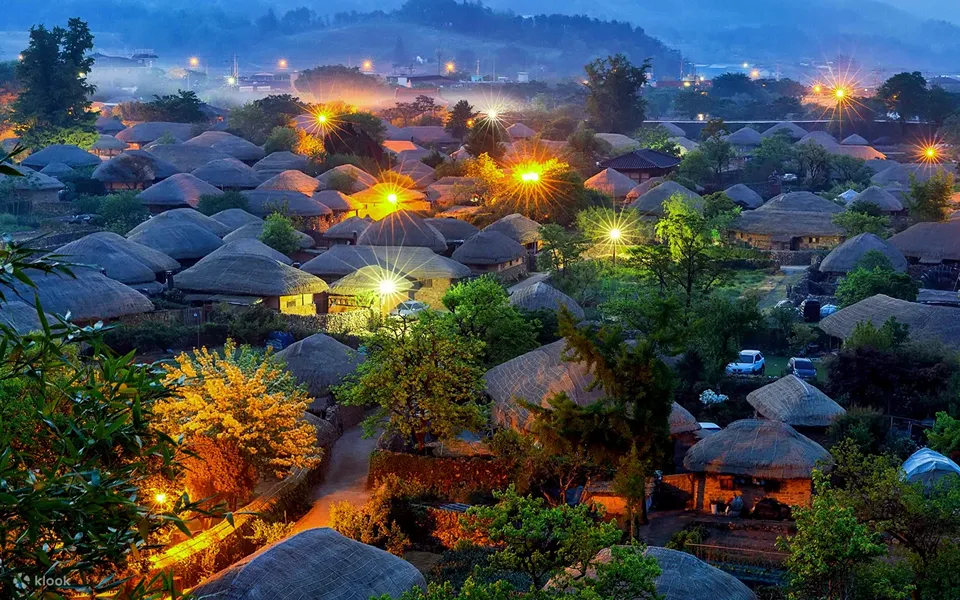
If you are looking for a Korean historical drama filming location where people still actually reside, visit Nagan Eupseong in Suncheon. It is one of the best-preserved fortress towns from the Joseon Dynasty.
The Rustic Charm of Thatched-Roof Houses
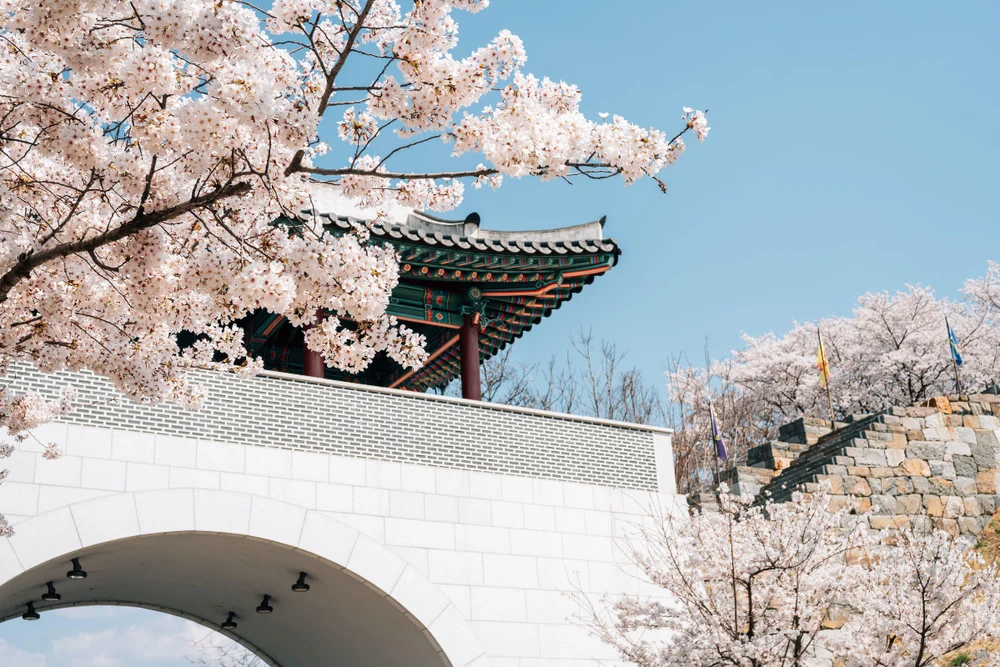
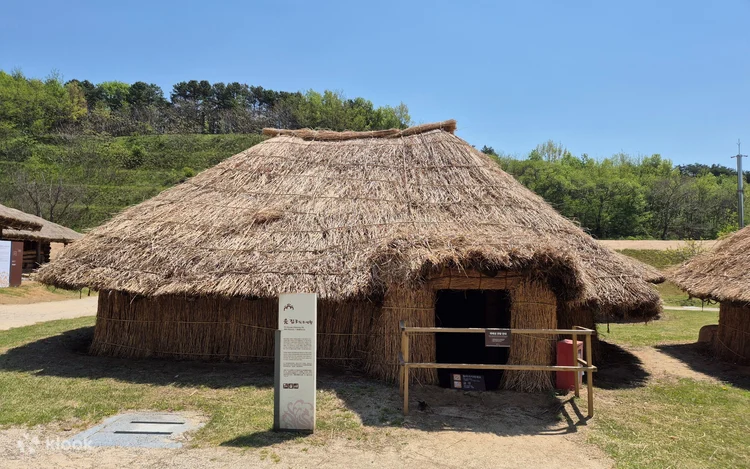
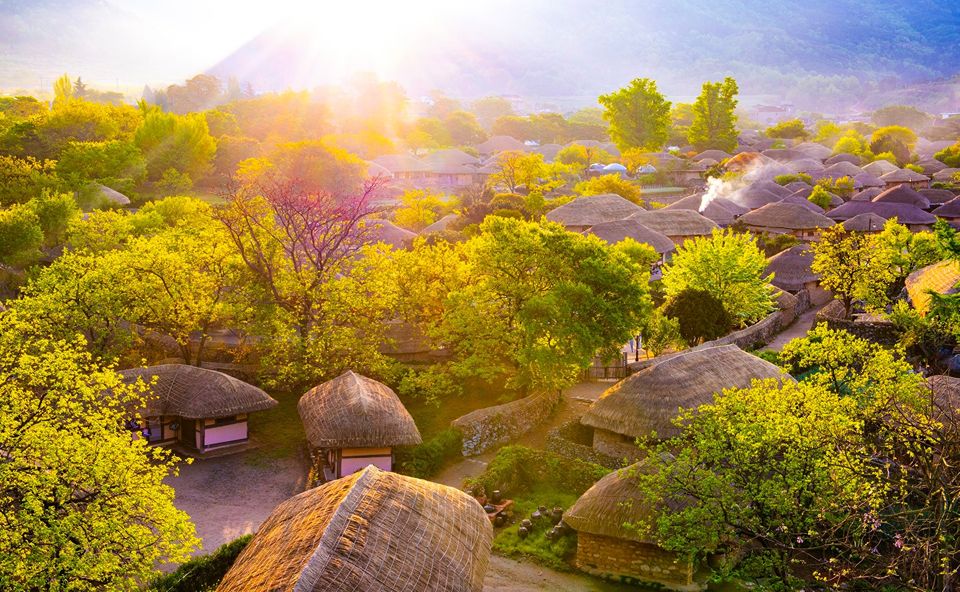
Unlike the grandeur of palaces, Nagan Eupseong captivates visitors with over 100 charming, mushroom-shaped thatched-roof houses (*chogajip*). Climbing the stone fortress wall surrounding the village offers a view of a peaceful landscape featuring winding paths, lush green vegetable gardens, and persimmon trees heavy with fruit in the autumn.
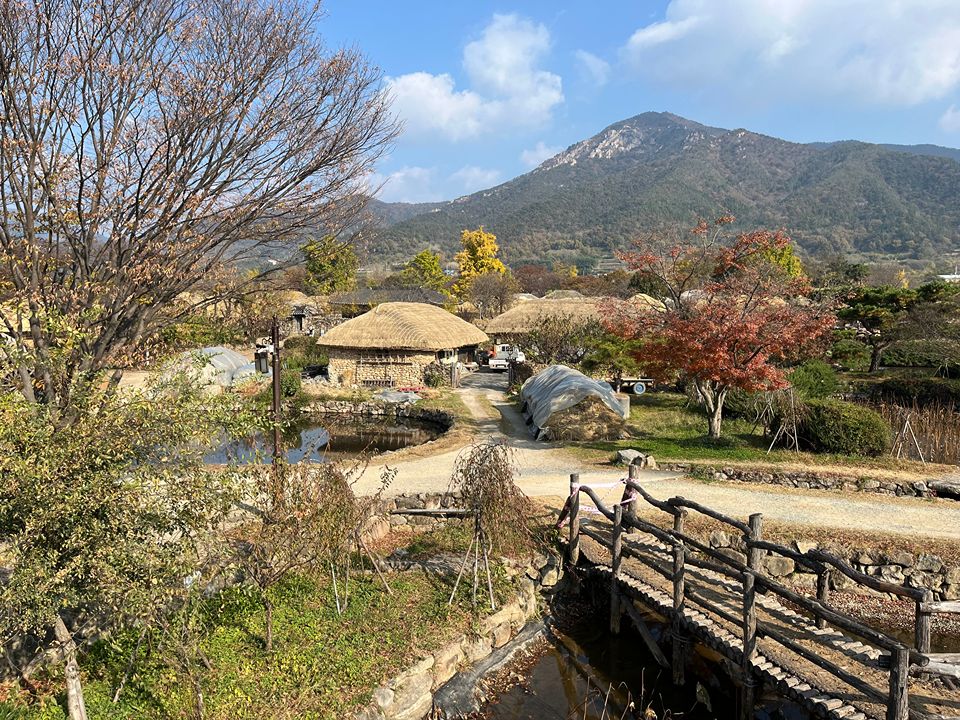
This location served as a backdrop for the drama *Jewel in the Palace* and numerous historical documentaries. What makes this place special is its pristine atmosphere—free from power lines or modern structures that might otherwise spoil your photos. You can join classes on calligraphy or natural fabric dyeing, or simply relax at a small roadside stall, sipping a bowl of *Makgeolli* (Korean rice wine) amidst the historic surroundings.
A Connection Between Past and Present
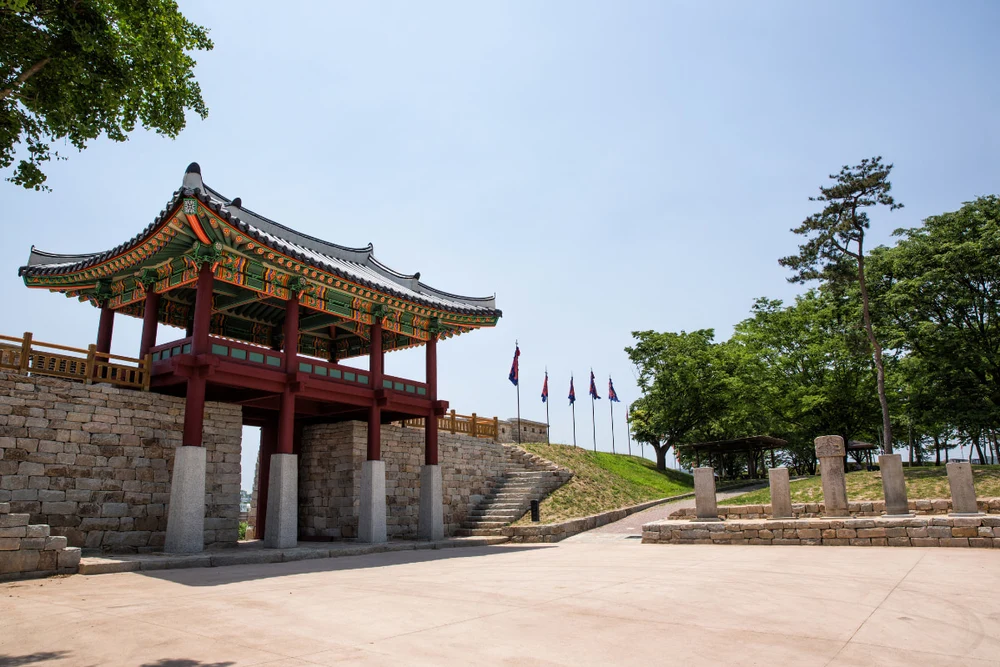
Since local residents still live here, please be mindful of keeping the noise down and respecting their privacy. Yet, it is precisely this human presence that breathes life into the village, transforming it from a mere “film set” into a living heritage site. The sight of elderly locals chatting beneath ancient trees and the sound of children playing create a strangely familiar, heartwarming atmosphere.
Yeosu-Suncheon: Temple, Cable Car, K-Drama, Food 2D1N
Reference ticket price: Approximately 4,000 KRW.
How to get there: Take the KTX train from Seoul to Suncheon Station, then catch bus number 61, 63, or 68 to the village.
Top Tips for Visiting Korean Period Drama Sets
Incheon Day Tour from Seoul: Ganghwado Luge, Railbike, Seagull Ferry
To ensure your trip is perfect and you capture some truly memorable photos, here are a few handy tips:
Always Check the Filming Schedule
Film crews are frequently active at major sets, and certain areas may occasionally be cordoned off for shooting. To avoid disappointment, check the official website or ask the staff at the ticket counter. On the bright side, if you’re lucky, you might even catch a glimpse of famous actors in person!
Best Time to Visit
Spring (April–May), when cherry blossoms are in full bloom, and autumn (October–November), with its vibrant yellow and red foliage, are the two most beautiful times to visit the film sets. However, if you wish to avoid the crowds, plan your visit for a weekday and arrive early, right when the site opens.
Wear Comfortable Walking Shoes
Period drama film sets are often vast, featuring mostly dirt paths or uneven stone walkways. Don’t sacrifice comfort for style by wearing high heels; a pair of comfortable sneakers will save your feet after a long day of exploring.
Visiting a Korean period drama film set is not just about indulging your love for cinema; it is also a fantastic way to gain insight into the history and spirit of the Korean people. Every structure and pathway holds a unique story waiting to be discovered. We hope these detailed tips from Living Nomads help you choose the perfect spot for your upcoming journey.
Wishing you a memorable “time-travel” adventure at Korea’s period drama film sets!
Some best day tours, trips, activities and transfer services, tickets in and from Seoul you can refer to
- Incheon International Airport (ICN) Limousine Bus Transfers for Seoul (Gangnam District)
- Klook Pass Seoul
- Seoul Yeouido Eland Han River Cruise
- Alpaca/ Nami/ RailBike/ Morning Calm/ LEGOLAND/ Painters/ Wild Show
- [SALE] Instant Ticket! Korea Rail Pass (KR PASS) 2/3/4/5 Days to travel around the cities in Korea
- KAL Limousine Bus Ticket for Seoul
- [Limited Offer] AREX Incheon Airport Express Train One Way Ticket in Seoul
- Bukchon Oneday Hanbok Rental Experience (4/24 Hrs)
- Nami Island, Petite France, Garden of Morning Calm, and Gangchon Rail Bike Day Tour from Seoul
- [Limited Offer] Incheon International Airport (ICN) Luggage Services (Between Airport and Hotel) by Safex
- Everland 1 Day Pass
- Lotte World Ticket in Seoul
- AREX Incheon Airport Express Train Ticket
- KORAIL PASS – KTX Train Ticket
- Discover Seoul Pass
- N Seoul Tower Ticket
- Lotte World Tower Seoul Sky Ticket
- Coex Aquarium Admission Ticket in Seoul
- DMZ(Demilitarized Zone) Tour
- 4G Prepaid SIM Card (SK Airports Pick Up) for South Korea
- [Sale] Hanbok Experience (Hanboknam Gyeongbokgung Store) with Korean Hairstyling
- [SALE] South Korea 4G Pocket WiFi (KR Airports Pick Up) from KT Olleh
Are you finding more top things to do in Seoul: Tours, activities, attractions and other things? Let’s check it out here.