

















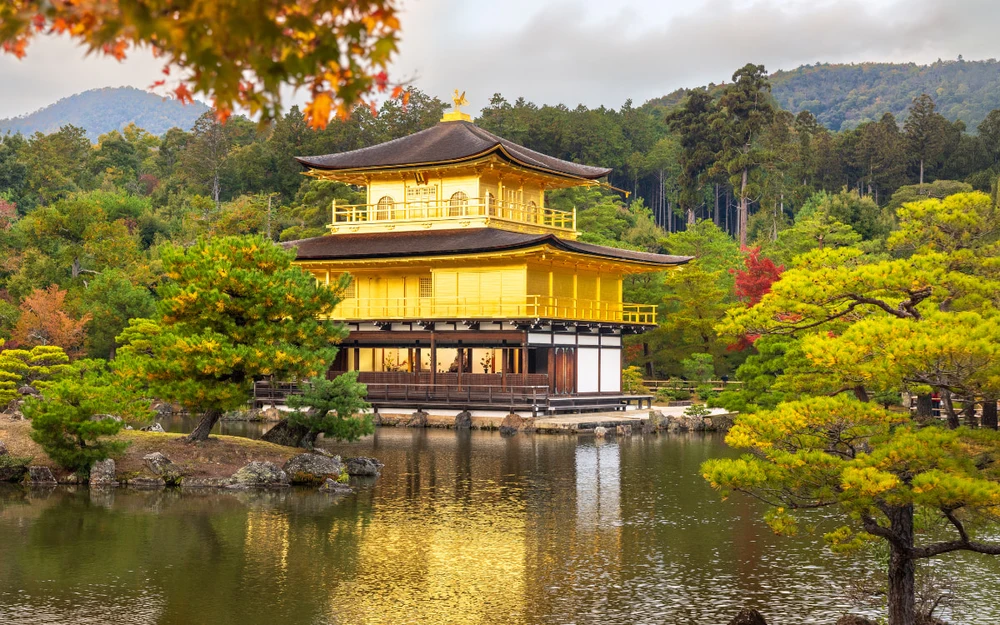
Kinkaku Ji Golden Temple, or Kinkakuji Temple (Kinkaku Ji Golden Pavilion), is a typical Buddhist architecture with a splendid yet serene beauty. Explore one of the top places to visit in Kyoto through The ULTIMATE guide to Kinkakuji Temple: Opening hours, best time to visit, what to do & MORE in this post!
- Conquering Shimokitazawa: Tokyo’s Haven for Thrift Shopping & Indie Culture
- Gotokuji Temple (Cat Temple): Tokyo’s Land of a Thousand Lucky Waving Cats
- Shibuya vs. Shinjuku – Two Super-Hot Tokyo Entertainment Hubs
- 5 best places to visit in Japan for anime fans That Look Like They Stepped Right From the Screen
- Kiyomizu-dera Temple: Admiring Kyoto from the Wooden Terrace & Ninenzaka Path
When you step into the Kinkakuji Golden Temple, you will be captivated by the exquisite beauty of the golden temple in the middle of a green garden. Join Living Nomads to plan a trip to Kinkakuji to admire the most famous architecture in Japan, and immerse yourself in the serene space here!
Kinkakuji has become a typical cultural symbol of the “cherry blossom country” and has attracted a large number of visitors over the years. Not just a large temple, this place stands out when combining gold leaf with impressive and outstanding traditional architecture. When you come here, you will have the opportunity to admire the beauty of the temple, learn about its origin, history and “check in:” in a space connected with nature.
Where is Kinkaku Ji Golden Temple?
- Address: No. 1 Kinkakuji-cho, Kita-ku Ward, Kyoto
Kyoto Golden Temple, or Kinkakuji Temple, is located in Kinkakuji-cho, Kita-ku, in northwest Kyoto. This area has a majestic beauty with the Kinugasayama mountain range running to the west and the towering Hidari Daimonjiyama mountain. The name Kinkakuji Golden Temple comes from the appearance of the temple with the top two floors covered in gold leaf. However, the official name of the temple is Rokuonji, a Rinzai Zen temple of Shokoku-ji.
The temple was built during the Kamakura was founded by Ashikaga Yoshimitsu in the fourth year of Ouei (1397). The temple was originally a residence of Ashikaga Yoshimitsu called Kitayama-dono. After Yoshimitsu’s death, the residence was converted into a Zen temple by Muso Soseki in the 29th year of Ouei (1422).
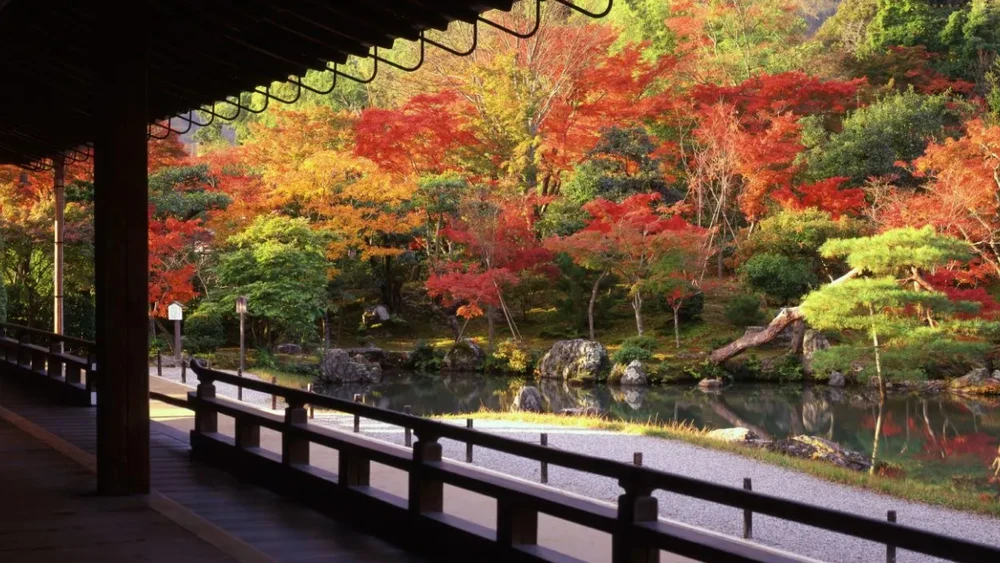
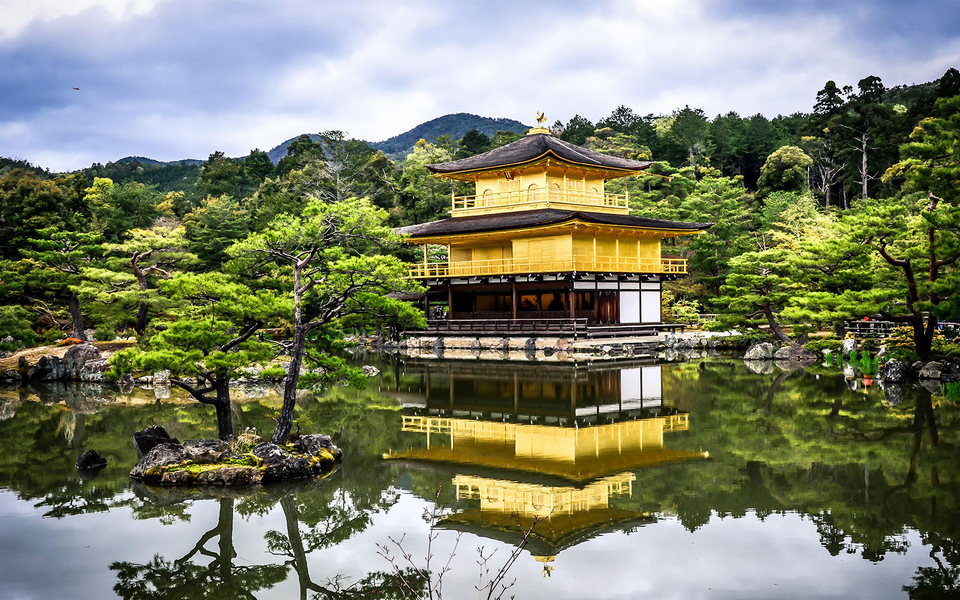
Kinkakuji is an impressive structure, located in front of a large pond and surrounded by a beautiful green garden. The Golden Pavilion was rebuilt in 1955 and retains its original architecture to this day. This is a famous tourist destination symbolizing the history and culture of Kyoto.
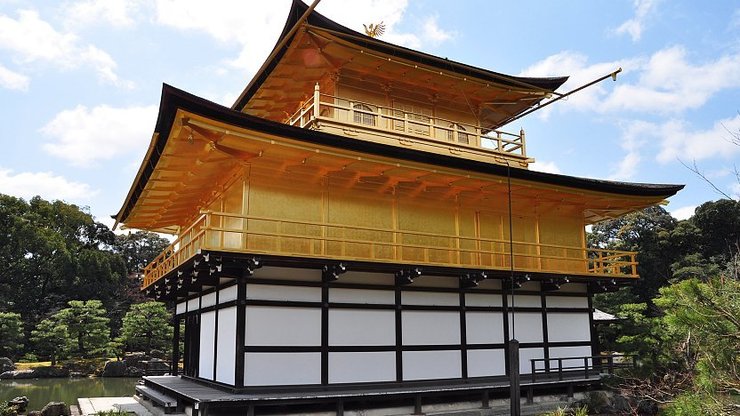
Overview of Kinkakuji Temple has 3 floors built right next to Kyoko-chi pond, so when you come here during the day, you will see the image of the building reflected on the water surface. While the first floor uses natural wood and white plaster walls in the Shinden style, the two upper floors are gilded to become more prominent.
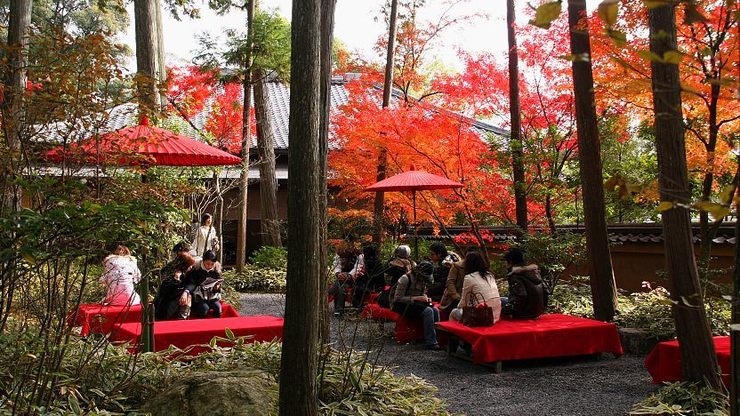
Visitors coming here will be surprised by the solemn, majestic beauty and the romantic, gentle natural scenery surrounding them. From ponds, to green trees, attics, … all contribute to creating a beautiful scene that makes anyone impressed and unforgettable. For those who love Buddhism, this place is also a spiritual and proud destination.
The temple is open to visitors all year round. Fixed opening hours are as follows:
- Opening time: 9:00 am
- Closing time: 5:00 pm
Note: opening hours will change if there are special exhibitions held.
Kinkakuji Golden Temple Ticket Price Reference:
- Adults: 500 Yen (About 91,000 VND)
- Students: (Under 15 years old: 300 Yen (About 54,000 VND)
- Preschool children: Free
Note: Exchange rates can change constantly, so this is just a reference number. You should check the latest exchange rate when you intend to exchange money.
When should you visit the Japanese Golden Temple?
Kyoto & Osaka Sightseeing Pass
If you are wondering when is the best time of year to visit the Golden Temple, the answer is whenever visitors can arrange their trip. Because the beauty of this Buddhist land will be different in each season.
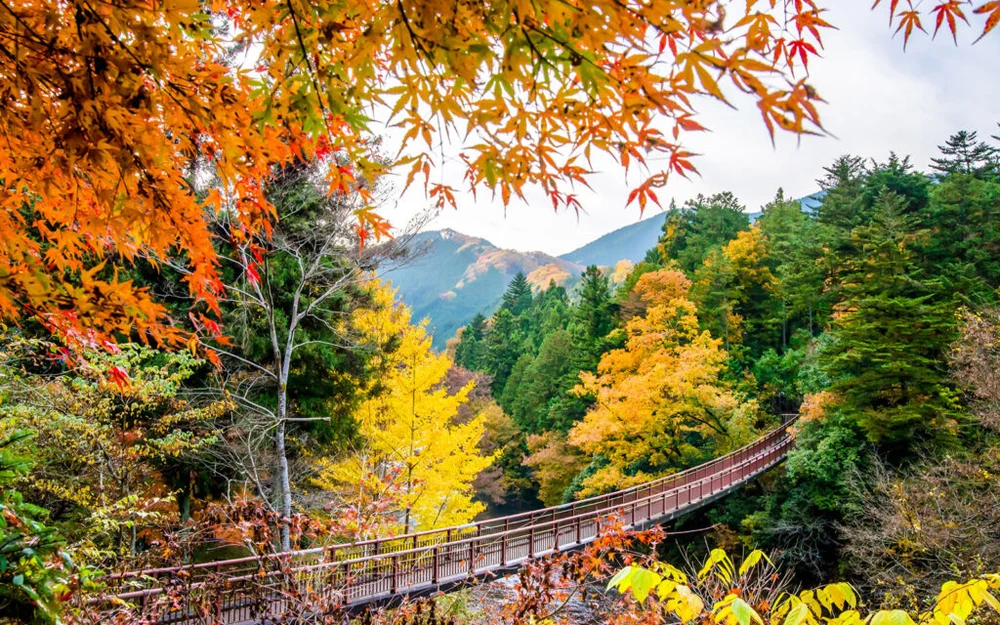
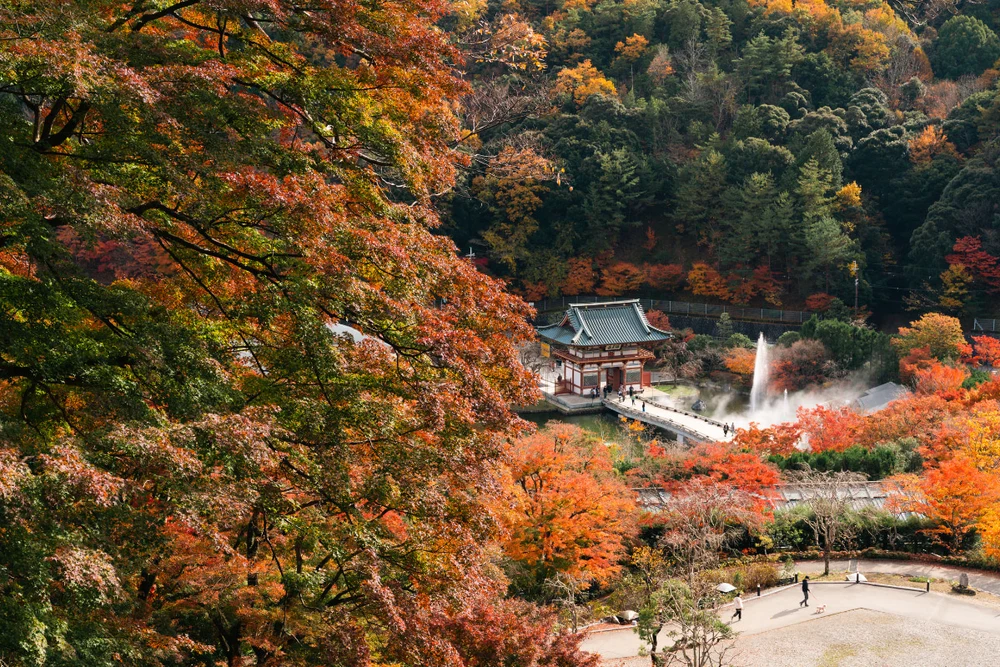
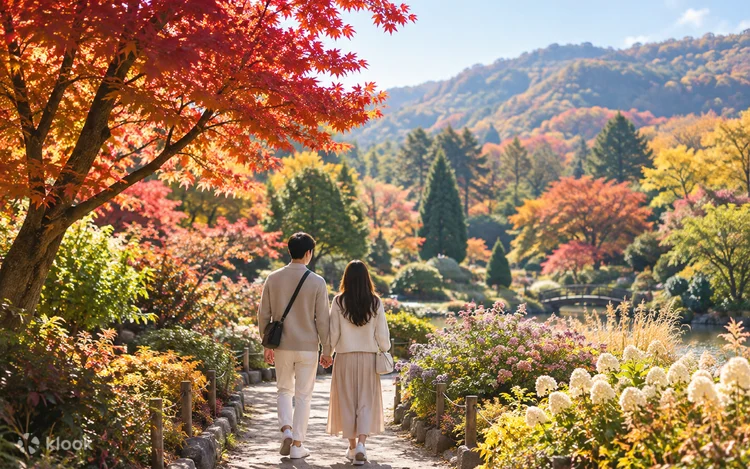
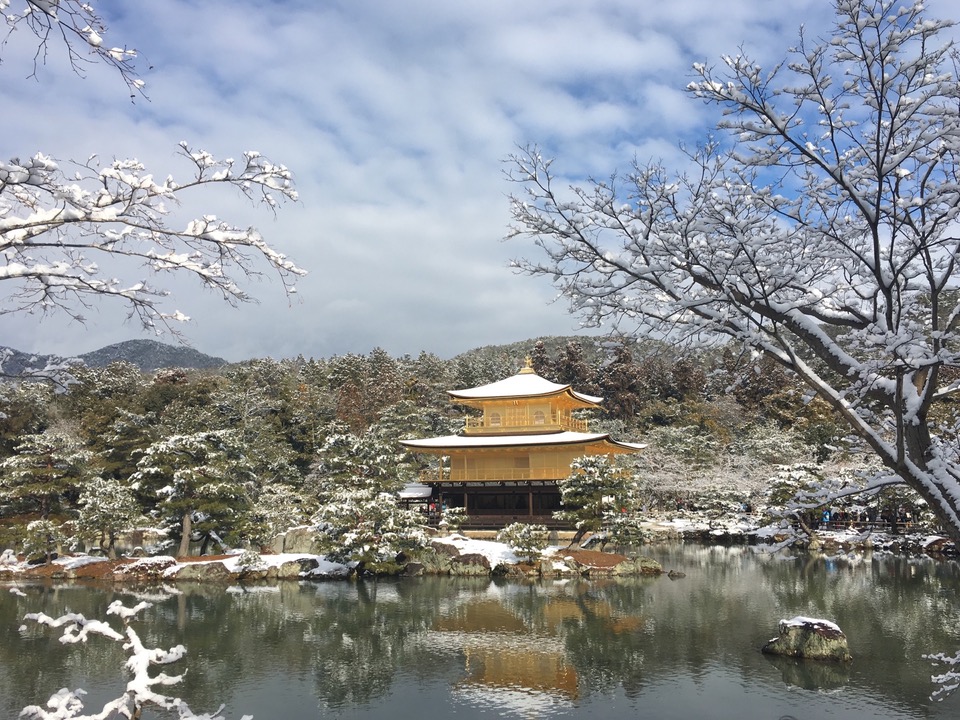
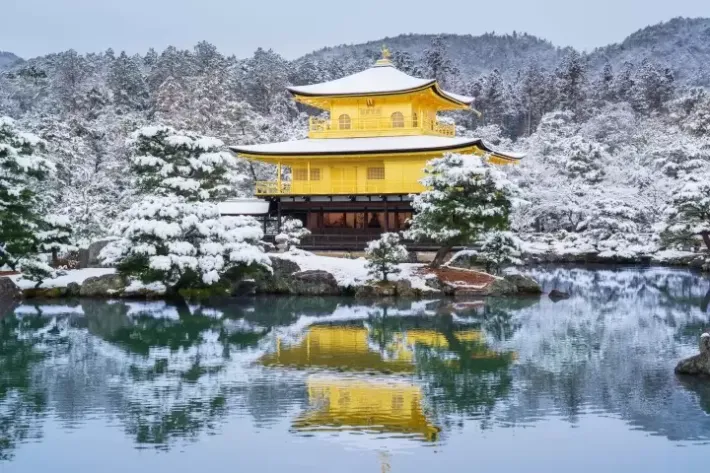
In spring, the weather and scenery will be clearer and cooler than the rest of the year. Entering summer, although the temperature is higher and there is more sunshine, it is still quite suitable for visiting the temple. In autumn, the leaves fall and the landscape is covered with an impressive orange-yellow color that is very attractive. Finally, in winter, the temple will be surrounded by white snow, which further enhances the beauty of the overall architecture.
Kyoto and Nara Day Tour(Optional upgrade to Wagyu “Kobe Beef” lunch)
However, according to Japan travel experience, you should visit the temple in spring, when the green trees cover the space, the weather is cool cool and pleasant, convenient for traveling to the temple. Or visitors can come in the fall to see the orange-red sky when the leaves change color and admire the quiet, majestic “picture” of the temple.
What to do in Kinkakuji Temple: What’s Special About Kyoto’s Golden Temple?
Learn About the Ups and Downs of Kinkakuji
Kinkakuji Golden Temple, or Rokuonji, is a temple of the Shokokuji sect of Rinzai Zen in Kyoto, with a history of more than 600 years. In 1397, Ashikaga Yoshimitsu, the third shogun of the Muromachi period, began building Kitayama-den and Shari-den as a retreat in Kitayama, Kyoto. After Yoshimitsu’s death, his son converted the place into a temple and a Zen monastery. According to Yoshimitsu’s last will, the resort was renamed Rokuonji.
Later, Kinkakuji Temple experienced many events and had to be restored many times. In 1467, the Onin War broke out, destroying the entire Kyoto area. Kinkakuji was also severely damaged, except for Shariden, who was lucky enough to escape the fire. However, during the Meiji period, Kinkakuji lost its economic base and faced many difficulties, such as damage caused by the Haibutsu Kishaku movement.
In 1950, the temple was burned down by a fanatical monk. In 1955, the temple was rebuilt with a new look after many stages, including replacing all the gold leaf on the outside. In 1994, Kinkakuji was recognized by UNESCO as a World Heritage Site, a cultural relic of the ancient capital of Kyoto. Today, it is a famous tourist destination, becoming one of the international tourist attractions in Japan.
Admire the Beautiful Architecture of the Golden Pavilion
One of the things that makes Kinkakuji impressive to domestic and foreign tourists is the impressive architectural combination of wood, plaster, and real gold. The first floor is designed in the Shinden style commonly seen in Heian period palaces, using simple wood and plaster materials. Inside the first floor are statues of Shaka Buddha and Yoshimitsu.
Kinkakuji Golden Pavilion is associated with the image of Shariden, or Golden Pavilion, a unique three-story structure. The first floor is “Hosui-in” in the Shinden-zukuri style, representing the art of living of the Heian period aristocrats. “Hosui” means water that washes away worries. This is the highlight of the splendid Kitayama culture.
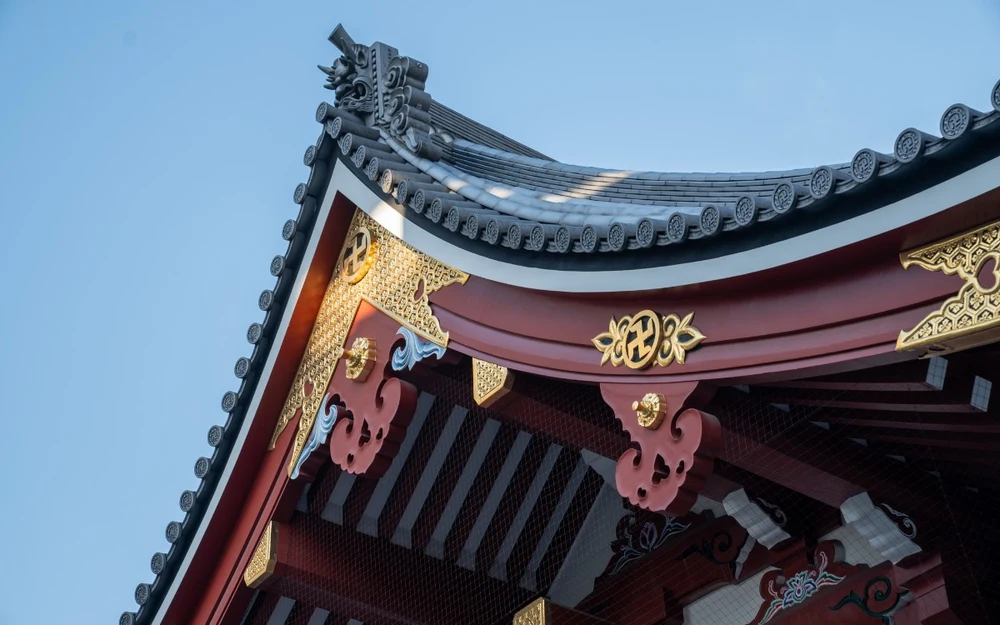
[Kyoto & Nara Day Tour] Arashiyama|Kinkaku-ji|Nara Park
The second floor is Choondong Cave, Buke-zukuri architecture, symbolizing sincerity like the sound of distant ocean waves. Buke-zukuri is a style of house used by samurai families in the Kamakura period, a legacy of the Saionji family that prospered during this period.
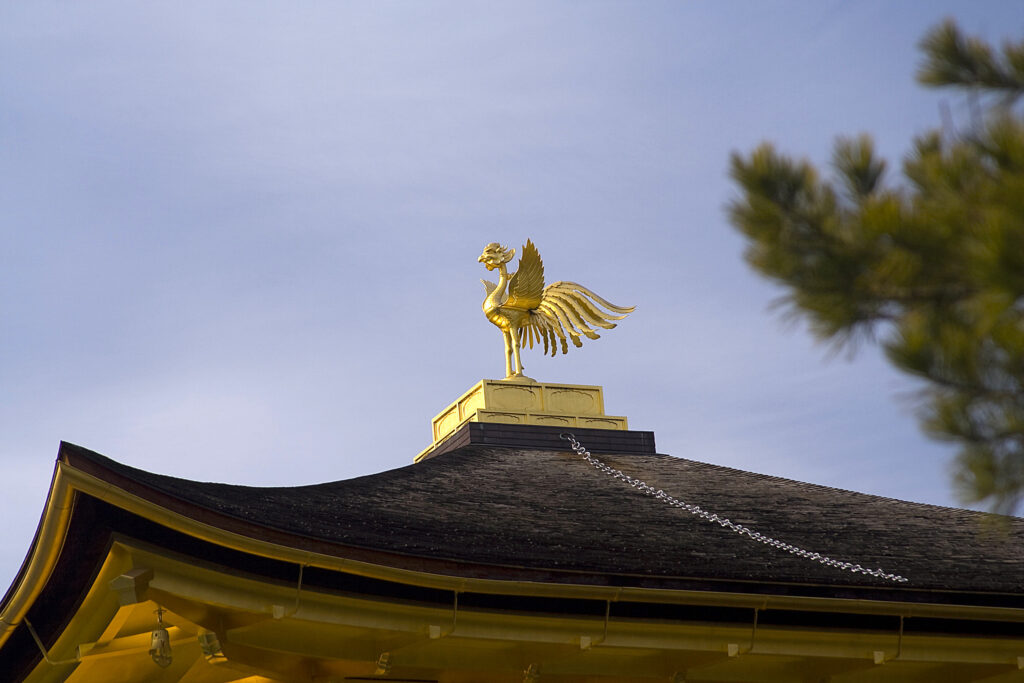
The second floor is different in that it uses the Bukke style commonly found in samurai residences and has a real gold-plated exterior. The second floor houses a statue of Kannon Bodhisattva and the Four Heavenly Kings around it. Finally, the third floor uses the typical Chinese Zen style of construction, which is gilded on the outside and has a prominent gilded Phoenix crest.
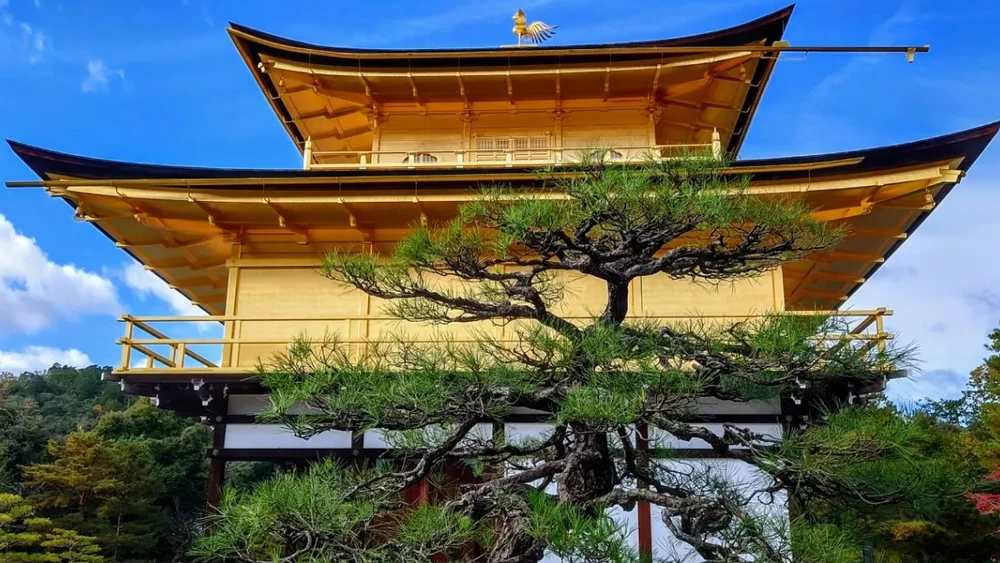
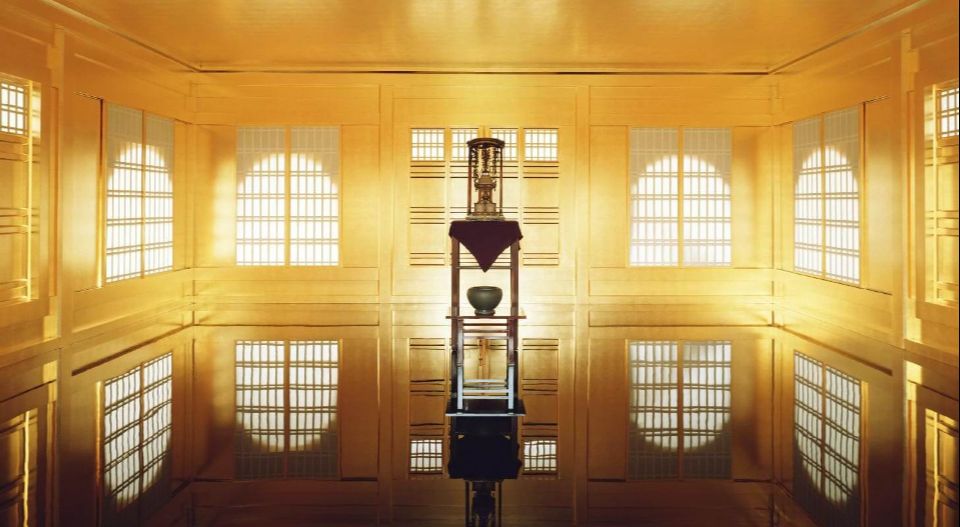
The third floor is called Kukkyōchō, a Chinese Buddhist-style architecture, meaning “ultimate”. The floor is lacquered, and the pillars and ceiling are covered with gold leaf. This is where the Buddhas are enshrined.
The two upper floors are covered with real gold leaf on a lacquered floor, creating a perfect blend of the three Shariden styles at Kinkakuji. The roof was rebuilt in 2020 with a brighter yellow color, creating a new, more eye-catching appearance. On top of the temple is a golden phoenix, facing south. The phoenix is a symbol of luck, bringing happiness and peace.
Admiring the temple scenery through the four seasons
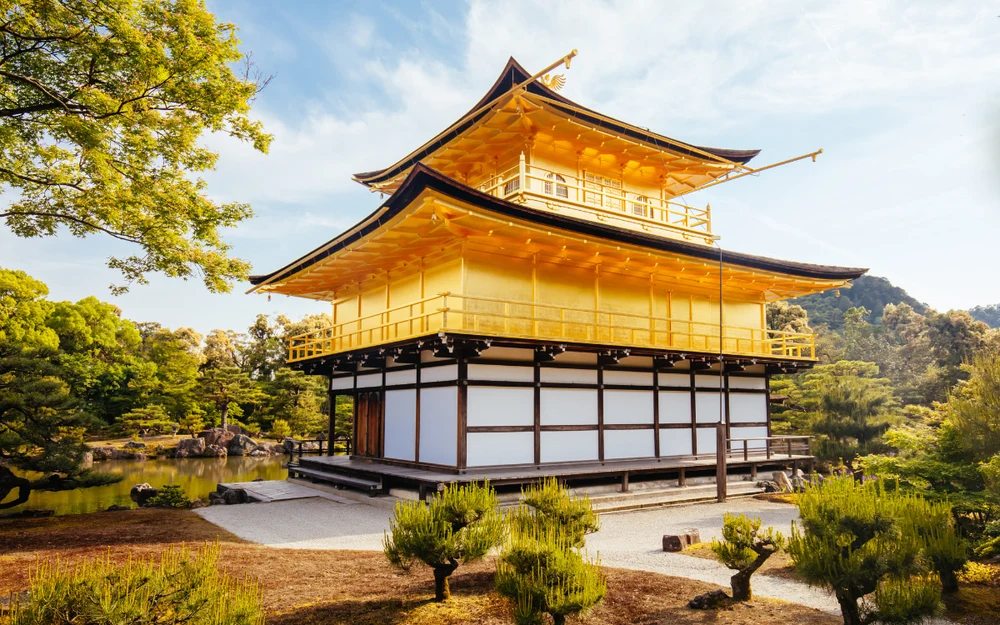
Not only impressing with its unique design combining three different styles, Kinkakuji also possesses a romantic and attractive landscape at first sight. Surrounding the temple are natural green trees and the crystal clear Anmintaku pond that never dries up. Each season, the scenery here has its own unique changes, contributing to the majestic and quiet beauty of an ancient Zen temple.
Finding Peace in the Buddhist Space
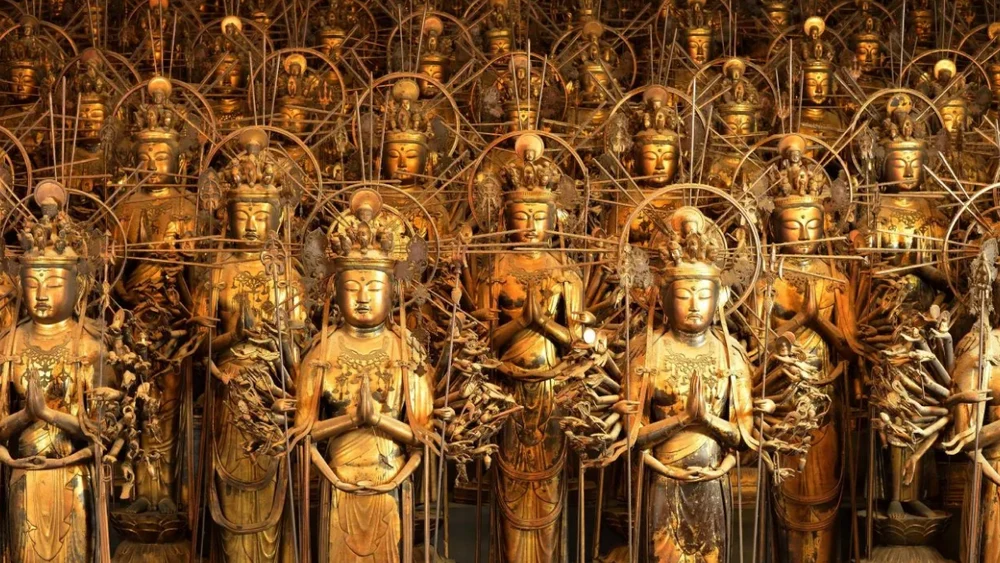
Kinkakuji Golden Temple is not only a unique architectural monument, but also a place to preserve and spread the Buddhist beliefs of the Japanese people. Located in the midst of a beautiful natural landscape, the temple welcomes visitors with statues of Shaka Buddha, Kannon Bodhisattva, and the Four Heavenly Kings.
Currently, the temple has statues of Shaka Buddha, Kannon Bodhisattva, and the Four Heavenly Kings. Therefore, in addition to admiring the beautiful scenery and architecture of the temple, visitors can also learn about the beliefs of the Japanese people from ancient times to the present. When walking around the temple area, you can also see the Fudo Hall temple with a statue of Fudo Myoo – one of the wise kings of Japan and always protected Buddhism.
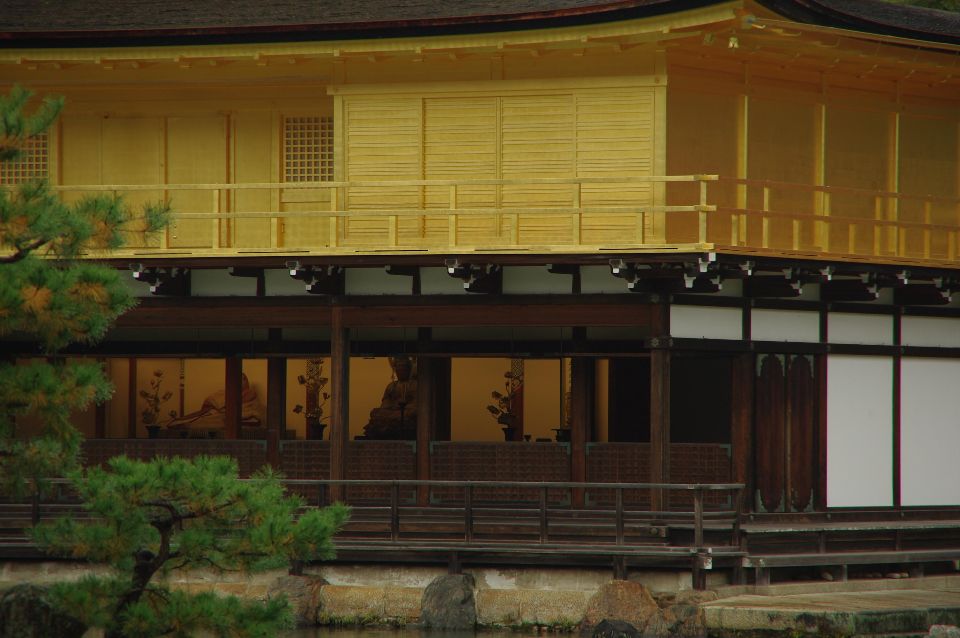
Kinkakuji’s architecture is imbued with traditional Japanese culture, but also reflects cultural diversity through the influence of Chinese art. Shariden is where the mummified body of Buddha is kept. This further highlights the spiritual and historical value of Kinkakuji, a convergence of architectural art and traditional spirit. When visiting the temple, visitors will have the opportunity to learn about the spiritual culture and philosophy of life from the past to the present of the Japanese people.
Live Virtually “Burn Out” At The Beautiful Garden
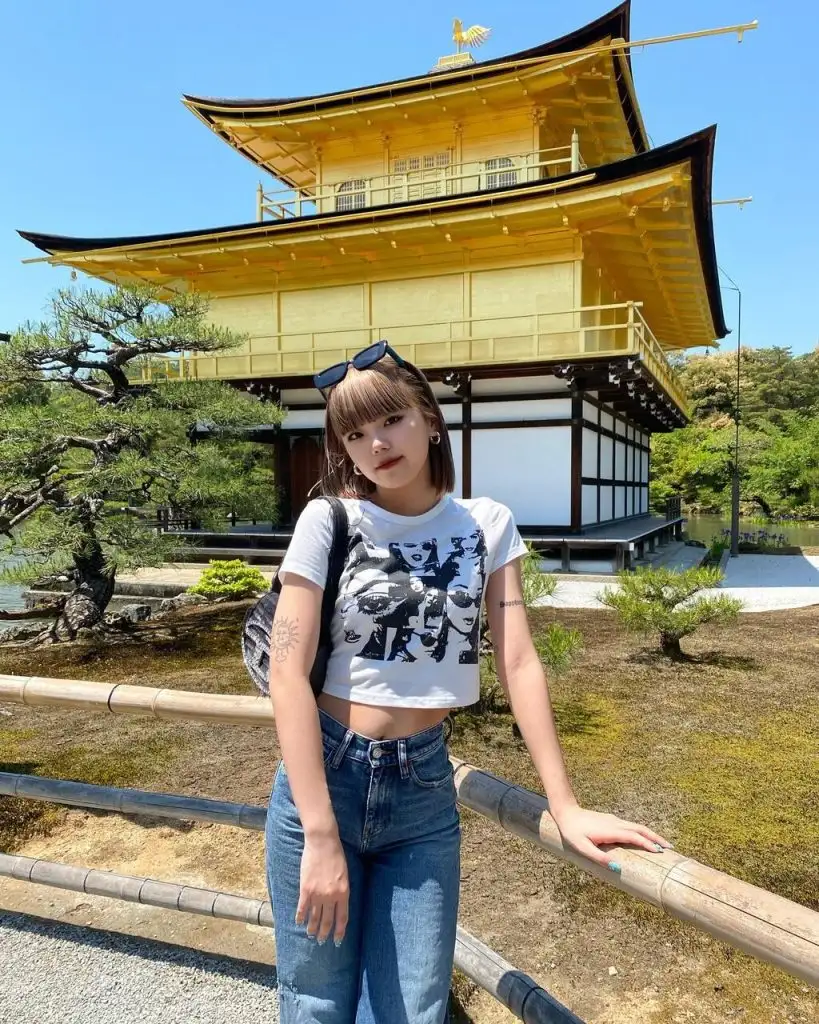
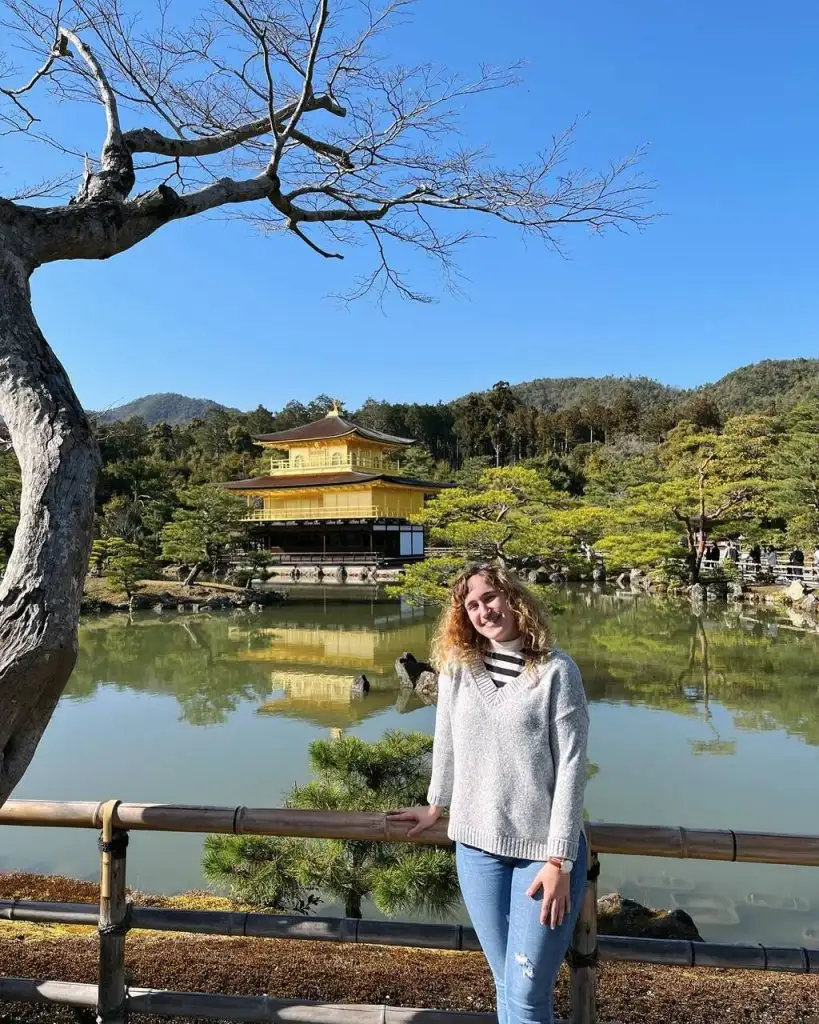
When coming to the Japanese gilded temple, in addition to exploring and admiring the famous temple structure, visitors can also “check in” with the surrounding natural scenery. Every corner of this tourist destination will give you a satisfactory and quality photo, with the combination of trees and sky creating an unforgettable beauty.
The garden surrounding Kinkakuji Temple is a wonderful “oasis” for unique virtual photos. Located within the grounds is kaiyū-shiki-teien, a Japanese-style garden filled with natural beauty and classical architecture.
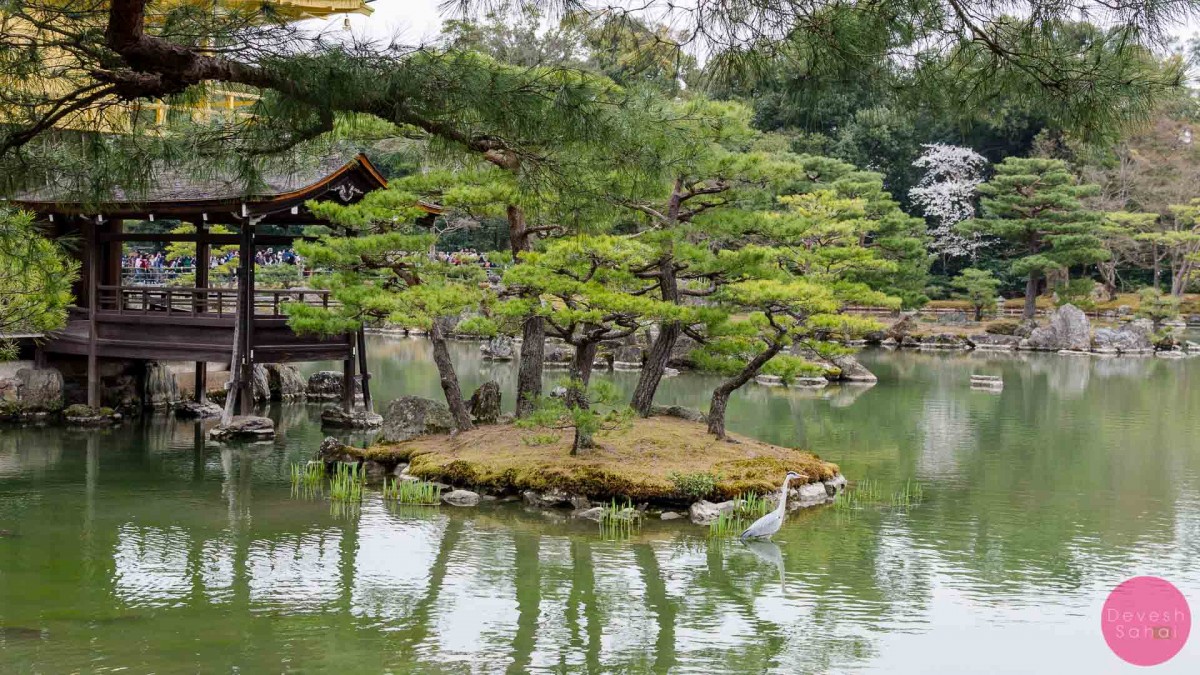
The Golden Temple is located in the middle of the garden, right next to the pond, creating a harmony between the exterior and interior, expanding the view and connecting with the outside world. You can take virtual photos at beautiful angles, watching the tower reflect sparklingly on the surface of Kyōko-chi Lake.
With 10 small islands on the lake and a delicately arranged Zen stone painting, this space becomes a vivid picture, recreating famous places in Chinese and Japanese culture. Even the bridges and trees are uniquely arranged, showing the sophistication of Zen culture.
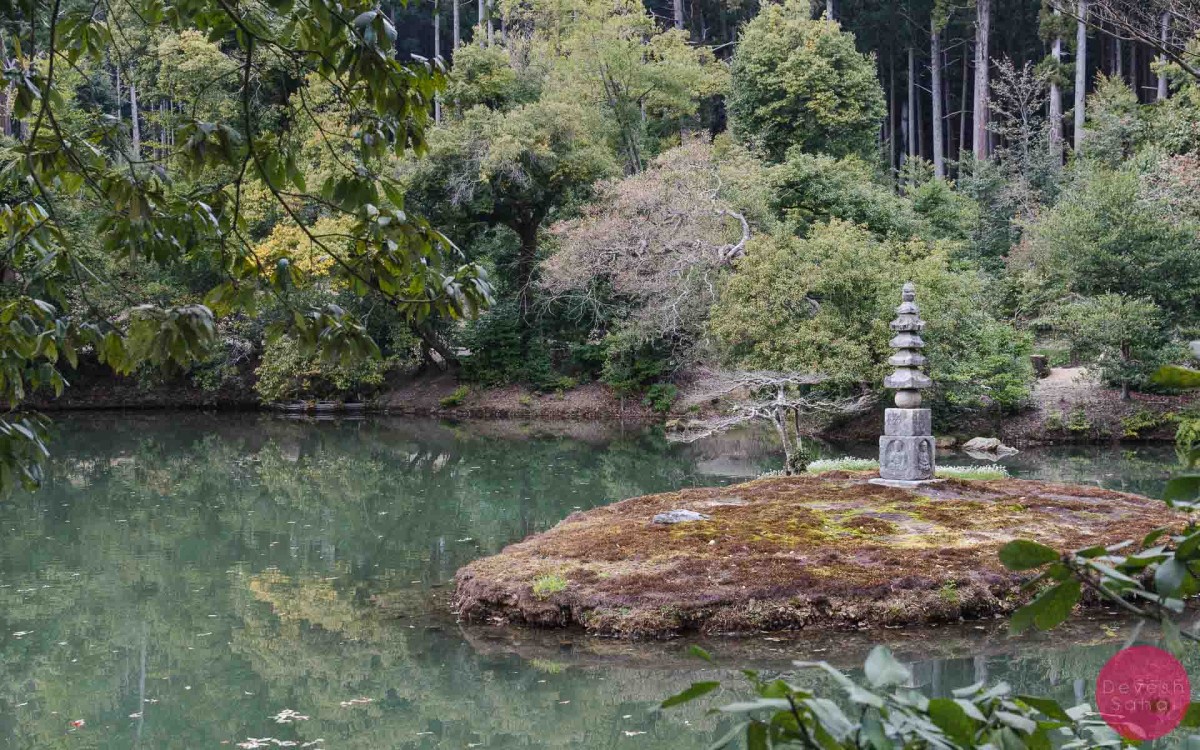
When walking through the garden, you will feel like you are living in a Muromachi work of art, the period considered the golden age of Japanese garden design. The harmonious combination of architecture and nature is a special feature, bringing a memorable experience.
Hotels near Kinkakuji Golden Temple
Miun Kinkakuji
- Location: 13-Mar, Murasakino, Gonouecho, Nishijin, Kyoto Prefecture, Kyoto, Japan, 6038304
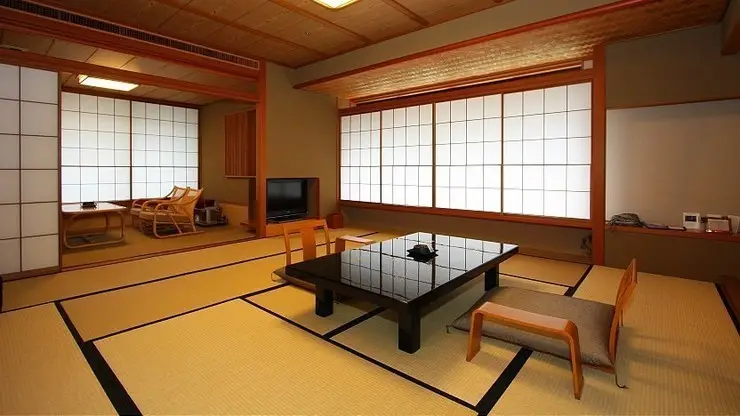
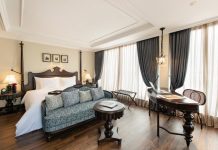
Miun Kinkakuji is currently a quality 4-star hotel designed in the traditional style of Japan. The space of this hotel room in Kyoto is built mainly from wood and plaster, but is no less luxurious and comfortable. Depending on the needs of visitors, you can choose a room with 1 or 2 beds, each room is equipped with a sleeping space, a tea drinking space and a reception area.
All are used in gentle pastel tones and wood brown, creating a pleasant, cozy overview for visitors. With a central and secure location, tourists can easily travel to visit Kinkakuji Temple and many other famous places such as Daimaru Shinsaibashi, Dotonbori, Namba Yasaka Shrine, … (agoda)
Kouhaku Kinkaku Fuku
- Location: 22 Murasakino Gonouecho Kita Ward, Nishijin, Kyoto Prefecture, Kyoto, Japan, 603-8304
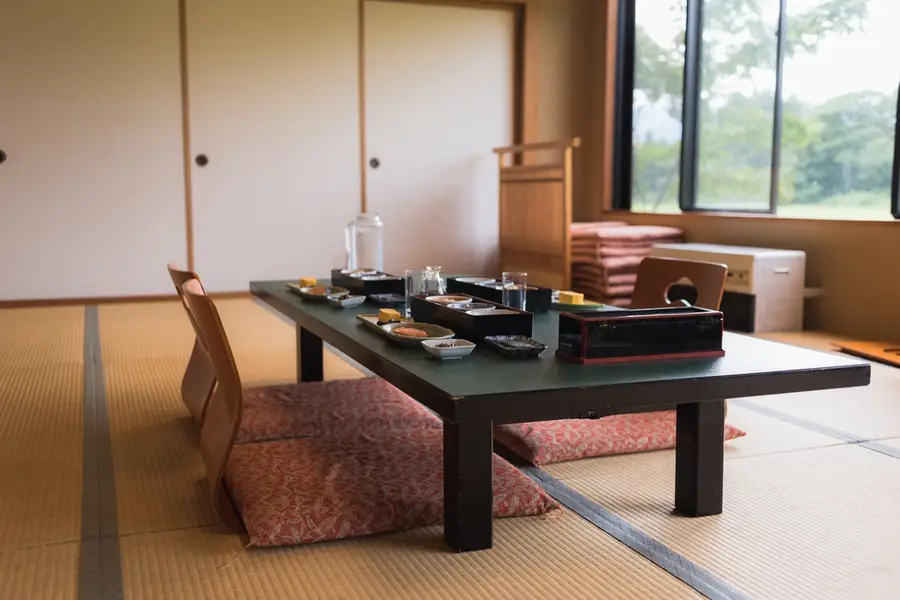
Kouhaku Kinkaku Fuku is known as a convenient private house model for tourists when traveling to Japan. Each room will be fully equipped with diverse spaces such as: living room, kitchen, bedroom, … Along with necessary tools to make the trip more convenient and easy.
By using light brown wood material and gentle milky white tones, visitors will clearly see the cozy, bright, comfortable overview of the room when choosing. In particular, each room also has air conditioning, refrigerator, water purifier, … creating a comfortable feeling for you during your stay. (agoda)
Kouhaku Kinkaku Kotobuki
- Location: 22-47 Murasakino Gonouecho Kita Ward, Nishijin, Kyoto Prefecture, Kyoto, Japan, 603-8304
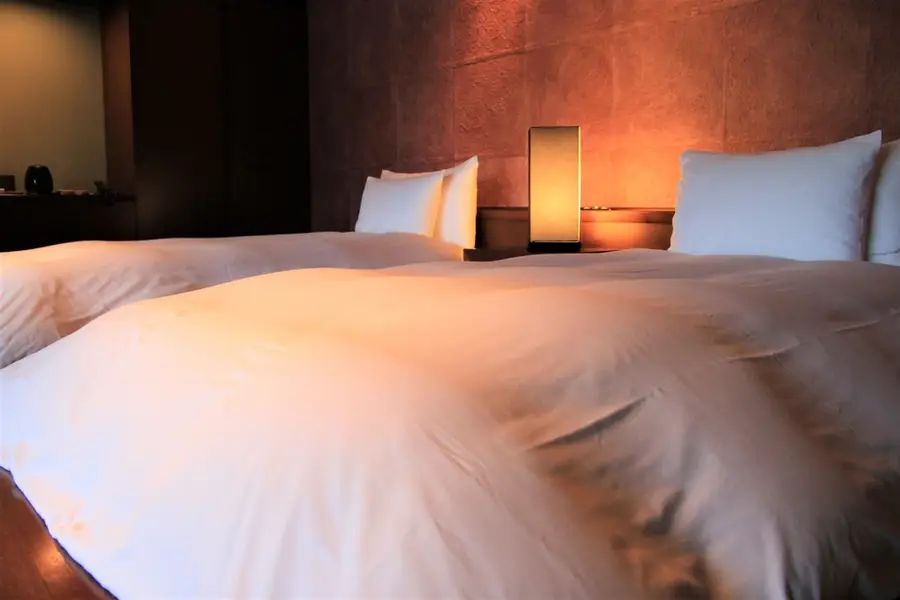
Kouhaku Kinkaku Kotobuki is currently an ideal stop near Kinkakuji chosen by many tourists. From the inside to the outside of each room, wood is used with luxurious, gentle and cozy light tones. In addition, the typical Japanese-style design helps you have new and interesting experiences throughout your trip. Each space has amenities such as air conditioning, refrigerator, microwave, TV, kitchenware, etc.
This stop is located quite easily in Kyoto when it is close to traffic intersections, helping visitors not to spend too much time visiting the temple. Besides, you can also go to other famous places in the area such as: Shinsaibashi, Daimaru Shinsaibashi, Dotonbori, Namba Yasaka Shrine. (agoda)
Kyo Koyado Kinkakuji Benten
- Location: 41-21, Murasakino Gonouecho, Kita-ku, Nishijin, Kyoto Prefecture, Kyoto, Japan, 603-8304
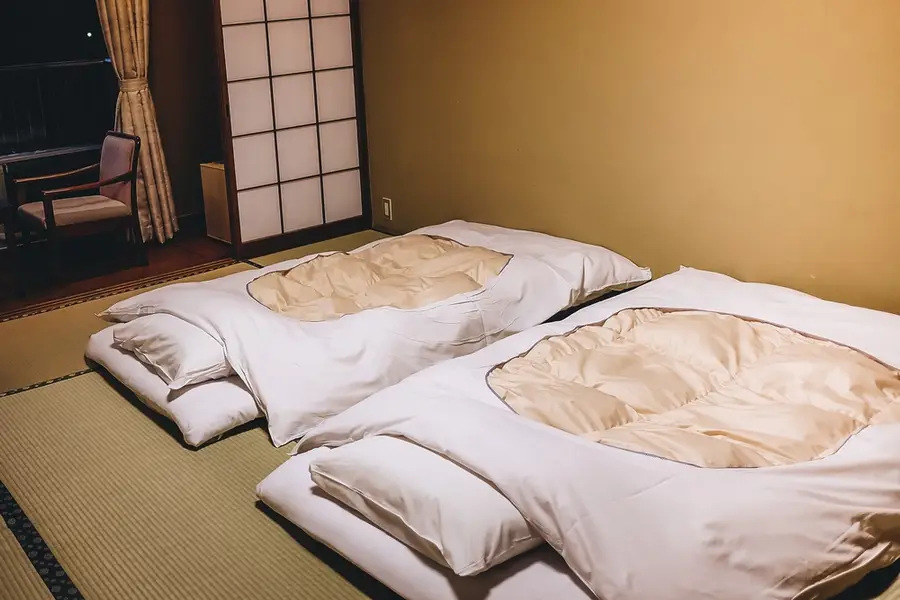
Kyo Koyado Kinkakuji Benten is a whole house model suitable for families and groups of friends when traveling to Kinkakuji. Although the overall interior uses a lot of wood, the style and color are more modern than traditional hotels in the “land of the rising sun”.
The interweaving of black, white and light brown creates a comfortable and luxurious space for visitors. In each space from the bedroom, kitchen, living room, there are large windows that allow natural sunlight to enter. (klook, agoda)
Kyoyado Yaezakura
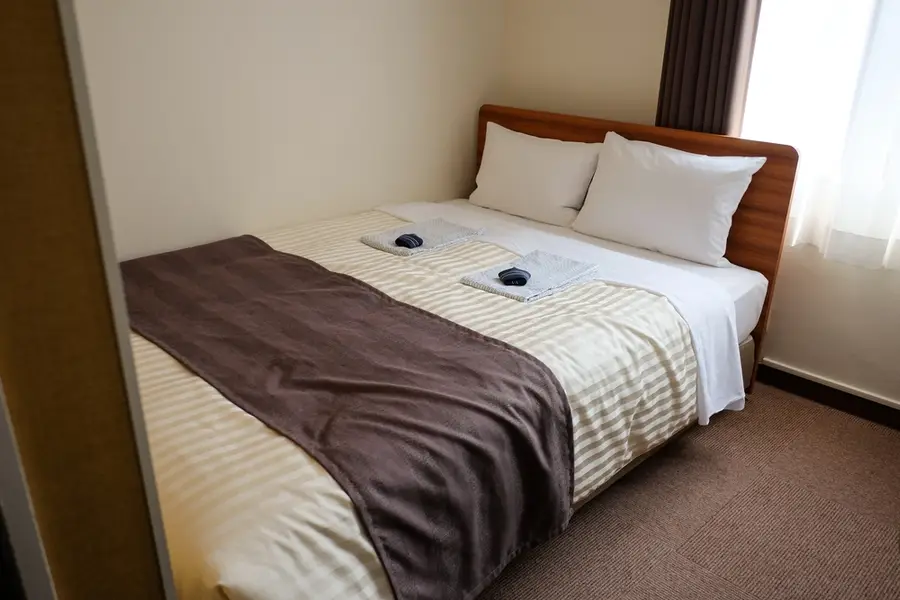
- Location: 31-17 Kinugasa Tenjinmoricho, Kita-Ku, Kita, Kyoto Prefecture, Kyoto, Japan, 603-8375
Kyoyado Yaezakura is fully equipped with amenities and meets the requirements of a whole-house rental model during a tourist’s trip. Still bearing the characteristics of traditional Japanese design, from the inside to the outside of the house, sturdy wood is used, combined with simple but luxurious plaster. Each room is equipped with amenities such as air conditioning, washing machine, free wifi, mattresses, pillows, blankets, kitchen utensils, etc. In particular, you can enjoy the beautiful flower garden view right from the living room. In addition, guests can choose laundry service and luggage storage support when needed. (klook, agoda)
- Hotel Gracery Kyoto Sanjo (klook, agoda)
- Tokyu Stay Kyoto Ryougaemachi Dori (klook, agoda)
- THE SHARE HOTELS TSUGU Kyoto Sanjo (klook, agoda)
- Mitsui Garden Hotel Kyoto Shinmachi Bettei (klook, agoda)
- Hyatt Place Kyoto (klook, agoda)
Restaurants Near Kinkakuji Temple
SHIGETSU Vegetarian Restaurant
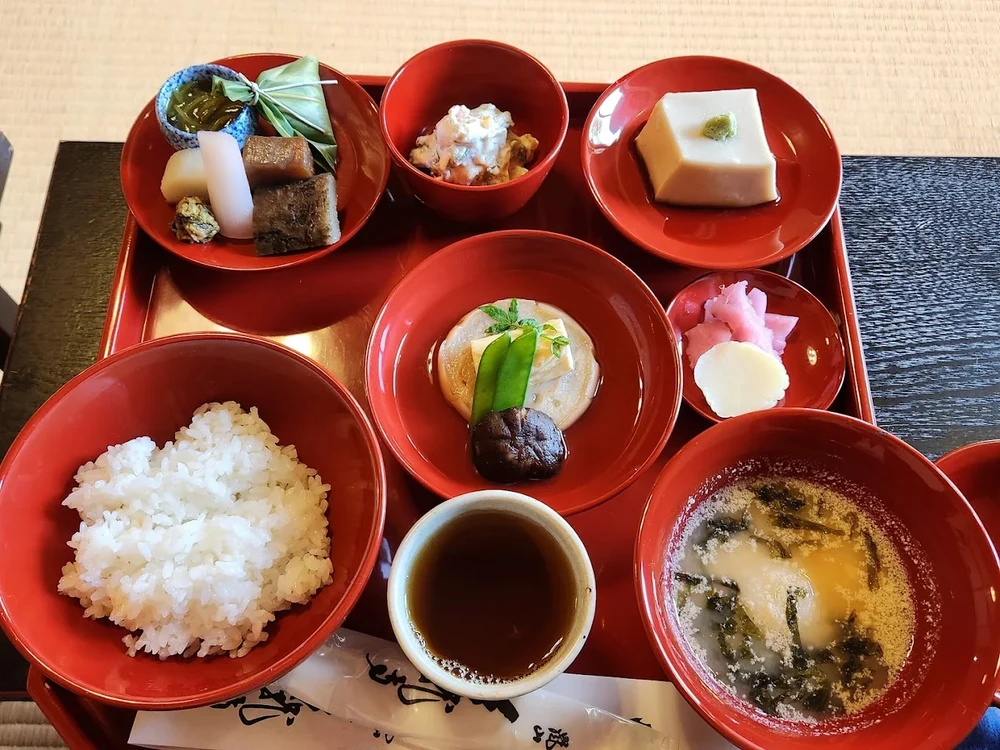
SHIGETSU Vegetarian Restaurant is a haven for exquisite vegetarian dishes in Kyoto. With an elegant space and a diverse menu, the dishes here are not only a blend of flavors, but also a culinary art imbued with Japanese culture.
- Address: 68, Sagatenryujisusukinobabacho, Ukyo-ku, Kyoto
Sopporo Kaniya Restaurant
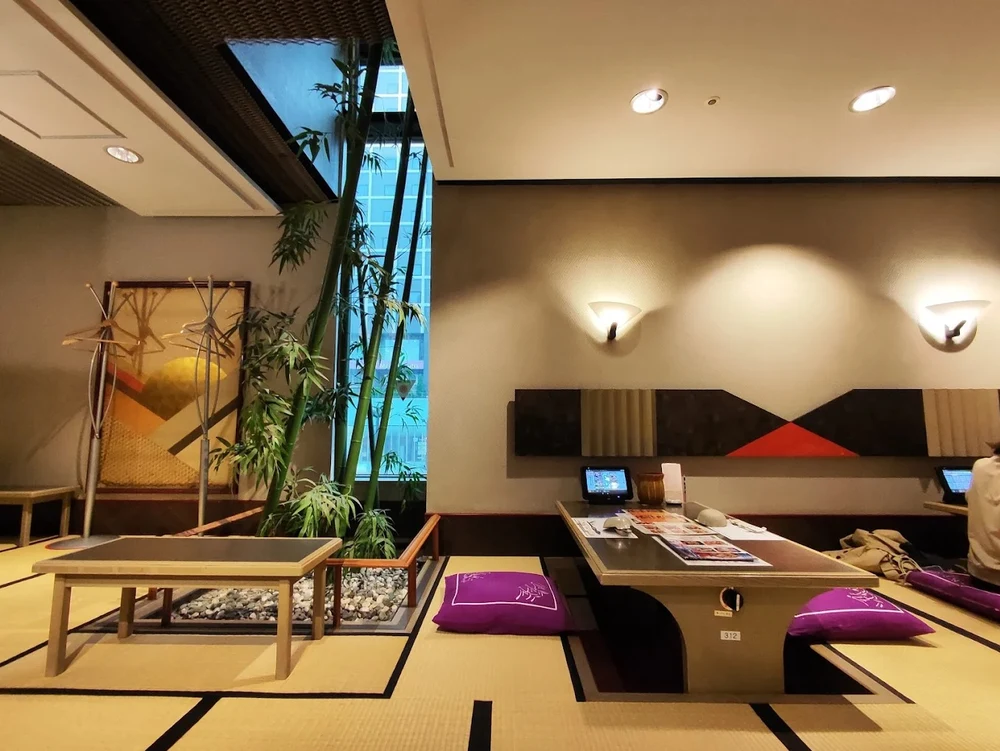
Sopporo Kaniya is an ideal destination to enjoy fresh seafood in Sapporo. With dishes made from the freshest crab, a cozy space and professional service, the restaurant offers a unique culinary experience.
- Address: 2, Tsukimicho, Higashiyama, Kyoto
Gion Kawakami
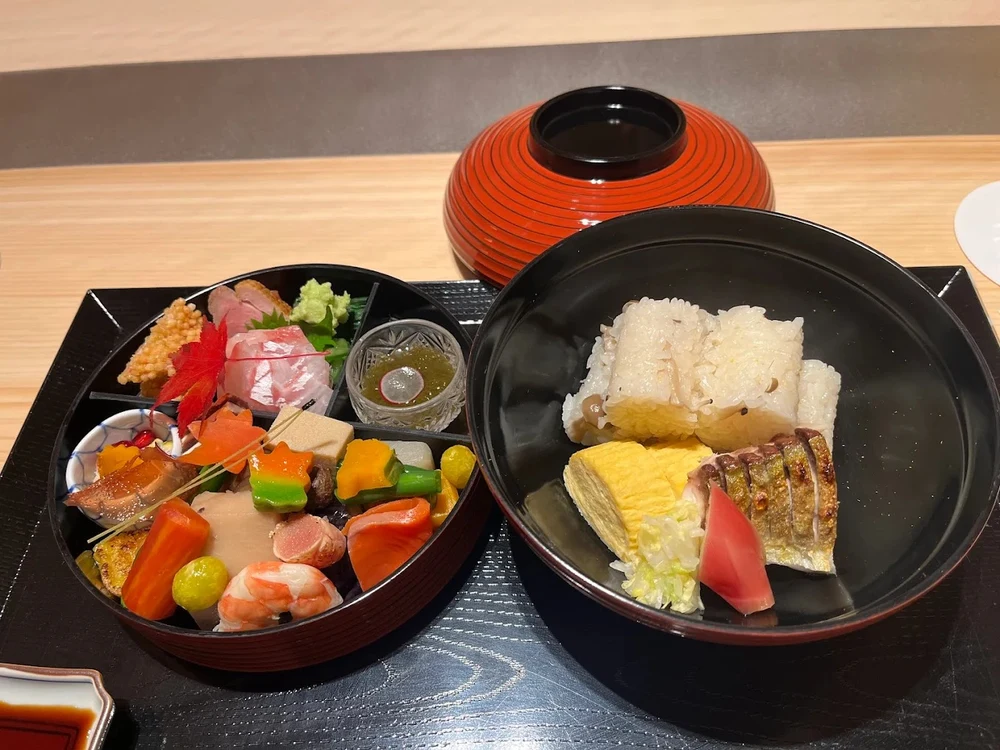
Tucked away in Kyoto’s Gion neighborhood, Gion Kawakami is a fusion of traditional and contemporary Japanese cuisine. The extensive menu, from sushi to traditional dishes, creates a rich feast.
- Address: 570-122 Gionmachi Minamigawa, Higashiyama-ku, Kyoto
Ten You
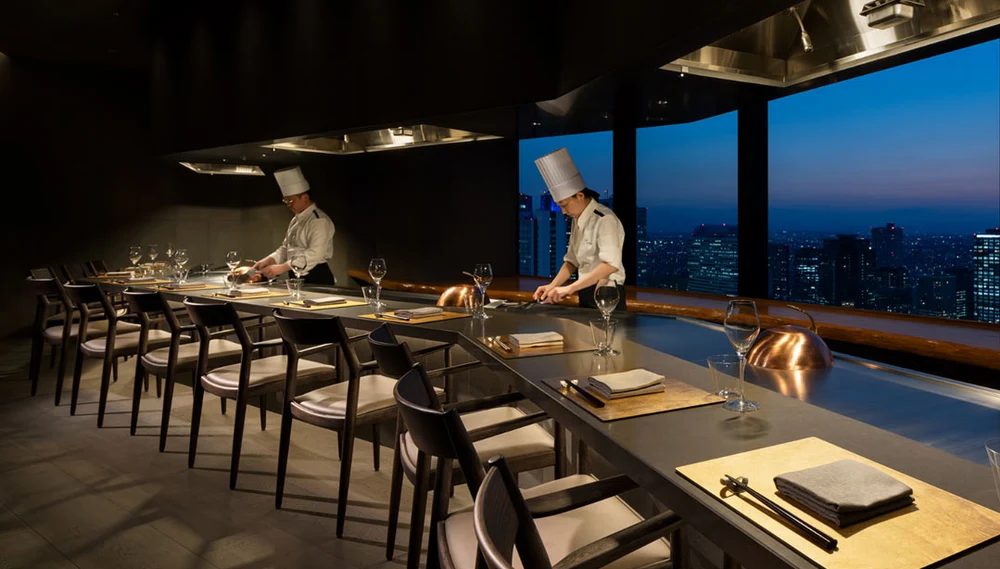
With a luxurious space and top-quality service, Ten You is the destination for those who want to enjoy traditional Japanese cuisine. The tempura specialty here is made from the freshest ingredients.
- Address: 299 Shimohakusan-cho, Nakagyo-ku, Kyoto-shi, Kyoto
Junsei
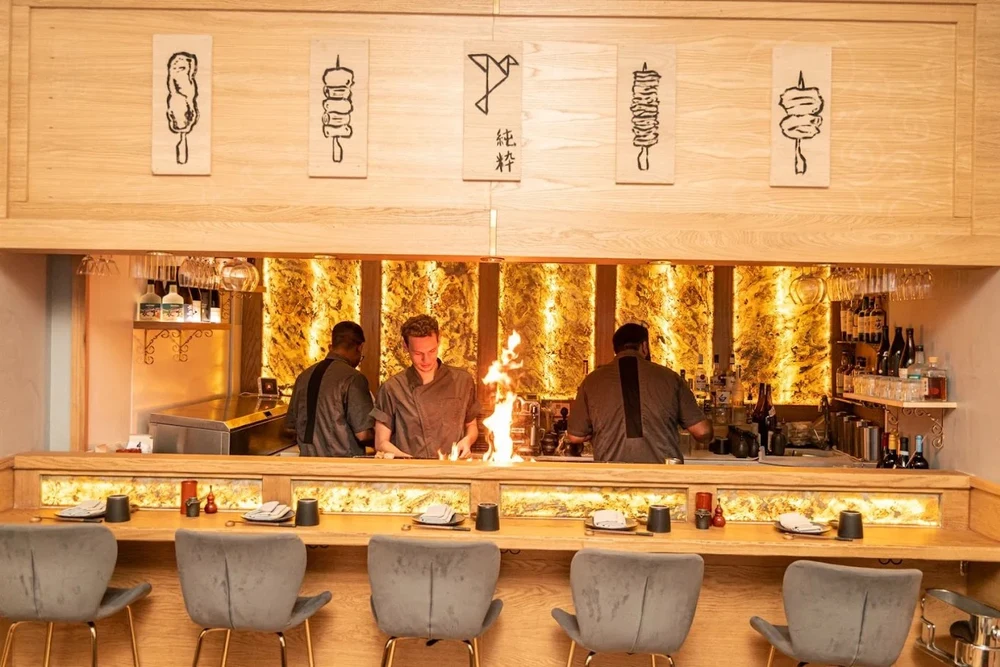
Junsei Restaurant is famous for its Kaiseki tofu. With the combination of talented chefs and exquisite ingredients, Junsei offers an elegant and delicious culinary experience.
- Address: 60 Nanzenji Kusakawacho, Sakyo Ward, Kyoto
Shopping/Places to visit Near Kinkakuji Temple
Nishiki Market
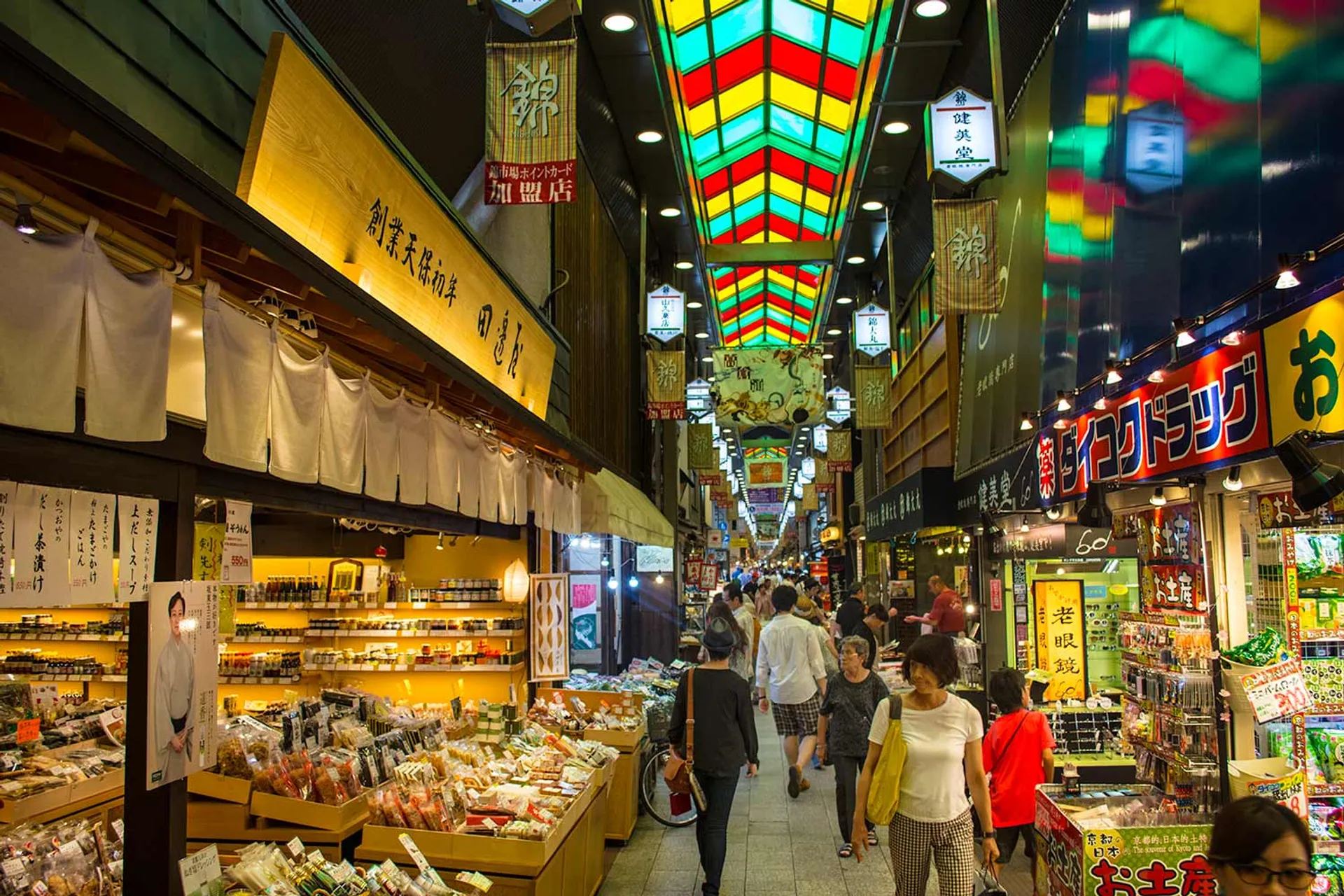
This ancient shopping street in Kyoto, Japan, is a food paradise with a series of stalls stretching out. It sells a variety of specialties and traditional foods, from fresh sushi to unique specialties such as matcha and mochi.
- Address: Nakagyo, Kyoto
Shin Kyogoku Shopping District
Hozugawa River Boat Ride Experience in Kyoto
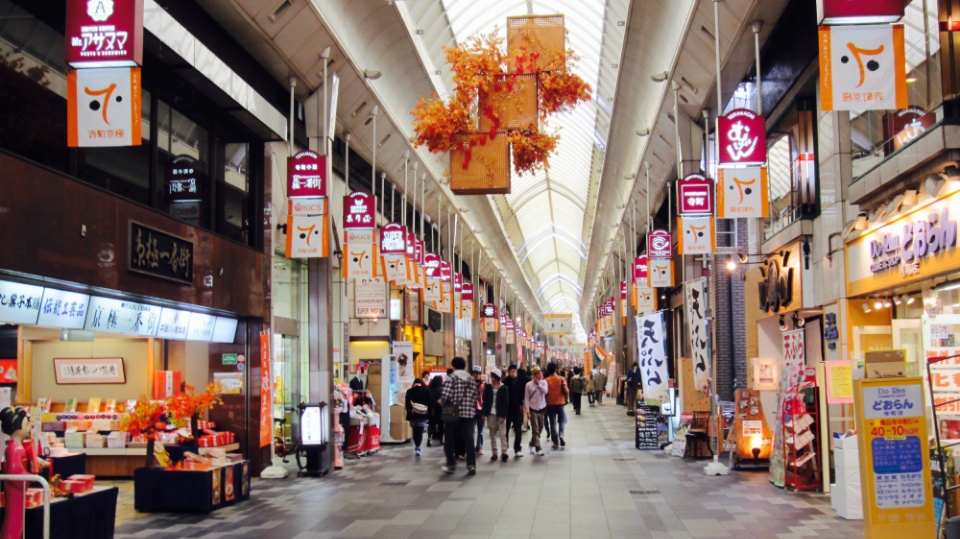
Located in the heart of Kyoto, Shin Kyogoku is a famous district with a variety of shops. Fashion boutiques, cafes, a modern cinema and unique souvenir shops create a vibrant and youthful atmosphere.
- Address: Nakanocho, Nakagyō-ku, Kyoto
Higashiyama
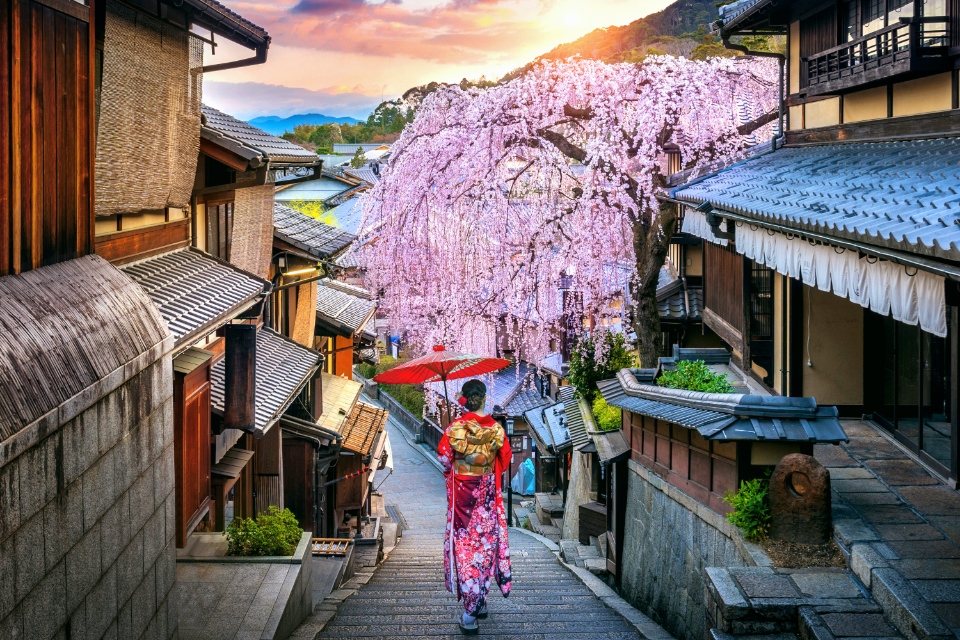
The Higashiyama area is a traditional shopping paradise with small streets, ceramic and handicraft shops. This is where visitors can explore and shop for traditional products from lanterns, pottery to kimono.
- Address: Higashiyama, Kyoto
Takashimaya Shopping Center
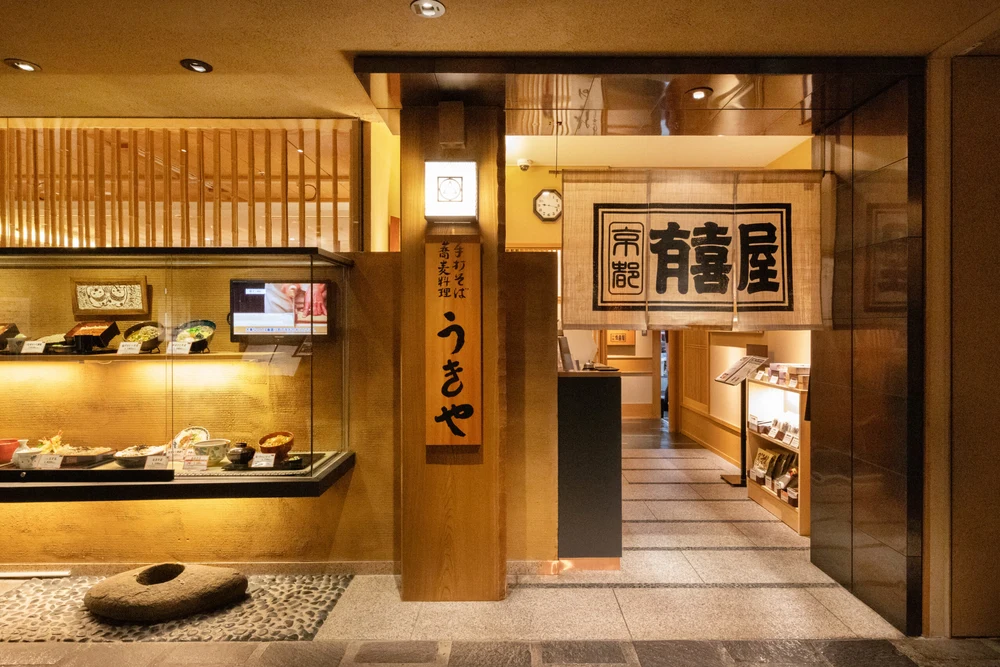
Takashimaya is a large shopping center in Kyoto, offering a wide range of products from affordable to luxury. Here, you will find famous brands from Japan and other countries.
- Address: 52, Shincho, Shimogyo, Kyoto
Kyoto Handicraft Center
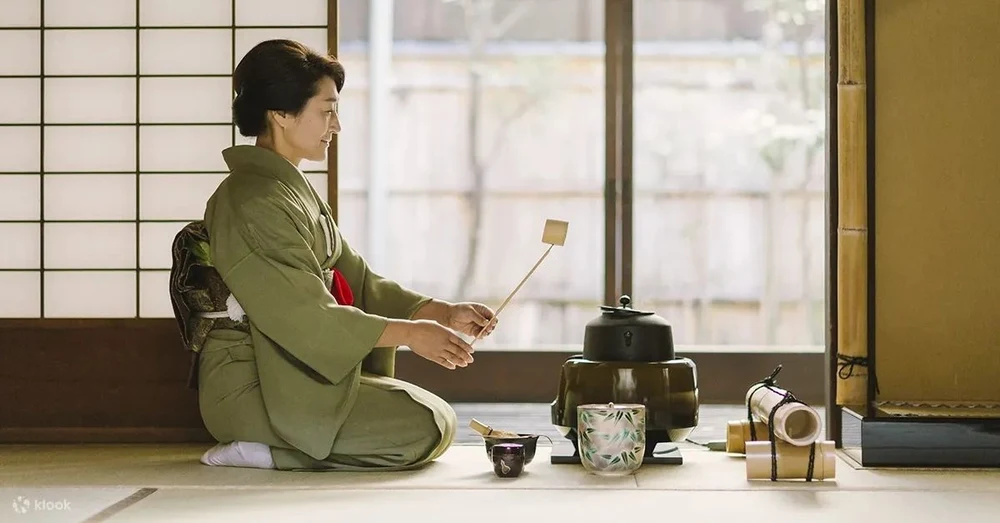
Kimono Rental (Kyoto/Provided by Kyoto Kimono Rental Yumeyakata)
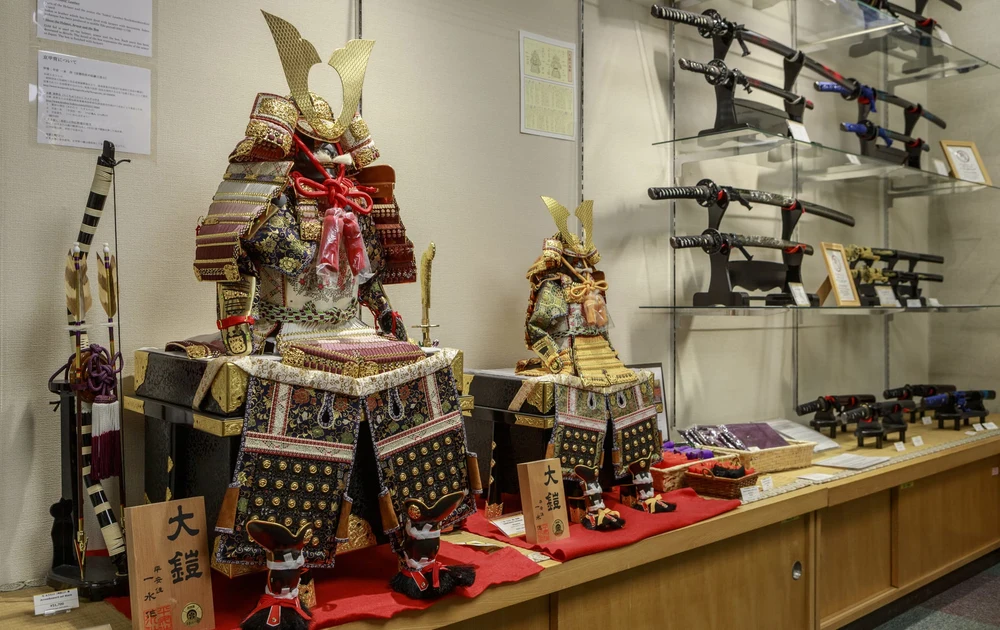
This shopping area is home to Kyoto’s unique handicraft shops. You can come here to visit and buy unique products as gifts such as: woodblock prints, dolls, decorative swords, kimonos,…
- Address: 22-2 Shogoin Entomicho, Sakyo, Kyoto
Kinkakuji Golden Temple with its splendid architecture and unique historical and cultural values will be an interesting destination not to be missed when… Through the sharing about Kinkakuji Temple, it can be seen that this is an interesting place to visit and also an impressive architecture worth admiring when coming to Japan. The combination of real gold plated around, along with the ancient traditional design style, further increases the attraction.
Some best day tours, trips, activities and transfer services, tickets in, from and to Kyoto you can refer to
- Hankyu Tourist Pass
- Kansai Railway Pass
- JR Pass for Whole Japan
- JR West Kansai Wide Area Pass
- Kyoto & Osaka Sightseeing Pass
- JR West Kansai Area Pass
- Limousine Bus Kansai Airport to Osaka and Kansai Area
- Sagano Romantic Train Ticket
- JR Haruka Kansai Airport Express Ticket
- [Kyoto & Uji Day Trip] Kinkaku-ji (Golden Pavilion) & Kiyomizu-dera Temple & Byodo-in Temple…
- Kyoto Kimono and Yukata Rental at Kimono Miyabi Kyoto
- Nidec Kyoto Tower Ticket
- Kyoto Amanohashidate & Ine Boathouse & Ine Bay Scenic One Day Tour (From Osaka or Kyoto)
- [Kyoto & Nara Day Trip] Arashiyama Train & Nara Park & Fushimi Inari Shrine’s Thousand Torii Gates…
- Hozugawa River Boat Ride Experience in Kyoto
- teamLab Biovortex Kyoto Ticket
Read more Kyoto guide here.