
























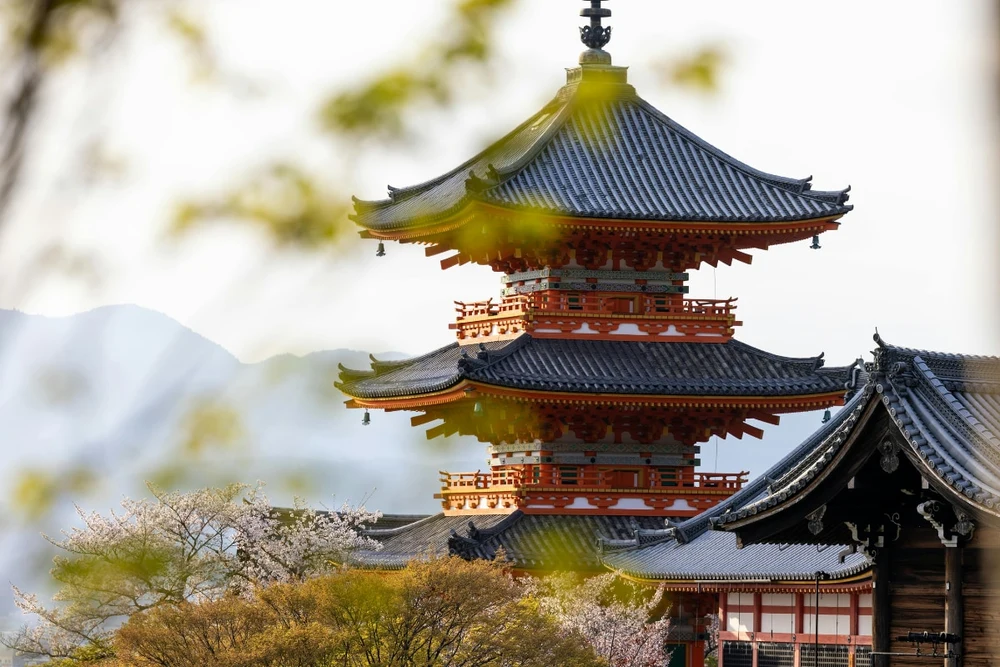
Discover the elegant and unique architectural beauty of Kiyomizu-dera Temple, one of the most famous symbols of the ancient capital of Kyoto, Japan.
- Unlocking the Allure of Kinkaku-ji (The Golden Pavilion) with 1-Day Itinearary
- 15 Must-Visit Tourist Places in Kanagawa
- A Relaxing Uji Itinerary 1-Day: Escaping the Kyoto Crowds
- 16 Tourist Spots Near Tokyo to Make Your Trip Even More Exciting
- Conquering Shimokitazawa: Tokyo’s Haven for Thrift Shopping & Indie Culture
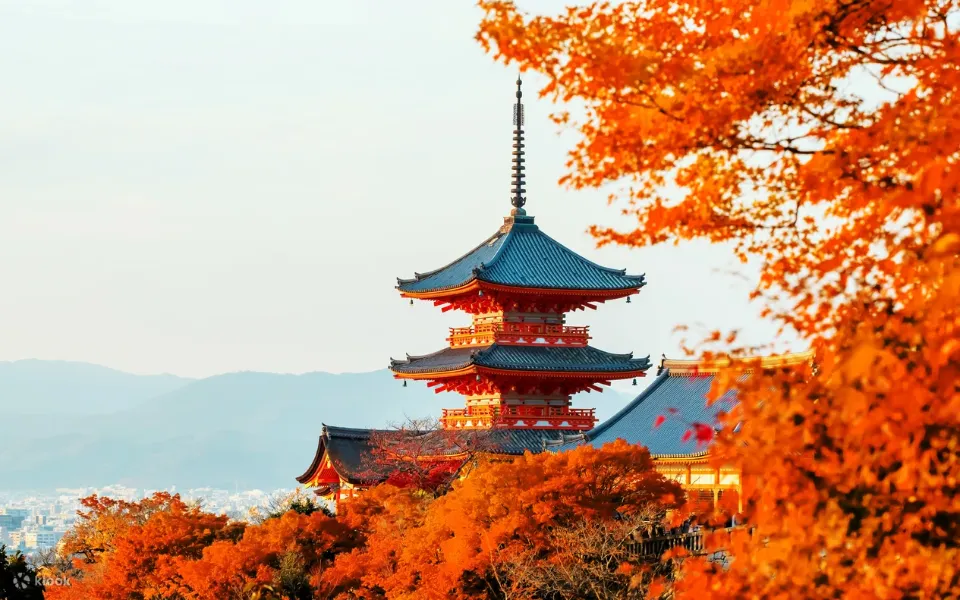
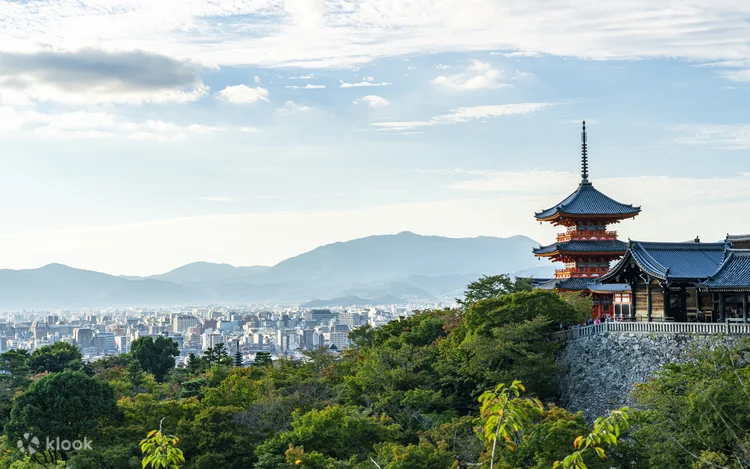
When mentioning Japan, besides modern Tokyo or majestic snow-capped mountains, there is still a captivating “quiet corner” called Kiyomizu-dera (Clear Water Temple). Located on the slopes of Mount Otowayama, this precious gem in the heart of ancient Kyoto is famous for its main hall built precariously halfway up the mountain, offering an absolutely serene space, completely separated from the hustle and bustle of city life.
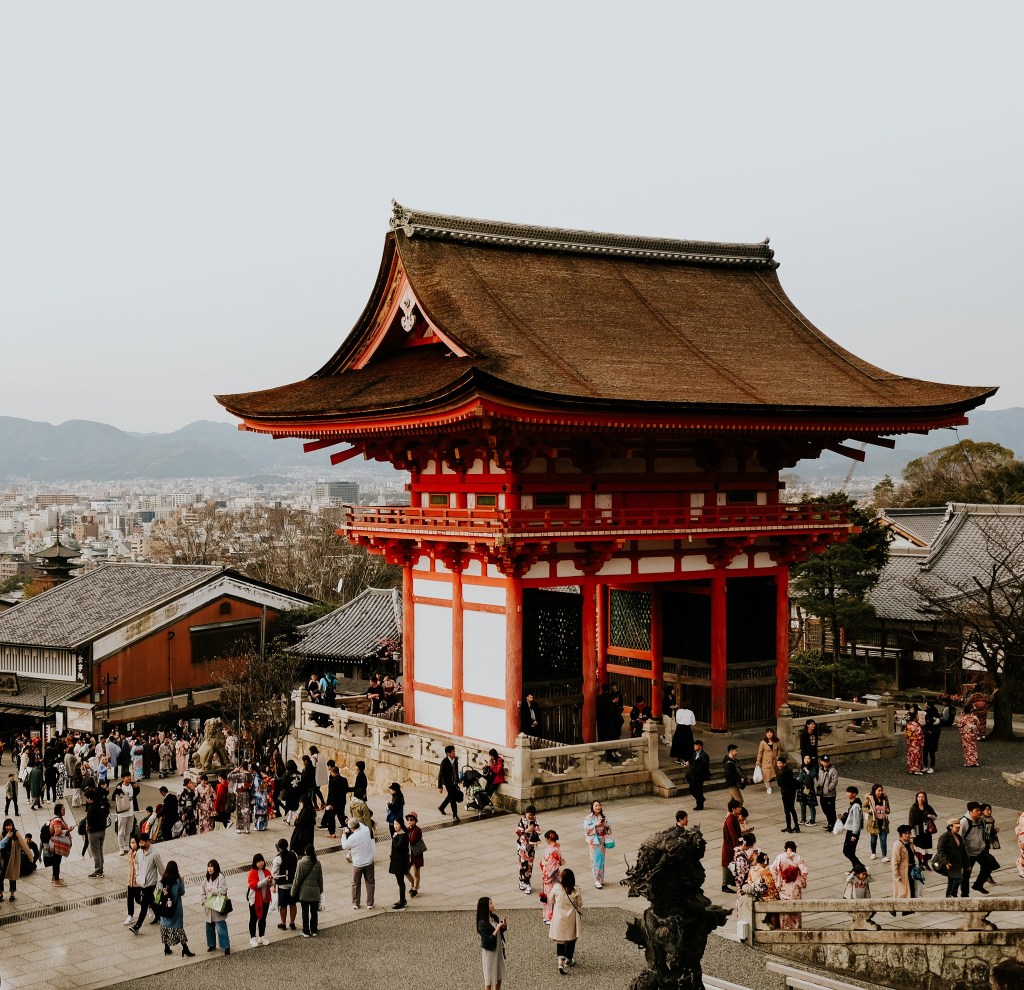
The most impressive highlight is the magnificent wooden architecture with its giant pillars and soaring curved eaves perfectly blending into the natural scenery of all four seasons. But Kiyomizu-dera is not just about architecture; it also holds stories about the sacred Otowa waterfall and other fascinating secrets waiting to be discovered. Let’s explore more details with Living Nomads to prepare for your journey to this heritage site!
Kiyomizu-dera Temple: A Wooden Masterpiece Amidst the Clouds of the Ancient Capital
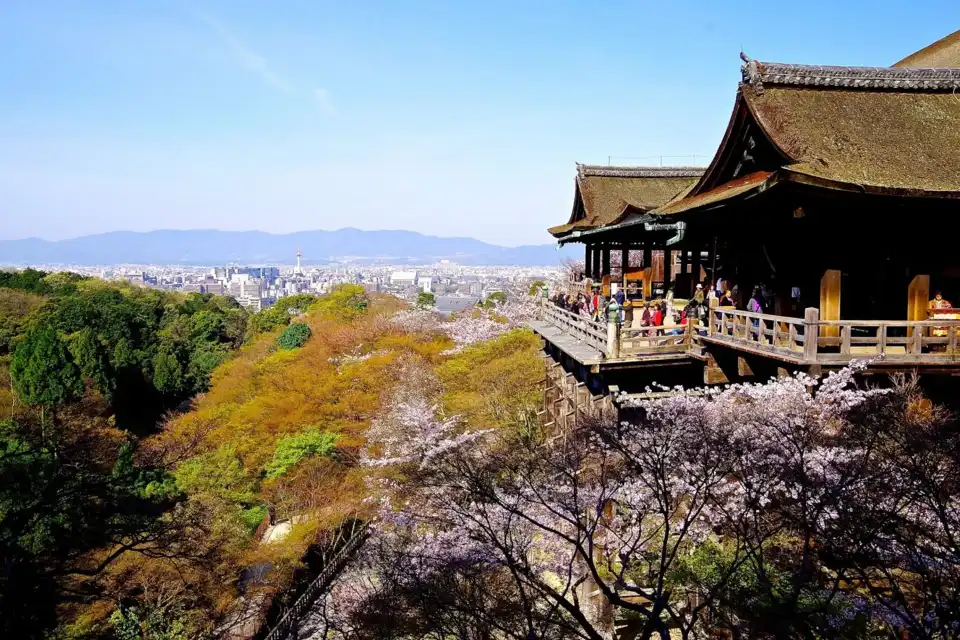
When mentioning Kyoto, Kiyomizu-dera is a “must-visit” destination for every traveler. This thousand-year-old temple captivates you with its main hall perched on the slopes of Mount Otowayama, offering a panoramic view of the ancient capital. Standing on the large wooden platform, enjoying the fresh air and gazing at the vibrant cherry blossoms or red leaves below will surely be one of the most memorable moments of your exploration of Japan.
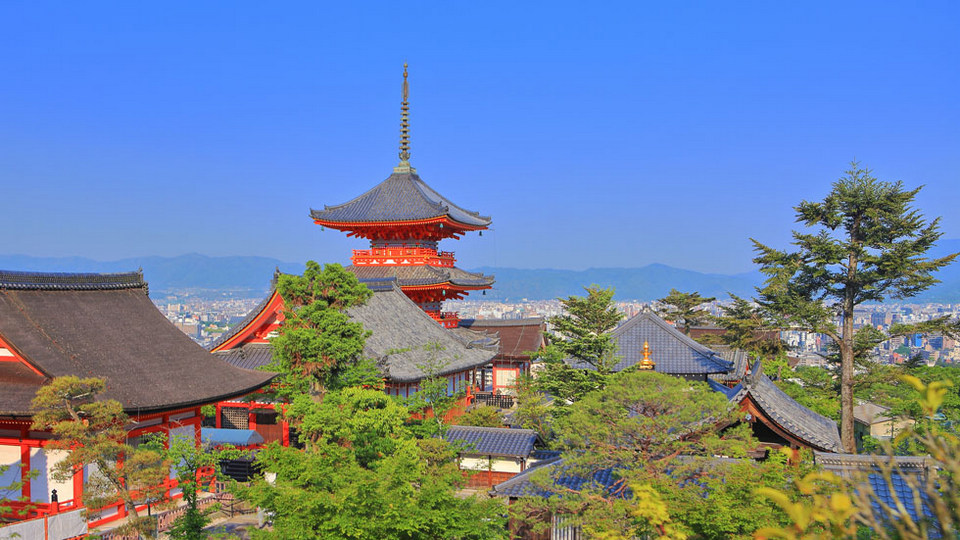
The journey to Kiyomizu-dera is also a complete cultural experience as you stroll along the ancient slopes leading to the temple gate. Along both sides of the road are traditional wooden houses, fragrant tea houses, and exquisite handicraft shops, creating an unmistakable old-world Japanese vibe. Don’t forget to discovering the secrets to capturing beautiful photos and experiencing the sacred Otowa Waterfall in the article below!
Kiyomizu-dera Temple Opening Hours
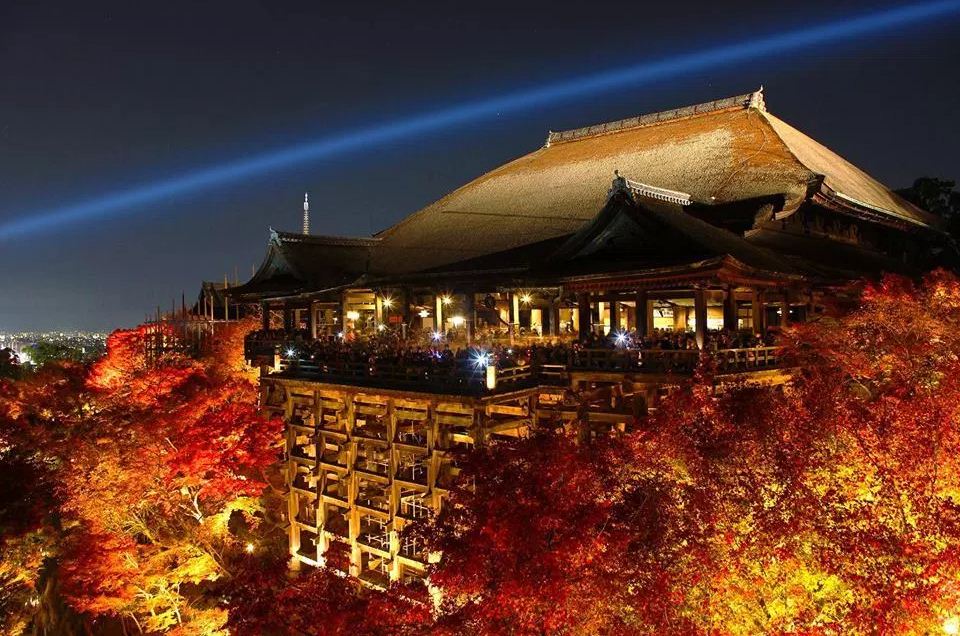
To have a complete pilgrimage to Kiyomizu-dera Temple, you should save the detailed opening hours for 2026. The temple always welcomes visitors from 6:00 AM, but closing times will vary depending on the season and special festivals:
Standard Opening Hours: Normally, the temple closes at 6:00 PM. During the period from July 1st to August 31st (summer), the closing time will be extended to 6:30 PM to give you more time to admire the spectacular sunset.
Nighttime Light Festival: This is the most valuable experience not to be missed, with opening hours extending until 9:30 PM (last entry at 9:00 PM). Nighttime opening periods in 2026 include:
Spring (March 27 – April 5): Admire the cherry blossoms illuminated by lights.
Summer (August 14 – August 16): Enjoy the mystical atmosphere of a summer festival.
Autumn (November 21 – November 30): Witness the vibrant red foliage at night.
One-day tour of Kiyomizu-dera Temple, Kinkaku-ji Temple, and Fushimi Inari Shrine
Tip: To capture the quietest and most peaceful moments at Kiyomizu-dera, arrive at the temple gate as early as 6:00 AM. Don’t forget to check the nighttime opening schedule if you want to experience a completely different, magical Kyoto than during the day.
Getting to Kiyomizu-dera Temple from Tokyo
Kyoto City Subway and Bus 1 Day Ticket
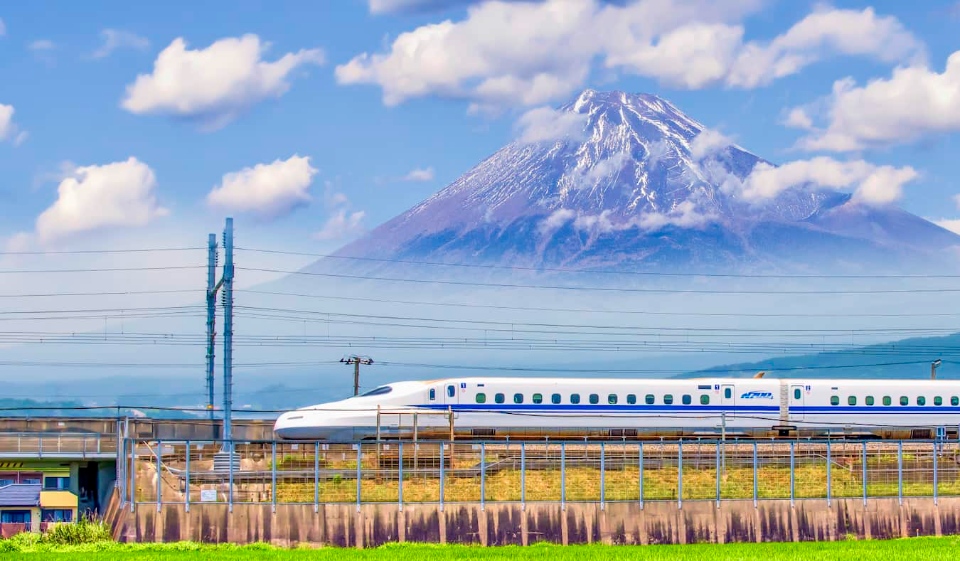
To get to Kyoto from Tokyo, the quickest option is the Shinkansen Nozomi bullet train (approximately 2 hours and 15 minutes) or fly to Osaka airport and then travel by train/bus. If departing from Osaka airports, it’s convenient to take the JR Haruka train or a limousine bus directly to Kyoto Station.
From Kyoto Station, take bus number 206 or 100 to Gojozaka bus stop, then walk 10 minutes to the temple gate. Since there is no dedicated parking and traffic congestion is common, using public transport or hiring a private car with a driver is the best solution for getting close to the attraction and saving energy on the uphill climb.
History of Kiyomizu-dera Temple
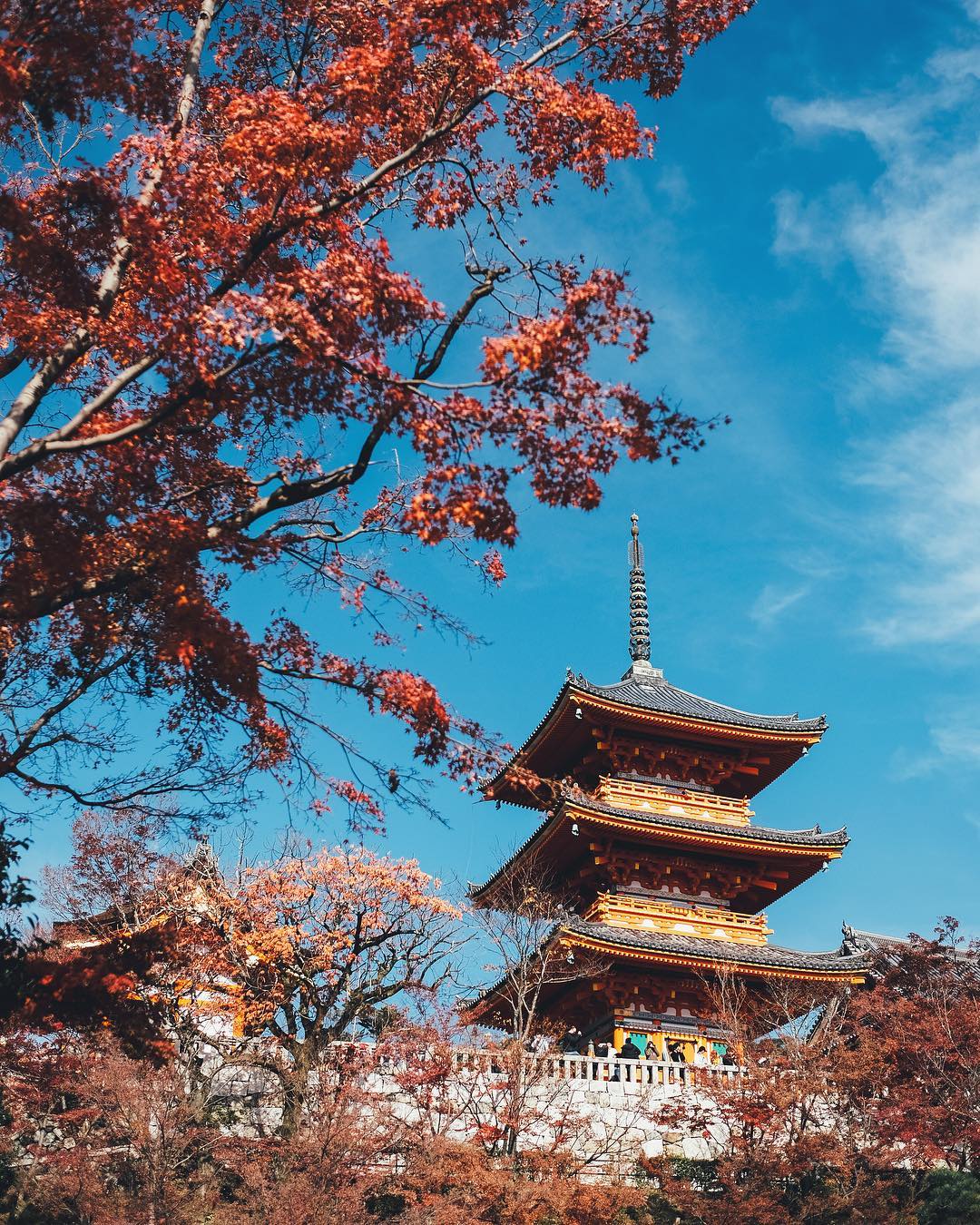
Founded in 778 on the slopes of Mount Otowa, Kiyomizu-dera Temple boasts a history of over 1,250 years and is the sacred abode of Kannon Bodhisattva. The temple has always welcomed people from all walks of life, from nobility to commoners, creating a profound cultural and religious beauty that is recorded in many historical documents and ancient Japanese literature.
Kyoto Arashiyama, Kinkaku-ji, Kiyomizu-dera One-Day Tour
With a vast area of over 130,000 square meters, it houses 30 distinctive Buddhist structures, including the main hall, which is recognized as a National Treasure. Despite having suffered more than 10 serious fires, Kiyomizu-dera has been continuously restored, with most of the current architecture bearing the mark of the major renovation in 1633. In 1944, the temple was officially recognized by UNESCO as a World Cultural Heritage site, affirming its status as an important historical symbol of the ancient capital of Kyoto.
Unique Architecture of Kiyomizu-Dera Temple
The architecture of Kiyomizu-dera is a powerful testament to the essence of traditional Japanese construction, where human ingenuity blends perfectly with the rugged mountainous terrain. Below are some unique architectural highlights that you absolutely must admire:
Hinoki Wooden Stage: A “Miracle” on the Cliffside
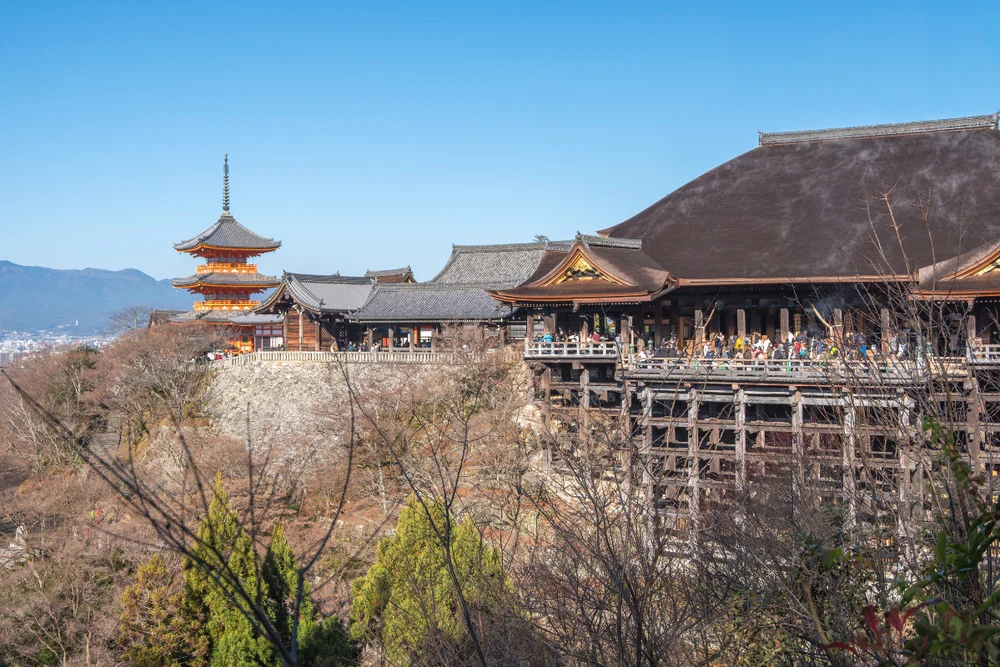
[Kyoto Classic Deep Dive] Kinkaku-ji & Kiyomizu-dera Temple & Ninenzaka & Gion/Hanamikoji Street…
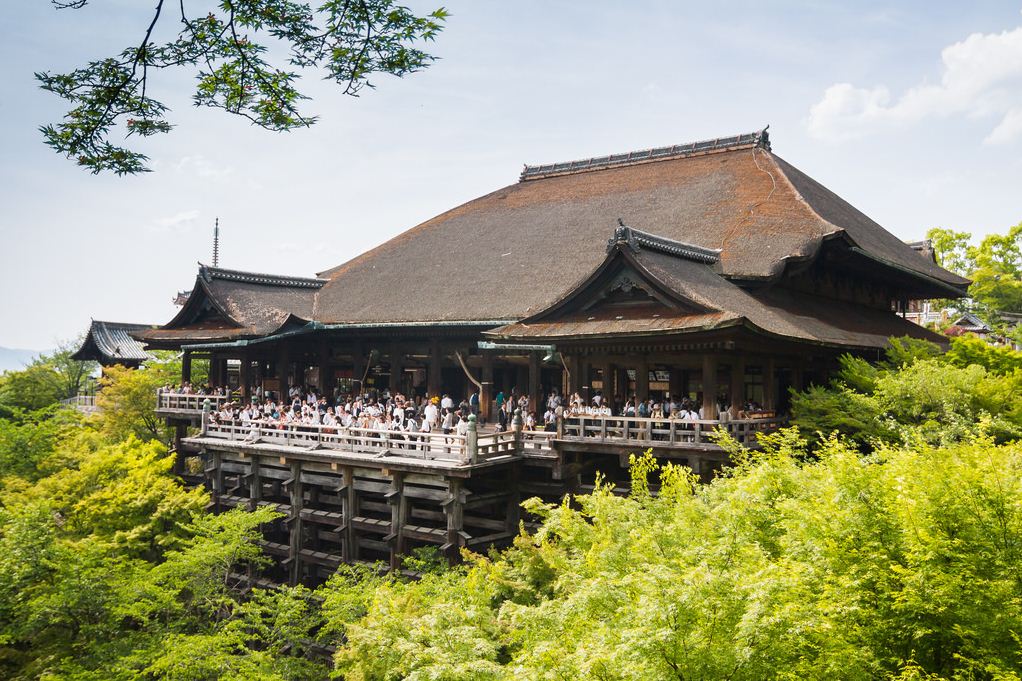
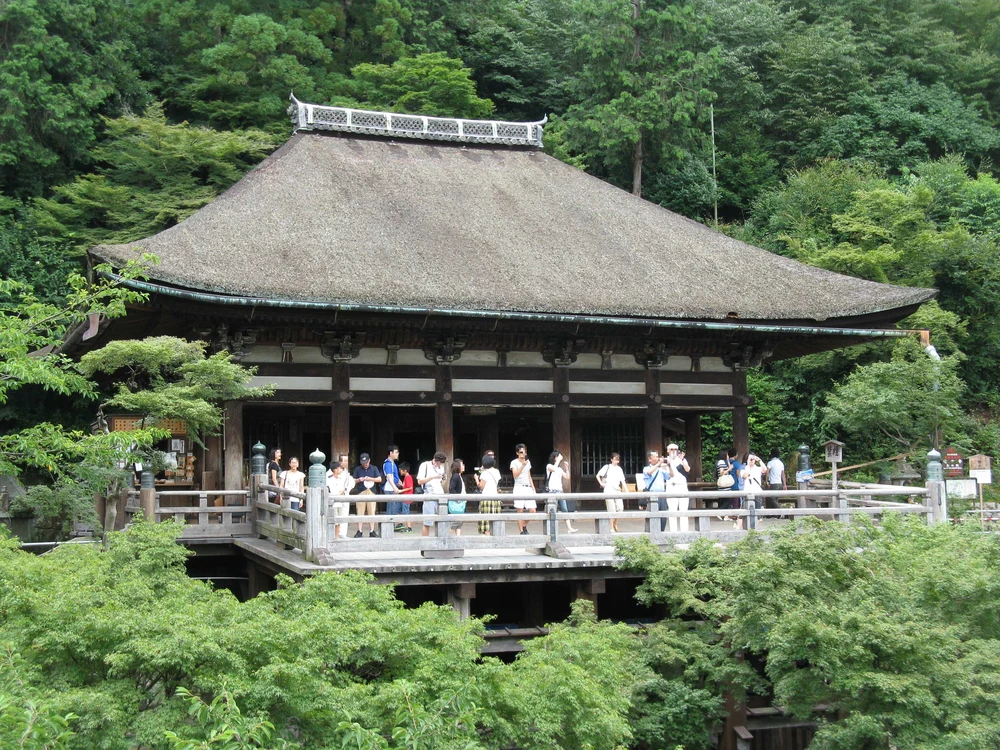
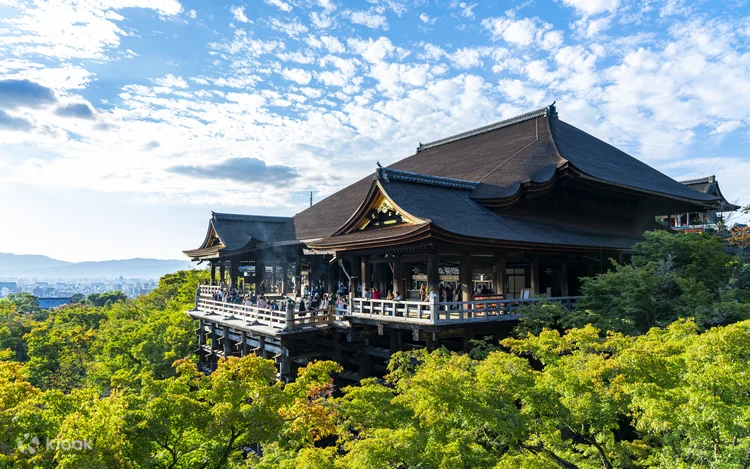
The most striking feature of the temple is its spacious stage, approximately 200 square meters, extending from the main hall and suspended above a steep cliff. The entire surface of the stage is paved with 166 precious Hinoki wood planks – a type of wood known for its elegant beauty and timeless durability.
In Japanese culture, the phrase “standing on a Hinoki wood stage” signifies stepping into the spotlight and becoming the center of attention. This is also where artistic performances dedicated to the Bodhisattva Kannon take place on important occasions.
Nailless Wood Joining Technique
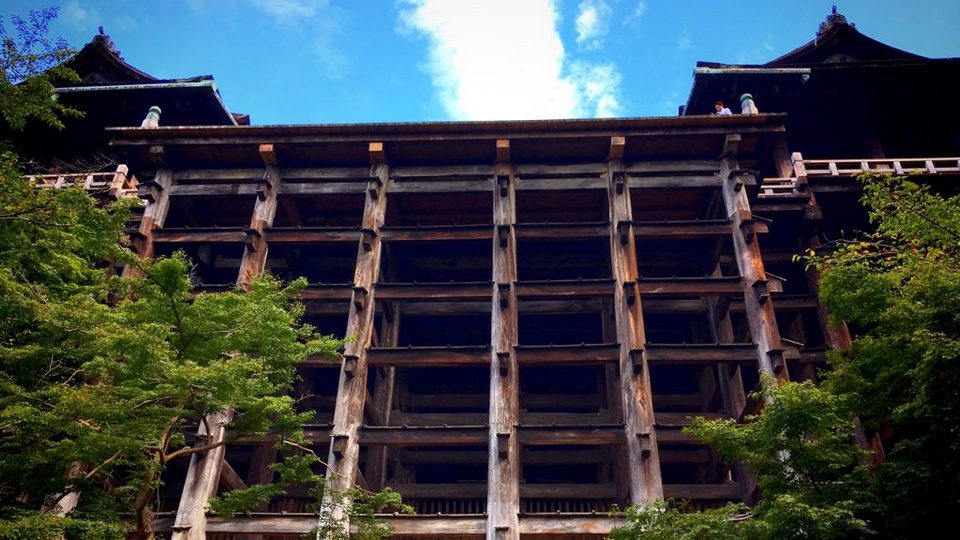
Despite its location on a steep slope as high as a four-story building (nearly 13 meters), the main hall has remained stable for hundreds of years thanks to its extremely robust foundation system. The entire structure is supported by 18 ancient Zelkova wood columns, over 400 years old.
Most astonishingly, the ancient artisans used traditional mortise and tenon joinery techniques, connecting the columns and beams seamlessly without using a single nail. This construction method not only creates a sturdy structure but also gives it exceptional earthquake resistance, enduring the vicissitudes of history.
Main Hall: A Fusion of Court and Religious Belief
One-Day Influencer Spot Tour: Katsuoji Temple Daruma, Arashiyama Togetsukyo Bamboo Forest
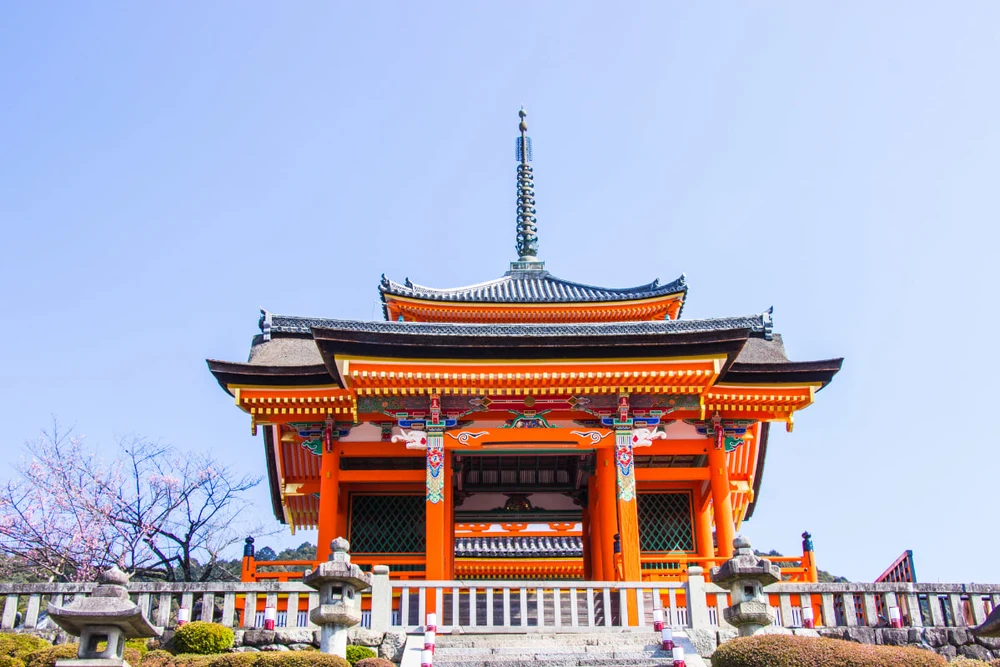
The main hall of the temple impresses with its Yosemune-zukuri-style roof, covered with Hinoki cypress bark and featuring delicate curves, reminiscent of the palace architecture of the Heian period nobility.
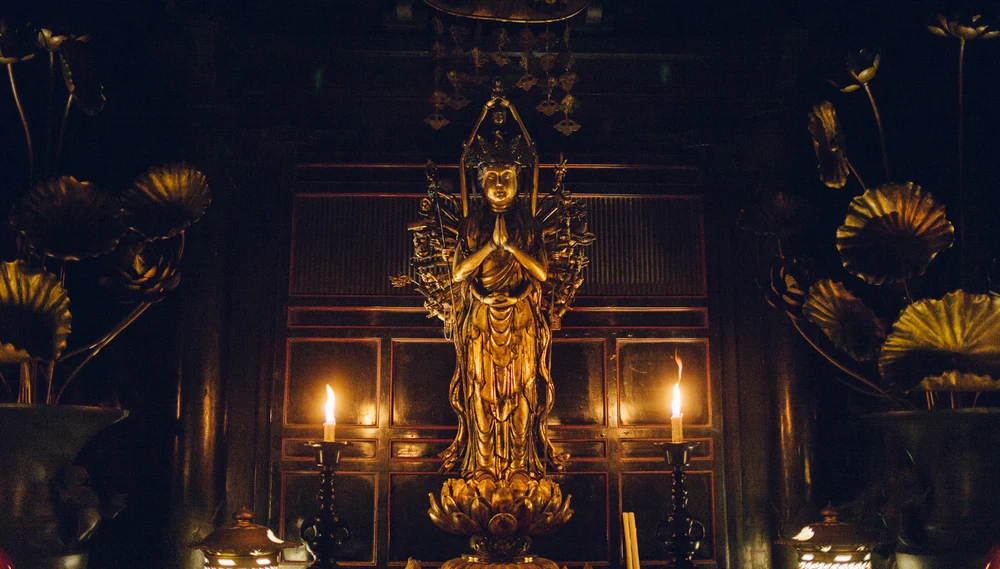
The interior space is divided into three progressively more sacred areas: the Outer Hall (Gejin), the Inner Hall (Naijin), and the most sacred part, the Rear Hall (Nainaijin) – where the precious statue of the Bodhisattva Kannon is located. Although the Rear Hall is usually not widely open, on special occasions, you will have the rare opportunity to enter this solemn space to pray.
Exciting Experiences at Kiyomizu Dera Temple, Japan
To make your exploration of Kiyomizu Dera Temple truly complete, be sure to save these 7 must-try experiences:
Check-in at Nio-mon and Sai-mon Gates
Best of Kyoto & Nara: Kiyomizudera, Nara Park, Todaiji & Much More
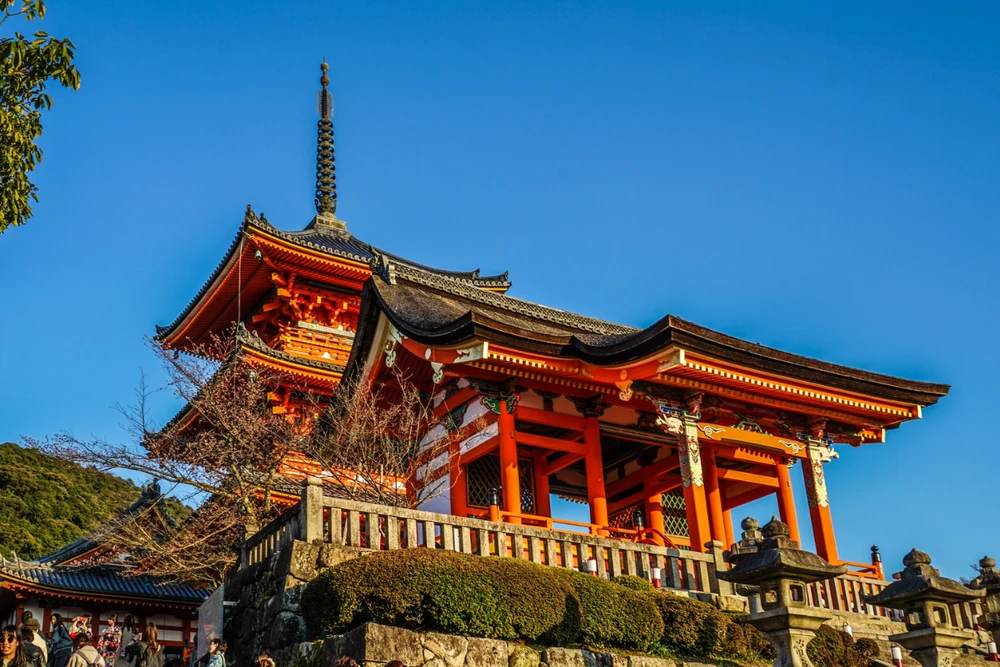
Right from the entrance, you’ll be overwhelmed by the vibrant red Nio-mon Gate, a proud 14-meter-high structure bearing the distinctive mark of Muromachi-era architecture. Nearby is Sai-mon (West Gate) – known as the “gateway to heaven.” Don’t miss the sunset here, when the setting sun creates a tranquil scene, an ideal location for performing the Nissokan meditation ritual (contemplation of the Pure Land).
The “Tainai meguri” Challenge at Zuigu-do Hall
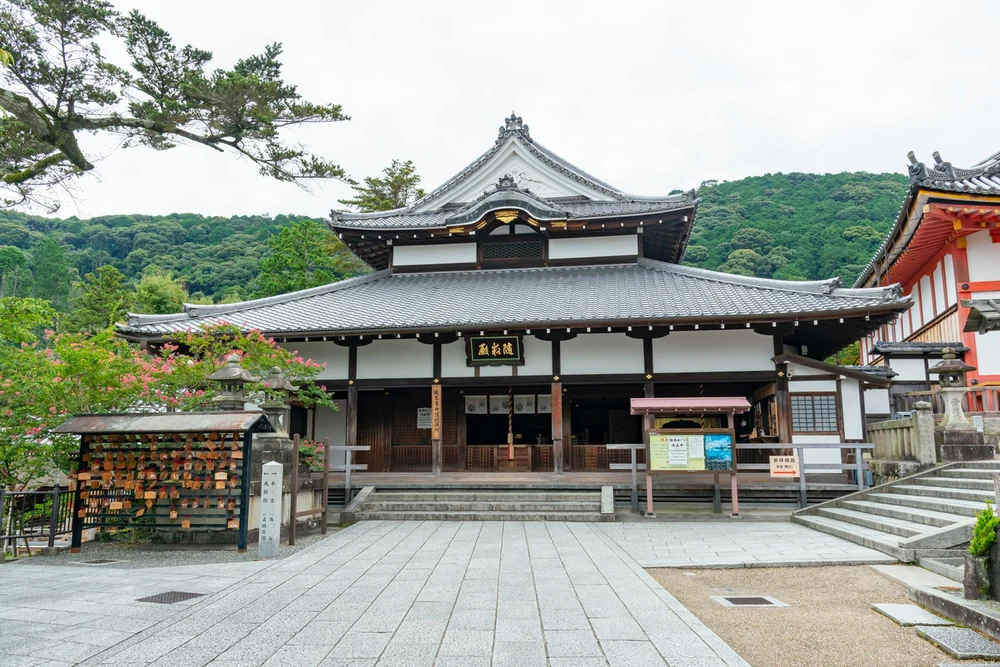
This is an extremely unique spiritual experience! You will enter the completely dark area in the basement of Zuigu-do Hall, symbolizing entering the mother’s embrace (Tainai). In the silent darkness, you will follow a string to find the sacred stone that can hear all the most secret wishes. This is the shrine of Daizuigu Bodhisattva – the guardian deity for love, children, and peace.
Visiting Hondo National Treasure
[Kyoto & Nara Twin Ancient Capital World Heritage Tour] Kiyomizu-dera Temple..
The soul of Kiyomizu-dera is the main hall, where the eleven-faced, thousand-armed Kannon Bodhisattva is worshipped. Take time to stand on the legendary wooden stage, feel the solidity of the nail-free construction, and take in the panoramic view of ancient Kyoto from a height equivalent to a four-story building.
“Photo Hunting” from Okuno-in Hall
Kyoto: Nijo, Bamboo Grove, Golden Pavilion & Fushimi Inari Bus Tour
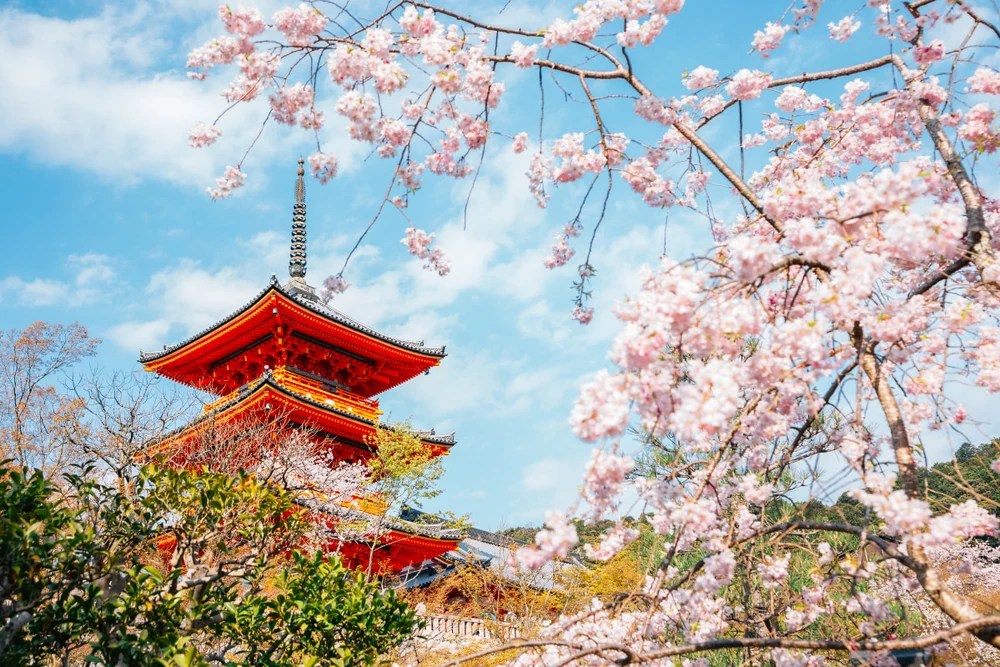
If you want a once-in-a-lifetime photo capturing both the wooden stage of the main hall and the pagoda amidst cherry blossoms or autumn leaves, visit Okuno-in Hall. Located just above Otowa Falls, there’s also a smaller wooden platform offering the most valuable vantage point to admire the grandeur of the entire temple grounds and the distant cityscape.
Drinking Sacred Water at Otowa Falls
One-day tour of Osaka Fushimi Inari, Kiyomizu-dera Temple, and Nara Park
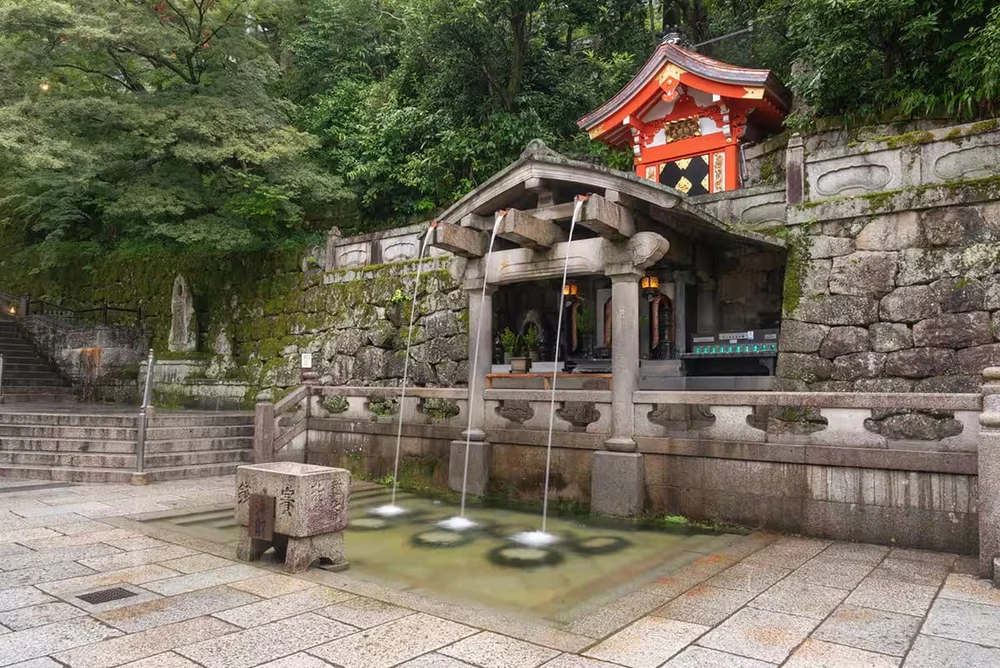
Kiyomizu-dera (Clear Water Temple) takes its name from the very purity of the waterfall. The three streams of water cascading down the cliff are believed to bring good fortune in: Longevity, Academic Success, and Love. Use long-handled ladles to collect this pure water for a purification ritual and pray for your wishes to come true.
Visiting the Mysterious Jojuin Garden
Fushimi Inari-Taisha | Arashiyama |Kiyomizu-Dera Day Tour from Kyoto
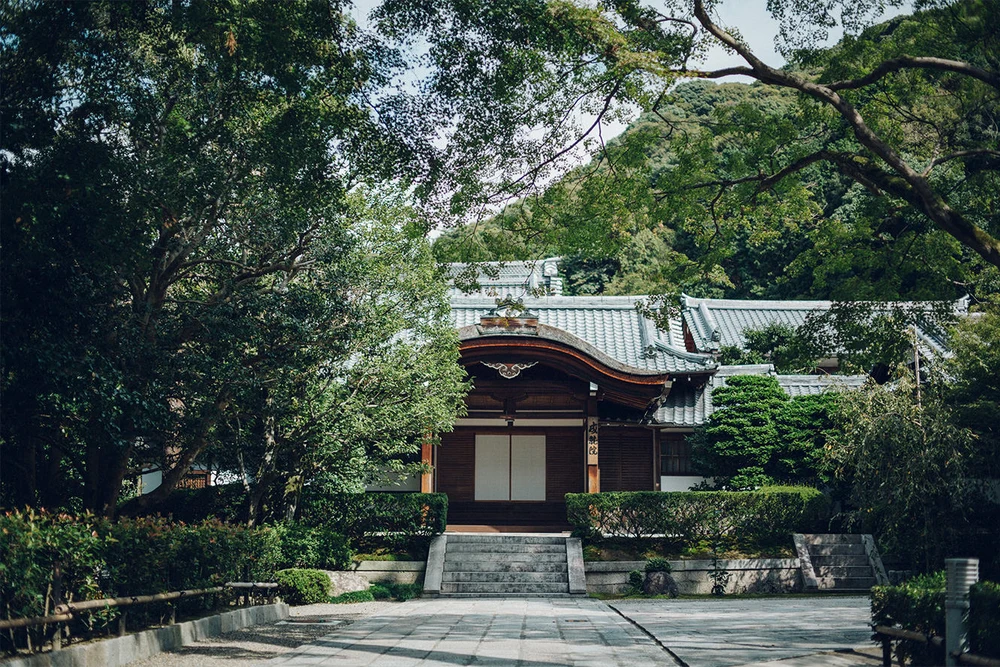
If you visit during a special opening period, don’t miss Jojuin – home to the famous “Moon Garden.” This was once the residence of high-ranking monks who helped restore the temple. The garden is so exquisitely designed that its beauty reaches its peak when reflecting the full moon, creating a feeling of absolute tranquility.
Immerse Yourself in Special Festivals
Kimono Rental Experience (Kyoto / Provided by Kimono Rental Kanwa Kiyomizu Temple)
Depending on the time of year, you can participate in special cultural events such as:
Special Night Viewing: Admire the temple illuminated by night lights in spring, summer, and autumn.
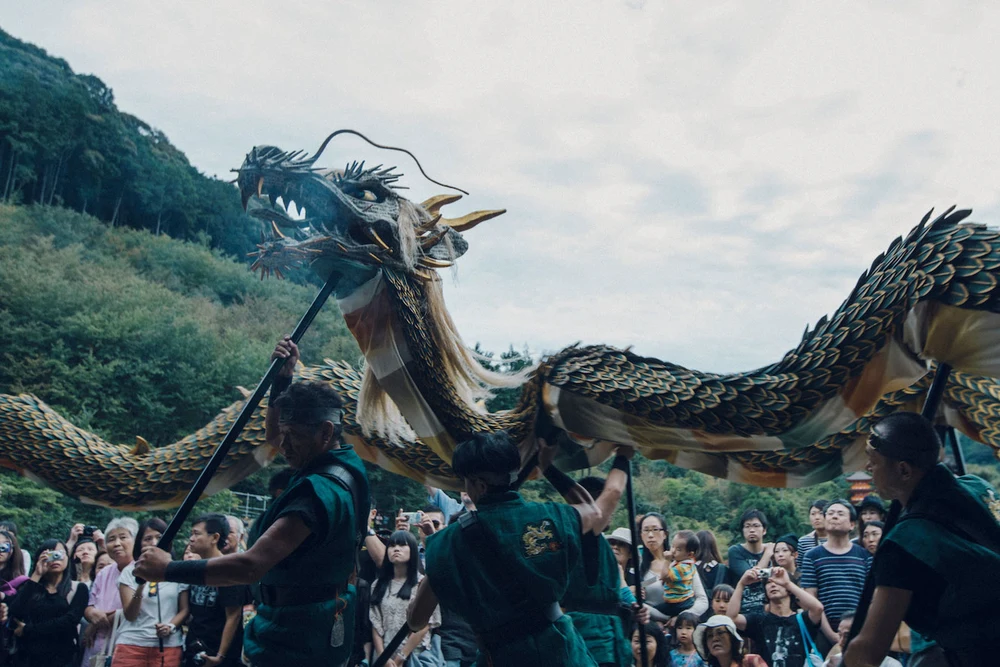
Seiryu-e: The majestic Blue Dragon parade festival.
Thousand-day Prayer: The sacred thousand-day prayer ceremony.
Frequently Asked Questions About Visiting Kiyomizu-dera Temple
1. When is the best and least crowded time to visit Kiyomizu-dera?
The golden time is right when the temple opens (6:00 AM) to enjoy the tranquility and watch the sunrise. If you prefer romance, come near sunset to admire the panoramic view of Kyoto bathed in the perfect twilight from the wooden balcony.
2. Do I need to book tickets in advance?
You don’t need to book in advance; tickets can be purchased directly at the gate. However, during light festivals or autumn foliage seasons, it gets very crowded, so you should prepare cash and go early to avoid long queues.
3. Is the path to the temple easy to navigate?
The path to the temple consists of steep slopes and paved walkways. To avoid fatigue during your exploration, you should prioritize wearing comfortable sneakers or walking shoes; avoid high heels as they can be quite painful!
4. What should I wear for the best check-in photos here?
Nothing is more perfect than renting a traditional kimono to stroll along the ancient streets of Sannenzaka leading to the temple. The colors of the kimono blending with the ancient wooden architecture will help you get photos that will get thousands of likes, truly capturing the Japanese spirit.
5. Where is the best spot for panoramic photos of the temple?
Don’t just stand in the main hall! Move to Okuno-in Hall located opposite. This is the “classic” photo spot that allows you to capture both the legendary wooden stage and the temple tower in one frame.
More than just a tourist attraction, Kiyomizu-dera Temple is a cultural icon of Japan. It is a testament to the sophistication of its architecture, the elegance of its culture, and its reverence for tradition.
Come to Kiyomizu-dera Temple in Japan to discover its unique architectural beauty, experience its traditional culture, and find peace of mind!
Are you ready to conquer this iconic temple in the ancient capital of Kyoto?
Some best day tours, trips, activities and transfer services, tickets in, to and from Kyoto you can refer to
- Limousine Bus Transfers between Kansai International Airport (KIX) and Osaka or Kyoto
- Kyoto-Osaka Sightseeing Pass (1 Day/2 Days, Kyoto Pick Up)
- Randen + Subway 1 Day Pass
- Kyoto Temples & Shrines Day Tour from Osaka: Fushimi Inari-taisha, Arashiyama, Kiyomizu-dera & More
- Kyoto and Nara Day Tour from Osaka/Kyoto
- Sagano Romantic Train One-Way Ticket (Saga or Kameoka Departure)
- Kyoto Sagano Romantic Train Day Tour
- Kyoto Temples & Shrines Day Tour from Kyoto: Fushimi Inari-taisha, Arashiyama, Kiyomizu-dera & More
- Amanohashidate & Miyama One Day Tour from Osaka/Kyoto
- JR Kansai-Hiroshima Area Pass
- Kimono Rental in Kyoto Kiyomizu Temple
- One Day Kimono Rental
- Kyoto Temples & Shrines Day Tour from Osaka
- Kimono and Yukata Rental at Kimono Miyabi Kyoto
- 4G Prepaid Sim Card (JP Airports Pick Up) for Japan
- 4G WiFi (Japan Pick Up) for Japan
- JR Pass for Whole Japan (7, 14, or 21 Days)
Are you finding more top things to do in Kyoto, read more: Kyoto blog (Kyoto travel blog) — The fullest Kyoto travel guide blog for a budget trip to Kyoto, Japan for the first-timers. And Kyoto 3 day itinerary — How to visit Kyoto in 3 days & what to do in Kyoto in 3 days perfectly?