
































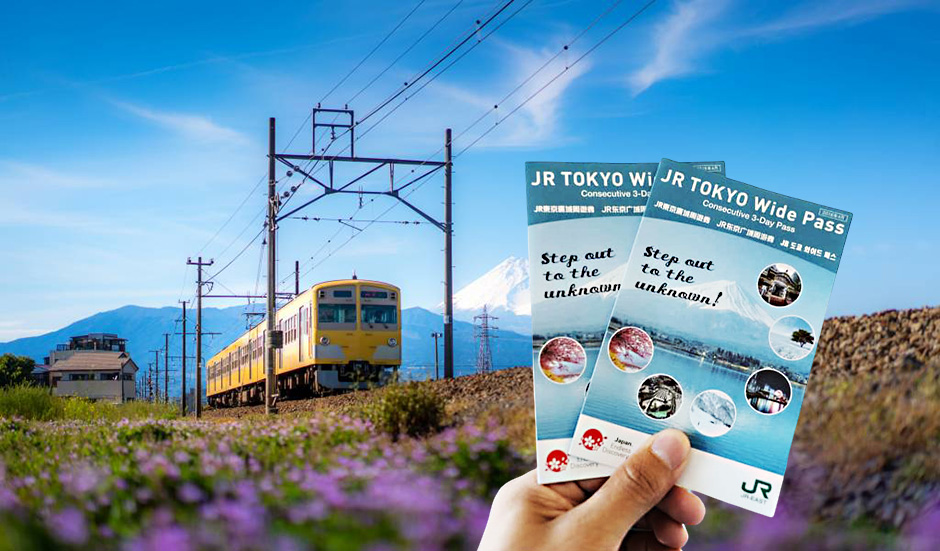
If you are traveling to Japan on your own, you should choose JR Tokyo Wide Pass, an ideal choice to save money when exploring Tokyo and surrounding areas. This article will clearly explain this ticket, how to use it effectively, suggest a 3-day itinerary, and additional tips for you to have a convenient, economical trip.
- Oigawa Railway Shizuoka: Explore Shizuoka’s Highlands Aboard the Oigawa Steam Train
- How to Travel from Osaka to Tokyo Quickly & Economically
- What is the Shinkansen? How to Easily Buy High-Speed Train Tickets in Japan
- Kintetsu Rail Pass: A magical pass to explore the Kansai region of Japan!
- 10 JR Passes Most Loved by Japan Travel Enthusiasts

What is JR Tokyo Wide Pass?
JR Tokyo Wide Pass is a travel pass exclusively for international visitors (not applicable to Japanese residents). The ticket allows unlimited travel for 3 consecutive days on train lines operated by JR East, including:
- Shinkansen (bullet train) in the coverage area (e.g. Tokyo to Gala Yuzawa, Nikko).
Limited Express trains (fast, comfortable trains). - Local JR trains, such as the Yamanote Line connecting famous areas in Tokyo (Shinjuku, Shibuya, Akihabara …).
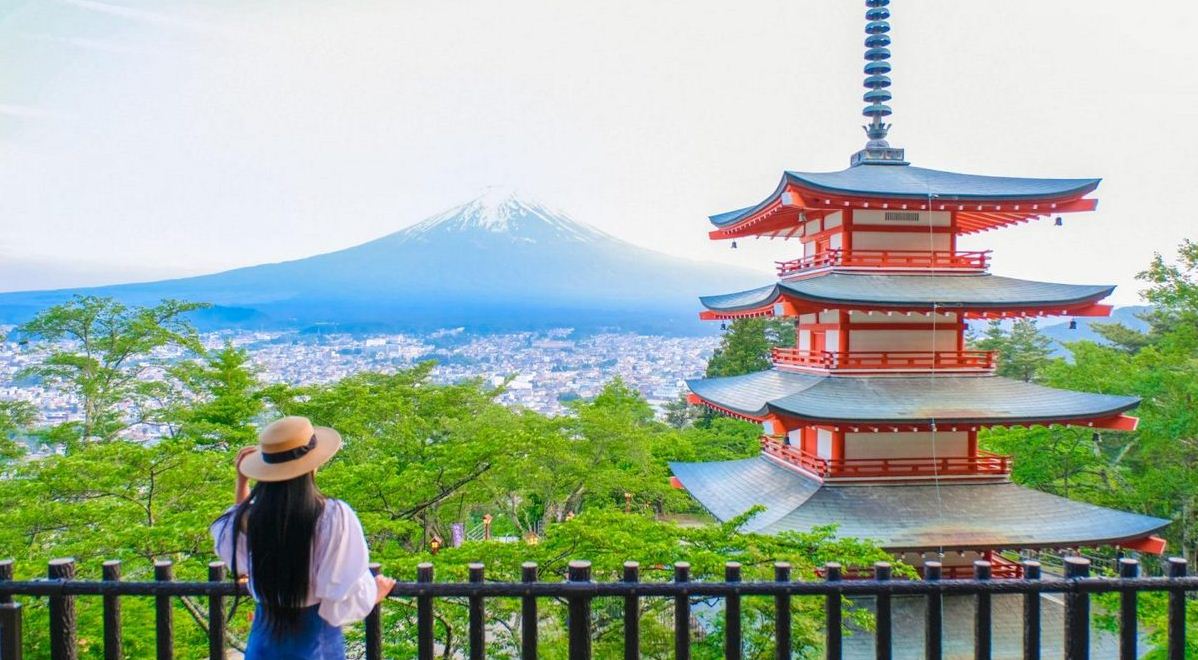
- Fujikyu Railway, a train line to sightseeing spots near Mt. Fuji (e.g., Lake Kawaguchiko, Chureito Pagoda).
- Narita Express (N’EX), a rapid train from Narita Airport to central Tokyo.
Important note:
- The ticket is only for foreign tourists. You need to present your passport (with a tourist visa) when purchasing or using the ticket.
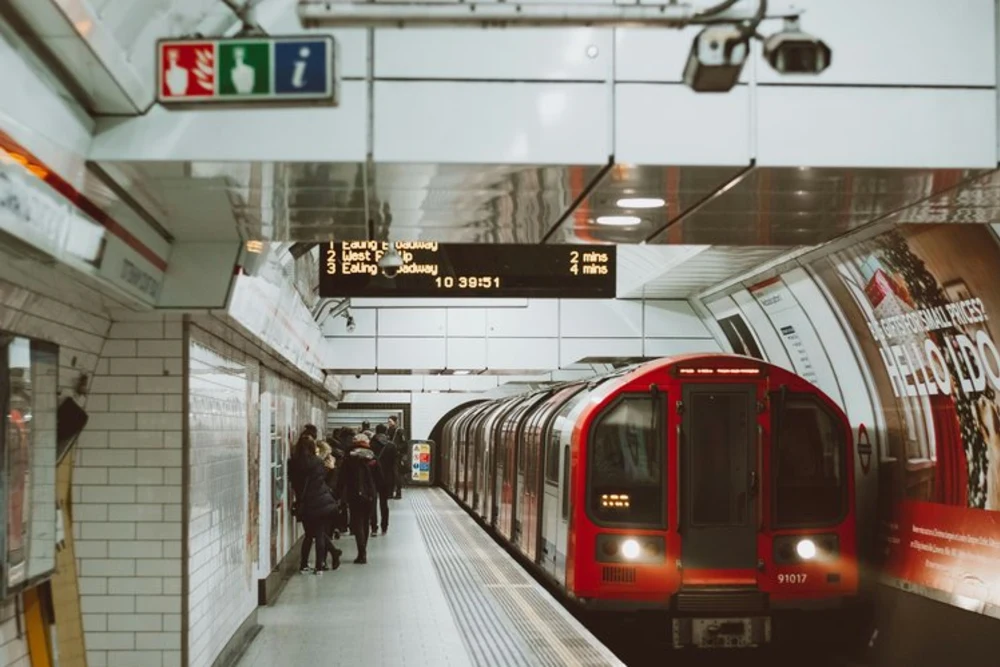
- The ticket is not valid on subways or non-JR East lines (e.g., Toei, Tokyo Metro).
Ticket price and how to buy
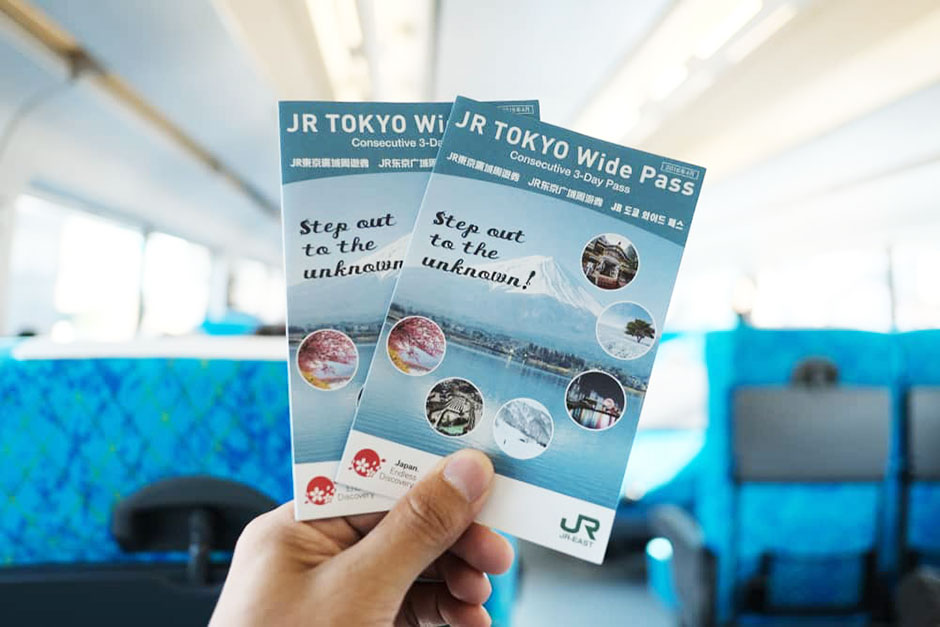
- Price: 15,000 yen (~2.6 million VND, depending on exchange rate).
- Validity: 3 consecutive days (e.g., from June 1 to June 3).
Where to buy:
- Online: Book in advance through platforms such as Klook, Rakuten Travel, or the official JR East website. You will receive a voucher and exchange it for a physical ticket in Japan.
- On-site: Buy directly at JR counters at Narita, Haneda airports, or major stations such as Tokyo, Shinjuku, Ueno. Note: You should buy early because tickets may run out during peak seasons (New Year, cherry blossoms, autumn).
Tip: If you forget to book online, buying at the airport as soon as you arrive in Japan is the most convenient way.
What is special about the JR TOKYO Wide Pass?
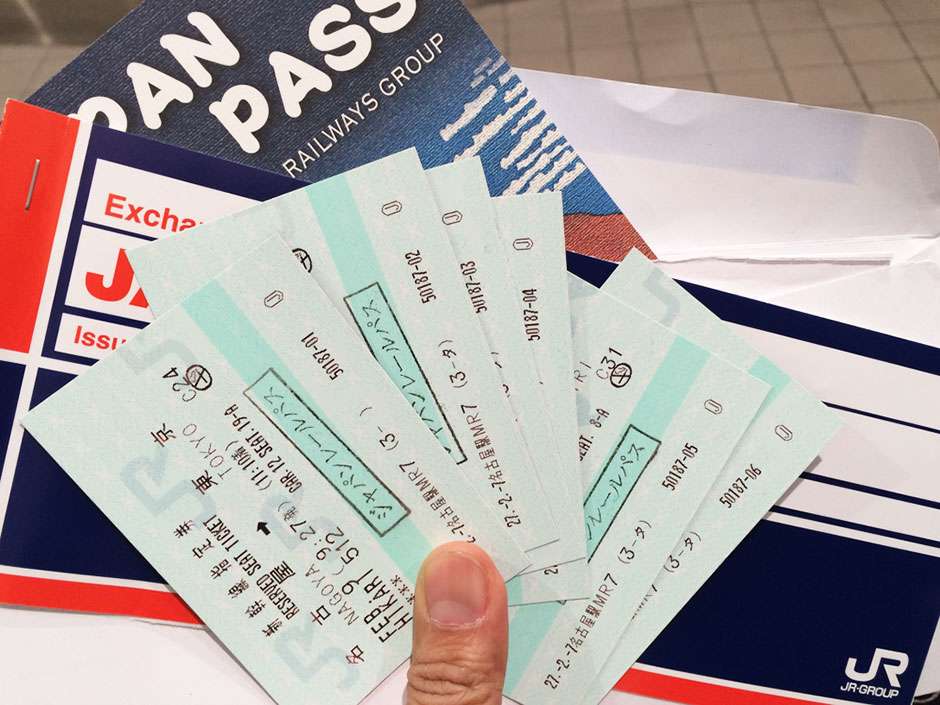
The JR TOKYO Wide Pass is the perfect choice for travelers who want to explore the Kanto area and famous tourist spots around Tokyo economically and conveniently. Here are the special features that make this pass worth it:
Unlimited travel on many JR lines
The JR TOKYO Wide Pass is the ideal choice for those who want to fully explore the Kanto region without worrying about travel costs. Valid for 3 consecutive days, the pass allows you to travel unlimitedly on many JR East train lines, including Shinkansen bullet trains such as Joetsu and Hokuriku, taking you to famous destinations such as Gala Yuzawa – a winter skiing paradise, Karuizawa – a beautiful resort town, Kawaguchiko – a place to admire the legendary Mount Fuji, or Nikko – a sacred ancient capital famous for its UNESCO-recognized temples. The JR TOKYO Wide Pass is the ticket that opens up a journey to experience the culture, nature and typical lifestyle of Japan in the most flexible and interesting way.
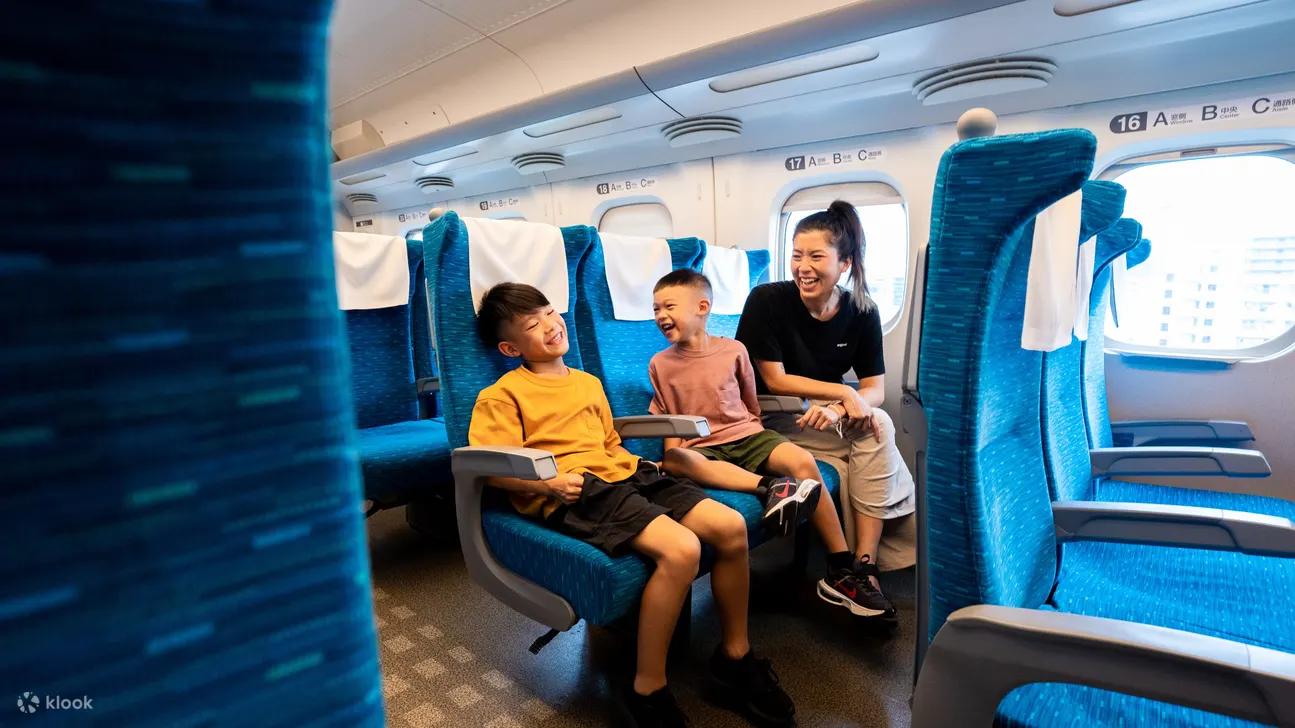
Maximum cost savings for multi-destination journeys
Instead of having to buy each train segment at a high price, you only need a single JR TOKYO Wide Pass ticket to freely travel throughout the Kanto region – from the bustling neighborhoods of Tokyo to the peaceful suburbs of Chichibu, the poetic beaches of Izu, or even famous ski resorts in winter. In particular, with a journey combining many destinations, the card helps you save thousands of yen, both comfortably experiencing and not worrying about “burning a hole in your pocket”. This is the smart choice for active travelers who want to fully enjoy the diverse beauty of Japan.
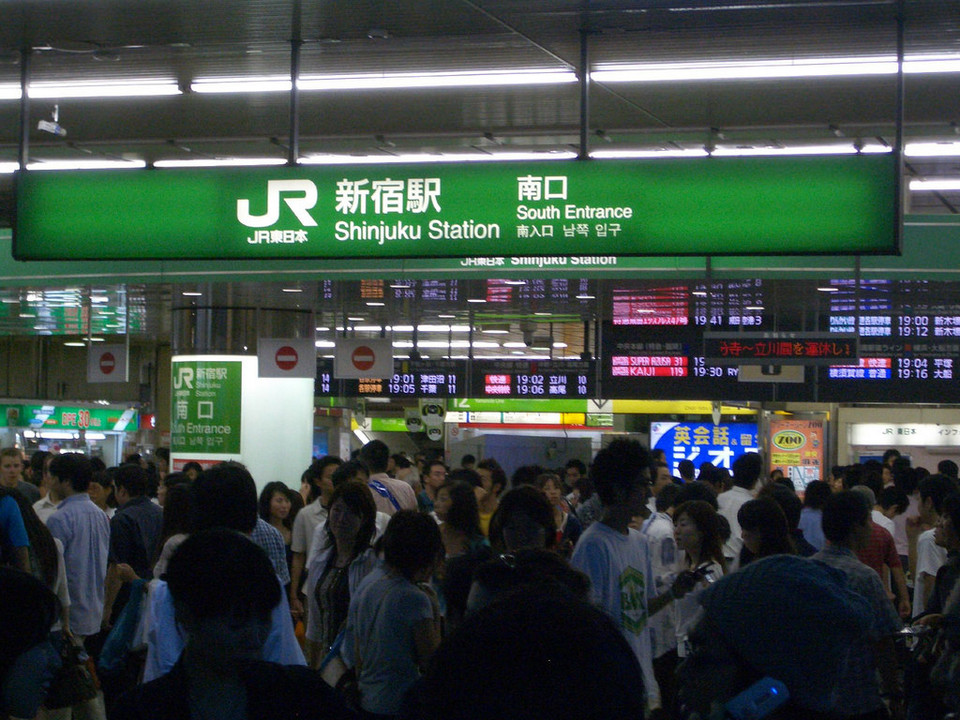
Convenient and easy to use for foreign travelers
JR TOKYO Wide Pass is designed specifically for international travelers, and can be easily booked online through platforms like Traveloka. After receiving the QR code, you just need to bring your passport to major stations to exchange for a paper ticket and start your journey. No need to buy each leg or get confused with the complicated ticket system.
Discover the beauty of Japan’s four seasons
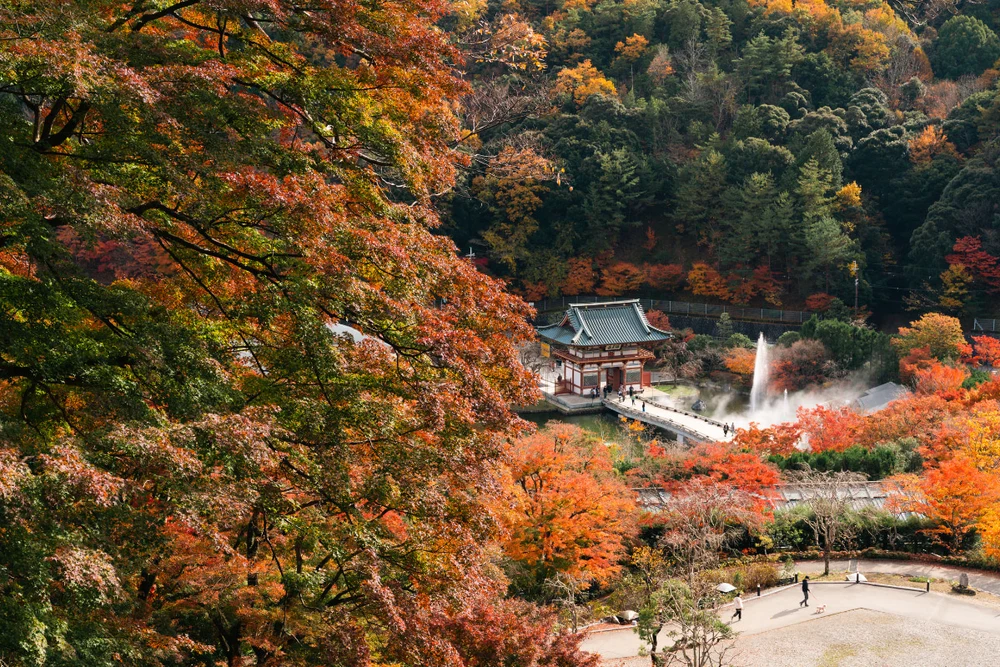
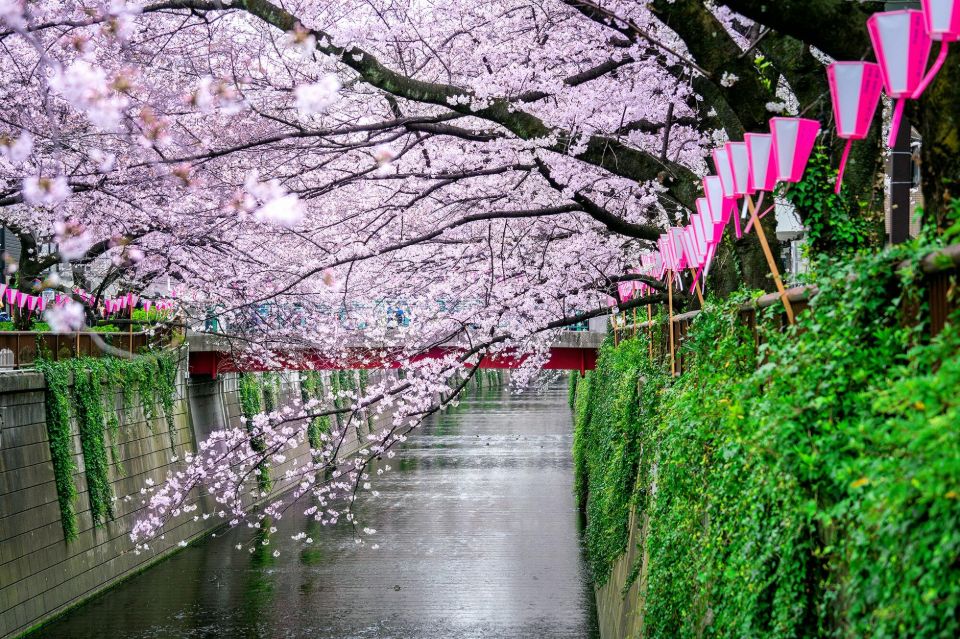
The JR TOKYO Wide Pass is the key to a flexible and emotional journey to discover the beauty of Japan’s four seasons. In spring, you can see cherry blossoms blooming along Lake Kawaguchiko with a beautiful view of Mount Fuji. In summer, escape the hot sun with a trip to the cool Karuizawa plateau. When autumn comes, the brilliant maple leaves dyeing the ancient capital Nikko red will leave you in awe. And in winter, don’t miss the exciting skiing days at Gala Yuzawa, where you can go straight by shinkansen from Tokyo in just about 75 minutes. No matter the season, the JR TOKYO Wide Pass brings you the most convenience and complete experience, making every moment of your journey memorable.
Why should you use JR Tokyo Wide Pass?
- Cost savings: A round-trip Narita Express ticket is about 6,000-8,000 yen, not to mention long trips such as Mt. Fuji (about 4,000-6,000 yen) or Gala Yuzawa. With JR Tokyo Wide Pass, you can save more than 4 million VND if you plan your itinerary properly.
- Convenience: No need to buy separate tickets for each trip, just show your ticket to board the train.
- Flexible: Suitable for both exploring Tokyo and suburban destinations such as Mt. Fuji, Nikko, Yokohama.
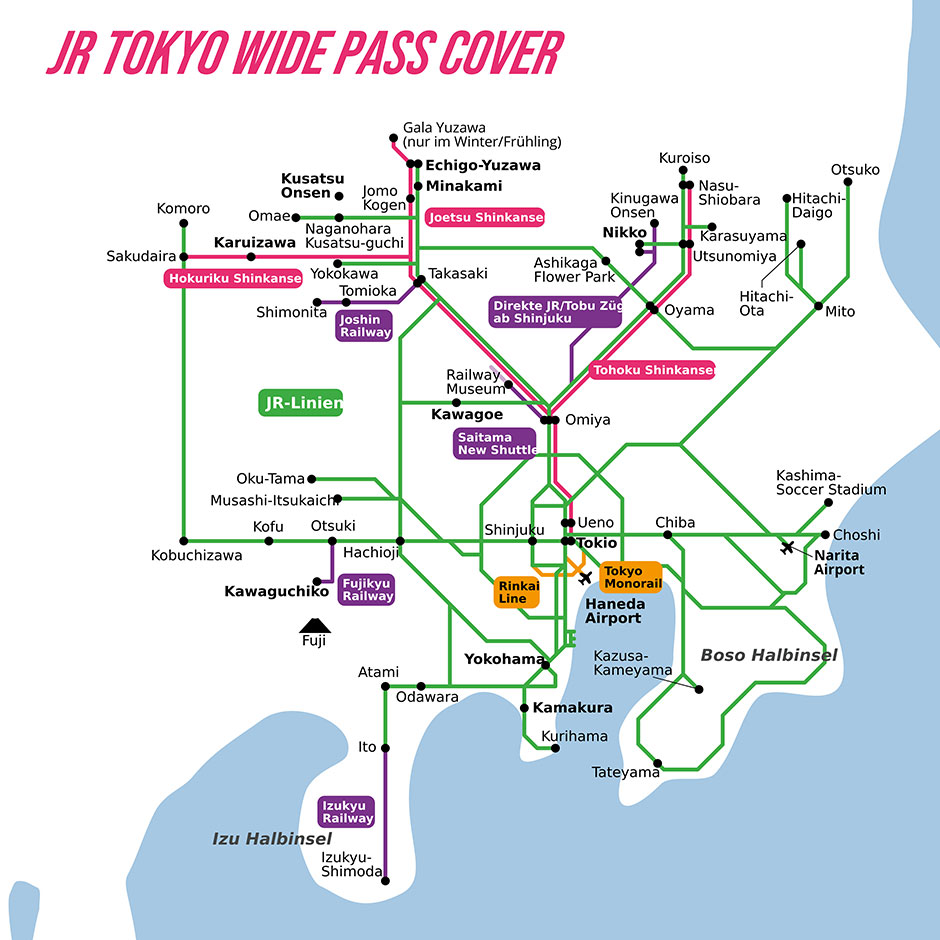
Compare to other passes:
- JR Pass (nationwide): More expensive (50,000 yen/7 days) and only worth it if you are going to many distant cities (Osaka, Kyoto). If you are only in Tokyo and the surrounding area, JR Tokyo Wide Pass is cheaper.
- Tokyo Subway Pass (24/48/72 hours): Suitable if you are only traveling within Tokyo by subway (prices range from 800-1,500 yen). However, this pass does not cover Shinkansen or JR trains to the suburbs.
Suggested 3-day itinerary with JR Tokyo Wide Pass
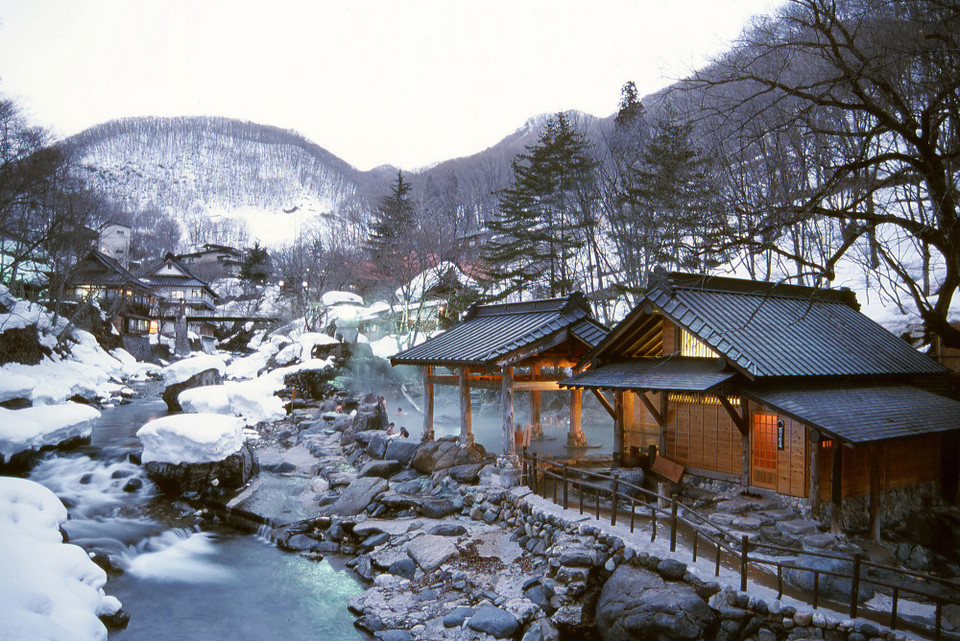
The JR TOKYO Wide Pass is the ideal ticket for travelers who want to explore the Tokyo area and surrounding areas flexibly and economically. Valid for 3 consecutive days, the pass allows unlimited travel on many lines such as JR EAST, Shinkansen, Tokyo Monorail and other local lines. From bustling central Tokyo to prominent destinations such as Mt. Fuji, Karuizawa, Nikko or GALA Yuzawa, you can easily hit the road without having to buy individual tickets. The JR TOKYO Wide Pass is the perfect choice for those who want to experience the diverse beauty of Japan in just a few short days.
To optimize the pass, arrange the days with the highest travel costs (such as from the airport, to Mt. Fuji, or distant destinations). Here is a sample itinerary for first-time visitors:
Day 1: From the airport to central Tokyo + sightseeing in the city
Morning: Arrive at Narita Airport, use JR Tokyo Wide Pass to take Narita Express (N’EX) to Tokyo Station or Shinjuku (about 1 hour). The single N’EX ticket price is 3,000-4,000 yen, so you’re already saving money from the start!
Afternoon: Use the JR Yamanote Line (free with the ticket) to visit famous spots:
- Shibuya: Take photos of the famous intersection, Hachiko statue, shopping.
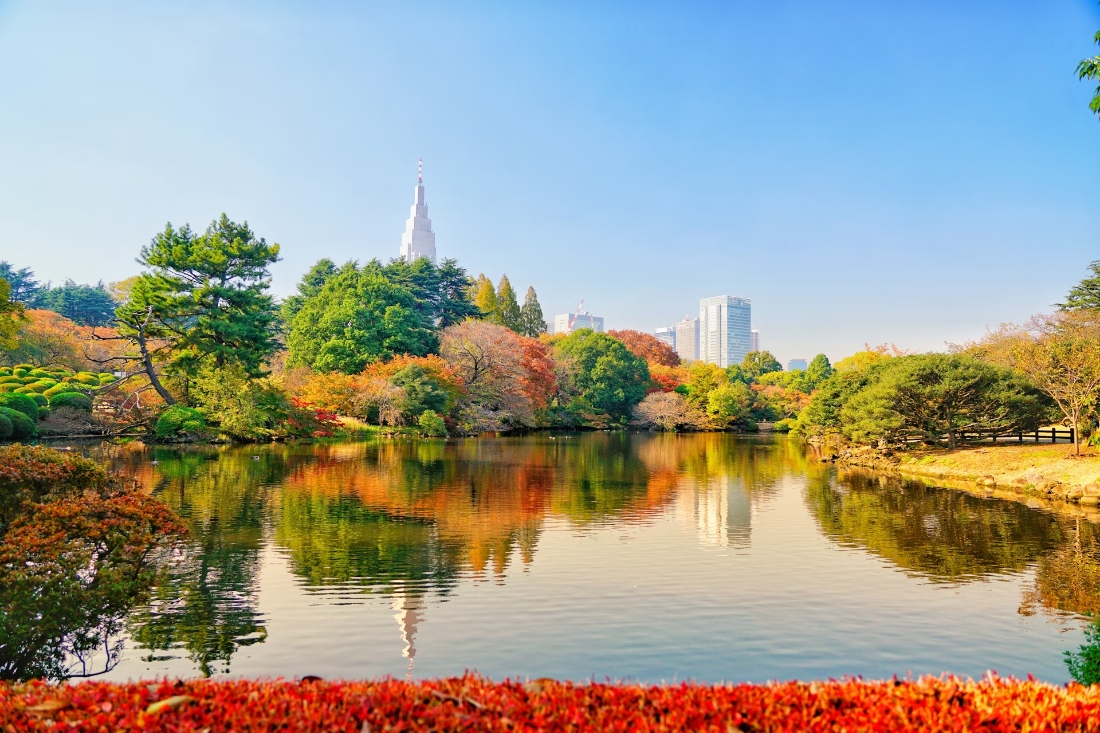
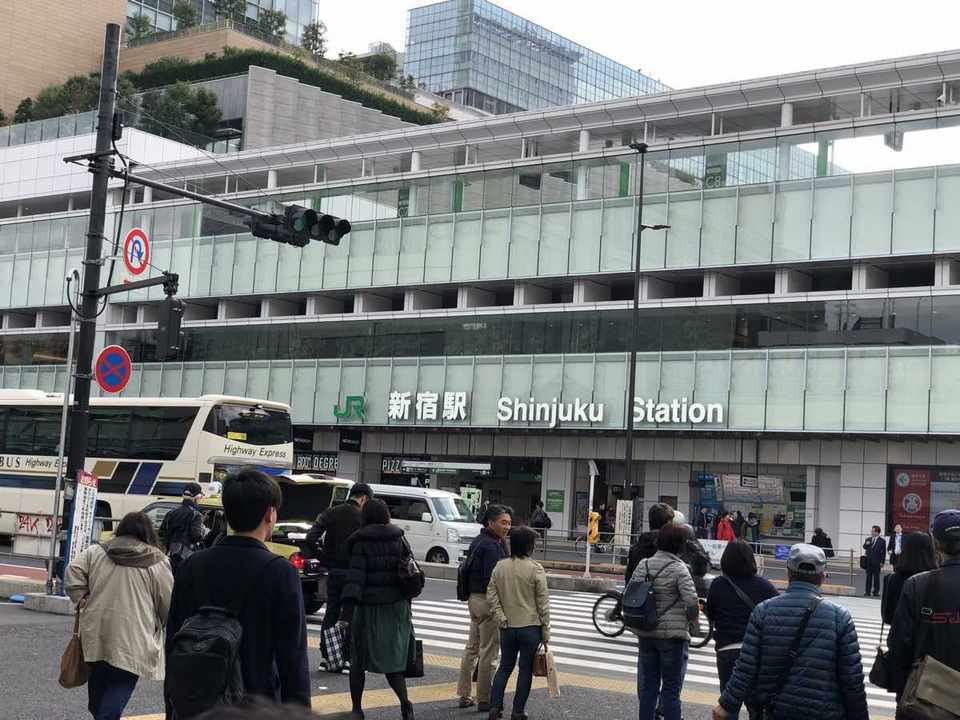
- Shinjuku: Shinjuku Gyoen Park, Kabukicho area, Metropolitan Government Building (free view).
- Akihabara: A paradise for anime and electronics fans.
Evening: Have dinner in Shibuya or Shinjuku, rest at the hotel.
Note: JR Yamanote Line is a line that circles Tokyo, very convenient. However, if your destination is not near a JR station, you need to buy a single ticket for the subway or walk.
Day 2: Explore Mt. Fuji
Morning: From Shinjuku Station, take the Limited Express to Otsuki Station (about 1 hour, free with the ticket). Transfer to the Fujikyu Railway (also free) to get to places near Mt. Fuji:
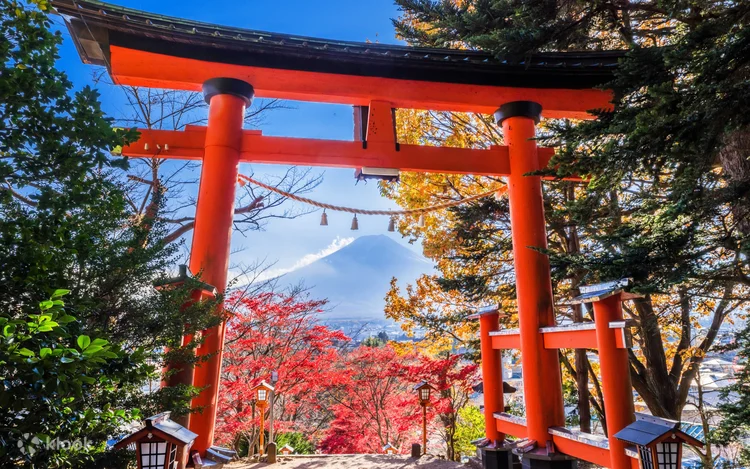
- Chureito Pagoda: Picturesque view of Mt. Fuji (nearest station: Shimoyoshida).
- Lake Kawaguchiko: Take photos of Mt. Fuji, visit the famous Lawson or Oishi Park.
- Fuji-Q Highland: Amusement park with roller coasters (suitable for thrill-seekers).
Afternoon: Explore more of Fujiyoshida town or rent a bike around Lake Kawaguchiko.
Evening: Return to Shinjuku by Limited Express from Kawaguchiko Station (about 2 hours). Note: The last train back to Tokyo is usually 5-6pm, check the train schedule on Hyperdia or the JR East app to avoid missing your train.
Tip: Fujikyu Railway is a big advantage of the JR Tokyo Wide Pass, as even the nationwide JR Pass does not offer this route for free.
Day 3: Skiing in Gala Yuzawa or Nikko

Option 1 – Gala Yuzawa (skiing):
- From Tokyo or Ueno Station, take the Shinkansen to Gala Yuzawa (about 75 minutes, free with ticket). This is a popular ski area, suitable for beginners.
- Offer: Present your JR Tokyo Wide Pass for discounts on lift tickets or ski rentals.
Tip: Bring warm boots, gloves, and waterproof clothing (available for rent on site).
Option 2 – Nikko (cultural heritage):
- Take the Shinkansen from Tokyo to Utsunomiya, then transfer to JR to Nikko (about 2 hours in total).
- Sightseeing: Toshogu Shrine (UNESCO heritage), Kegon Falls, Lake Chuzenji.
Tips: Nikko is most beautiful in autumn or winter, but you need to leave early to have enough time.
Evening: Return to Tokyo, rest or explore Harajuku, Asakusa.
Other destinations with JR Tokyo Wide Pass
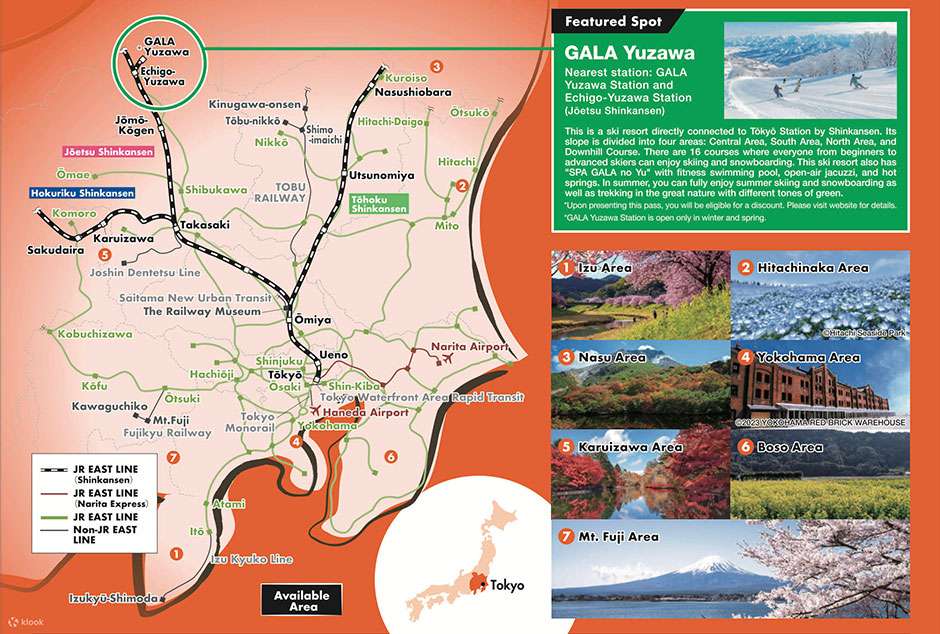
In addition to Mt. Fuji, Gala Yuzawa, and Nikko, the pass also covers the following places (suitable for day trips):
- Yokohama: Port city with Chinatown, Minato Mirai Park, Cup Noodle Museum (30 minutes from Tokyo).
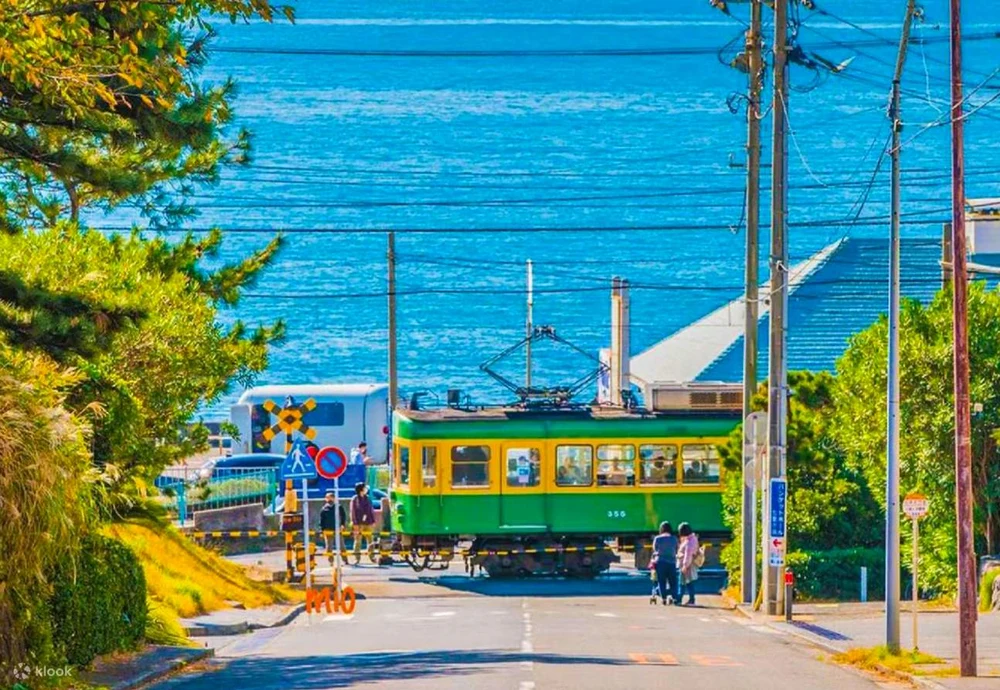
- Kamakura: Seaside town with the Great Buddha (Daibutsu), Tsurugaoka Hachimangu Shrine (1 hour from Tokyo).
- Izu Peninsula: Hot spring resorts, beaches (about 2 hours from Tokyo).
Tip: Check the JR East line map (at the JR counter or online) to plan accurately.
Additional tips for first-time visitors
Plan in advance
- Use the Hyperdia app, Google Maps, or JR East App to check train times and routes.
- Reserve seats for the Shinkansen or Limited Express (free with the ticket) at the JR counter to ensure a seat, especially during peak season.
Understand Tokyo’s transportation system
- Tokyo has JR trains (on the ground) and subways (operated by Tokyo Metro/Toei). The JR Tokyo Wide Pass only covers JR trains, so if you take the subway, you’ll need to buy a separate ticket or Tokyo Subway Pass.
- Major stations like Shinjuku, Tokyo have English signs, but take a photo of the station map to help you find your way around.
Bring cash
Some ticket counters or small shops in the suburbs don’t accept cards. Exchange money at the airport or withdraw at a 7-Eleven ATM.
Best time to use the pass
Use the pass for 3 days with many long trips (such as the airport, Mt. Fuji). If you stay in Tokyo longer, combine it with the Tokyo Subway Pass for the remaining days.
Peak season
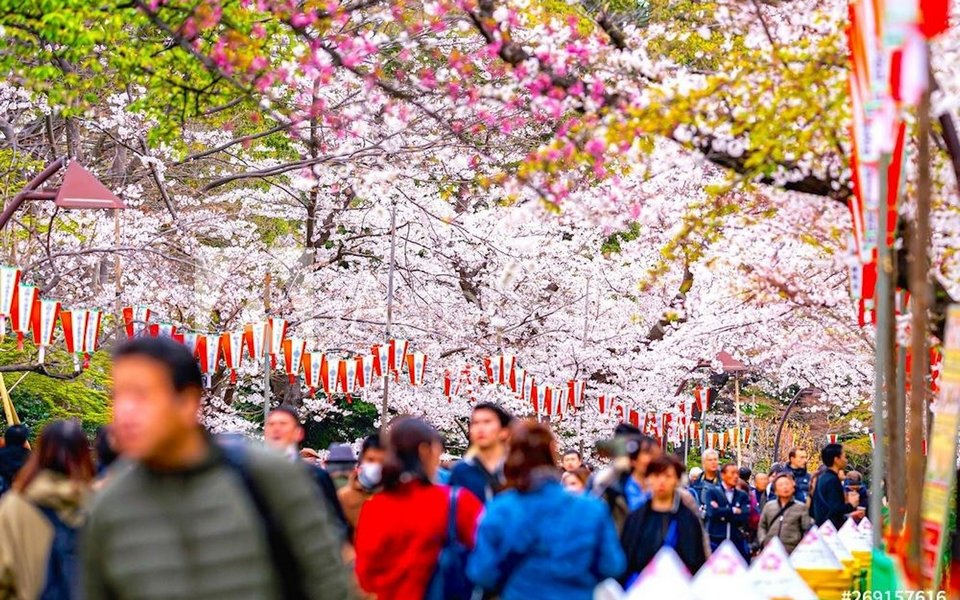
Cherry blossom season (March-April) and autumn leaf season (November) are very crowded. Buy your ticket early and avoid weekends if possible.
Notes for using JR TOKYO Wide Pass
JR TOKYO Wide Pass is a great choice for those who want to explore the Kanto area and famous destinations around Tokyo such as Karuizawa, Nikko, Gala Yuzawa, Kawaguchiko or even Tokyo Disney Resort in a cost-effective and convenient way. Here are some useful experiences to help you make the most of this train pass:
Book early: To not miss the opportunity to experience, you should book train tickets in advance, especially during peak seasons such as autumn and spring, when trains are very crowded. For the fastest and most convenient, you can book through the Traveloka website or application.
Plan your itinerary in advance: The pass is valid for 3 consecutive days and allows unlimited travel on JR trains in the designated area. Therefore, you should plan your itinerary in advance to optimize time and cost, combining nearby destinations such as Hakone – Kawaguchiko or Nikko – Utsunomiya in the same day.
Understand the scope of use: JR TOKYO Wide Pass does not apply to all train lines. The pass is mainly used on JR East train lines, including some Shinkansen lines (such as to Gala Yuzawa, Karuizawa), Limited Express lines (such as Narita Express, Fuji Excursion), and regular trains in the Tokyo area. However, the pass is not valid on JR Central trains or private lines such as Odakyu, Tobu, Keisei, etc. Therefore, please check carefully before each trip to avoid unexpected costs.
Bring your passport: When using or exchanging JR TOKYO Wide Pass, you will need to present your passport with the “Temporary Visitor” stamp, as this pass is only for short-term tourists. Keep your passport with you at all times during the journey.

Choose a seat near the window: Most seats have a nice view, if you want to see the Hozu River and ancient bridges, choose a seat on the right side of the train. If you like majestic natural scenery such as mountains and green trees, the left side of the train is also a great choice.
FAQs about JR Tokyo Wide Pass
Is the JR Tokyo Wide Pass worth buying?
Worth it if you are going from Narita Airport and visiting at least 1-2 far-flung places such as Mt. Fuji, Nikko. If you are only staying in the city, the Tokyo Subway Pass is cheaper.
What if you miss the last train at Kawaguchiko?
Check the train times early. If you miss, you can take a bus or taxi to Otsuki Station (additional charge) and then take the JR train back to Tokyo.
Do you need to reserve seats for all trains?
Shinkansen and Limited Express require seat reservations (free). Local trains (like the Yamanote Line) do not.
Who is eligible for the JR TOKYO Wide Pass?
You must be a foreign national with a passport issued by a country other than Japan (Japanese nationals cannot use this pass).
Customers visiting Japan from overseas on a Temporary Visitor visa. The following passes do not have this requirement: JR EAST PASS (Tohoku area), JR EAST PASS (Nagano, Niigata area), JR TOKYO Wide Pass, N’EX TOKYO Round Trip Ticket, Tokyo 1-Day Ticket, Tokyo Metropolitan Area Pass, NONBIRI Holiday Suica, SENDAI AREA PASS.
Please ask the pass user to present a valid passport (original) when purchasing the pass. (The pass cannot be purchased by anyone else, including family members.)
I hope this article helps you plan a budget-friendly and fun trip to Tokyo!
Some best day tours, trips, activities and transfer services, tickets in, to and from Tokyo you can refer to
- Mt Fuji & Hakone Day Tour: Lake Ashi & Ropeway Day Trip from Tokyo
- Nikko Cultural Day Tour from Tokyo
- Tokyo Subway Ticket (24, 48, or 72 Hours)
- Shuttle Bus Transfers (One Way/Round Trip) from Shinjuku/Ikebukuro to Tokyo Disneyland or Tokyo DisneySea
- Tokyo Disney Resort Park Ticket
- Klook Pass Greater Tokyo
- SHIBUYA SKY Ticket
- Warner Bros. Studio Tour Tokyo – The Making of Harry Potter Ticket
- Skyliner Narita Airport Express Ticket
- TeamLab Planets Ticket
- TOKYO SKYTREE® Ticket
- Limousine Bus Narita or Haneda Airport to Tokyo
- Skyliner Narita Airport Express With Tokyo Subway Ticket
- JR Tokyo Wide Pass
- Sky Hop-on and Hop-off Bus Pass
- 4G Prepaid Sim Card (JP Airports Pick Up) for Japan
- JR Pass for Whole Japan (7, 14, or 21 Days)
Are you looking for more Tokyo travel guide and top things to do in Tokyo: Tours, activities, attractions and other things? Read more: Tokyo itinerary 3 days — What to do in Tokyo in 3 days?