





















If you only had 24 hours, how would you make the most of the bustling city of Tokyo? Check out this 1-day Tokyo itinerary!
- A Detailed 1-Day Osaka Itinerary for Independent Travelers
- 19 places to visit in Japan in December for a Festive Experience
- 15 Famous Japanese Temples for a Journey Toward Inner Peace
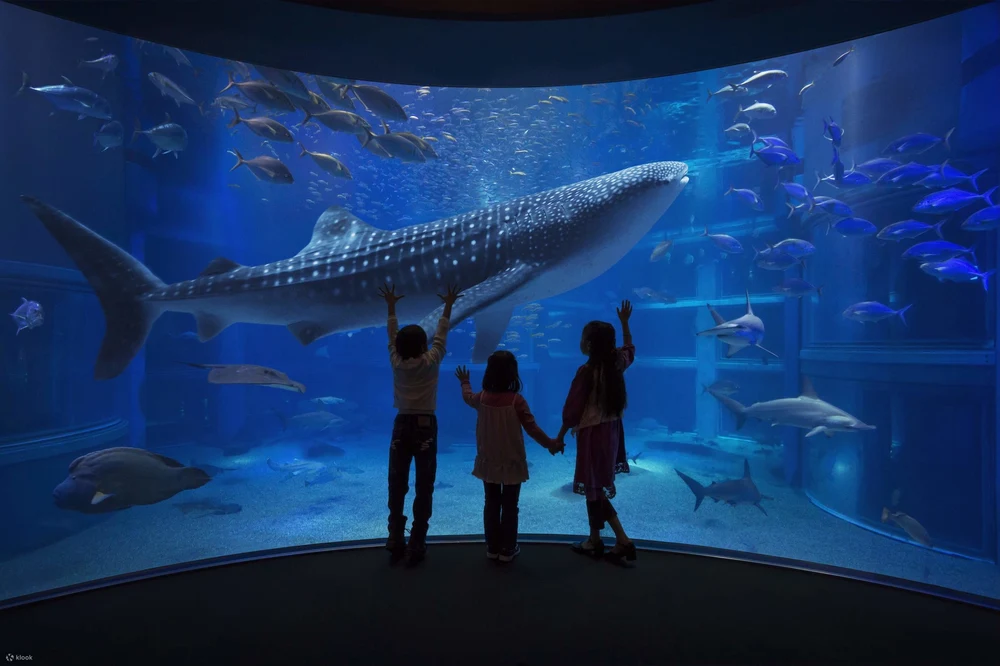
- Review of Osaka’s Kaiyukan Aquarium: A Fascinating Underwater World
- Unlocking the Allure of Kinkaku-ji (The Golden Pavilion) with 1-Day Itinearary

Whether you’re on a layover in Japan or simply looking to challenge yourself by exploring this “megalopolis” in 24 hours, don’t worry—a short timeframe doesn’t have to mean a superficial experience.

With a public transport system that’s precise to the second and a highly organized urban layout, Tokyo can absolutely be covered in a single day—provided you have a solid plan. Join Living Nomads as we embark on a journey that spans from the ancient charm of the Edo period to the futuristic beauty of today.
1-Day Tokyo Itinerary: Fully Explore Japan’s Premier Metropolis
Start your day bright and early in eastern Tokyo to catch the pulse of a bygone era that still remains vibrant today.
7:00 AM – 8:00 AM: Breakfast at Tsukiji Fish Market
Address: 4-16-2, Tsukiji, Chuo-ku, Tokyo
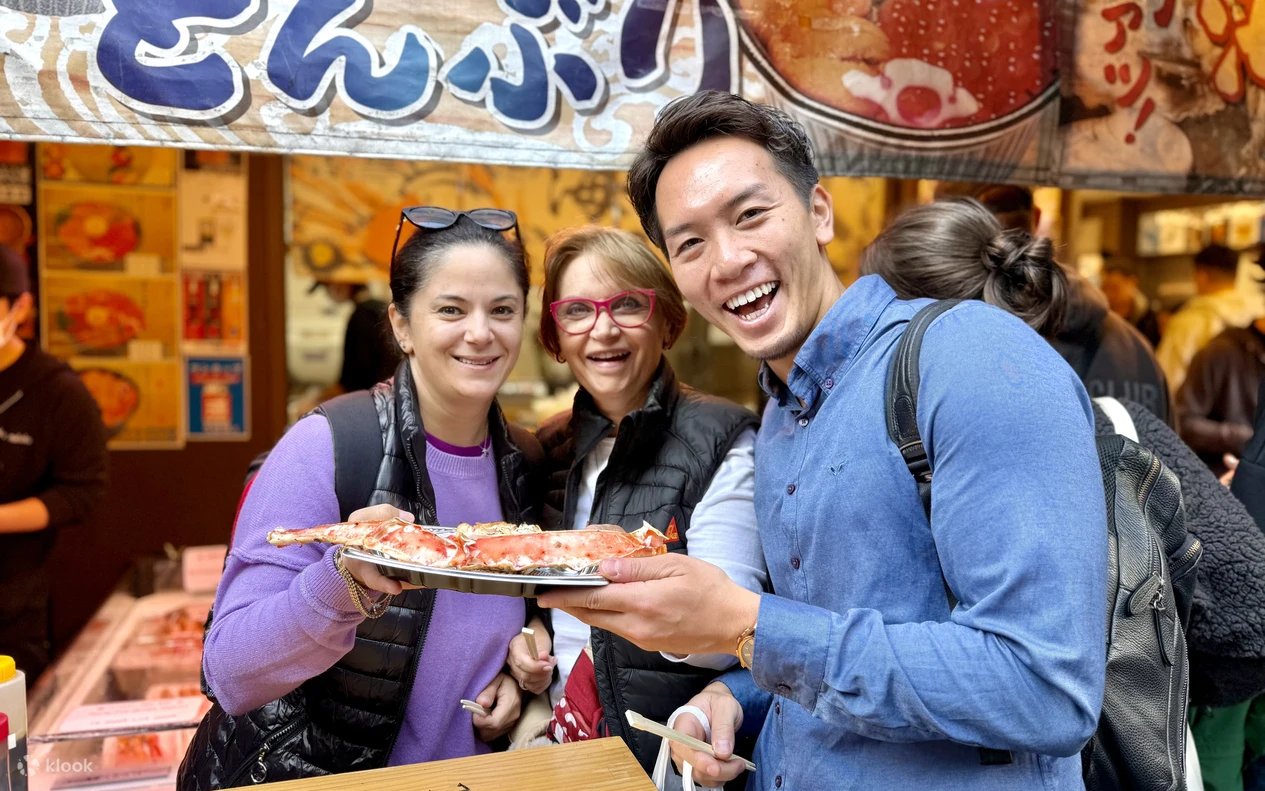
Tokyo Tsukiji Fish Market Food & Culture Walking Tour w/ 5 Tastings
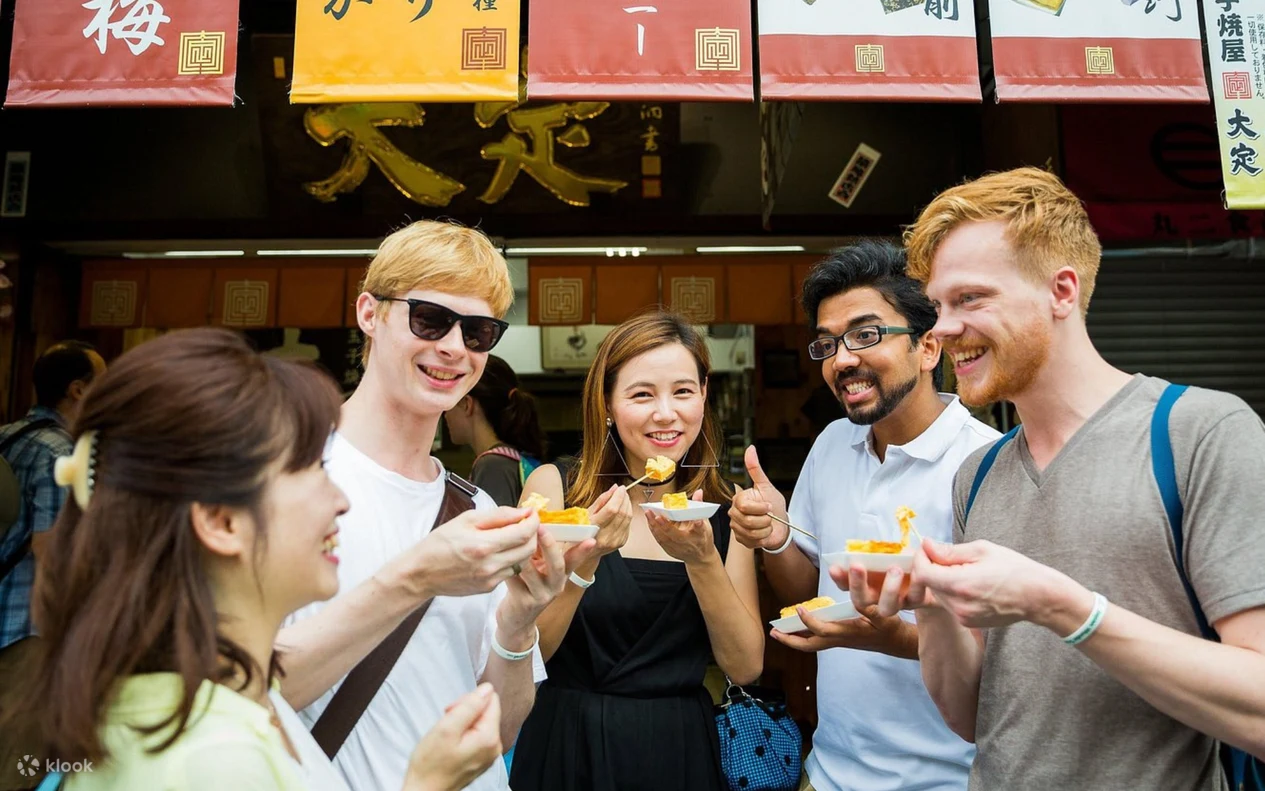
Kick off your day in Tokyo at the Tsukiji Market—the perfect spot to fuel up for the long day ahead. Often referred to as the “Tsukiji Outer Market,” this is one of the world’s largest wholesale seafood markets and a must-visit destination in Tokyo. It is renowned for its high-quality, fresh seafood, drawing visitors from all over the globe.
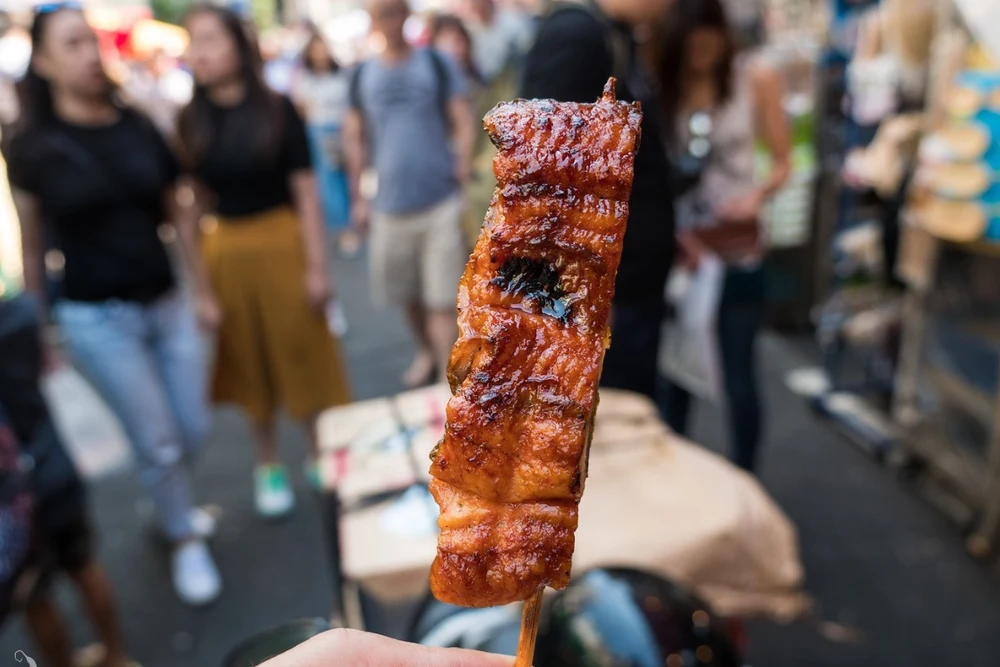
Most shops here open very early, making it an ideal choice for breakfast. Sushi, sashimi, and *kaisen-don* (seafood rice bowls) topped with fresh tuna, salmon, swordfish, and sea urchin are standout dishes at the market. Other must-try delicacies include scallops, oysters, Alaskan king crab, and lobster.
eSIM Japan | Softbank 5G / IIJ (Docomo) 4G LTE
The market’s dessert section is equally enticing. Popular treats include *taiyaki* (fish-shaped cakes filled with red bean paste), *ichigo daifuku* (mochi stuffed with strawberries), and soft, delicate *tamago* (egg cakes). Pair these with a cup of traditional matcha to complete your culinary experience.
9:00 AM – 10:30 AM: Explore Nakamise Street & Take Photos in a Kimono
Address: 1-36-3, Asakusa, Taito-ku, Tokyo

Nakamise Street is a traditional shopping thoroughfare that leads directly to Senso-ji, one of Japan’s most famous temples. With its historic atmosphere, diverse street food, and numerous shops selling souvenirs—such as swords and masks—the street is a magnet for both locals and tourists alike. It is an ideal spot to immerse yourself in Japanese culture, shop for keepsakes, and sample iconic local snacks.

Kimono Rental (Provided by Kimono Rental wargo Kanazawa Korinbo Branch)
Among the treats found on Nakamise Street, *melon-pan* (melon bread) and *ningyo-yaki* are two items you definitely shouldn’t miss. The *melon-pan* in Asakusa is particularly striking for its large size and the rich, inviting aroma wafting from the oven—a temptation few visitors can resist.
*Ningyo-yaki*—small cakes molded into the shapes of animals, dolls, or Japanese icons like the red lantern found at the entrance to Nakamise—are a classic sight and a frequent subject in travel photos. This type of pastry serves as both a delicious treat and a delightful souvenir.

Tokyo Private City Exploration Tour: One Day Highlights
Beyond its culinary offerings, Nakamise Street is an excellent place to discover traditional Japanese goods. Kimonos, available in a wide variety of materials and styles, are a perfect choice for those who love Japanese fashion.
A folding fan featuring an image of Mount Fuji also makes for a meaningful souvenir—a keepsake to remember your journey in Tokyo. You might even consider renting a kimono to wear while exploring other nearby attractions!
11:00 AM – 1:30 PM: Visiting Senso-ji Temple in Tokyo
Address: 2-3-1, Asakusa, Taito-ku, Tokyo

If you are already on Nakamise Street, you shouldn’t miss the chance to visit Senso-ji, one of the most famous Buddhist temples in Tokyo. The temple draws large crowds of visitors, thanks to its distinctive architecture and an atmosphere that evokes the charm of the ancient Edo period.

According to legend, in 628, two fishermen—brothers—discovered a statue of Kannon (the Bodhisattva of Compassion) in the Sumida River. Even after they repeatedly returned the statue to the water, it kept reappearing; the villagers took this as a sign and built Senso-ji Temple nearby to enshrine the statue. Completed in 645, it stands as the oldest temple in Tokyo.

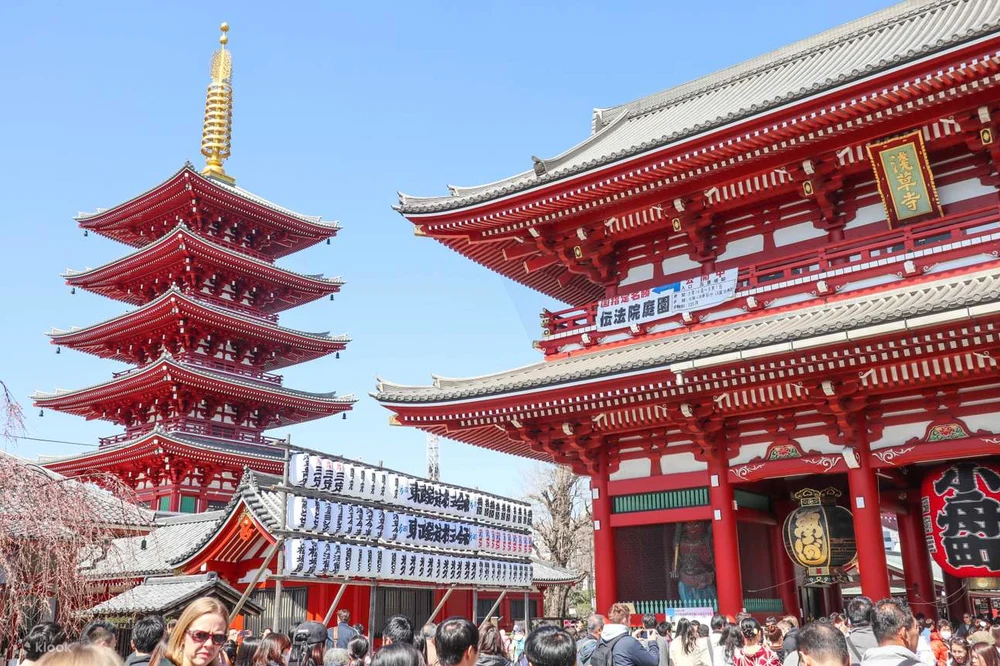
Upon arrival, visitors pass through the Kaminarimon (Thunder Gate)—an iconic landmark of both Asakusa and Tokyo. Beyond this lies the Hozomon Gate, leading to the main hall and a five-story pagoda. These structures were rebuilt following the war, featuring a modern architectural style that remains in perfect harmony with the traditional surroundings.
Tokyo Asakusa Kimono & Tea Ceremony Experience
The temple grounds also feature the Kannondo main hall, dedicated to Avalokiteshvara (Kannon); the Yogodo hall, which enshrines the eight Buddhas that serve as guardians for the twelve signs of the Chinese zodiac; and the Awashimado hall, dedicated to the deity Awashima Myojin. The Denboin Garden, with its pathways winding around a pond, offers a tranquil setting for visitors to enjoy.
Hop-On Hop-Off Tokyo Bus by Skyhop Bus
Senso-ji Temple hosts numerous traditional festivals throughout the year, such as the Sanja Matsuri in May, the Asakusa Samba Carnival in August, and the Hagoita-ichi market in December. Visiting Tokyo during these times allows you to take part in festive activities, experience Japanese culture, and immerse yourself in the city’s vibrant atmosphere.
14:00 – 15:30: Sightseeing & Shopping at Ueno Park
Address: Uenokoen, Taito City, Tokyo

The Tokyo journey continues with a visit to the lush, green Ueno Park, located just a 5-minute subway ride (via the Ginza Line) from Asakusa Station. Ueno Park (Ueno Kōen) is a sprawling public park situated in the heart of Tokyo. Historically, the site belonged to Kaneiji Temple—once one of the largest and wealthiest temples in the region.

Today, the park is renowned for its diverse attractions, including museums, a zoo, and various temples and shrines; it is perhaps most famous for its cherry blossoms. During the cherry blossom season, the park draws over 2 million visitors from around the globe, with the area near the entrance to Ueno Zoo being a particular highlight. If you visit Tokyo during this time, you can enjoy the cheerful spirit of the *Hanami* (cherry blossom viewing) tradition and savor unique local cuisine beneath the blooming cherry trees.
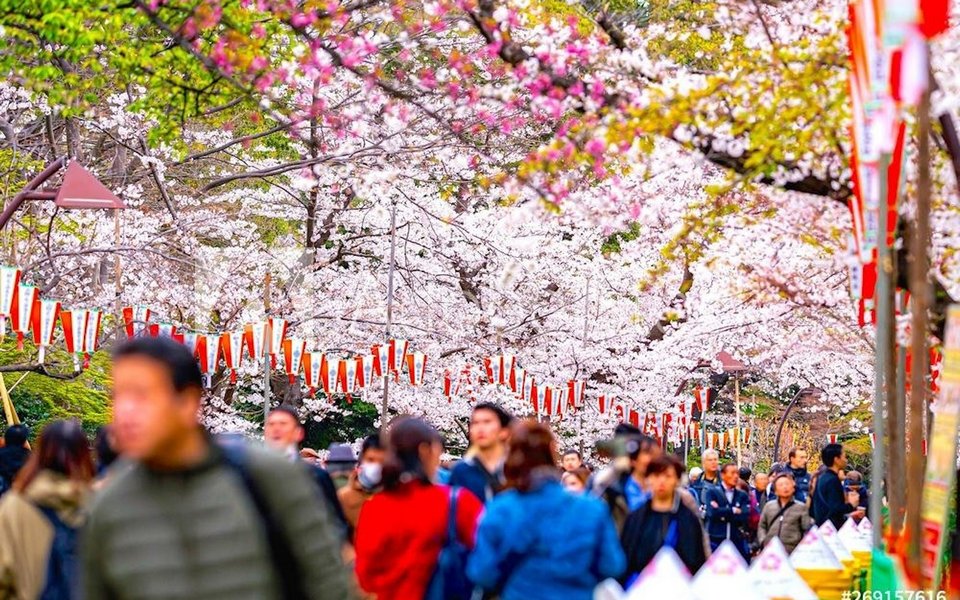
Home to six museums, Ueno Park is an ideal destination for exploring Japanese art and science. The Shitamachi Museum, The Ueno Royal Museum, The National Museum of Western Art, The National Museum of Nature and Science, The Tokyo National Museum, and The Tokyo Metropolitan Art Museum—these are spots that any art and history enthusiast on you would truly regret missing!

Not far from the Shitamachi Museum, Shinobazu Pond and historic temples—such as Kan’ei-ji, Ueno Toshogu, and Kiyomizu Kannon-do—create a serene, old-world atmosphere. In the summer, Shinobazu Pond comes alive with blooming lotus flowers, offering a harmonious blend of tranquility and sacred beauty.
16:00 – 18:30: Explore Tokyo Skytree and the Surrounding Area
Address: 1-1-2, Oshiage, Sumida-ku, Tokyo

From Ueno Park, head to Asakusa Station and take the Tobu Skytree Line to reach your next destination: Tokyo Skytree, an iconic symbol of the city. Standing at 634 meters, it is not only the tallest structure in Japan but was also the second-tallest in the world upon its completion. The highlight of Tokyo Skytree is its two observation decks, which offer panoramic views of the city from an impressive height.

The first observation deck, the Tembo Deck, is located at an altitude of 350 meters and spans three levels, providing a view of the city from every direction. The highest level features large windows, allowing for a 360-degree vista.
The middle level houses a souvenir shop and the restaurant Musashi Sky, which serves cuisine that blends French and Japanese culinary traditions. The lowest level features a café and several transparent glass panels set into the floor, allowing visitors to look straight down at the scenery below.

The second observation deck, the Tembo Galleria, is located at a height of 450 meters and is often described as the “world’s highest skywalk.” It consists of a spiral glass-and-steel corridor that offers a unique, elevated perspective. The best time to take in the view from Tokyo Skytree is at sunset; as night falls, the entire tower lights up, creating a dazzling, ethereal spectacle.
19:00: Immerse Yourself in the Bustling Crowds of Shibuya
Address: 2-1, Dogenzaka, Shibuya-ku, Tokyo

As the city lights come on and crowds pour into the streets, you can truly feel the vibrant pulse of modern-day Tokyo. The Shibuya Crossing—a famous landmark frequently featured in films and magazines—perfectly captures the area’s intense energy. During peak hours, between 1,000 and 2,500 people cross this intersection every two minutes—a volume of people sufficient to fill an entire football stadium.

No visit to Shibuya is complete without seeing the statue of Hachiko, an enduring symbol of loyalty and patience. The Akita dog famously waited for his master at Shibuya Station for nearly a decade after his master’s passing; today, the statue serves as a well-known meeting point and an emblem of profound devotion in Japanese culture.

To fully experience the lively atmosphere of Shibuya, consider visiting the cafés and shopping centers surrounding the intersection. A notable spot is the Starbucks in the QFRONT building, where you can enjoy a drink while watching the bustling crowds below.
Shibuya Street Go-Kart Experience by Original Street Kart Shibuya
In addition, Shibuya is well-known for its fashion, dining, and entertainment venues. Shibuya 109—a shopping complex featuring a variety of unique brands—is a popular destination for many. Center Gai, a street lined with numerous shops, is a paradise for those who enjoy discovering the latest trends.
20:00: Dinner in Kabukicho
Address: Kabukicho, Shinjuku-ku, Tokyo

Once an underdeveloped area, Kabukicho has undergone a complete transformation, evolving into a popular destination that draws a large number of visitors thanks to its diverse culinary scene and abundant entertainment options.
A standout feature in Kabukicho is the giant Godzilla statue located outside Toho Cinemas. Every day, between 12:00 PM and 8:00 PM, Godzilla makes an appearance, accompanied by a thunderous roar—a thrilling spectacle for onlookers. After exploring Shibuya, be sure to hop on the JR Yamanote Line toward Shinjuku so you don’t miss the chance to see this iconic monster.

Kabukicho is also a culinary paradise, packed with a vibrant array of bars and restaurants. Enjoying dinner here, amidst the lively and cheerful atmosphere, is sure to create unforgettable memories. For a unique experience, try dining atop one of the high-rise buildings, where you can take in a panoramic view of Tokyo, glittering with city lights.

Kabukicho Ramen Making Experience
To wrap up your visit to Kabukicho, don’t miss a stop at Don Quijote—one of the largest and most energetic branches of this retail chain in Japan. The store offers an eclectic mix of products, ranging from souvenirs to everyday Japanese goods. With reasonable prices and attractive discount coupons, shopping at Don Quijote is an opportunity that’s hard to pass up.
21:00: Experience Shinjuku’s Nightlife

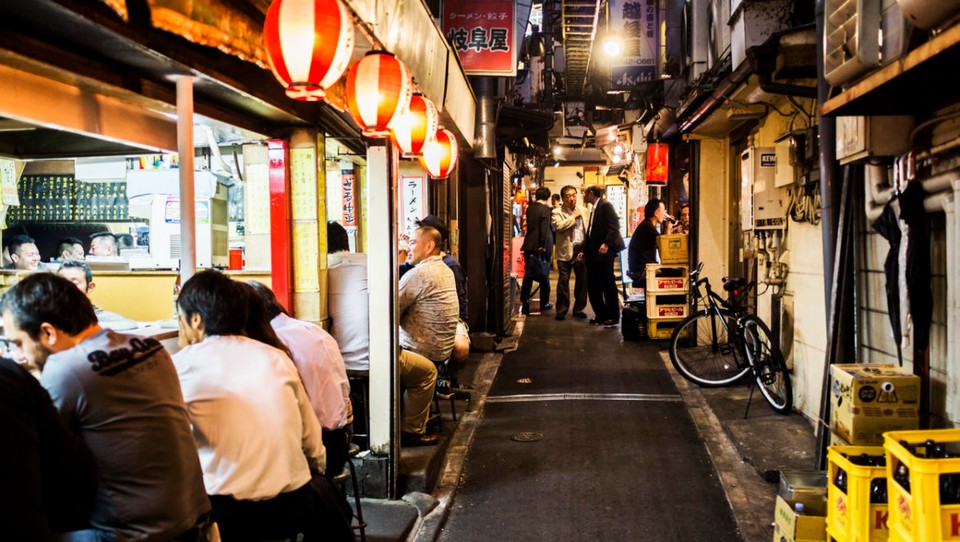
Finished with dinner and shopping, but not quite ready to call it a night in Tokyo? Don’t worry—the bustling Shinjuku district is famous for a nightlife scene that lets you keep the party going until dawn. Two spots in Shinjuku that draw many visitors with their unique, sophisticated bars are Golden Gai and Omoide Yokocho.

Golden Gai is the perfect place for those looking to experience a classic side of Japanese culture. With its charming, narrow alleyways, this area is packed with tiny bars and restaurants, each boasting its own distinct style. Visitors can easily hop from one spot to the next, enjoying a variety of drinks while soaking up the lively atmosphere.
eSIM Japan | Softbank 5G / IIJ (Docomo) 4G LTE
If you’re looking for a slightly brighter—yet equally impressive—setting, Omoide Yokocho won’t disappoint. It is renowned for its traditional street food, attracting fans of yakitori, yakiniku, and ramen. The small eateries create a friendly, intimate vibe, making it easy to strike up engaging conversations with those around you.
A Look at the Costs for a One-Day Independent Trip to Tokyo
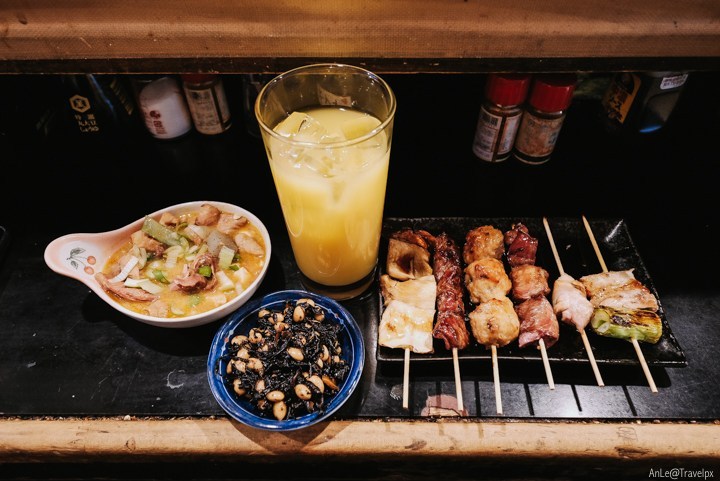
Ever wondered how much a one-day trip to Tokyo might cost? Below is an estimated budget for a single day in Tokyo, based on a sample itinerary.
| Category | Cost (VND) |
|---|---|
| Breakfast at Tsukiji | 344,000 |
| Melon pan and ningyo-yaki | 138,000 |
| Dinner in Kabukicho | 430,000 |
| Tokyo Skytree tickets on Klook | 361,000 |
| Souvenirs | 516,000 |
| Getting around during the day | 500,000 - 1,000,000 |
| SIM 4G | 258,000 |
| Other Expenses | 860,000 |
| Total | 3,236,000 - 3,728,000 |
(*) Please note that actual costs may vary depending on the season, current exchange rates, individual preferences, and personal budget.
Essentials for Your 24-Hour Tokyo Adventure

Getting your transportation and internet connectivity sorted is key to saving time while exploring Tokyo.
Transportation: Tokyo Subway Pass & IC Card
Use a Tokyo Subway Pass (24-hour) for unlimited travel on all Tokyo Metro and Toei Subway lines. Add an IC card (such as Suica or Pasmo) to your phone to pay for fares on JR lines (like the Yamanote Line) or buses.
Connectivity: Travel eSIM
Using an eSIM allows you to access Google Maps for instant route planning without the need to swap out a physical SIM card; it can be activated quickly via a QR code as soon as you arrive.

Tokyo—a vibrant, modern metropolis—is a dream destination for many. Even with just a single day to spare, Tokyo is sure to leave a lasting impression. From bustling markets filled with delicious food and serene temples to breathtaking cityscapes viewed from above, the memories you make here will stay with you forever.
Now, pack your bags and get ready for an unforgettable one-day trip to Tokyo!

Some best day tours, trips, activities and transfer services, tickets in, to and from Tokyo you can refer to
- Mt Fuji & Hakone Day Tour: Lake Ashi & Ropeway Day Trip from Tokyo
- Nikko Cultural Day Tour from Tokyo
- Tokyo Subway Ticket (24, 48, or 72 Hours)
- Shuttle Bus Transfers (One Way/Round Trip) from Shinjuku/Ikebukuro to Tokyo Disneyland or Tokyo DisneySea
- Tokyo Disney Resort Park Ticket
- Klook Pass Greater Tokyo
- SHIBUYA SKY Ticket
- Warner Bros. Studio Tour Tokyo – The Making of Harry Potter Ticket
- Skyliner Narita Airport Express Ticket
- TeamLab Planets Ticket
- TOKYO SKYTREE® Ticket
- Limousine Bus Narita or Haneda Airport to Tokyo
- Skyliner Narita Airport Express With Tokyo Subway Ticket
- JR Tokyo Wide Pass
- Sky Hop-on and Hop-off Bus Pass
- 4G Prepaid Sim Card (JP Airports Pick Up) for Japan
- JR Pass for Whole Japan (7, 14, or 21 Days)
Are you looking for more Tokyo travel guide and top things to do in Tokyo: Tours, activities, attractions and other things? Read more: Tokyo itinerary 3 days — What to do in Tokyo in 3 days?