
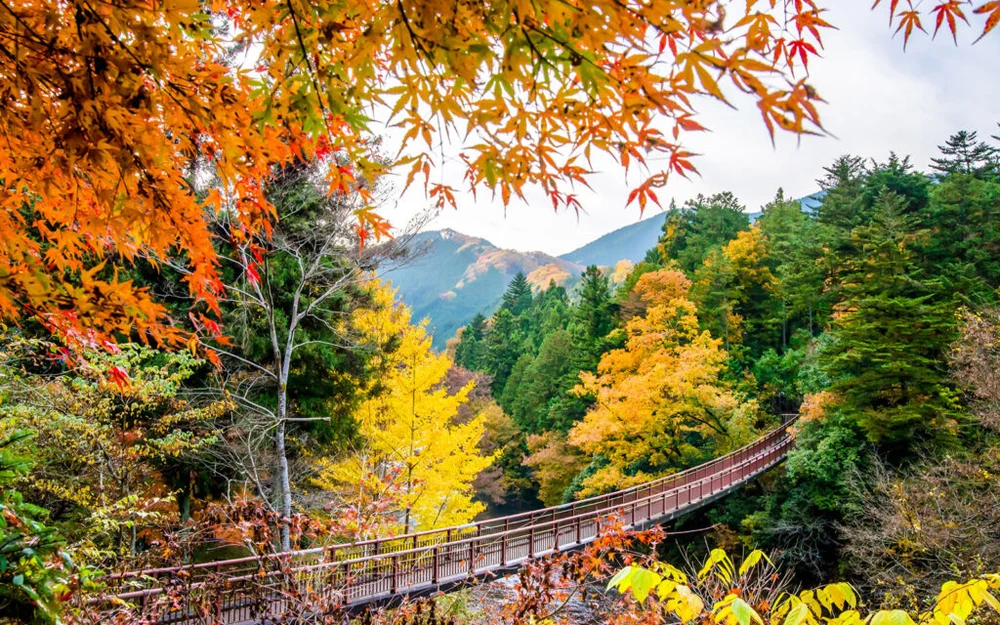
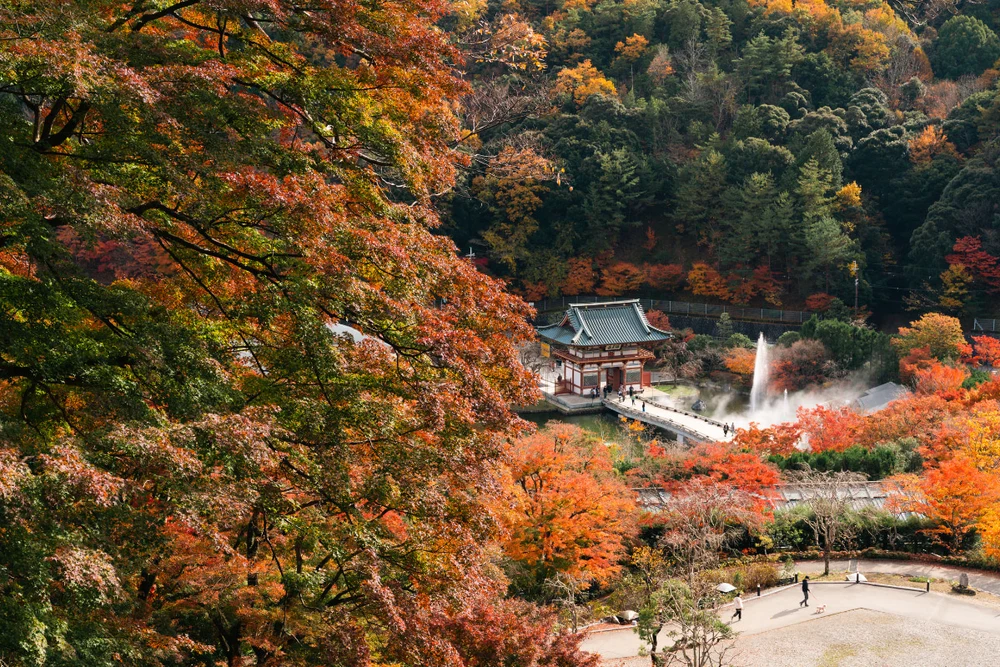

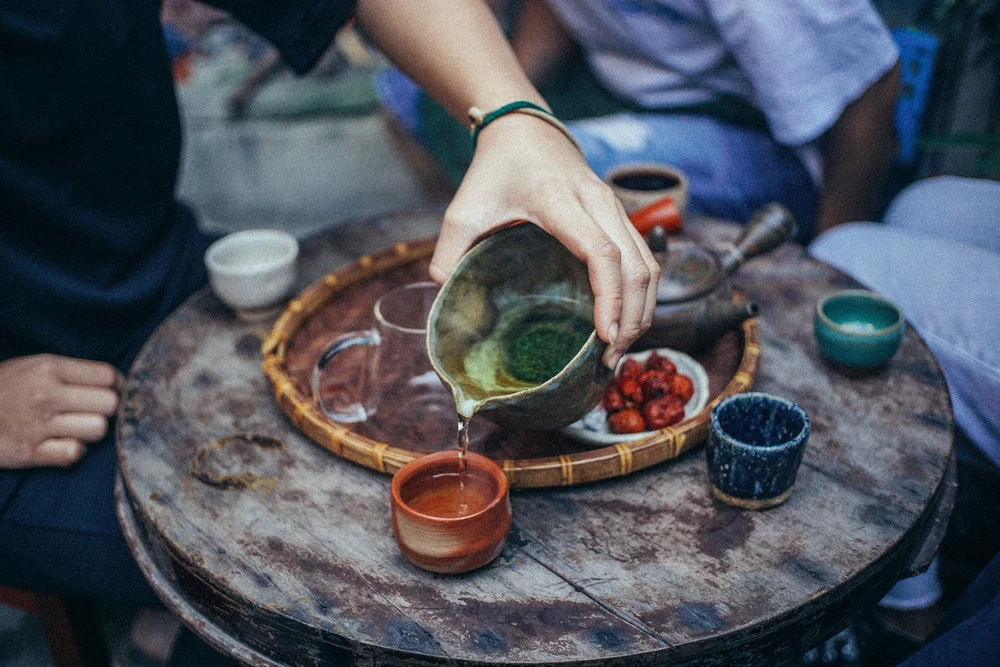



























If you’re a die-hard green tea fan, a visit to Uji—Japan’s “matcha paradise”—is a must. Join Living Nomads as we explore what a day here has to offer!
- 16 Tourist Spots Near Tokyo to Make Your Trip Even More Exciting
- Conquering Shimokitazawa: Tokyo’s Haven for Thrift Shopping & Indie Culture
- Gotokuji Temple (Cat Temple): Tokyo’s Land of a Thousand Lucky Waving Cats
- Shibuya vs. Shinjuku – Two Super-Hot Tokyo Entertainment Hubs
- 5 best places to visit in Japan for anime fans That Look Like They Stepped Right From the Screen
Leave behind the bustling pace of Gion and the throngs of tourists at Kiyomizu-dera; a short train ride transports you to a place of profound tranquility. Along tree-lined streets, the crisp air seems infused with the rustic aroma of green tea, drifting gently past wooden houses weathered by time.
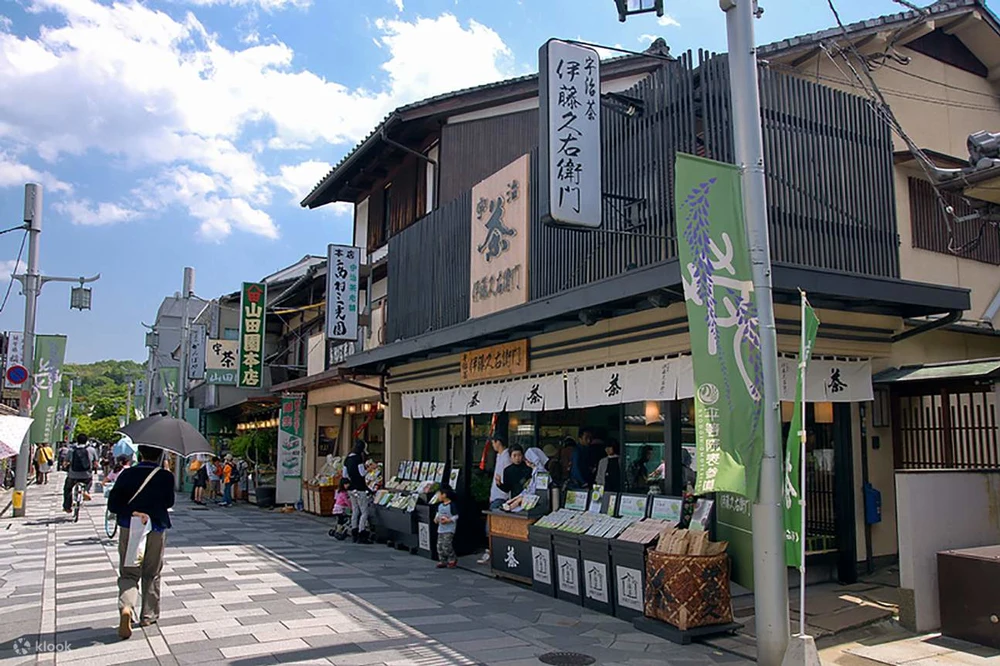
As you stroll through stone-paved alleys, your pace naturally slows, leaving the rush of daily life far behind. There is nothing but the rustle of dry leaves beneath your feet and soft sunlight slowly stretching across dark-tiled roofs. To fully embrace this serene atmosphere, the following one-day itinerary—winding through the charming streets of Uji—is the perfect choice for anyone seeking a quiet escape.
Why a Self-Guided Trip to Uji is the Perfect Change of Pace
Uji is a small city southeast of Kyoto, world-renowned as the birthplace of Japan’s finest matcha green tea. Yet, Uji’s appeal extends beyond its tea; it lies in the harmonious blend of UNESCO World Heritage sites and an atmosphere of extraordinary peace.
A Peaceful Atmosphere Distinct from Central Kyoto
Kyoto City Subway and Bus 1 Day Ticket
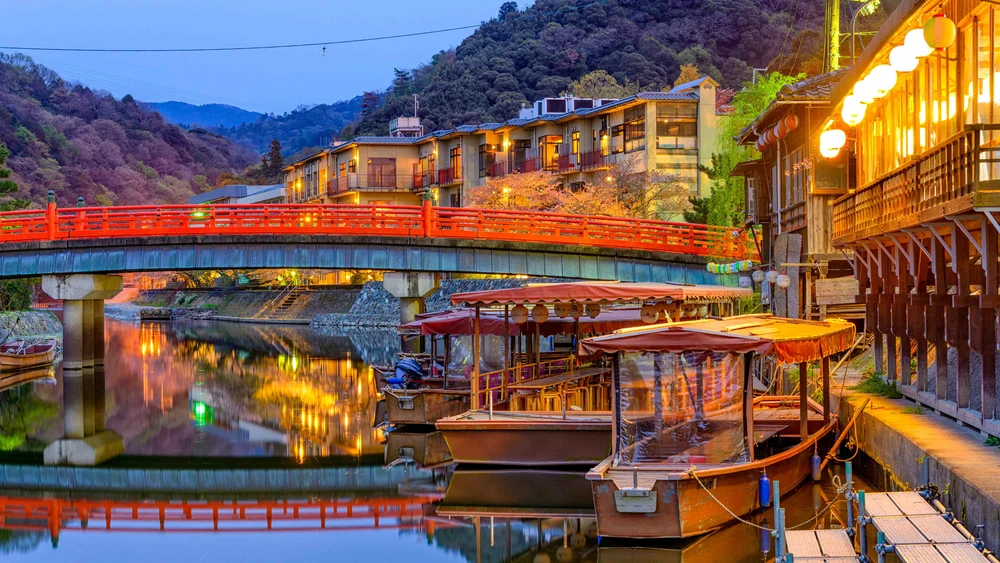
Living Nomads has observed that while areas like Arashiyama and Fushimi Inari are often overcrowded, Uji maintains a relaxed pace of life even during peak seasons. You can leisurely stroll along the banks of the Uji River, listening to the gentle murmur of the water without being disturbed by noisy tour groups. It is the perfect place to experience “Slow Travel” in the truest sense, savoring the atmosphere of this historic region of Kansai.
Affordable Costs & Easy Itinerary Integration
Thanks to its close proximity, you can easily visit Uji on a day trip and return to Kyoto or Osaka without incurring high travel costs. Most of Uji’s main attractions are within walking distance of the station, allowing you to save significantly on bus or taxi fares. Living Nomads recommends this destination as an ideal addition to your itinerary after spending a day or two exploring Kyoto’s major hotspots.
Guide to the Fastest and Most Cost-Effective Ways to Reach Uji
Traveling to Uji is incredibly convenient thanks to Japan’s highly developed railway network. Depending on your starting point and the type of rail pass you hold, you can choose one of the two popular options below.
Traveling by JR Train (JR Nara Line)
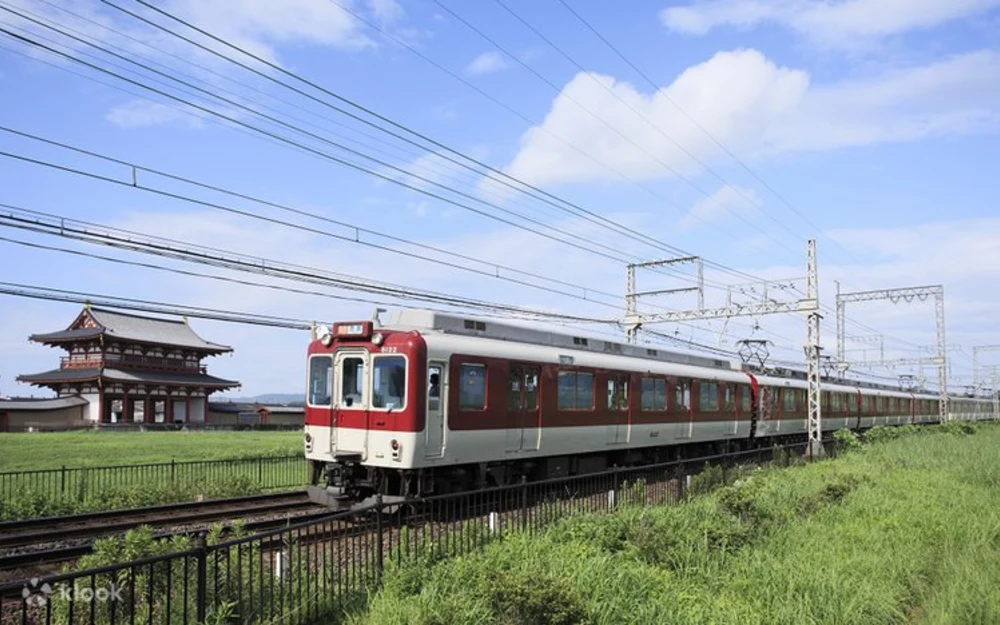
If you are departing from Kyoto Station, the JR Nara Line is the quickest and simplest option. Simply board the train at platform 8, 9, or 10; the journey to JR Uji Station takes just 17–25 minutes, depending on whether you take a Rapid or Local train.
Estimated fare: ~240–300 yen/one-way.
Pros: Completely free if you hold a JR Pass or Kansai Area Pass. JR Uji Station features a modern design and is very close to major tea shops like Nakamura Tokichi.
Traveling by Keihan Train (Keihan Uji Line)
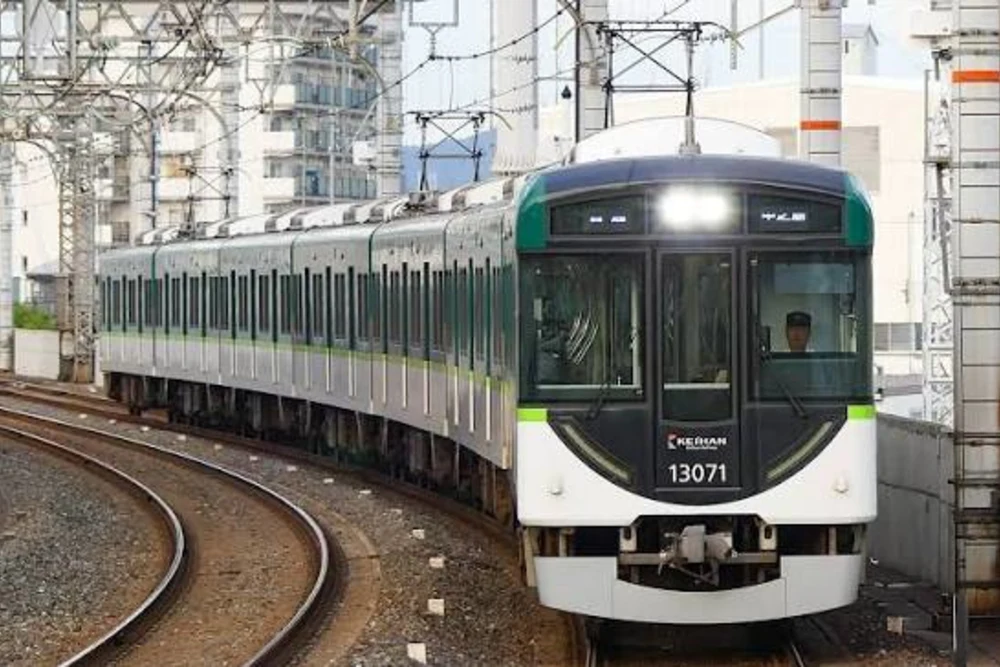
For those staying in the Gion or Sanjo areas, or traveling from Osaka, the Keihan train is a more convenient choice. Take the Keihan Main Line to Chusojima Station, then transfer to the Keihan Uji Line to reach the final stop, Keihan Uji Station.
Estimated fare: ~330–450 yen/one-way (from central Kyoto).
Pros: Keihan Uji Station is ideally located; upon exiting, you are right next to Uji-bashi Bridge and closer to Byodo-in Temple than you would be from the JR station.
Morning Itinerary: Experiencing World Heritage Sites Along the Uji River
Morning is the ideal time to explore Uji’s historic sites, as the weather is cool and the crowds are usually thinner. We suggest starting your journey around 9:00 AM to allow plenty of time for sightseeing throughout the day.
Byodo-in Temple: The Icon on the 10-Yen Coin
Kyoto Kinkaku-ji, Kiyomizu-dera, and Uji One-Day Tour
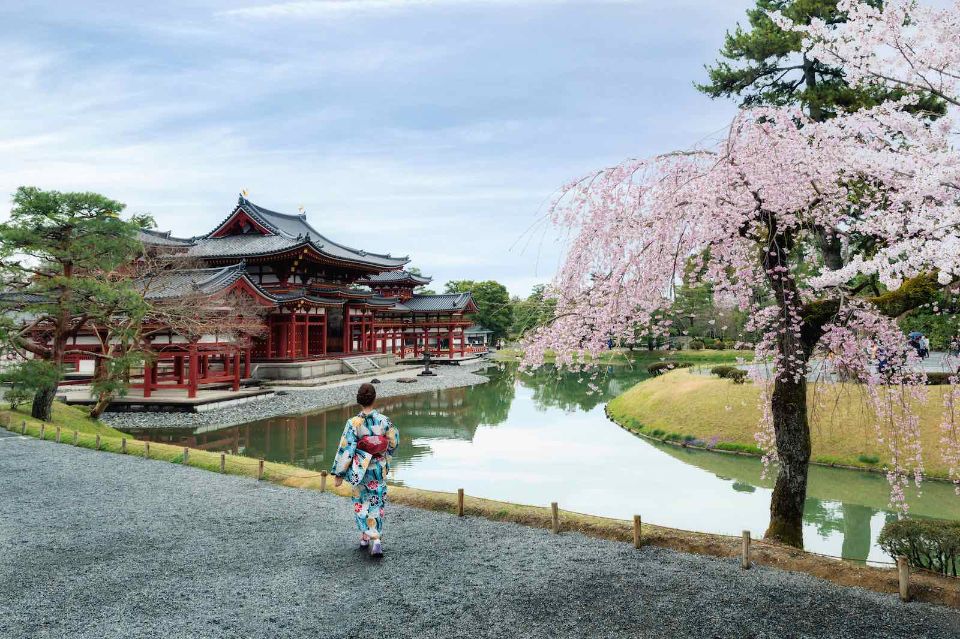
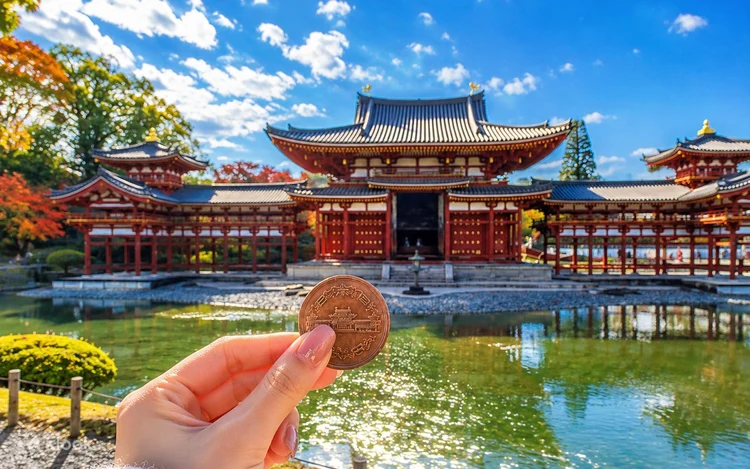
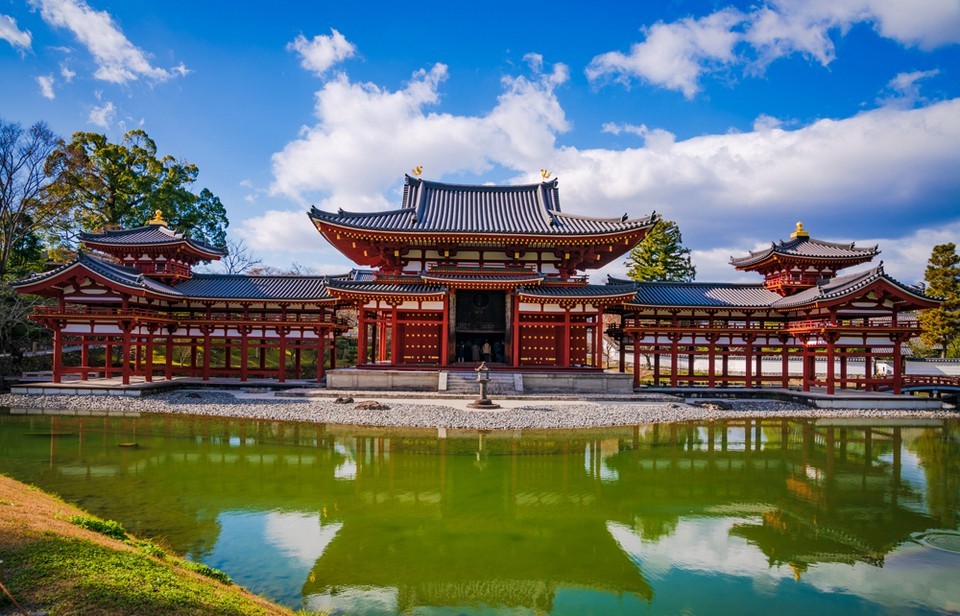
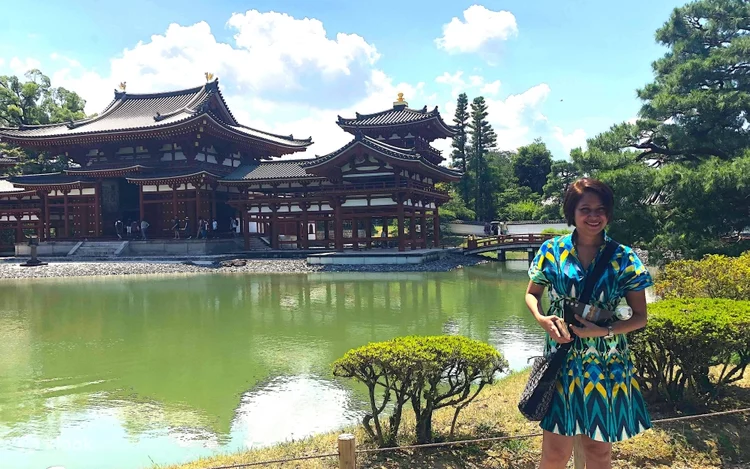
When visiting Uji, do not miss Byodo-in Temple, part of the “Historic Monuments of Ancient Kyoto” World Heritage site. The Phoenix Hall (Hou-ou-do)—the temple’s most famous structure—is the very image featured on Japan’s 10-yen coin.
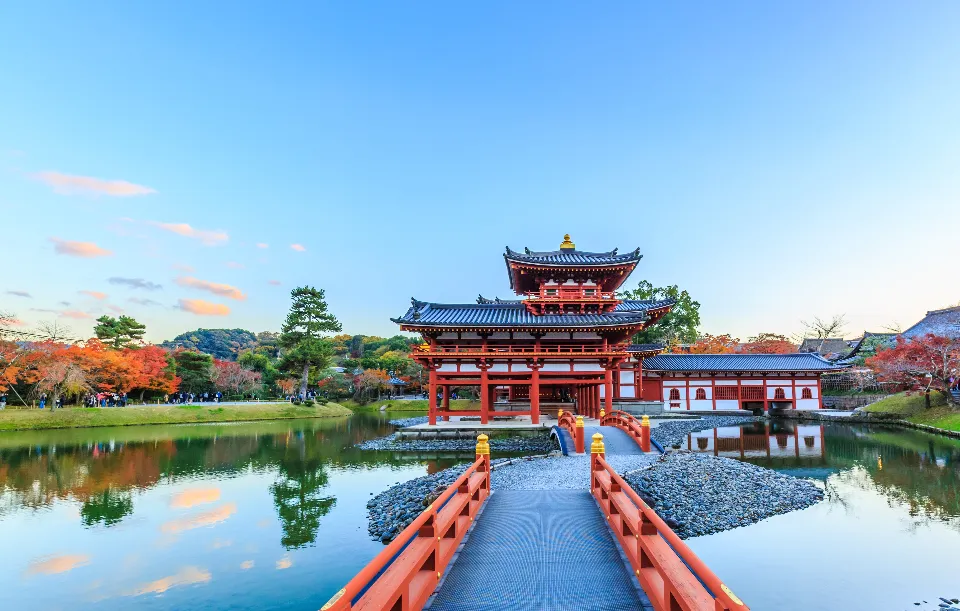
Built in 1053 during the Heian period, the Phoenix Hall is renowned for its elegant architecture situated amidst the Aji Pond. From the opposite side, you can enjoy a panoramic view of the temple hall reflected in the water—one of the most iconic vistas at Byodoin.
Kyoto & Nara & Uji One-Day Tour
Visiting Byodoin Temple
- Admission fee: 700 yen per adult (includes temple grounds and the Hoshokan Museum).
- Fee to enter the Phoenix Hall: an additional 300 yen per person. Timed-entry tickets are sold at the reception counter on the premises.
- Temple grounds opening hours: 8:45 AM – 5:30 PM (last entry at 5:15 PM).
- Hoshokan Museum: 9:00 AM – 5:00 PM (last entry at 4:45 PM).
- Phoenix Hall interior tours: 9:30 AM – 4:10 PM (scheduled time slots).
Hoshokan Museum: A Treasure Trove of Buddhist Art
Kyoto: Gion Hidden Gems & Geisha Culture Tour
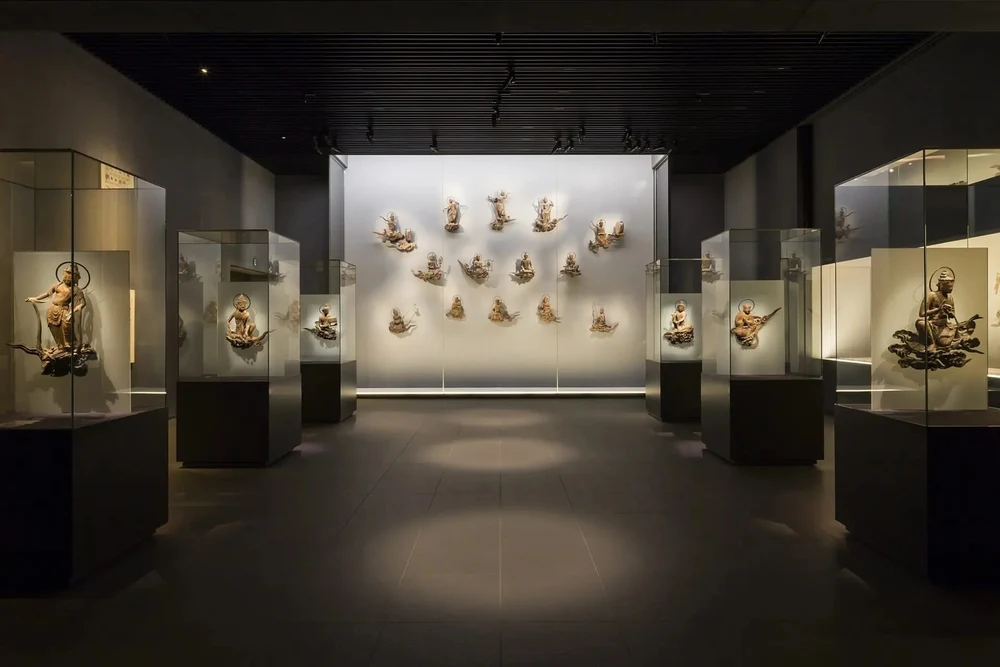
Located within the grounds of Byodoin Temple, the Hoshokan Museum was designed with much of its structure underground to avoid disrupting the surrounding historic landscape. Inside, it houses numerous national treasures, most notably the 26 statues of Bodhisattvas on Clouds, the original pair of phoenix statues that once adorned the roof of the Phoenix Hall, and the temple’s great bell.
The exhibition space blends natural light with modern lighting systems, allowing you to clearly appreciate the intricate details of artifacts dating back to the Heian period.
Lunch: Discovering the Flavors of Uji Green Tea
After a morning of sightseeing at Byodoin, it is time to explore another aspect that makes Uji famous: its tea culture. The city has long been renowned for *Uji-cha* (Uji tea), and numerous shops and teahouses are clustered around the Byodoin Omotesando area.
Enjoying Green Tea Soba Noodles at Byodoin Omotesando
Nakamura Tokichi – Tea Ceremony Experience and Matcha Dessert Tasting in Kyoto, Uji
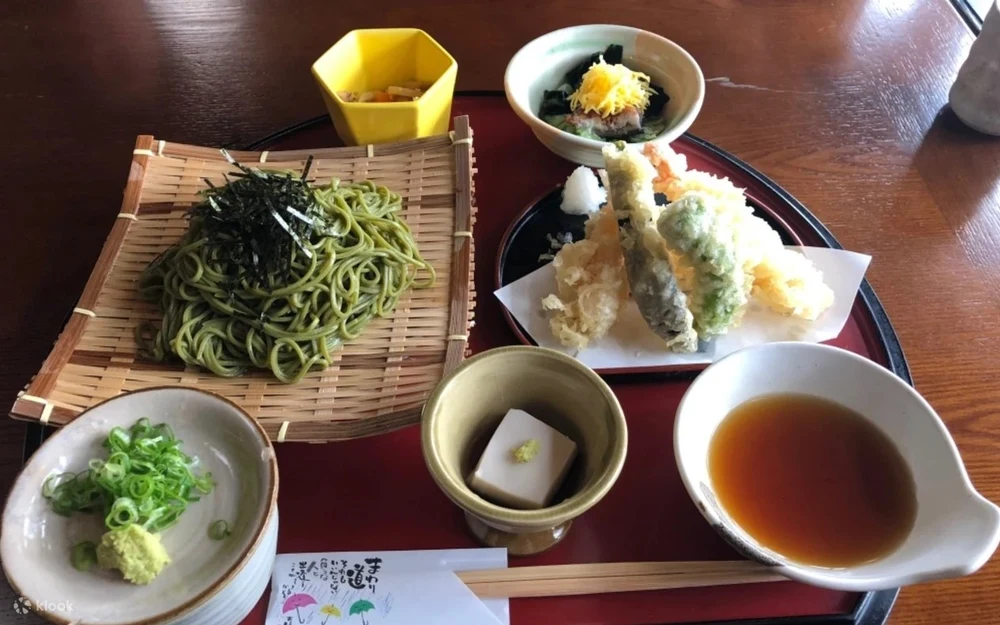
The Omotesando approach leading to Byodoin Temple is lined with shops selling tea, sweets, and dishes made with Uji tea. If you wish to have lunch in the area, you can try *cha-soba* or *matcha-soba*—noodles characterized by their distinctive green color and subtle tea aroma. Some eateries serve the noodles with tempura or other Japanese side dishes, making for a perfect, light lunch before continuing your itinerary.
Experiencing the Tea Ceremony at Taiho-an
Matcha Appreciation Workshop at Matchaya
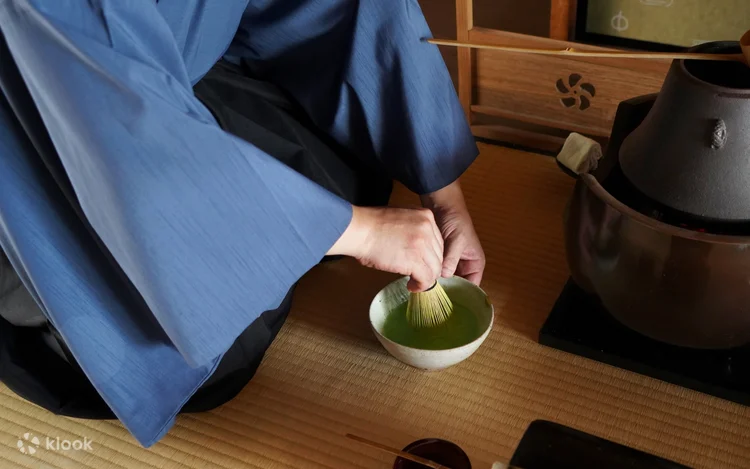
To delve deeper into Uji’s tea culture, visit Taiho-an, a municipal teahouse located near Byodoin. Here, visitors can enjoy *matcha* or other Japanese teas prepared according to traditional rituals, accompanied by seasonal sweets. You can enjoy the tea ceremony experience without any prior knowledge of the rules or etiquette.
- Matcha *usucha* (thin tea): 1,500 yen per person.
- DIY tea-making experience: 3,600 yen per person (reservation required at least 3 days in advance).
- Hours: 10:00 AM – 4:00 PM (last entry at 3:30 PM).
Note: Taiho-an is closed from December 21 to January 9 and on the last day of every month. If the last day of the month falls on a weekend or public holiday, the closure is moved to the final business day of the month.
Afternoon Itinerary: Visiting Quiet Shrines and Temples Across the Uji River
In the afternoon, cross the Uji River to explore the area around Ujigami Shrine and Kosho-ji Temple. Compared to the bustling streets right in front of Byodoin, this side of the river offers a quieter atmosphere and is perfect for a leisurely walk.
Ujigami Shrine: Home to Japan’s Oldest Shinto Shrine Architecture
Kyoto Uji Half Day Walking Tour with Tea Ceremony Experience
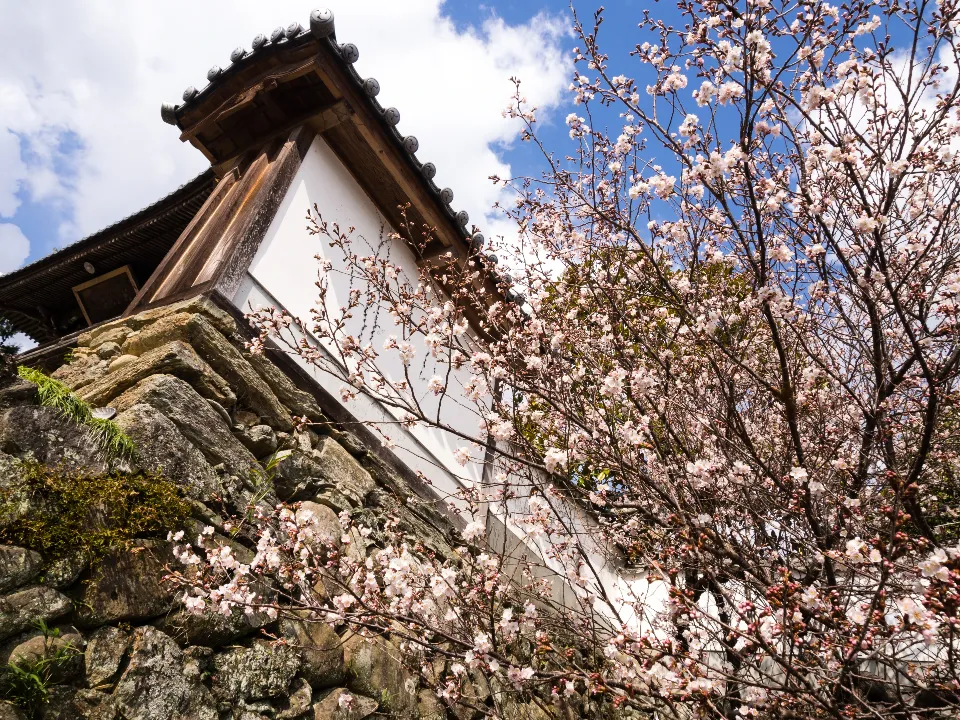
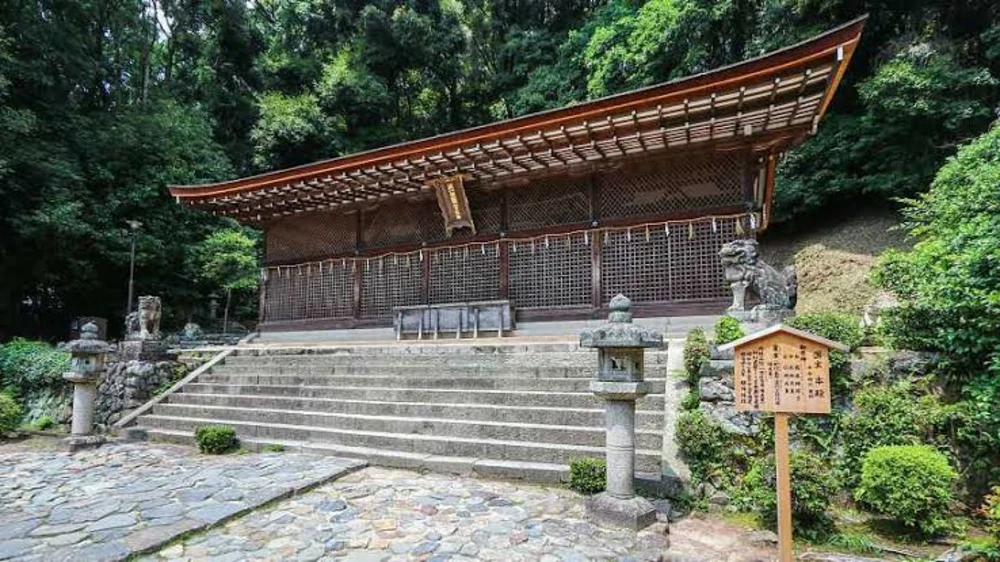
A designated World Heritage Site, Ujigami Shrine holds immense historical value. Dendrochronological analysis confirms that the shrine’s main hall dates back to around 1060, making it the oldest surviving original Shinto structure in Japan. Nestled amidst the cool shade of trees, the shrine grounds exude a rustic, peaceful charm—a striking contrast to the grandeur and opulence found on the opposite bank.
Kosho-ji Temple and the Kotozaka Autumn Foliage Path
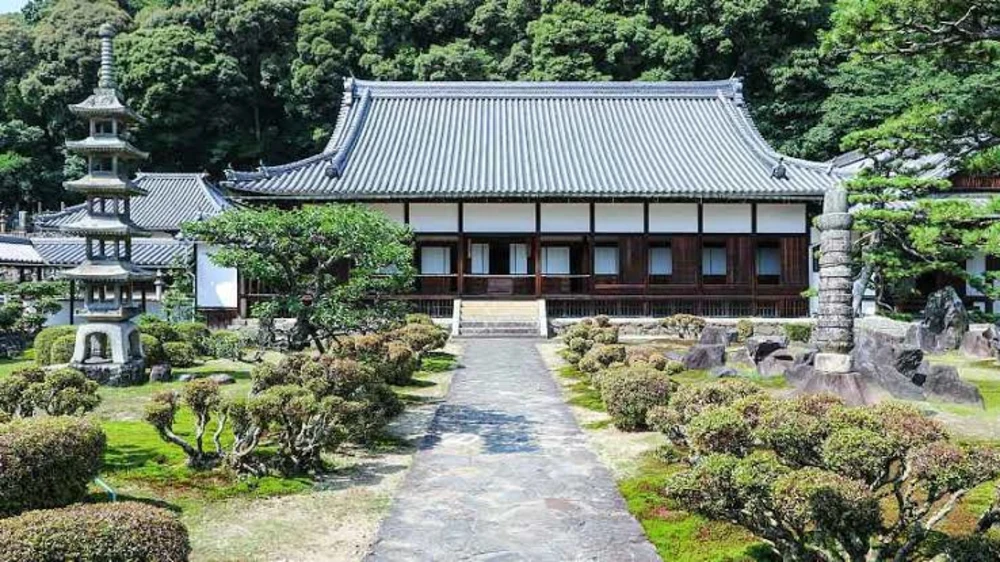
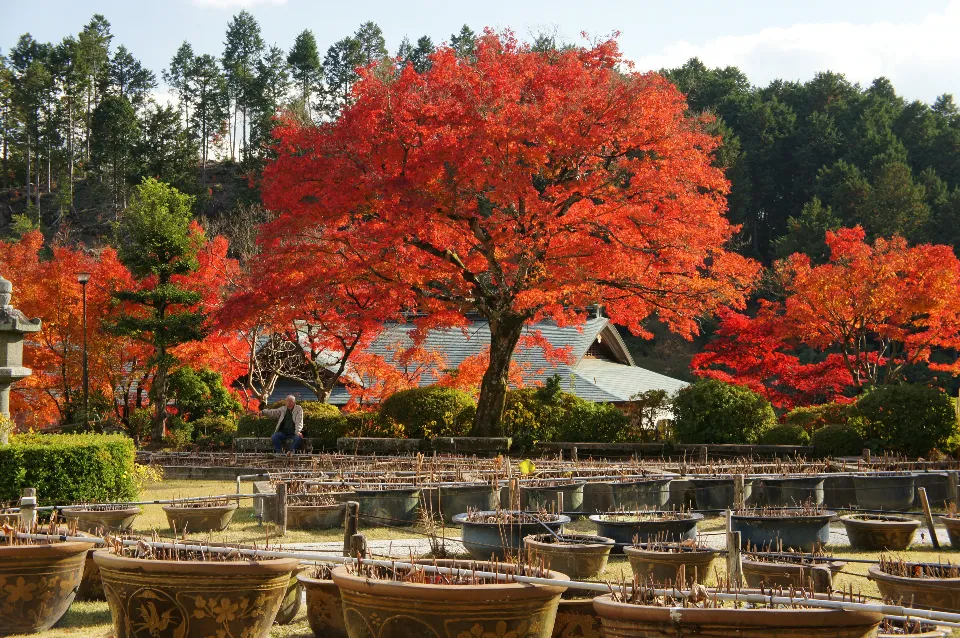
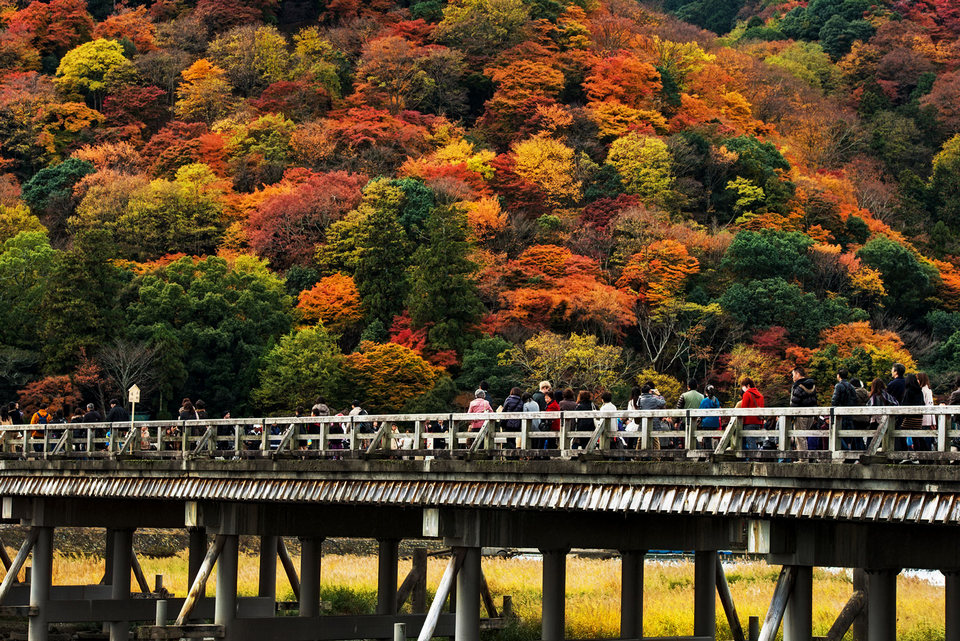
Kosho-ji is a Soto Zen temple that was re-established in Uji during the 17th century. A highlight of the approach to the temple is Kotozaka, a slope stretching from the riverbank to the temple gate. In spring, the path is blanketed in the fresh green of new foliage, while in late autumn, it transforms into one of Uji’s popular spots for viewing red autumn leaves.
Kyoto Uji Half Day Matcha Green Tea Tour
The atmosphere inside Kosho-ji is serene, making it an ideal place to take a leisurely stroll and rest, rather than simply stopping by for a quick photo before moving on.
Soothing Experiences in Uji
To ensure your trip is truly relaxing, avoid rushing from one sightseeing spot to the next; instead, take the time to engage in activities that appeal to all your senses.
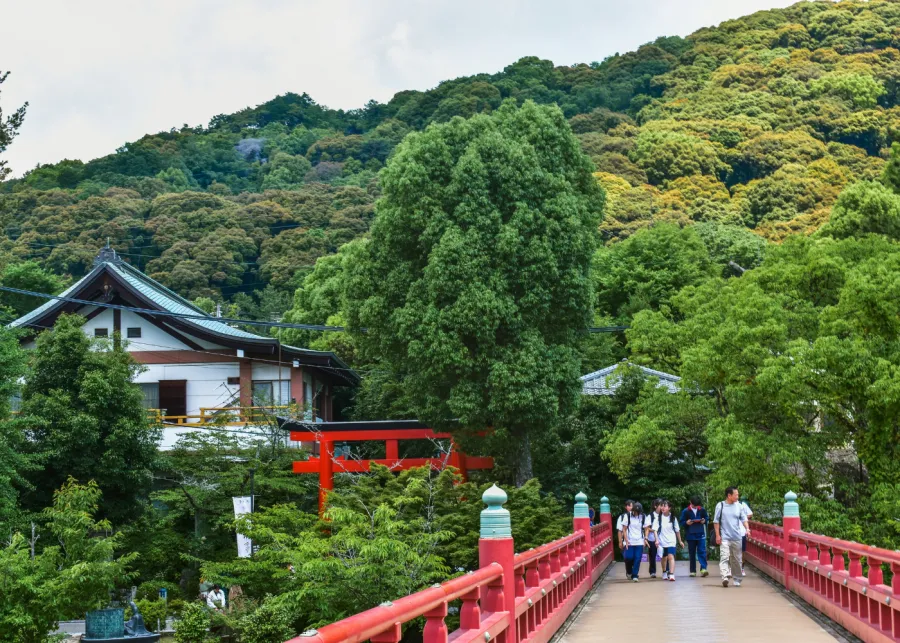
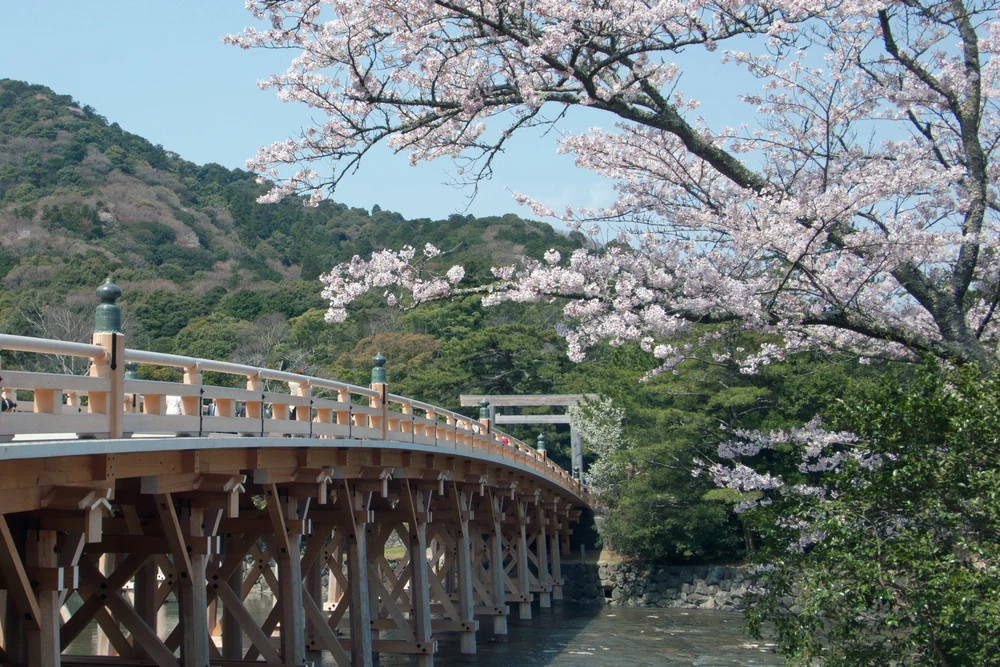
Stroll on Totono-shima Island: Situated in the middle of the Uji River, this small island is connected to the mainland by vibrant red bridges, such as the Asagiri Bridge. Sitting on a riverside bench and watching cormorant fishing boats (*Ukai*) during the summer is a unique and memorable experience.
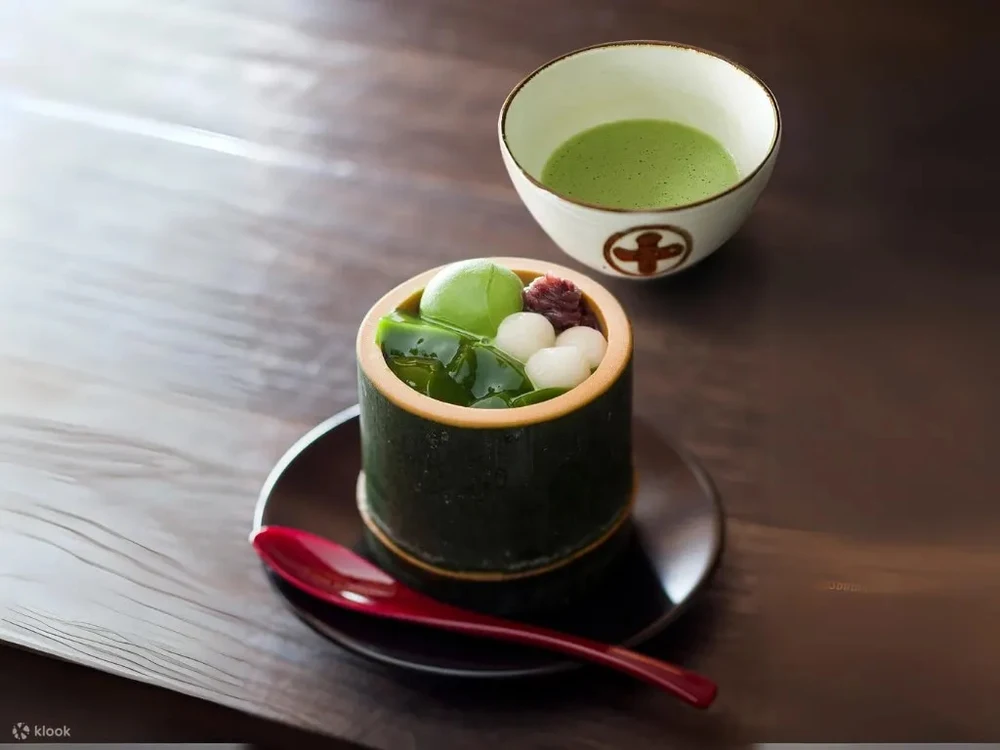
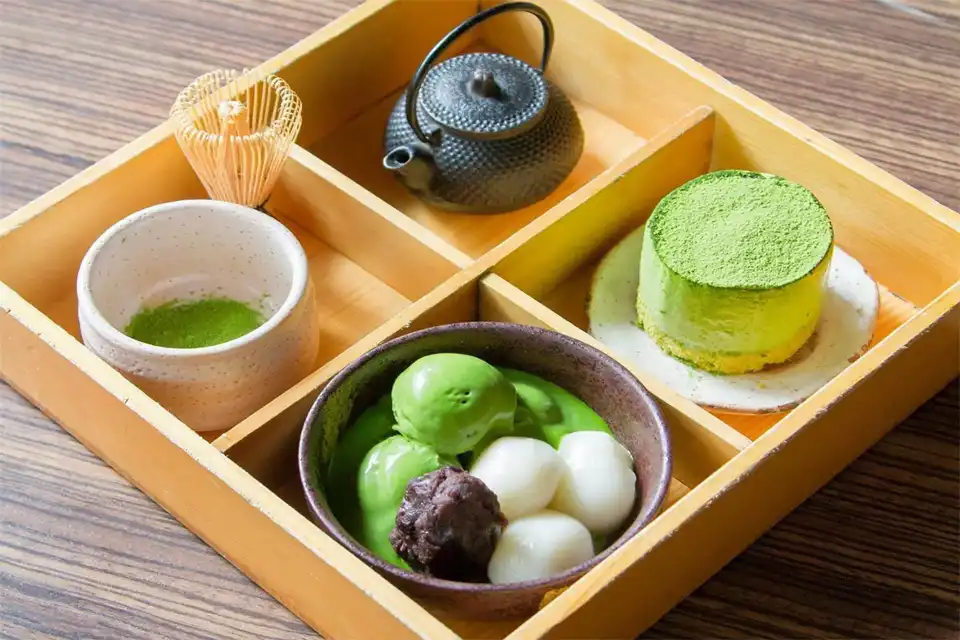
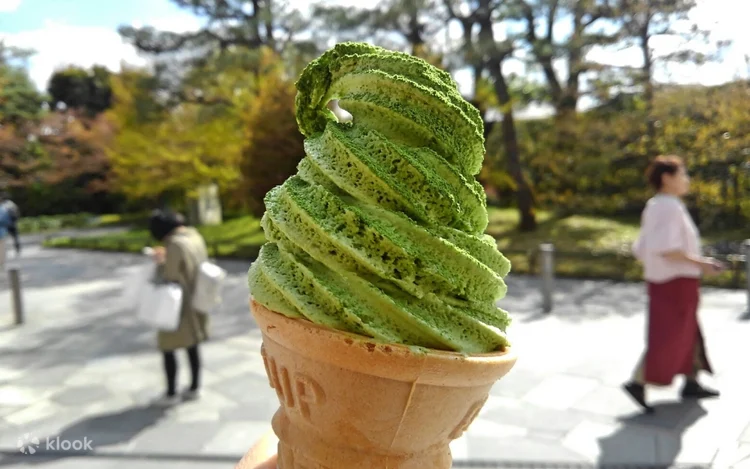
Hunt for a Matcha Parfait at Nakamura Tokichi Honten: The flagship store of this 170-year-old tea brand is located right near JR Uji Station. Their parfait is a perfect harmony of green tea ice cream, fresh tea jelly, mochi, and red beans. Tip: Get a queue number early, as the shop gets extremely busy during afternoon tea hours.
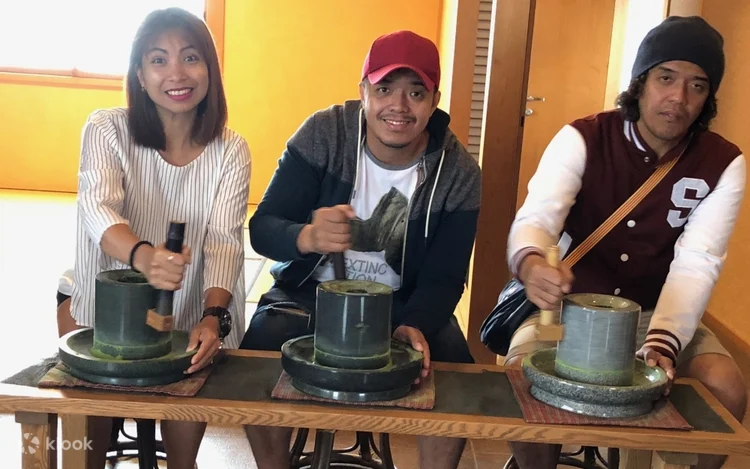
Grind your own Matcha with a stone mill: At the Chazuna tea culture center, you can try your hand at grinding dried tea leaves into fine powder using a traditional stone mill. There is something truly special and delightful about enjoying a bowl of tea that you prepared yourself.
Tips for an Independent Trip to Uji for Dreamy Souls
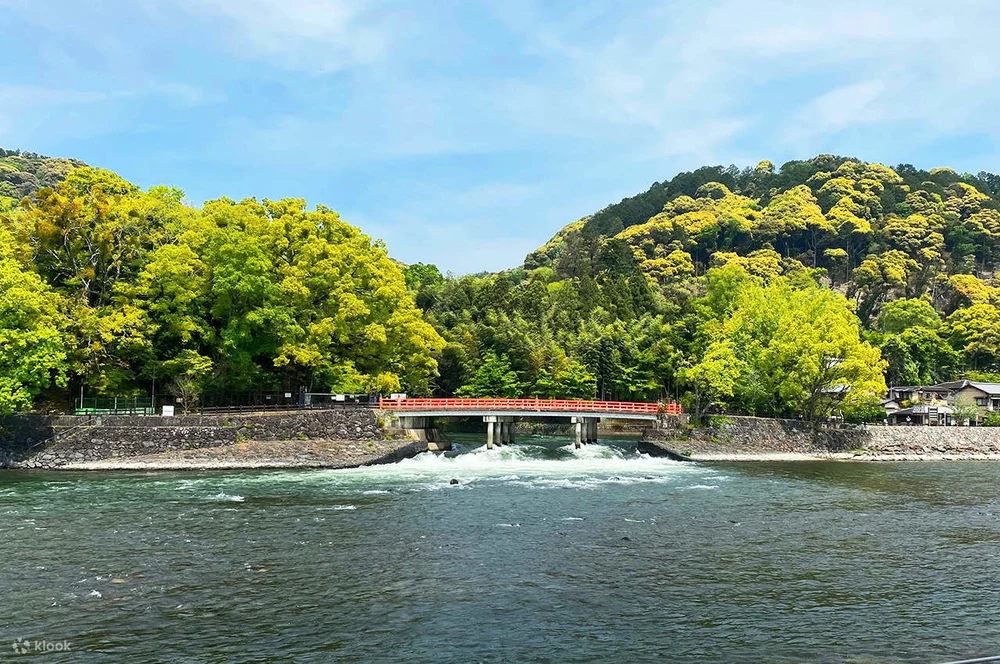
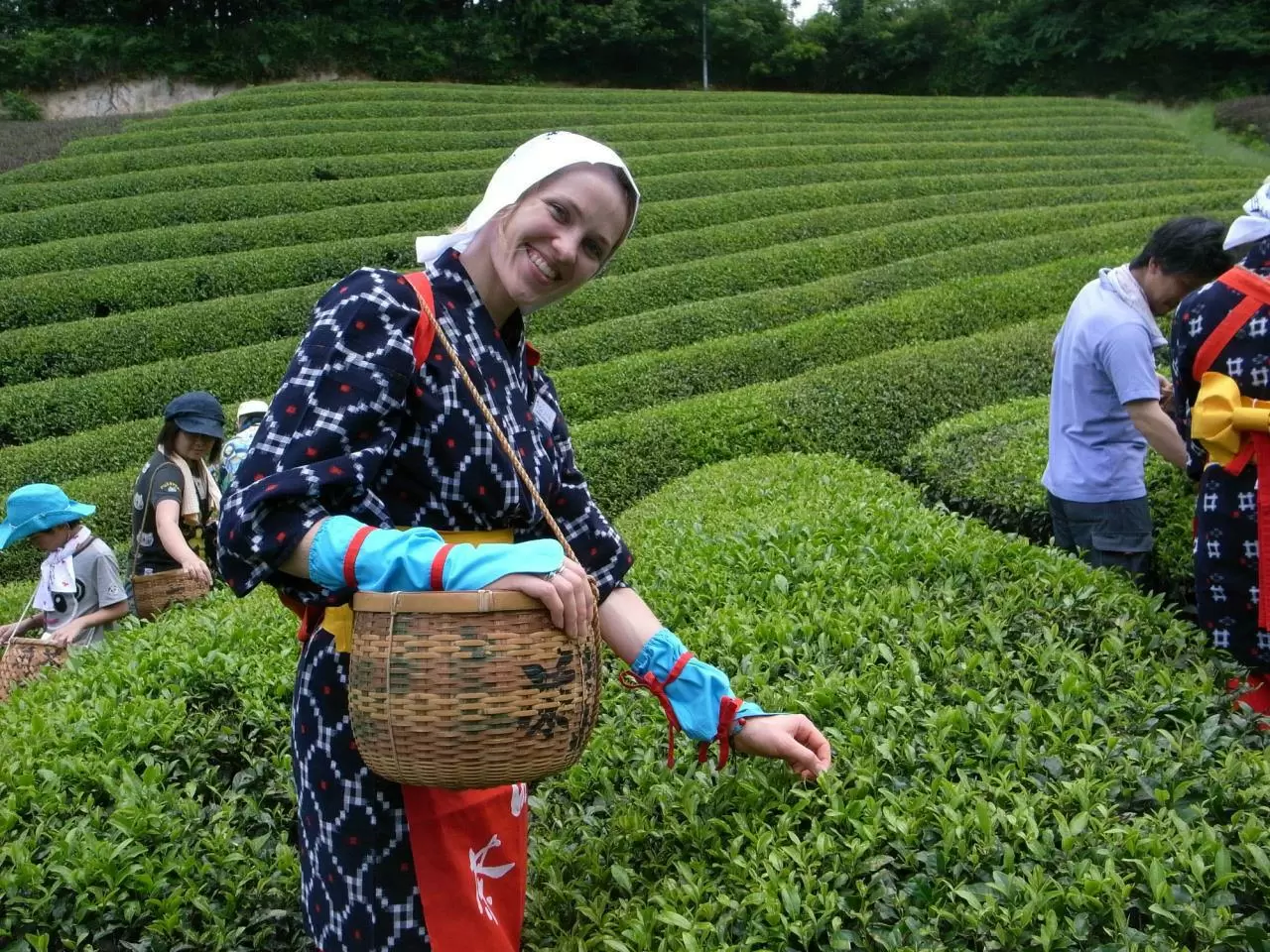
Best Time to Visit: Uji is at its most beautiful during cherry blossom season (late March) and the autumn foliage season (November). However, visiting in May offers the chance to see tea hills at the start of the harvest season, vibrant with lush green life.
Attire: Since exploring Uji involves a lot of walking along the river and gentle uphill climbs at the temples, be sure to wear a comfortable pair of shoes. A kimono in a soft, elegant color is also perfect for taking photos at the Phoenix Hall.
Souvenirs: Don’t forget to buy Hojicha or pure Matcha tea bags as gifts. Uji tea is beautifully packaged and boasts superior quality compared to tea from other regions.
Uji doesn’t need skyscrapers or bustling shopping malls to impress. Its authentic charm, tranquility, and rich tea flavors make it an essential stop on any Kansai journey. We hope this self-guided one-day Uji itinerary from Living Nomads helps you enjoy a relaxing trip filled with the refreshing spirit of green tea!
Frequently Asked Questions About Visiting Uji, Japan
1. Where is Uji located?
Uji is located south of Kyoto, situated between Kyoto and Nara. It takes only 15–20 minutes by train from Kyoto Station, making it very convenient for a day trip.
2. What is Uji most famous for?
Uji is renowned as Japan’s matcha green tea capital and is home to Byodo-in Temple, a UNESCO World Heritage site featured on the 10-yen coin. The city offers a quiet, traditional atmosphere and is very walkable.
3. How much time should I spend visiting Uji?
Generally, half a day to a full day is sufficient. Uji is compact with a manageable number of attractions, making it a perfect, unhurried stop during a Kansai trip.
4. When is the best time to visit Uji?
Spring and autumn are the best seasons; the weather is pleasant, and the scenery along the Uji River is stunning. Summer is also an option but can be quite hot, while winter is quieter with fewer tourists.
5. What is there to see in Uji besides drinking matcha?
In addition to tea shops, you can visit Byodo-in Temple and Ujigami Shrine, take a stroll along the Uji River, walk down Omotesando Street, and visit small museums dedicated to local history.
6. Do I need to book tickets or a tour in advance to visit Uji?
It is not required. Tickets for most attractions can be purchased on-site. However, if you wish to participate in an in-depth tea ceremony experience, it is recommended to book ahead.
7. Is Uji suitable for families and the elderly?
Yes. Uji is quite peaceful, with flat terrain and open spaces, making it ideal for families, the elderly, or anyone looking for a relaxing getaway.
8. Can I buy souvenirs in Uji?
There are plenty of options. Uji tea, matcha sweets, packaged snacks, and green tea-related products are popular, easy to transport, and reflect the local culture.
9. Which other Kansai destinations pair well with Uji?
Uji is often combined with Kyoto or Nara, either as a day trip or as part of a consecutive itinerary. This is a logical way to plan your schedule and save on travel time.
Are you “matcha-holics” ready to head to Uji—Japan’s “Matcha Paradise”?
Some best day tours, trips, activities and transfer services, tickets in, to and from Kyoto you can refer to
- Limousine Bus Transfers between Kansai International Airport (KIX) and Osaka or Kyoto
- Kyoto-Osaka Sightseeing Pass (1 Day/2 Days, Kyoto Pick Up)
- Randen + Subway 1 Day Pass
- Kyoto Temples & Shrines Day Tour from Osaka: Fushimi Inari-taisha, Arashiyama, Kiyomizu-dera & More
- Kyoto and Nara Day Tour from Osaka/Kyoto
- Sagano Romantic Train One-Way Ticket (Saga or Kameoka Departure)
- Kyoto Sagano Romantic Train Day Tour
- Kyoto Temples & Shrines Day Tour from Kyoto: Fushimi Inari-taisha, Arashiyama, Kiyomizu-dera & More
- Amanohashidate & Miyama One Day Tour from Osaka/Kyoto
- JR Kansai-Hiroshima Area Pass
- Kimono Rental in Kyoto Kiyomizu Temple
- One Day Kimono Rental
- Kyoto Temples & Shrines Day Tour from Osaka
- Kimono and Yukata Rental at Kimono Miyabi Kyoto
- 4G Prepaid Sim Card (JP Airports Pick Up) for Japan
- 4G WiFi (Japan Pick Up) for Japan
- JR Pass for Whole Japan (7, 14, or 21 Days)
Are you finding more top things to do in Kyoto, read more: Kyoto blog (Kyoto travel blog) — The fullest Kyoto travel guide blog for a budget trip to Kyoto, Japan for the first-timers. And Kyoto 3 day itinerary — How to visit Kyoto in 3 days & what to do in Kyoto in 3 days perfectly?