






















Luxembourg, a small but wealthy country in Western Europe, is renowned for its beautiful natural landscapes, from lush green valleys to ancient castles. Luxembourg City, with its historical architecture and famous fortresses, is a UNESCO World Heritage Site. Its thriving economy, particularly in banking and finance, provides a high standard of living for its citizens. Luxembourg’s culture is diverse, and it is also an important political center of the European Union.
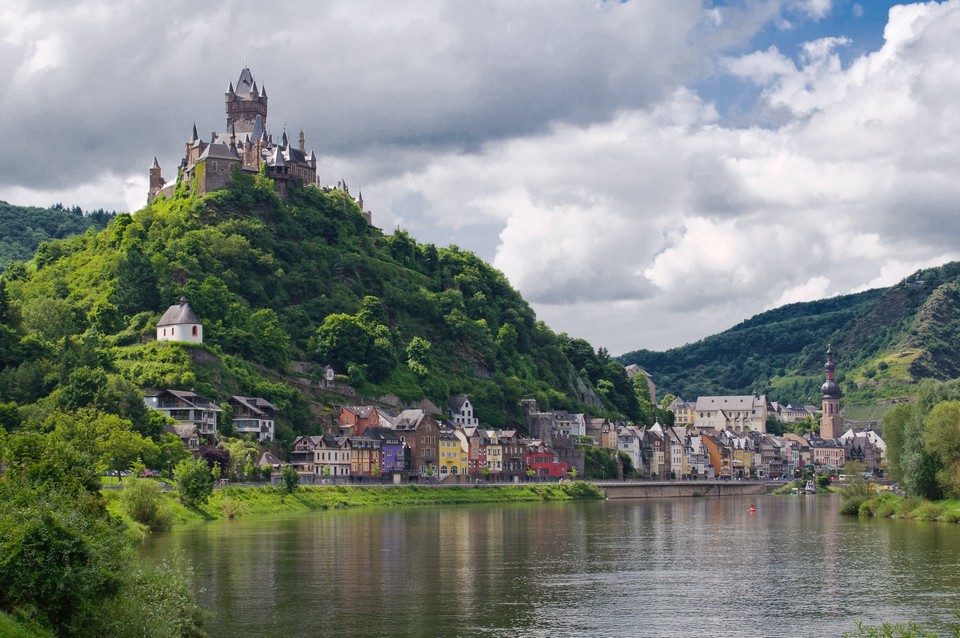
Luxembourg travel guide: Characteristics of Luxembourg Tourism
Luxembourg is known as the “Grand Duchy” because it is one of the few countries in the world that still retains this form of political organization. Following the Napoleonic Wars, Luxembourg was elevated to a “Grand Duchy” and granted to King Willem I of the Netherlands. In 1867, after a political crisis, Luxembourg became a fully independent nation as a Grand Duchy, although it remained under the protection of the European powers.
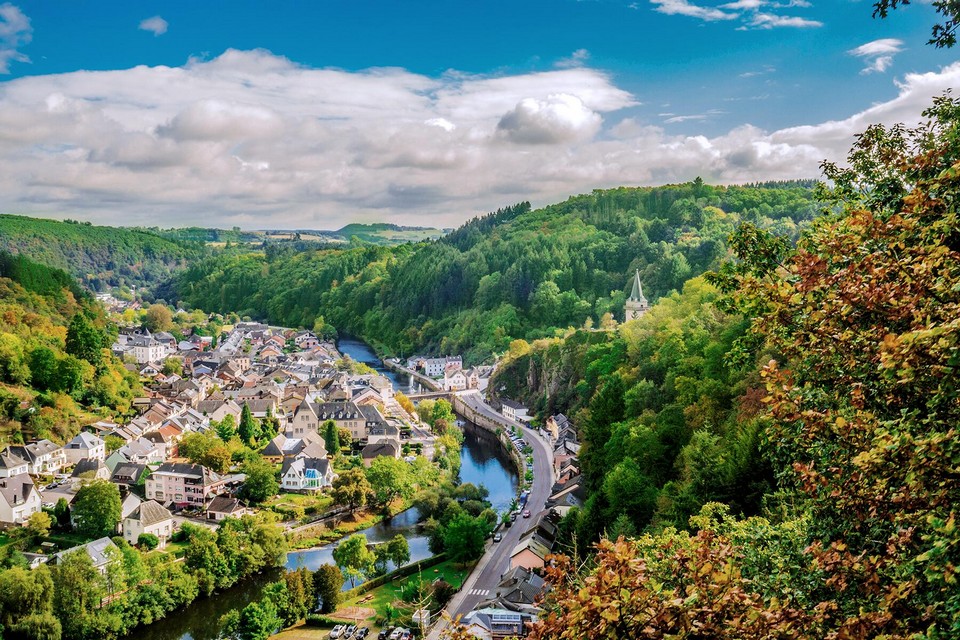
Geography: Luxembourg is a small country located in Western Europe, bordered by Belgium, France, and Germany, with an area of approximately 2,586 km².
History: Luxembourg has a rich history, having been part of the Holy Roman Empire, then becoming an independent duchy, and finally an independent nation since 1867. The name “Luxembourg” derives from Lucilinburhuc Castle, built in 963 by Count Siegfried of the Ardennes.
Language and Religion: The country has three official languages: Luxembourgish, French, and German. English is also widely used in business and education. The majority of Luxembourg’s population is Roman Catholic; however, the country also has communities of other religions such as Protestantism, Islam, and Judaism.
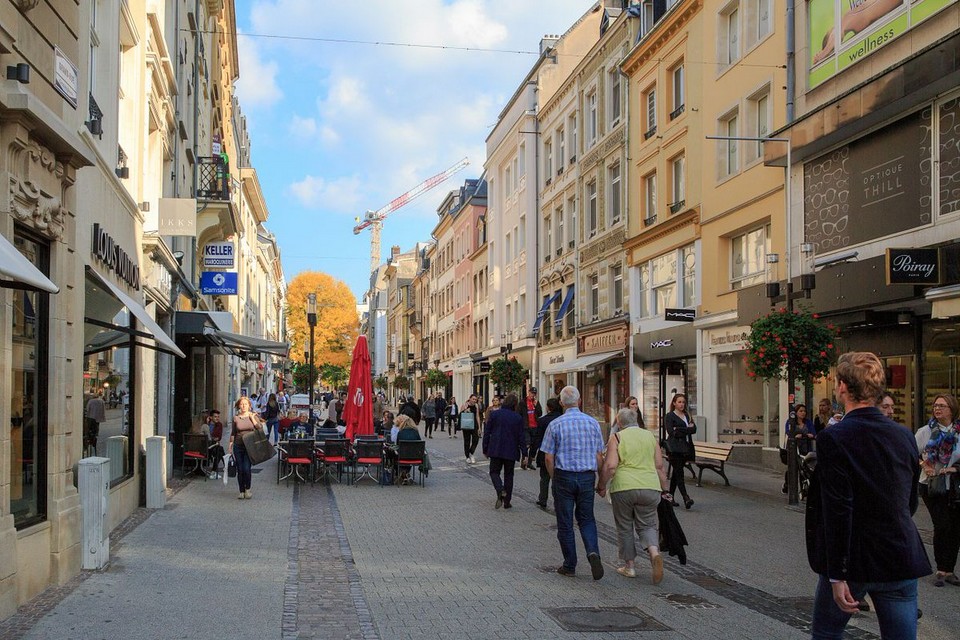
Economy and Politics: Luxembourg is one of the world’s wealthiest countries with a high GDP per capita. Its economy is primarily based on financial services, banking, and information technology. Luxembourg is a constitutional monarchy with a representative democracy, with the Grand Duke as head of state and the Prime Minister as head of government.
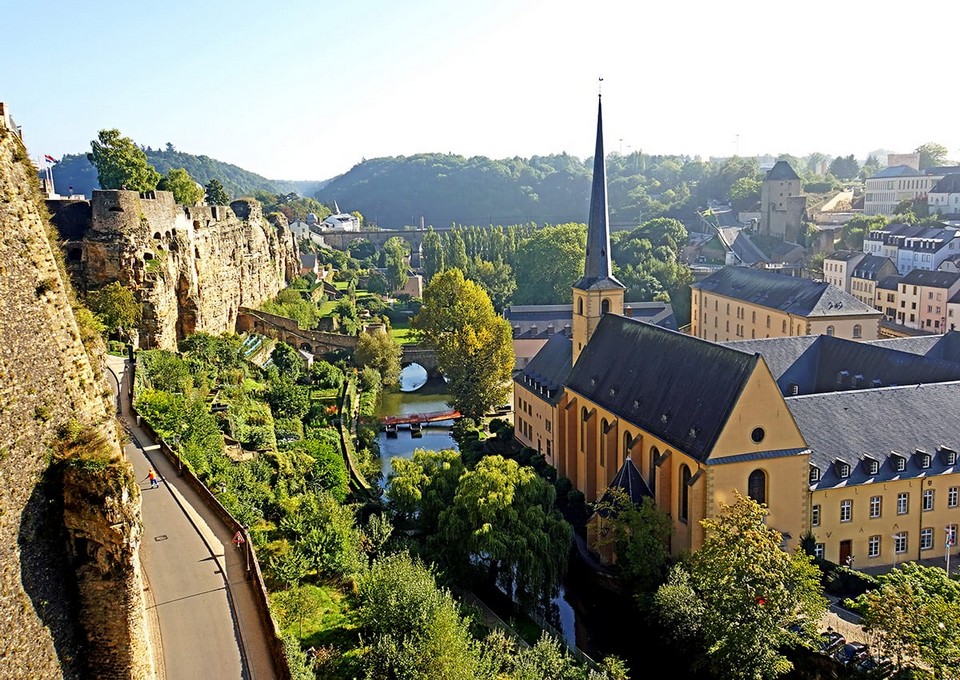
Population: The country has a population of approximately 640,000, including many immigrants from other countries, creating a multicultural society. Luxembourg boasts many important cultural and historical heritage sites, including Luxembourg City, a UNESCO World Heritage Site, with numerous fortresses and ancient architectural structures.
Best Time to Visit Luxembourg
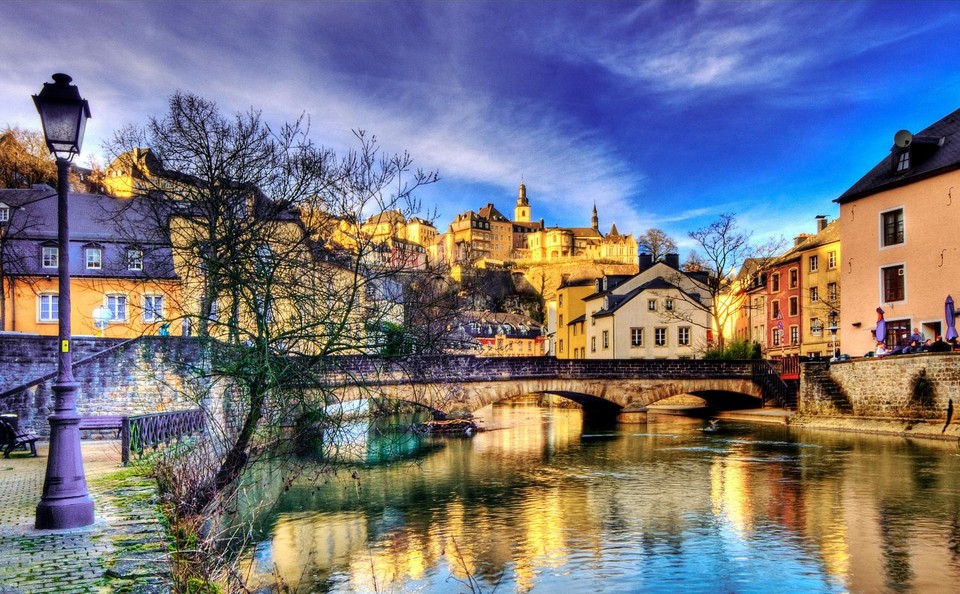
Given its unique location, the best time to visit Luxembourg for the best weather is from May to October. Of course, summer is the most enjoyable season, but it’s also the busiest. However, if you want to visit the royal palace, it’s only possible in July, August, and the first half of September. Two other beautiful seasons for visiting Luxembourg are spring and autumn.
Spring (April to June)
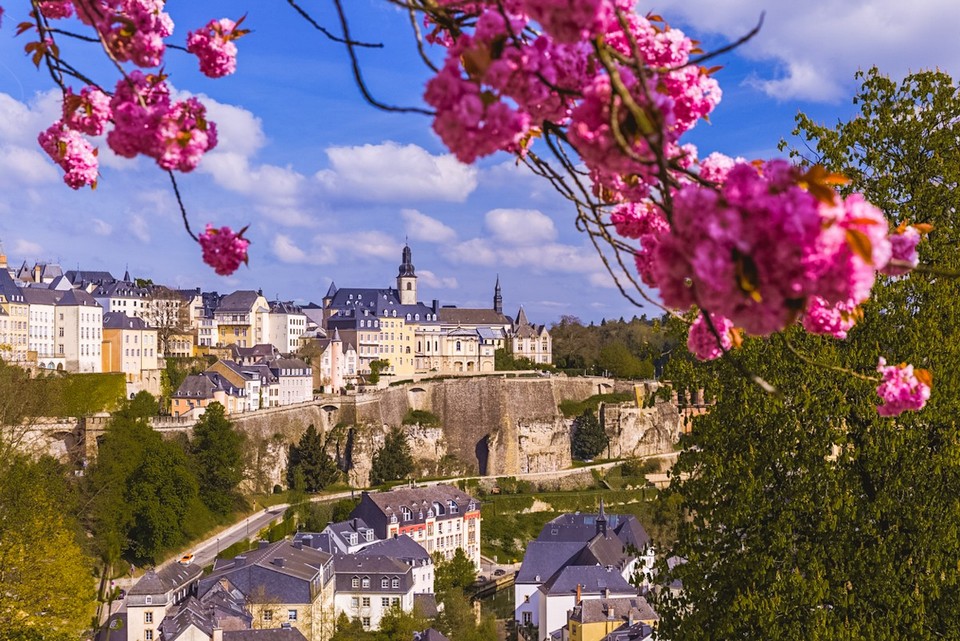
Spring is when Luxembourg dons a new coat of color, with trees budding and flowers blooming everywhere. The weather is warm and pleasant, perfect for outdoor activities such as hiking, visiting ancient castles and vineyards in the Moselle Valley. Visitors can enjoy the fresh air, admire the beautiful scenery of parks and gardens, and participate in traditional spring festivals.
Autumn (September to November)
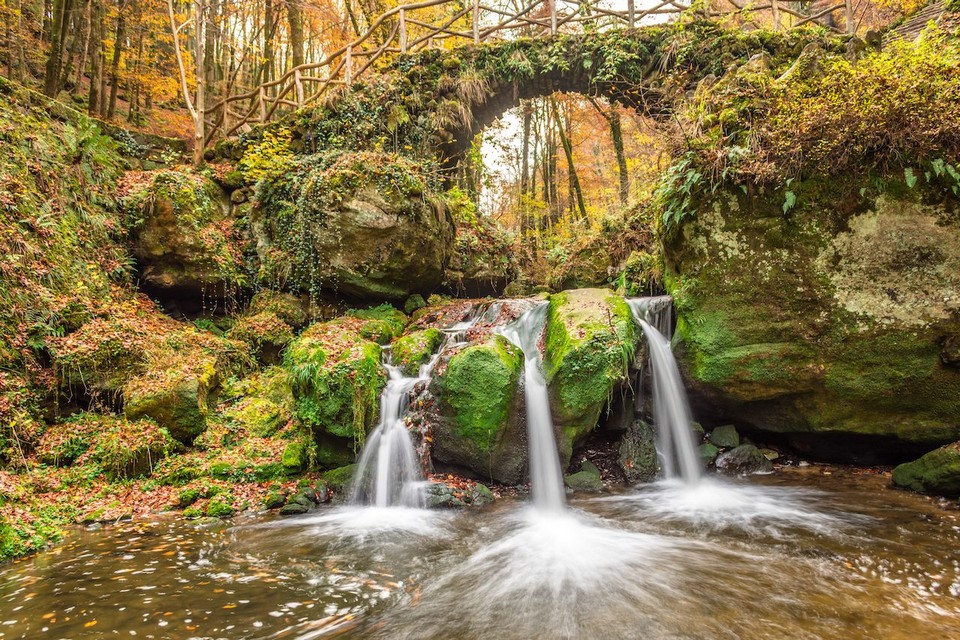
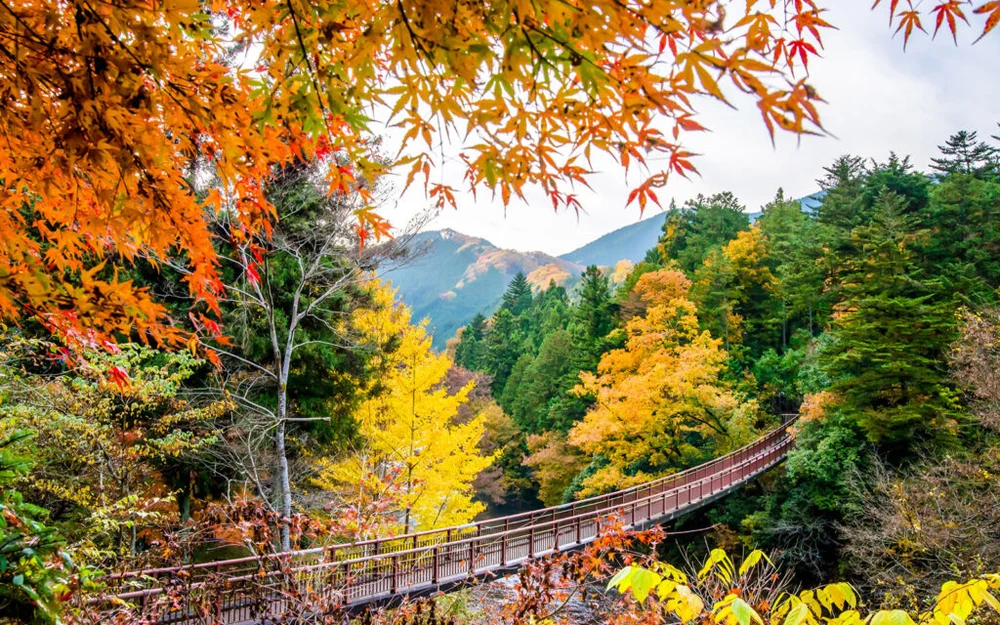
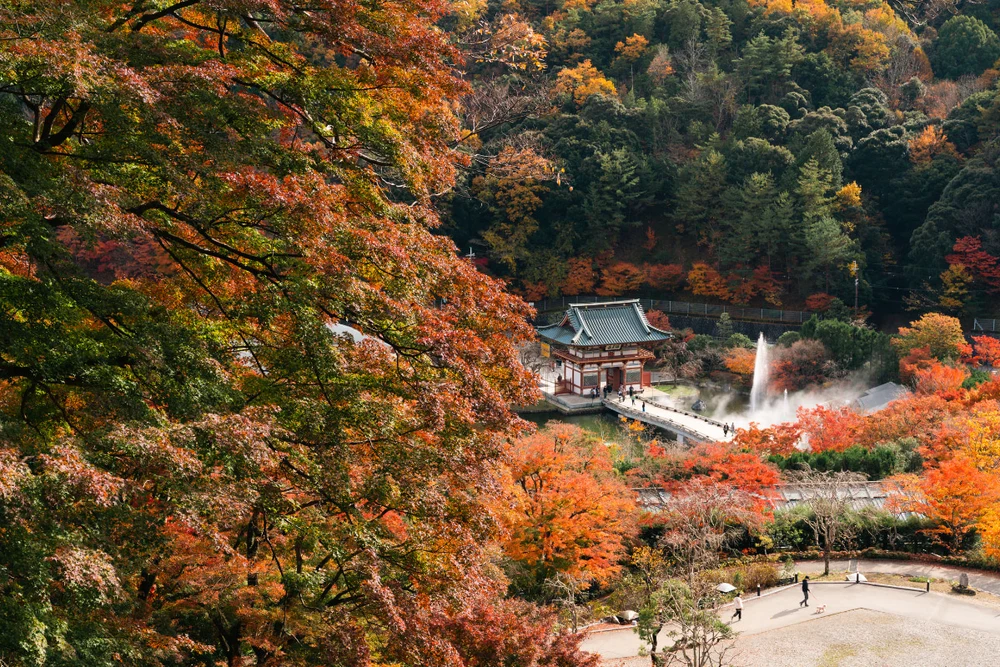
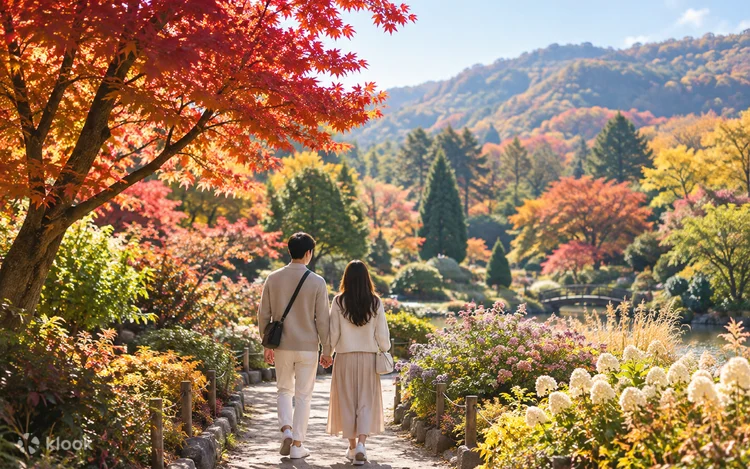
Autumn in Luxembourg offers a romantic setting with leaves turning yellow, orange, and red. The weather is cool and pleasant, ideal for hiking, visiting parks and nature reserves. Visitors can participate in wine festivals, enjoy the region’s distinctive flavors, and experience the peaceful atmosphere of tree-lined streets. Autumn is also a great time to explore ancient towns and villages with unique architecture and diverse cultures.
Getting to Luxembourg from European Cities
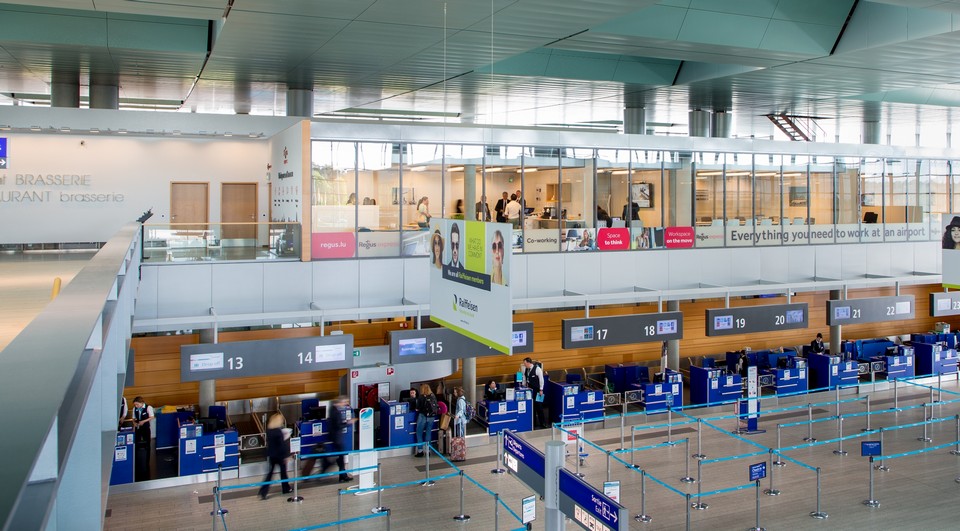
While getting to Luxembourg isn’t particularly difficult, it’s not as quick as getting to most other areas of the Benelux region. Luxembourg City is relatively small, so it doesn’t offer a wide variety of cross-border air services; however, as an important financial center and home to several European Union institutions, Luxembourg also has convenient connections from many European capitals.
Luxembourg is only served by one high-speed rail line, the TGV from Paris, but the distance is short enough that even slower trains from neighboring Belgium and Germany don’t take long to reach the destination.
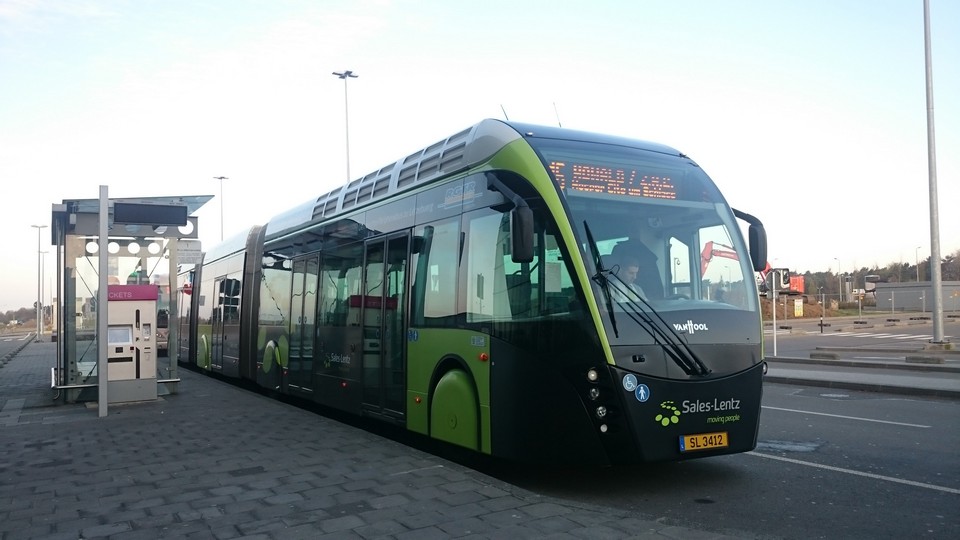
For other European cities, the easiest way is to book tickets through Trainline.com to find trains to Luxembourg, or between cities in Germany. This website is extremely convenient and allows you to search for most train routes in Europe.
Public transport in Luxembourg
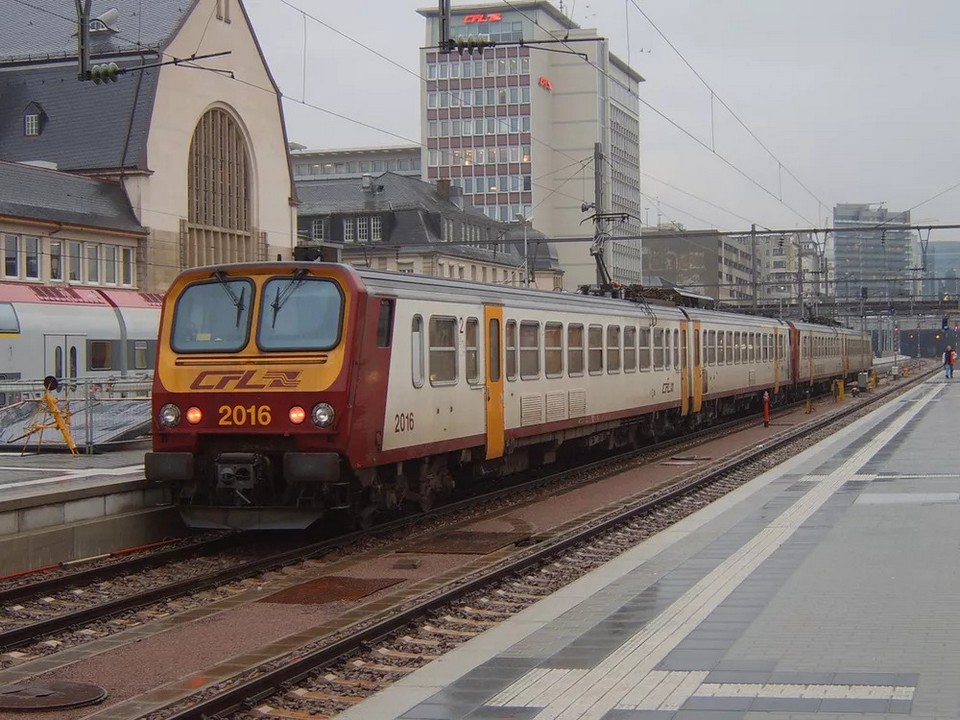
Chemins de Fer Luxembourgeois (www.cfl.lu), or Luxembourg Railways, operates regular trains throughout the Grand Duchy, with bus services connecting to areas not served by rail. The bus service in Luxembourg is efficient and comfortable. The best way to get around the city is a combination of walking and using the city bus network.
Free buses in Luxembourg City
In fact, Luxembourg has been a leader in free public transport since March 1, 2020. Except for first class (for trains) and trains to other cities, you can travel unlimited free on Luxembourg’s entire public transport network. (https://pawnandjewelry.com)
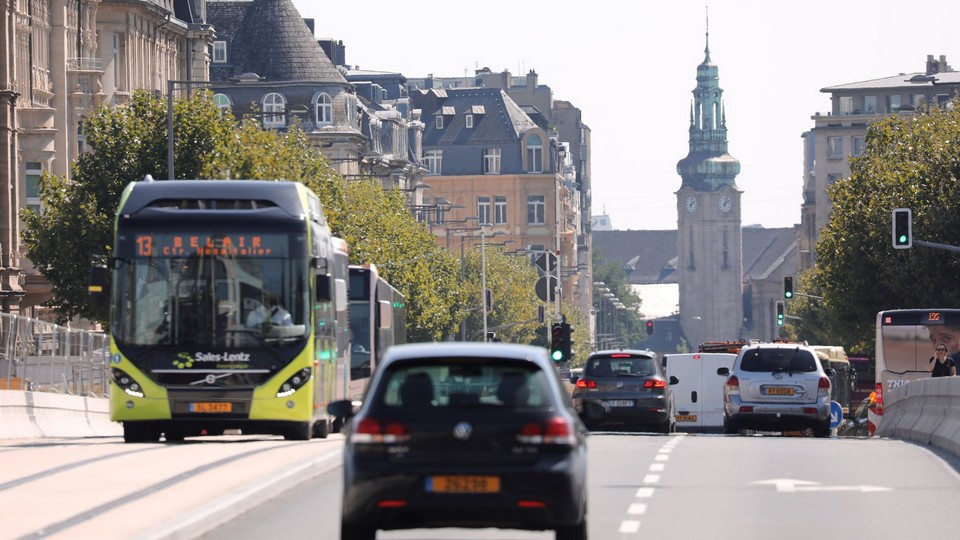
For city trips, you should use Luxembourg City Bus or Eurobus. Passengers can hop on and off at all stops. Eurobus is a regional bus service between the main train station and the Kirchberg district. In Luxembourg City, Eurobus buses operate like city buses. They are identified by their route number and the name “Eurobus” displayed on the outside screen.
There are numerous bus stops and routes in Luxembourg City, covering the entire city and beyond. The capital has nearly 40 bus routes, including 30 regular routes and 7 night routes. 40 million people use Luxembourg City buses every year.
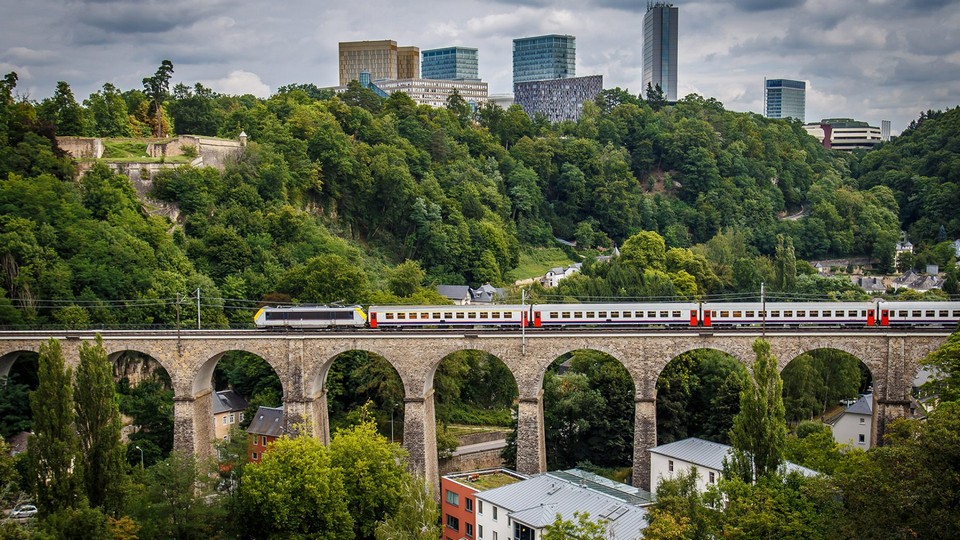
On the Luxembourg City website, you will find schedules, bus stops and access points, bus routes, ticket office locations, information on season tickets, services for the elderly and disabled, etc., as well as a Luxembourg bus map. Additionally, you can rent bicycles for free at any bicycle rental point in the city.
Luxembourg’s signature cuisine
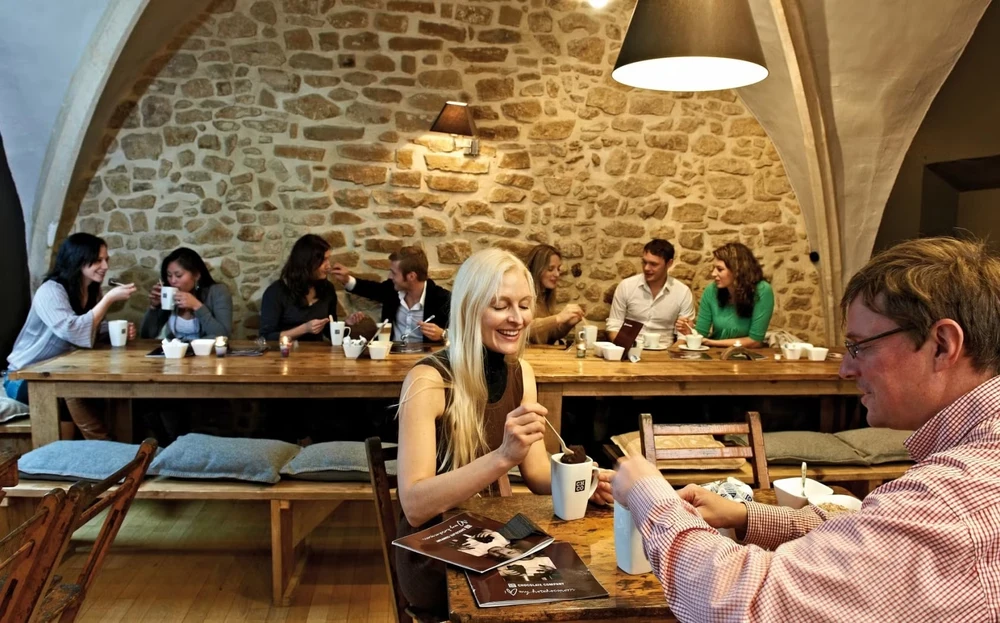
Luxembourg has a rich culinary tradition, influenced by German, French, and Belgian cuisine. Here are five signature dishes to try when traveling in Luxembourg:
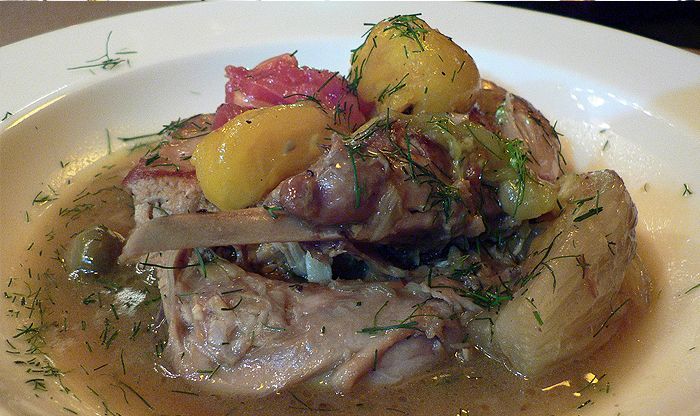
Judd mat Gaardebounen: This is Luxembourg’s national dish, consisting of smoked pork (Judd) cooked with fava beans (Gaardebounen). It is usually served with potatoes and a creamy sauce.
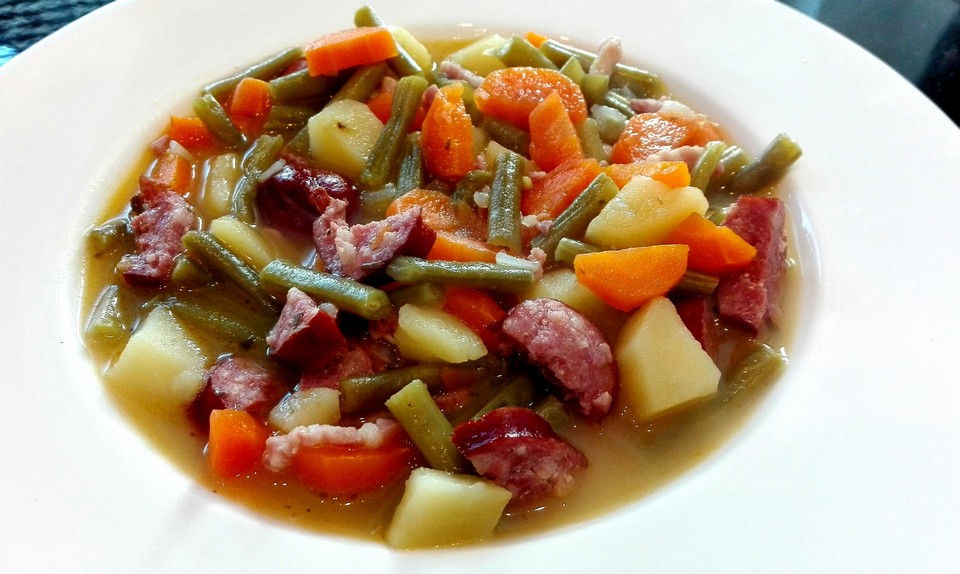
Bouneschlupp: A traditional soup made from chickpeas, potatoes, onions, and smoked meat. Bouneschlupp has a rich flavor and is often served as an appetizer or a light main course.
Gromperekichelcher: Crispy fried potato patties, often served with sour apples or apple sauce. This is a popular dish at festivals and outdoor events.
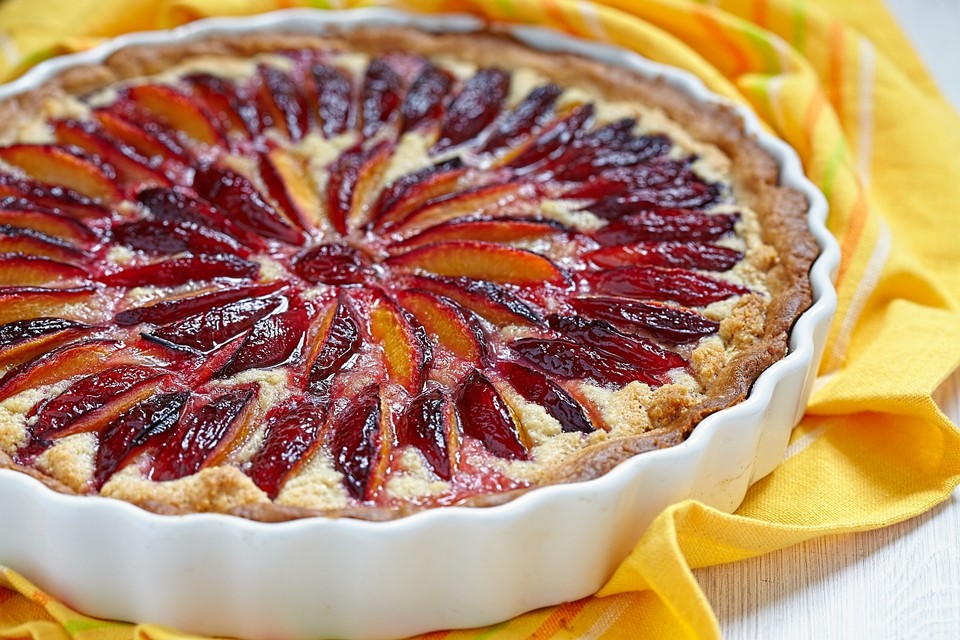
Quetschentaart: A traditional Luxembourg plum cake made from fresh plums layered on top of a pastry crust. Quetschentaart is often eaten as a dessert or with coffee.
F’rell am Rèisleck: Salmon cooked in Riesling sauce, a famous white wine from the Moselle region. This dish is often served with potatoes or vegetables.
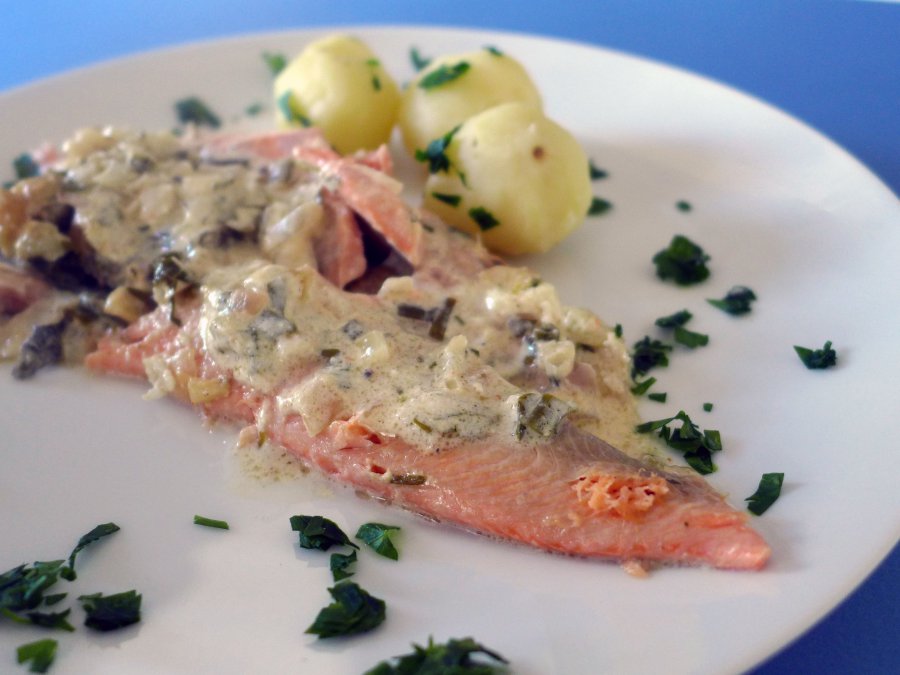
These dishes not only showcase the diversity and richness of Luxembourgish cuisine but also bear the strong imprint of the country’s culture and history.
Beautiful Hotels in Luxembourg
Luxembourg boasts many beautiful and luxurious hotels, catering to the needs of travelers from all over the world. Below are three of the highest-rated hotels:
Le Royal Hotels & Resorts Luxembourg: one of the most luxurious hotels in Luxembourg, located in the city center, near attractions such as Parc de Ville and the Grund old town.
Hotel Le Place d’Armes: located right in the heart of Place d’Armes square, an ideal location for exploring Luxembourg City. This hotel combines classic and modern architecture. It offers a cozy atmosphere, attentive service, and a central location. The hotel’s restaurant, La Cristallerie, has been awarded a Michelin star and is renowned for its exquisite French cuisine.
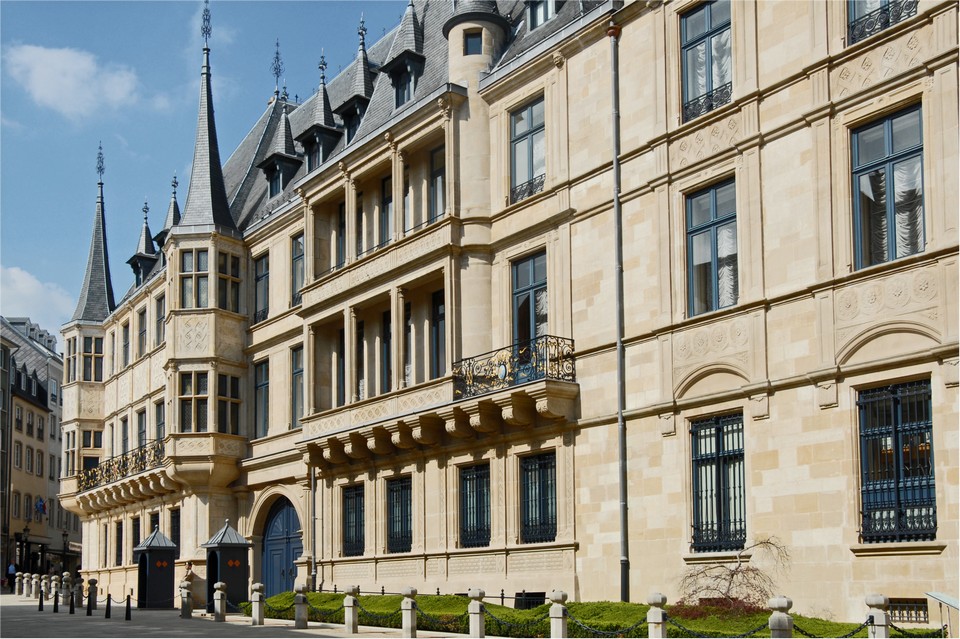
Sofitel Luxembourg Le Grand Ducal: a 5-star hotel in a prime location, offering stunning panoramic views of the city and the Alzette Valley.
Main Tourist Attractions in Luxembourg
Luxembourg, despite being a small country, boasts many attractive tourist destinations steeped in culture and history. Below are some of the main tourist attractions in Luxembourg:
Luxembourg City Center Attractions
The capital of Luxembourg is famous for its many attractive tourist destinations, blending history, culture, and unique architecture. Here is a detailed description of five main attractions:
Casemates du Bock
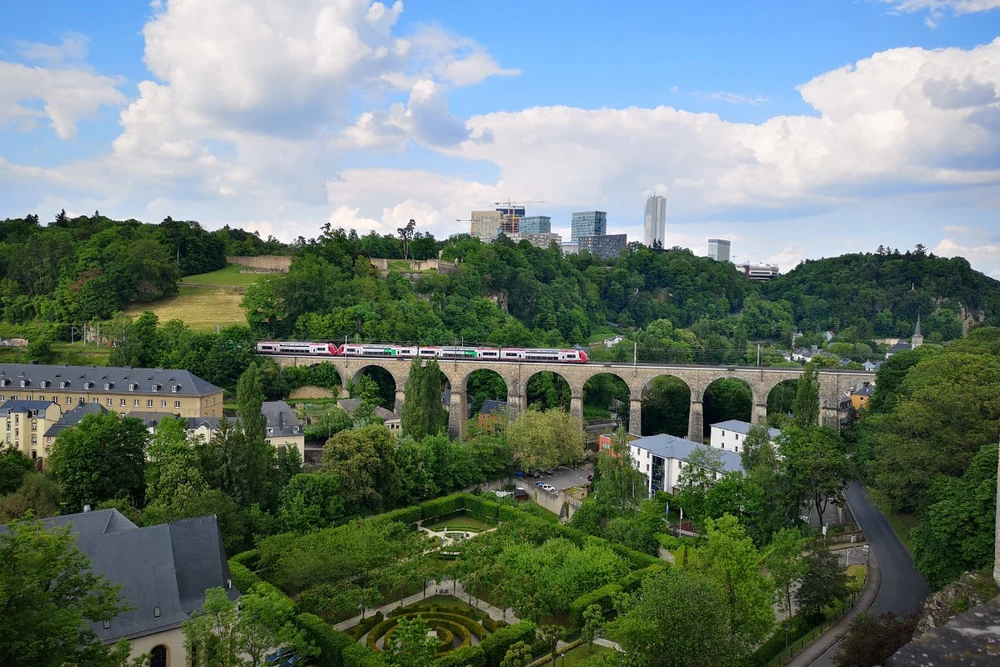
Casemates du Bock is a system of historical underground tunnels and fortresses built in the 17th and 18th centuries. This system was once used as a shelter and defense for the city during wartime. A UNESCO World Heritage Site, Casemates du Bock offers visitors the opportunity to explore long tunnels, bomb shelters, and enjoy stunning panoramic views of the city from above.
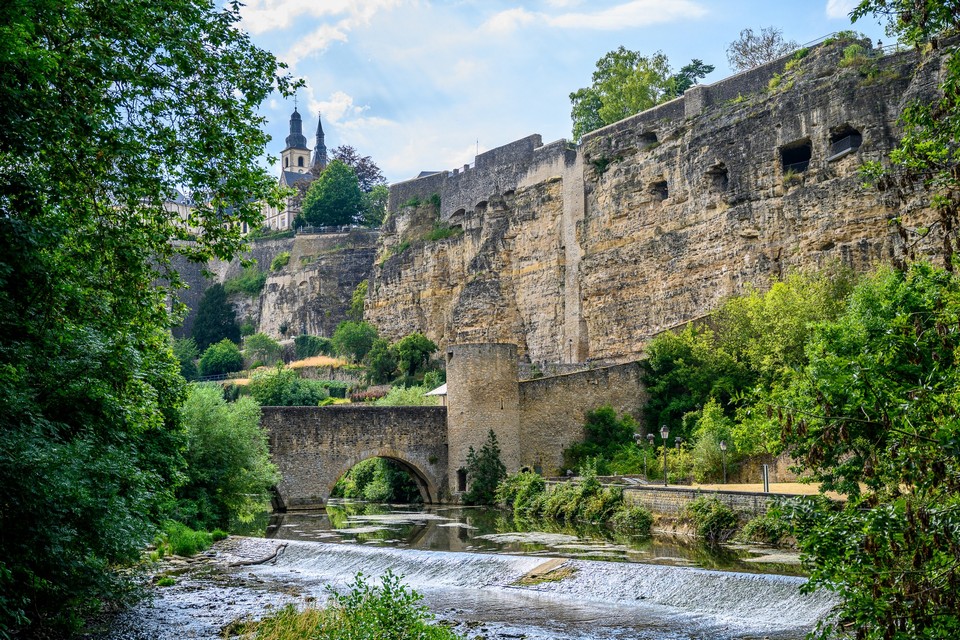
The Grand Duke’s Palace – Palais Grand-Ducal
Located in the heart of Luxembourg City, the Grand Duke’s Palace is the official residence of the Grand Duke of Luxembourg. Built in the 16th century and featuring Renaissance architecture, the palace is open to the public during the summer months, allowing visitors to admire the ceremonial rooms, the exquisitely decorated interiors, and learn about the history of the Luxembourg royal family.
Notre-Dame Cathedral (Cathédrale Notre-Dame)
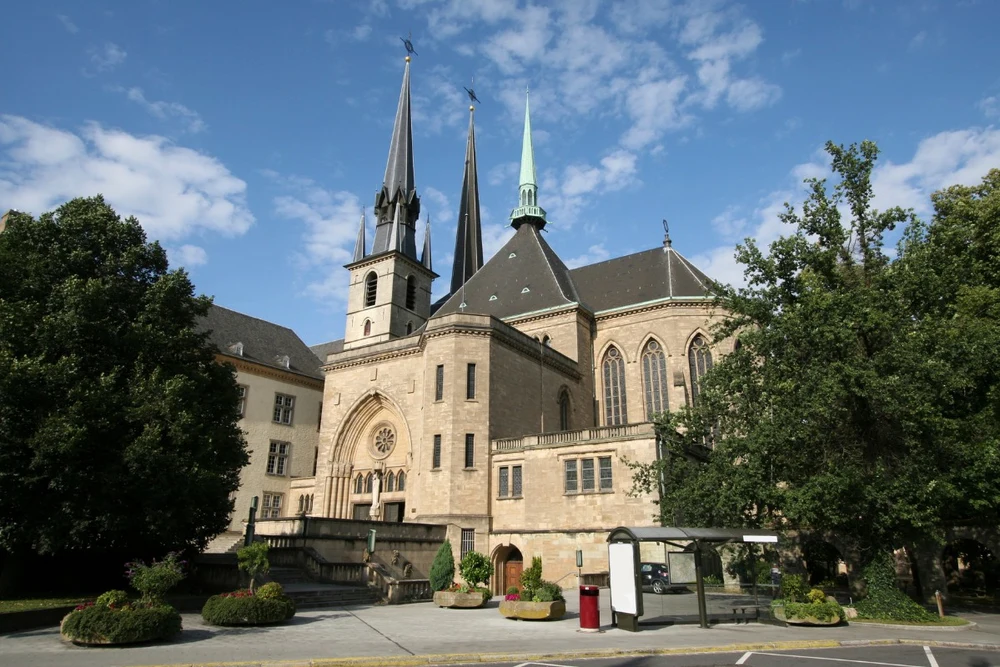
Notre-Dame Cathedral is the main cathedral of Luxembourg City, built in the 17th century in the Gothic style. The cathedral is notable for its tall spires and stunning stained-glass windows. Inside, there are religious artworks, exquisite stained-glass windows, and the tombs of members of the royal family. Notre-Dame Cathedral is also the venue for many important religious events.
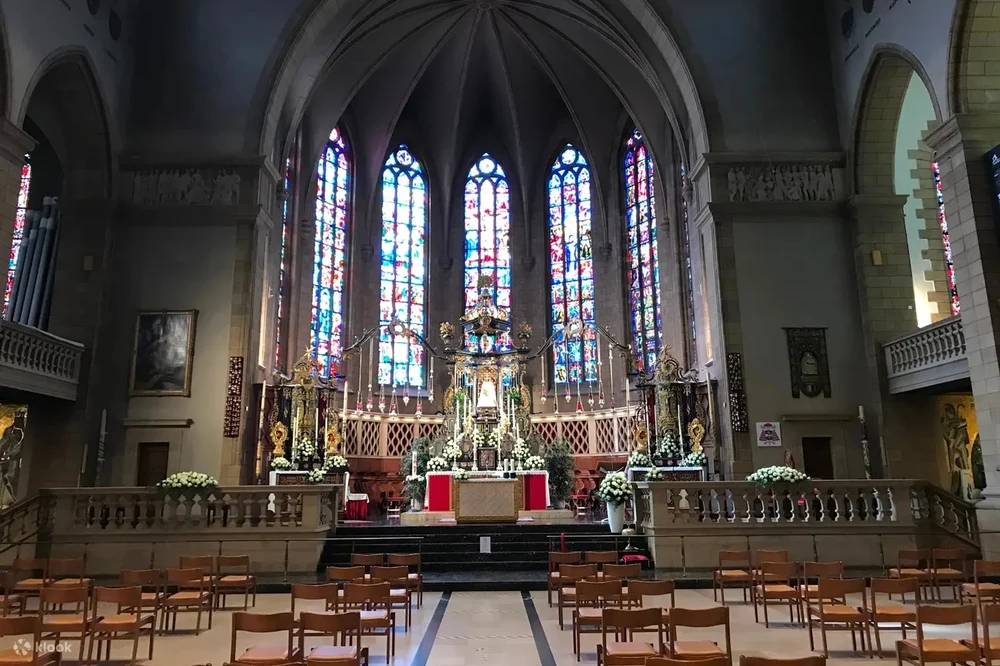
Entrance tickets cost around 7 EUR and can be purchased online here.
Thüngen Fortress (Musée Dräi Eechelen)
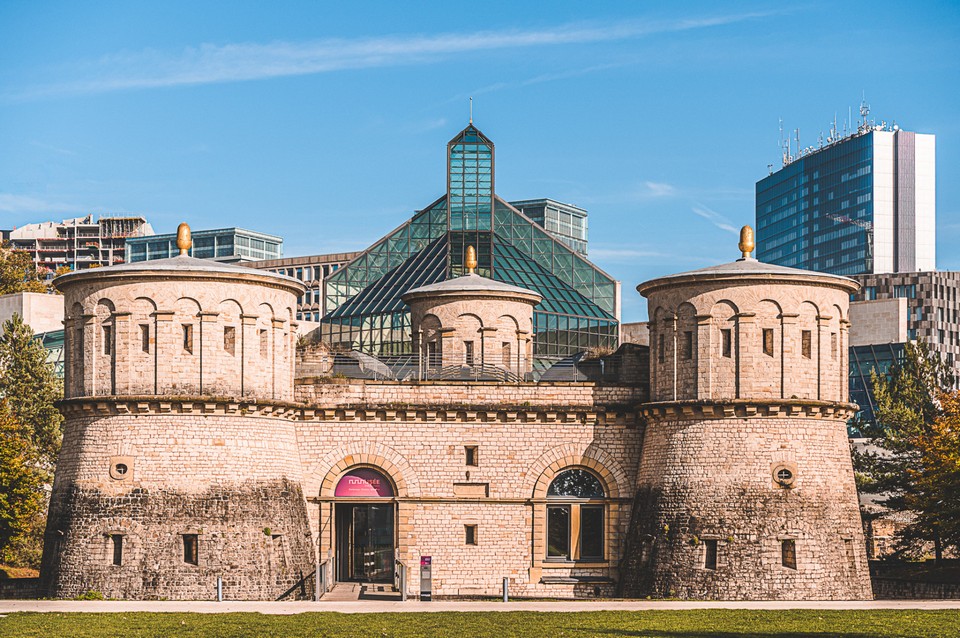
Thüngen Fortress is part of a system of fortresses protecting the city, now a museum showcasing Luxembourg’s military history. Built in the 18th century, the fortress was once a strategic point in the city’s defense. A highlight is the museum, which displays numerous historical artifacts, images, and documents about Luxembourg’s wars and development. Visitors can also enjoy panoramic views from the top of the fortress.
Grund Old Town
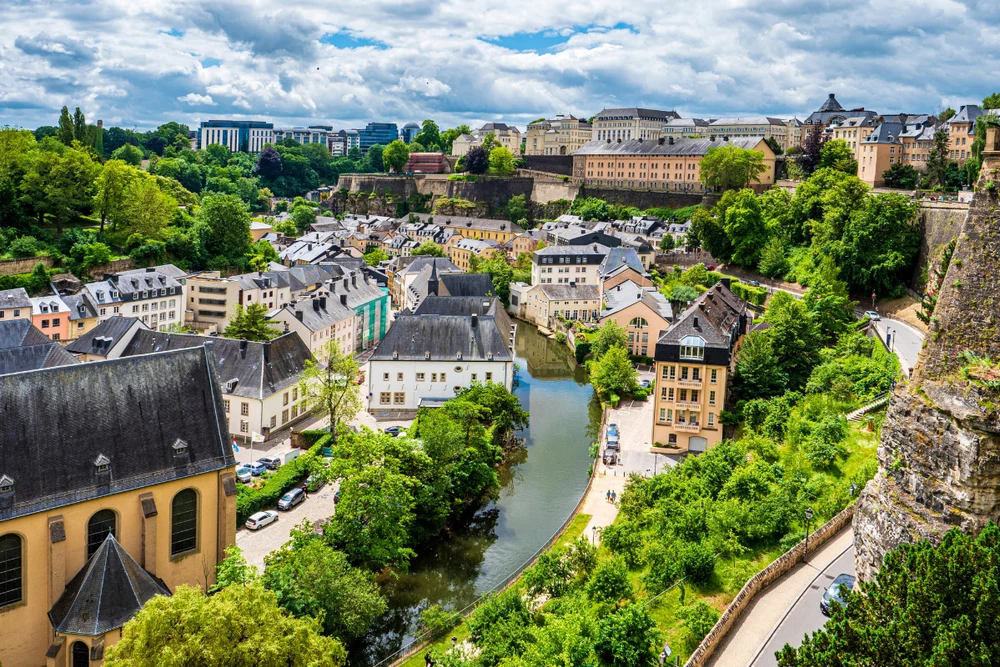
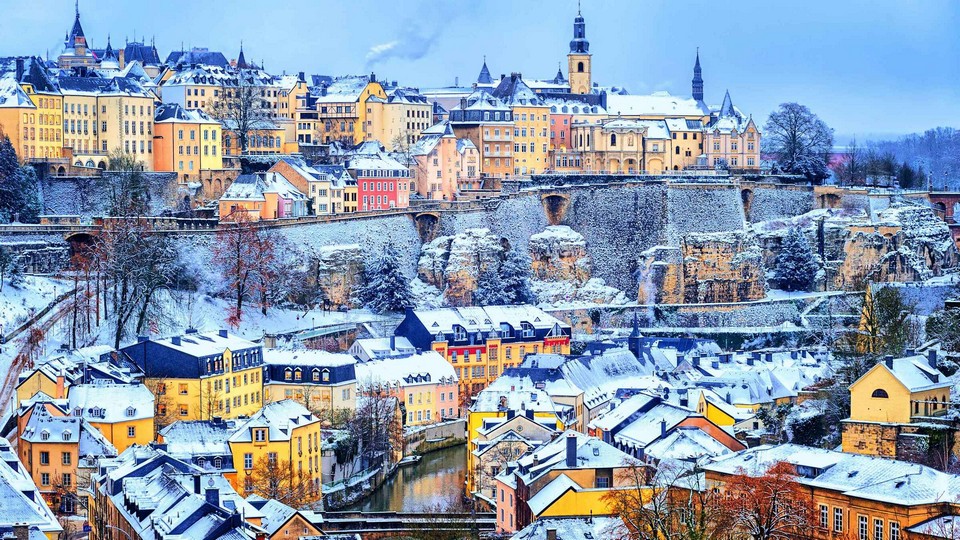
Grund is the old town located in the valley below Luxembourg City, famous for its narrow streets, ancient houses, and picturesque scenery. The area offers a peaceful and romantic atmosphere. Grund has many cafes, restaurants, and riverside pubs, ideal for strolling and exploring. Visitors can admire the ancient bridges, riverside houses, and enjoy the tranquil atmosphere of the old town.
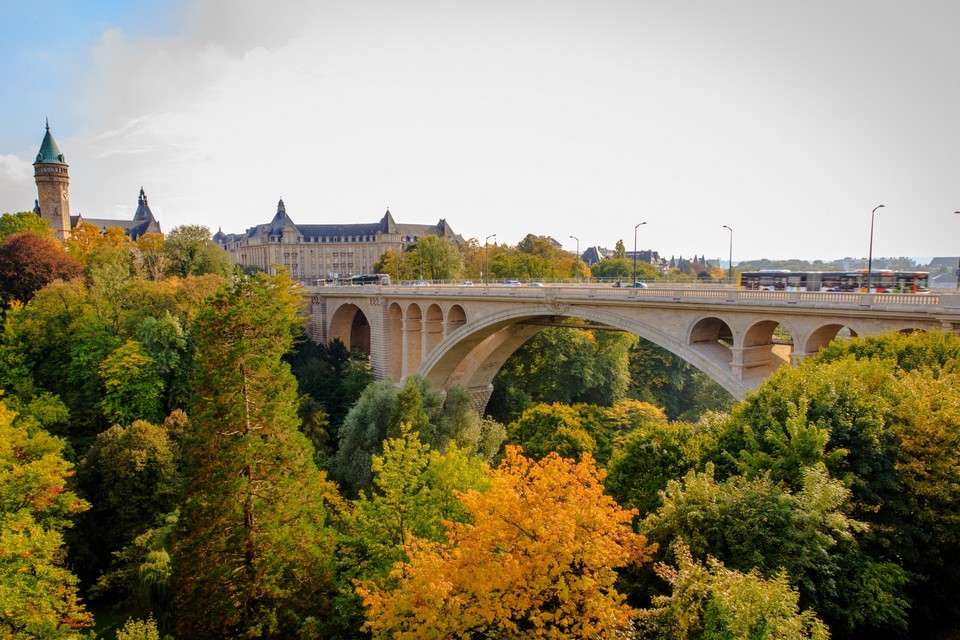
Adolphe Bridge
This iconic bridge, built in 1900, spans the Pétrusse River and is a symbol of Luxembourg’s independence and national unity.
Luxembourg City’s Outskirts
Luxembourg is attractive not only for its city attractions but also for its interesting landmarks in the suburbs. Here are some notable suburbs and how to get there:
Vianden Castle
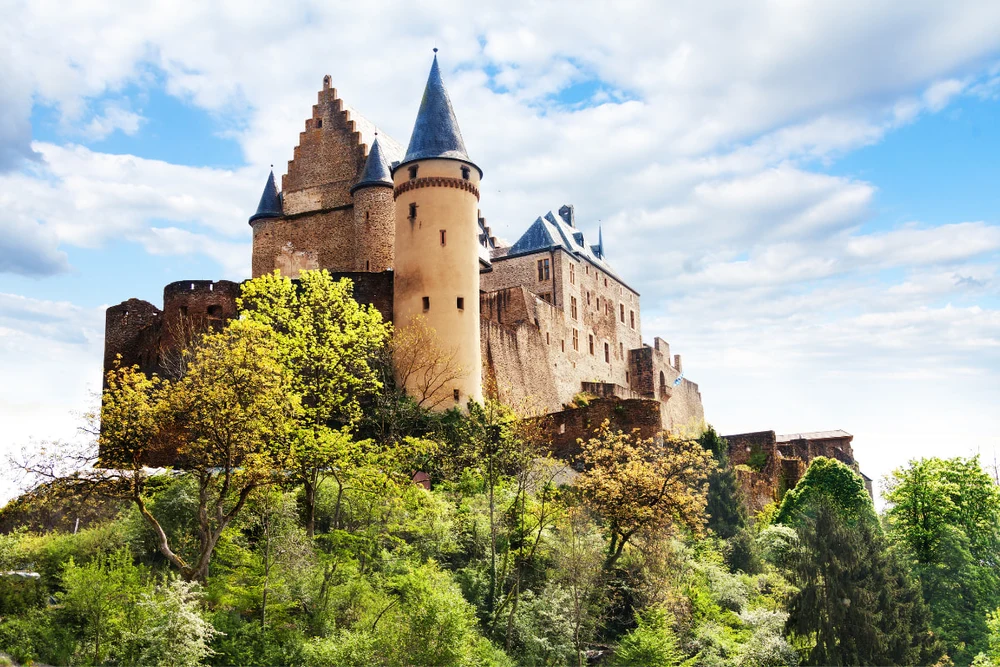
Vianden Castle is one of the most beautiful castles in Europe, built in the 10th century. The castle sits atop a hill, offering stunning views of the Our River. There is ample parking at the base of the castle. Entrance tickets cost only €11 per adult and can be purchased online here. It takes about half a day to a full day to explore.
How to get there: From Luxembourg City, you can take a train to Ettelbruck, then transfer to bus number 570 to Vianden. The journey takes approximately 1.5 hours.
Mullerthal Valley (Luxembourg’s Little Switzerland)
Mullerthal Valley is known as Luxembourg’s Little Switzerland thanks to its majestic natural landscape with gorges, waterfalls, and dense forests. It is an ideal place for hiking.
How to get there: From Luxembourg City, you can take a train to Echternach, then take bus number 110 or 111 to Mullerthal. The journey takes approximately 1 hour.
Schengen Town
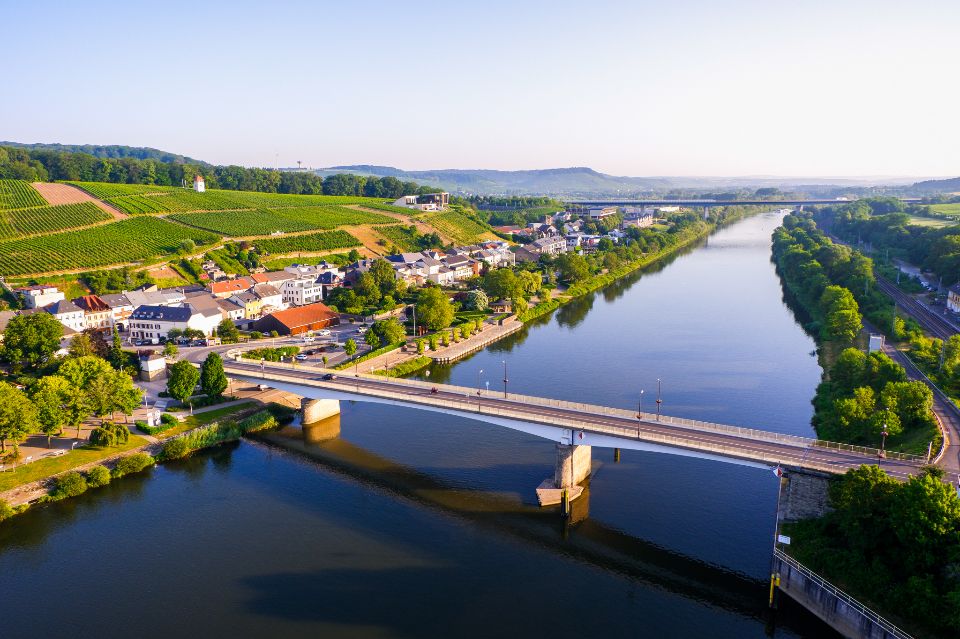
Schengen is a small town located at the tri-border junction of Luxembourg, France, and Germany. Formerly part of Remerschen, it was renamed Schengen in 2006. The Schengen Agreement on free movement between member countries was signed here in 1985 with the five original member countries. The name Schengen was chosen because, according to them, Schengen means “open borders and unrestrained mobility.” The road from Luxembourg City to the Schengen area is beautiful, with the golden color of the trees lining the road and the golden color of the vineyards.
Clervaux Castle:
Description: Clervaux Castle is located in northern Luxembourg and is famous for Edward Steichen’s “The Family of Man” photo collection. The castle also houses a museum showcasing local history.
Getting there: From Luxembourg City, you can take a direct train to Clervaux. The journey takes approximately 1.5 hours.
Moselle Region
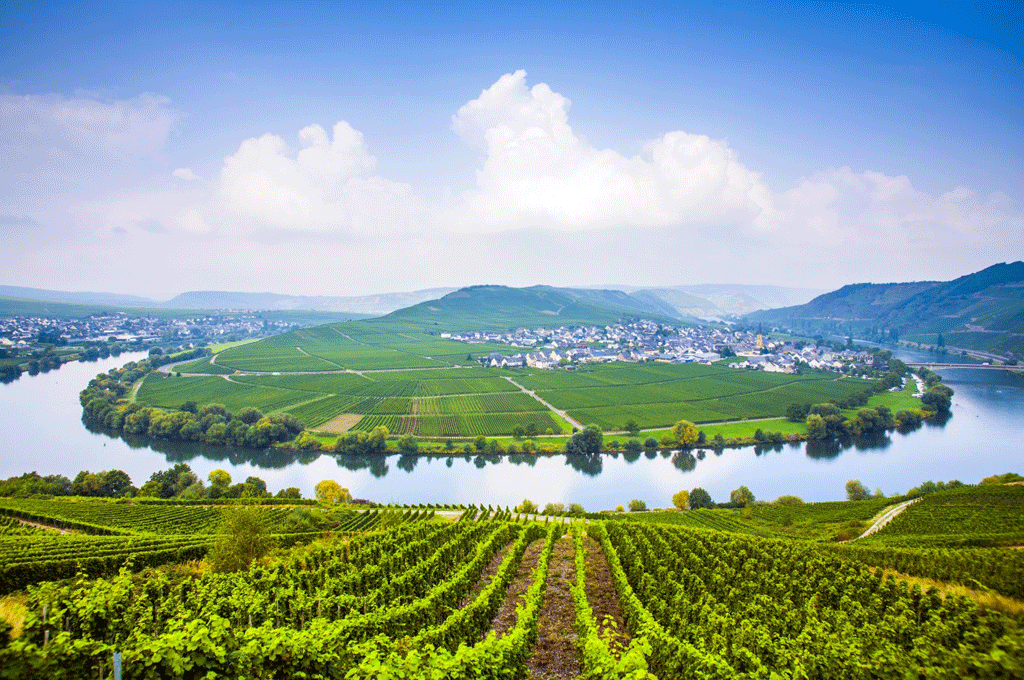
The Moselle region is famous for its vineyards and Riesling white wine. Visitors can tour wineries and enjoy the beautiful scenery along the Moselle River.
How to get there: From Luxembourg City, you can take a train or bus to towns like Remich or Grevenmacher. The journey takes approximately 30-45 minutes.
Parc Merveilleux (Bettembourg)
Parc Merveilleux is an amusement park and zoo, perfect for families and children with many fun activities and explorations.
How to get there: From Luxembourg City, you can take a train or bus directly to Bettembourg. The journey takes approximately 20-30 minutes.
Echternach Monastery
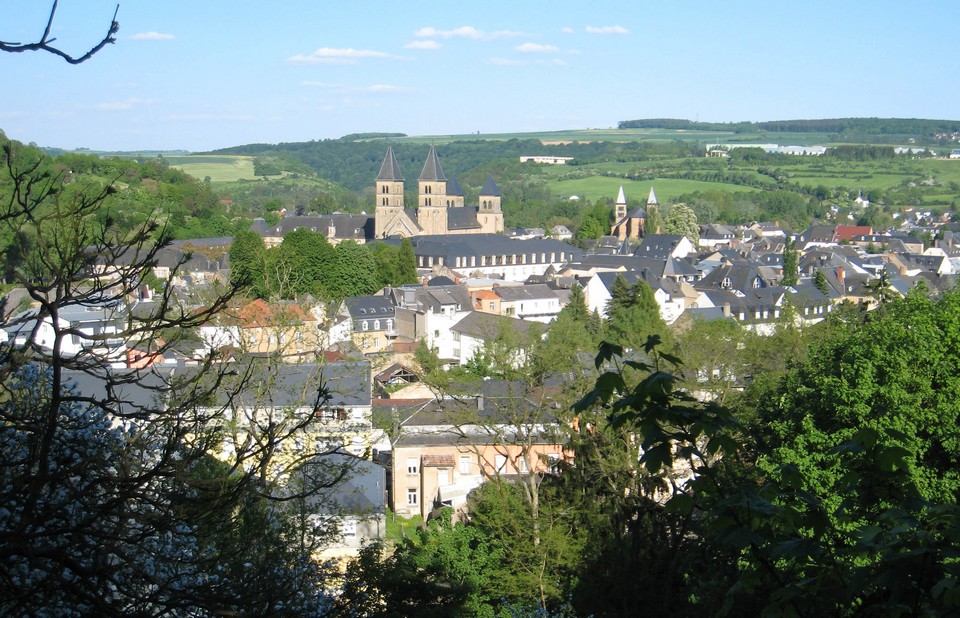
Echternach Monastery is an ancient monastery founded in 698, famous for its traditional dance festival on the Tuesday after Pentecost.
How to get there: From Luxembourg City, you can take bus number 110 or 111 directly to Echternach. The journey takes approximately 45 minutes.
These suburban attractions not only offer stunning natural landscapes but also provide visitors with a deeper understanding of Luxembourg’s rich history and culture.
Some best day tours, trips, activities and transfer services, tickets in, from and to Luxembourg you can refer to
- Luxembourg: Magical Christmas Tour
- Luxembourg City: Hop On Hop Off Castles & Nature Day Tour
- Luxembourg: Pétrusse Express Train Ticket
- From Brussels: Luxembourg and Dinant Full-Day Private Tour
- Brussels: Luxembourg and Dinant Day Trip
- Luxembourg & Dinant: Full-Day Sightseeing Tour from Brussels
- From Brussels: Day Trip to Luxembourg City
- Vianden Castle Admission in Luxembourg
- eSIM Europe with high-speed and stable Internet connection
- Guided e-Bike Tour in Luxembourg City
- Dinant and Luxembourg Day Tour from Brussels
Are you looking for more top things to do in Luxembourg: Tours, activities, attractions and other things? Let’s check it out here.