

















Where is Sensoji Temple? Why can’t you miss Sensoji Temple when coming to Japan? Let’s learn about Sensoji Temple Tokyo – one of the top sights and attractions. So, what to do in Sensoji temple? Let’s check out the FULLEST Sensoji temple guide: How to get there, top things to do in Sensoji temple, tips & MORE below!
- Conquering Shimokitazawa: Tokyo’s Haven for Thrift Shopping & Indie Culture
- Gotokuji Temple (Cat Temple): Tokyo’s Land of a Thousand Lucky Waving Cats
- Shibuya vs. Shinjuku – Two Super-Hot Tokyo Entertainment Hubs
- 5 best places to visit in Japan for anime fans That Look Like They Stepped Right From the Screen
- Kiyomizu-dera Temple: Admiring Kyoto from the Wooden Terrace & Ninenzaka Path
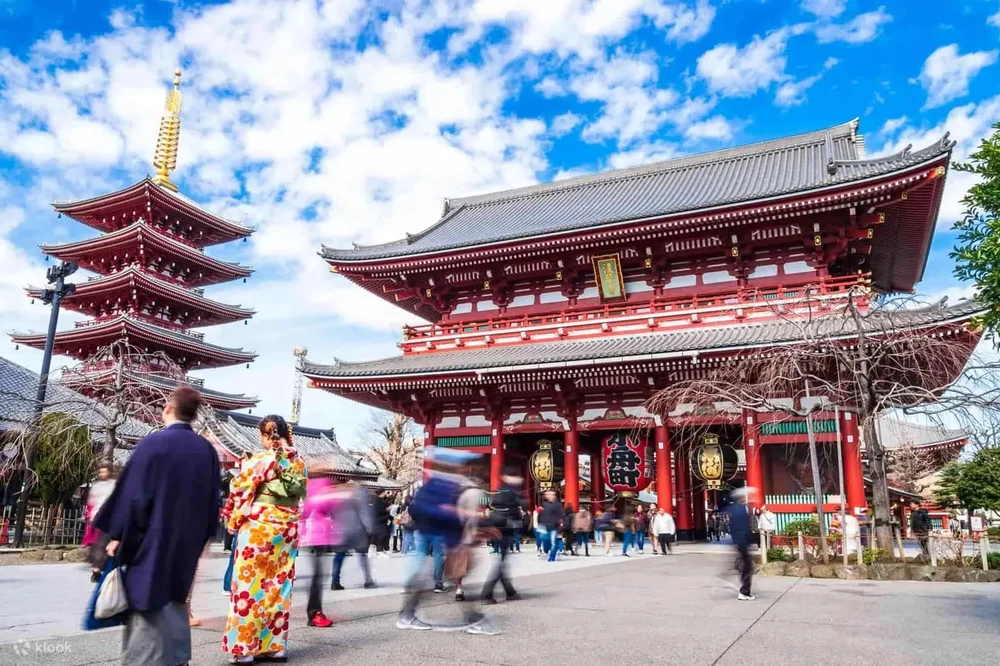
Sensoji Temple, one of the symbols of Tokyo, is a must-see destination when traveling to this city. With its ancient beauty and vibrant colors, this temple attracts millions of visitors every year. In particular, its proximity to Tokyo Skytree TV Tower further enhances Sensoji’s appeal, creating a beautiful scene in the heart of the modern city.
Visiting Sensoji Temple is completely free, making it an ideal destination for all visitors. However, due to the large number of visitors, especially during holidays, you need to prepare mentally to face the crowds and have a reasonable tour plan to avoid wasting time waiting.
You don’t worry, with the useful information and experience below, you will have a meaningful and complete visit to Sensoji Temple, discovering interesting stories about the oldest temple in Tokyo with more than half a millennium of history.
Sensoji temple guide: Where is Sensoji Temple?
Sensoji Temple is located at 2-3-1 Asakusa, Taito-ku, Tokyo 111-0032, about a 5-minute walk from Asakusa Station.
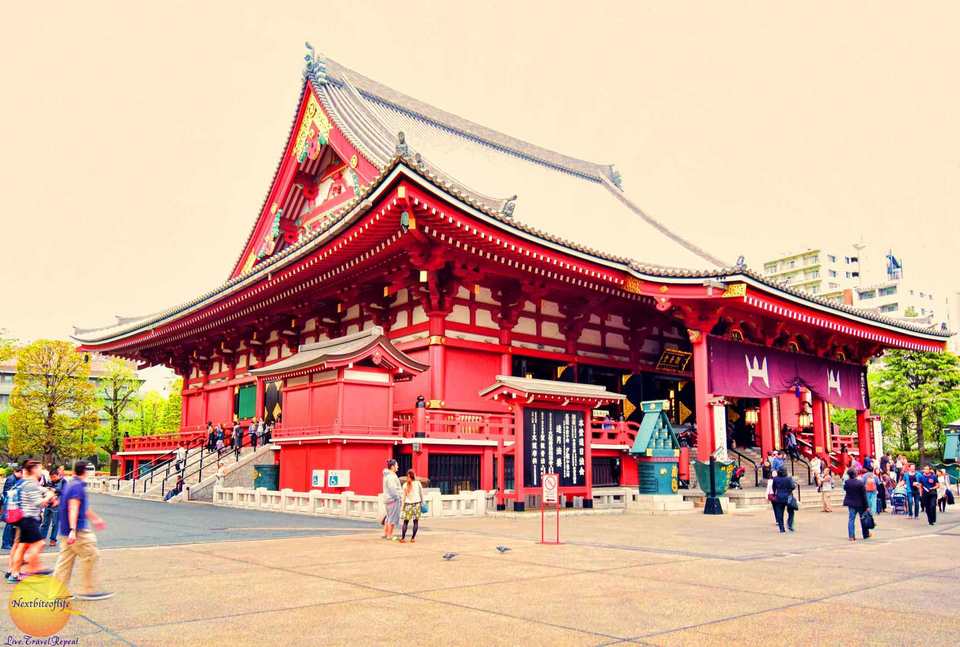
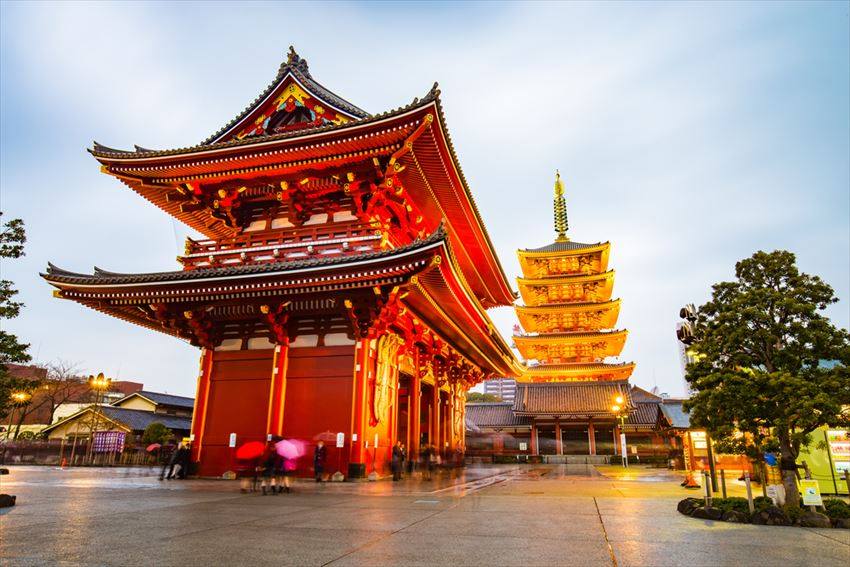
Located in the heart of Asakusa old town, the ancient Sensoji Temple is one of the must-see destinations when coming to Tokyo. Sensoji Temple is not only a sacred place to pray for peace and luck, but also an architectural masterpiece with ancient, colorful structures.
Introducing Sensoji Temple in Tokyo
Tokyo Asakusa Rickshaw Half Day Tour
Sensoji Temple, also known as Asakusa Kannon, is the oldest temple in Tokyo, carrying a rich history and culture since the 7th century. Located in the old town of Asakusa, this temple is not only a unique architectural work but also a place to preserve the cultural characteristics of the Edo period.
With the sacred shrine of Bodhisattva Avalokitesvara, Sensoji has become an important pilgrimage site, attracting millions of believers and tourists every year. It is believed that coming here to pray and ask for fortune will bring luck and peace. If you have the opportunity to visit Tokyo, do not miss the opportunity to experience the unique spiritual space and explore the unique cultural features of this ancient temple.
Sensoji Temple Opening Hours Reference
Unlimited Data eSIMs for Japan (QR Delivered via Email)
Sensoji Temple is not only an ancient temple, but also a diverse architectural complex, each area has its own beauty and meaning. To fully explore the beauty of Sensoji Temple, you need to pay attention to the opening hours of each area:
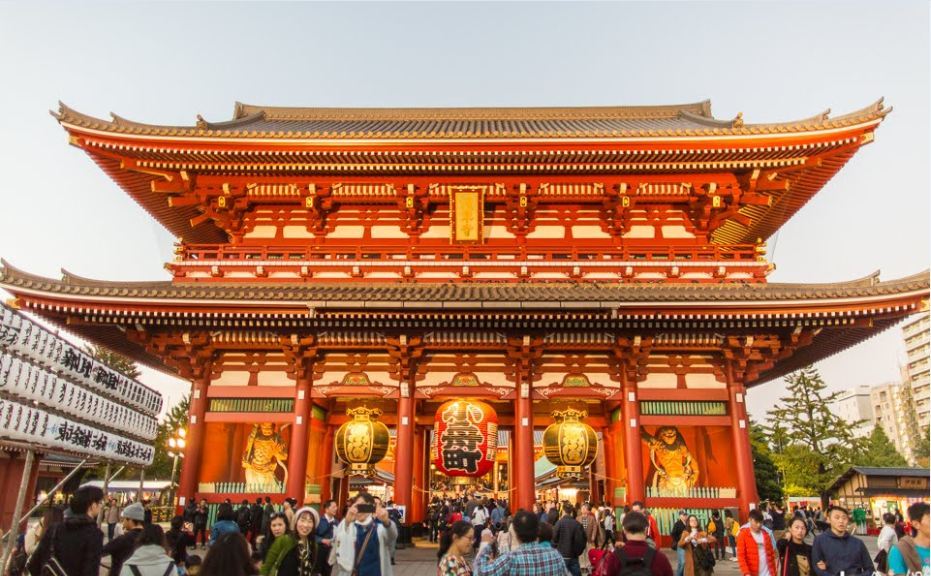
Kaminari Gate (Kaminarimon): The famous symbol of Sensoji Temple is always open to welcome visitors 24/7. You can freely take “virtual life” photos with the giant red lantern regardless of day or night.
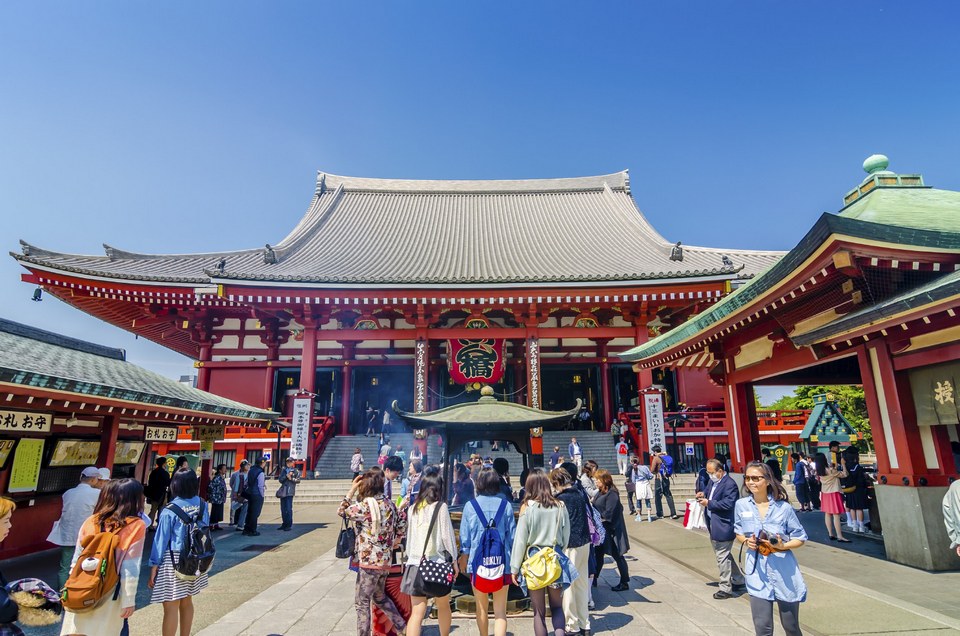
Main Hall (Kannondo): The most sacred place of the temple, the Main Hall is open from 6:00 to 17:00 in summer (April – September) and from 6:30 to 17:00 in winter (October – March). Don’t forget to visit the Main Hall to pray for peace and admire the unique ancient architecture.
Nakamise Shopping Street: A shopping paradise with hundreds of shops selling all kinds of souvenirs, handicrafts and local specialties. Each shop has its own opening hours, usually from 9:00 to 19:00. Take your time strolling along this street to find meaningful gifts and enjoy delicious street food.
How Much Does It Cost to Visit Sensoji Temple?
Sensoji Temple does not charge an entrance fee. You are free to enter according to the above schedule. Isn’t that great?
How to Get to Sensoji Temple on Your Own
There are three recommended ways to get to the Asakusa area: train, bus and water bus. You can travel to Sensoji Temple directly from some of Tokyo’s major tourist areas such as Ueno, Shibuya and Ginza, as well as from Narita International Airport and Haneda International Airport.
Go to Sensoji Temple by Train
Asakusa Station is the closest station to major tourist attractions in Tokyo, including Sensoji Temple. However, there are actually four stations named Asakusa Station, including: Ginza Line Asakusa Station, Toei Asakusa Line Asakusa Station (Shinkansen), Tobu Asakusa Station, and Tsukuba Express Asakusa Station.
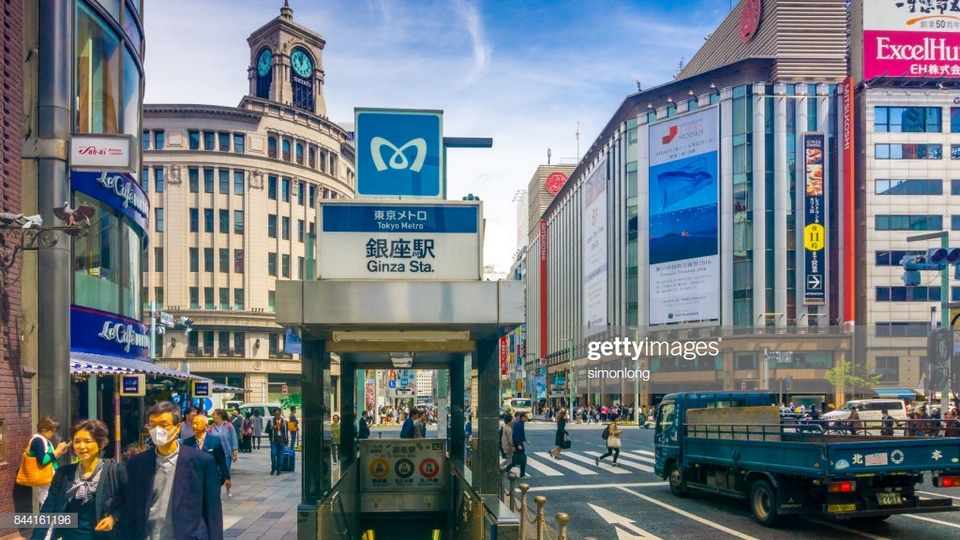
All of these stations are collectively called Asakusa Station. Tsukuba Express Asakusa Station is a bit far from Sensoji Temple, about a 10-minute walk. The remaining three stations are all only a 3-5 minute walk from Sensoji Temple.
For more savings and convenience, you don’t forget to use JR Pass for Whole Japan, applicable to most local railways and buses operated by JR, applicable to most local railways and buses operated by JR.
Go to Sensoji Temple by Bus
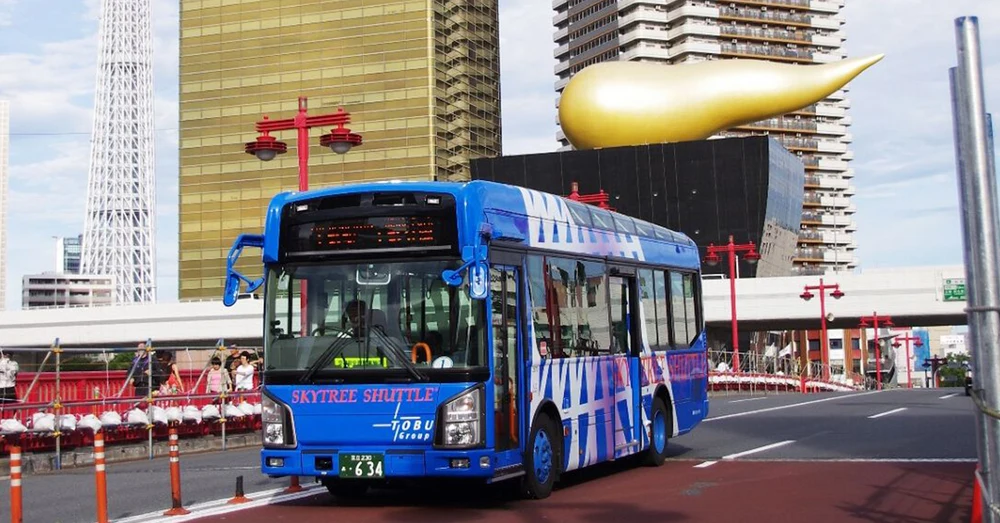
Hop-On Hop-Off Tokyo Bus by Skyhop Bus
There are several bus routes available around Asakusa such as: Tobu Skytree Shuttle Bus, Toei Bus. You can visit Sensoji Temple on city sightseeing buses such as Skyhop Bus’s Hop-On Hop-Off Tokyo, Megurin Bus.
Go to Sensoji Temple by Water Bus
Water buses are a great way to explore Tokyo from a whole new perspective. More than just a means of transportation, these buses also take you on an exciting sightseeing journey along the Sumida River and Tokyo Bay, connecting Asakusa and Odaiba with many famous attractions.
Experience the water cruising, you will admire the beauty of Tokyo from a different perspective, with ancient bridges, modern buildings and beautiful natural scenery. Although the cost may be a little higher than other public transportation, the wonderful experiences and views that the water bus brings will definitely make you feel that it is worth it.
History of Famous Sensoji Temple in Japan
Tokyo Amazing Sightseeing Bus Day Tour
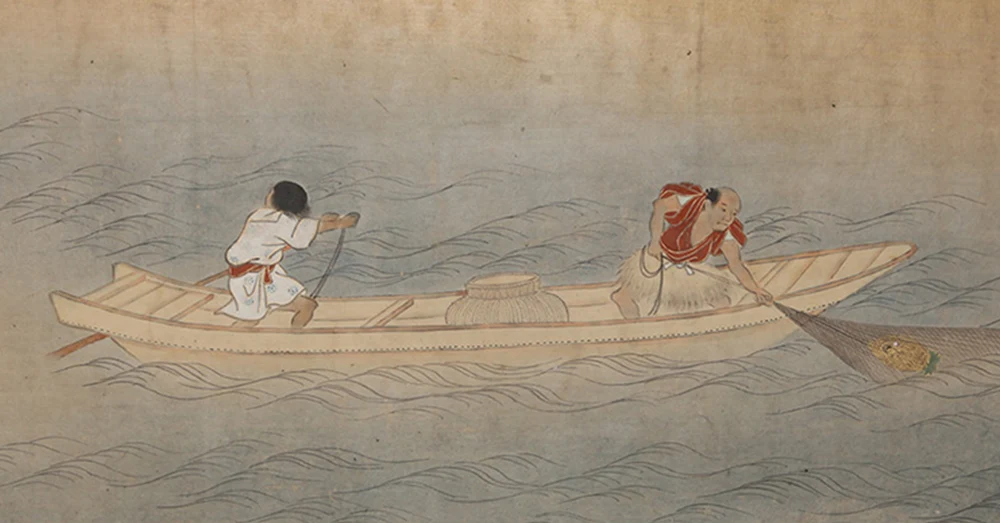
The history of Sensoji Temple began in the early morning of March 18, 628, when the capital of Japan was Asuka (which is now part of Nara Prefecture), Hinokuma Hamanari and his brother Takenari were fishing in the Sumida River next to the fishing village that is now Asakusa. When they pulled in their nets, they were surprised to see a statue caught in it, and brought it to the village chief.
The village chief, Haji no Nakatomo, recognized it as a statue of the Bodhisattva Avalokitesvara (Sho Kanzeon Bosatsu), also known as Kannon. Realizing that the Kannon statue was a good omen, the village chief soon renovated his house into a temple, deciding to devote the rest of his life to worshiping and holding memorial ceremonies.
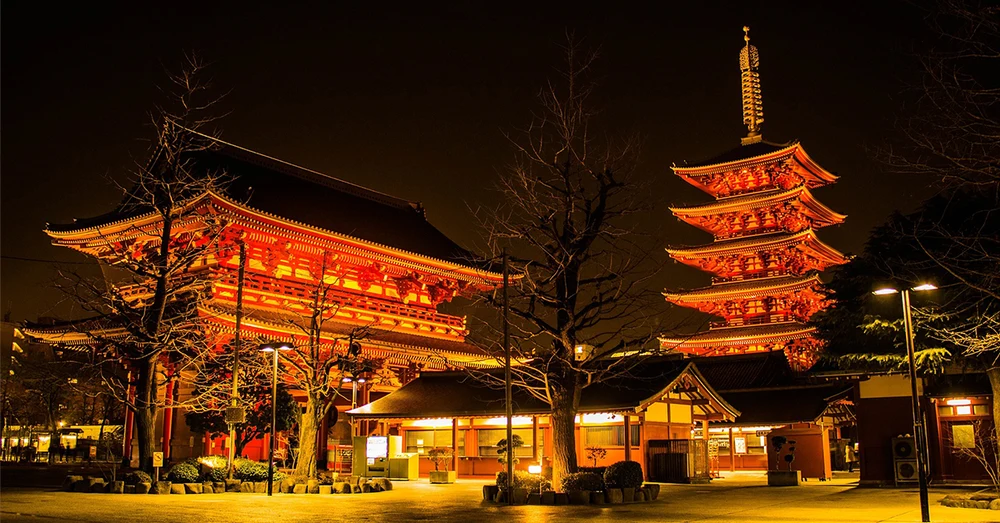
In 645, a Buddhist monk named Shokai came to the area and built a shrine for the Kannon statue. However, Shokai covered the statue as instructed by a dream he had heard, and since then, the statue has never been revealed to the public.
Speaking of the Asakusa neighborhood, at that time it was a small fishing village located at the mouth of Tokyo Bay, in the vast wilderness called Musashino. Asakusa grew stronger as more people came to worship and worship the Kannon statue.
In the mid-9th century, the monk Ennin (794 – 864), who was then practicing at Enryakuji Temple (the main temple of the Tendai school of Buddhism), visited Sensoji and created a statue identical to the main image, called the Hibutsu statue. Hibutsu is a Japanese symbol or Buddha statue, but for religious reasons the Hibutsu statue would be placed in a shrine called Joshi and always kept closed, rarely being shown to the public.
4G eSIM for Japan from Softbank (QR Code delivery via email)
During the Kamakura period (1185 – 1333), the Shoguns showed great devotion to Sensoji. Gradually, other prominent figures, including military leaders and literati, followed their example, and the temple’s importance increased.
In 1590, Tokugawa Ieyasu, the first shogun of the Tokugawa shogunate, designated Sensoji as a place of prayer for the shogunate. Later Tokugawa shoguns also continued the tradition of visiting Sensoji, and belief in Kannon spread throughout the Edo period (1603 – 1867).
From the late 18th to the 19th century, Edo grew into the world’s largest city with a distinctive, vibrant culture, and Asakusa became the cultural center of Edo. Today, Asakusa is home to many theaters, showcasing a wide variety of films, music, and variety shows, showcasing Japanese pop culture.
Distinctive Architecture of Sensoji Temple, Japan
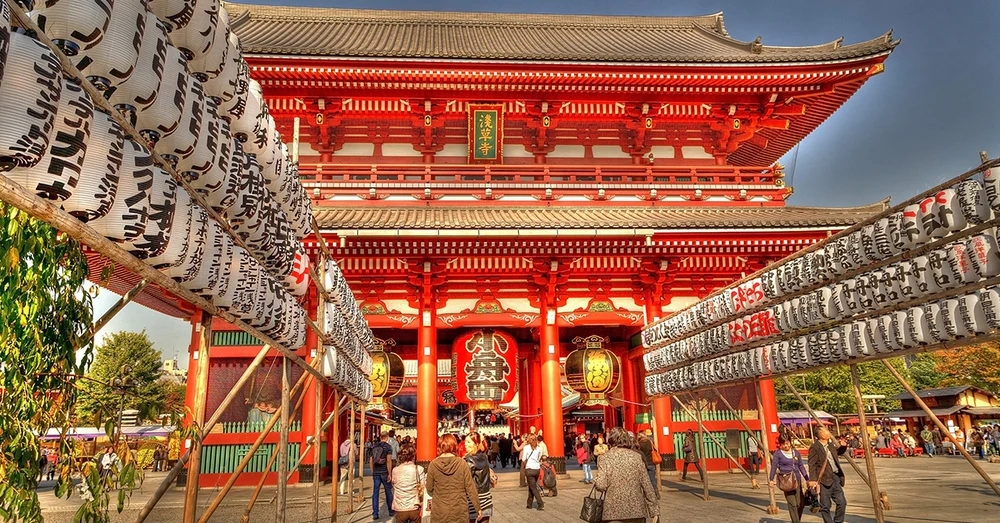
Sensoji Temple has a very prominent and recognizable architecture. From afar, the bright red roof of the temple is visible above the treetops, interspersed with golden paintings that sparkle even when there is no sunlight. Like other temples in Japan, Sensoji Temple mostly uses wood to withstand earthquakes, and is intricately carved.
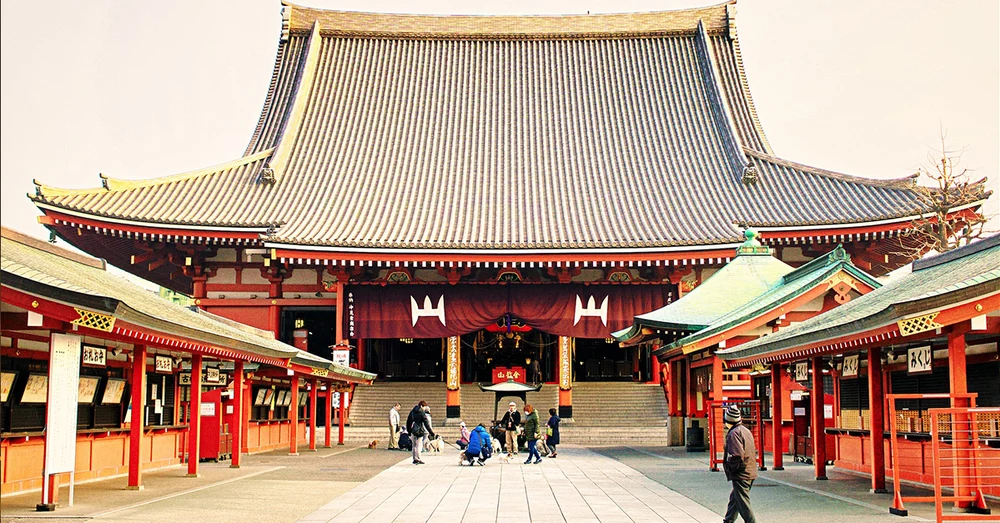
Main Hall (Kannondo Hall) at Sensoji Temple, Japan
The main hall of Sensoji Temple, built by the shogun Tokugawa Iemitsu, is a national treasure with a strong historical imprint. Although it was destroyed during World War II, the temple was restored in 1958 thanks to the contributions of people from all over Japan, demonstrating the spirit of solidarity and respect for cultural heritage.
Tokyo Asakusa Kimono & Furisode Rental Experience
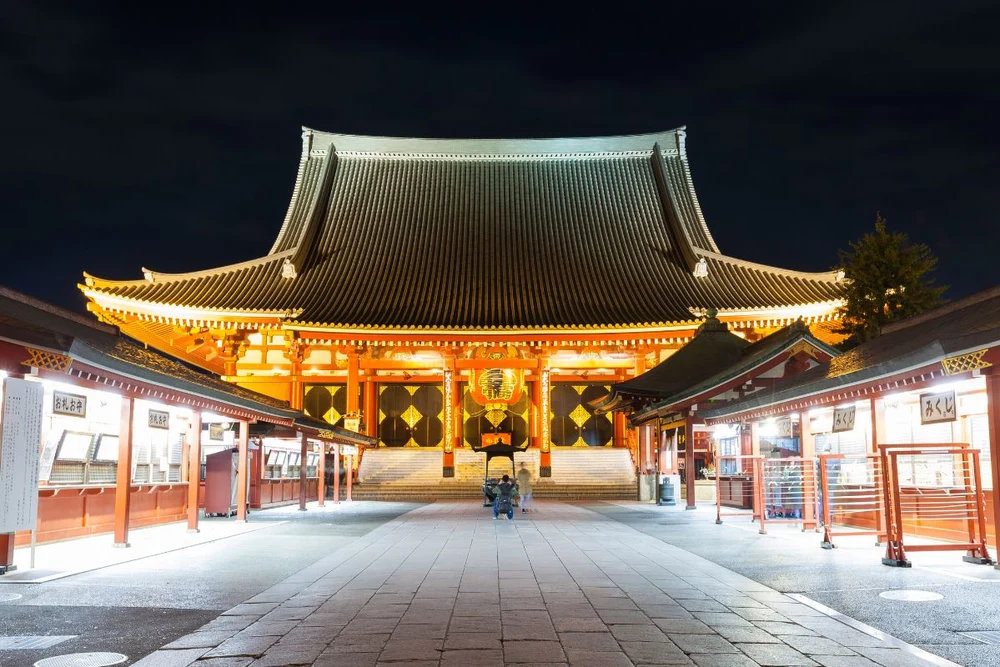
The most distinctive feature of the Main Hall is the sloping roof, which is much higher than other temples, creating a majestic and magnificent appearance. Inside, the Main Hall is divided into two areas: Naijin (inner shrine) and Gejin (outer shrine). In particular, the sacred statue of Bodhisattva Kannon is placed in a small shrine in the middle of Naijin, which attracts many believers to come and pray.
Yogodo Hall at Sensoji Temple, Japan
Tokyo Asakusa Kimono & Tea Ceremony Experience
In Buddhist beliefs, the eight Yogoshu Buddhas are considered guardians and guides on the path to enlightenment, according to the teachings of Bodhisattva Kannon. Each of these Buddhas has a special connection to one or two of the 12 zodiac animals, and is said to protect those born in the corresponding year. The statues of the eight Yogoshu Buddhas are enshrined in the Yogodo Hall, creating a sacred and meaningful space at Sensoji Temple.
Awashimado Hall in Sensoji Temple, Japan
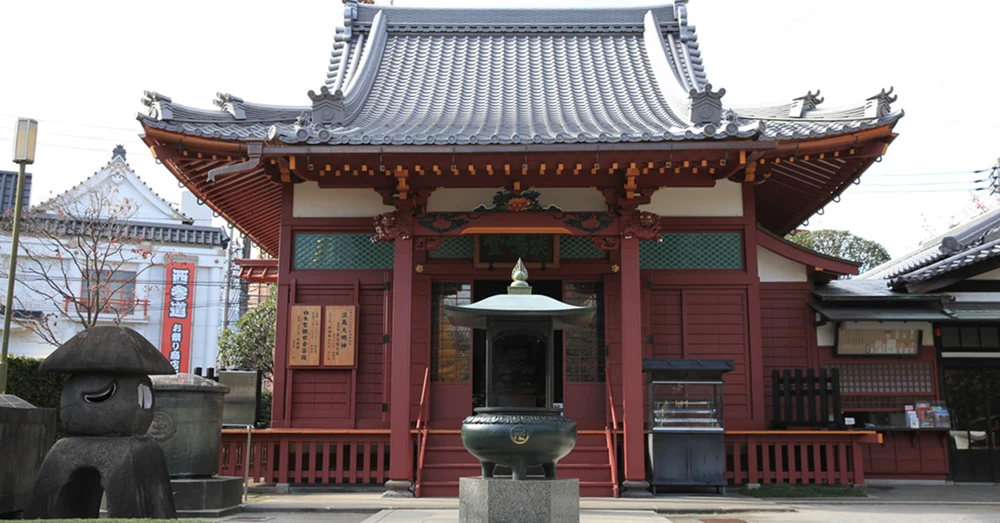
Awashimado Hall, an integral part of the Sensoji Temple complex, was built during the Genroku period to worship Awashima Myojin, a deity brought from the mother shrine in Kada, Wakayama Prefecture. In the hall, the statue of Amida Buddha is placed in the center, next to Awashima Myojin and Kokuzo Bosatsu.
After World War II, Awashimado Hall was temporarily used as the Main Hall before being moved to its current location and undergoing renovation in 1994. Today, Awashimado Hall still retains its ancient and sacred beauty, making it a must-see destination when visiting Sensoji Temple.
Five-Story Pagoda in Sensoji Temple, Japan
Asakusa Kimono Rental Experience (Tokyo / Provided by Rental Kimono First)
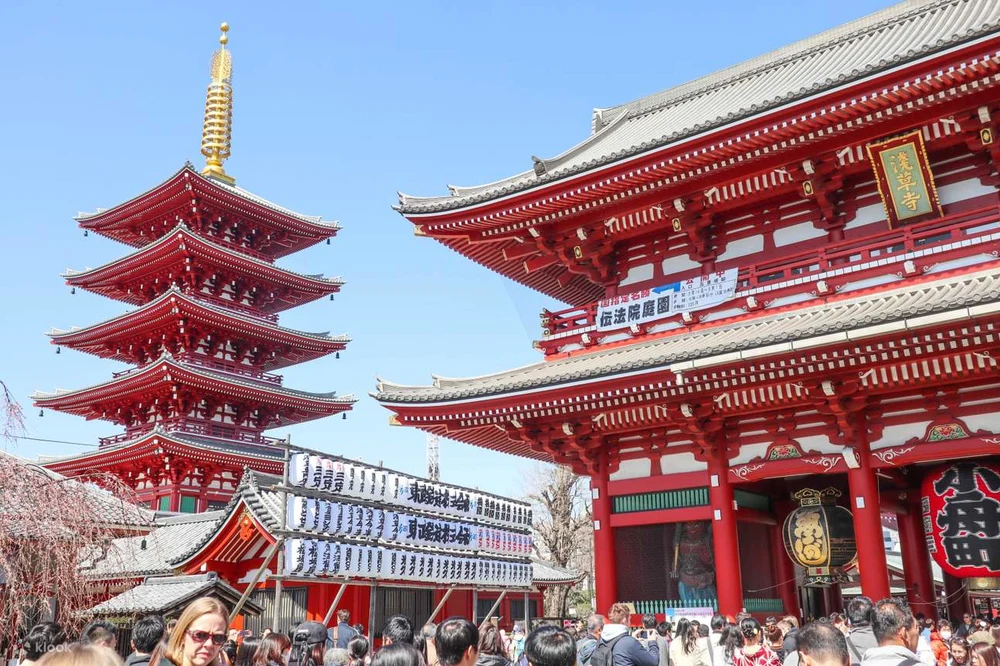
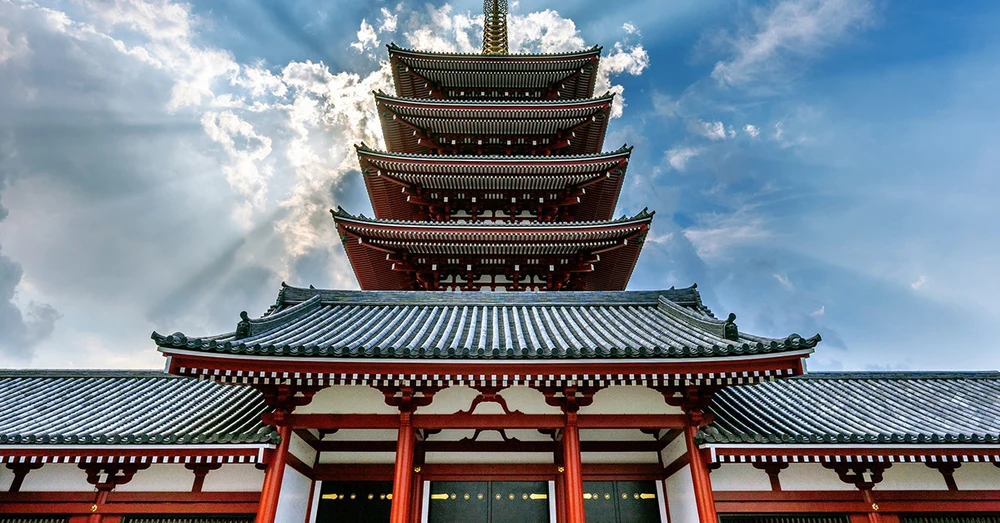
The Five-Story Pagoda, an integral part of the Sensoji Temple complex, has gone through the ups and downs of history. Originally built in 942, the temple was not spared from the ravages of war. However, thanks to donations from devotees across Japan, the Five-Story Pagoda was restored in 1945, continuing its spiritual mission.
The most special feature of the Five-Story Pagoda is the top floor, which houses the precious Buddha relics (busshari), a gift from Isurumuniya Temple in Sri Lanka.
Demboin House & Garden at Sensoji Temple, Japan
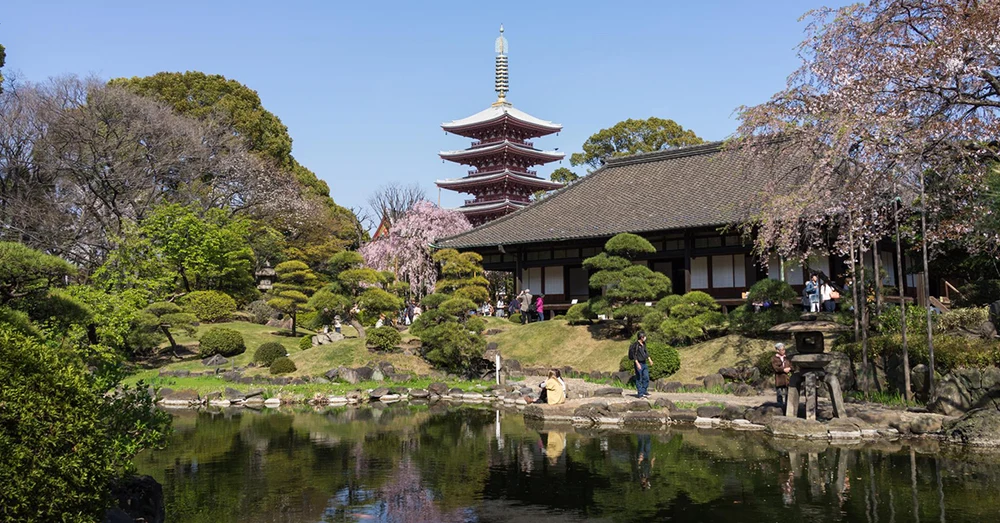
The Demboin area, a national scenic spot, is an integral part of Sensoji Temple. It includes the Kyakuden – the reception building, the entrance, the large and small Shoin libraries, the study room, and the Oima – the temple’s chief priest’s living room. The Kyakuden is also used for memorial services and practice.
The special feature of the Demboin area is the garden surrounded by walking paths around a large pond. Believed to have been designed by Enshu Kobori in the early Edo period, the garden is a Japanese-style garden with trees, rocks and water arranged in harmony, creating a quiet and peaceful space. However, the garden is currently closed to the public.
Nitenmon Gate at Sensoji Temple, Japan
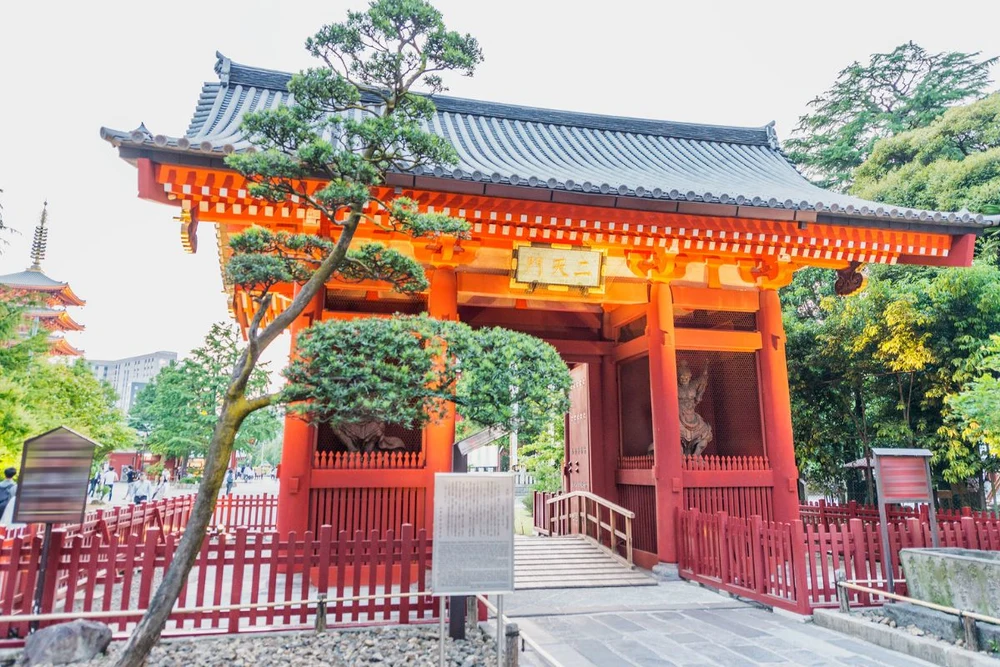
The Nitenmon Gate, an important cultural property of Japan, was built in 1618 with the original purpose of protecting the Toshogu Shrine. After many renovations, the gate was renamed the Sensoji East Gate in 1649 and has retained its design to this day.
2010 marked a milestone when the Nitenmon Gate was restored to its original state after hundreds of years. On both sides of the gate are statues of two Buddhist guardian gods, Zochoten and Jikokuten, which is also the origin of the name “Nitenmon” – meaning “gate of two gods”. Today, the Nitenmon Gate is not only a unique architectural work but also a symbol of protection and shelter for the sacred Sensoji Temple.
Hozomon Gate (Niomon Gate) At Sensoji Temple, Japan
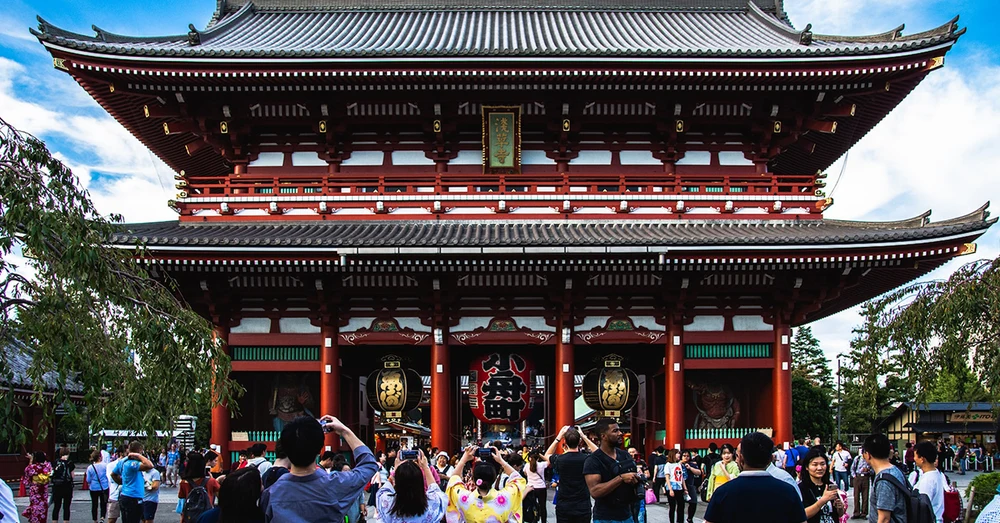
The Hozomon Gate was first built in 942 by the military commander Taira no Kinmasa. In 1649, the shogun Tokugawa Iemitsu upgraded the entire temple complex and built a new gate. However, the current gate we see today is the result of a restoration in 1964, with the contribution of businessman Yonetaro Otani – founder of Otani Heavy Industries and Hotel New Otani.
Kaminarimon Gate (Furaijinmon Gate)
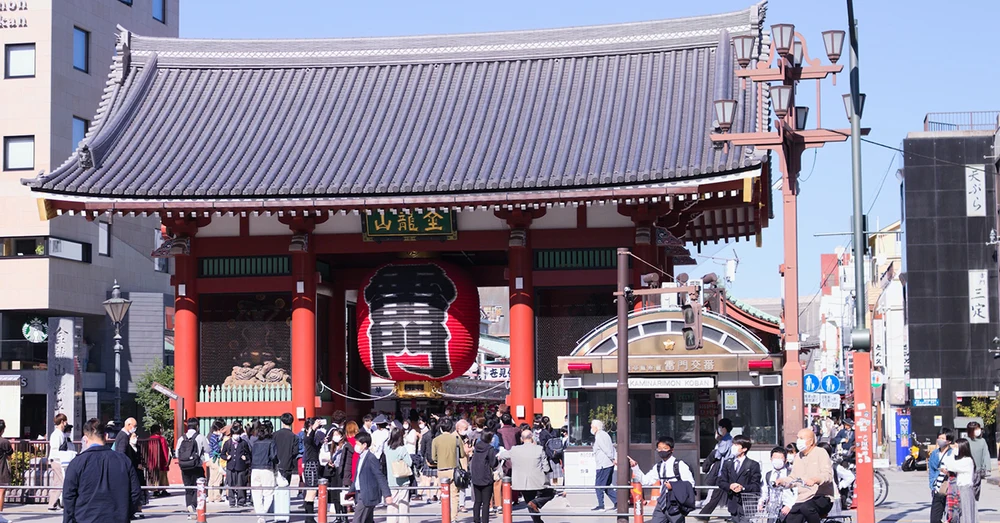
The military commander Taira no Kinmasa built the Kaminarimon Gate in 942, and this is the main gate of Sensoji Temple. Statues of the wind god Fujin (god of wind) and the thunder god Raijin are enshrined here to protect the temple from natural disasters.
A major fire in the Tawaramachi neighborhood in December 1865 burned down the Kaminarimon Gate, and it was not until 95 years later, in 1960, that the current gate was rebuilt with the help of businessman Konosuke Matsushita.
Nakamise Shopping Street
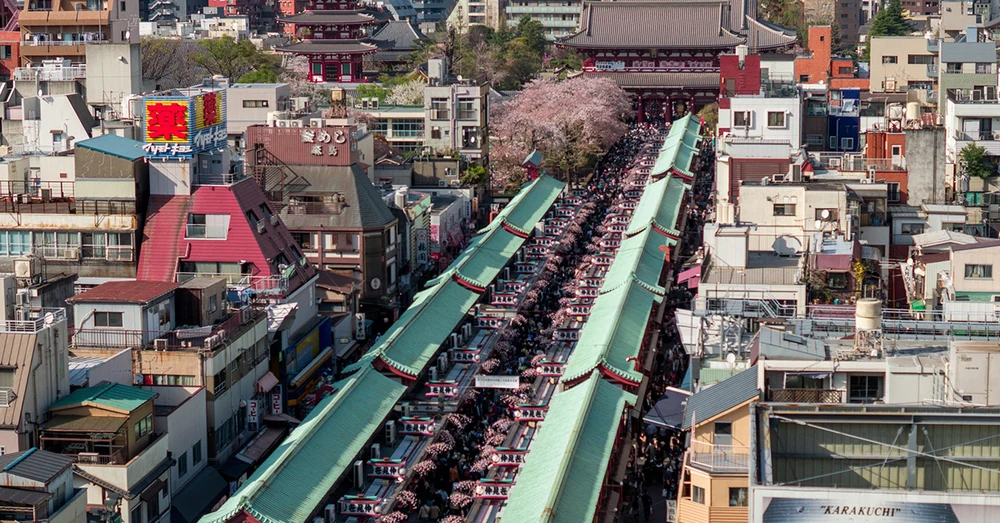
Nakamise, an ancient shopping street with a history of over 100 years, located right on the grounds of Sensoji Temple, is a must-see destination for shopaholics and lovers of Japanese culture. With a length of about 250m, this street is home to hundreds of shops selling a variety of items, from traditional toys, handicrafts, sweets to unique souvenirs.
The special thing about Nakamise is its affordable prices, allowing you to shop without worrying about “burning your pocket”. In addition, this is also a place where you can enjoy typical snacks of Asakusa, such as Ningyo-yaki rice cakes, Kibi Dango pancakes or Senbei cookies. Walking on Nakamise street, you will feel the bustling, vibrant atmosphere and immerse yourself in traditional Japanese culture.
Bentendo Hall at Sensoji Temple, Japan
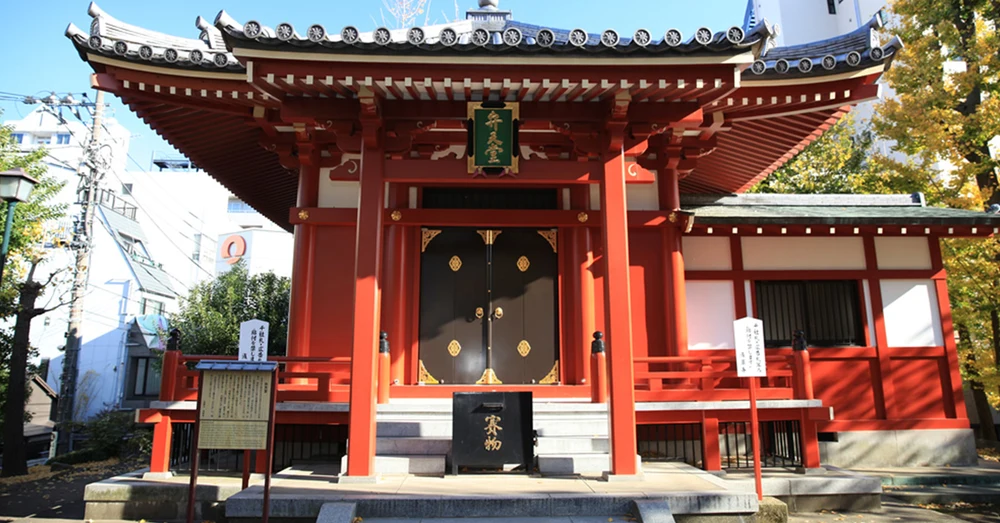
Bentendo Hall stands out with the statue of the gray-haired goddess Sarasvati (Benzaiten), known as one of the three prominent statues of Sarasvati (Benten) in the Kanto region. The bell placed in Bentendo Hall was recast in 1692 by order of the 5th shogun Tokugawa Tsunayoshi and is called “the bell of time” by the locals.
Things to do in Sensoji temple: Special Festivals at Sensoji Temple, Japan
Famous for its sacredness, architectural beauty, as well as historical stories, it is no surprise that Sensoji Temple attracts 30 million visitors every year. Many people and tourists come here not only to visit and worship, but also to immerse themselves in the unique festivals at the temple that take place throughout the year. What are those festivals? Let’s find out with us.
Hatsumode Festival
Time: January 1-7
Senkyaku Banrai Toyosu Manyo Club Onsen Experience in Tokyo
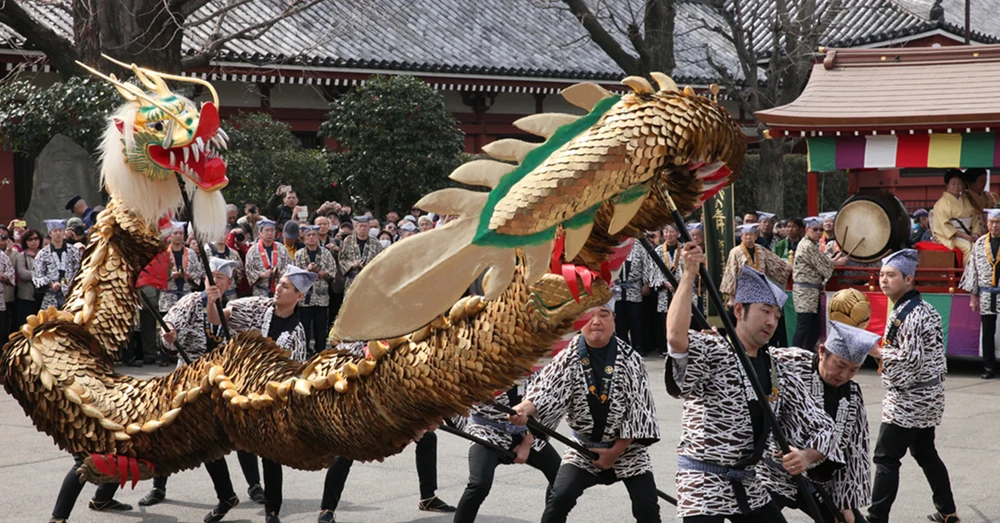
Hatsumode is a precious Japanese custom, marking the first visit to a Shinto shrine or Buddhist temple in the new year. Usually taking place on the first, second or third day of January, this tradition has deep spiritual significance for the Japanese people. This is when people go to the temple at the beginning of the year to pray for peace, health and a bountiful harvest in the coming year.
Setsbun Festival
When: February 3
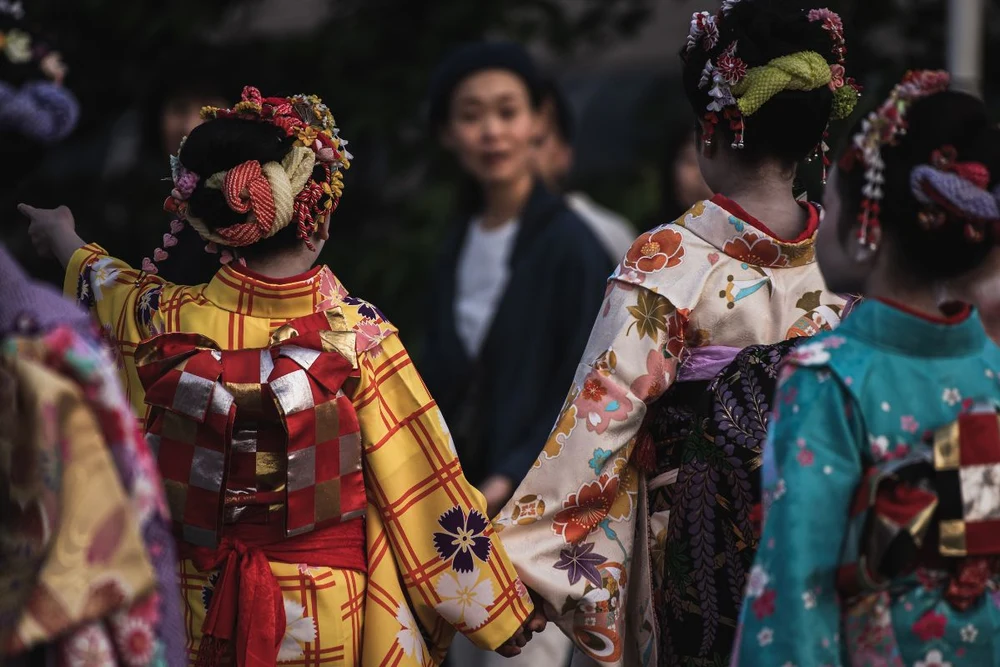
During the spring festival, Japanese people often throw dried beans to drive away evil spirits and pray for good luck. But at Sensoji Temple, it is believed that no evil spirits can get close to the Bodhisattva Avalokitesvara, so instead of shouting “Demons, get out!” they say “Long life and good luck, please come!”
Honzon Jigen-e Festival
When: March 18
The Honzon Jigen-e Festival is an important annual event held at Senso-ji Temple in Asakusa, Tokyo, Japan. It celebrates the legendary discovery of the temple’s main statue, which is said to be the Bodhisattva Avalokitesvara. According to legend, on March 18, 628, two fishermen found the statue in the Sumida River. This momentous event marked the beginning of the history of Senso-ji Temple.
Hana Matsuri
When: April 8
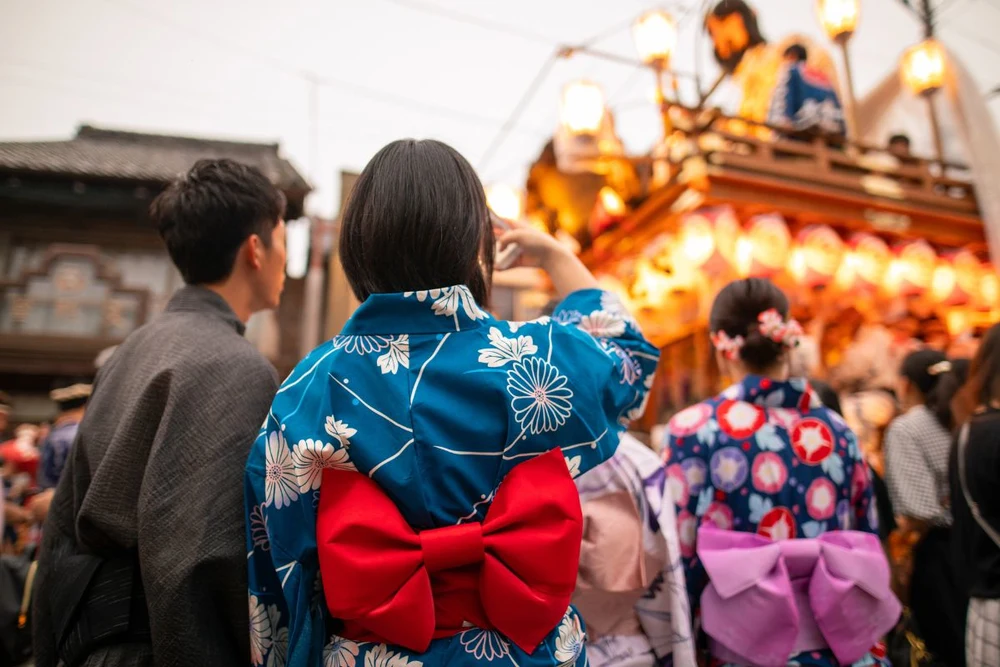
The Japanese celebrate Buddha’s birthday by pouring amacha (hydrangea tea) on a Buddha statue placed at a hanamido (an altar often decorated with flowers). The festival brings joy and precious memories to those who attend, such as tasting hydrangea tea for the first time and taking fresh bouquets home as souvenirs.
Shiman-rokusen-nichi
Date: July 9-10
These are two special days for Buddhists, as they believe they will receive blessings at Sensoji Temple, which are 46,000 times more powerful than the other days. The temple will hold a Hozuki-ichi fair with about 120 stalls during this time, and you will find many hozuki lanterns for sale everywhere.
Osame-no-Kannon Goennichi Festival
Date: December 17-19
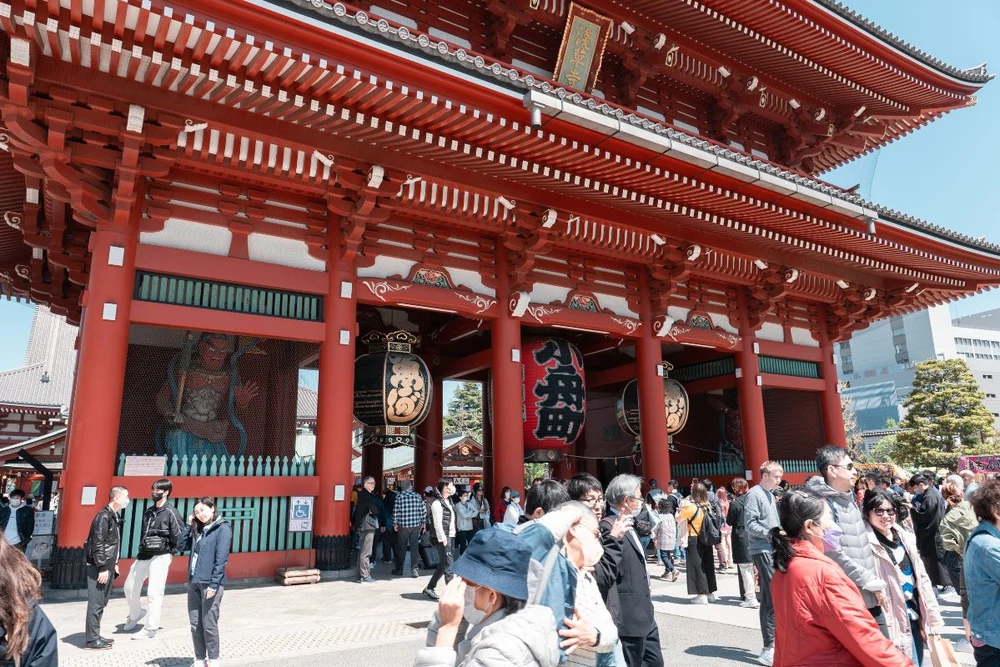
During the last festival of the year, people often eagerly visit Sensoji Temple to visit the ennichi (outdoor stalls near shrines). In addition, there is also a Hagoita fair held near the shrine and temple gate.
Don’t forget to bring home a hagoita – a lucky charm in Japanese culture. Hagoita is a small wooden racket designed in the shape of an oar, used in badminton games during the first days of the new year.
Famous Tourist Attractions Near Sensoji Temple Tokyo
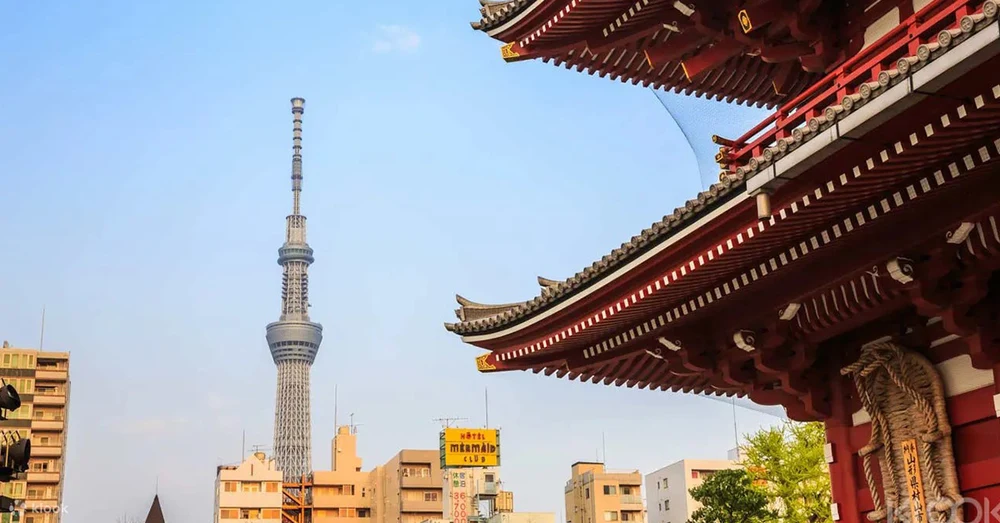
Famous as the oldest Buddhist temple in Tokyo, Sensoji attracts visitors not only by its ancient architecture and sacred atmosphere but also by the surrounding attractions. Take a walk to explore famous landmarks, immerse yourself in traditional culture and immerse yourself in beautiful nature right in the vibrant Asakusa area.
Bustling Nakamise Shopping Street
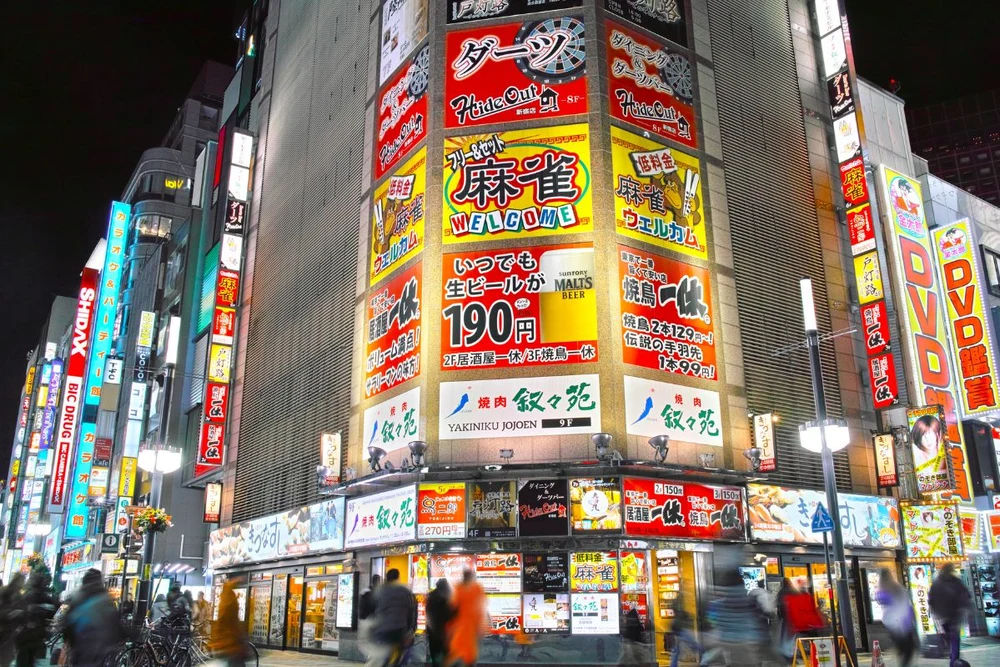
Nakamise Street, a bustling shopping street located near Sensoji Temple, is a must-visit destination for shopaholics. With its bustling atmosphere and hundreds of shops lined up side by side, Nakamise promises to bring you an unforgettable shopping experience.
You will be overwhelmed by the variety of items, from exquisite traditional handicrafts such as folding fans, kokeshi dolls, to delicious snacks such as ningyo-yaki rice cakes, kibi dango pancakes, and unique souvenirs with a strong Japanese imprint.
Asakusa Shrine
Asakusa Sumo Club Sumo Show Admission with Chankonabe in Tokyo
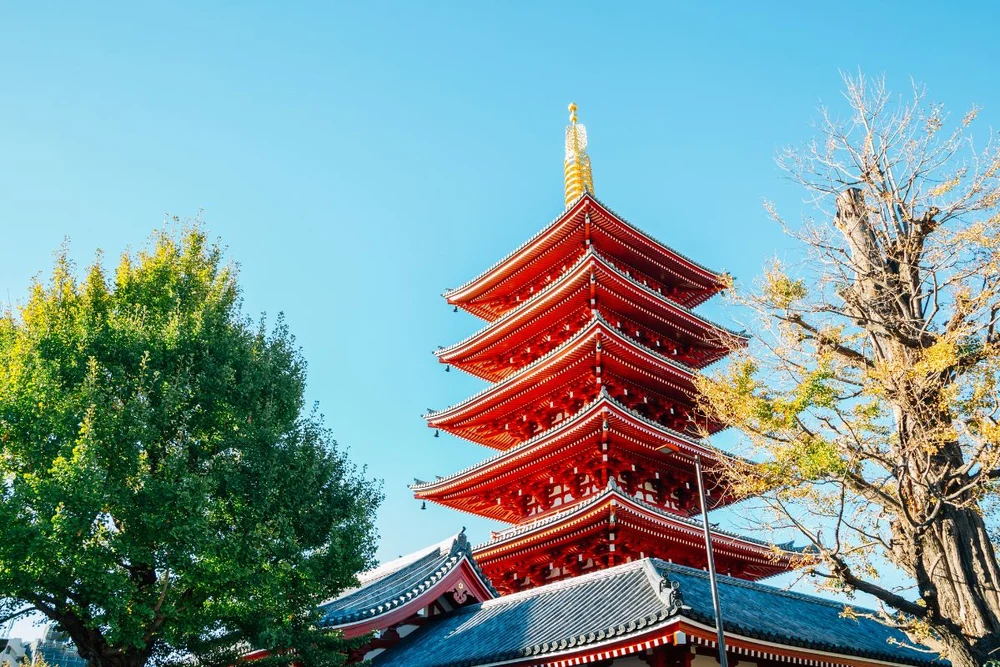
Far from the hustle and bustle of Nakamise Street, Asakusa Shrine offers a quiet and peaceful space where your soul can find peace in the heart of bustling Tokyo. This shrine is dedicated to three deities related to the founding of Sensoji Temple, with its elegant architecture and solemn atmosphere, giving visitors a sense of relaxation and serenity.
In particular, Asakusa Shrine is famous for its hatsumode festival, the first shrine visit of the new year, attracting thousands of people to pray and ask for good fortune at the beginning of the year. If you have the opportunity to visit Tokyo during the New Year, don’t miss the opportunity to experience the sacred and bustling atmosphere at Asakusa Shrine!
Asakusa Engei Theatre
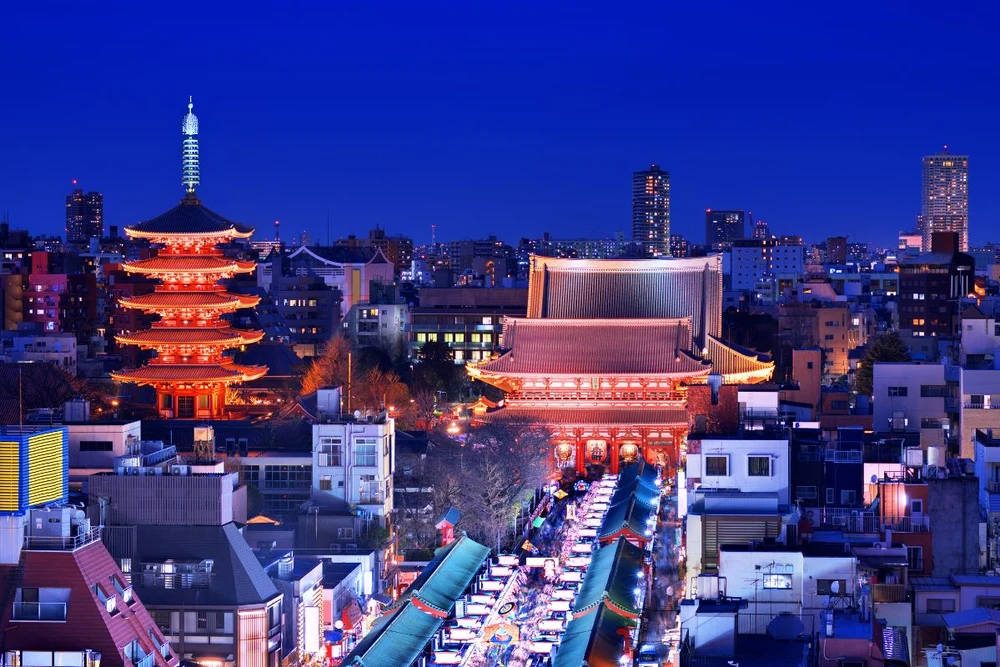
Asakusa Engei Theatre is a must-see destination for those who want to explore traditional Japanese performing arts. With a long history and a classical atmosphere, this theatre is where kabuki, rakugo (comic storytelling) and many other unique art forms take place. Coming to Asakusa Engei, you will have the opportunity to immerse yourself in a unique cultural space and experience the traditional values of the land of the rising sun.
Hanayashiki Amusement Park
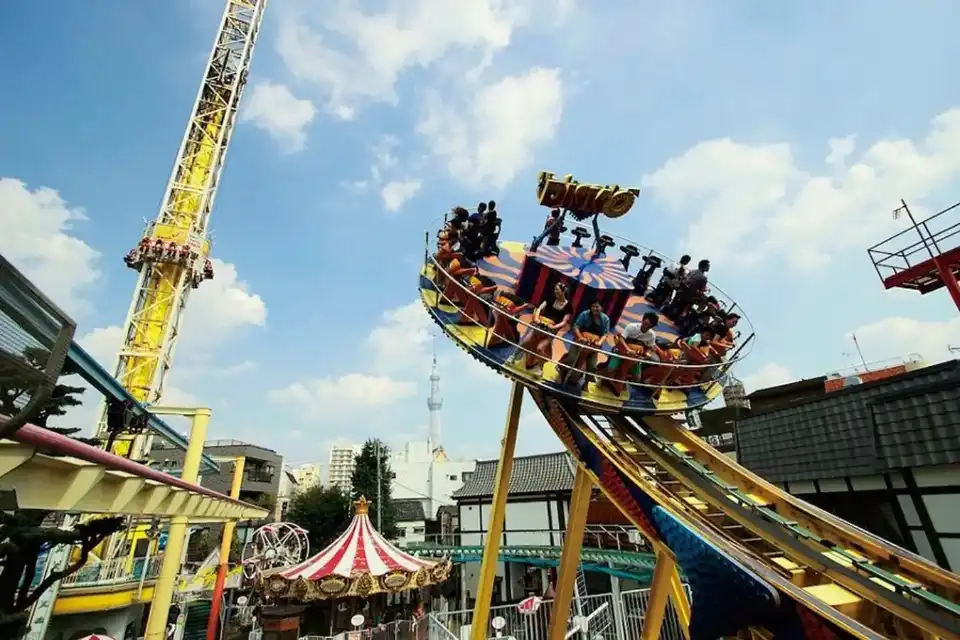
If you want to find a place to experience the atmosphere of old Japan, visit Hanayashiki – one of the oldest amusement parks in Japan. Hanayashiki Park offers a nostalgic atmosphere with classic games, a traditional Japanese garden and a beautiful small zoo. This is an ideal destination for families and those who love a relaxing, gentle space.
Sumida River in Tokyo
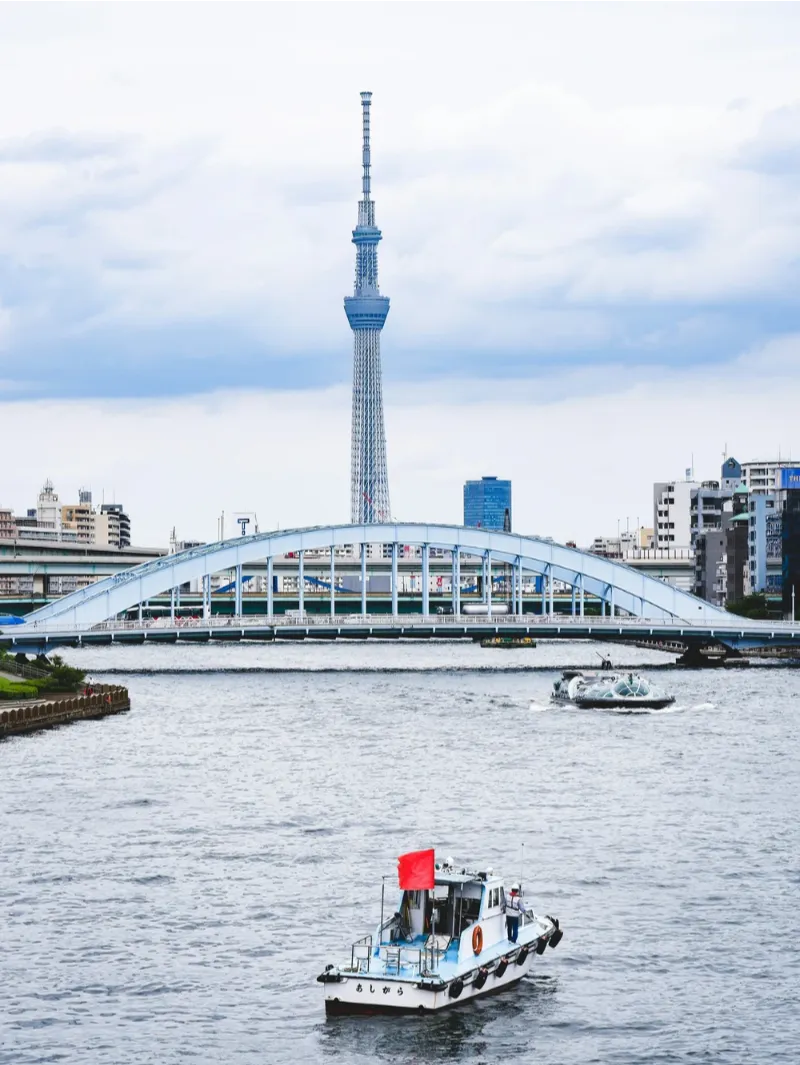
The poetic Sumida River is an ideal destination for you to enjoy relaxing moments and admire the beauty of Tokyo from a different perspective. Walking along the riverbank, you will admire the panoramic view of the city with modern skyscrapers, interspersed with ancient architectural works. In particular, the towering Tokyo Skytree will be a highlight not to be missed in this scene.
If you want to experience more fully, you can choose a cruise on the Sumida River. From here, you will have the opportunity to admire the famous bridges across the river, including the Azuma Bridge with its unique architecture and romantic beauty. Don’t forget to capture these memorable moments with beautiful photos!
Notes When Visiting Sensoji Temple in Japan
Mt. Fuji 5th.St & Hakone & Gotemba Outlets with lunch from Tokyo
Since 2025, the Main Hall, Pagoda, Hozomon Gate and Kaminarimon Gate will be lit up from sunset until 23:00. The Main Hall will be closed, but the temple grounds are still open to visitors. If you have the opportunity to come here at night, you will feel a quiet, peaceful atmosphere, completely different from the hustle and bustle of the day. This is probably the perfect time to take a walk.
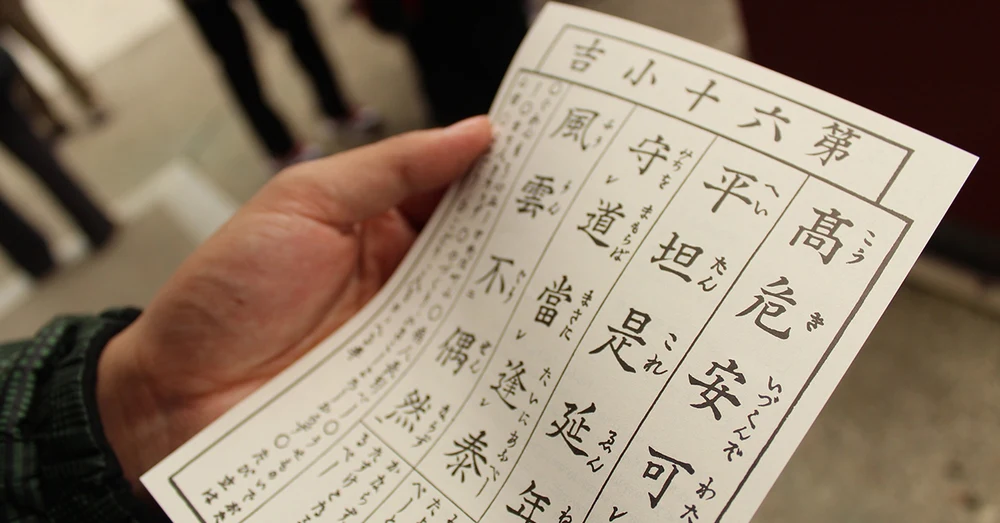
The custom of asking for Omikuji fortunes is very popular in Japan, often found at temples and pagodas. The Japanese maintain this custom throughout each New Year and most people want to know if they will have good luck in the following year. You should try your luck with Omikuji fortune telling when visiting Sensoji Temple.
Eateries & Restaurants Near Sensoji Temple
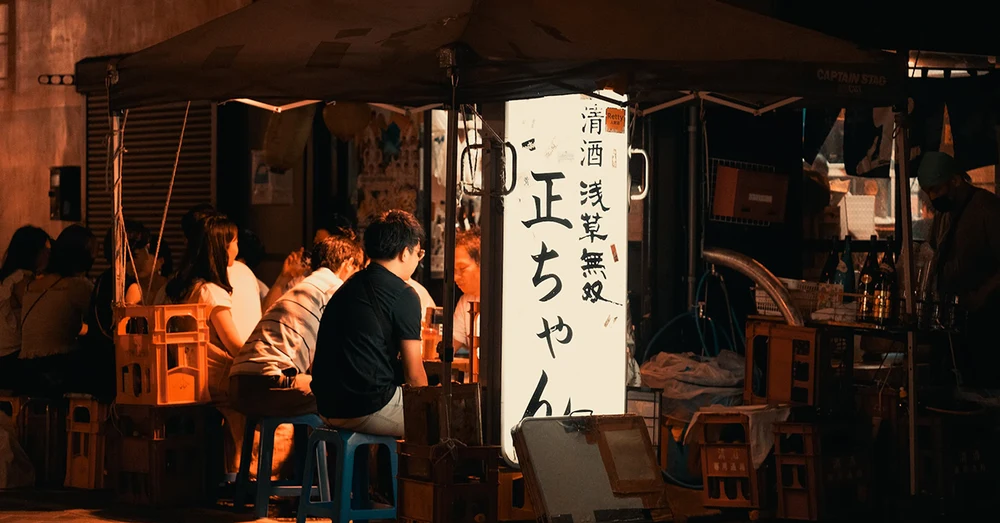
You can find street food in the Nakamise shopping area, but if you’re looking for a more “chill” place to eat in Asakusa, check out these our picks, which include traditional restaurants, trendy cafes, and casual izakaya pubs.
Onigiri Asakusa Yadoroku
Address: 3-9-10 Asakusa, Taito-ku, Tokyo
Located right behind Sensoji Temple, Yadoroku is the oldest onigiri specialist in Tokyo. Choose from a variety of toppings including salmon, ume, tarako, shirasu, and okaka, served with tofu miso soup and takuan (pickled radish). All at affordable prices.
Noake Tokyo
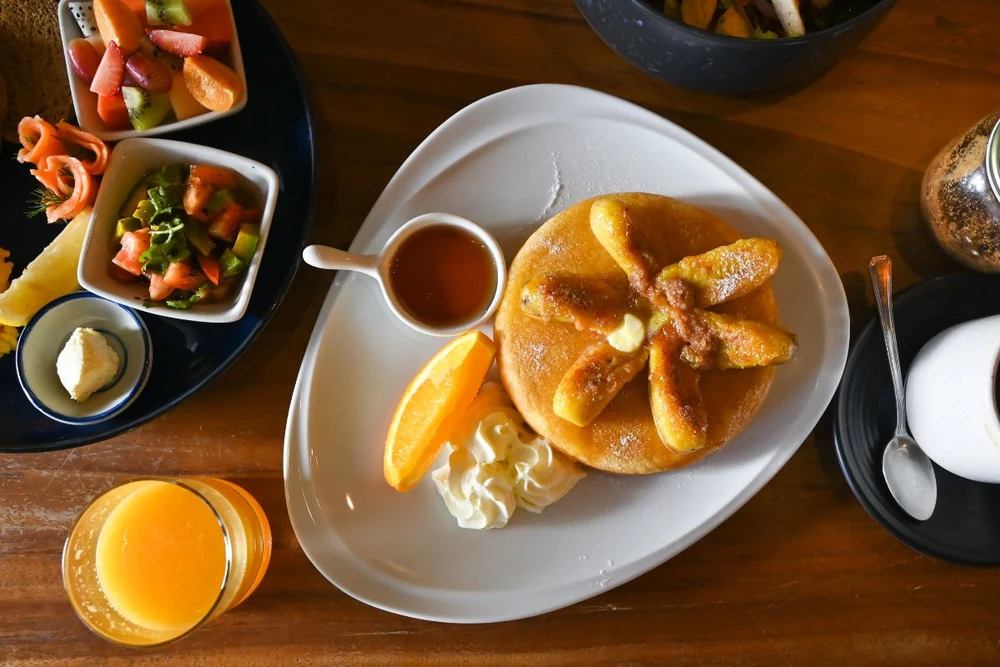
Sky Grill Musashi City View Buffet in Asakusa
Address: 5-3-7 Asakusa, Taito-ku, Tokyo
Noake Bakery is famous for its delicious cakes with original recipes in the Asakusa area. Head to Noake and order the banana caramel cake, or one of their many other cake options, and enjoy a sweet break after sightseeing while soaking up the nostalgic atmosphere.
Benten
Address: 3-21-8 Asakusa, Taito-ku, Tokyo
This small restaurant has been serving buckwheat noodles since 1950 and has become a popular spot among locals looking to enjoy soba with a mug of beer or sake. Benten’s signature dish is the clam soba, with a delicious broth made from meaty clams sourced from Chiba Prefecture, combined with the strong aroma of yuzu and mitsuba leaves.
Asahi
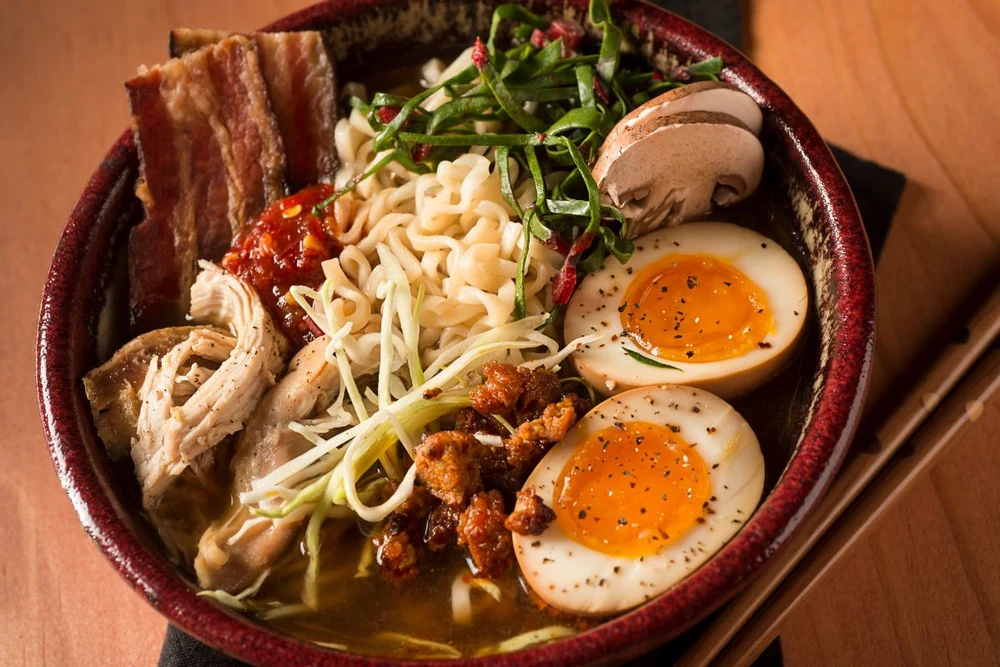
Guenpin in Tokyo – Puffer Fish Specialist
Address: 3-33-6 Asakusa, Taito-ku, Tokyo
This Chinese restaurant has been in business for over 70 years, and its original menu has not changed once in decades, such as the popular paku-paku coriander ramen. Add some nam pla (fish) sauce and you get a Thai-Chinese fusion dish.
Izakaya Koji
Address: 2-3-19 Asakusa, Taito-ku, Tokyo
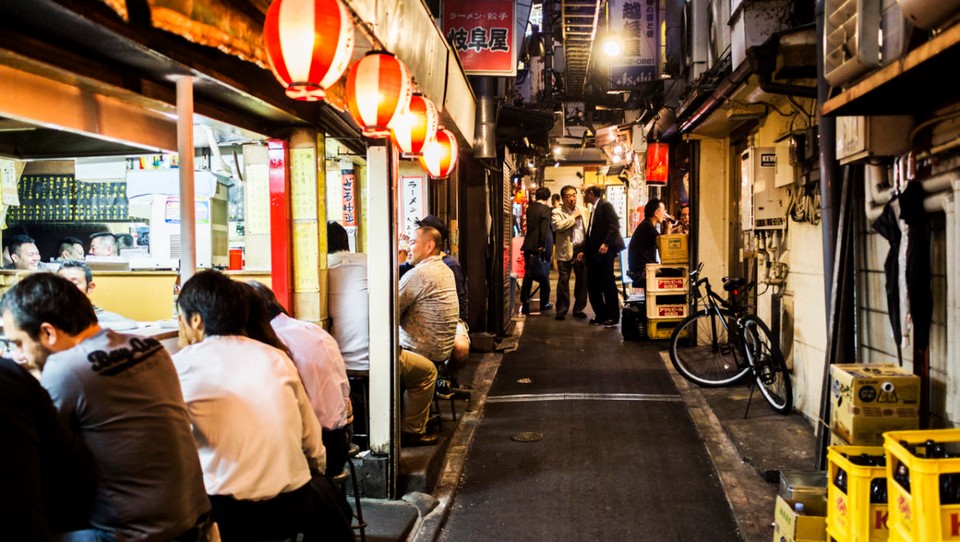
This pub is located at the back of Denboin-dori in Asakusa, commonly known as Hoppy Street. With both outdoor and counter seating, it is packed every day of the week. It serves many classics like cold cuts and Japanese amberjack simmered with daikon radish.
Cheap Hotels & Guesthouses Near Sensoji Temple In Akasuka
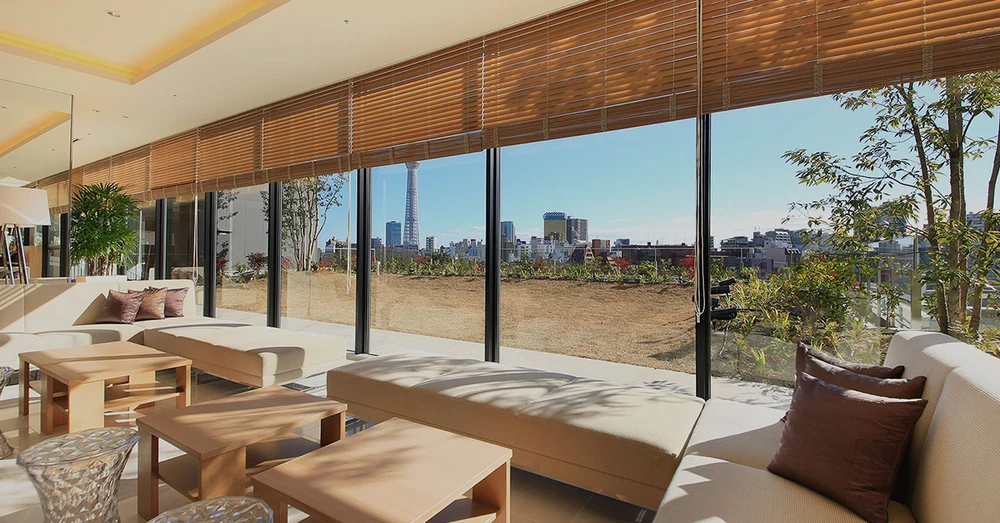
Akasuka, one of the oldest and most charming neighborhoods in Tokyo, is always an attractive destination for tourists because of its traditional beauty mixed with modernity. To fully experience this beauty, what could be better than staying at the hotels with the most “expensive” views in Asakusa?
Hotel MONday Asakusa (klook, agoda)
- Address: 2-26-7 Asakusa, Taito City, Tokyo 111-0032, Japan
- Reference price: from 1,577,514 VND/night
Tosei Hotel Cocone Asakusa (klook, agoda)
- Address: 3-26-10 Asakusa, Taito City, Tokyo 111-0032, Japan
- Reference price: from 1,546,320 VND/night
HOTEL TAVINOS Asakusa (klook, agoda)
- Address: 2-18-8 Asakusa, Taito City, Tokyo 111-0032, Japan
- Reference price: from 1,647,006 VND/night
OTHER SPACE Asakusa (klook, agoda)
- Address: 3-4-10 Asakusa, Taito City, Tokyo 111-0032, Japan
- Reference price: from 1,950,000 VND/night
Hotel Ann Asakusa (klook, agoda)
- Address: 2-10-6 Nishiasakusa, Taito City, Tokyo 111-0035, Japan
- Reference price: from 1,972,000 VND/night
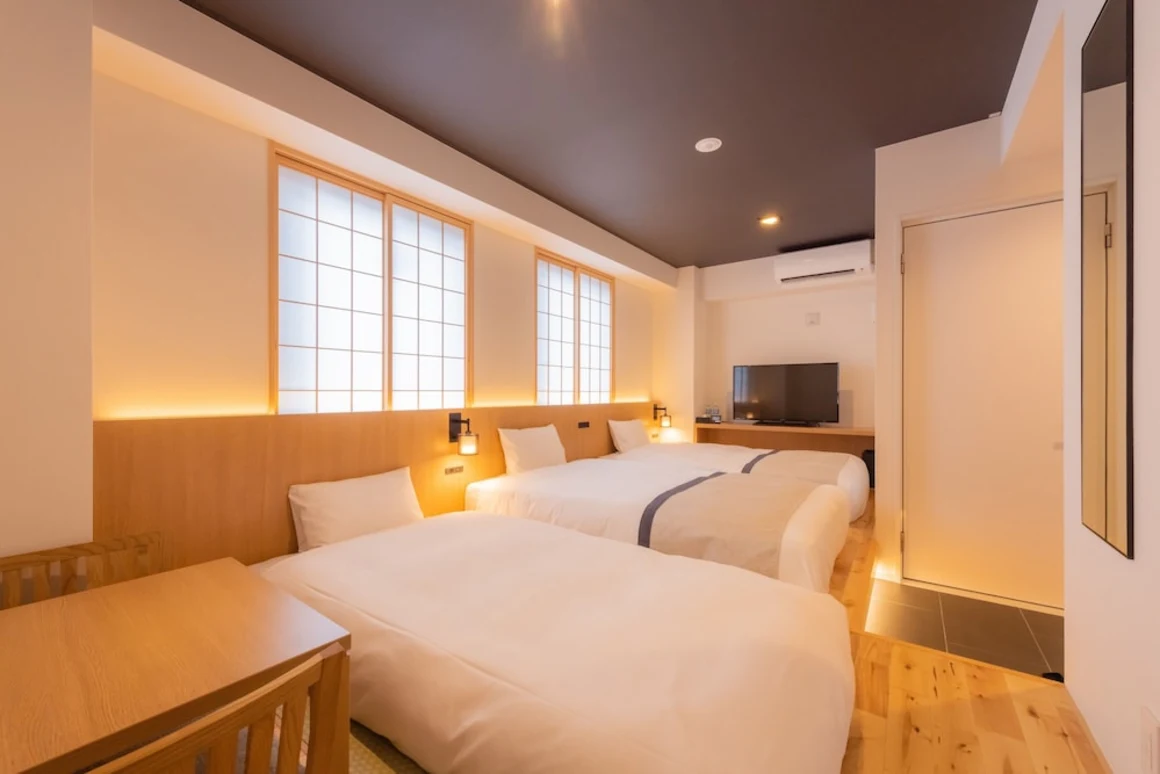
Keisei Skyliner Narita Airport Express Ticket
The above is a brief overview of the basic information about Sensoji Temple, Tokyo that we have compiled to share with you. Check-in with Living Nomads at this super hot place right away!
Some best day tours, trips, activities and transfer services, tickets in, to and from Tokyo you can refer to
- Mt Fuji & Hakone Day Tour: Lake Ashi & Ropeway Day Trip from Tokyo
- Nikko Cultural Day Tour from Tokyo
- Tokyo Subway Ticket (24, 48, or 72 Hours)
- Shuttle Bus Transfers (One Way/Round Trip) from Shinjuku/Ikebukuro to Tokyo Disneyland or Tokyo DisneySea
- Tokyo Disney Resort Park Ticket
- Klook Pass Greater Tokyo
- SHIBUYA SKY Ticket
- Warner Bros. Studio Tour Tokyo – The Making of Harry Potter Ticket
- Skyliner Narita Airport Express Ticket
- TeamLab Planets Ticket
- TOKYO SKYTREE® Ticket
- Limousine Bus Narita or Haneda Airport to Tokyo
- Skyliner Narita Airport Express With Tokyo Subway Ticket
- JR Tokyo Wide Pass
- Sky Hop-on and Hop-off Bus Pass
- 4G Prepaid Sim Card (JP Airports Pick Up) for Japan
- JR Pass for Whole Japan (7, 14, or 21 Days)
Are you looking for more Tokyo travel guide and top things to do in Tokyo: Tours, activities, attractions and other things? Read more: Tokyo itinerary 3 days — What to do in Tokyo in 3 days?