




















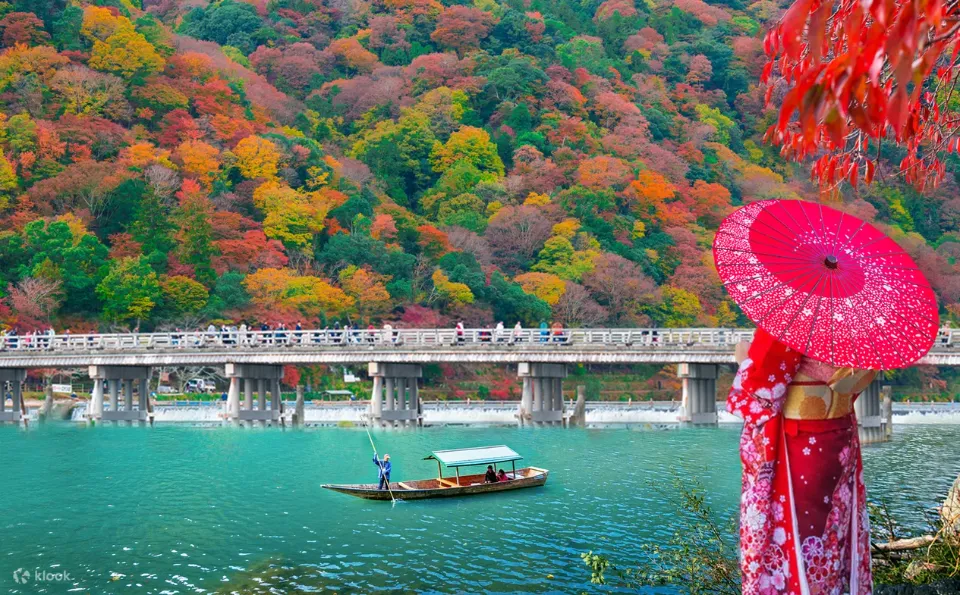
Where should you go, see, and experience in Arashiyama on a one-day trip? Check out the detailed Arashiyama 1 day itinerary: Suggested perfect Arashiyama 1 day trip from Kyoto below to prepare for your upcoming trip!
- Unlocking the Allure of Kinkaku-ji (The Golden Pavilion) with 1-Day Itinearary
- 15 Must-Visit Tourist Places in Kanagawa
- 11 Amazing Japanese Autumn Festivals to Enjoy the Fall Foliage Season
- A Relaxing Uji Itinerary 1-Day: Escaping the Kyoto Crowds
- 16 Tourist Spots Near Tokyo to Make Your Trip Even More Exciting
If you only have one day in Kyoto, where would you choose to both admire the natural scenery and feel the ancient rhythm of life in Japan’s former capital? The answer is undoubtedly Arashiyama, a beautiful suburb famous for its endless green bamboo groves, ancient temples, and the graceful Togetsukyo Bridge reflected in the Hozu River. A one-day exploration of Arashiyama will give you a complete experience of Japanese nature and culture.
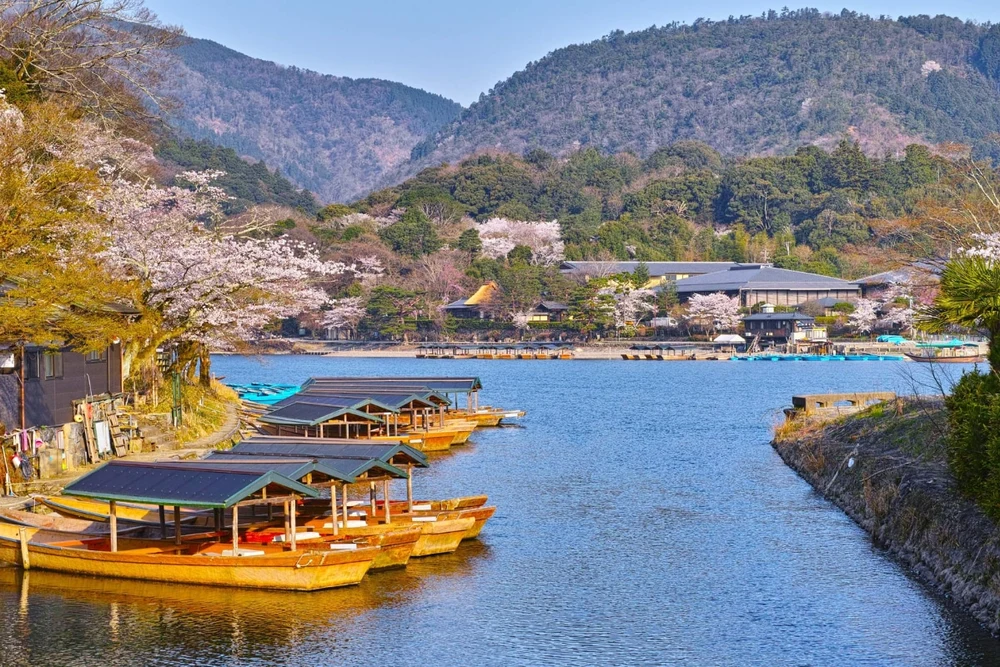
Check out Living Nomads suggested itinerary below to fully enjoy the beauty and peaceful atmosphere of this region.
7:00 – 7:40: Travel to Arashiyama and Have a Quick Breakfast
I started my day early to enjoy the peaceful atmosphere of Arashiyama. From central Kyoto, I took the JR Sagano Line train to Saga Arashiyama Station. This is the fastest and most convenient way to get there. If you want a more enjoyable experience, you can take the subway from Kyoto Station to Uzumasa Tenjingawa, then transfer to the Randen train towards Arashiyama. This line is less crowded and gives you the chance to admire Kyoto’s old town along the way.
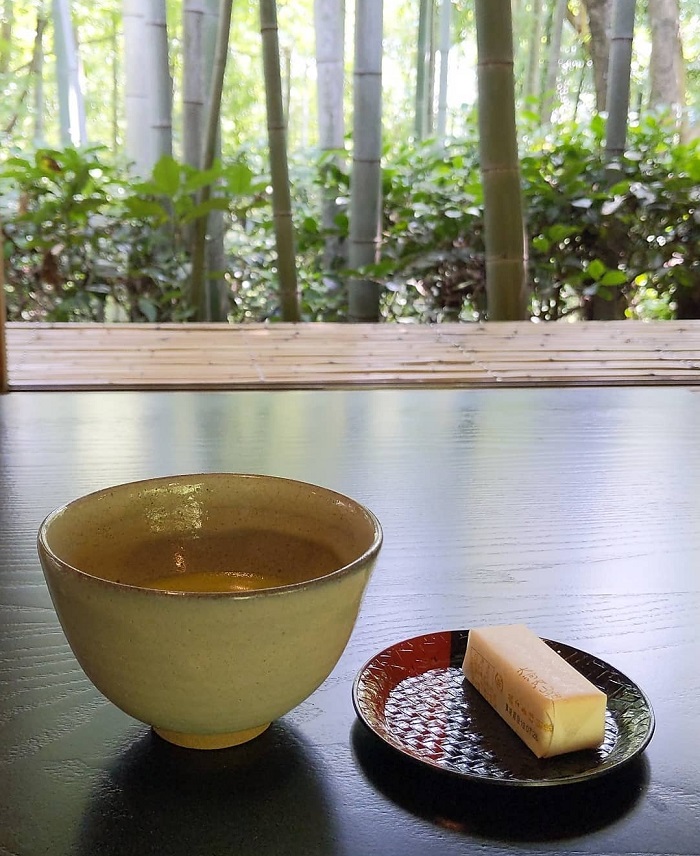
The total travel time from central Kyoto to Arashiyama is about 35 minutes and costs only about 510 JPY, approximately 89,000 VND. I stopped at a convenience store in the station to buy bread, onigiri, and coffee to have a light breakfast while enjoying the view through the train window. This way, you can save time and travel early to avoid crowds, so remember to save this tip!
7:40 – 9:30: Visiting Iwatayama Monkey Park
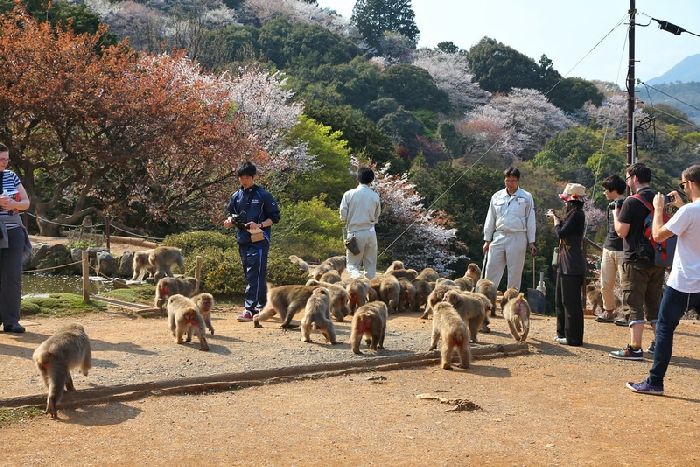
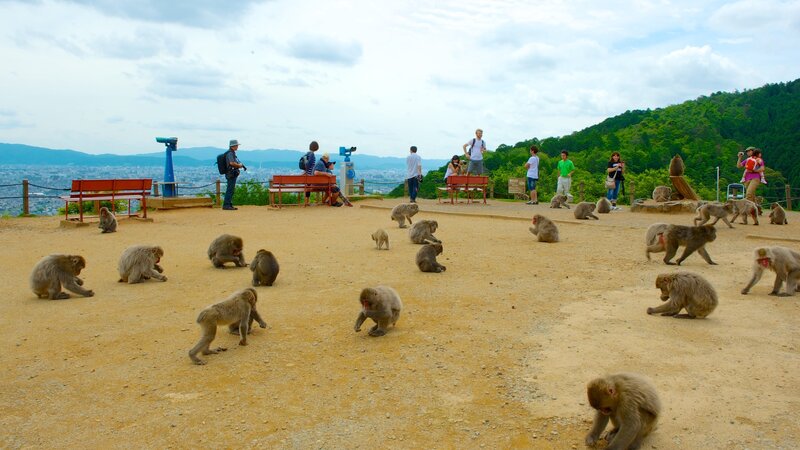
After arriving in Arashiyama, I chose Iwatayama Monkey Park as my first stop. From the foot of the mountain, it takes about 20 to 30 minutes to climb to the summit. The path is steep, but there are benches and interesting signs about the monkeys’ behavior, making the journey enjoyable. Upon reaching the summit, the view was incredibly impressive. Over 120 monkeys were running and jumping around me, both playful and friendly.
Kyoto Arashiyama Half-Day UNESCO Site Walking Tour
I bought food for the monkeys in the wooden house for 100 JPY (approximately 17,400 VND) and fed them through a safety net. From here, the entire Kyoto landscape stretched out below, the early morning sunlight gently illuminating the mountains, creating a wonderful feeling. Entrance to the park costs 800 JPY (approximately 139,000 VND) for adults and 400 JPY (approximately 69,700 VND) for children. Try to visit the park in the morning as the weather is cooler and more suitable for hiking!
9:30 – 9:45: Stroll Across Togetsukyo Bridge
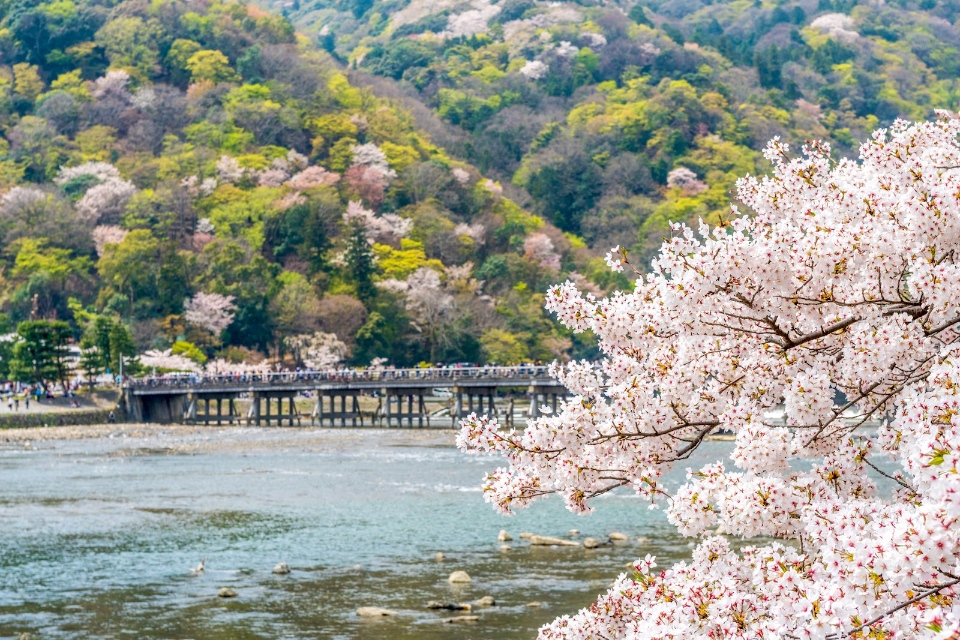
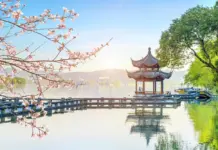
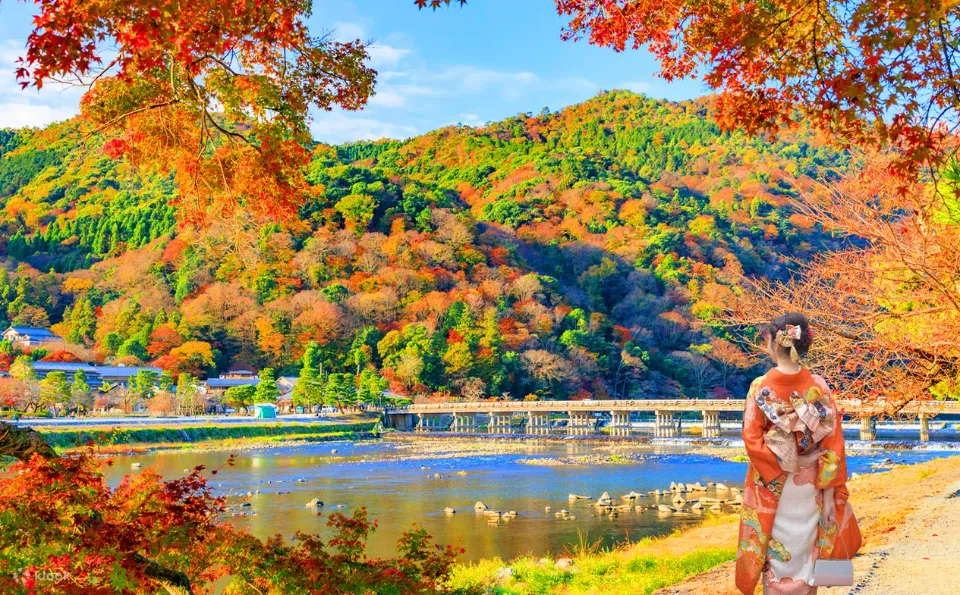
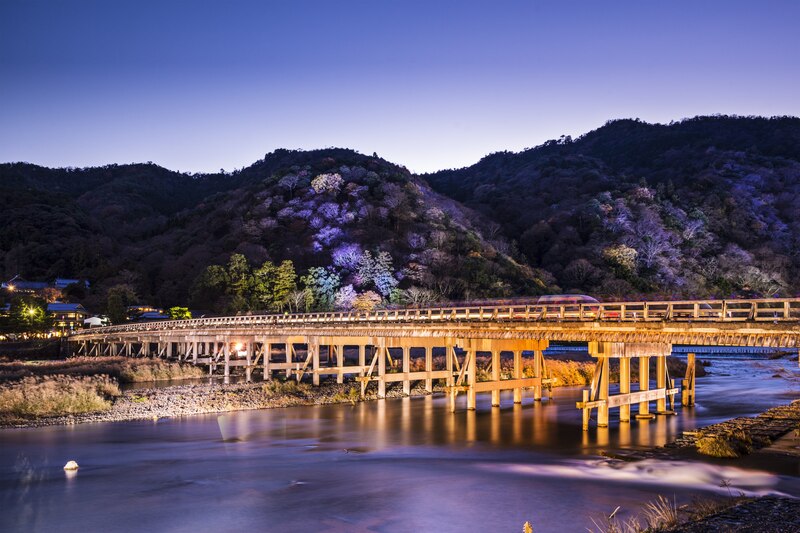
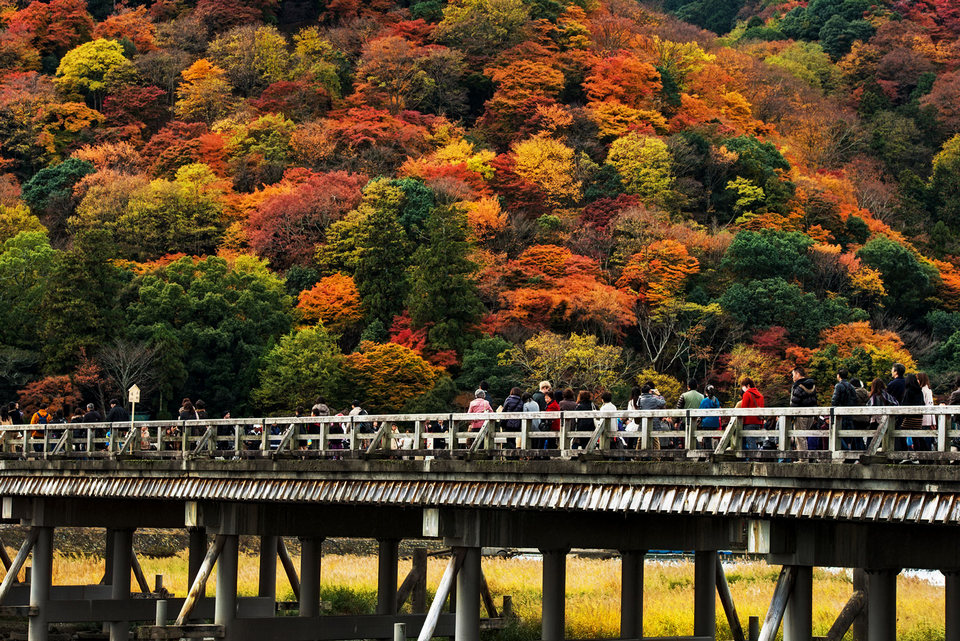
After leaving Iwatayama Monkey Park, I strolled along the Katsura River to Togetsukyo Bridge, the most famous landmark of Arashiyama. The bridge, approximately 155 meters long, spans the tranquil river and is an ideal spot for admiring the mountain scenery and taking stunning photos. Togetsukyo Bridge was first built in 836 and rebuilt in 1934, with cedar wood railings that exude a rustic charm characteristic of Kyoto.
Osaka Katsuo-ji & Kyoto Arashiyama & Fushimi Inari Tour (From Osaka)
Standing in the middle of the bridge, you can feel the river breeze and enjoy the romantic view of the lush green hills of Arashiyama. Souvenir shops and traditional rickshaws line both sides of the bridge, evoking a nostalgic atmosphere of old Kyoto. Don’t forget to bring your camera to take some photos at this beautiful bridge!
9:45 – 10:45: Exploring Tenryū-Ji Temple and Zen Garden
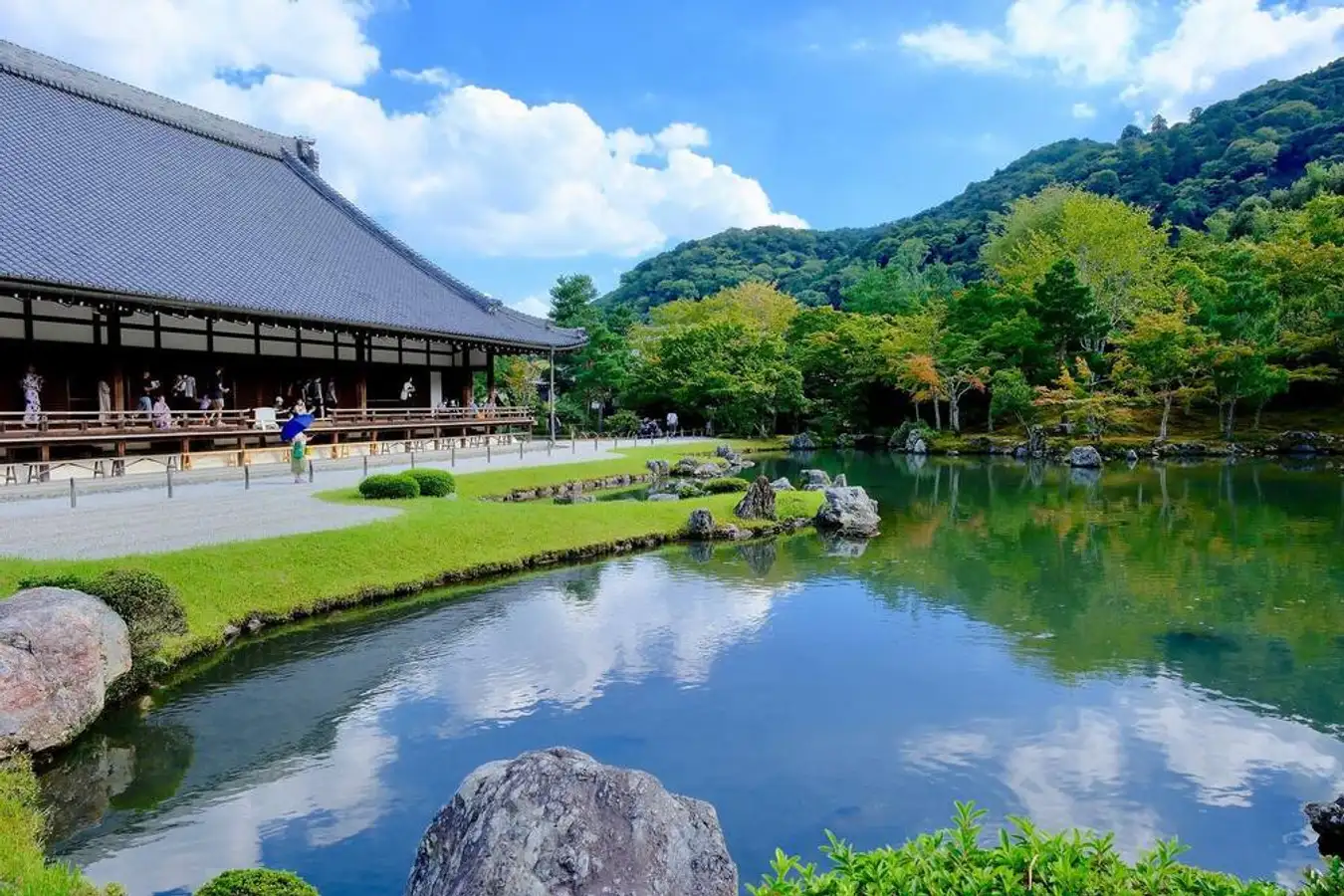
Crossing the Togetsukyo Bridge, a short walk will take you to Tenryū-Ji Temple – the largest temple in Arashiyama and a UNESCO World Heritage site. Built in 1339 by Shogun Ashikaga Takauji in memory of Emperor Go-Daigo, it embodies the spirit of Japanese Rinzai Zen Buddhism.
The serene atmosphere, the wooden walkways connecting the temple halls, and the faint scent of incense create a sense of peace for all who visit. Admission to the Sogenchi Garden costs 500 JPY (approximately 87,000 VND), and admission to the main hall costs 300 JPY (approximately 52,000 VND). If you want to see the famous Cloud Dragon painting in the Hatto Hall, you’ll need to pay an additional 500 JPY (approximately 87,000 VND).
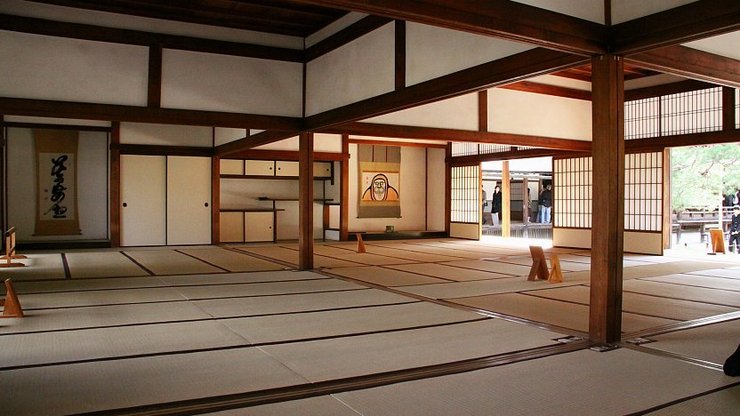
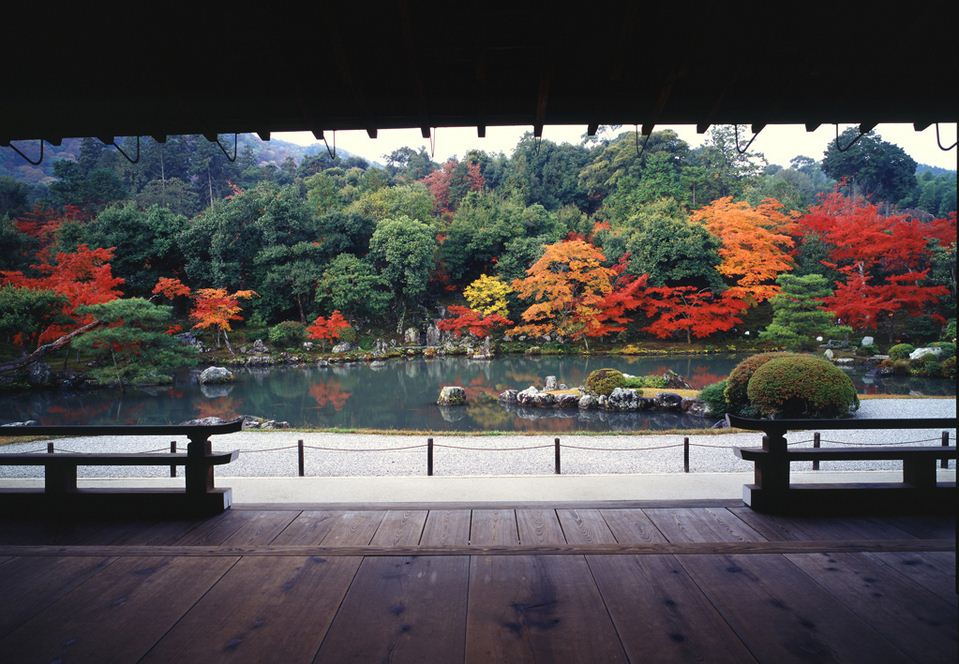
The highlight of Tenryū-Ji is the Sogenchi Garden, a masterpiece designed in the 14th century by Zen master Muso Soseki. The garden features a crystal-clear pond reflecting the mountains, and meticulously arranged pine trees and ornamental rocks. Each season brings its own unique beauty: cherry blossoms in spring, vibrant red leaves in autumn, and a blanket of white snow in winter. I spent about an hour strolling along the stone-paved paths and admiring the scenery, fully appreciating the harmony between nature and architecture.
10:45 – 11:10: Stroll through Arashiyama Bamboo Forest
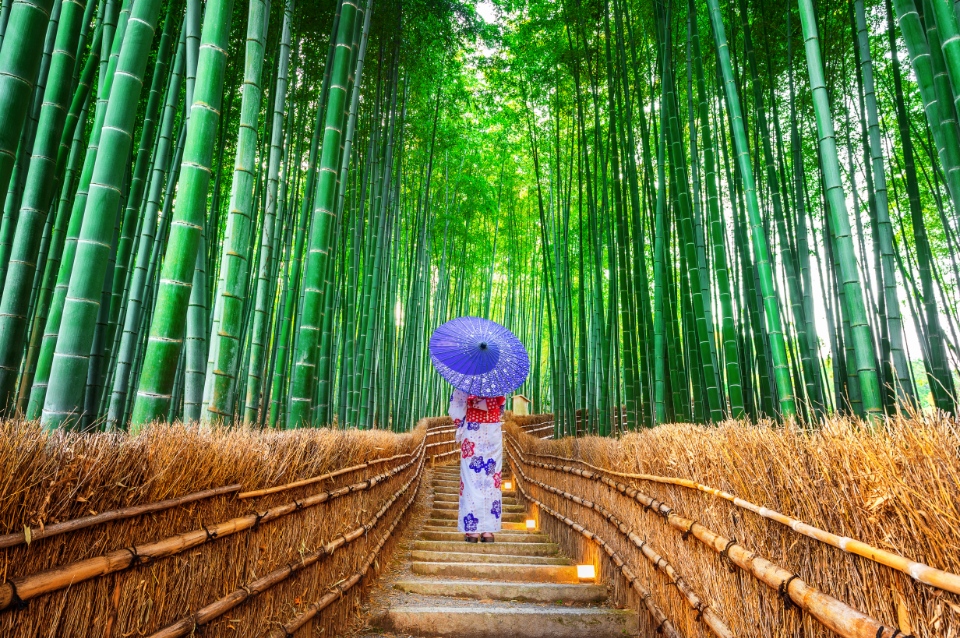
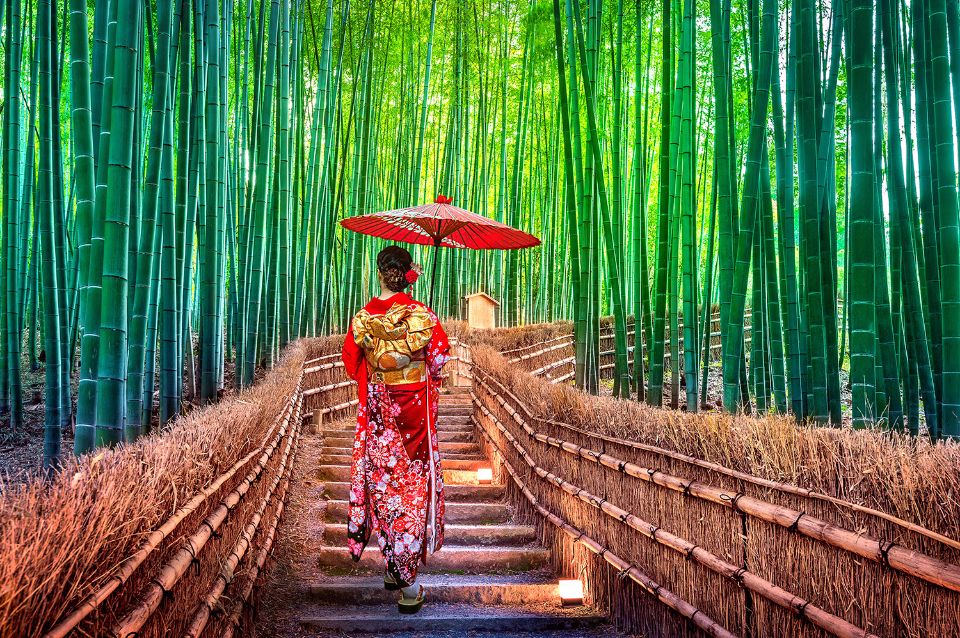
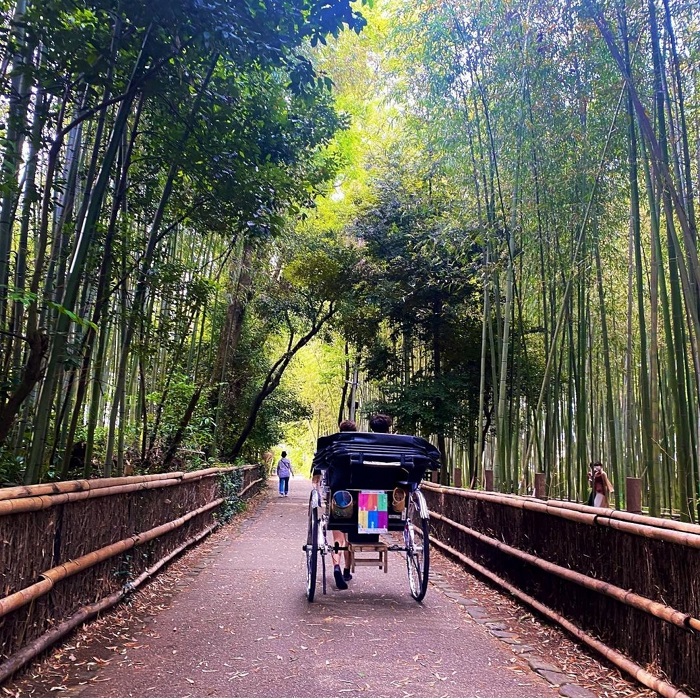
The Arashiyama Bamboo Forest is a must-see stop on any Kyoto exploration. Stepping onto the lush green bamboo path, I felt like I was entering another world. Soft light filtered through the towering bamboo stalks, and a gentle breeze stirred the leaves, creating a soothing sound in the tranquil space. The fresh air made each step slower and more relaxing.
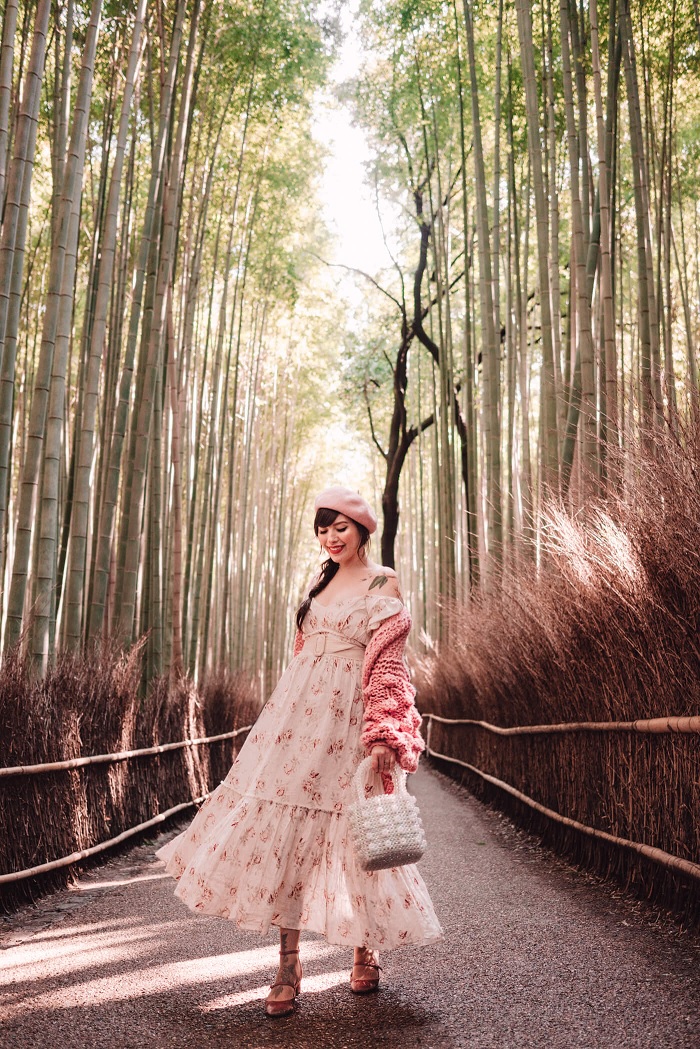
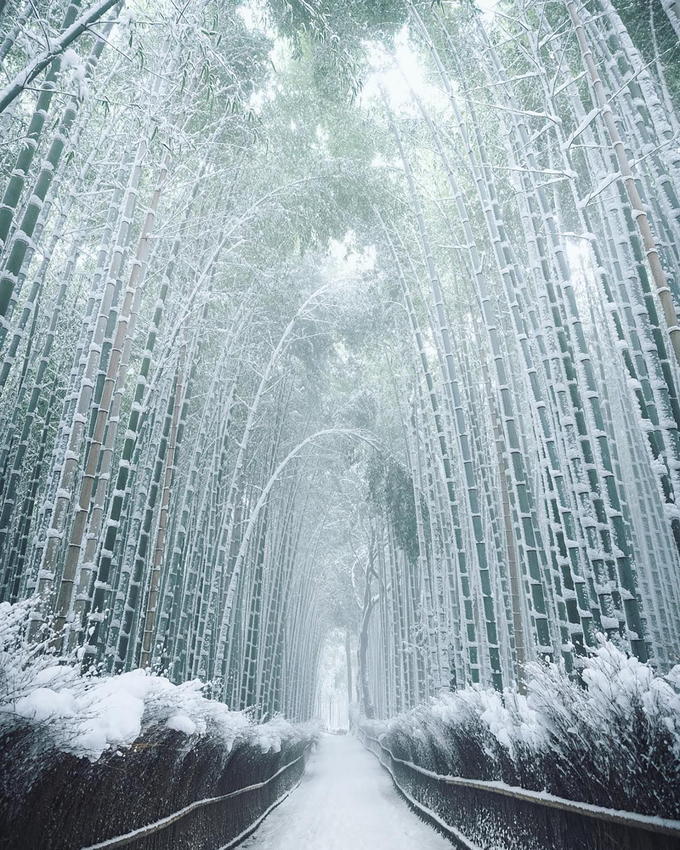
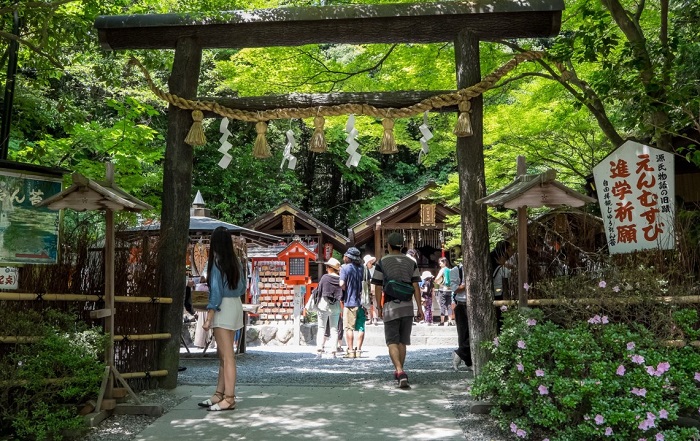
There are two main paths to explore the bamboo forest. The Chikurin no Komichi path, approximately 400 meters long, starts near Tenryū-ji Temple and is the most popular route. The other is Chikurin no Sansakuro, beginning at Nonomiya-jinja Shrine, where Japanese people often pray for love and happiness. For stunning photos, consider renting a kimono or experiencing a traditional rickshaw ride to fully appreciate the charm of the Arashiyama bamboo forest.
11:10 – 12:30: Sagano Romantic Train Experience
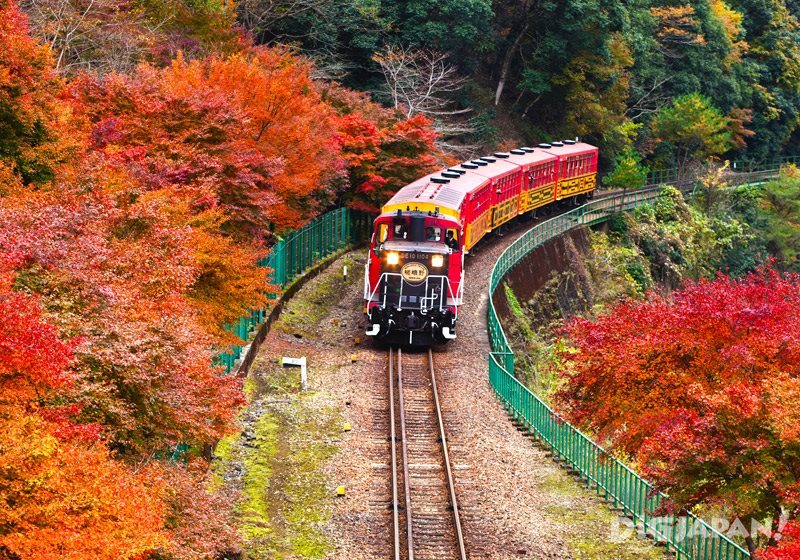
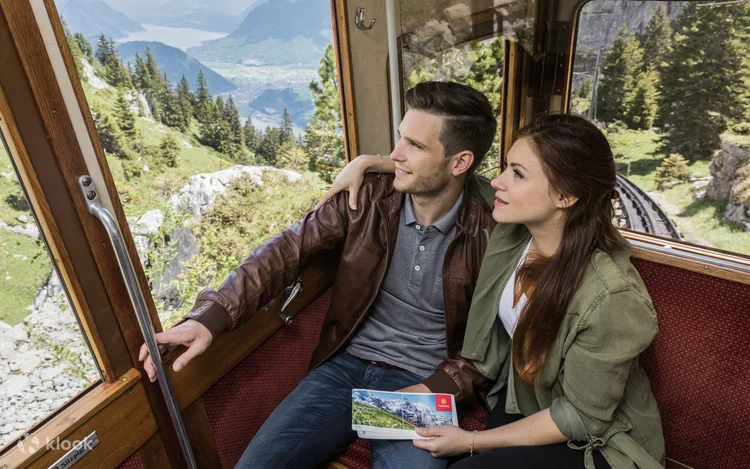
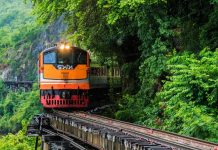
If you’re looking for a unique experience in Arashiyama, take some time to ride the Sagano Romantic Train. This 7-kilometer train takes about 25 minutes each way, connecting Torokko Saga Station and Torokko Kameoka Station. Choose the “Rich Car” for panoramic views of the valley. Each season brings a unique charm to the scenery, from the gentle cherry blossoms of spring to the vibrant red leaves of autumn.
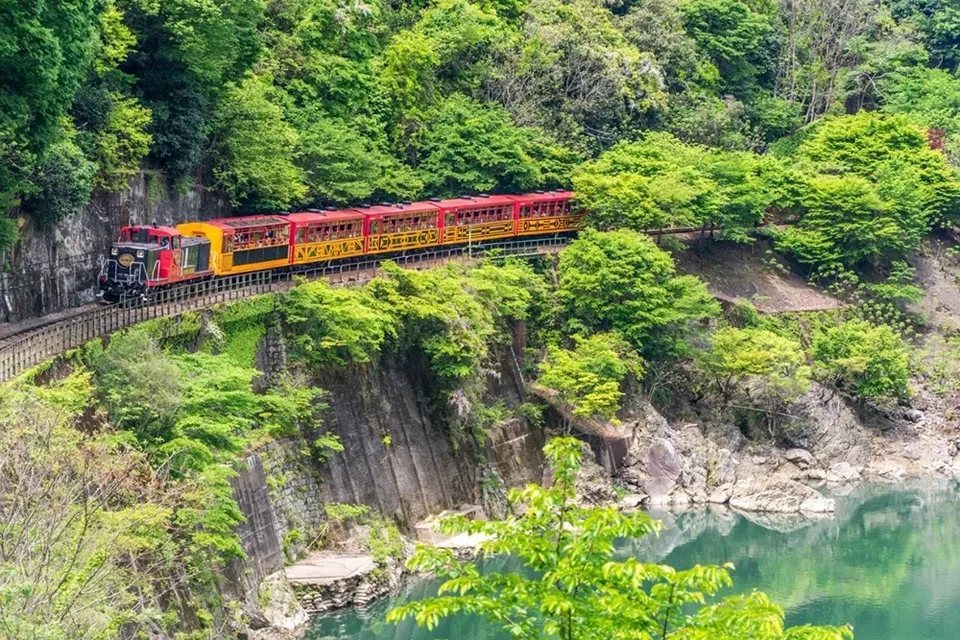
A one-way ticket costs 880 JPY (approximately 153,322 VND) for adults and 440 JPY (approximately 76,661 VND) for children. The train operates from March to the end of December, so you should book in advance to secure your preferred seat. If the weather is nice, combine this trip with a cruise on the Hozugawa River to enjoy the scenery from two different perspectives.
12:30 – 13:30: Lunch at Togetsukyo Bridge Area
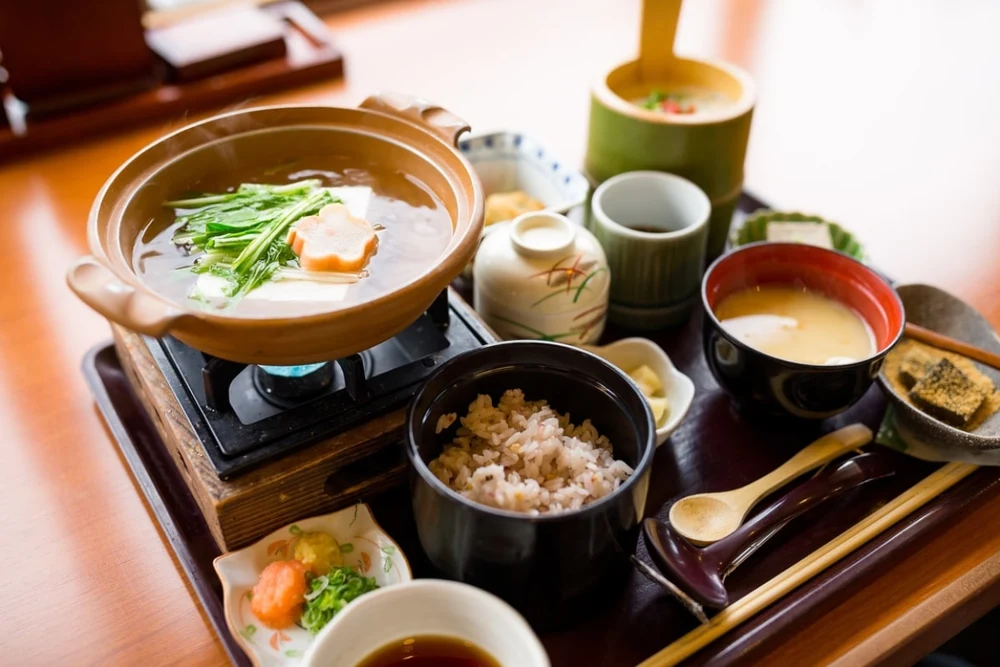
Lunchtime is the ideal time to relax and enjoy Kyoto cuisine along the Katsura River, right in the bustling Togetsukyo Bridge area. What could be better than sitting in a spacious setting, watching the river flow gently while savoring traditional Japanese food? This area boasts many renowned restaurants offering traditional Kyoto cuisine.
If you love tofu and yuba, Kameya Honke in Omiya is a refined choice with kaiseki menus starting from ¥5,750 (approximately 1,000,000 VND). For those seeking a high-end kaiseki experience, consider GION KYO-RYOURI HANASAKI NISHIKI or Arashiyama Sakura, famous for their exquisitely presented dishes that resemble works of art.
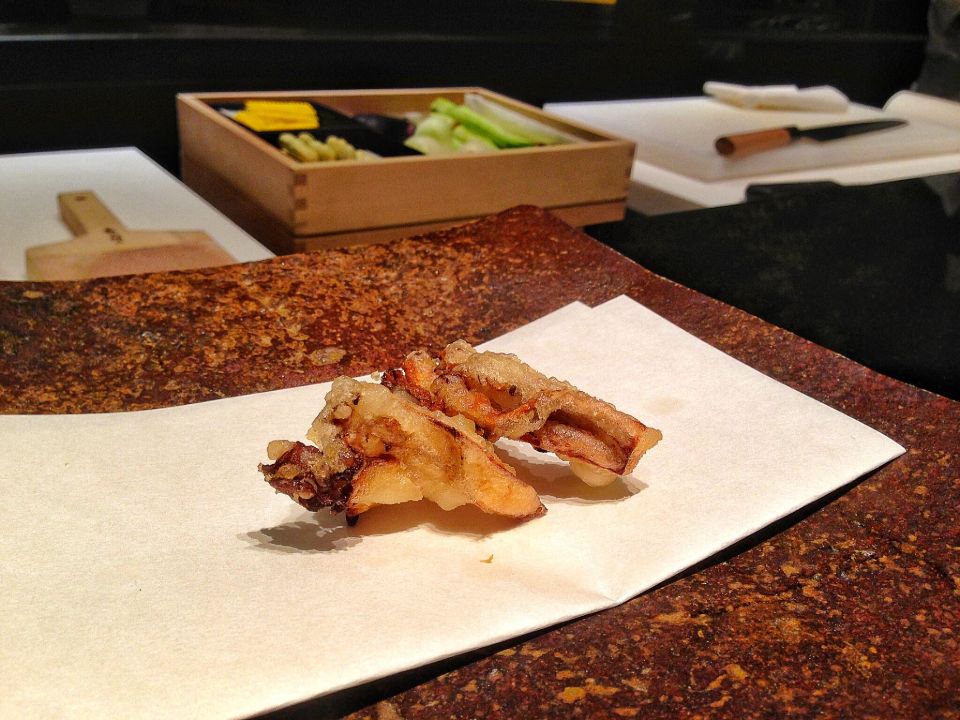
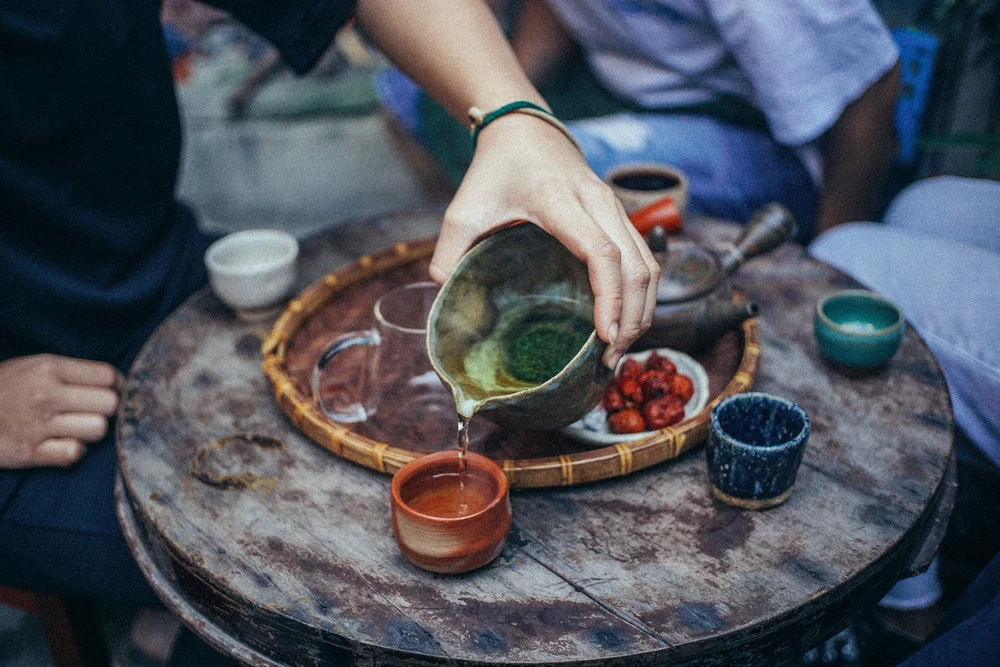
After lunch, stroll through the Arashiyama Gourmet Yokocho food street to enjoy matcha ice cream or green tea-flavored Mont Blanc. A relaxing lunch by the Togetsukyo Bridge will help you recharge and provide a chance to fully appreciate Kyoto’s slow and refined pace of life.
1:30 PM – 2:30 PM: Visit Otagi Nenbutsu-Ji Temple
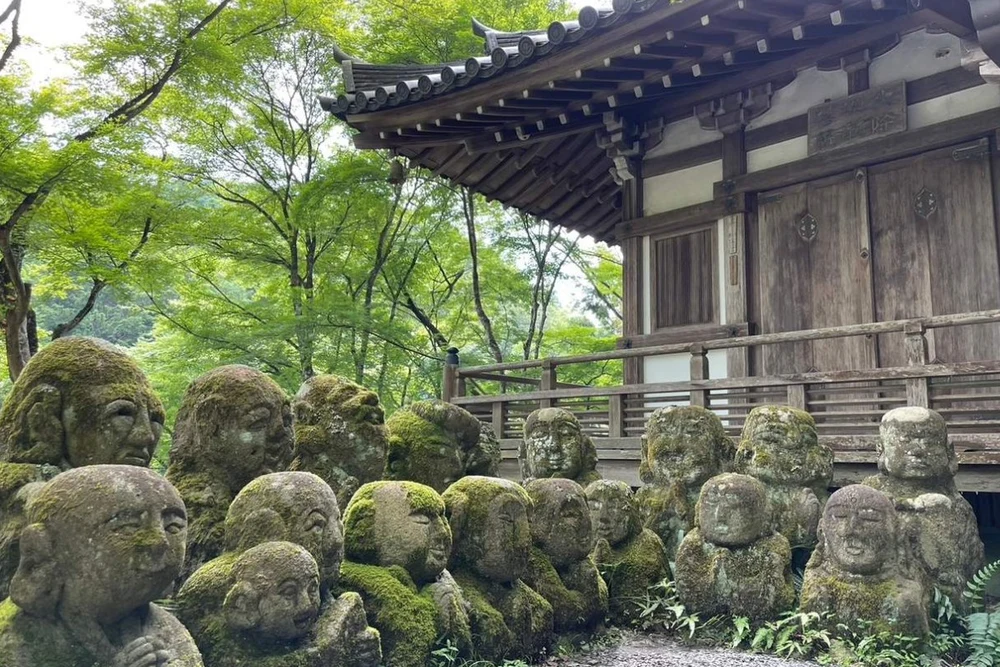
Afternoon is the ideal time to visit Otagi Nenbutsu-Ji Temple, one of the most peaceful spots in Arashiyama. Nestled amidst lush greenery, the temple offers a rare sense of tranquility compared to crowded areas. Upon entering, you’ll encounter over 1,200 stone statues, often called “rakan,” arranged closely together. Each statue depicts a different face – some with cheerful smiles, others with contemplative eyes, and some even humorously holding musical instruments or cameras.
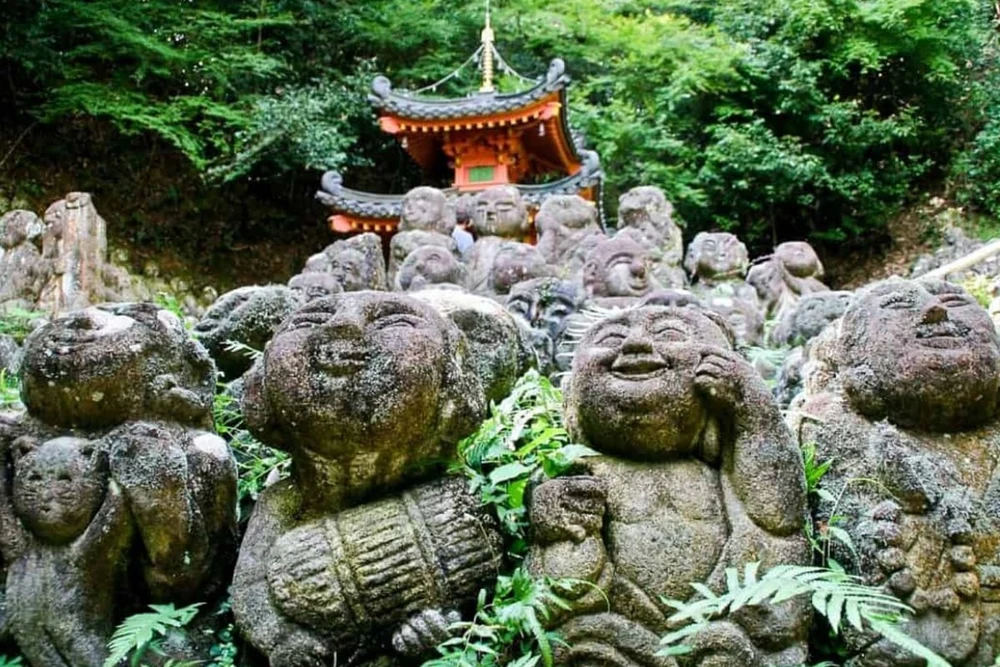
Osaka Katsuoji Temple and Arashiyama Full-Day Guided Tour
What impressed me most about Otagi Nenbutsu-Ji was the story behind the statues. They weren’t sculpted by professional artisans, but by ordinary people from all over Japan, under the guidance of the head priest, Kocho Nishimura. Each statue therefore possesses its own soul, reflecting the joy and aspirations of its creator.
The temple grounds are small, airy, and imbued with a meditative atmosphere, perfect for strolling, taking photos, or simply sitting quietly and listening to the rustling leaves. Entrance is around 300 JPY (approximately 52,000 VND), a small price for a peaceful experience in the heart of Arashiyama.
14:30 – 15:00: Strolling Through Saga-Toriimoto Old Town
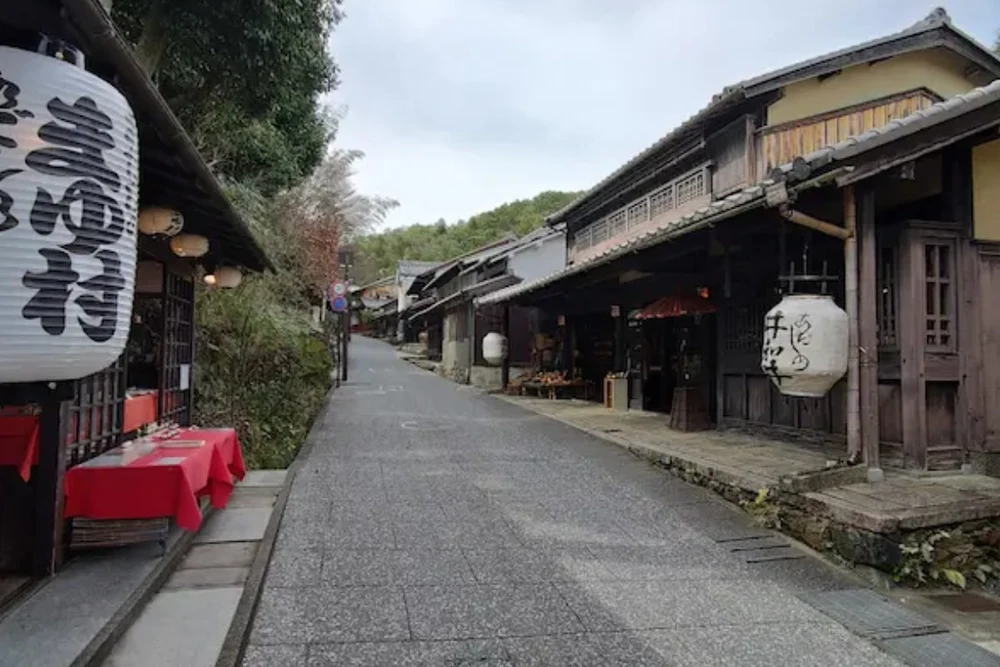
Saga Toriimoto Old Town was the next stop on our Arashiyama tour. This approximately 600-meter-long street is nestled in the Sagano area and was once the path to the sacred Atago Shrine. On either side are traditional wooden houses (machiya) from the Meiji era, still retaining their traditional structure with tiled roofs, sliding doors, and bamboo fences. Walking along the cobblestone streets, you’ll feel like you’ve stepped back in time to the 19th century.
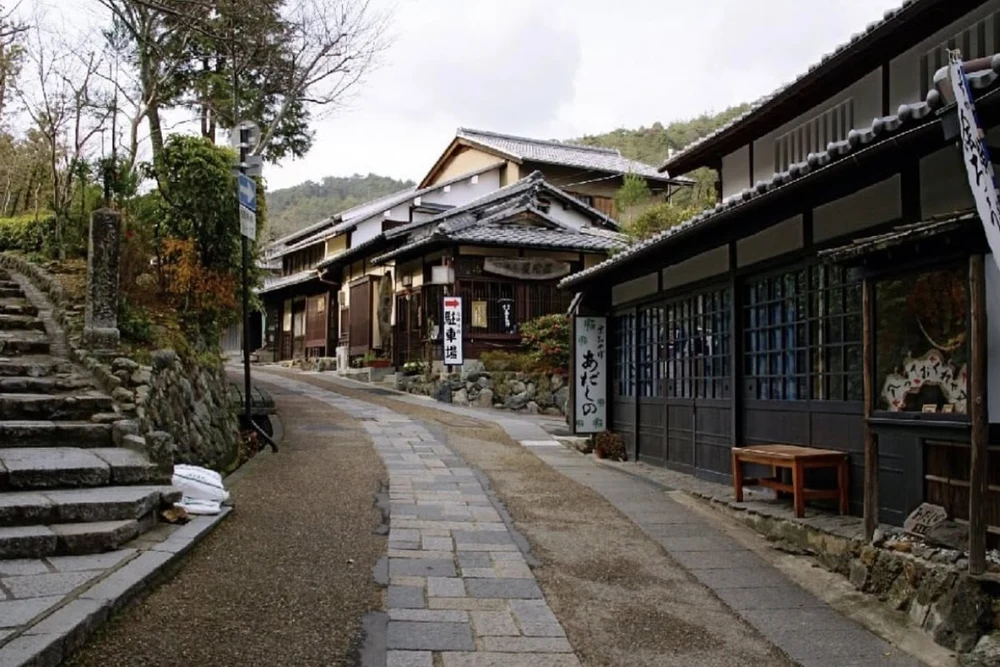
Kyoto Arashiyama, Nijo Castle, and Fushimi Inari One-Day Tour
Along the streets, stop at small tea houses for a warm cup of matcha, or browse the craft shops selling exquisite dolls, pottery, or paper lanterns. A few thatched-roof restaurants serve grilled Ayu fish, a Kyoto specialty, offering a truly authentic culinary experience. If you have time, visit the Saga Toriimoto Conservation Center to learn about how locals preserve the traditional lifestyle of the neighborhood.
Exploring Saga Toriimoto is free, but be prepared to spend around 700 JPY (approximately 122,000 VND) on tea and sweets at a small roadside shop!
3:00 PM – 4:00 PM: Visiting Jōjakkō-Ji Temple Amidst the Green Forest
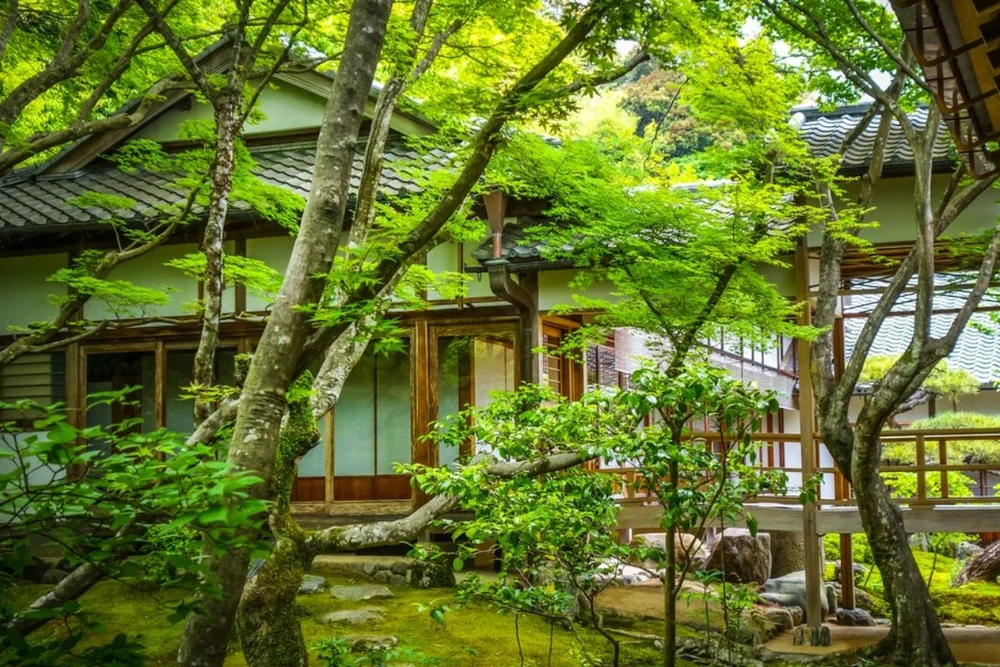
After leaving the ancient atmosphere of Saga Toriimoto Street, I continued my journey to Jōjakkō-Ji Temple, a temple nestled amidst the green forest on the slopes of Mount Ogurayama. The entrance fee to Jōjakkō-Ji Temple is 500 JPY (approximately 87,000 VND). An hour here was enough for me to rest, breathe in the fresh air, and experience the rare tranquility amidst the nature of Arashiyama.
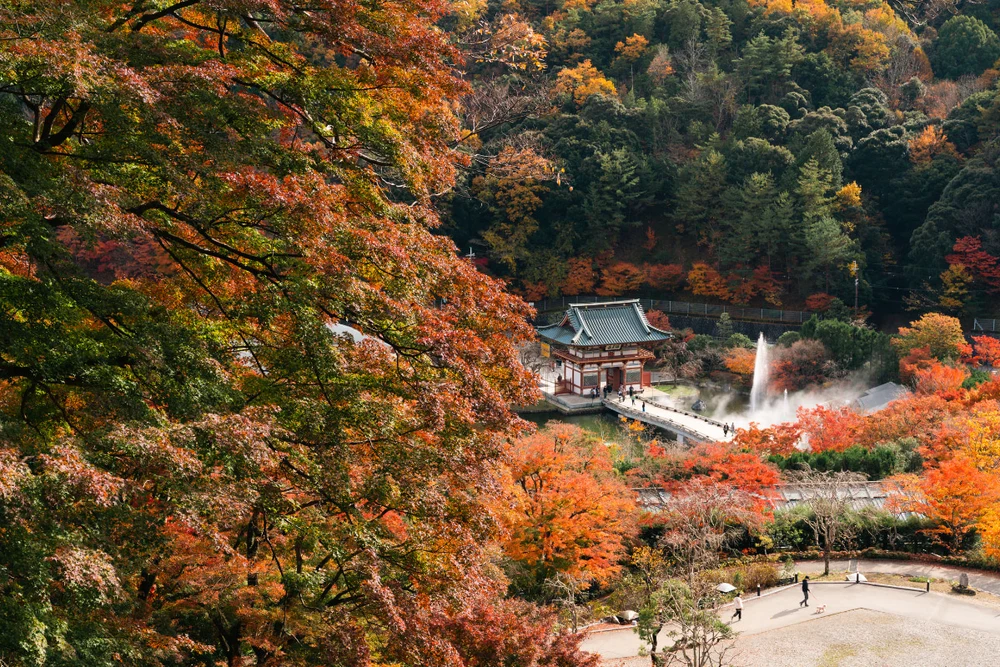
The moss-covered path leading up to the temple, with its ancient stone steps and intertwined maple trees, creates the feeling of being lost in an ancient Zen garden. In autumn, the scenery here becomes vibrant as red and yellow leaves blanket the path, making Jōjakkō-Ji one of the most beautiful autumn foliage viewing spots in Kyoto.
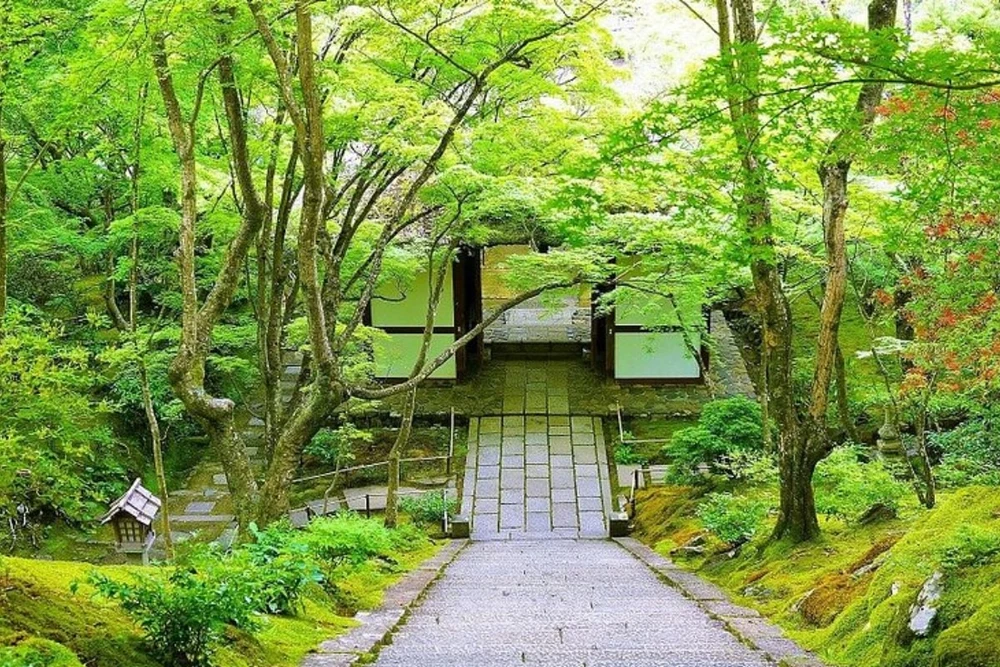
The ancient wooden Niomon Gate opens into a tranquil space, where the sounds of birds and wind blend with the gentle scent of pine forest. Inside the grounds, stop before the main hall to feel the serenity, or follow the small path leading to the ancient two-story pagoda dating back to 1620, to take in the panoramic view of Kyoto in the distance.
16:00 – 17:00: Extend the journey to Ninna-Ji or Ryōan-Ji (Depending on time)
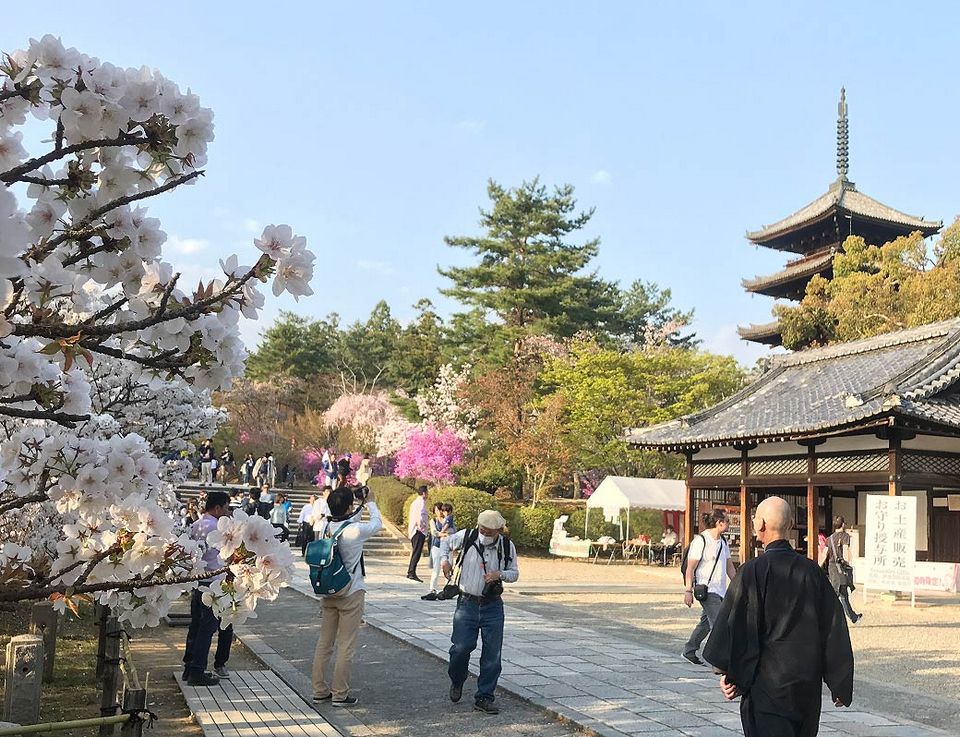
If time permits, I usually spend the afternoon visiting other famous temples around Arashiyama. My two favorite destinations are Ninna-ji and Ryōan-ji. The two temples are only about a 10-minute walk apart and are both UNESCO World Heritage Sites.
If you love history and imperial architecture, Ninna-ji Temple will surely impress you. Built in 888, it was once the residence of Emperor Uda and noble monks. The vast grounds of Ninna-ji include the Kondo Hall, a five-story pagoda, and the Omuro cherry blossom garden, where the cherry blossoms bloom latest in Kyoto. Entrance fee is around 500 JPY (approximately 87,000 VND).
Kyoto: Food Tour with 13 Dishes at 4 Eateries
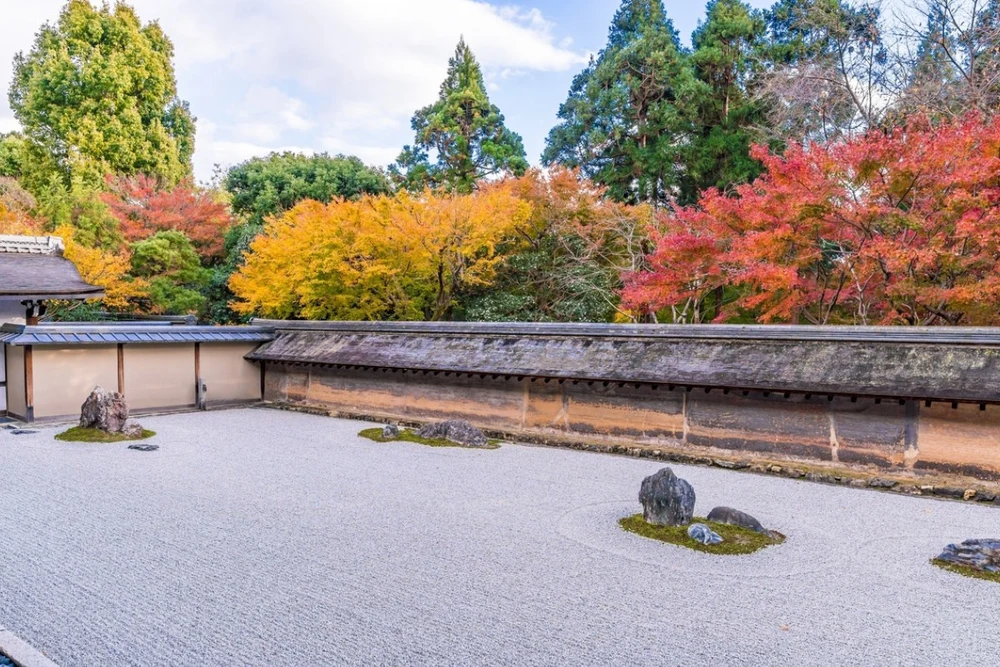
If you’re looking for a tranquil space for contemplation, Ryōan-ji Temple is the perfect choice. It’s famous for its Zen rock garden, featuring 15 exquisitely arranged rocks on a white gravel base, symbolizing the Buddhist philosophy of impermanence and tranquility. Sitting in front of this garden, you’ll feel like time slows down, with only the sound of the wind and your own thoughts. The entrance fee to Ryōan-ji Temple is approximately 600 JPY (equivalent to 105,000 VND).
5:30 PM Onward: Dinner and Return to Kyoto City Center
Old Kyoto Nighttime All-Inclusive Local Food Tour
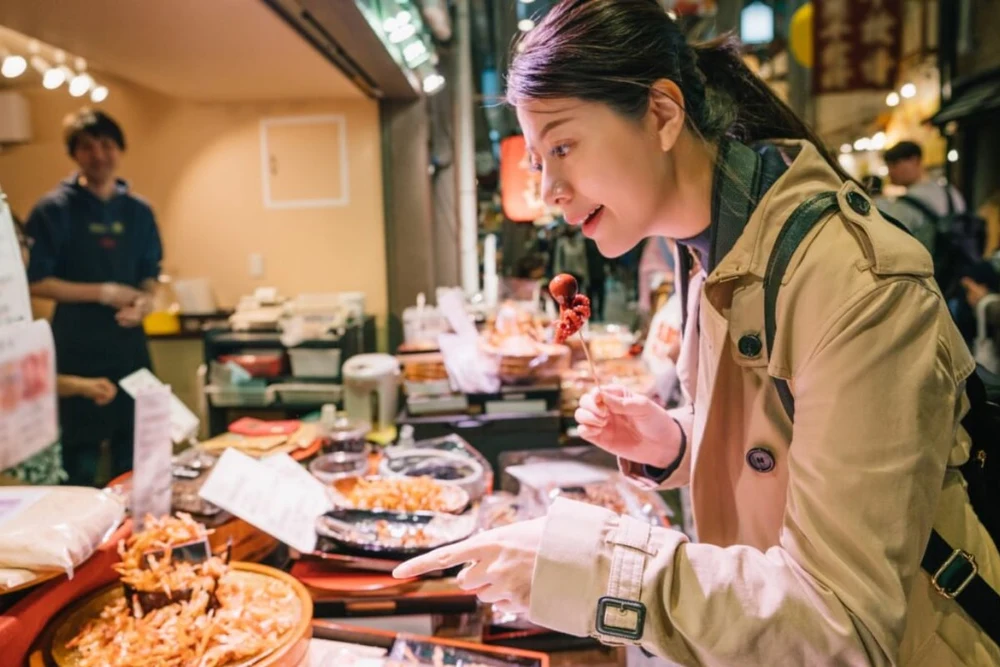
After a day strolling through bamboo forests, ancient temples, and peaceful streets, the evening is when I fully enjoy the flavors of Kyoto. If I have time, I usually stay in Arashiyama for dinner by the Katsura River. Many traditional restaurants here serve kaiseki in a tranquil setting, perfect for ending a relaxing day.
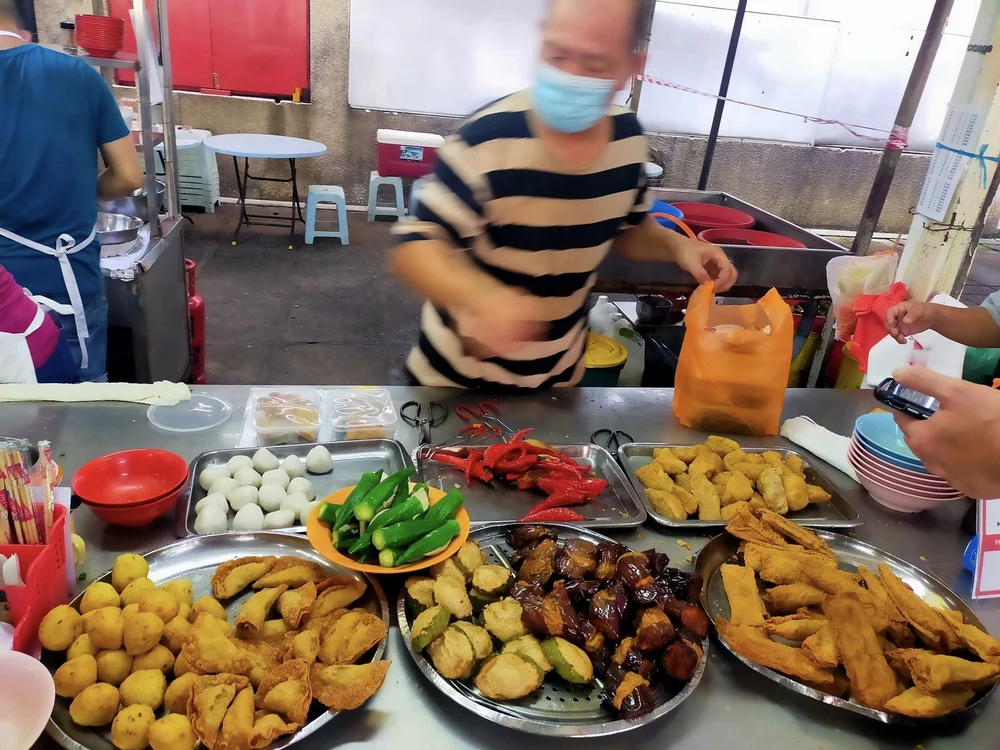
When I want a change of pace, I return to Kyoto city center, where the atmosphere is more vibrant. The Pontocho and Gion districts are always bustling in the evening, a paradise for sushi, yakitori, and cozy izakaya restaurants. Enjoying some light snacks while gazing at the brightly lit Kyoto night streets is a wonderful way to conclude a day trip exploring Arashiyama.
Useful Arashiyama Travel Tips in Kyoto
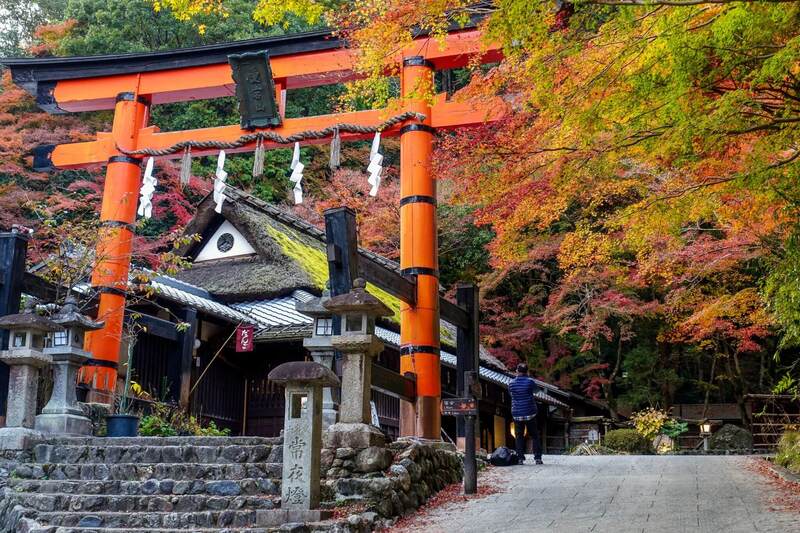
Arashiyama is one of Kyoto’s most charming destinations, especially suitable for a self-guided day trip. This area perfectly combines nature, culture, and cuisine, so with a little preparation, you can fully enjoy your exciting exploration.
- Visit in autumn (November) or spring (March-April) when the bamboo forests and mountains change color beautifully.
- Depart early to avoid crowds, especially at the Bamboo Forest and Togetsukyo Bridge.
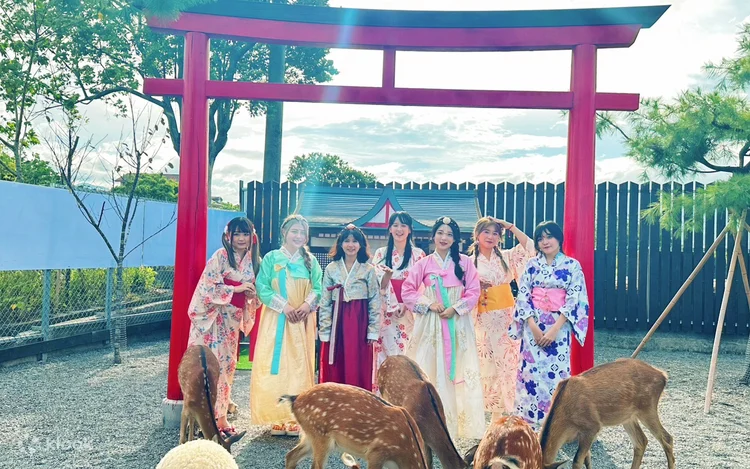
- Rent a kimono in the Saga area or near Arashiyama station for memorable photos.
- Book Sagano Romantic Train tickets in advance through Klook to secure good seats and save time.
- Wear comfortable shoes as you will be doing a lot of walking between attractions.
- Bring cash, as many small shops do not yet accept cards.
- Finally, dedicate a full day to leisurely enjoying the characteristic tranquility of Arashiyama.
- Avoid visiting on weekends or holidays, as Arashiyama is very crowded, especially during autumn foliage season.
- Combine your trip with cycling if you want to explore more places; rentals cost around 1,000–1,500 JPY (174,000 – 261,000 VND) for half a day.
- Bring water and an umbrella, especially if you visit in the summer as the area is quite hot and has little shade.
Frequently Asked Questions About Arashiyama
1. Do I need to buy tickets in advance for attractions in Arashiyama?
Most attractions have tickets available on-site, but if you want to ride the Sagano Romantic Train, it’s best to book online in advance to secure your seat.
2. What time does the Arashiyama Bamboo Forest close?
The bamboo forest is open all day, so you can visit anytime, but the best time is early morning when the sunlight filters through the bamboo groves.
3. Is it possible to see cherry blossoms in Arashiyama?
Yes. In spring, the Katsura River and Togetsukyo Bridge are covered in cherry blossoms, making it one of the most beautiful cherry blossom viewing spots in Kyoto.
4. Are there any special activities besides visiting the temple and bamboo forest?
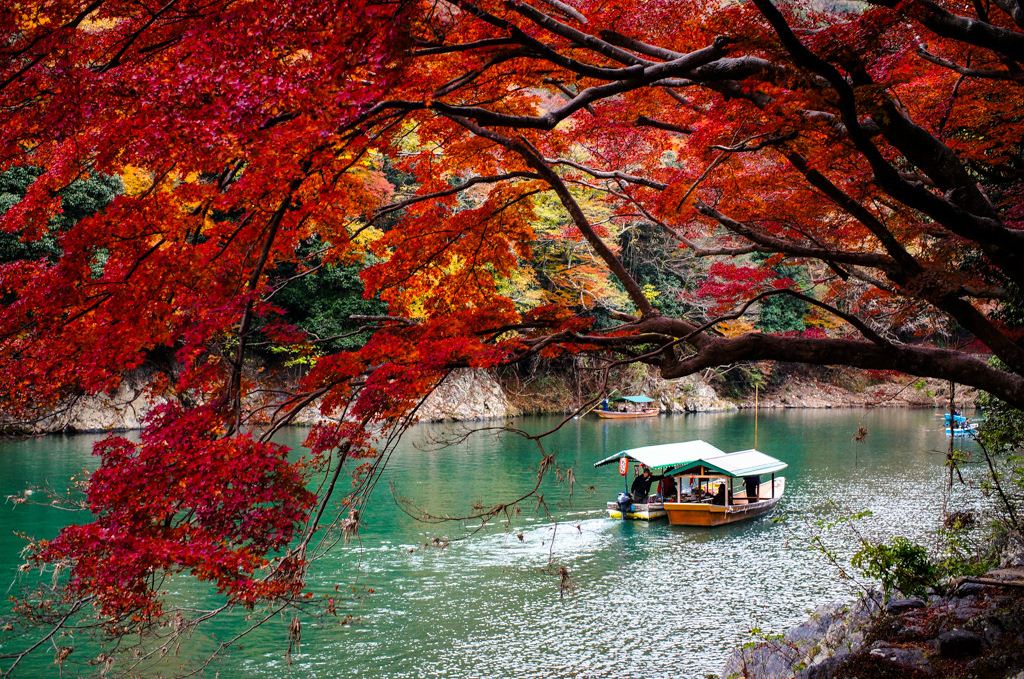
You can have the opportunity to go boating on the Hozu River, ride a Japanese rickshaw (jinrikisha), or stroll around traditional craft shops.
5. What is there to do in Arashiyama in the evening?
This area is quite quiet in the evening, but if you visit during the Arashiyama Hanatouro light festival (December), the scenery will be absolutely stunning.
Arashiyama is always a must-visit destination for anyone coming to Kyoto. It’s captivating not only for its lush bamboo forests and the picturesque Togetsukyo Bridge, but also for its slow pace of life and traditional culture that has remained intact over the years. Hopefully, this suggested one-day itinerary will help you easily plan and enjoy your trip to the fullest, finding your own memorable moments in Arashiyama.
Choose your travel date to explore the beautiful Arashiyama now!
Some best day tours, trips, activities and transfer services, tickets in, to and from Kyoto you can refer to
- Limousine Bus Transfers between Kansai International Airport (KIX) and Osaka or Kyoto
- Kyoto-Osaka Sightseeing Pass (1 Day/2 Days, Kyoto Pick Up)
- Randen + Subway 1 Day Pass
- Kyoto Temples & Shrines Day Tour from Osaka: Fushimi Inari-taisha, Arashiyama, Kiyomizu-dera & More
- Kyoto and Nara Day Tour from Osaka/Kyoto
- Sagano Romantic Train One-Way Ticket (Saga or Kameoka Departure)
- Kyoto Sagano Romantic Train Day Tour
- Kyoto Temples & Shrines Day Tour from Kyoto: Fushimi Inari-taisha, Arashiyama, Kiyomizu-dera & More
- Amanohashidate & Miyama One Day Tour from Osaka/Kyoto
- JR Kansai-Hiroshima Area Pass
- Kimono Rental in Kyoto Kiyomizu Temple
- One Day Kimono Rental
- Kyoto Temples & Shrines Day Tour from Osaka
- Kimono and Yukata Rental at Kimono Miyabi Kyoto
- 4G Prepaid Sim Card (JP Airports Pick Up) for Japan
- 4G WiFi (Japan Pick Up) for Japan
- JR Pass for Whole Japan (7, 14, or 21 Days)
Are you finding more top things to do in Kyoto, read more: Kyoto blog (Kyoto travel blog) — The fullest Kyoto travel guide blog for a budget trip to Kyoto, Japan for the first-timers. And Kyoto 3 day itinerary — How to visit Kyoto in 3 days & what to do in Kyoto in 3 days perfectly?