
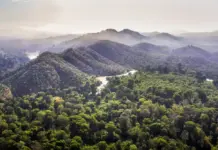






























Phu Quoc National Park is home to one of the most magnificent and pristine primary forest ecosystems in Southern Vietnam. If you want to experience a truly unique Phu Quoc Island, visit this national park!
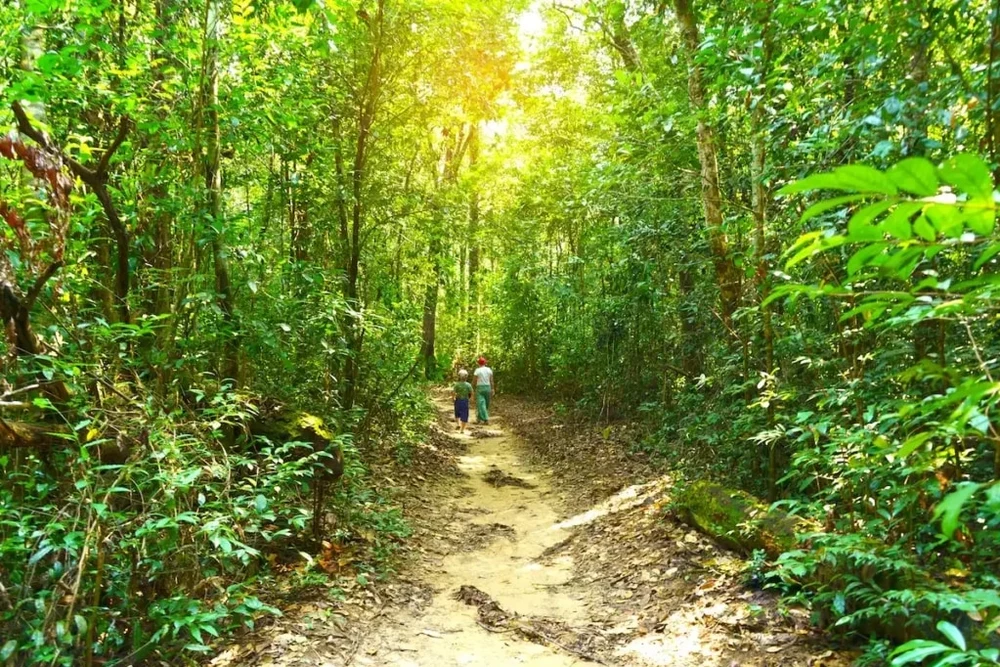
Coming here, you’ll feel like you’ve stepped into another world – where the sound of waves blends with the chirping of birds, the cool air and the characteristic damp forest scent awaken all your senses. Strolling through towering trees, listening to the babbling streams, or simply taking a deep breath to fully appreciate the scent of the ancient forest – this is the “green journey” that nature lovers shouldn’t miss when visiting Phu Quoc.
Check out Phu Quoc National Park travel guide to make your trip even more fulfilling!
Phu Quoc National Park – A Journey to Touch the Pristine Green Side of the Pearl Island

Amidst bustling beaches and luxurious resorts, Phu Quoc National Park offers a very different Phu Quoc – rustic, unspoiled, and full of life. If you ever thought the Pearl Island was just about the sea, this place will change your perspective: one-third of the island’s area is covered by primeval forests, clear streams, and a nearly intact ecosystem.

[Klook Free and Easy] Phu Quoc Northern Half Day Tour
Walking through the vast green space, you will feel the breath of the forest blending with the sea breeze – a rare feeling of freshness amidst modern life. Whether you enjoy trekking, exploring nature, or simply want to find a quiet place to “recharge your energy,” Phu Quoc National Park always has a way to soothe your heart. This is the place to escape the city, connect with nature, and find balance within yourself.
How to Get to Phu Quoc National Park

Phu Quoc National Park is extremely vast, covering an area of 31,422 hectares, encompassing almost the entire northern mountainous region of the island, creating a highly diverse and complex primary tropical island forest ecosystem. To fully explore the grandeur, mystery, and biodiversity of this northern forest region, we chose one of the following two main approaches:
By Motorbike

[Klook Free and Easy] Phu Quoc Northern Full Day Tour
Motorbikes are the most flexible option if you want to freely stop to admire the scenery or turn into unexpectedly beautiful stretches of forest. From Ganh Dau onwards, both sides are lined with pristine forests, the air is cool and refreshing, and even just riding is enjoyable. However, the roads within the park are still quite wild, so you need a steady hand on the handlebars and good physical condition.
Walking/Trekking

[Klook Free and Easy] Phu Quoc Northern Half Day Tour
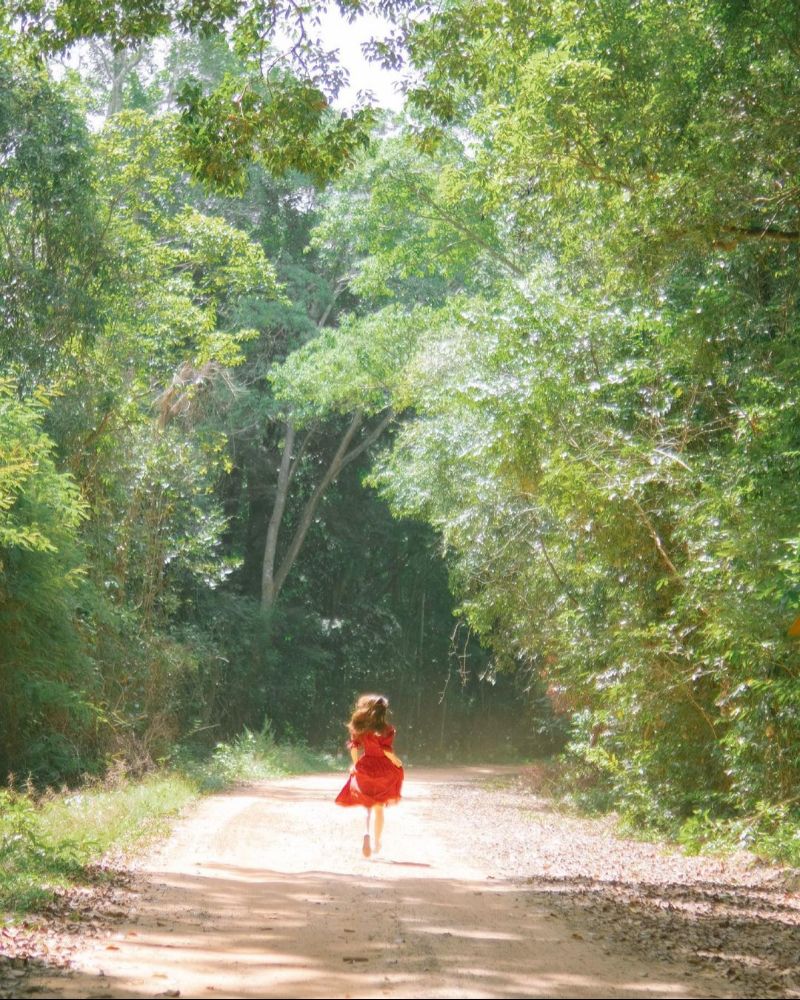
If you want to truly “touch” nature, trekking is a great option. We’ll walk along tree-shaded trails, listening to the birdsong and the wind, and feeling the moisture of the tropical forest right under our feet. It might be a little tiring, but in return, we’ll get to clearly see the rich ecosystem of the park. To avoid getting lost, don’t forget to go with a local guide or ranger.
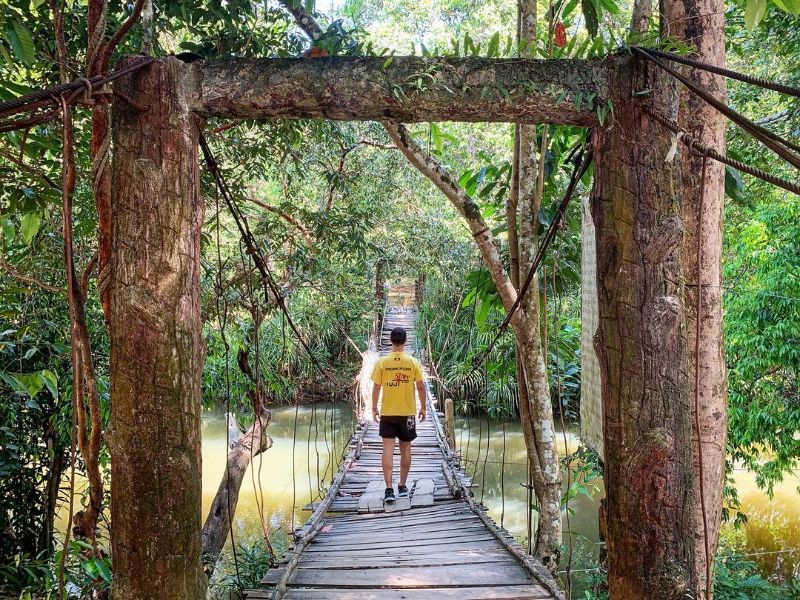
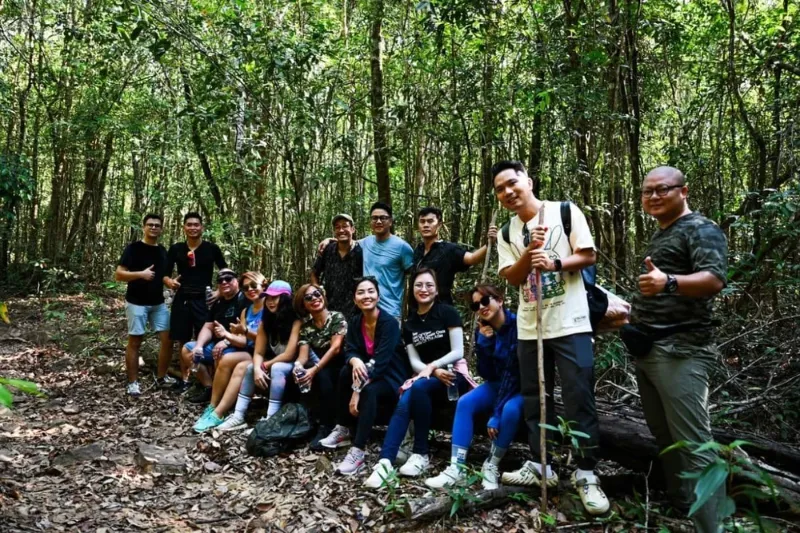
In fact, because the terrain is still pristine and the forest trails are quite difficult, trekking is always the best option if you want to fully experience the wild beauty of Phu Quoc National Park. We recommend that if it’s your first time, you should choose a tour with Klook to ensure safety and a more complete trip.
What to do in Phu Quoc National Park?
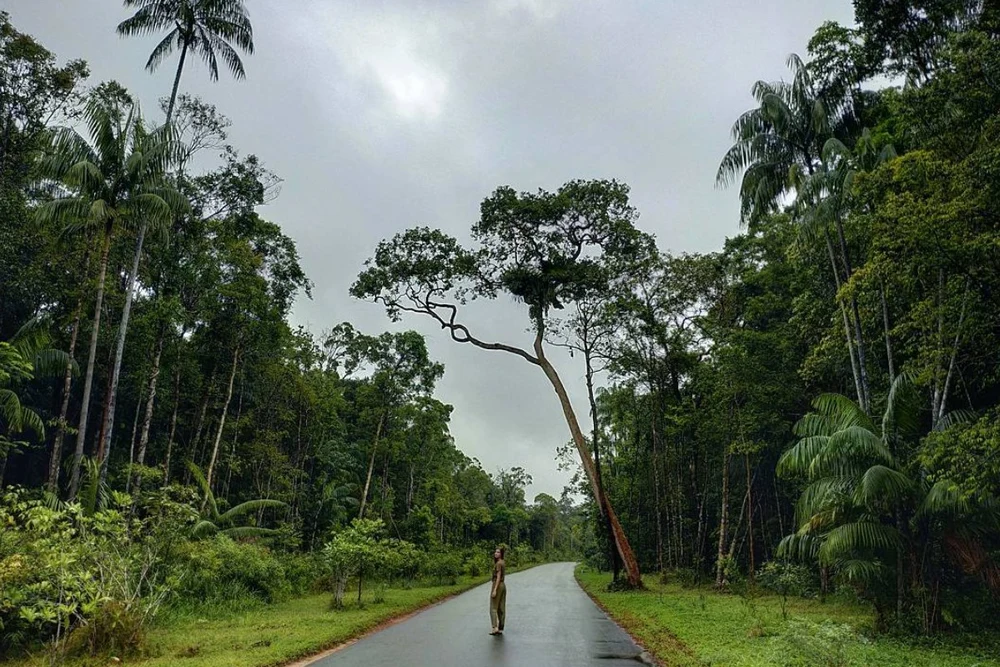
One of the unique features of Phu Quoc National Park is that it still retains its old-growth primary forests. Besides that, Phu Quoc National Park doesn’t just possess a single ecosystem, but diverse habitats including: mangrove forests, Melaleuca forests, secondary forests, rocky mountain forests, etc. and is home to rare and endangered animal species.
Exploring the Rich Forest and Marine Ecosystems of Phu Quoc National Park
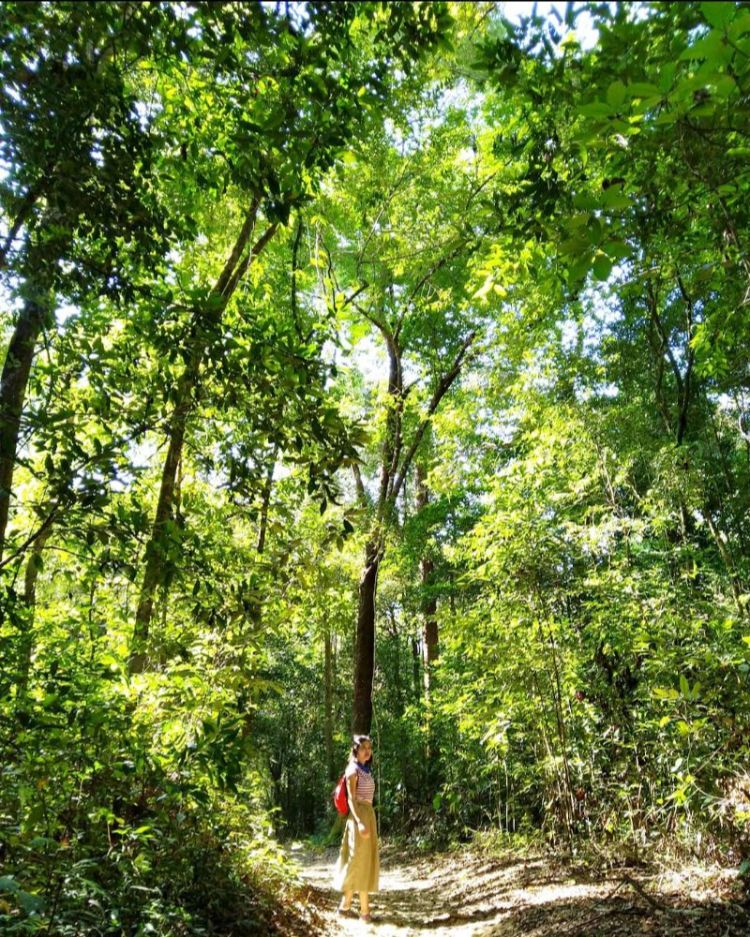
From the very first steps into Phu Quoc National Park, we felt the vibrancy of nature – the echoing birdsong, the gentle scent of the damp forest, and the towering ancient trees bathed in sunlight. This national park is considered the “green lung” of the island, with hundreds of different plant species – from large trees, wild orchids, precious herbs to unique parasitic species.

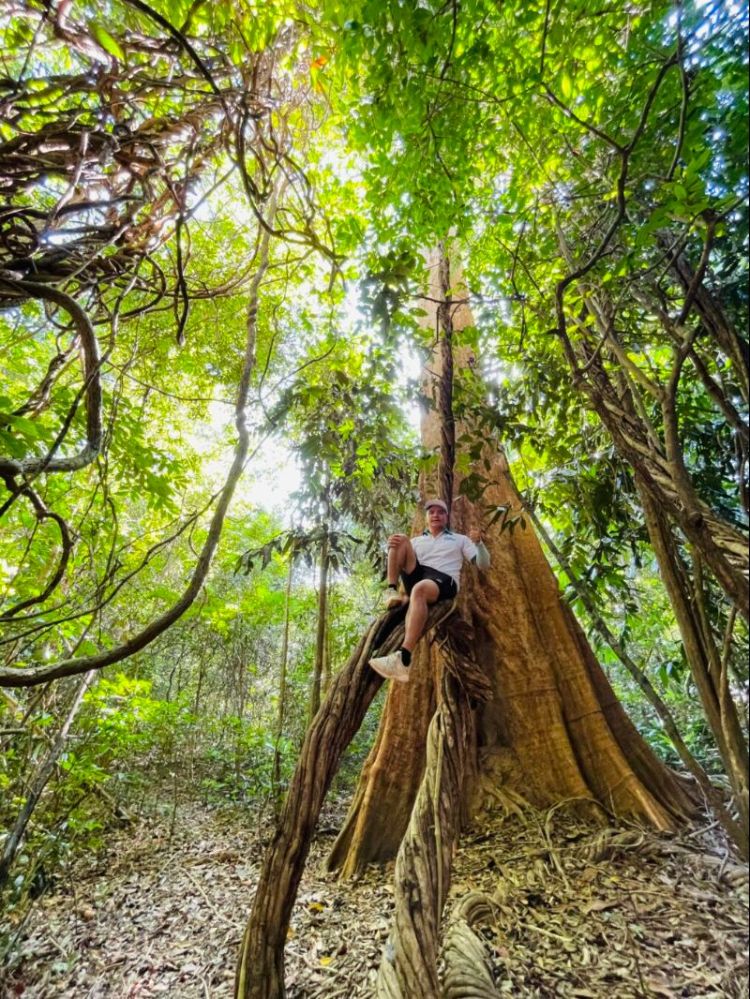
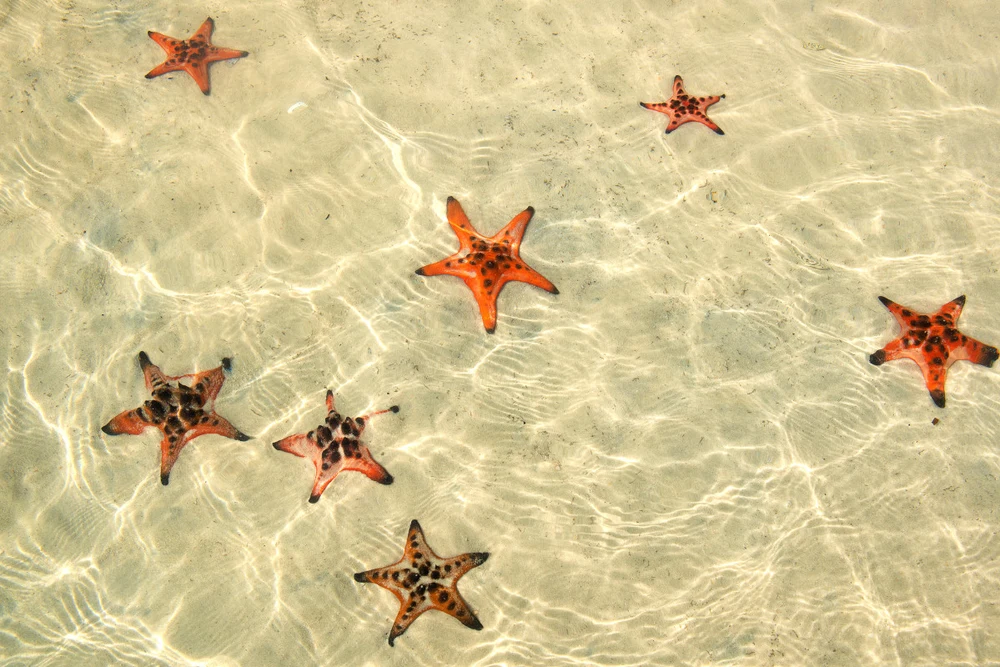
Not only is the forest rich, but the animal life here is also extremely diverse: more than 30 species of mammals, 200 species of birds, and 50 species of reptiles – each contributing to a colorful ecological landscape. And if you love the sea as much as we do, you’ll surely be delighted to know that this place also boasts 100 species of hard corals, 20 species of soft corals, and over 60 species of seaweed, along with rare marine creatures such as dugongs, hawksbill turtles, and giant clams.
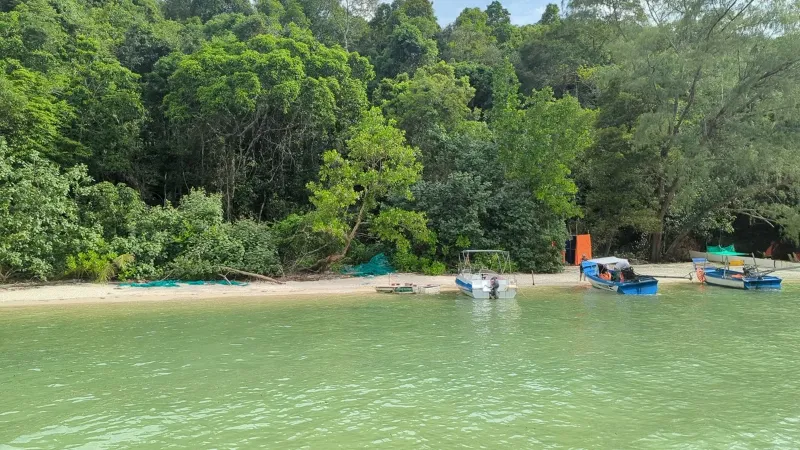

Sightseeing to the South of Phu Quoc Island
But if you want to see the most beautiful corals, you should go during the dry season (around November to April) – the water is clearer and much easier to observe!
Check-in at the Dreamy Purple Sim Flower Forest
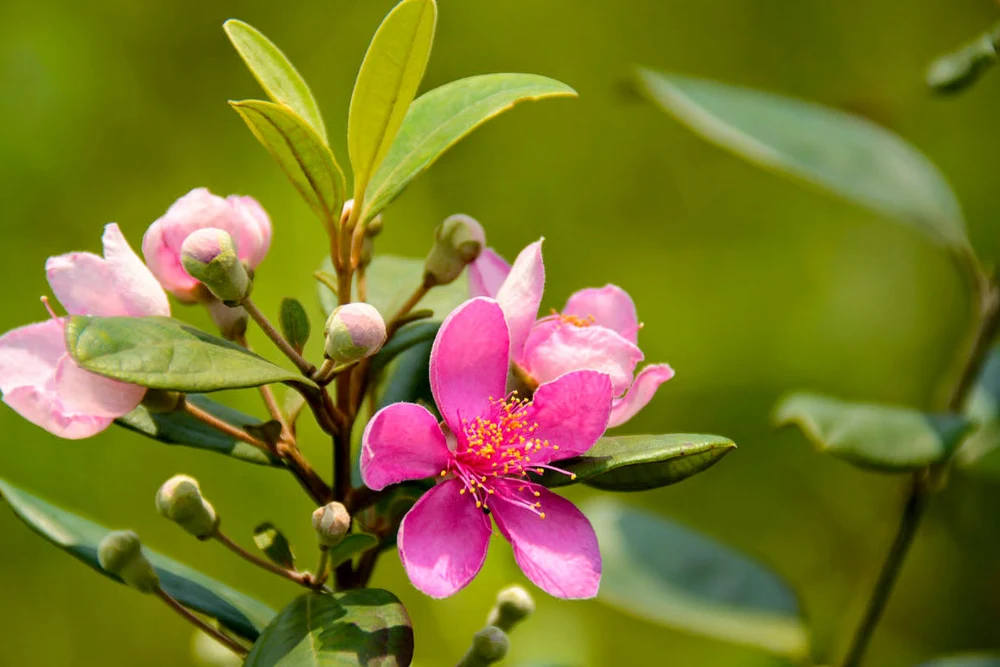
If Phu Quoc is famous for its sim wine, then the vast sim forests in the National Park are the “inspiration” for that specialty. Lost in the sim forest, we felt like we were stepping into a painting overflowing with purple hues – gentle, romantic, and extremely photogenic.
Sim flowers usually bloom from March to June, which is also the ideal time for taking the most beautiful check-in photos. If you like taking photos in soft sunlight, you should go in the early morning when the dew still clings to the petals; the purple color will look much softer and more dreamy in the photos.
Bathing in Streams in the Heart of the Primeval Forest
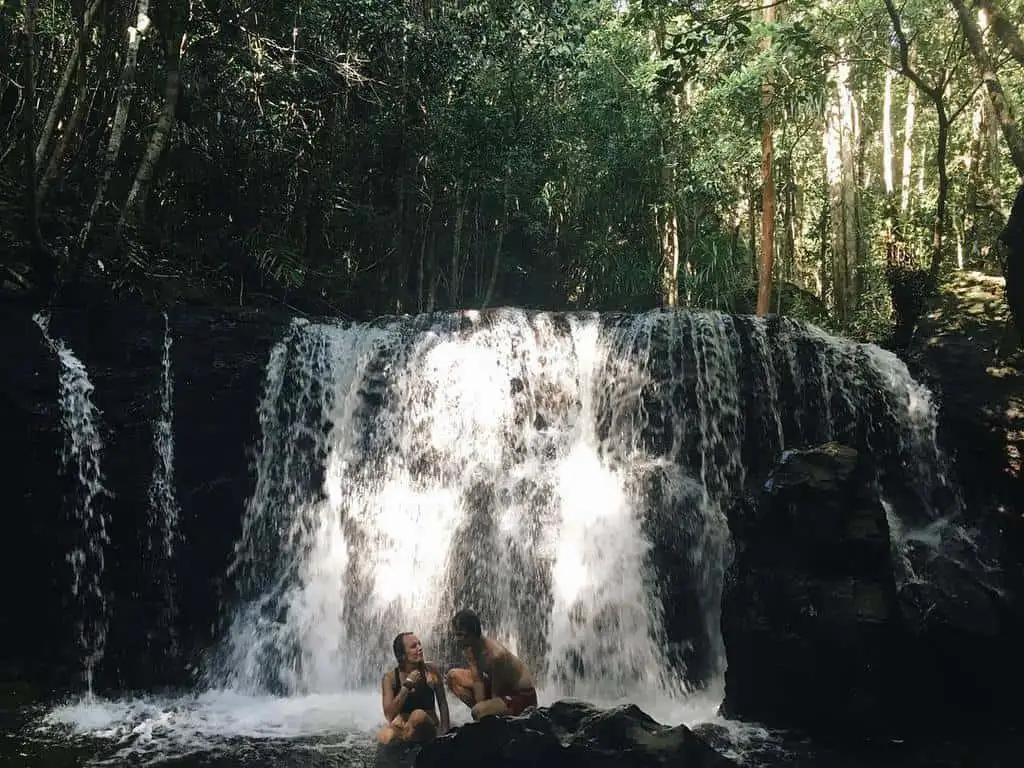
Descending deeper into the forest, the cool mist emanating from the streams makes us want to immediately jump into the crystal-clear water. Suoi Tranh, Suoi Da Ban, and Suoi Da Ngon are the three most famous streams here, each with its own unique beauty.
For Suoi Tranh and Suoi Da Ban, you should go during the rainy season (from May to October) to admire the majestic water cascading over large rocks. If you want to bathe in Suoi Da Ngon – a stunning seven-tiered stream that has water year-round – the dry season (from November to April) is safer and easier to visit.

A little tip: bring non-slip shoes and only swim in shallow, calm water to ensure safety. And don’t forget to bring a small trash bag – keep the stream clean and maintain its natural beauty!
Conquering the “Roof of Phu Quoc” – Mount Chua 603m

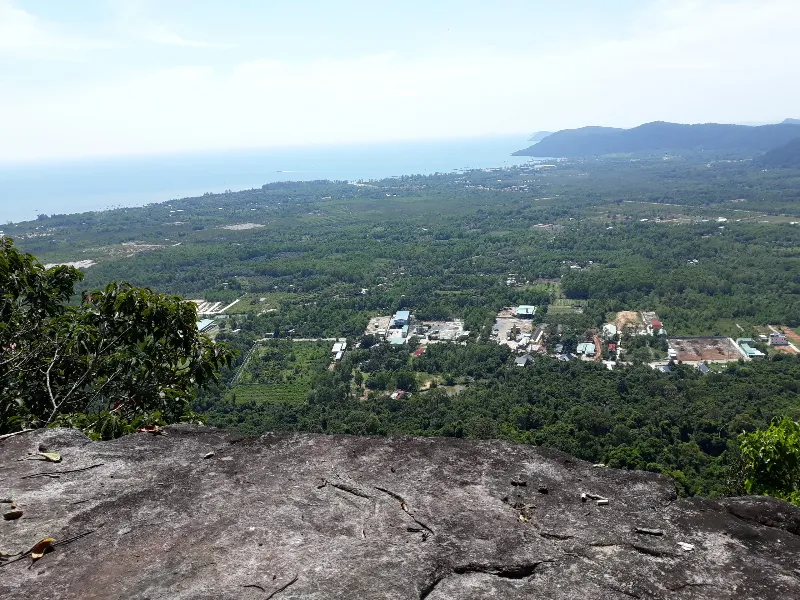
After “recharging our green energy” from the forest and streams, we decided to challenge ourselves with a trekking journey to the summit of Mount Chua – known as the “roof of the pearl island” with an altitude of 603m.
The path up is not easy, with small trails winding through old-growth forests and tangled tree roots, but in return, the surrounding scenery is truly worth every step. Birds sing, sunlight filters through the leaves, and when we reach the summit, the entire Phu Quoc landscape unfolds before our eyes – green forests and silver seas blend together, so beautiful that we just want to stand still and admire it for a long time.
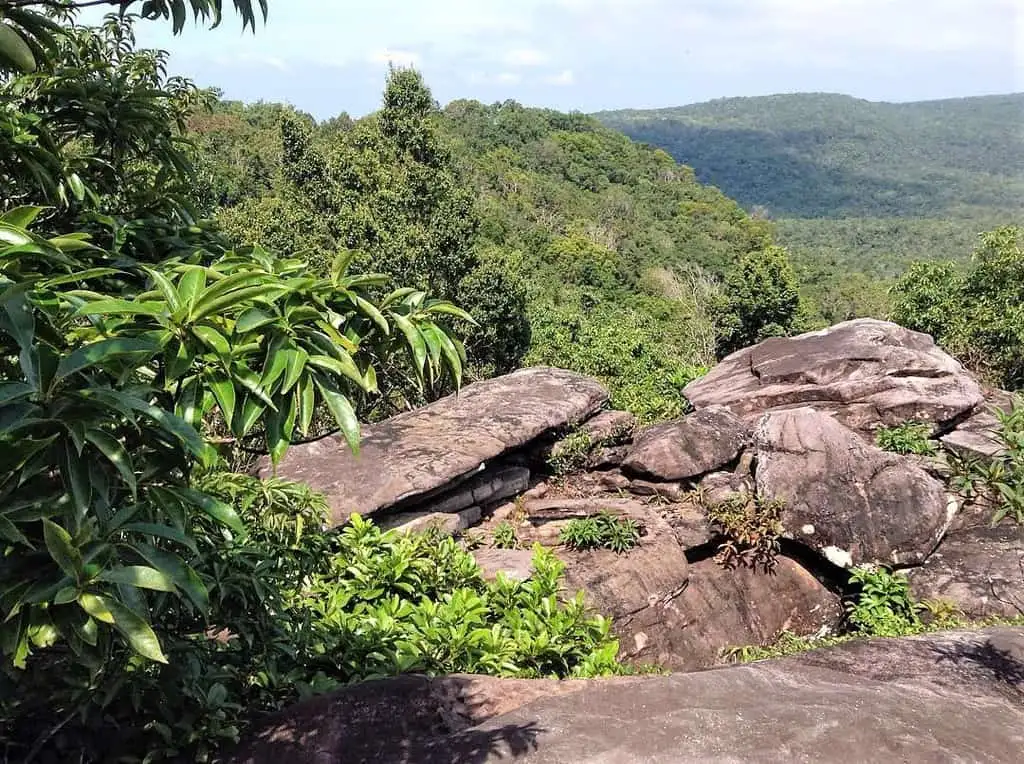
A little tip: start early to avoid the sun, bring enough water and some snacks. And of course, a pair of trekking shoes is definitely an indispensable companion.
What to Eat in Phu Quoc National Park?

Actually, Phu Quoc National Park doesn’t have any restaurants or food stalls, so if you plan to spend the whole day exploring the forest, it’s best to prepare some snacks and drinks to bring along. In the cool, pristine forest, stopping under the trees to enjoy some snacks is a very relaxing experience.
After “recharging your energy” in the national park, the ideal place to enjoy seafood is Rach Vem Fishing Village, just a short distance away. The feeling of sitting on a floating house in the middle of the sea, listening to the waves lapping, the salty breeze caressing your hair, and having platters of fresh seafood in front of you – it truly is a culinary journey. Here you’ll find it all: grilled shrimp, steamed crab, charcoal-grilled squid, sour fish stew, and if you like, you can even choose your own live seafood right from the raft for the chef to prepare on the spot.
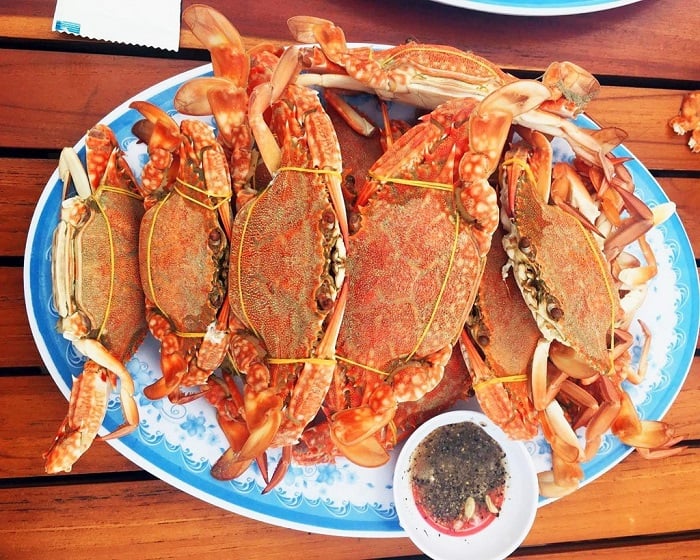
We honestly recommend saving your appetite for Rach Vem. After a trekking trip through the forest, nothing beats enjoying a delicious fresh seafood meal amidst such a vast seascape!
Frequently Asked Questions When Visiting Phu Quoc National Park
1. Is there an entrance fee?
Phu Quoc National Park has a free entrance fee; however, if you go on a trekking tour or guided exploration tour, there will be a separate fee. Going with a local guide makes the journey safer, prevents getting lost in the forest, and helps you learn more about the ecosystem.
2. What is the best time to visit?
The dry season (December to April) is the ideal time. The weather is mild and sunny, the roads are dry, making it convenient for trekking, swimming in streams, or exploring forest trails.
3. Is the national park suitable for children?
Yes! For short tours under 3km, children can absolutely join their parents. They will be delighted to see birds and butterflies, or touch the large forest trees amidst the lush green nature.
4. What should I prepare for trekking?
You should bring drinking water, a hat, sunscreen, and mosquito repellent. The forest trails are quite damp, so a pair of non-slip shoes will help you move more easily.
5. Where can I book a reliable trekking tour?
For convenience, you can book a Phu Quoc National Park trekking tour through Klook, which includes pick-up and drop-off services and a guide. This method saves time, eliminates the need to plan your own itinerary, and allows you to fully enjoy the lush green beauty of Phu Quoc Island.
The above are helpful travel tips for those who want to visit Phu Quoc National Park. If you are traveling to Phu Quoc alone or as a couple, you can rent a motorbike in Phu Quoc on Klook to get preferential prices and be 100% assured of the quality of service and amenities. If you are traveling to Phu Quoc in a group of 3 or more people, renting a private car in Phu Quoc is a safe, convenient, and economical solution.
Be sure to visit Phu Quoc National Park soon!
Check out more best things to do in Phu Quoc here.