
















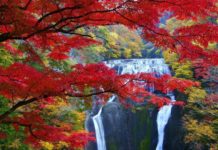


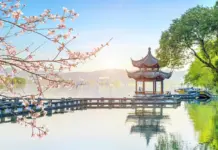

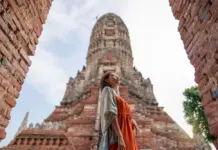
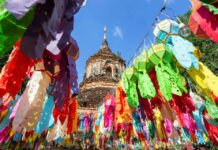









A 5-day, 4-night trip to Kyoto is your chance to explore the ancient and incredibly romantic capital of Japan. So, what to do in Kyoto for 5 days? Check out the detailed Kyoto itinerary 5 days on how to spend 5 days in Kyoto below!
- Kyushu guide: Top Kyushu attractions, what to eat & best things to do in Kyushu
- The guide for buying Tokyo Disneyland Tickets for First-Time Visitors
- Aichi Japan Guide: Ghibli Park, Must-See Spots and Nearby Attractions
- A Go-Karting Guide in Japan for Beginners
- Himeji guide: How to visit & what to do in A Masterpiece of Samurai History
Kyoto, the former capital of Japan, is a must-visit destination for those who love culture, history, and traditional art. With over 1300 years of history, Kyoto boasts ancient temples and shrines, old towns, traditional culture, and the art of ikebana (Japanese ikebana).
Exploring temples such as Kinkaku-ji (Golden Pavilion), Ginkaku-ji (Silver Pavilion), and Fushimi Inari Taisha with its thousands of distinctive red Torii gates is an unforgettable experience. Meanwhile, the Gion district is where visitors can meet and learn about geisha culture.
With a 5-day, 4-night Kyoto travel itinerary, you’ll have the opportunity to experience the unforgettable beauty of Kyoto’s ancient charm and traditional lifestyle.
Kyoto itinerary 5 days — Day 1: Departure from Vietnam to Kyoto – Visiting Some Notable Attractions
Morning: Travel to Kyoto
JR Haruka Kansai Airport Express Ticket
Currently, there are no direct flights from Vietnam to Kyoto, so you need to choose a landing point in Tokyo or Osaka. For convenience, you can combine a trip to Tokyo, Kyoto, and Osaka. If you only want to go to Kyoto, you should choose a flight landing in Osaka to save travel time to Kyoto.
You can choose airlines such as Vietjet Air, Vietnam Airlines, ANA Airlines, or Japan Airlines. If you land at Narita or Haneda Airport (Tokyo), you can travel to Kyoto by Shinkansen Nozomi train or express bus. If you land at Kansai Airport (Osaka), you can use the Kanku Tokkyu Haruka train, limousine bus, or Kansai International Airport shuttle service to get to Kyoto.
For easy access to train information or communication when needed, you will also need a Softbank 4G eSIM in Japan (QR code will be sent via email), Japan 4G WiFi (unlimited data), and a power bank (available at JP airport).
Afternoon: Exploring the Magnificent Beauty of Kiyomizu-dera Temple in Kyoto
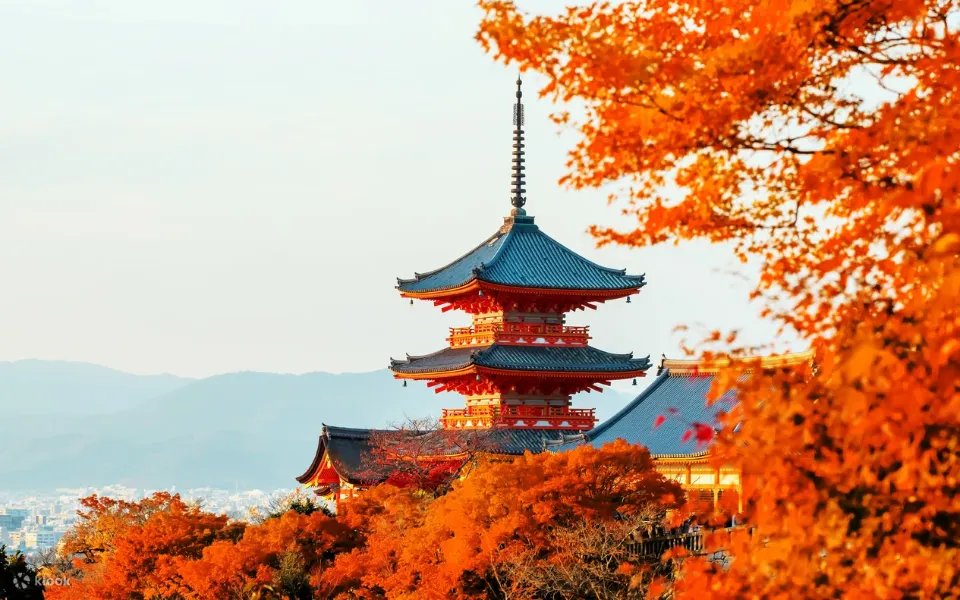
Kiyomizu-dera, built in 780, is one of Japan’s most famous temples and a UNESCO World Heritage site. Situated on a hilltop, the temple features a wooden terrace extending 13 meters from the main hall, offering breathtaking views of hundreds of cherry trees and the Kyoto cityscape. The temple is also famous for its eleven-faced, thousand-armed Kannon Buddha statue.
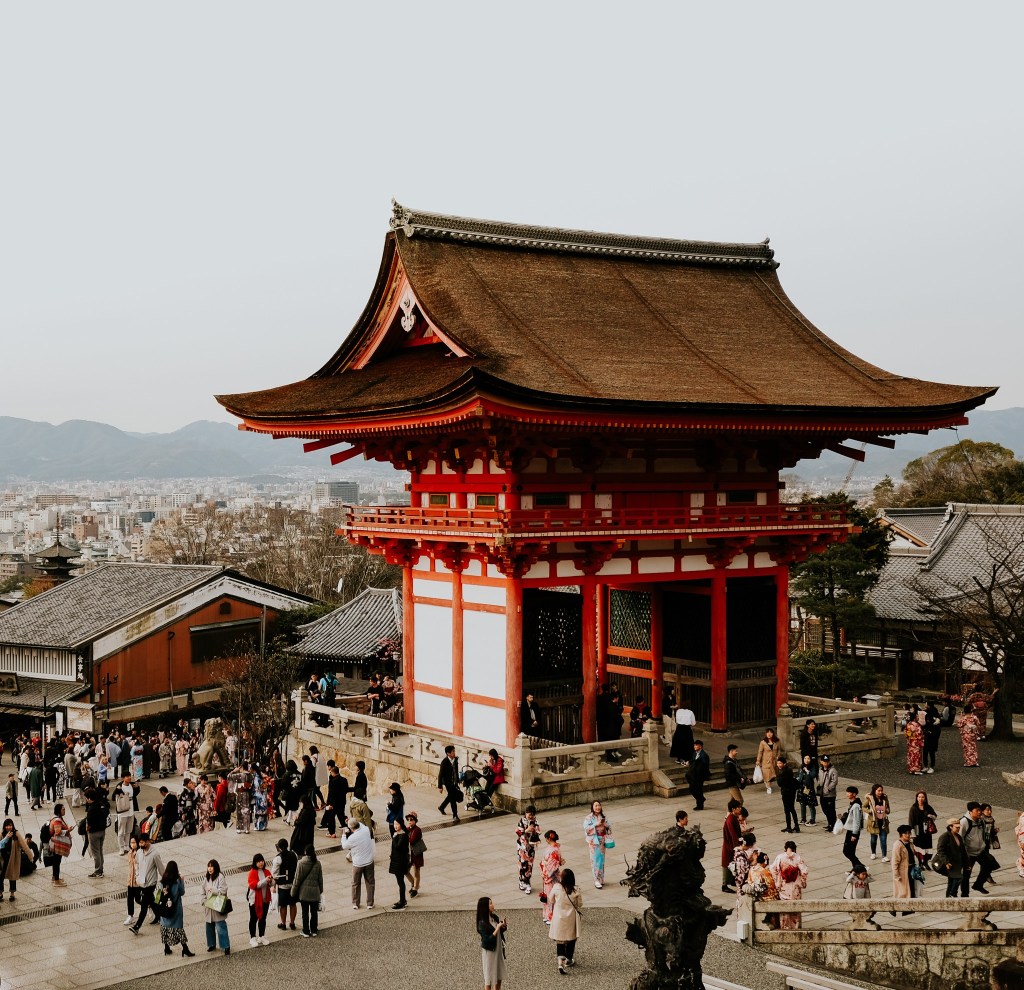
Evening: Strolling Through the Picturesque Streets of Higashiyama
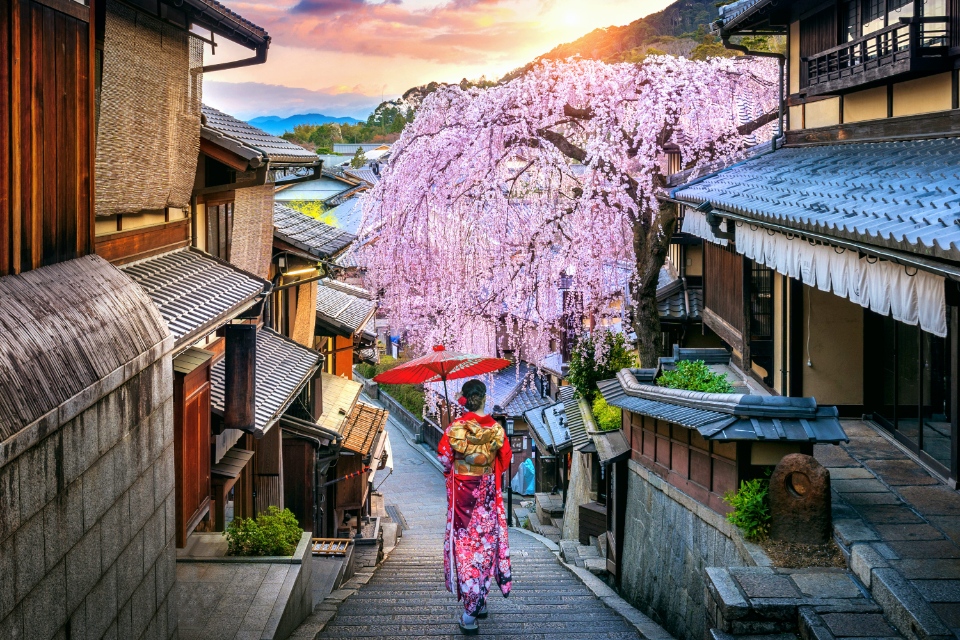
Kiyomizu-dera, Fushimi Inari Shrine, & Nara Park One Day Tour
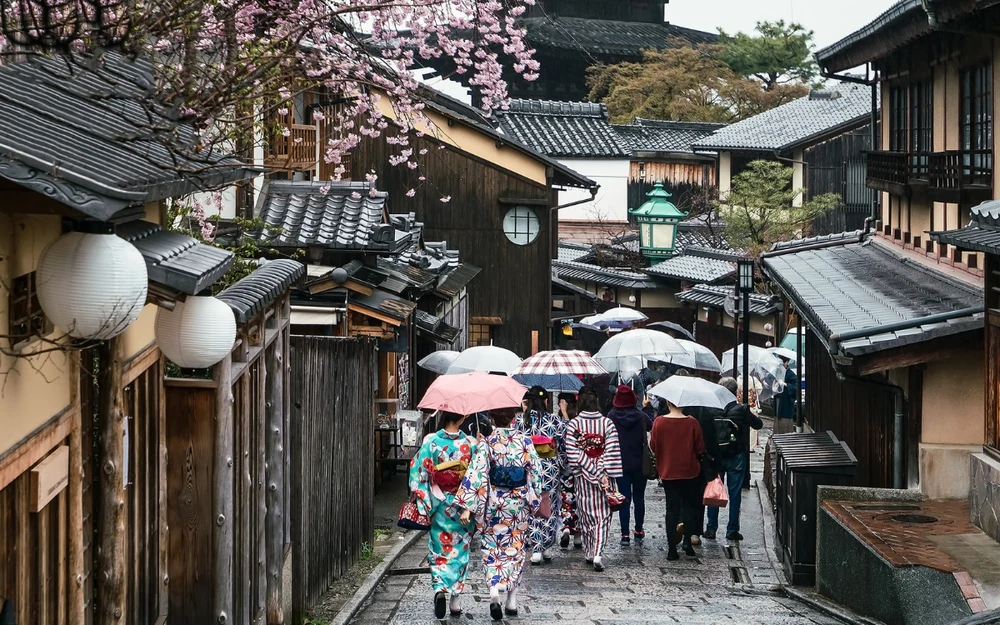
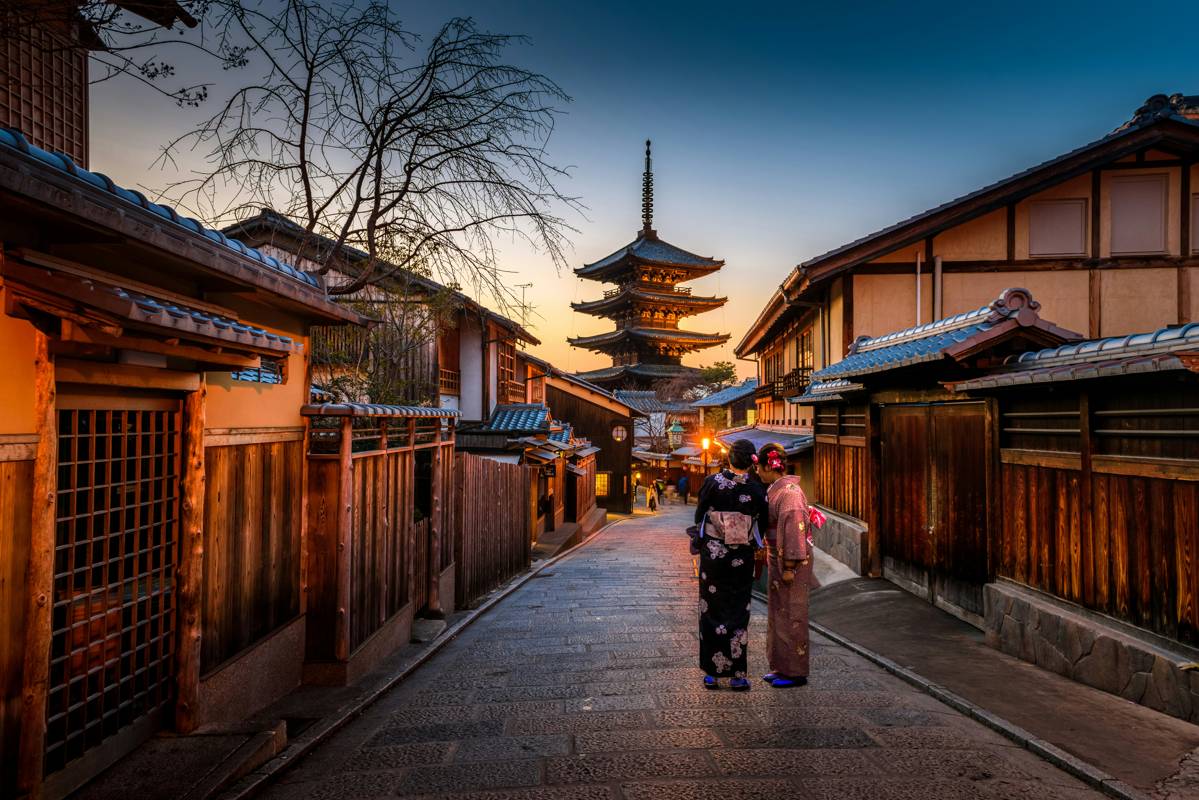
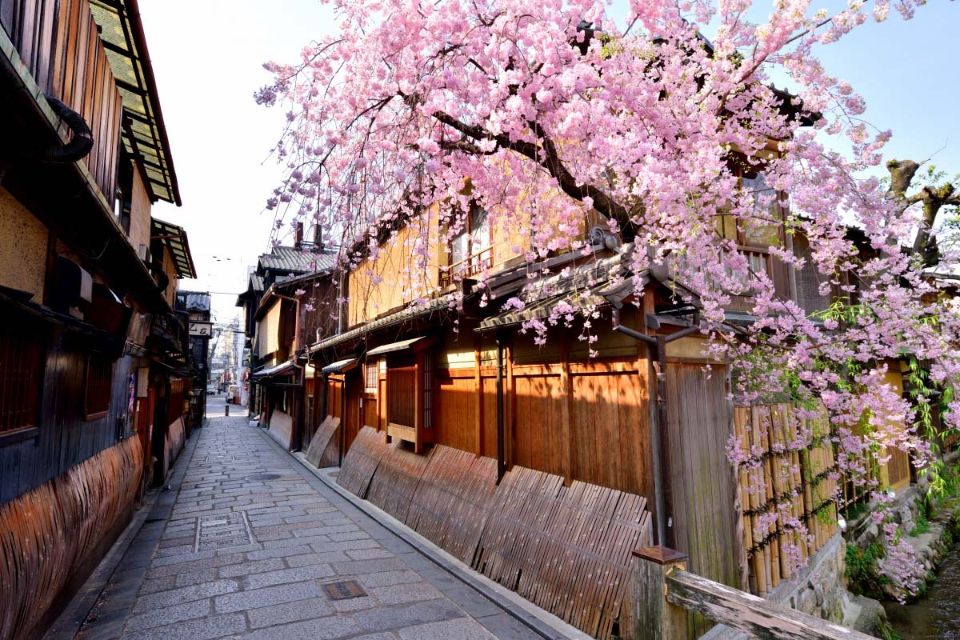
Higashiyama, nestled along the eastern slopes of Kyoto, is one of Kyoto’s best-preserved historic districts. It offers an authentic experience of old Kyoto with its narrow alleys, wooden houses, and traditional shops. Shops, cafes, and restaurants along the streets of Higashiyama offer local specialties such as ceramics, sweets, handicrafts, and other souvenirs.
Day 2: Exploring the Unique Japanese Culture in Kyoto
Morning: Strolling Through Nishiki Market – Experiencing the Everyday Life of Kyoto
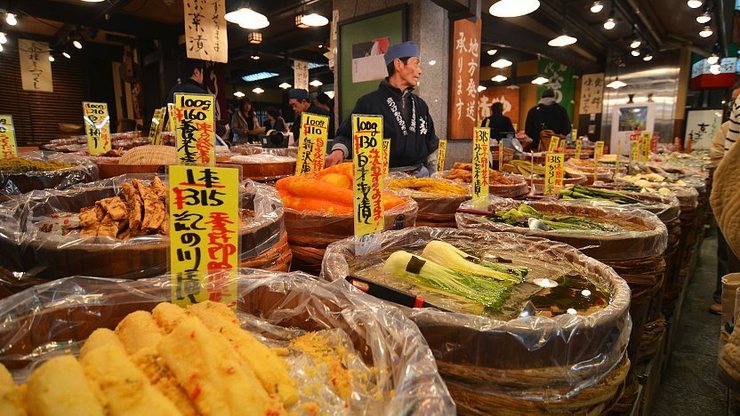
A morning in Kyoto is perfect to start with a stroll through Nishiki Market – a traditional market located right in the heart of the city. This covered shopping street is open from around 9:00 AM to 6:00 PM, always bustling but not overly crowded.
Kyoto Nishiki Market Half-Day Small Group Guided Tour
While strolling through the market, you’ll find all sorts of local specialties: fresh vegetables grown in Kyoto, fresh fish, Japanese tea, and beautifully packaged snacks to sample and buy as souvenirs. Just slow down a bit, listen to the gentle calls of vendors, and observe how the Japanese carefully handle each item; you’ll clearly feel the everyday life of the ancient capital.
Afternoon: Exploring Geisha Culture & Kabuki Art
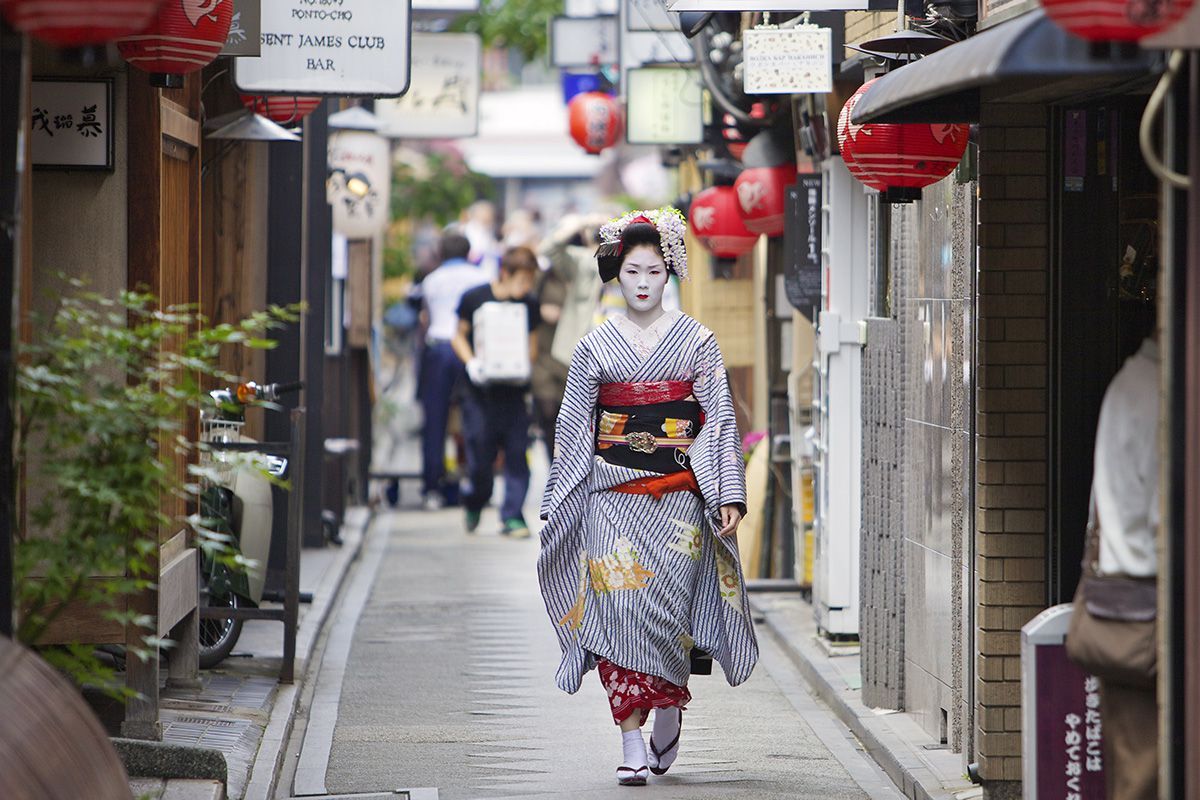
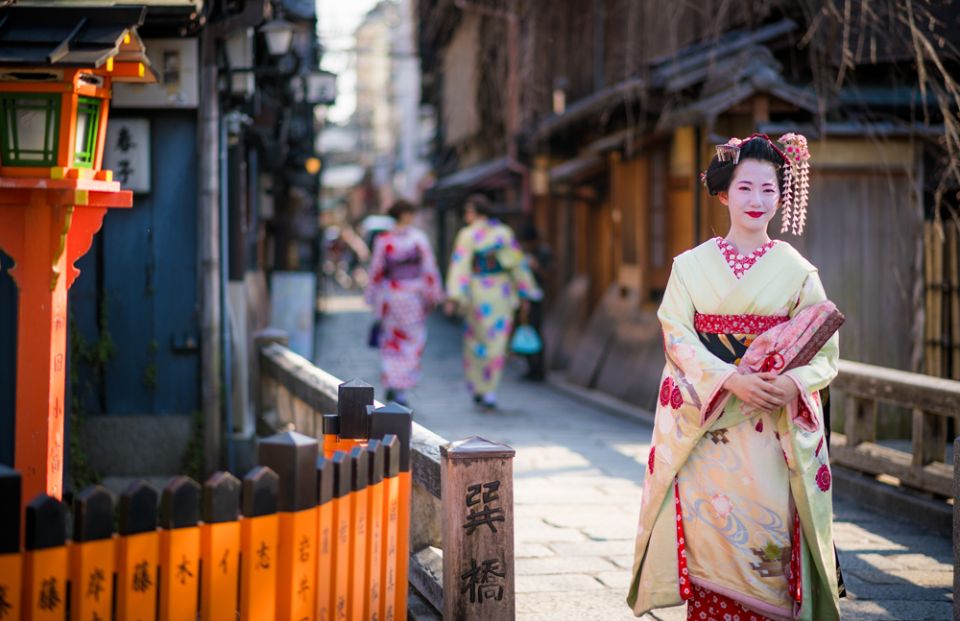
The afternoon is the ideal time to explore Kyoto’s long-standing traditional culture. Here, geisha are called geiko, while young girls undergoing training are called maiko. The Gion district is the most famous center of geisha culture, with approximately 100 geiko and 100 maiko currently working.
If you visit at the right time, you can enjoy spectacular performances at traditional festivals such as Miyako Odori, Kyō Odori, Kitano Odori, Kamogawa Odori, or Gion Odori – each dance and kimono carrying its own unique cultural story.
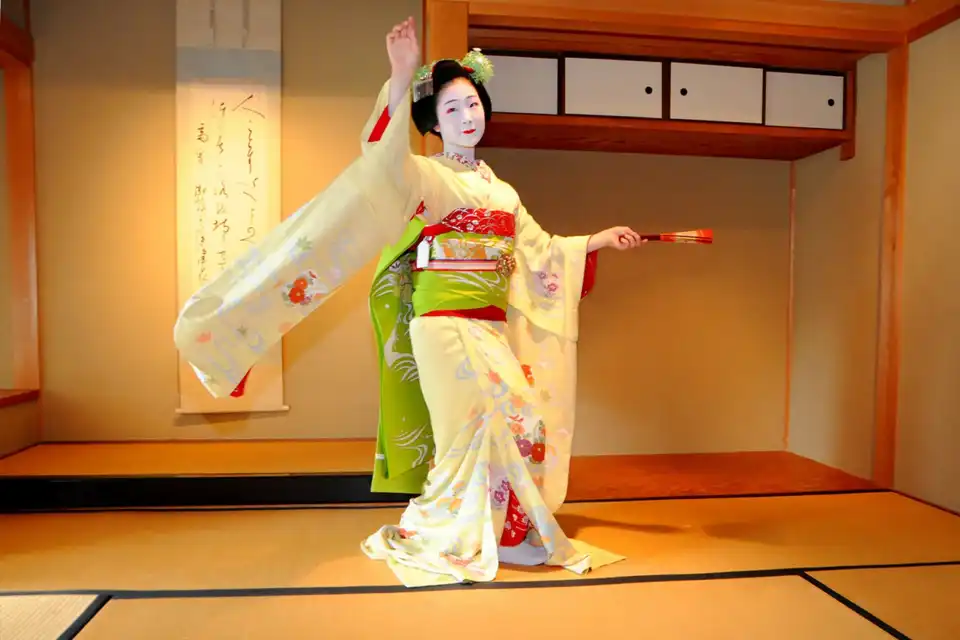
Authentic Kyoto Gion Geisha/Maiko Cultural Experience
Afterward, we can visit the Minamiza Theatre to explore Kabuki – a famous traditional Japanese theatrical art form. With its historical stage and classic setting, Minamiza has hosted Kabuki performances from the Edo period to the present day. In particular, the Kaomise Kōgyō event in December each year always attracts a large number of locals and tourists, as a way for Kyoto residents to welcome the new season.
Evening: Strolling Through Gion Old Town & Enjoying Traditional Cuisine
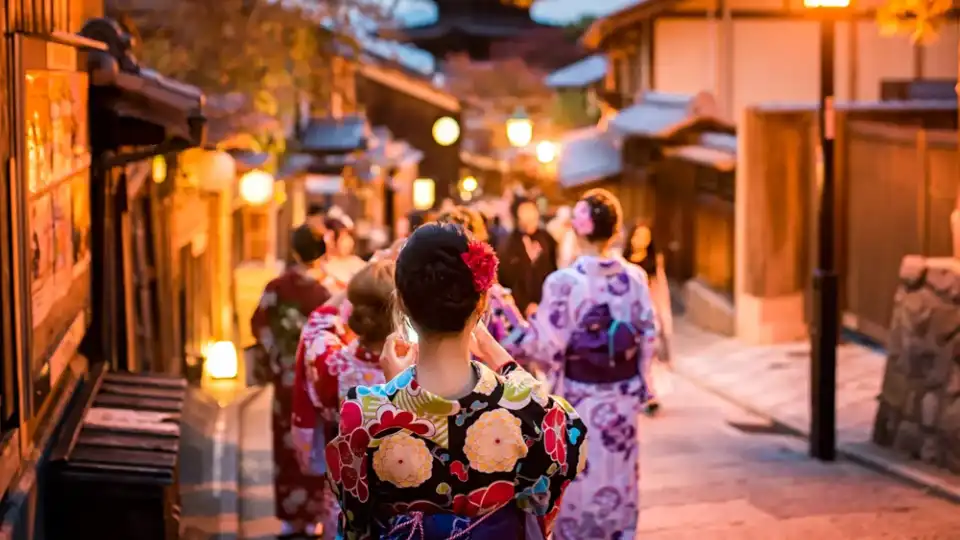
When the city lights up, Gion Old Town becomes even more enchanting and tranquil. Traditional wooden houses, lanterns hanging in front of the porches, and quiet little streets create a very “Kyoto” atmosphere.
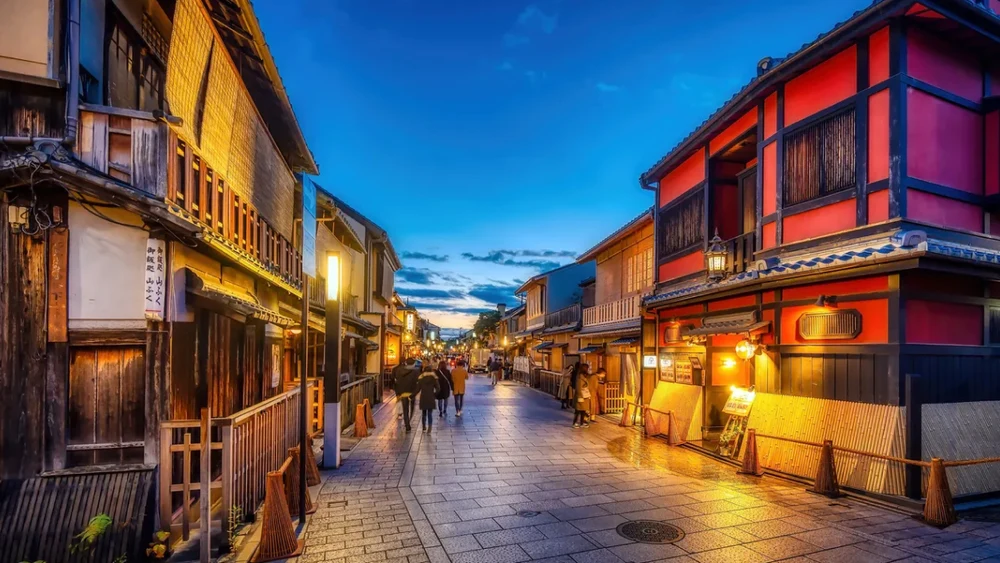
Kyoto Gion Night Guided Walking Tour (3 Hours)
In the evening in Gion, we can leisurely stroll, feel the ancient atmosphere, and enjoy traditional Japanese cuisine – from meticulously prepared kaiseki meals to cozy little restaurants with local flavors. Such a peaceful evening concludes a day of exploring Kyoto’s culture, both profound and very romantic.
Day 3: Exploring the Serene Spiritual Culture of Kyoto
Morning: Strolling Around Kinkakuji Temple – Ryoanji Temple – Ninnaji Temple
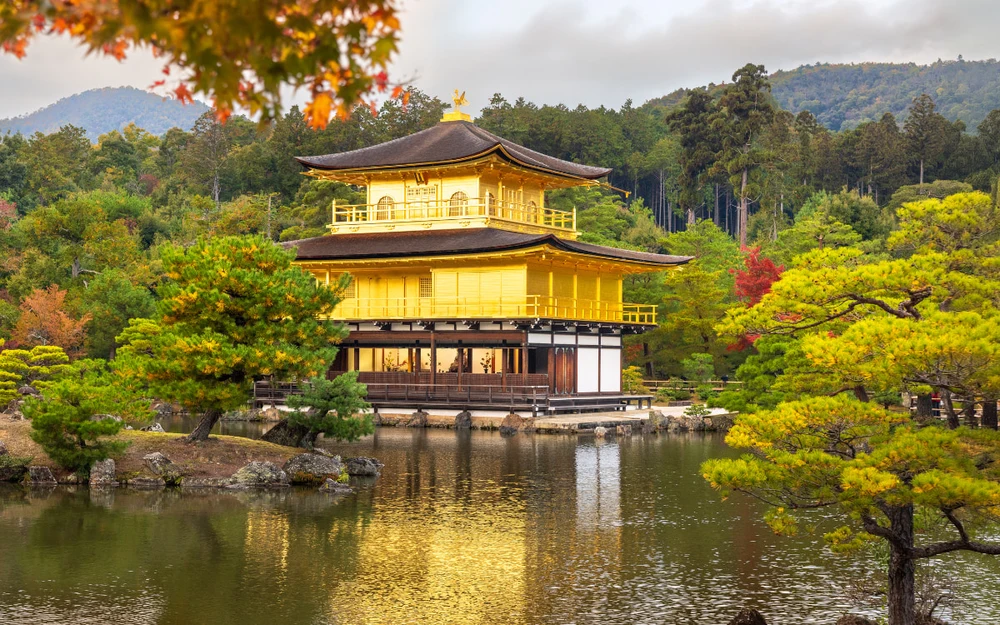
Morning is the ideal time to begin a spiritual journey at Kinkakuji Temple, a symbol of Kyoto’s culture and spirit. The gilded pavilion stands out amidst the lush green forest, its reflection shimmering on the tranquil lake, creating a scene that is both solemn and serene. Each season, Kinkakuji boasts a different beauty, from the pink cherry blossoms of spring to the vibrant red leaves of autumn.
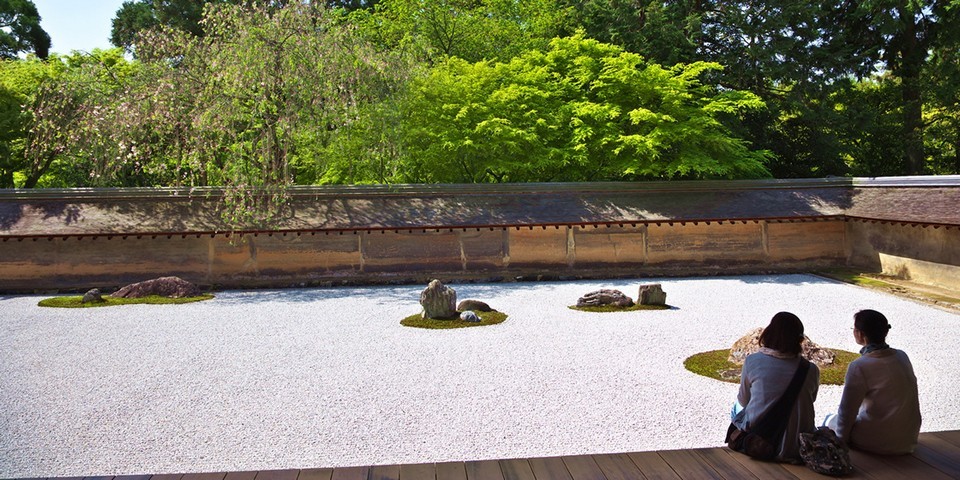
[Kyoto Classic Deep Dive] Kinkaku-ji & Kiyomizu-dera Temple & Ninenzaka & Gion/Hanamikoji Street…
Next, we visited Ryoanji Temple, famous for its simple yet profound Zen rock garden. The tranquil atmosphere here is perfect for sitting, slowly observing, and feeling the spirit of Japanese Zen. Within the temple grounds, there is also a pond, small gardens, and a restaurant serving Yudofu – a light and refreshing hot tofu dish, a famous Kyoto specialty.
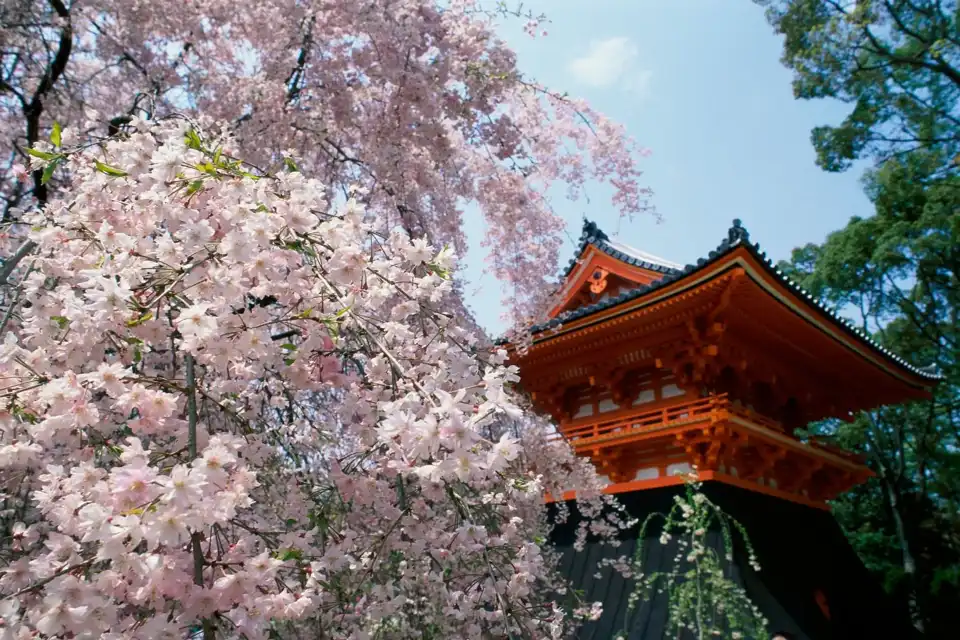
The final stop of the morning is Ninnaji Temple, with its Goten area once being the residence of the head monk. The temple’s architecture resembles a royal palace, connected by corridors, fusuma sliding doors, and surrounded by exquisite rock gardens and ponds. Ninnaji is also famous for its late-blooming cherry blossoms in mid-April, a favorite destination for visitors at the end of the sakura season.
Afternoon: Immerse Yourself in the Arashiyama Bamboo Forest – Tenryuji Temple
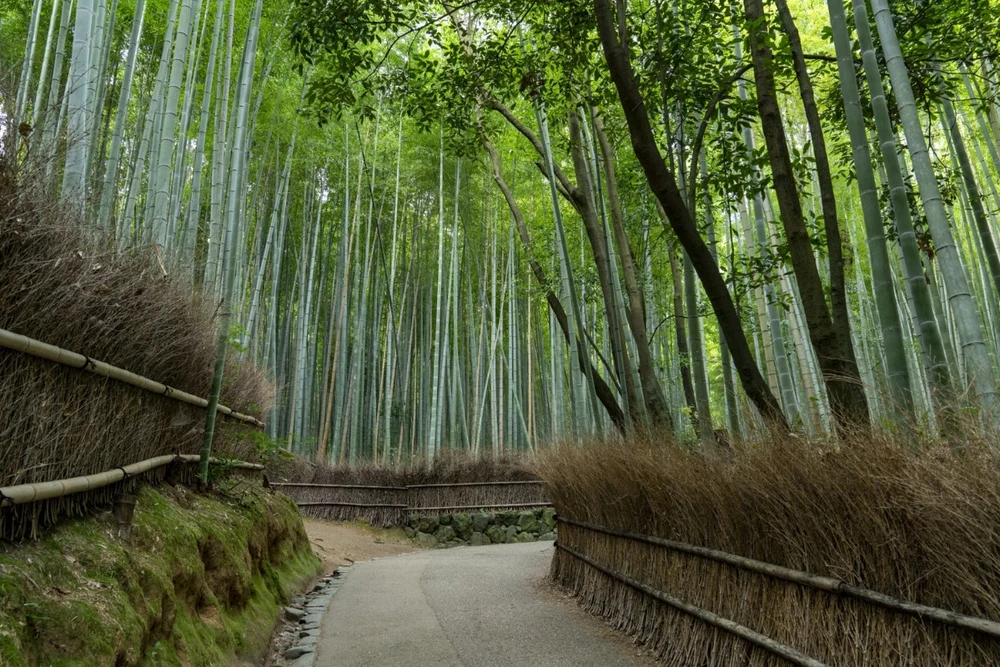
In the afternoon, the journey continues in the Arashiyama area in northwestern Kyoto. The Arashiyama bamboo forest opens up a lush, towering, and peaceful green space. Strolling among the straight rows of bamboo, listening to the rustling wind, you will clearly feel the unique tranquility and serenity of this place. Visitors can walk, cycle around the area, or combine it with visits to nearby temples and shrines.
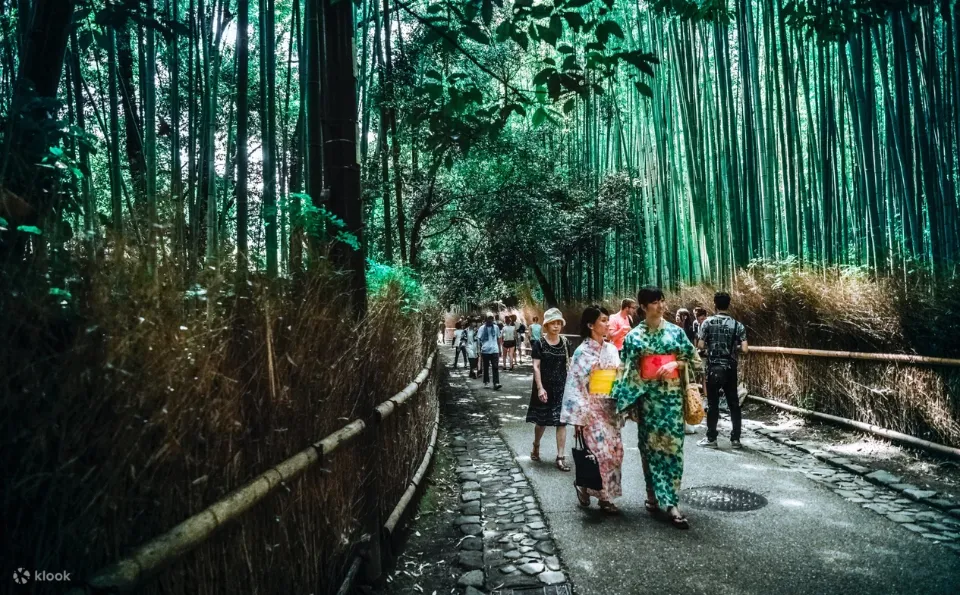
Right near the bamboo forest is Tenryuji Temple – the most important of Kyoto’s Five Great Zen Temples and a UNESCO World Heritage Site. The temple was built in 1339 to commemorate Emperor Go-Daigo. The central garden, with its pond and greenery, designed by Zen master Muso Soseki, creates a perfect harmony between architecture and nature.
Evening: Stroll on Togetsukyo Bridge – Arashiyama Monkey Park
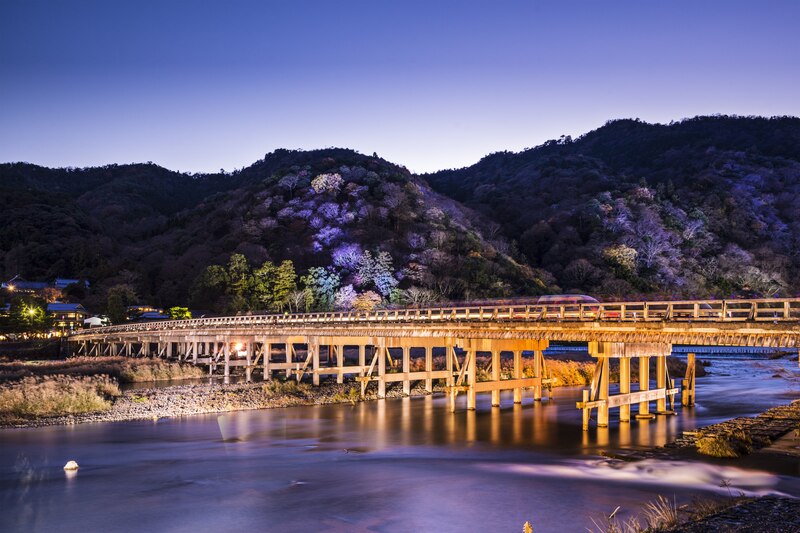
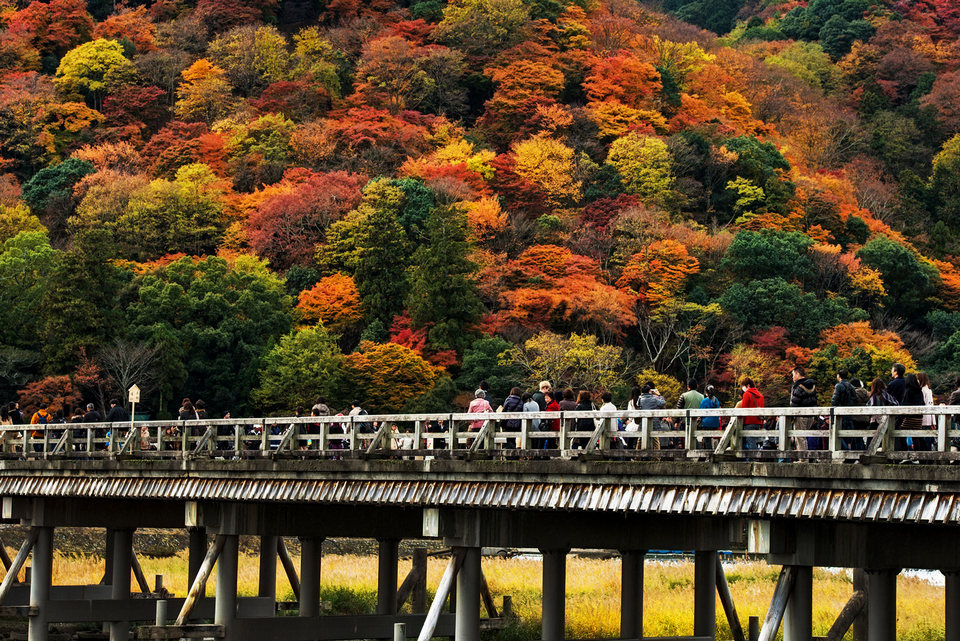
As the sun sets, Togetsukyo Bridge emerges as an ancient symbol of Arashiyama, boasting over 1,000 years of history. The bridge sits amidst a peaceful river and mountain landscape, especially beautiful in the evening. If you visit at the right time, you can also watch cormorant fishing or participate in the illuminated Arashiyama Hanatoro festival.
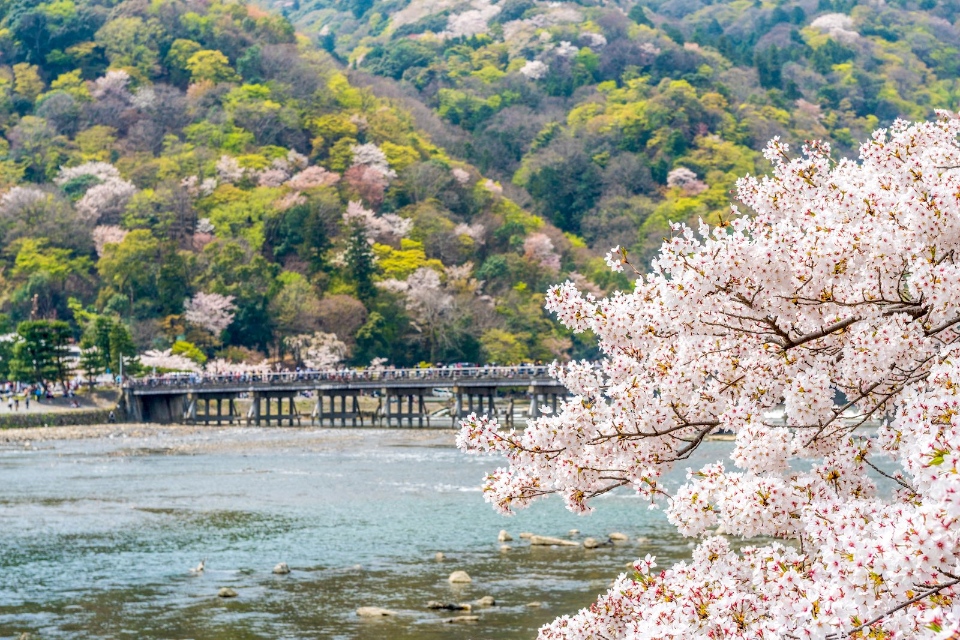
Kyoto & Osaka: Miyama Village Thatched Houses, Katsuoji Temple, Arashiyama Togetsukyo Bridge…
To conclude your day, you can visit Arashiyama Monkey Park – a fun destination suitable for the whole family. Here, macaque monkeys live in their natural environment, offering a close and authentic experience. From above, you can also enjoy a panoramic view of the peaceful Arashiyama, concluding a day of exploring Kyoto in a gentle and profound way.
What to do in Kyoto for 5 days — Day 4: Experiencing Other Must-visit Kyoto’s Attractions
Morning: Visiting Fushimi Inari Taisha Shrine
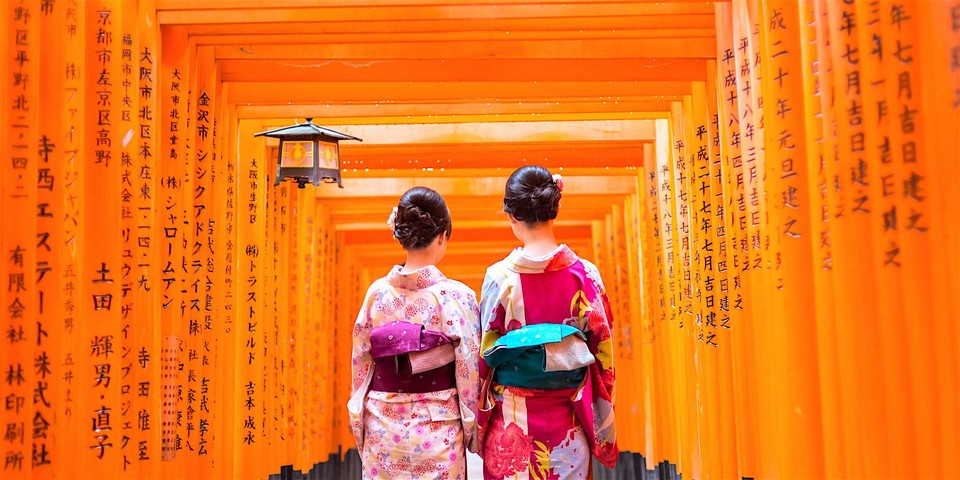
In the morning, we started our day at Fushimi Inari Taisha Shrine – one of Kyoto’s most famous and iconic landmarks. This important Shinto shrine is located in the south of the city, dedicated to Inari – the god of rice, harvests, and prosperity.
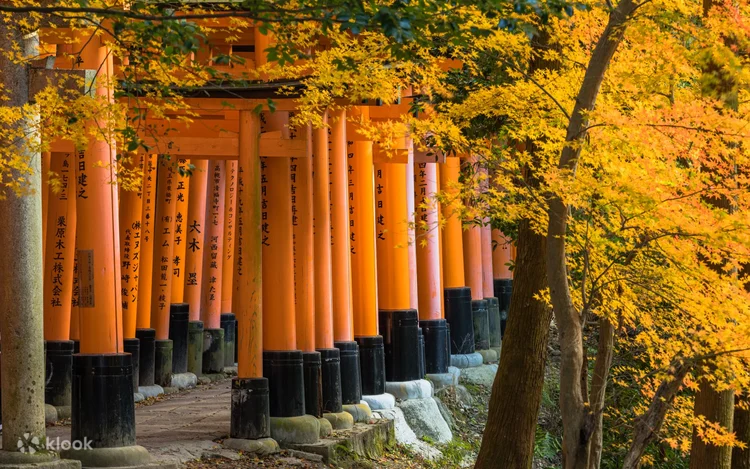
The most distinctive feature of Fushimi Inari is the thousands of vibrant red torii gates, arranged in a continuous path leading deep into the forest on Mount Inari, providing an experience that is both sacred and impressive.
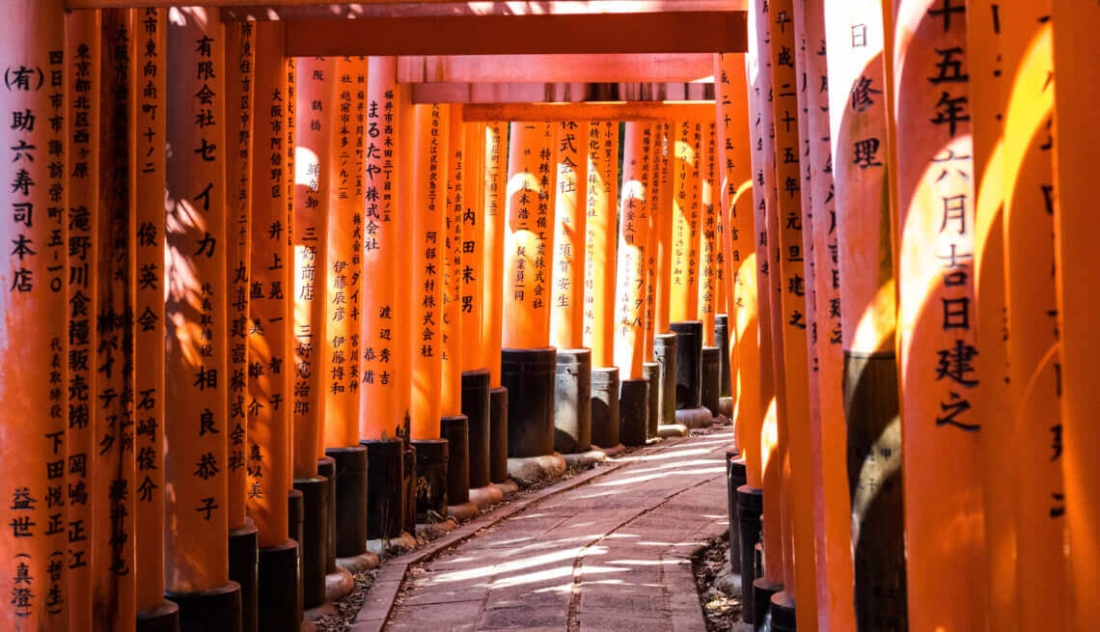
Along the way, visitors can admire many beautiful architectural structures such as the Romon Gate, the main hall, and small shrines hidden in the forest. Fox statues – the sacred animal of the god Inari – appear throughout the temple grounds, creating a unique characteristic for this place. Walking through each torii gate in the early morning is also a time of tranquility, allowing one to fully appreciate the sacred spirit of the temple.
Afternoon: Shopping and Exploring Kawaramachi Street – Kyoto BAL
Kyoto Local Bar & Izakaya Crawl Evening Tour in Kawaramachi Area
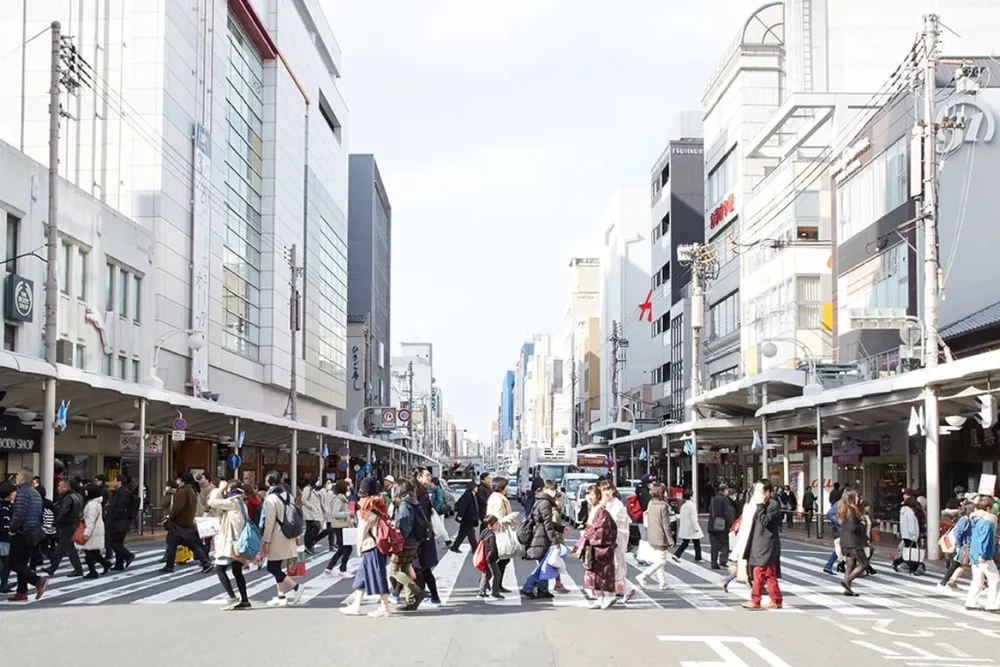
In the afternoon, we moved to Kawaramachi-dori – Kyoto’s vibrant shopping center – to visit Kyoto BAL. This fashion building opened in 1970 and reopened in 2015 after renovation, offering a modern, luxurious space with wide, comfortable walkways for sightseeing and shopping.

Kyoto BAL not only features famous fashion brands but also houses many furniture stores, bookstores, cosmetics shops, and charming cafes. This is the ideal stop to both shop and experience a very different Kyoto – youthful, creative, yet sophisticated.
Evening: Check-in at Kyoto Station – Kyoto Tower
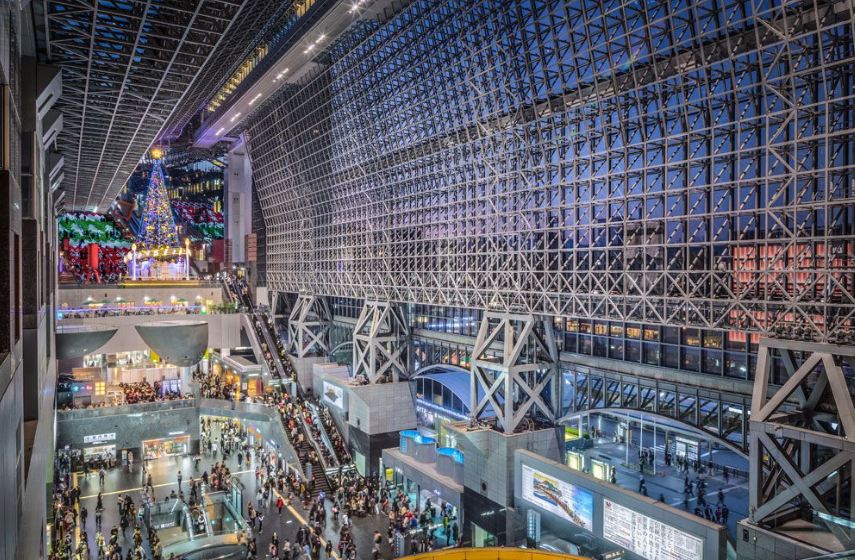
In the evening, Kyoto Station is a must-see destination. It’s a major transportation hub and the second largest train station in Japan, after Nagoya Station. Inside the station is a modern complex including a shopping mall, Isetan department store, hotel, cinema, and many interesting public spaces. Just strolling around and admiring the massive, modern architecture of the station is enough to see a Kyoto very different from the familiar image of ancient temples and shrines.
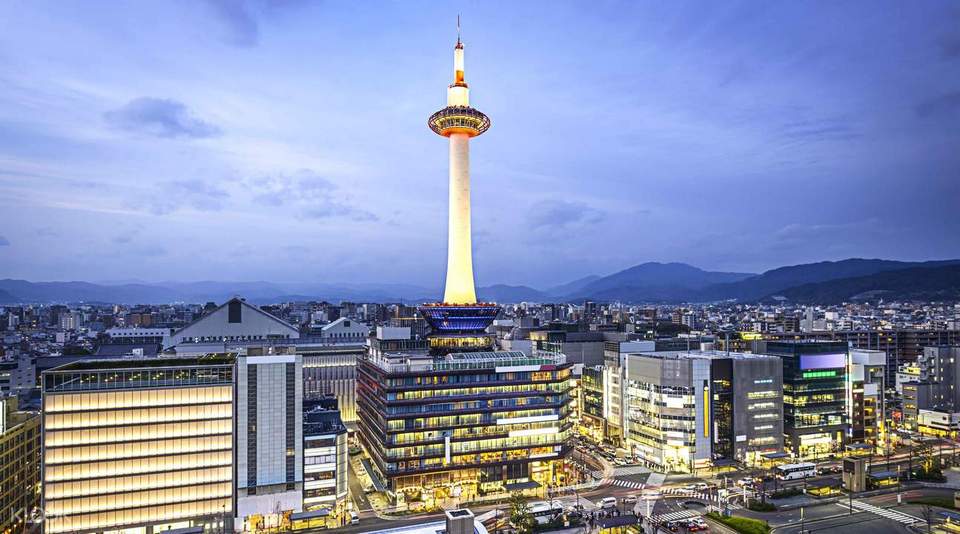
Right opposite the train station is Kyoto Tower – a 131-meter-tall modern symbol of the city. Completed in 1964, at the same time Japan entered the shinkansen era, the tower has an observation deck at a height of 100 meters allowing you to enjoy a 360-degree panoramic view of Kyoto and even see Osaka on clear days. Below the tower is a commercial area with restaurants, souvenir shops, and hotels, perfect for ending a day exploring modern Kyoto.
Day 5: Visiting Kyoto’s Iconic Destinations
Morning: Stroll in Kyoto Gyoen National Garden
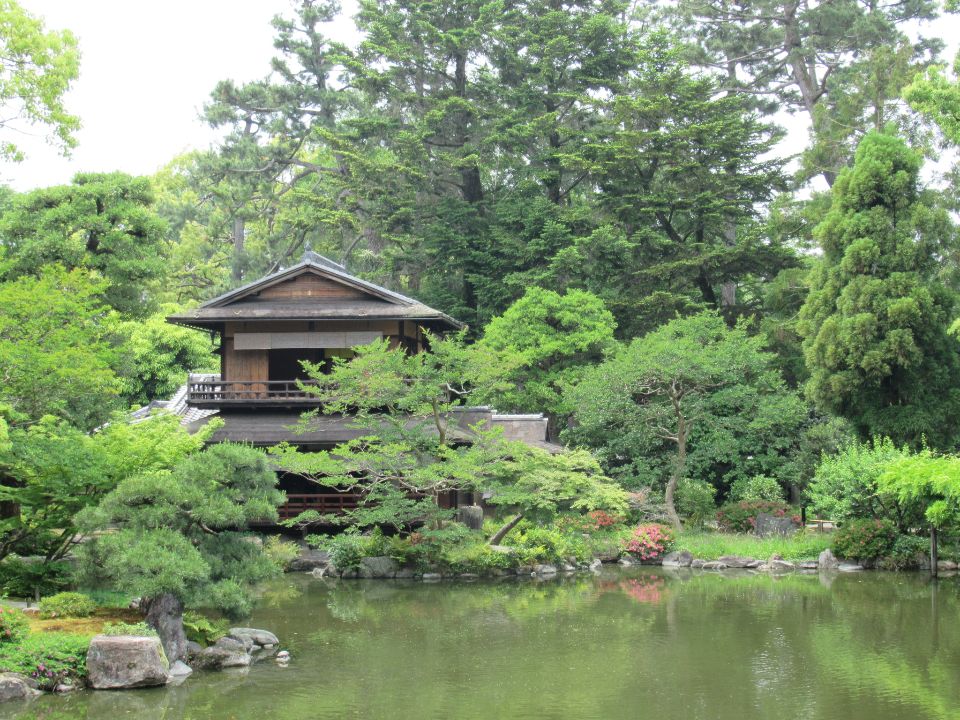
In the morning, we spent time strolling in Kyoto Gyoen National Garden – a vast green space located right in the heart of the city. During the Edo period, this area was once home to the nobility. After the capital was moved to Tokyo, Kyoto Gyoen was established to preserve the Kyoto Imperial Palace, and officially became a national park after World War II.
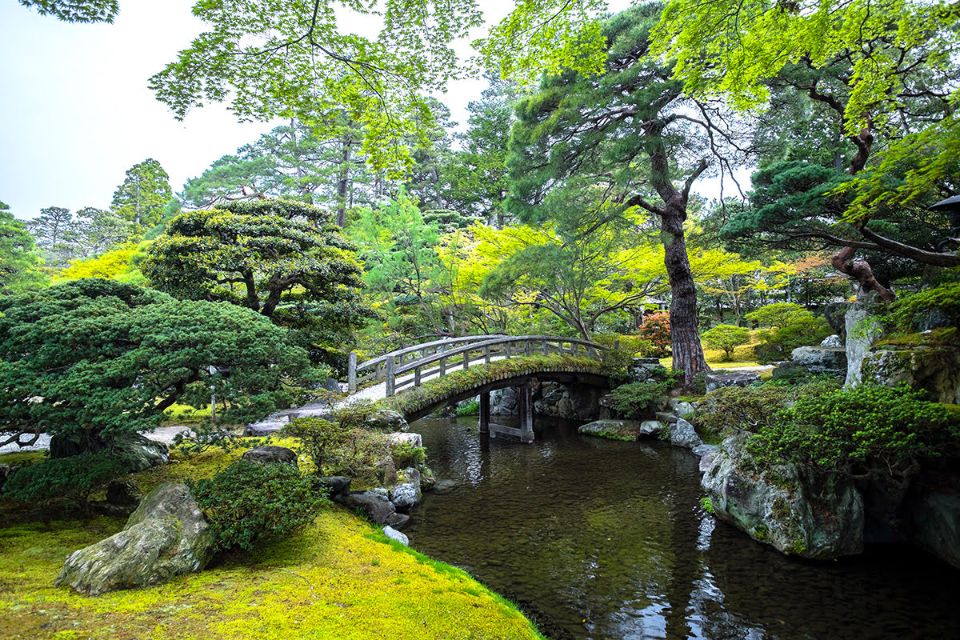
Today, Kyoto Gyoen is not only a historical site but also a place where locals come to relax, stroll, and enjoy nature. The fresh air, lush greenery, and tranquil atmosphere make it a very pleasant starting point for a day exploring Kyoto.
Afternoon: Exploring Nijo Castle
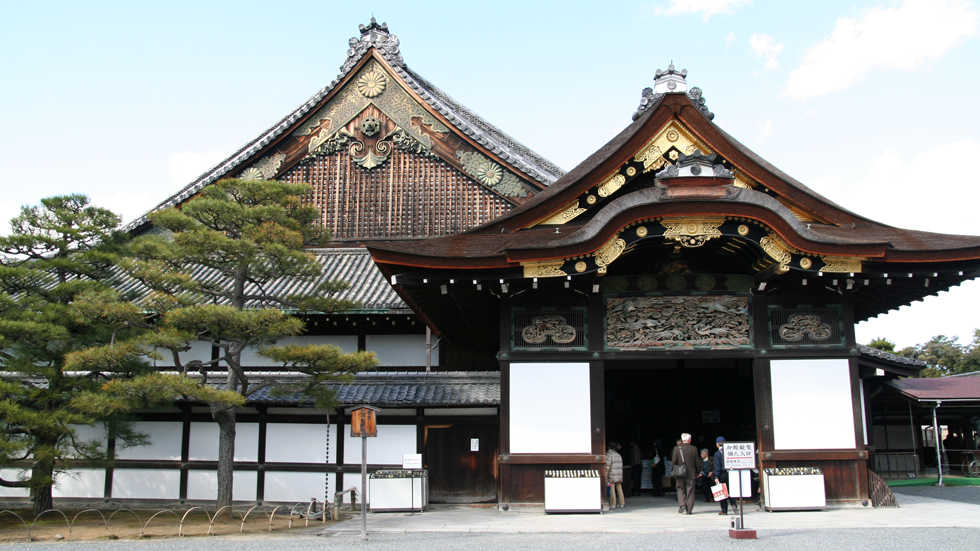
In the afternoon, we continue our journey to Nijo Castle – a historical structure built in 1603, once the residence of Tokugawa Ieyasu, the first shogun of the Edo period. Nijo Castle stands out with its palace system, gates, and gardens, which are preserved almost intact, clearly demonstrating the power and aesthetics of the samurai class during feudal Japan.
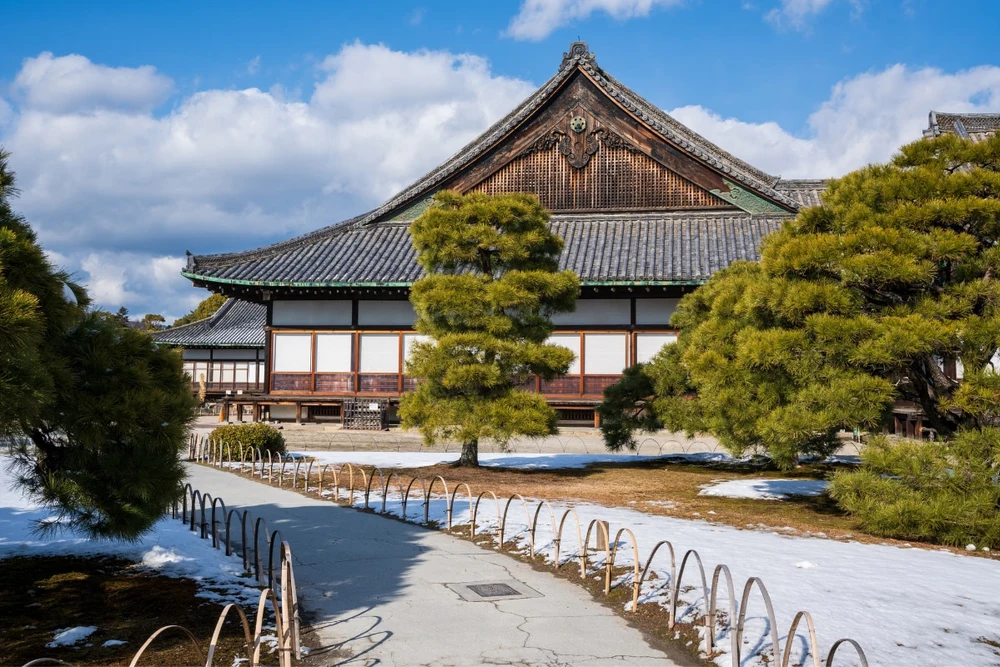
Kyoto: Nijo Castle History Guided Walking Tour – World Heritage
The structures inside the castle are considered the most typical examples of Edo-era castle architecture. It is this historical and architectural value that helped Nijo Castle be recognized as a UNESCO World Heritage Site in 1994, becoming an unmissable attraction when learning about Kyoto’s history.
Evening: Kyoto Imperial Palace Tour

In the evening, we returned to the Kyoto Imperial Palace area to explore and fully experience the solemn atmosphere of what was once the center of power in Japan for centuries. Located within the Imperial Park grounds, the palace includes a system of gates, long corridors, and meticulously maintained gardens.
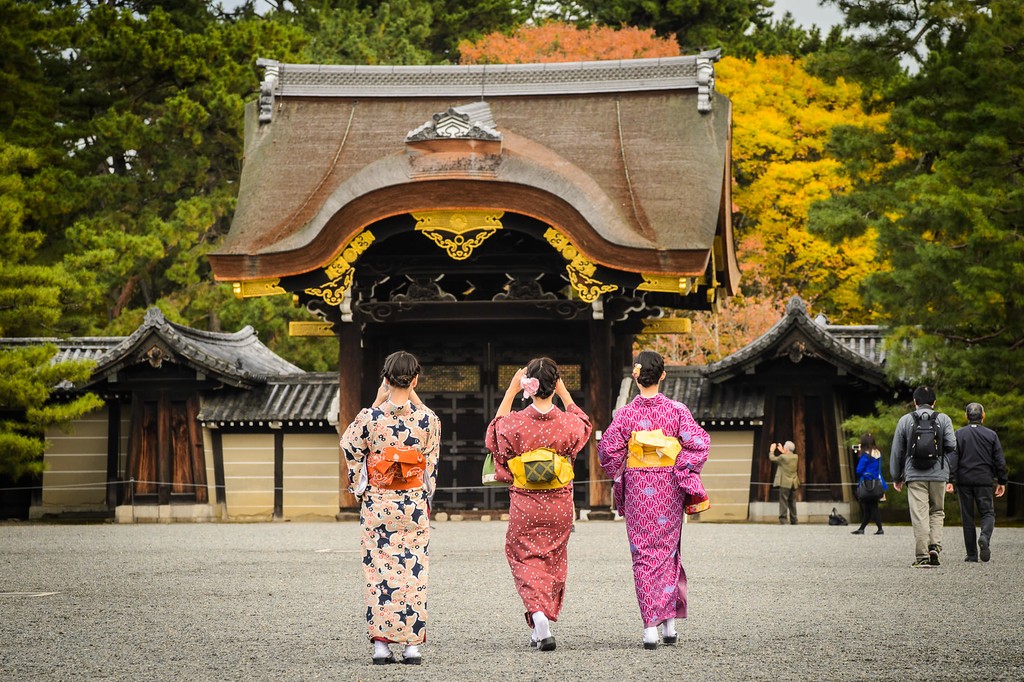
This was once the site of the coronation ceremonies of the Taisho and Showa emperors, holding special historical value. In addition, the surrounding area also has many noteworthy relics such as the Ninomiya King’s House and a small shrine built in the style of the famous Itsukushima Shrine in Miyajima, making the evening tour even more complete and profound.
What to Eat in Kyoto: Savoring the Quintessence of the Ancient Capital’s Cuisine
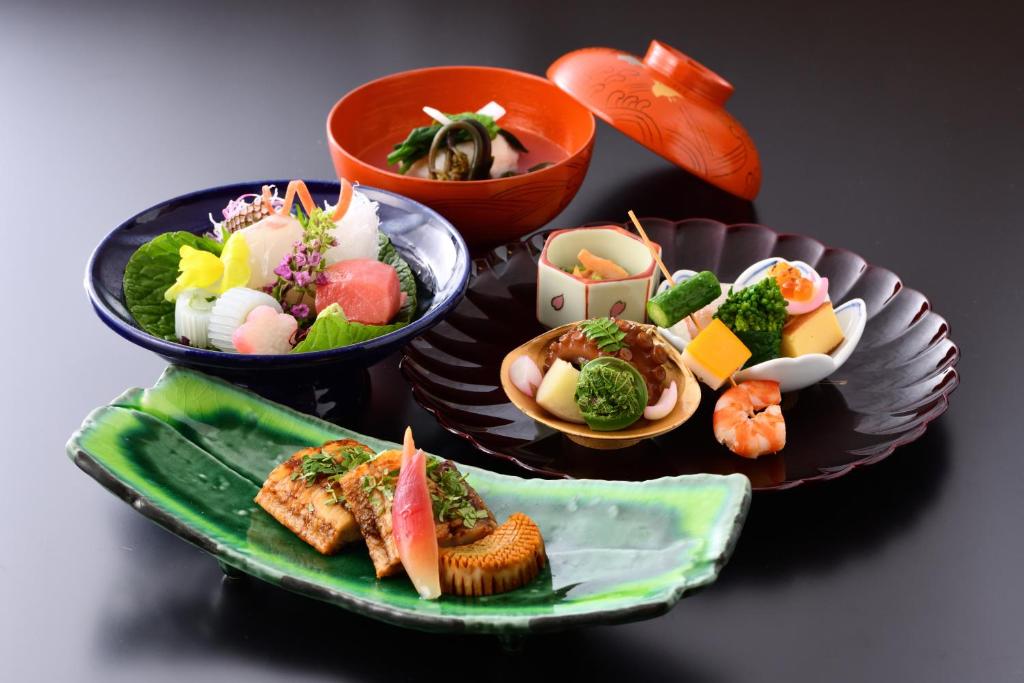
When visiting Kyoto, you can’t miss the Kaiseki Ryori experience, considered the pinnacle of the ancient capital’s cuisine. It’s a series of meticulously presented small dishes using the freshest seasonal ingredients. Due to its strong Buddhist tradition, the city also boasts Shojin Ryori (vegetarian cuisine) and dishes made from tofu and soybean curd; Yudofu (warm tofu) is a specialty reflecting the pure water quality of Kyoto.

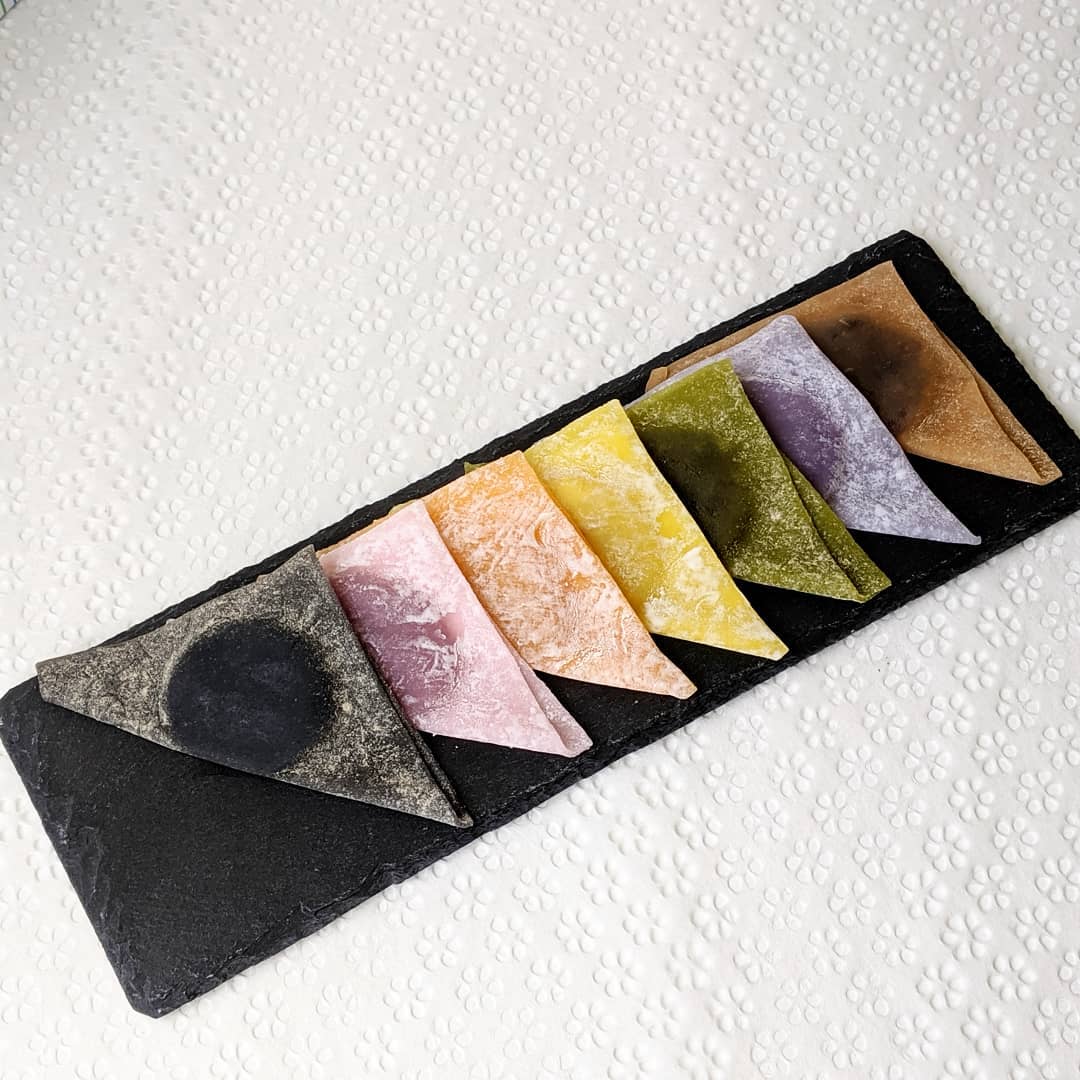
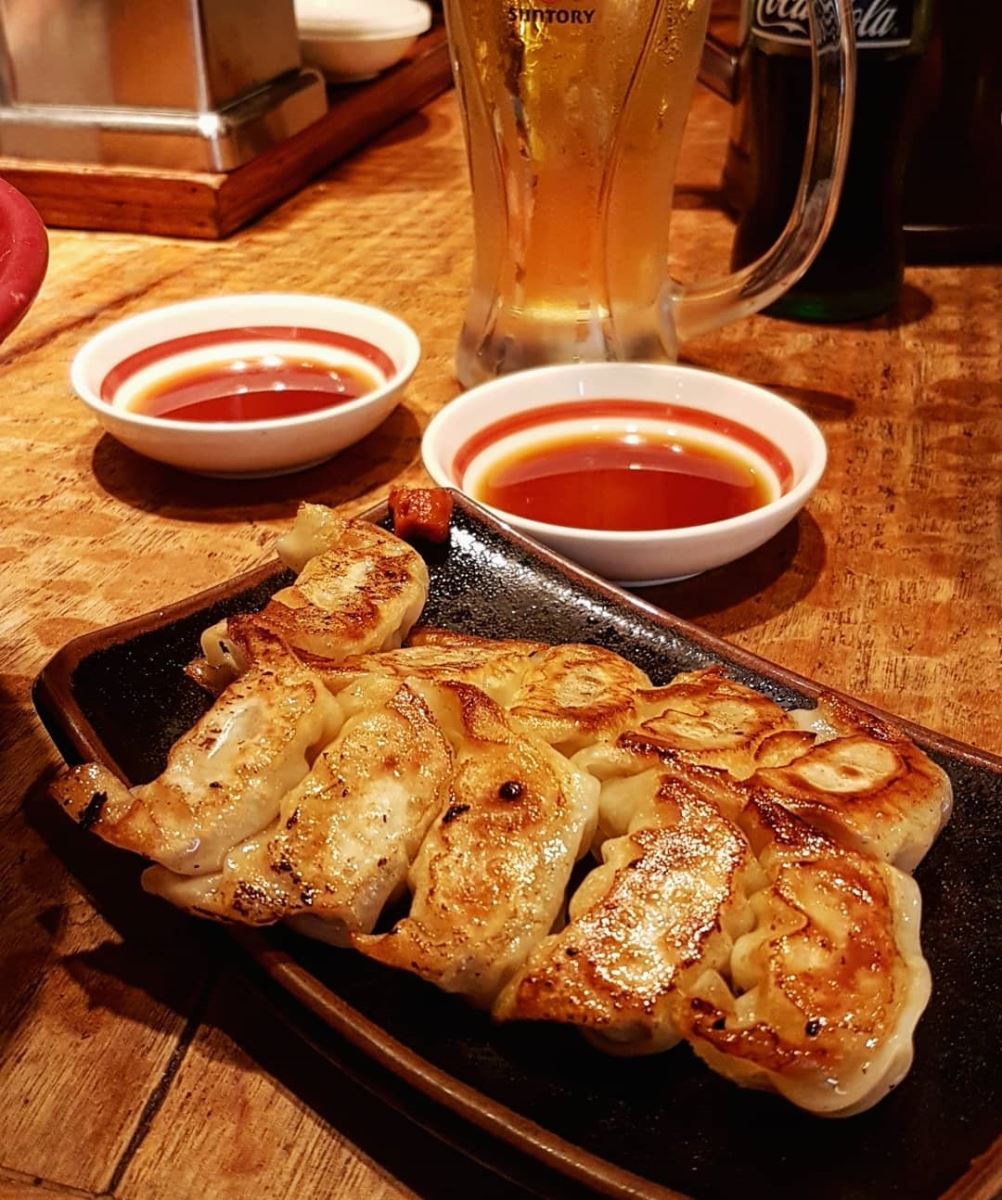
Additionally, you should try Nishin Soba, a warm noodle dish with uniquely sweet boiled herring. Finally, don’t forget to enjoy Matcha (ground green tea) from the neighboring Uji region, in the form of ice cream, cakes, or parfaits at shops in Nishiki Market, where you can also buy Kyo-tsukemono pickled vegetables and traditional Yatsuhashi sweets as souvenirs.
Popular Kyoto Hotels You Should Consider

The city of Kyoto, Japan, is famous not only for its ancient temples and shrines but also for its diverse accommodation options, ranging from modern to traditional, offering unforgettable experiences for visitors.
- Jr West Group Via Inn Prime Kyotoeki Hachijoguchi (klook, agoda)
- Rinn Niomon (klook, agoda)
- Hotel Emion Kyoto (klook, agoda)
- THE BLOSSOM KYOTO (klook, agoda)
- The Pocket Hotel Kyoto-karasumagojo (klook, agoda)
Reference Costs for a 5-Day, 4-Night Kyoto Trip
To estimate the cost of a 5-day, 4-night Kyoto trip, you can refer to the following table. Below is an estimated cost for a 5-day, 4-night Kyoto trip for Vietnamese people:
The cost of traveling in Kyoto will vary depending on the tourist season and individual needs. However, if you want to save money, you should plan early and book services and amenities in advance to get the cheapest fares!
| Category | Cost (VND) |
|---|---|
| Round-trip airfare | 10.000.000 - 15.000.000 |
| Hotel | 6.500.000 - 13.000.000 |
| Traveling | 1.000.000 - 2.000.000 |
| Food | 3.000.000 - 5.000.000 |
| Sightseeing tickets | 2.000.000 - 4.000.000 |
| Other costs | 1.000.000 - 2.000.000 |
| Total | 23.500.000 - 41.000.000 |
Quick Q&A About Kyoto Travel
1. What is the best time to visit Kyoto?
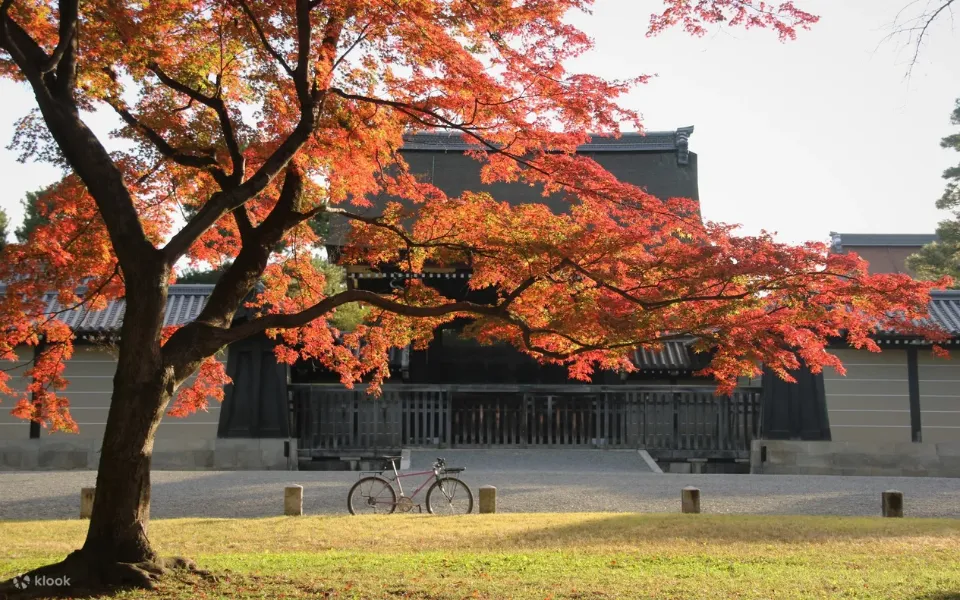
Autumn (October – November), with its vibrant red leaves (Momiji), and Spring (March – April), with its cherry blossoms (Sakura), are the two most beautiful seasons.
2. Is Kyoto crowded with tourists?
Very crowded! Especially during peak season at popular spots like Arashiyama Bamboo Forest and Kiyomizu-dera Temple. It’s best to go early or late to avoid the crowds.
3. Where should I rent traditional Kimono?
A: You can rent kimonos at shops in the Gion or Higashiyama areas. Wearing a kimono while strolling through the old town will help you take the best photos. However, you can book in advance on Klook to avoid the situation of models being sold out.
4. What is the most convenient mode of transportation in Kyoto?
Public buses are the main means of transportation between tourist attractions. You should buy a One-Day Pass to save money if you travel a lot.
A 5-day, 4-night trip to Kyoto is an exciting journey for you to fully explore the tranquil beauty of the ancient capital of Japan. Will you be planning a 5-day, 4-night trip to Kyoto?
Some best day tours, trips, activities and transfer services, tickets in, to and from Kyoto you can refer to
- Limousine Bus Transfers between Kansai International Airport (KIX) and Osaka or Kyoto
- Kyoto-Osaka Sightseeing Pass (1 Day/2 Days, Kyoto Pick Up)
- Randen + Subway 1 Day Pass
- Kyoto Temples & Shrines Day Tour from Osaka: Fushimi Inari-taisha, Arashiyama, Kiyomizu-dera & More
- Kyoto and Nara Day Tour from Osaka/Kyoto
- Sagano Romantic Train One-Way Ticket (Saga or Kameoka Departure)
- Kyoto Sagano Romantic Train Day Tour
- Kyoto Temples & Shrines Day Tour from Kyoto: Fushimi Inari-taisha, Arashiyama, Kiyomizu-dera & More
- Amanohashidate & Miyama One Day Tour from Osaka/Kyoto
- JR Kansai-Hiroshima Area Pass
- Kimono Rental in Kyoto Kiyomizu Temple
- One Day Kimono Rental
- Kyoto Temples & Shrines Day Tour from Osaka
- Kimono and Yukata Rental at Kimono Miyabi Kyoto
- 4G Prepaid Sim Card (JP Airports Pick Up) for Japan
- 4G WiFi (Japan Pick Up) for Japan
- JR Pass for Whole Japan (7, 14, or 21 Days)
Are you finding more top things to do in Kyoto, read more: Kyoto blog (Kyoto travel blog) — The fullest Kyoto travel guide blog for a budget trip to Kyoto, Japan for the first-timers. And Kyoto 3 day itinerary — How to visit Kyoto in 3 days & what to do in Kyoto in 3 days perfectly?