





































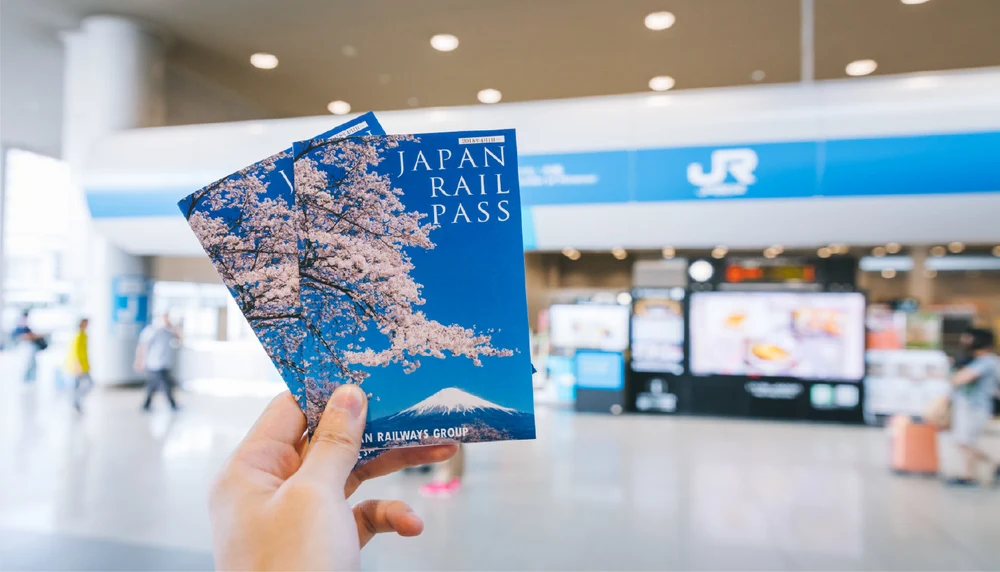
Should I buy a JR Pass or individual tickets (Japan Rail pass or individual tickets) to travel economically in Japan? Learn more about these two options to prepare for your upcoming trip!
- JR Pass — 11+ things about Japan Rail Pass you need to know
- How to get around Tokyo? — 3 best way to get around Tokyo & cheapest way to get around Tokyo
- Traveling from Tokyo to Kyoto — 4 fastest & cheapest ways on how to get to Kyoto from Tokyo
- Using Tokyo metro 24 hour ticket — You can discover all the best places of Tokyo during one day for only 600 yen!
- The guide for buying Tokyo Disneyland Tickets for First-Time Visitors
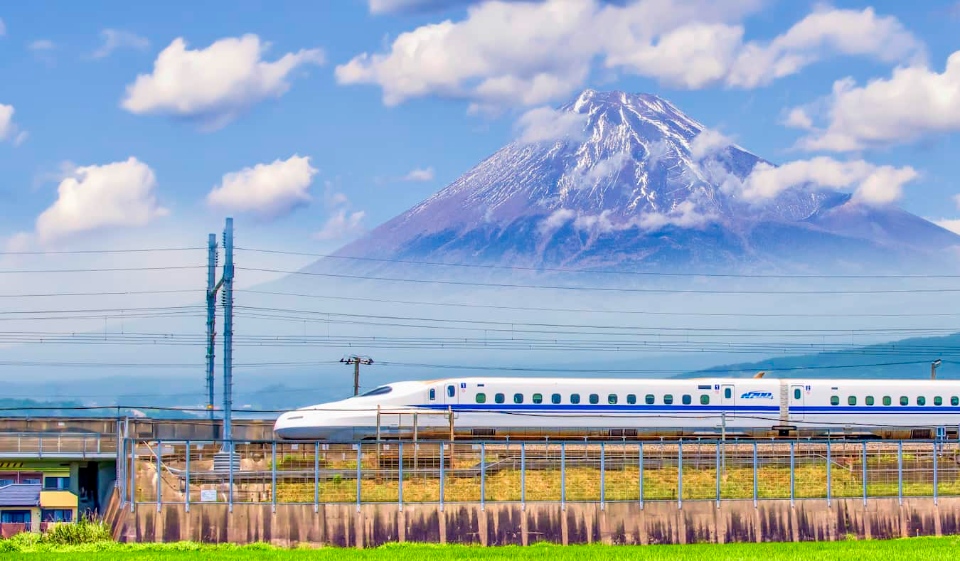
Japan is always a dream destination for many people, famous for its traditional cultural space, exquisite cuisine and beautiful four-season scenery. When planning to explore this country, you must be eager to learn how to travel in the most economical and convenient way. One of the most common questions from tourists is whether to buy a JR Pass or a Shinkansen ticket.
Let’s find out more with us to find the best solution for your upcoming trip to explore Japan!
JR Pass – A “Cross-Japan” Ticket for Travel Lovers
What is a JR Pass and how does it work?
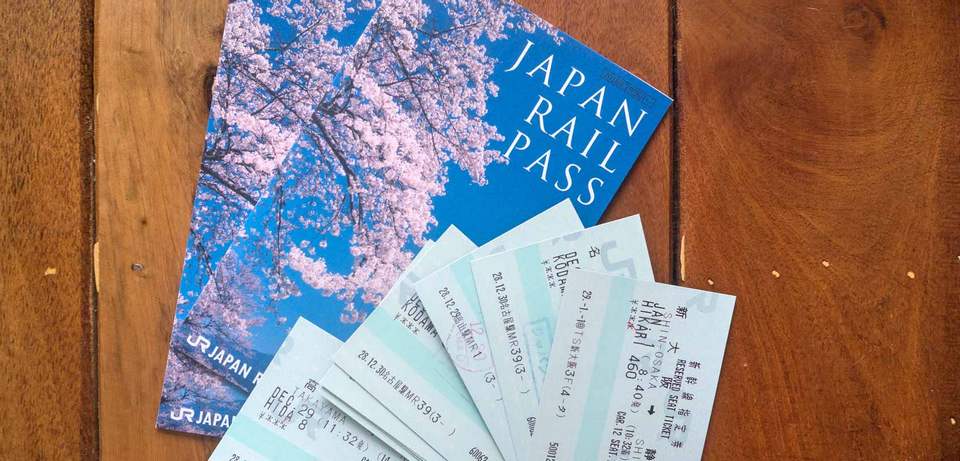
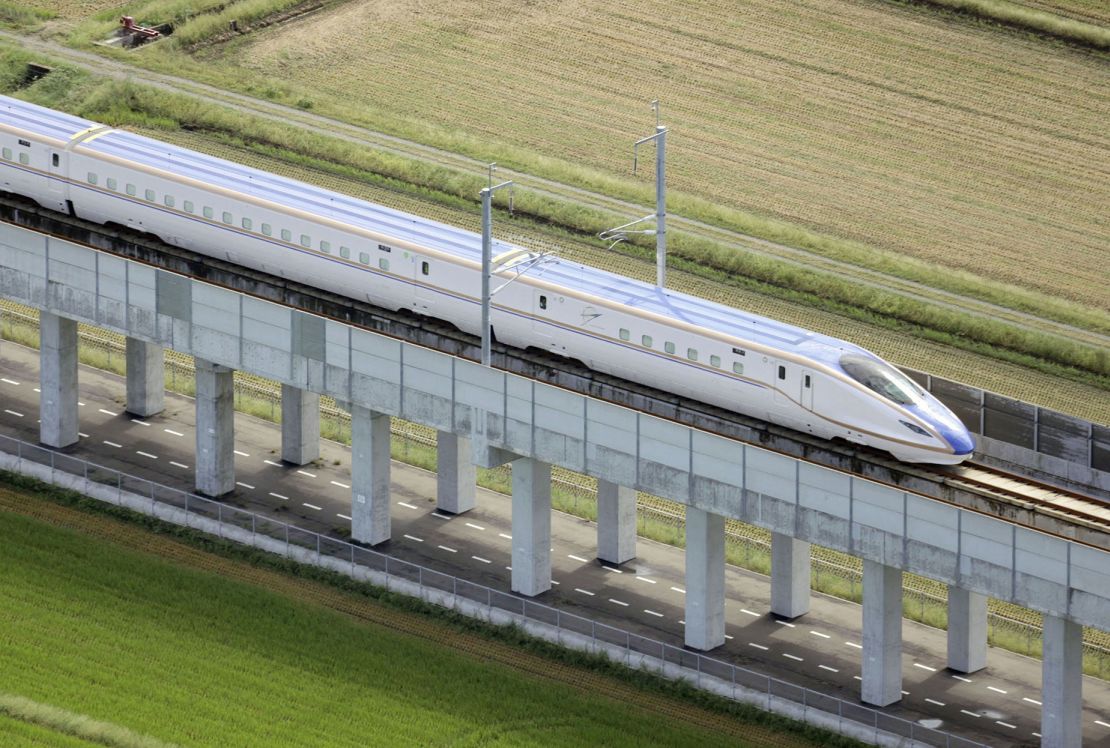
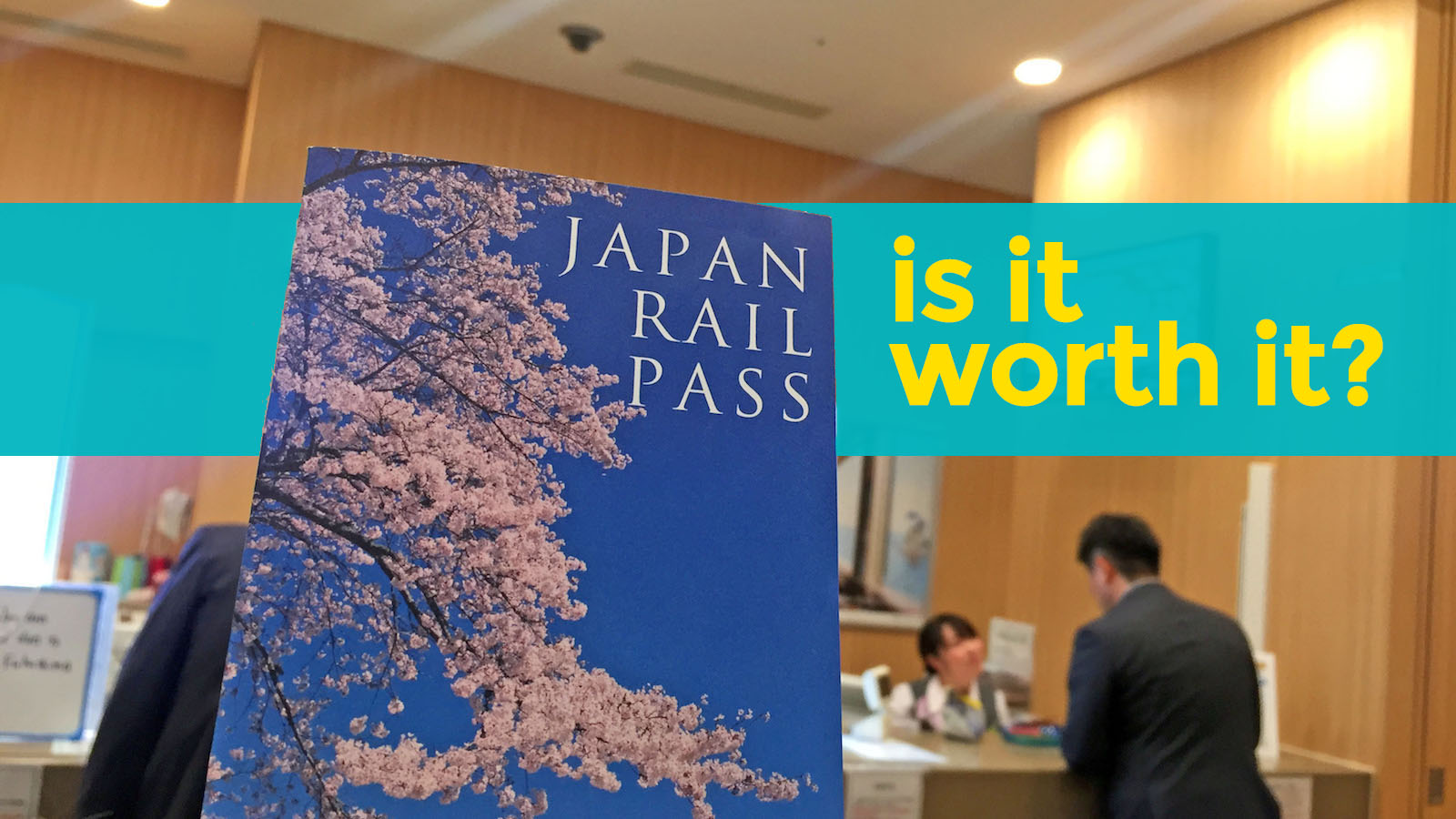
When it comes to traveling to Japan, you must have heard of JR Pass as a “treasure” that makes your journey of discovery much easier and more economical. JR Pass, or Japan Rail Pass, is a ticket designed specifically for international tourists, allowing you to travel unlimitedly on most means of transport in the Japan Railways Group system, such as Shinkansen, express trains, local trains, JR bus lines, and the famous Miyajima ferry.
You only need to hold JR Pass in hand to be able to freely take the train anywhere during the validity period. The only condition is that you must enter the country with a short-term tourist visa or be a Japanese citizen living abroad for at least 10 years.
Types of JR Pass and Latest Prices
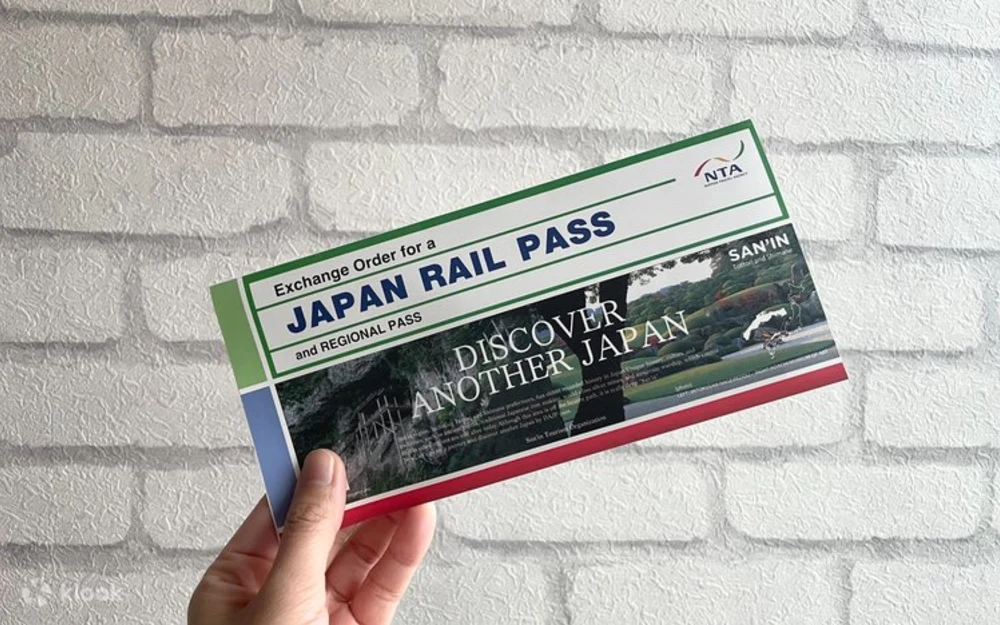
The next question that many tourists often ask is what types of JR Pass are there and how many days should they choose to suit their schedule. Currently, JR Pass is divided into two classes with different experiences, depending on each person’s needs and budget.
Standard class is the most popular choice because of its reasonable price, fully meeting the needs of most travelers. Meanwhile, Green class offers more comfort with spacious seats, quiet space and high-class service, very suitable for those who want to enjoy long journeys in the most comfortable way. Both classes have three consecutive usage packages of 7 days, 14 days and 21 days.
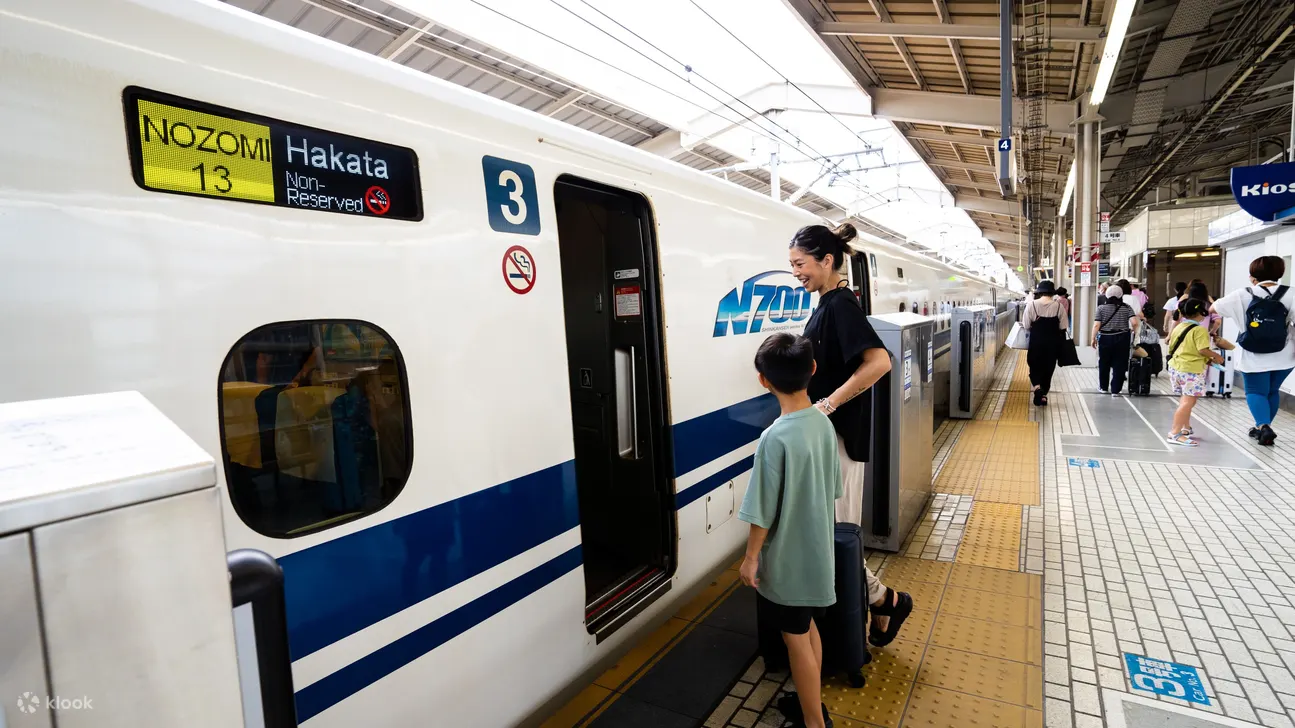
Currently, the reference price for adults ranges from about 50,000 yen (8,948,500 VND) for a 7-day package in Standard class, 80,000 yen (14,317,600 VND) for a 14-day package and 100,000 yen (17,897,000 VND) for a 21-day package. Meanwhile, the Green class is more expensive, about 70,000 yen (12,527,900 VND) for 7 days, 110,000 yen (19,686,700 VND) for 14 days and 140,000 yen (25,055,800 VND) for 21 days.
Notably, children from 6 to 11 years old only have to pay half the adult fare, while children under 6 years old can travel for free if they do not occupy their own seat. Thanks to that, JR Pass is also chosen by many families traveling with young children because it is both convenient and economical. Refer to the detailed price and quickly book JR Pass All Japan on Klook!
Advantages & Disadvantages of JR Pass
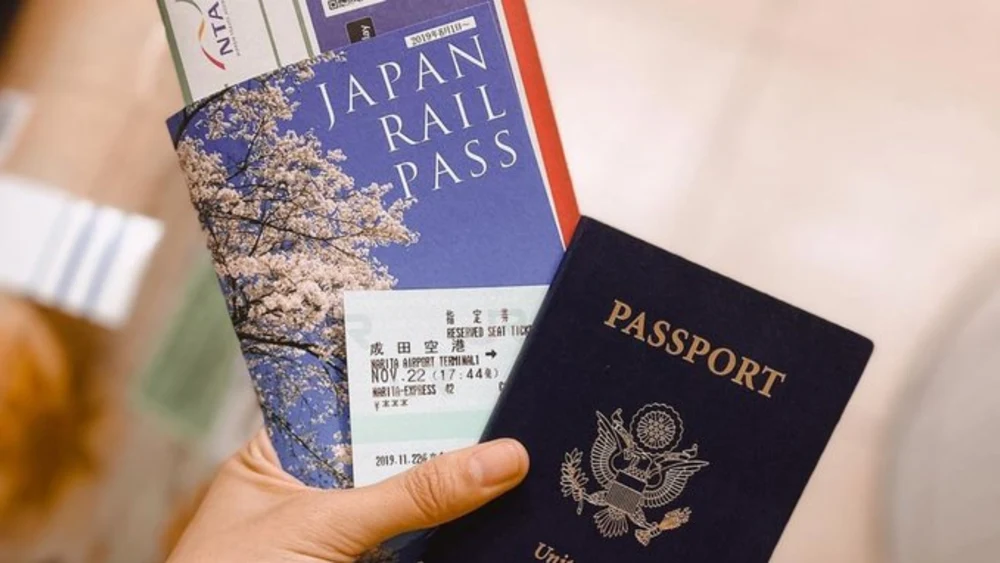
JR Alpine-Takayama-Matsumoto Area Pass
JR Pass is definitely the ideal “companion” if you want to fully explore Japan without worrying about wasting time waiting in line and want to save on travel costs. The biggest advantage of the JR Pass is that you can travel an unlimited number of times during the validity period of the ticket, regardless of whether the trip is long or short. Just take a few long-distance Shinkansen trips, such as from Tokyo to Kyoto and then on to Hiroshima, and you will “recover your capital” compared to buying individual tickets.
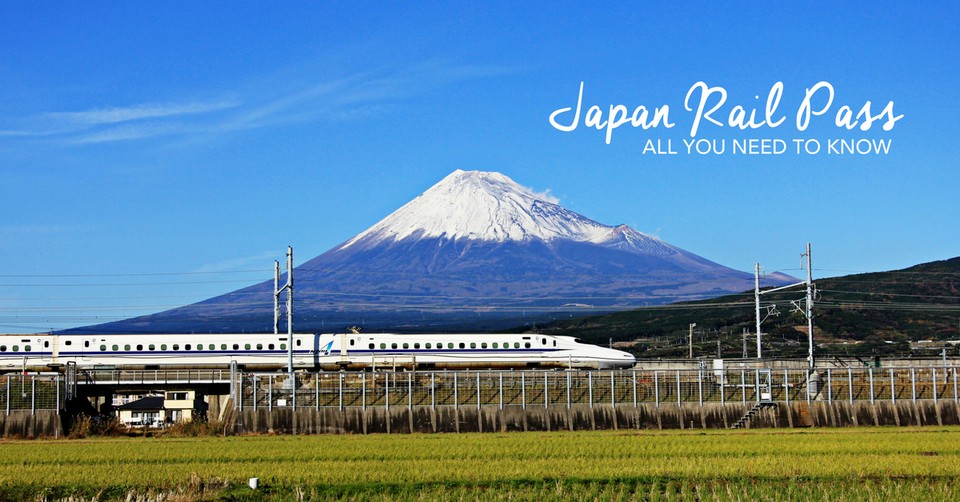
However, the JR Pass still has some limitations that you need to note. Firstly, this ticket does not apply to the Nozomi and Mizuho Shinkansen trains, which are the two fastest high-speed trains on the Tokyo to Osaka or Osaka to Kagoshima routes. You will need to take the Hikari, Sakura or Kodama trains, which will take a little longer.
Secondly, the JR Pass is calculated by consecutive days from the time of activation, so if your schedule includes many days off in one place, the value of use may not be optimal. Therefore, you should plan carefully to take full advantage of this “across Japan” ticket.
Shinkansen Individual Tickets – Flexible Options for Short Trips
What Types of Shinkansen Single Tickets Are There?
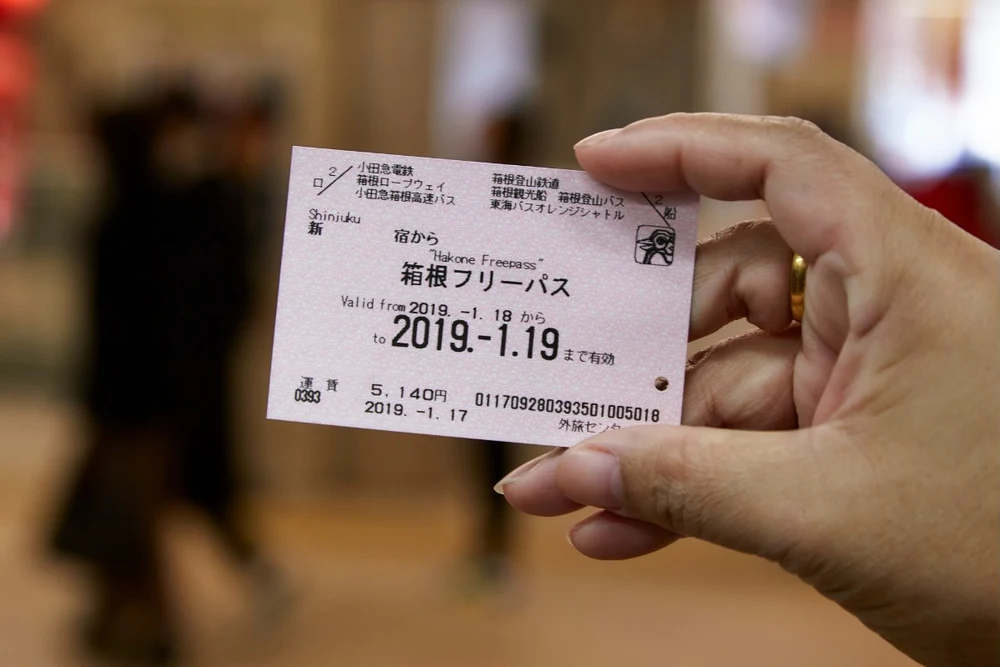
Shinkansen Tickets – Japan Bullet Train
Before deciding to buy a ticket, you should carefully research the types of Shinkansen single tickets to choose the right one for your needs. If you love flexibility, regular tickets are the right choice because you can freely board the train and choose any empty seat in the unreserved carriage, although during rush hour, the possibility of having to stand is quite high.
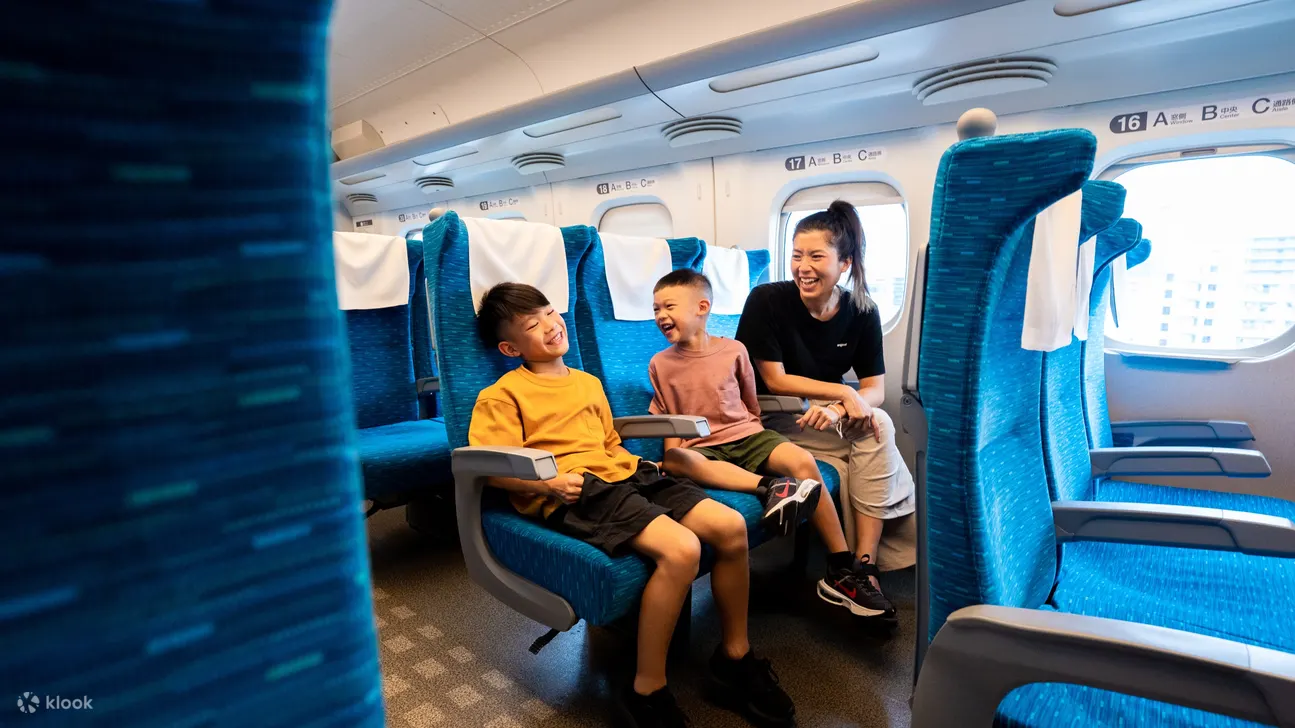
For those who want a smoother trip, pre-booked tickets offer absolute peace of mind as you have a fixed seat in the reserved carriage and can even choose your favorite seat, such as a window seat to view Mt. Fuji. And if you want to turn the train into a premium experience, Green Car tickets will conquer you with spacious space, attentive service and a quiet atmosphere.
Reference Fares by Popular Routes
JR Takayama-Hokuriku Area Tourist Pass
To give you an idea of the costs, here are some popular Shinkansen routes that tourists often take, along with their reference prices:
Tokyo – Kyoto
- Non-reserved fare: about 16,550 yen (2,961,000 VND)
- Reserved fare: about 17,400 yen (3,113,000 VND)
- Green Car Ticket: about 22,270 yen (3,982,000 VND)
Kyoto – Osaka
- Non-reserved ticket: about 4,680 yen (837,000 VND)
- Reserved ticket: about 6,100 yen (1,091,000 VND)
- Green Car Ticket: about 6,870 yen (1,229,000 VND)
Tokyo – Hiroshima
- Non-reserved ticket: about 21,610 yen (3,866,000 VND)
- Reserved ticket: about 22,990 yen (4,110,000 VND)
- Green Car Ticket: about 30,250 yen (5,411,000 VND)
Advantages & Disadvantages of Single Tickets
JR East-South Hokkaido Rail Pass
The most obvious advantage of single tickets is flexibility. You only pay for the exact trip, without having to worry about multi-day validity like the JR Pass. Moreover, single tickets allow you to board the fastest trains such as the Nozomi or Mizuho, which are not covered by the JR Pass. This saves you dozens of minutes for each trip, which is ideal when the journey is short and you want to optimize your time.
However, single tickets also have disadvantages. For long journeys and many destinations, the cumulative cost is often higher than buying a JR Pass. In addition, having to buy separate tickets for each trip can be inconvenient, especially during peak season when reserved tickets are often “sold out”. If you choose a ticket without reserved seats, you also risk having to stand throughout the crowded journey.
Should You Choose JR pass or individual tickets When Traveling to Japan?
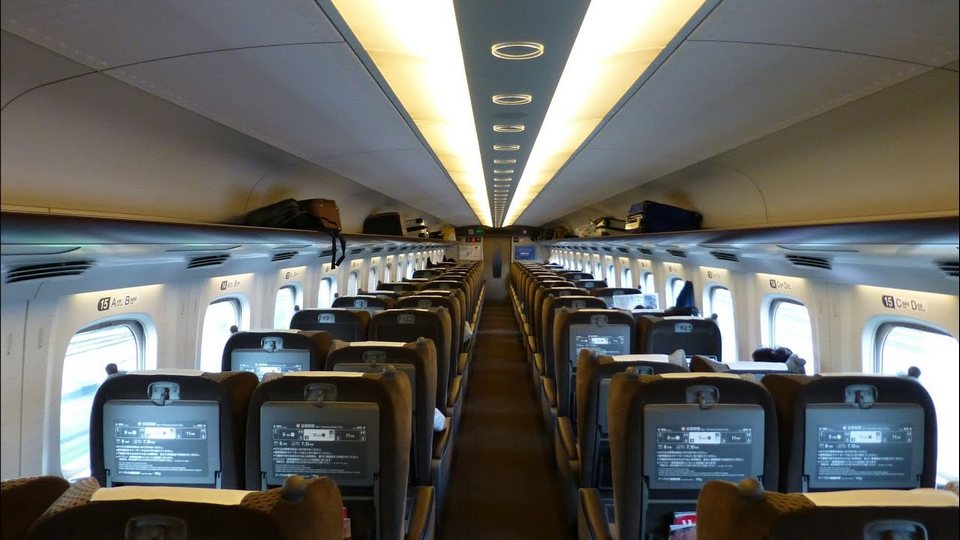
When coming to Japan, you will definitely be eager to experience the world-famous high-speed Shinkansen trains. However, a question that often makes many travelers wonder is whether to choose JR Pass or single Shinkansen tickets for their trip. Each option has its own pros and cons, and it is important to carefully consider your schedule to choose the most suitable option.
When Should You Buy a Japan JR Pass?
The JR Pass is a “power ticket” for those with a tight schedule. If you plan to travel through major cities such as Tokyo – Kyoto – Osaka – Hiroshima within 7 or 14 days, the amount spent on a JR Pass is often much cheaper than buying individual tickets.
For example, the one-way Tokyo – Kyoto route alone costs about 17,400 yen (3,113,000 VND) for a reserved seat. If you take the Kyoto – Hiroshima route (14,870 yen ~ 2,664,000 VND) and return to Tokyo from Osaka (17,650 yen ~ 3,161,000 VND), the total cost of individual tickets can be up to more than 49,000 yen (8,776,000 VND). Meanwhile, the 7-day JR Pass is currently priced at around 50,000 yen (VND 8,950,000), covering all the above routes and many JR lines in the area.
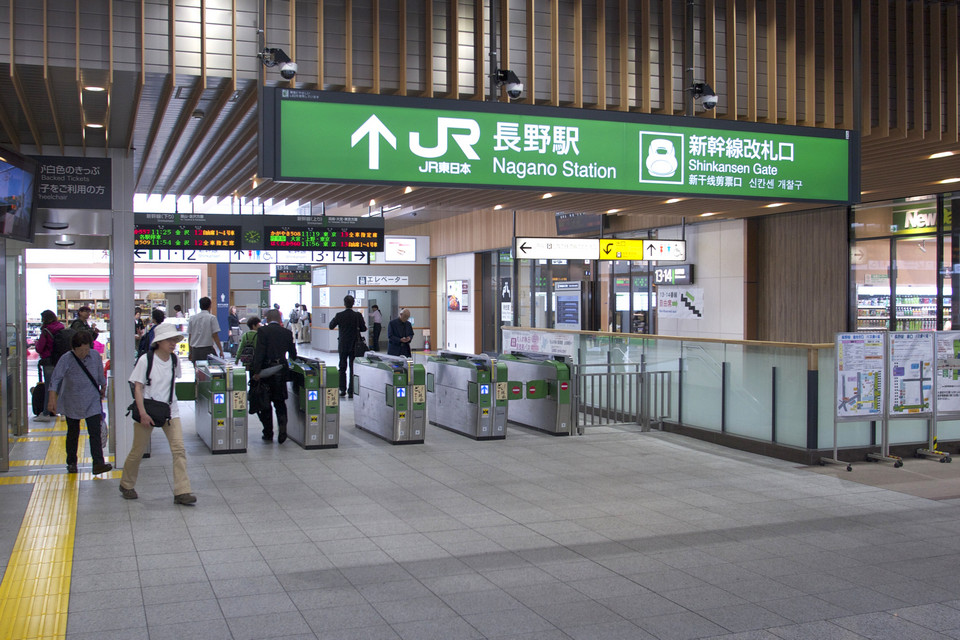
Not only is it cost-effective, the JR Pass also offers great convenience. You don’t have to queue up to buy tickets for each trip, just reserve a seat in advance and present your JR Pass to board the train. This is especially advantageous during peak travel seasons when there are many tourists and tickets are easily sold out.
Which Travelers in Japan Should Buy Single Tickets?
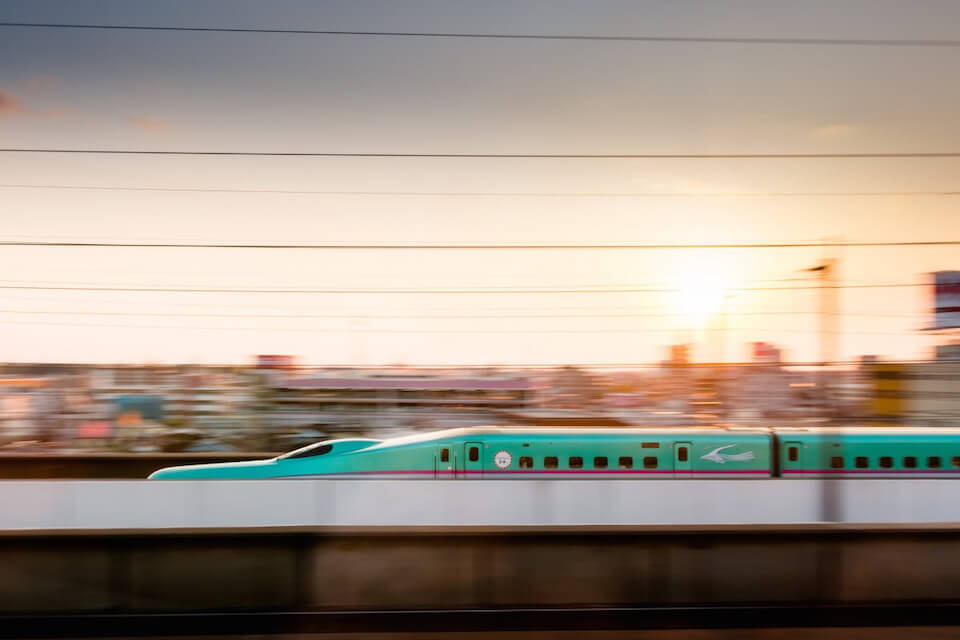
On the contrary, single tickets will be a more reasonable choice if your itinerary is mainly concentrated in one region or only has 1-2 long journeys. For example, if you only plan to go from Tokyo to Kyoto and then spend most of your time exploring Kansai, buying single tickets can be much more economical than a JR Pass package.
A big plus of single tickets is that you can use the fastest trains such as Nozomi or Mizuho. These are high-speed Shinkansen trips that can shorten the travel time from Tokyo to Osaka to only about 2 hours and 30 minutes. In addition, you will not be constrained by the fixed number of days of the JR Pass, but only buy tickets on the right day and the right trip you need. For travelers who like to freely adjust their itinerary at the last minute, single tickets are definitely the right choice.
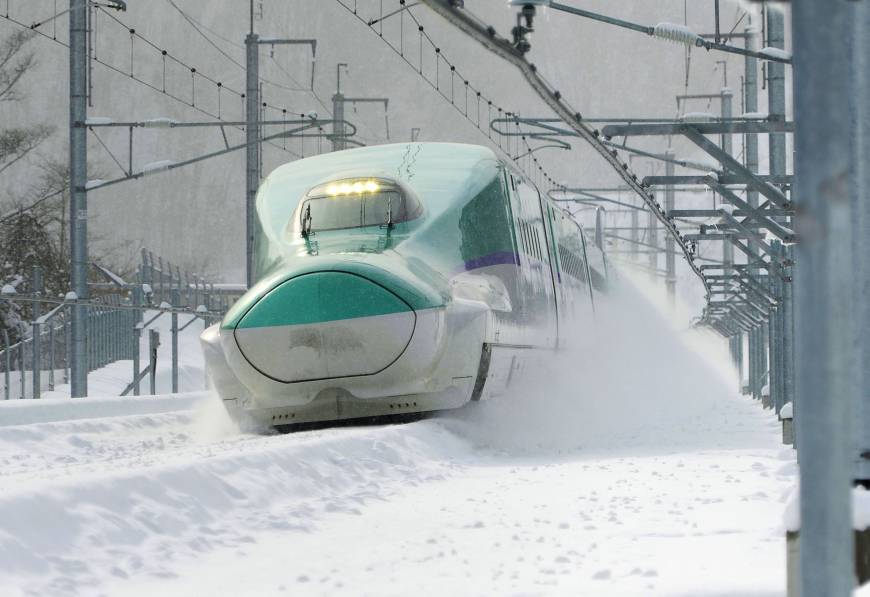
Check out the comparison table below to easily consider and choose whether to buy a JR Pass or buy single tickets:
| Criteria | JR Pass | Shinkansen single ticket |
|---|---|---|
| Cost | 7-day JR Pass is around 50,000 JPY (8,948,000 VND). Cheaper if you travel ≥ 4 long journeys. | Depends on each fixed route. Total cost is high if traveling many routes. |
| Applicable train type | Most Shinkansen, except Nozomi and Mizuho. | Includes all types, including Nozomi and Mizuho. |
| Convenient | No need to buy tickets individually, just scan the card. | Must buy tickets for each trip, which can be inconvenient during peak season. |
| Flexibility | Associated with validity period (7, 14, 21 days). | Flexible, not time-bound. |
| Suitable subjects | Travelers have multi-city itineraries, traveling ≥ 4 long trips. | Travelers traveling short distances, or wanting to try the Nozomi or Mizuho bullet trains. |
Guide to Buying a Japan JR Pass for First-Time Travelers
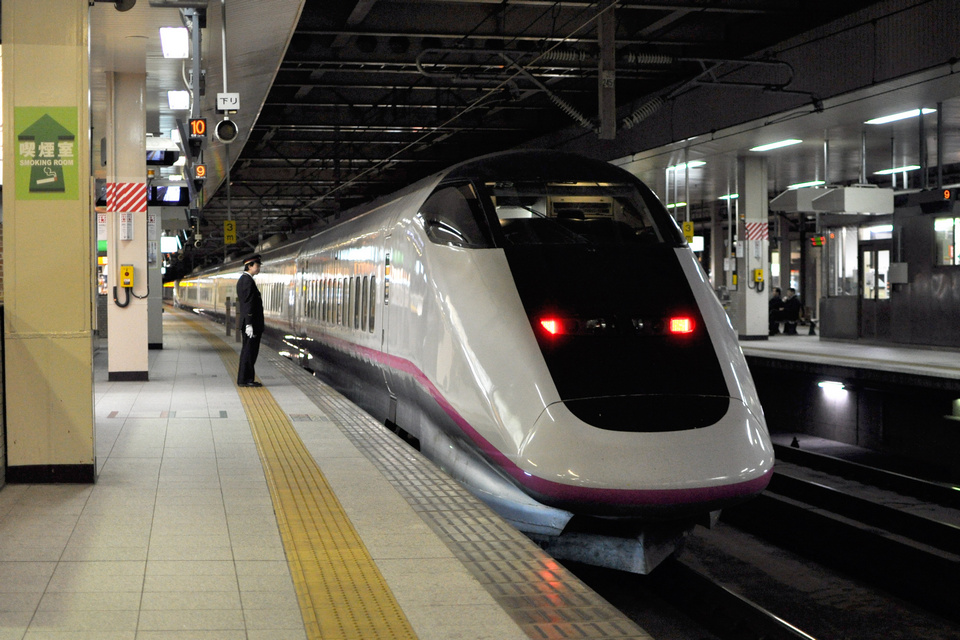
If you are preparing to visit Japan for the first time, the JR Pass will be the choice to help you save money and travel conveniently by train. To own this card, you only need to perform four basic steps: choose the appropriate JR Pass type, buy in advance through the official website or a reputable agent, exchange the voucher for a JR Pass card at the JR counter in Japan and finally activate and choose the start date of use.
Step 1: Choose the right JR Pass
You need to determine your schedule to choose the right JR Pass. If you plan to visit many cities across Japan, a nationwide pass is suitable. If you are only in a certain area, you can choose a regional pass to save costs.
Step 2: Buy a JR Pass before arriving in Japan
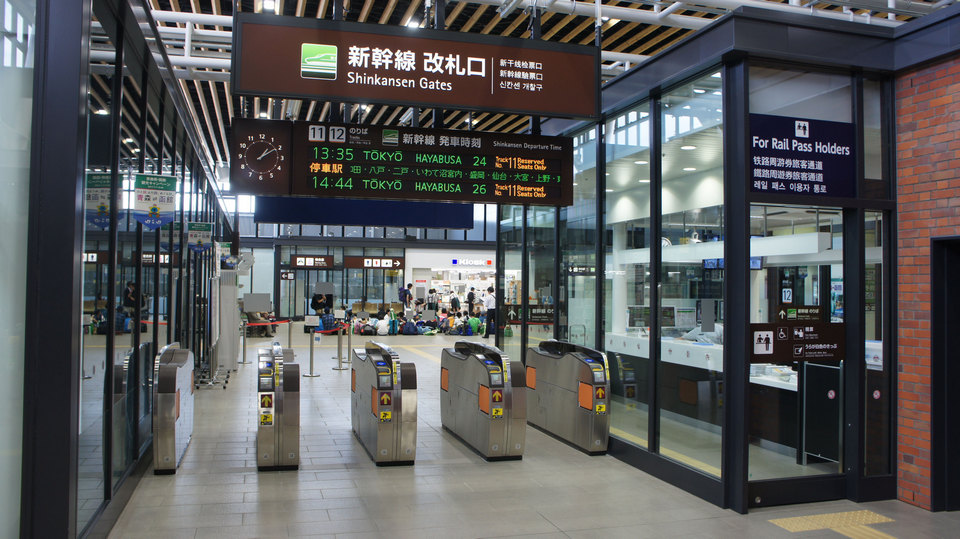
You can buy it on the official JR website or through reputable travel agencies such as Klook. When buying through the official website, you will be able to reserve seats online even before arriving in Japan. If you buy through an agency, you will receive a voucher, which you can then exchange for a JR Pass in Japan.
Step 3: Exchange the voucher for a JR Pass in Japan
After arriving, bring the voucher and passport to JR counters at major stations or airports such as Narita and Kansai to exchange for a JR Pass. You can also choose an activation date within one month of the exchange date.
Step 4: Activate and Use JR Pass
Kyoto & Osaka Sightseeing Pass
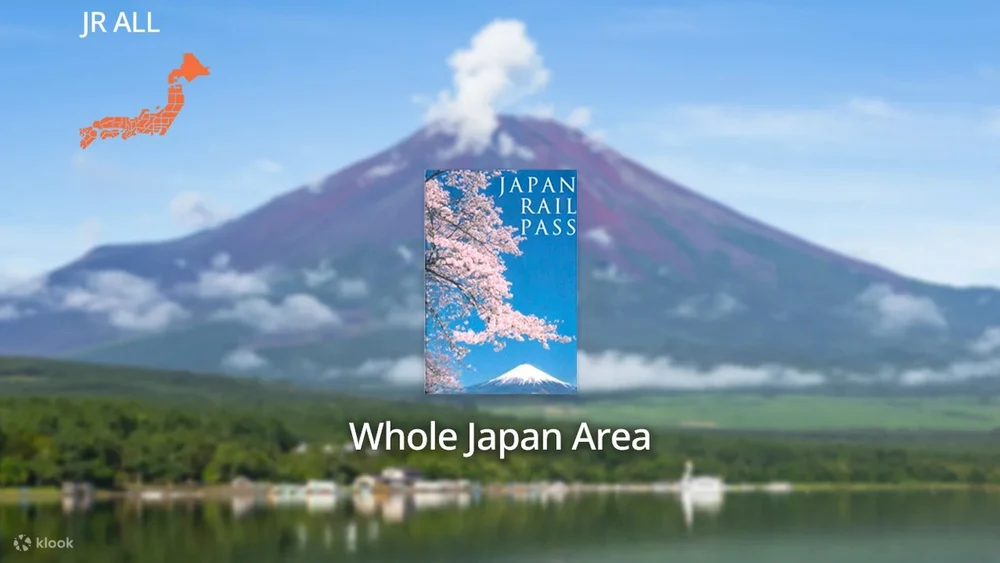
Once you have redeemed your pass, simply select your start date and use it. The JR Pass allows you to pass through the automatic gates just like a regular train ticket. If you want to use a reserved seat, you can simply get a free reserved seat ticket from a ticket machine or JR counter.
How to Buy Shinkansen Individual Tickets Conveniently and Quickly
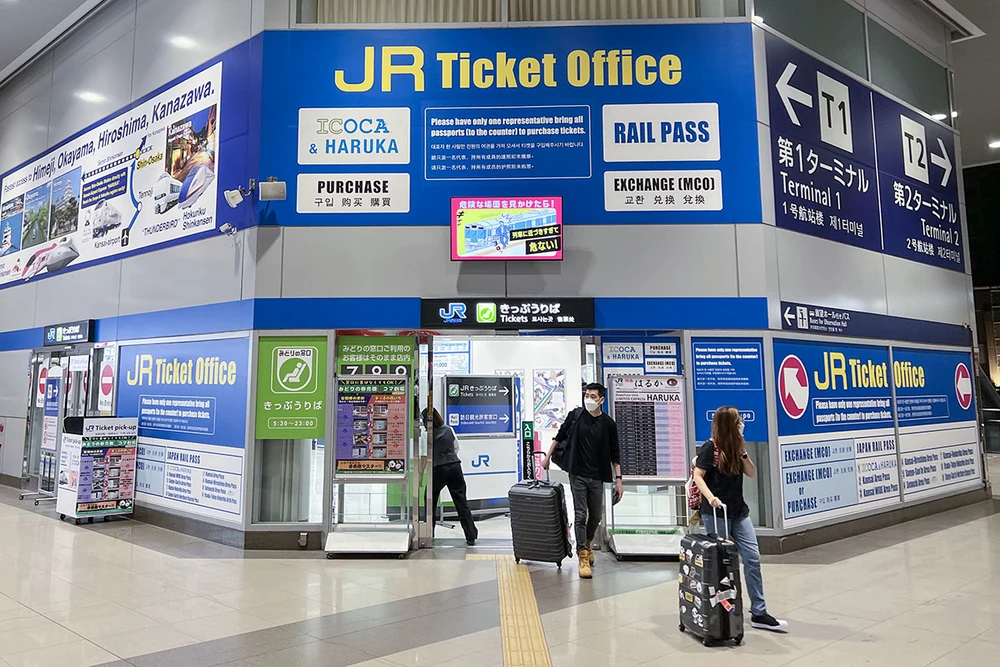
If you do not use the JR Pass, buying Shinkansen single tickets is also very simple and convenient. You can choose to buy directly at the JR ticket counter at most major stations, through automatic ticket machines with English support, or book online on the official website. These forms all accept international credit cards, so you can feel secure when paying.
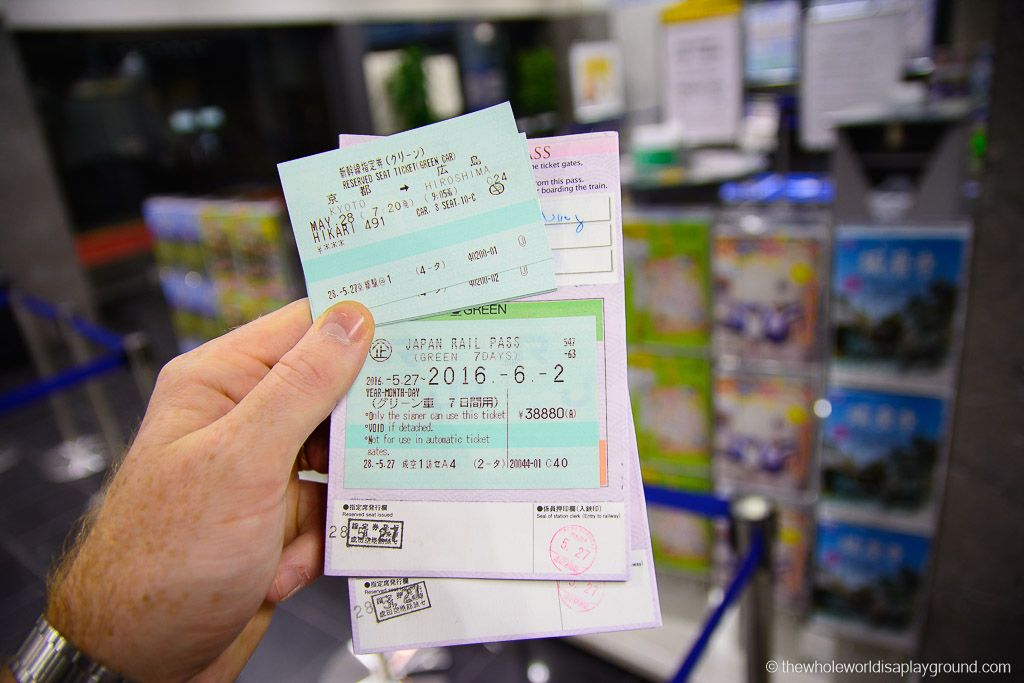
When you arrive at the ticket counter, the staff will need you to provide some basic information to issue the correct ticket. The information usually includes the number of passengers, departure date, departure station, arrival station, regular or Green Car seat type, and the choice of reserved or non-reserved seats. If you choose a ticket with reserved seats, you need to add the train name such as Hikari, train number, departure time, and the choice of smoking or non-smoking cars.
To help you visualize, here are the steps to buy and use Shinkansen single tickets:
- Choose to buy tickets at the counter, ticket machine or book online.
- Provide complete itinerary information and choose the desired seat type.
- Pay by cash or credit card.
- Receive the ticket and keep it carefully for the trip.
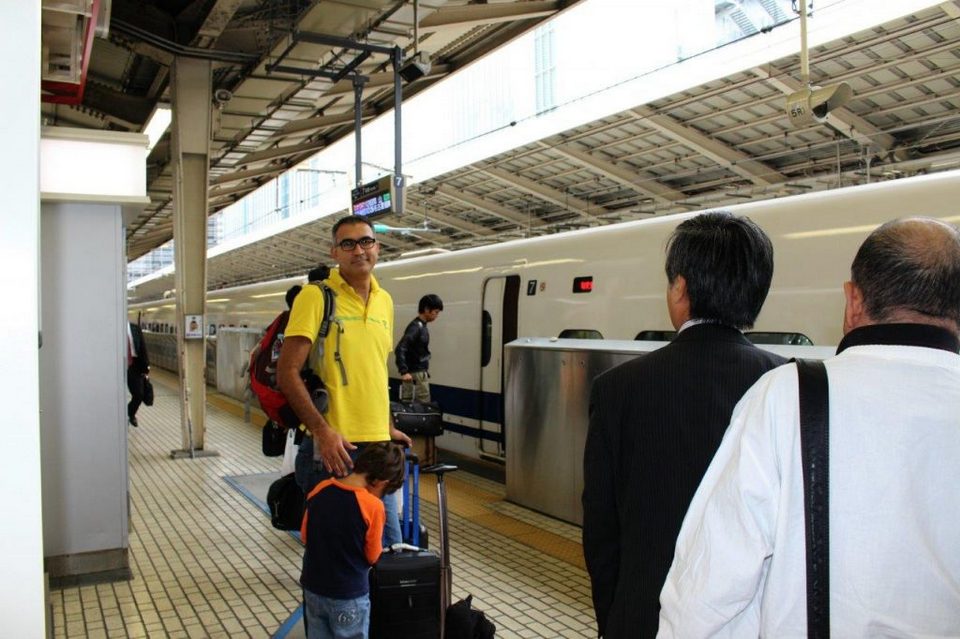
- When you arrive at the station, you put the ticket into the Shinkansen ticket gate to pass through.
- Check the electronic board to know the departure platform number.
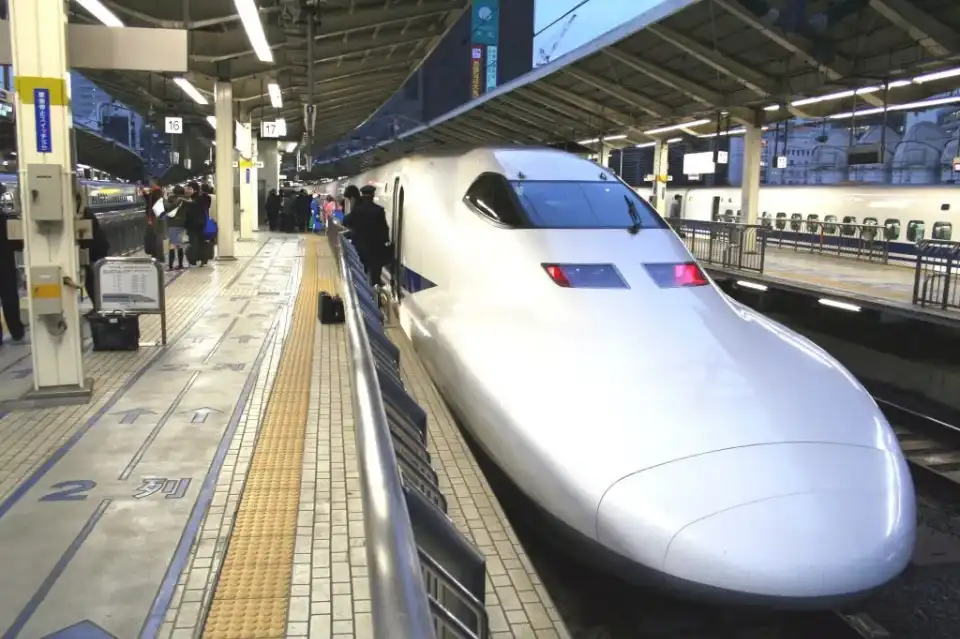
- If you buy a regular ticket, you find the area for the free carriage and wait in line. If you buy a reserved ticket, you just need to find the correct carriage and seat number to board the train.
Tips for Choosing JR Pass and Shinkansen Single Tickets You Shouldn’t Miss
Keisei Skyliner Narita Airport Express Ticket
Here are some tips to help you make the most of JR Pass and single tickets when traveling to Japan. If you combine them properly, you will save money and have a more convenient and flexible itinerary:
- Choose the JR Pass if you plan to take 4 or more long Shinkansen trips in 7–14 days.
- Combine the JR Pass with single tickets for non-covered routes or when you want to experience the Nozomi and Mizuho trains.
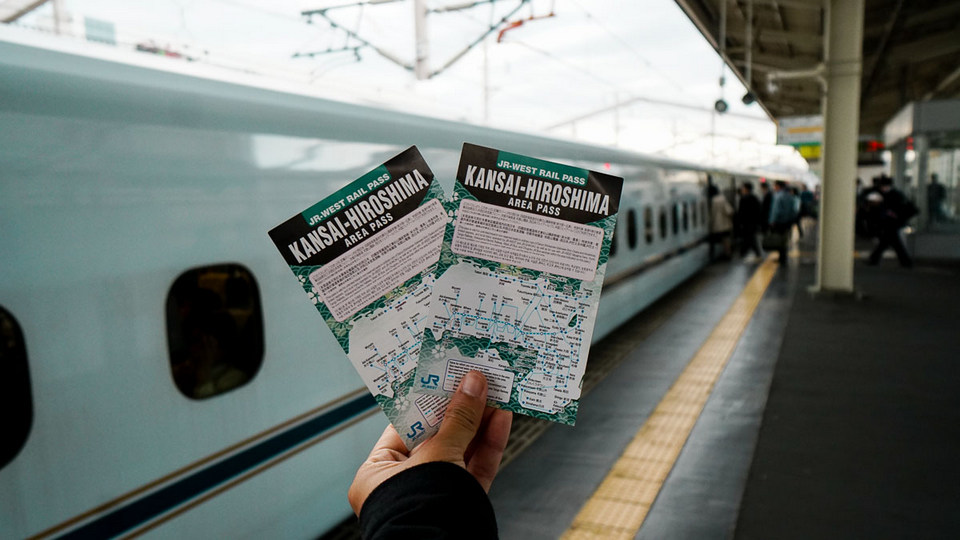
- If you are only traveling within one region, consider a JR Regional Pass such as the Kansai Pass or Hokkaido Pass for more savings.
- Reserve seats for free, especially when traveling in groups or during peak seasons to avoid running out of seats.
- Compare the costs of each route using tools such as Hyperdia or Google Maps to decide between the JR Pass and single tickets.
- Use an IC card such as Suica or Pasmo for city trains to save time buying single tickets each time.
Frequently Asked Questions About Train Tickets in Japan
Does the JR Pass apply to all types of Shinkansen?
The JR Pass does not cover all Shinkansen trains, such as the Nozomi and Mizuho bullet trains.
Does the JR Pass cover local trains or subways?
The JR Pass covers local JR trains, but not subways or non-JR lines in major cities such as Tokyo or Osaka.
Can Shinkansen tickets be exchanged or refunded?
Single Shinkansen tickets can usually be exchanged or refunded before departure, but there may be a refund fee and specific rules depending on the type of ticket and where it is purchased.
Does the JR Pass offer special discounts for children or seniors?
The JR Pass offers special discounts for children aged 6 to 11 (about half the price of an adult ticket), but there are no special discounts for seniors.
If I lose my JR Pass or Shinkansen ticket, can I get a replacement?
If you lose your JR Pass or Shinkansen ticket, you will not be able to get a replacement or refund, so keep it safe during your trip.
Whether you choose a JR Pass or a Shinkansen ticket, the most important thing is that it fits your own schedule and travel style. If your trip is long and involves a lot of traveling, a JR Pass is definitely a smart choice. On the contrary, a ticket will be more flexible for short trips. Consider carefully to enjoy your trip to Japan to the fullest, save money and be comfortable!
Do you know whether to buy a Japan Rail Pass or individual tickets for your trip to Japan?
Some best day tours, trips, activities and transfer services, tickets in, to and from Tokyo you can refer to
- Mt Fuji & Hakone Day Tour: Lake Ashi & Ropeway Day Trip from Tokyo
- Nikko Cultural Day Tour from Tokyo
- Tokyo Subway Ticket (24, 48, or 72 Hours)
- Shuttle Bus Transfers (One Way/Round Trip) from Shinjuku/Ikebukuro to Tokyo Disneyland or Tokyo DisneySea
- Tokyo Disney Resort Park Ticket
- Klook Pass Greater Tokyo
- SHIBUYA SKY Ticket
- Warner Bros. Studio Tour Tokyo – The Making of Harry Potter Ticket
- Skyliner Narita Airport Express Ticket
- TeamLab Planets Ticket
- TOKYO SKYTREE® Ticket
- Limousine Bus Narita or Haneda Airport to Tokyo
- Skyliner Narita Airport Express With Tokyo Subway Ticket
- JR Tokyo Wide Pass
- Sky Hop-on and Hop-off Bus Pass
- 4G Prepaid Sim Card (JP Airports Pick Up) for Japan
- JR Pass for Whole Japan (7, 14, or 21 Days)
Are you looking for more Tokyo travel guide and top things to do in Tokyo: Tours, activities, attractions and other things? Read more: Tokyo itinerary 3 days — What to do in Tokyo in 3 days?