



















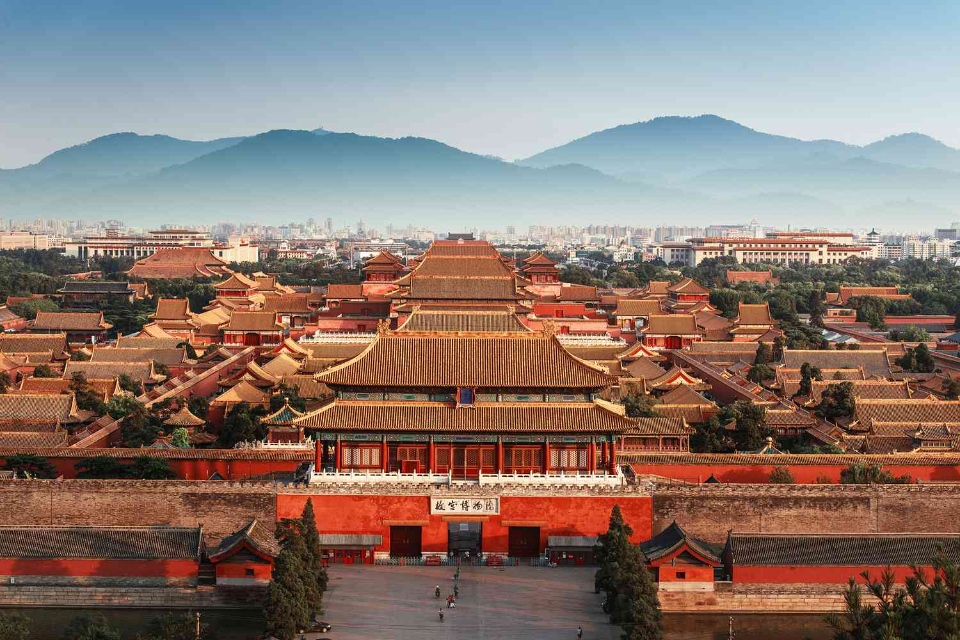
The Forbidden City is not only a historical site but also a museum preserving mysterious stories and unspoken secrets of the past. Let’s The ULTIMATE Forbidden City travel guide: How to visit, things to do, tips & MORE with Living Nomads in this post!
- Where to go in Hunan? 15 most beautiful & best Hunan places to visit
- Where to go in Guilin: 15 best places to visit in Guilin as Beautiful as Ink Paintings
- Visiting Lingering Garden in Suzhou – One of the Four Great Chinese Classic Gardens
- The ultimate guide to Humble Administrator’s Garden (Zhuozheng Yuan) in Suzhou
- The FULLEST guide to Fenghuang Ancient Town: Top things to do, Eat, Tips & MORE
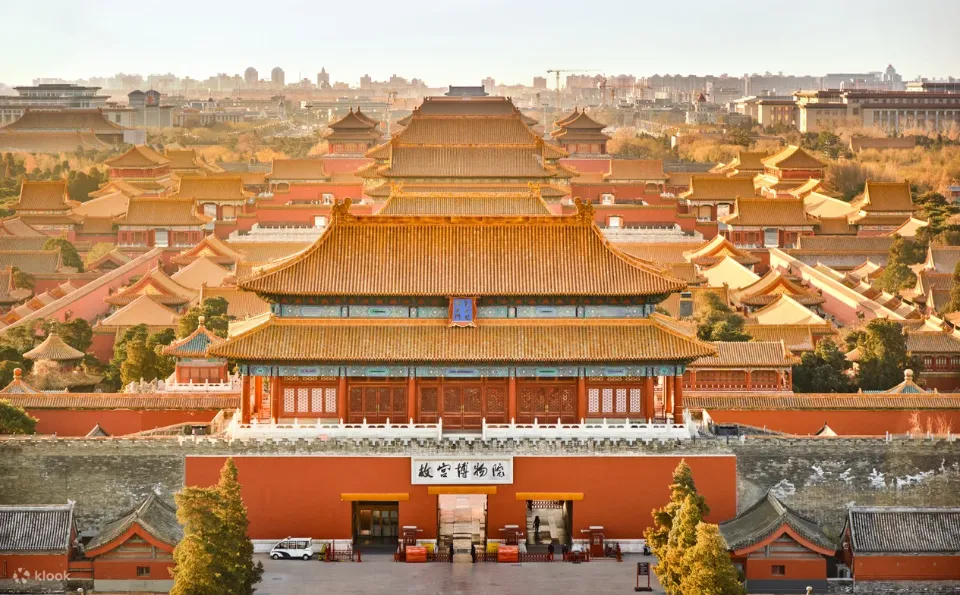
Stepping into the Forbidden City is like entering a vast historical world that tells the mysteries of the Chinese feudal dynasty. Towering stone walls, magnificent palaces, and millennia-old memories are still vividly present in every corner of this place.
Known as a symbol of the wealth, power, and civilization of the Eastern empire, the Forbidden City is not only a historical attraction but also an exciting journey that takes you to explore the mysteries and enigmas of the past. If this is your first time traveling independently, please refer to the following article from Living Nomads!
Forbidden City travel guide: Where is the Forbidden City?
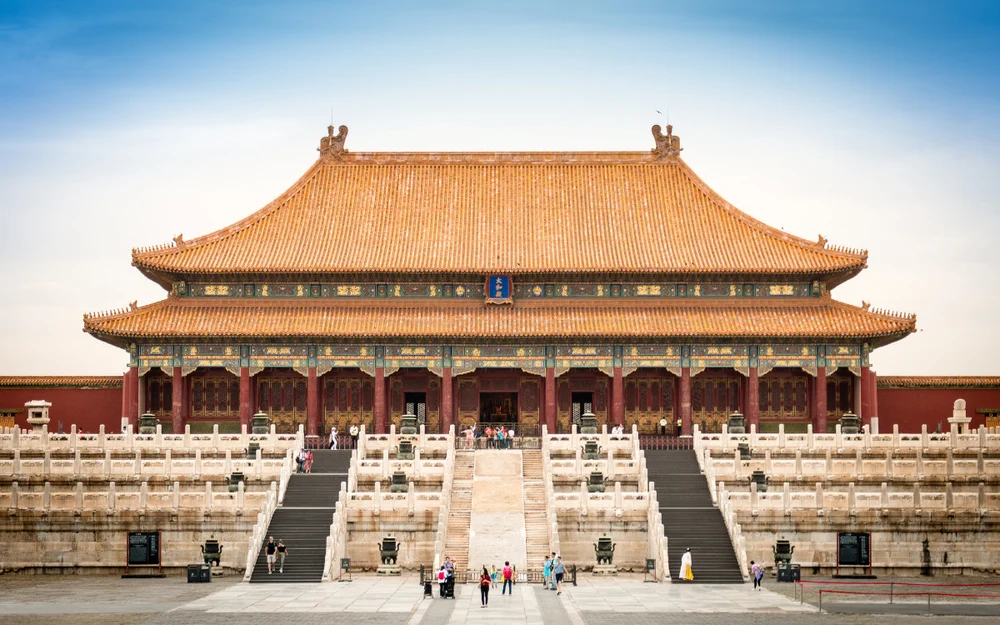
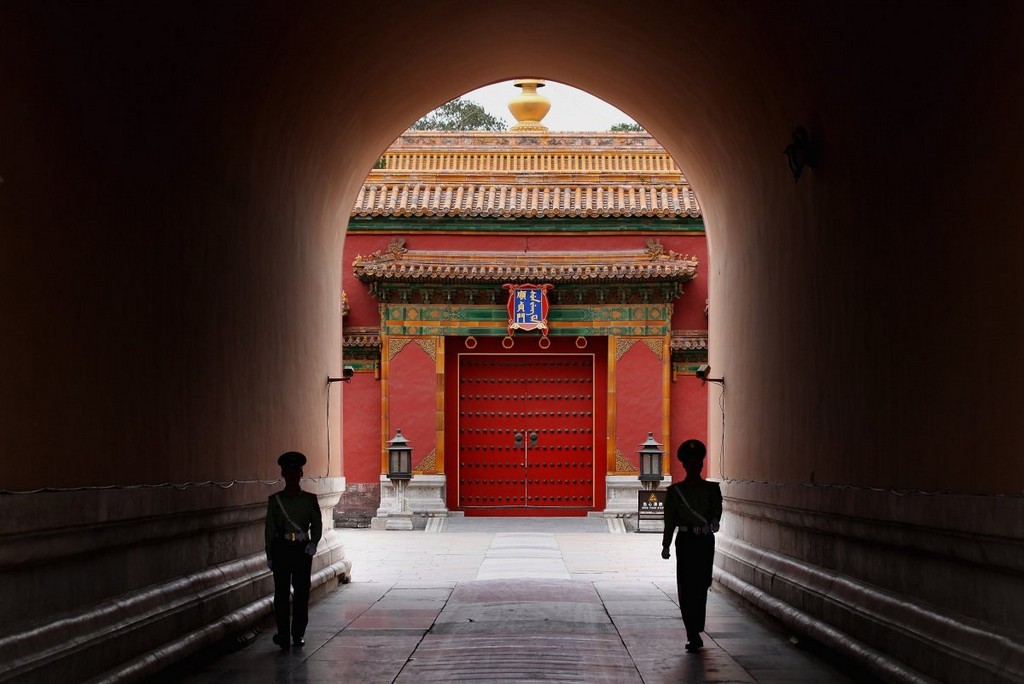
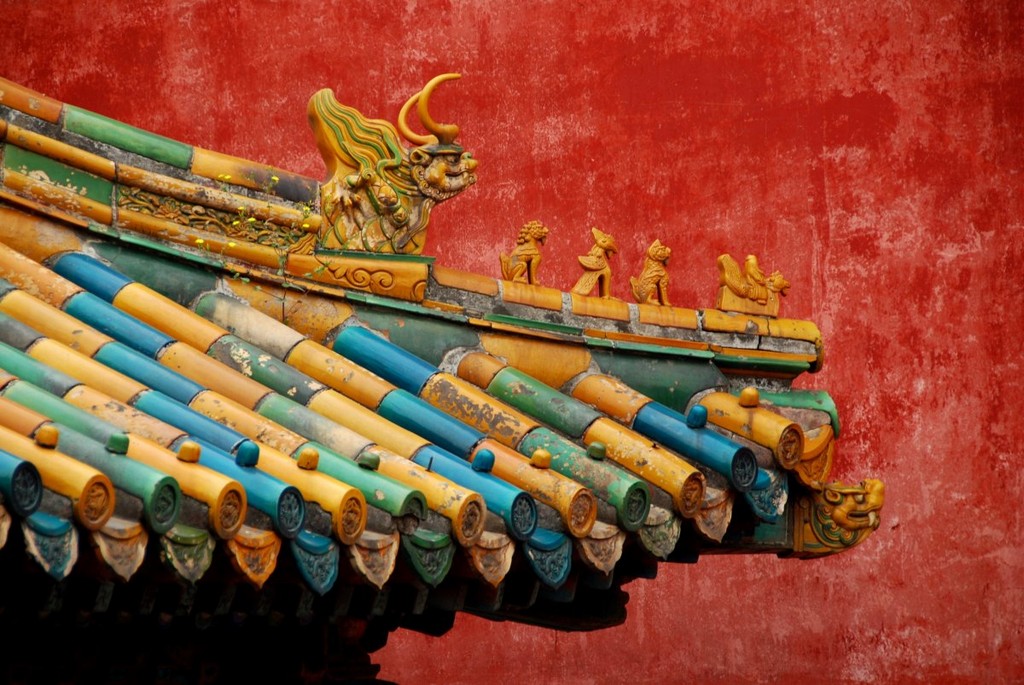
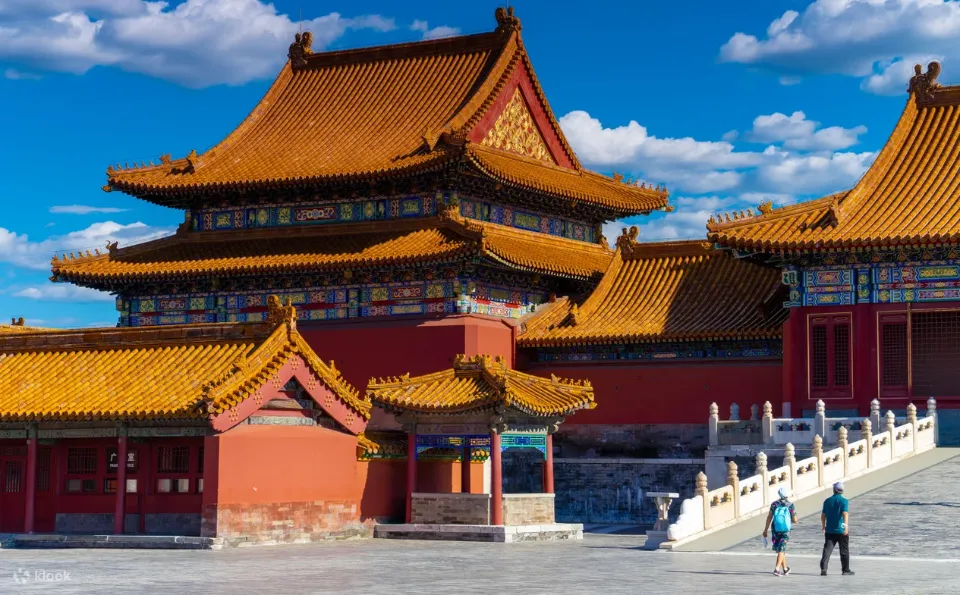
Located in the heart of Beijing, the Forbidden City (Imperial Palace) was the imperial palace of the Ming and Qing dynasties. It is a symbol of imperial architecture with its magnificent palace complex. The surrounding walls, ancient stone streets, and luxurious palaces all reflect the splendor and power of the ancient court.
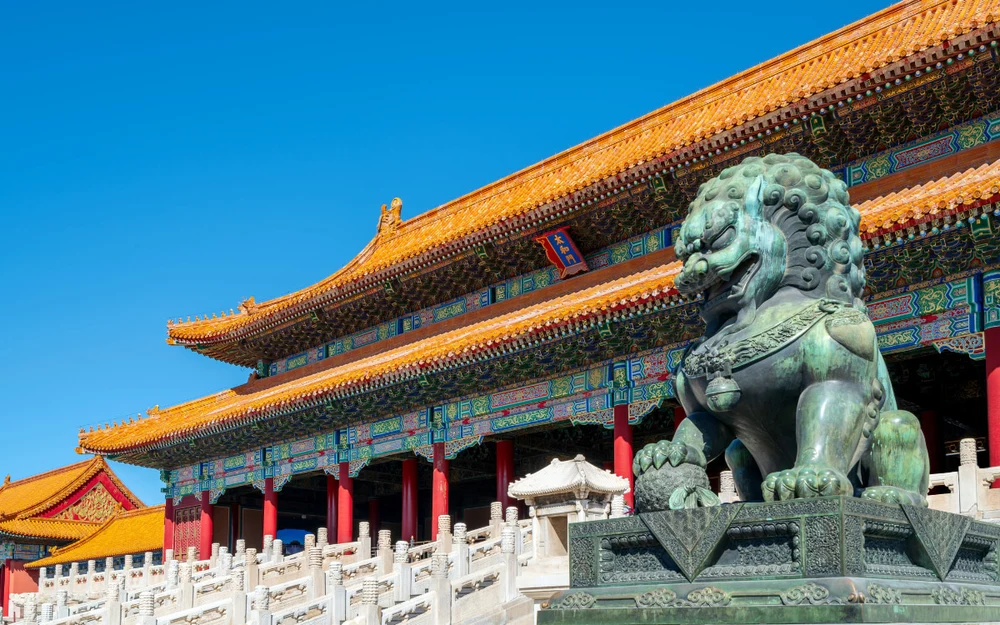
Beijing Palace Museum Ticket (The Forbidden City)
The name “Forbidden City” holds profound meaning. Firstly, “purple” in “Forbidden City” refers to the color purple, associated with the North Star – the abode of the Jade Emperor in Chinese mythology. Therefore, the name Forbidden City signifies the residence of a person of high status, the emperor – also known as the Son of Heaven (Tianzi).
History of the Forbidden City in China
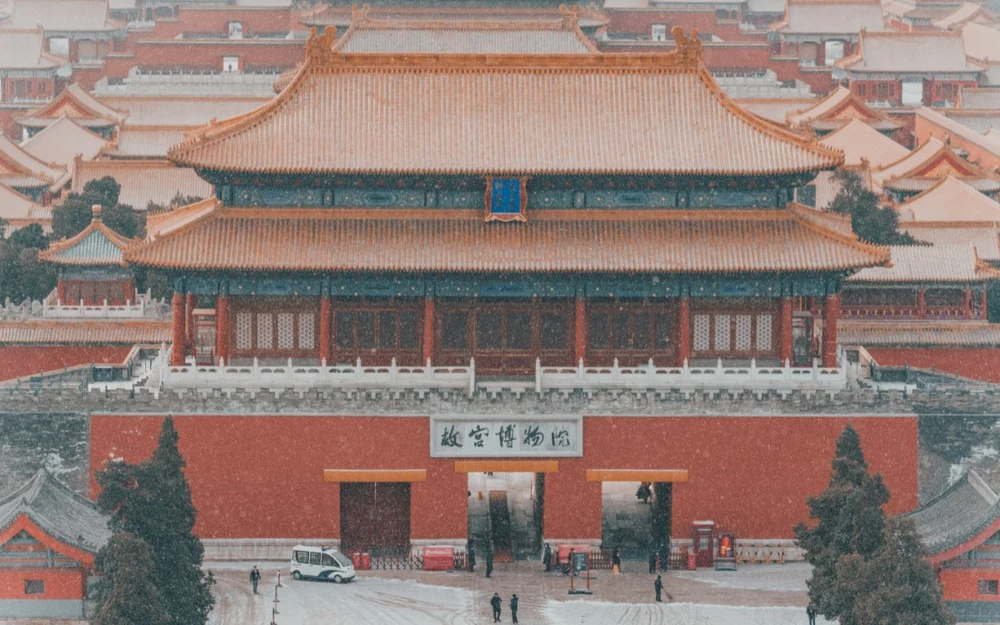
Also known as the Imperial Palace, the Forbidden City is both a system of palaces and a symbol of Chinese culture and history. Construction began in 1406 and was completed in 1420, the Forbidden City has witnessed and recorded hundreds of years of Chinese history through the Ming and Qing dynasties.
With a history spanning 500 years, the Forbidden City was not merely the residence of the imperial family, but also the center of power, civilization, and art throughout the feudal period. From magnificent palaces to tranquil gardens, from art exhibitions to grand festivals, the Forbidden City is a symbol of China’s wealth and feudalism.
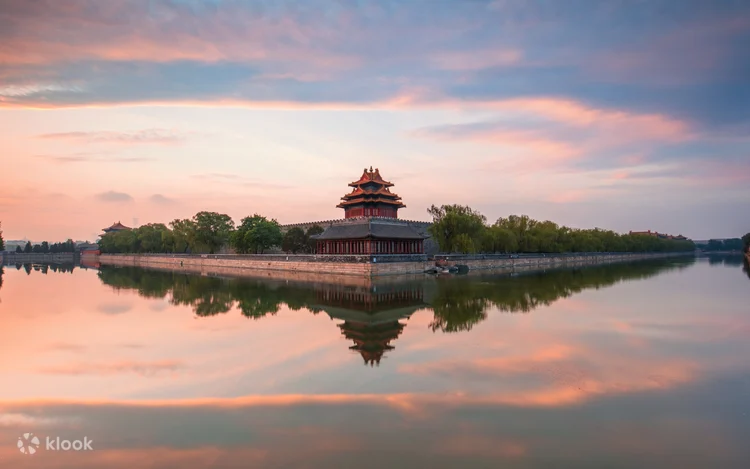
In 1987, the Forbidden City was recognized by UNESCO as a World Heritage Site, and is also the largest ancient wooden architectural complex in the world. Since then, this site has become an unmissable destination for those wishing to learn about Chinese culture and history, as well as a constant source of inspiration for researchers and tourists worldwide.
Important Information Before Visiting
Mandatory Online Ticket Purchase Regulations
4G eSIM for Mainland China (QR Code delivery via email)
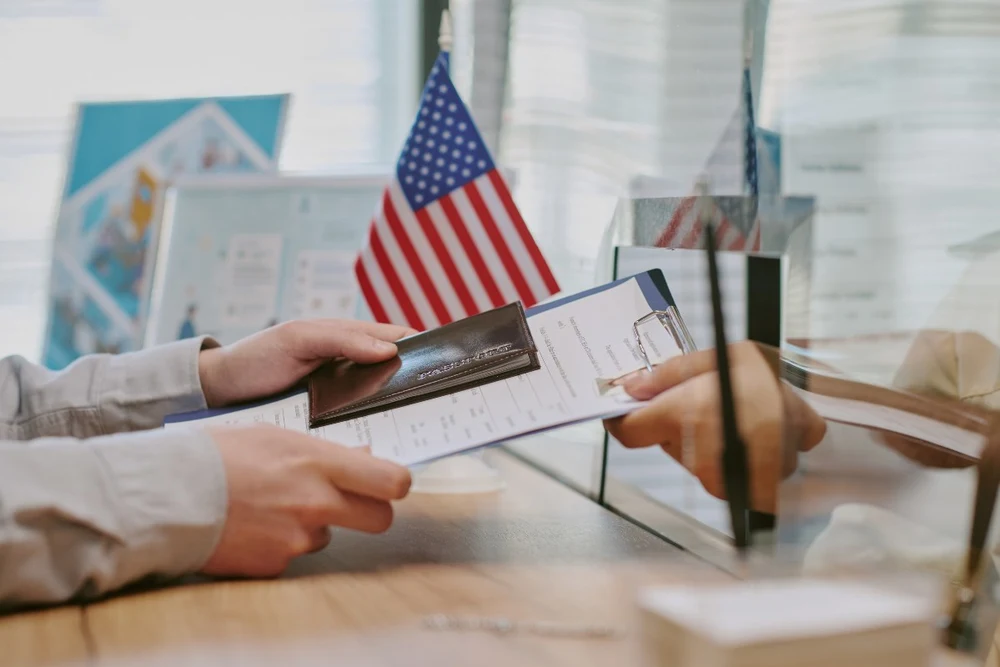
One of the most important changes you need to know is that the Forbidden City no longer sells tickets directly at the counter. Visitors are required to book tickets online in advance. You should book at least 1-2 days in advance, and 7 days in advance during peak season to ensure you get a ticket. International tourists must use their passport information to book tickets and will have their passports scanned at the gate for entry.
Reference Ticket Prices 2026
Beijing Private Transfer to/from PEK Airport
Ticket prices are divided into two main seasons: peak season (April – October) costs 60 yuan (~210,000 VND), while off-peak season (November – March) costs 40 yuan (~140,000 VND). Note that entrance tickets to special exhibition areas such as the Treasure Pavilion (jewel exhibition hall) and the Clock Pavilion (watch exhibition hall) will be purchased separately once you are inside.
Opening Hours & Closing Days
Beijing Downtown Private Car Charter
During peak season, the Forbidden City is open from 8:30 to 17:00 (last entry at 16:10). During off-peak season, it closes earlier at 16:30 (last entry at 15:40). Notably, the Forbidden City is closed every Monday, except for national holidays.
One-Way Entrance/Exit Rules
eSIM for China, Hong Kong, Macau (QR code activation via email)
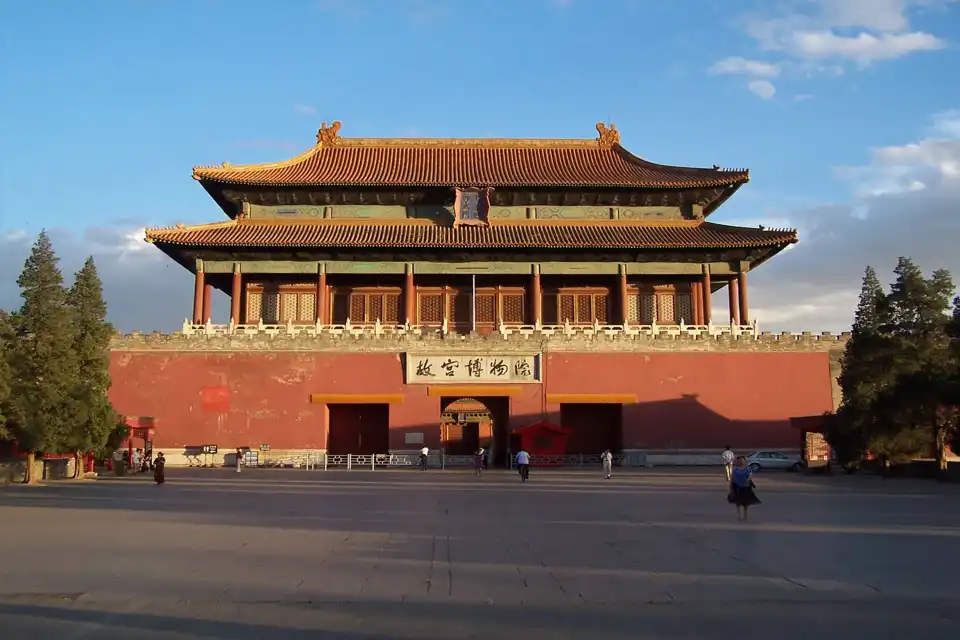
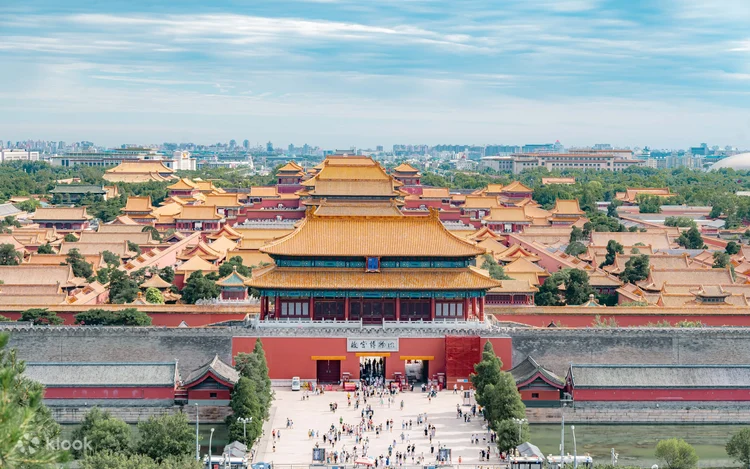
Another mandatory rule is the one-way entrance. You can only enter through the South Gate – Meridian Gate and exit through the North Gate – Gate of Divine Prowess. Please plan your transportation accordingly after your visit.
How to Get to the Forbidden City
By Subway
Mainland China Bus & Metro Card
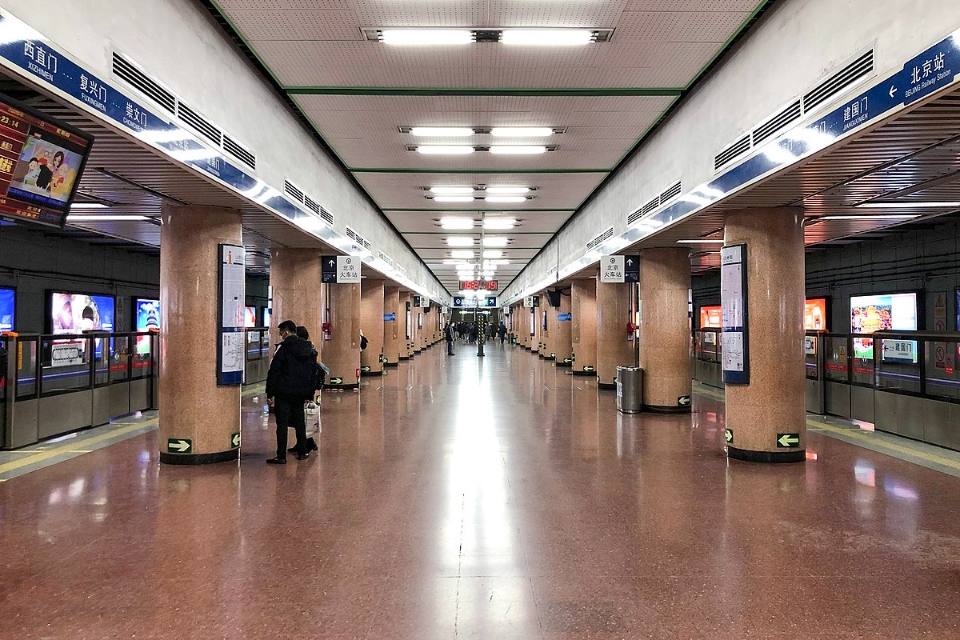
This is the most recommended method due to its convenience, speed, and reasonable cost. Take Metro Line 1 and get off at either Tian’anmen East Station or Tian’anmen West Station. From there, simply walk across Tiananmen Square to reach the entrance to the Forbidden City.
Traveling by Taxi or Ride-Hailing Service
[Sale] Mutianyu Great Wall-Downtown Beijing Round Trip Bus Pass
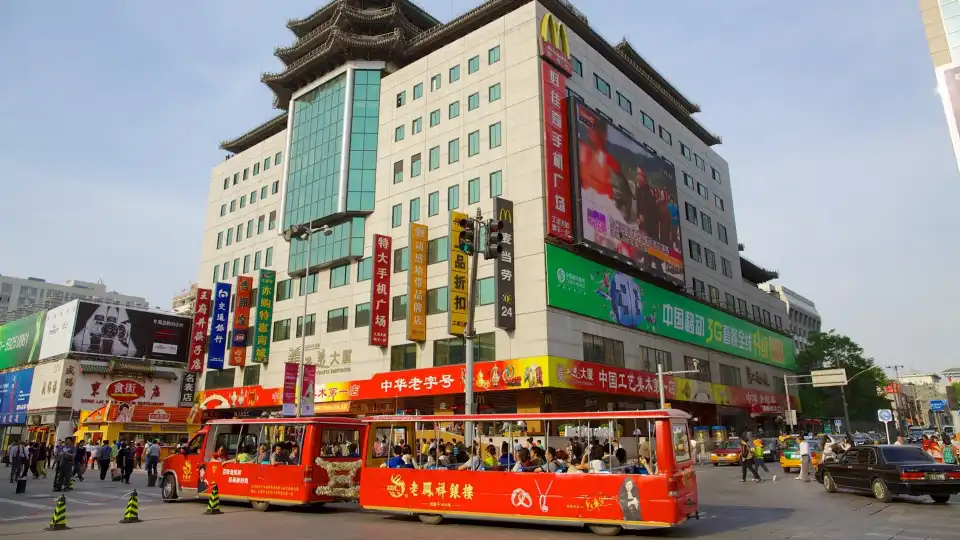
If you want a quick and private journey, taxis or ride-hailing apps like Didi are a good option. Simply enter “The Palace Museum” or “故宫博物院” as your destination. The driver will take you to an area near Tiananmen Square, then you can walk a short distance to the entrance.
Rent a Private Car on Klook

Beijing Private Transfer to/from PEK Airport
If you’re traveling with family, including elderly people and young children, or want to combine a visit to the Forbidden City with other attractions in a single day, renting a private car by the hour on Klook is a great solution. You’ll have a private driver to pick you up and drop you off, eliminating the worry of navigating or moving between other attractions like the Temple of Heaven or the Summer Palace. This is an effective way to optimize your time and conserve energy for a long day of exploring Beijing.
Map of the Forbidden City
Temple of Heaven Admission Ticket in Beijing
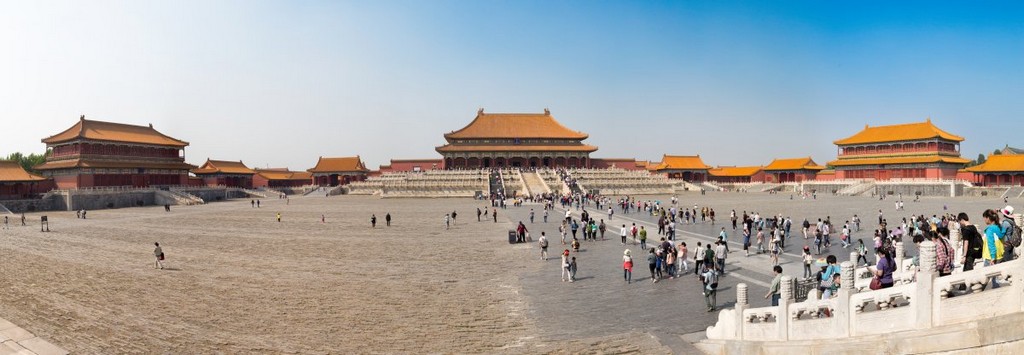
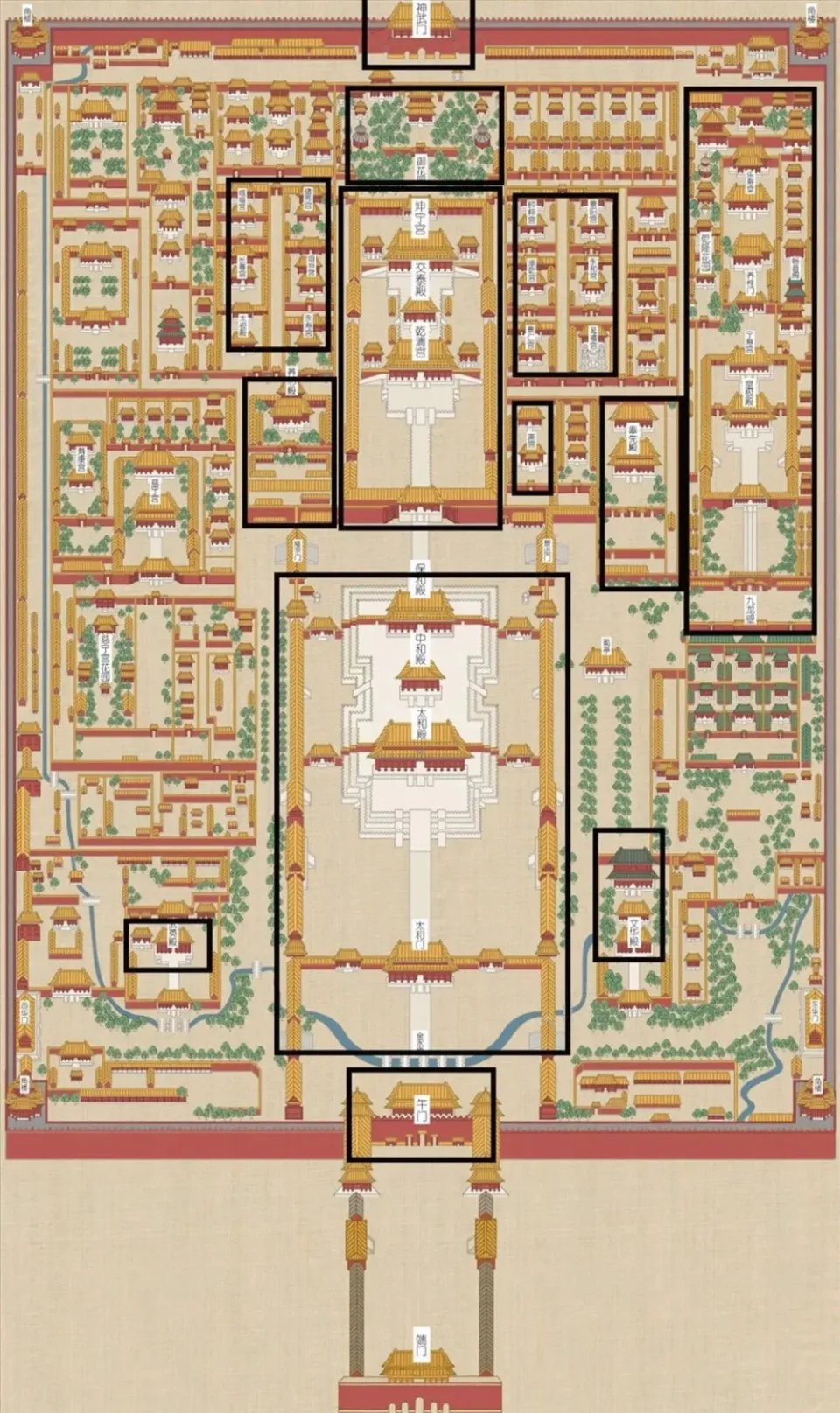
The Forbidden City, also known as the Imperial Palace, comprises a total of 72 palaces (or halls) with 890 different architectural structures, spread across an area of 720,000 square meters. However, this number may vary depending on the classification method. Some sources only count the main palaces, resulting in a total of around 60.
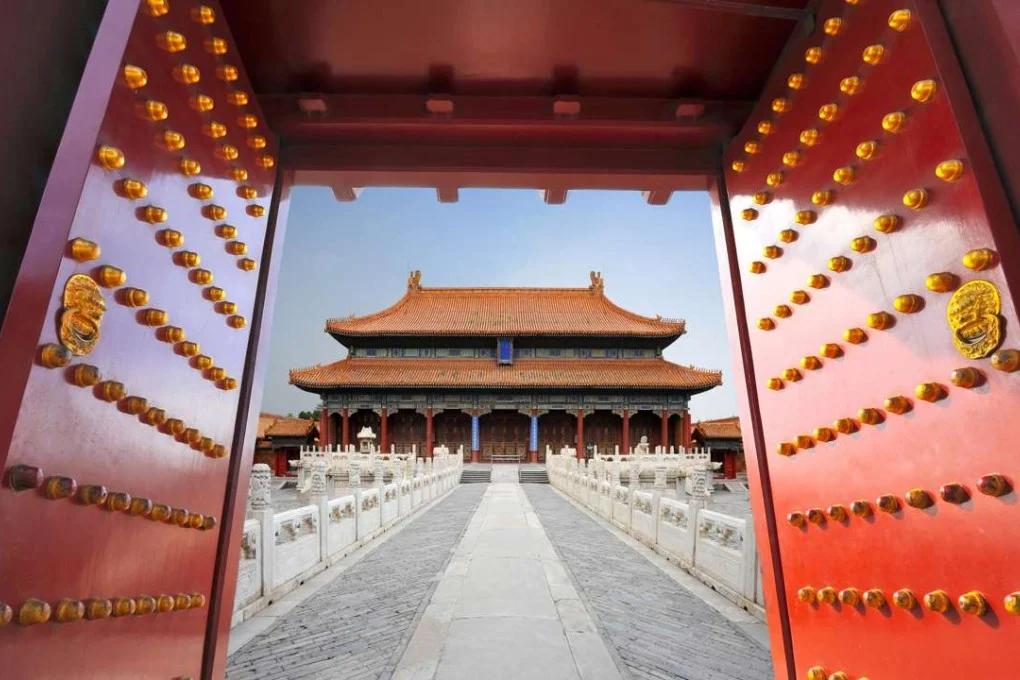
The Forbidden City was built along a North-South axis, with the majestic Hall of Supreme Harmony located in the center. This axis divides the complex into two parts: the Front Court (front) for court activities and the Rear Court (rear) for royal living.
The main palaces in the Forbidden City are arranged in a network, with secondary axes creating a clear division between functional areas. Each area has its own distinct characteristics, reflecting its role and importance in the court.
The architecture of the Forbidden City is also strongly influenced by feng shui principles. The selection of location, orientation, and layout of buildings were carefully considered to bring good fortune and prosperity to the dynasty.
Suggested Perfect Forbidden City Tour Route
To avoid getting lost among thousands of rooms, the best way is to follow the main North-South axis. This route will take you through some of the most important and magnificent architectural structures.
Starting Point: Meridian Gate (Entrance Gate)
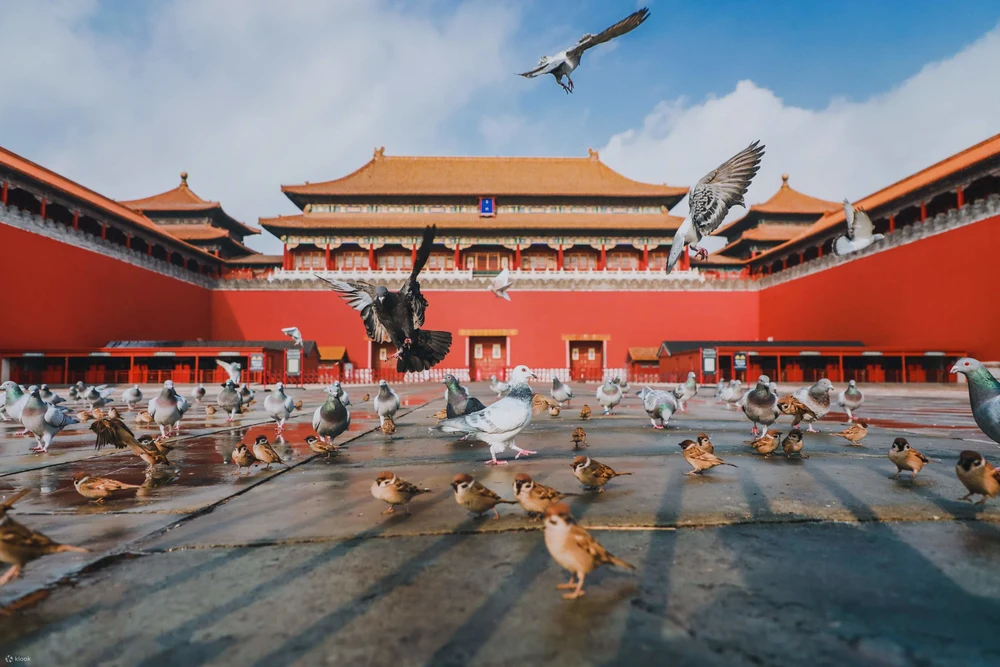
Forbidden City, Tiananmen Square & Royal Museum Tour
After passing through the majestic Tiananmen Gate, you will arrive at Meridian Gate, the main gate to the Forbidden City. This is where you should rent an audio guide with multilingual support, helping you gain a deeper understanding of the history and significance of each structure you are about to explore.
Exploring the Outer Court – Center of Power
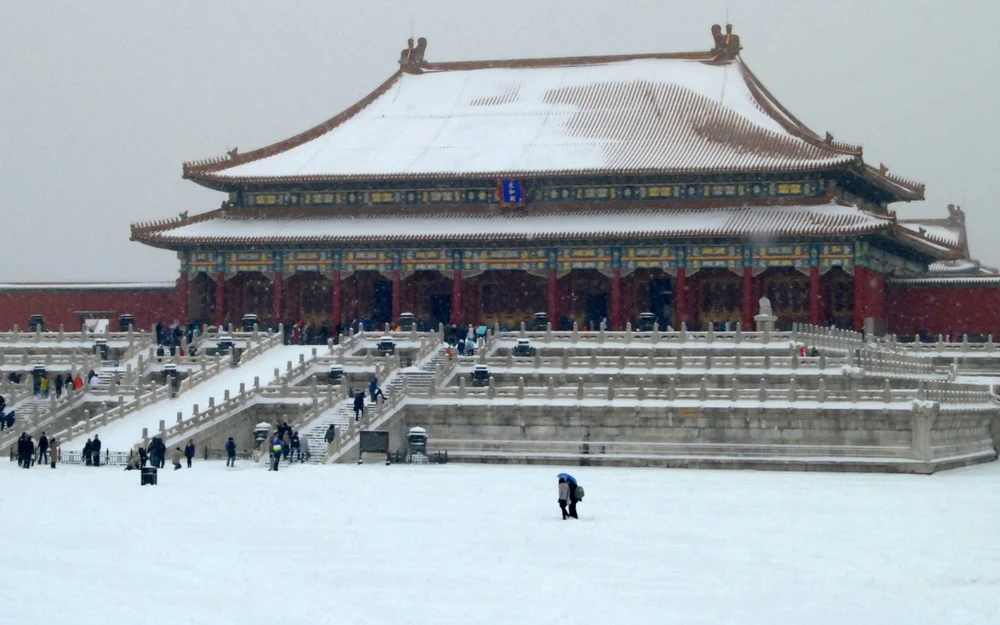
This area is dedicated to national ceremonies and political activities, encompassing the three most magnificent palaces. You will pass through the Hall of Supreme Harmony, the heart of the Forbidden City, where the Emperor was enthroned and grand ceremonies were held. Next is the Hall of Central Harmony, where the Emperor rested before ceremonies, and finally the Hall of Preservation of Peace, where banquets and imperial examinations were held.
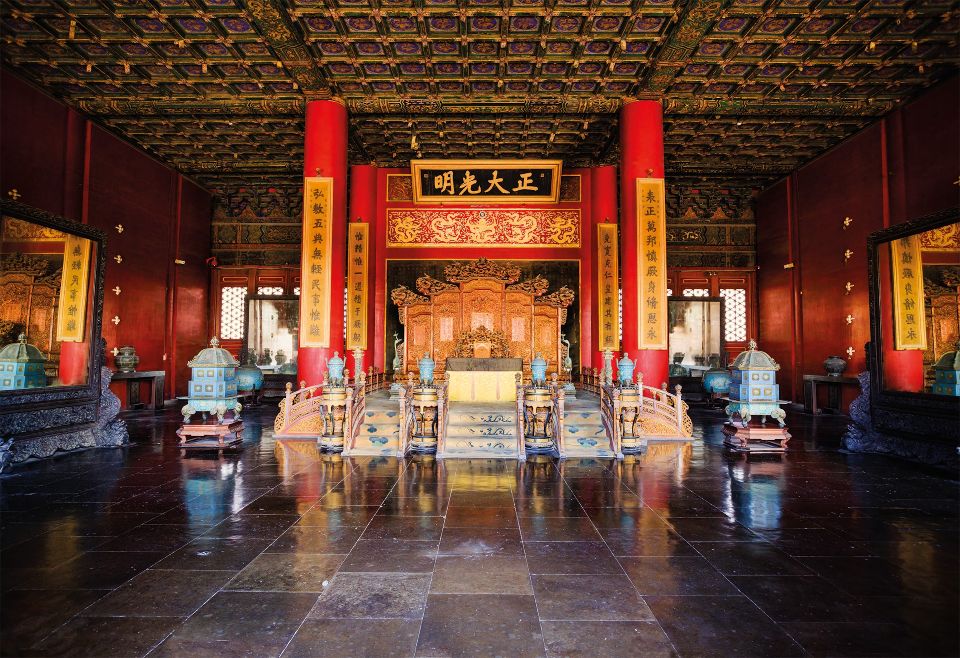
Entering the Inner Palace – The Private World of the Imperial Family
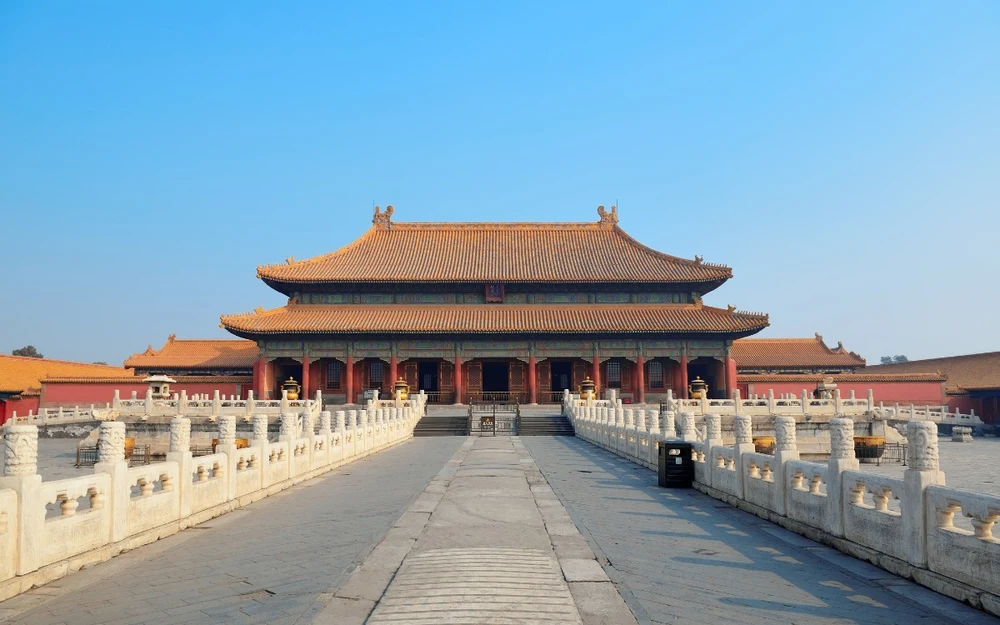
Passing through the Qianqing Gate, you will enter the living area of the Emperor and his family. The three main palaces on this axis include the Qianqing Palace, the Emperor’s residence and workplace; the Jiaotai Hall, where the 25 imperial jade seals are kept; and the Kuning Palace, the Empress’s residence.
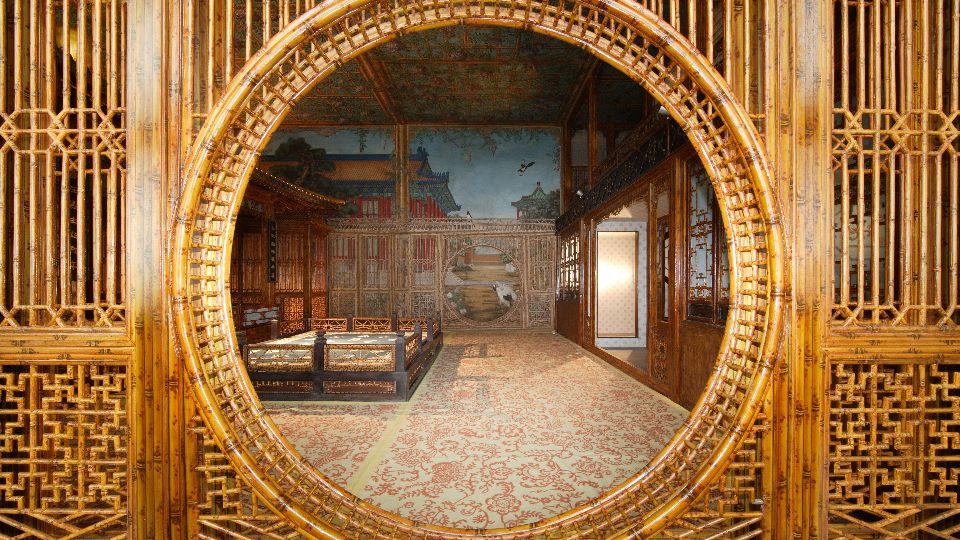
The End Point: The Imperial Garden and Shenwu Gate (Exit)
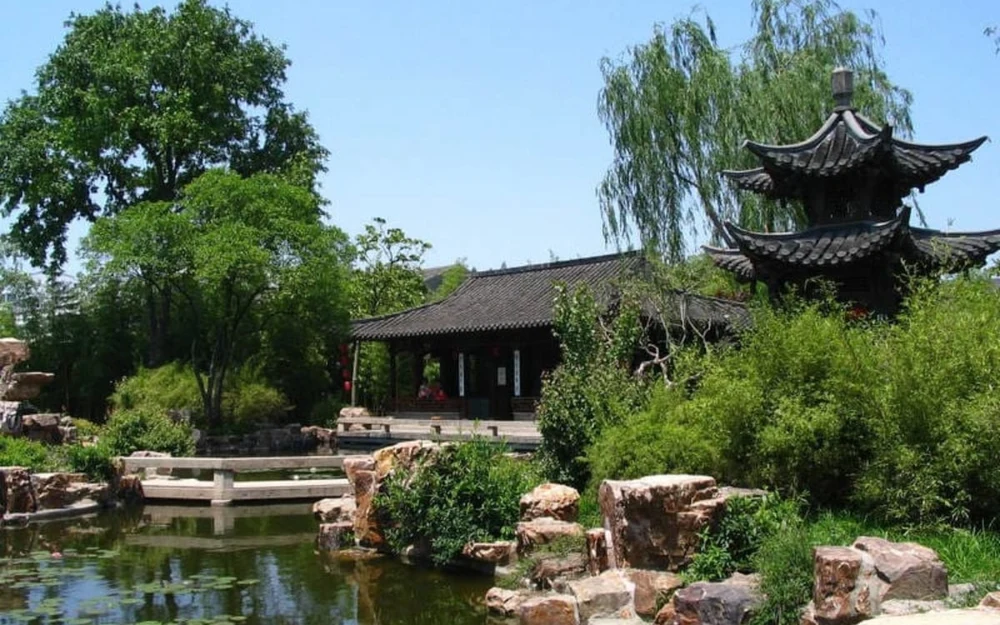
After passing through the palaces of the Inner Palace, you will arrive at the Imperial Garden. This is the only imperial garden in the Forbidden City, a peaceful space with ancient trees, rock gardens, and exquisite pavilions where you can rest. After strolling around, you will end your journey and exit the Forbidden City through Shenwu Gate on the north side.
Suggested Advanced Sightseeing (If You Have More Time)
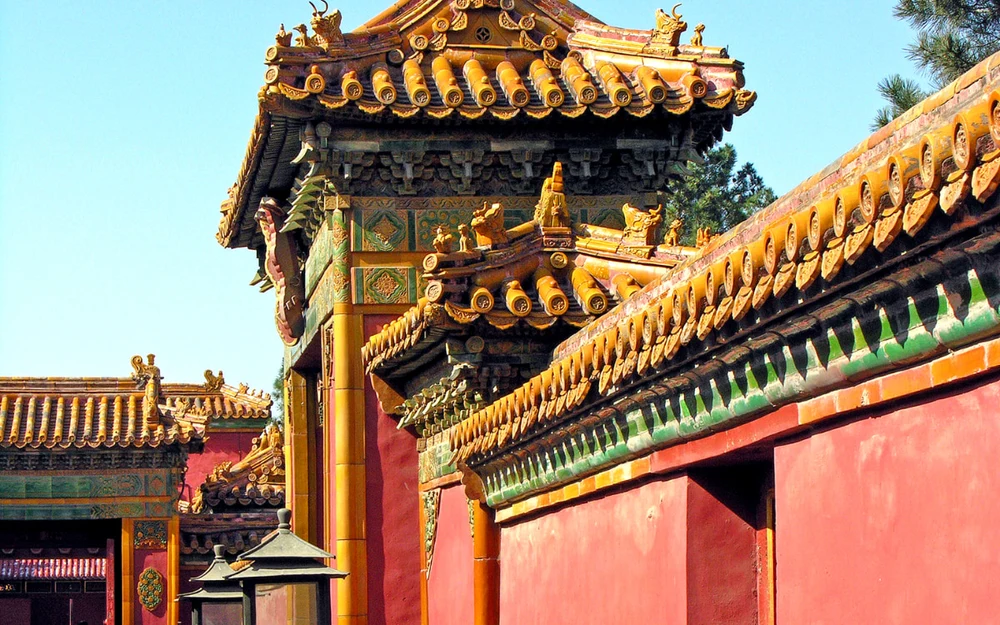
If you have more time and energy, from the main axis, branch off to explore the palaces of the Western and Eastern Palaces. These were the residences of the concubines in the imperial harem and also the setting for many fascinating historical stories. Some famous palaces worth visiting include the Hall of Cultivating the Mind and the area with the Nine Dragon Wall.
Secret Stories of the Forbidden City
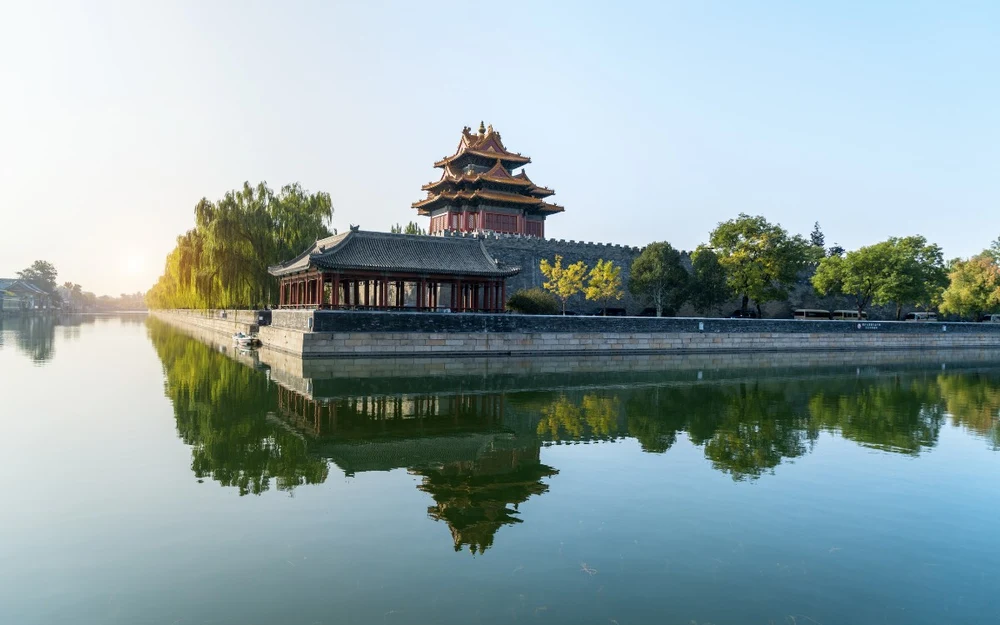
With over 500 years of history, the Forbidden City holds many secrets and fascinating stories. Under the domes of the magnificent palaces and within the towering walls, the daily life of the royal family, along with intrigues, conspiracies, and love stories, has become an inseparable part of Chinese history.
There are rooms in the Forbidden City that are always kept secret, not open to the public. It is rumored that these rooms contain precious treasures and artifacts, or even ancient magical artifacts, that have been strictly guarded since time immemorial.
Universal Studios Beijing Ticket
Not only that, stories of the ghosts of palace maids and vengeful spirits wandering in the Forbidden City are the subject of many urban legends. It is said that on dark nights, footsteps and whispers can be heard in the silent space of the palace.
Exploring the Forbidden City is an impressive and fascinating journey, where you are immersed in the vast historical space of the Chinese dynasty. From magnificent palaces to ancient walls, from secret stories to great historical relics, the Forbidden City has captivated generations.
Frequently Asked Questions When Traveling to the Forbidden City Independently
Mutianyu Great Wall 1-Day Tour
1. How long should I spend visiting the Forbidden City?
The ideal time is 3–4 hours. If you want to see more of the auxiliary palaces and exhibition areas, you should dedicate half a day.
2. Should I hire a tour guide or audio guide?
Absolutely. Without commentary, the visit easily becomes just “looking for information.” 1. An audio guide or guided tour will help you understand the architectural significance and the stories of the imperial palace.
2. Is it allowed to bring food and drinks inside?
You are allowed to bring your own water, but no food with strong odors. There are very few food vendors inside, so have a light snack before entering.
3. Do I need to be physically fit to visit the Forbidden City?
Yes. The walking distance is quite long, and the ground is paved with hard stones. Wear comfortable shoes, avoiding hard-soled shoes or high heels.
4. Is it safe to go in the rain or intense sun?
Light sunshine or cloudy weather is best. Heavy rain will detract from the experience because the space is large, there are few shelters, and the stone floor can be slippery.
5. Is there a place to store large luggage or backpacks?
There is no convenient luggage storage area. You should bring a light backpack, avoiding suitcases or overly large bags.
6. Is it suitable for children and the elderly to visit?
There is no convenient luggage storage area. You should bring a light backpack, avoiding suitcases or overly large bags.
7. Is it suitable for children and the elderly to visit?
Suitable for a slow pace with rest stops. For older people, consider a half-day tour or renting a private car to conserve energy.
8. Should I combine the Forbidden City with any other attractions on the same day?
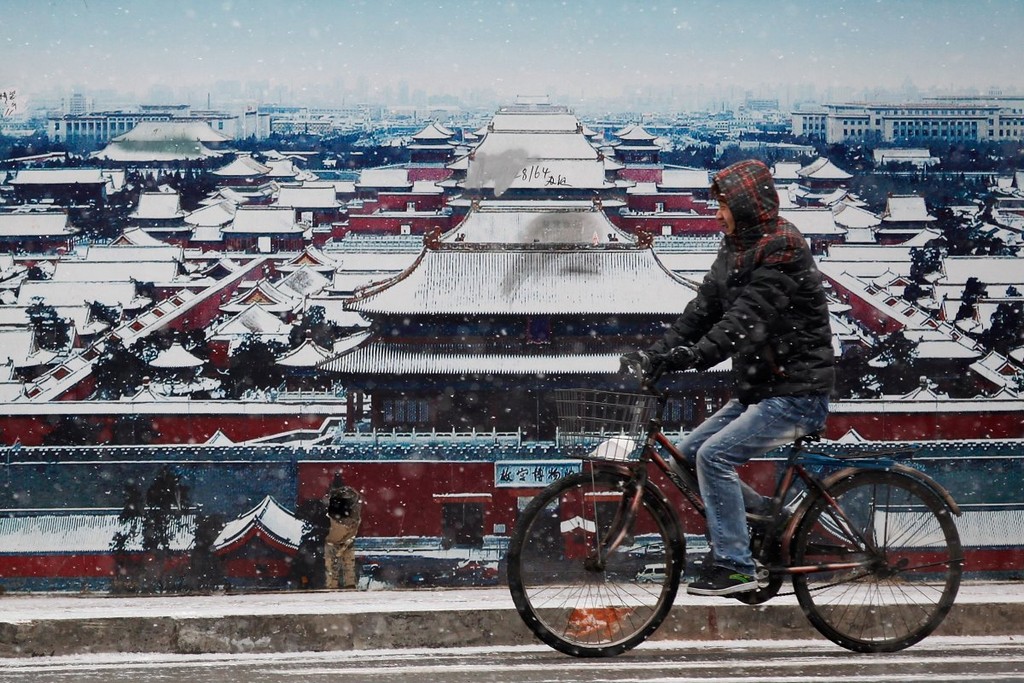
You can combine it with Tiananmen Square or Jingshan Park (climb up to see the panoramic view of the Forbidden City from above).
9. Are there any special security regulations?
Security checks are very strict. You need to bring your original passport, avoid bringing sharp objects, and large-capacity power banks.
10. What is the best time of day to visit?
Early morning is best: less crowded, beautiful light for photos, and you’ll have enough energy to walk the entire main axis.
Plan your trip to the Forbidden City – Beijing Palace Museum now!
Some best day tours, trips, activities and transfer services, tickets in, from and to Beijing you can refer to
- Beijing Palace Museum Ticket (The Forbidden City)
- [Cool Summer] Universal Beijing Resort Ticket
- [Sale] Mutianyu Great Wall Day Tour from Beijing (With Pick Up)
- Summer Palace (Yiheyuan) Admission Ticket in Beijing
- Mutianyu Great Wall Day Tour by Bus with Options
- [Sale] Mutianyu Great Wall-Downtown Beijing Round Trip Bus Pass
- Mutianyu Great Wall Ticket & Cable Car
- The Old Summer Palace (Yuanmingyuan) Ticket in Beijing
- Beijing Wildlife Park Admission Ticket
- Beijing Happy Valley Ticket
- CMHK | HK 7 Days unlimited data + 200 HK Local Mins + 1GB Mainland China and Macau data (HK Airport Pick Up)
- [Unlimited Data] 4G Portable WiFi for Mainland China, Hong Kong and Macau from Uroaming (HK Airport Pick Up)
- 4G WiFi (HK Airport Pick Up) for Hong Kong/Macau/China (No Speed Limited) from Song WiFi
Read more China guide here.