































Japan is famous for its clean, punctual, and extremely efficient public transportation system. With just the right knowledge of how to use trains and buses, you can easily travel independently throughout major cities without needing to rent a car or worry about getting lost. Now, let’s check out 11 Japanese Public transport Etiquette & Things to Note for Independent Travelers in this post!
- “Pocket Guide” to 6 Types of Kansai travel pass for a Convenient Trip
- Guide for Buying and Using the Kobe Travel Smart Passport
- Narita vs Haneda Airport Transfer: How to get from Narita Airport to Downtown Tokyo & From Haneda To Tokyo City
- Suica vs PASMO: Which is better, How to Use Suica and PASMO Cards in Tokyo in Detail
- 17+ most useful, must-have & best apps for Japan travel
Besides convenience, public transportation in Japan comes with many strict rules that Vietnamese tourists often overlook. From queuing and maintaining order on trains to the procedures for boarding and alighting from buses and paying for tickets, a lack of information can easily lead to confusion or unintentionally inconvenience others.
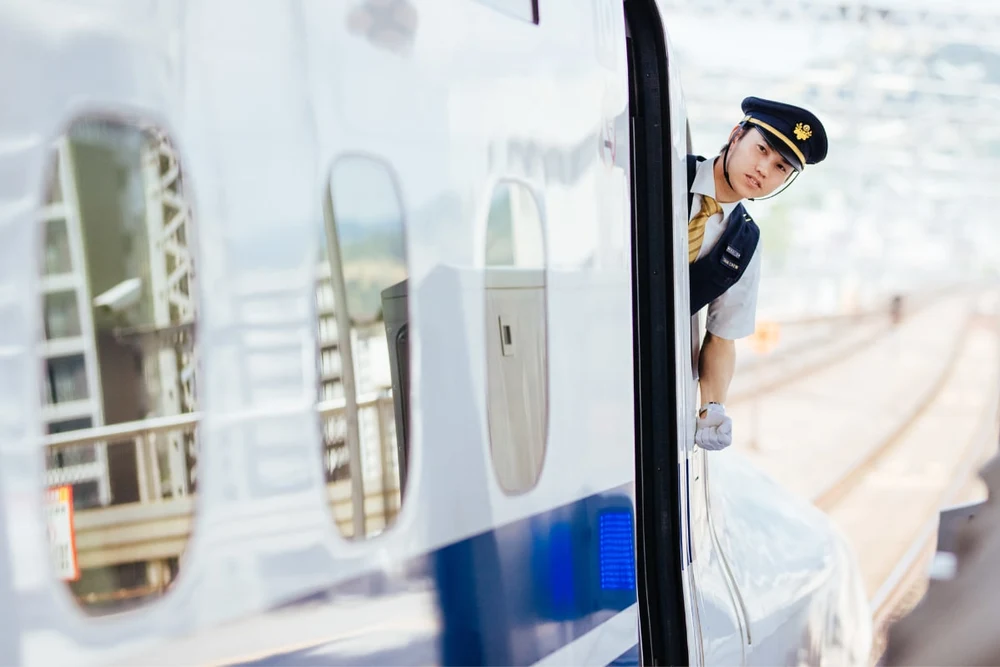
In this article, Living Nomads will share practical experiences using public transportation when traveling independently in Japan, focusing on trains and buses, along with important tips to help you travel correctly, save time, and avoid unnecessary mistakes.
Japanese Public transport Etiquette: Queueing – An Important Rule on Japanese Public Transportation
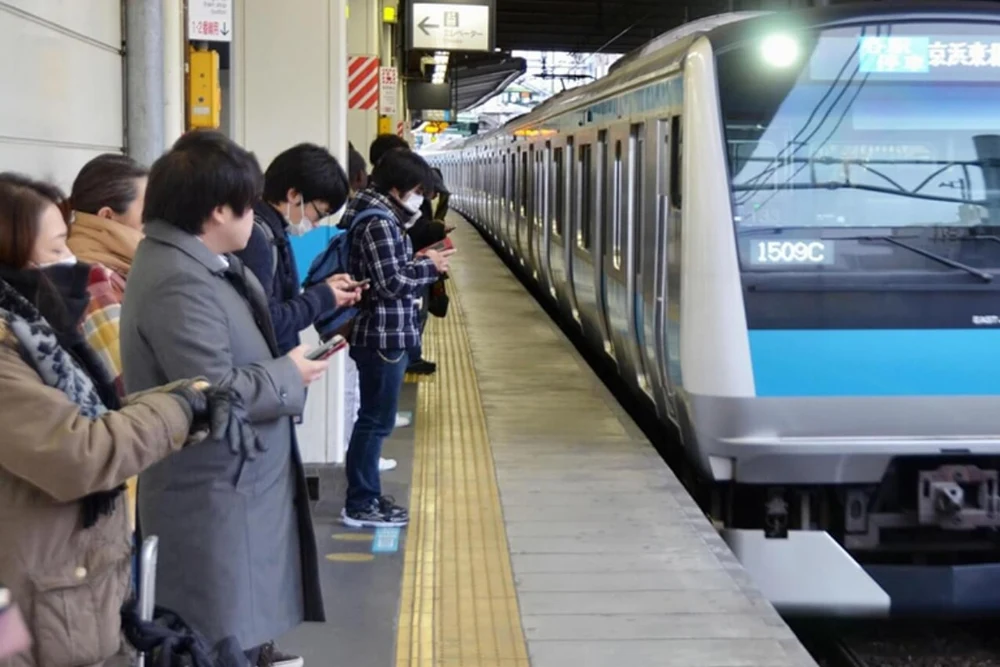
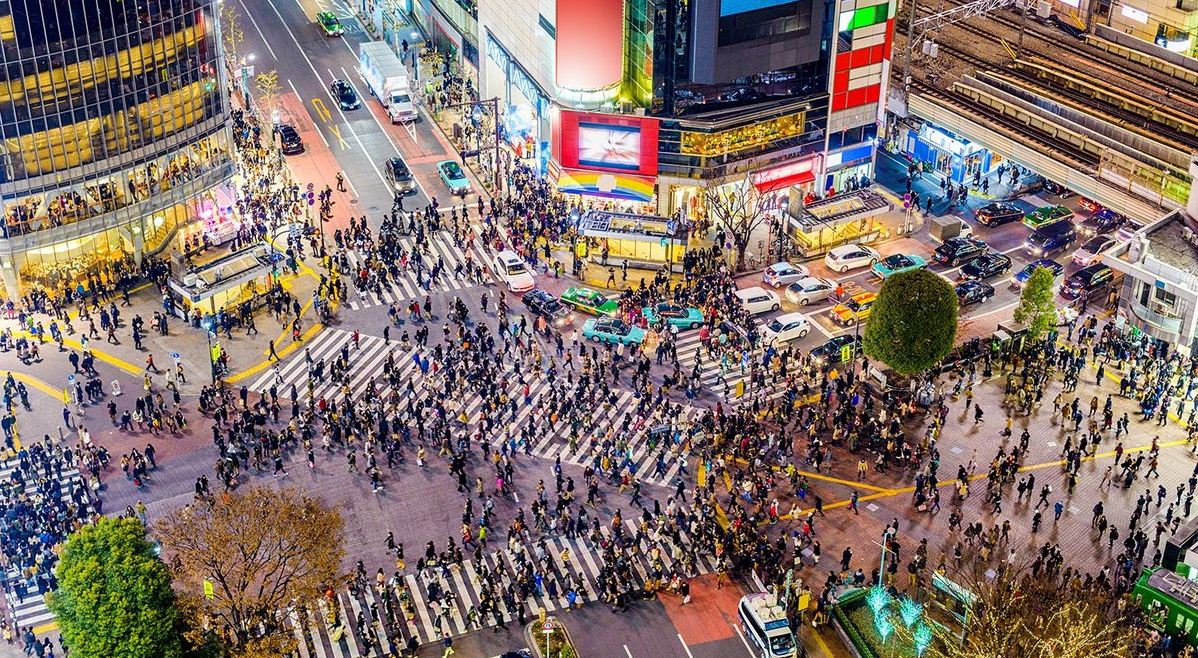
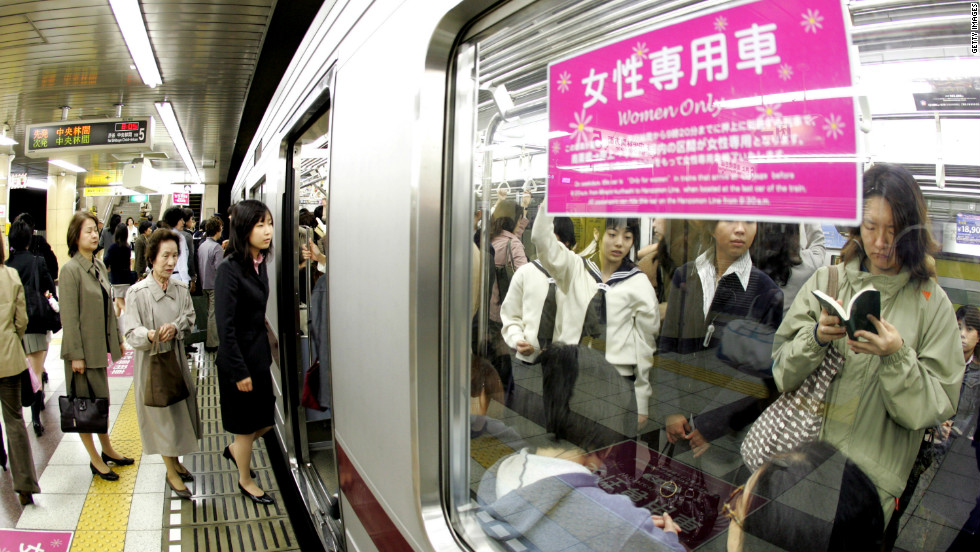
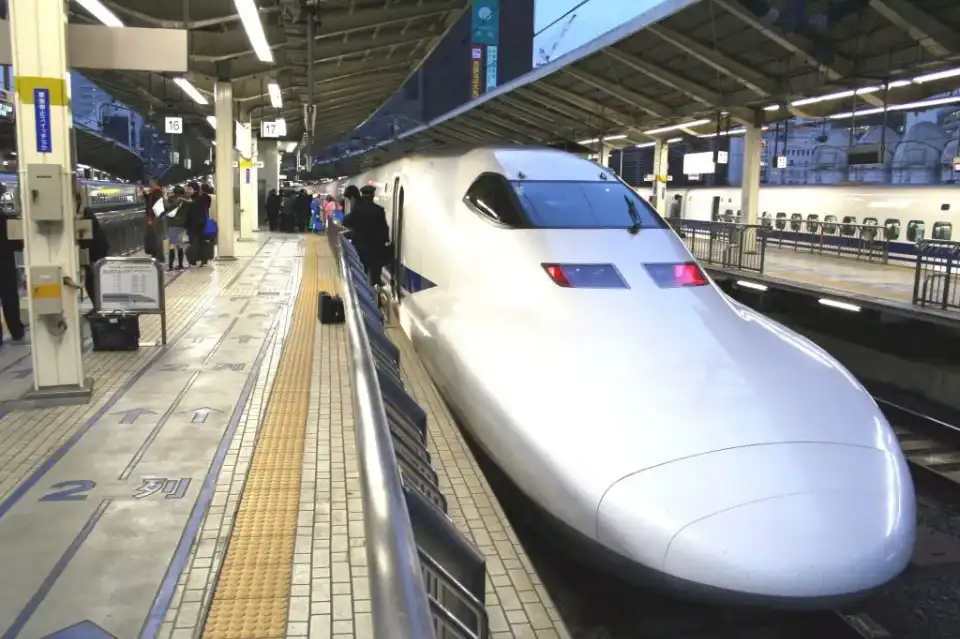
When using public transportation in Japan, queuing is mandatory and strictly followed. At train stations, waiting areas are clearly marked with lines on the floor. Passengers line neatly behind the lines, and priority is given to passengers disembarking before boarding.
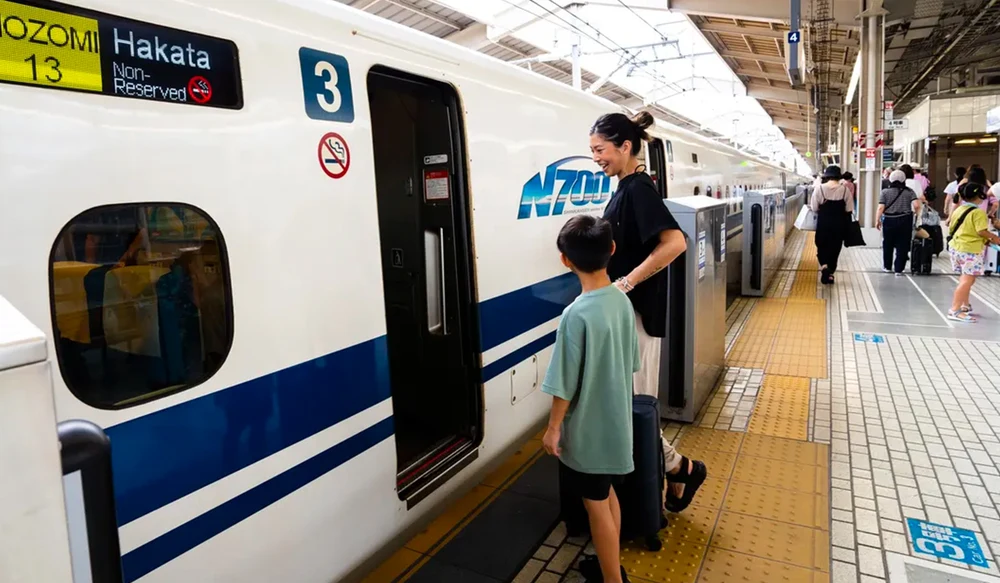
Crowding, standing in the wrong place, or stepping over the line before the train has completely stopped are considered impolite and disrupt the overall flow of traffic. For tourists, simply observing and standing in the correct line and waiting your turn will help you easily integrate into the orderly flow of Japanese public transportation and avoid unnecessary awkward situations.
Maintaining a Quiet Environment on Japanese Public Transportation
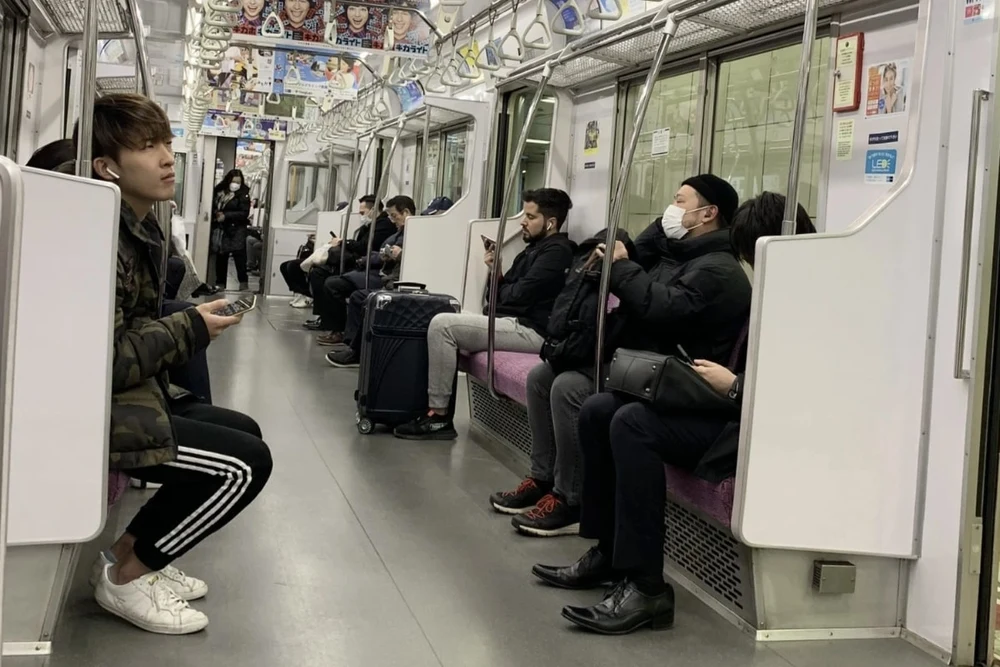
One of the easily noticeable aspects of traveling by train or bus in Japan is the consistently quiet atmosphere, even during peak hours. Passengers tend to speak softly, avoid lengthy conversations, and minimize making or receiving phone calls in public. Maintaining silence isn’t a rigid rule, but rather a sign of mutual respect in shared spaces.
Tourists simply need to adjust their volume when speaking, use headphones, and put their phones on silent mode; this will allow them to easily integrate into Japanese public transportation culture naturally.
Priority Seating – A Part of Japanese Transportation Culture
On trains and buses in Japan, priority seats are clearly marked and easily recognizable, reserved for the elderly, children, pregnant women, and passengers requiring special assistance. Even during peak hours, many people proactively stand instead of sitting in these areas, even if no one from the priority group is nearby.
Avoiding priority seating when not absolutely necessary or readily giving up your seat when needed is a way to show respect for Japanese public transportation culture and community spirit.
Eating Culture on Japanese Trains
On Japanese trains and city trains, passengers rarely eat or drink during the journey, even on long trips. This stems from the habit of keeping shared spaces clean, odor-free, and not disturbing others, especially during peak hours.
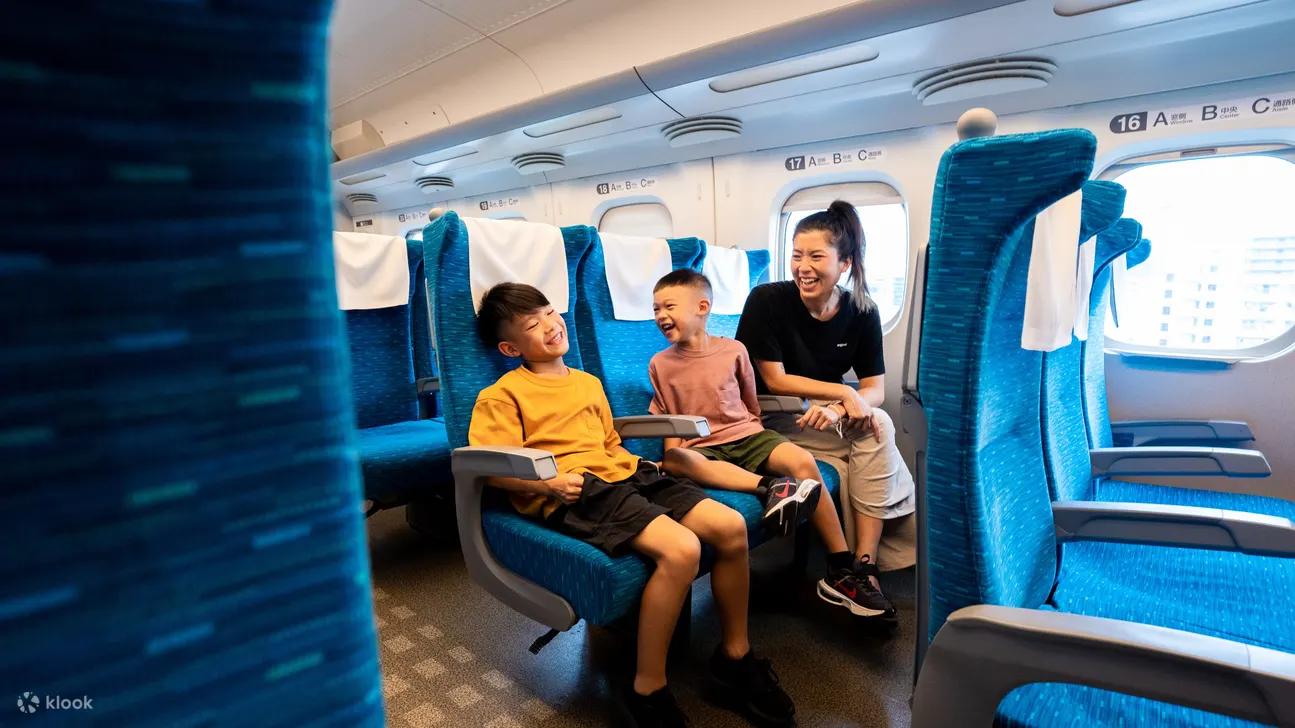
Conversely, on the Shinkansen – the long-distance bullet train – eating and drinking is very common and considered part of the experience, from pre-made bento boxes purchased at the station to regionally specific ekiben boxes. Understanding this difference helps travelers use public transportation appropriately and in accordance with Japanese travel culture.
Distinguishing Between Train Types in Japan to Avoid Getting on the Wrong Line
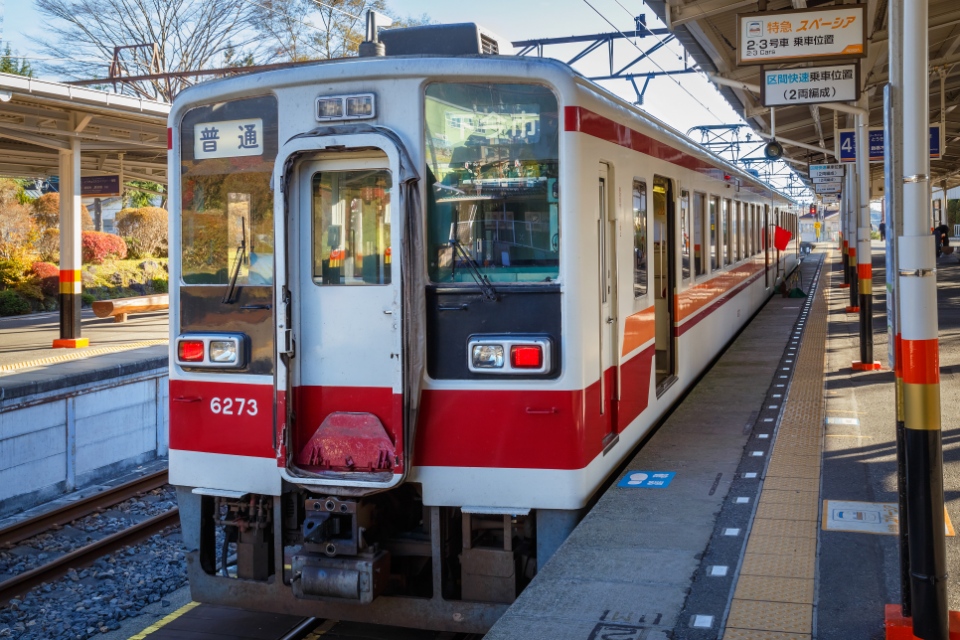
The Japanese train system is divided into several types such as Local, Rapid, and Express, each with a different number of stops. Local trains stop at all stations, while Rapid and Express trains only stop at major stations, helping to shorten travel time.
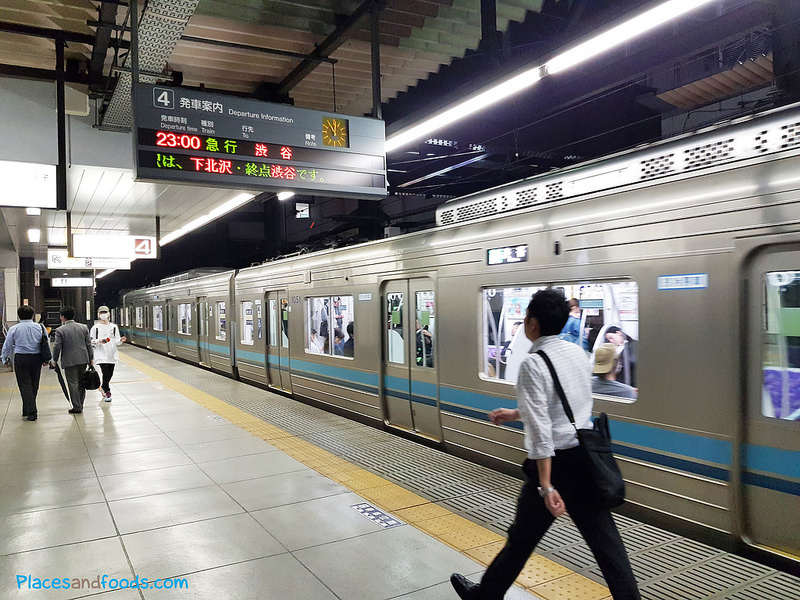
If you don’t pay attention to the signs on the electronic boards or navigation apps, it’s easy for tourists to board the wrong train and miss their destination. Understanding the train classifications before traveling not only saves time for you, but also makes your journey on public transport in Japan smoother and more proactive.
Local – Rapid – Express: Understanding Correctly to Avoid Boarding the Wrong Train
One of the most confusing aspects of traveling by train in Japan is that each line often has several types of trains running parallel on the same track. Local trains stop at all stations, Rapid trains have fewer stops, and Express trains prioritize major stations to shorten travel time. If you only look at the line number without checking the train type, you might find yourself going faster than expected… but missing your stop.
Fukuoka City Subway 1-Day Pass
Therefore, before boarding, take a few seconds to check the train type on the electronic display or navigation app. This makes traveling on public transport in Japan more accurate and easier to manage.
How to Pay for Bus Rides in Japan
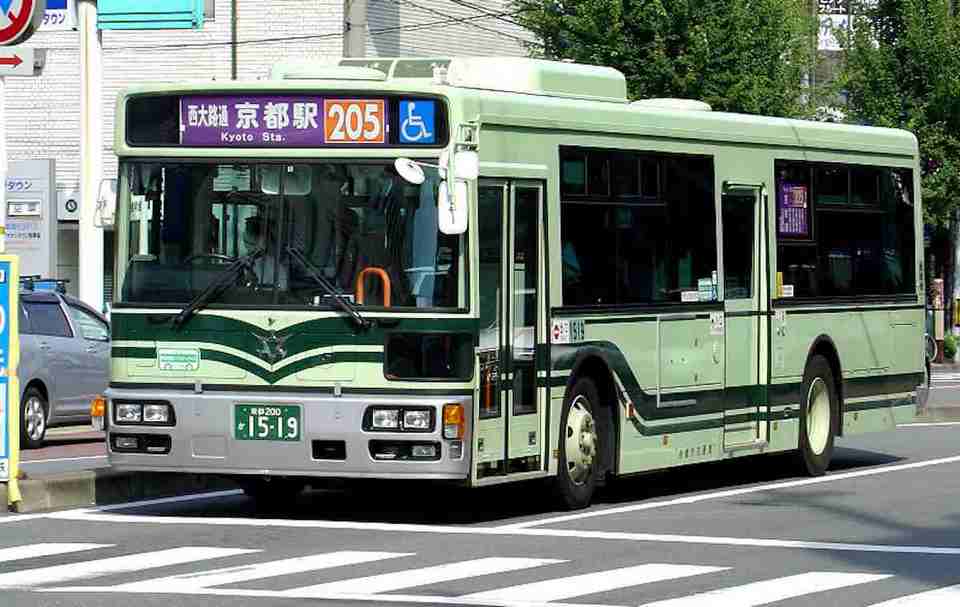
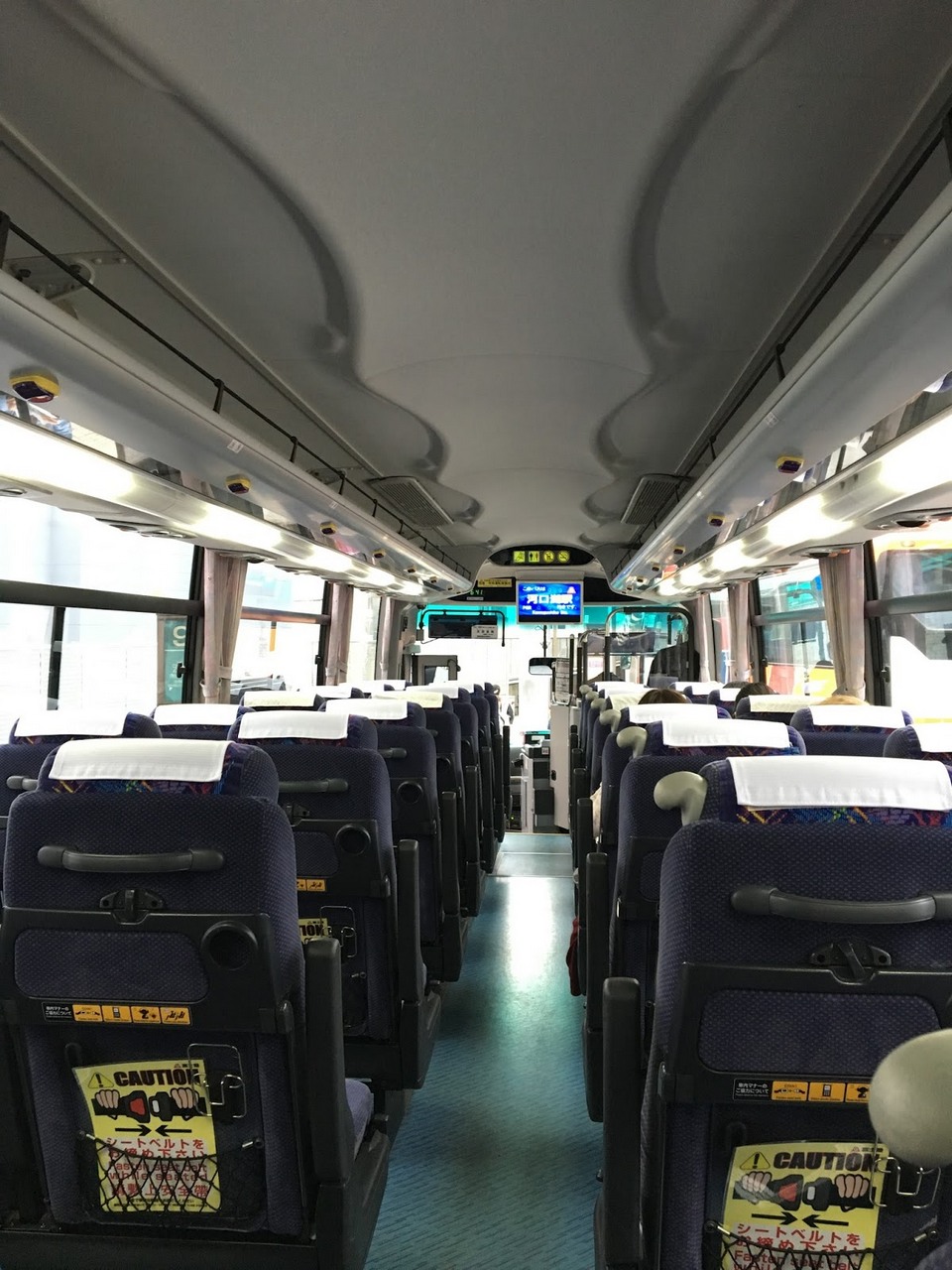
Unlike trains, which have a fairly standardized system, buses in Japan use different payment procedures depending on the area. In some places, you pay when you board, while on other routes, you only pay when you get off, based on the distance traveled.
Okinawa Yuirail Naha Airport Digital Ticket
Without paying attention to the signs or observing other passengers, tourists can easily get confused right from the start. Additionally, many buses still prioritize small change or transportation cards, so having the appropriate amount of money ready before boarding will help you travel smoothly and avoid disrupting other passengers.
IC Card (Suica, PASMO): The Most Convenient Way to Travel in Japan
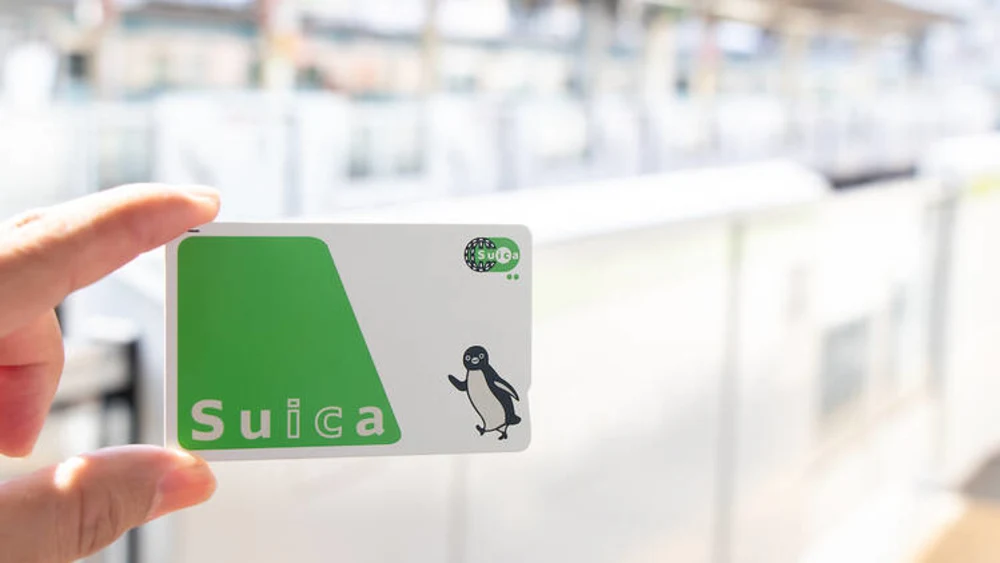
When using public transportation in Japan, IC cards like Suica or PASMO are the simplest and most flexible option. After topping up once, you can swipe the card when entering and exiting train stations and buses without worrying about buying individual tickets or calculating fares for each leg of the journey.
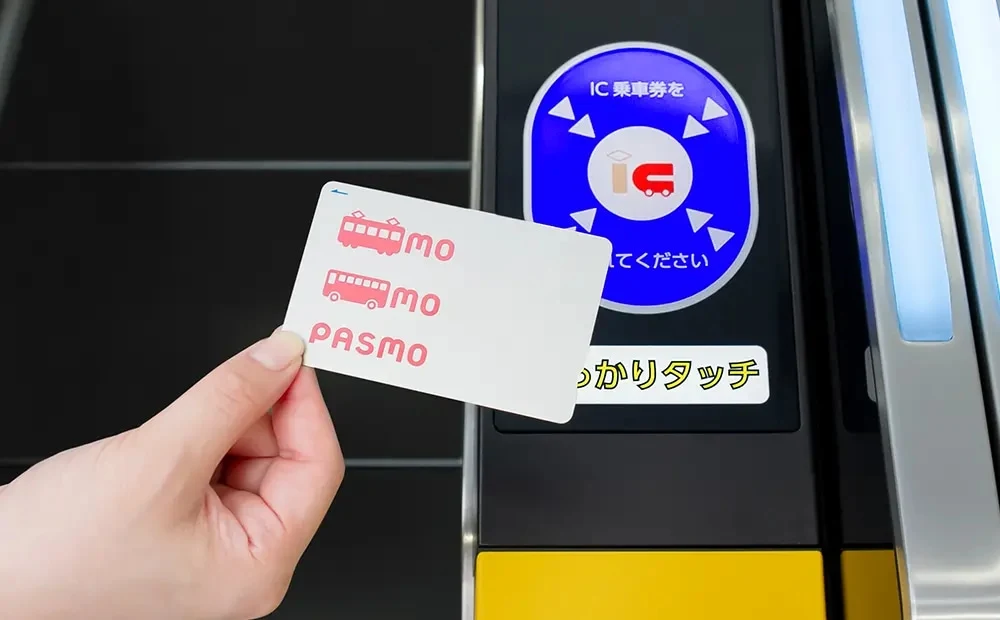
Besides saving time, IC Cards also help minimize errors when traveling, especially for first-time visitors to Japan. Having a Suica or PASMO card ready from the start of your trip will make traveling by public transport smoother and more seamless.
Peak Hours in Japan: Considerations When Carrying a Lot of Luggage
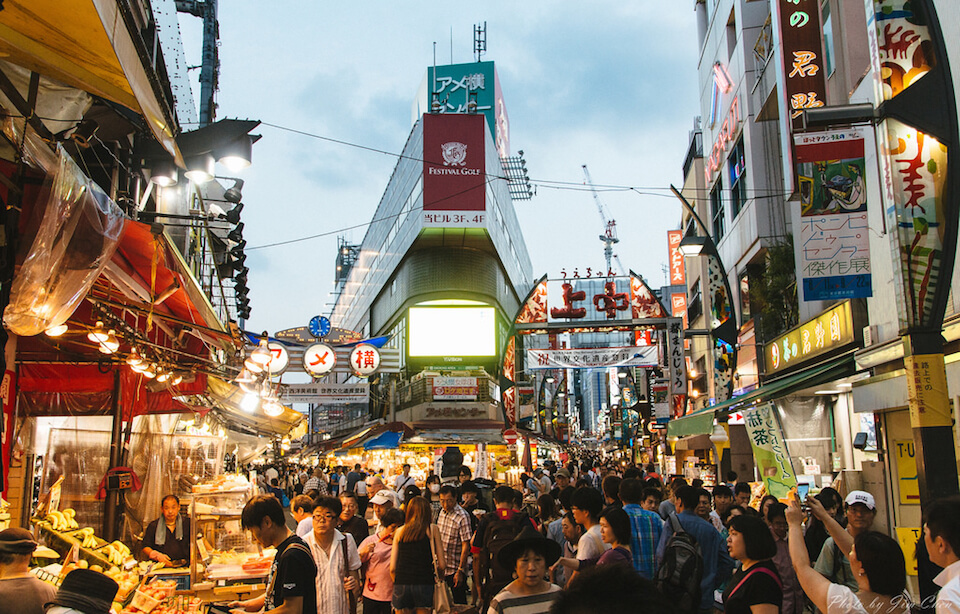
During peak hours, public transport in Japan is often crowded, especially in large cities. The surge in commuters and students makes space on trains and buses cramped, and traveling with large suitcases or lots of luggage can be quite inconvenient.
Randen + Kyoto Subway 1 Day Pass
In these cases, passengers are often encouraged to avoid peak hours or choose less busy times for a more comfortable and manageable journey. Planning your travel time proactively not only reduces fatigue but also aligns better with the culture of using public transport in Japan.
Navigating Large Stations in Japan: Follow Signage Instead of Just Looking at Maps
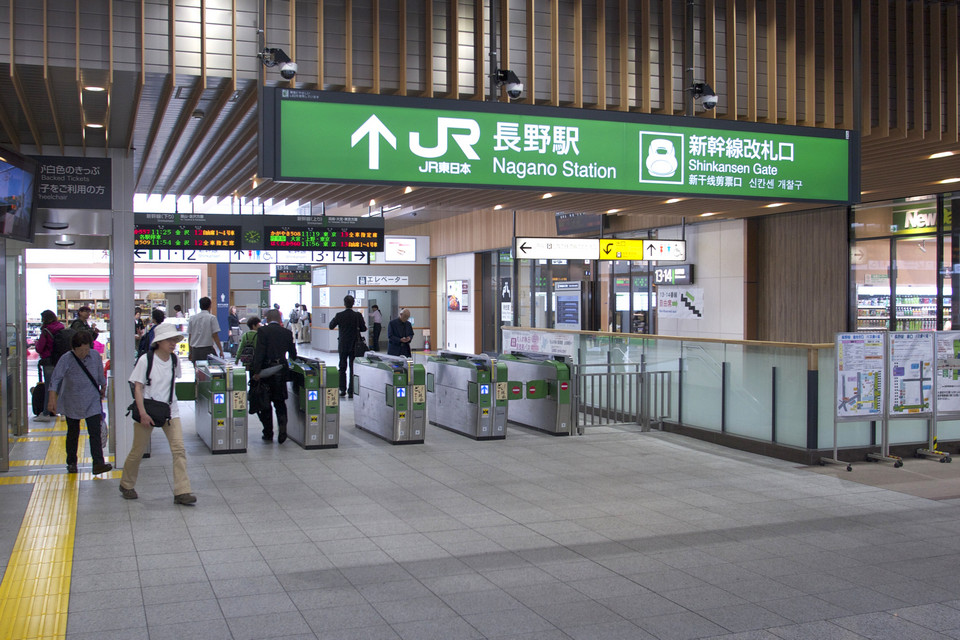
Large stations like Tokyo Station or Shinjuku Station are very large, with many levels and intersecting lines, making relying solely on a phone map insufficient. In fact, the system of color coding, gate numbers, and signs within the station is a more effective guide.
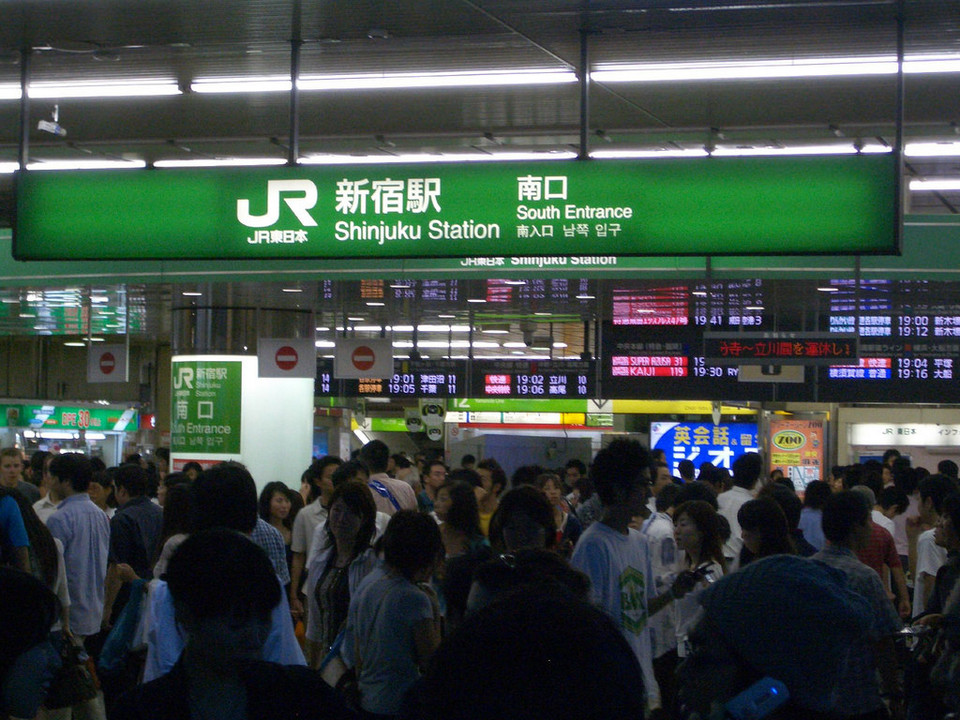
Observing the line colors, line names, and arrow directions on the signs helps you find the right path, level, and exit. When in these complex stations, combining a map with following station signage will help you avoid unnecessary detours and significantly save travel time.
The Last Train: An Easily Overlooked Thing When Traveling in Japan
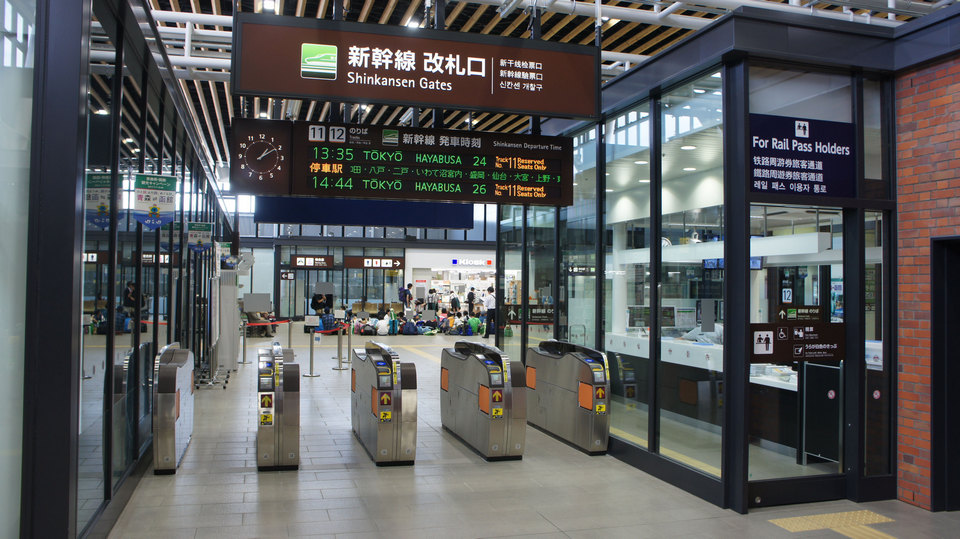
Unlike many countries with overnight transportation, most train lines in Japan stop running between 11:30 PM and 12:30 AM, depending on the line and area. When busy sightseeing or traveling between areas far from the city center, tourists can easily find themselves arriving at the station only to find the last train has already left.
In this case, the only remaining option is usually a taxi – a rather expensive option, especially in Tokyo or Osaka. Checking the last train schedule early in the day will help you plan your itinerary effectively and avoid unnecessary problems while traveling on public transport in Japan.
Frequently Asked Questions About Public Transport in Japan
Kyushu Beppu & Yufuin 1 Day Bus Pass (FUK Airport Pick Up)
1. Are trains in Japan punctual?
Almost always. Train lines usually arrive and depart from stations on schedule, with very little deviation. Train delays are rare, and there are always specific announcements if there are any changes.
2. Is it easy to get lost while traveling by train in Japan?
Yes, especially at large stations like Tokyo or Shinjuku due to many intersecting lines and exits. Tourists should keep an offline map, follow color coding and station signage for more accurate navigation.
3. Should I buy individual tickets or use an IC card when traveling in Japan?
IC cards like Suica or PASMO are the most convenient option. They save time when buying tickets, minimize confusion, and can be used on both trains and buses.
4. Is it difficult to ride buses in Japan?
It’s not difficult, but you need to pay attention to the payment process. Depending on the area, passengers will pay when boarding or alighting, so observe the instructions on the bus and prepare small change or an IC card.
5. Should I avoid peak hours when traveling?
Yes, especially if you have large luggage. Peak hours in Japan are usually very crowded, making travel less comfortable and potentially inconvenient for others.
The public transportation system in Japan is not just a means of transportation but also a unique cultural feature. Understanding these rules will not only help you avoid awkward situations but also show respect for the country.
Are you ready to travel around Japan using public transportation?
Some best day tours, trips, activities and transfer services, tickets in, to and from Tokyo you can refer to
- Mt Fuji & Hakone Day Tour: Lake Ashi & Ropeway Day Trip from Tokyo
- Nikko Cultural Day Tour from Tokyo
- Tokyo Subway Ticket (24, 48, or 72 Hours)
- Shuttle Bus Transfers (One Way/Round Trip) from Shinjuku/Ikebukuro to Tokyo Disneyland or Tokyo DisneySea
- Tokyo Disney Resort Park Ticket
- Klook Pass Greater Tokyo
- SHIBUYA SKY Ticket
- Warner Bros. Studio Tour Tokyo – The Making of Harry Potter Ticket
- Skyliner Narita Airport Express Ticket
- TeamLab Planets Ticket
- TOKYO SKYTREE® Ticket
- Limousine Bus Narita or Haneda Airport to Tokyo
- Skyliner Narita Airport Express With Tokyo Subway Ticket
- JR Tokyo Wide Pass
- Sky Hop-on and Hop-off Bus Pass
- 4G Prepaid Sim Card (JP Airports Pick Up) for Japan
- JR Pass for Whole Japan (7, 14, or 21 Days)
Are you looking for more Tokyo travel guide and top things to do in Tokyo: Tours, activities, attractions and other things? Read more: Tokyo itinerary 3 days — What to do in Tokyo in 3 days?