







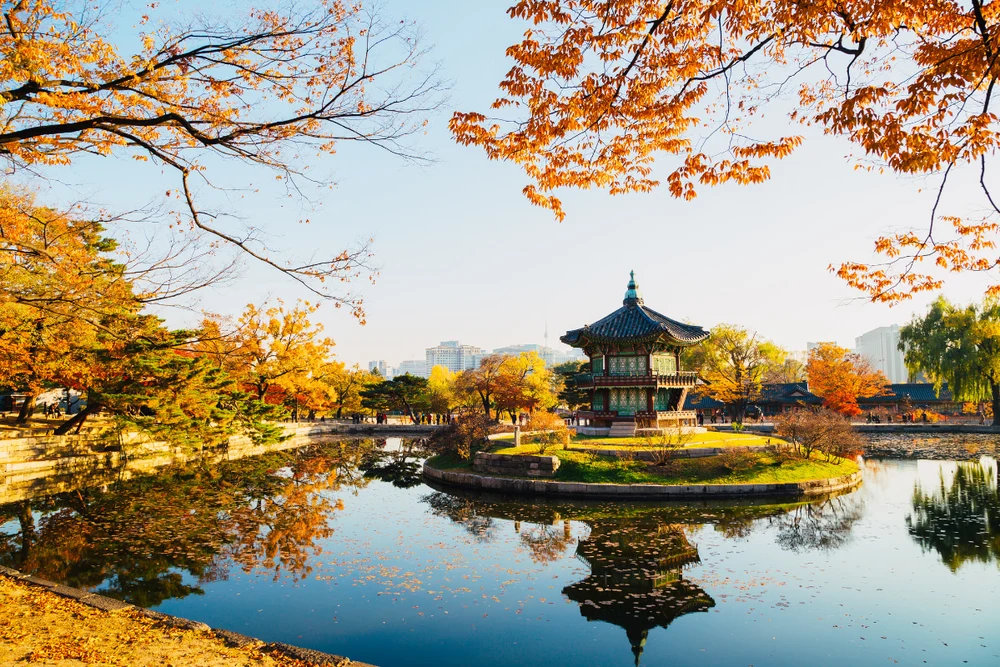
It’s no surprise that Gyeongbokgung Palace in Seoul is one of the most popular tourist destinations in South Korea. So, is Gyeongbokgung palace worth visiting, how to visit Gyeongbokgung palace, what to do in Gyeongbokgung palace? Let’s explore some interesting facts about and top things to do at Gyeongbokgung Palace through this Gyeongbokgung palace guide.
- 13 Ultra-Romantic Photo Spots on Nami Island in Autumn
- Legoland Korea Review: The Highly Coveted Theme Park
- South Korea Travel Guide 2027 & Suggest the Itinerary 5 Days 4 Nights
- 6-Day, 5-Night Seoul-Busan Itinerary: Snap Photos Until You Drop
- 5 Best Korean Historical Drama Filming Locations for a “Time-Travel” Experience
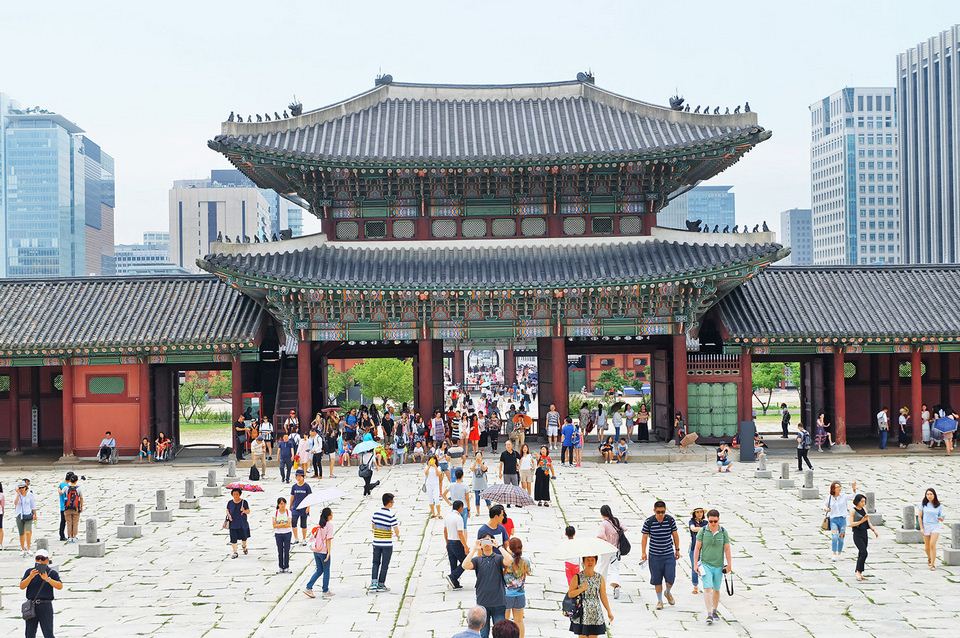
If you’re visiting Seoul for the first time, Gyeongbokgung Palace is a must-see, a place that will give you the clearest and deepest understanding of Korean culture. As the quintessential symbol and largest palace of the Joseon dynasty, Gyeongbokgung stands majestically in the heart of the capital. Let’s explore a concise 2-hour itinerary to experience fascinating history and take unforgettable photos here!
Gyeongbokgung Palace – A Cultural Symbol of South Korea
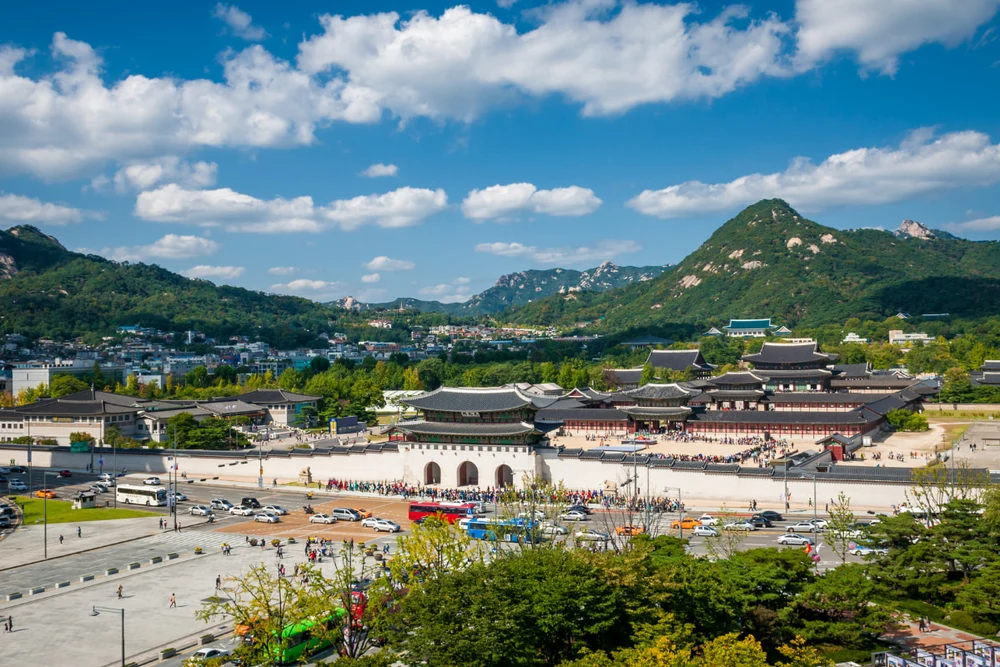
Gyeongbokgung Palace (Gyeongbokgung Palace) is the main and largest of the five remaining royal palaces in South Korea. Built in 1395 during the reign of King Taejo, the founder of the Joseon dynasty, Gyeongbokgung means “Praying for blessings for the king, the royal family, and the people.” The palace was named by the founding minister Jeong Do-jeon.
Although it was burned down during the Japanese-Korean War (1592) and destroyed during the Japanese colonial period (1910-1945), thanks to continuous restoration efforts, the palace has regained its original splendor, becoming an important symbol of the Joseon dynasty.
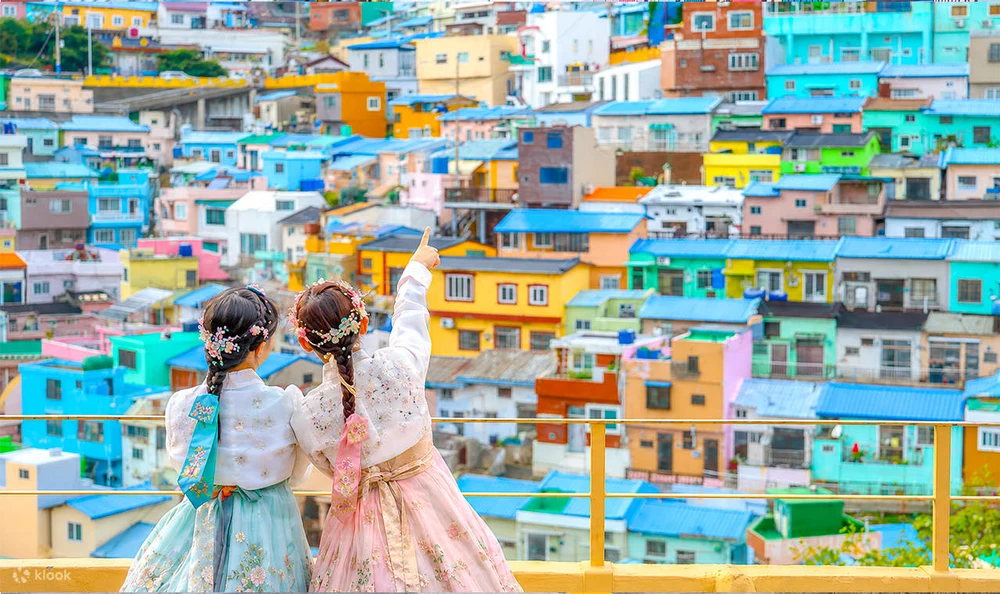
Gyeongbok Palace, Bukchon Village, and Gwangjang Tour in Seoul
Today, Gyeongbokgung is not only an important historical site but also a unique cultural complex in the heart of Seoul. It’s a must-visit destination for those who want to explore ancient Korean culture. While here, you can also combine your visit with a trip to the National Palace Museum of Korea and the National Folk Museum.
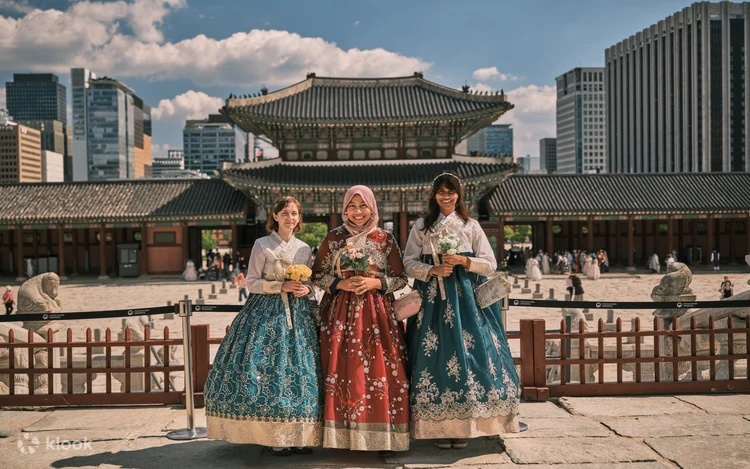
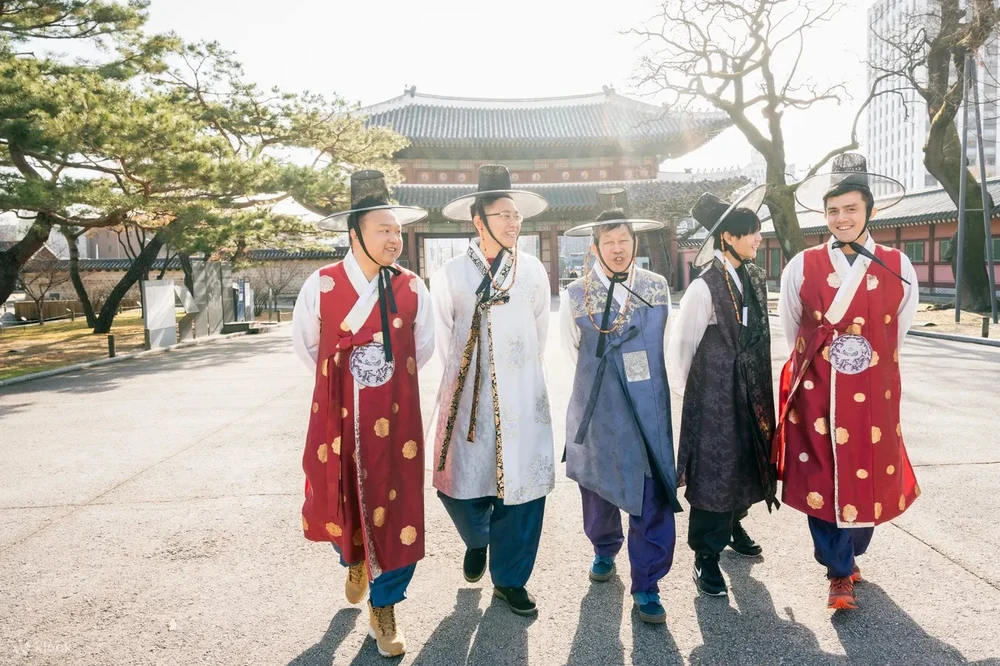
Don’t forget to rent a Hanbok to get free entry and take some Instagram-worthy photos in true Korean style at this magnificent palace!
Gyeongbokgung palace guide: Address & Directions to Gyeongbokgung Palace
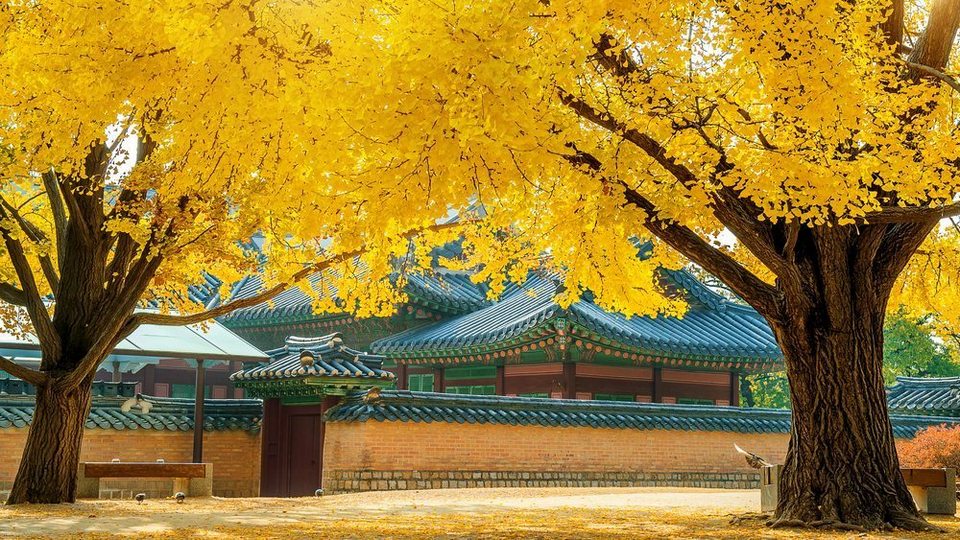
Gyeongbokgung Palace is conveniently located in a prime location, easily accessible from central Seoul.
Address: 161 Sajik-ro, Jongno-gu, Seoul, South Korea
Getting There by Subway
You have two main subway lines to choose from.
The fastest way is to use Line 3 (Orange) and get off at Gyeongbokgung Station, exiting at Exit 5 which leads directly to the main gate of the palace. (Note: Exit 5 is usually closed in the evening, you can use Exit 4 instead).
Another option is to take Line 5 (Purple) and get off at Gwanghwamun Station, exiting at Exit 2. This exit will lead you to Gwanghwamun Square, and then you just need to walk a short distance to reach Gwanghwamun Gate.
Getting there by Bus
If you prefer traveling by bus or want to enjoy the street views, you can choose one of the following routes:
Public Bus: Many bus routes stop near the palace. If coming from Incheon Airport, you can take airport bus number 6011.
Seoul Sightseeing Bus (Hop-On Hop-Off): This is a great way to combine sightseeing and transportation. City sightseeing bus tours often stop at Gyeongbokgung, allowing you to freely hop on and off at other popular tourist attractions.
Seoul City Tour Bus Downtown Palace Namsan Hop-On Hop-Off Tours
Traveling by Private Car with a Driver
If you want maximum comfort or are traveling in a group, a private car with a driver is the perfect option. You can book a private car rental through platforms like Klook to freely adjust your itinerary without worrying about traffic.
Seoul and Suburbs Private Car Charter Tour
Gyeongbokgung Palace Opening Hours?
Gyeongbokgung Palace adjusts its opening hours seasonally to best serve visitors. The general opening time is 9:00 AM daily.
- Winter (January, February, November, and December): The palace closes at 5:00 PM. Last entry is 4:00 PM.
- Spring/Autumn (March, April, May, September, and October): Visiting hours extend until 6:00 PM. Last entry is 5:00 PM.
- Summer (June, July, and August): The palace closes at 6:30 PM. Last entry is 5:30 PM.
Gyeongbokgung Palace & Jogyesa Temple Half-day Guided & Historical Tour
The palace is closed every Tuesday. However, if Tuesday falls on a public holiday or alternative holiday, the palace will open and close on the following weekday.
Gyeongbokgung Palace Entrance Fees (Reference)
Gyeongbokgung Palace: Bloody History of the Palace
The standard entrance fee for adults (ages 19 to 64) is 3,000 won per person. For groups of 10 or more, the discounted price is 2,400 won per person.
Gyeongbokgung Palace offers free entry to certain groups:
- Children and teenagers under 18 years old.
- Seniors aged 65 and over.
- All visitors wearing Hanbok (traditional Korean clothing).
- On Culture Day, which is the last Wednesday of each month.
You might also consider purchasing a Royal Palace Pass. This pass allows you entry to four palaces (Gyeongbokgung Palace, Changdeokgung Palace, Changgyeonggung Palace, and Deoksugung Palace) along with Jongmyo Shrine and is valid for three months.
Impressive Photo Spots at Gyeongbokgung Palace
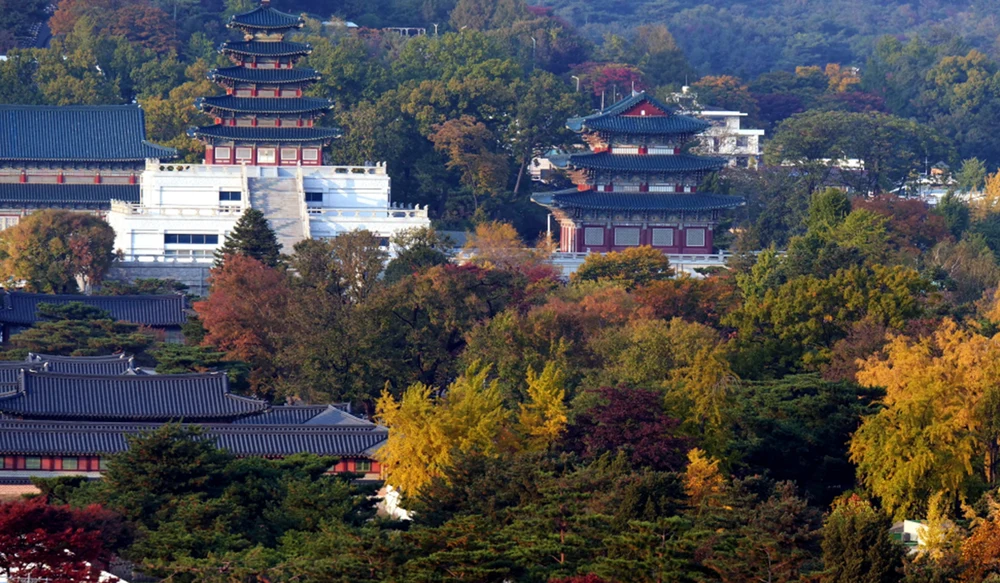
Gyeongbokgung Palace, once the magnificent residence of the Joseon dynasty’s royal family, spans 400,000 square meters and is a symbol of Korean history and tradition. Let’s explore its unique architecture, where you can capture unforgettable moments!
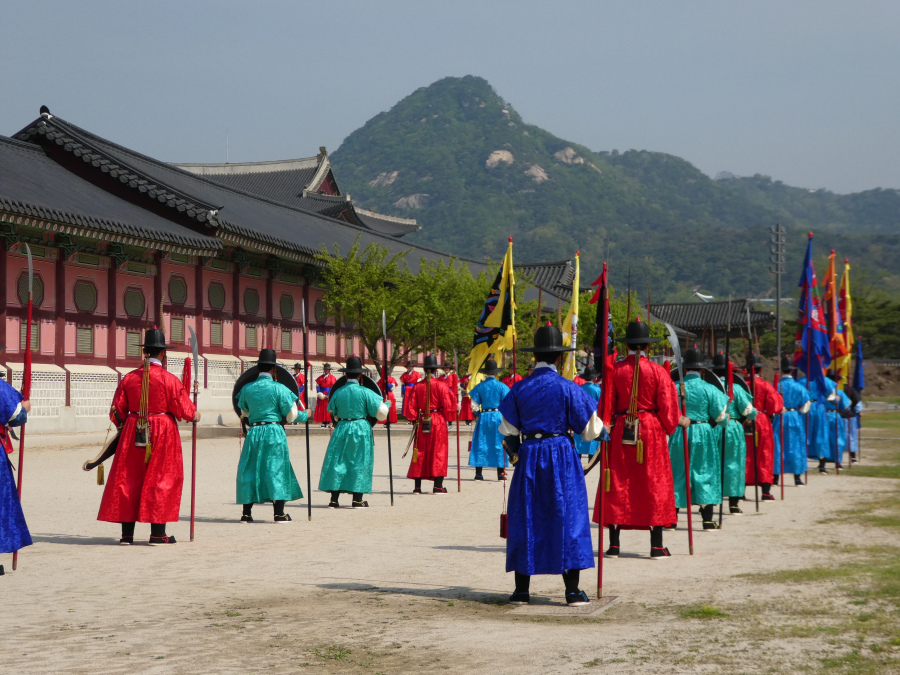
The Royal Changing of the Guard Ceremony: Capture the Moment at Gwanghwamun Gate
Seoul Gyeongbokgung & Changdeokgung Full-Day Cultural Tour
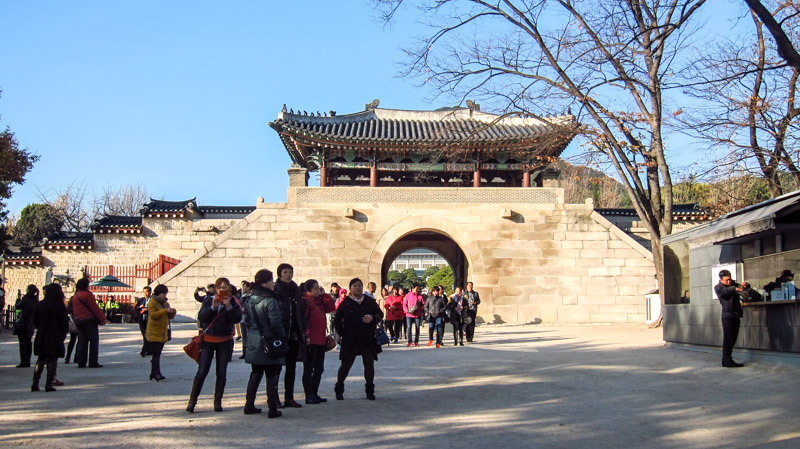
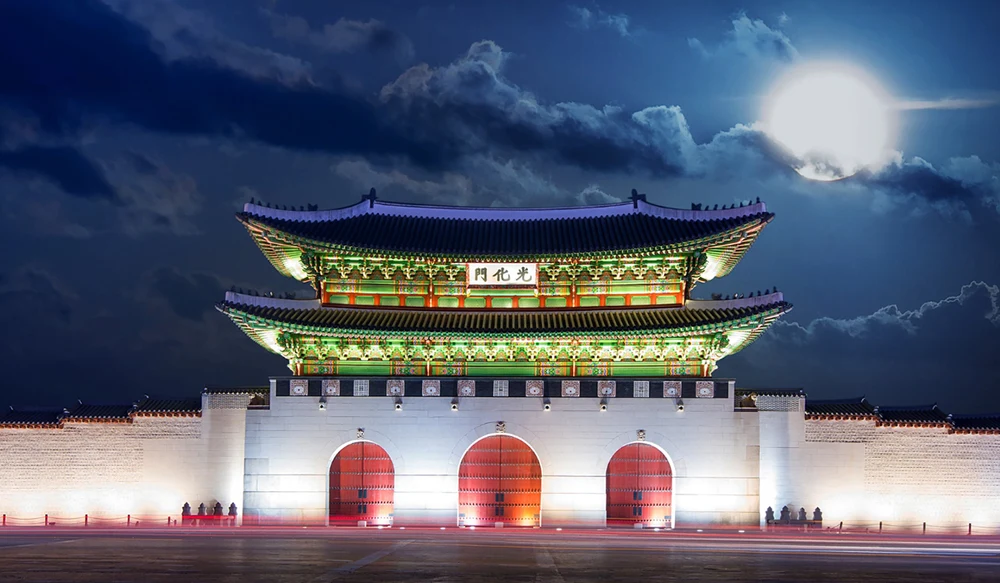
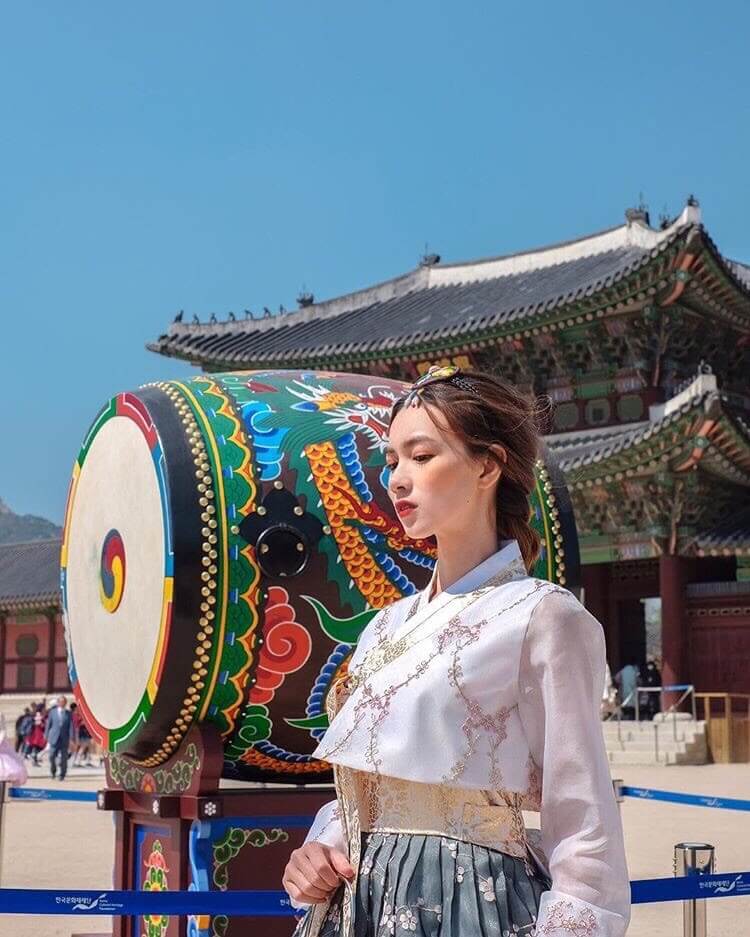
This is Seoul’s most spectacular “time gate”! With its towering stone architecture and ancient three-arched roof, Gwanghwamun is the perfect backdrop for your Hanbok photo. Don’t forget to time your visit for the Royal Changing of the Guard Ceremony at this gate for the most authentic Korean experience!
This is the most unique and captivating cultural activity! The Changing of the Guard ceremony takes place solemnly with the sounds of traditional gongs and horns and the majestic steps of guards in vibrant costumes, recreating the atmosphere of the Joseon dynasty. The ceremony usually takes place twice a day (around 10:00 AM and 2:00 PM). You should arrive a little early to get the best spot!
Geonchunmun Gate: Where the Crown Prince and Officials Once Passed
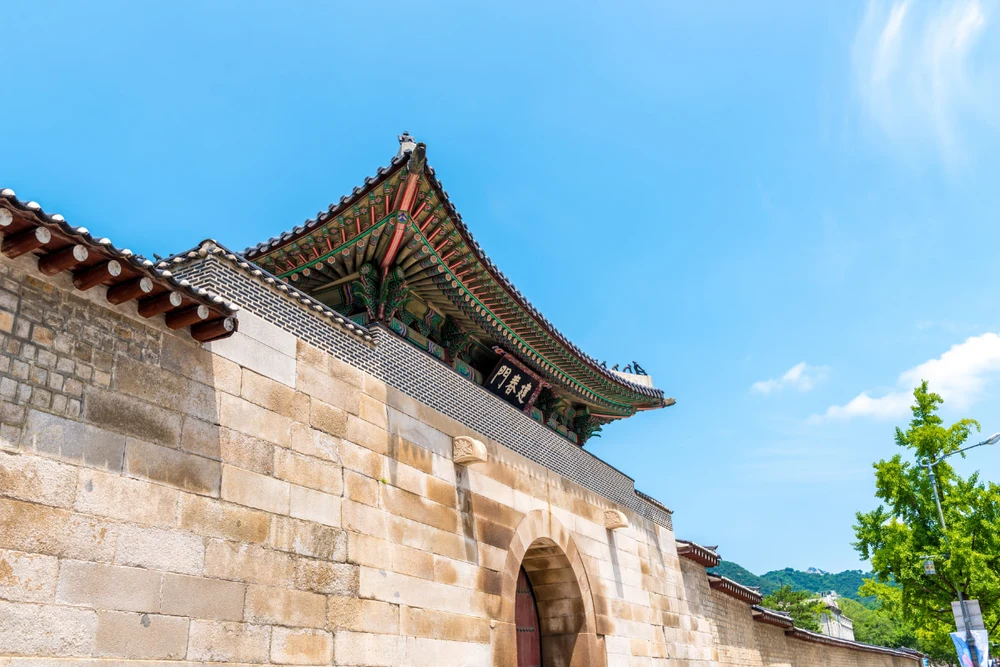
Gyeongbok Palace, Bukchon Village, and Gwangjang Tour in Seoul
Geonchunmun Gate means “the beginning of spring,” carrying a fresh and optimistic meaning! This was once the passageway for the Crown Prince and officials. If you’re wearing a Hanbok, pose here for a gentle, delicate photo, capturing the spring atmosphere of the imperial palace.
Yeongchumun Gate: An Autumn-Inspired Photo Spot
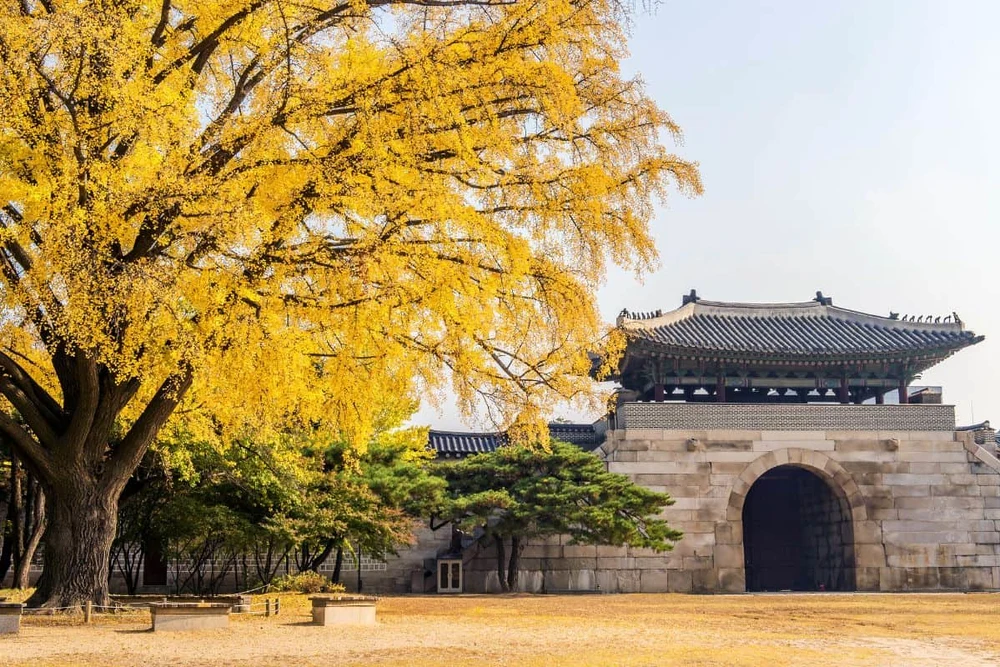
Named “the welcome of autumn,” this west gate has a more tranquil and romantic atmosphere. This is the ideal place for you to find peace and quiet, a departure from the hustle and bustle of the main gate. Suitable for photos with a vintage, nostalgic feel.
Sinmumun Gate: The Mysterious North Gate, a Unique Photo Spot
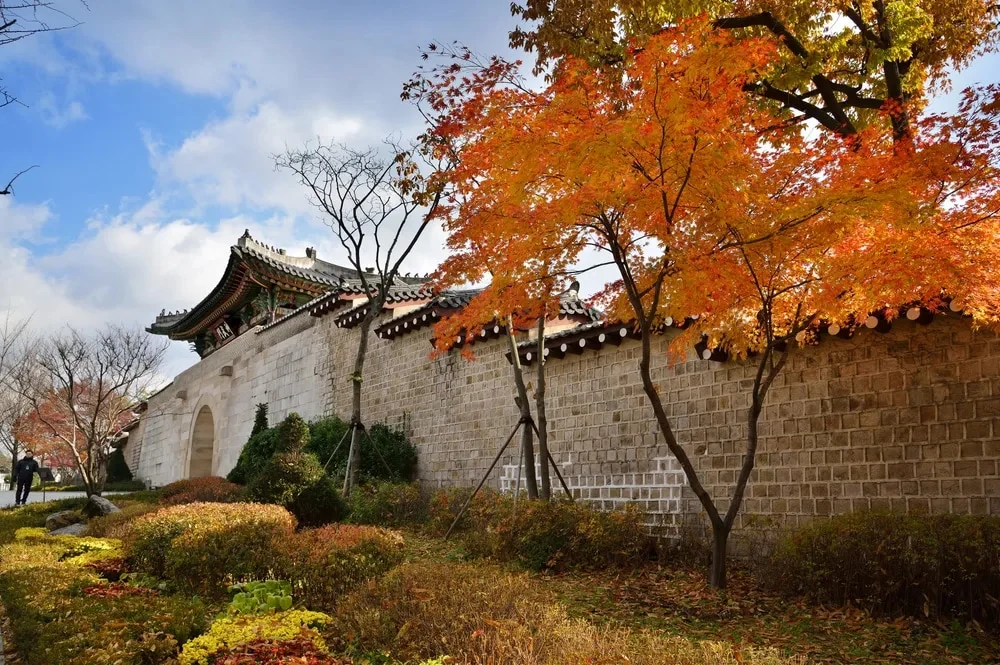
This is the least used gate, creating an air of mystery and uniqueness. If you want to fully explore the palace architecture and find a quiet, uncrowded spot for taking photos, visit Sinmumun. Don’t forget to look outside to see the contrast between history and modern Seoul!
Dongsibjagak Watchtower: A Historical Witness at the Crossroads of Modern Seoul
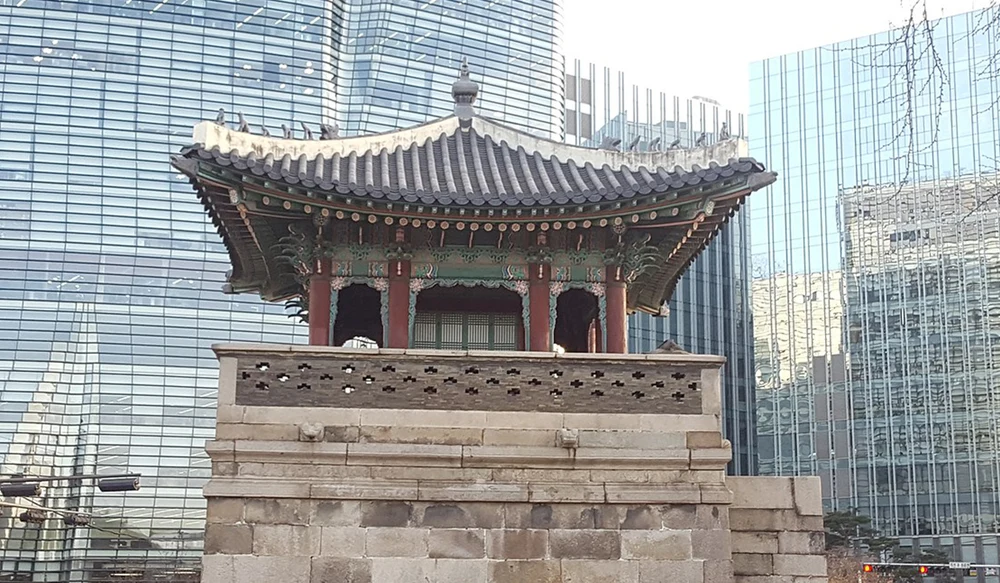
This watchtower is located at the southeast corner of the palace, a prominent architectural highlight at a modern crossroads. It’s a shame the West Watchtower has been destroyed, but Dongsibjagak still stands there as a steadfast guardian. Take a picture of this watchtower to clearly see the unique blend of ancient Seoul and modern Seoul!
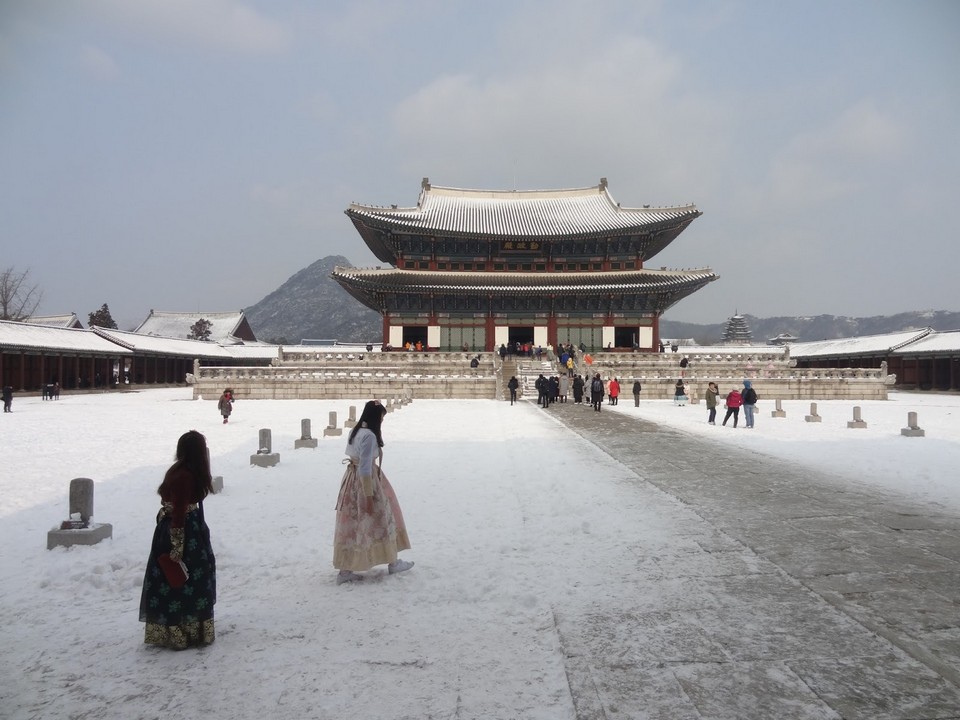
Geunjeongjeon Hall: The Majestic Main Hall – Where You Can Feel the Power of the Joseon Dynasty
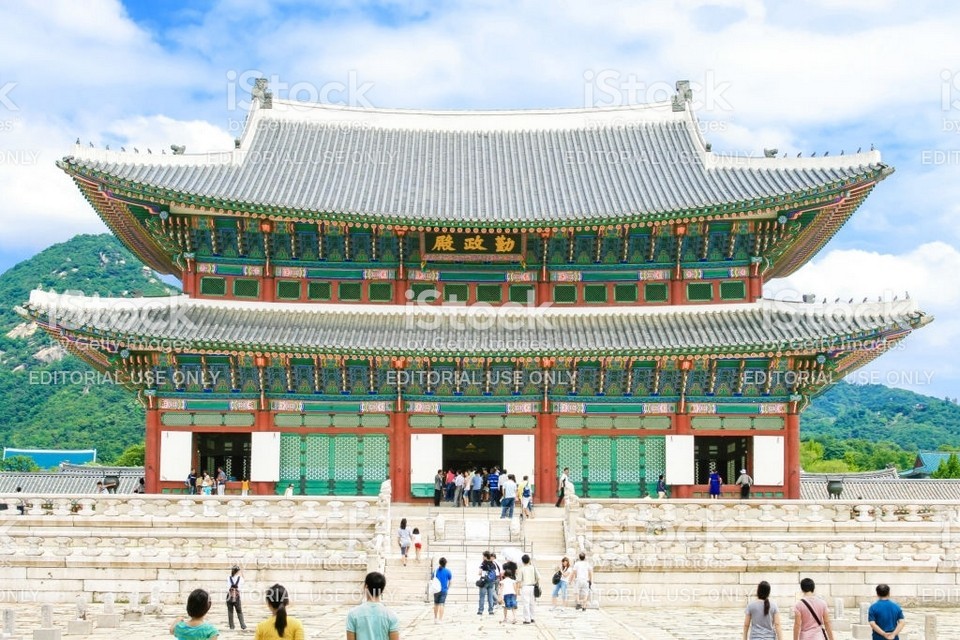
Geunjeongjeon Hall is the most important area in Gyeongbokgung Palace, once used for major events and national ceremonies. With its majestic architecture and spacious grounds, it exudes the solemnity of the Joseon dynasty. The hall was originally built in the 15th century but has undergone several restorations after invasions.
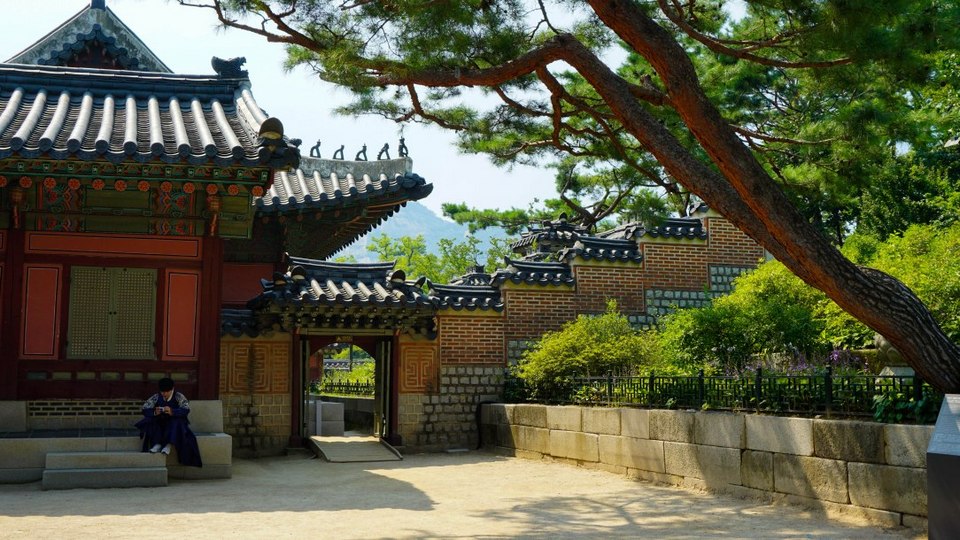
Hyangwonjeong Palace: A Serene Oasis Amidst the Palace
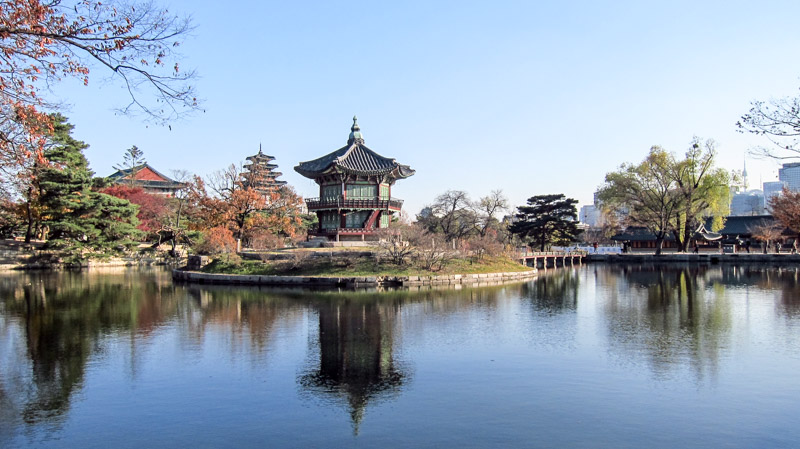
Surrounded by a lake and lush gardens, Hyangwonjeong Palace was once the residence of King Gojong. Although damaged in history, the palace has been restored with exquisite architecture from the 18th century. This is an ideal place to stroll and enjoy the peaceful natural scenery. The dreamy atmosphere here will surely help you capture beautiful photos.
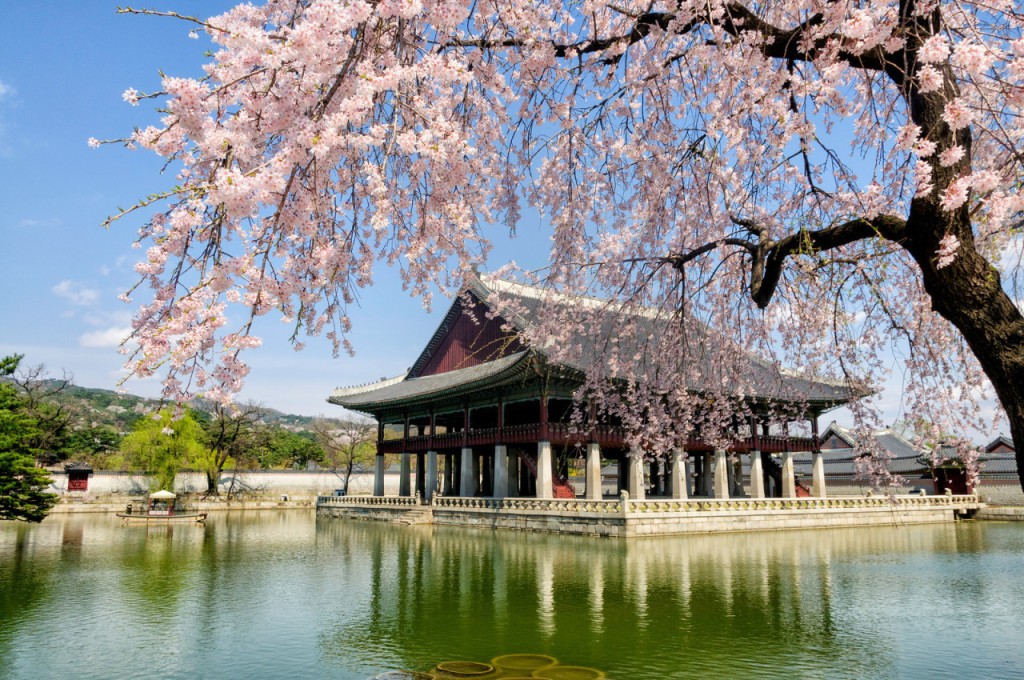
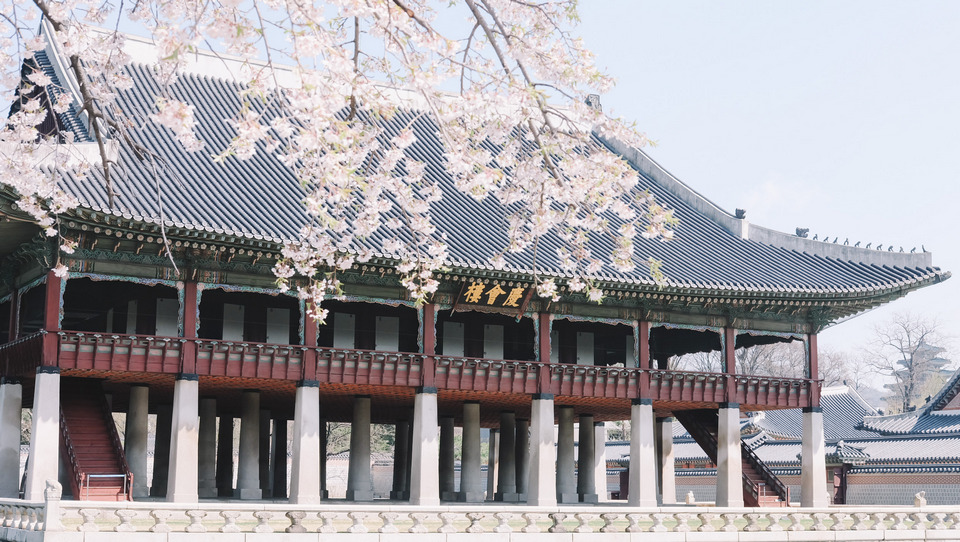
Gyeonghoeru Palace: The Lakeside Banquet Hall – The Most “Expensive” Photo Spot
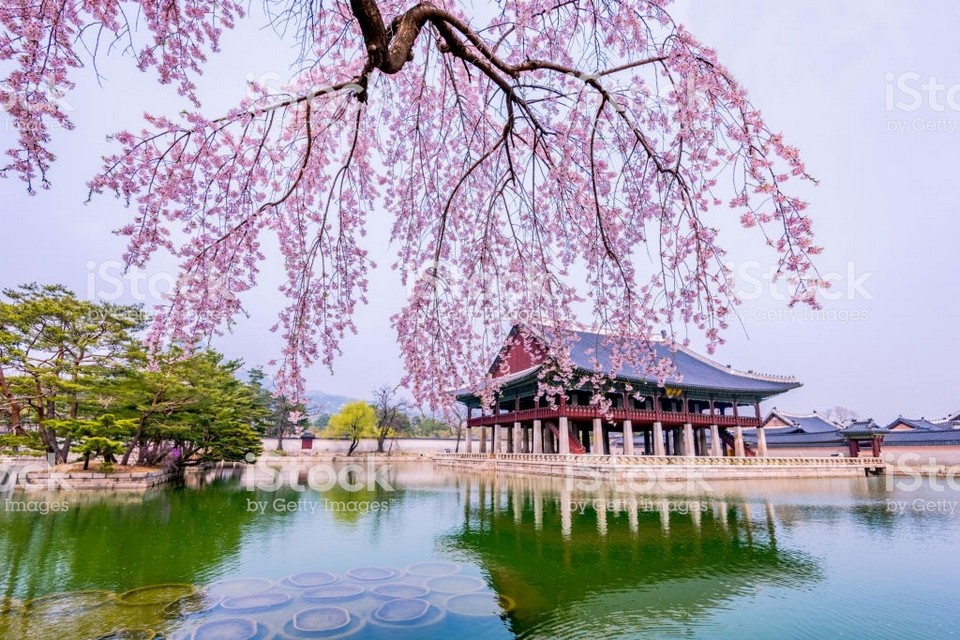
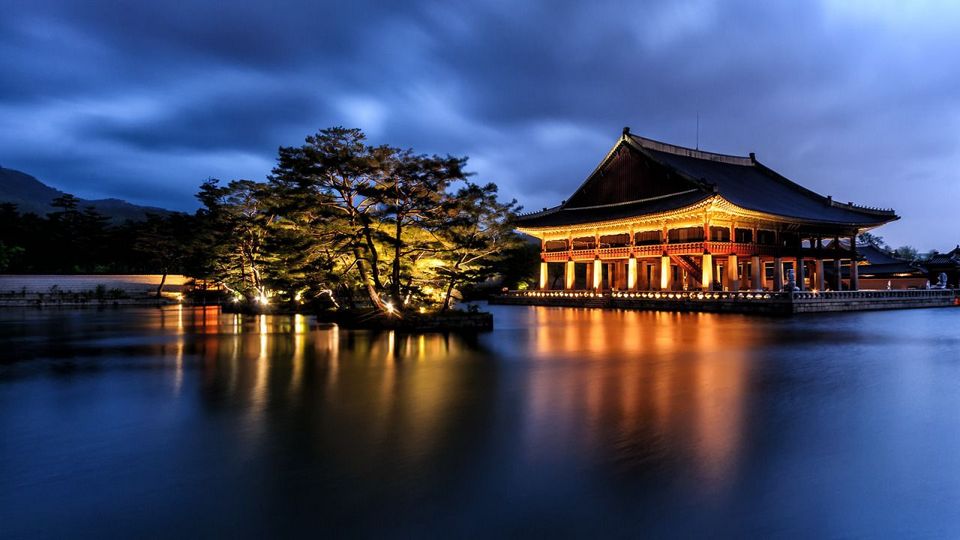
Located by a lake, Gyeonghoeru Palace is where royal banquets and receptions are held. With its magnificent yet simple design, the palace is considered a national treasure and represents the sophistication of the Joseon dynasty. Don’t forget to capture beautiful photos here to preserve memorable memories.
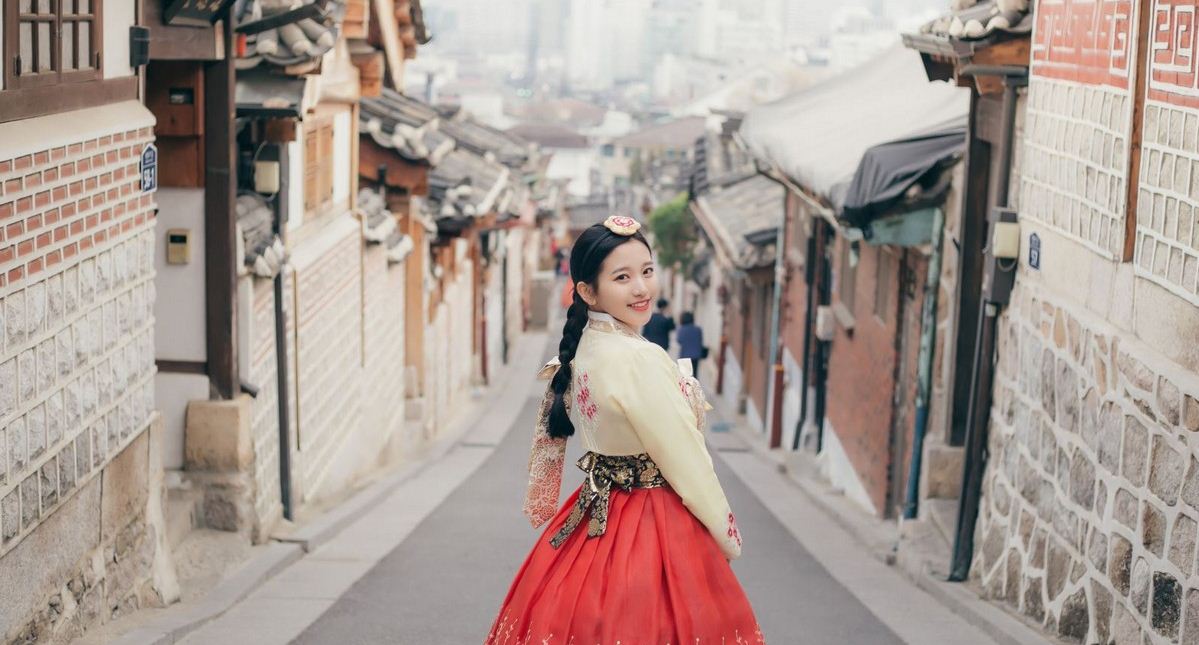
The best way to immerse yourself in the royal palace atmosphere is to wear a Hanbok! Wearing traditional attire not only helps you get “stunning” photos but also grants free entry to Gyeongbokgung Palace. Many quality Hanbok rental shops are located near the palace area.
Other Attractions Near Gyeongbokgung Palace
Besides the above destinations, there are two more places you might be interested in on your trip to Gyeongbokgung Palace.
National Palace Museum of Korea
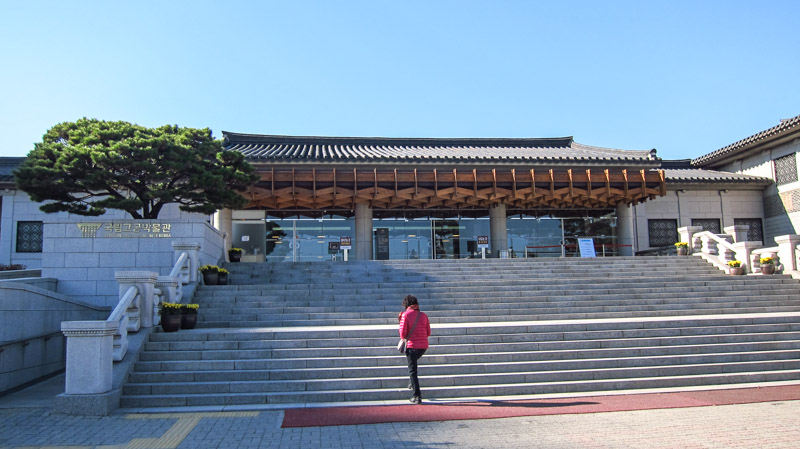
The National Palace Museum of Korea, opened in 1992, houses and displays countless precious artifacts from the Joseon Dynasty. According to statistics, there are currently over 20,000 artifacts on display, collected from the three major palaces (Gyeongbokgung Palace, Changdeokgung Palace, and Changgyeonggung Palace) and Jongmyo Shrine.
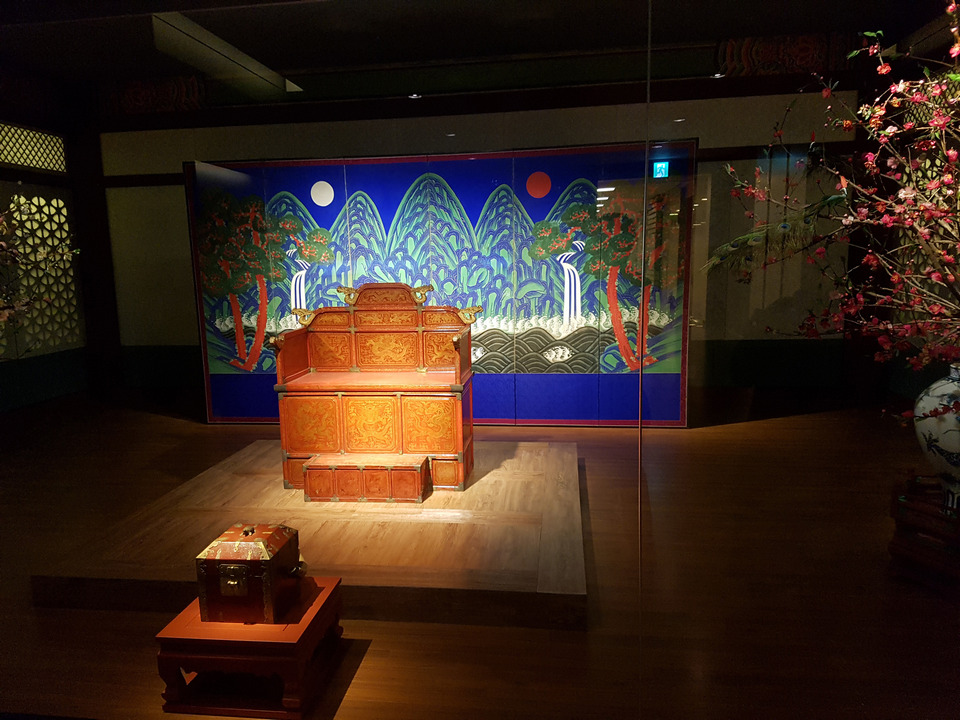
The museum’s vast collections encompass every aspect of royal life, such as royal symbols and records, important scientific inventions of the Joseon Dynasty, state ceremonies, religious rituals, and architectural relics. The museum is a must-visit destination for a deeper understanding of the culture, history, and splendor of the Joseon royal family.
National Folk Museum of Korea
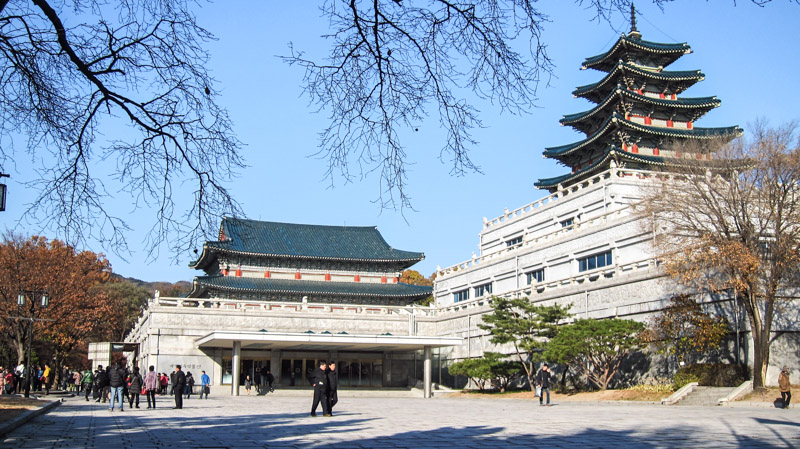
After visiting Gyeongbokgung Palace, don’t forget to visit the National Folk Museum of Korea located within the palace grounds. This building houses a massive collection of over 98,000 artifacts showcasing the history and life of Koreans during the Joseon Dynasty. The museum focuses on three main themes: Korean history and lifestyle, giving you a clear picture of Korean culture in the past.
Additionally, to complete a day of cultural exploration, you should stroll around Bukchon Hanok Village and the nearby Insadong art district. If you want a more vibrant entertainment atmosphere, visit Lotte World – a beautiful amusement park offering countless games and activities suitable for all ages.
A Concise 2-Hour Gyeongbokgung Exploration Itinerary
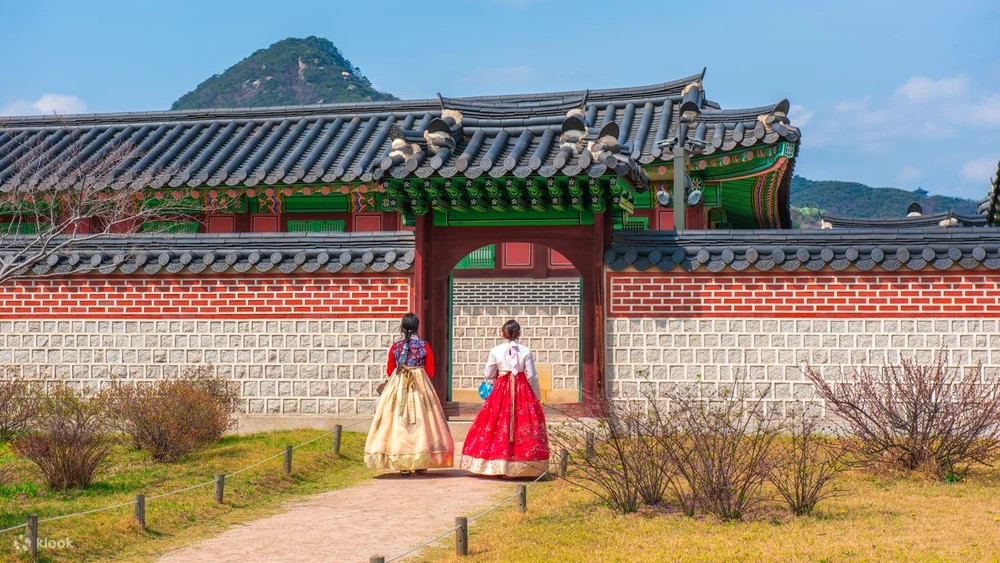
To begin your 2-hour exploration of Gyeongbokgung, the first thing you should do is rent a traditional Hanbok. This not only allows you to take “royal-style” photos but also grants you free entry to the palace.
Hanbok Photo Tips:
It’s best to rent a Hanbok from shops near the main gate for easy access.
Prioritize choosing pastel or brightly colored Hanboks to stand out against the palace’s wooden and stone architecture.
Don’t forget to ask staff for guidance on how to properly tie the robes for a more elegant and neat look in photos.
After putting on your Hanbok, head straight to Gwanghwamun Gate (the main gate) to participate in the Royal Changing of the Guard Ceremony. This solemn ceremony is the most unique and attractive cultural activity at the palace. You should arrive a little early to choose the best spot.
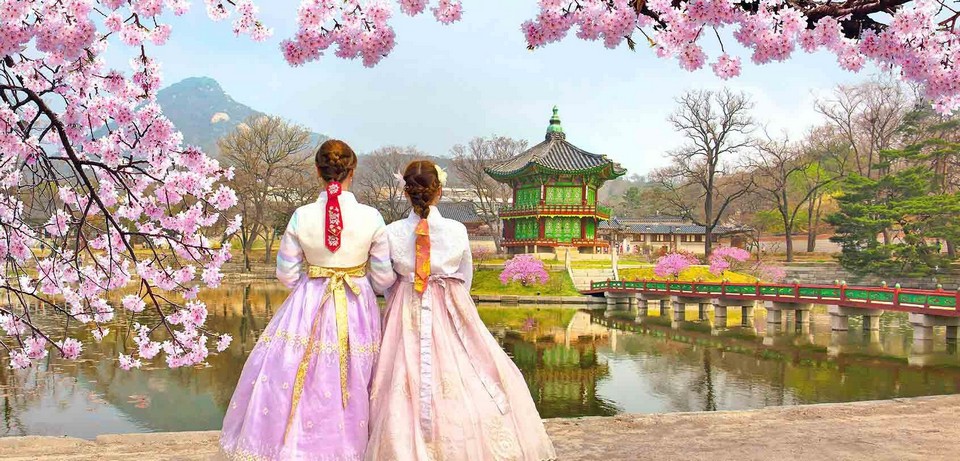
Immediately after the ceremony, you’ll move inside, spending time taking photos around the vast main courtyard of Geunjeongjeon Palace – the venue for important court events. This is the most majestic area and the first architectural highlight.
Next, walk to Gyeonghoeru Palace, a magnificent banquet hall situated on a lake. This is the most romantic and “priceless” photo spot in the palace that you shouldn’t miss. You can also visit the nearby Hyangwonjeong Palace to enjoy the peaceful atmosphere.
Finally, if you have free time after the main activities, don’t forget to visit the National Folk Museum of Korea located within the palace grounds to see artifacts about the traditional life of the Korean people.
Frequently Asked Questions About Visiting Gyeongbokgung Palace
1. How long is enough time to visit Gyeongbokgung Palace?
The ideal visiting time is about 1.5 to 2 hours. 1. This amount of time is enough for you to watch the Changing of the Guard Ceremony and check in at highlights such as Geunjeongjeon Hall and Gyeonghoeru Palace.
2. Should I buy entrance tickets and Hanbok rental in advance?
Yes. You should buy entrance tickets (if you’re not wearing a Hanbok) and Hanbok rental in advance through apps/websites. This helps you secure better prices and save time by avoiding long queues.
3. Does Gyeongbokgung Palace have a dress code?
There are no mandatory rules, but the most important dress code is that you should wear a traditional Hanbok. Besides the benefit of free admission, a Hanbok is also the ideal outfit to blend in and take the best photos in the palace’s ancient setting.
4. What time of day or week is best to avoid crowds?
You should visit the palace early in the morning (right when it opens at 9:00 AM) or on weekdays (Wednesday, Thursday). Avoid weekends and the Changing of the Guard ceremony (10:00 AM, 2:00 PM) if you want a quieter photo session.
5. Does Gyeongbokgung Palace offer night tours?
Yes. The palace usually has a night opening program during certain periods of the year (usually spring, summer, and autumn). Night tour tickets are usually pre-booked and sell out quickly, so you need to check the schedule and book early.
6. Are there guided tours in English or Vietnamese at the palace?
Yes. The palace offers free guided tours in English, Japanese, and Chinese. You should check the schedule and gather at the main gate before departure. (Currently, there are no official tours in Vietnamese).
7. Are there food/drink stalls or rest areas within the palace grounds?
There are generally no food or drink stalls in the main palace area (the main halls). However, you can find cafes and convenience stores in the area around the National Folk Museum of Korea (located within the grounds) or just outside the gates.
8. Is Gyeongbokgung close to other popular tourist attractions?
Very close. After visiting Gyeongbokgung, you can easily walk to Bukchon Hanok Village (a traditional village with ancient Hanok houses), the Insadong shopping and cultural district, or Gwanghwamun Square right in front of the gate.
Throughout history, almost every dynasty has left behind landmarks for future generations. Gyeongbokgung Palace is undoubtedly one of the best, if not the best, historical sites of the Joseon dynasty. This palace has witnessed the entire history of the Joseon dynasty and is absolutely worth a visit to your trip to South Korea.
Will you be exploring Gyeongbokgung Palace on your upcoming trip to South Korea?
Some best day tours, trips, activities and transfer services, tickets in and from Seoul you can refer to
- Private Incheon International Airport Transfers (ICN) for Seoul
- Incheon International Airport (ICN) Limousine Bus Transfers for Seoul (Gangnam District)
- Discover Seoul Pass (BTS Edition Available)
- Klook Pass Seoul
- Seoul Yeouido Eland Han River Cruise
- Alpaca/ Nami/ RailBike/ Morning Calm/ LEGOLAND/ Painters/ Wild Show
- [SALE] Instant Ticket! Korea Rail Pass (KR PASS) 2/3/4/5 Days to travel around the cities in Korea
- KAL Limousine Bus Ticket for Seoul
- [Limited Offer] AREX Incheon Airport Express Train One Way Ticket in Seoul
- Bukchon Oneday Hanbok Rental Experience (4/24 Hrs)
- Nami Island, Petite France, Garden of Morning Calm, and Gangchon Rail Bike Day Tour from Seoul
- Seoul City Sightseeing Bus (Downtown Palace Namsan Course/Seoul Panorama Course)
- [Limited Offer] Incheon International Airport (ICN) Luggage Services (Between Airport and Hotel) by Safex
- Everland 1 Day Pass
- Lotte World Ticket in Seoul
- AREX Incheon Airport Express Train Ticket
- KORAIL PASS – KTX Train Ticket
- Discover Seoul Pass
- N Seoul Tower Ticket
- Lotte World Tower Seoul Sky Ticket
- Coex Aquarium Admission Ticket in Seoul
- DMZ(Demilitarized Zone) Tour
- 4G Prepaid SIM Card (SK Airports Pick Up) for South Korea
- [Sale] Hanbok Experience (Hanboknam Gyeongbokgung Store) with Korean Hairstyling
- [SALE] South Korea 4G Pocket WiFi (KR Airports Pick Up) from KT Olleh
Are you finding more top things to do in Seoul: Tours, activities, attractions and other things? Let’s check it out here.