




































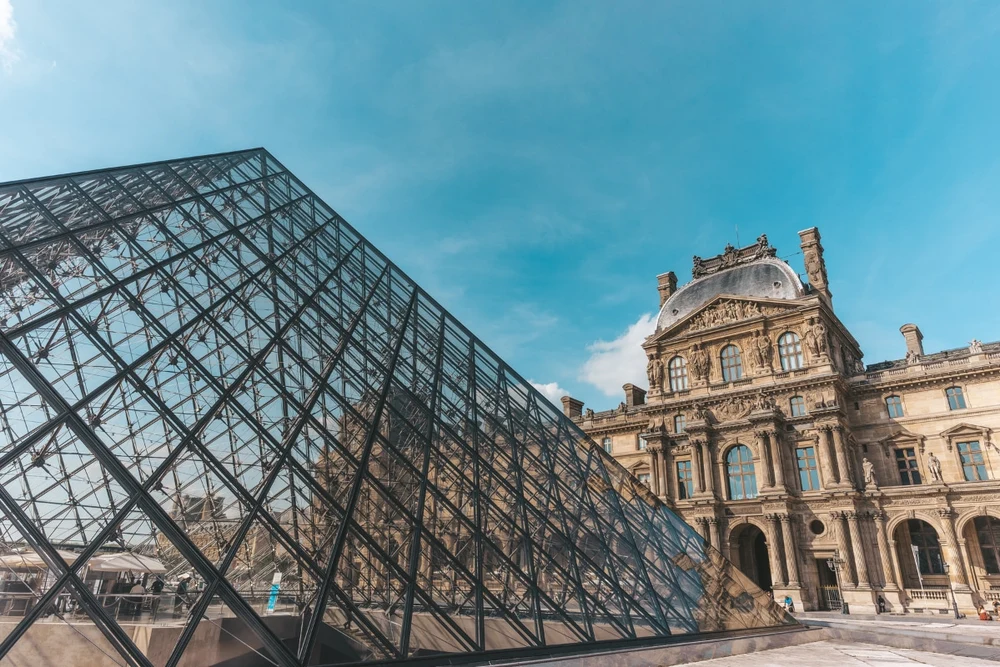
Coming to the Louvre Museum, you will not only admire the art, but also embark on a journey through space and time, discovering the greatest cultural treasures of humanity. So, how to visit louvre museum, what to do in louvre museum? Let’s check out our ultimate Louvre museum guide for first-timers: Best things to do, how to get there, tips & MORE in this article!
- How to see the Louvre in one day? Best way & what to see in the Louvre in one day
- MOCA museum Bangkok review blog: A Stunningly Beautiful Photo Spot
- The Ultimate guide to Doraemon Museum (Fujiko · F · Fujio Museum)
- 11 Amazing Art Exhibitions and Art Gallery Spots in Seoul
- New York best museums: 15 most famous & must visit museums in New York
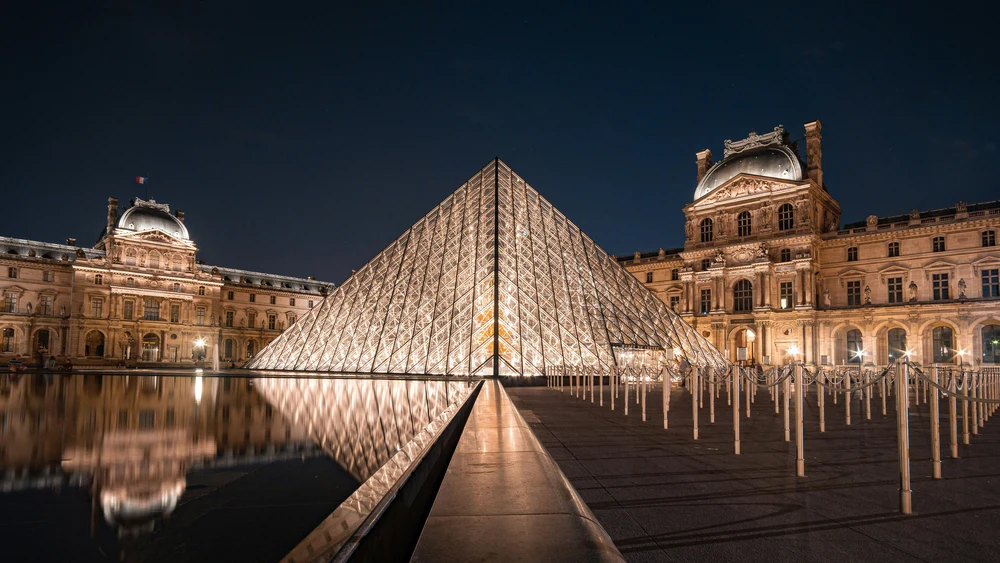
Located in the heart of Paris, the Louvre Museum is not only a symbol of French culture but also one of the most famous and largest art museums in the world. Visiting the Louvre Museum is not only an experience of art, history and culture, but also an opportunity for you to admire great works of art, containing the stories and heritage of humanity.
Let’s join Living Nomads to explore the place where famous paintings, iconic sculptures and special historical memories are kept in this tour.
Louvre museum guide: Introducing the Louvre Museum
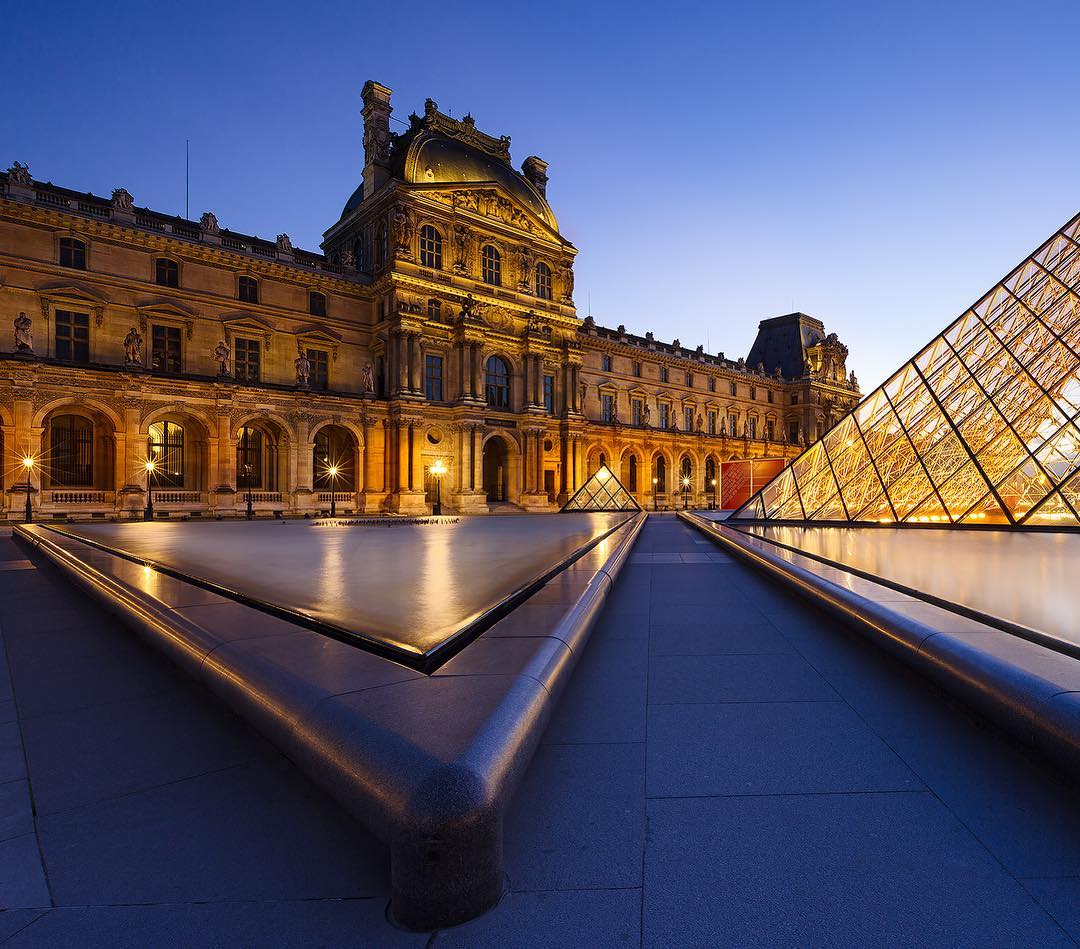
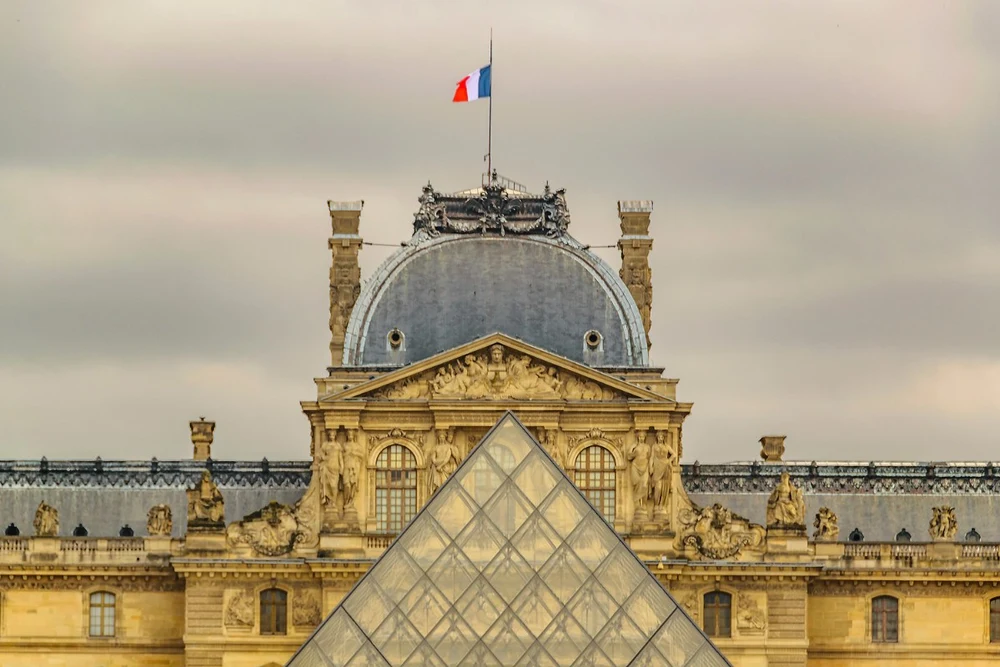
Built from a royal fortress, the Louvre Museum is today one of the largest and most famous art museums in the world. Located in the heart of Paris, the Louvre not only impresses with its glass pyramid architecture but also houses great collections, reflecting the history and civilization of mankind over the centuries. The name of the museum has also changed, such as Musée des Arts or Musée Napoléon, reflecting each period of French history.
Coming to the Louvre, you will have the opportunity to admire the three most famous masterpieces: the mysterious painting of Mona Lisa by Leonardo da Vinci, the perfect sculpture of the Statue of Liberty and the ancient sculpture of Venus. In addition, the museum also has tens of thousands of other works from ancient civilizations such as Egypt, Greece, Rome, along with collections of European paintings and sculptures from the Middle Ages to the 19th century.
History of the Louvre
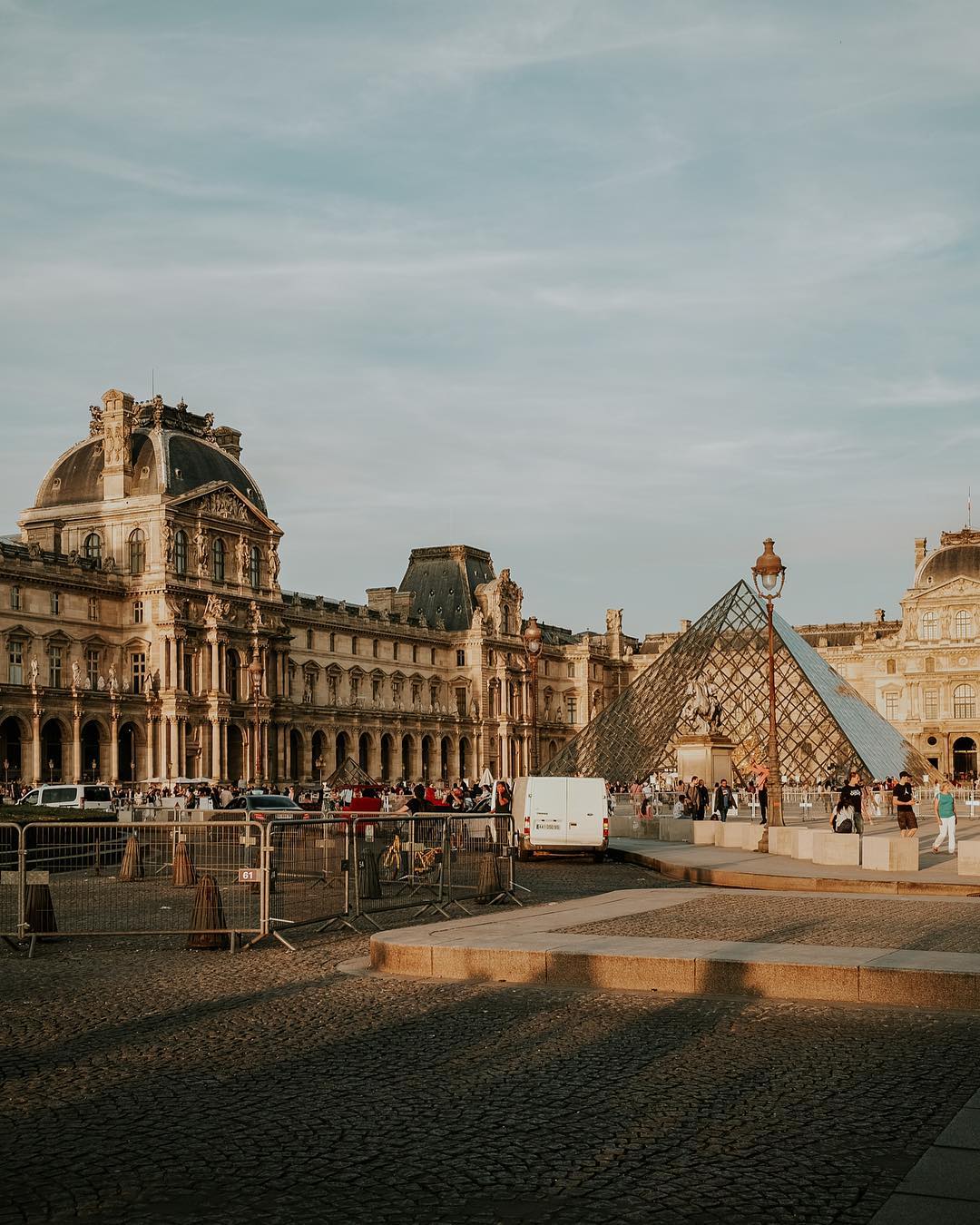
The history of the Louvre began in 1190, when King Philip II built a fortress on the banks of the Seine to protect Paris from attacks. Over the centuries, the structure was renovated and expanded into a royal palace in the 16th century. However, the Louvre as we know it today was not really completed until the mid-19th century after the left and right wings of the museum were built.
Although it opened to the public in 1793, the Louvre only became globally famous after the Pyramide du Louvre was inaugurated in 1989. This was part of the “Grand Louvre” project initiated by President François Mitterrand, marking the expansion and modernization of the museum, turning it into one of the most iconic tourist destinations in Paris.
Louvre Museum Structure
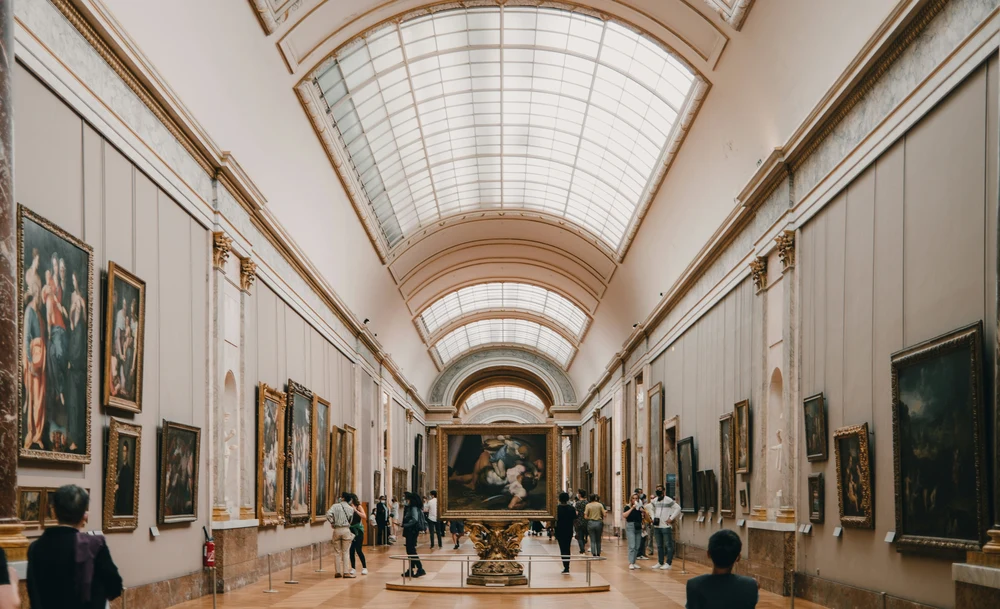
The Louvre covers an area of 210,000 square meters, with approximately 72,735 square meters of exhibition space. The museum’s structure consists of three main wings, named after important historical figures:
- Route Richelieu (North): Displays French sculptures, Napoleon III’s collections and Oriental art.
- Route Sully (East): Displays works of ancient Egypt and Greek and Roman artifacts.
- Route Denon (South): Displays Italian and Spanish art, including the Mona Lisa.
You can start your exploration from one of these three entrances, each leading to a different exhibition area, creating a variety of experiences.
Route Richelieu wing
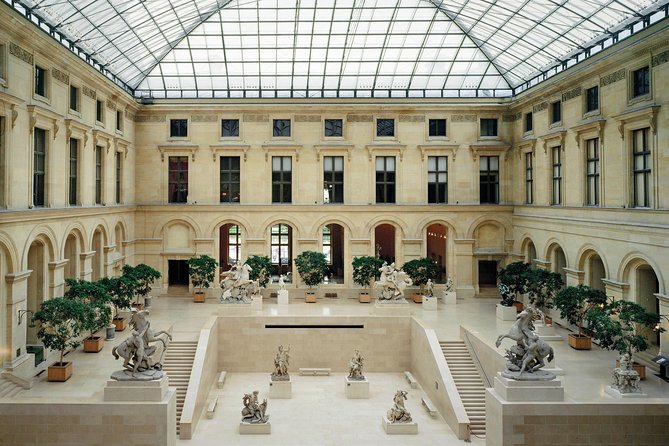
Route Richelieu is one of the three main wings of the Louvre Museum, housing one of the most diverse collections, from great sculptures to master paintings.
Basement and Ground Floor: This area focuses on sculptures, including French sculptures and artifacts from ancient Mesopotamia. Here, you will admire famous works such as The Marly Horses and a version of the Code of Hammurabi.
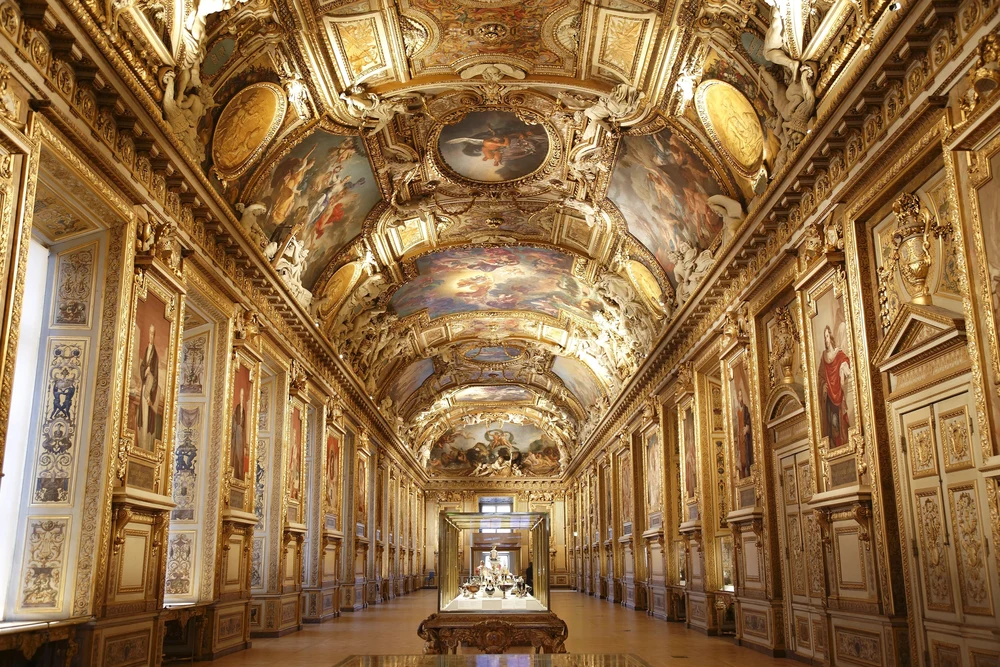
1st Floor: This floor is home to the Decorative Arts Collection and the Napoleon III room. Visitors will admire exquisite furniture, ceramics, jewelry and watches, reflecting the lavish lifestyle of the French royal family.
Louvre Museum Skip-the-Line Tour
2nd Floor: This floor is mainly devoted to painting collections, especially French paintings from the 14th to 19th centuries. You can find works by famous French artists such as Poussin or David. In addition, this area also displays a collection of Northern European paintings with works by masters such as Johannes Vermeer and Jan van Eyck.
Sully Wing
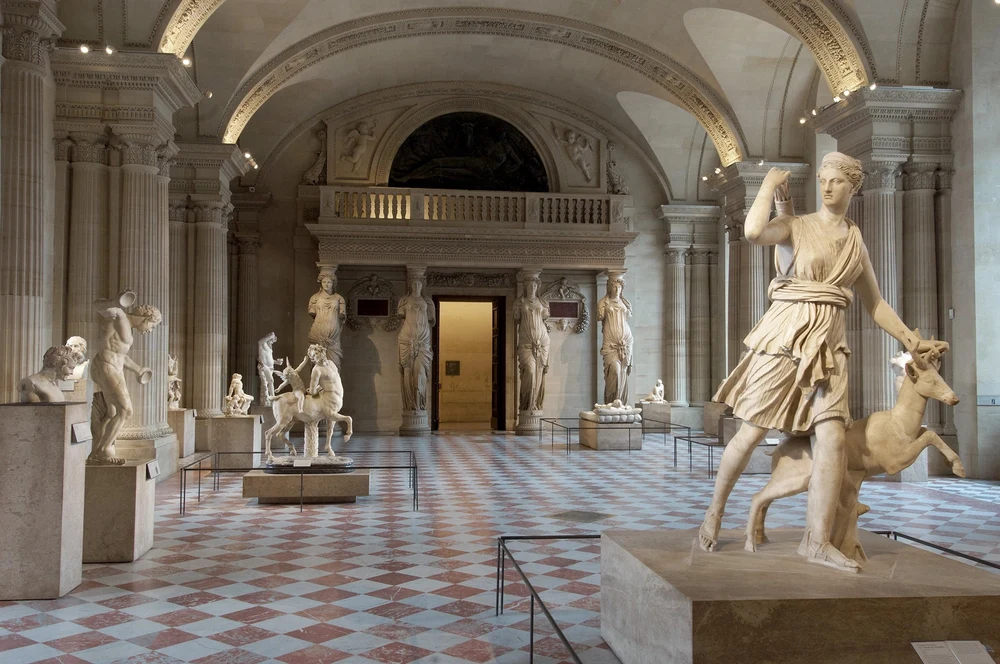
The Sully Row takes you on a journey through ancient history and art. It is the connecting area between the Denon Row and the Richelieu Row, and is also the oldest part of the museum. The interior of the Sully Row is divided into floors and themes, focusing mainly on ancient civilizations:
Basement: This is where the historical remains of the medieval Louvre Palace are kept. Visitors can explore the original foundations of the 12th-century fortress, which helps to better visualize the transformation from a military structure to an artistic palace.
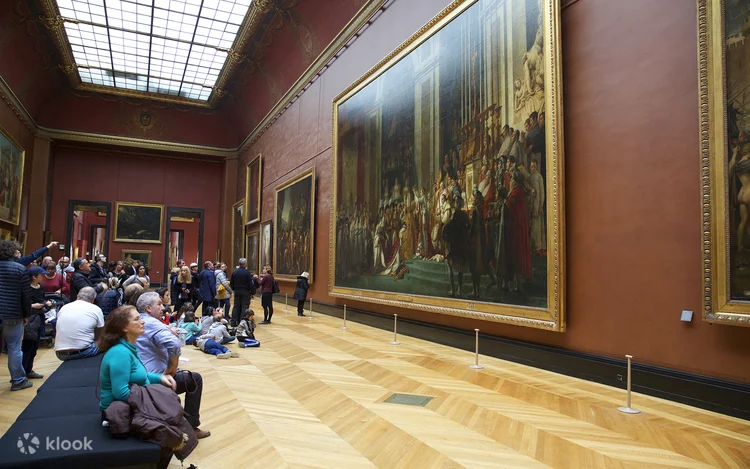
Louvre Museum highlights walking tour with skip-the-line ticket
Ground Floor and First Floor: This area focuses on displaying ancient artifacts from Egypt, Greece, and Rome. Visitors will have the opportunity to admire famous sculptures and artifacts such as the Egyptian “Seated Scribe” statue and Greek sculptures such as “Aphrodite”.
Second Floor: This floor mainly displays paintings, including some famous paintings such as “Turkish bath” by Jean-Auguste-Dominique Ingres. However, the display on this floor is not limited to paintings but also includes graphic and decorative arts.
Denon Wing
The Denon Wing, named after Dominique Vivant Denon – the first director of the Louvre, is one of the three main wings of the museum, which attracts the largest number of visitors every day. The range is notable for its diverse collections, which include European art, along with objects from many other civilizations. The Denon Wing is home to many world-famous masterpieces:
Painting and Sculpture: This is the main area to admire Italian, French and Spanish art from the 13th to the 19th century. You can find masterpieces by Renaissance masters such as Leonardo da Vinci, including the famous “Mona Lisa”. In addition, works by Caravaggio, Raphael and Michelangelo are on display here.
Paris Louvre Skip-the-Line Guided Tour
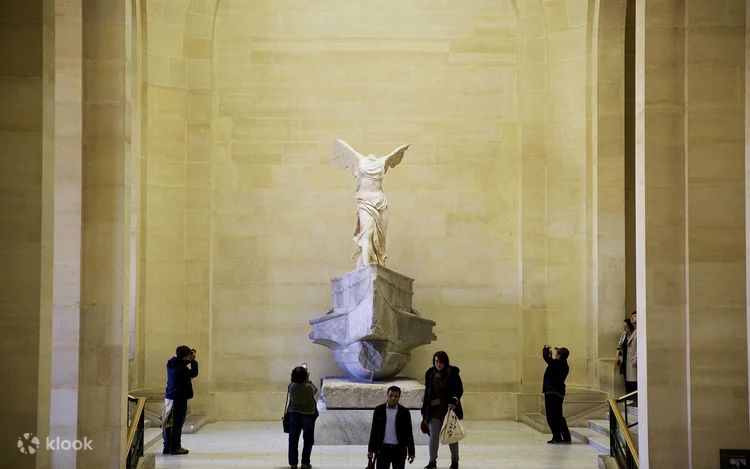
Greek and Roman sculpture: The Denon Wing also houses classical sculptures such as the Venus de Milo and the Nike of Samothrace.
Islamic Art: The Denon Wing also has a dedicated area for Islamic Art, with objects from across the Middle East, reflecting the richness of this culture.
African, Oceanic and American Art: Although the Louvre has some works from these continents, the majority of the African, Oceanic and American art has been transferred to the Quai Branly Museum in Paris. However, there are still some signature pieces that remain at the Louvre.
Louvre Pyramid
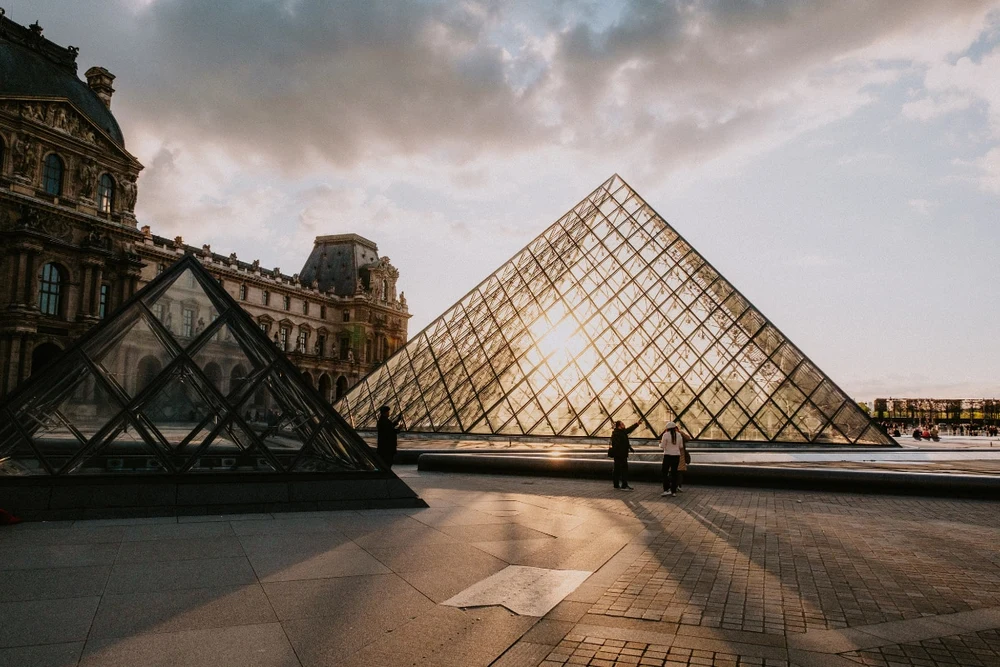
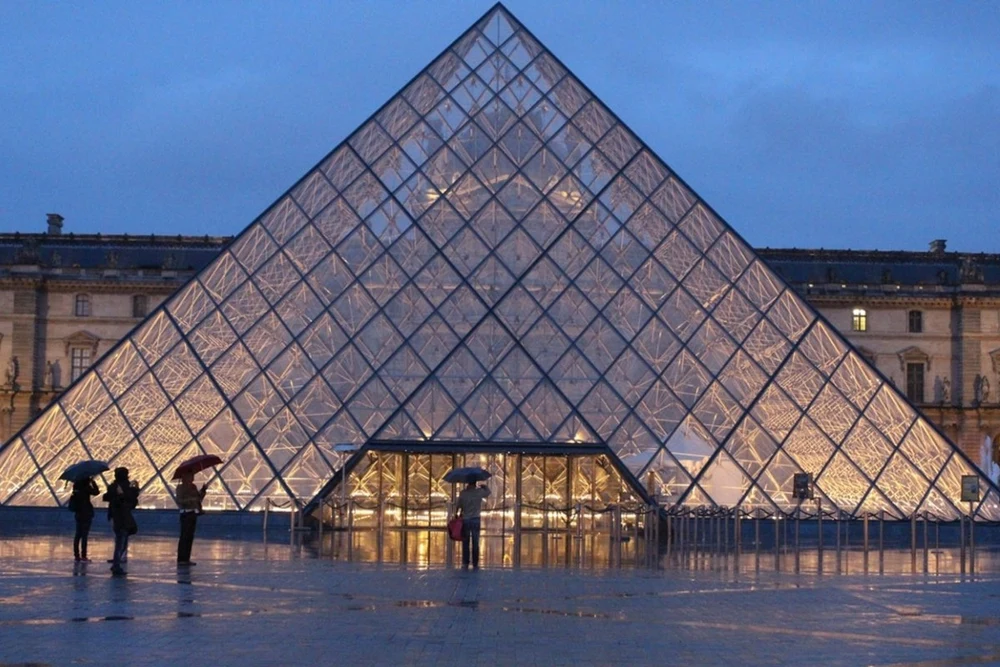
Designed by architect I. M. Pei, this modern glass and metal pyramid sits in the middle of the Cour Napoléon, serving as the main entrance and central meeting point for all visitors. This iconic structure leads directly down to the main underground atrium, from which you can access the museum’s various galleries.
Getting to the Louvre
The Louvre is located at Rue de Rivoli, 75001 Paris, France, in the heart of the city and close to the Seine River. This prime location makes it easy to reach by public transport.
Metro
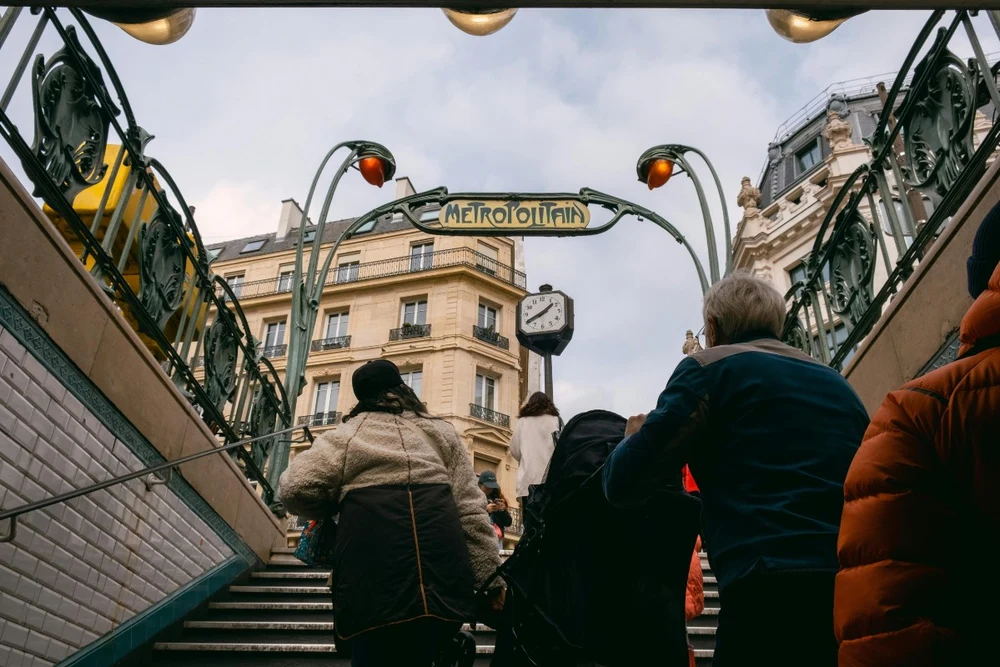
The metro is a popular means of transport for many tourists thanks to its speed and convenience.
- Palais-Royal / Musée du Louvre Station: This is the closest station to the museum, you can take lines 1 and 7.
- Pyramides Station: You can also get to this station by line 14.
Bus
Some bus lines have stops right near the museum, helping you save time walking. Popular lines include: 21, 27, 39, 67, 68, 69, 72, 74, 85, 95.
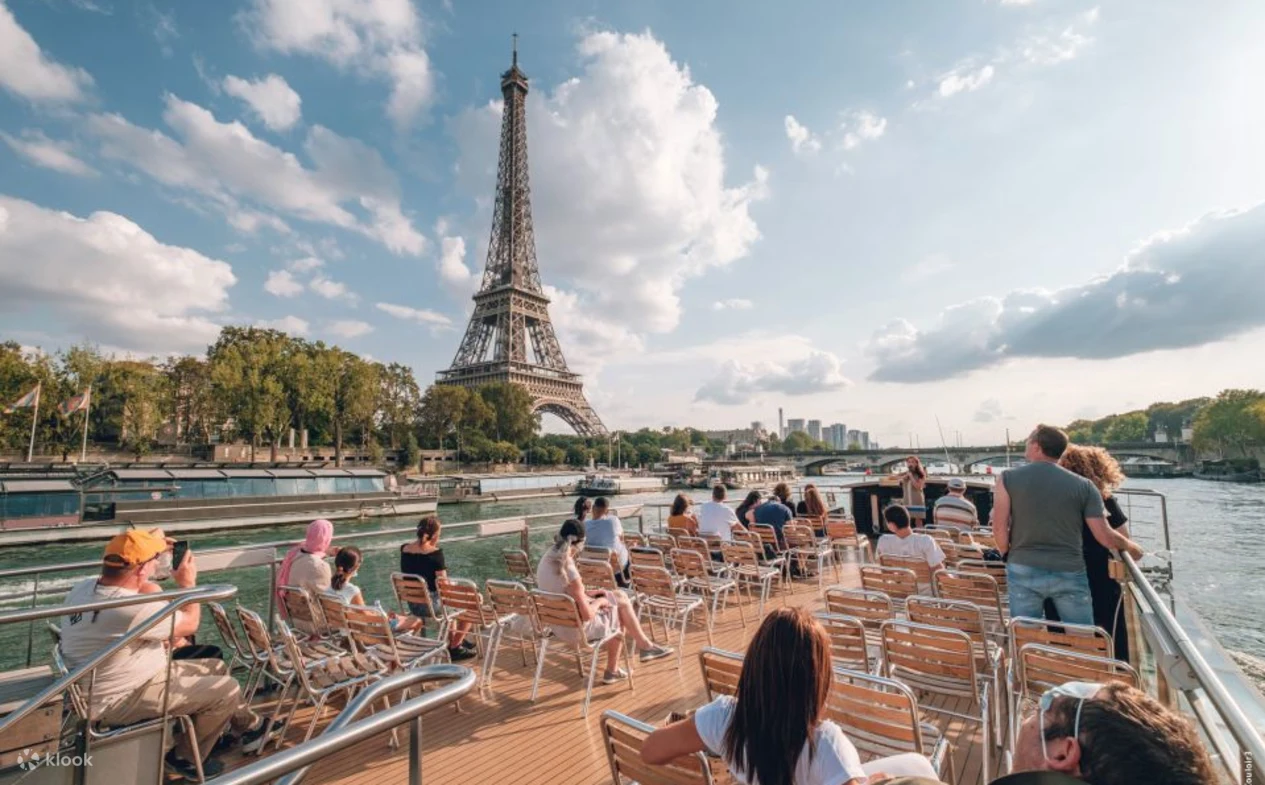
Paris Museum Pass with Hop-On Hop-Off Bus & Optional Seine River Cruise
Taxi
You can easily take a taxi or use ride-hailing apps to get to the museum.
- Drop-off point: Taxis will drop you off at the Carrousel roundabout.
- Pick-up point: The nearest pick-up point is at André Malraux Square.
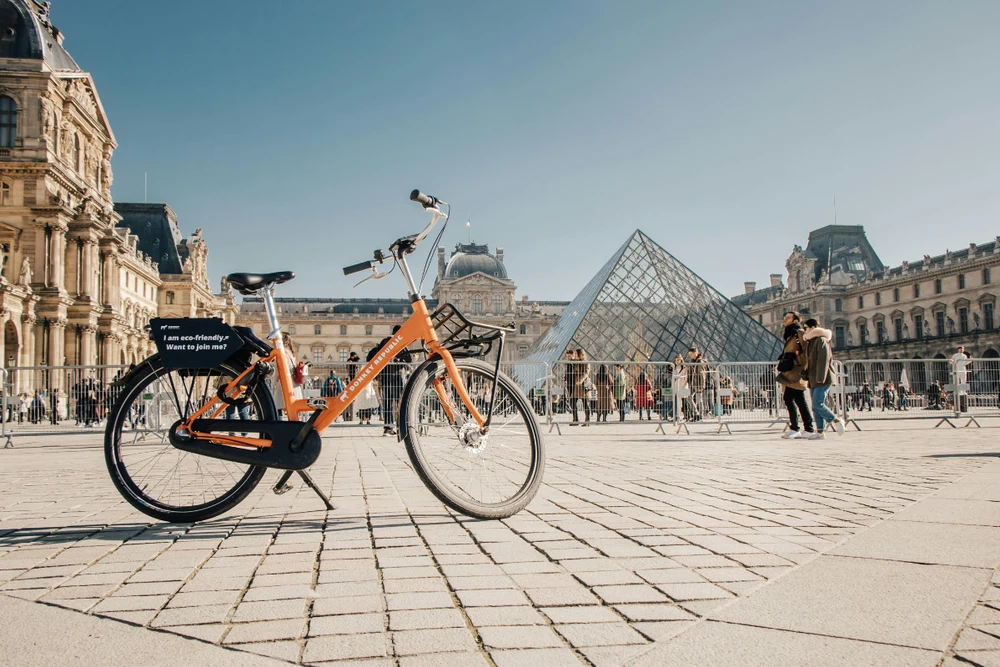
Bicycle (Vélib’)
If you want to experience the Parisian atmosphere, the Vélib’ public bicycle is an interesting option. You can find the bike stations near the museum at the following addresses:
- 2 place A. Malraux, 165 rue Saint-Honoré
- 5 rue de l’Echelle, 186 rue Saint-Honoré
Boat (Batobus)
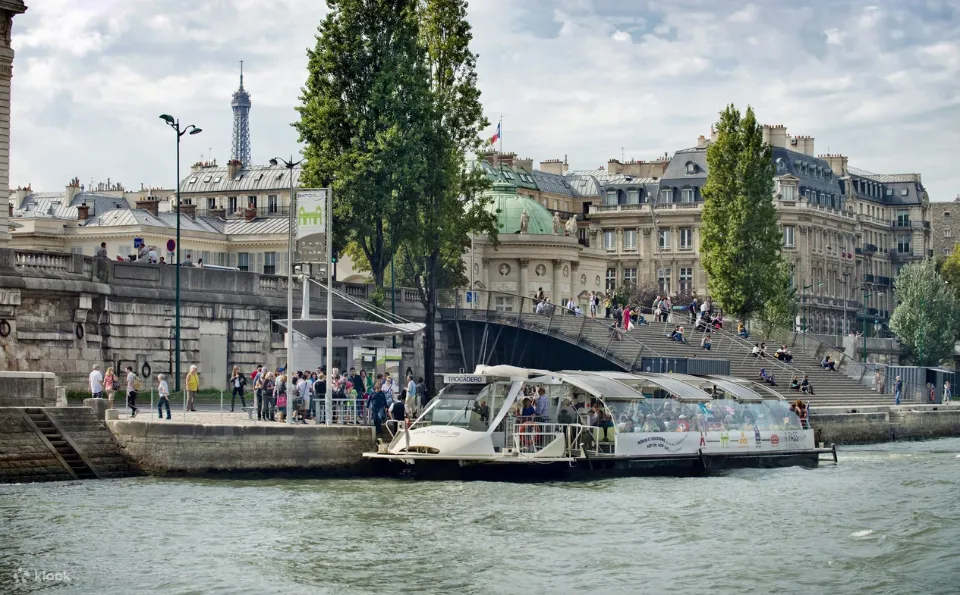
Seine River Hop-On Hop-Off Boat Tour
For those who like to enjoy the view of the Seine, you can choose Batobus. The Louvre stop is at Quai François-Mitterrand.
Private Car/Car Rental with Driver
If you are traveling by car, you can use the underground parking at 1 Avenue du Général Lemonier. The parking lot is open from 7am to 11pm and has direct access to the museum via the Galerie du Carrousel.
Louvre Museum Opening Hours
To fully enjoy your visit to the Louvre Museum, you should know the schedule below.
- Monday, Thursday, Saturday, Sunday: The museum is open from 9am to 6pm.
- Wednesday, Friday: The museum is open from 9am to 9pm.
- Tuesday: The museum is closed.
Note:
- You can only enter the museum up to one hour before closing time.
- Staff will start cleaning the galleries 30 minutes before closing time.
- The Louvre Museum is closed on major holidays such as January 1 (New Year’s Day), May 1 (Labor Day) and December 25 (Christmas). On other holidays, the museum is open as usual unless it falls on a Tuesday.
- The Cour Carrée area closes at 11pm.
Louvre Museum Ticket Prices
Louvre, Paris: audioguide in your smartphone (no ticket)
Here is a list of ticket prices for the Louvre Museum, including admission and other activities. The Louvre ticket also allows you to visit the Musée National Eugène-Delacroix on the same day or the following day.
| Ticket Type | Guest type | Ticket Price |
|---|---|---|
| General Admission Tickets | All visitors | €22 |
| Free | Children under 18 years old European Economic Area (EEA) travellers under 26 years old All travellers on the first Friday of the month after 6pm (except July & August) | Identification and proof of residence required |
| Tour Guide Package Ticket | Includes museum admission | €31 |
| Guided Tour Tickets | Admission not included | €12 |
| Discount Tour Guide Tickets | Applicable to some special subjects | €9 |
Note:
- Methods of payment at the museum ticket office include cash, bank cards and Cheques-Vacances vouchers.
- Ticket prices and free policies may change according to the time and regulations of the museum, so it is advisable to check the official website of the Louvre Museum before visiting.
- Be especially careful of ticket scams. There is an increase in fake websites (“mirror sites”), impersonating the museum to sell invalid tickets.
- Never buy tickets from unofficial websites or street vendors outside the museum. Tickets advertised as “priority tickets, skip the queue” from these sources are often fake and may be rejected when you enter the gate.
- The best way to buy tickets safely is to visit the official website of the Louvre Museum or reputable ticket distributors such as Klook to ensure your rights.
The Most Outstanding Works at the Louvre Museum
Here are suggestions for the most prominent attractions at the Louvre Museum, masterpieces you cannot miss on your journey to explore this place.
Louvre Pyramid
The glass pyramid is a revolutionary architectural symbol, inaugurated in 1989 by Chinese-American architect I.M. Pei. This work is 20.6 meters high, made from 603 diamond-shaped and 70 triangular glass panels.
Initially, this design caused a lot of controversy because of its contrast with the classical architecture of the palace. However, the Pyramid became a smart solution, helping to relieve congestion at the old entrances and leading visitors down to the large underground main hall.
Napoléon III Gallery
Louvre Museum Skip-the-Line Half Day Tour
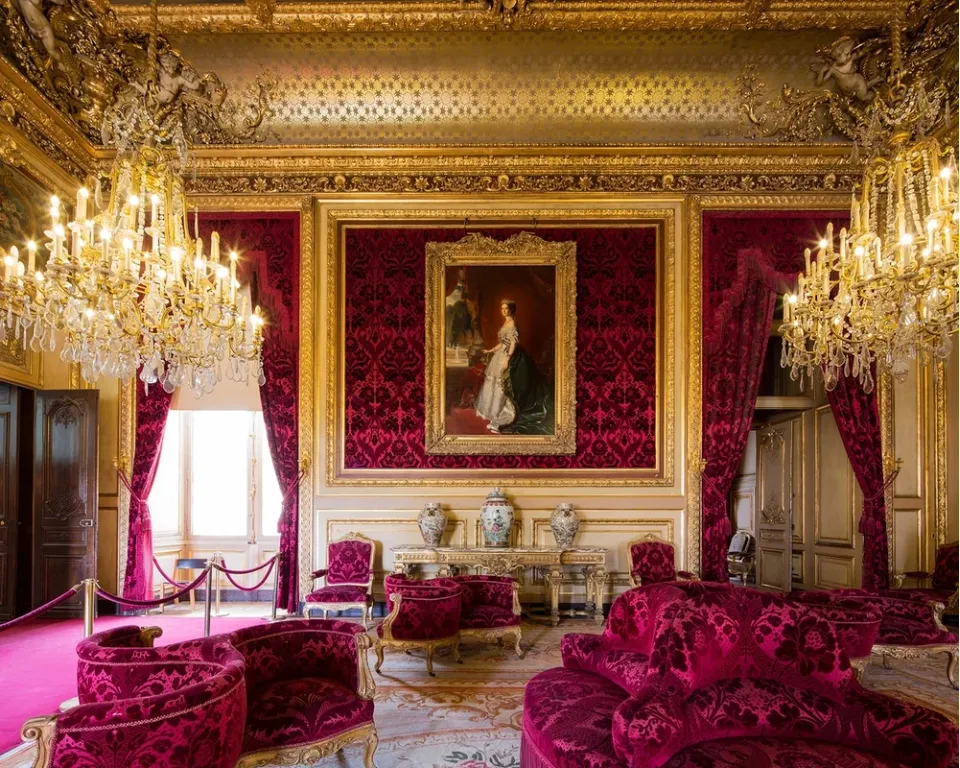
The Napoléon III Gallery is a living testament to the luxury and power of the French aristocracy during the Second Empire. Stepping inside, you will be overwhelmed by the exquisite details: from the magnificent crystal chandelier hanging from the high ceiling, to the frescoes and sparkling gilded sculptures. This room is like a journey back in time, helping you imagine the parties, balls and royal life that once took place here.
The Mona Lisa
Louvre Museum with Mona Lisa Portrait Guided Tour in Paris
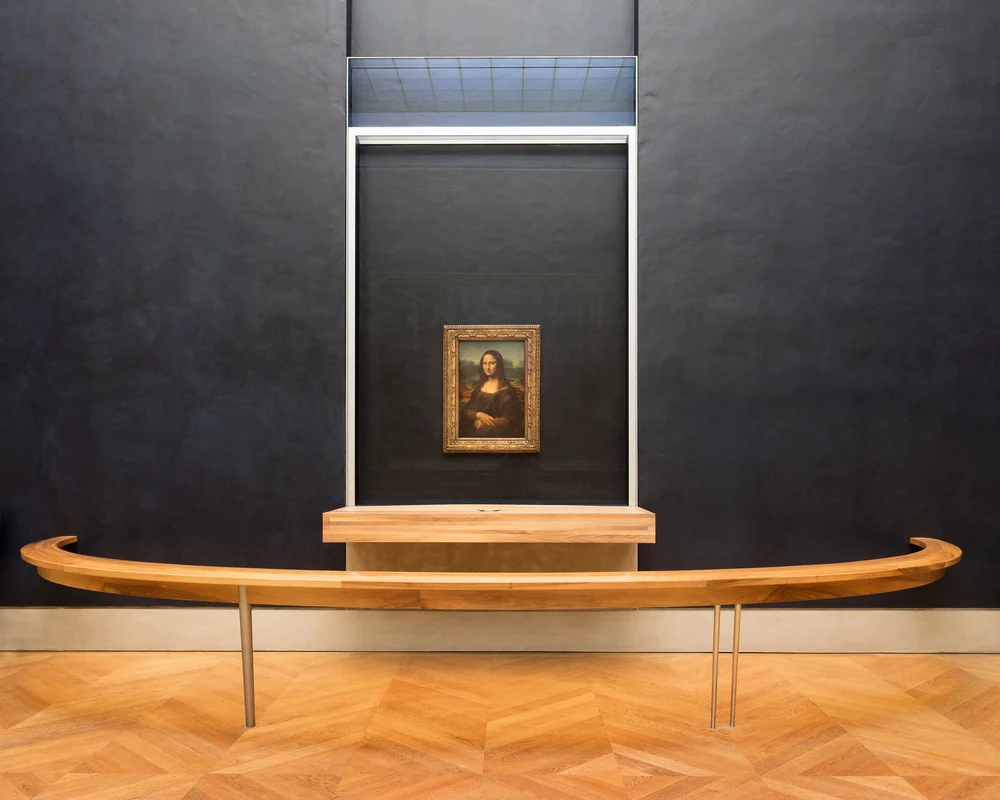
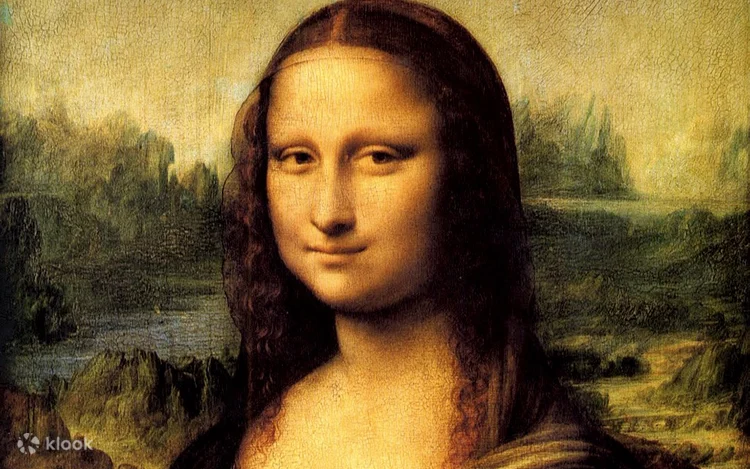
The Mona Lisa, a masterpiece by the great artist Leonardo da Vinci, is a famous work of art. The painting is currently displayed at the Louvre Museum, attracting millions of visitors to admire it every year. Over the centuries, the portrait of a woman with a mysterious smile remains an immortal cultural icon. Da Vinci created the work in the 16th century, and to this day, it is still one of the treasures of humanity.
The Venus de Milo
Louvre Private Group Tour in Paris for Families and Children
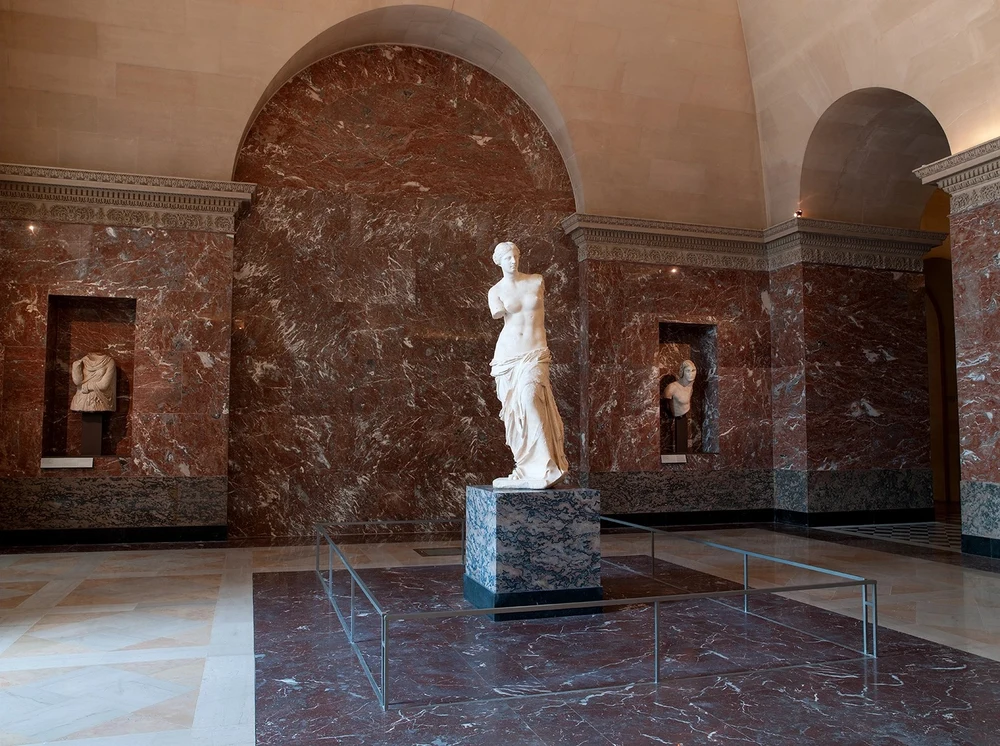
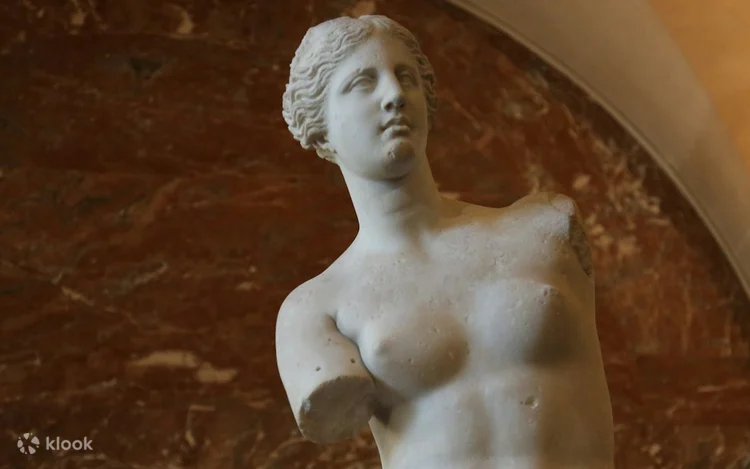
The Venus de Milo, or Venus de Milo, is a masterpiece of sculpture from ancient Greece. Created around 100 BC, the statue is believed to represent the goddess of love and beauty, Aphrodite. Famous for its perfect beauty and soft curves, despite missing both arms, the statue remains one of the most admired classical sculptures in the world.
The Victory of Samothrace
Skip-the-line Louvre Museum Small Group Guided Tour
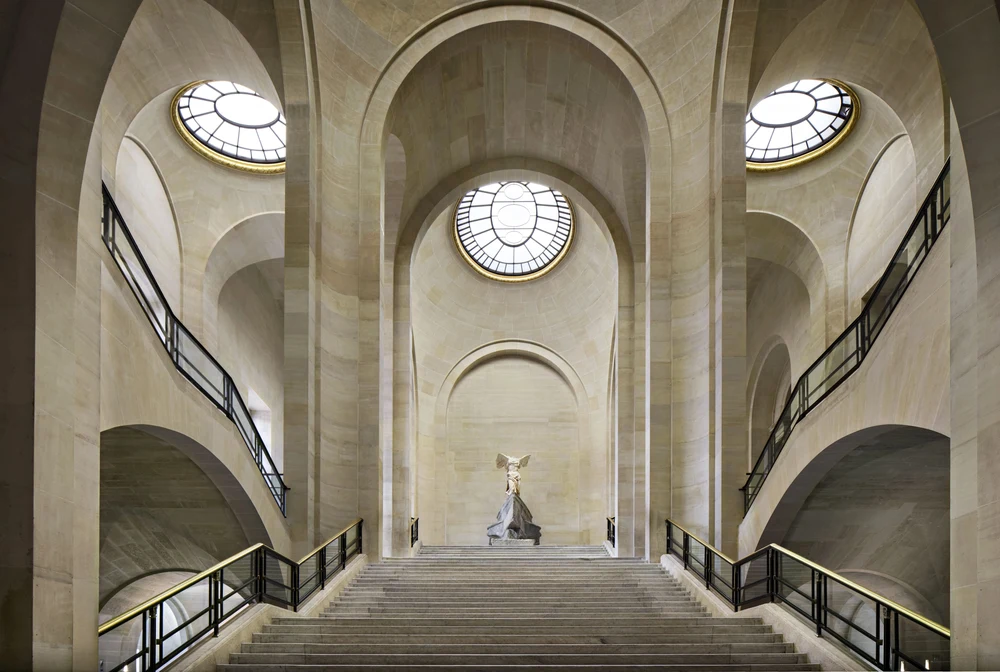
The Victory of Samothrace, or Nike of Samothrace, is one of the most beautiful sculptures of classical Greek art. Created around 190 BC to commemorate a victory at sea, the statue is carved from white marble and shows the goddess standing on the prow of a ship, with her wings outstretched and her cloak billowing in the wind, creating a dramatic and powerful feeling.
Famous Attractions Near the Louvre Museum
Here are some famous tourist attractions located near the Louvre Museum that you can easily explore after leaving the museum, forming a walking journey to fully explore the beauty of central Paris.
Jardin des Tuileries
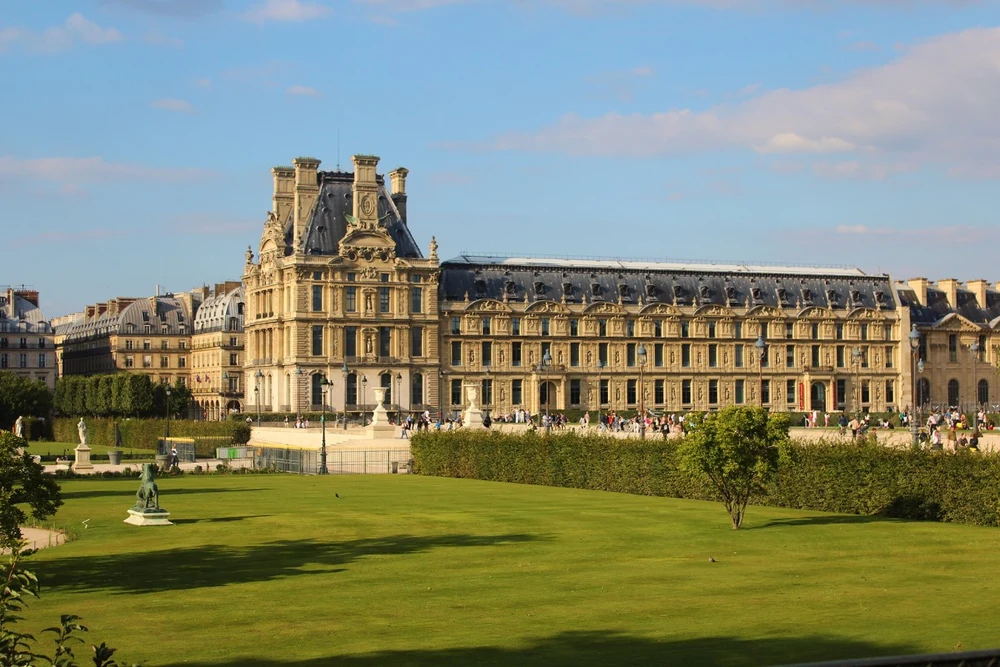
Located right next to the Louvre Museum, the Tuileries Garden is one of the largest and most beautiful public gardens in Paris. Designed in a classic French style, the garden is an ideal place to stroll, relax, admire the sculptures and beautiful fountains. Walking through the garden will lead you to the Place de la Concorde.
Place de la Concorde
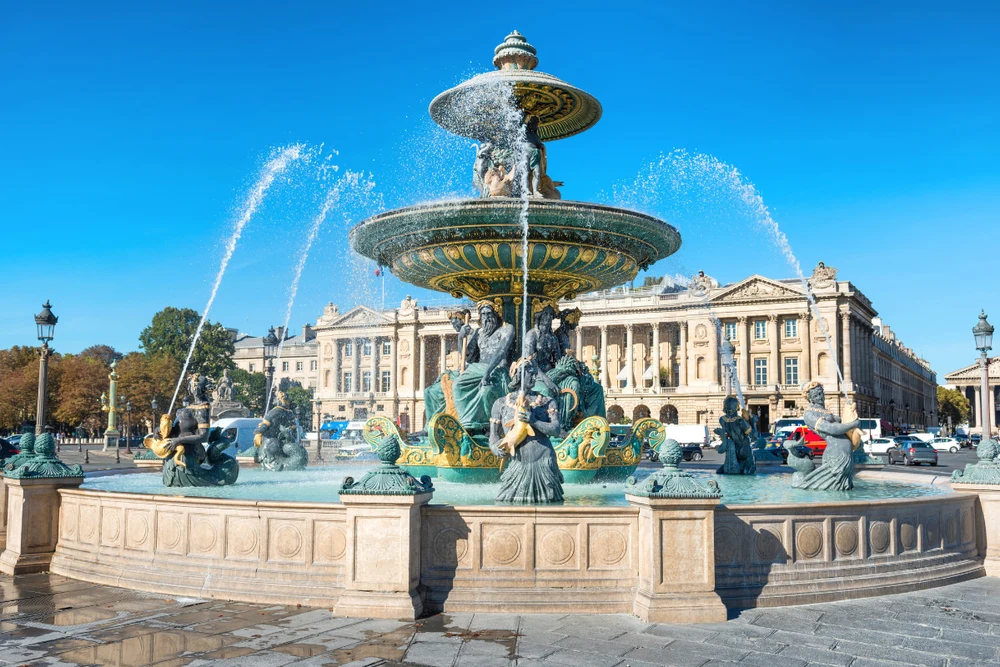
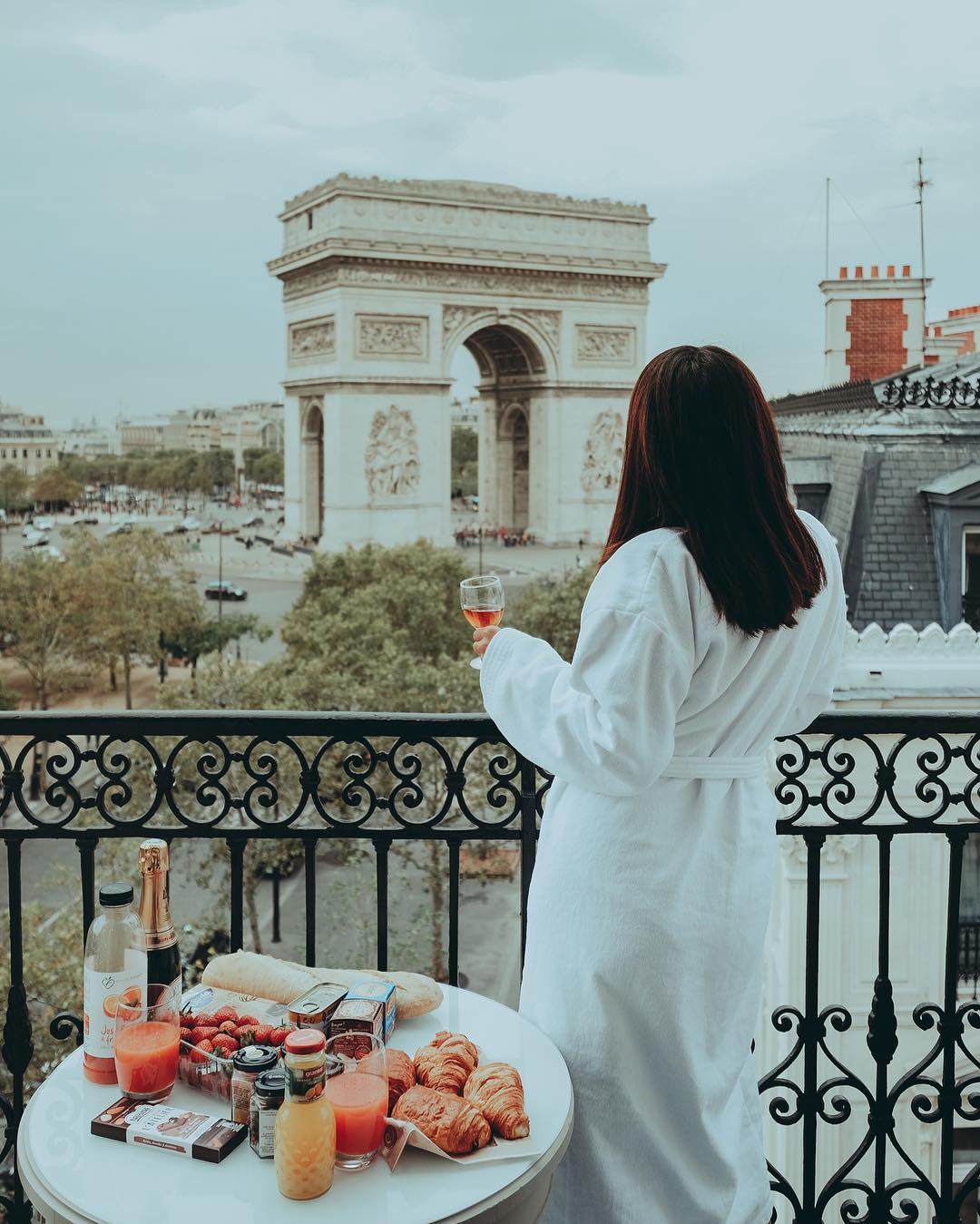
Located at the end of the Tuileries Garden, the Place de la Concorde is the largest square in Paris, famous for its turbulent history. Here, you will see the Luxor Obelisk, a gift from Egypt, and two large fountains. This is a great vantage point to admire the Arc de Triomphe and the Champs-Élysées from afar.
Champs-Élysées
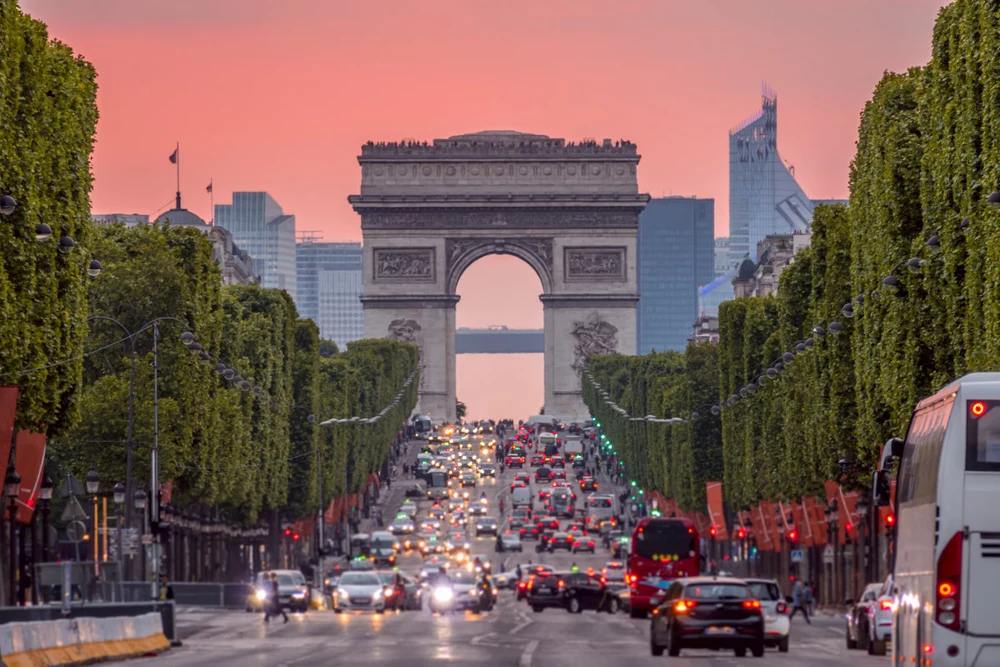
From the Place de la Concorde, you can walk along the Champs-Élysées, one of the most famous avenues in the world. It is home to many fashion stores, luxury restaurants and cinemas. The end of the avenue is the Arc de Triomphe, another iconic architectural work of Paris.
Pont des Arts
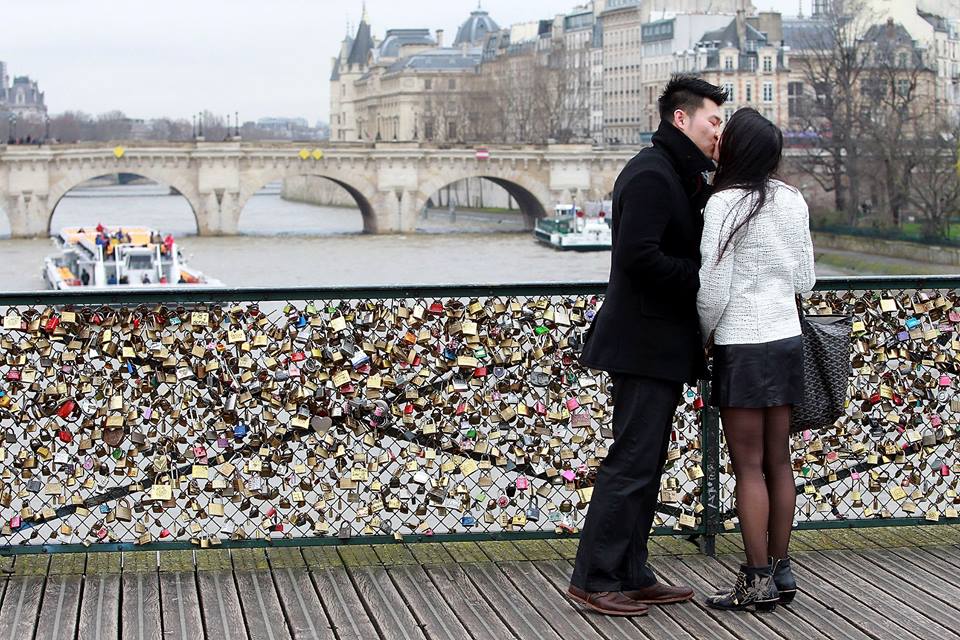
This pedestrian bridge spans the Seine River, connecting the Louvre Museum and the Institute of France. The Pont des Arts was once known as the “bridge of love” due to the thousands of locks that couples hung on it. Although the locks have been removed, it is still a romantic place to stroll and enjoy the view of the Seine.
Saint-Germain-l’Auxerrois Church
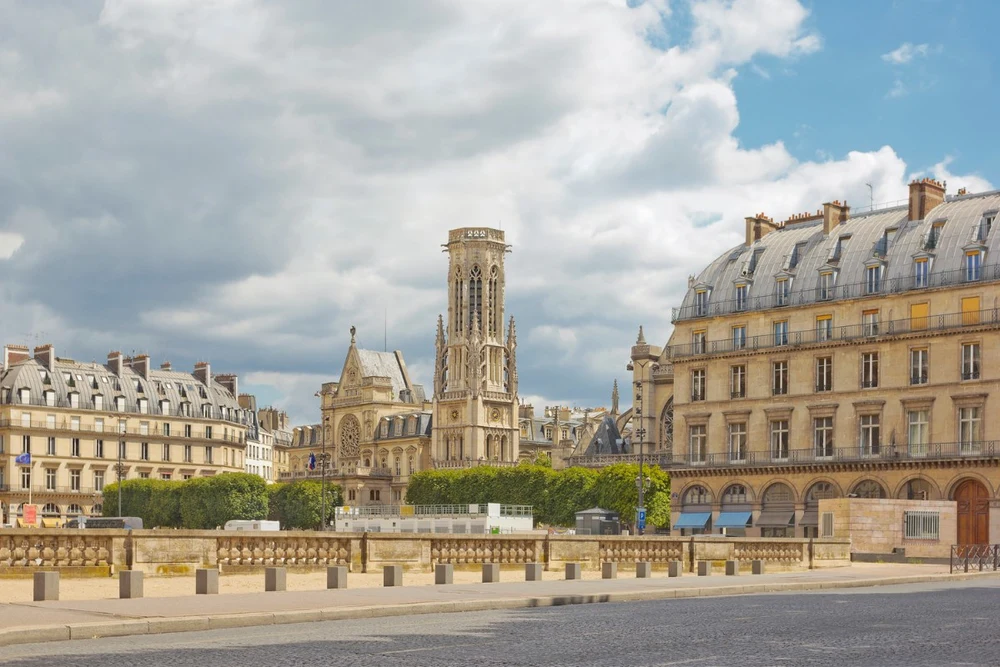
The Saint-Germain-l’Auxerrois Church, opposite the Louvre Museum, is one of the oldest religious buildings in Paris. With its unique Gothic architecture, the church offers a peaceful and serene space, in contrast to the hustle and bustle of the museum, allowing visitors to quietly admire the ancient art and architecture.
Frequently Asked Questions When Visiting the Louvre Museum
How to avoid long lines when buying tickets?
The best way is to buy tickets online in advance through platforms like Klook. This will save you time and help you get in faster.
When should you visit the Louvre to avoid crowds?
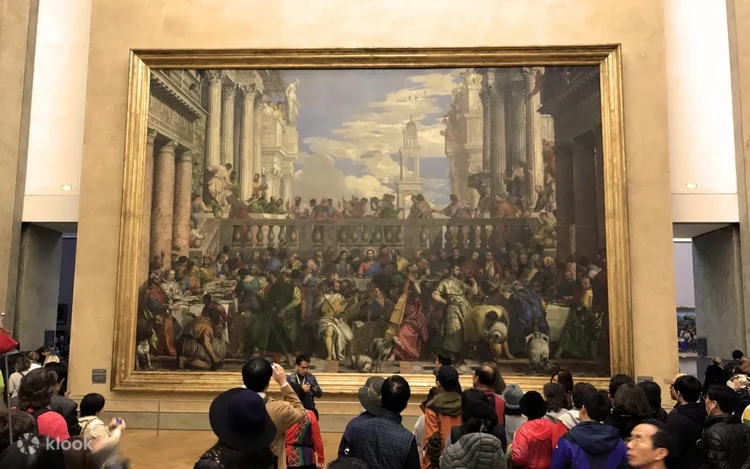
For the best experience, you should arrive early when the museum opens (9am) or visit in the evening (Wednesday and Friday), when the crowds have thinned out.
Can I take photos inside the museum?
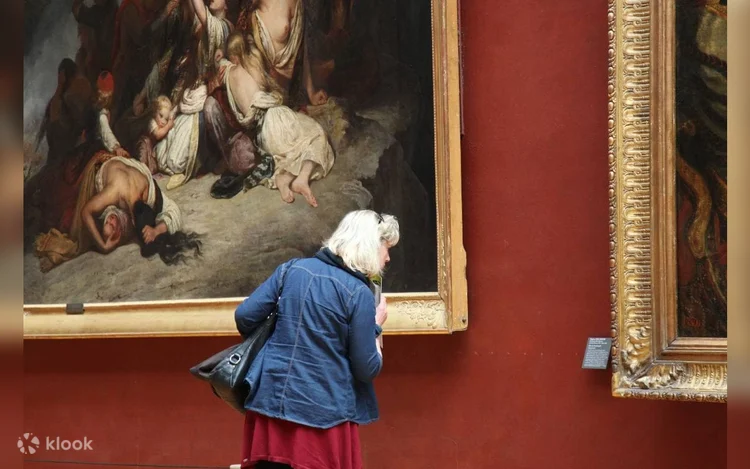
Yes. You are allowed to take photos of the artworks, but absolutely do not use flash to protect the artifacts.
How long does it take to visit the Louvre?
Because the Louvre is so large, you will need at least 3-4 hours to explore the highlights. However, if you want to see each area in detail, you can spend a whole day or more.
Does the museum have tours in Vietnamese?
Usually not. Guided tours at the museum are mainly in English, French or some other popular languages. You should hire a private tour guide or use the available audio application.
The Louvre Museum is an ideal destination to explore and admire the unique works of art. This is not just a museum, but also a journey through time and space, where you can immerse yourself in the beauty and great art of humanity.
Let’s immerse yourself in the beauty of art at the Louvre Museum!
Some best day tours, trips, activities and transfer services, tickets in, from and to Paris you can refer to
- Paris Museum Pass
- Paris Big Bus Hop-On Hop-Off Tours (Open-Top)
- Eiffel Tower Skip-the-Line Ticket
- The Louvre Museum Skip-the-Line Guided Tour
- Disneyland® Paris Ticket
- [Sale] Seine River Sightseeing Cruise in Paris by Bateaux-Mouches
- Mont Saint Michel Full Day Tour from Paris
- Paris: 1-Hour River Seine Cruise
- Paris: Moulin Rouge Cabaret Show Ticket with Champagne
Are you looking for more top things to do in Paris: Tours, activities, attractions and other things? Read more: Paris travel blog — The fullest Paris travel guide blog for a great budget trip to Paris for the first-timers. And let’s check it out more here.