






































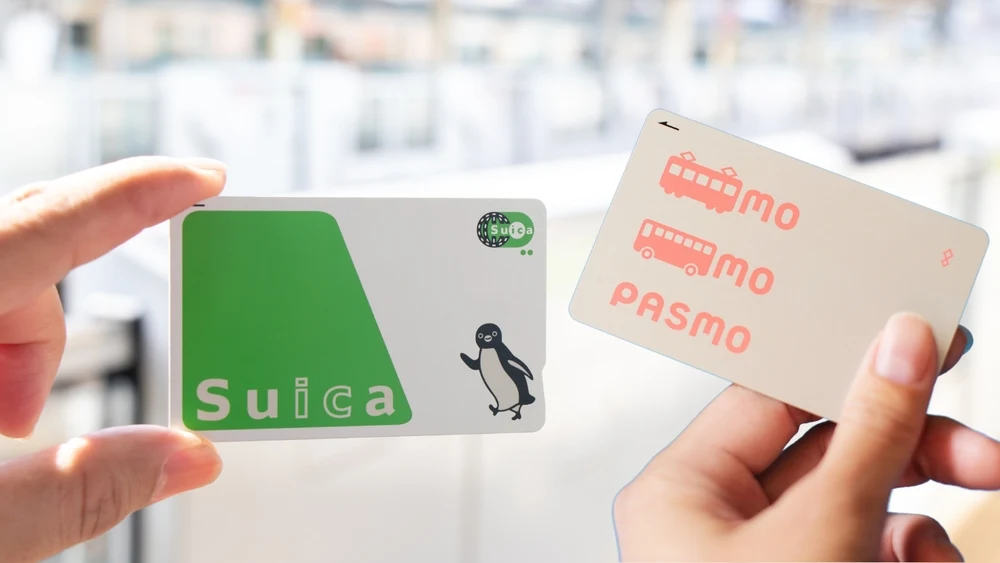
Do you know how to use Suica and PASMO cards in Tokyo to travel, which is better Suica or PASMO (Suica vs PASMO, Suica card vs PASMO, Suica or PASMO card japan)? Join us to discover how to top up, use the card at train stations, buses and even when shopping!
- 11 Japanese Public transport Etiquette & Things to Note for Independent Travelers
- “Pocket Guide” to 6 Types of Kansai travel pass for a Convenient Trip
- Guide for Buying and Using the Kobe Travel Smart Passport
- Narita vs Haneda Airport Transfer: How to get from Narita Airport to Downtown Tokyo & From Haneda To Tokyo City
- 17+ most useful, must-have & best apps for Japan travel

Suica and PASMO cards are two popular IC cards, helping to pay quickly at train stations, buses and even convenience stores. So what are the differences between them? Suica is issued by JR East, ideal for travelers using JR trains, while PASMO is the perfect choice for subway and bus rides.
Although both cards have similar functions, the areas and usage are slightly different. If you are planning to explore Tokyo, owning one of these two cards will save you time and avoid the hassle of buying individual tickets. Let’s find out in detail how to use Suica and PASMO cards in Tokyo right after this!
What is a Suica Card?
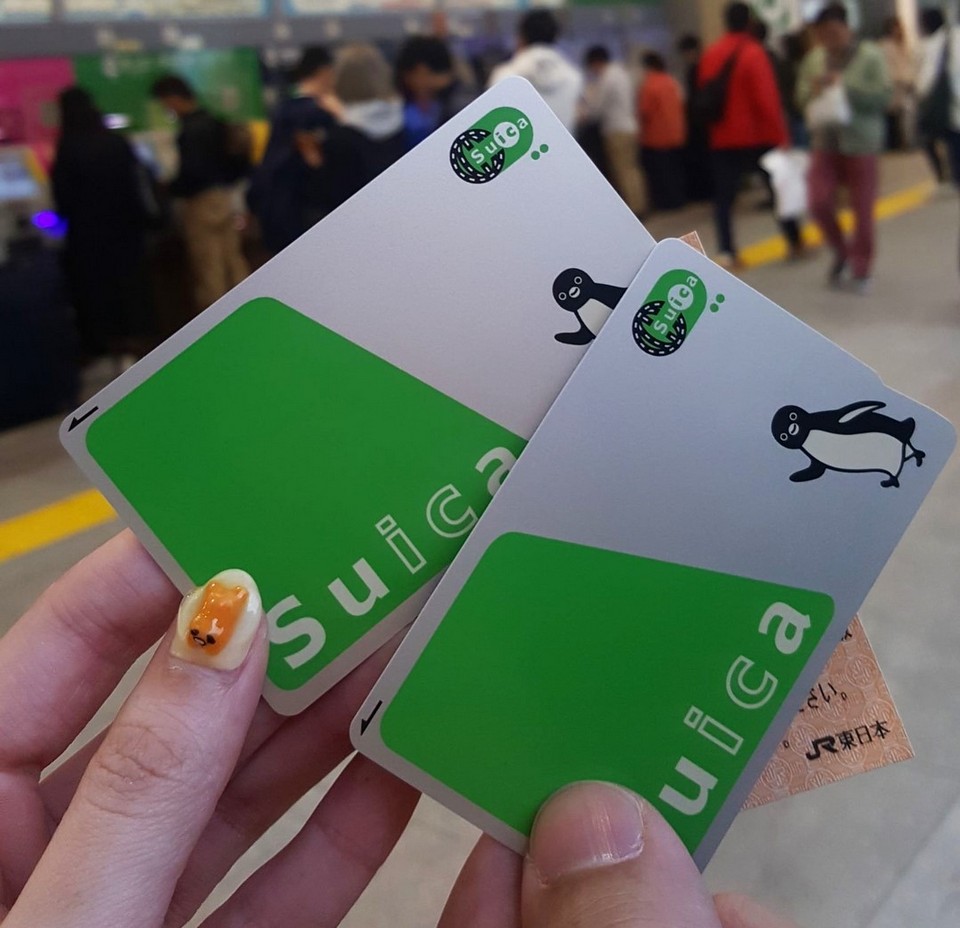
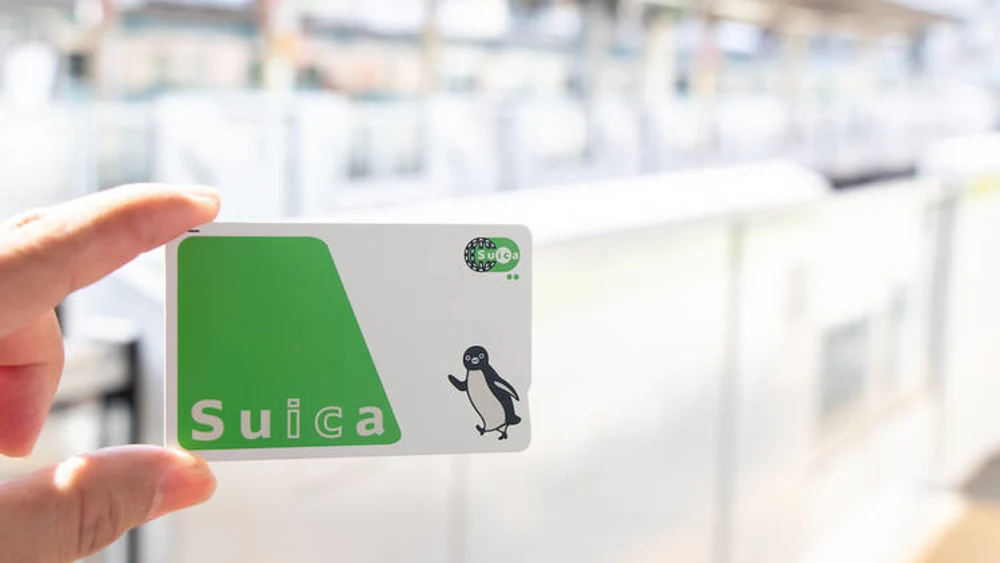
If Tokyo is a bustling symphony of bullet trains, then the Suica card is the key to help you glide through every note smoothly! Issued by JR East, the Suica card is a pre-loaded IC (Integrated Circuit) card that allows you to quickly pay when riding JR trains, subways, buses, and even shopping at convenience stores and vending machines across Japan. With just a light tap, you have passed the ticket gate without having to waste time buying traditional paper tickets.
JR Mt. Fuji Shizuoka Area Tourist Pass Mini
So what makes Suica a “must-have” when traveling to Tokyo? First of all, Suica not only works within Tokyo but can also be used in other areas such as Sendai, Niigata and many prefectures with the JR system. In particular, the Suica card has a smartphone application and allows linking with Apple Pay or Google Wallet, making card payments easy without having to carry a physical card.
Buying a Suica card is also extremely simple! Travelers often buy cards at ticket vending machines in JR stations or pre-order digital Suica cards through Klook. A little tip: If you are traveling for a long time, top up your balance in advance to avoid travel interruptions.
What is a PASMO card?
Tokyo Disney Resort – Tokyo Disneyland & Tokyo DisneySea Park Tickets
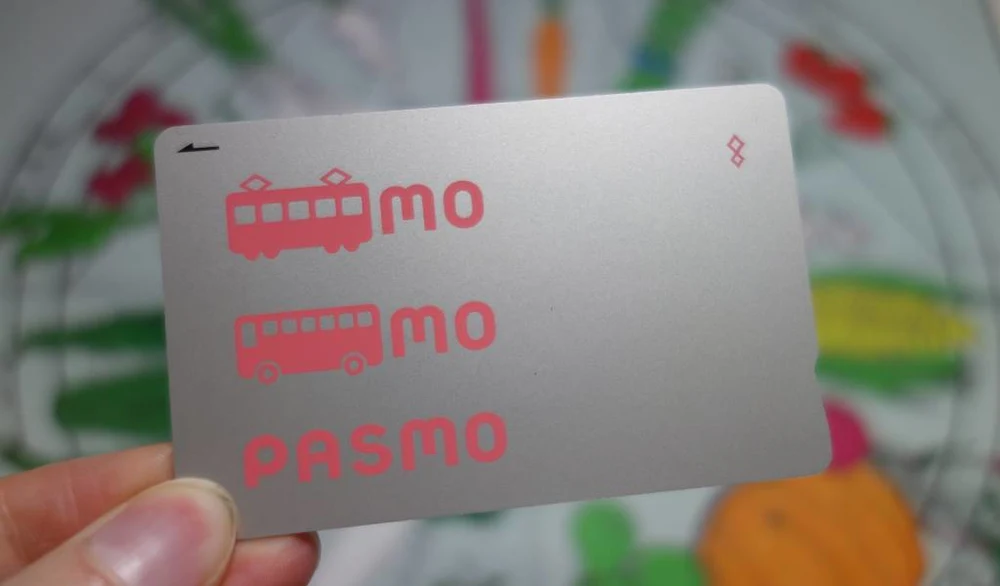
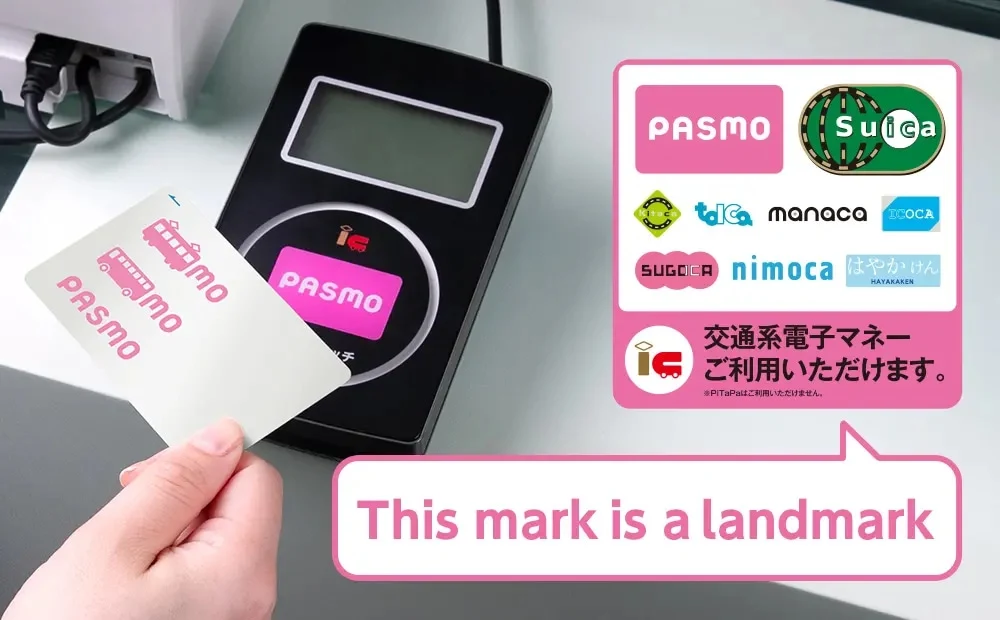
If Suica is the key to opening the JR train door, then the PASMO card is the perfect companion for traveling by subway and bus in Tokyo. Issued by a private railway company, PASMO has the same function as Suica and is especially suitable for travelers who often travel by Tokyo Metro, Toei Subway or inner-city bus lines. You just need to swipe the card to quickly pass the ticket gate, without having to fumble for change or queue to buy tickets for each trip.
The interesting thing is that in addition to serving the travel process in Tokyo, PASMO also operates in many other cities such as Yokohama, Sapporo, Nagoya, making it a convenient choice for those who want to explore many regions of Japan. In addition, PASMO is also accepted at convenience stores, restaurants, and vending machines, making payment easier than ever.
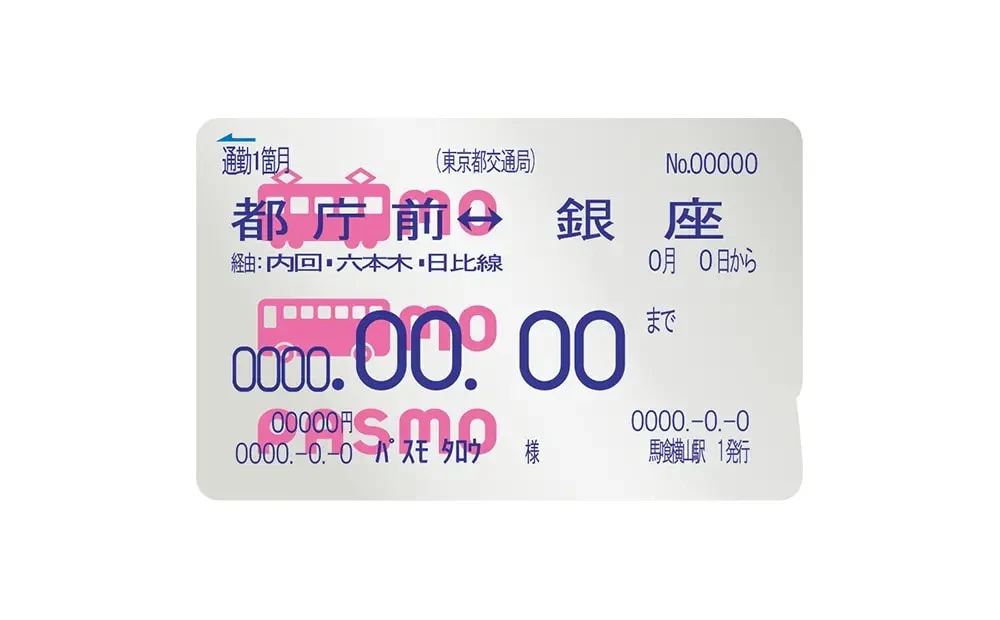
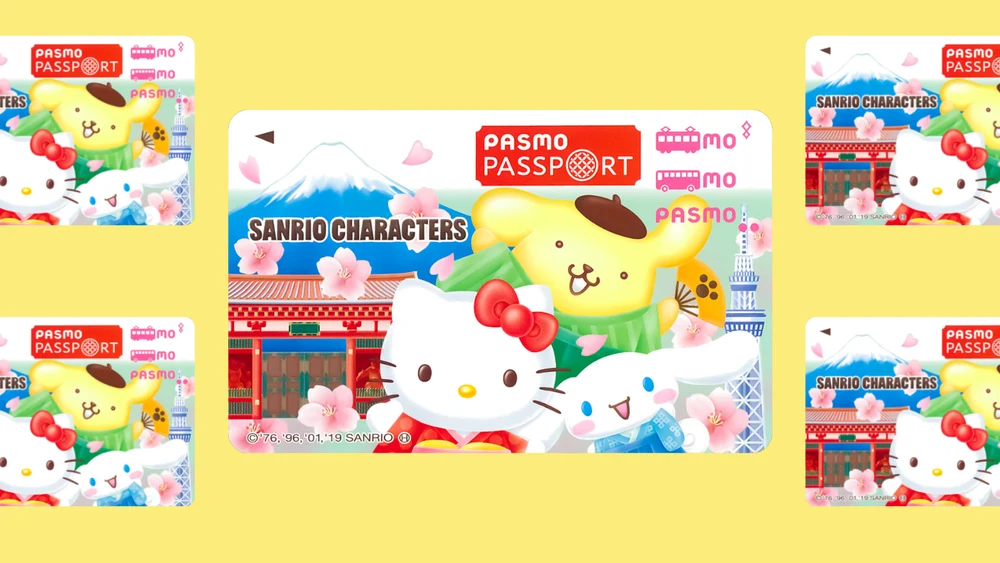
Another advantage of the PASMO card is the ability to buy cards and top up right at subway or bus stations, which is extremely convenient. If you are worried about losing your card, PASMO also has a PASMO Passport version specifically for tourists, which does not require a deposit but is only valid for 28 days. This is the perfect choice for short-term travelers who still want to experience the convenience of using the Japanese transportation system. Are you ready to travel to Tokyo with PASMO?
Benefits of Using Suica and PASMO Cards
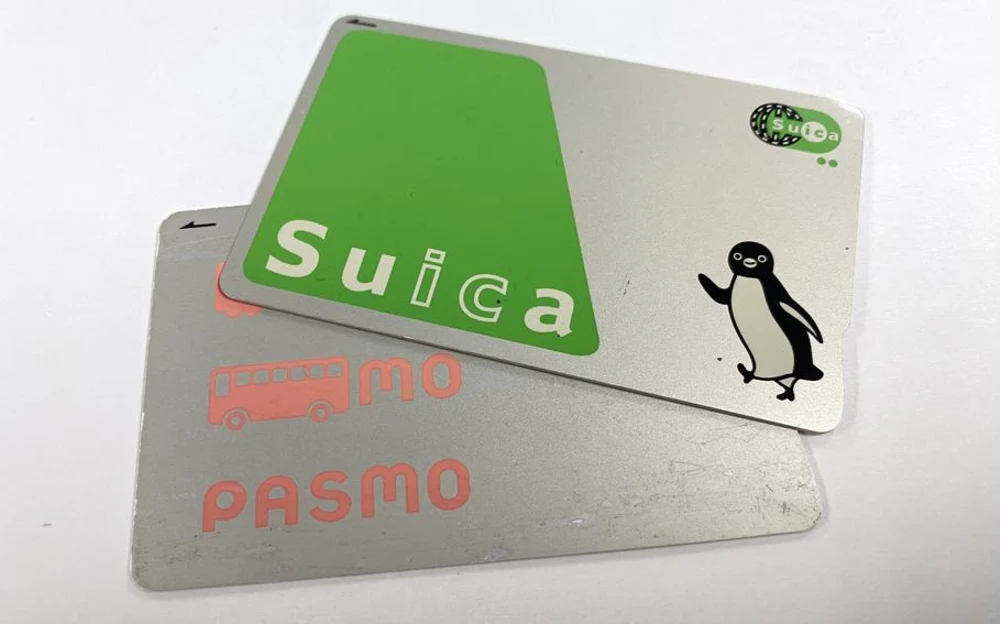
Traveling to Tokyo will become easier and more convenient than ever with Suica and PASMO cards. In addition to supporting quick travel by public transport, these two types of cards also offer many attractive benefits, helping to optimize the experience of exploring Japan.
- Convenient payment on the go: Tap your card once, board the train or bus immediately without having to buy individual tickets for each trip.
- Use as an e-wallet: Shop at convenience stores, pay at vending machines, even at some restaurants and cafes.
- Save time: Avoid long lines at ticket counters, especially during peak hours.
- Easy top-up: Do it at vending machines or via a mobile app with the digital version of the card.
Guide to Buying and Using a Suica Card When Traveling in Japan
The Suica card is a prepaid IC card issued by JR East, making traveling by train, bus and shopping in Japan more convenient. With the Suica card, visitors can experience a smooth journey without worrying about buying individual tickets or carrying a lot of cash.
Where to Buy a Suica Card?
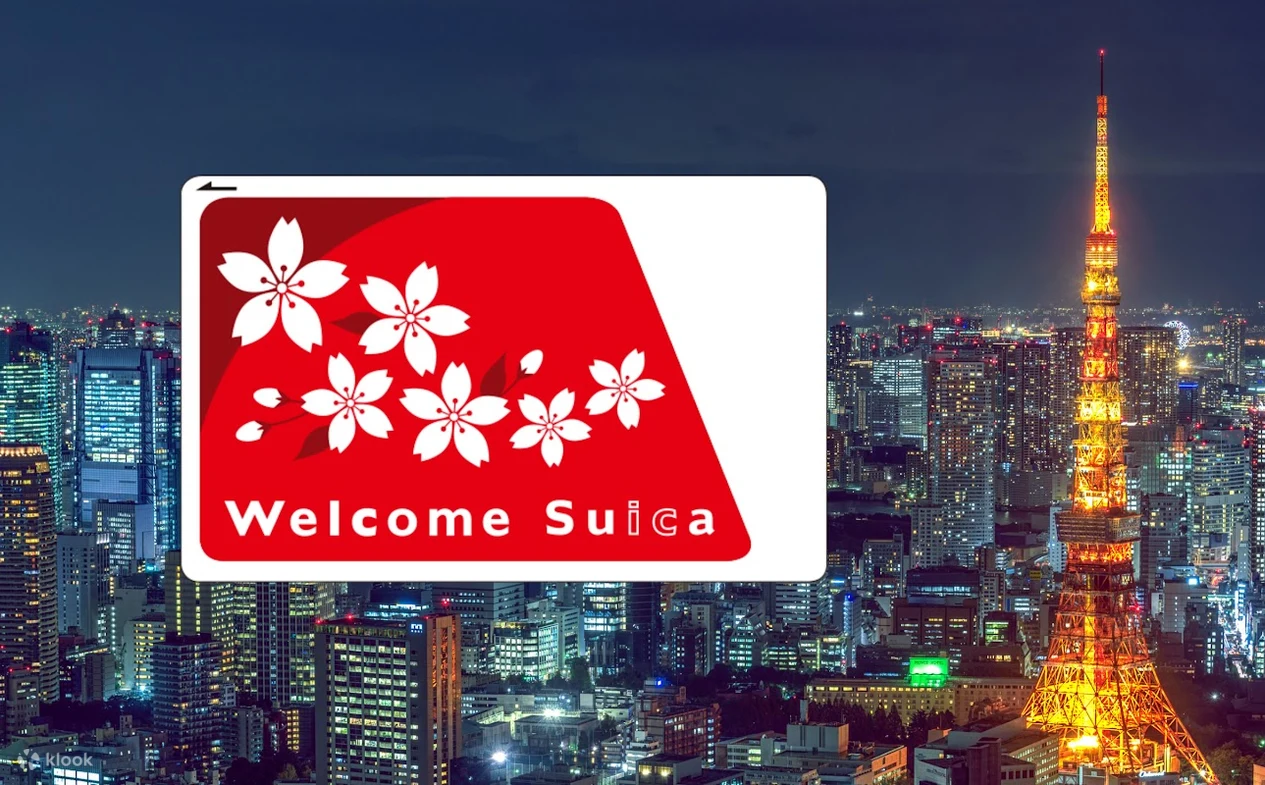
Suica cards can be purchased at ticket vending machines or service counters at JR East stations, such as Tokyo, Shinjuku, Shibuya, and Ueno. The standard Suica card requires a 500 yen deposit and can be recharged as needed. The Welcome Suica card, specially designed for foreign visitors, does not require a deposit and is valid for 28 days. If you want to save time, consider pre-booking your Tokyo Suica IC card on Klook before you go.
How to add funds into a Suica Card
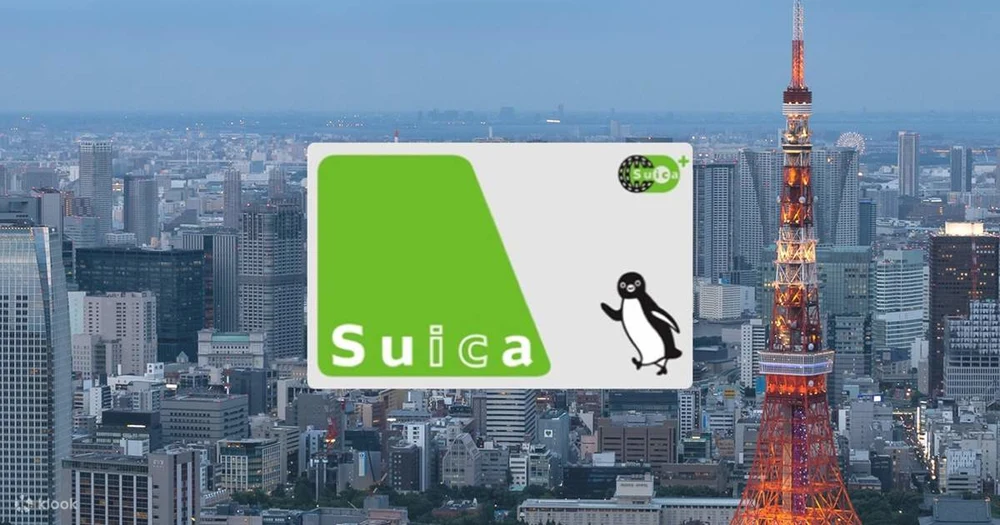
Loading money into a Suica card is simple and can be done at ticket vending machines or at train stations. Simply select the top-up option, insert the Suica card and the desired amount, and complete the transaction. The maximum top-up amount is usually 20,000 JPY. Some convenience stores also offer Suica card top-up services.
How to Use a Suica Card When Traveling
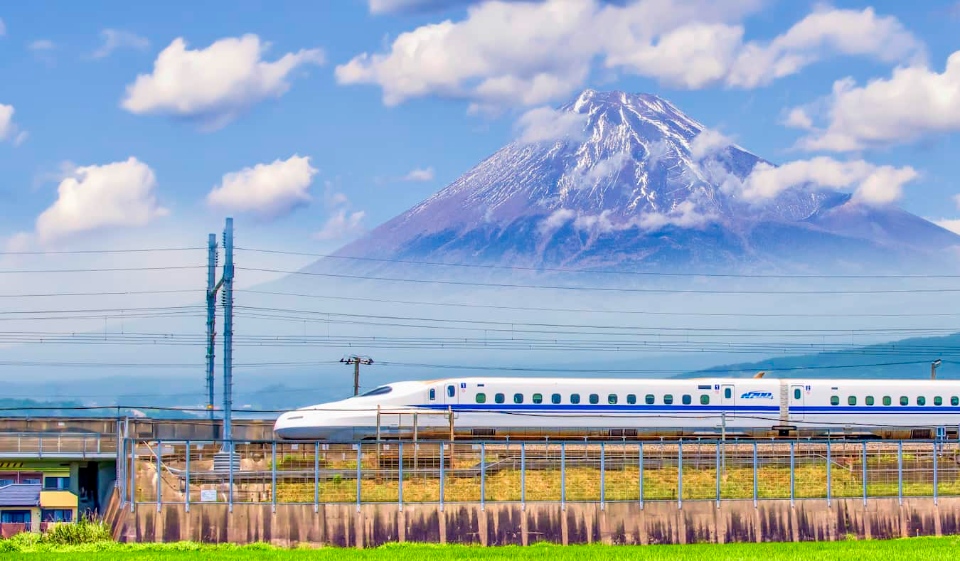
When using a Suica card for travel, simply tap the card on the reader at the ticket gate when entering and exiting the train station. For buses, tapping the card on the reader when getting on and off the bus will automatically deduct the corresponding fee. Suica cards are accepted on most public transportation, including subways, buses, and some private train lines.
Can Suica Cards Be Used for shopping?
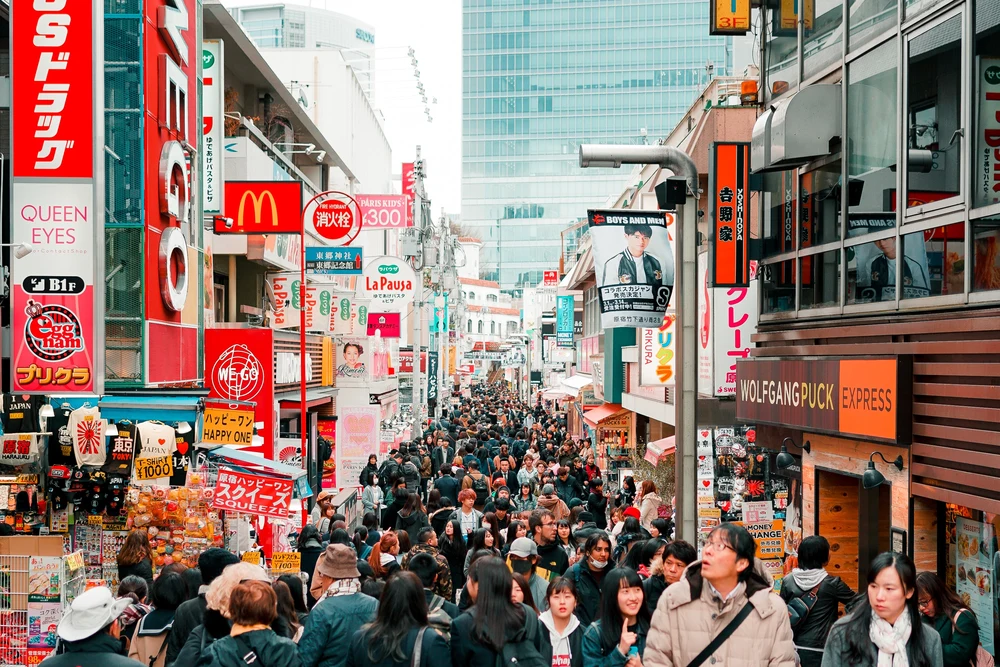
In addition to its transportation function, the Suica card can also be used as an electronic payment method at many convenience stores, vending machines, and restaurants that accept IC cards. This helps travelers reduce the need to carry cash and enjoy a more convenient shopping experience.
Which is better Suica or PASMO: How to Check the Suica Card Balance?
Narita Airport – Tokyo Limousine Bus
To check the Suica card balance, travelers can use ticket vending machines or balance checkers at train stations. In addition, when touching the card to the ticket gate or reader on the bus, the screen will display the current card balance. Regularly checking the balance helps ensure that the card always has enough money for the next trip. The Suica card makes traveling easy and provides flexibility in daily payments, making your travel experience in Japan more enjoyable and convenient.
How to Buy and Use a PASMO Card
Where Can I Use a PASMO Card?
Keisei Skyliner Narita Airport Express Ticket
PASMO card is a prepaid smart card, widely used in the public transport system in Japan, especially in the Tokyo area. Owning a PASMO card makes it easy for tourists and locals to travel without having to buy individual tickets for each trip. In addition, the card can also be used to pay at convenience stores and vending machines, bringing maximum convenience to users.
Where to buy PASMO card?
Hop-On Hop-Off Tokyo Bus by Skyhop Bus
PASMO cards are sold at automatic ticket machines and ticket counters at most subway stations and train stations of private railway companies in the Tokyo area. Note that PASMO cards are not sold at JR East stations, where Suica cards are mainly sold. When purchasing a card, you will need to pay a deposit of 500 JPY, along with the initial top-up amount to use it.
How to top up a PASMO card?
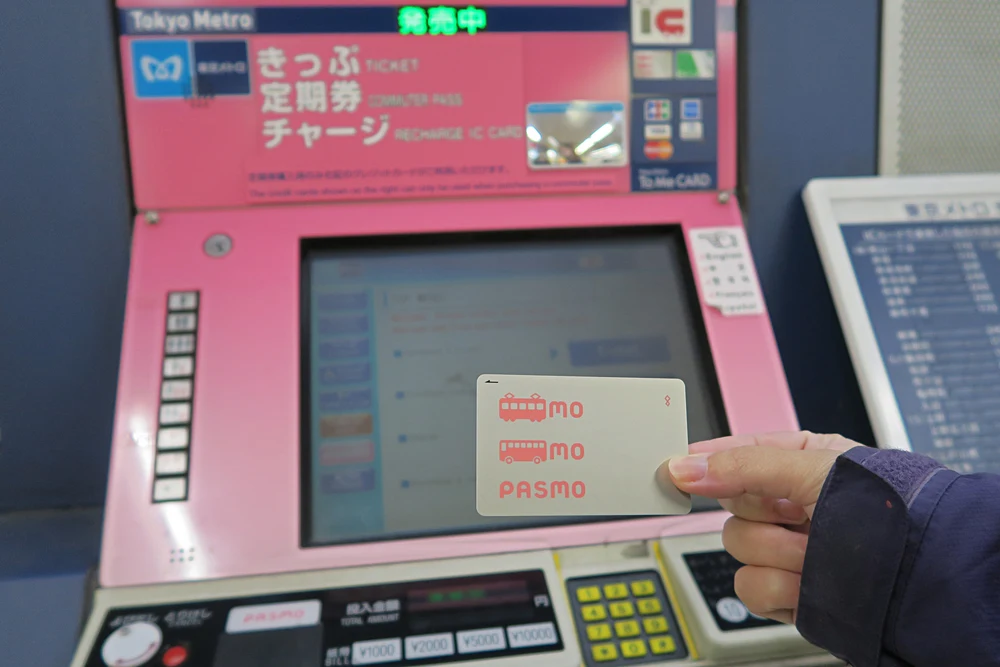
Topping up your PASMO card is simple and can be done at ticket vending machines or fare adjustment machines in train stations. To top up, simply insert the card into the slot, select the amount you want to top up (usually 1,000 JPY, 2,000 JPY, etc.) and insert the corresponding amount into the machine. Alternatively, you can also top up at convenience stores that are affiliated with PASMO.
How to Use the PASMO Card When Traveling?
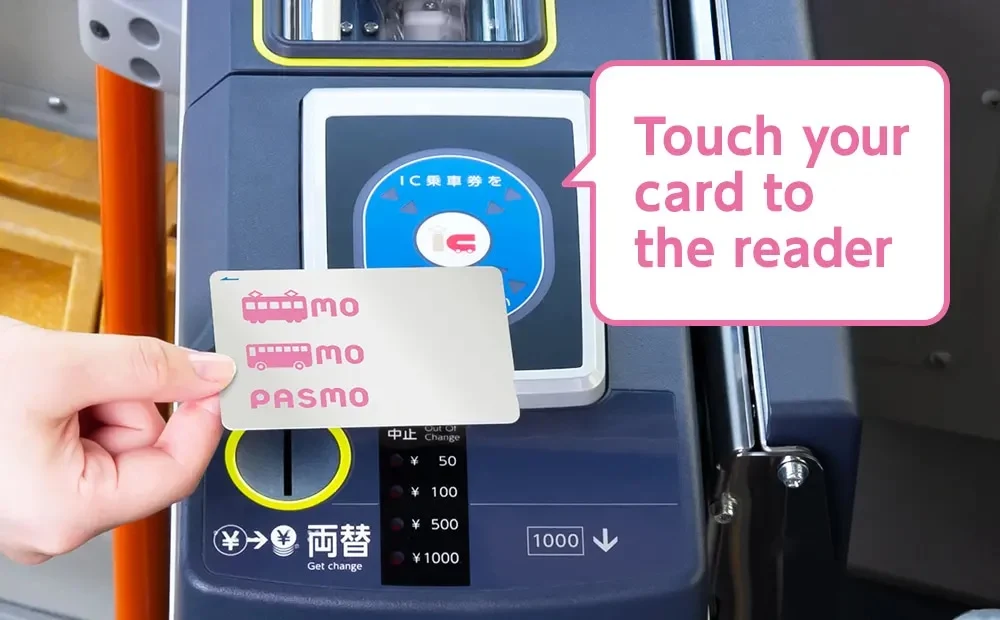
When using the PASMO card to travel by train or bus, simply tap the card on the card reader at the ticket gate or bus boarding/alighting door. The system will automatically deduct the amount corresponding to the distance you have traveled. This saves you time and you don’t have to worry about buying individual tickets for each journey.
How to Shop with the PASMO Card?
Narita Airport – Tokyo Limousine Bus
In addition to transportation, PASMO cards can also be used as an electronic payment method at many convenience stores, vending machines, and some restaurants. You just need to touch the card to the card reader at the checkout counter, and the amount will be deducted directly from the card balance. This helps reduce the need to carry cash and increases the convenience of everyday shopping.
How to Check PASMO Card Balance
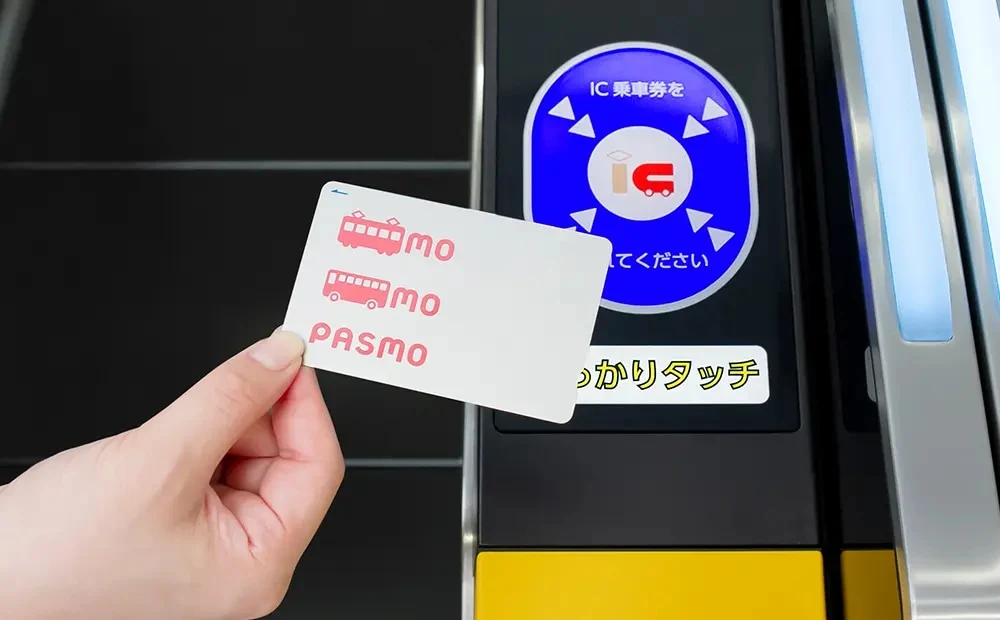
To check the balance of your PASMO card, use automatic ticket machines or fare adjustment machines at train stations. After inserting the card into the machine, the screen will display your current balance. In addition, when you touch the card to the ticket gate or card reader on the bus, the screen usually displays the remaining balance after deducting the travel fee.
Owning and using a PASMO card helps you travel conveniently on Japan’s public transportation system, and brings many conveniences to your daily life. With its easy-to-recharge, flexible usage, and wide acceptance range, the PASMO card is truly a reliable companion for every tourist and resident in Japan.
How to Get a Refund When Not Using PASMO and Suica Cards?
Universal Studios Japan Express Pass
PASMO and Suica cards are the two most popular IC cards for tourists when using public transportation in Japan. Not only do they make traveling fast and convenient, these two cards can also be used to shop at convenience stores, vending machines, and some restaurants.
However, if you are leaving Japan and no longer need the card, be sure to return it to get your deposit and remaining balance back. Here is a detailed guide on how to get a refund when you no longer use your PASMO and Suica cards.
How to Return Your PASMO Card to Get Your Deposit Back
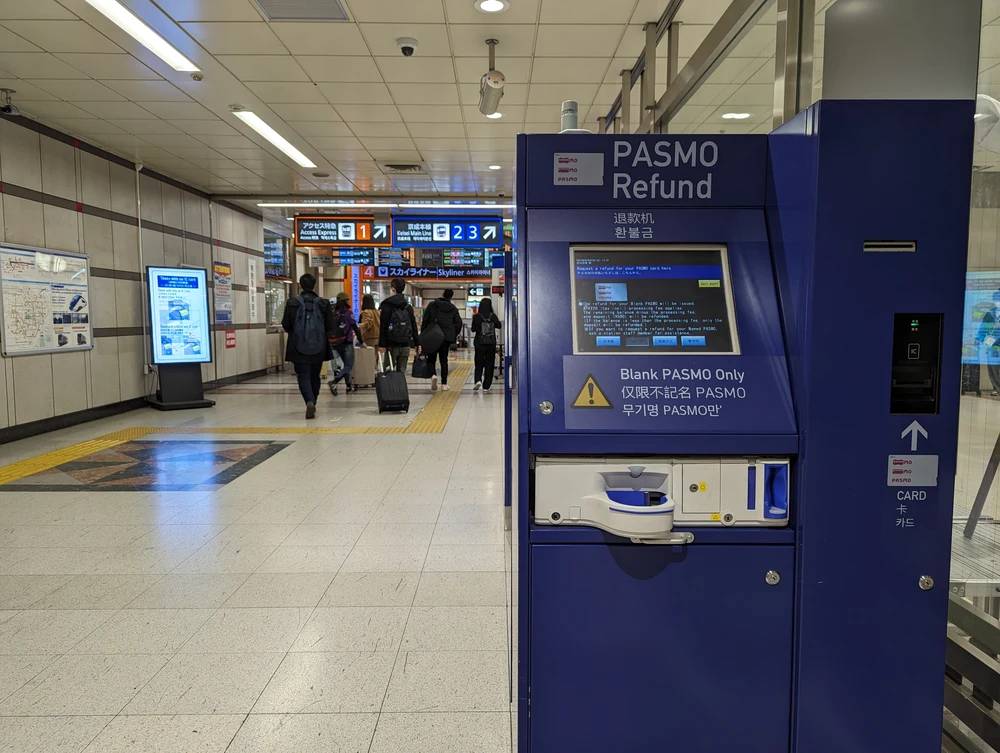
If you own a PASMO card and want a refund, you will need to go to the ticket counters at private train or subway stations (not JR stations). When returning the card, you will receive:
- Refund of 500 JPY deposit (applies to regular PASMO cards, excluding PASMO Passport cards for tourists).
- Refund of the remaining balance after deducting the processing fee.
Important note:
- The processing fee for refunding a PASMO card is 220 JPY. If the balance on the card is less than this fee, you will not receive a refund.
- If you have a PASMO card with your name printed on it, you will need to present your passport for identity verification when making a refund.
- Some tourist versions of PASMO cards are non-refundable, so please check your card type before proceeding.
How to Get a Refund When Returning a Suica Card?
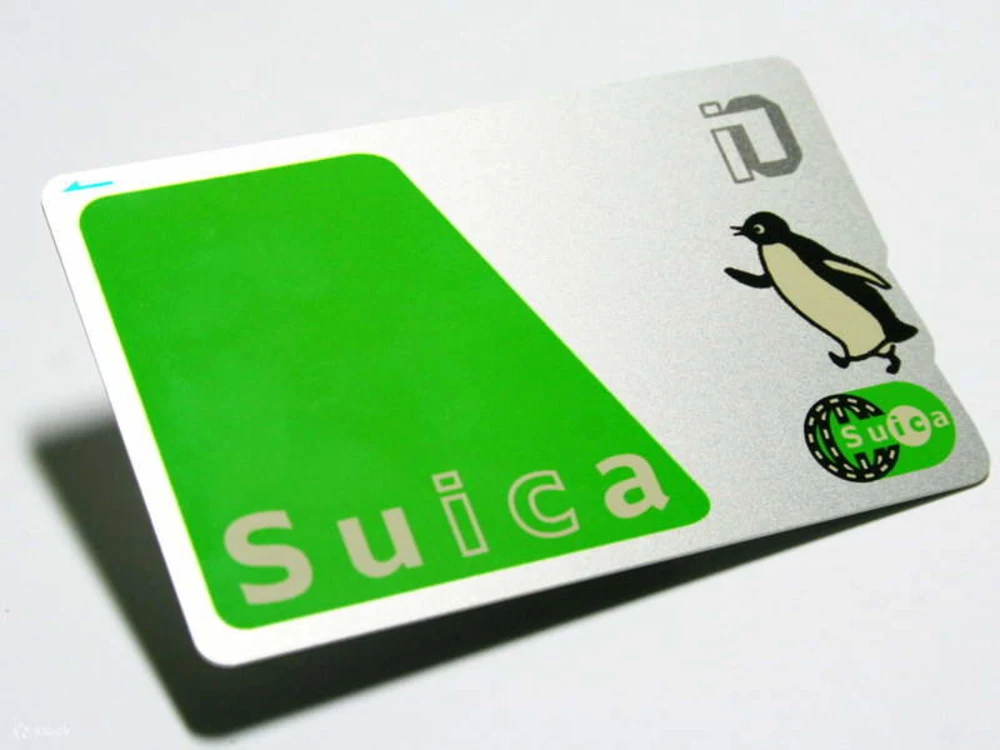
For Suica cards, you can get a refund at JR East ticket counters, including major stations such as Tokyo, Shinjuku, Shibuya and Ueno. When returning a Suica card, you will receive:
- 500 JPY deposit refund (physical Suica only, not mobile Suica).
- Refund of the card balance minus a 220 JPY handling fee.
Important note:
- Similar to PASMO, if the card balance is less than 220 JPY, you will not receive the balance back.
- The Welcome Suica card for tourists is non-refundable, so use up the balance before leaving Japan.
- If you use Suica on iPhone or Android, you can transfer the balance to a Japanese bank account instead of receiving cash.
Refunding PASMO and Suica cards is simple, but there are certain conditions to keep in mind. If you plan to leave Japan and don’t want to waste the remaining balance on the card, please do the refund procedure at official ticket counters. Also, if the balance on the card is insignificant, use it to shop at convenience stores, train stations, or give it to friends, instead of paying the processing fee when refunding.
Suica vs PASMO: FAQ About Suica and PASMO Cards
What is the difference between Suica and PASMO?
Suica cards are issued by JR East, while PASMO cards are issued by non-JR railway, subway, and bus companies in Tokyo. Despite their different origins, both cards have similar functions and can be used on most public transport in Japan.
Can Suica cards be used in Kyoto?
Yes, Suica cards can be used in Kyoto. In addition to Tokyo, Suica cards are also accepted in major cities such as Osaka and Kyoto, making it easy for visitors to travel without having to buy individual tickets.
How much do Suica and PASMO cards cost?
Both Suica and PASMO cards require a 500 JPY deposit upon purchase. In addition, you need to add an initial amount of use, usually from 1,500 JPY or more, depending on your travel needs.
Can Suica cards be purchased online?
Yes, visitors can purchase Suica cards online through Klook’s convenient service. After purchasing, please pick up the card at designated locations in Japan.

Can Suica and PASMO cards be used on buses?
Yes, both Suica and PASMO cards can be used to pay for bus rides, making travel more convenient without using cash.
Can Suica cards be used to make purchases?
Yes, Suica cards can be used not only to pay for public transport but also to make purchases at convenience stores, vending machines and many locations that accept IC card payments.
Should I use Suica or PASMO when traveling in Tokyo?
Both cards have similar functions and are widely accepted in Tokyo. Which card to choose depends on personal preference or the convenience of purchasing the card at train stations or points of sale.
How to get a refund when returning the card?
When you no longer need to use it, you can return the Suica or PASMO card at the service counters of the respective providers. You will receive your 500 JPY deposit back, but a handling fee may be deducted depending on the provider’s regulations.

With Suica and PASMO cards, traveling around Tokyo is easier than ever! In addition to saving you time on trains and buses, you can also use them for convenient shopping at convenience stores, vending machines, and many other places. If you are planning to explore Tokyo, don’t forget to equip yourself with an IC card to make your journey smoother.
Now that you know how to use Suica and PASMO cards in Tokyo, what are you waiting for? Plan your trip now!

Some best day tours, trips, activities and transfer services, tickets in, to and from Tokyo you can refer to
- Mt Fuji & Hakone Day Tour: Lake Ashi & Ropeway Day Trip from Tokyo
- Nikko Cultural Day Tour from Tokyo
- Tokyo Subway Ticket (24, 48, or 72 Hours)
- Shuttle Bus Transfers (One Way/Round Trip) from Shinjuku/Ikebukuro to Tokyo Disneyland or Tokyo DisneySea
- Tokyo Disney Resort Park Ticket
- Klook Pass Greater Tokyo
- SHIBUYA SKY Ticket
- Warner Bros. Studio Tour Tokyo – The Making of Harry Potter Ticket
- Skyliner Narita Airport Express Ticket
- TeamLab Planets Ticket
- TOKYO SKYTREE® Ticket
- Limousine Bus Narita or Haneda Airport to Tokyo
- Skyliner Narita Airport Express With Tokyo Subway Ticket
- JR Tokyo Wide Pass
- Sky Hop-on and Hop-off Bus Pass
- 4G Prepaid Sim Card (JP Airports Pick Up) for Japan
- JR Pass for Whole Japan (7, 14, or 21 Days)
Are you looking for more Tokyo travel guide and top things to do in Tokyo: Tours, activities, attractions and other things? Read more: Tokyo itinerary 3 days — What to do in Tokyo in 3 days?