


































Okayama is a beautiful province located in the Chugoku region of Japan. Although not as noisy as big cities, this place still radiates its own charm with gentleness, peace and unique traditional cultural features. Besides, Okayama is also famous for the legend of the peach boy Momotaro, a prominent cultural highlight of Japan that many tourists love. So, what to do in okayama? Let’s check out The FULLEST Okayama travel guide: Top attractions, best things to do, eat & MORE in this article!
- The guide for buying Tokyo Disneyland Tickets for First-Time Visitors
- Aichi Japan Guide: Ghibli Park, Must-See Spots and Nearby Attractions
- A Go-Karting Guide in Japan for Beginners
- Himeji guide: How to visit & what to do in A Masterpiece of Samurai History
- Chiba itinerary: Review of a Day Trip to Chiba – A Peaceful Land Near Tokyo
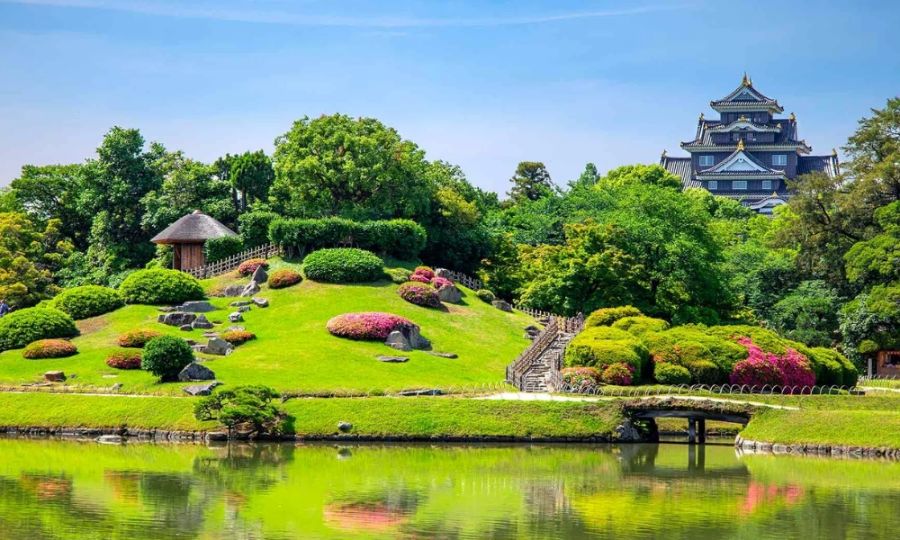
Do you want to travel to Japan but do not want to go to crowded, noisy cities? Then Okayama Japan will be a great choice for you, with ancient spaces, sacred temples, special dishes and traditional festivals, all of which will bring you an unforgettable experience.
If you are planning to explore Okayama, let’s explore the interesting experiences here with Living Nomads in the article below.
Okayama travel guide: A brief introduction about Okayama
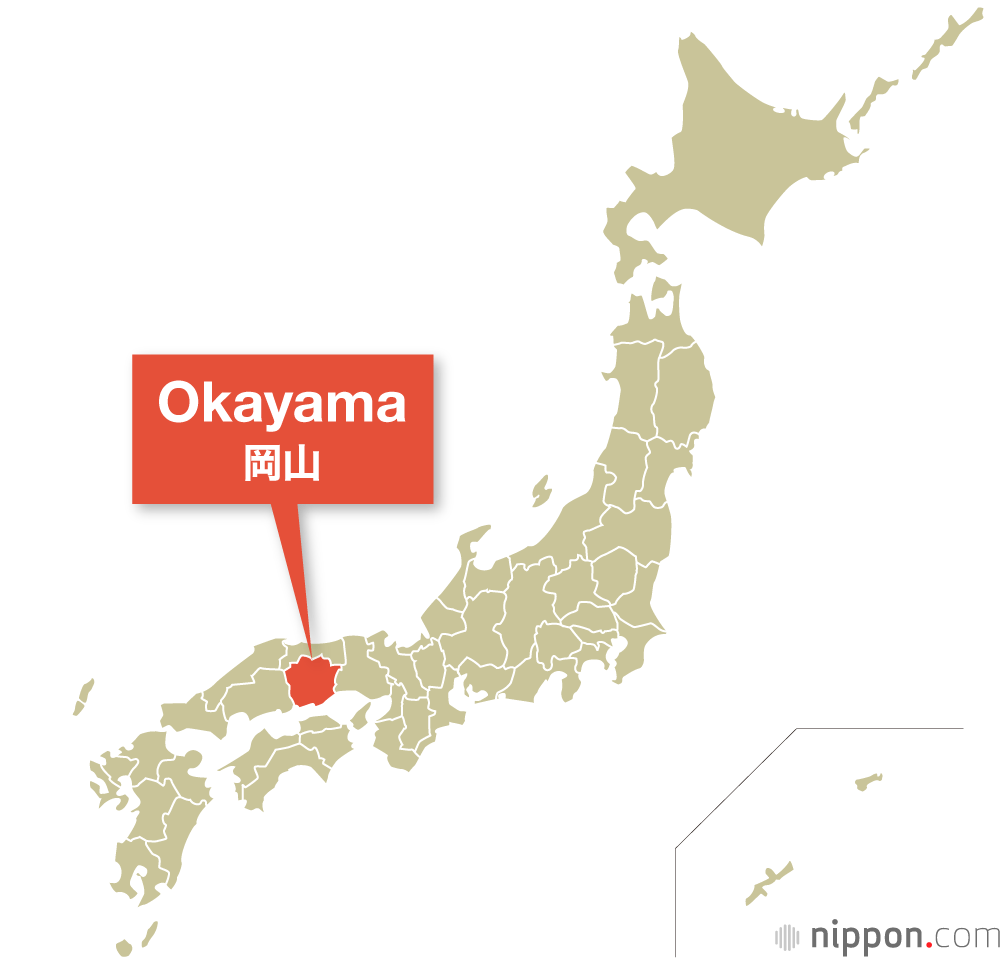
Okayama, a province located in western Japan, is famous for the nickname “Land of Sunshine”. The name comes from the mild climate and many sunny days a year, creating favorable conditions for agriculture and the daily life of local people. In addition, this nickname also reflects the optimistic and hospitable spirit of Okayama people.
Okayama is famous for its warm climate, beautiful natural landscapes and many long-standing cultural heritages. Located in Chugoku, south of Honsu Island – the largest island of Japan. With its favorable location, Okayama has long been an important economic center of Japan. To this day, Okayama has undergone many changes, but still retains its original beauty.
This land is associated with the legend of Momotarō, and is also famous for fruits such as white peaches and Muscat grapes. Okayama offers a peaceful experience, a favorite destination for those who want to explore the traditional and modern lifestyle when traveling to Japan.
With a long history, Okayama has gone through many changes and developments over time. Since the Edo period, it has become an important commercial and cultural center. Today, the province still retains many traditional cultural features, while combining them with modernity to create an attractive destination for tourists.
Why should you travel to Okayama?
It can be said that Okayama is one of the ideal destinations for those who love to explore tourism in general and love Japan in particular. Below are 6 reasons why you should definitely visit here:
- Okayama with scenic spots with a harmonious blend of ancient and modern beauty.
- Delicious and attractive local cuisine for food lovers.
- Coming to Okayama, you have the opportunity to participate in many unique traditional festivals, bearing the local mark.
- Okayama owns many beaches with long white sand beaches, many mountains with majestic landscapes, extremely suitable for tourists who want to immerse themselves in nature.
- The people here are friendly and hospitable.
- Modern transportation system, making it easy for you to move between attractions.
The best time to explore Okayama?
Okayama Prefecture is located in the west of Honshu Island, in the Chugoku region of Japan. With a mild climate and low rainfall, this place is known as the “Land of Sunshine”, suitable for year-round tourism activities. Okayama impresses with its blend of natural beauty and cultural depth.
However, each season of the year has its own beauty with many unique activities, giving visitors different and attractive experiences. When planning a trip, choosing the right time will help make your trip more complete.
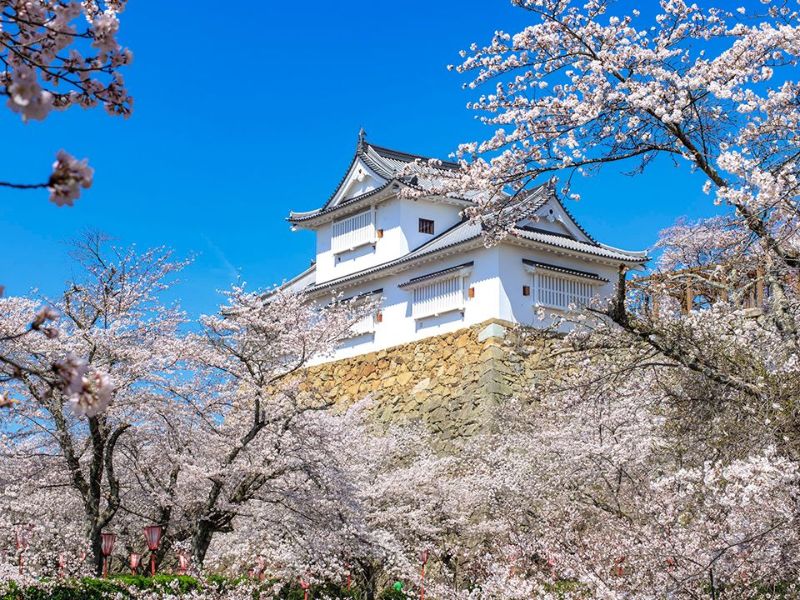
- Spring (March – May): Pleasant weather, cool temperature, cherry blossoms blooming all over Okayama creating a romantic and poetic landscape.
- Summer (June – August): Warm temperature, many sunny days, little rain, suitable for going out and exploring around.
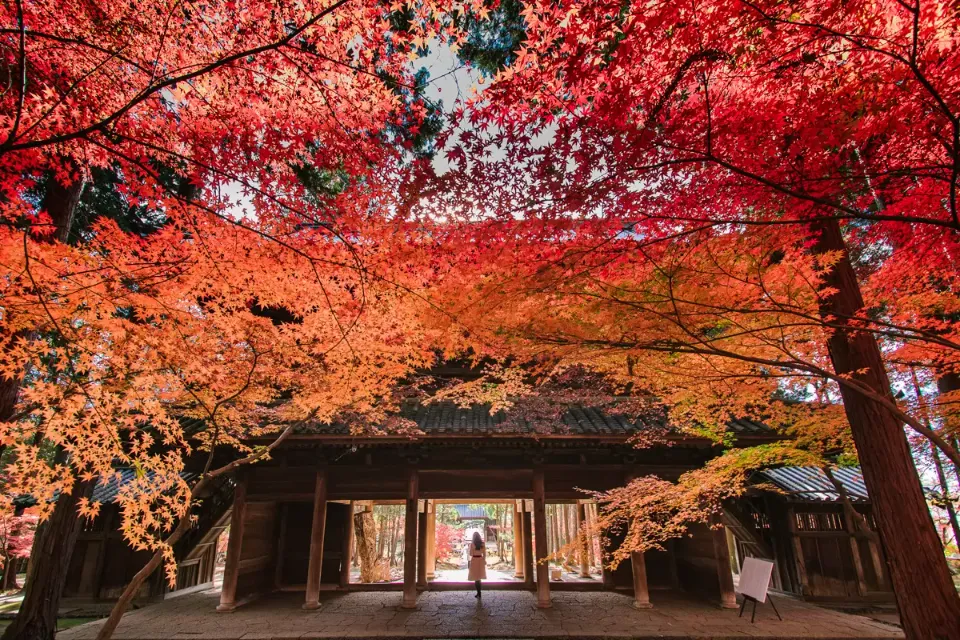
- Autumn (September – November): Cool, pleasant air, the whole city turns to the brilliant red and yellow of autumn leaves.
- Winter (December – February): The climate turns cold with clear blue skies. The snowy landscapes create unique experiences amidst the peaceful Japanese landscape.
Travel from Vietnam to Okayama
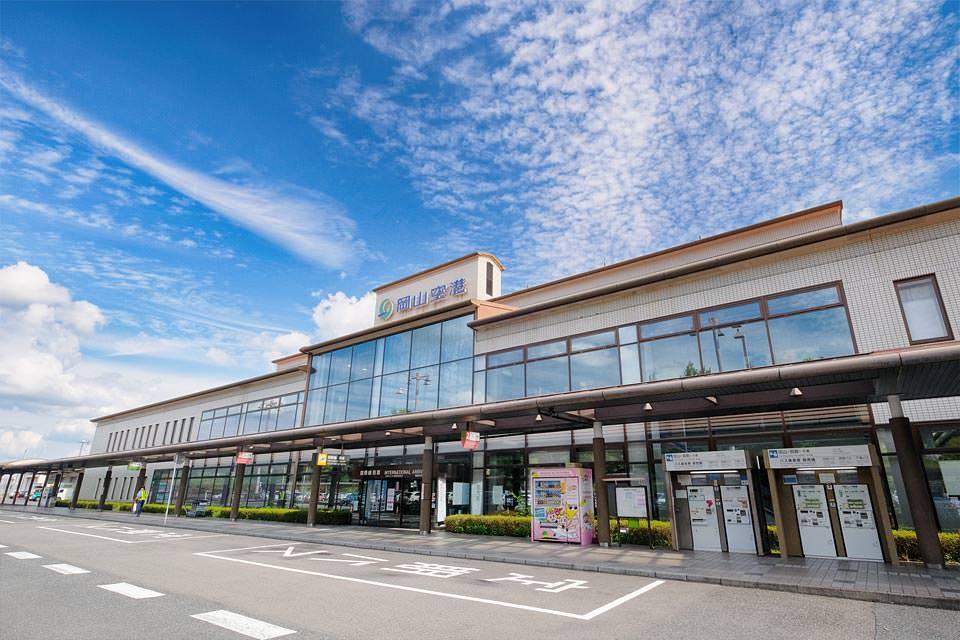
Okayama is an easy destination for tourists to explore, thanks to the convenient ways to get to and within the city.
Currently, there are no direct flights from Vietnam to Okayama, so travelers often have to transit one or two points in China when booking flights to Okayama. While waiting for your connecting flight, you can enjoy the comfort and relaxation at the airport lounges, a suitable option to recharge your batteries before continuing your journey:
As soon as you land at Okayama airport, you can quickly move to the center or hotel without having to wait long by booking an airport shuttle service at Klook.
Getting around Okayama city and surrounding areas
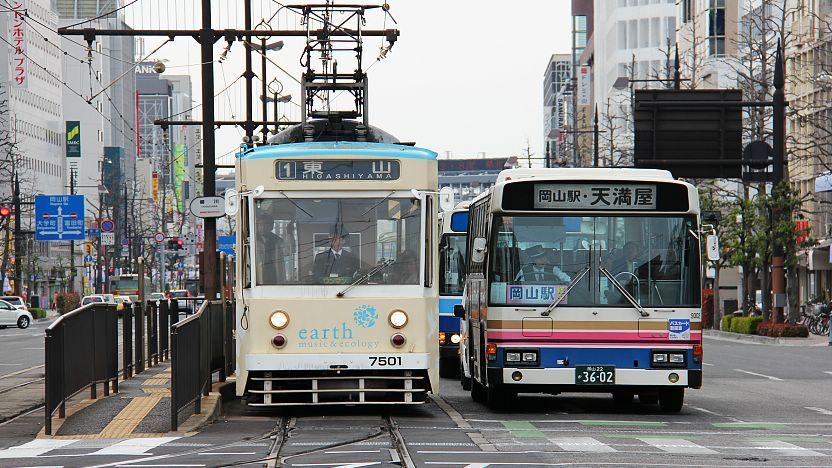
When arriving in Okayama, the most convenient and enjoyable way to travel is by tram. Just step out of Okayama station, you can easily catch the Higashiyama Line to go straight to the center, where iconic attractions such as Okayama Castle, Korakuen Garden or the art museum converge. The ticket price is only about 120 yen/trip (about 20,000 VND). But if you want to explore many places in a day, you should choose a package ticket of 400 yen (about 70,000 VND), which is both economical and comfortable to travel.
If you want to explore Okayama slowly, breathe fresh air and admire the beautiful nature, a bicycle is a great choice. Visitors can rent bicycles at rental shops, which are often located near the station or tourist attractions.
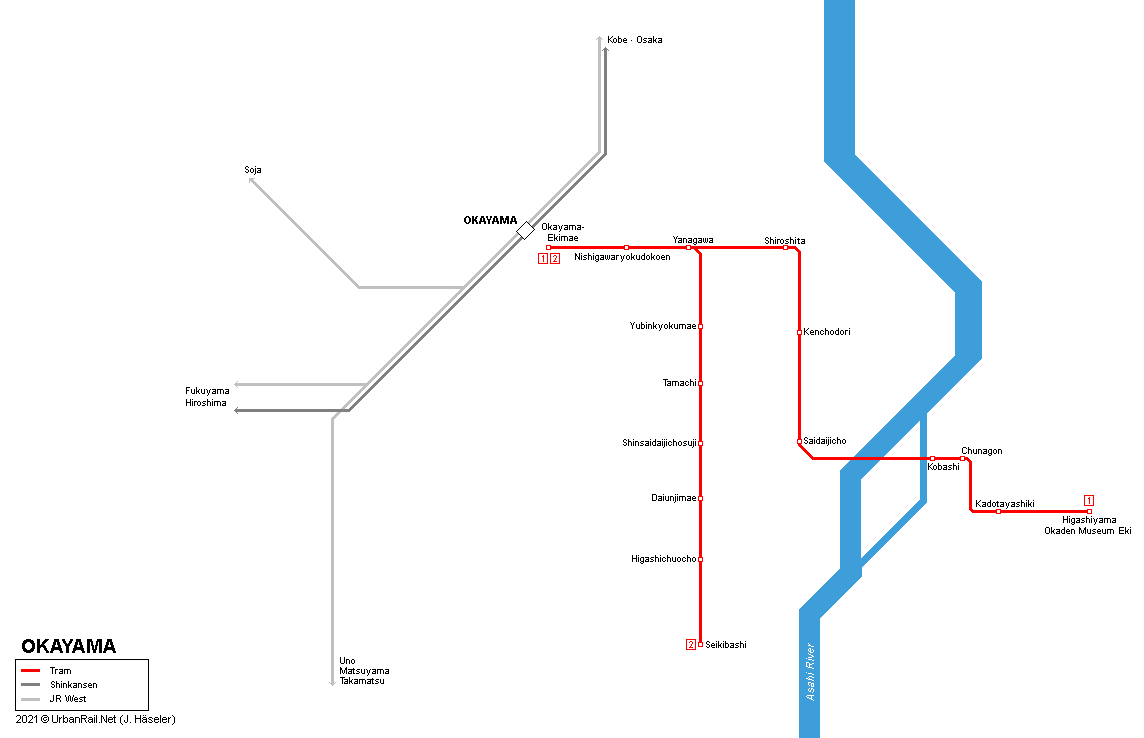
In addition, tourist attractions in Okayama are quite close to each other, very convenient for walking. A popular suggestion is that you can take the tram from Okayama station to Shiroshita station, then comfortably walk to visit the surrounding places.
Where to go and what to do: Must-see tourist attractions and top things to do in Okayama
Coming to Okayama, visitors will encounter many attractions with strong cultural and historical imprints. Here are some places not to be missed on your exploration journey.
Okayama Castle
- Address: 2 Chome-3-1 Marunouchi, Kita Ward, Okayama Prefecture
- Opening hours: 9:00 – 17:30
- Reference ticket price: 400 yen/ticket (about 70,000 VND)
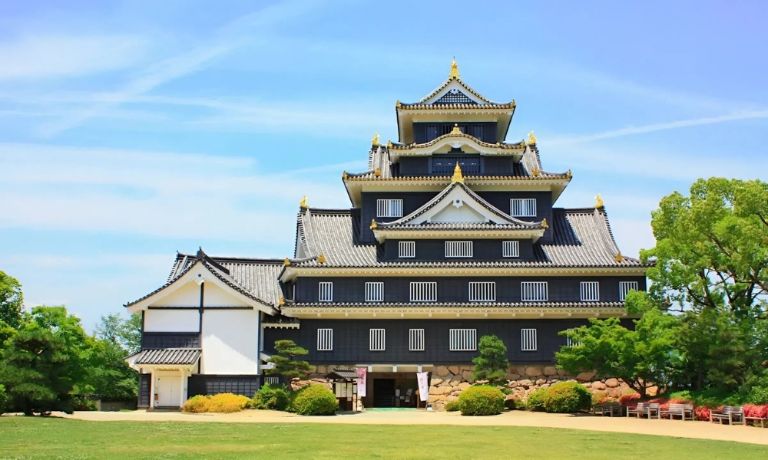
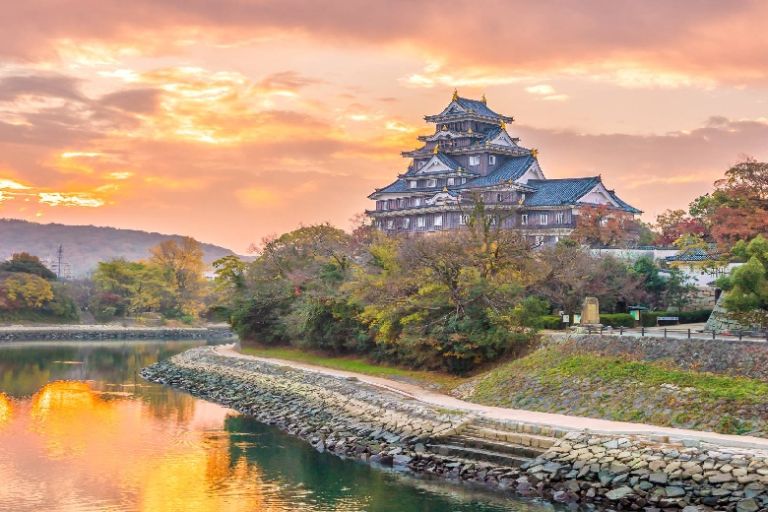
Located on the Asahi River in the city center, Okayama Castle stands out with its majestic jet-black color, so it is also called “Crow Castle”. The structure was built in the 16th century by the Ikeda clan – the feudal lords who ruled the Okayama region and was the center of power for hundreds of years.
During World War II, the castle was heavily destroyed, leaving only two 17th-century towers: Tsukimi Yagura (Moon-Viewing Tower) and the West Tower. In 1966, the entire structure was restored and opened as a museum, becoming an important historical and cultural symbol of Okayama.
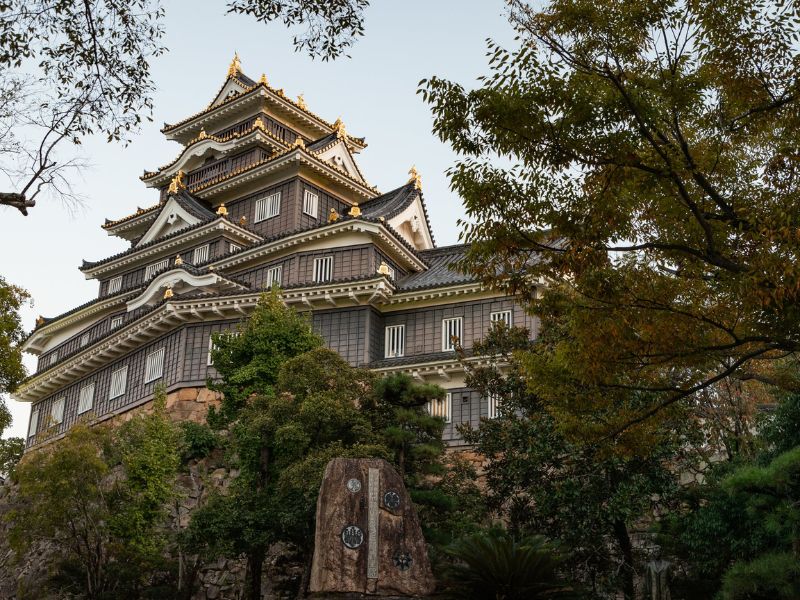
When visiting the Castle Okayama, visitors will admire the unique architecture of the castle. In addition, you can also experience many unique local cultural activities such as: wearing kimono or samurai armor and taking souvenir photos, making Bizen pottery.
Korakuen Garden (Okayama Korakuen Graden)
- Address: 1-5 Korakuen, Kita Ward, Okayama Prefecture
- Opening hours: 8:00 – 17:00
- Reference ticket price: 500 yen/ticket (about 86,000 VND)
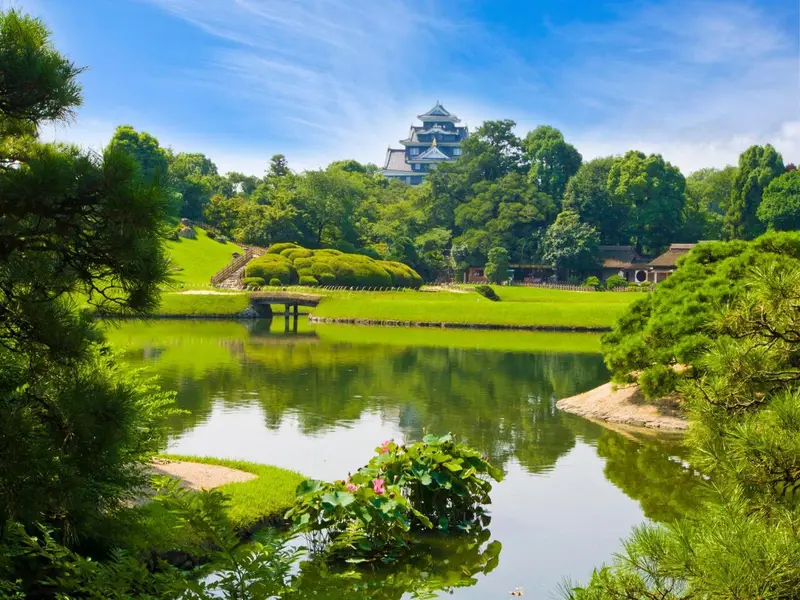
Korakuen Garden is one of the three most famous gardens in Japan, built in 1687 by lord Ikeda Tsunamasa. The space of the garden is large, peaceful, with a bold Kaiyu strolling garden style, where every step opens up a new scene.
Visitors can spend the whole day strolling in the garden to admire cherry blossoms, plum, maple or purple irises depending on the season. Every corner of Korakuen has a delicate beauty, a harmonious combination of tradition and Japanese landscape art.
Kurashiki Bikan Historical Quarter
- Address: Central Road, Kurashiki, Okayama, Japan
- Opening hours: 24/7

Historical Quarter Kurashiki Bikan is one of the outstanding tourist attractions that cannot be missed when traveling to Okayama. This place still retains the ancient atmosphere from the Edo period (1603 – 1868), when Kurashiki was an important rice trading center of Japan.
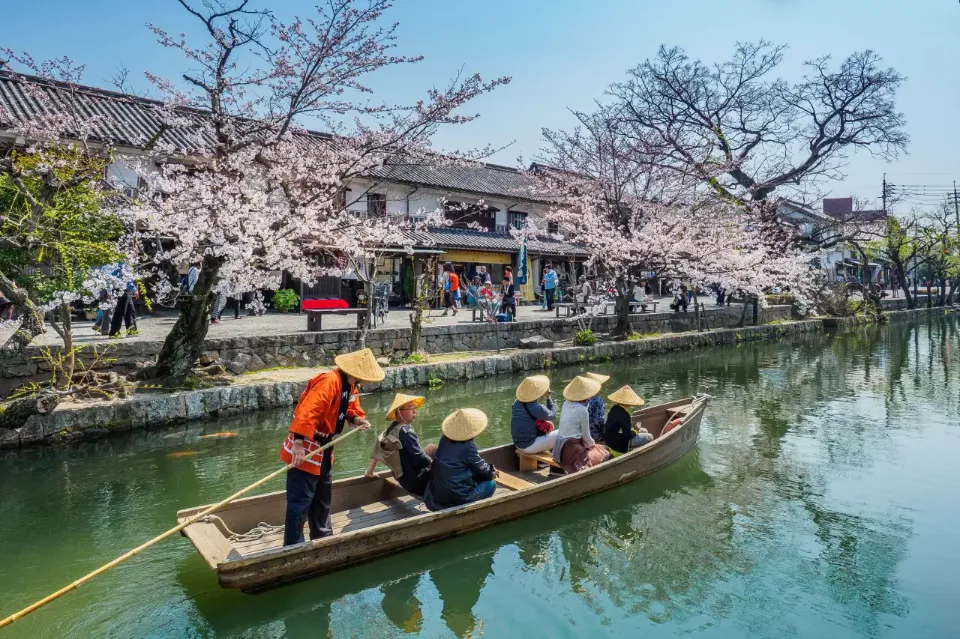
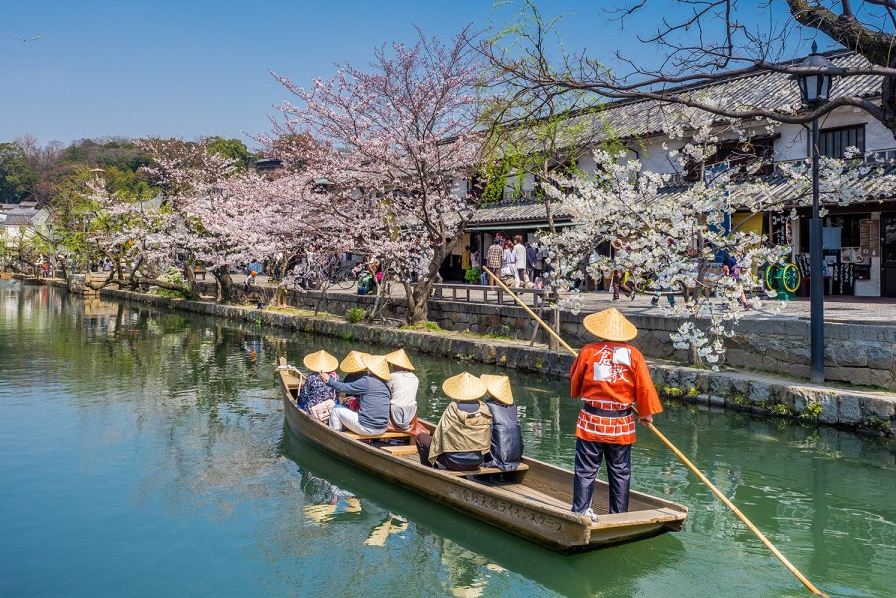
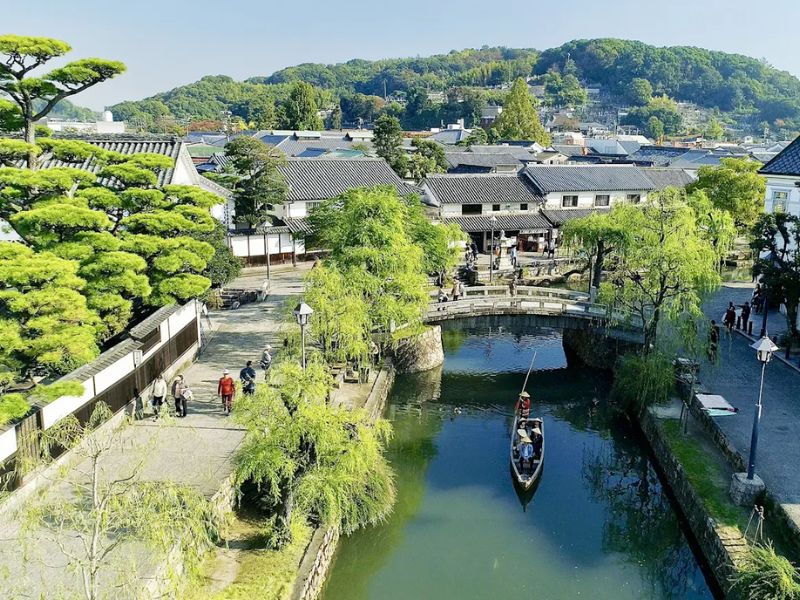
The unique highlight of the neighborhood is the poetic canal shaded by willow trees, winding through graceful stone bridges. Along the canal, the old warehouses with familiar white walls and tiled roofs have been renovated into cafes, souvenir shops, craft boutiques or art museums, bringing many interesting experiences to visitors.
On sunny days, visitors can wear kimono or yukata to check-in to keep the old town scene. In addition, visitors can also take a boat along the canal, slowly enjoying the peaceful beauty of the willow trees on both sides of the road.

A neighborhood with a long life. With old wooden houses and handicraft shops, Kurashiki Bikan gives visitors a peaceful, nostalgic feeling, as if taking visitors back to the past, lost in an ancient scene.
Spring and autumn will be a great time to visit Kurashiki Bikan, when cherry blossoms and maple leaves are in full bloom.
Cultural symbol from the legend of Momotaro
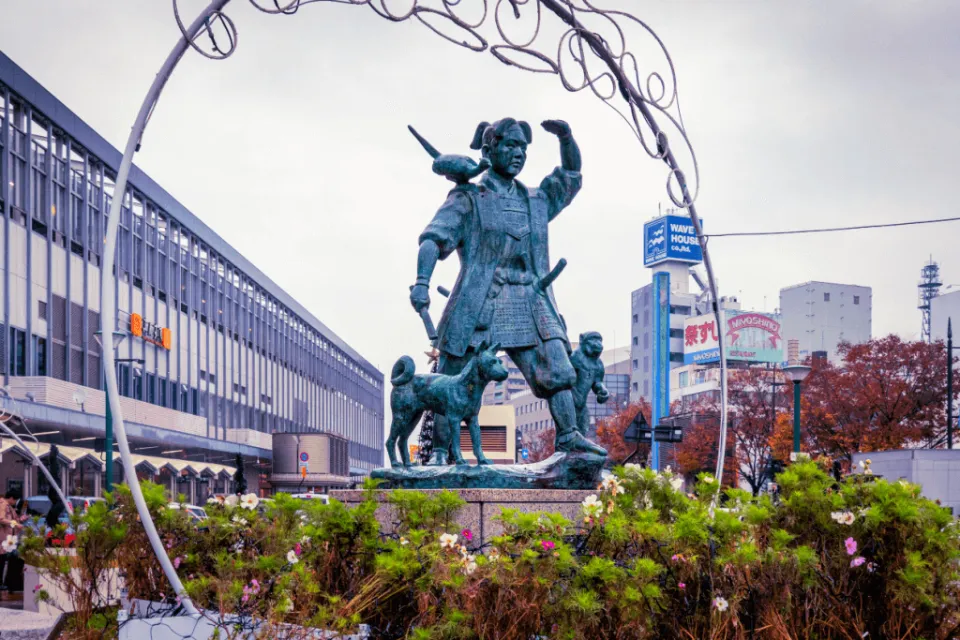
Associated with Okayama Prefecture, the legend of Momotarō tells of a strange boy born from a peach, possessing strength and courage. He The boy and his three friends, a dog, a monkey and a pheasant, set out to defeat the evil spirits.
This story has been passed down through generations and has become a local cultural symbol. Today, Momotarō’s image is everywhere: from monuments, illustrations at train stations, souvenir shops to traditional festivals, expressing the pride and unique identity of Okayama.
Kibitsu Shrine (Kibitsujinja Shrine)
- Address: 931 Kibitsu, Kita Ward, Okayama Prefecture
- Opening hours: 5:00 – 18:00
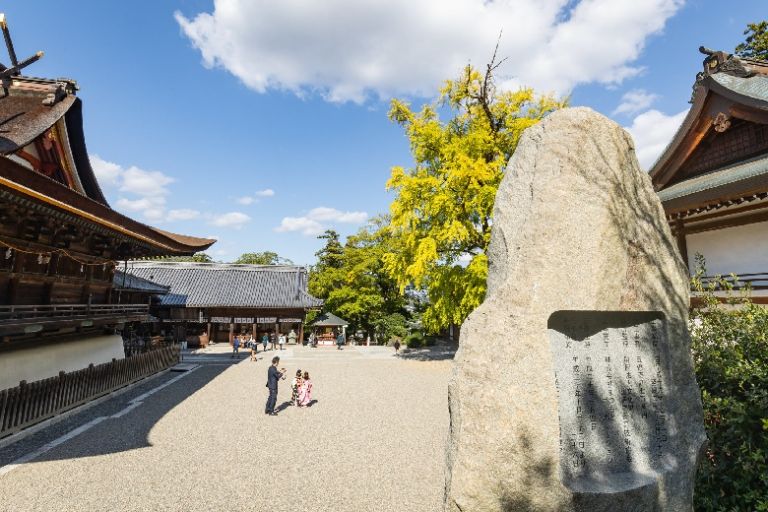
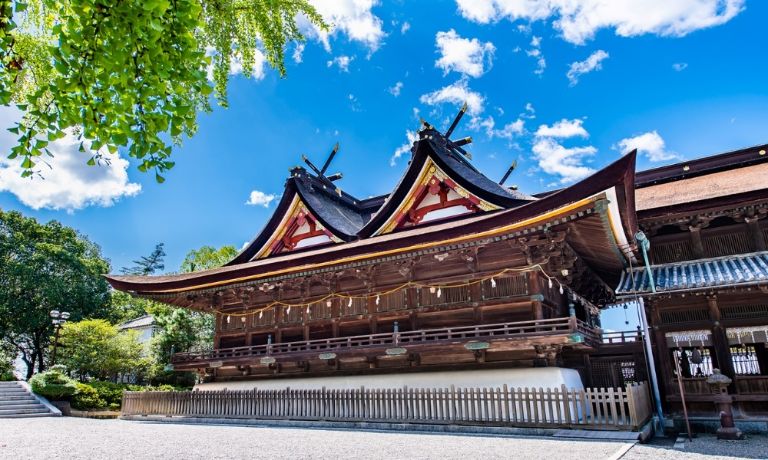
Kibitsu Shrine is one of the representative religious buildings of Okayama, standing out with its unique architecture in the Kibitsu-zukuri style. This is a typical ancient architectural style, which can only be found in Japan, with a specially designed roof consisting of four symmetrical gables creating a majestic and unique look.
In addition, Kibitsu Shrine is also associated with the famous legend of Momotaro – the peach boy, who defeated the devil with the help of dogs, monkeys and pheasants. This legendary story has become an important part of Japanese folklore, reminded through the peach-shaped amulets sold right in the shrine.
It is the combination of unique architecture and cultural depth that makes Kibitsu an attractive destination, imbued with Japanese tradition.
Former Samurai Residence of the Ashimori Domain
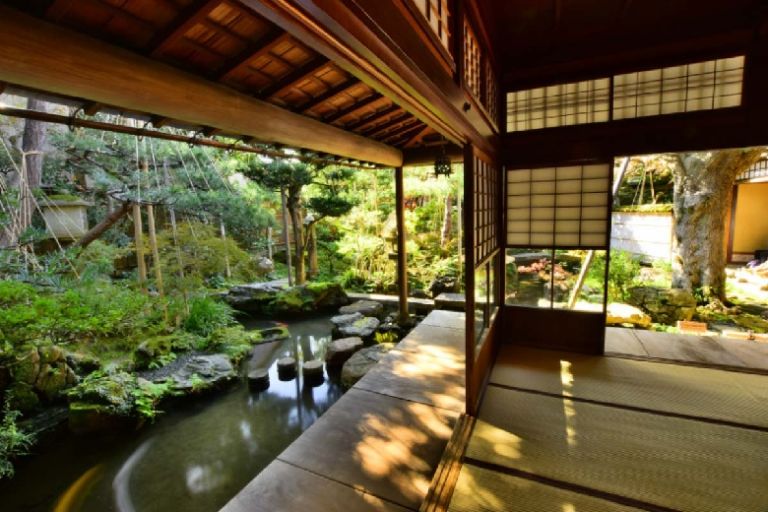
Japan is considered the land of Samurai, associated with many works bearing the mark of the warrior class. In Okayama Prefecture, the Samurai Mansion is one of the most prominent remaining relics.
The house was built in the Buke-shoin-zukuri style, which is the precursor to modern Japanese architecture. The interior of Kibitsu-jinja Shrine was also restored to the exact standards of the Samurai period, from the miniature garden, tea house, to the earthenware warehouses. Every detail helps visitors go back in time, touching the historical breath of an ancient country.
Naoshima Island
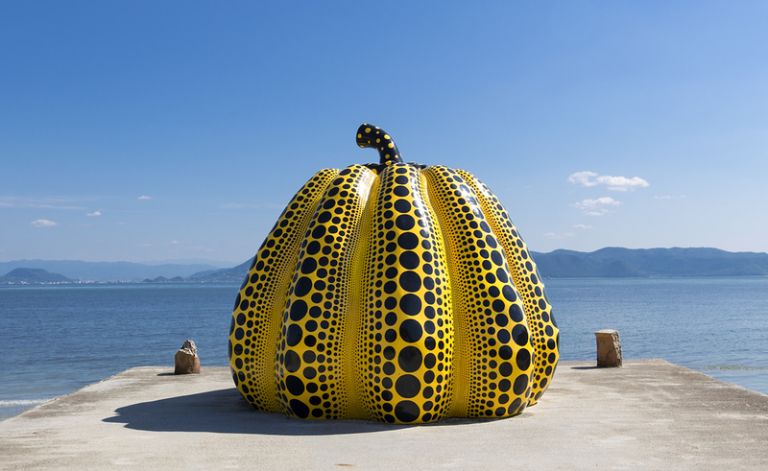
A small island, famous for its many art museums, attracting thousands of visitors. Walking around Naoshima Island, you can admire the meticulously sculpted works of art from famous artists. Naoshima is a destination that art lovers and those who want to discover interesting things cannot miss.
Okayama Prefectural Museum of Art
- Address: 8-48 Tenjin-cho, Kita Ward, Okayama Prefecture
- Opening hours: 9:00 – 17:00 from Tuesday to Sunday
- Reference ticket price: 360 yen/ticket (about 60,000 VND)
Okayama Prefectural Museum of Art is a place to preserve and honor the artistic quintessence of this land. With the mission of displaying works “connected to Okayama Prefecture,” the museum offers visitors a unique perspective on the history and artistic spirit of the region over many generations.
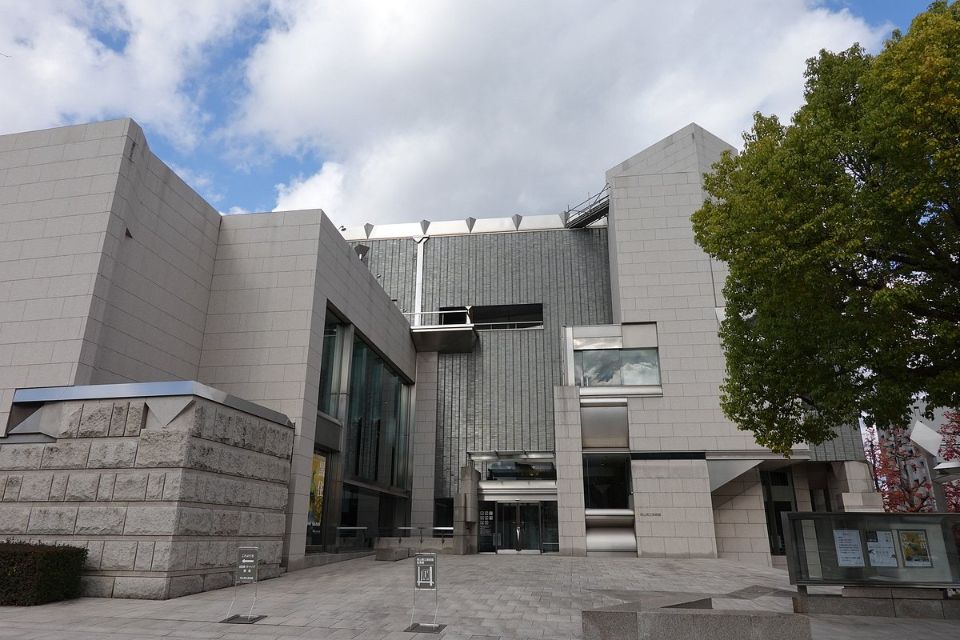
Just a short distance from Okayama Castle and Korakuen Garden, this place becomes an ideal stop on the journey to explore the city. The building was designed by famous architect Shinichi Okada, harmonizing modernity with traditional breath, further enhancing the appeal of the project.
Step inside, visitors will encounter a rich display space with rotating collections, from ink paintings, classical brush paintings to modern sculptures and paintings. This place promises to be an ideal destination to enjoy art in a space imbued with Okayama culture.
Okayama travel guide: Saijo-inari Shrine
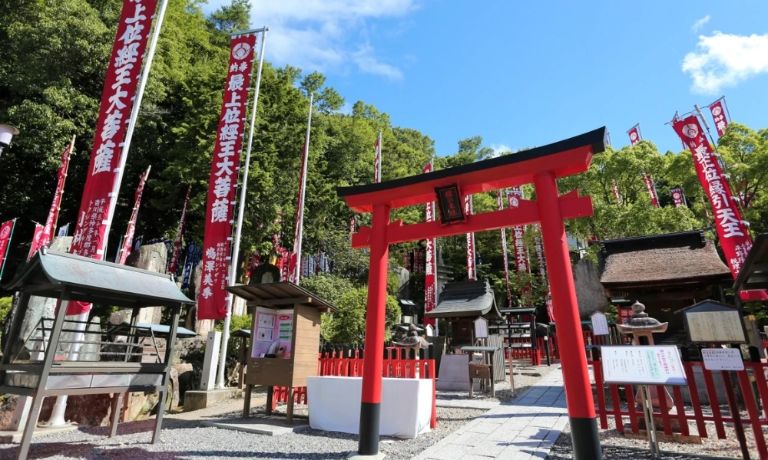
Saijo-inari is one of the three most famous Inari shrines in Japan, notable for its reddish-brown torii gate that is over 27 meters high. The shrine has a history of more than 1,200 years and is characterized by a harmonious combination of Shinto and Buddhism, creating a sacred and profound space, attracting many visitors to pray for work, family and love.
When visiting, visitors can walk along the 600-meter-long street leading to the shrine, experience the festival atmosphere with stalls selling antiques, traditional sweets, sake and lucky items. At the beginning of the year, this is an ideal place to participate in the New Year’s ritual, ask for a love charm at the En no Massha shrine or simply enjoy the cultural space imbued with Japanese culture.
Panoramic view of the sea and sky at Mount Washuzan
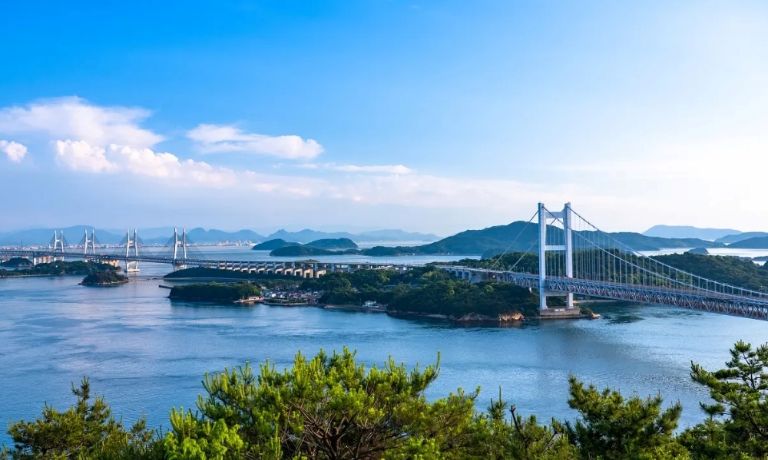
Mount Washuzan is located in the Kojima area of Kurashiki City, 133 meters high overlooking the Seto Inland Sea. From the top of the mountain, visitors can admire the majestic panorama of the Seto Ohashi Bridge and more than 50 large and small islands spread out on the blue sea. At sunset, the scene of the sun setting behind the bridge creates a spectacular beauty, helping Washuzan to be honored in the list of 100 most beautiful sunsets in Japan.
From the top of Mount Washuzan, visitors can admire the entire majestic beauty of the Seto Inland Sea with hundreds of large and small islands scattered among the blue water. This is one of the most spectacular sightseeing spots in the Chugoku region, especially at sunset when the sun gradually sets. In addition, there are also observatories and gentle climbing routes, suitable for both photography lovers and tourists who want to enjoy peaceful nature.
Relaxing experience at Yunogo hot spring
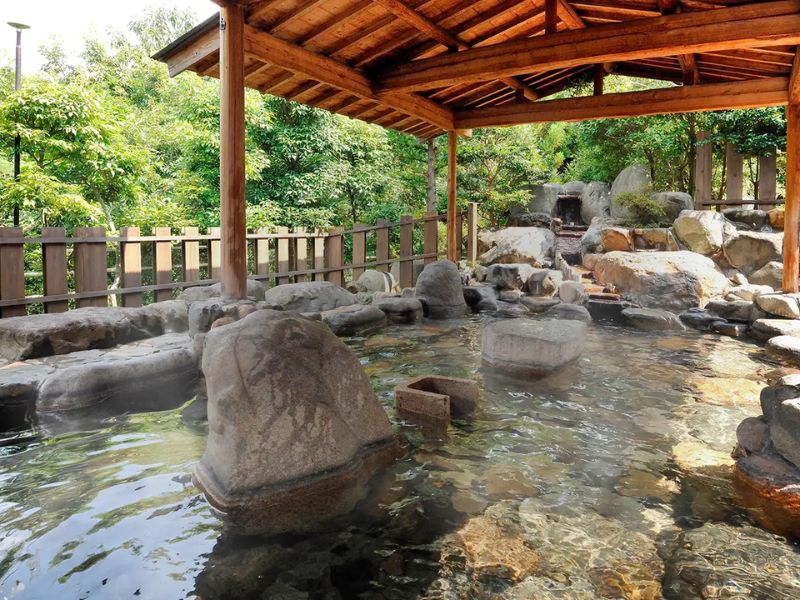
Yunogo hot spring is located in Mimasaka town, known as one of the most famous resorts in Okayama. With mineral-rich hot spring water, this place has long been used by Japanese people to restore health and relax their minds.
In particular, you can relax at the ryokan (traditional inns) in Yunogo, which offer a cozy resting space and serve seasonal local cuisine, creating a complete vacation for both body and soul. The area around the spring also has many gentle attractions such as shrines, flower gardens and art museums.
Where to stay
After a day of exploring Okayama, choosing a comfortable place to rest will help you recharge and prepare for the next journey. For convenient travel and sightseeing of the city’s highlights, you can prioritize Okayama hotels located near the center or along the main traffic routes.
Here are some ideal hotel suggestions for visitors in Okayama:
- Mitsui Garden Hotel Okayama (klook, agoda)
- Hotel Granvia Okayama (klook, agoda)
- Kurashiki Royal Art Hotel (klook, agoda)
- Okayama View Hotel (klook, agoda)
- Daiwa Roynet Hotel Okayama Ekimae (klook, agoda)
- The OneFive Garden Kurashiki (klook, agoda)
- Hotel Abest Grande Okayama (klook, agoda)
Major festivals in Okayama
Not only possessing many attractive destinations, Okayama is also known for its unique cultural festivals, where visitors can immerse themselves in the vibrant atmosphere and experience traditional Japanese culture
Okayama Momotaro Festival (Uraja)
- Time: August 23 – 24 every year
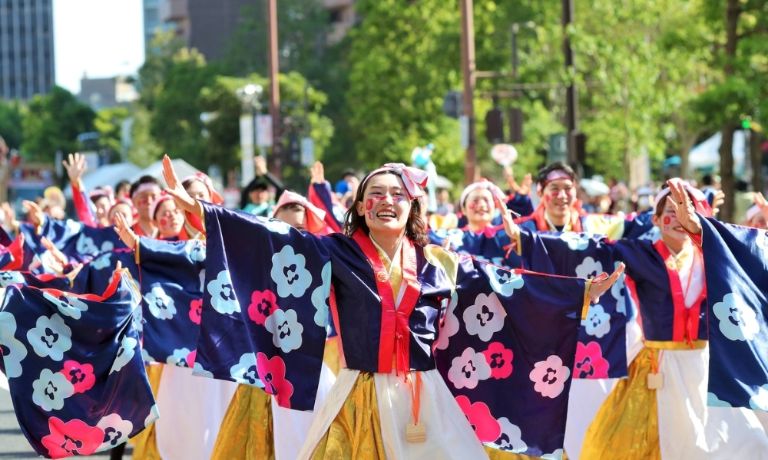
Every summer, Okayama city becomes bustling with the Okayama Momotaro Festival (Uraja), inspired by the legend of the hero Momotaro defeating the demon Ura. Started in 1994, the festival has become one of the largest events in the region, attracting more than half a million visitors each year.
The highlight of the festival is the dancers dressed in Ura kesho masks and the Sou Odori dance, turning the streets into a brilliant party. The event takes place in many locations such as parks, shopping malls and outdoor stages, combining vibrant parades and stage performances. Visitors can enjoy the “Ura Make-up” booth, experience Family Festa with activities for children, and meet special guests leading the parade. This is truly a festival for all ages, blending local history with a modern festival atmosphere.
Tsukimi Moon Viewing Festival
- Time: 15th day of the 8th lunar month (around mid-September)
- Ticket price: 150 yen/ticket (around 25,000 VND)
The Tsukimi Moon Viewing Festival in Okayama is a unique cultural event held annually since 1956 at Korakuen Garden, associated with the Japanese tradition of moon viewing during the harvest season. The festival takes place on the full moon day of the 8th lunar month (usually mid-September), when the moon is brightest and roundest of the year.
During the event, Korakuen Garden will be open until 9:30 pm to serve the festival, creating conditions for visitors to view the moon rising behind the mountain range without being obscured. Not only can visitors enjoy the moon, they can also experience traditional koto concerts and tea ceremonies in the poetic space of the garden.
Kurashiki Autumn Festival
- Time: The third weekend of October every year
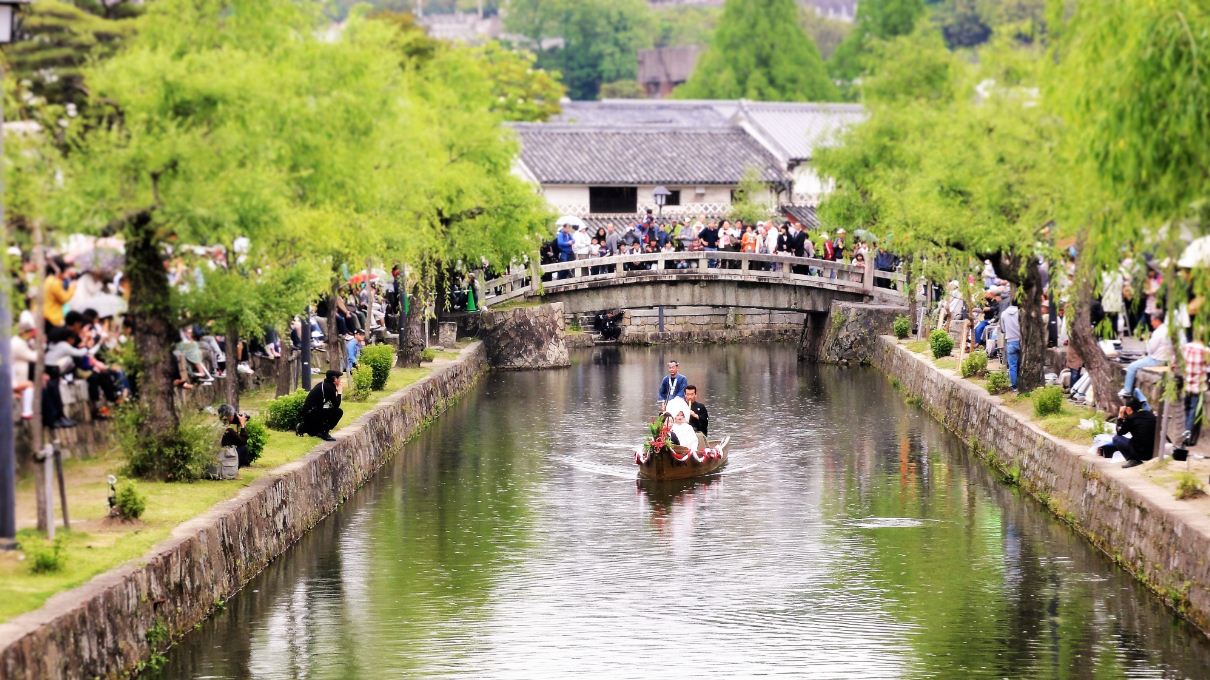
The Kurashiki Autumn Festival or Achi-Jinja Aki Matsuri takes place at Achi Shrine, located in Tsurugata-yama-koen Park, overlooking the Kurashiki Bikan Historical Quarter. The festival’s highlight is the parade through the crowd, where visitors can experience many blessing activities according to traditional Japanese concepts.
One of the highlights of the festival is the three Sanjyojin goddesses including Miko, Gagaku and Senzairaku being carried on boats and paraded along the Kurashiki Canal. The event is a combination of cultural and historical beauty, bringing a unique festival experience for all ages.
Festival Tanabata
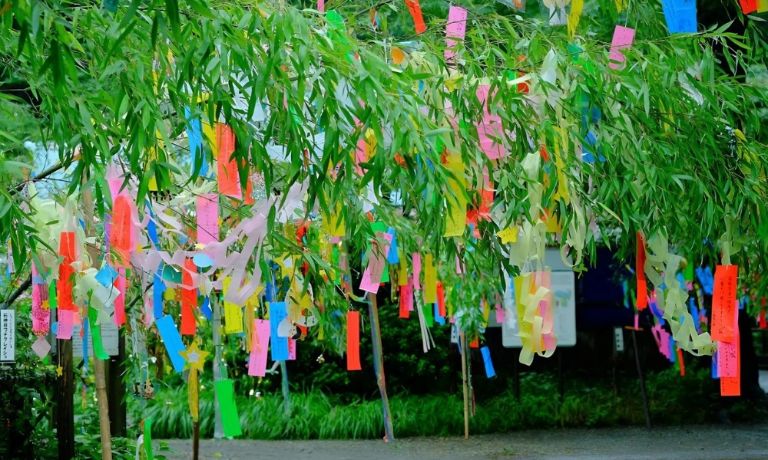
Also known as the Qixi Festival, is held on the 7th day of the 7th lunar month every year. During the festival, people will write lucky paper together, pray for peace in life or simply pray for their love to last. This is a great opportunity for you to learn and explore more deeply about Japanese culture and people.
Fireworks Festival – Hanabi

Japanese people believe that fireworks can drive away bad luck and bring positive things and luck in life. Therefore, they often go to see fireworks to pray for good things for themselves and their families. When traveling to Japan in July or August, visitors will be able to see fireworks, which is one of the most vibrant Japanese summer festivals.
Okayama Lantern Festival (Okayama Tenku no Fuyajou)
The festival is held every December in Okayama city, where people and visitors will release lanterns carrying their wishes for the new year. Traveling to Japan in December to Okayama, visitors will be able to admire the night sky becoming sparkling and magical with thousands of lanterns flying high.
Forest Festival of the Arts Okayama
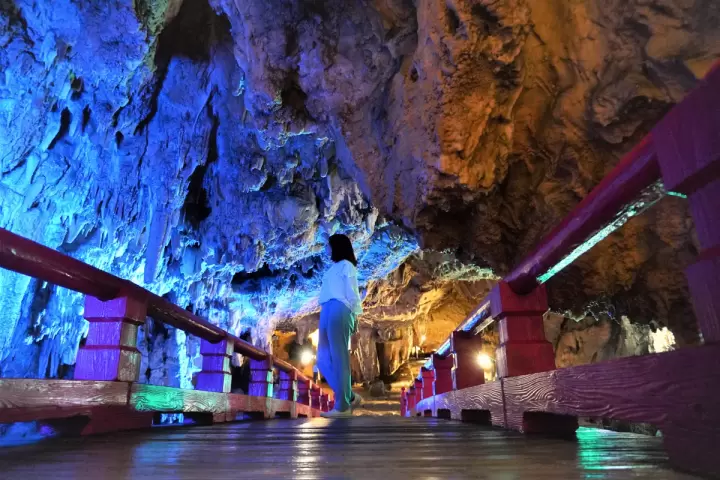
The festival takes place every three years from September to November in the mountainous areas of the northern province. This is a large-scale contemporary art festival, combining the exhibition of creative works in a natural space, attracting artists and art-loving tourists from all over.
What to eat
From traditional dishes associated with the legend of Momotaro to local specialties, Okayama cuisine promises to bring you unforgettable culinary experiences. Here are some delicious dishes in Okayama that Living Nomads will suggest to you:
Chiya Beef
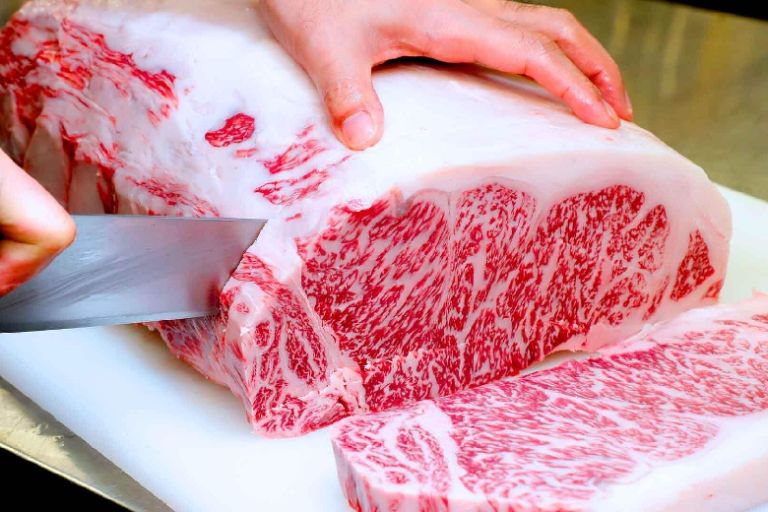
A rare wagyu raised in the Niimi mountains, famous for its softness, sweetness and perfect marbling, often processed into sukiyaki, shabu-shabu or steak.
Slices of beef with marbled fat, when grilled, will be soft, fragrant, rich in sweetness and delicate aftertaste. This is a rare old wagyu in Japan. Enjoy it at Yakiniku J’s En (千屋牛焼肉割烹 J’s苑), Yakiniku Resutoran Chiyagyu (焼肉レストラン千屋牛) or Nikusho Matsuya (肉匠松屋).
Ebi Meshi
Okayama’s signature shrimp fried rice dish, using a rich, dark brown demi-glace sauce and often served with a fried egg.
Barazushi
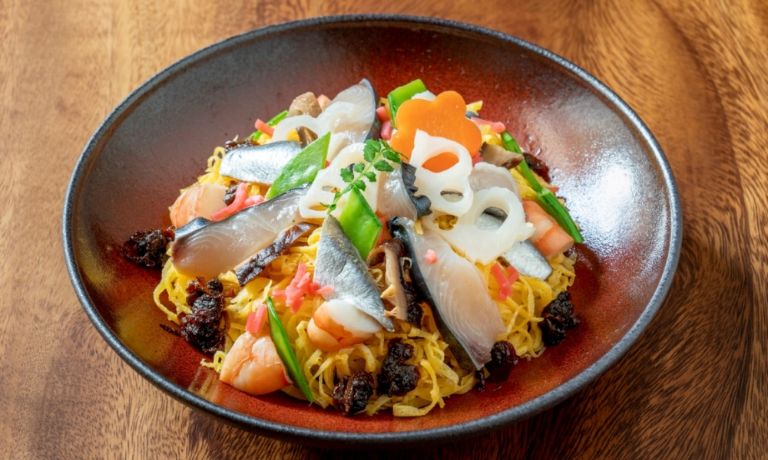
A colorful version of sushi with vinegared rice topped with seafood, eggs, vegetables and mushrooms. This dish is often served during holidays or celebrations.
On top of the vinegared rice are fresh seafood such as sawara fish, shrimp, fish eggs and beautifully carved vegetables, creating a colorful “flower-strewn” sushi dish. The sour taste of rice combined with the cool sweetness of seafood brings a light, elegant feeling. To enjoy authentic Barazushi, you should go to Azuma-zushi (冈山/寿司) or Taishotei (大正亭).
Kakioko
Okayama-style pancake with fresh oysters from Hinase region, combined with cabbage, eggs and special sauce, grilled directly on the grill.
Seasonal fruits
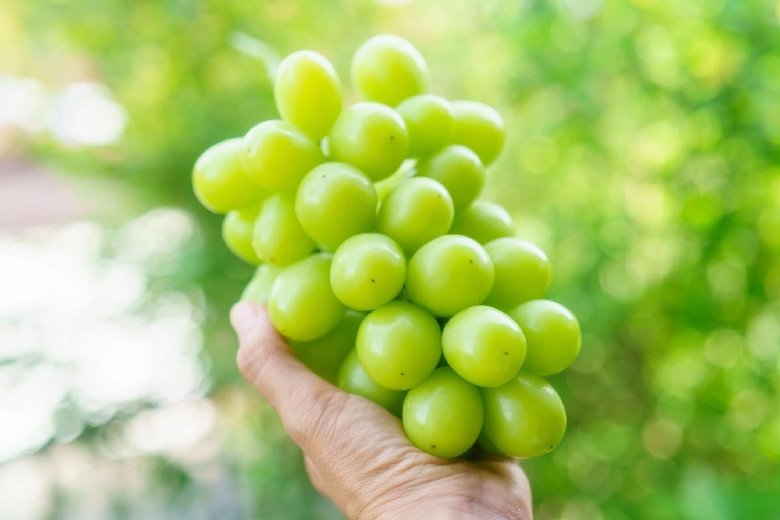
Muscat of Alexandria green grapes are a famous specialty of Kurashiki city, Okayama prefecture. This premium grape variety stands out with its sweet taste and mild aroma.
Okayama green grapes have a characteristic crunchy, sweet, and light aroma. Photo: Kingfoodmart
Okayama people have been cultivating grapes since the Meiji period and have been constantly perfecting the technique for more than a century. They cultivate many varieties of grapes such as red grapes, purple grapes, black grapes and green grapes, each with its own flavor and texture. Among them, Muscat of Alexandria grapes are the most prominent. It accounts for 90% of the Muscat grape market share in Japan and is considered the pride of this land.
Okayama Oysters
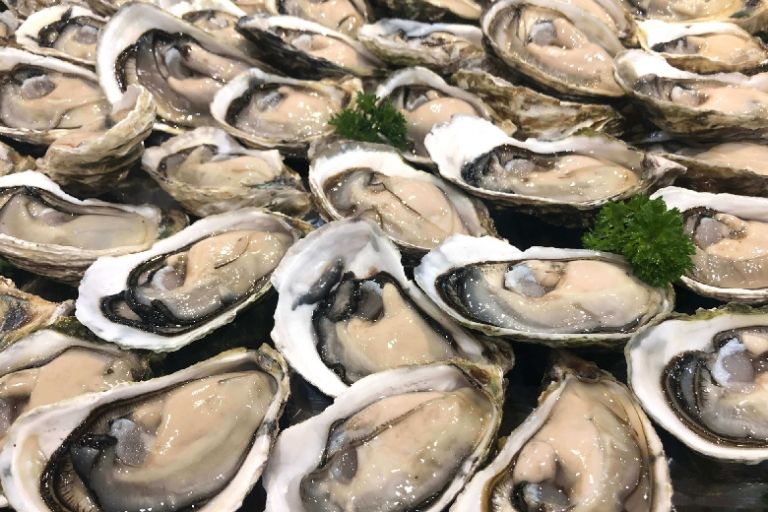
Okayama oysters are raised in the Seto Inland Sea, which is famous for its clean and nutritious water source. The oyster meat is white, smooth and has a natural aroma. Oysters can be enjoyed in many ways: raw, grilled, steamed, but the most popular is still used in okonomiyaki – Japanese pancakes with oysters.
Murasuzume Cake
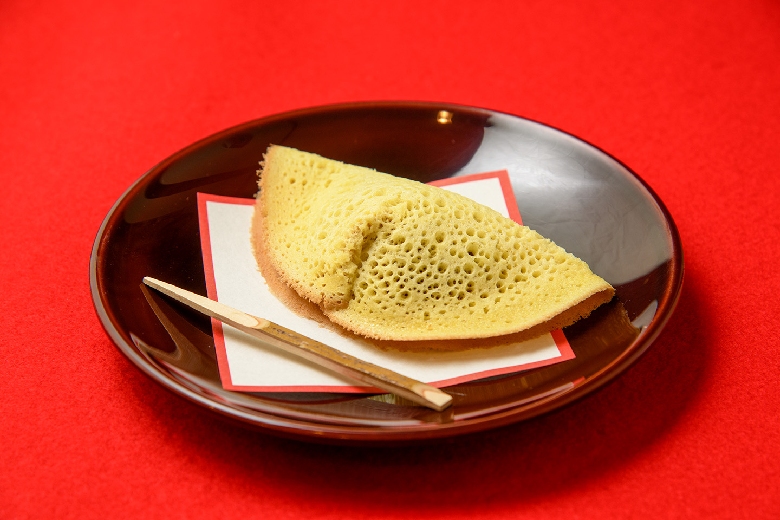
If you have the opportunity to visit Okayama, don’t miss Murasame cake. This is a traditional specialty of Kurashiki city. The cake is made from fresh chicken eggs, the thin, smooth crepe-like crust covers the pureed red bean paste, sweet and smooth. When bitten, the cake melts, leaving a light sweetness spreading throughout the mouth.
Kibi Dango
Traditional sticky rice cake associated with the legend of Momotaro, sweet and smooth, often beautifully packaged as souvenirs.
Small, round, soft mochi balls are made from millet flour mixed with glutinous rice, covered with a layer of fragrant roasted bean powder. The mild sweetness and smooth texture make this cake easy to eat and very popular. You can find it at Koeido (廣榮堂), Sansute Okayama (さんすて岡山) or Yamawaki Sangetsudo (山脇山月堂).
Hiruzen Yakisoba
Hiruzen Highlands specialty fried noodles with signature miso sauce, vegetables and meat, with a harmonious sweet and salty taste.
Demi-Katsudon
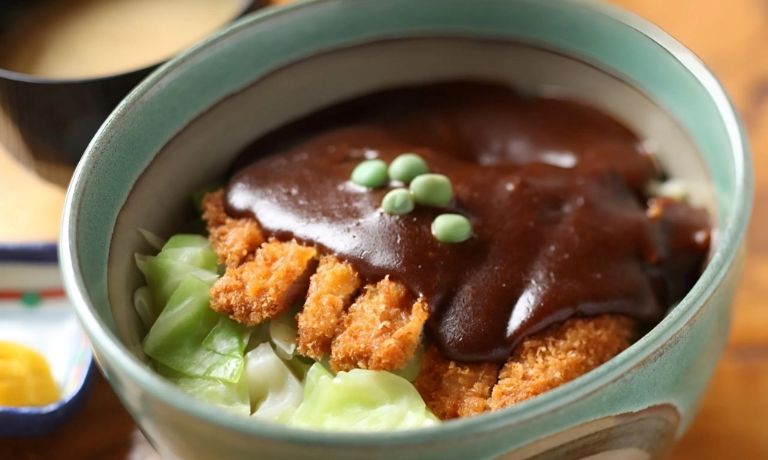
A variation of the traditional Katsudon. The pork is marinated and fried until golden brown. Japanese white rice is cooked from soft, sticky rice grains and is especially fragrant. The rice and meat are served with demi-glace sauce, a sauce with a rich and unique flavor. This dish will definitely bring you an extremely interesting culinary experience.
Udon Noodles
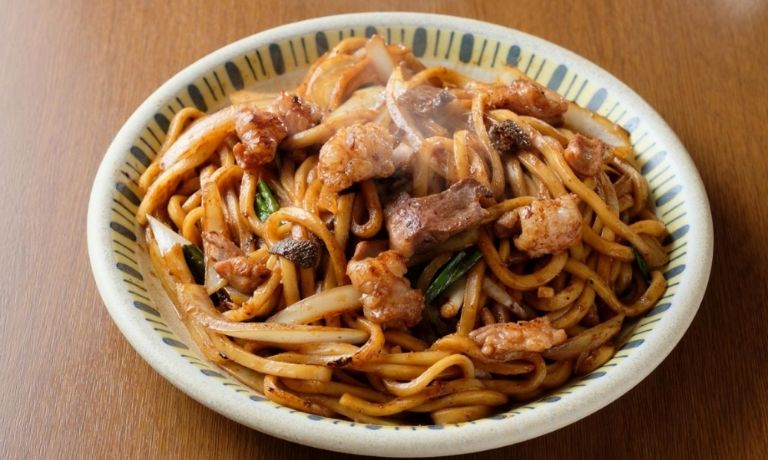
Tsuyama Beef Udon Noodles: Chewy udon noodles mixed with fresh beef intestines stir-fried with cabbage on a cast iron pan, covered with a rich sauce made from miso or shoyu. The hot, fragrant dish with the combination of chewy, fatty, crispy beef intestines makes diners unforgettable. You can visit Hashino Shokudo (はしの食堂) or Tsuyama Shokudo (津山食堂) to enjoy this specialty dish.
Noodles made from wheat flour, with longer and chewier strands than other types of noodles. The broth is usually sweet and mild, cooked from seaweed and other vegetables. Udon noodles are easy to eat, suitable for the taste buds of most diners.
Okayama Peach
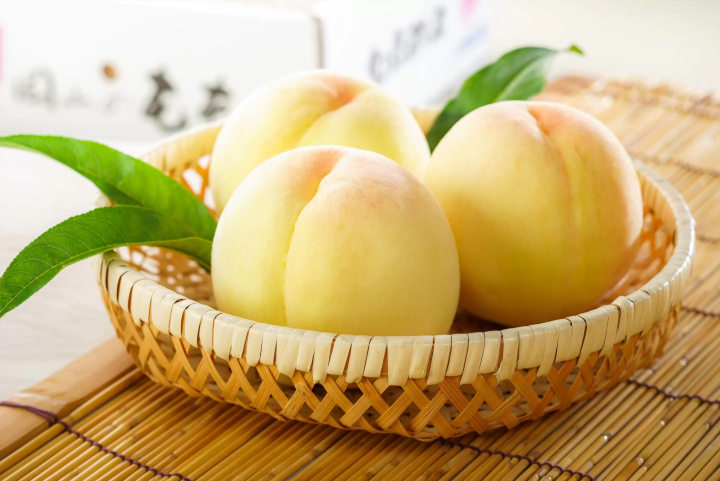
The peach is famous for its thin skin, soft and sweet flesh, juicy and fragrant. The feeling of the peach melting in your mouth is an experience not to be missed in the summer in Okayama. To enjoy it in season, visit Tomomien (ともみ園) or supermarkets such as Aeon Mall Okayama (イオンモール岡山) and Takashimaya (高島屋).
As one of the favorite fruits in Japan, this peach has a sweet taste, soft and juicy flesh. The peach has a round shape, smooth skin and bright pink color.
Suggested itinerary to visit Okayama in 1-2 days
Day 1:
- Morning: From Osaka/Kyoto take the Shinkansen to Okayama
- Noon: Visit Korakuen Garden and Okayama Castle
- Afternoon: Visit Kibitsu Shrine, experience tea ceremony– Evening: Stay at a central hotel or return to Osaka
Day 2 (if you have more time)
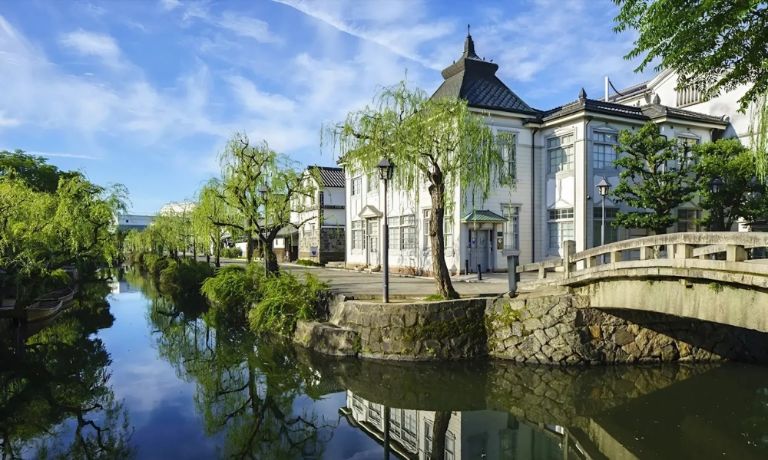
- Morning: Visit Kurashiki old town, see the canal and Ohara Museum
- Noon: Have lunch with Okayama specialties
- Afternoon: Visit a grape/peach picking farm (if going in summer), buy souvenirs
- Evening: Continue the journey to Hiroshima or return to Kyoto
Okayama is not only the land associated with the legend of the peach boy, but also an ideal destination for a journey to explore the culture and landscape of Japan in general and Chugoku province in particular. Hopefully, this article has inspired you to pack your bags and explore the sunny, blooming, and culturally rich land of Okayama. Whether it’s ancient gardens, traditional festivals, or quiet afternoons along the Kurashiki Canal, every experience here is peaceful and memorable.

Find out more top things to do in Okayama? Check out here.