



























Ishikawa is a hidden gem in the heart of central Japan, a place where natural beauty, traditional culture and exquisite cuisine blend. From old Edo-style towns, tranquil gardens to beaches and lush mountains, Ishikawa has its own unique charm in every season of the year. If the ideal destination Ishikawa is on your upcoming itinerary, the article below is the “treasure” to help you have the most comprehensive overview. So, what to do in Ishikawa and where to go? Let’s check out The FULLEST Ishikawa travel guide: Top attraction, things to do, eat, stay & MORE in this article!
- Aichi Japan Guide: Ghibli Park, Must-See Spots and Nearby Attractions
- A Go-Karting Guide in Japan for Beginners
- Himeji guide: How to visit & what to do in A Masterpiece of Samurai History
- Chiba itinerary: Review of a Day Trip to Chiba – A Peaceful Land Near Tokyo
- Japan itinerary 5 days: How to spend & what to do in Japan for 5 days perfectly?
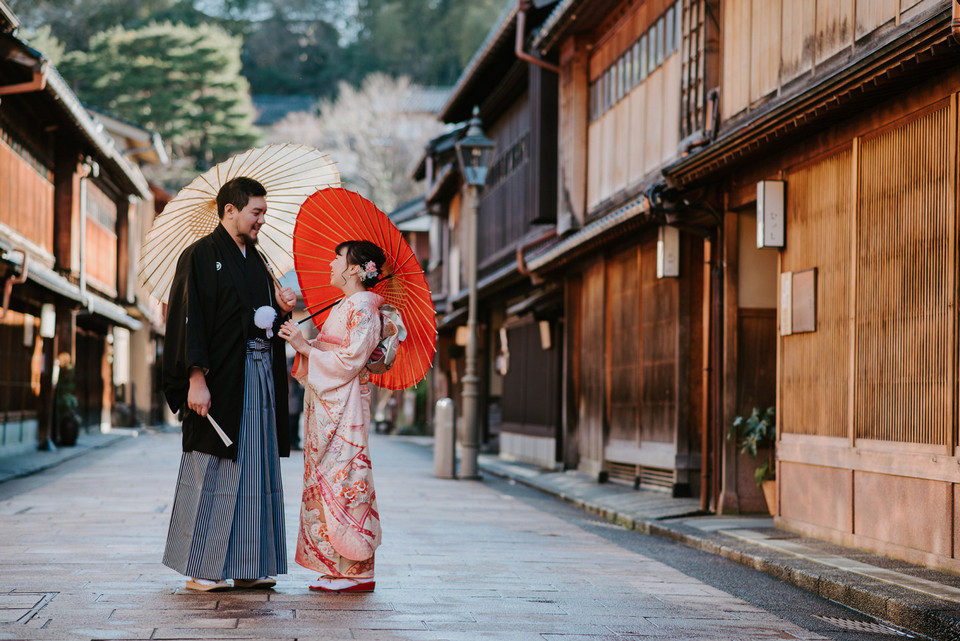
Ishikawa Japan is not only a small prefecture in the Chubu region but also a place that brings the most authentic experiences of traditional culture, majestic nature and delicious cuisine from the sea. From the quaint streets to the pristine coastline, every corner of this prefecture tells a story of its own, giving you a deeper understanding of the resilience and hospitality of the Japanese people.
Ishikawa travel guide: Where is Ishikawa?
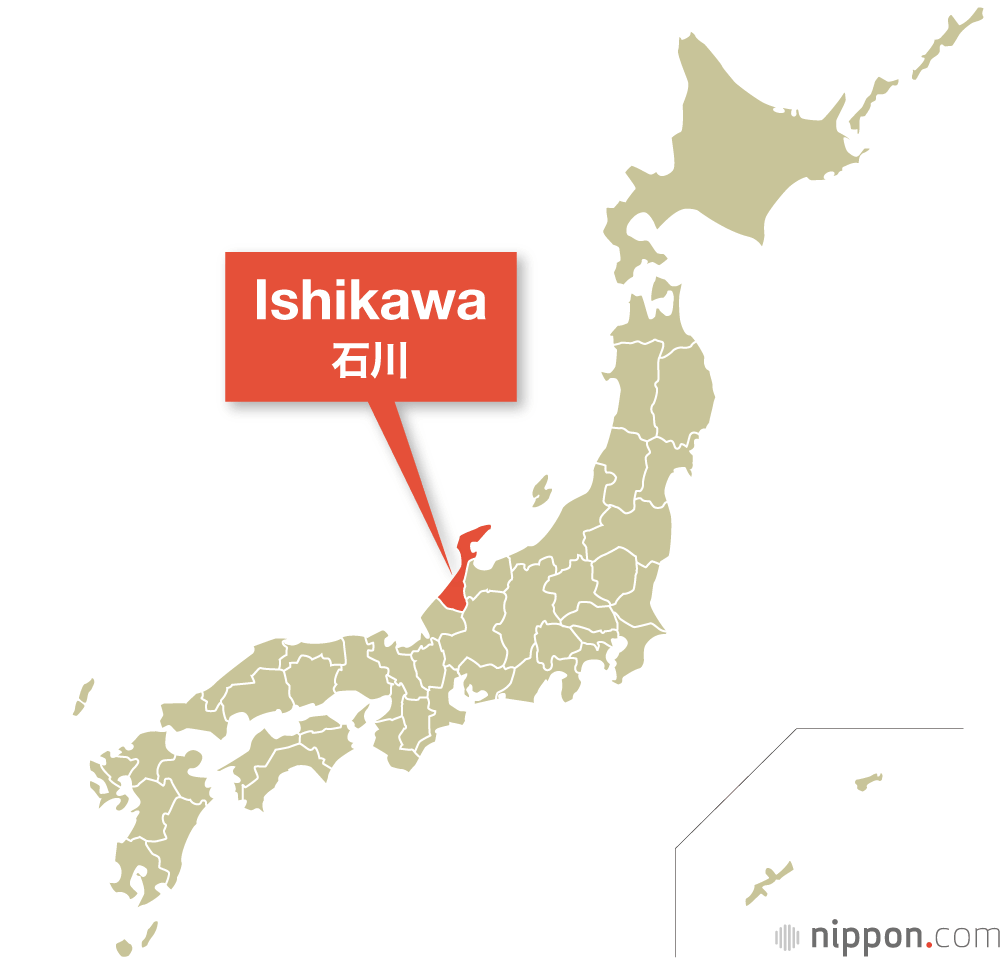
Ishikawa is located on the northern coast of Honshu Island, in the Chubu region of Japan. Ishikawa is blessed with a beautiful landscape with the Sea of Japan to the west and the majestic Hakusan mountain range surrounding it. The prefectural capital is Kanazawa City, famous for Kenrokuen Garden, one of the three most beautiful traditional gardens in Japan. This land is also marked by the Noto Peninsula, a place with wild and peaceful natural beauty, very popular with tourists.
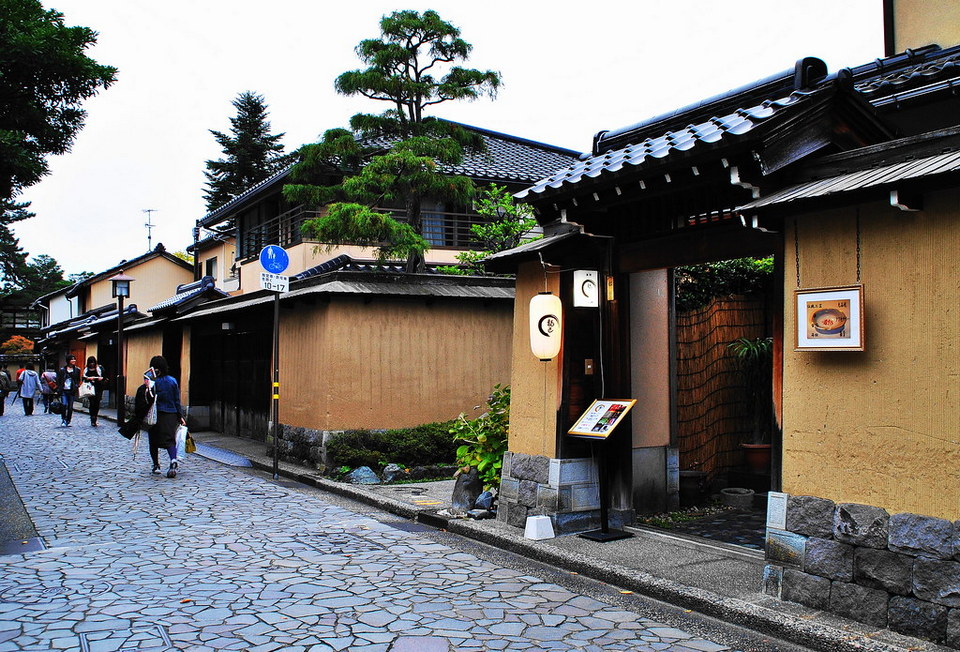
The center of the prefecture is Kanazawa City, famous as one of the most prosperous and civilized cities in the Land of the Rising Sun during the Edo period. This was largely due to the skillful governance and passion for art of the Maeda clan – one of the richest daimyo (lords) of the time, second only to the Tokugawa family.
They invested heavily in turning Kanazawa into a center of traditional arts and crafts, with famous products such as Kaga Yuzen kimono, Kutani pottery and gold leaf works. Today, Ishikawa prefecture has become an attractive destination for those who love culture and history when traveling to Japan, with many festivals and events held throughout the year.
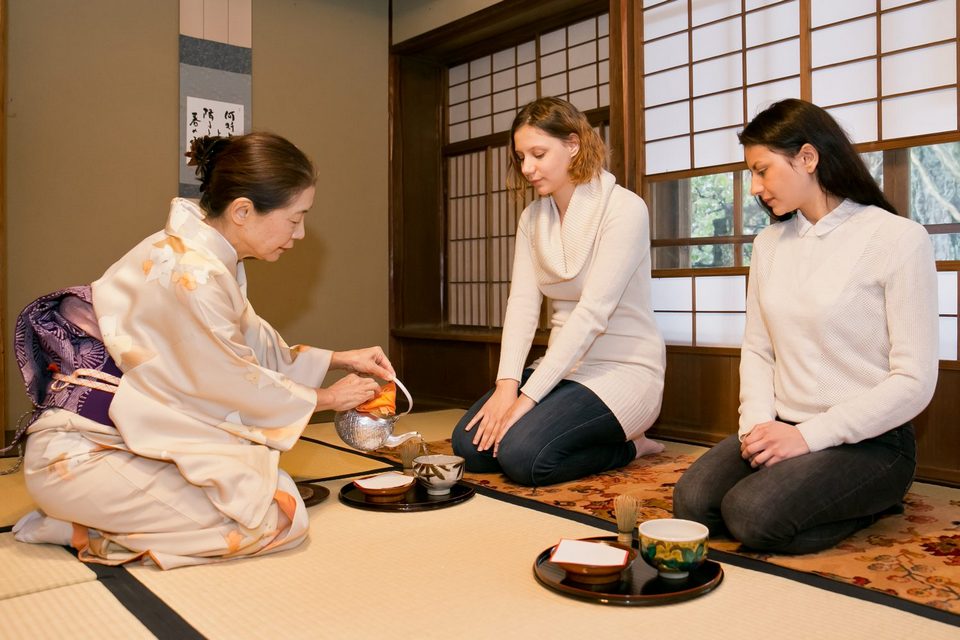
Not only possessing impressive natural scenery, Ishikawa is also a long-standing center of culture and art in Japan. Once ruled by the famous Kaga clan, this place thrived in ceramics, lacquerware and traditional fine arts. Today, Ishikawa still retains its ancient beauty through its tea ceremony districts. Visitors can stroll around the old town of Kanazawa while relaxing in the hot springs at Kaga Onsen, feeling the harmony between tradition and modernity that is typical of Japan.
How to get to Ishikawa?
If visitors depart from places like Osaka or Kyoto, you can refer to the JR highway bus on Klook to quickly get to Kanazawa in Ishikawa.
Means of transport in Ishikawa
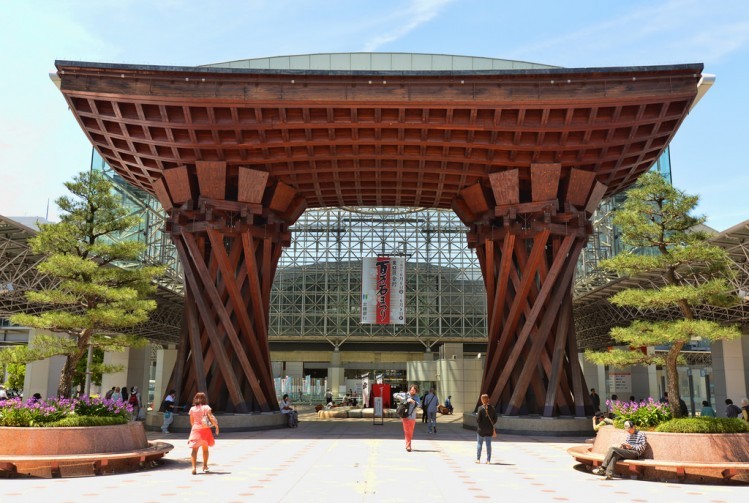
The transportation system in Ishikawa is considered extremely convenient, helping visitors easily move between famous tourist attractions such as Kanazawa, Kaga Onsen or Noto Peninsula. Each means of transport offers different experiences for you to fully explore the beauty of this land, specifically:
Bus
The bus system in Ishikawa prefecture is considered extremely convenient and covers all major tourist areas. In Kanazawa city, visitors can easily travel by loop bus network. This is a city loop bus that departs from Kanazawa Station and stops at most of the popular tourist spots such as Kenrokuen Garden or tea ceremony districts.
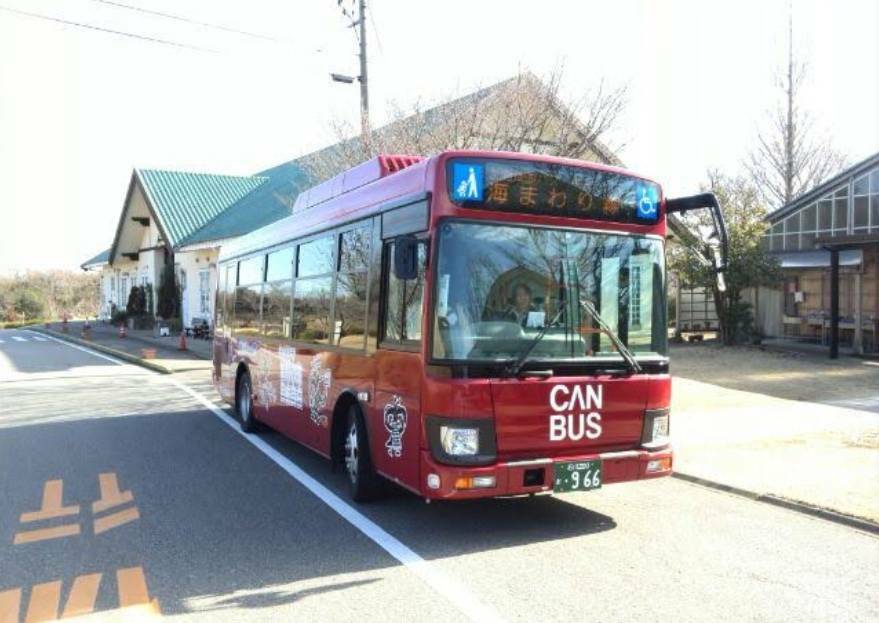
In addition, the Canbus line caters exclusively to tourists in the Kaga Onsen area, connecting hot spring villages, sightseeing spots and Komatsu Airport. If you want to explore further, highway buses will take you from Kanazawa Station to Komatsu Airport in about 40 minutes or to Wajima in just 2 hours and 30 minutes. With regular frequency and friendly operation, buses are the ideal choice for traveling and exploring Ishikawa economically, conveniently and completely.
Train
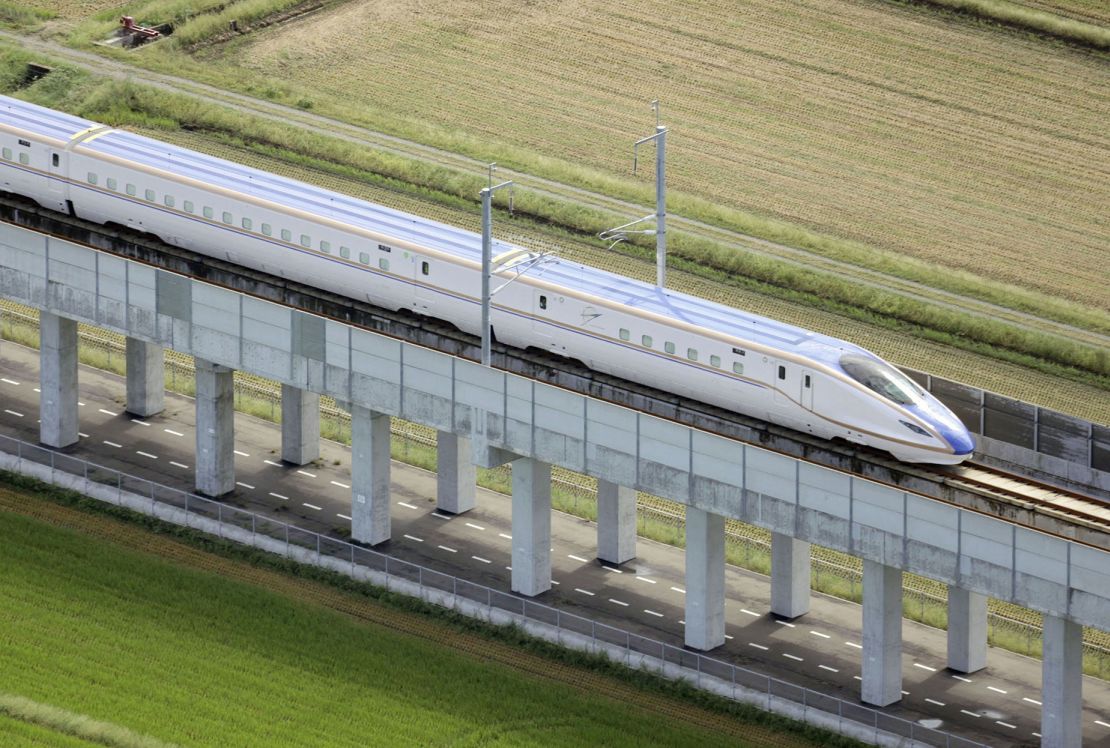
Trains are one of the most convenient and popular means of transportation in Ishikawa Prefecture, offering a comfortable journey while taking in the natural beauty of the Chubu region. The JR Hokuriku Shinkansen line makes it easy to get from Kanazawa Station to Komatsu or Kaga Onsen in just 15 minutes.
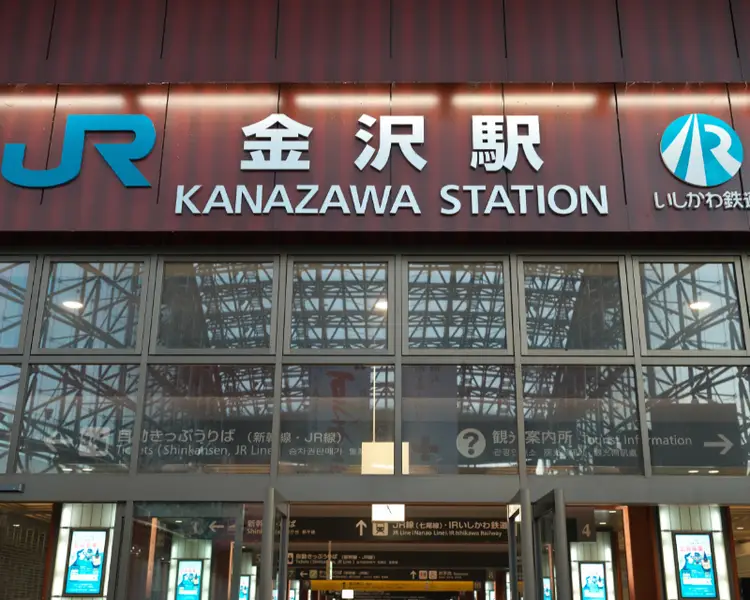
From Kanazawa, the IR Ishikawa Railway connects with the JR Nanao Line, taking you to Nanao Station and Wakura Onsen. On this line, you can experience unique tourist trains such as the Hanayome Noren Excursion Train or the Noto Satoyama-Satoumi Sightseeing Train, which are nostalgic and full of Japanese style. In addition, the Hokuriku Railroad connects central Kanazawa with coastal areas and old towns such as Nishi-Chaya, opening up a convenient and emotional journey to explore Ishikawa.
Car Rental
Self-driving car rental is an ideal choice if you want to explore Ishikawa in a freer and more flexible way. With a long terrain and many areas far from the center such as the Noto Peninsula or Kaga Hot Springs, renting a car helps you be more proactive in your schedule and easily stop at beautiful coastal roads. International visitors can rent a car on Klook with a valid driver’s license and international driving permit.
Bicycle
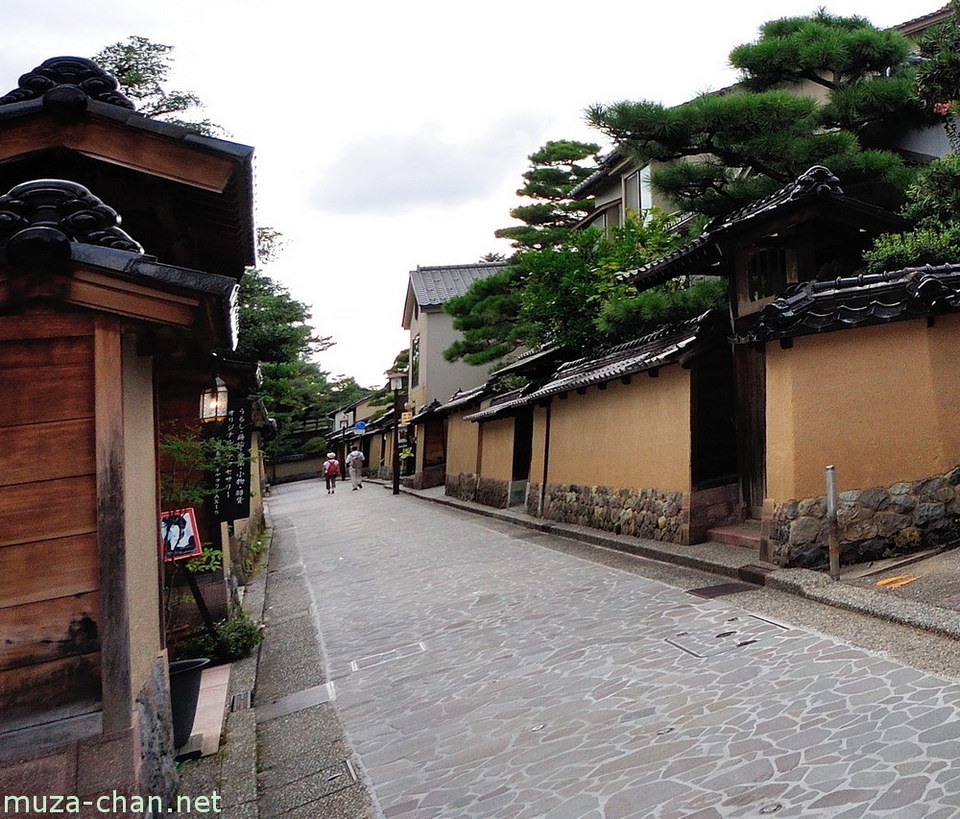
Bicycles are a great way to explore Ishikawa in a slow and natural way. Bicycle rental services are available in many tourist areas such as Wakura Onsen, Wajima, Komatsu or Hakusan City, where visitors can enjoy cycling while admiring the peaceful countryside scenery and local farming fields.
In Kanazawa, the Machi-Nori public bicycle system makes traveling around the city faster and more convenient than ever. In addition, many places also offer electric bicycles with power assistance, helping you easily overcome steep roads without too much effort.
Best time to travel to Ishikawa
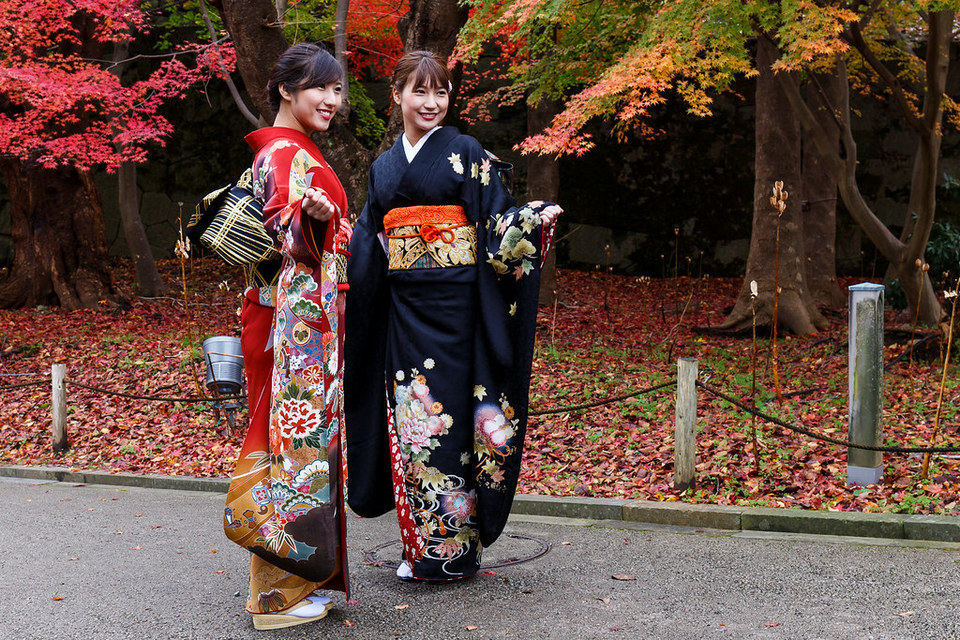
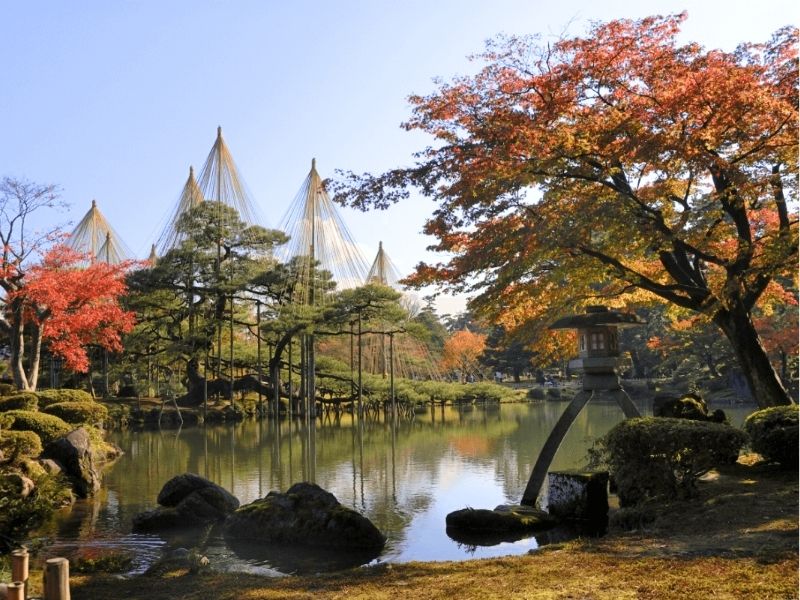
The best time to travel to Ishikawa is in autumn, especially November, when the whole land is immersed in the brilliant red and orange colors of maple leaves. At this time, the weather is cool and pleasant, suitable for strolling through the old streets of Kanazawa, enjoying Kenrokuen garden or visiting Kazue-machi Chaya. Not only does it have charming scenery, autumn is also an ideal time to explore traditional craft villages to better understand the cultural features that have been associated with Ishikawa for centuries.
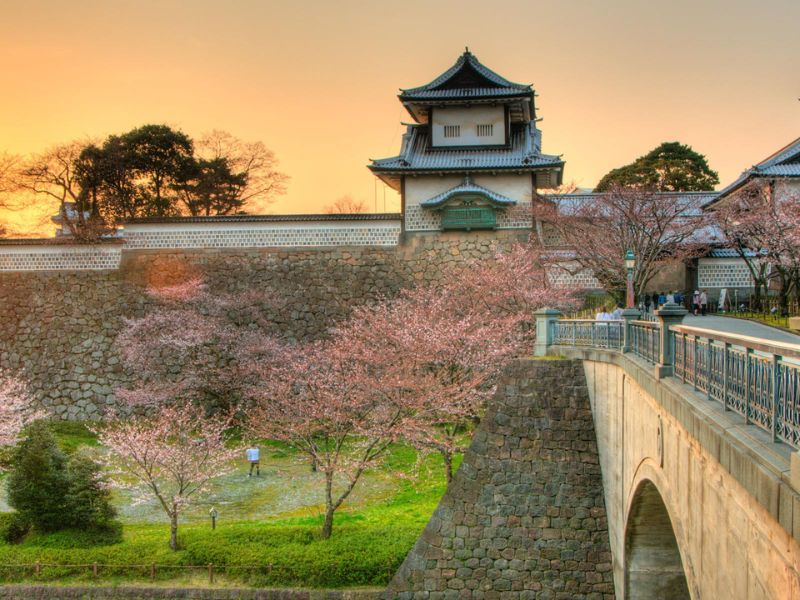
Spring (March – May): The air is fresh and cool with temperatures ranging from 10-15 degrees Celsius. This is the season when cherry blossoms bloom all over the streets and parks, especially Kenroku-en garden – one of the three most beautiful gardens in Japan. Visitors can stroll to see the pink color reflected on the lake, enjoy tea in a small shop on the path and feel the peaceful pace of life typical of the Kanazawa region.
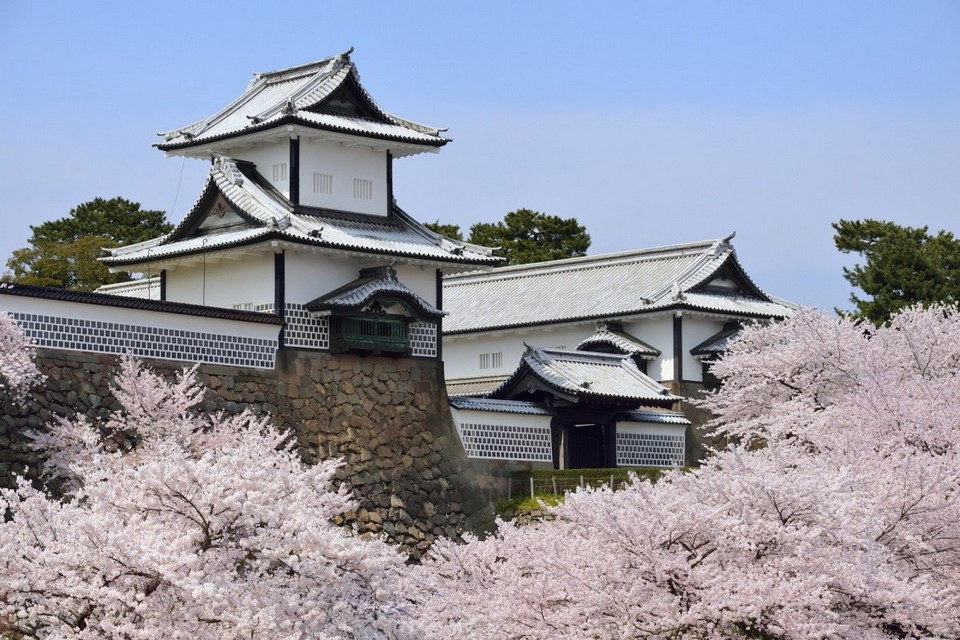
Summer (June – August): Warm temperatures of 20-28 degrees Celsius create a lively atmosphere. This is the ideal time for those who love the sea and outdoor activities such as swimming, boating or snorkeling at the Noto Peninsula. However, visitors should note that summer is also the rainy season, especially in July.
Autumn (September – November): The weather is mild, with temperatures ranging from 16-24 degrees Celsius, clear skies and light sunshine. This is the season of the most brilliant autumn leaves (momiji), when the slopes of Hakusan or Kenroku-en garden are dyed in shades of orange and deep red. Autumn is also the time when local cultural and culinary festivals take place throughout Ishikawa – a great opportunity to enjoy fresh seafood and the famous snow crab.

Winter (December – February): The cold air, temperatures from -1 to 7 degrees Celsius, heavy snowfall creates a picturesque white landscape. The mountains of Hakusan and Shirakawa-go become a paradise for ski lovers, while those who want to enjoy the warmth can relax in the traditional onsen (hot springs) of the Kaga region. In particular, during this season, Ishikawa holds many snow festivals with strong local identity, creating a highlight for the attractive winter.
However, Ishikawa is a destination that can be visited all year round because each season has its own beauty. In spring, cherry blossoms bloom throughout the old streets of Kanazawa. In summer, it is bustling with fireworks and seaside festivals. In winter, the white snow turns this place into a paradise for those who love cold weather scenery and fresh seafood, especially snow crab. If you want to enjoy a more peaceful trip, avoid peak periods such as Golden Week in early May and book your flights, train tickets, and hotels in advance to have the most complete itinerary in Ishikawa.
Where to go, what to do: Suggestions for famous tourist attractions when traveling to Ishikawa
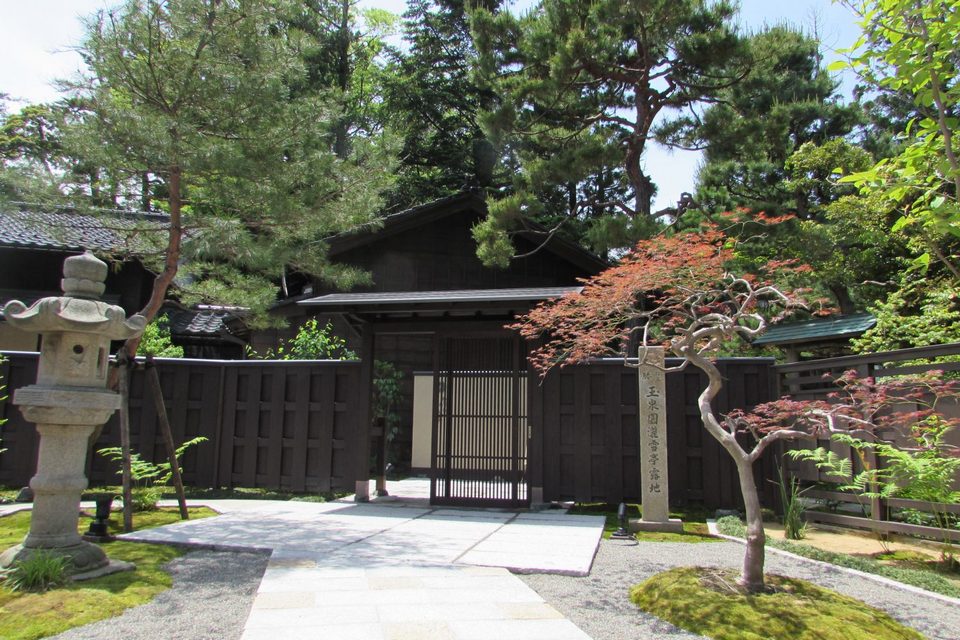
Ishikawa Prefecture, nestled in Japan’s Hokuriku region, is an attractive tourist destination with a variety of activities and attractions. With its long coastline, relaxing hot springs, long-standing historical sites, and unique cultural sites, Ishikawa can satisfy every visitor’s taste. Delving into Ishikawa is like stepping into another world, where visitors can explore Japan’s rich history, admire the natural beauty of nature, and experience the country’s vibrant culture.
Your plan to explore Ishikawa cannot be without famous and attractive tourist attractions. Right below, Living Nomads has suggested some typical places in Ishikawa trip.
Kenrokuen Garden
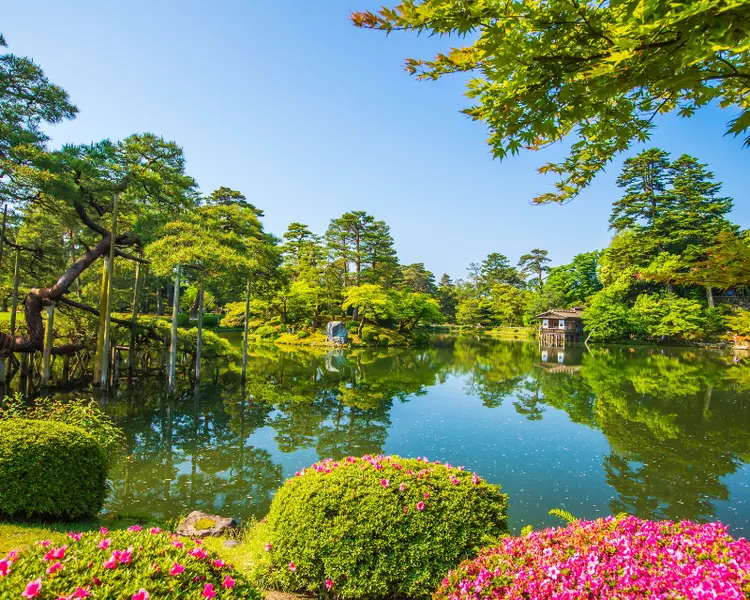
- Address: 1 Kenrokumachi, Kanazawa, Ishikawa 920-0936, Japan
- Opening hours: 7:00 – 18:00
- Entrance fee: 320 JPY (~56,000 VND)/person
Kenrokuen Garden is considered the symbol of Kanazawa city. This is one of the three most famous and beautiful gardens in Japan. Created over centuries by the powerful Maeda clan, Kenrokuen brings a beauty that blends nature and art, with a pond, stone bridge, waterfall, lanterns and ancient trees imbued with the meditative spirit of the Samurai era. Right next to the garden is Kanazawa Castle and Seisonkaku Palace, which preserves many unique cultural, artistic and architectural values, making the visit more complete for visitors.
Higashi Chaya District (Higashi Chaya Street)
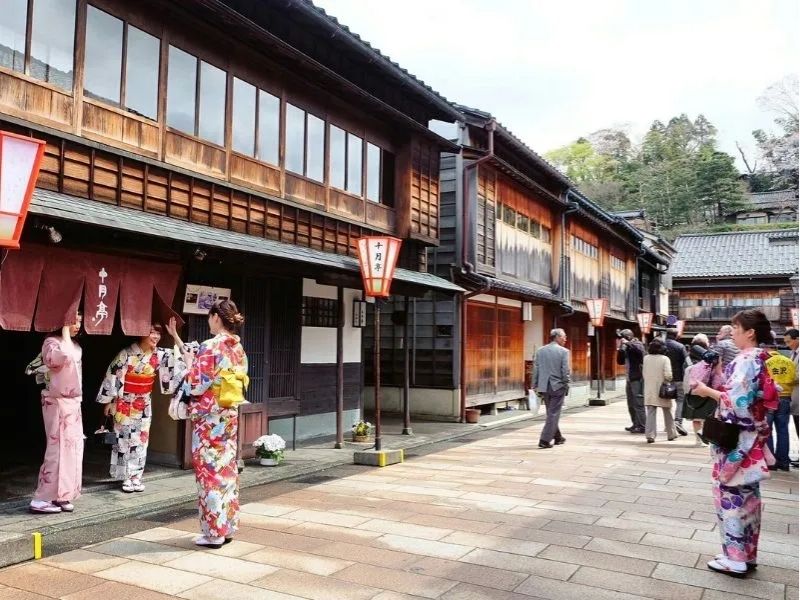
- Address: 1 Chome Higashiyama, Kanazawa, Ishikawa 920-0831, Japan
- Hours of operation: Open all day
Higashi Chaya District is an ancient tea ceremony district located in the Higashiyama area, along the peaceful Asano River in Kanazawa City. This is the largest and most famous Geisha district of the three well-preserved Chaya districts of Kanazawa, along with Nishi Chayagai and Kazue-machi. Established during the Edo period (1603 – 1868), it was once a center of entertainment for the aristocracy, where Geisha performed music and dance in traditional wooden houses.
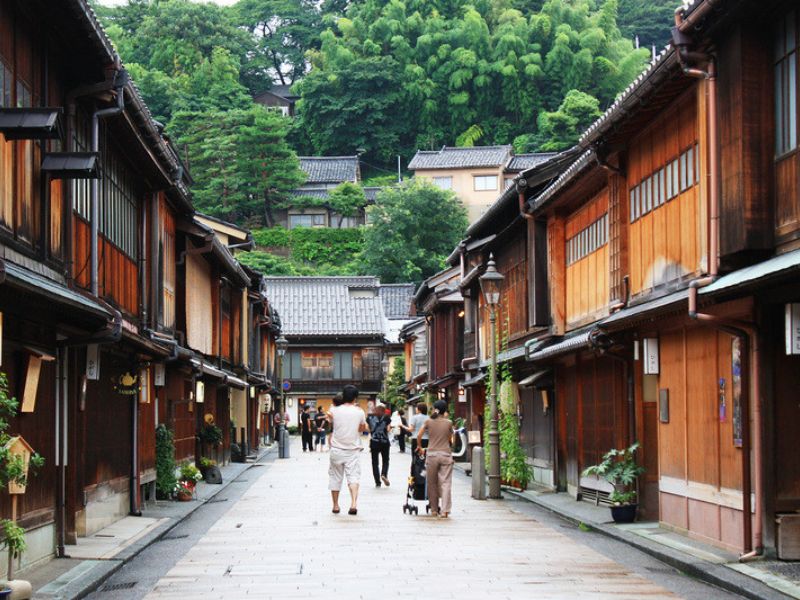
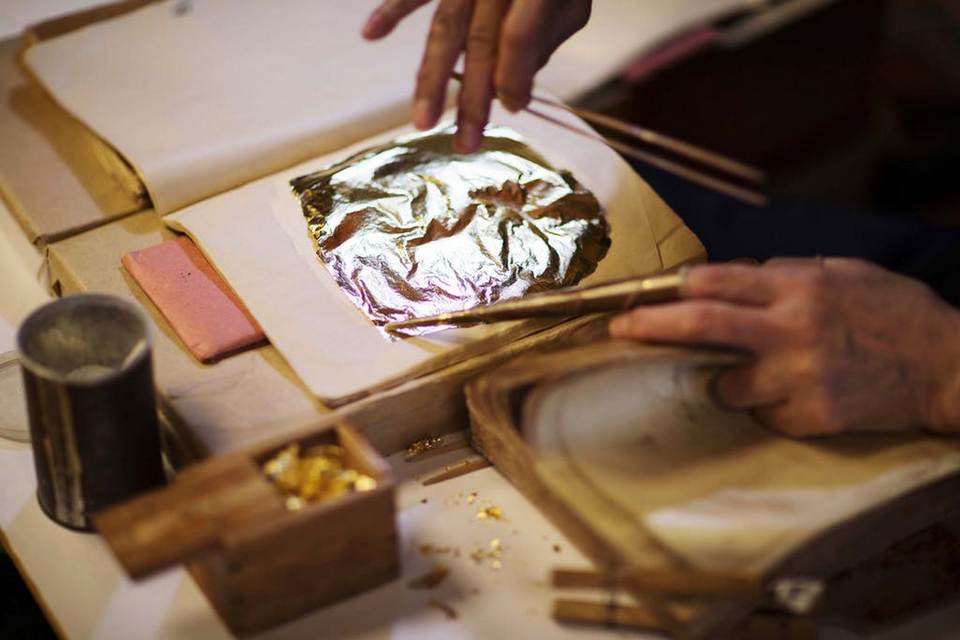
Today, visitors can visit famous teahouses such as Shima Teahouse or Kaikaro Teahouse, admire the exquisite Edo architecture or visit the Hakuza shop to experience the tea room covered in gold leaf (a sophisticated feature of Kanazawa).
Kanazawa Castle
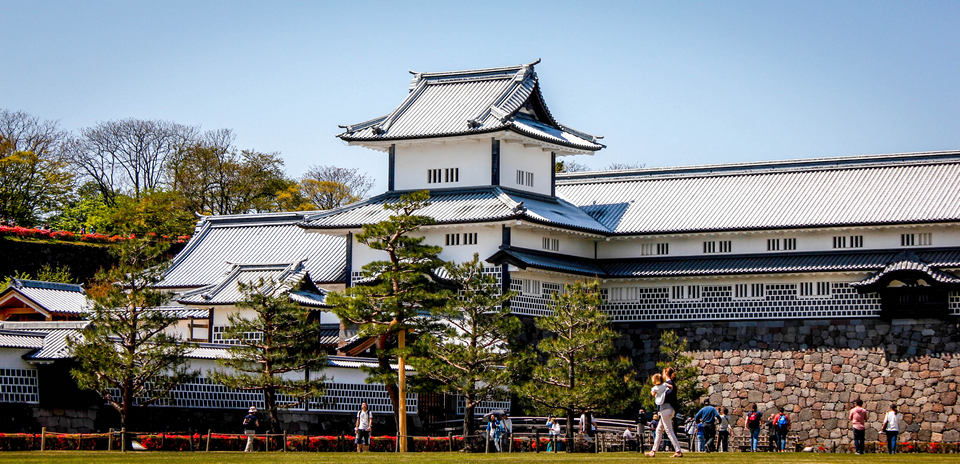
Kanazawa Castle is a historic landmark that was the residence of the Maeda clan, feudal lords of the area from the 16th to the 18th century. In 2001, the restoration of three buildings, Hishi Yagura, Gojukken Nagaya and Hashizume-mon Tsuzuki Yagura, was completed, making the site more popular with tourists. In addition, the three old sites of the original castle are now used as public parks, providing a relaxing place for local people. Visitors can also visit the park to enjoy the beautiful natural scenery.
Kanazawa Castle Park
- Address: 1-1 Marunouchi, Kanazawa, Ishikawa 920-0937, Japan
- Opening hours: 07:00 – 18:00
- Admission fee: 320 JPY (~56,000 VND)/person
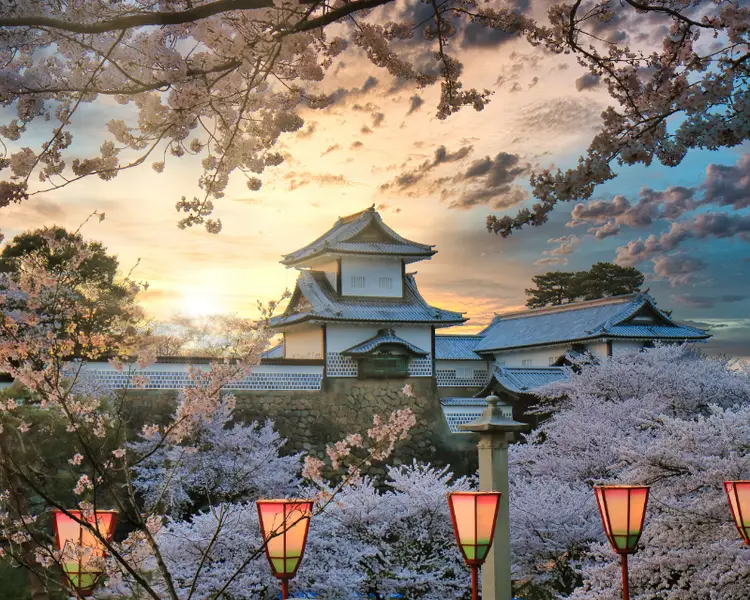
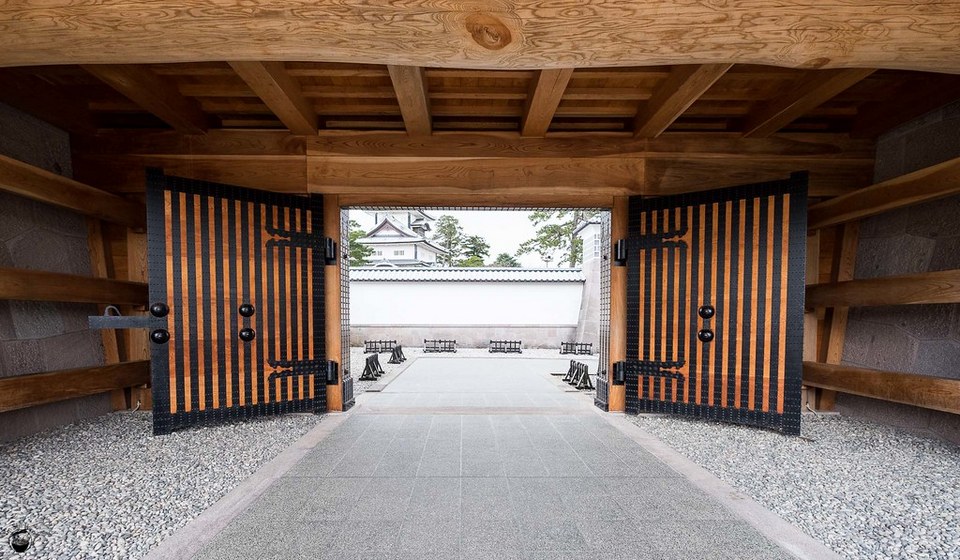
Kanazawa Castle Park is one of the most important historical sites in Kanazawa city, once the residence of the Maeda clan who ruled the Kaga region (now Ishikawa and Toyama) for more than 280 years. The castle is surrounded by a moat, stone walls and unique white tiled roofs, bearing the architectural mark of the Edo period. Highlights of the grounds include Ishikawa-mon Gate and Gojikken Nagaya, which have been restored using traditional methods and are designated as important cultural properties.
Admire traditional arts and crafts
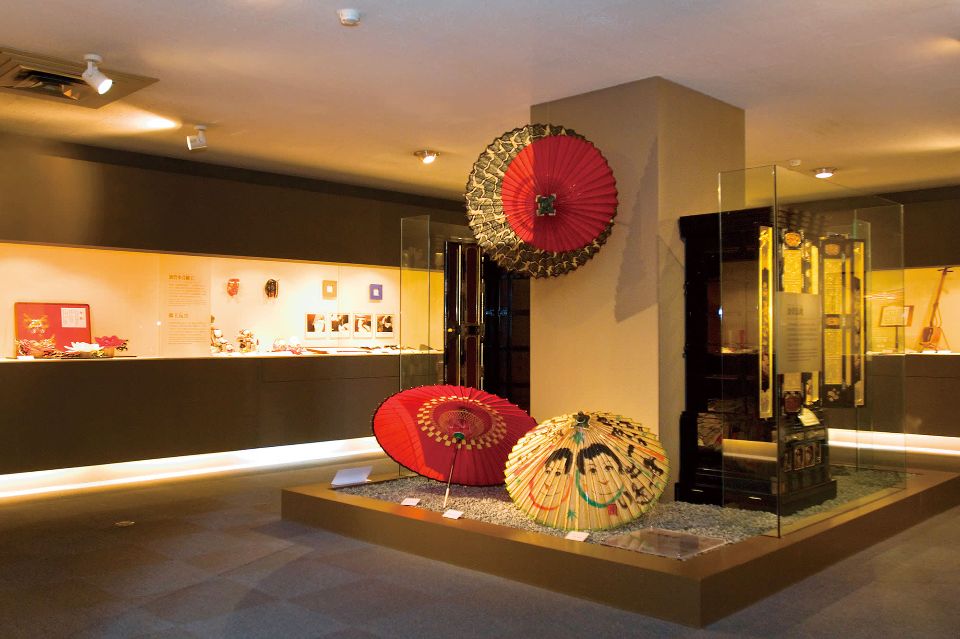
The Ishikawa Museum of Traditional Arts and Crafts in Kanazawa showcases local crafts such as Kutani porcelain, Kaga Yuzen silk and Wajima lacquerware. Here, you can not only admire exquisite works of art but also take part in hands-on workshops where you can try your hand at techniques ranging from gold leafing to Kaga Yuzen silk dyeing.
Notojima Aquarium
- Address: 15-40 Notojima Magarimachi, Nanao, Ishikawa 926-0216, Japan
- Opening hours: 09:00 – 17:00
- Admission fee: 1,850 JPY (~322,000 VND)/person
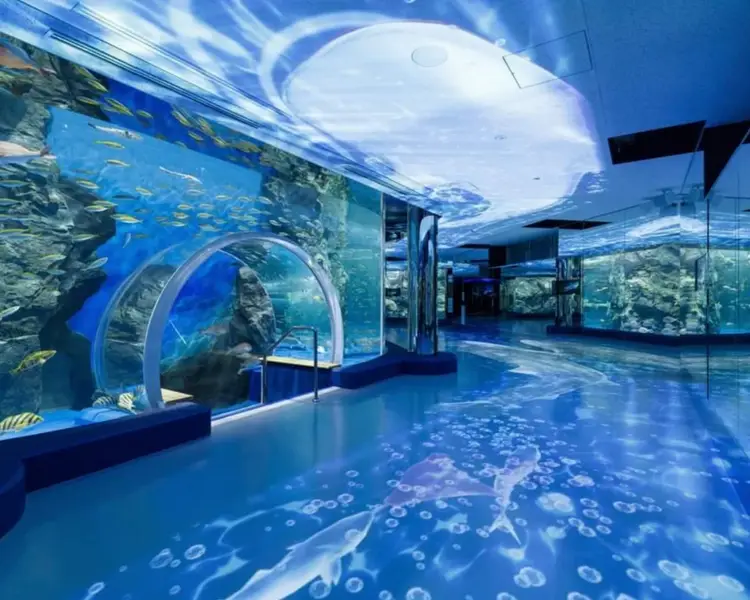
Notojima Aquarium is a famous aquarium located in Nanao City, Ishikawa Prefecture. This is an ideal destination for families and those who love the ocean world. Notojima Aquarium is home to more than 40,000 marine creatures of 500 species, including giant whale sharks, living in the waters around the Noto Peninsula. Visitors can enjoy exciting performances such as dolphins, seals, otters, penguins or experience feeding fish in a space filled with vibrant lights and sounds.
Myoryu-ji (Ninja Temple)
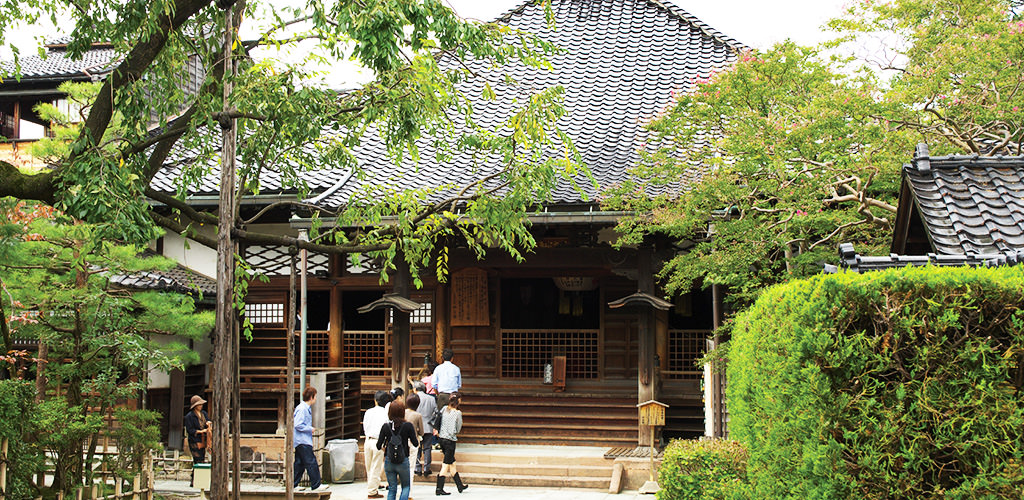
Myoryu-ji is a Buddhist temple built in the 17th century in Kanazawa City, Ishikawa Prefecture, Japan. The temple is known for its elaborate defenses, making it a popular destination for history and ninja enthusiasts. During the Edo period, Myoryu-ji was built to protect the Maeda clan, who ruled Kaga, one of Japan’s richest provinces. The temple was designed with many traps to prevent enemies from entering.
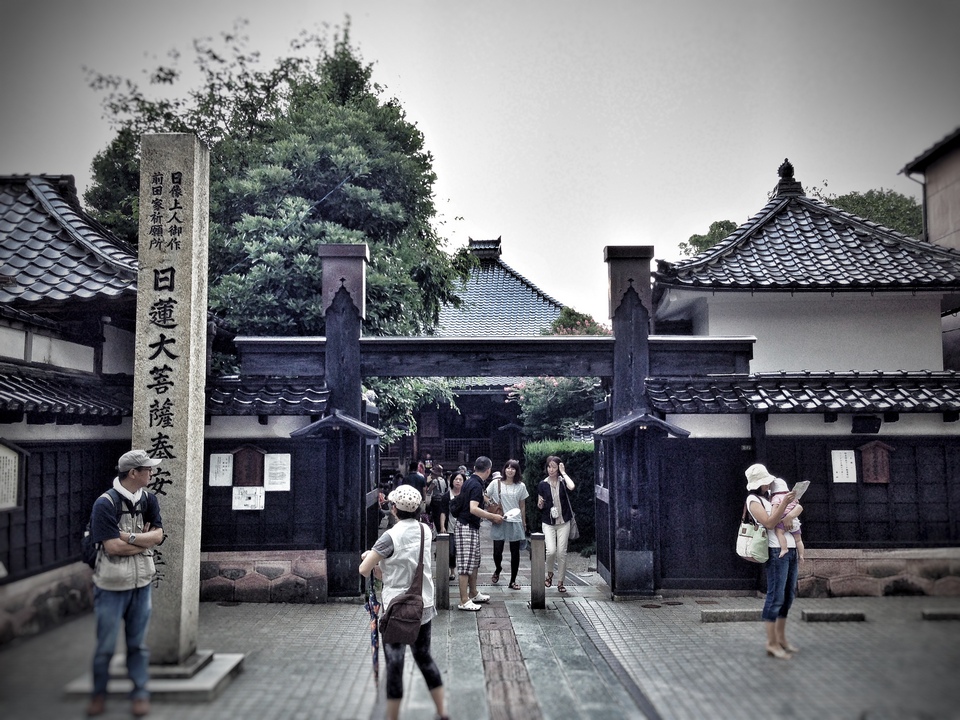
Myoryu-ji Temple (also known as Ninja Temple) is a special place in Kanazawa – Ishikawa Prefecture. This temple is famous for its complex defense system, including secret passages, trapdoors and many hidden traps designed to protect the Maeda clan during the Edo period. These structures make the temple unique and attract history lovers as well as ninja culture.
Kakusenkei Gorge
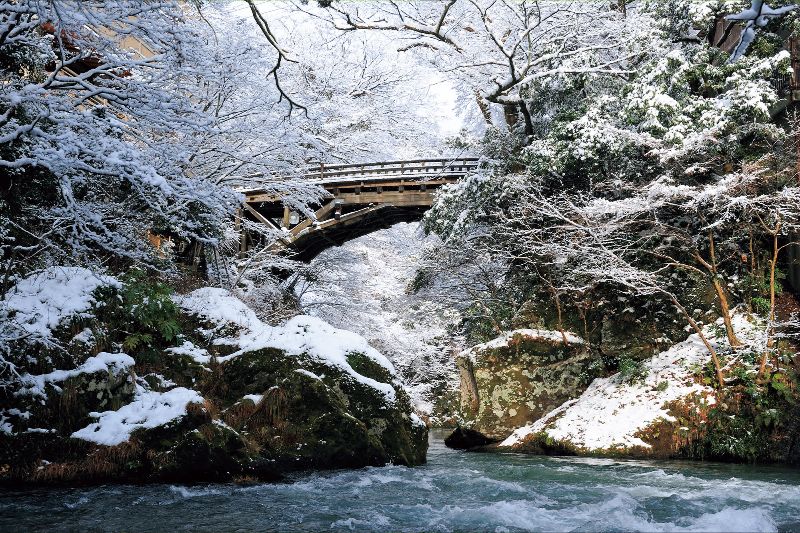
Kakusenkei Gorge is a beautiful natural spot located in Kaga City, Ishikawa Prefecture. The gorge is about 1.3 km long and is surrounded by high mountains and poetic rivers. Visitors can walk or cycle along the path through the gorge. Along the way, tourists can see majestic waterfalls, ancient bridges and historical sites. The best season to visit Kakusenkei Gorge is autumn, when the leaves turn brilliant red and yellow.
Shopping at Omicho Market
- Address: 50 Kamiomicho, Kanazawa, Ishikawa 920-0905, Japan
- Hours of operation: 09:00 – 17:00
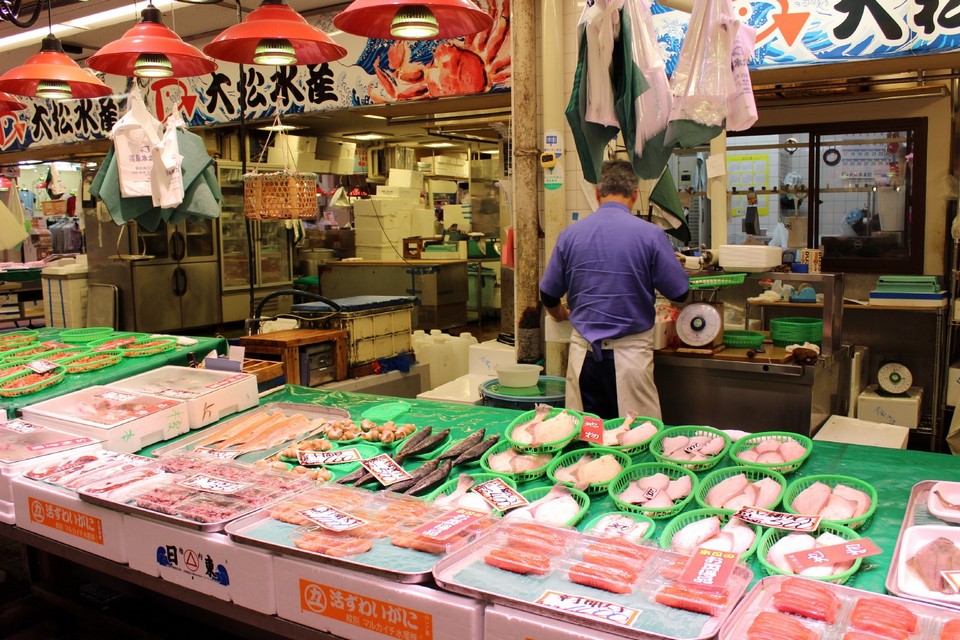
Omicho Market is the oldest and most famous seafood market in Kanazawa, established in the Edo period and has been a culinary symbol of Ishikawa Prefecture for over 300 years. With more than 170 stalls, the market sells all kinds of fresh seafood caught from the Sea of Japan such as snow crab, yellowtail, sweet shrimp along with agricultural products, local specialties and traditional eateries. Visitors can stroll around the market, enjoy typical dishes such as Kaisendon (rice topped with fresh sashimi) or choose to buy souvenirs with the flavor of the sea.
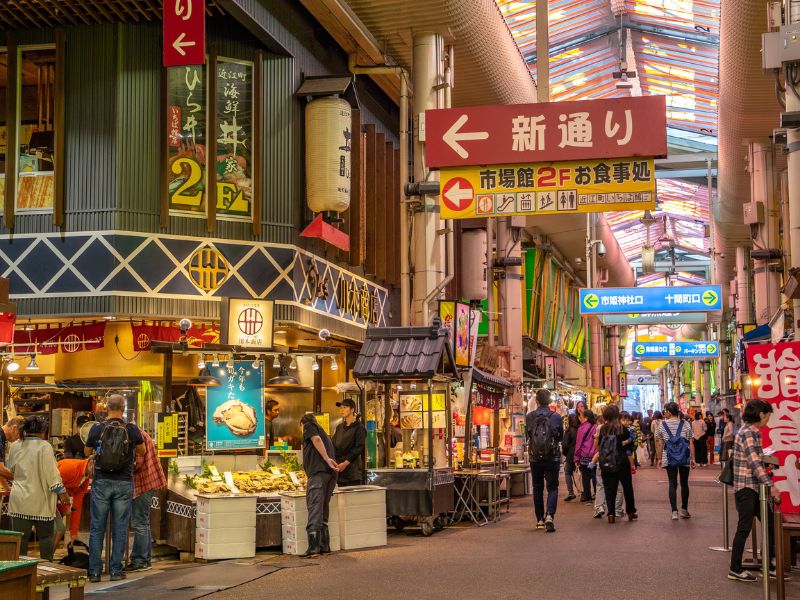
Omicho Market is not only a bustling commercial center with a variety of fresh seafood and local products. With a history dating back to the Edo period, Omicho Market has become a symbol of the city, attracting both locals and tourists to shop and enjoy food.
This place not only serves the usual shopping needs but also serves as a place to experience authentic Japanese cuisine. You can enjoy fresh food right at the stalls or restaurants in the market, from sushi and sashimi to dishes cooked with fresh ingredients prepared on the spot.
Soaking in Wakura-onsen
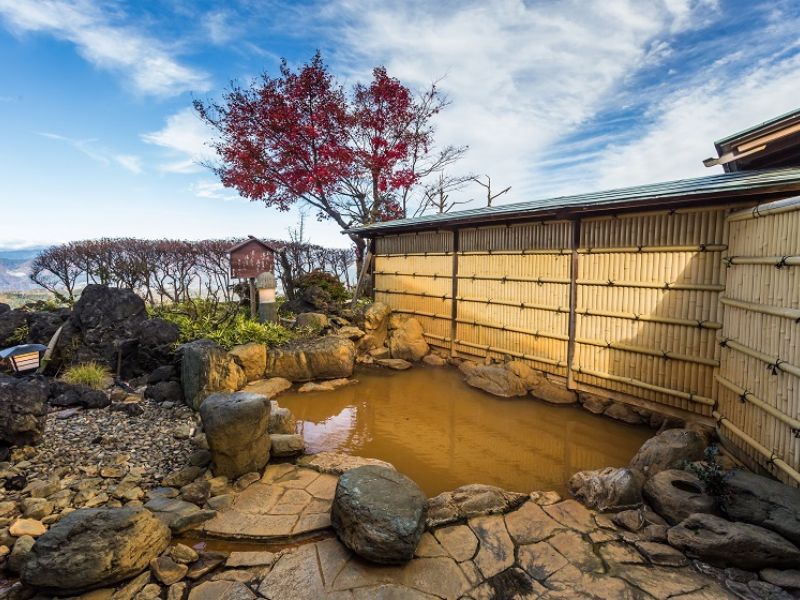
Soaking in Wakura Onsen is an experience not to be missed when visiting Noto Peninsula, Ishikawa. Wakura Onsen, with a history of over 1,200 years, is famous for its mineral-rich spring water, which is said to have healing and health-enhancing properties.
In addition, this hot spring town not only offers you a wonderful relaxing experience but also offers stunning ocean views, especially when you soak in the open-air baths at high-end ryokan (traditional Japanese inns).
Kanazawa 21st Century Museum of Contemporary Art
- Address: 1 Chome-2-1 Hirosaka, Kanazawa, Ishikawa 920-8509, Japan
- Hours: 10:00 – 18:00 (Closed on Mondays)
- Admission fee: Depends on each exhibition
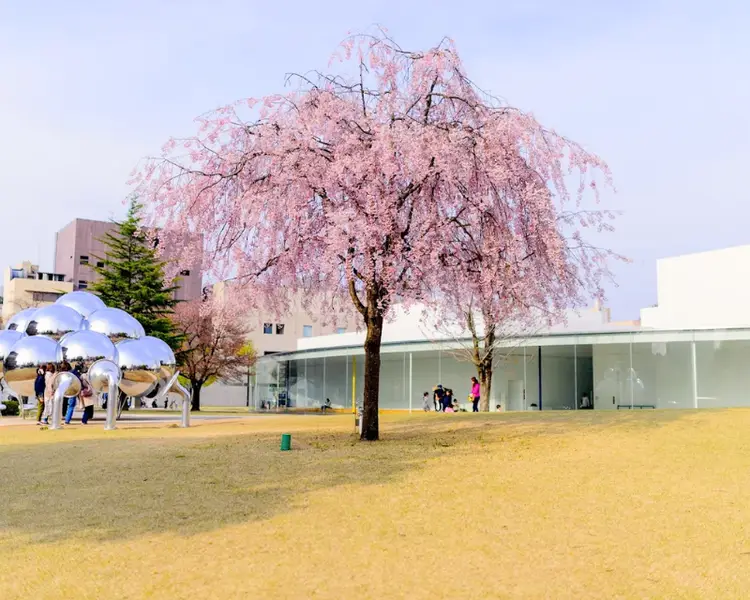
The 21st Century Museum of Contemporary Art is one of the most popular destinations in Kanazawa, just a few minutes’ walk from Kenrokuen Garden. Opened in 2004, the museum exhibits works by leading contemporary artists from Japan and around the world. The unique architecture of the building is a circle with a diameter of more than 112 meters, with no facade or fixed entrance, encouraging visitors to explore art from all directions. The most prominent is Leandro Erlich’s Swimming Pool, where visitors feel like they are swimming underwater.
Enjoying fruits at Kaga Fruit Land
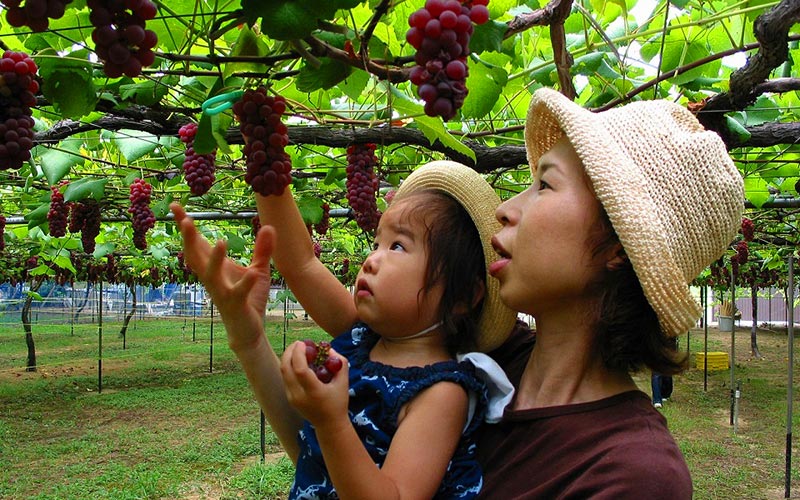
Kaga Fruit Land is a large fruit garden with an area of over 10 hectares, located in Ishikawa Prefecture – Japan. This is an ideal destination for those who love the experience of picking fruits directly from the garden. Here, you can participate in picking activities and enjoy many seasonal fruits such as strawberries, grapes, apples and many others, bringing an experience close to nature and delicious cuisine.
Shiroyone Senmaida Rice Terraces
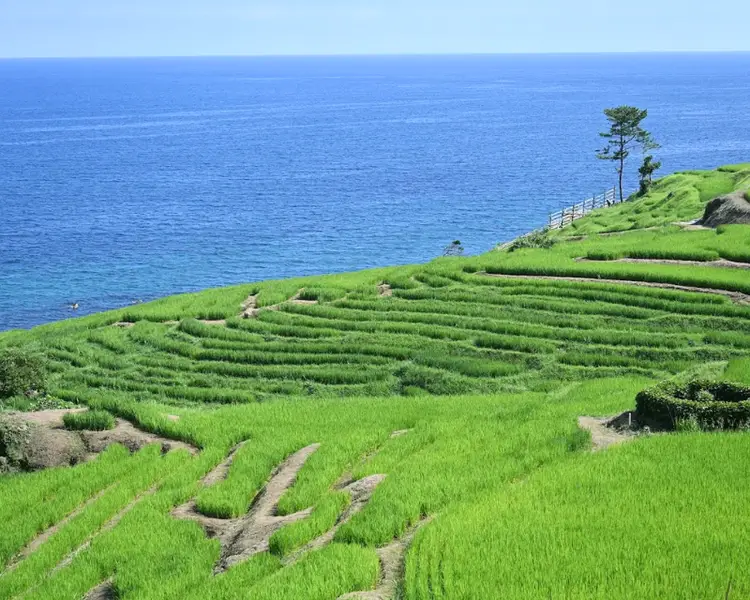
- Address: 99-5 Shiroyonemachi, Wajima, Ishikawa 928-0256, Japan
- Hours of Operation: Open All Day
Shiroyone Senmaida Rice Terraces is one of the iconic sights of the Noto Peninsula, famous for its more than 1,000 terraced rice fields winding toward the Sea of Japan. The scenery here changes with the seasons: winter is covered in white snow, spring reflects the sparkling sunset like a mirror of water, summer is lush green and autumn is golden with ripe rice. In particular, from October to March, the fields are lit by 25,000 solar-powered LED lights, creating a magical shimmering scene.
Paricipate in Unique traditional festivals in Ishikawa, Japan
Festivals in Ishikawa, Japan are cultural beauties preserved through many generations, reflecting the pride, community spirit and gratitude of local people towards nature, history and gods.
Kanazawa Hyakumangoku Festival
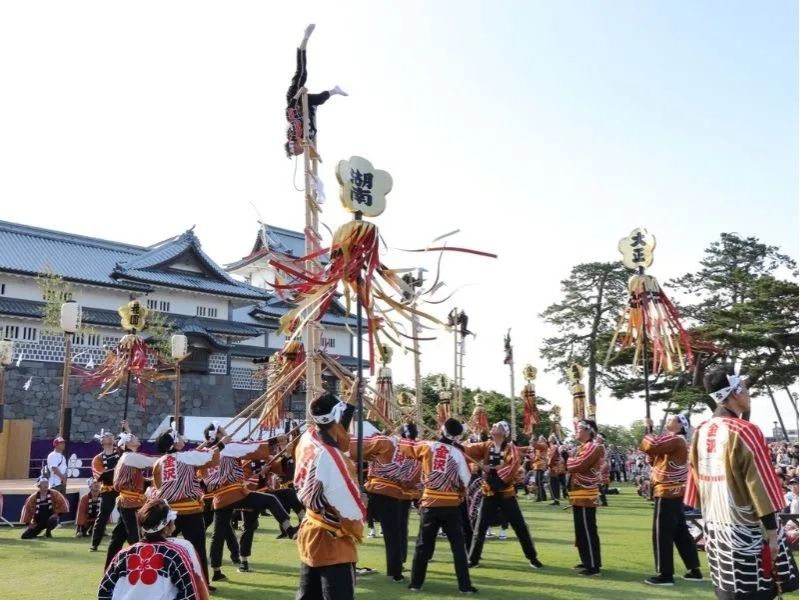
Kanazawa Hyakumangoku Festival is one of the most sacred Japanese festivals of the year in Kanazawa city, held on the first weekend of June. The festival recreates the historic moment in 1583, when Lord Maeda Toshiie – founder of the Kaga region entered Kanazawa Castle. Thousands of people and artists dressed as samurai, nobles and geisha parade through the main street, bringing visitors back to the glorious scene of the Edo period. The highlight of the festival is the Hyakumangoku Gyoretsu parade, along with activities such as tea ceremony, Taiko drum performance, traditional dance and fireworks on the Sai River.
Noto Kiriko Festival
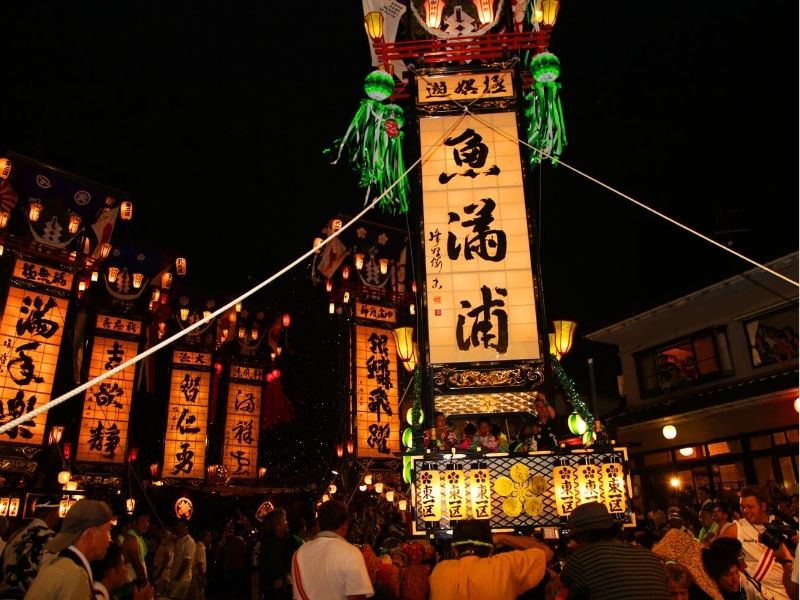
Held from July to September in more than 200 coastal villages on the Noto Peninsula, the Kiriko Festival is one of Japan’s most colorful summer festivals. More than 900 giant lanterns, 5-10 meters high, are carried by local people around the village to the sound of drums and cheers. Each Kiriko lantern has its own pattern, expressing faith, prayer and gratitude to the guardian deity of the sea. Not only a cultural event, the festival is also a symbol of community spirit. Visitors can join the lantern procession, watch fireworks on the sea and enjoy local seafood in the warm, sincere atmosphere of the Noto people.
Abare Matsuri – Noto Region’s “Passionate” Festival
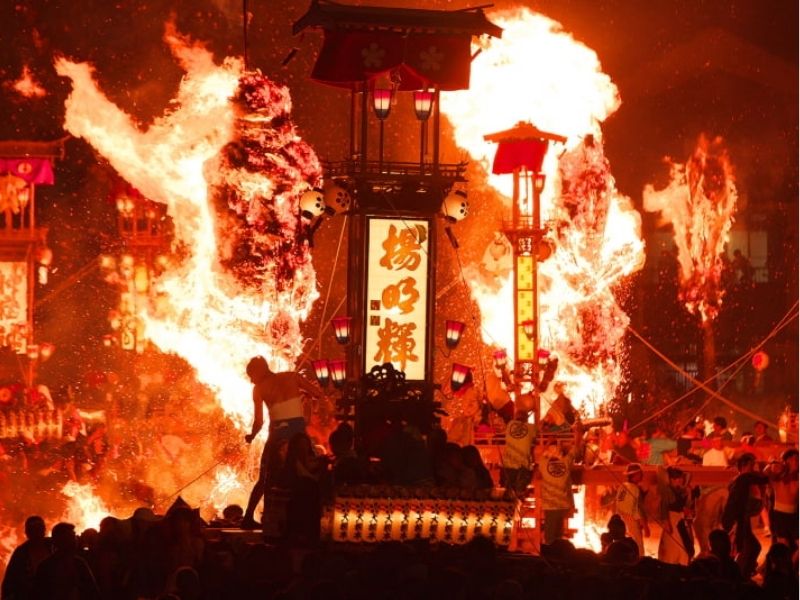
The Matsuri Festival, held in early July, is a must-see event in Noto. The two-day festival begins with a lantern procession and ends with a sacred bonfire at Yasaka Jinja Shrine. The word “Abare” in Japanese means “passionate” or “burning” — a reflection of the strong spirit of the local people. During the festival, large lanterns are carried through the streets, then smashed and burned to pray for a good harvest and to ward off evil. The flames that glow in the night symbolize the faith and indomitable spirit of this land.
Traditional Arts and Crafts in Ishikawa, Japan
Ishikawa is not only a land of history, but also the cradle of the quintessence of traditional Japanese arts and crafts. Among them, Kutani pottery and gold leaf are the two most typical works of art, appearing only in Ishikawa, reflecting the ingenuity and sophistication of the people here.
Kutani pottery
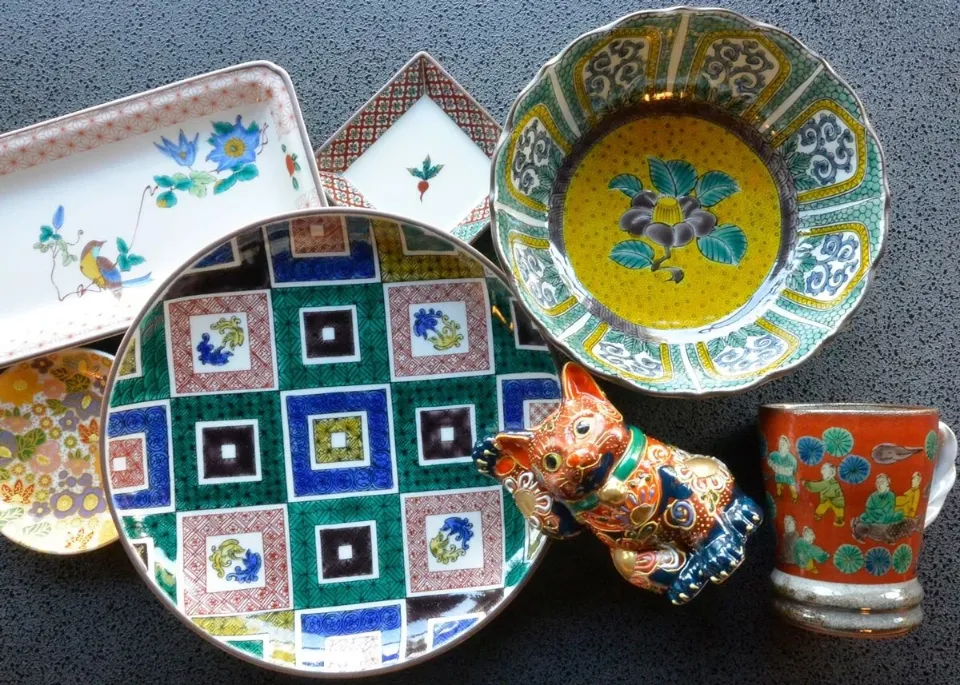
Kutani pottery, also known as Kutaniyaki, is a famous type of ceramic with five typical colors: red, yellow, green, purple and dark blue, created by the talented hands of artisans with sophisticated painting, glazing and firing techniques.
The motifs on Kutani pottery are often inspired by nature, flowers, birds and Japanese cultural stories. With its brilliant and delicate beauty, Kutani pottery is not only a decorative item but also a meaningful souvenir for visitors to Ishikawa.
Experience Gold-plated Art
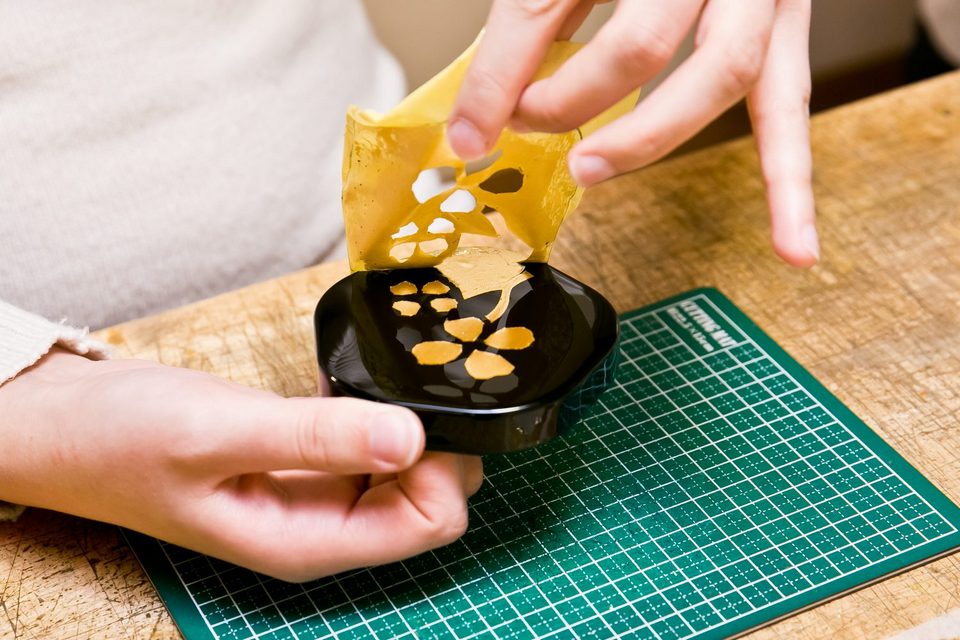
Kanazawa, the capital of Ishikawa, is known as the “golden city” of Japan, famous for its traditional gold leaf craft, passed down through many generations. In particular, Kanazawa gold leaf is made from pure gold, which is thinned to only 0.1 micron. Artisans use gold leaf to decorate products such as jewelry, furniture, worship items and even food. When coming here, visitors will easily encounter artisans using gold leaf to decorate many extremely meticulous and eye-catching things that can only be found in Ishikawa, Japan.
Ideal Ishikawa hotels for your trip
When coming to Ishikawa, the ideal places to stay for your trip that many tourists choose are Kanazawa hotels and Nomi hotels. Right below, Living Nomads has compiled a few quality Ishikawa hotels for your reference:
The Hotel Sanraku Kanazawa
- Address: 1 Chome-1番1号 Owaricho, Kanazawa, Ishikawa 920-0902, Japan
- Room price for 1 night only from: 5,379,159 VND

The Hotel Sanraku Kanazawa is the most luxurious 5-star Japanese hotel in the center of Kanazawa, loved for its attentive service and classy space. With a rating of 9.6/10, the hotel impresses with its sophisticated design, a harmonious combination of Western classics and the elegance of Japanese architecture. Each room is equipped with modern furniture, high-class amenities and large windows facing the city, bringing a feeling of absolute relaxation to visitors. (klook, agoda)
Soki Kanazawa
- Address: 2番1号 Fukuromachi, Kanazawa, Ishikawa 920-0909, Japan
- Room price for 1 night only from: 2,836,548 VND
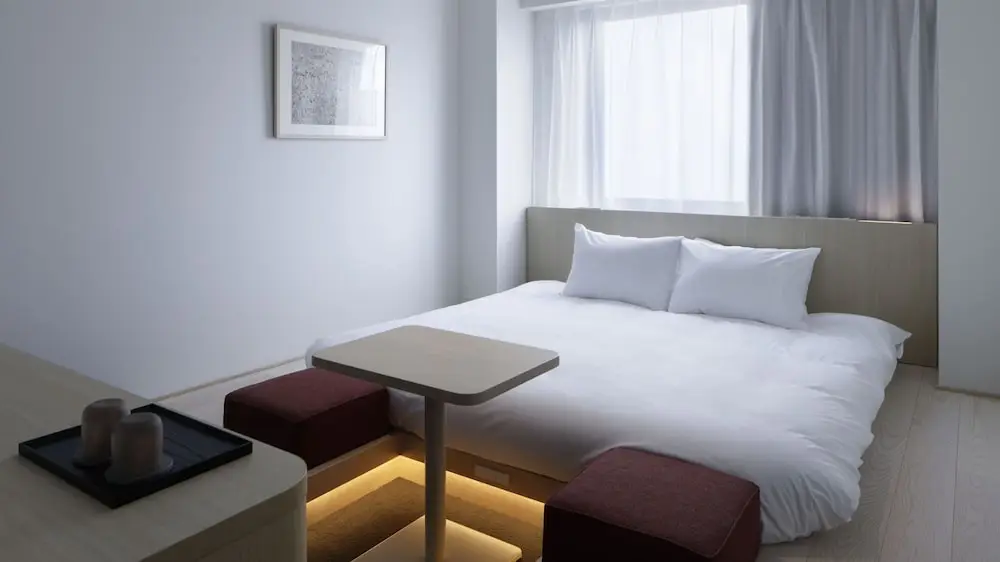
Soki Kanazawa is the most popular 4-star Japanese hotel in the center of Kanazawa city, featuring a minimalist design that harmoniously combines traditional Japanese spirit and modern breath. With a rating of 9.4/10 on Klook, the hotel offers a quiet, luxurious and absolutely relaxing resort space. Each room is delicately designed with warm tones, natural wood furniture and soft lighting, creating a feeling of closeness like at home. (klook, agoda)
Must-try dishes when traveling to Ishikawa
Coming to Ishikawa, the traditional and attractive cuisine here will make visitors remember forever from the first bites. Notable among them are:
Kano Snow Crab – Ishikawa Winter Sea Symbol
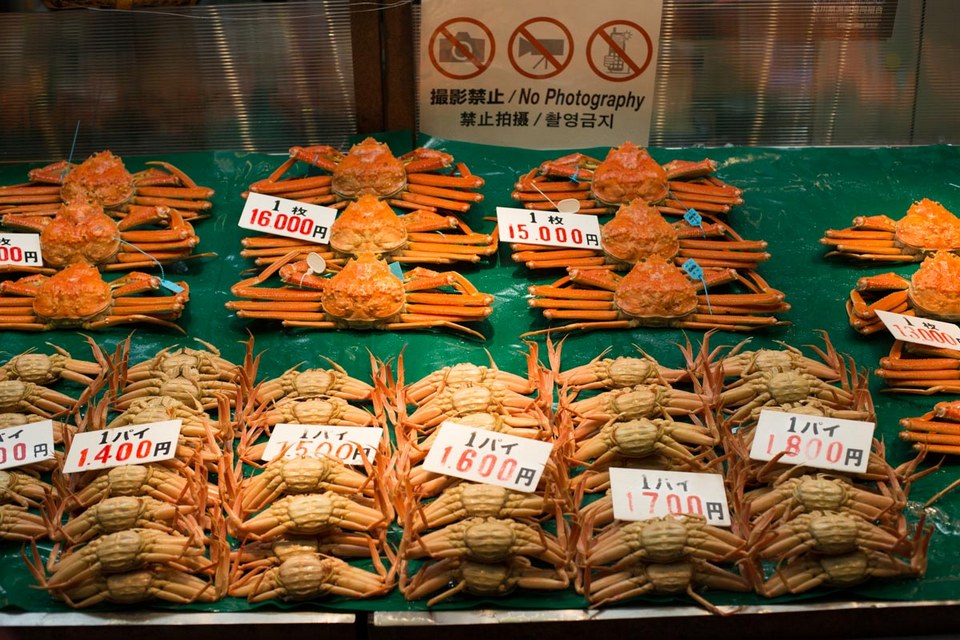
Kano Snow Crab (Kano-gani) is considered the “queen of Ishikawa winter”, famous for its firm, sweet and clear meat thanks to being caught from the cold deep sea off Kanazawa. Each crab is accompanied by a certificate of origin, showing the local people’s pride in its quality and natural origin. Visitors can enjoy crab in many ways: raw sashimi, steamed, grilled, or dipped in hot pot – each way retains the distinctive sea flavor.
Kaburazushi
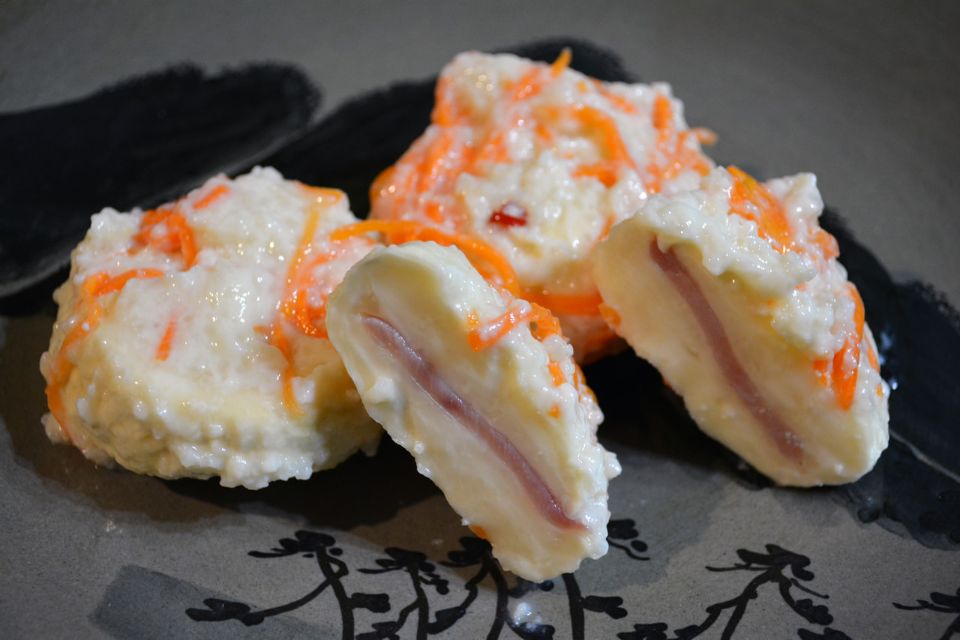
Kaburazushi is a specialty dish of Ishikawa, Japan. This dish is made from salted yellowtail – or sometimes mackerel – placed between pieces of pickled radish and then packed in koji stock for several days. This process creates a rich, savory, umami flavor. Kaburazushi is often served with sake or green tea. It is traditionally served during the New Year, but can be enjoyed at any time of the year.
Jibuni
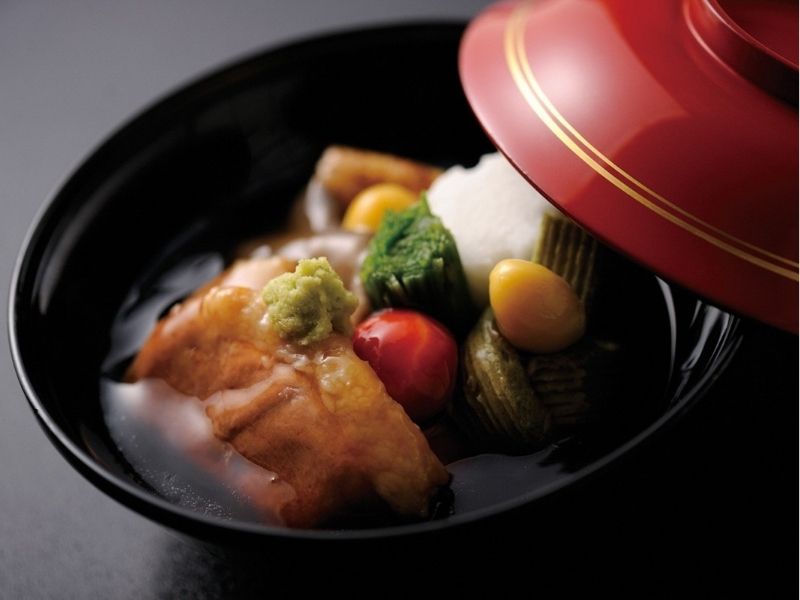
Jibuni is one of Ishikawa’s signature traditional dishes, known for its rich flavor and delicate preparation that clearly reflects the spirit of Kaga cuisine. The dish consists of thinly sliced duck meat lightly coated in flour, cooked in dashi broth (including kombu seaweed and bonito flakes), creating a characteristic sweet and light fatty taste. Ingredients such as shiitake mushrooms, young bamboo shoots and Fu gluten cake are added to enrich the dish in flavor and texture. Here are some famous restaurants where you should try Jibuni in Ishikawa: Tsubajin (つば甚), Kifune (貴船), Kourin Sushi (香りん寿司),…
Buri Daikon
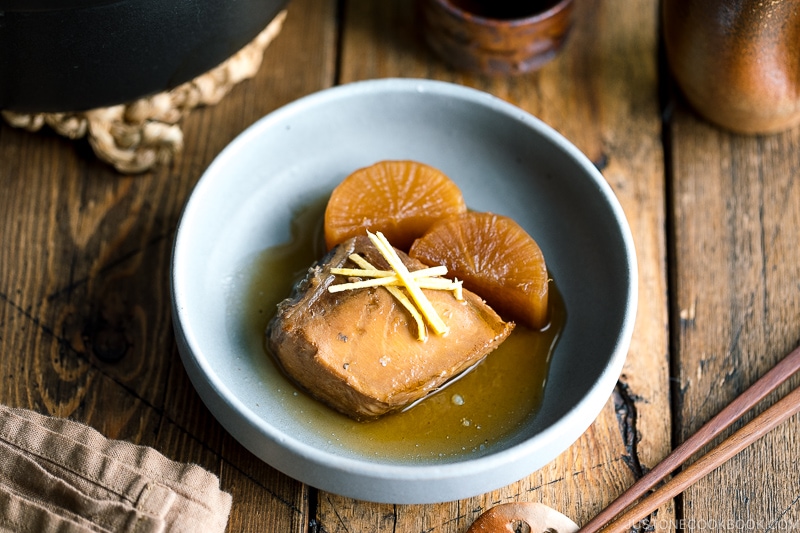
Buri Daikon is a famous traditional dish of Ishikawa, a perfect combination of fatty amberjack (Buri) and sweet and soft white radish (Daikon) in a broth. This rich dish is cooked with dashi, soy sauce, sake and mirin. When stewed, the amberjack absorbs the fatty umami flavor, while the radish becomes soft, sweet and absorbs the flavor of the broth. This dish used to be a rare delicacy for the nobility in feudal times, but today it has become a symbol of warmth in every Japanese family, especially in winter. Famous restaurants and eateries for this dish include Aenokoto (のどぐろ丼専門店 あえのこと), HUNI, Ushioya (うしおや),…
Kanazawa Curry

Kanazawa curry is a variation of Japanese curry. Kanazawa curry sauce is made from curry powder, beef, pork, onions, carrots, and other vegetables. The sauce is cooked for a long time to blend the flavors together. The sauce is then strained and a large amount of caramelized sugar is added to create the sweetness and distinctive color. This dish is often served with crispy fried pork cutlets and shredded cabbage.
Noto-don
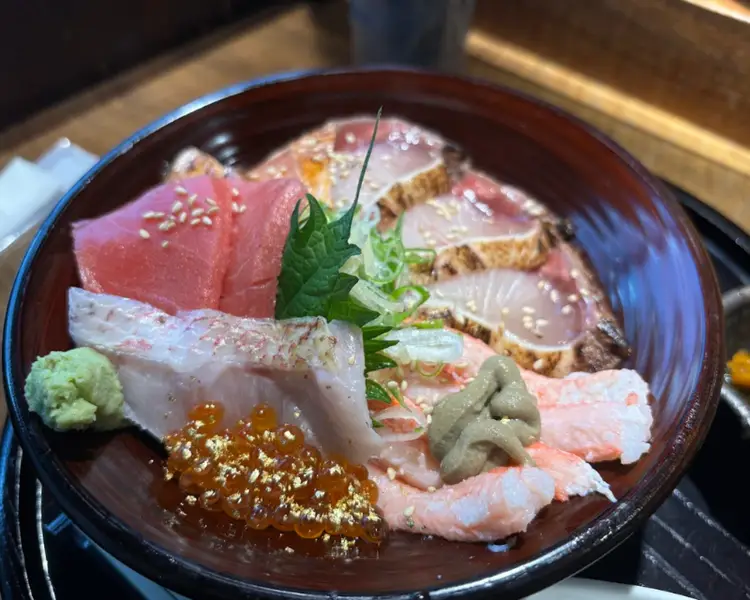
Noto-don is a famous seafood rice dish of the Noto Peninsula in Ishikawa Prefecture, featuring a delicate combination of vinegared white rice and fresh seafood such as tuna, salmon, amberjack, shrimp, scallops and crab. Each slice of seafood is skillfully arranged on a bowl of rice, accompanied by shiso leaves, wasabi and soy sauce, bringing a fresh, rich taste of the Japanese sea. This dish was created to honor the rich source of ingredients from the Noto sea, which is famous for its fresh seafood all year round. Famous names for Noto-don are Ushioya (うしおや), Tile, Uogashi Syokudo (魚がし食堂 中央市場店),…
Fugu Nukazuke
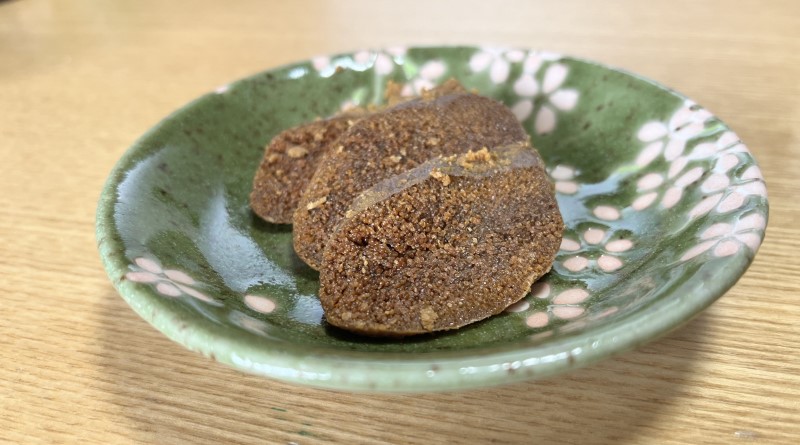
Fugu, or pufferfish in English, has gained worldwide notoriety as a poisonous fish popular in Japan. In Ishikawa, visitors can find pufferfish both cooked and raw. A traditional way to prepare and enjoy pufferfish in Ishikawa is to make fugu nukazuke, a dish made by fermenting the fish’s ovaries. The ovaries are first pickled in salt and then in rice malt. This process removes the poison from the fish and takes about three years, creating a complex, salty flavor. Because pufferfish are poisonous, chefs need a license to prepare fugu nukazuke.
Fuku-Ume

Fuku-ume is a cute Wagashi sweet that is very sweet and is special for the New Year in Kanazawa. Fuku-Ume is a cake filled with red bean paste and wrapped in a rice flour crust, shaped like a peach, very eye-catching and delicious.
In addition, Ishikawa also has many other dishes worth experiencing, including: Ruby Roman grapes, this type of grape has a deep red color, rich sweetness and is rich in nutrients; Kaga-ryori, a dish made from seafood, meat and vegetables; Jibu, a soup made from soft-shell turtle meat, sweet, fatty and nutritious…
So today, Living Nomads has joined you to explore a new place in Japan, Ishikawa. With a rich history, beautiful nature and interesting culture, Ishikawa prefecture is the perfect destination to explore on your next trip to Japan. Here, visitors will have an impressive, new adventure with a variety of activities from visiting hot springs, hiking through mountains to tasting local dishes.
In addition, this beautiful land also has many historical sites and museums worth visiting. Choosing Ishikawa as one of the stops when traveling in the Land of the Rising Sun will definitely bring visitors complete and memorable memories.
Some best day tours, trips, activities and transfer services, tickets in, from and to Kanazawa you can refer to
- Kanazawa Sightseeing Morning Half Day Tour
- Kanazawa Day Tour from Nagoya
- Kanazawa Higashi Geisha House District, Kanazawa Castle, Kenrokuen Garden Half Day Tour from Tokyo
- Geiko Show and Dinner Experience in Kanazawa
- Shared Bus Transfers between Tokyo and Kanazawa (One Way)
- VASARA Kimono and Yukata Rental in Kanazawa
- 4G Prepaid Sim Card (JP Airports Pick Up) for Japan
- 4G WiFi (Japan Pick Up) for Japan
- JR Pass for Whole Japan (7, 14, or 21 Days)
Are you looking for more Japan travel guide and top things to do in Japan: Tours, activities, attractions and other things? Let’s check it out here.