











It is no surprise that Gyeongbokgung Palace in Seoul is a favorite tourist destination in Korea. Let’s learn interesting information about Gyeongbokgung Palace – a classic and impressive check-in space. So, how to visit Gyeongbokgung palace, what to do in Gyeongbokgung Palace? Let’s check out The ULTIMATE Gyeongbokgung Palace Review: History, How to get there, Top things to do & MORE and Gyeongbokgung Palace review in this detailed article!
- Where to visit in Seoul? 20 Beautiful & best places to visit in Seoul for First-Time Visitors
- Discover Itaewon: Seoul’s Vibrant International District
- 12 Beautiful and Easy-to-Access Tourist Destinations & top things to do in Gyeonggi that Near Seoul
- Where is the most beautiful place in Korea: 15+ best scenic spots & most beautiful places in Korea to visit
- Where to go in Gwangju? — 12+ gwangju attractions & Gwangju places to visit
Korea is famous for its long history and unique traditional culture. Among the ancient relics from the Joseon Dynasty, Gyeongbokgung Palace is the most representative symbol. Located between Gwanghwamun Square and the Blue House (Cheong Wa Dae), this palace is a must-see destination in Seoul. Let’s explore the interesting history and experience of visiting Gyeongbokgung Palace!
Gyeongbokgung Palace – Famous Cultural Symbol of Korea

Best Seoul Palaces & N Seoul Tower Tour (Half & Full Day)
Gyeongbokgung Palace, also known as Gyeongbokgung Palace, was the main palace of the Joseon Dynasty (1392 – 1910) and is also the largest of the five ancient palaces still existing in Korea. Built in 1395 under King Taejo – the founder of the Joseon Dynasty, the palace symbolizes the blessing of the king, the royal family and all the people.
The name of Gyeongbokgung was given by the founding father Jeong Do-jeon, and it continued to be expanded under the reigns of King Taejong and King Sejong the Great (1418 – 1450), becoming an important symbol of the foundation of the Joseon Dynasty.
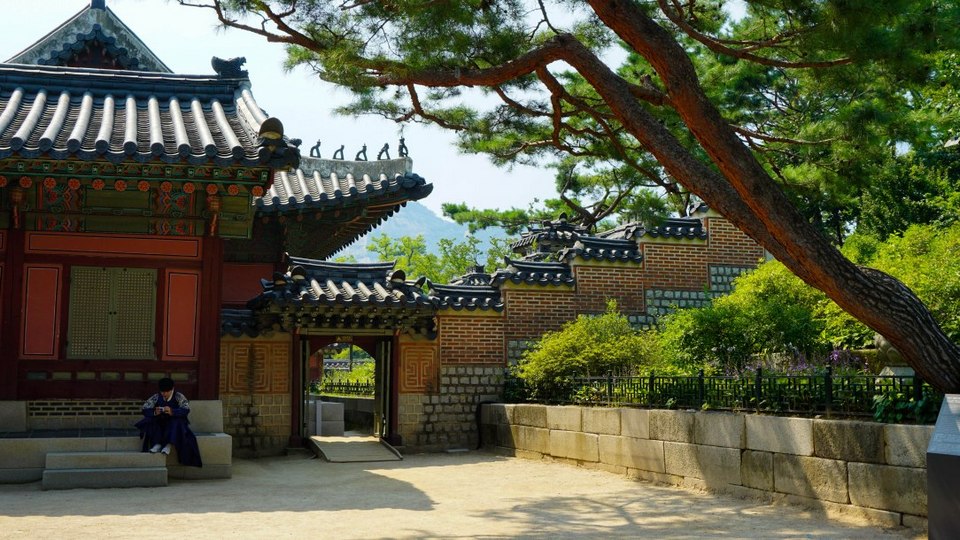
Seoul Gyeongbokgung Palace Morning Tour
Over the course of its history, the palace has endured many upheavals. Gyeongbokgung was burned down during the Japanese-Korean War in 1592, restored under the reign of King Gojong, but destroyed again during the Japanese colonial period (1910-1945). Thanks to the restoration efforts of the Korean government and people, the palace has regained its original splendor.
Today, Gyeongbokgung is not only an important historical destination but also a convergence of the National Palace Museum of Korea and the National Folk Museum, forming a unique architectural and cultural complex, attracting millions of visitors every year.
Gyeongbokgung Palace Review: Where is Gyeongbok Royal Palace?

Did you know that an ancient palace like Gyeongbokgung is located right in the heart of Seoul? With the address 161 Sajik-ro, Jongno-gu, the palace is close to Gwanghwamun Square and is extremely easy to get to from anywhere in the city.
How to Get to Gyeongbok Palace in Seoul, Korea
You can easily get to Gyeongbokgung Palace by subway, public bus, sightseeing bus, or private car.
Korean Subway

KORAIL PASS – KTX Train Ticket
Taking the subway is the fastest and most convenient way to get there if you are in Seoul. There are two main lines to get here:
- Line 3: Get off at Gyeongbokgung Station, Exit 5 (Note: This exit is closed at night, you can use Exit 4 instead).
- Line 5: Get off at Gwanghwamun Station, Exit 2.
Public Bus in Korea
As mentioned, the subway is the best way to get to Gyeongbokgung Palace. However, from Incheon Airport or outside of Seoul, buses can also be a convenient way to get there. From Incheon Airport, you can take bus number 6011.
Seoul Sightseeing Bus
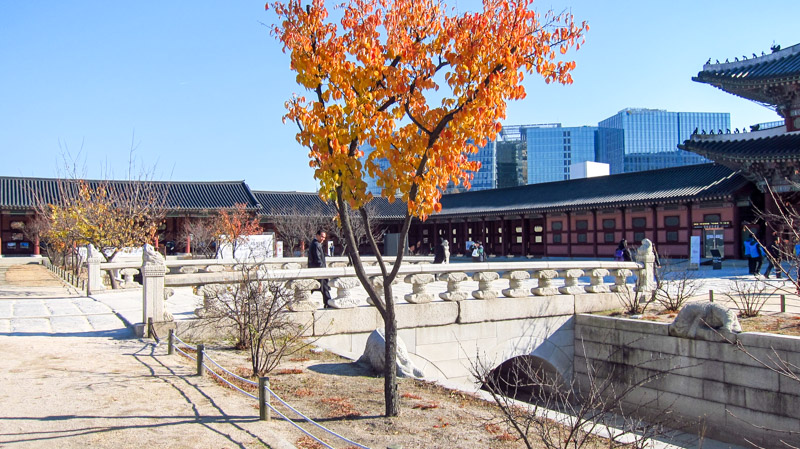
Korea Tour Card Tmoney Coupon and KRW5,000 Value Top Up Coupon..
Taking a sightseeing bus to visit the city and famous tourist attractions in Seoul is an extremely interesting choice. easily and comfortably. The Hop-on Hop-off Bus Tour will take you through 15 stops, allowing you to check-in and sightsee without having to worry about the busy traffic in Seoul.
Private Car Rental
If you want to be more comfortable, choose a private car rental service with a driver and online tour guide. This is the perfect choice to freely adjust your schedule and enjoy the trip without worrying about traffic.
What are the Opening Hours of Gyeongbokgung Palace?
Gyeongbokgung Palace has different opening hours by month as follows:
- January – February: 09:00 – 17:00 (Last admission 16:00)
- March – May: 09:00 – 18:00 (Last admission 17:00)
- June – August: 09:00 – 18:30 (Last admission 17:30)
- September – October: 09:00 – 18:00 (Last admission 17:00)
- November – December: 09:00 – 17:00 (Last admission 16:00)
(*) Gyeongbokgung Palace is closed every Tuesday. With the above instructions, you will easily plan to explore Gyeongbokgung Palace – a prominent historical symbol of Korea!
Reference Gyeongbokgung Palace Ticket Prices
Private K-Drama Tour: Seoul Car Rental with Driver to Nami / Alpaca World / Sokcho / Gangneung
- People from 19 to 64 years old: 3,000 won/person (~60,000 VND).
- Under 18 and over 65 years old: Free.
If you want to explore all the famous palaces in Seoul, consider buying a combination ticket for 10,000 won/person (~200,000 VND). This ticket allows you to visit each location once within 3 months, including:
- Gyeongbokgung Palace
- Changdeokgung Palace (including Secret Garden),
- Changgyeonggung Palace
- Deoksugung Palace
- Jongmyo Shrine.
Seoul City Tour Bus Night View Course
Additionally, you can enter the palaces for free when wearing Hanbok or visiting every last Wednesday of the month, known as Culture Day. This is a great opportunity to experience Korean culture for free!
History of Gyeongbokgung Palace – The Royal Symbol of the Joseon Dynasty
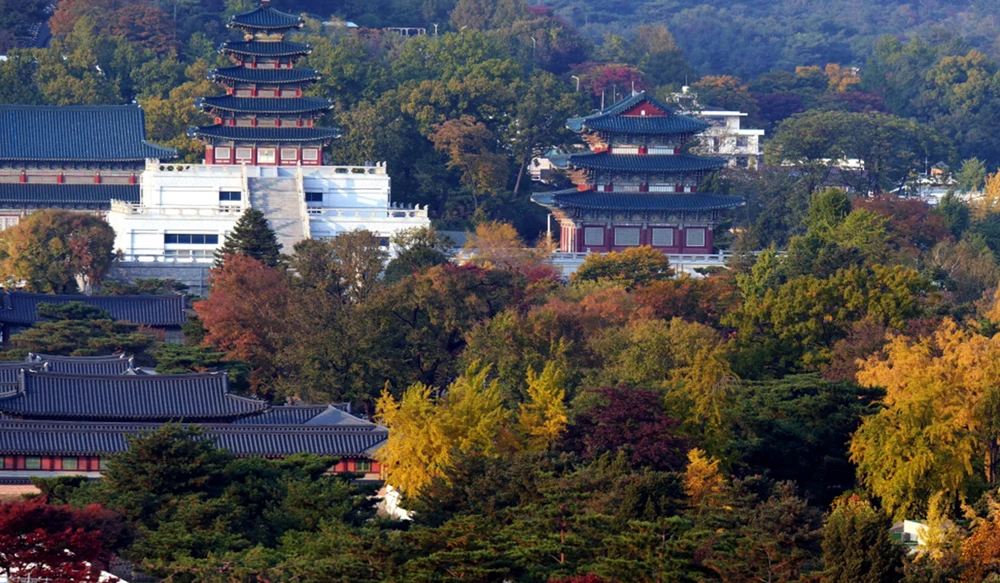
Gyeongbokgung Palace was built in 1395, just three years after the Joseon Dynasty was founded by King Taejo (Yi Seong-gye). Named Gyeongbokgung, meaning “Palace Blessed by Heaven,” it was seen as a symbol of power and prosperity. With Bugaksan Mountain behind it and Namsan Mountain in front, the construction site was chosen based on the principles of feng shui, creating a “prime” location in the heart of Seoul.
In front of the main gate, Gwanghwamun, is Yukjo-geori (today’s Sejongno), where major government agencies were located. Along the main axis of the palace are important areas such as the throne hall, council hall, and the king’s residence, which served as the political and cultural center of the Joseon Dynasty.

However, Gyeongbokgung Palace has endured many historical events. During the Japanese invasion of 1592–1598, the palace was completely burned down, and for 273 years it fell into disrepair. In 1867, the palace was rebuilt by order of the Prince Regent, with more than 500 buildings spread over 40 hectares, becoming a “small city” with strong Joseon architecture combined with ancient Chinese design principles.
Unfortunately, during the Japanese occupation, 93% of the buildings were destroyed, Gwanghwamun Gate was relocated, and the Japanese Governor-General’s Building was built right on the main area of the palace.

Gyeongbokgung / Hanbok / N Seoul Tower/ Painters Private Tour
Since 1990, the Korean government has been working to restore the palace to its former glory. The Japanese Governor-General’s Building was demolished, the Heungnyemun Gate was restored, and the royal residence and the Crown Prince’s East Palace were restored to their original state, making Gyeongbokgung Palace an important historical and cultural symbol of Korea.
The Distinctive Architecture of Gyeongbokgung Palace
Once the majestic residence of the Joseon Dynasty royal family, Gyeongbokgung Palace spans an area of 400,000m² and is imbued with the history and traditions of Korea. After many ups and downs, the palace has been restored and has become a destination that attracts millions of tourists every year. Let’s explore the outstanding works in the unique architecture of this palace!
The Walls of Gyeongbokgung Palace

The walls surrounding the palace were built in 1398, forming a rectangle with three main gates: Geonchunmun (East), Gwanghwamun (South), and Yeongchumun (West). The North Wall and Sinmumun Gate were built later, completing the defense system. Although heavily damaged during the Japanese-Korean War and the Korean War, these walls have been restored many times, preserving the majesty of the palace.
Gwanghwamun Gate
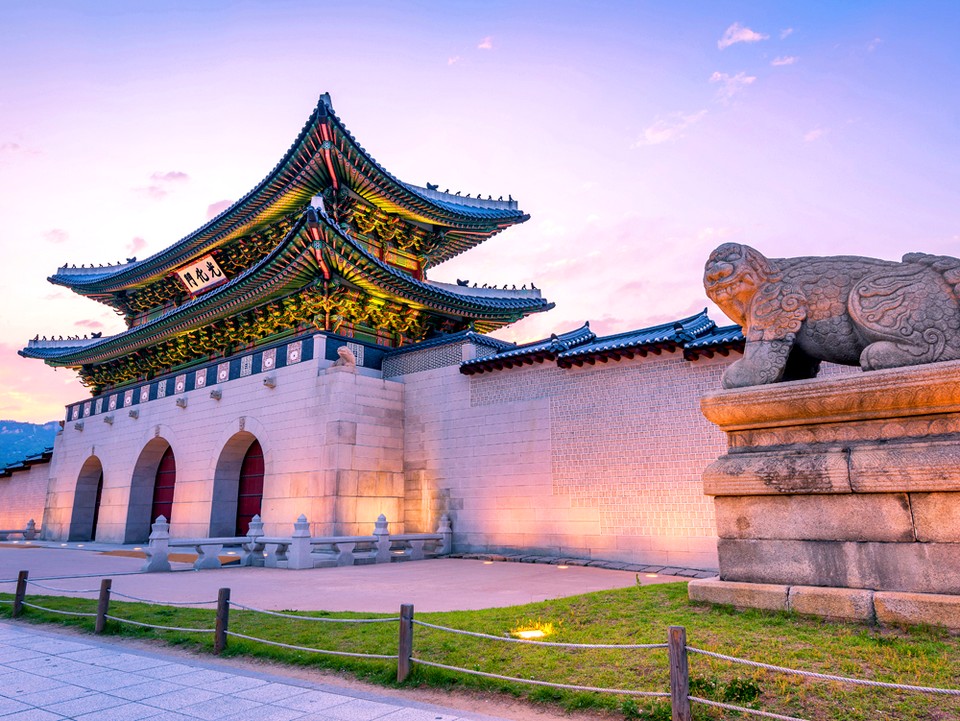
This is the main gate of Gyeongbokgung Palace, featuring tall stone architecture, curved roofs, and three arched doors. The middle gate was reserved for the king, while the crown prince and officials used the two side gates. The gate was destroyed during the Japanese occupation and the Korean War, but was rebuilt with a wood and granite structure in 2010, restoring its original beauty.
Geonchunmun Gate
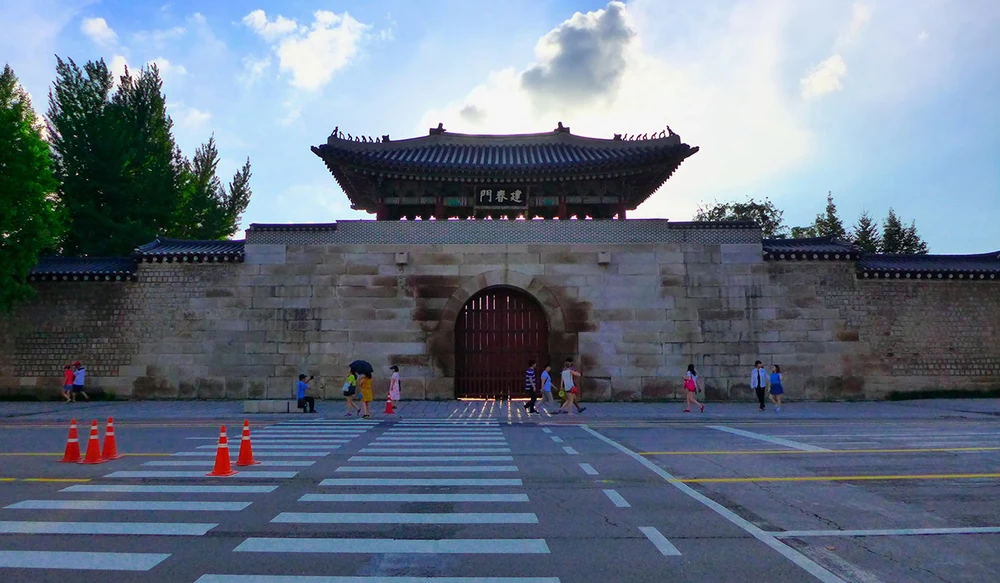
DMZ Tour; Suspension Bridge & North Korean Defector Meet up optional
Located on the east side of the palace, Geonchunmun Gate means “beginning of spring”. Geonchunmun Gate was mainly used by the crown prince and court officials working in the administrative buildings of the Crown Prince’s Palace. The current gate was erected when Gyeongbokgung Palace was rebuilt in 1865 (the second year of King Gojong).
Yeongchumun Gate

This is the west gate of the palace, named “welcoming autumn”. This gate was mainly used by civil and military court officials, especially those working in the administrative buildings on the west side. The current concrete gate was restored in 1975.
Sinmumun Gate

Dongdaemun Discount Coupon in Seoul – Super PASS
The north gate was erected after the construction of the north wall. In 1475 (the sixth year of King Seongjong), this gate was named Sinmumun Gate. Very few people use the North Gate, except when officials are participating in rare meetings to pledge alliances at a location near the gate. Sinmumun Gate is the same size as Geonchunmun Gate, and the current gate was erected when Gyeongbokgung Palace was rebuilt in 1865.
Dongsibjagak Watchtower
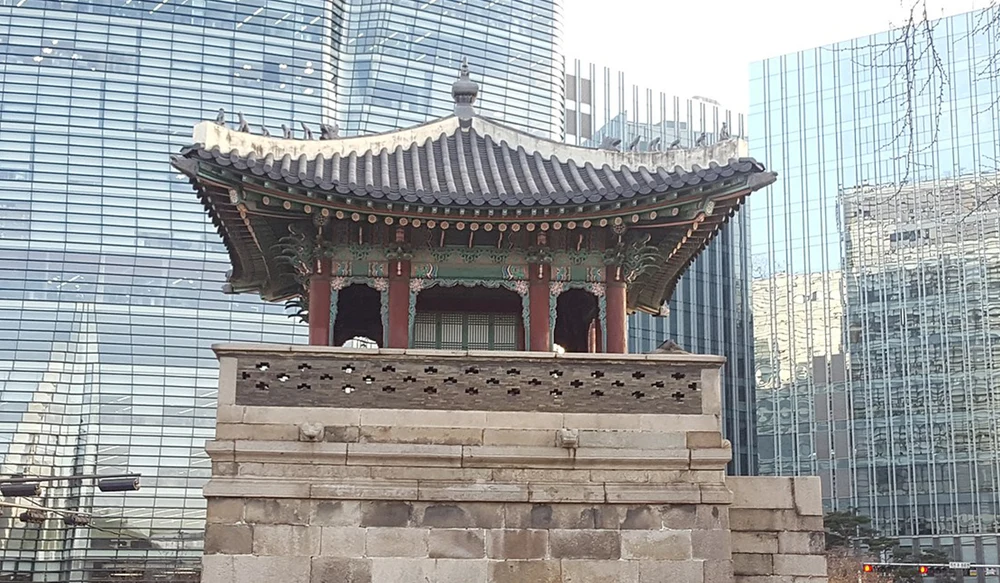
The watchtower is located in the southeast corner of the palace, serving as an observation and protection tower. After the walls were removed, the watchtower became prominent among the busy intersection. Unfortunately, the West Watchtower was destroyed in 1923 during the Japanese occupation.
Top Things to do at Gyeongbokgung Palace – Korea
Gyeongbokgung Palace is not only a historical symbol of Korea but also a place that offers unique cultural experiences. If you are planning a visit, don’t miss the interesting activities below to make your trip more memorable!
Watch the Changing of the Guard ceremony
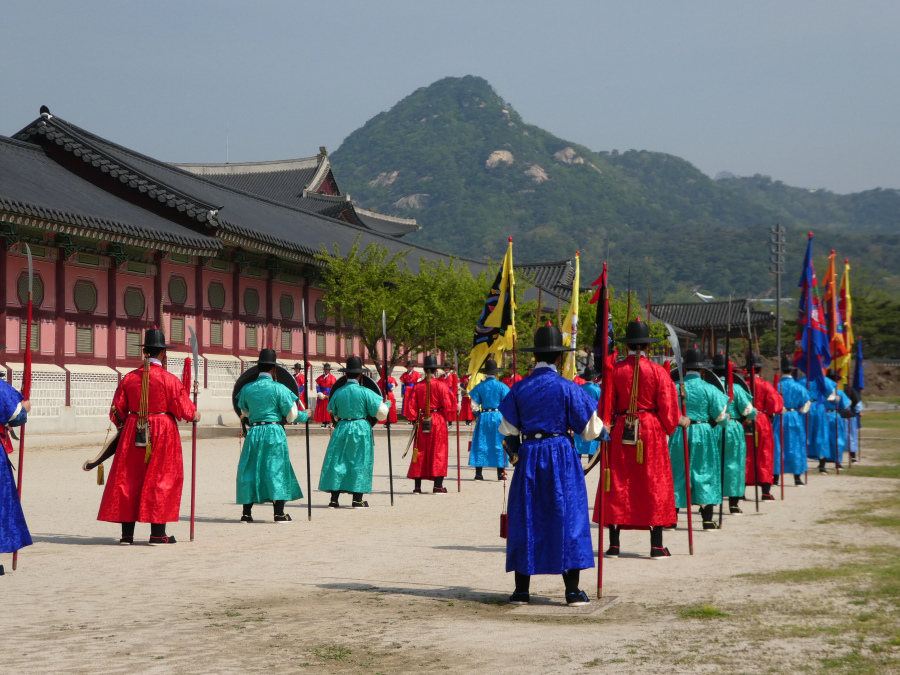
The Royal Guard Changing Ceremony is one of the highlights of Gyeongbokgung Palace. The sounds of traditional gongs, cymbals and horns echo as the guards march majestically, recreating scenes from the Joseon Dynasty. It is a unique experience that attracts both tourists and locals.
To get a good spot and not miss this impressive moment, you should arrive a little earlier than scheduled. The Changing of the Guard Ceremony takes place twice a day (10:00 and 14:00), while the parade at Gwanghwamun Gate is held at 11:00 and 13:00.
Rent a traditional Korean Hanbok
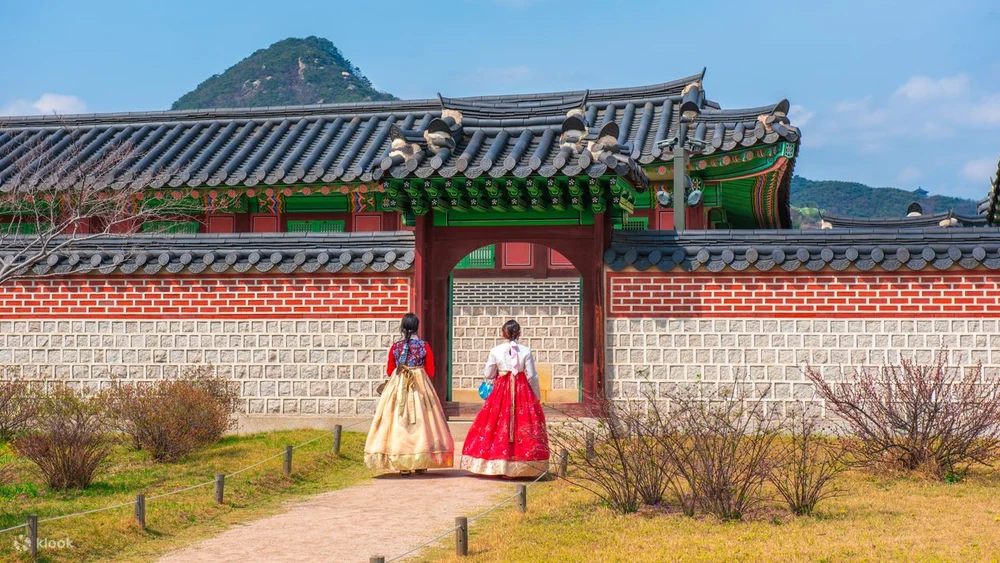
Hanbok Rental Experience in Seoul by Studio KJD
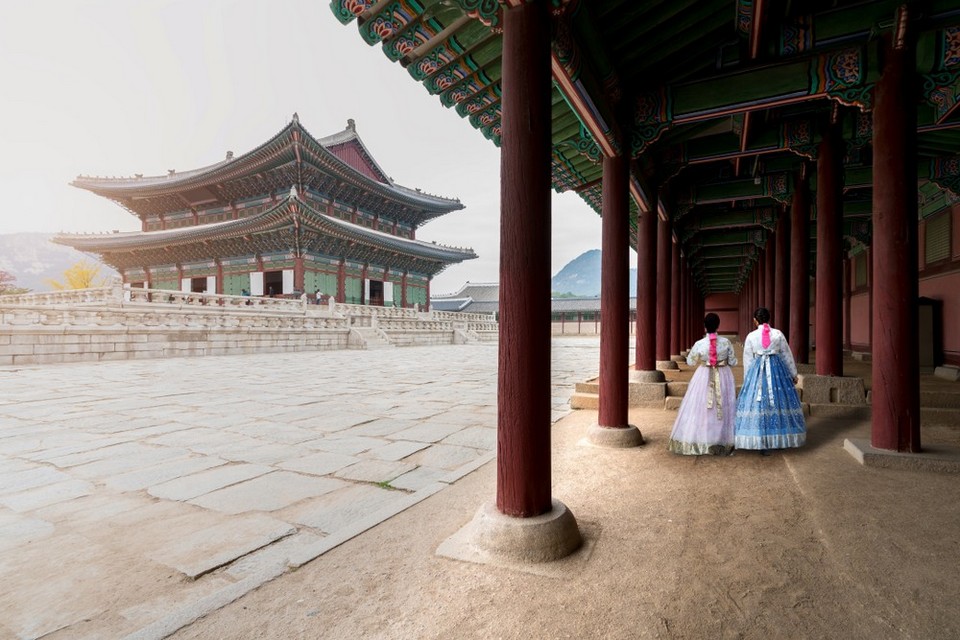
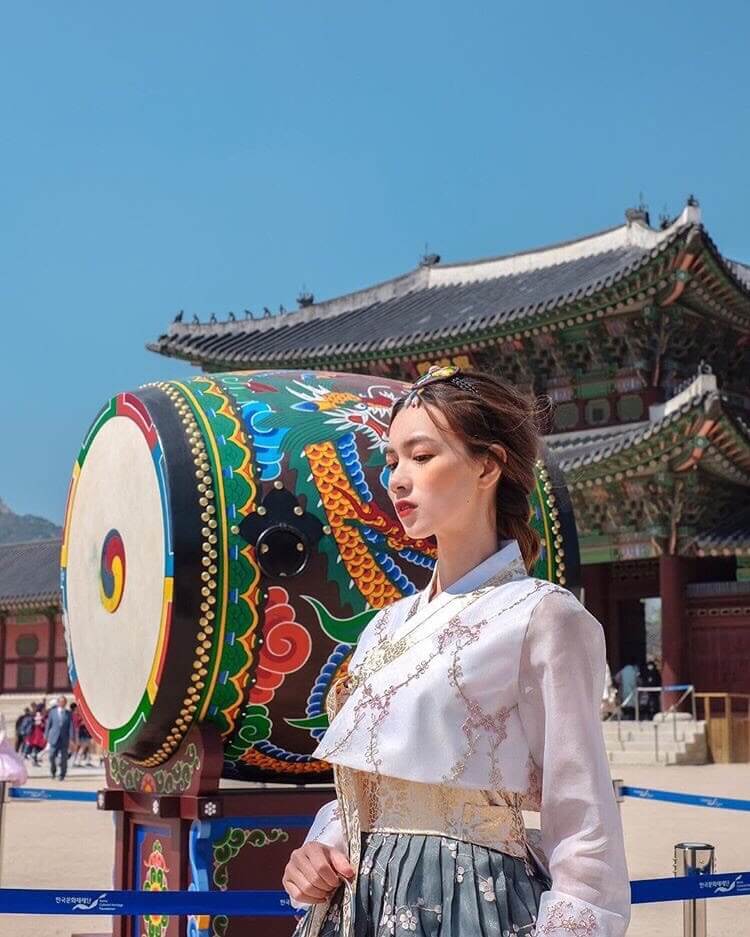
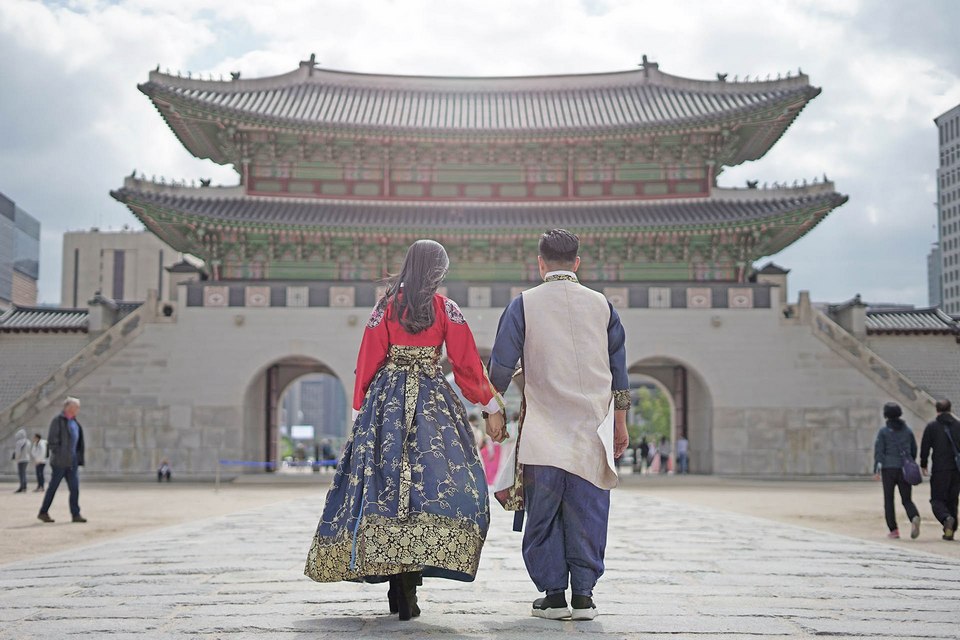
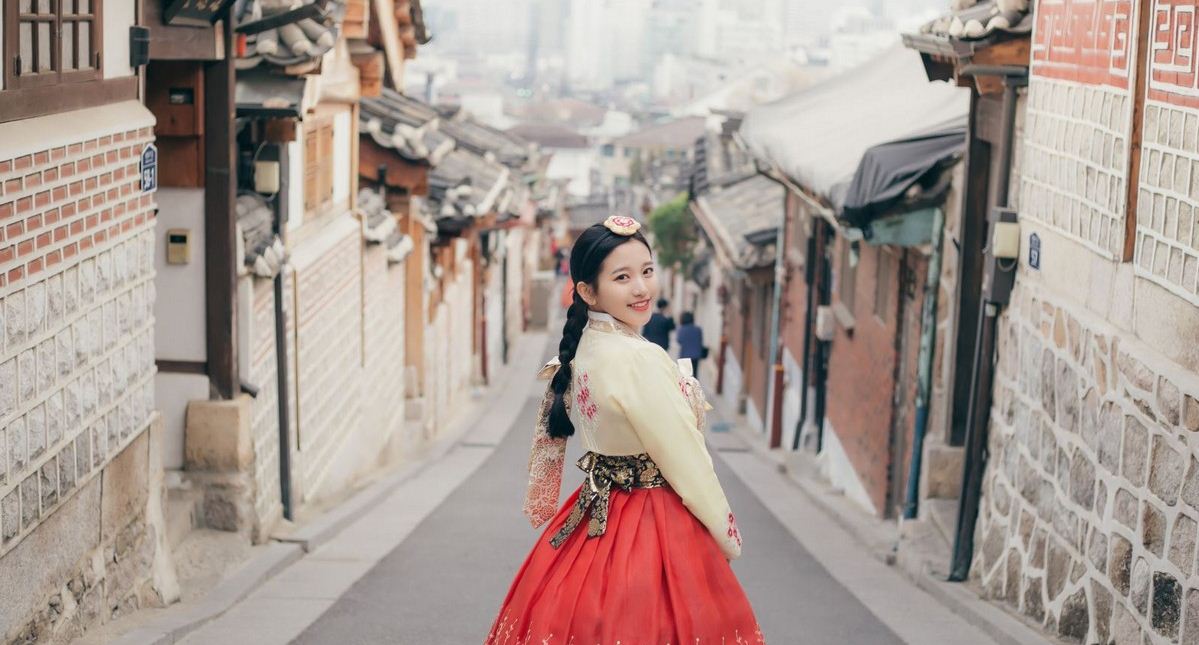
One of the best ways to immerse yourself in the royal atmosphere is to wear a Hanbok, the traditional Korean costume. Not only will it help you take beautiful photos, wearing a Hanbok will also bring a special feeling when exploring the palace areas. Many shops near Gyeongbokgung Palace offer Hanbok rental services with a wide range of designs and friendly staff, making it easy for you to choose the right outfit. This will definitely be an unforgettable experience in your journey.
Capture the beauty of Gwanghwamun Gate
Gwanghwamun Gate is not only the main entrance to the Palace but also a majestic symbol of the Joseon Dynasty. Designed with three large arches, the gate brings a harmonious beauty between classical architecture and symbolism. You can see guards in traditional costumes standing here, creating a historical scene. Don’t forget to take some time to capture this beauty before entering the palace area!
Stop by Heungnyemun Gate

If you miss the photo opportunity at Gwanghwamun Gate because of the crowd, Heungnyemun Gate will be a great alternative. This gate has a similar but more sophisticated architecture, with the roof decorated with unique traditional motifs. The space here is usually less crowded, making it easy for you to take beautiful photos and comfortably enjoy the ancient beauty of this structure.
Stroll around Geunjeongjeon Hall

Geunjeongjeon Hall is the most important area in Gyeongbokgung Palace, used to hold major events and national ceremonies. With its majestic architecture and large space, it exudes the solemnity of the Joseon Dynasty. The original hall was built in the 15th century but has undergone many restorations after invasions. Take the time to visit and feel the majesty of this main hall.
Admire Hyangwonjeong Palace

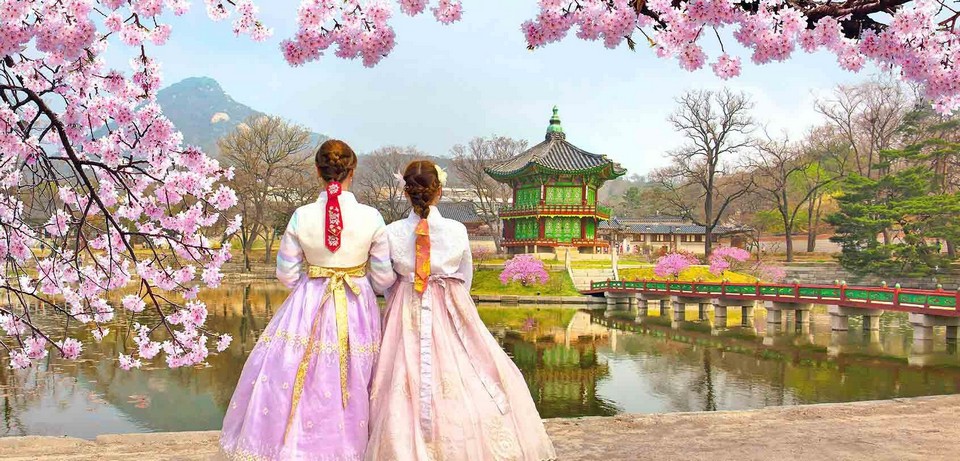
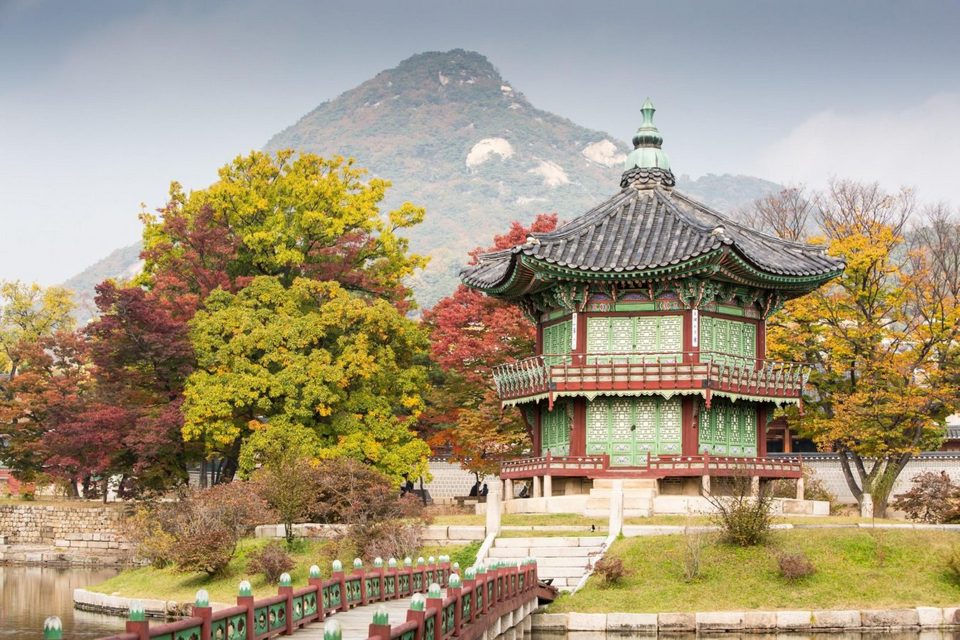
Surrounded by a lake and lush gardens, Hyangwonjeong Palace was once the residence of King Gojong. Despite being damaged in history, the palace has been restored with exquisite architecture from the 18th century. This is an ideal place to stroll and enjoy the peaceful natural scenery. The poetic space here will definitely help you capture beautiful photos.
Visit Gangnyeongjeon Hall

As the king’s private resting place, Gangnyeongjeon Hall has a strong royal architectural style. This building was also used for cabinet meetings and entertainment activities in the royal court. Although destroyed in history, Gangnyeongjeon has been restored to retain its ancient beauty. This is a place not to be missed when exploring the palace.
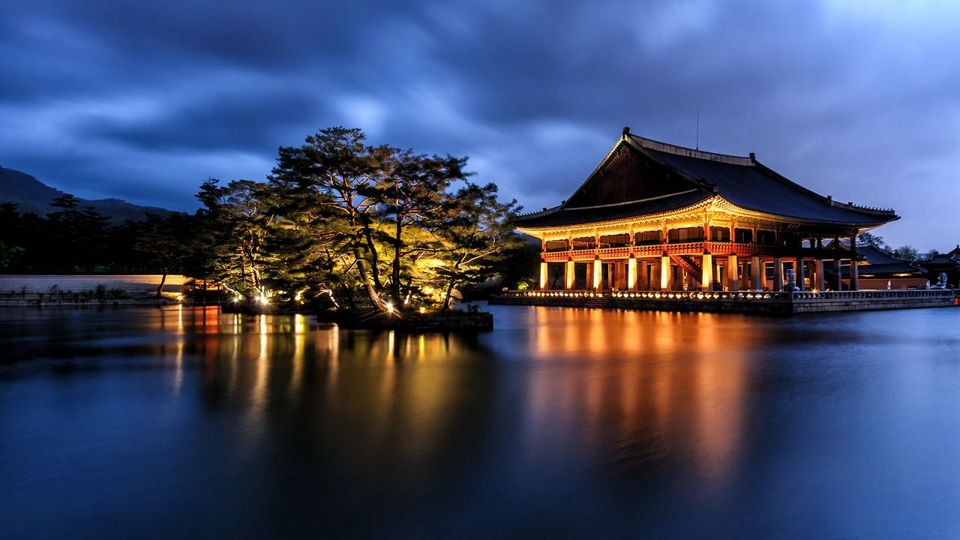
Check-in at Gyeonghoeru Palace
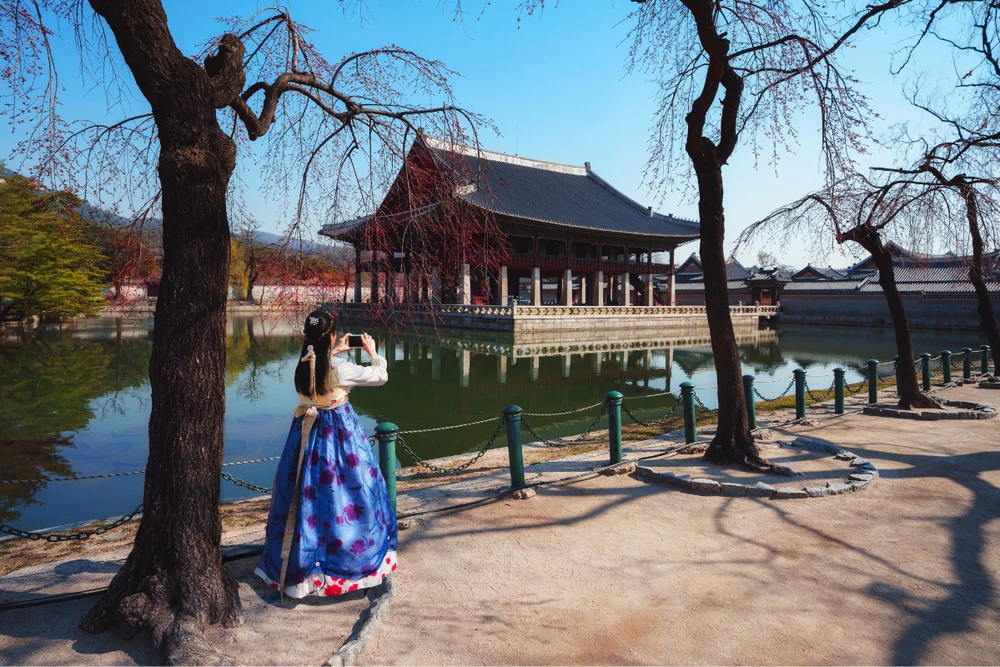
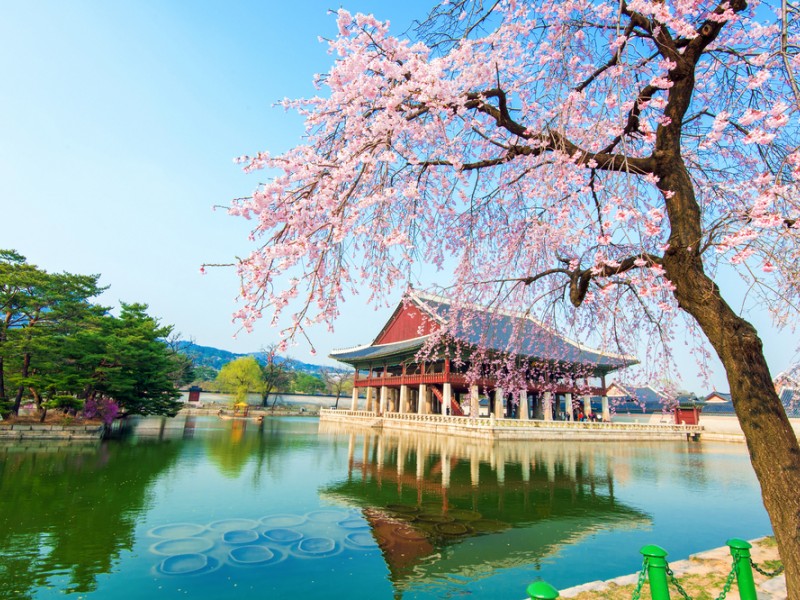
Located by the lake, Gyeonghoeru Palace is where royal banquets and receptions take place. With a splendid yet simple design, the palace is considered a national treasure and represents the sophistication of the Joseon Dynasty. Don’t forget to take beautiful photos here to preserve memorable memories.
Explore Geoncheonggung Palace
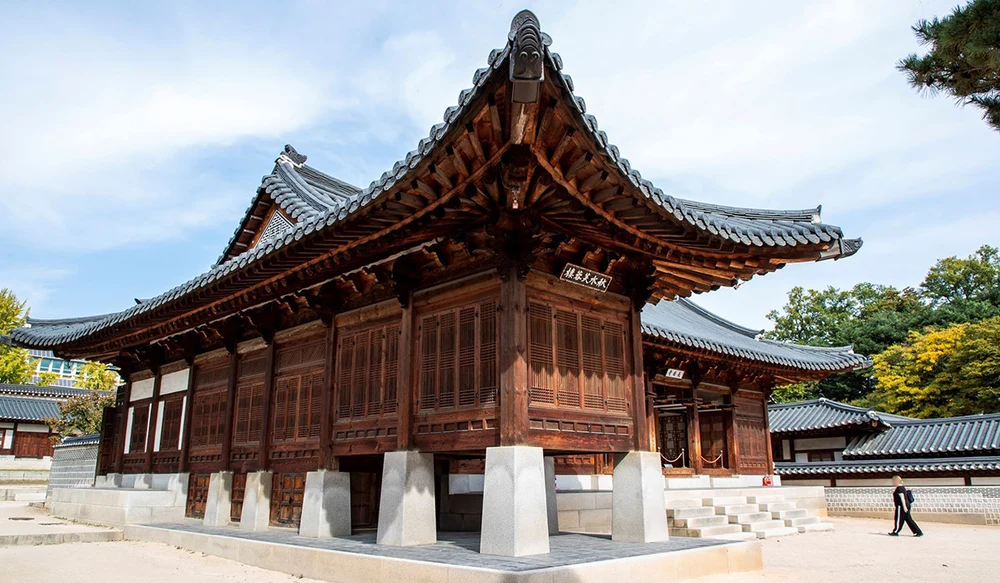
Built in 1873, Geoncheonggung Palace was where the royal family relaxed and held diplomatic activities. This residence has a traditional scholar’s design but is decorated with unique details, adding to its charm. This is an ideal place to learn more about the culture and royal life of the Joseon Dynasty.
Visit Donggung
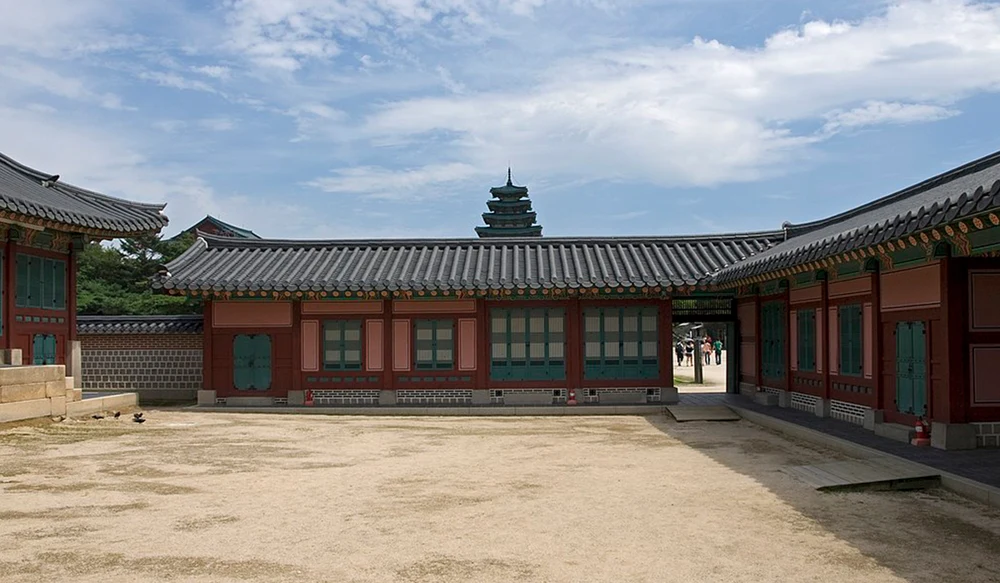
Donggung, or “Eastern Palace,” was the residence of the crown prince and concubines. Here, you can visit Jaseondang – the main living quarters of the crown prince, and Bihyeongak – the study room where the crown prince studied. This area is not only historically significant but also an ideal place to explore royal life in the past.
Visit Gyotaejeon Hall
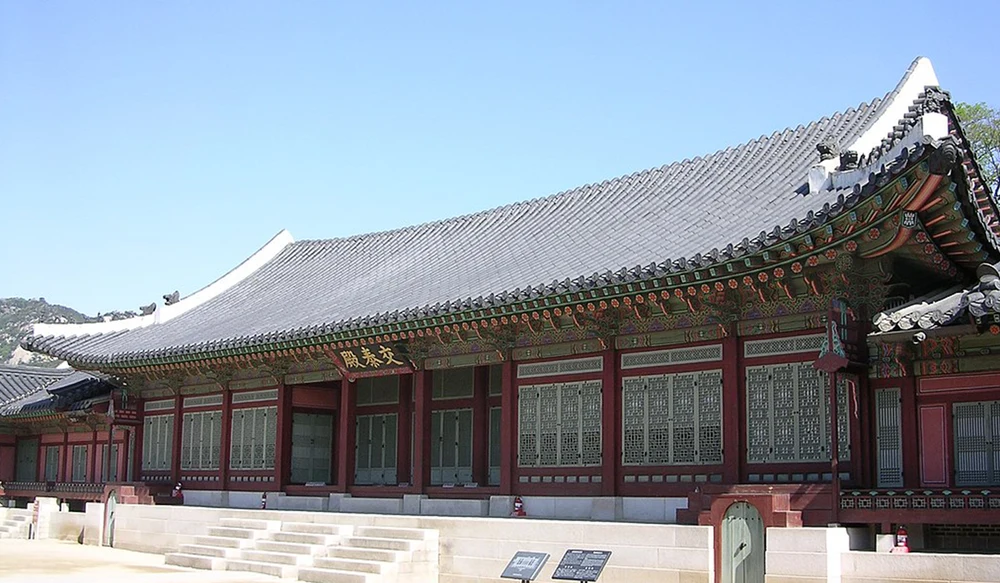
Gyotaejeon Hall was the main residence of the Queen, the most powerful woman in the Joseon Dynasty’s harem. Built around 1440 under King Sejong, this area offers a private and peaceful space for the Queen. Gyotaejeon Hall not only stands out for its royal architecture but is also surrounded by a harmonious natural space.
Behind Gyotaejeon Hall is Amisan Garden, a true masterpiece with its colorful flower terraces and exquisitely crafted decorations. This garden is a great place to relax and is the perfect check-in spot for those who love the harmony between architecture and nature.
Visit Jagyeongjeon Hall
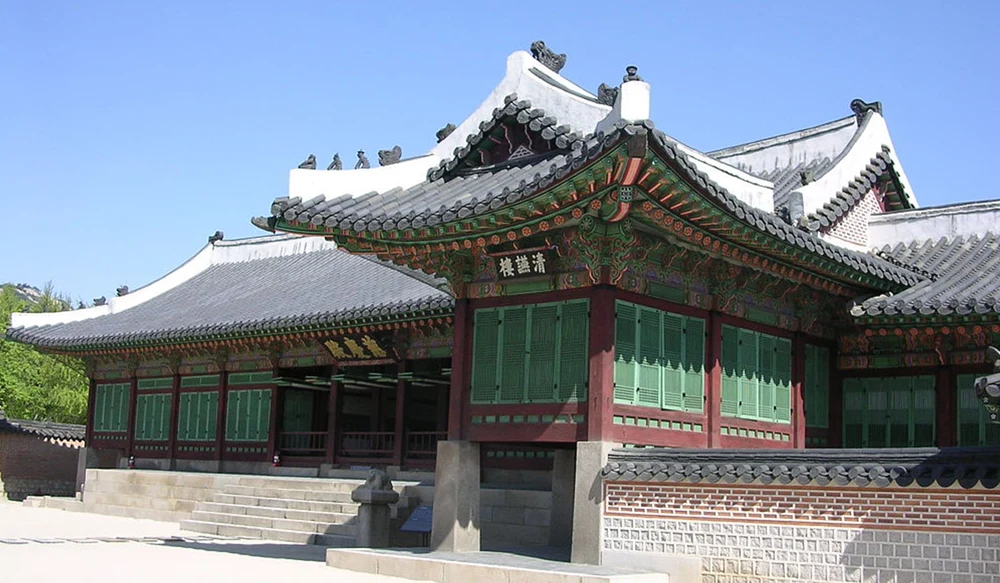
Gyeongbokgung Palace & Jogyesa Temple Half-day Guided & Historical Tour
Jagyeongjeon Hall, the Queen Mother’s residence, is one of the historically significant areas at Gyeongbokgung Palace. Built in 1865 by King Heonjong for Queen Mother Sinjeong, the building is one of the few royal structures that remained intact after the war.
The structure of Jagyeongjeon Hall was cleverly designed to optimize the Queen Mother’s comfort and health. The southeast part of the building is cool in the summer, while the northwest part is warm in the winter. The harmonious combination of architecture and function makes it a must-see when exploring Gyeongbokgung Palace.
Other Attractions Near Gyeongbok Royal Palace
Besides the above destinations, there are two more places that you might be interested in during your trip to Gyeongbokgung Palace.
National Palace Museum of Korea

Seoul City Tour Bus Downtown Palace Namsan Hop-On Hop-Off Tours
This place opened in 1992 and exhibits various relics from the Joseon Dynasty. According to statistics, there are more than 20,000 relics on display here, collected from 3 major palaces (Gyeongbokgung Palace, Changdeokgung Palace, Changgyeonggung Palace) and Jongmyo Shrine.
Displays in the museum include relics of royal life, royal symbols and records, Joseon Dynasty Science, State Ceremonies, religious rituals, architectural relics, etc.
National Folk Museum of Korea

The National Folk Museum of Korea is a building that exhibits historical relics of the Korean people during the Joseon Dynasty and their traditional lives.
The number of artifacts in this museum is more than 98,000. These relics preserve information about the lives of Korean people, including 3 main parts: History of Korean people, Korean lifestyle, Korean life. This museum also displays some traditional items from the daily life of Korean people.
After visiting Gyeongbokgung Palace, stop by Bukchon Hanok Village and Insadong Street for a more memorable trip. Another great place is Lotte World, this beautiful amusement park offers a variety of games for everyone.
Free Tours at Gyeongbokgung Palace
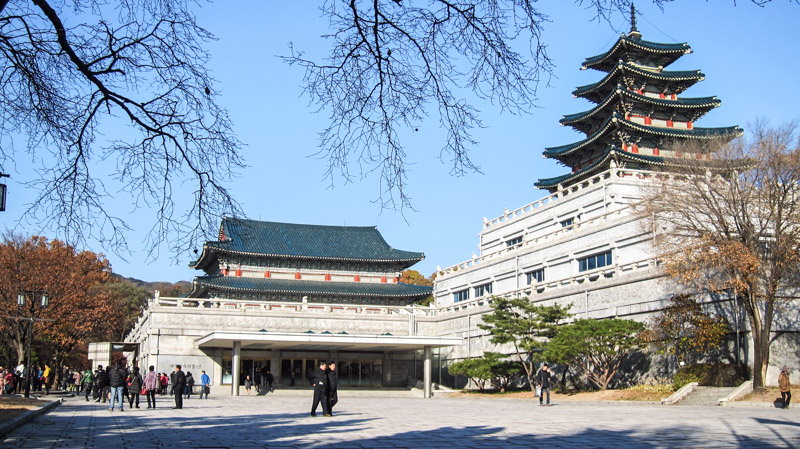
Hanbok Rental with Hairstyling & Accessories at Hanbokgirls
To bring the best experience to visitors, Gyeongbokgung Palace offers completely free guided tours in many languages such as English, Japanese, Chinese, Indonesian and even Vietnamese. Each tour is limited to 30 people and is organized on a “first come, first served” basis, so come early to ensure your spot!
The Vietnamese tour is held at 10:30 on Fridays and Saturdays, starting from the Gyeongbokgung Palace Information Center, inside Heungnyemun Gate. Each tour lasts from 1 to 1.5 hours, providing interesting information about the history and architecture of the palace. Don’t forget to wear a mask when participating to ensure the safety of yourself and the community!
Hotels near Gyeongbokgung Royal Palace
If you want to stay near the beautiful palace complex in Seoul, Klook can suggest great options for you, and don’t forget to book through the Klook system with an exclusive discount code for the best deals.
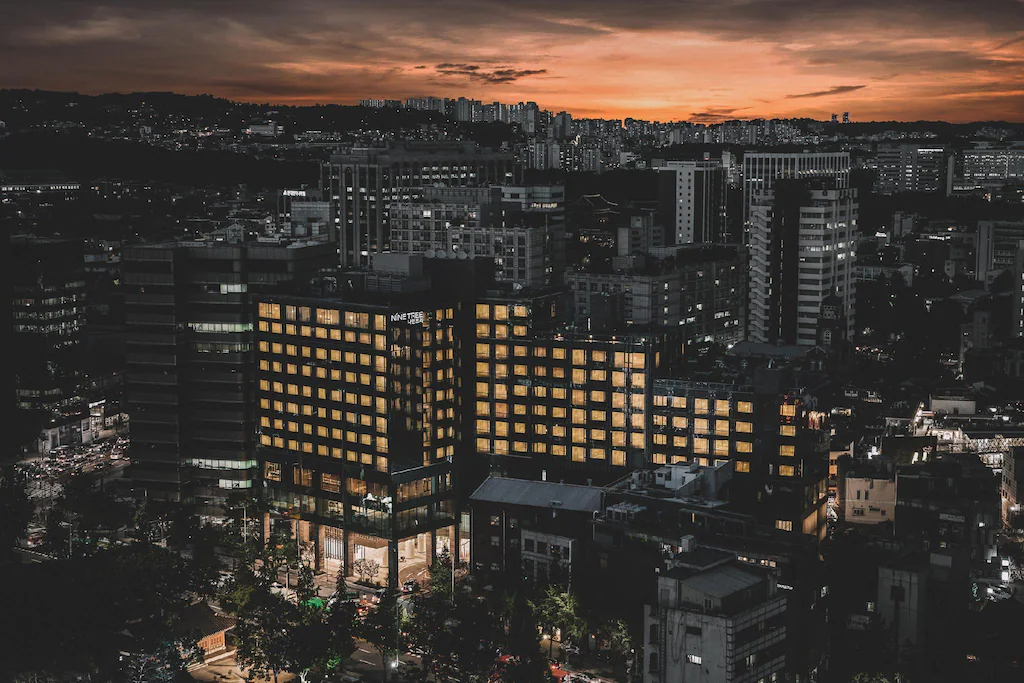
Nine Tree Parnas Hotel Insadong (klook, agoda)
- Address: 49 Insadong-gil, Jongno-gu, Seoul, South Korea
- Reference price: 2,200,000 VND/night
Somerset Palace Seoul (klook, agoda)
- Address: 7 Yulgok-ro 2-gil, Jongno-gu, Seoul, South Korea
- Reference price: 3,857,000 VND/night
Shilla Stay Gwanghwamun (klook, agoda)
- Address: 71 Sambong-ro, Jongno-gu, Seoul, South Korea
- Reference price: 3,124,000 VND/night
Rakkojae Seoul Main Hanok (klook, agoda)
- Address: 218 Gahoe-dong, Jongno-gu, South Korea
- Reference price: 5,786,000 VND/night
Bonum 1957 Hanok Stay and Hotel (klook, agoda)
- Address: 53 Bukchon-ro, Jongno-gu, Seoul, South Korea
- Reference price: 4,687,000 VND/night

In history, almost every dynasty has left behind landmarks for their descendants. Gyeongbokgung Palace is definitely one of the best, if not the best, historical relics of the Joseon Dynasty. This palace has experienced the entire history of the Joseon Dynasty and it is absolutely worth your presence in your journey to explore the land of kimchi.
Will you explore Gyeongbokgung Palace in your upcoming trip to Korea?
Some best day tours, trips, activities and transfer services, tickets in and from Seoul you can refer to
- Incheon International Airport (ICN) Limousine Bus Transfers for Seoul (Gangnam District)
- Seoul Yeouido Eland Han River Cruise
- Alpaca/ Nami/ RailBike/ Morning Calm/ LEGOLAND/ Painters/ Wild Show
- [SALE] Instant Ticket! Korea Rail Pass (KR PASS) 2/3/4/5 Days to travel around the cities in Korea
- [Limited Offer] AREX Incheon Airport Express Train One Way Ticket in Seoul
- Nami Island, Petite France, Garden of Morning Calm, and Gangchon Rail Bike Day Tour from Seoul
- Everland 1 Day Pass
- Lotte World Ticket in Seoul
- Discover Seoul Pass
- N Seoul Tower Ticket
- Lotte World Tower Seoul Sky Ticket
- Coex Aquarium Admission Ticket in Seoul
- DMZ(Demilitarized Zone) Tour
- 4G Prepaid SIM Card (SK Airports Pick Up) for South Korea
- [Sale] Hanbok Experience (Hanboknam Gyeongbokgung Store) with Korean Hairstyling
- [SALE] South Korea 4G Pocket WiFi (KR Airports Pick Up) from KT Olleh
Are you finding more top things to do in Seoul: Tours, activities, attractions and other things? Let’s check it out here.