

















Kinkaku-ji, or the Golden Pavilion, is an iconic Buddhist structure that embodies both magnificent splendor and serene tranquility. Join Living Nomads as we explore this remarkable destination!
- 15 Must-Visit Tourist Places in Kanagawa
- A Relaxing Uji Itinerary 1-Day: Escaping the Kyoto Crowds
- 16 Tourist Spots Near Tokyo to Make Your Trip Even More Exciting
- Conquering Shimokitazawa: Tokyo’s Haven for Thrift Shopping & Indie Culture
- Gotokuji Temple (Cat Temple): Tokyo’s Land of a Thousand Lucky Waving Cats
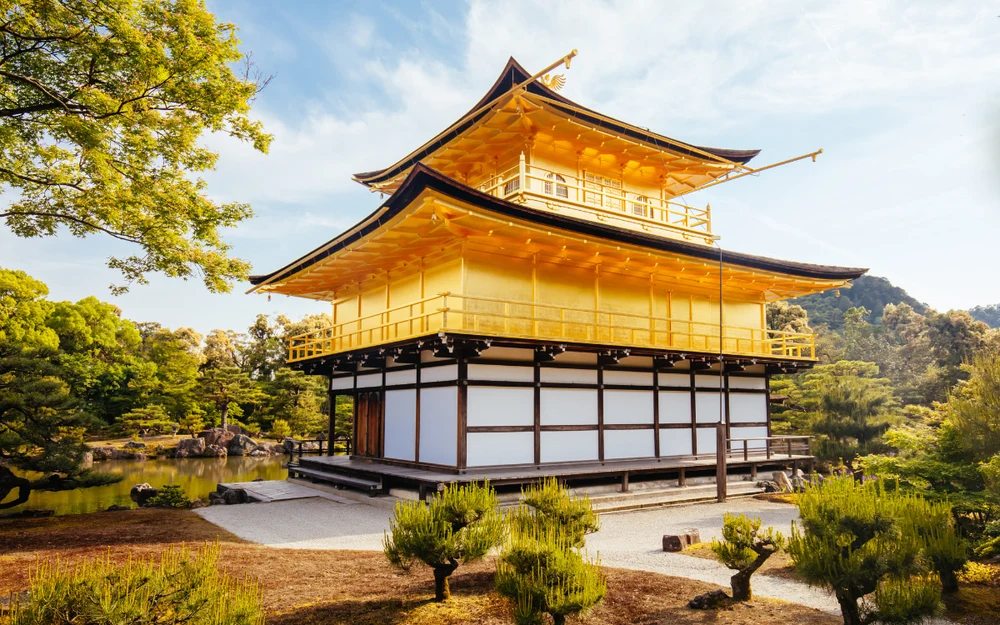
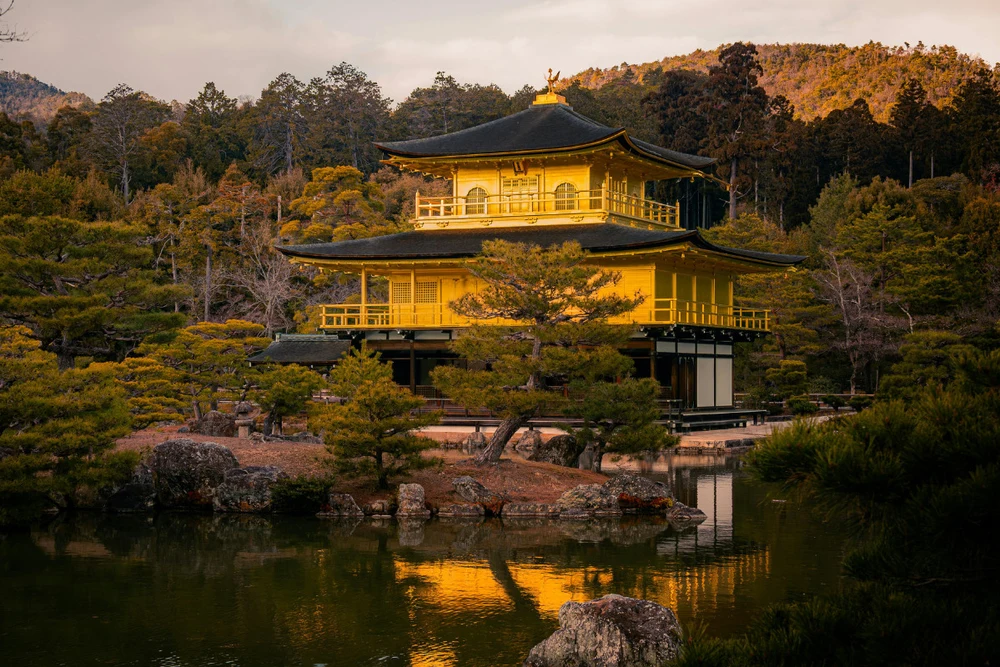
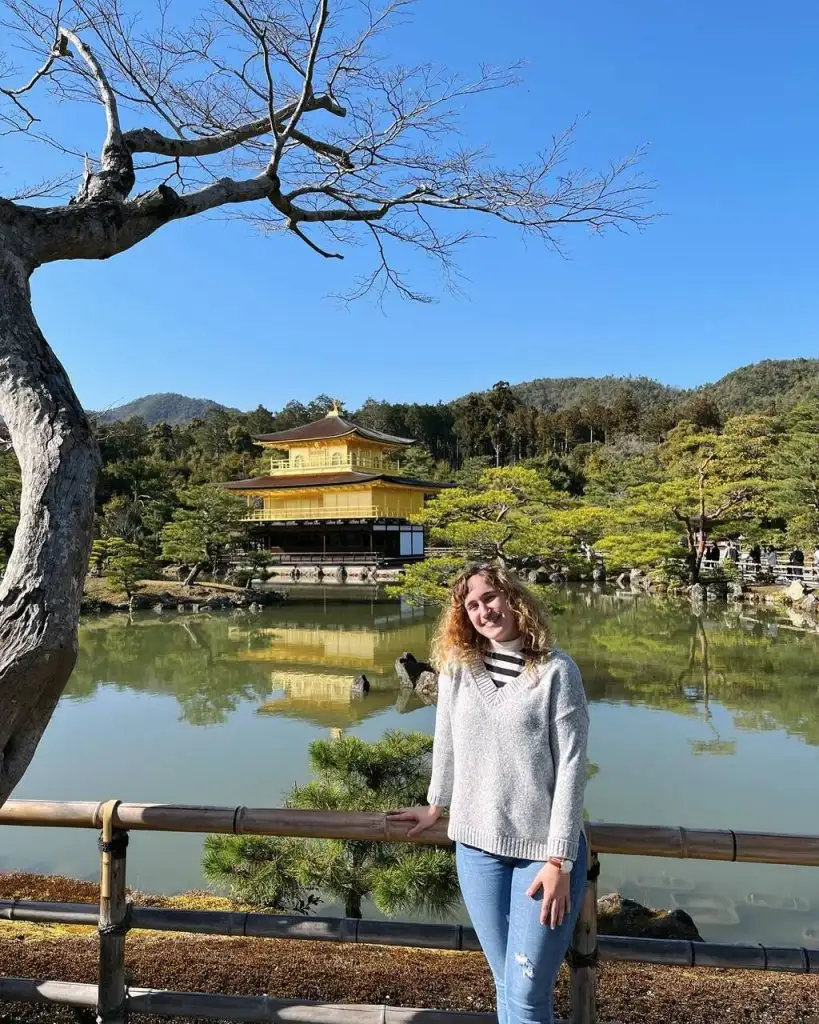
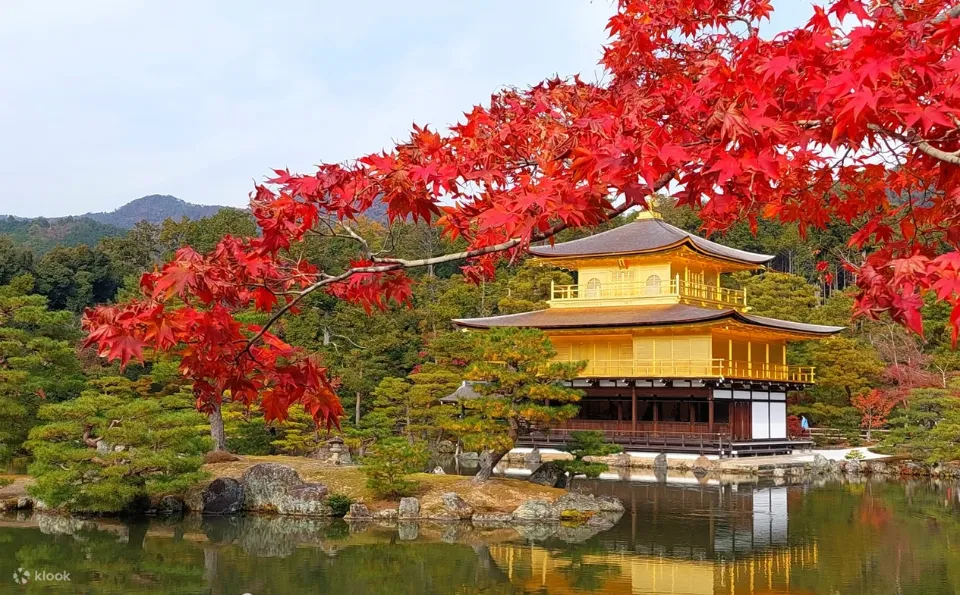
A visit to Kyoto is incomplete without experiencing the “soul” of the ancient capital—Kinkaku-ji. More than just a peaceful spiritual sanctuary, this World Heritage Site is sure to leave you spellbound, especially when the golden-clad pavilion casts a perfect reflection upon the calm surface of the Mirror Pond (Kyoko-chi).
Let Living Nomads be your guide with our comprehensive tips for visiting Kinkaku-ji, ensuring you can confidently explore this one-of-a-kind Zen architectural masterpiece!
Where Is Kinkaku-ji (The Golden Pavilion) Located in Kyoto?
Kyoto & Osaka Sightseeing Pass
Address: 1 Kinkakuji-cho, Kita-ku, Kyoto
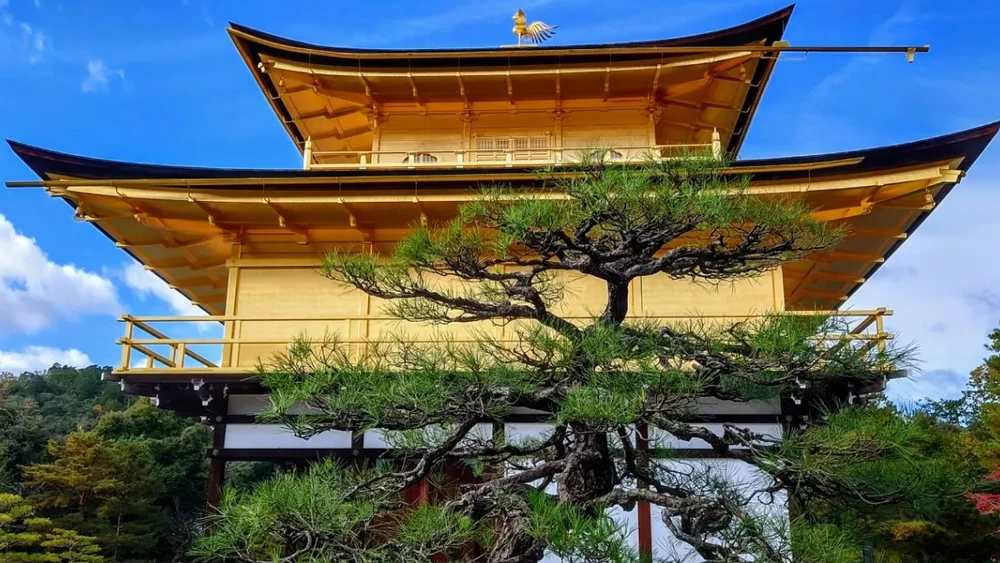
Kinkaku-ji, or the Golden Pavilion, is situated in Kinkakuji-cho, Kita-ku, in the northwestern part of Kyoto. The area boasts a majestic landscape, framed by the Kinugasayama mountain range to the west and the towering Mount Hidari Daimonjiyama. The name “Golden Pavilion” (Kinkaku-ji) stems from the temple’s appearance, with its top two floors completely covered in gold leaf. Its official name, however, is Rokuon-ji—a Zen temple belonging to the Rinzai school and affiliated with Shokoku-ji.
The temple was established during the Kamakura period by Shogun Ashikaga Yoshimitsu in the fourth year of the Ouei era (1397). Originally, the site served as a villa and residence for Ashikaga Yoshimitsu, known as Kitayama-dono. Following the death of Yoshimitsu, the residence was converted into a Zen temple, with Muso Soseki serving as its head priest, in the 29th year of the Ouei era (1422).
Kyoto and Nara Day Tour(Optional upgrade to Wagyu “Kobe Beef” lunch)
Kinkaku-ji is an impressive structure, situated before a large pond and surrounded by a beautiful, lush green garden. The Golden Pavilion was reconstructed in 1955 and has retained its architectural form to this day. It is a renowned tourist destination that serves as a symbol of the history and culture of Kyoto.
The temple is open to visitors throughout the year. The standard operating hours are as follows:
- Opening time: 9:00 AM
- Closing time: 5:00 PM
Note: Operating hours may be subject to change during special exhibitions.
Kyoto Half-Day Electric Bike Tour with Guide
Kinkakuji (Golden Pavilion) Ticket Prices (Reference):
- Adults: 500 JPY (approx. 91,000 VND)
- Students (under 15 years old): 300 JPY (approx. 54,000 VND)
- Preschool children: Free
Note: Exchange rates fluctuate constantly, so these figures are for reference only. Please check the latest exchange rates when planning to exchange currency.
What Makes Kyoto’s Golden Pavilion (Kinkakuji) Special?
Exploring the Tumultuous History of Kinkakuji
Kyoto & Nara Full-Day Private Guided Tour with Transfers
Kinkakuji—also known as Rokuonji—is a temple belonging to the Shokokuji branch of the Rinzai school of Zen Buddhism in Kyoto, with a history spanning over 600 years. In 1397, Ashikaga Yoshimitsu, the third shogun of the Muromachi period, began the construction of Kitayama-den and Shari-den as a retreat in the Kitayama area of Kyoto. Following Yoshimitsu’s death, his son converted the site into a temple and Zen monastery. In accordance with Yoshimitsu’s final wishes, the retreat was renamed Rokuonji.
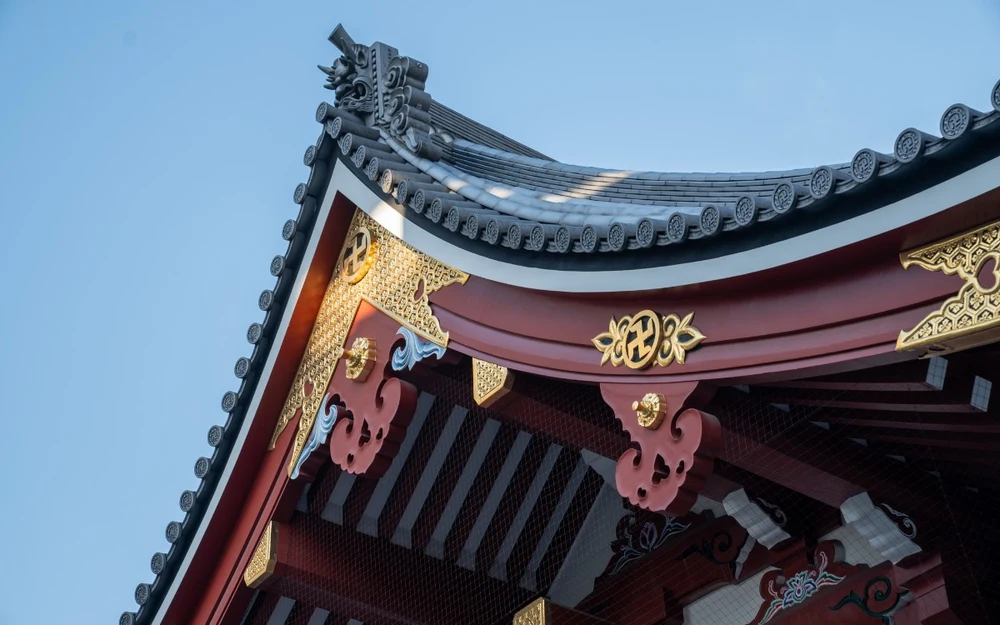
Over the centuries, Kinkakuji has endured numerous upheavals and required multiple restorations. The outbreak of the Ōnin War in 1467 devastated the entire Kyoto region; Kinkakuji suffered severe damage, though the Shari-den (Reliquary Hall) miraculously escaped the flames. During the Meiji era, the temple lost its economic foundation and faced significant hardships, including damage caused by the *haibutsu kishaku* (anti-Buddhist) movement. In 1950, the temple was burned down by a fanatical monk.
By 1955, The temple was reconstructed with a new appearance following an extensive process, which included replacing all the gold leaf covering its exterior. In 1994, Kinkaku-ji was designated a UNESCO World Heritage Site, recognized as a cultural landmark of the ancient capital, Kyoto. Today, it is a renowned tourist destination and one of the most popular spots for international visitors in Japan.
Admiring the Magnificent Architecture of the Golden Pavilion
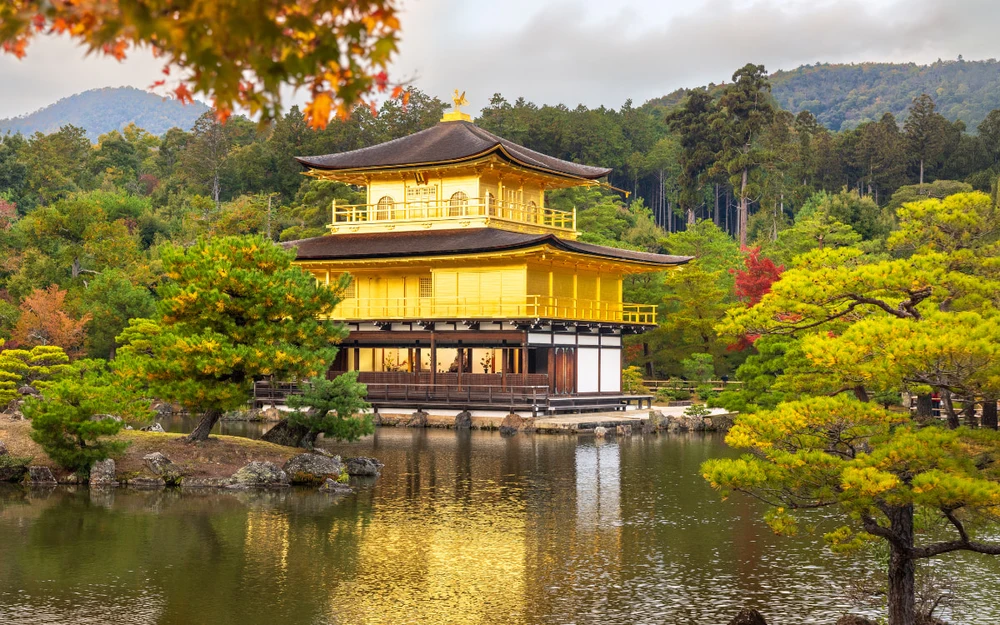
Kinkaku-ji, the Golden Pavilion, is defined by the *Shariden* (Golden Pavilion structure)—a unique three-story edifice. The first floor, known as “Hosui-in,” is designed in the *Shinden-zukuri* style, reflecting the lifestyle of the aristocracy during the Heian period. The name “Hosui” implies water that washes away worldly troubles; it stands as a hallmark of the opulent Kitayama culture.
The second floor, *Choon-do*, follows the *Buke-zukuri* architectural style, evoking the sincerity and depth of distant ocean waves. *Buke-zukuri* was the residential style of samurai families during the Kamakura period and serves as a vestige of the influential Saionji clan, who prospered during that era.
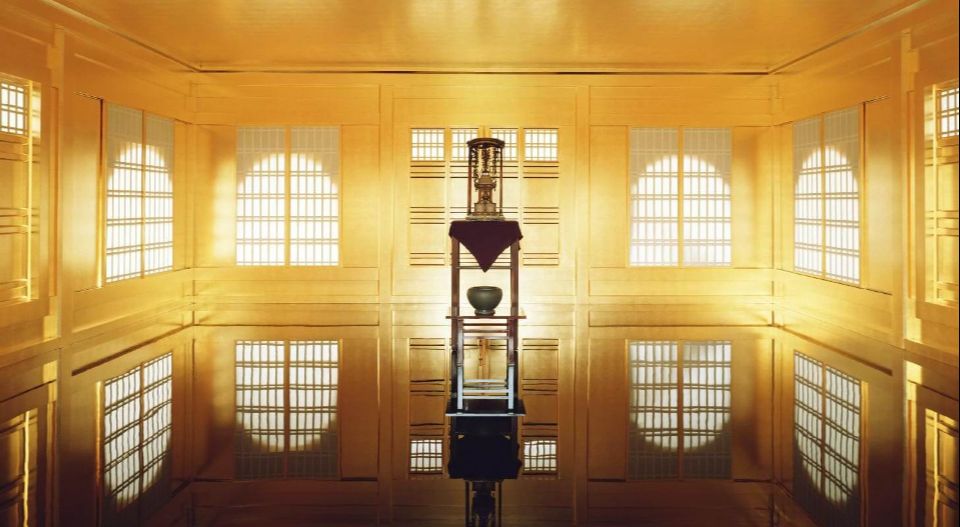
The third floor, called *Kukkyo-cho*, is built in a style influenced by Chinese Buddhism and signifies the “ultimate” or “supreme.” Its floors are lacquered, while the pillars and ceilings are adorned with gold leaf; this space is dedicated to the veneration of the Buddhas.
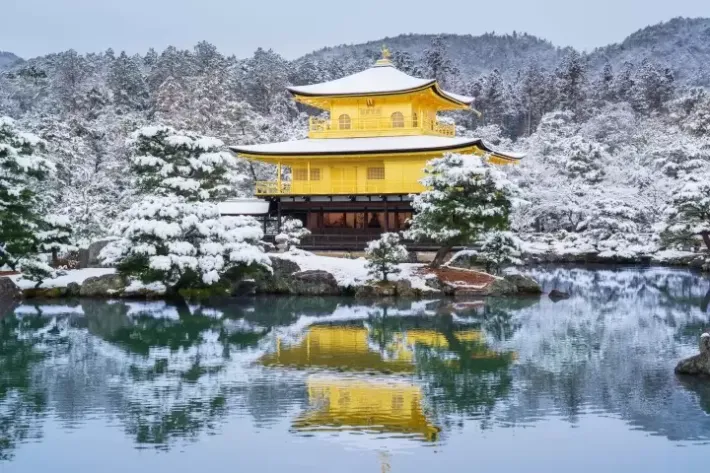
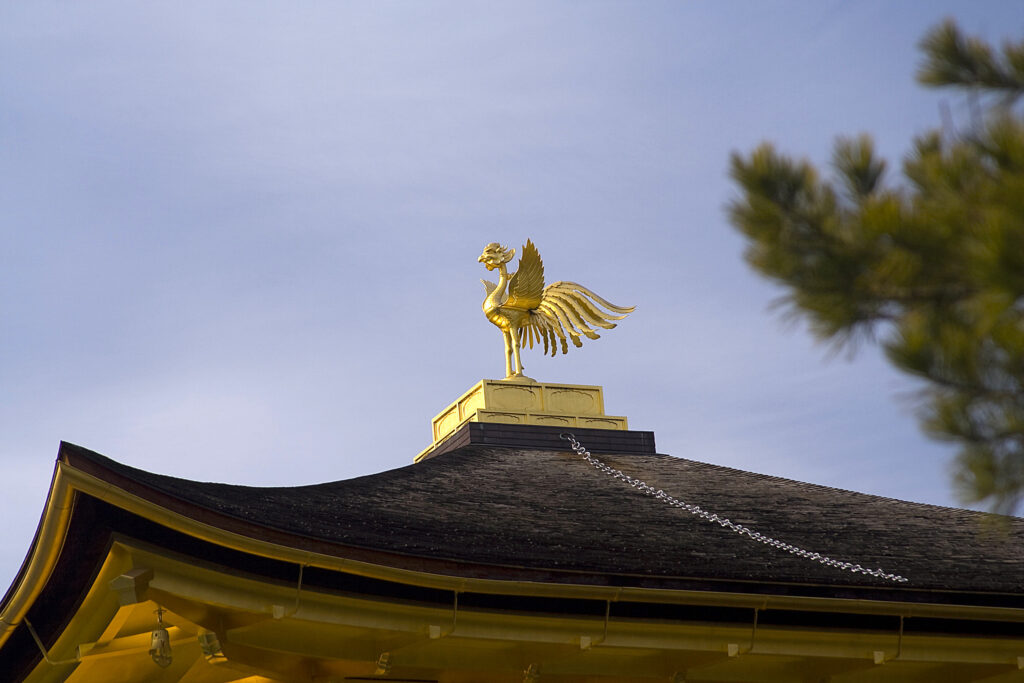
The top two floors are covered in genuine gold leaf applied over a lacquer base, creating a seamless fusion of the three distinct architectural styles found within the *Shariden*. The roof was reconstructed in 2020, featuring a brighter, more vibrant gold that gives the structure a striking new appearance. At the very peak of the temple sits a golden phoenix, facing south—a symbol of good fortune, happiness, and peace.
Finding Peace Within the Realm of Buddhism
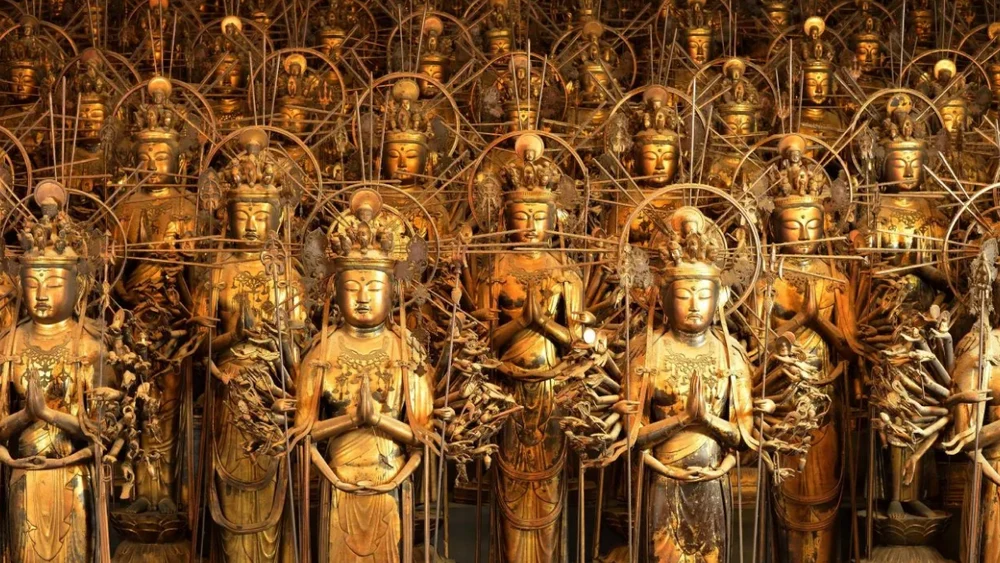
Kinkakuji, the Golden Pavilion, is not only a unique architectural monument but also a sanctuary for the preservation and dissemination of Japanese Buddhist beliefs. Nestled within a stunning natural landscape, the temple houses statues of Shakyamuni Buddha, the Bodhisattva Kannon, and the Four Heavenly Kings.
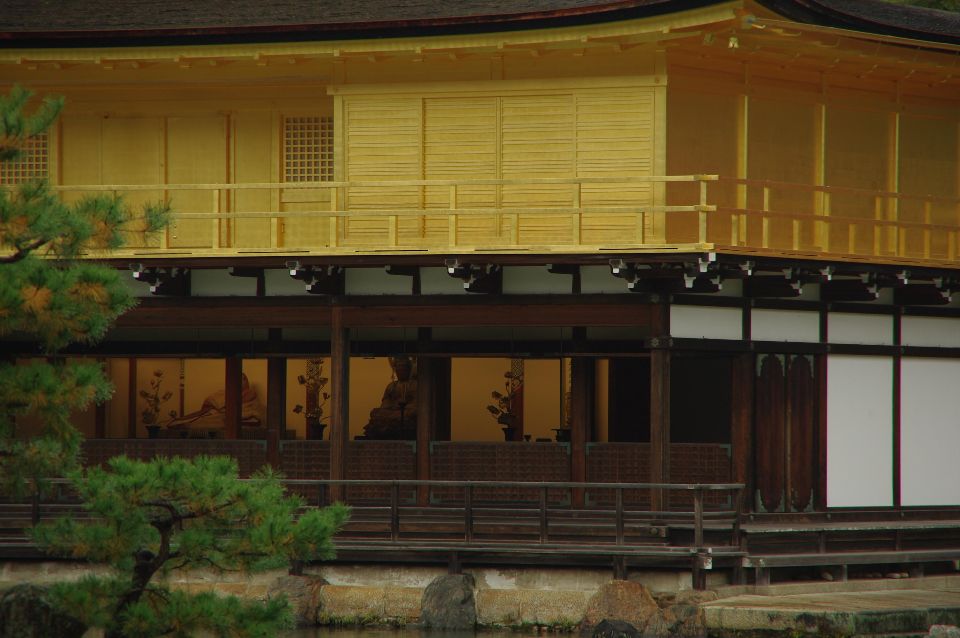
While the architecture of Kinkakuji is deeply rooted in Japanese tradition, it also reflects cultural diversity through the influence of Chinese art. The *Shariden* (reliquary hall) is said to house sacred relics of the Buddha, further enhancing the temple’s spiritual and historical significance—a true convergence of architectural artistry and traditional spirit. A visit to the temple offers travelers an opportunity to explore the spiritual culture and life philosophies that have shaped Japanese society throughout history.
Capture Stunning Photos in the Breathtaking Gardens
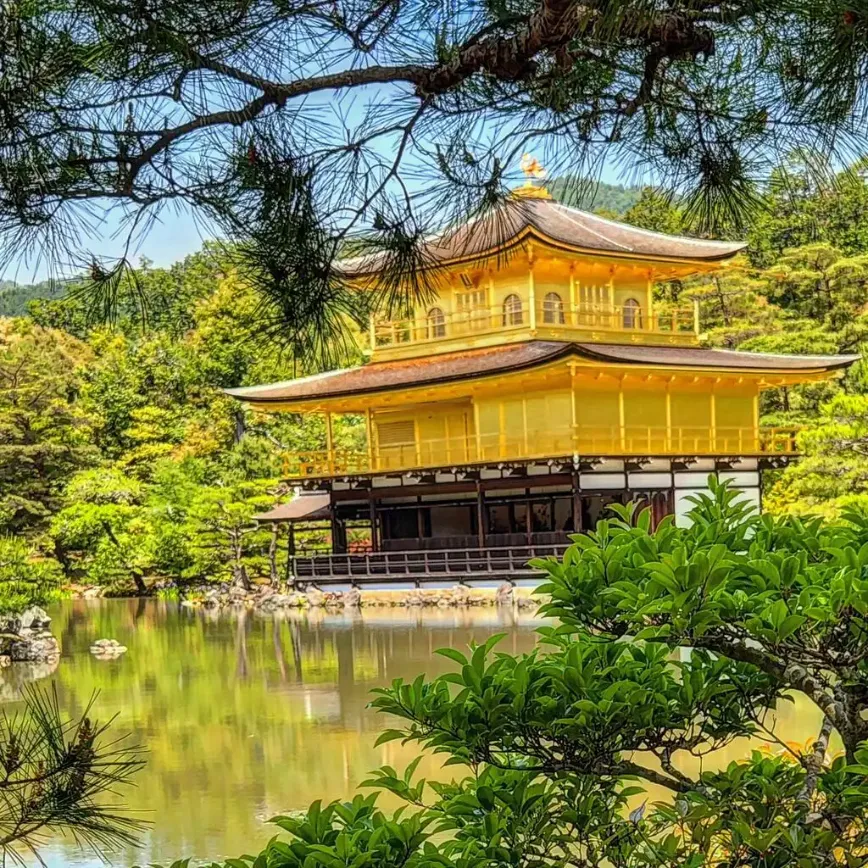
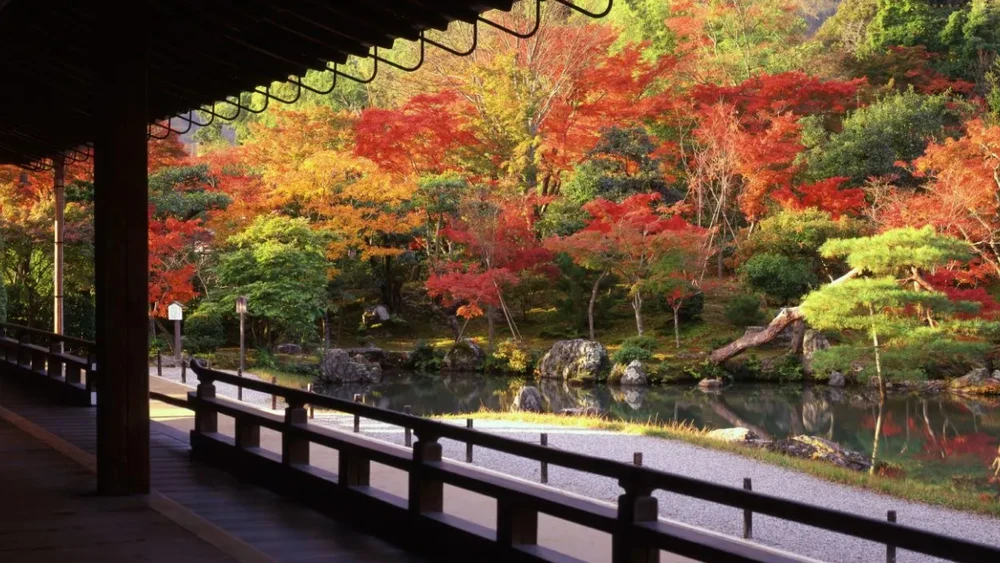
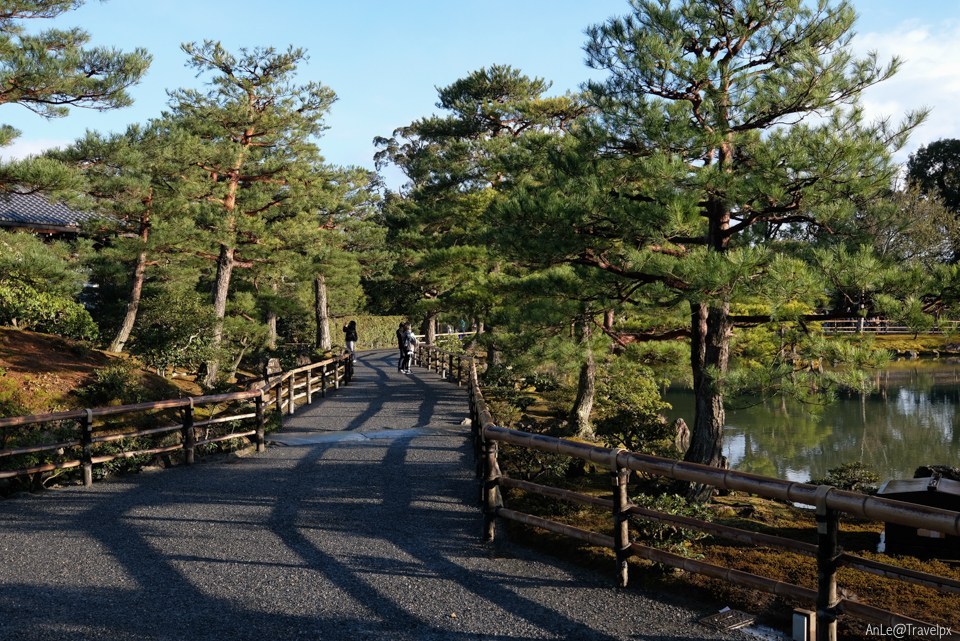
The gardens surrounding the Golden Pavilion serve as an exquisite “oasis,” perfect for taking one-of-a-kind photographs. Within the grounds lies a *kaiyū-shiki-teien*—a traditional Japanese “strolling garden”—rich with natural beauty and classical architectural elements.
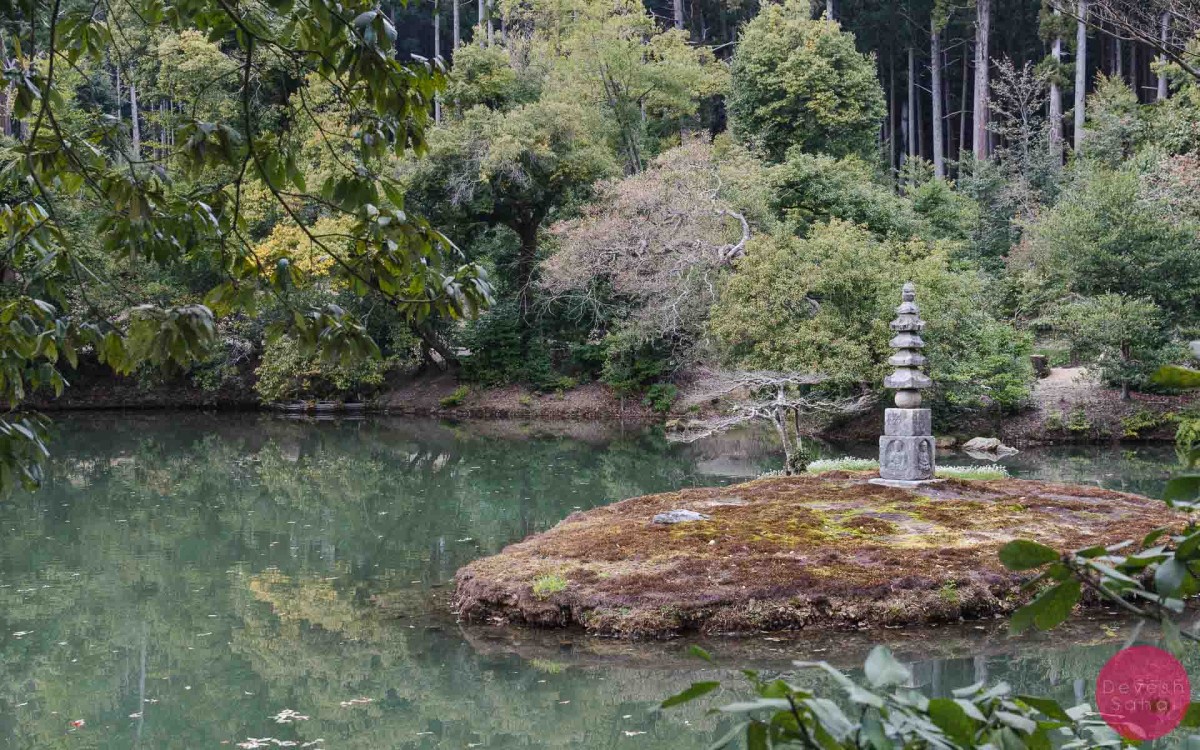
Positioned amidst the garden and adjacent to a pond, the Golden Pavilion creates a seamless harmony between its exterior and the surrounding environment, expanding the visual perspective and connecting the structure to the outside world. Visitors can find countless picturesque spots, including views of the pavilion shimmering as it reflects upon the surface of the *Kyōko-chi* (Mirror Pond).
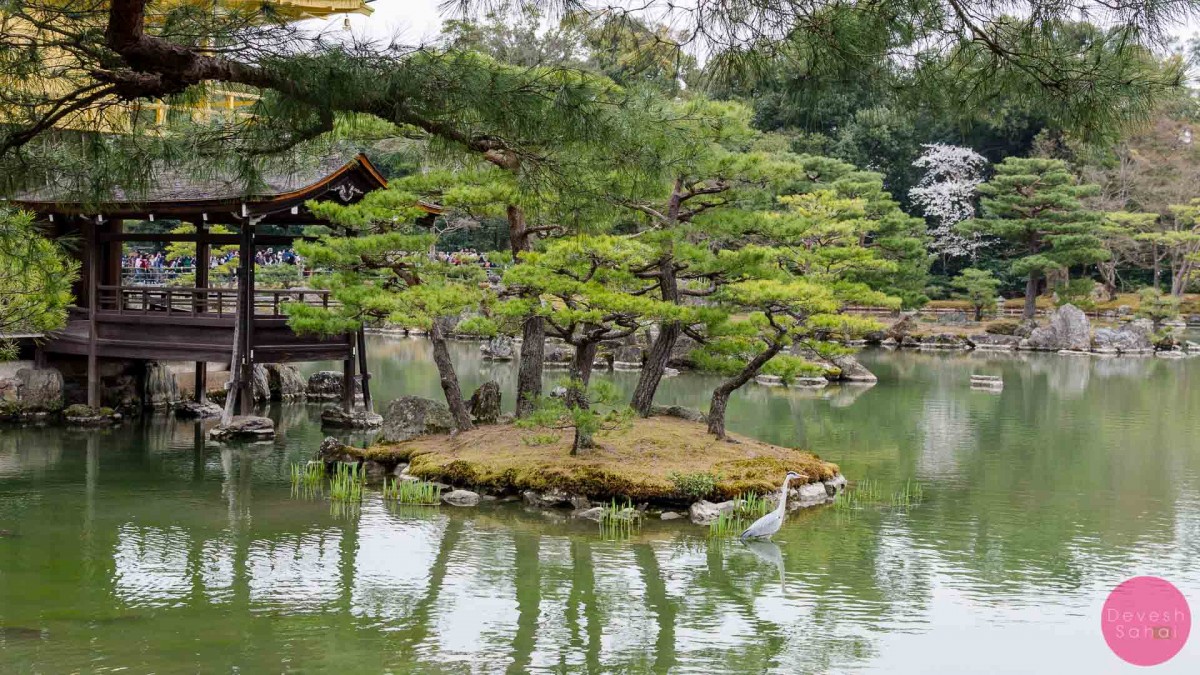
With ten small islands dotting the pond and Zen-inspired rock arrangements placed with meticulous care, the landscape transforms into a living painting—evoking famous sites from both Chinese and Japanese culture. Even the placement of bridges and vegetation reflects the refined aesthetic of Zen Buddhism. As you stroll through the garden, you will feel as though you have stepped into a work of art from the Muromachi period—an era considered the golden age of Japanese garden design. The harmonious blend of architecture and nature is a standout feature, ensuring a truly memorable experience.
A One-Day Itinerary for Kinkaku-ji (The Golden Pavilion): Immerse Yourself in the Essence of the Ancient Capital
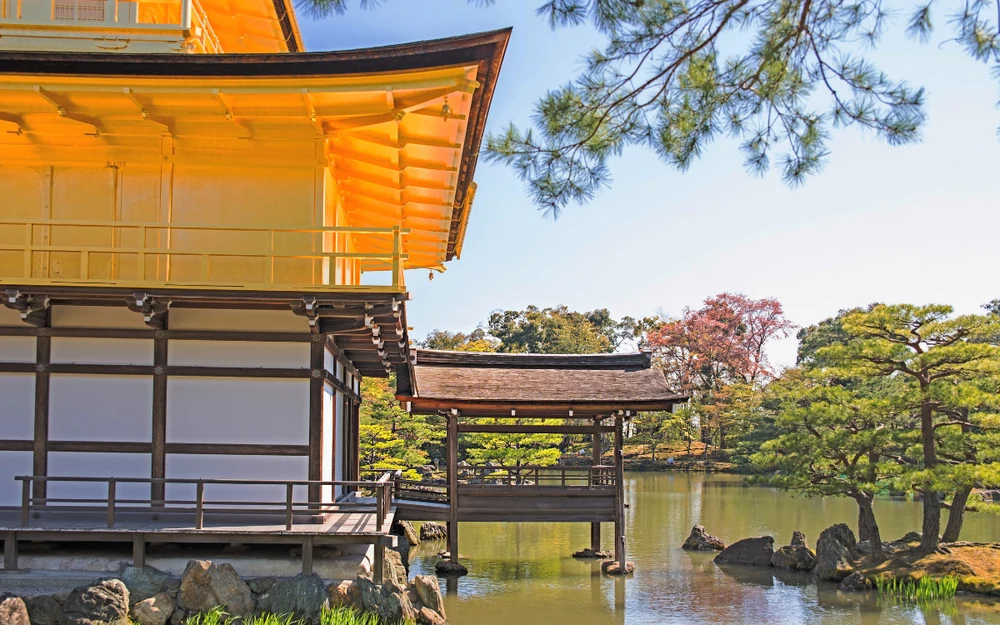
Located in northwestern Kyoto, Kinkaku-ji is perfectly positioned for combining visits to nearby landmarks, making it an ideal destination for a complete one-day excursion. We suggest two seamless itineraries designed to optimize your travel time while helping you capture plenty of stunning, Instagram-worthy photos:
Itinerary 1: A Journey of Zen and Nature
Morning – Bathed in the Golden Glow of Kinkaku-ji: Arrive as soon as the temple opens to catch the morning sun illuminating its brilliant, gold-leaf-covered exterior. Visiting early also allows you to fully enjoy the serene atmosphere and easily find the perfect photo angle, free from crowds.
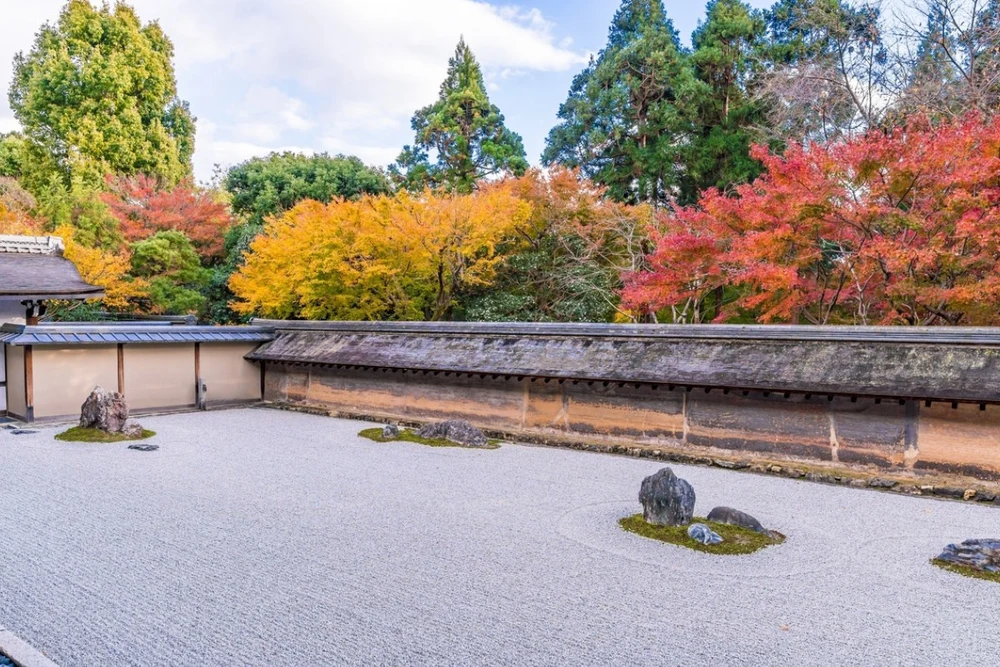
Midday – Finding Tranquility at Ryōan-ji (The Rock Garden Temple): A short bus ride or a leisurely stroll brings you to one of Japan’s most renowned Zen rock gardens (*karesansui*). Sitting on the wooden veranda, observing the carefully placed stones amidst a sea of white gravel, is sure to evoke a profound sense of peace.
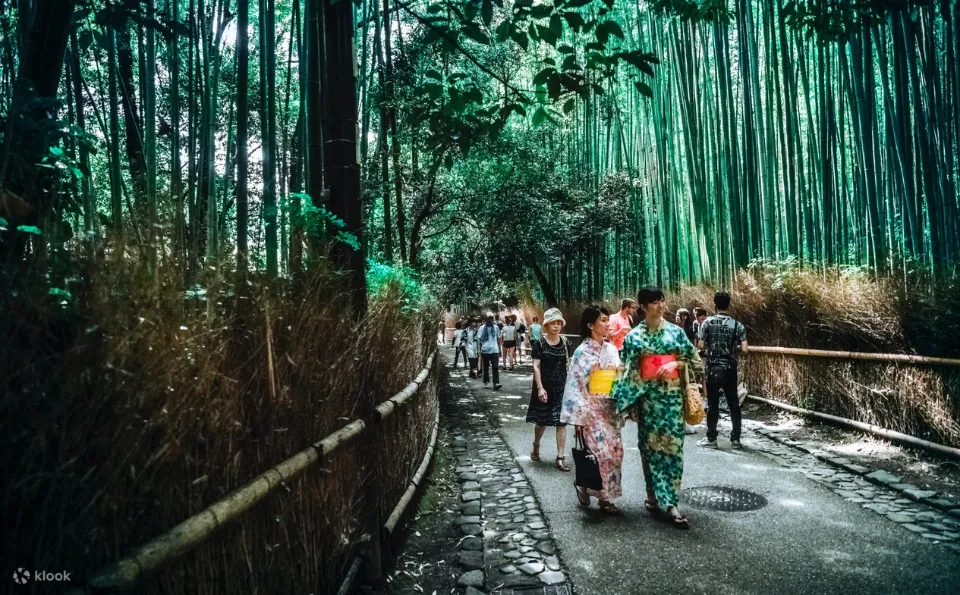
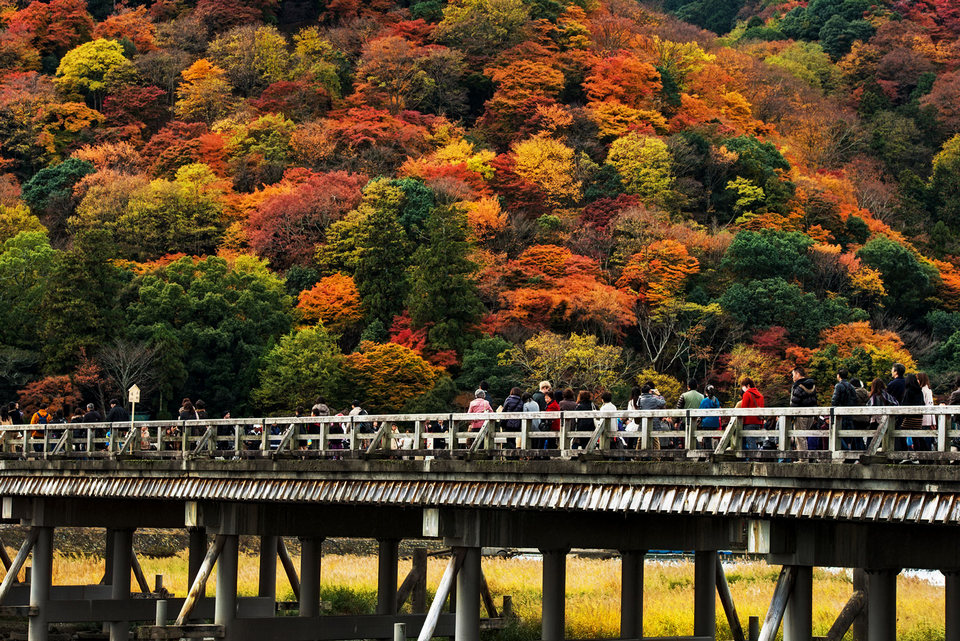
Afternoon – Getting Lost in the Arashiyama Bamboo Grove: Hop aboard the charming, vintage-style Randen tram, which will whisk you away to the vibrant Arashiyama district. Spend an entire afternoon strolling beneath thousands of towering green bamboo stalks as they rustle in the breeze, visit the nearby Tenryuji Temple, or snap a photo at the picturesque Togetsukyo Bridge, which spans the shimmering Katsura River.
Kyoto: Arashiyama Bamboo, Monkey Park & Temple Tour
Itinerary 2: A Journey Through Imperial History
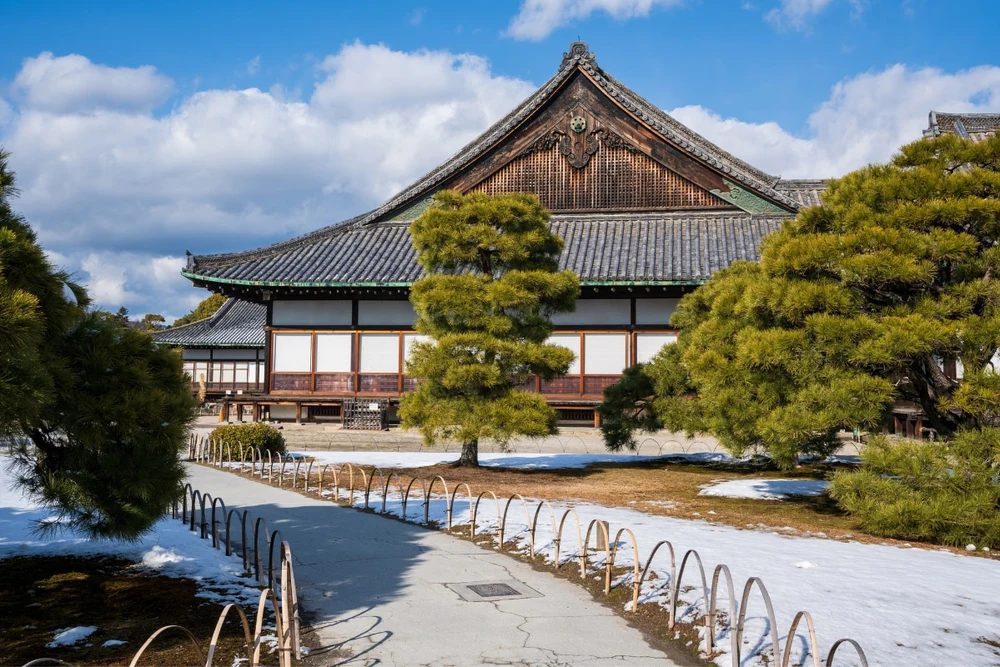
Morning – Explore Nijo Castle: Begin your day at this symbol of the Tokugawa Shogunate’s power. You’ll be left in awe by the magnificent gold-leaf folding screens and the unique “nightingale” floors (*uguisubari*)—wooden floorboards designed to chirp when stepped upon, serving as an ingenious alarm system against intruders.
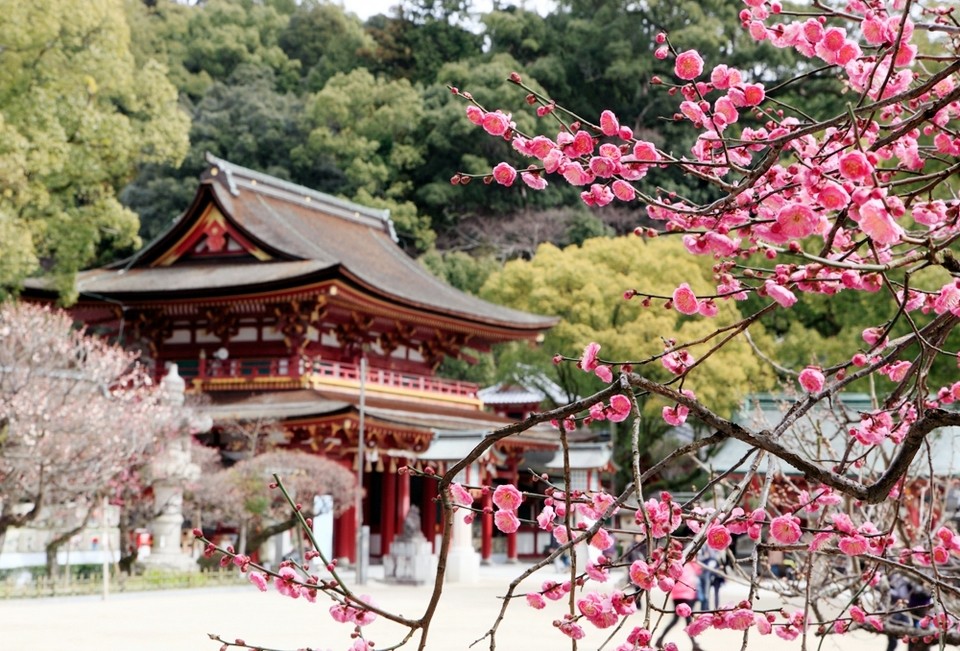
Midday – Visit Kitano Tenmangu Shrine: Heading further north, stop by this sacred Shinto shrine. If you visit during the autumn, the *Momiji-en* (maple garden) will treat you to a vibrant, fiery display of red and gold foliage.
Kyoto City Subway and Bus 1 Day Ticket
Afternoon – Sunset at Kinkakuji (The Golden Pavilion): Conclude your day by watching the Golden Pavilion bathe in the warm glow of the setting sun. As the twilight light hits the three-story structure, it creates a scene so ethereal it’s beyond words.
A quick tip: To make the most of these itineraries while staying budget-friendly, consider picking up a Kyoto Subway & Bus Pass or a one-day bus pass via the Klook app. With this handy tool, you can enjoy unlimited travel on public transport—saving you both money and the hassle of queuing for individual tickets at every stop!
Attractive Restaurants Near the Golden Pavilion (Kinkaku-ji)
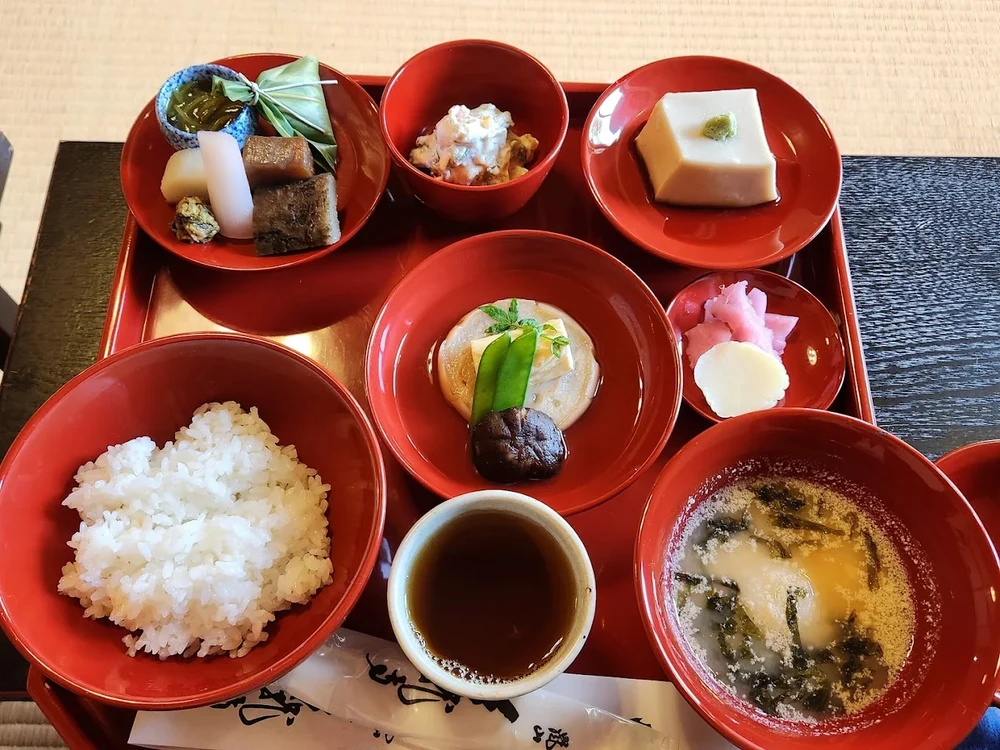
SHIGETSU (Vegetarian Restaurant)
SHIGETSU (天龍寺 篩月) in Kyoto Arashiyama – Michelin recommend Shojin Vegetarian Cuisine
SHIGETSU is a haven for refined vegetarian cuisine in Kyoto. With its elegant atmosphere and diverse menu, the dishes served here are not merely a blend of flavors, but a true expression of Japanese culinary art.
Address: 68, Sagatenryujisusukinobabacho, Ukyo-ku, Kyoto
Sapporo Kaniya (Seafood Restaurant)
Nishiki Market Half Day Morning Walking Food Tour in Kyoto
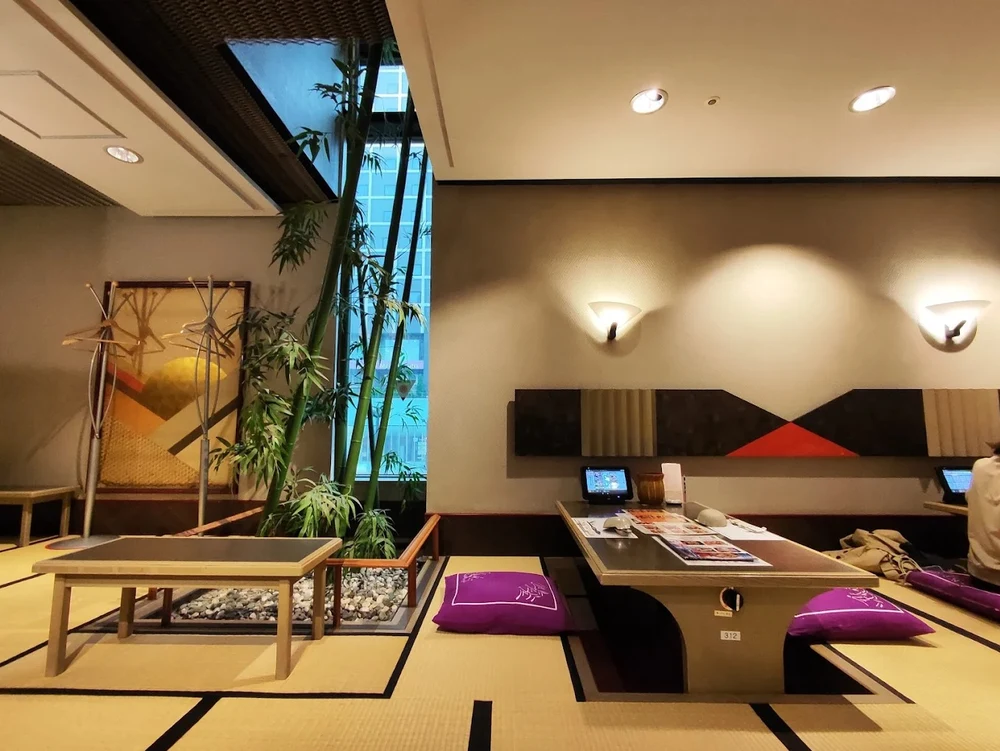
Sapporo Kaniya is an ideal destination for enjoying fresh, high-quality seafood. Featuring dishes prepared with the finest fresh crab, a cozy ambiance, and professional service, the restaurant offers a unique dining experience.
Address: 2, Tsukimicho, Higashiyama, Kyoto
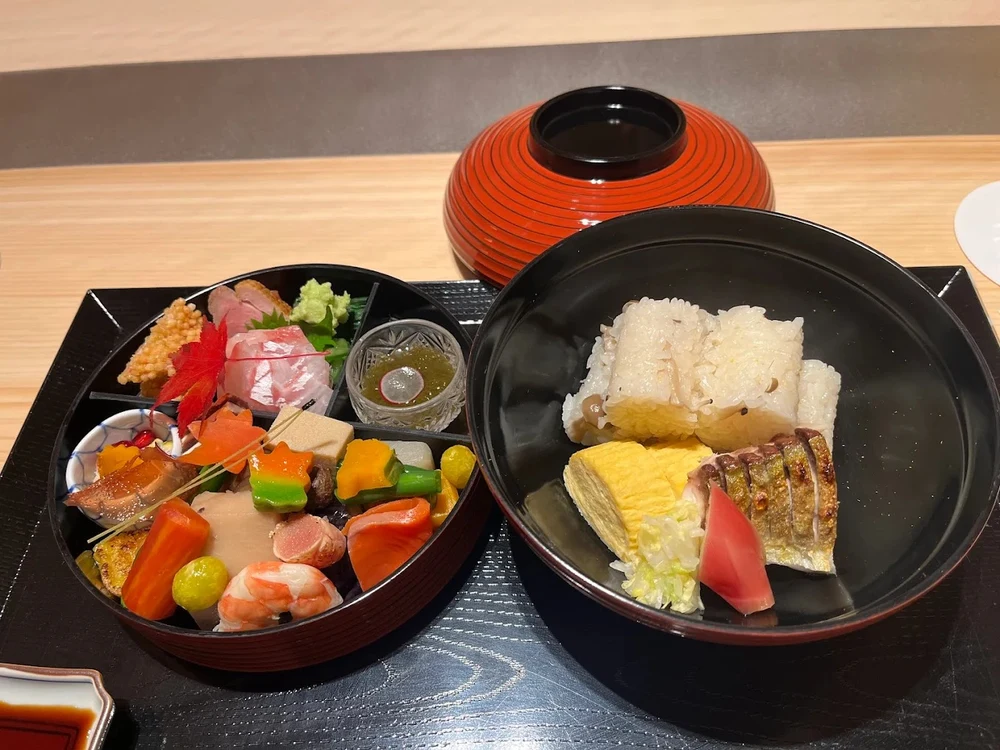
Gion Kawakami – Specializing in Traditional Japanese Cuisine
Gion Kawakami (祇園川上) in Kyoto Gion
Tucked away in Kyoto’s Gion district, Gion Kawakami blends tradition with contemporary flair in its Japanese cuisine. Its extensive menu—ranging from sushi to various traditional dishes—offers a rich and satisfying dining experience.
Address: 570-122 Gionmachi Minamigawa, Higashiyama-ku, Kyoto
Ten You – Renowned for Exceptional Tempura
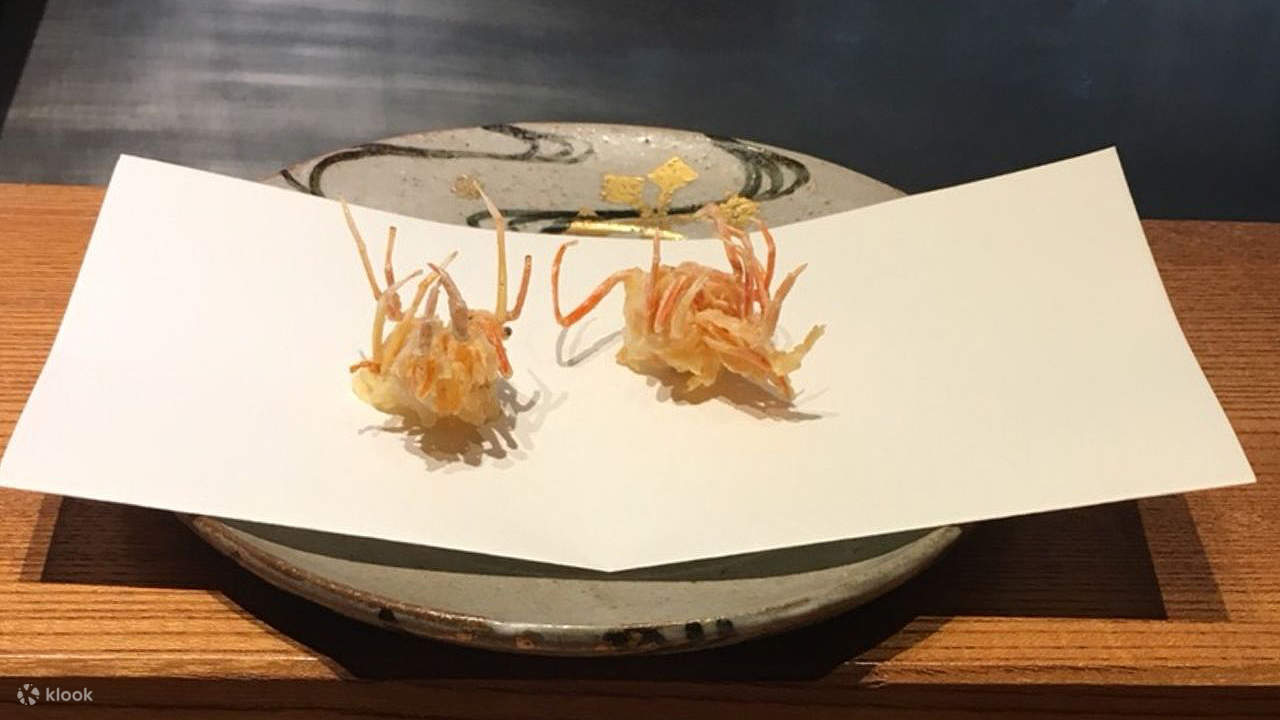
Ten You Michelin 1-Starred Tempura in Kyoto
With its elegant atmosphere and top-tier service, Ten You is a premier destination for those seeking authentic Japanese cuisine. Their signature tempura is crafted using only the freshest ingredients.
Address: 299 Shimohakusan-cho, Nakagyo-ku, Kyoto-shi, Kyoto
Junsei – Offering Refined, Light Delicacies
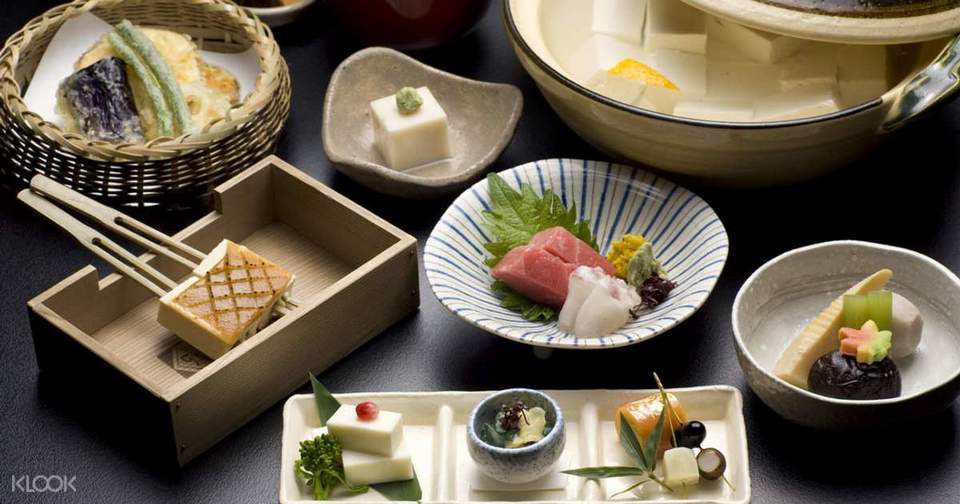
Nanzenji Junsei Traditional Tofu Kaiseki Cuisine – Kyoto
Junsei is famous for its tofu-based *kaiseki* (traditional multi-course) cuisine. Through the skill of talented chefs and the use of exquisite ingredients, Junsei provides a dining experience that is both elegant and delicious.
Address: 60 Nanzenji Kusakawacho, Sakyo Ward, Kyoto
Shopping and Entertainment Near Kinkaku-ji (The Golden Pavilion)
Nishiki Market
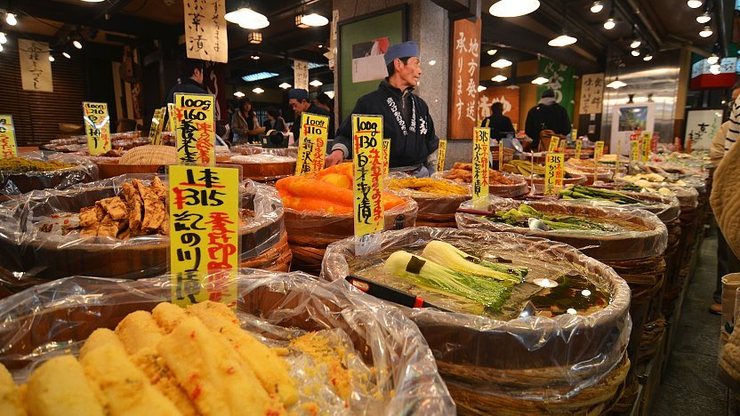
As one of Kyoto’s oldest shopping streets, this market is a true culinary paradise, lined with a vast array of stalls. It offers a wide variety of traditional delicacies and food items—from fresh sushi to unique specialties like matcha-infused treats and *mochi*.
Address: Nakagyo, Kyoto
Shin Kyogoku Shopping District
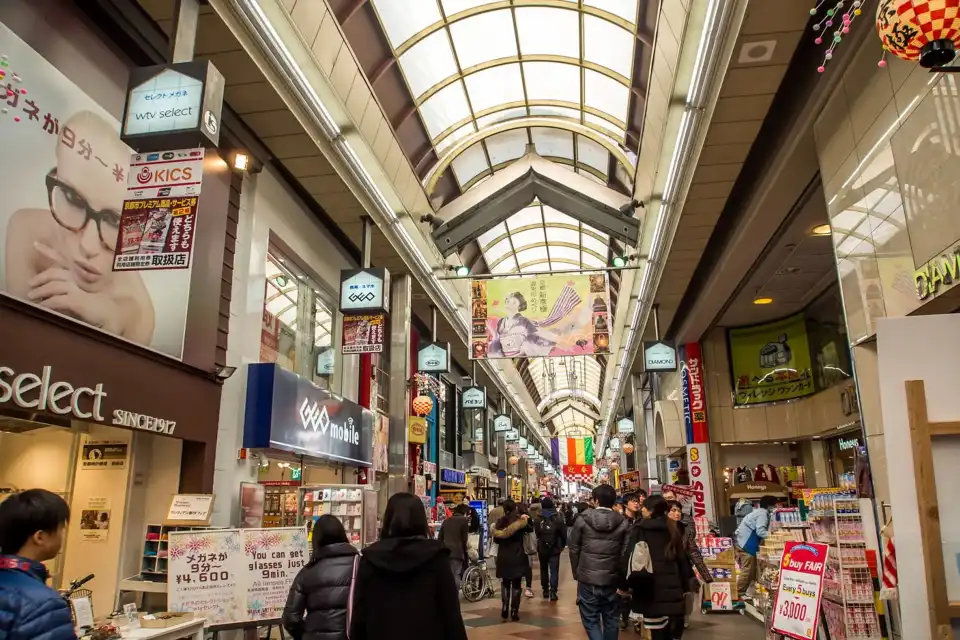
Hozugawa River Boat Ride Experience in Kyoto
Located in the heart of Kyoto, Shin Kyogoku is a popular shopping street featuring a diverse range of shops. Fashion boutiques, cafés, modern cinemas, and unique souvenir shops create a vibrant, youthful atmosphere.
Address: Nakanochō, Nakagyō-ku, Kyoto
Higashiyama
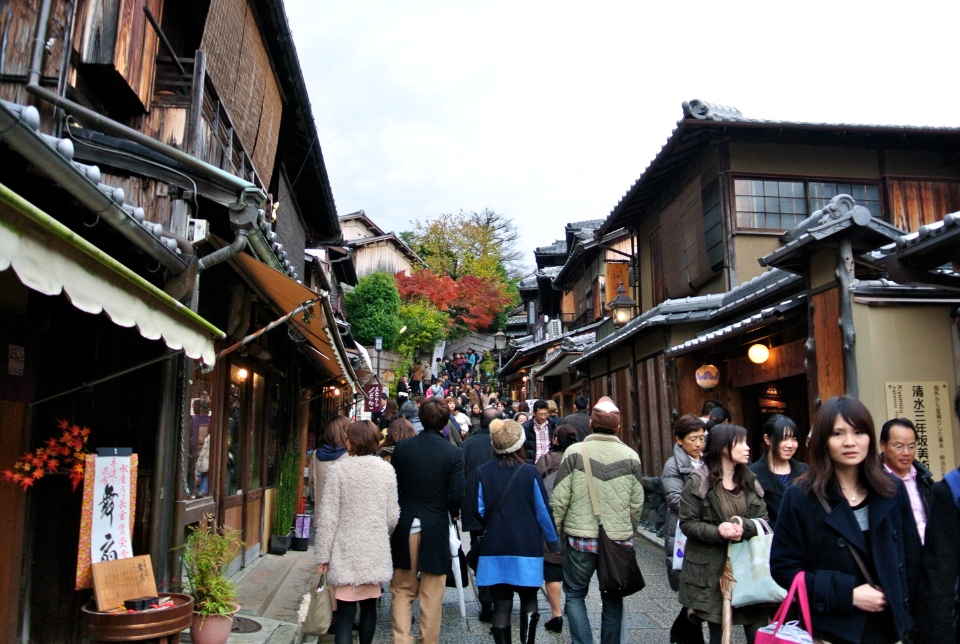
The Higashiyama district is a haven for traditional shopping, featuring narrow streets lined with shops selling ceramics and handicrafts. Here, visitors can explore and purchase traditional goods ranging from lanterns and pottery to kimonos.
Address: Higashiyama, Kyoto
Takashimaya Shopping Center
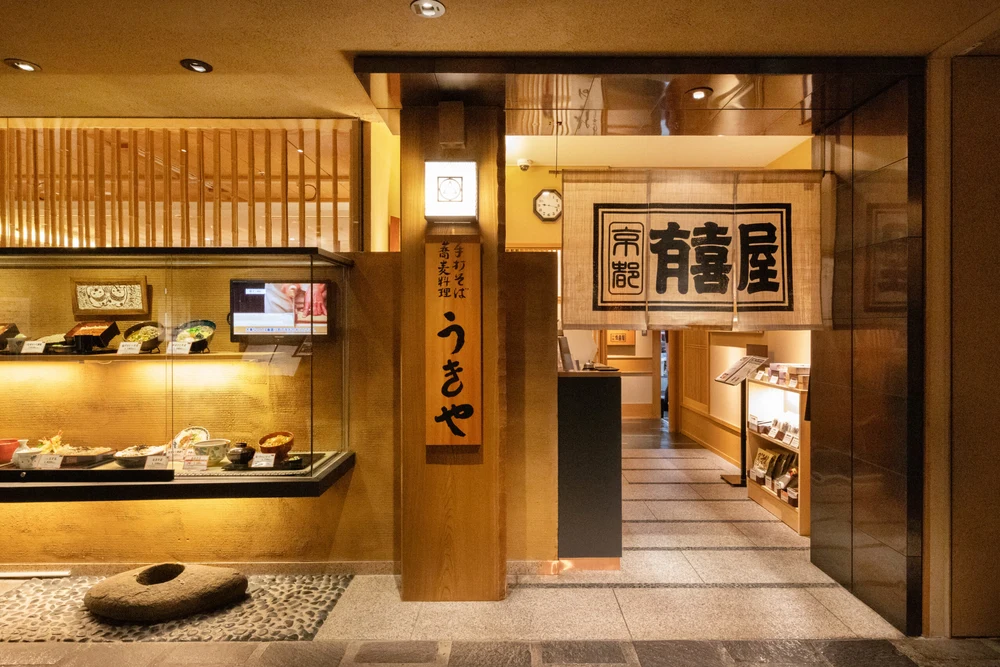
Takashimaya is a major shopping center in Kyoto, offering a wide array of products—from affordable everyday items to luxury goods. You will find both well-known Japanese brands and international labels here.
Address: 52, Shincho, Shimogyo, Kyoto
Kyoto Handicraft Center
Kimono Rental (Provided by Kyoto / Kyoto Kimono Rental Yumeyakata)
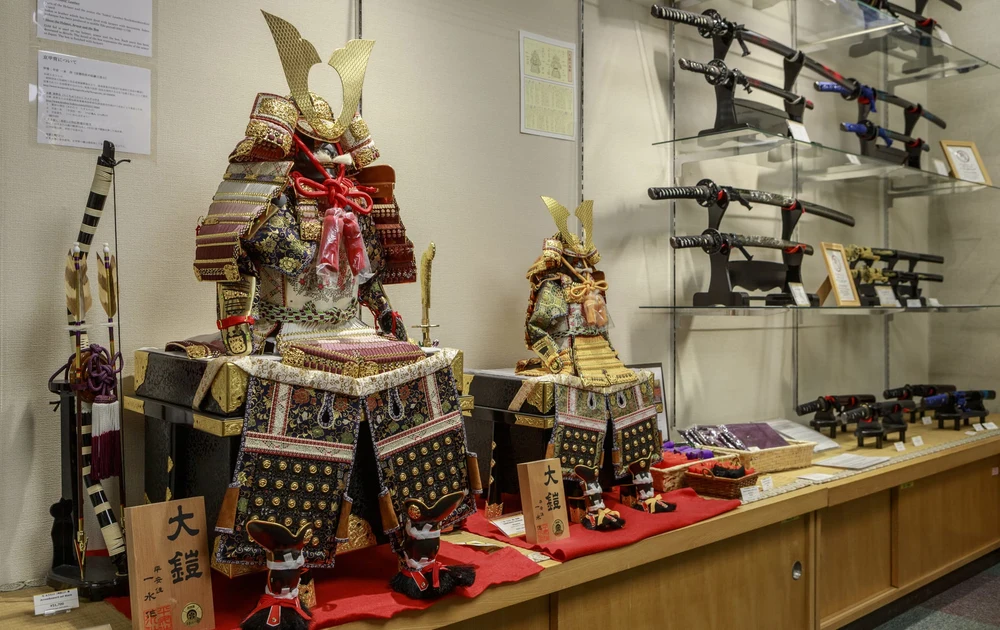
This shopping destination brings together a collection of Kyoto’s finest craft shops. It’s a great place to browse and pick up unique gifts, such as woodblock prints, dolls, decorative swords, kimonos, and more.
Address: 22-2 Shogoin Entomicho, Sakyo, Kyoto
With its magnificent architecture and profound historical and cultural significance, the Golden Pavilion (Kinkaku-ji) is an unmissable destination when visiting Kyoto.
Get your outfit ready and head to the Golden Pavilion for some great photos!
Some best day tours, trips, activities and transfer services, tickets in, to and from Kyoto you can refer to
- Limousine Bus Transfers between Kansai International Airport (KIX) and Osaka or Kyoto
- Kyoto-Osaka Sightseeing Pass (1 Day/2 Days, Kyoto Pick Up)
- Randen + Subway 1 Day Pass
- Kyoto Temples & Shrines Day Tour from Osaka: Fushimi Inari-taisha, Arashiyama, Kiyomizu-dera & More
- Kyoto and Nara Day Tour from Osaka/Kyoto
- Sagano Romantic Train One-Way Ticket (Saga or Kameoka Departure)
- Kyoto Sagano Romantic Train Day Tour
- Kyoto Temples & Shrines Day Tour from Kyoto: Fushimi Inari-taisha, Arashiyama, Kiyomizu-dera & More
- Amanohashidate & Miyama One Day Tour from Osaka/Kyoto
- JR Kansai-Hiroshima Area Pass
- Kimono Rental in Kyoto Kiyomizu Temple
- One Day Kimono Rental
- Kyoto Temples & Shrines Day Tour from Osaka
- Kimono and Yukata Rental at Kimono Miyabi Kyoto
- 4G Prepaid Sim Card (JP Airports Pick Up) for Japan
- 4G WiFi (Japan Pick Up) for Japan
- JR Pass for Whole Japan (7, 14, or 21 Days)
Are you finding more top things to do in Kyoto, read more: Kyoto blog (Kyoto travel blog) — The fullest Kyoto travel guide blog for a budget trip to Kyoto, Japan for the first-timers. And Kyoto 3 day itinerary — How to visit Kyoto in 3 days & what to do in Kyoto in 3 days perfectly?