





































The legendary Uluru is not merely a magnificent geological wonder; it is the soul and powerful heartbeat of the entire Australian continent. Let us guide you through the ultimate tips for conquering the journey to this mysterious “Red Heart.”
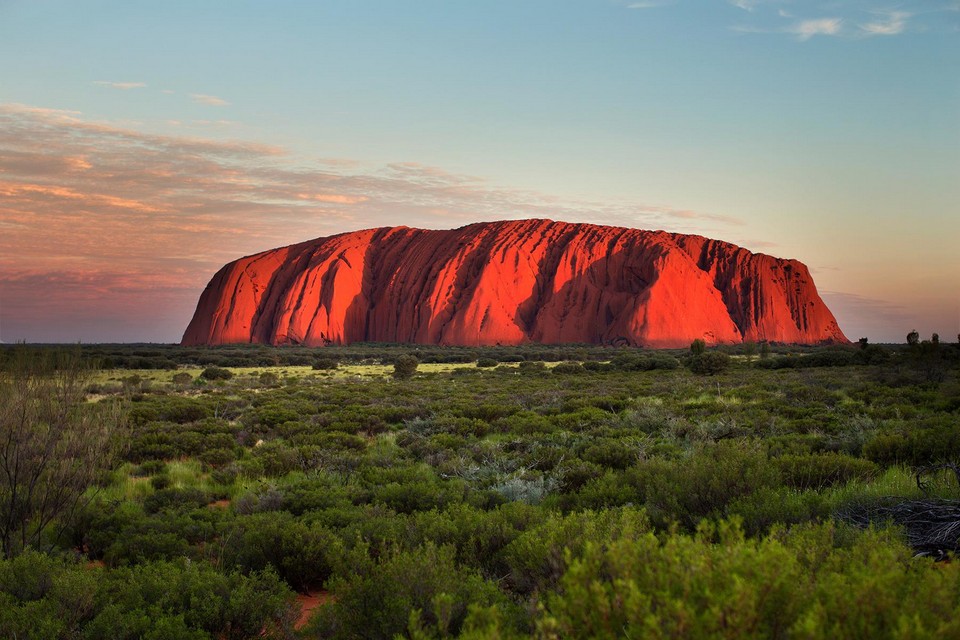
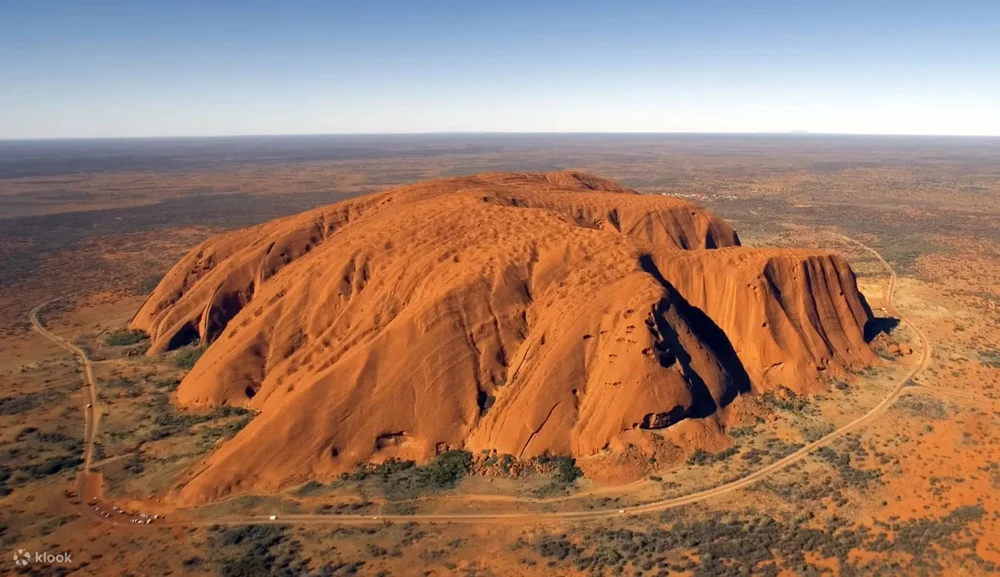
Situated right in the center of the Australian continent, Uluru (also known as Ayers Rock) rises up like a living entity, embodying ancient stories that date back tens of thousands of years. It is far more than just a photo opportunity; it is a journey back to one’s roots—a place where you can touch the desert’s red dust and feel the very breath of the wild Outback.
In this article, Living Nomads will break down everything you need to know to ensure your trip to this sacred land is truly complete and memorable.
What Is Uluru? A Spiritual Icon in the Heart of Australia
To truly appreciate Uluru, you must understand that it is not a mountain. Geologically, it is a massive sandstone monolith. Interestingly, the part visible above ground is merely the “tip of the iceberg”; scientists estimate that the rock extends another 5–6 kilometers underground. Uluru has existed for over 550 million years, enduring countless shifts in the Earth’s crust to stand proudly amidst the desert.
3 Day Uluru & Kata-Tjuta Camping Tour under the Outback Stars (RY3)
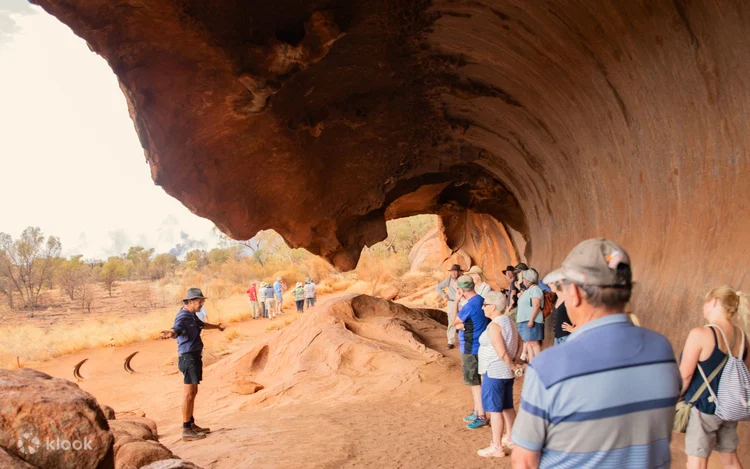
For the Anangu people—the traditional custodians of this land—Uluru is a place of profound spiritual significance. They believe the rock was formed by ancestral beings during the “Dreamtime.” Every crack and cave on the rock’s surface holds a unique spiritual significance, linked to moral lessons and laws regarding nature conservation.
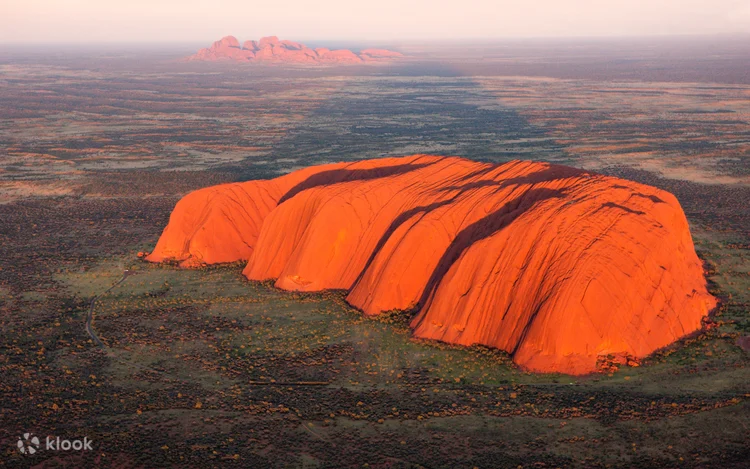
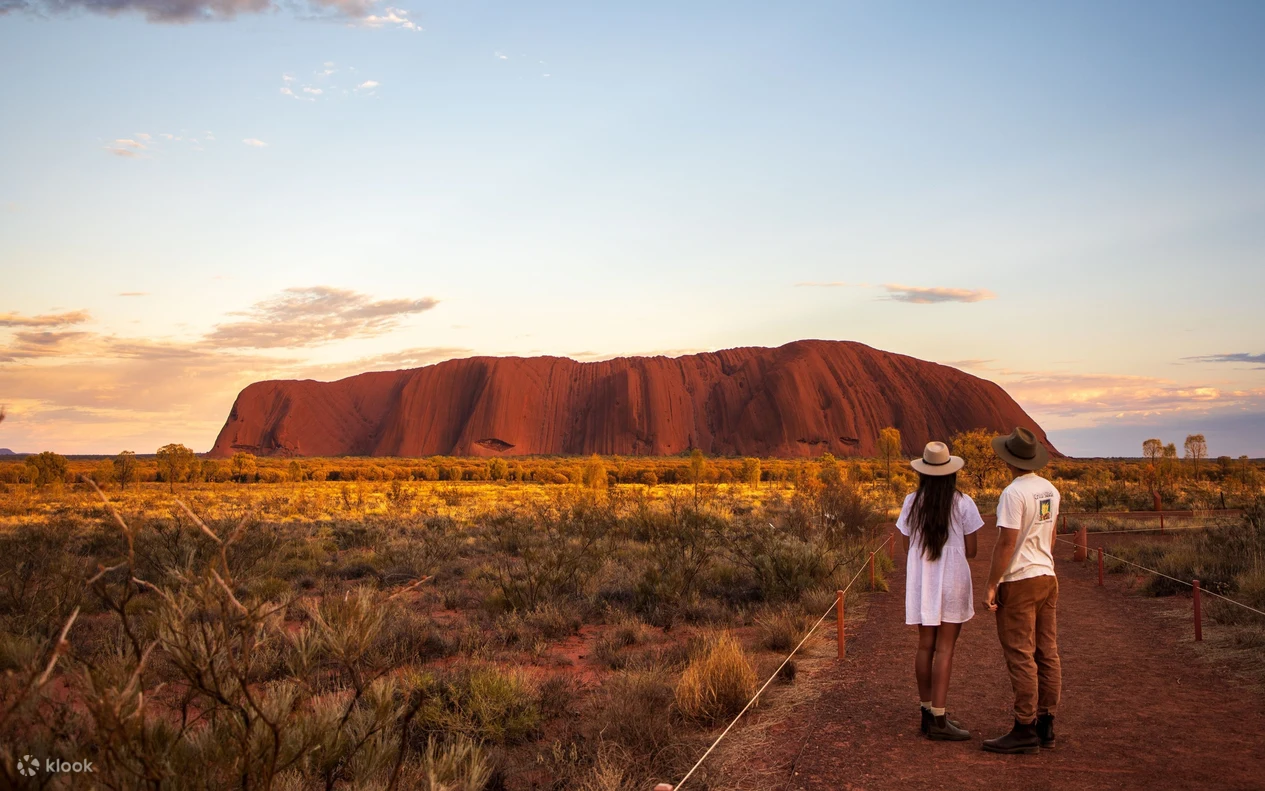
Upon arrival, you will witness Uluru constantly shifting colors with the changing sunlight—from pale pink and burnt orange to brilliant red, and finally, a deep purple as night falls. It is a spectacle of Mother Nature that no camera can fully capture.
The Ideal Time to Explore Uluru—The Red Heart
The weather in Australia’s Central Desert is extremely harsh, so choosing the right time is crucial for your trip.
Winter (May to September): This is the best time to visit Uluru. Days are mild and sunny with clear blue skies, and temperatures hover between 20°C and 25°C—perfect for trekking. However, temperatures can plummet below freezing at night, so be sure to pack very warm clothing.
Summer (October to March): Temperatures can soar above 40°C. The dry desert heat can quickly sap your energy. Notably, this is also the season for desert flies—a nightmare for many travelers. If you visit during this time, a fly net is essential unless you want to “taste” flies with every breath.
Shoulder Seasons: April and October are pleasant transitional months—neither too hot nor too cold—and visitor numbers are lower than during peak season.
A Guide to Convenient and Cost-Effective Travel to Uluru
Many travelers mistakenly believe they must fly to Alice Springs before heading to Uluru, but there is actually a much more convenient option.
Fly Directly to Ayers Rock Airport (AYQ)
Uluru Full Day Tour | Sunset BBQ | From Alice Springs or Ayers Rock
This is the fastest and most popular option. Airlines such as Qantas and Jetstar operate direct flights from Sydney, Melbourne, and Brisbane. Ayers Rock Airport is just a 10–15 minute drive from Ayers Rock Resort (Yulara). Most hotels in the area offer complimentary airport transfers for guests, so you can travel with peace of mind.
Traveling from Alice Springs

If you wish to combine your trip with a visit to Alice Springs or experience a desert road trip, you can fly into Alice Springs Airport (ASP). However, please note that Uluru is approximately 450km away from Alice Springs. It takes about 5 hours of continuous driving along the Lasseter Highway. Shuttle buses operate on this route for around 150–200 AUD, but we recommend flying directly to AYQ if you are short on time, allowing you to save your energy for exploring.
Self-Drive (Road Trip)
Uluru Sacred Sites and Sunset Day Tour
Renting a 4WD vehicle is an exciting experience for adventure seekers. However, the desert is remote, and mobile phone coverage is not always available. You need to carry sufficient spare fuel and drinking water; crucially, avoid driving at night, as wildlife (such as kangaroos and camels) frequently cross the road, posing a significant danger.
Uluru-Kata Tjuta Entry Tickets and Essential Requirements
Uluru Sunrise and Kata Tjuta Half Day Tour
To enter Uluru-Kata Tjuta National Park, a Park Pass is mandatory.
Current ticket price: Approximately 38 AUD (around 640,000 VND) for adults (aged 18 and over). Children under 18 generally enter for free (a major plus for families).
Validity: The ticket is valid for three consecutive days. You can easily purchase it online via the official Parks Australia website or at the ticket counter at the park entrance.
Note: Always carry your ticket (either a printed copy or the QR code on your phone), as staff may ask to check it at any time while you are in the viewing areas.
“Must-Try” Experiences at Uluru
Watching the Sunrise and Sunset at Uluru
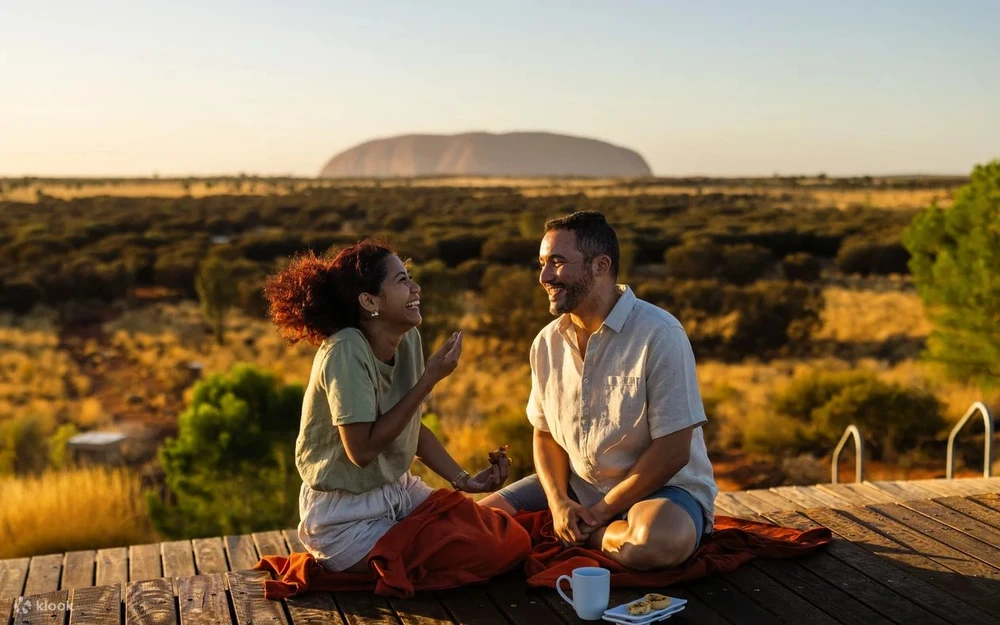
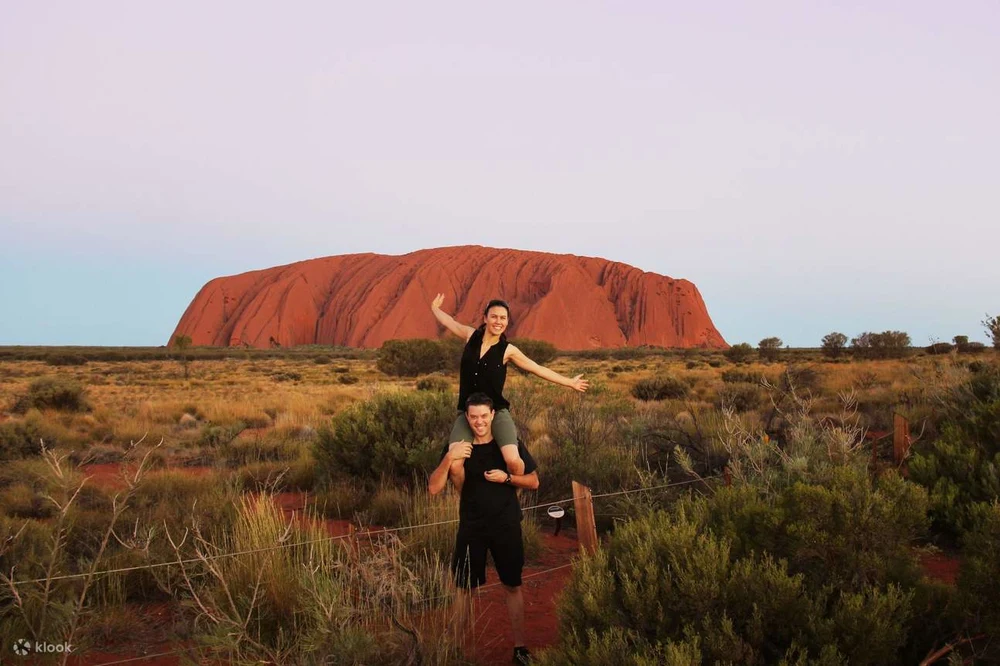
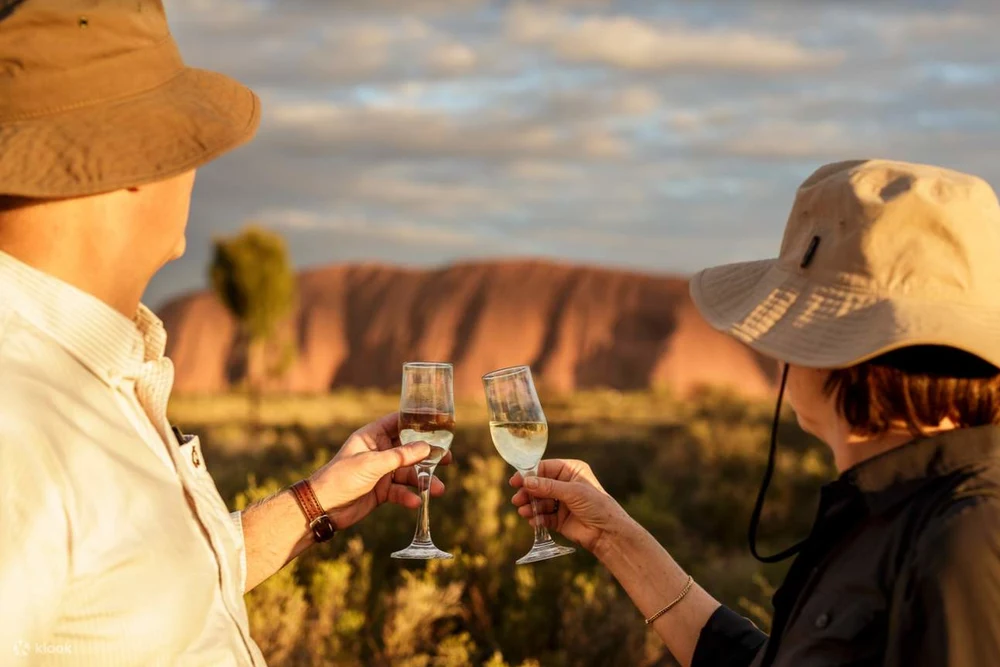
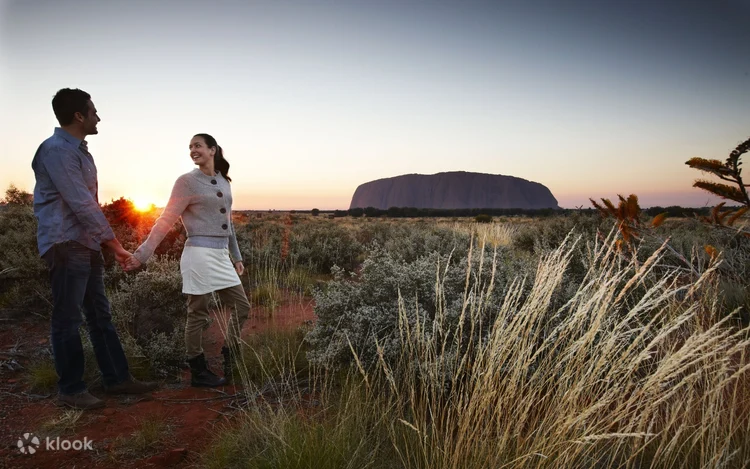
This is the quintessential Uluru experience. Dedicated viewing areas (Sunrise/Sunset Viewing Areas) have been designed to offer the best vantage points. Arrive at least 45 minutes early to secure a prime spot, sip on a hot coffee (in the morning) or a glass of sparkling wine (in the afternoon), and watch the massive rock formation transform from ash-grey to a brilliant red.
Field of Light Exhibition
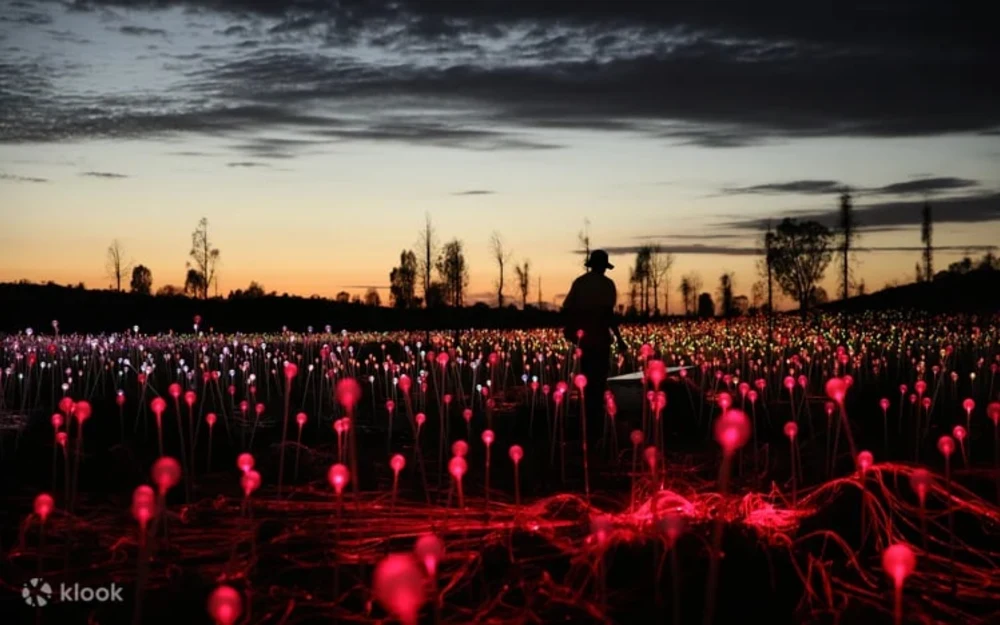
Created by artist Bruce Munro, the Field of Light is a vast installation featuring over 50,000 solar-powered, flower-shaped lights that bloom across the desert landscape as night falls. Strolling through these shimmering lights beneath the starry Outback sky is a surreal experience. It is recommended to book tickets in advance, as this attraction frequently sells out.
Sounds of Silence Dinner

If you are looking for a truly romantic evening, the Sounds of Silence dinner is an excellent choice. You will enjoy a buffet featuring Australian specialties (such as emu and kangaroo meat) right in the heart of the desert, accompanied by the melodic sounds of the didgeridoo. After the meal, an astronomer will guide you through stargazing in the Southern Hemisphere’s sky amidst the absolute silence of the desert.
Base Walk

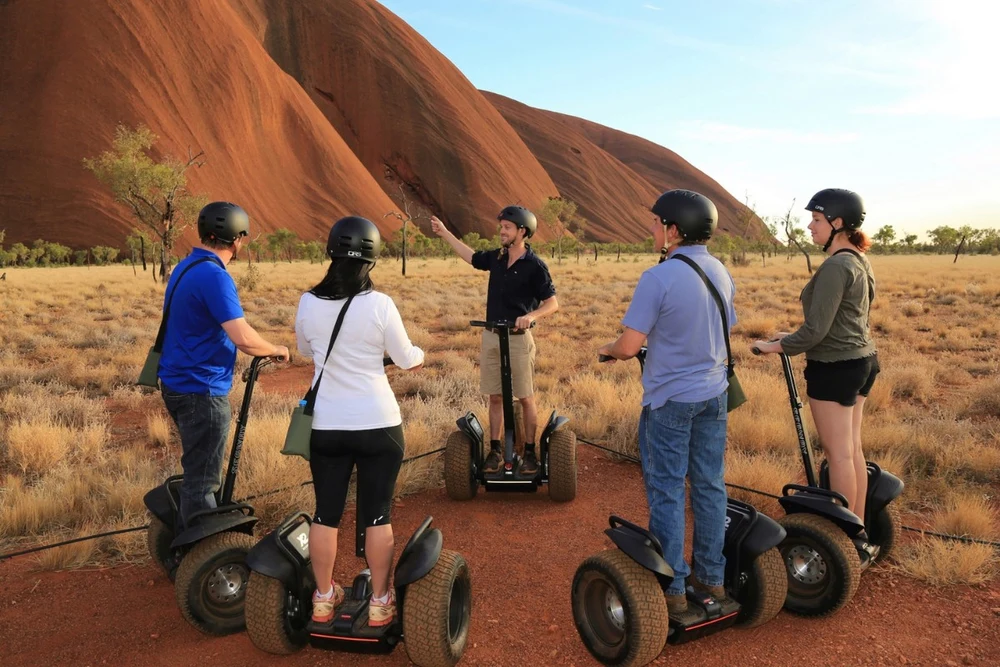
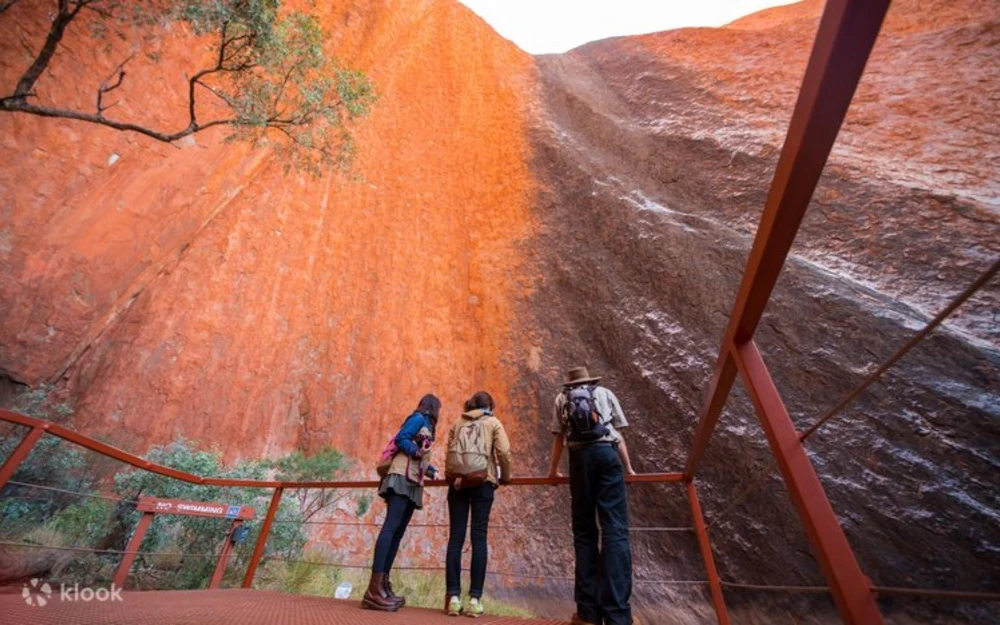
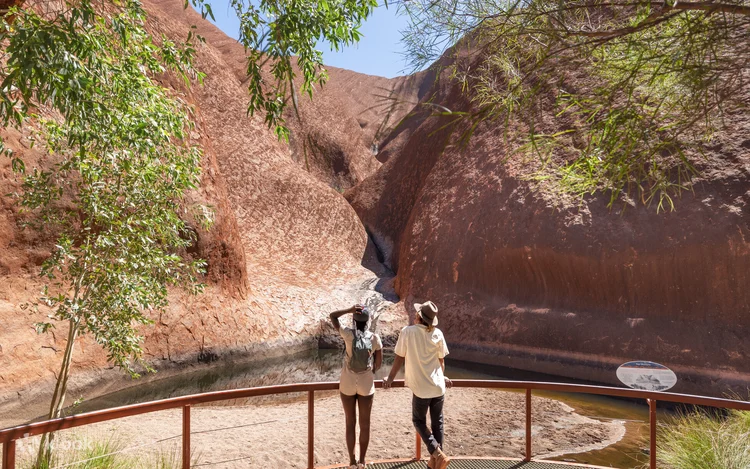
Spanning approximately 10.6 km, the walking trail that circles the base of Uluru takes about 3 to 4 hours to complete. This is the best way to admire the finest details on the rock’s surface—such as dry waterfalls and caves featuring ancient rock art—and to gain a deeper understanding of Anangu culture. If you prefer not to walk, you can rent a bicycle or join a Segway tour around the base of the rock.
Explore Kata Tjuta (The Olgas)
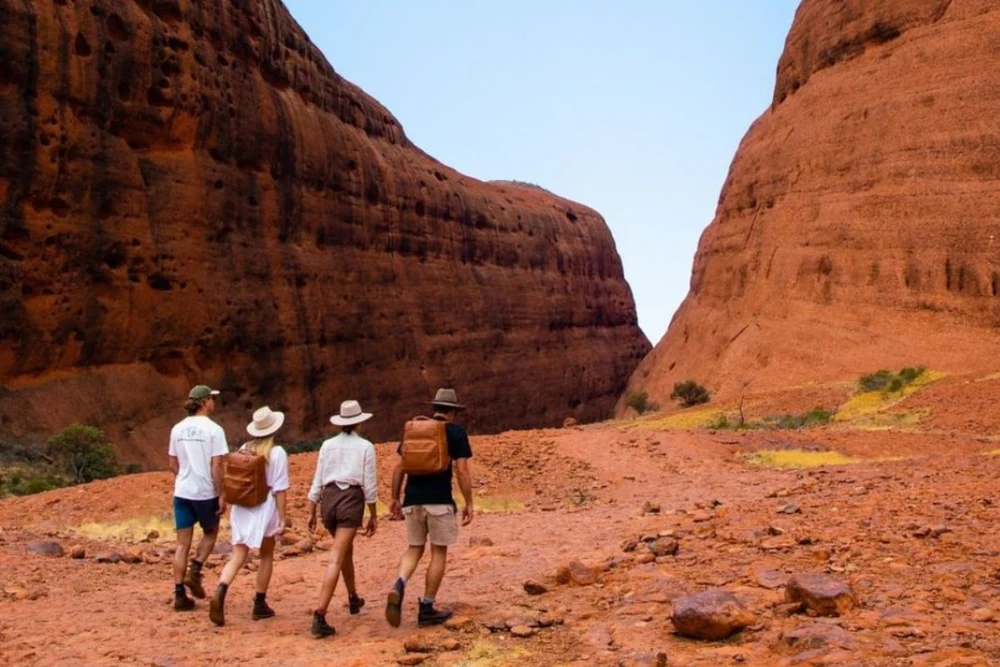
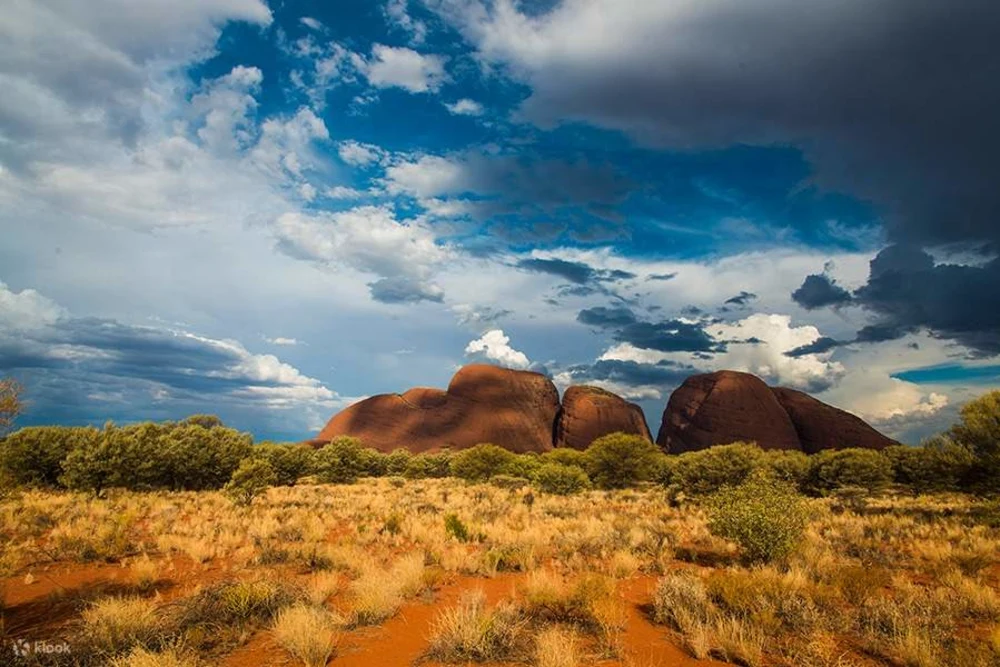
Located about 50km from Uluru is Kata Tjuta, a formation of 36 massive, domed rock structures. Don’t miss the Valley of the Winds walk. It is a challenging trek, but the reward is a breathtaking, majestic landscape set amidst towering rock faces.
Anangu Culture and Important Tips for Visiting Uluru
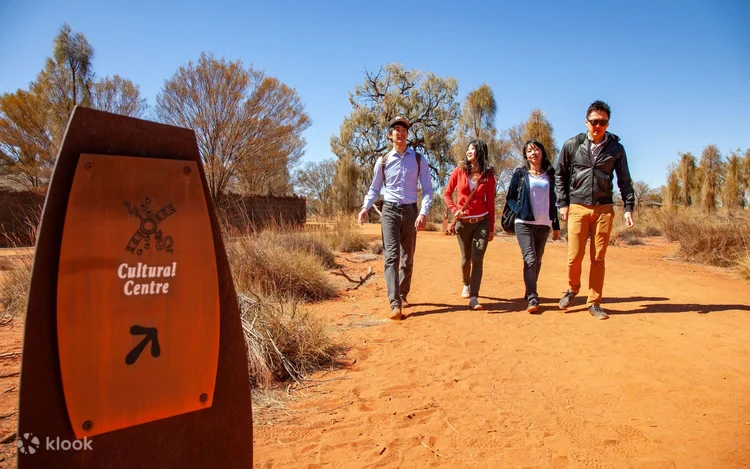
A trip to Uluru is not just about sightseeing; it is also about learning to respect an ancient culture.
Absolutely NO CLIMBING Uluru: Since October 2019, climbing to the summit of Uluru has been permanently banned at the request of the Anangu people. To them, the climb follows a sacred spiritual path, and walking upon it is considered disrespectful.
Photography-restricted areas: Certain locations around Uluru are considered extremely sacred and are reserved exclusively for men’s or women’s ceremonies. “No Photography” signs are posted in these areas; please strictly observe them.
Cultural Centre: Visit the Uluru-Kata Tjuta Cultural Centre first to watch art demonstrations, listen to storytelling, and learn about *Tjukurpa* (traditional law) before starting your journey.
Accommodation Suggestions at Ayers Rock Resort
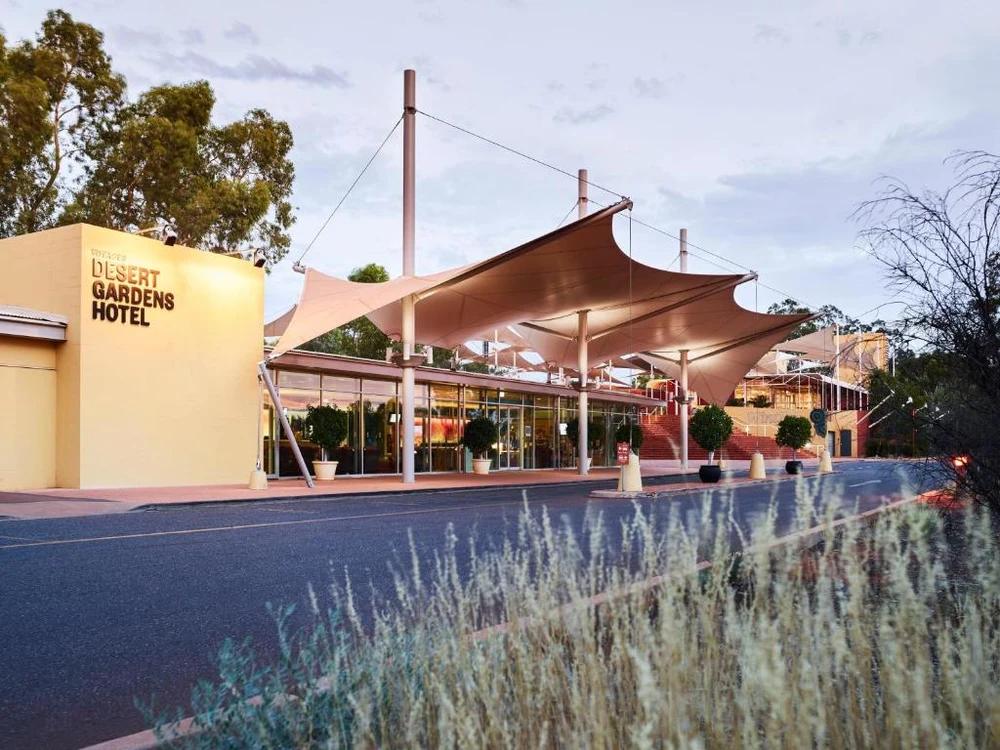
Most travelers visiting Uluru stay at Ayers Rock Resort, a complex offering various types of accommodation located just a 15-minute drive from the national park. Sails in the Desert: The most luxurious hotel, featuring architecture inspired by white sails set against the desert landscape. It boasts a fantastic pool and top-tier service.
Desert Gardens Hotel: The only property offering rooms with direct views of Uluru. Waking up, drawing the curtains, and seeing that massive red rock right before your eyes is an unforgettable experience.
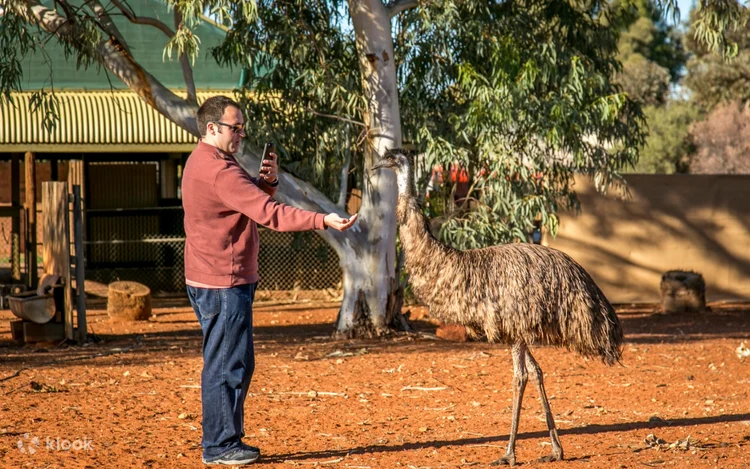
Outback Pioneer Hotel & Lodge: A great choice for backpackers or budget-conscious travelers. It features a communal BBQ area where guests can buy meat and grill it themselves—a lively, social atmosphere.
Ayers Rock Campground: Ideal for those wanting to experience camping in a tent or staying in a caravan under the starry sky.
A huge plus is the resort’s free shuttle bus service, which runs continuously between the hotels, the Town Square, and various lookout points, making getting around incredibly easy.
What to Eat at Uluru? A Desert Dining Experience

Uluru Rock Blast Scenic Flights
Don’t worry about going hungry in the desert. The resort’s Town Square offers everything from an IGA supermarket and cafés to fine-dining restaurants.
Try “Bush Tucker”: Sample kangaroo, emu, or barramundi (an Australian specialty fish). Kangaroo meat is slightly chewy and has a strong flavor, but it is rich in iron and low in fat.
DIY BBQ: At Outback Pioneer, you can purchase meat packs and grill them yourself on giant BBQ plates. It’s a fantastic opportunity to meet fellow travelers from around the world.
Pack Snacks: When exploring the park, bring along nuts, dried fruit, and energy bars, as there are no food shops near the Uluru rock formation itself.
Detailed 3-Day, 2-Night Uluru Itinerary

A three-day, two-night trip is the ideal duration for a truly fulfilling experience. This timeframe allows you to leisurely explore iconic landmarks like Uluru and the Kata Tjuta rock formations, engage in exciting activities—such as a desert camel ride or viewing the surreal “Field of Light” installation—while still leaving ample time to rest and avoid the harsh, dry heat of the Outback at midday.
Day 1: Arriving in the Red Centre
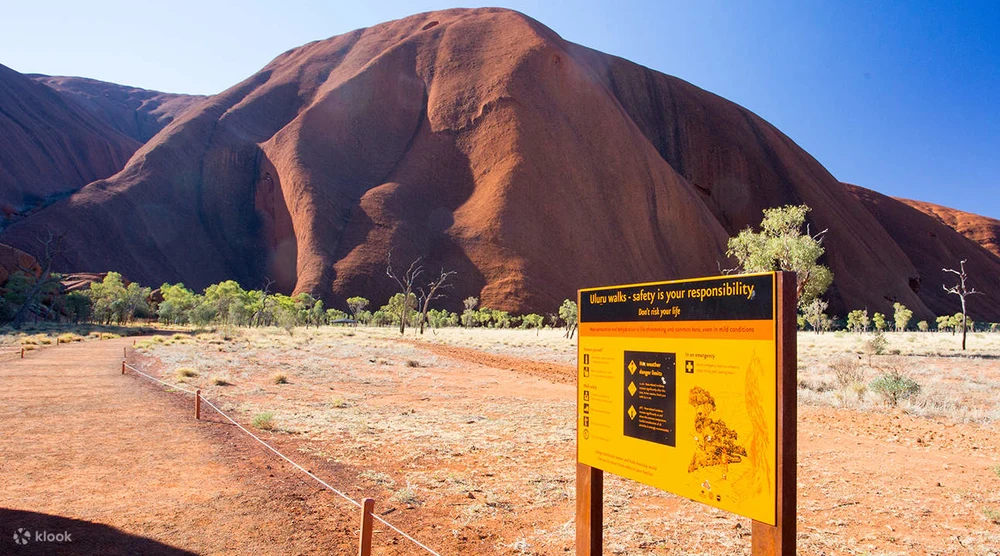
Midday: Land at Ayers Rock Airport, check in, and rest. The airport is just a 10–15 minute drive from Ayers Rock Resort (Yulara). Most hotels here offer complimentary airport transfers for guests, so you can travel with peace of mind.
Afternoon: Visit the Cultural Centre to learn about the Anangu people. Here, you can watch art demonstrations, listen to storytelling sessions, and gain insight into *Tjukurpa* (traditional law) before setting off on your journey. Afterward, take a stroll along the Mala Walk to see ancient caves up close.
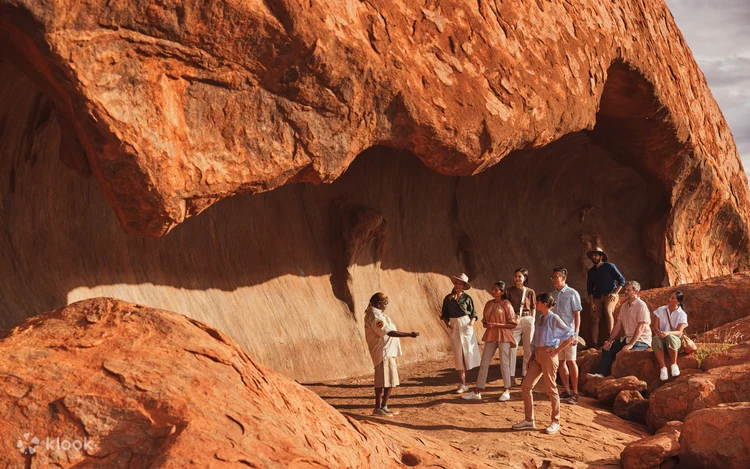
Evening: Watch the sunset at the Uluru Sunset Viewing Area. It is best to arrive at least 45 minutes early to secure a prime spot; sip some sparkling wine and watch the massive rock formation undergo a brilliant transformation from ash-grey to vibrant red. Later, enjoy a lively DIY BBQ dinner at Outback Pioneer, where you can purchase meat packs and grill them yourself on large hotplates while socializing with fellow travelers.
Day 2: The Wonders of Kata Tjuta and Desert Light
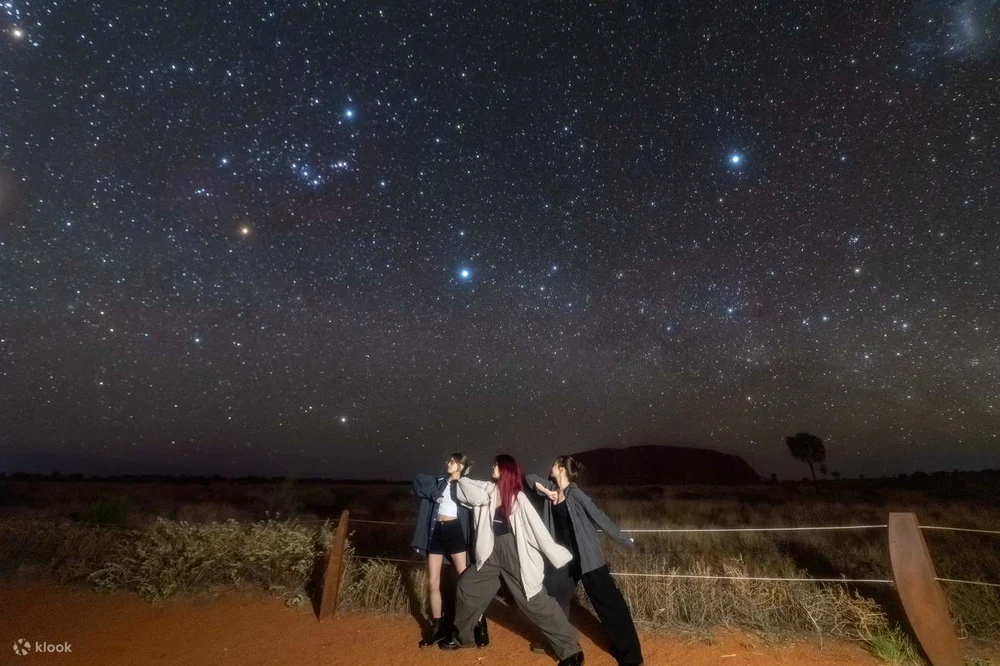
Early Morning: Explore Kata Tjuta—a cluster of 36 massive domed rock formations located approximately 50km from Uluru. Hike the Valley of the Winds trail to catch the first rays of the day; while the trek is quite challenging, you are rewarded with breathtaking, majestic scenery amidst towering rock faces.
Midday: Return to the resort to rest and escape the desert’s intense, dry heat.
Piti Pass Half Day Combination Tours in Kata Tjuta
Afternoon: Embark on an exciting camel ride to take in panoramic views of the wild desert landscape from above.
Evening: Experience the surreal “Field of Light” installation by artist Bruce Munro, featuring over 50,000 solar-powered lights that glow like blooming flowers in the heart of the desert. Stroll through this magical sea of light beneath a romantic, starry sky (be sure to book tickets in advance, as they sell out quickly).
Day 3: Witness a Radiant Sunrise and Bid Farewell to Uluru
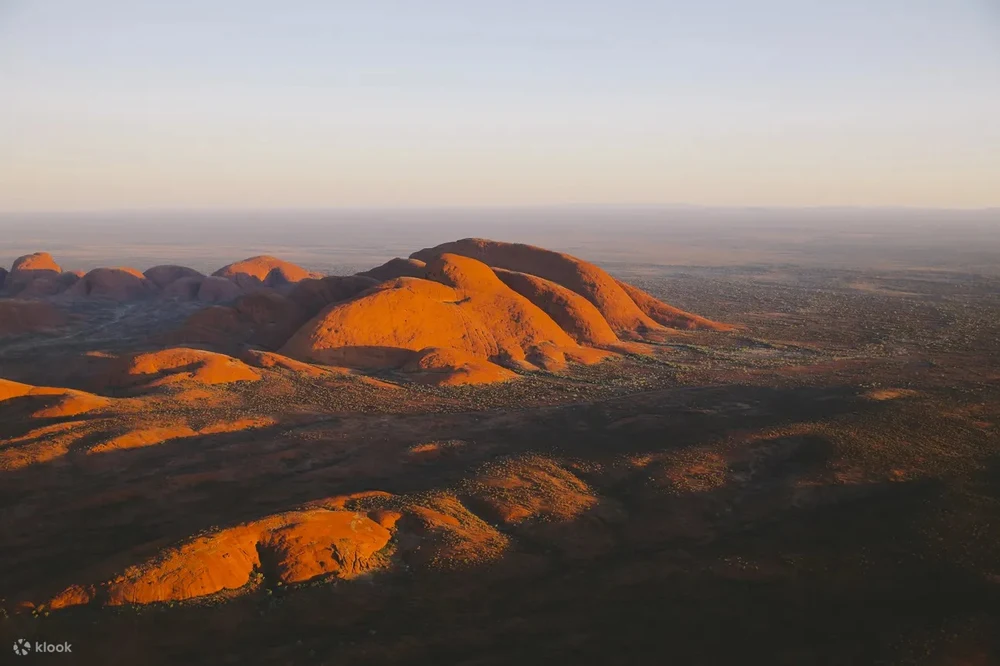
Morning: Catch a spectacular sunrise at Talinguru Nyakunytjaku, a vantage point offering panoramic views of both Uluru and Kata Tjuta. Afterward, take the short Kuniya Walk to reach the sacred Mutitjulu Waterhole.
Midday: Spend time shopping for unique souvenirs at Indigenous art galleries, then head to Ayers Rock Airport for your flight back to the city, concluding your Outback adventure.
Tips for Packing and Safety When Visiting Uluru
Drinking water: This is the most critical aspect of your journey. The Outback’s intense, dry heat can quickly deplete your energy, so you must be well-prepared and drink at least one liter of water for every hour of hiking. Free water refill stations are available at trailheads; remember to fill your bottle before setting off.
Fly net: Do not underestimate the need for this when packing! The local desert flies are incredibly persistent; they swarm around your face and can become a nightmare for travelers—especially in summer, when temperatures soar above 40°C. A specialized head net costing just a few AUD can save your trip, sparing you the unpleasant experience of inhaling flies with every breath.
Trekking shoes: When tackling challenging trails around rocky outcrops or amidst towering cliffs, choose shoes with excellent grip. Additionally, opt for high-top designs that cover your ankles to keep out desert sand and protect against insect bites.
Sunscreen and wide-brimmed hat: The sun in Australia’s Red Centre is intense, with dangerously high UV levels. Always wear a wide-brimmed hat and reapply sunscreen every two hours to ensure your skin is well-protected.
Health: Desert conditions are harsh and can quickly sap your energy. For safety reasons, long walking trails are often closed completely after 11:00 AM if the forecast temperature exceeds 36°C. Stay updated on announcements and park regulations to plan your itinerary effectively.
A journey to Uluru is more than just a typical trip; it is an opportunity for a profound connection. We hope this detailed guide helps you embark on your exploration of the legendary Outback with complete confidence.
Pack your bags and set off right away, for the magnificent Red Heart is opening its arms to welcome you!
Some best day tours, trips, activities and transfer services, tickets in and from Sydney you can refer to
- Shared Sydney Airport Transfers (SYD) for Sydney
- Blue Mountains All-Inclusive Day Tour from Sydney
- Klook Pass Sydney
- Blue Mountains with Scenic Rides & Sydney Zoo Tour
- Sydney Whale Watching Adventure Cruise
- 2-Hour Whale Watching Sydney Harbour Cruise
- Blue Mountains Day Tour
- SEA LIFE Sydney Aquarium Ticket
- Featherdale Sydney Wildlife Park Ticket
- Taronga Zoo Sydney Ticket
- Sydney Attractions Combo Ticket (Bar Code Direct Entry)
- Big Bus Hop-On Hop-Off Sydney Bus Tour
- Sydney Hop On Hop Off Cruise 2 Day Pass by Captain Cook

Are you looking for more top things to do in Sydney: Tours, activities, attractions and other things? Let’s check it out at here. And Sydney travel blog — The fullest Sydney travel guide blog for a great trip to Sydney for the first-timers.