



































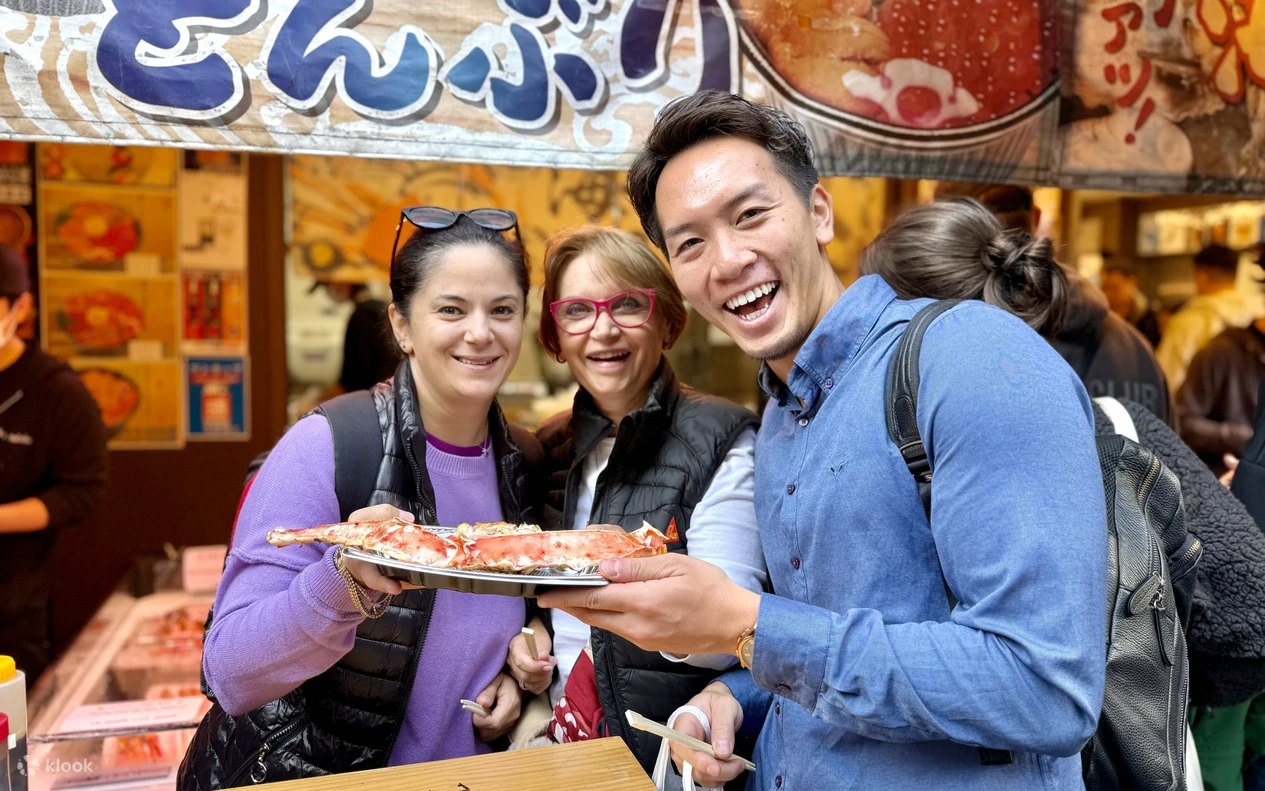
It is often said that a trip to Tokyo isn’t complete without a visit to Tsukiji Fish Market. For a Japanese food enthusiast like myself, Tsukiji is more than just one of the world’s busiest seafood markets; it is a true culinary paradise, captivating visitors with an array of irresistible, fresh flavors.
- Visiting Nishiki Market Kyoto — Exploring 400 year old traditional kitchen of Kyoto, Japan
- Visiting Tsukiji fish market — The largest fish market in the world of Tokyo
- Unlocking the Allure of Kinkaku-ji (The Golden Pavilion) with 1-Day Itinearary
- 15 Must-Visit Tourist Places in Kanagawa
- 11 Amazing Japanese Autumn Festivals to Enjoy the Fall Foliage Season
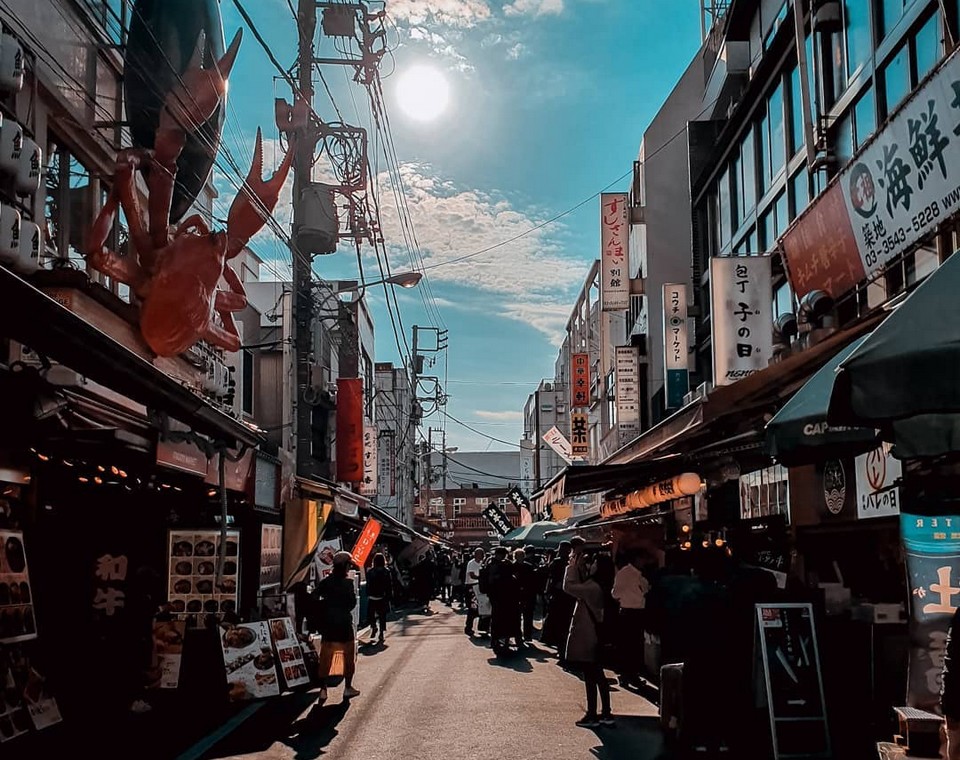
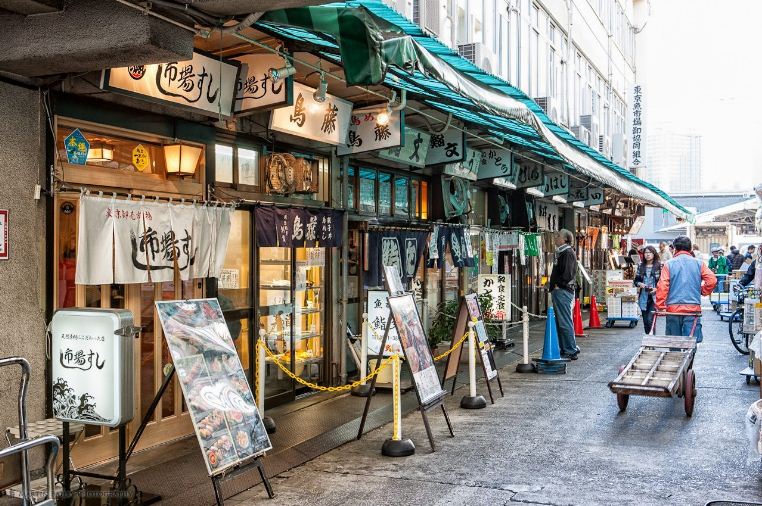
Strolling through the narrow alleyways, I was completely won over—whether by the rich, fatty tuna sashimi, plates of authentic traditional sushi, or simply a warming cup of sake enjoyed amidst the bustling atmosphere. The unpretentious yet vibrant food culture at Tsukiji is sure to stir the heart of any food lover.
If you are planning a trip to Tokyo and wondering what to eat or buy as souvenirs, check out the detailed tips for exploring Tsukiji Fish Market in the article below!
Why Experience Tsukiji Fish Market When Visiting Tokyo?
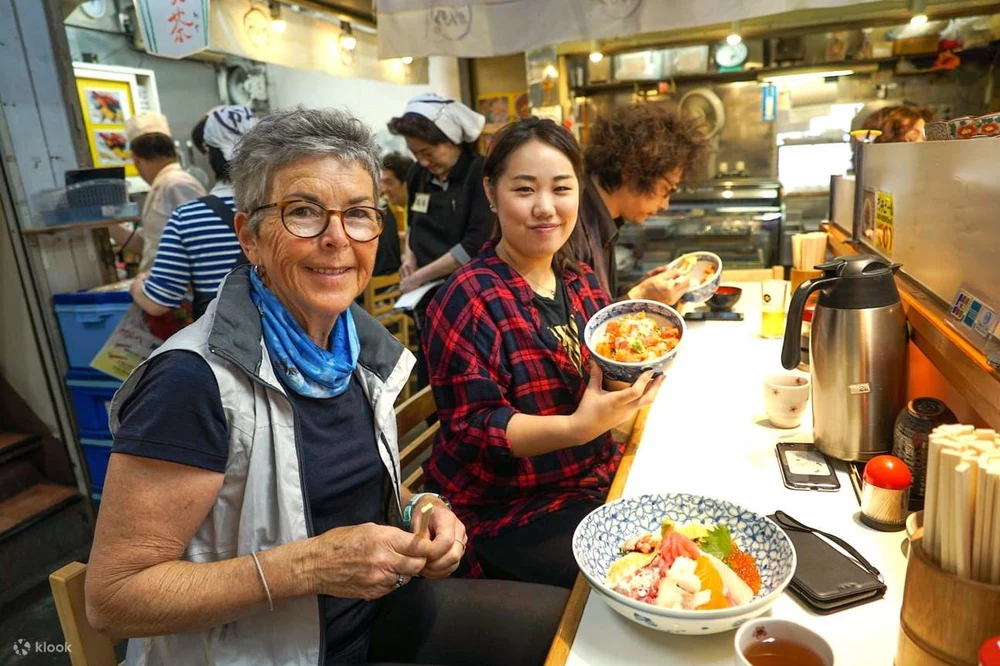
For anyone who has fallen in love with Japanese cuisine, Tsukiji Fish Market is not merely a tourist stop; it is a “mecca” that simply must be visited at least once in a lifetime. Although the wholesale “Inner Market” relocated to Toyosu in 2018, the “Tsukiji Outer Market” retains its rich cultural heritage and bustling atmosphere, with hundreds of food stalls humming with activity from the early morning hours.
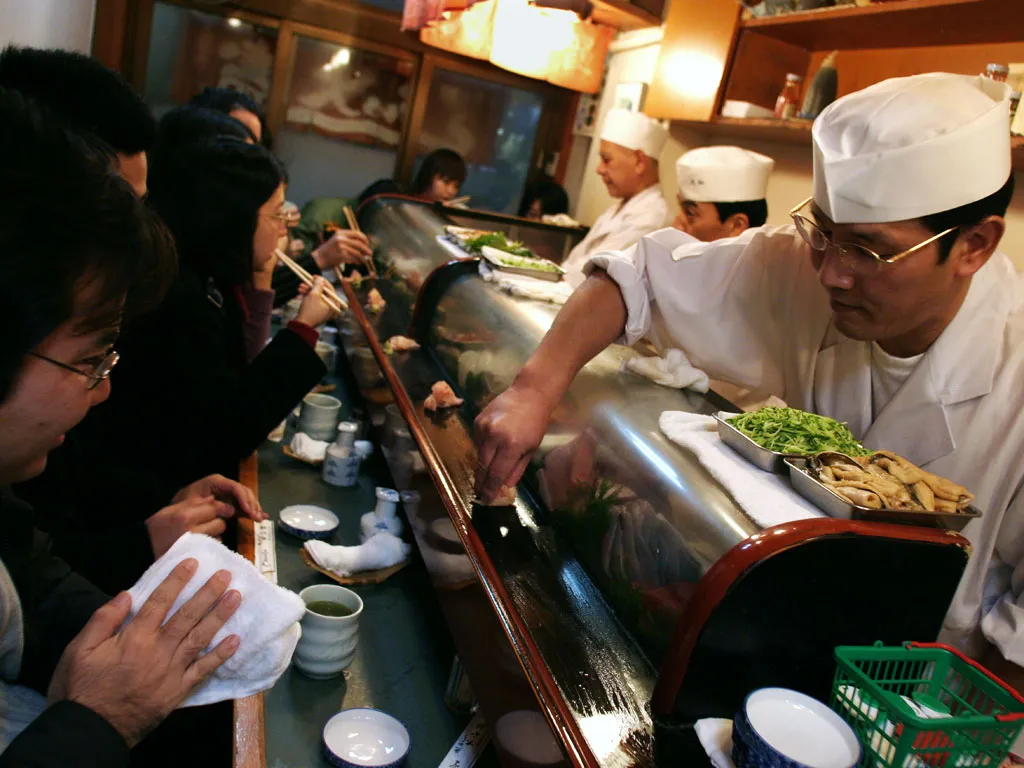
Tokyo Tsukiji Outer Market Half-Day Small Group Food Tour
Here, you will immerse yourself in a vibrant world of colors and flavors: from rich, fatty tuna sashimi that melts on the tongue and authentic sushi crafted from the day’s freshest catch, to a myriad of enticing street foods—such as mildly sweet *Tamagoyaki* (rolled omelet), aromatic garlic-butter grilled oysters, and savory seafood skewers topped with scallion oil.
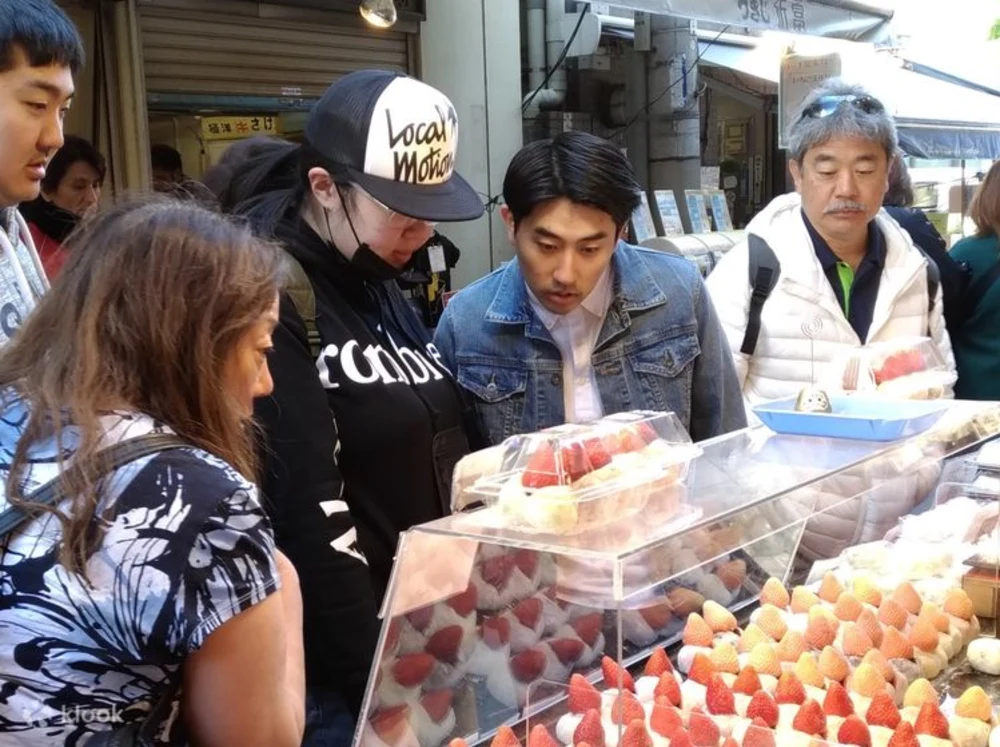
Tsukiji offers more than just a feast for the palate with its premium ingredients; it provides a vivid cultural experience. Strolling through narrow alleys, witnessing the meticulous craftsmanship of skilled chefs, and mingling with the enthusiastic local vendors allows you to truly feel the simple yet refined vitality of Tokyo.
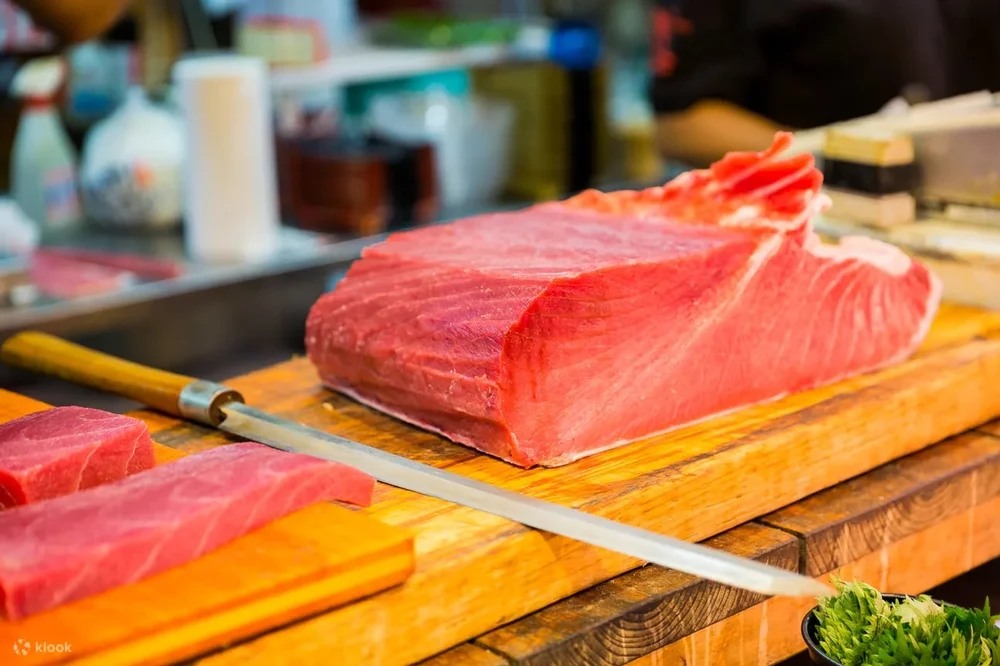
Spend a full morning at Tsukiji to satisfy your appetite while capturing unique, quintessentially Japanese cultural moments that are hard to find anywhere else.
Tsukiji Fish Market
- Address: 4 Chome-16-2 Tsukiji, Chuo City, Tokyo 104-0045, Japan (Tsukiji Outer Market area)
How to Get to Tsukiji Fish Market in Tokyo
Getting to Tsukiji Fish Market by Subway

Traveling to Tsukiji Fish Market by subway is quick and convenient, even for first-time visitors to Tokyo. It is best to arrive early to enjoy breakfast and avoid the rush-hour crowds. Depending on your starting point, you can easily choose the most suitable route:
If departing from Tokyo Station, simply take the JR Yamanote Line (bound for Shinagawa/Shibuya) to Yurakucho Station, walk to Hibiya Station, and then transfer to the Hibiya Subway Line (bound for Kita-Senju) to get off at Tsukiji Station.
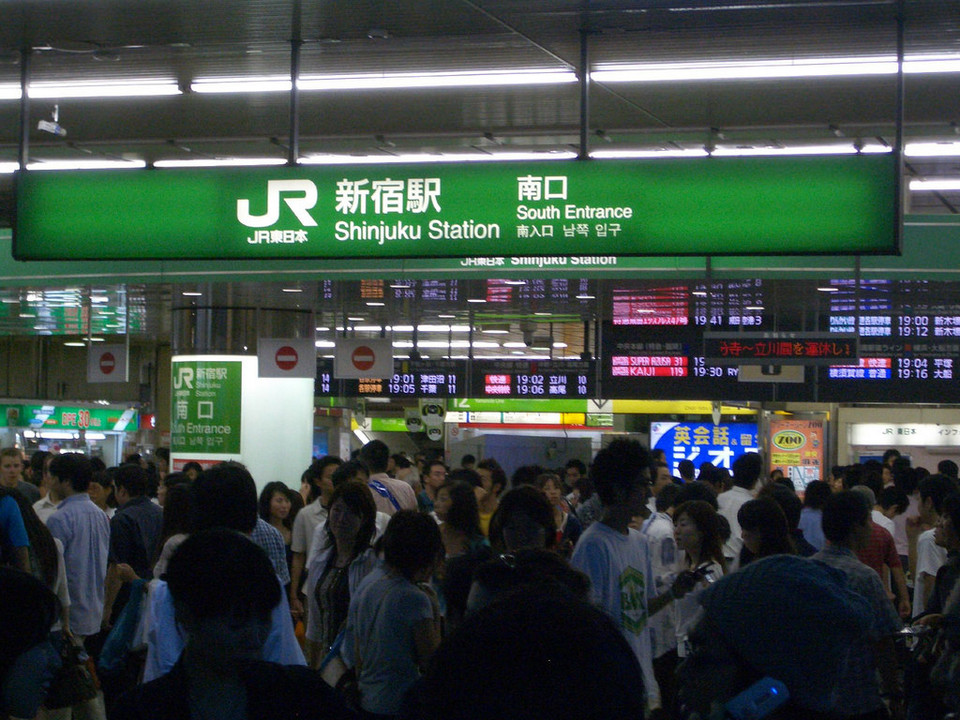
If departing from Shinjuku Station, the fastest option is to take the Oedo Subway Line (bound for Roppongi/Daimon) directly to Tsukiji Market Station (Tsukiji-Shijo); upon exiting the station, you will be right next to the market.
For those starting from Shinagawa Station, take the Keikyu Line (bound for Sengakuji) to Higashi-Ginza Station; from there, you can enjoy a leisurely five-minute walk to the market or transfer to the Hibiya Subway Line and travel one more stop to Tsukiji Station.
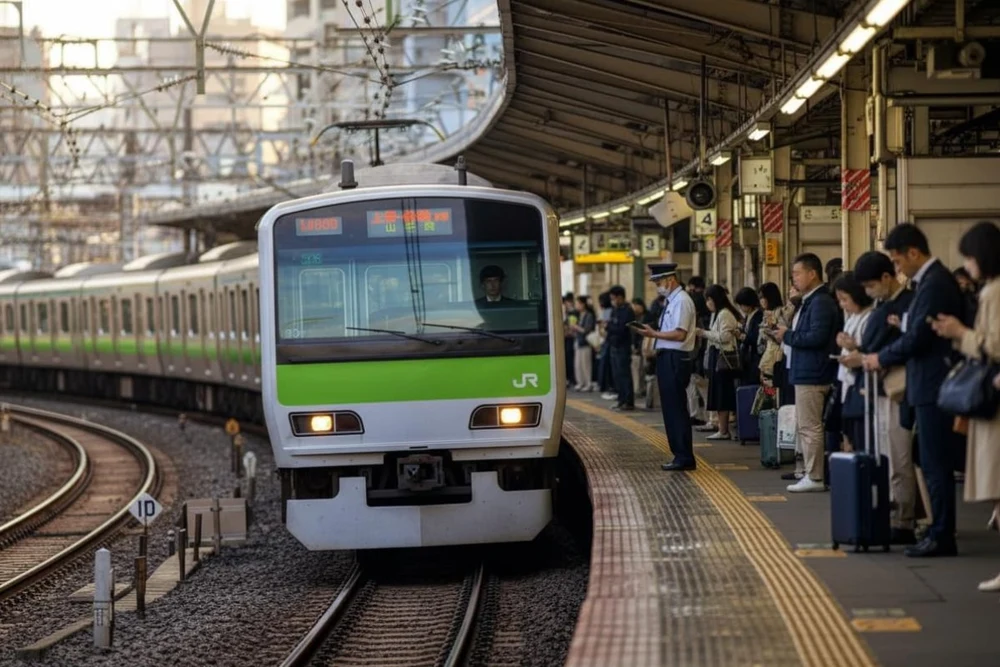
If departing from Shibuya Station, simply take the Ginza Subway Line (bound for Asakusa) to Ginza Station, then transfer to the Hibiya Subway Line (bound for Kita-Senju) and get off at Tsukiji Station. Remember to load your Suica or IC card beforehand for convenient gate entry; this saves time spent queuing for individual tickets and allows for greater flexibility in your travels.
Getting to Tsukiji Fish Market by Bus or Private Vehicle
Tokyo Departure: Car Rental with Driver to Tokyo/Yokohama/Kamakura
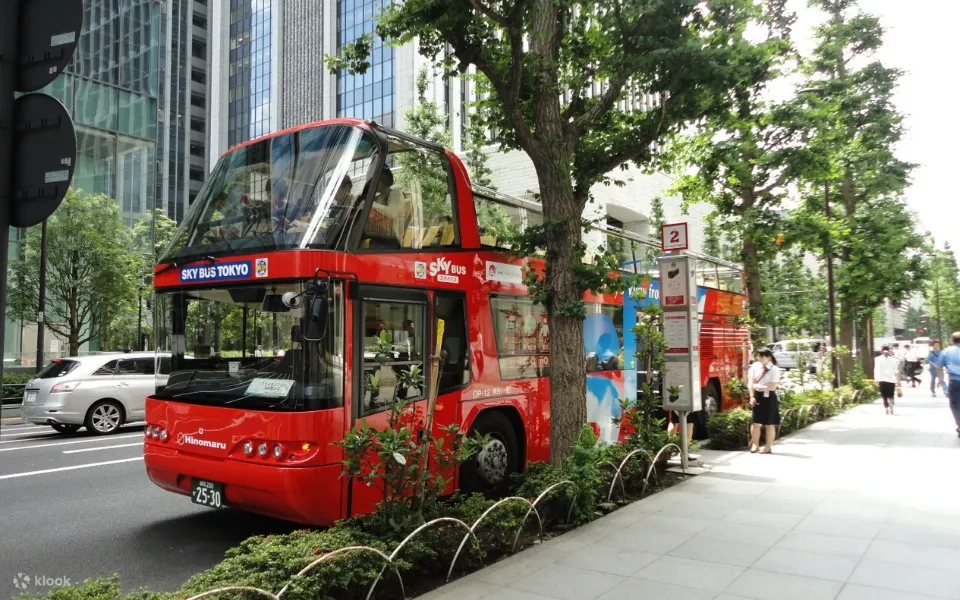
If you would like a change of pace and wish to view Tokyo’s streets through a window rather than taking the subway, public buses are a highly convenient option. You can catch Toei Bus routes [To-04], [To-05-1], or [To-05-2] from Tokyo Station to the “Tsukiji-Sanchome” stop.
If departing from Shimbashi Station, take route [Gyo-10] to the “Tsukiji-Sanchome” stop or route [Shi-01] and get off at the “Kokuritsu-Gan-Kenkyū Center” (National Cancer Center) stop. For those traveling from the Kinshicho Station area, Toei Bus route [Nishiki-11], which stops right at “Tsukiji Sta,” offers the most convenient route.
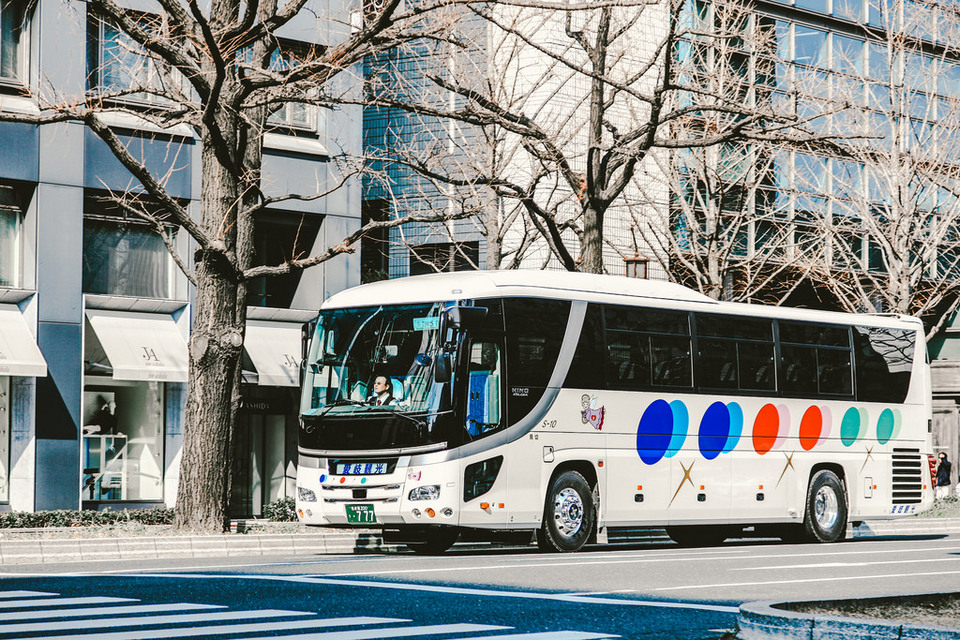
Additionally, taxis and private car rental services are excellent options for fast and comfortable travel. In my opinion, this is a perfect option if your trip includes elderly travelers or young children, or if you are traveling in a large group and want flexibility with your schedule. However, private transportation in Japan can be quite expensive, so be sure to carefully consider your budget to choose the most cost-effective option.
What to Eat at Tsukiji Fish Market? Top Must-Try Delicacies
Fresh Seafood: Sashimi and Donburi
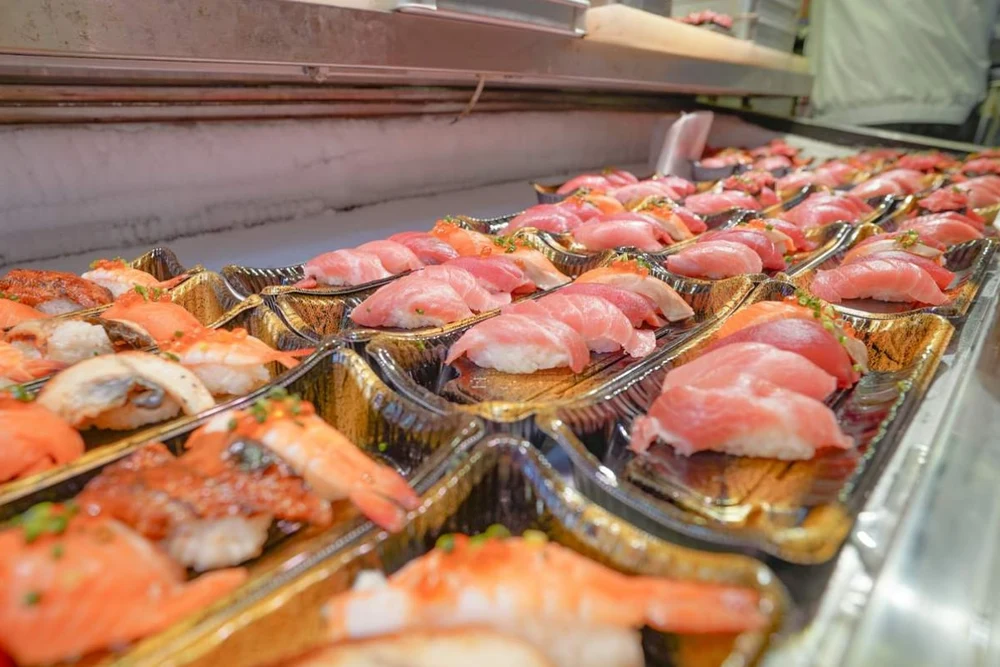
As a huge seafood lover, the first thing I had to do upon arriving at Tsukiji was head straight for a fresh seafood spot. Holding a bowl of *Chirashi-don* or *Maguro-don*—heaping with fresh fish slices carved right before my eyes—made my mouth water instantly.
Tsukiji Fish Market Food and Walking Tour
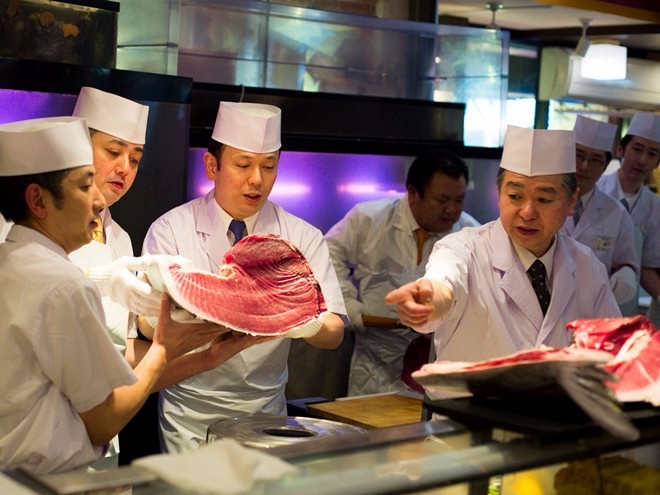
Taking that first bite of *Otoro* (fatty tuna belly) taught me the true meaning of “melting on the tongue”; the rich, naturally sweet, and creamy flavor lingering in my throat was worlds apart from the ordinary sashimi I’d had before.
Irresistible Street Food Aromas
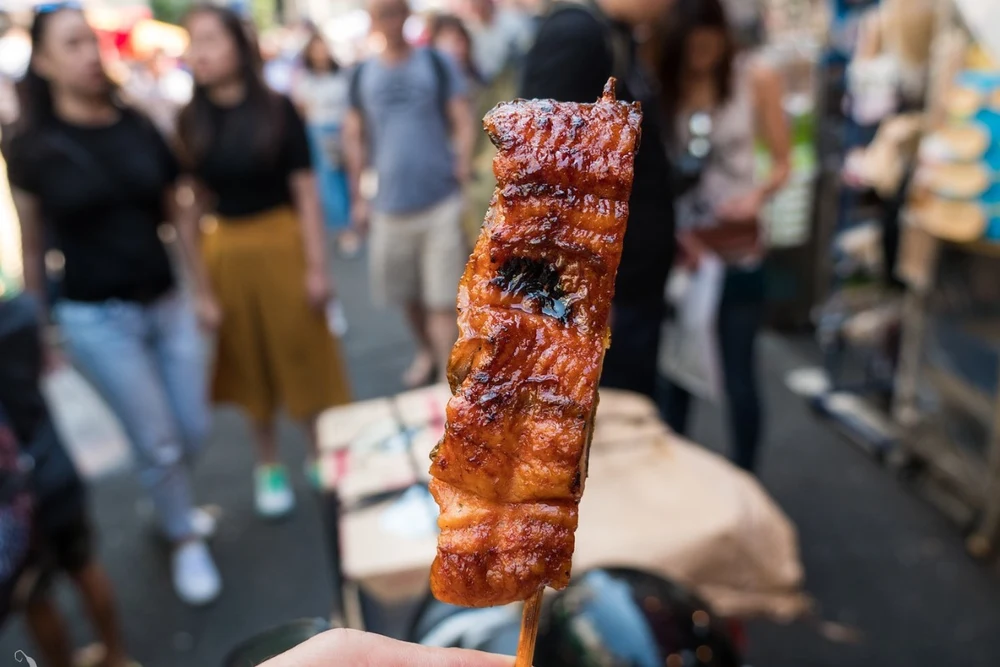
Tokyo: Tsukiji Fish Market Street Food Tour
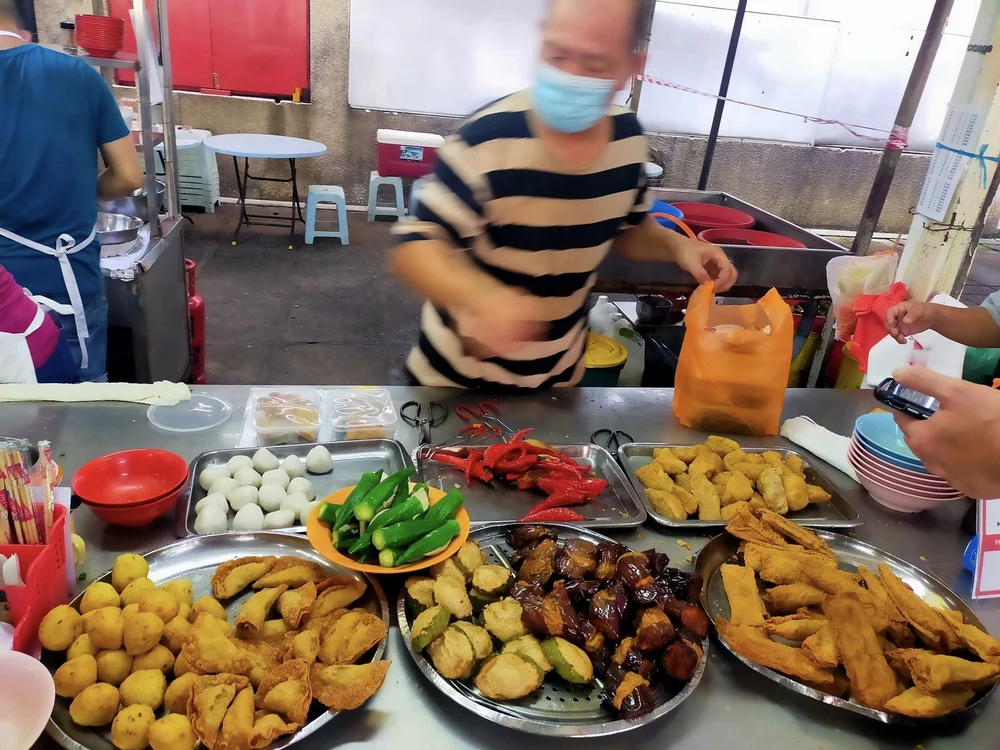
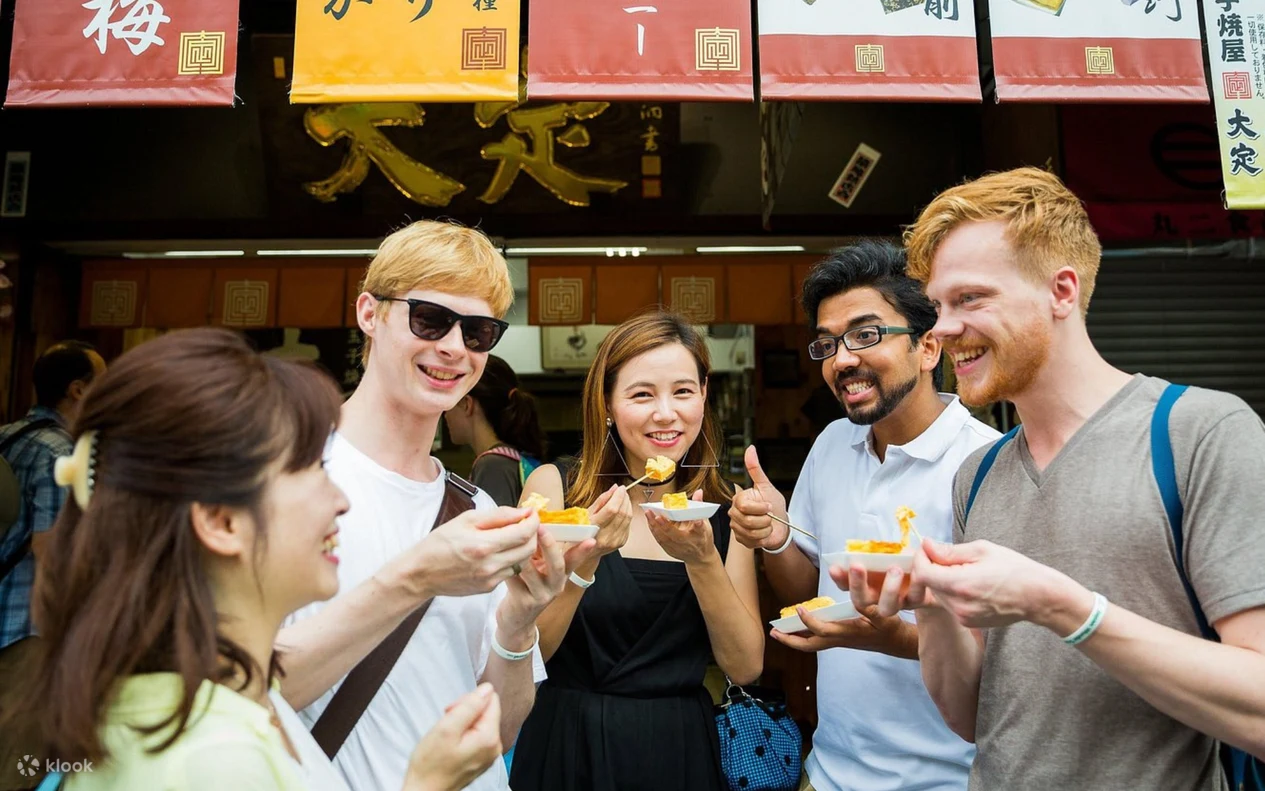
Strolling through the narrow alleys, my appetite was constantly tempted by the mouth-watering aromas wafting from street stalls. I happily waited ten minutes just to get my hands on a steaming, golden skewer of *Tamagoyaki* (Japanese rolled omelet)—silky-smooth, savory-sweet, and rich, all at a bargain price.
That wasn’t all; just a few steps further, I was captivated by the sizzling grills and fragrant scents of juicy garlic-butter oysters, butter-grilled scallops, creamy sea urchin (*Uni*), and skewers of squid glazed in rich Teriyaki sauce. I highly recommend visiting on an empty stomach so you can sample a little bit of everything!
Quintessential Japanese Desserts and Drinks
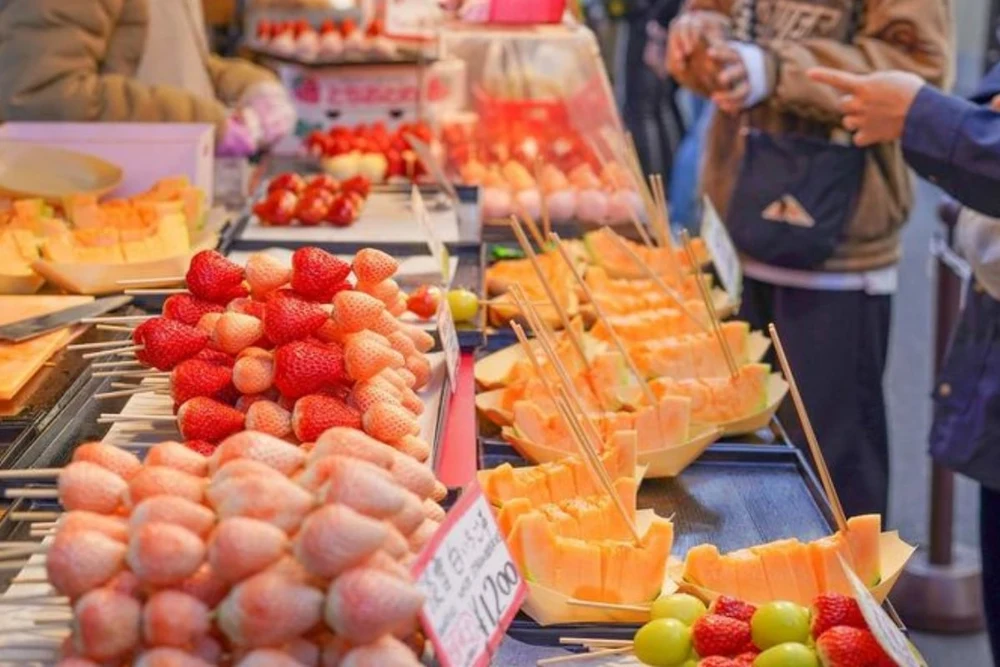
After filling up on seafood, I loved taking a leisurely stroll to find a light dessert to wrap up the experience. The strawberry mochi (Ichigo Daifuku) here completely won me over: a chewy glutinous rice skin and a filling of mildly sweet red bean paste enveloping a massive strawberry—one bite, and a burst of sweet-and-tangy strawberry juice fills your mouth.
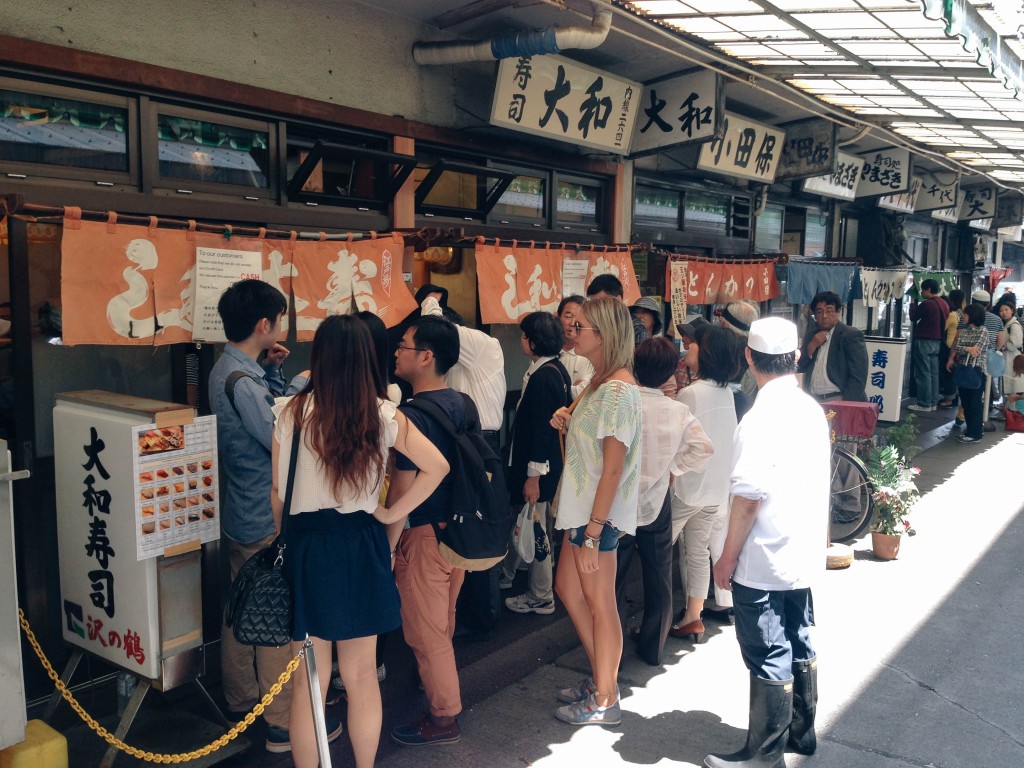
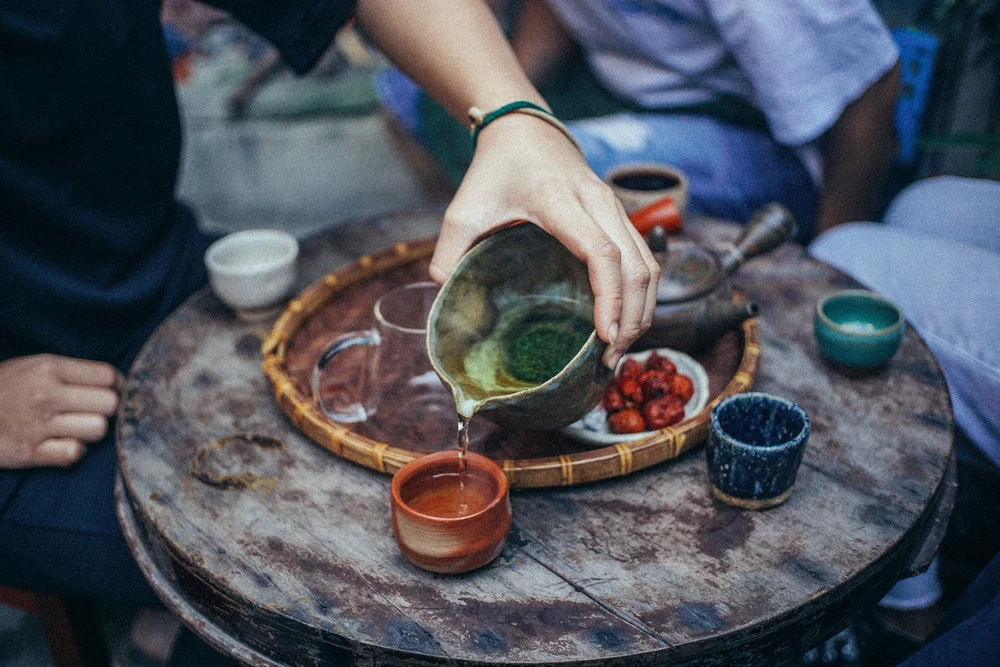
Standing right at the market corner—sipping a cup of hot, slightly astringent green tea or a warming cup of sake while watching the bustling crowds—I truly appreciated the unique charm that only Tsukiji offers.
What Souvenirs Should You Buy at Tsukiji for Loved Ones?
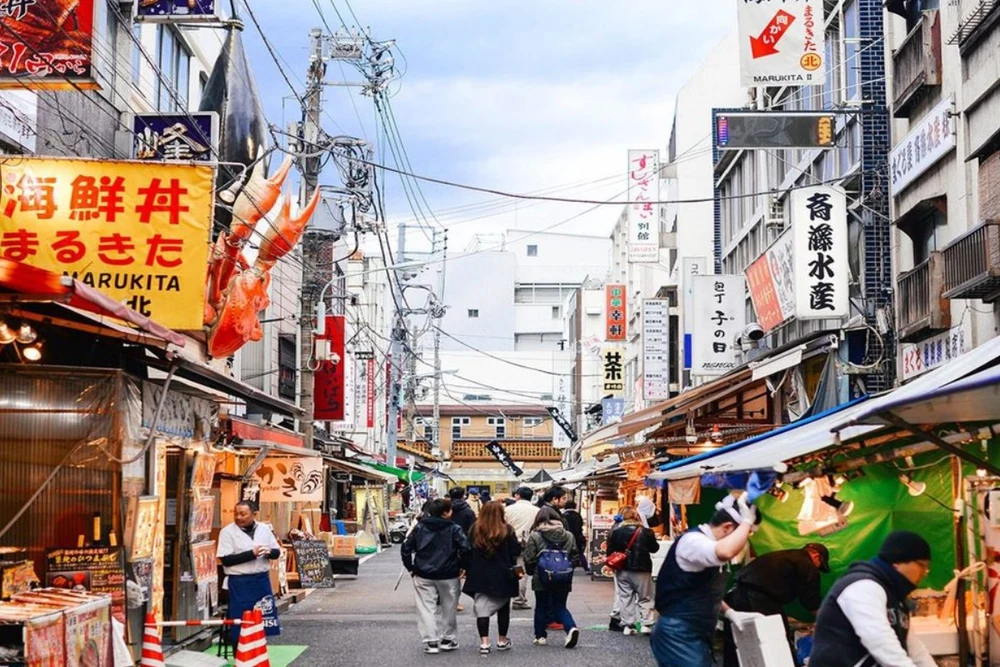
After filling up on a myriad of delicious treats, another equally exciting experience was leisurely browsing the small shops to pick out some quintessentially Japanese gifts to take home.
The first things I snapped up for my mom were packs of authentic Japanese dried goods and seasonings: from crispy seaweed (Nori) and aromatic shaved bonito flakes (Katsuobushi) to rich Dashi stock—perfect for making soups or hotpot at home.
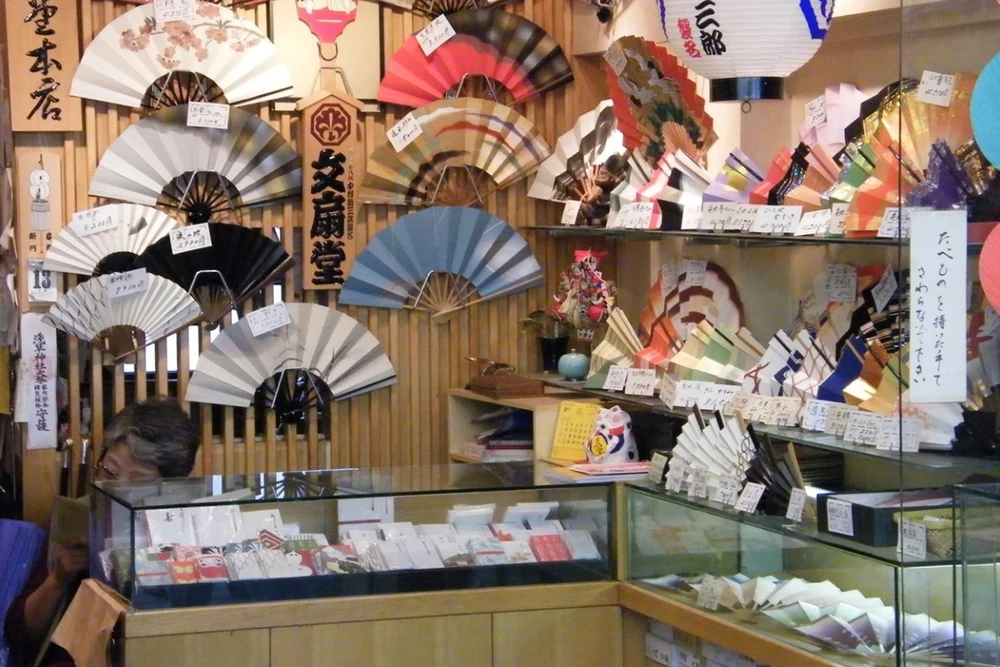
In particular, if you have someone at home who loves cooking as much as I do, the handcrafted kitchen knife shops in Tsukiji are a true paradise. Holding a razor-sharp, meticulously engraved Japanese kitchen knife, you can truly sense the heart and soul the local artisans put into their craft.
Finally, I made sure to stop by the ceramics stalls to pick out some lovely small bowls and plates featuring exquisite patterns as gifts for my loved ones. Though simple, each piece captures the vibrant atmosphere of Tsukiji—guaranteed to delight the recipient!
Tips for Visiting Tsukiji Fish Market in Tokyo, Japan
To ensure a smooth and enjoyable visit to Tsukiji Fish Market, please keep the following in mind:
- Before 9:00 AM, prioritize giving way to professional buyers, as they need to visit multiple stalls to purchase stock.
- Do not eat while walking through the market; consume food and drinks only inside shops or in designated areas.
- If you have luggage, please store it in a locker or at the “Plat Tsukiji” information center to avoid blocking the aisles.
- Aisles are often narrow and crowded, so move in small groups and avoid walking abreast.
- Goods at the market are often high-value items; do not touch them—ask the vendor for assistance when you wish to make a selection.
- Goods at Tsukiji are typically sold at wholesale prices; do not attempt to haggle or bargain here.
- Ask the vendor for permission before taking photos of a shop, as some have policies prohibiting photography.
Frequently Asked Questions (Q&A) About Exploring Tsukiji Fish Market
1. What are the opening hours for Tsukiji Fish Market, and when is the best time to visit?
Stalls at the Tsukiji Outer Market generally open between 6:00 AM and 2:00 PM – 3:00 PM (many shops close early once they sell out). The ideal time to visit is between 8:00 AM and 10:30 AM; this is when the freshest seafood arrives and street food stalls are ready to serve, plus you avoid the heavy midday crowds.
2. Since the wholesale market (Inner Market) has relocated to Toyosu, is there still anything to see at the current Tsukiji Fish Market?
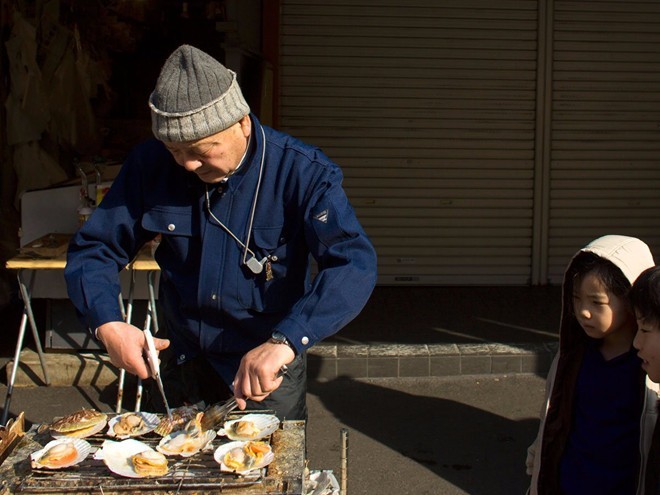
Absolutely! Although the tuna auction and wholesale areas relocated to Toyosu in 2018, the Tsukiji Outer Market remains a bustling hub featuring over 400 long-standing food stalls. It is a true paradise for visitors looking to enjoy fresh sushi and sashimi, savor street-style grilled foods, and shop for souvenirs.
3. Should I bring cash to Tsukiji Market, or can I use a card?
You should definitely have cash (Japanese Yen) on hand. While some large restaurants or kitchen knife shops accept credit cards, the majority of small street food stalls, tamagoyaki (rolled omelet) shops, and sidewalk vendors at Tsukiji accept cash only.
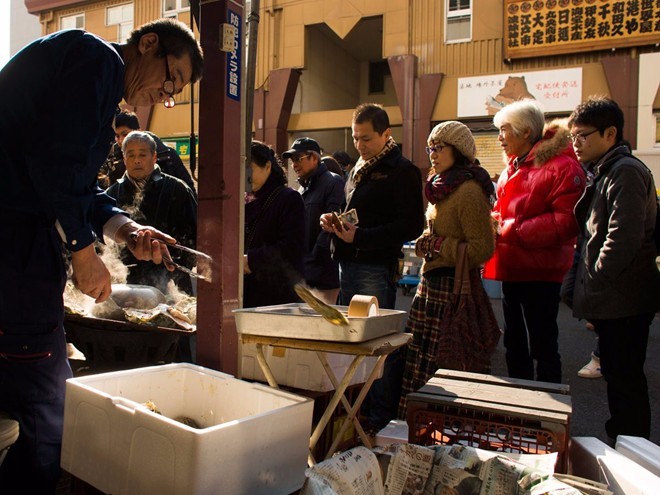
4. Is it okay to eat while walking (*tabearuki*) around Tsukiji Market?
It is not recommended. Japanese culture discourages eating while walking on the street to avoid making a mess or bumping into others. When buying skewers or pastries at Tsukiji, you should stand and eat right in front of the stall or move to designated eating areas, then dispose of your trash in the appropriate bins provided by the shop.
5. What is the best way to get to Tsukiji when traveling with young children or the elderly?
If you are traveling with a family that includes young children or the elderly, a taxi or private car service is the most comfortable option to avoid excessive walking and the crowds of the subway during rush hour. Alternatively, if you choose to take the train, prioritize the Oedo Subway Line (getting off at Tsukiji Market Station); the station exit is located right next to the market entrance, minimizing the need to walk.
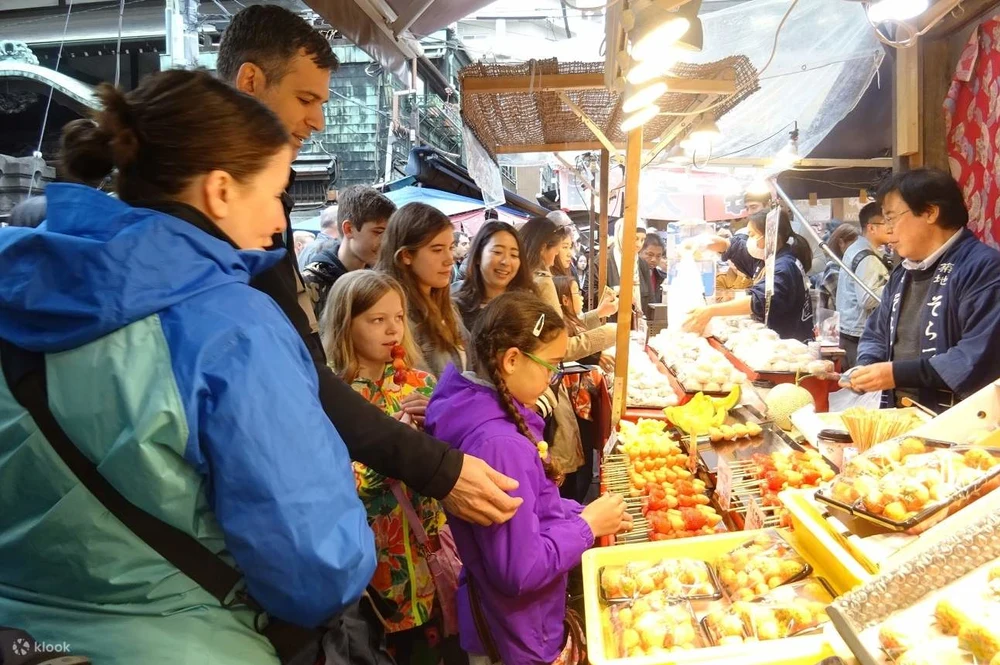
Tsukiji Fish Market is a must-visit destination for lovers of Japanese cuisine. It is a place where you can explore colorful stalls and savor the fresh flavors of sashimi, sushi, and traditional Japanese dishes. Additionally, you have the opportunity to learn about the culture and the exquisite seafood harvesting and preparation methods of the Land of the Rising Sun.
Are Japanese food enthusiasts ready for a trip to Tsukiji Fish Market?
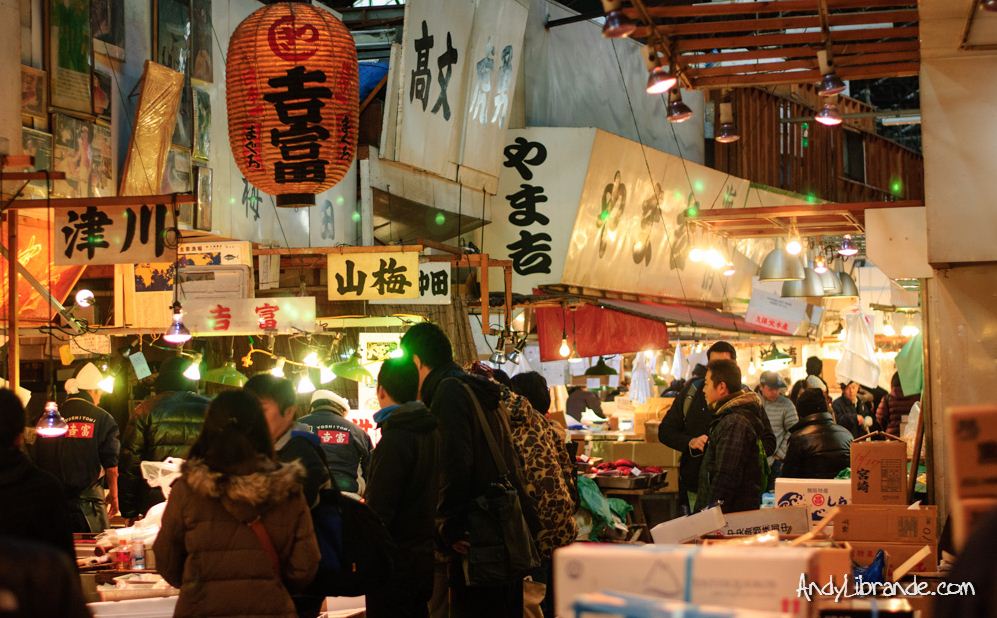
Some best day tours, trips, activities and transfer services, tickets in, to and from Tokyo you can refer to
- Mt Fuji & Hakone Day Tour: Lake Ashi & Ropeway Day Trip from Tokyo
- Nikko Cultural Day Tour from Tokyo
- Tokyo Subway Ticket (24, 48, or 72 Hours)
- Shuttle Bus Transfers (One Way/Round Trip) from Shinjuku/Ikebukuro to Tokyo Disneyland or Tokyo DisneySea
- Tokyo Disney Resort Park Ticket
- Klook Pass Greater Tokyo
- SHIBUYA SKY Ticket
- Warner Bros. Studio Tour Tokyo – The Making of Harry Potter Ticket
- Skyliner Narita Airport Express Ticket
- TeamLab Planets Ticket
- TOKYO SKYTREE® Ticket
- Limousine Bus Narita or Haneda Airport to Tokyo
- Skyliner Narita Airport Express With Tokyo Subway Ticket
- JR Tokyo Wide Pass
- Sky Hop-on and Hop-off Bus Pass
- 4G Prepaid Sim Card (JP Airports Pick Up) for Japan
- JR Pass for Whole Japan (7, 14, or 21 Days)
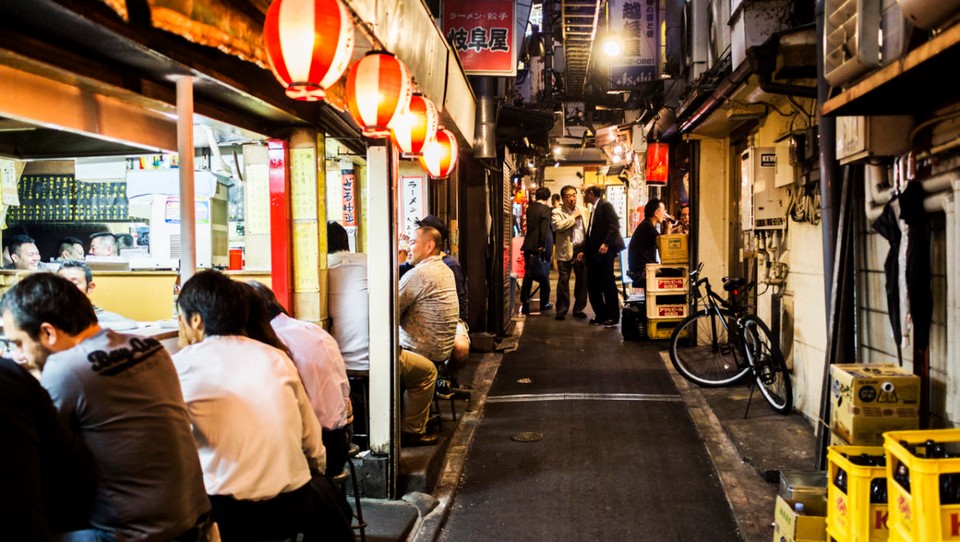
Are you looking for more Tokyo travel guide and top things to do in Tokyo: Tours, activities, attractions and other things? Read more: Tokyo itinerary 3 days — What to do in Tokyo in 3 days?