




























Where is the National Museum of Marine Biology & Aquarium located, who is it suitable for, and what attractions does it offer? Let’s explore the beautiful ocean world with exciting activities!
- 17 Famous places and best things to do in Yilan, Taiwan
- Guide to Applying for a Taiwan E-Visa for Independent Travelers
- Where to go in Chiayi? 15 must-go & best places to visit in Chiayi
- What to do & where to go in Alishan: 15 top things to do & best places to visit in Alishan, Taiwan
- Where to go in Hualien: 13 must-see & best places to visit in Hualien
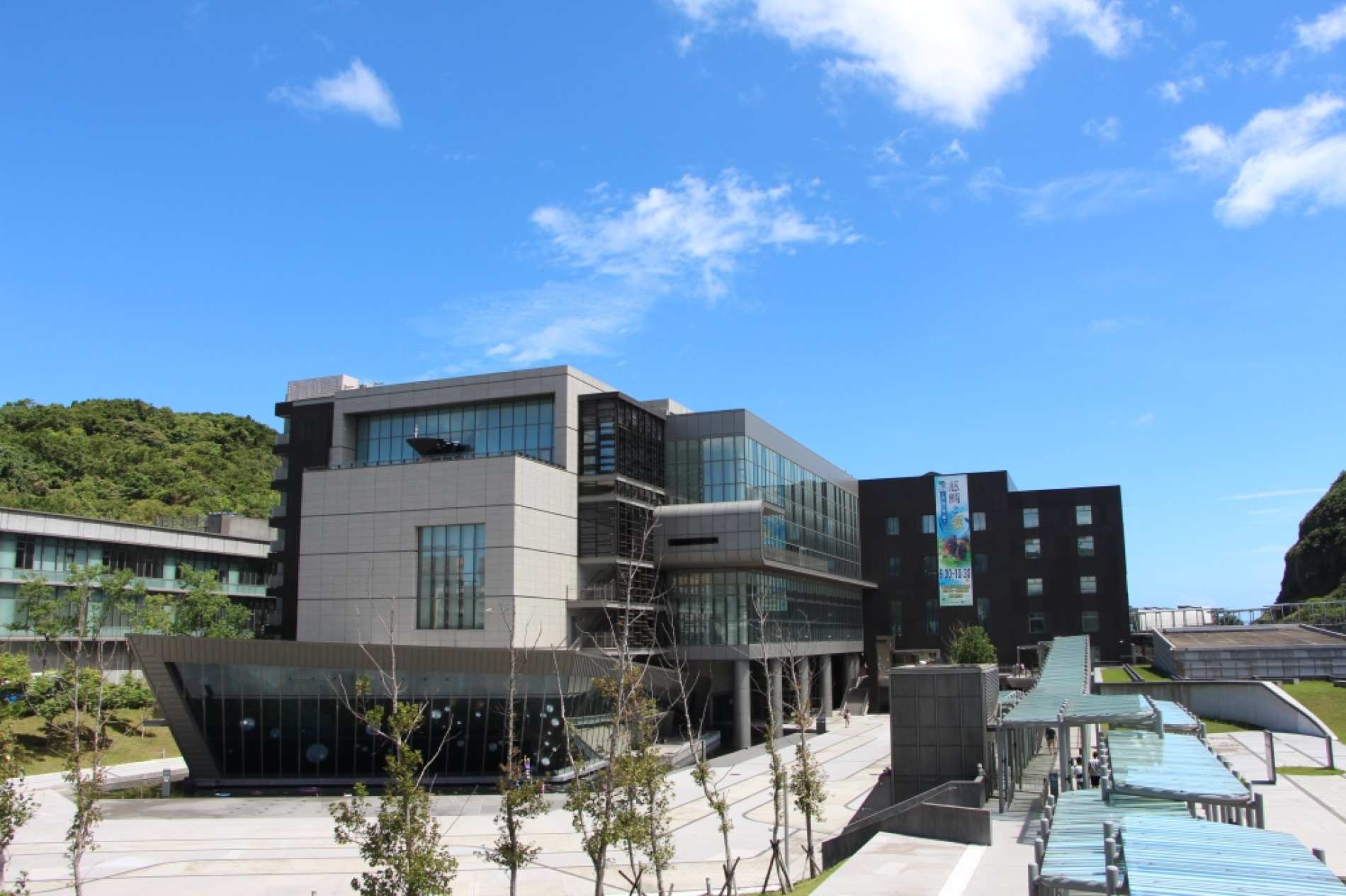
Have you ever been curious about life in the vast ocean or wanted to find a fun and educational attraction for the whole family? In Kenting, the National Museum of Marine Biology & Aquarium offers that experience with vibrant exhibits of marine life, from dazzling coral reefs to giant fish and rare creatures. Each exhibition area is designed for exploration, learning, and interaction, helping you understand more about Taiwan’s marine ecosystem.
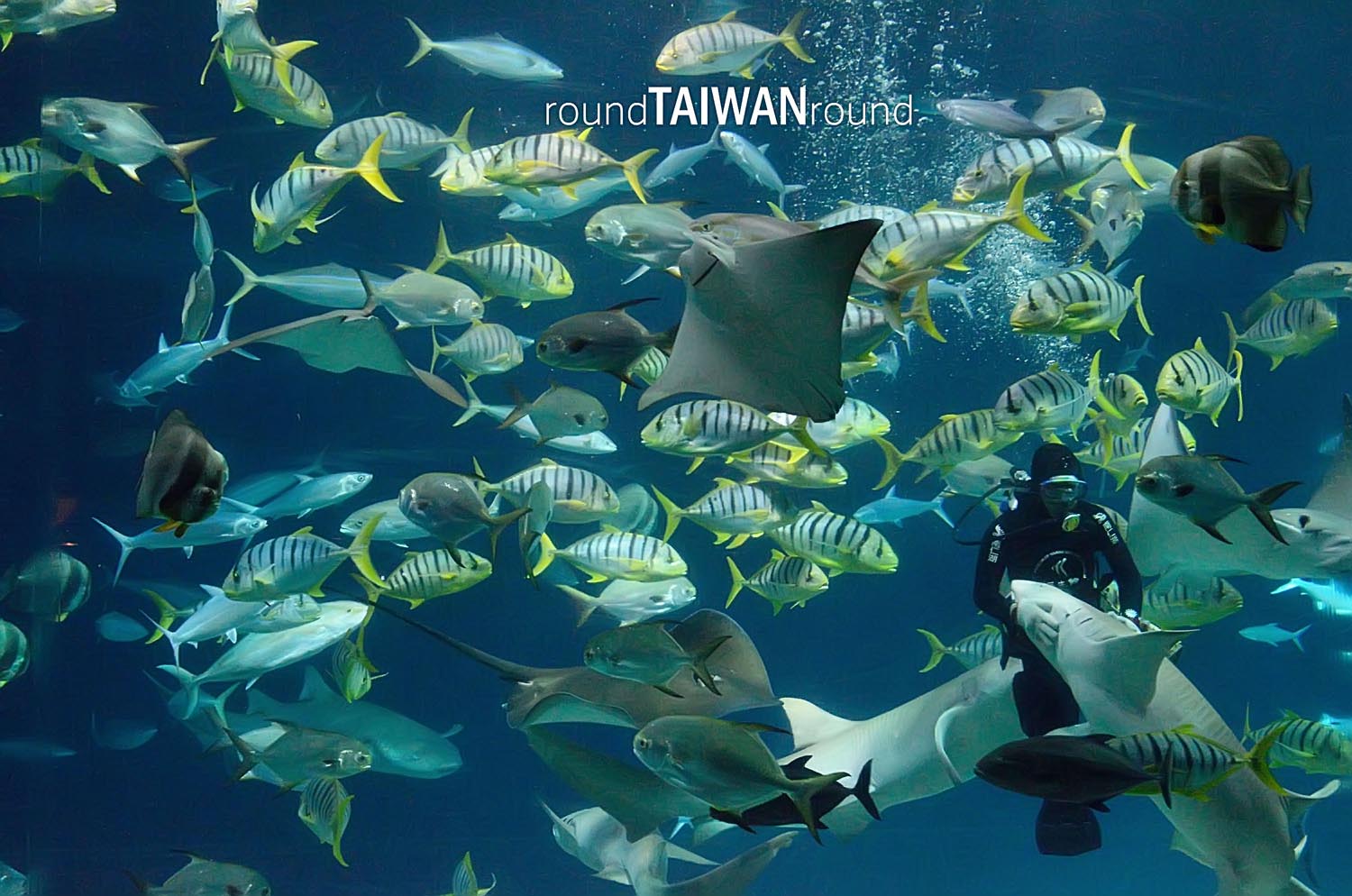
I will share my experience with each themed area, interesting corners, and fascinating details, so you can fully visualize the feeling of exploring the ocean here. Follow along!
National Museum of Marine Biology & Aquarium – A Miniature Ocean World in Kenting
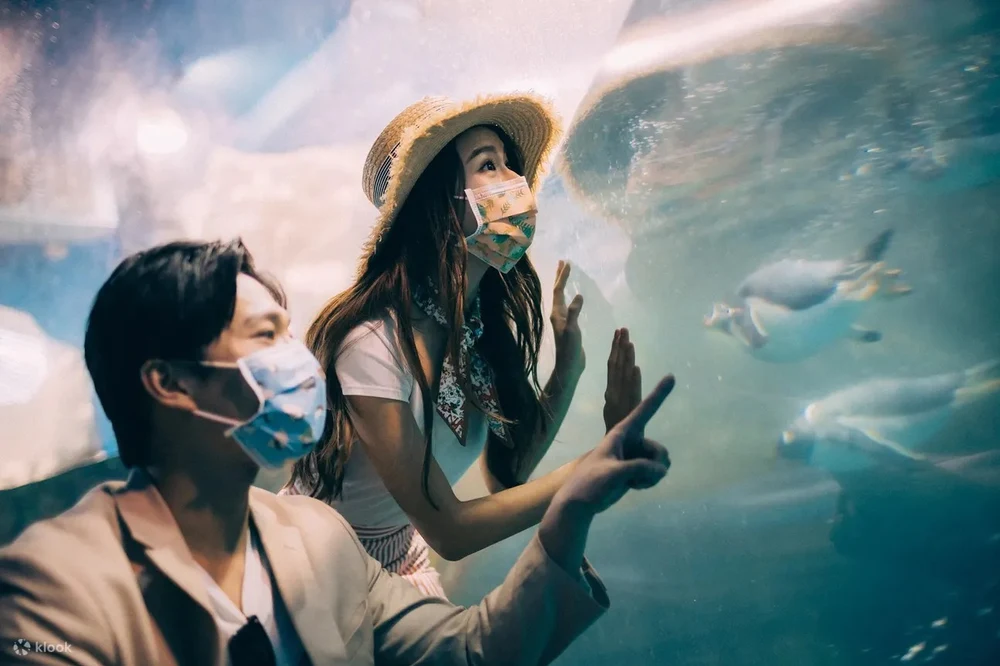
Upon arriving in Kenting, the National Museum of Marine Biology & Aquarium truly impressed me as a miniature ocean world. Located in Checheng, Pingtung, overlooking the Taiwan Strait and nestled against Tortoise Mountain, the museum covers nearly 97 hectares, with the main exhibition area occupying over 35 hectares, and the remainder consisting of lawns, parking lots, and public services.
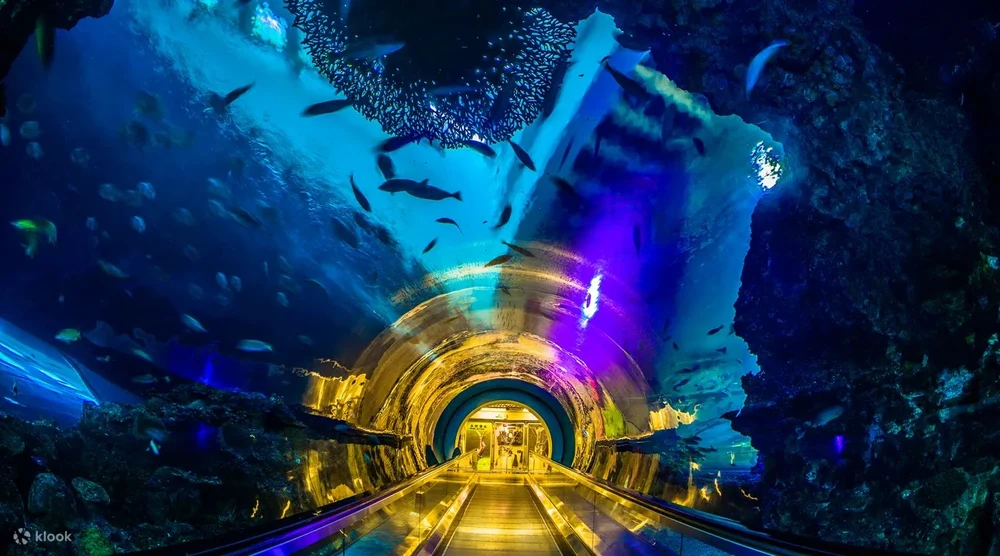
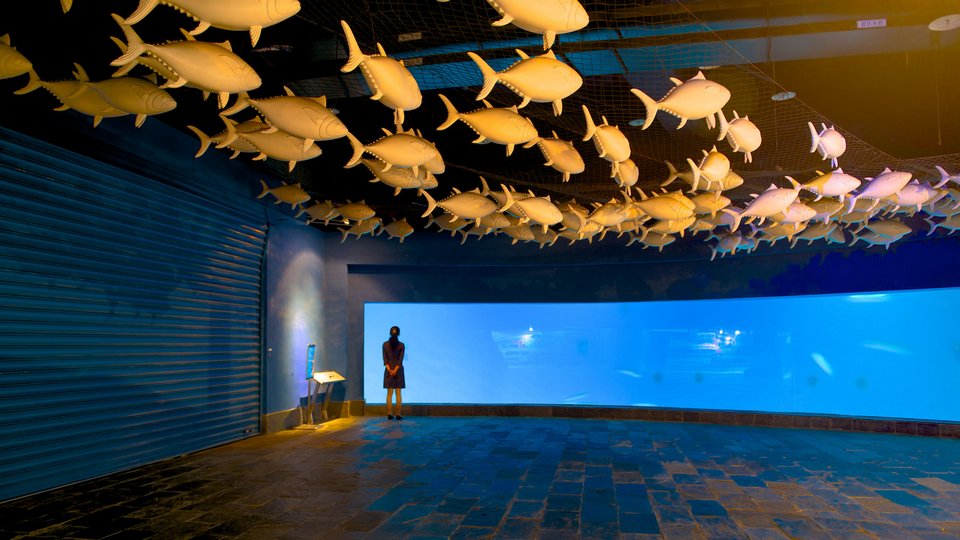
The museum comprises three main exhibition areas: Waters of Taiwan, Coral Kingdom Pavilion, and Waters of the World, along with administrative, teaching, and research centers. I particularly enjoyed the Underwater Tunnel, an 81-meter-long tunnel that gives the feeling of diving deep into the ocean, and the Super Grand Acrylic, where migratory fish off the east coast of Taiwan are vividly displayed through a giant glass panel.
National Museum of Marine Biology & Aquarium Ticket in Kenting
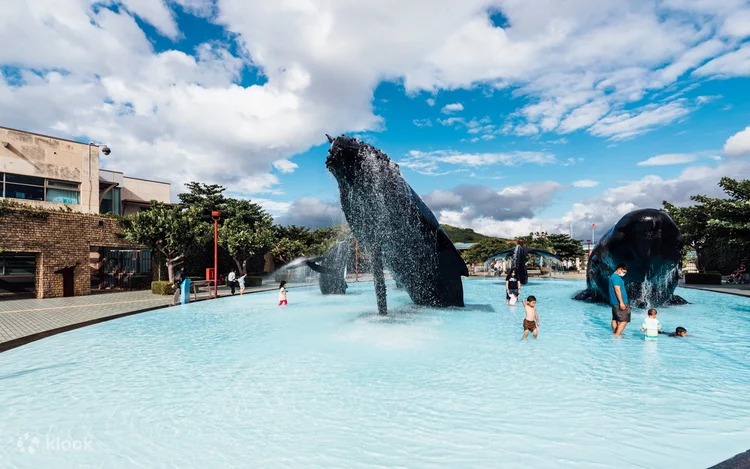
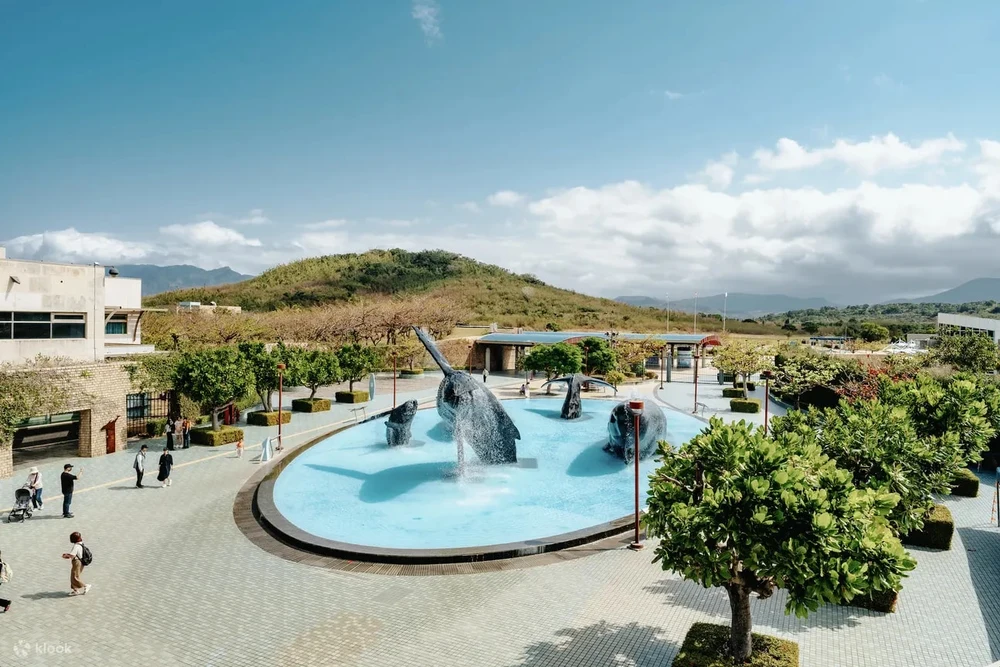
In addition, the museum also features an interactive area for children, Kid’s Balcony, Whale Water Square for water play, and outdoor art installations such as Love and Newborn Life. Each area is designed in harmony with the surrounding nature, offering both educational and recreational experiences. Visiting the museum, I was able to learn more about the diversity of marine life and enjoy the modern architecture combined with art, making my Kenting trip even more complete.
A Journey of Discovery: “Three Worlds Under the Ocean” at the Taiwan Ocean Museum
Waters of Taiwan (Miniature Taiwan Sea)
From high mountain rivers to sprawling coastlines, Waters of Taiwan fully recreates the characteristic ecosystems of rivers and freshwater areas in Taiwan. The middle river area has calm waters, moderate temperatures, and thriving aquatic plants, making it an ideal breeding ground for many fish species. The high mountain stream section simulates a fast-flowing, narrow stream, lush green primeval forest, and a light mist, creating the feeling of exploring unspoiled nature.
The riverbanks are arranged with diverse rocks and vegetation, allowing for close observation of frogs, turtles, snakes, and birds. I particularly enjoyed the oyster farm and water reservoir, with fish swimming among oysters, giving me the feeling of diving underwater.
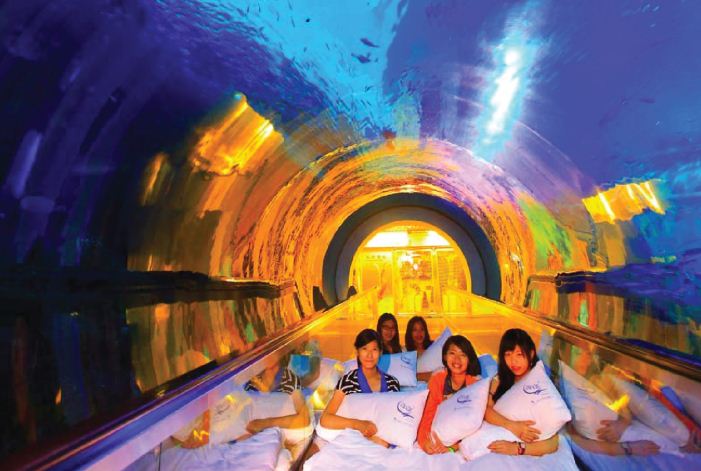
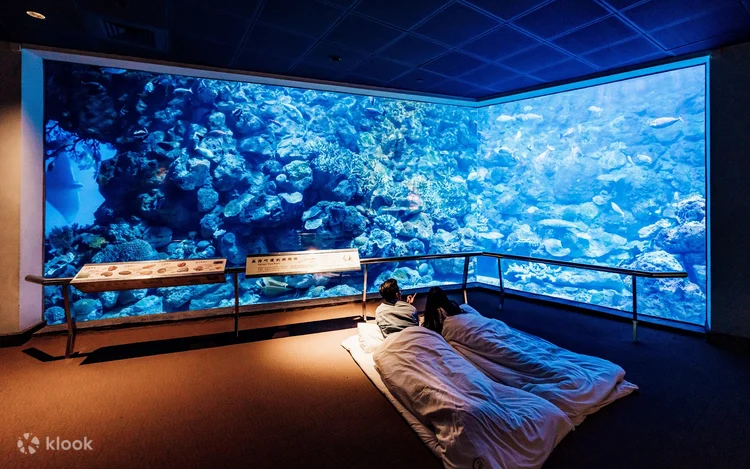
Kenting: Sleepover Experience at National Museum of Marine Biology and Aquarium
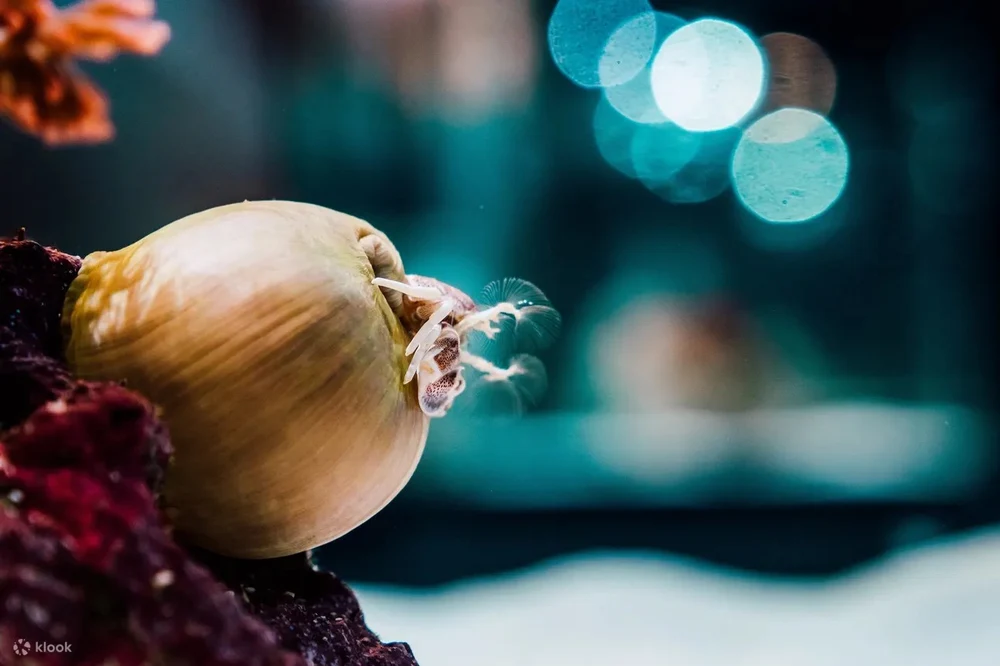
The estuary area showcases the mangrove ecosystem, displaying fish, shrimp, crabs, snails, and worms that grow and reproduce in the nutrient-rich mud. The Touch Pool and Kid’s Deck offer interactive experiences with marine life, allowing children and adults alike to explore, learn, and truly appreciate the richness of the ocean in a safe environment.
Coral Kingdom Pavilion
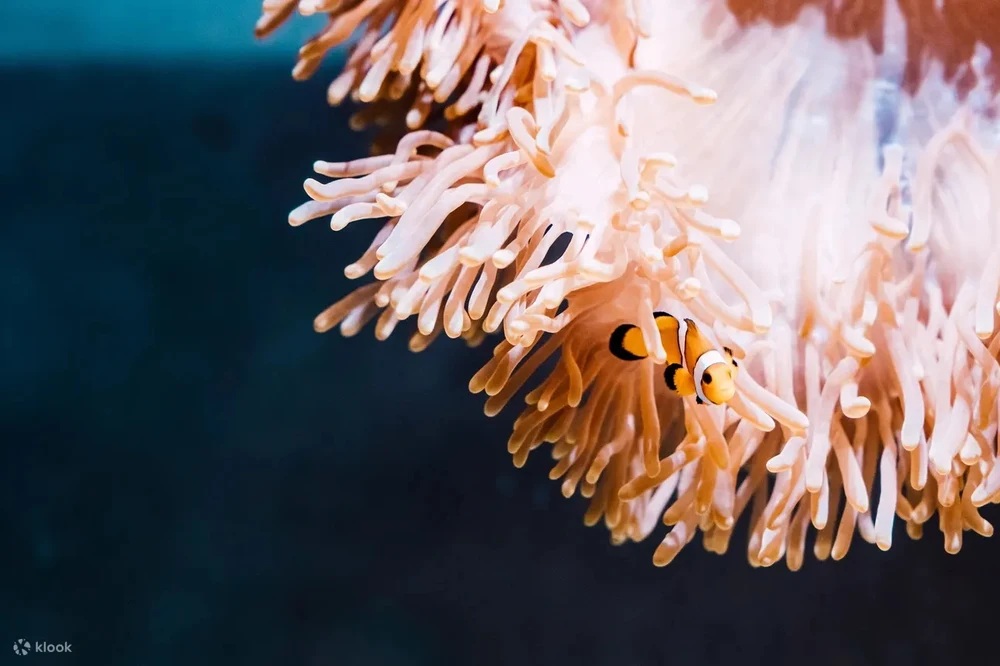
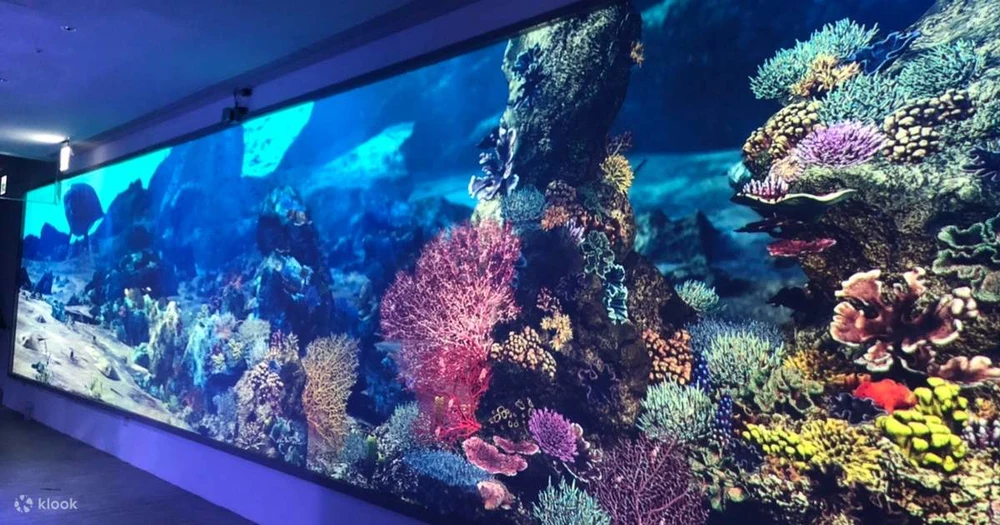
Exploring the coral reefs at the Coral Kingdom Pavilion provides a vivid and captivating experience, from the surface waves crashing against the shore to the sloping reef edge leading down to the seabed. Each exhibit tank allows observation of coral and fish species adapted to different water layers, showcasing the subtle interactions within a tropical marine environment.
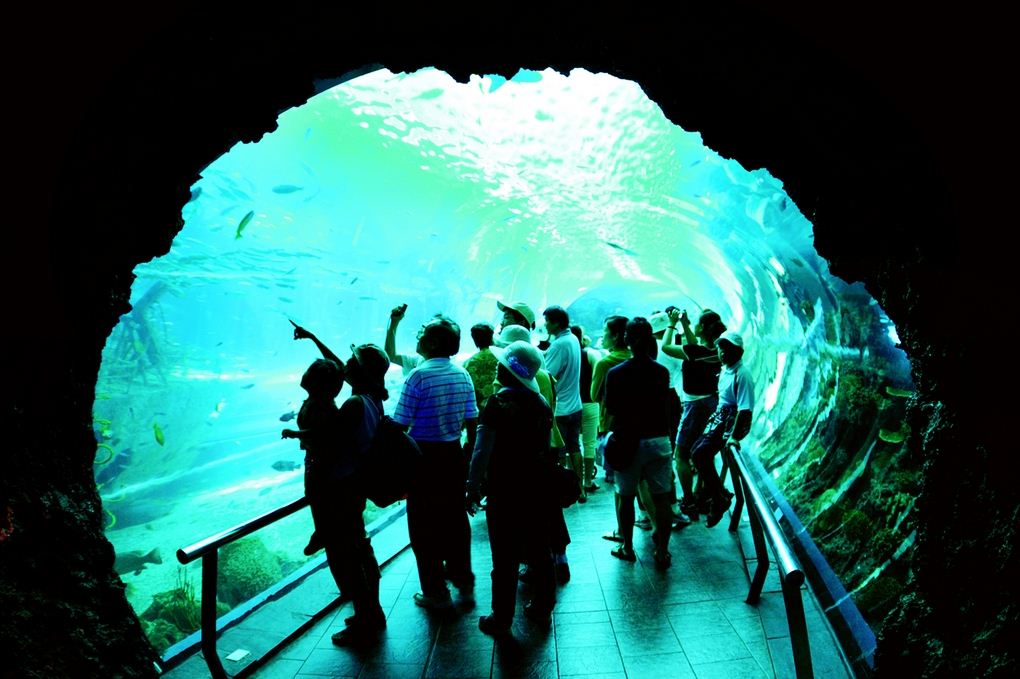
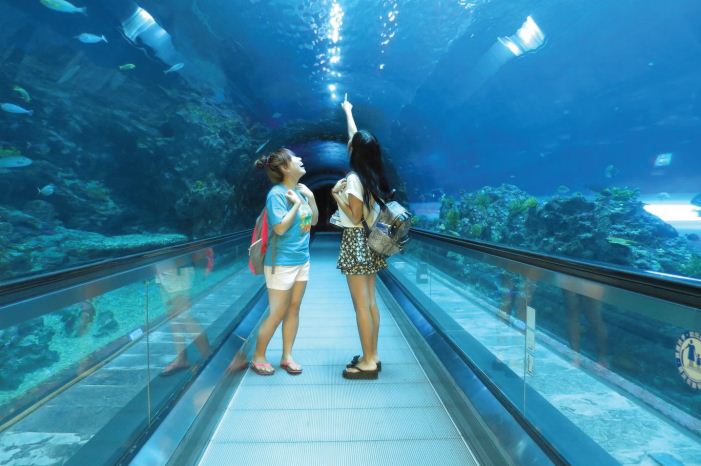
A highlight of the area is the 81-meter-long underwater tunnel, the largest in Asia, with a capacity of 1.5 million gallons of water, creating the feeling of truly diving in the ocean without touching the water. The coral research area showcases how scientists observe and protect coral reefs, from experimental equipment to life at the underwater research station.
Taiwan High Speed Rail Ticket for non-Taiwanese
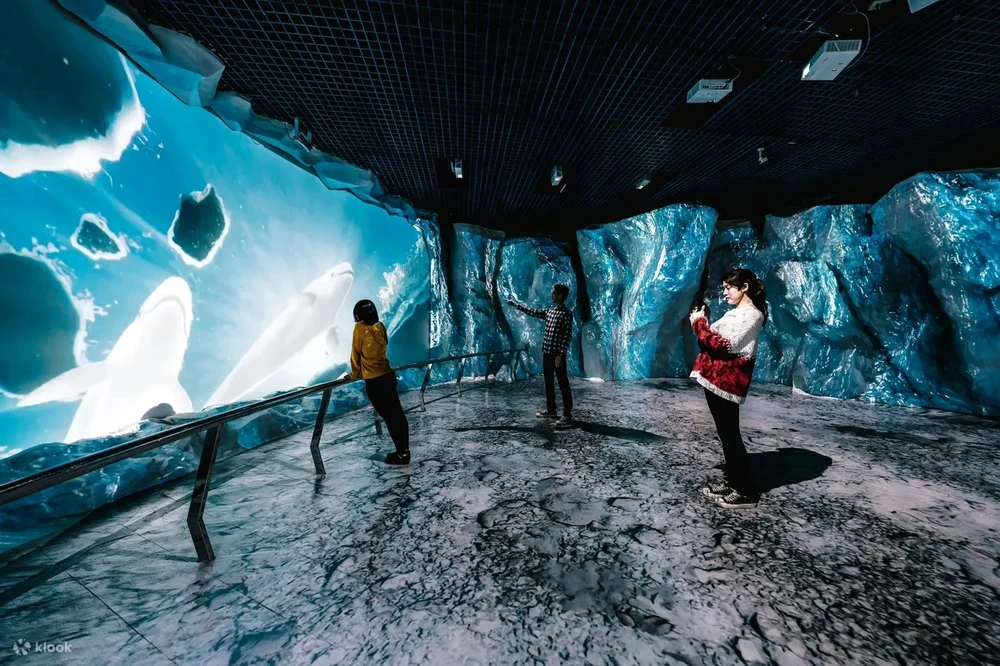
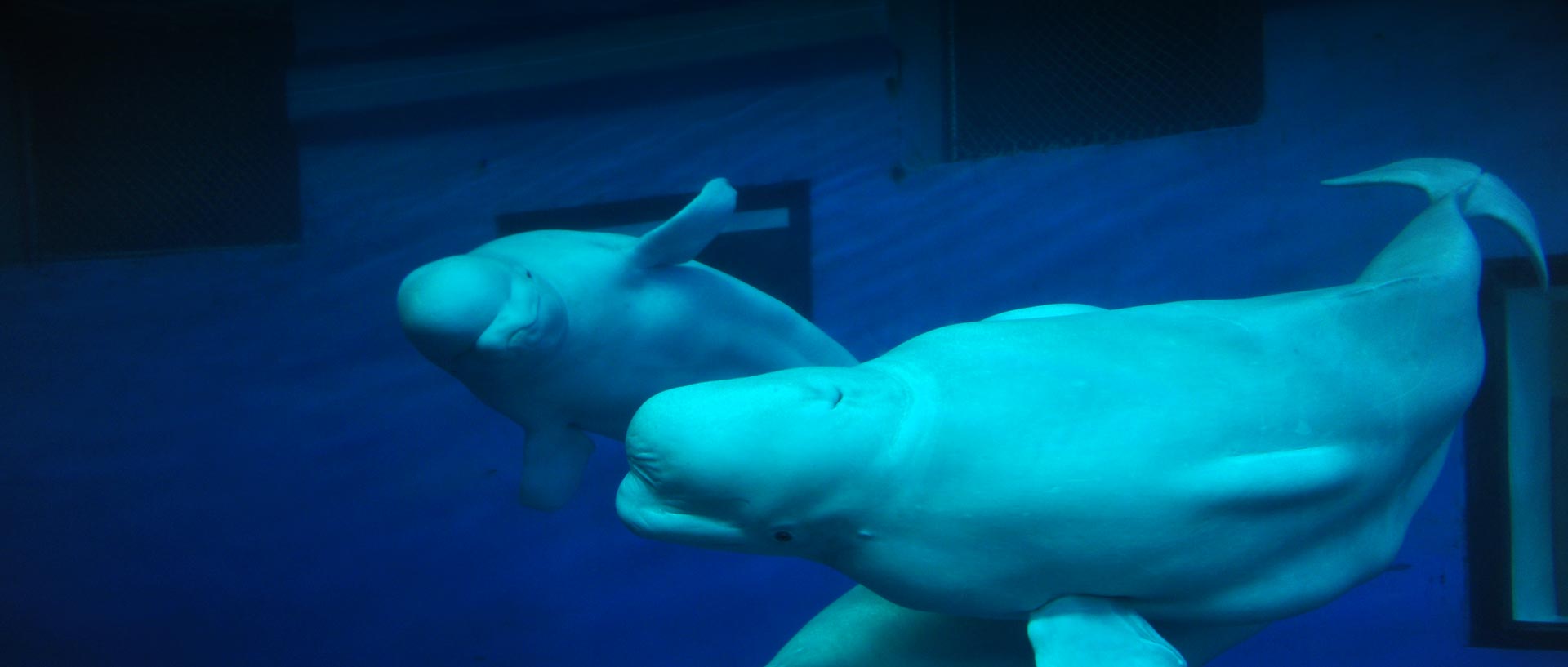
The shipwreck and cave tanks allow visitors to encounter rare lobster and fish species, while the beluga tank offers the chance to observe playful beluga whales. The exhibit also emphasizes coral conservation education and their crucial role in maintaining marine ecological balance, while incorporating entertainment elements to make the tour more enjoyable and engaging.
Waters of the World
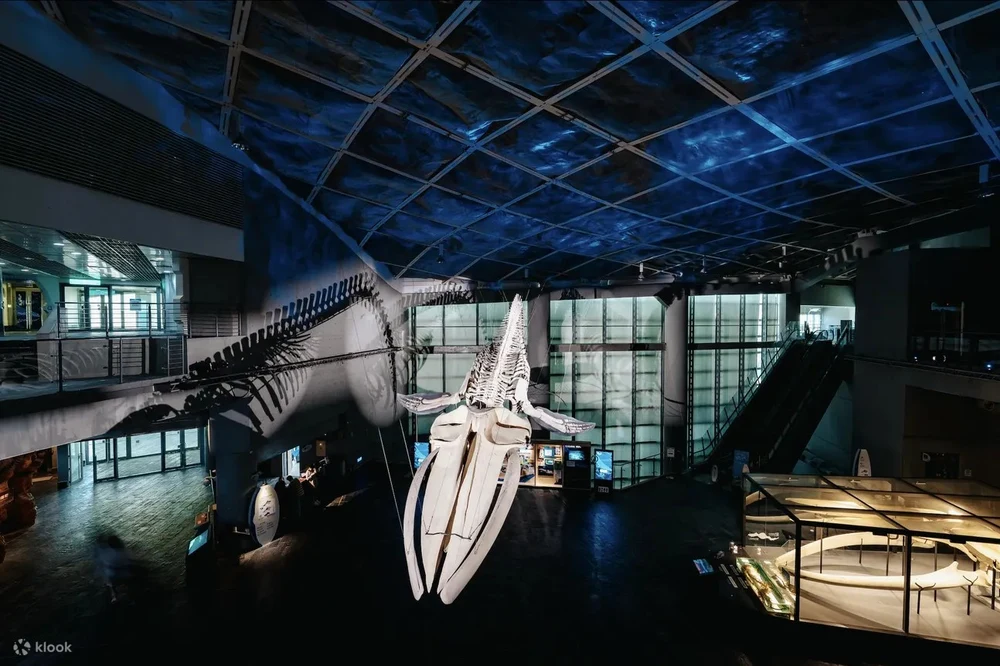
Waters of the World opens up a journey of discovery into ocean history and biological evolution from pre-Cambrian times to the present day. Models, 3D images, and multimedia effects illustrate the formation of ancient oceans, the emergence of multicellular organisms, and the evolutionary stages of trilobites, giant mollusks, and the first fish species.
The Ocean Reptile Theater area depicts the adaptation and evolution of marine reptiles across various eras, from the development of enormous body shapes, large mouths, and sharp teeth to sophisticated swimming and hunting skills. The Modern Marine Life area focuses on mammals, from whales to seals, showcasing how they swim, hunt, reproduce, and survive in the vast ocean.
Kenting National Forest Recreation Area Ticket
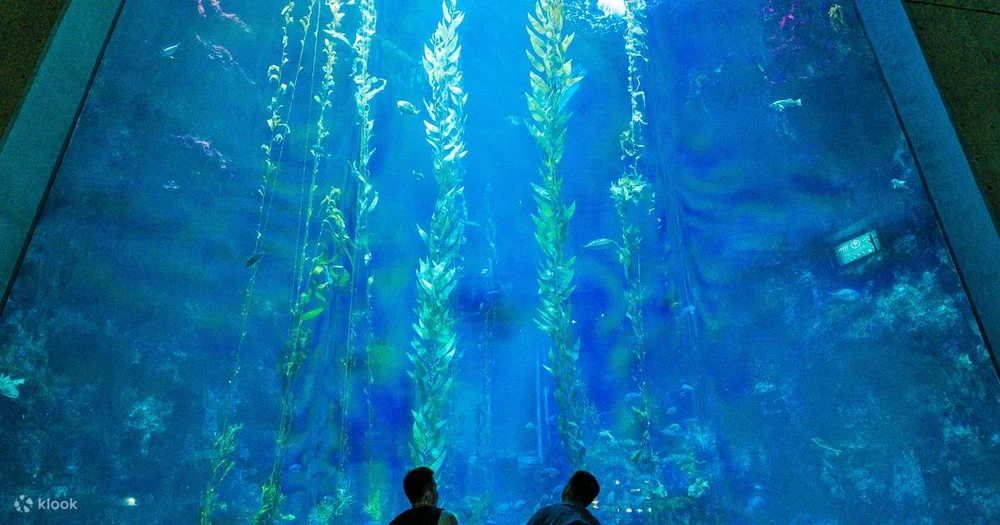
The kelp forest is another highlight, providing a rich habitat for small fish and other animals, while illustrating the interconnectedness of the ecosystem. This area helps visitors visualize the overall biodiversity and evolution of the ocean on a global scale, from ancient times to the present.
Educational & Experiential Spaces for Children
Hands-on Experiences with Marine Life
Shuangliu National Forest Recreation Area Tickets
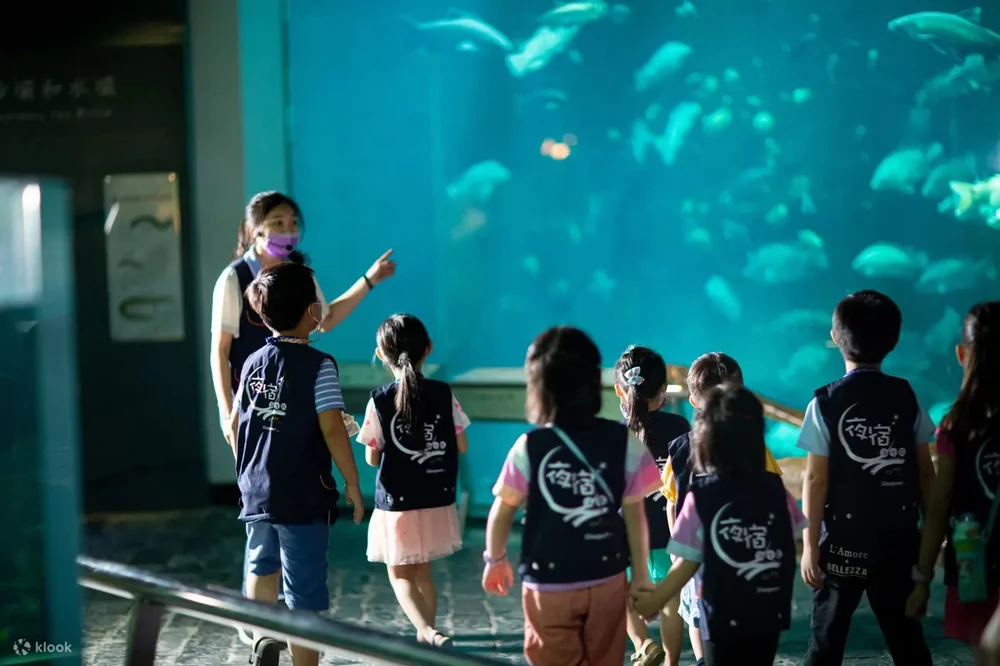
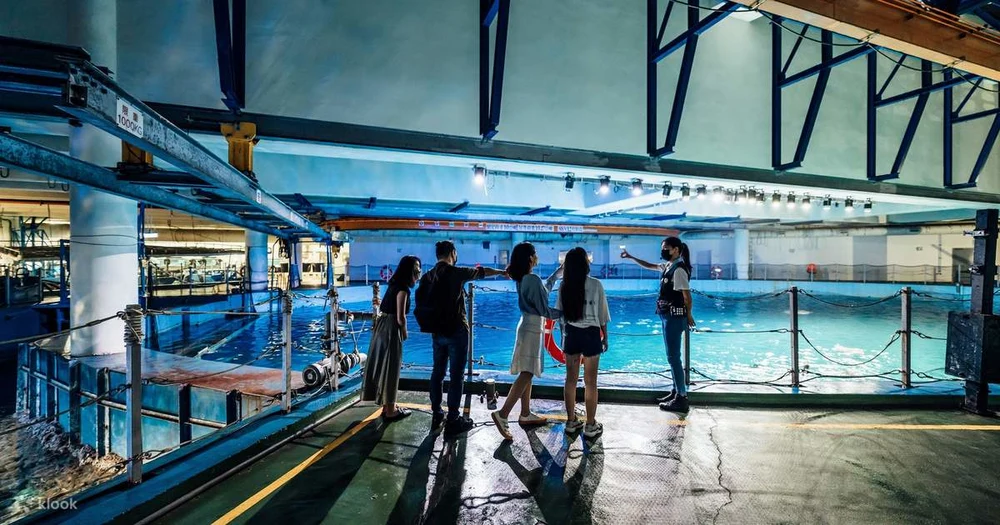
At NMMBA, children have the opportunity to interact directly with many marine creatures through feeding sessions and biology explanations. Feeding programs for fish, seals, penguins, and seagulls are held in the Waters of the World area.
These activities help children observe and learn how marine life adapts and lives in its natural environment. I found that the feeding sessions were always meticulously explained by the instructors, creating a sense of closeness and ease of understanding for the children, while also sparking their curiosity about biology and marine ecosystems.
Touch Pool and Creative Interaction Area
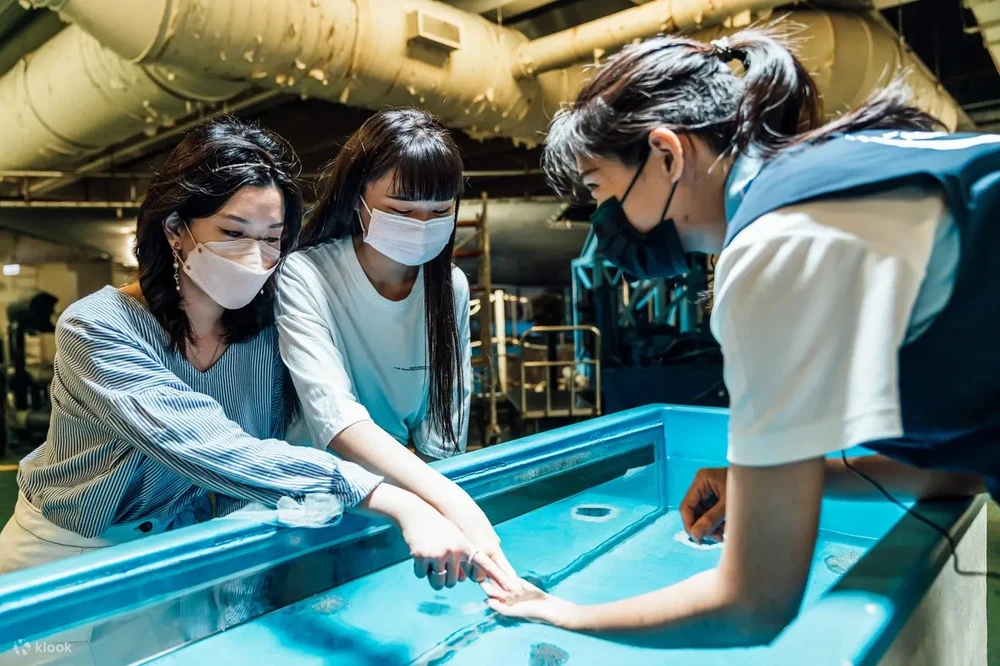
The Touch Pool offers children and adults the opportunity to gently touch and observe special marine creatures. I saw that the children were very excited to touch starfish, snails, and other small creatures.
These interactive areas not only help children learn through hands-on experience but also develop their observation skills and ability to explore their surroundings. The Kid’s Deck is equipped with many models of marine life combined with imaginative games, creating opportunities for children to explore and experience creatively in a safe and exciting space.
Special Education Programs
Private Transfers Between Kaohsiung and Kenting or Donggang
One very interesting activity I experienced was the “Swim with Fish” program at both the Waters of Taiwan and Coral Kingdom Pavilion. The program takes place twice a day, lasting about 50 minutes, helping children understand the habits and habitats of fish.
Children also get to observe coral research models and underwater biology experiments, creating a lively educational foundation. This is a great way to combine scientific knowledge with entertainment, helping children remember better and become more interested in exploring the deep sea.
Must-See-Your-Chance Photo Spots at the National Museum of Marine Biology & Aquarium
Tickets for Kenting Luyu Island Capybara Ecological Park
The first time I entered the National Museum of Marine Biology & Aquarium, it felt like I was in a world full of light, color, and so many beautiful natural scenes that I just wanted to keep taking pictures. Each exhibition area is very thoughtfully designed, creating vibrant and deep backdrops. If you love travel photography, especially photos that are both stunning and evoke a sense of exploration, the list below will definitely help you optimize your trip.
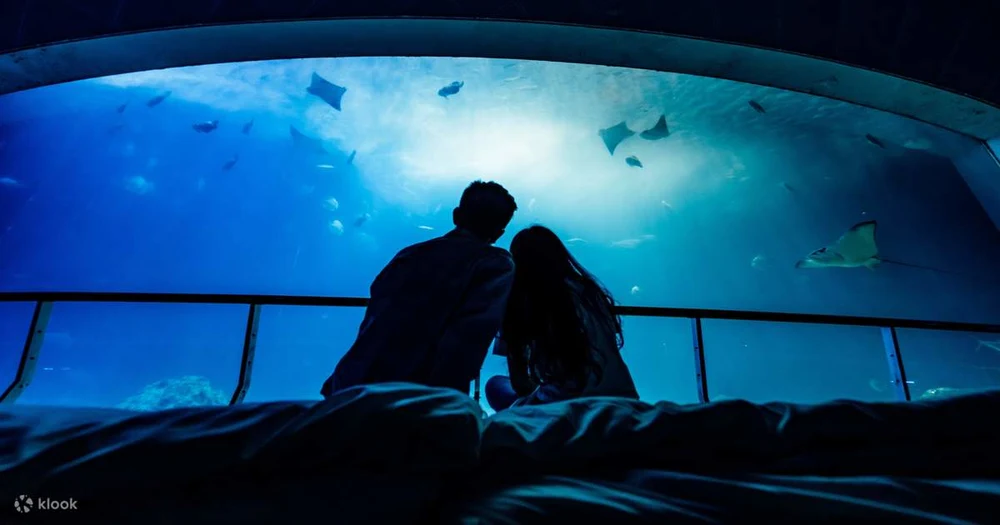
The Ocean Tunnel at Coral Kingdom Pavilion
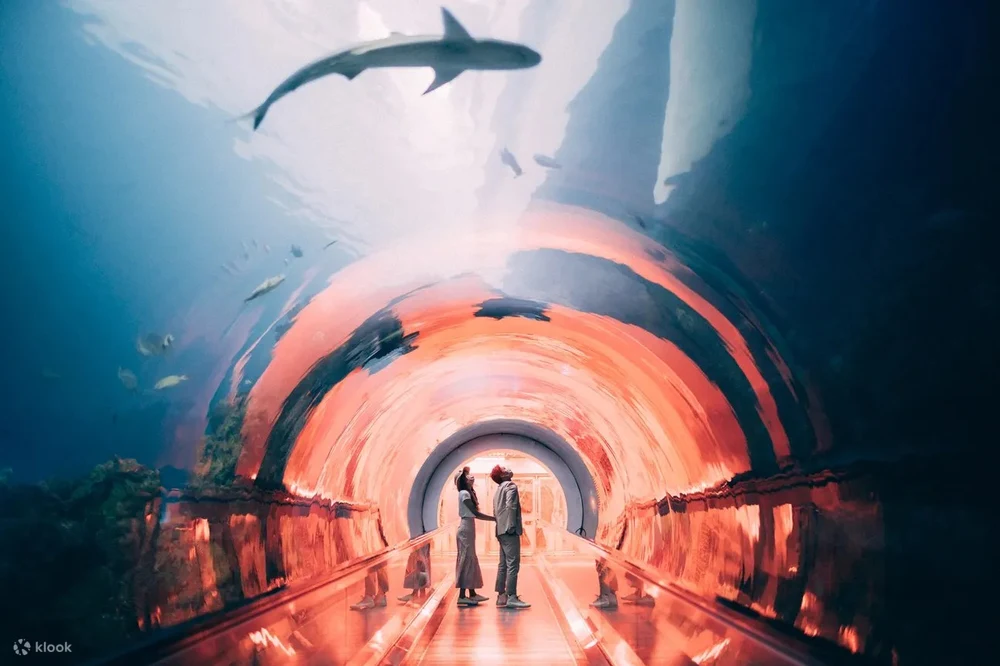
This famous 81-meter-long tunnel always amazes me every time I look back at the photos. Stepping inside, a soft blue light spreads down to every corner, schools of fish swim right above your head, and sometimes a stingray or shark appears unexpectedly. The entire scene creates the perfect backdrop for photos with depth.
Pingtung: Xiaoliuqiu Explore Lamei Glass Bottom Boat Semi-Submarine Experience & Ocean Discovery
I usually stand in the middle of the tunnel, slightly looking up to capture the movement of the ocean above. This type of photo highlights the subject while maintaining the feeling of “traveling through the seabed” without needing any editing effects.
The Giant Kelp Forest at Waters of Taiwan
Pingtung Alangyi Historic Trail: One-Day Hiking Tour
When I approached the multi-tiered kelp pool, it felt like I was standing in front of a real underwater forest. The light shining through each green kelp creates a gentle and very cinematic movement effect. Every time I take photos here, I almost don’t need to adjust the colors much because the original colors are already beautiful. You can try facing the tank, letting the light from the water reflect off it. The entire background creates a sense of depth, perfect for still but emotionally rich photos.
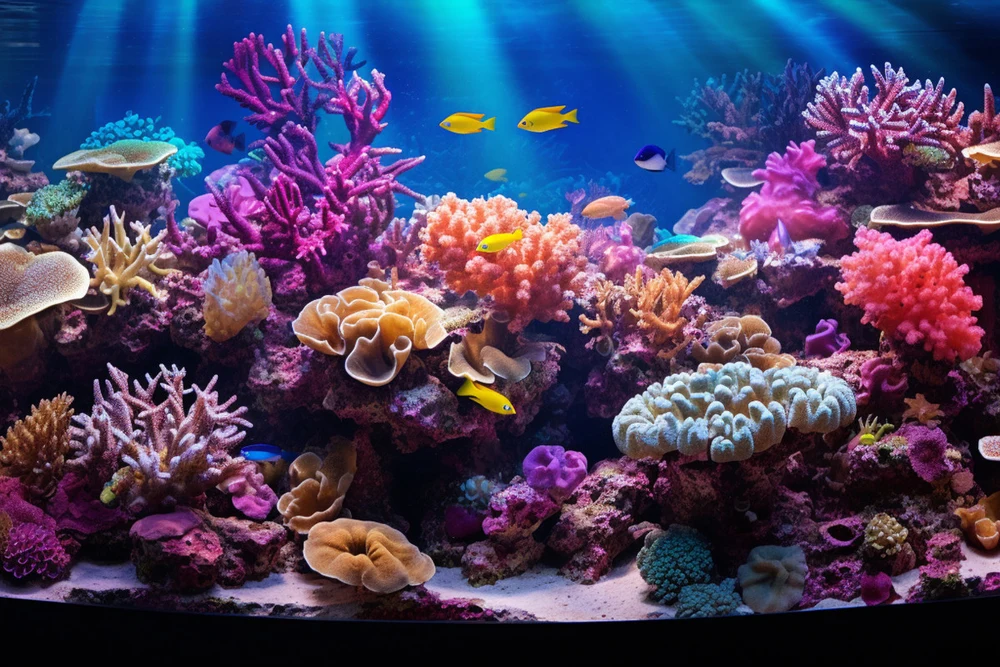
Vibrant Coral Tanks in Coral Kingdom Pavilion
Bear Diving – Xiaoliuqiu One-on-One Introductory Dive (No license)
Besides the ocean tunnel, Coral Kingdom also has a series of coral tanks arranged like “living picture frames.” Each tank has its own color palette, from purple and pink to vibrant orange, all harmoniously blended. When I brought the camera close to the glass, every small detail of the coral and the small fish appeared clearly, creating the feeling of shooting inside a real coral reef.
The tanks are designed at an ideal height, making it easy to create many different poses. Just slightly tilt your body or gently touch the glass, and you’ll have photos with a very natural vibe.
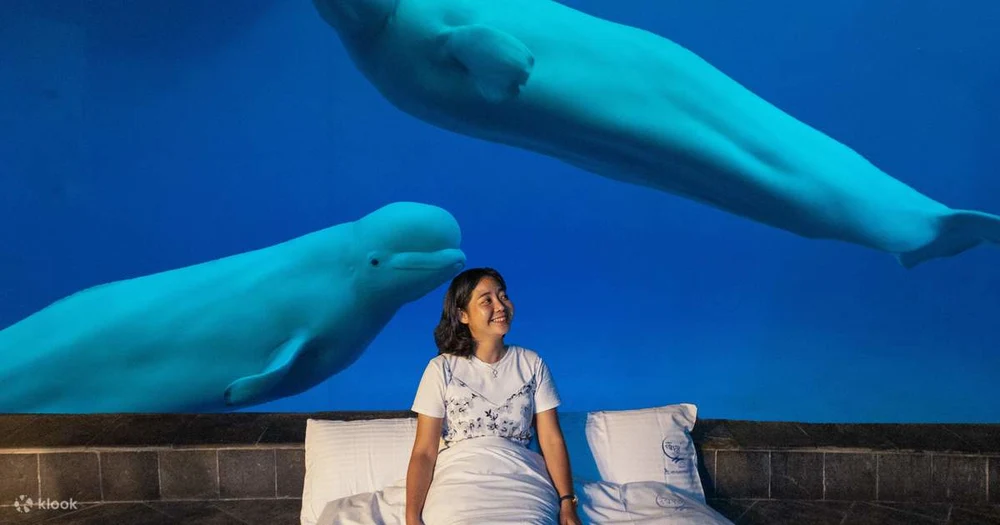
Beluga Whales and the Transparent Observation Deck
Kenting: Sleepover Experience at National Museum of Marine Biology and Aquarium
Beluga whales are the star attraction in the museum and always draw large crowds. Standing in front of the large tank, I felt incredibly calm because the beluga whales move slowly, softly, and gracefully. The white light reflecting through the glass creates a clean color tone, perfect for minimalist photography.
If you want a beautiful photo, you should step back a bit to capture the wide space behind the beluga. When the beluga swims past the lens, the frame will become complete and full of emotion.
The Mysterious Deep Sea Space in the Ancient Seas Pavilion
The deep sea area always intrigues me every time I return. The purple and deep blue lights and the bioluminescent tanks create a mysterious feeling, like exploring another world. The tiny lights and the slow movements of the deep sea creatures create a very captivating backdrop.
Taking photos here is suitable for those who like a slightly mysterious style. Just stand at an angle next to the tank, letting the light from the bioluminescent creatures shine on your face, and you’ll have a unique photo that won’t be repeated.
Special Exhibitions and Temporary Art Zones
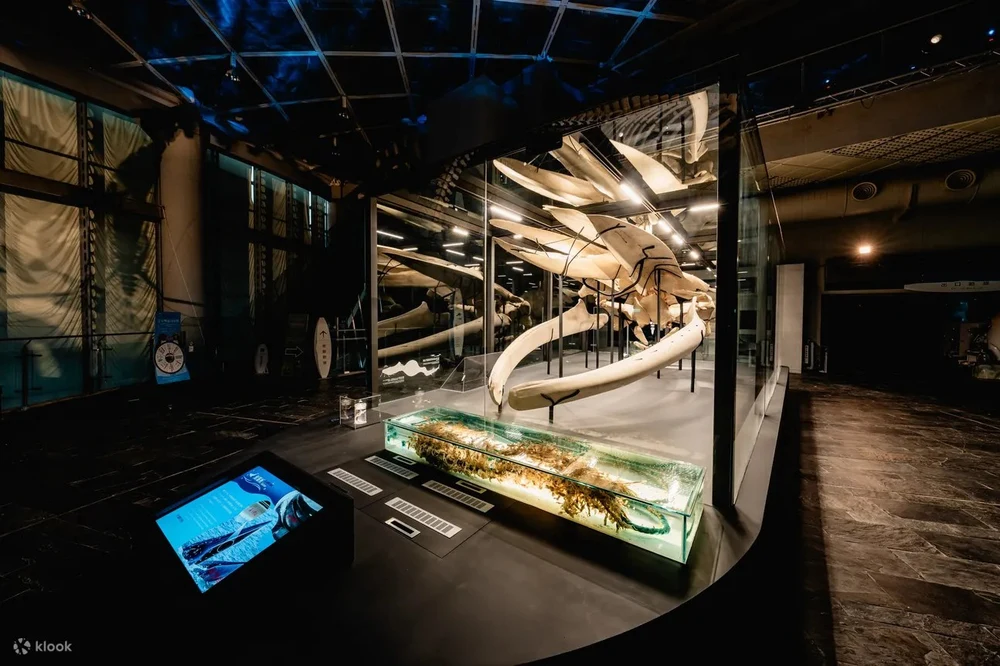
Whenever I visit the museum during a temporary exhibition, I always find many unexpected photo opportunities. The exhibitions often have scientific or artistic themes, incorporating lighting, models, or very creative multimedia effects. Once, I saw an exhibition about bioluminescent organisms and was surprised by how they used LED effects to create depth in the space.
Each exhibition has its own unique style, so take some time to wander around. It’s easy to find unique and interesting decorations, enough to create a photo album with your own personality.
Museum Visiting Experience and Tips for Independent Travelers
Before visiting the Taiwan Marine Life Museum, I prepared a few tips to make the visit more convenient. Thanks to this, I saved time and fully experienced the unique exhibition areas. Here are some helpful tips and experiences for those who want to explore the museum independently:
Getting to the museum: I recommend taking a public bus from Kaohsiung or Pingtung. Routes like Guoguang Bus, Kaohsiung Bus, or Pingtung Bus all stop near the museum, making it very convenient for independent travelers.
Buy tickets in advance: Entrance tickets cost 450 TWD for adults. Buying tickets through platforms like Klook saves time and may even get you a discount.
Visiting time: It’s best to arrive at the museum right when it opens in the morning to avoid crowds and have enough time to explore all three main exhibition areas.
Plan by theme: The Taiwan Waters, Coral Kingdom, and Waters of the World areas are all large and diverse. I suggest allocating at least half a day for a relaxed visit.
Bring water and comfortable shoes: There’s a lot of walking around the areas, so comfortable shoes will make the trip more pleasant.
Check the feeding schedule and explanation: The museum has feeding and animal guidance sessions at fixed times. Check the schedule at the service counter to avoid missing out on this exciting experience.
Frequently Asked Questions about the National Museum of Marine Biology & Aquarium
1. Can young children play and learn at the National Museum of Marine Biology & Aquarium?
Young children can absolutely play and learn at the National Museum of Marine Biology & Aquarium thanks to the interactive area, touch pool, and many educational and playful activities.
2. Can visitors watch animal shows at the National Museum of Marine Biology & Aquarium?
Visitors can watch sea lion and penguin shows at the National Museum of Marine Biology & Aquarium at fixed times daily.
3. Does the National Museum of Marine Biology & Aquarium have lockers and a dining area?
The National Museum of Marine Biology & Aquarium provides lockers, a café, and a restaurant serving lunch for visitors.
4. Do I need to buy tickets in advance to visit the National Museum of Marine Biology & Aquarium?
It’s recommended to buy tickets in advance to visit the National Museum of Marine Biology & Aquarium, especially during peak season from April to September, to ensure you have a seat.
The National Museum of Marine Biology & Aquarium is definitely an ideal destination for ocean lovers who want to explore marine life in a vivid way. The exhibits, from Waters of Taiwan and Coral Kingdom to Waters of the World, offer diverse experiences, from observing vibrant coral reefs to learning about rare fish and marine animals. Remember to save this location for your upcoming vacation!
Get ready to visit the National Museum of Marine Biology & Aquarium and explore the vibrant ocean!
Some best day tours, trips, activities and transfer services, tickets in, to and from Taipei you can refer to
- Taoyuan Airport Private Transfers (TPE) for Taipei
- Sedan Taoyuan Airport Transfers (TPE) for Taipei
- [SALE] Taoyuan Airport MRT Ticket & Exclusive Shopping Coupon
- Luxury Taoyuan Airport Transfers (TPE) for Taipei
- Explore Taipei City
- Taipei Free Walking Tour Historic Route
- Taipei Double Decker Bus Tour
- Taipei Popular Sightseeing Private Car Charter : Jiufen, Pingxi, and North Coast (Chinese/English/Korean)
- Northeast Coast Scenic Day Tour
- Jiufen Shuttle Bus from Ximen
- Yehliu, Shifen, and Jiufen Day Tour with Korean and English Speaking Guides
- [10% Off + 1 Extra Free Day] 4G SIM Card (TW Airport Pick Up) for Taiwan from Chunghwa Telecom
- 4G SIM Card (TPE Airport Pick Up) for Taiwan from Far EasTone Telecom
- 4G WiFi (TW Airport Pick Up) for Taiwan
- 4G Portable WiFi for Taiwan from Uroaming (Unlimited Data)
- 4G Portable WiFi for Taiwan from WiFiBB (Unlimited Data)
- 4G LTE WiFi (TW Airport Pick Up) for Japan
- [Sale – Taiwan Food Promo] Taiwan High Speed Rail (THSR) Discounted Ticket from Taipei
- Taiwan High Speed Rail (THSR) Consecutive Unlimited Pass (2 or 3 Days)
- Taiwan High Speed Rail (THSR) Discounted Ticket from Taoyuan
- THSR Exclusive Discount One Way Ticket from Taoyuan (Two Tickets for the Price of One)

Are you finding more top things to do in Taipei: Tours, activities, attractions and other things? Read more: Taipei travel blog — The fullest Taipei city guide for a wonderful trip to Taipei for the first-timers.