







































If you’ve been dreaming of an underwater adventure where vibrant coral reefs and thousands of exotic marine creatures await, diving the Great Barrier Reef is the ultimate answer.
- Conquering Uluru: The complete Guide & suggested 3-day itinerary to Australia’s Outback
- Great Ocean Road: The Road Trip Guide & Suggest 2-Day Intinerary
- The ultimate Australia guide for 2026: Where to go, what to do, Tips & MORE
- The ULTIMATE Queensland travel guide: Top attractions, best things to do, eat, stay & MORE
- SEA LIFE Sydney Aquarium Review: Tickets, What to do, Tips & MORE
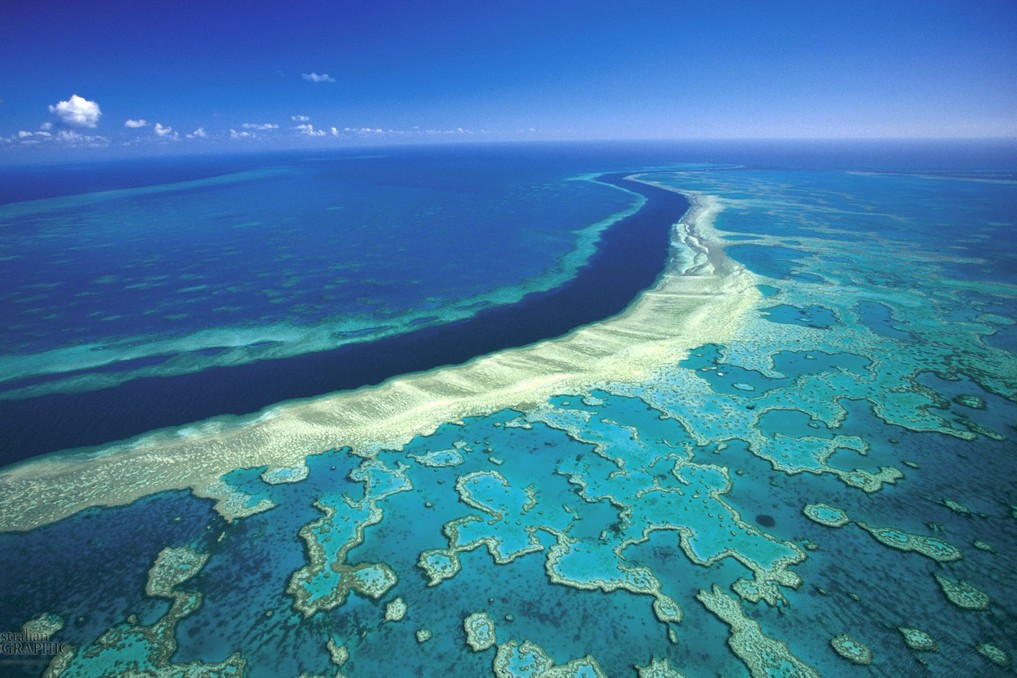
Hi everyone, it’s Living Nomads here! Today, I’m taking you on an incredible journey to Queensland, Australia. When it comes to diving, the world offers countless destinations, but the Great Barrier Reef remains the undisputed giant—so massive that even astronauts can spot it from space.
If you’re planning this trip, get ready—this guide is packed with details to help you confidently explore and make the most of the planet’s largest coral reef system.
The Great Barrier Reef: A Natural Wonder Beyond the Movies
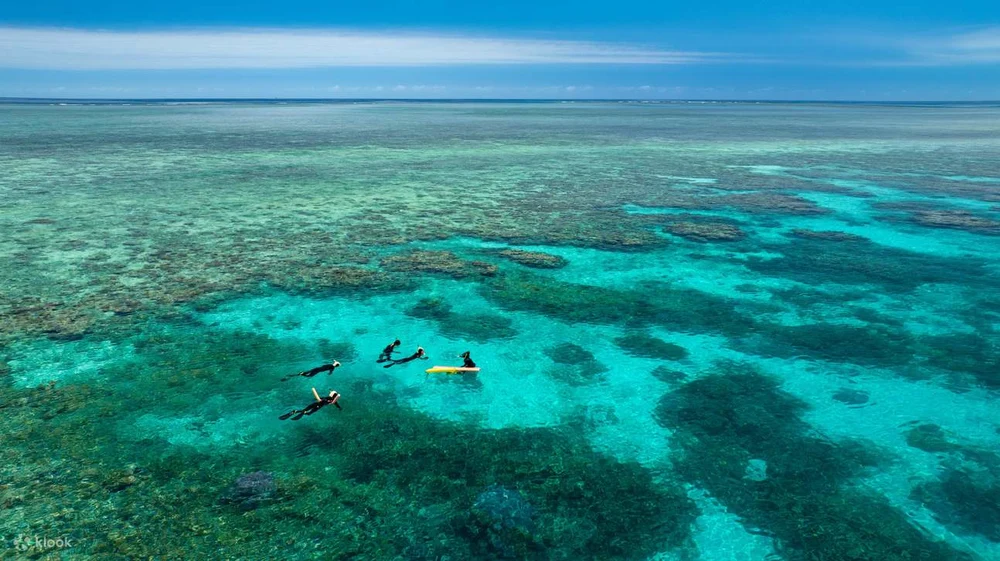
Great Barrier Reef Half Day and Full Day Tours
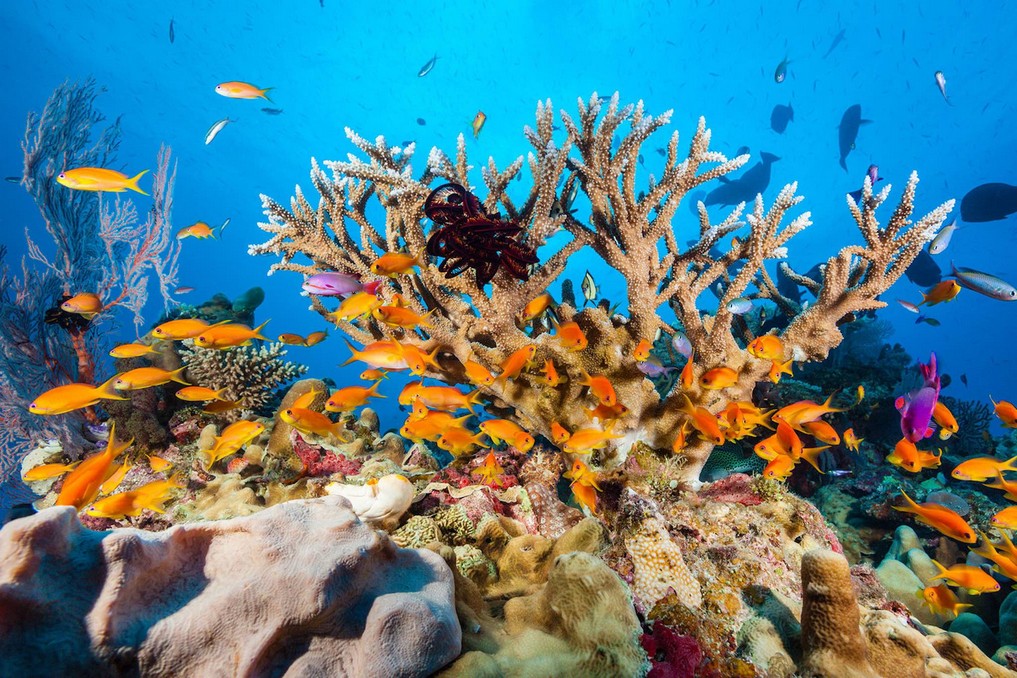
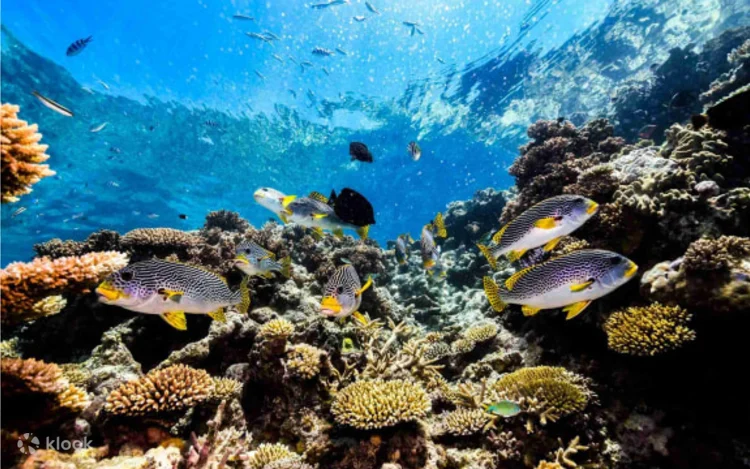
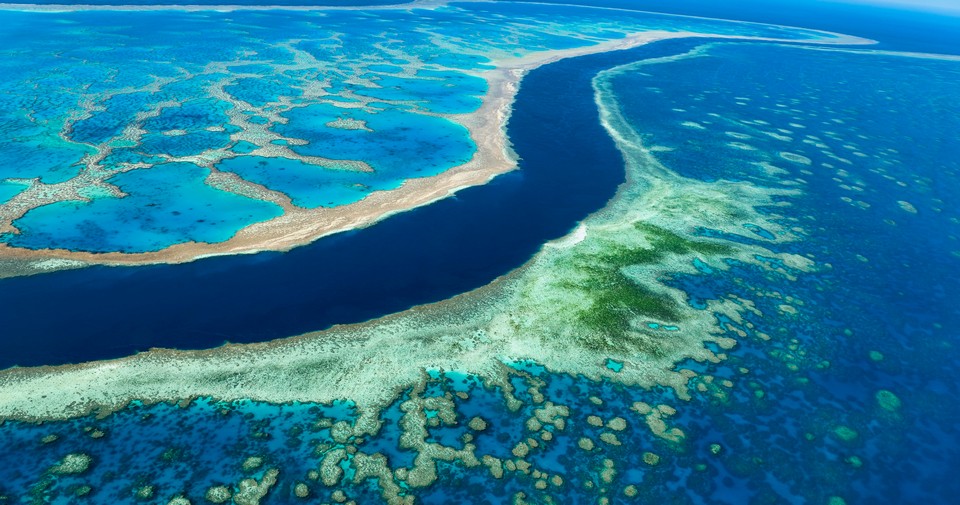
The Great Barrier Reef is far more than just a collection of corals; it is a complex ecosystem stretching over 2,300 km along Australia’s northeastern coast. It is home to approximately 1,500 fish species, 411 types of hard coral, and dozens of marine mammal species. Diving here isn’t just a swim; it’s like stepping into a bustling underwater metropolis.
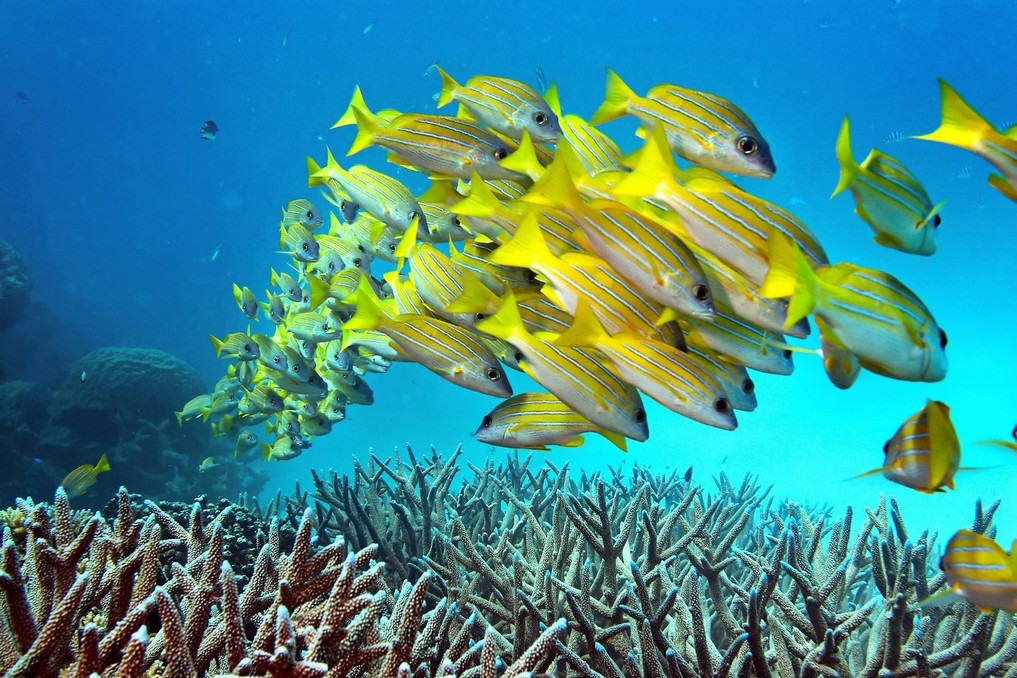
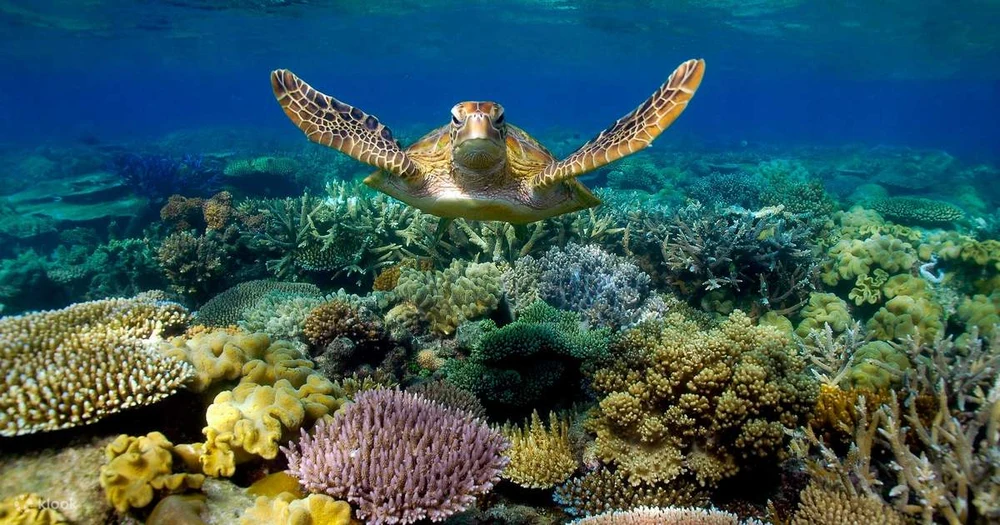
What makes this place so special? First, there’s the incredible biodiversity. You’ll encounter “stars” like Nemo (clownfish) and Dory (blue tang), as well as massive brain corals and giant sea fans. Notably, the area is home to parrotfish—coral-munching artists that help create the white sand found on beaches—and the Maori Wrasse, a huge fish that is surprisingly gentle and friendly toward divers.
Why Choose Cairns as the Starting Point for Your Great Barrier Reef Trip?
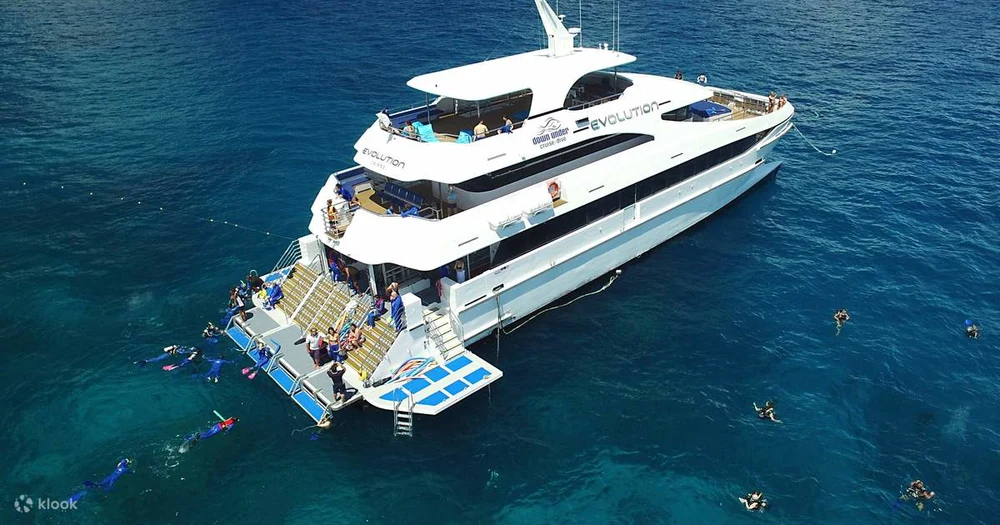
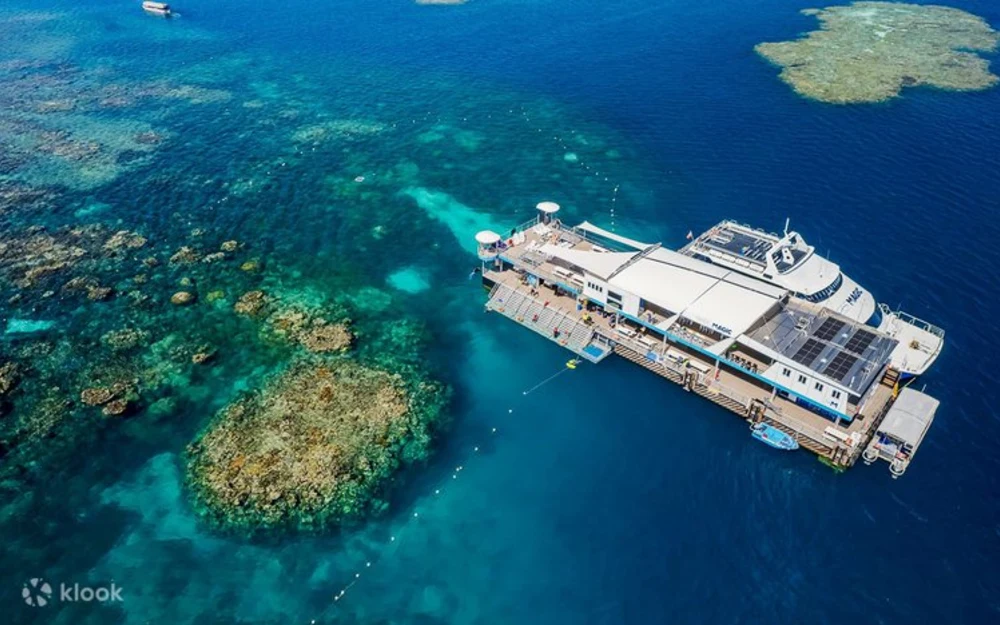
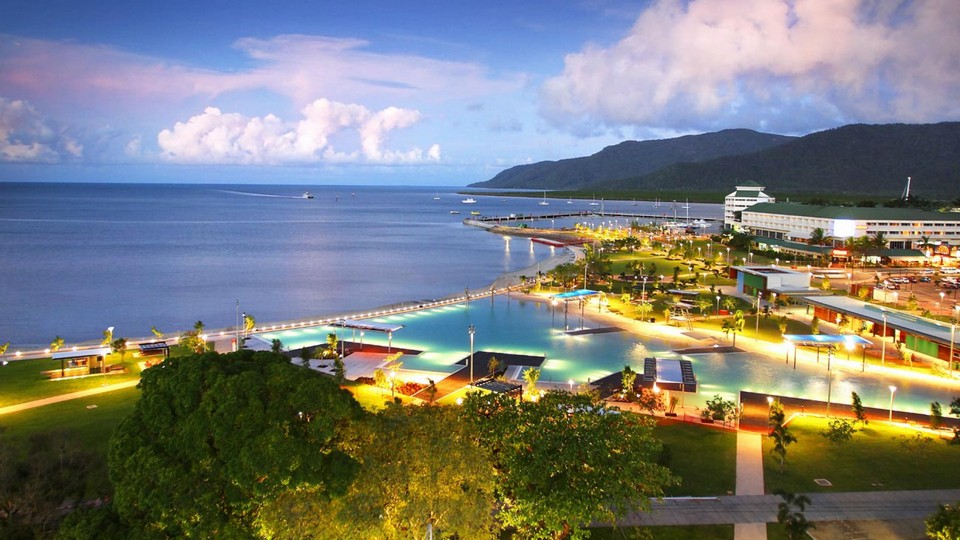
Cairns is known as the primary gateway to the Great Barrier Reef. While there are other departure points like Port Douglas or the Whitsundays, Cairns remains the top choice due to its convenience and wide range of services. Here, you can find tours to suit every budget and style, ranging from high-speed boat trips to luxurious three-deck catamarans.
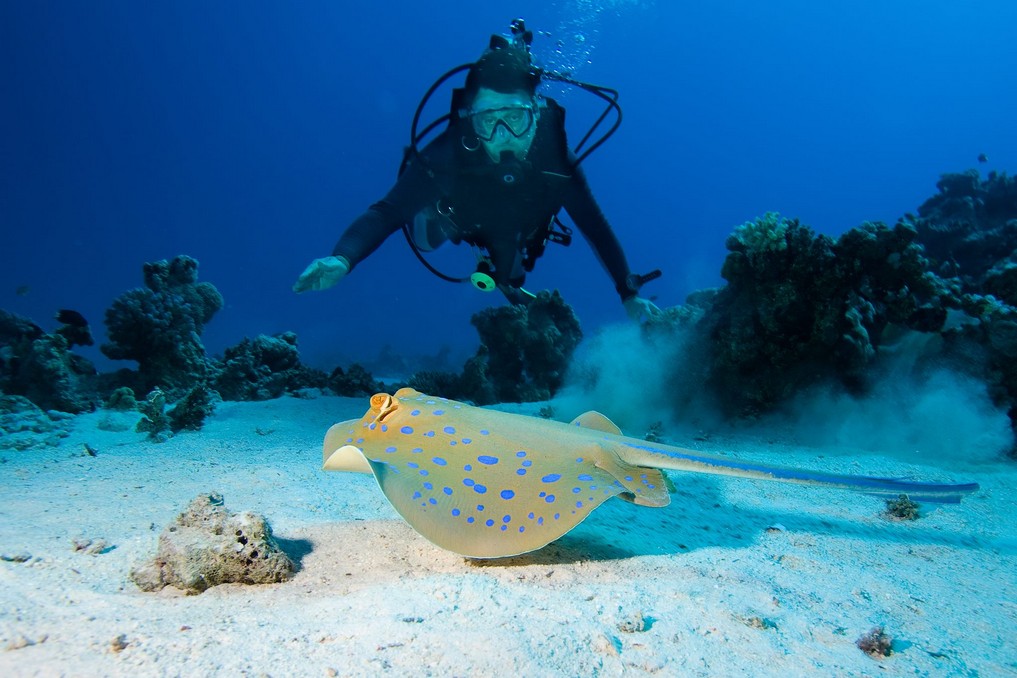
Great Barrier Reef Full Day Snorkel or Dive Tour from Cairns
The main hub is the Reef Fleet Terminal, located right by the harbor. All diving and snorkeling excursions begin with check-in at this location. The atmosphere is always lively and exciting, bustling with travelers from all over the world. Furthermore, Cairns offers easy access to the “Outer Reef”—an area boasting crystal-clear waters and the most pristine coral formations.
The Best Time to Dive into Crystal-Clear Waters
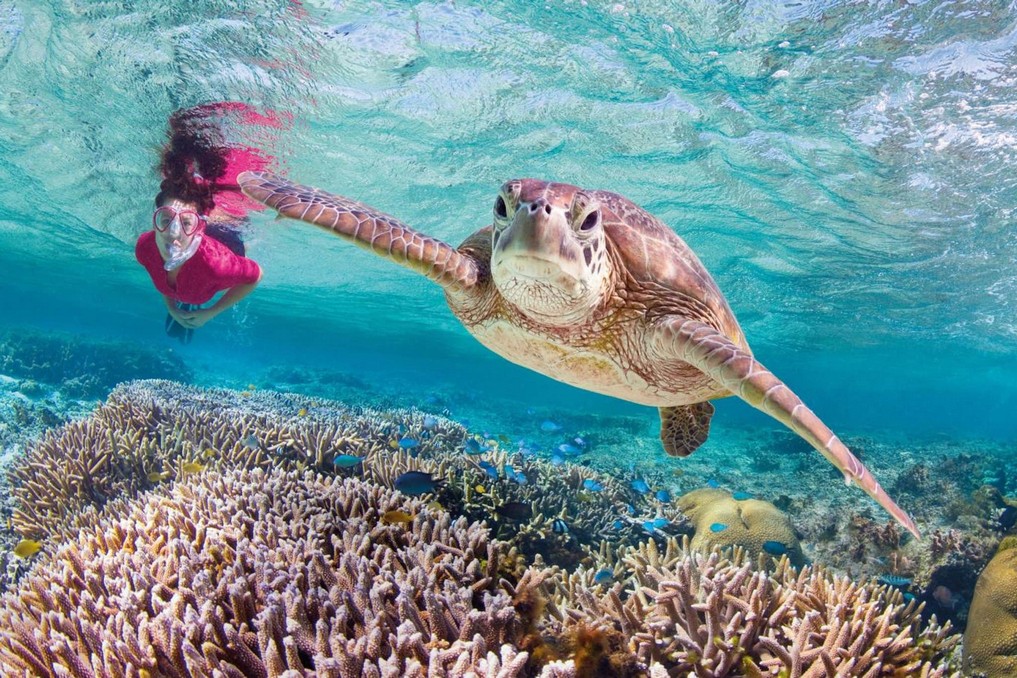
Cairns experiences two distinct seasons: the wet season and the dry season. However, for the best diving experience, the period from May to October is highly recommended.
Dry Season (May – October): Expect clear blue skies, low rainfall, and—most importantly—exceptional underwater visibility, sometimes reaching up to 30 meters. Water temperatures hover between 22°C and 25°C; while slightly cool, it is perfectly comfortable with a wetsuit. Crucially, this period falls outside “stinger season” (the time when dangerous jellyfish are prevalent), allowing you to swim with greater peace of mind.
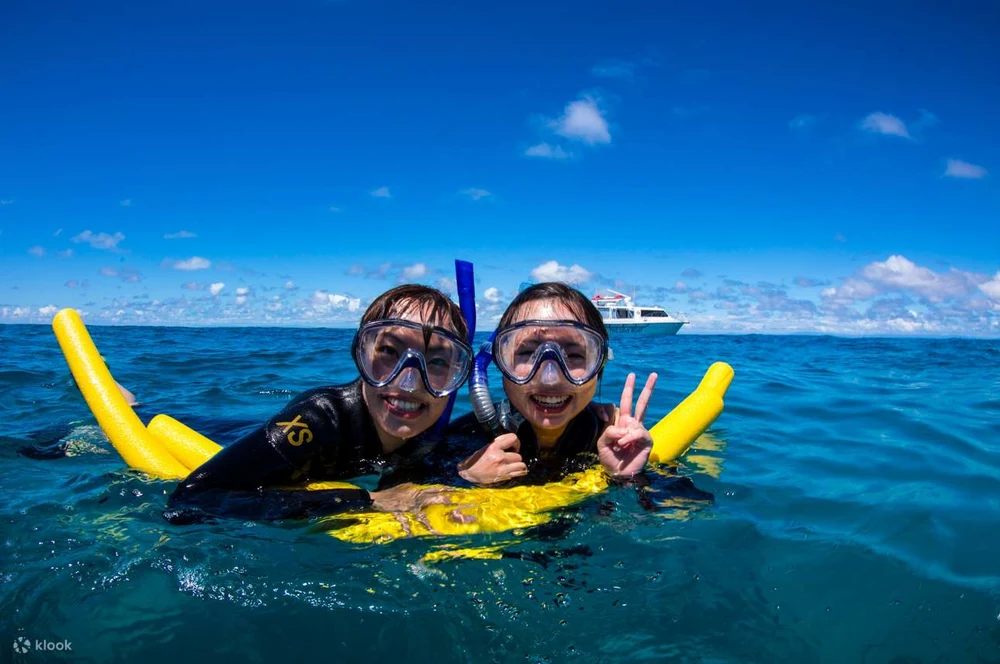
Great Barrier Reef Snorkel, Dive & Helicopter Full Day Tour
Wet Season (November – April): The weather is hotter and more humid, with warmer sea temperatures (around 29°C). Although visibility may be slightly reduced due to rain, this is a prime time for coral growth, and you have the chance to witness the incredibly rare phenomenon of coral spawning around November.
Distinguishing Between Types of Diving: Which One Suits You?
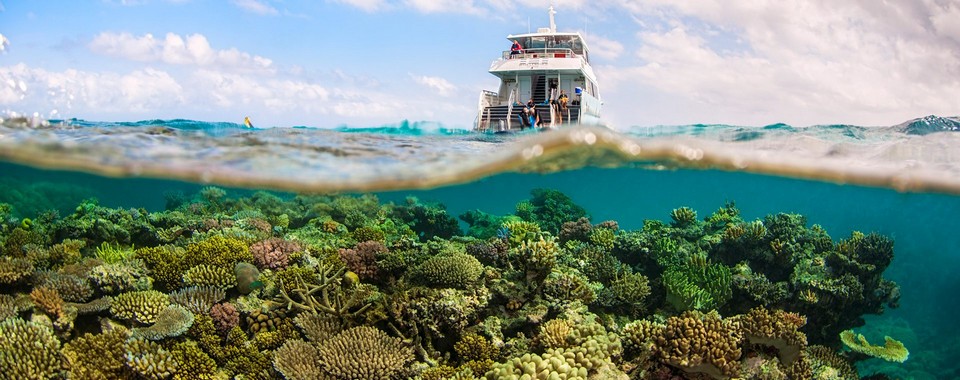
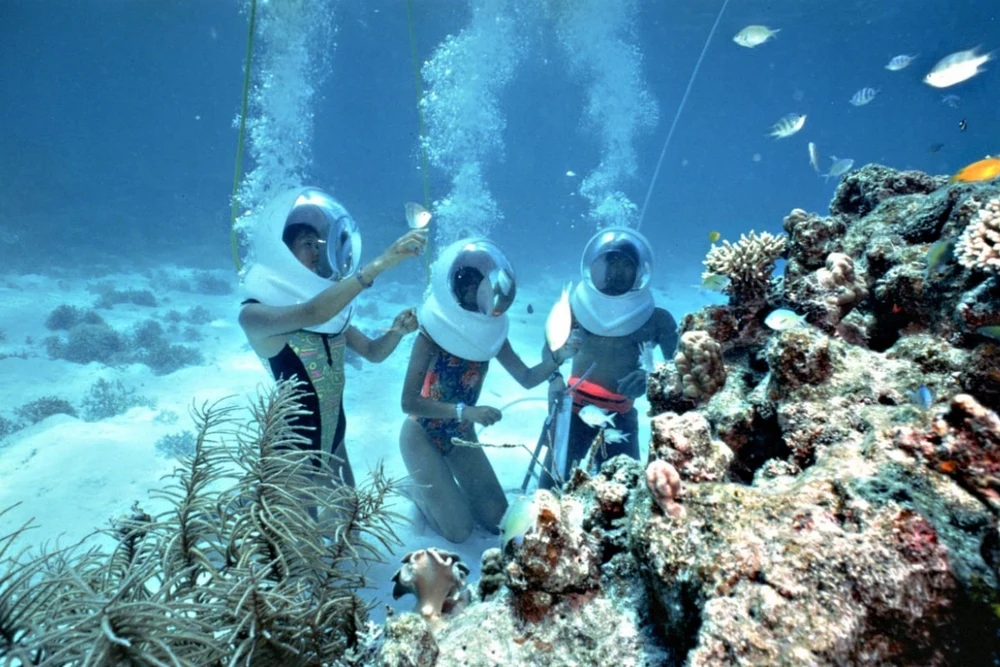
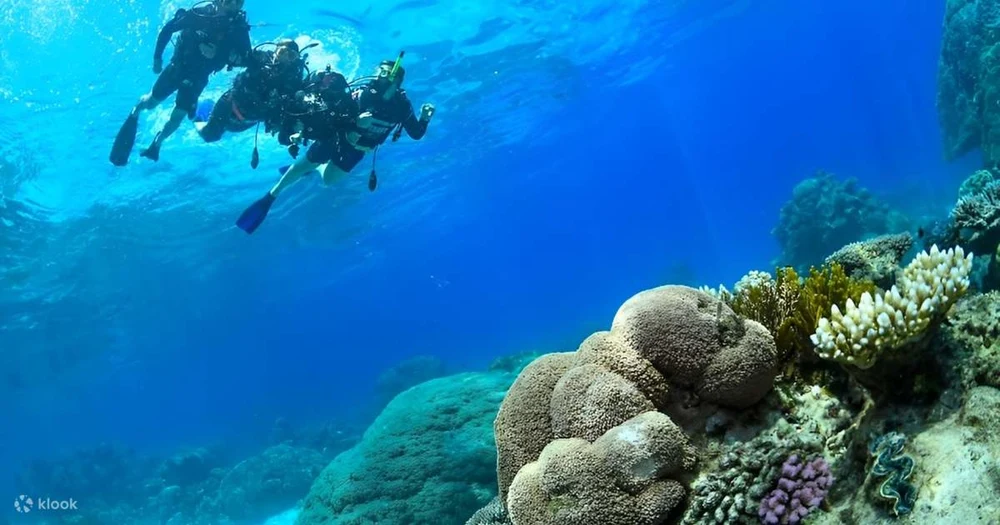
We know that many of you are eager to explore the underwater world but hesitate because you cannot swim or lack a professional diving certification. Don’t worry; the Great Barrier Reef offers experiences suitable for everyone: from popular, simple snorkeling and introductory scuba diving (no certification required, guided by an instructor) to deep diving for certified divers, and even helmet diving (sea walking) for those uncomfortable with wearing scuba tanks or who prefer to keep their hair dry.
Snorkeling
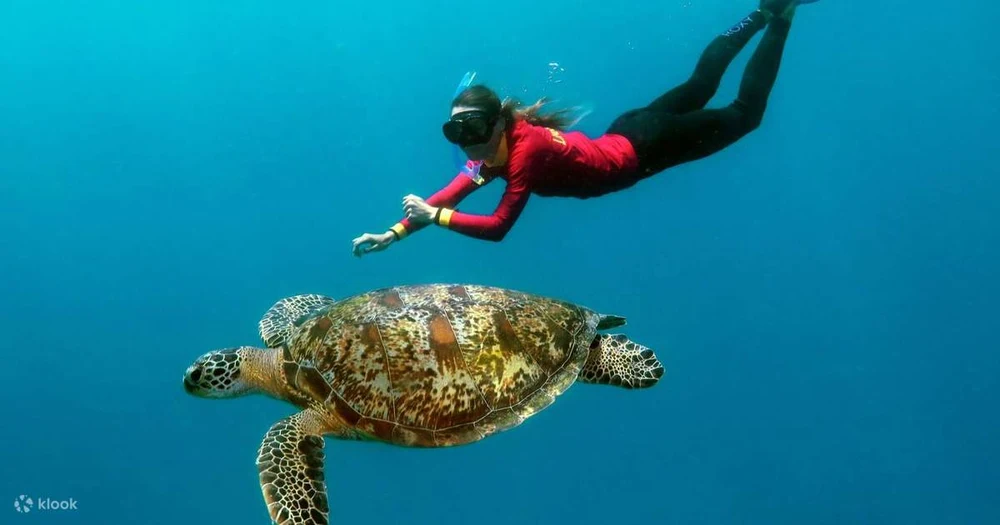
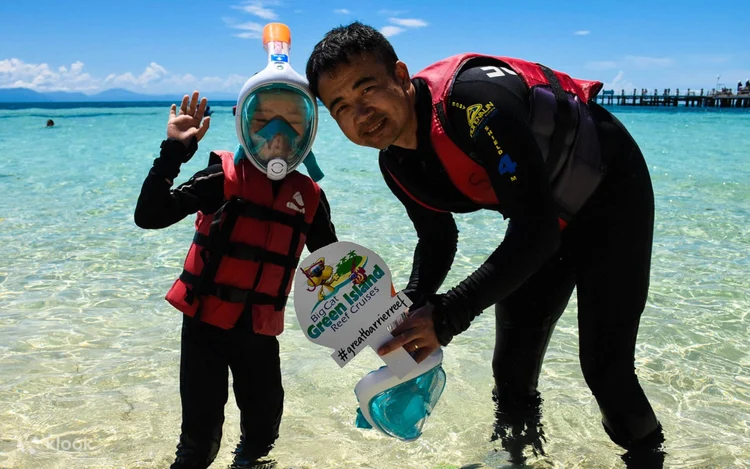
This is the simplest and most popular method. All you need is a diving mask, a snorkel, fins, and a life jacket (if necessary). You float on the surface and observe the world below. Most reef tours include snorkeling equipment in the ticket price.
Introductory Scuba Diving
Cairns Great Barrier Reef Snorkel Experience
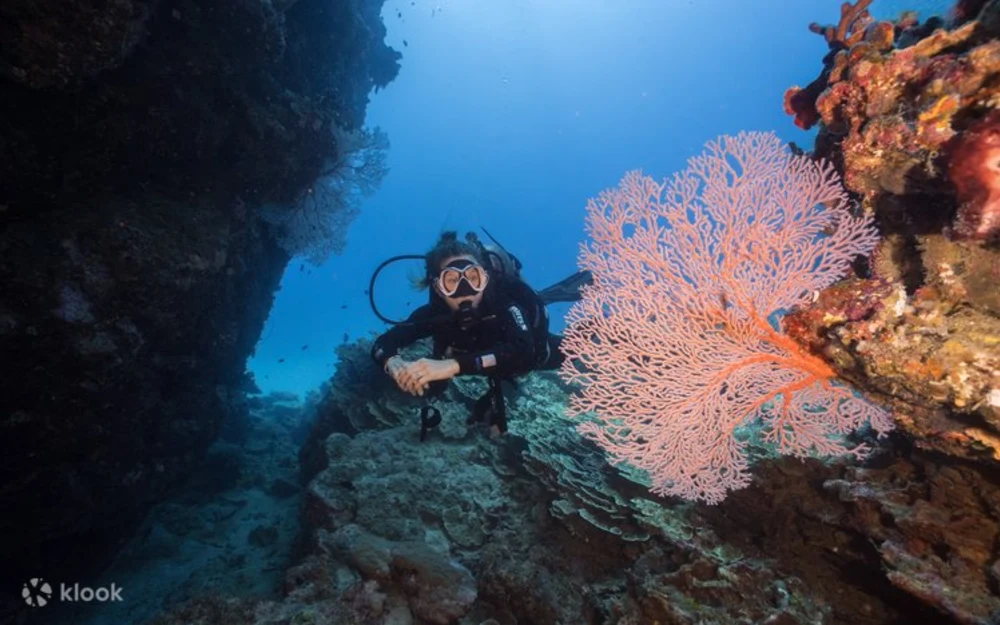
This is a genuine diving experience for those who have never dived before. No certification is required! Before entering the water, professional instructors will teach you basic hand signals, how to equalize ear pressure, and how to use the scuba gear. You will dive to a maximum depth of 10–12 meters while holding hands with your instructor. The sensation of breathing underwater for the first time is truly an unforgettable milestone.
Certified Diving
If you already hold a PADI or SSI certification, the outer reefs offer a fantastic playground for your diving adventures. You will be free to explore crevices and coral cliffs, and observe deep-water marine life such as reef sharks and rays.
Seawalker / Scuba Doo (Underwater Walking)
Cairns Great Barrier Reef Full-Day Tour with Helicopter Flight
Perfect for those who… don’t want to get their hair wet or feel uncomfortable wearing scuba gear. You’ll wear a large, astronaut-style helmet (Helmet Diving) and walk along specially designed paths on the seabed. There are even underwater scooters (Scuba Doo) that allow you to glide along effortlessly.
Detailed Review: A Day Exploring the Outer Reef
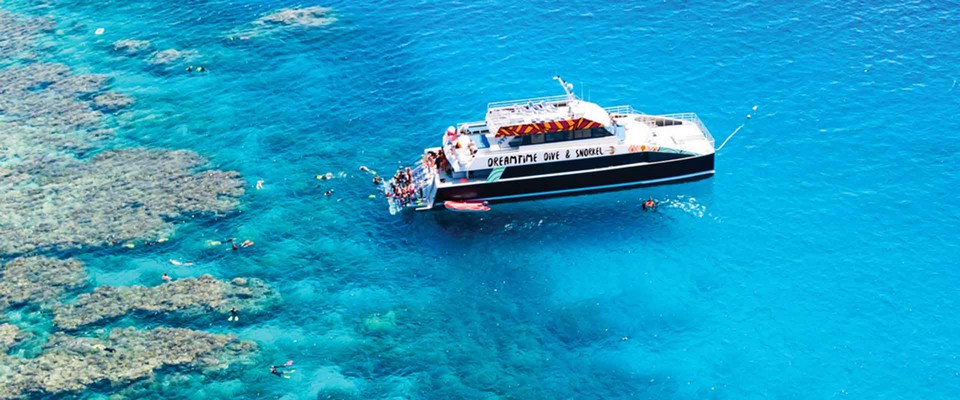
Most diving tours from Cairns start at 8:00 AM. After checking in at the marina, you’ll board a high-speed catamaran bound for the Outer Reef—a journey taking about 90 minutes.
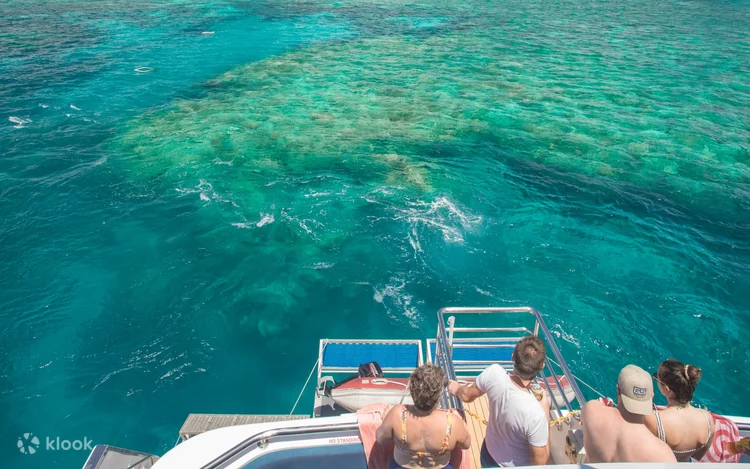
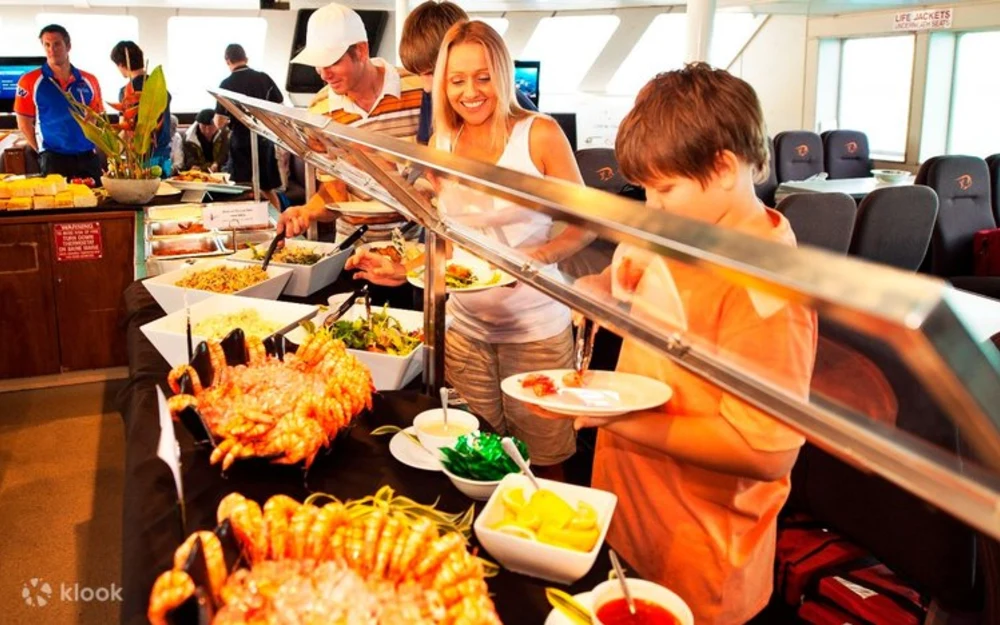
During the transit, the crew conducts safety briefings and holds short introductory classes for those signed up for introductory dives. Once the boat docks at a fixed pontoon or anchors amidst the reef, the real fun begins! You’ll have about 4–5 hours to swim to your heart’s content. Boats typically serve a buffet lunch featuring fresh seafood, cold cuts, salads, and tropical fruits to help you refuel.
Quicksilver Outer Barrier Reef Full Day Cruise from Port Douglas
The highlight is diving down and finding yourself swimming amidst a school of thousands of fish, or stumbling upon a sea turtle leisurely grazing. Any fatigue from the journey simply melts away.
Must-Visit Reefs in the Great Barrier Reef
Not all reefs are the same; destinations vary depending on the tour operator you choose:
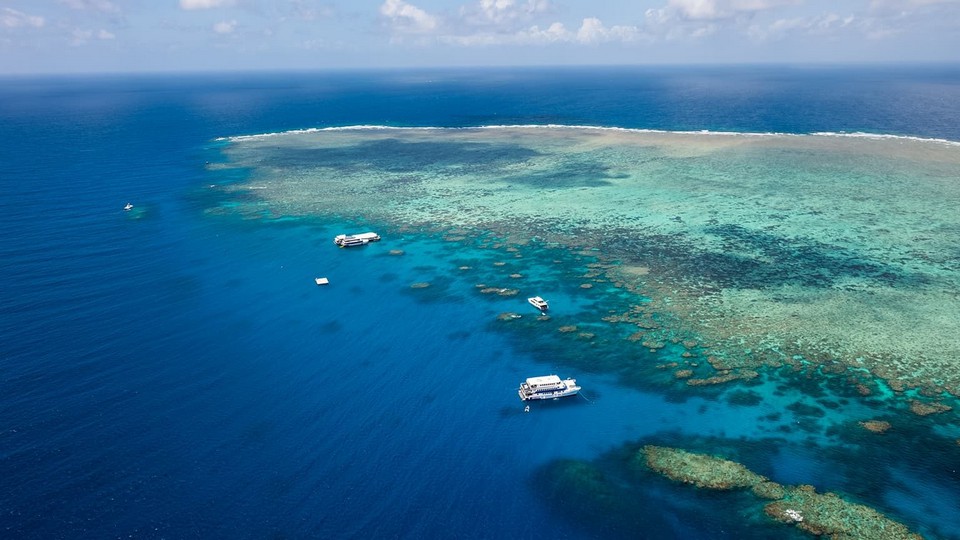
- Agincourt Reef: Located at the edge of the continental shelf, this site boasts the best water quality and incredibly healthy coral. It is suitable for both scuba diving and snorkeling.
- Moore Reef: A favorite destination for tours featuring large pontoons (such as Sunlover and Reef Magic). This spot is home to a famous Maori Wrasse named Wally, who often swims right up to visitors for a “selfie.”
- Flynn & Milln Reefs: These reefs are often chosen by smaller, specialized dive boats (such as Silverswift) to avoid the crowds, offering a quieter and more private atmosphere.
Estimated Costs for a Great Barrier Reef Trip: How Much Should You Budget?
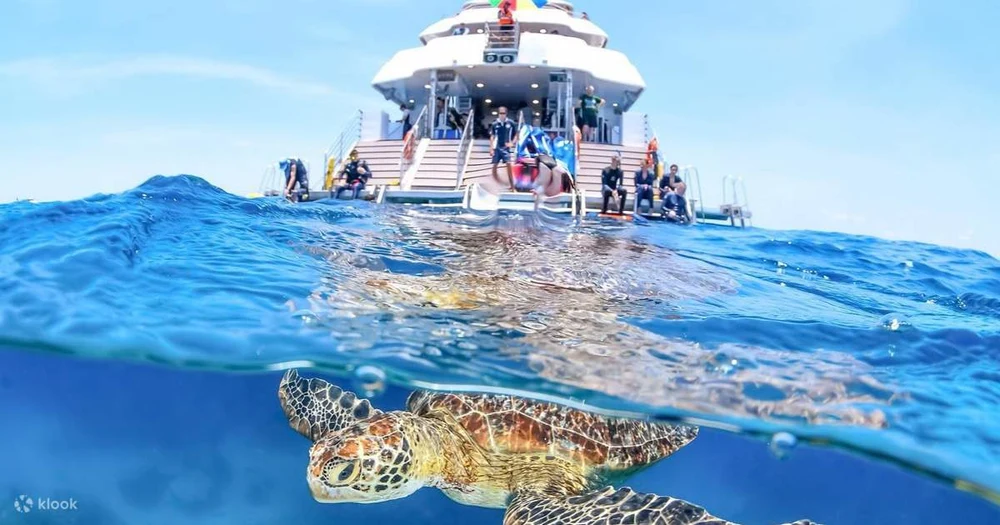
Fitzroy Island Day Trip from Cairns
When planning a trip, the budget is always a key consideration, isn’t it? A perfect, fulfilling trip requires a clear financial plan so you can fully enjoy every experience without worrying about unexpected expenses. Below is a detailed price reference for various services—inclusive of all current taxes and fees—to help you easily balance and prepare your travel budget:
Day Tour (Snorkeling + Buffet): Ranges from 220 AUD to 280 AUD (approx. 3,700,000 – 4,700,000 VND). This itinerary includes a 90-minute journey by high-speed catamaran from the Reef Fleet Terminal in Cairns to the Outer Reef, where you will have 4–5 hours to swim to your heart’s content and enjoy a buffet lunch featuring fresh seafood, cold cuts, salads, and tropical fruits.
Introductory Dive (per additional dive): Approximately 150 AUD – 180 AUD (approx. 2,500,000 – 3,000,000 VND). This is a genuine diving experience for those without prior experience or certification; professional instructors will teach you basic hand signals, ear equalization techniques, and how to use the scuba gear, before holding your hand as you dive to a maximum depth of 10–12 meters.
Environmental Management Charge (EMC): This is a mandatory fee of approximately AUD 8.50 per person (around 145,000 VND) collected by the Australian government to fund coral reef research and conservation. It is sometimes included in the tour price, but you should double-check before you go.
Half Day Green Island Reef Cruise from Cairns
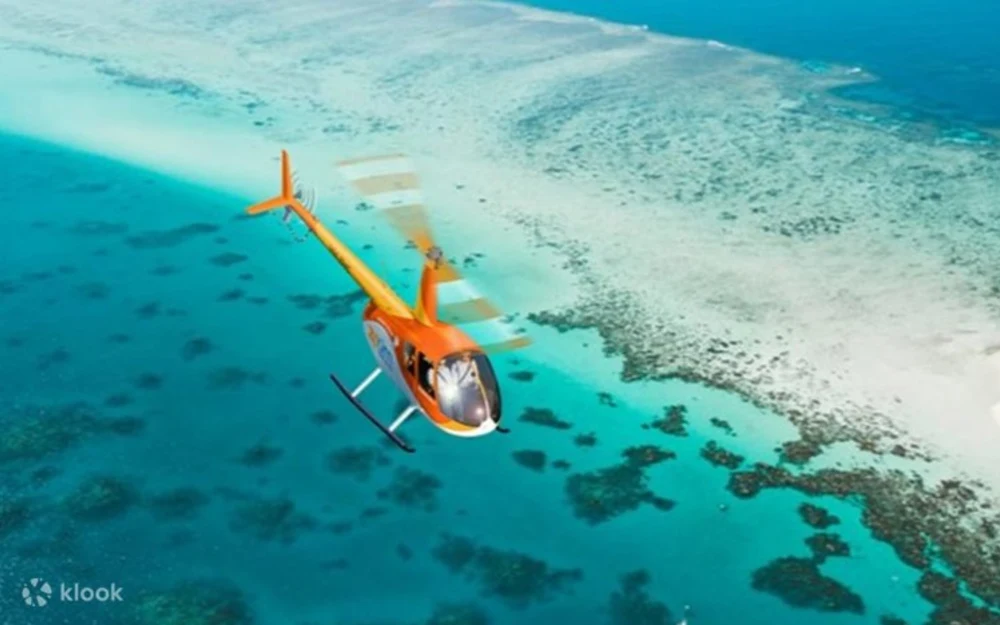
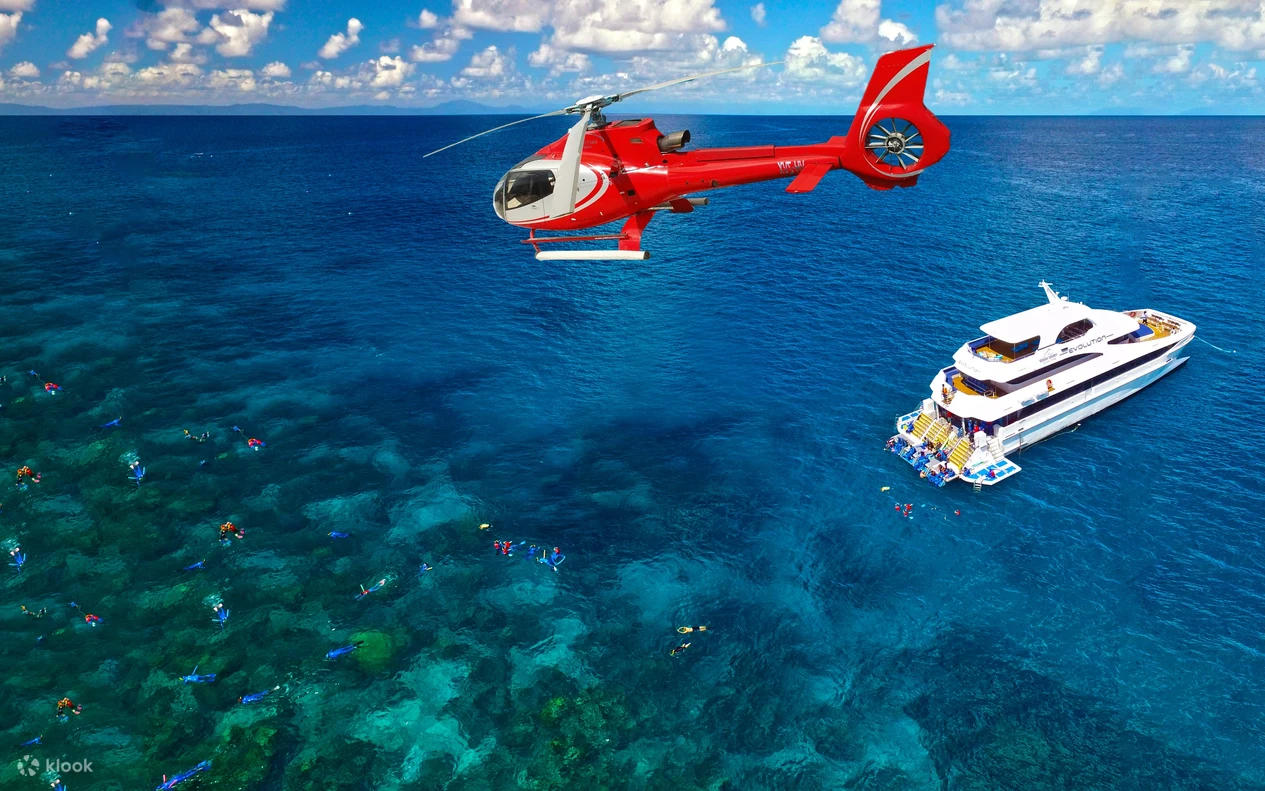
Helicopter scenic flight (10–15 minutes): Approximately AUD 200–250. This is an experience well worth the cost, offering a panoramic view of the reef’s magnificence and immense scale from above.
Important Health and Safety Notes
Scuba diving demands strict adherence to safety protocols. There are two golden rules to remember:
Medical declaration: Before scuba diving, you must complete a medical questionnaire. If you have a history of asthma, heart disease, or serious respiratory issues, you may not be permitted to dive unless you provide a medical certificate from an Australian doctor.
The 18–24 hour rule: Do not board a plane for at least 18–24 hours after scuba diving to avoid decompression sickness. Plan your itinerary so that your diving day is not the same day you fly out of Cairns.
Seasickness: Waters at the Outer Reef can sometimes be rough. If you are prone to motion sickness, take medication at least 30 minutes before the boat departs.
Responsibility to the Ocean: Leave Nothing But Footprints!
The Great Barrier Reef faces many challenges due to climate change. As responsible travelers, let’s protect this treasure by:
- Not touching the coral: Corals are delicate living organisms. A single touch can kill an entire large coral colony.
- Use reef-safe sunscreen: Conventional sunscreens containing oxybenzone can cause coral bleaching. Opt for reef-safe alternatives or wear a long-sleeved rash guard to minimize the need for sunscreen.
- Don’t litter: All plastic waste poses a direct threat to sea turtles and fish.
Hopefully, with these comprehensive tips from Living Nomads, you are ready for your upcoming Great Barrier Reef diving trip. This is more than just a vacation; it is an experience that will transform your perspective on the wonders of the natural world. If you have any questions, please don’t hesitate to ask. Wishing you a brilliant trip under the Australian sun!
Ocean Rafting Whitehaven Beach Snorkelling Day Tour
Comparing Reef Gateways: Cairns or Port Douglas?
Cairns is a vibrant coastal city. It is the hub for most large-scale tours and modern pontoons equipped with full amenities, such as water play areas, slides, and marine laboratories. It is an excellent choice for families with children or elderly members who prioritize maximum comfort.
Port Douglas, located about an hour’s drive north of Cairns, offers a more peaceful and upscale atmosphere. From here, you can reach the Ribbon and Agincourt reefs more quickly. Boats departing from Port Douglas tend to be mid-sized, catering to smaller groups to ensure privacy and a high-quality, in-depth diving experience. If you want to explore reefs that see fewer visitors, Port Douglas is the ideal destination.
The Liveaboard Experience: Making the Ocean Your Home
For true diving enthusiasts, a day trip might not be enough. That’s when you should consider a “liveaboard”—a tour where you eat and sleep on the boat for anywhere from two to five days. As night falls over the open ocean, you will witness a completely different world. Nocturnal predators emerge, and if you are lucky, you might see bioluminescence sparkling like stars beneath the waves.
Renowned liveaboard vessels like Pro Dive Cairns and Spirit of Freedom offer full amenities, ranging from private cabins to restaurant-quality meals. Waking up to the sound of the waves and diving straight into the water after breakfast is a privilege unique to the liveaboard experience.
Top-Notch Underwater Photography Tips for Amateurs
Half or Full Day Fitzroy Island Transfers & Optional Activities
To capture magical moments without blurriness or an unwanted blue tint, keep these tips in mind:
- Use a red filter: Red light is absorbed most quickly by seawater, often giving underwater photos a harsh blue cast. Attaching a red filter to your GoPro helps coral colors appear vibrant and true-to-life.
- Get close to your subject: Instead of using digital zoom, try swimming closer to the marine life (while maintaining a safe distance). The less water there is between the lens and the fish, the sharper your image will be.
- Stay still and wait: Don’t exhaust yourself chasing after fish. Relax, maintain a steady breathing rhythm, and wait for your ocean friends to come to you.
- Make the most of sunlight: Shoot when the sun is directly overhead (between 10:00 AM and 2:00 PM) to take advantage of the light rays penetrating the coral reef.
Essential Packing Checklist for Your Trip
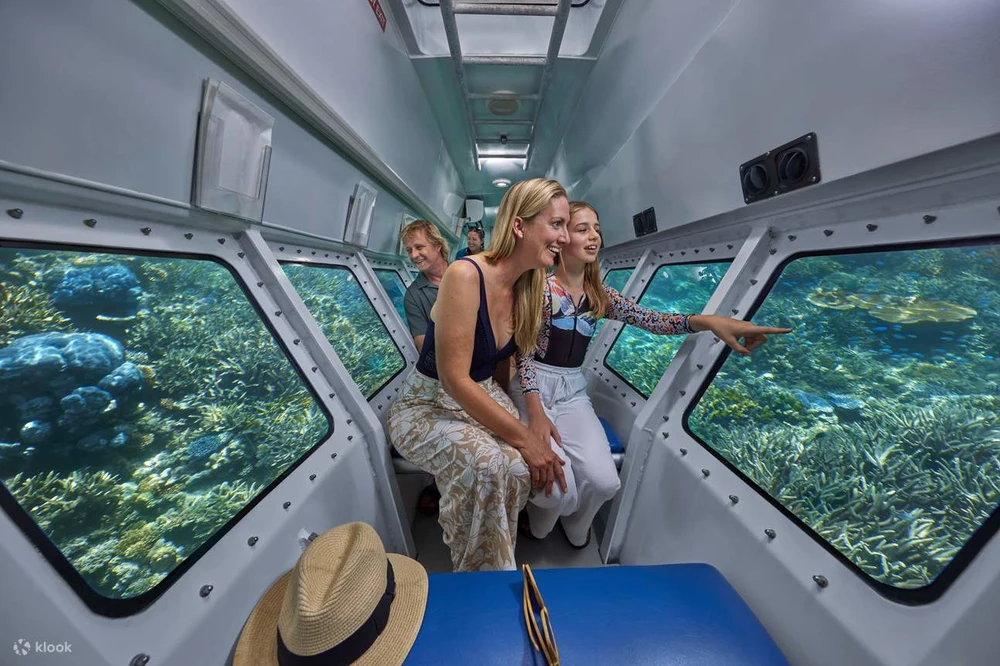
Beyond swimwear and excitement, don’t forget to pack these items to ensure a perfect trip:
- Rash guard: In addition to sun protection, it shields your skin from accidental contact with small marine creatures. Seasickness medication: Opt for a non-drowsy formula so you don’t miss out on the beautiful scenery along the way.
- Dry bag: To keep your phone, wallet, and spare clothes dry while moving around the boat.
- Personal water bottle: Most boats have clean water dispensers; avoiding single-use plastic bottles helps protect the coral reef.
Frequently Asked Questions (FAQ)
1. Can I go diving if I don’t know how to swim?
Absolutely! You can try “Seawalker” (underwater walking) or use a life jacket and snorkel mask under the close supervision of staff at the pontoon stations. Even a glass-bottom boat tour offers a great view of the wonders beneath the surface.
2. At what age can children participate in scuba diving?
Generally, children must be at least 12 years old to participate in Introductory Scuba Diving, in accordance with Australian safety regulations. For snorkeling, there is virtually no age limit, provided the child is comfortable in the water.
3. Is the EMC fee mandatory?
Yes. This is an Environmental Management Charge collected by the Australian Government to fund coral reef research and conservation. The current fee is AUD 8.50 for a full-day trip (approximately 145,000 VND).
We hope this detailed guide—covering everything from choosing your departure point and selecting the right diving activity to estimating costs, understanding health and safety rules, and packing essentials—has helped put your mind at ease. Now you can confidently pack your bags and witness the world’s greatest natural wonder firsthand.
Get ready for a journey that will transform your perspective on the wonders of nature—see you in the emerald waters of Queensland!
Some best day tours, trips, activities and transfer services, tickets in, from and to Cairns you can refer to
- Shared Cairns Airport Transfer (CNS) from and to Cairns, Port Douglas, Palm Cove
- Great Barrier Reef Cruise (GBRA)
- Grand Kuranda Experience
- Kuranda Scenic Railway Heritage Class Admission in Cairns [Klook Exclusive 10% Off]
- Unpublished Cairns Reef Tours Full Day Green Island by Big Cat
- Cairns Aquarium General Admission Ticket
- Fitzroy Island Ferry Transfer Ticket from Cairns
- Skyrail Rainforest Cableway Ticket
- Rainforestation Nature Park Ticket in Cairns
- Hartley’s Crocodile Adventures Ticket
- Green Island Snorkelling & Glass Bottom Boat from Cairns
- Army Duck Tour with Skyrail Cable Car and Kuranda Scenic Railway Ride
- Grand Kuranda Full Day Tour from Cairns
- Klook Pass Australia Tours
- Great Barrier Reef Snorkel, Dive & Helicopter Full Day Tour
- Half or Full Day Fitzroy Island Transfers & Optional Activities
- Great Barrier Reef Day Tours
- Great Barrier Reef Full Day Tour from Cairns
Are you looking for more top things to do in Cairns: Tours, activities, attractions and other things? Let’s check it out here and Australia here.