



















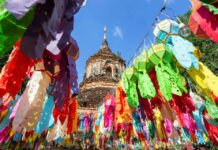









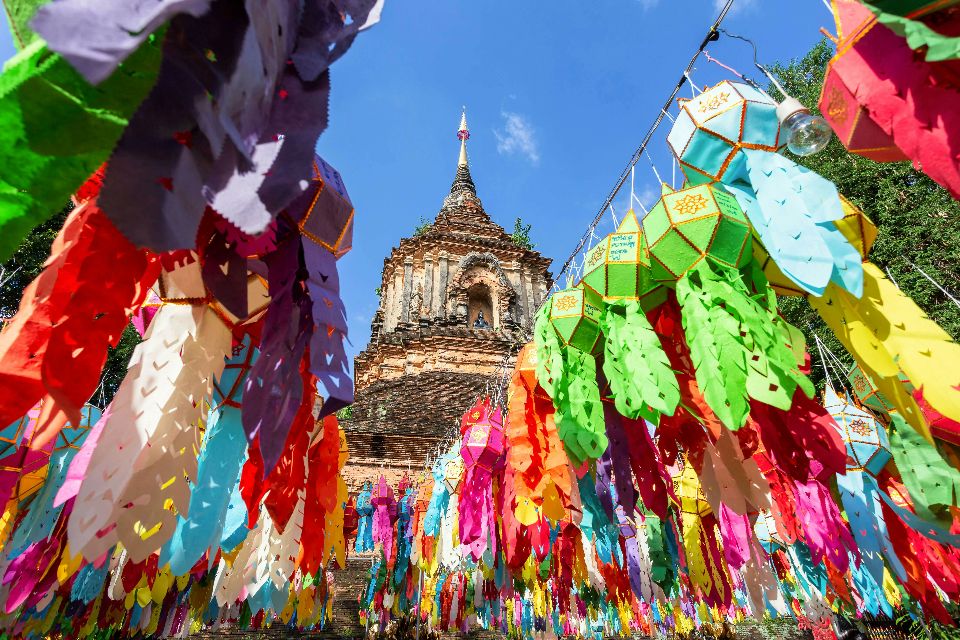
Not as modern as Bangkok or as bustling as Pattaya, the mountainous city of northern Thailand – Chiang Mai, in Mai Anh’s opinion, is a peaceful place with cool green trees, a harmony between traditional beauty and modern conveniences.
- Review of Kanchanaburi day tour from Bangkok
- Bangkok Ayutthaya Day Tour: Review of Ayutthaya Discovery Day Trip from Bangkok
- The Detailed Guide of Nong Nooch Tropical Garden in Pattaya, Thailand
- The ultimate guide to Jurassic World: The Experience Bangkok
- 15 best places to visit in Bangkok for couples

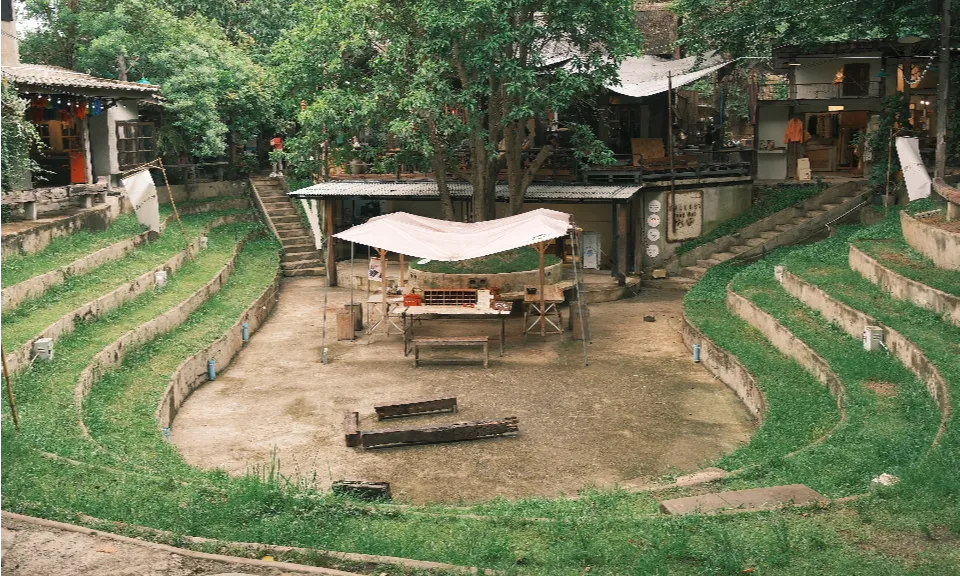
Mai Anh, a tourist from Ho Chi Minh City, first set foot in Chiang Mai in June, when the mountainous city of northern Thailand was covered in a cool green color typical of summer. She said that there is currently no direct flight from Ho Chi Minh City to Chiang Mai, tourists often transit in Bangkok and then connect to domestic flights, with a flight time from Bangkok to Chiang Mai of about an hour.

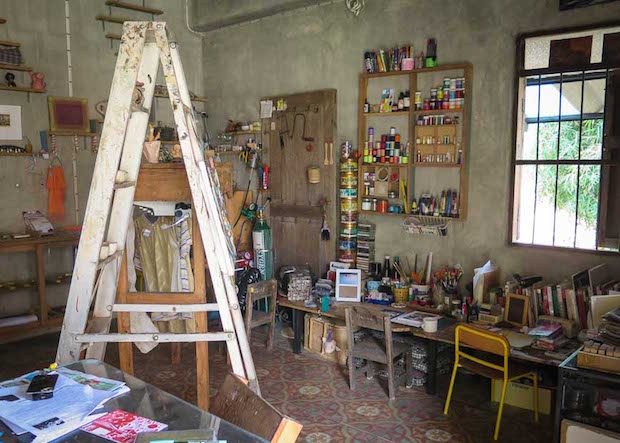
During her 4 days in the “mountain city” of the northern land of the Golden Temple, Mai Anh visited places close to nature, went to temples, walked around the old town and shopped for handicrafts. The first place she visited was Baan Kang Wat, an “artist village” in the west of Chiang Mai city, located near Wat Umong, at the foot of Doi Suthep mountain.
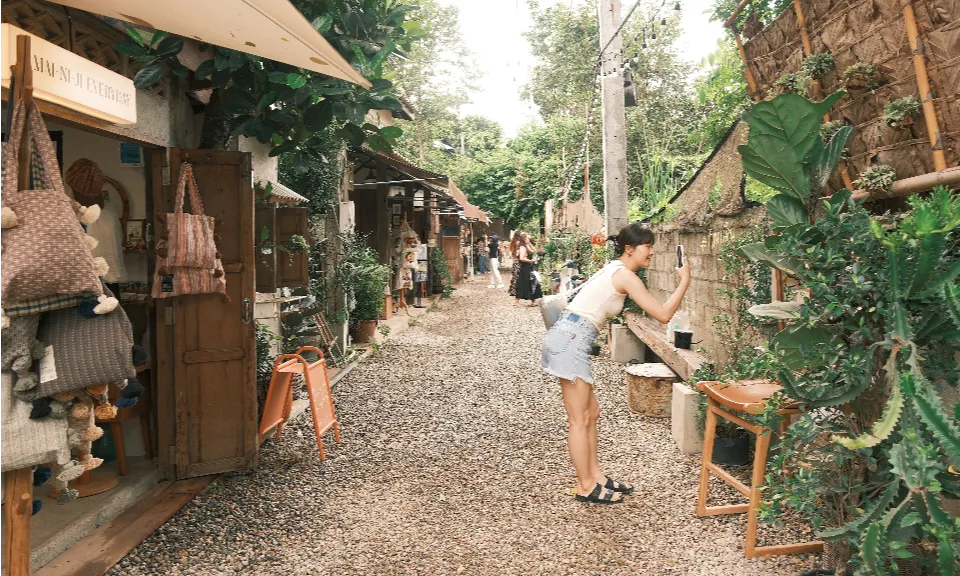
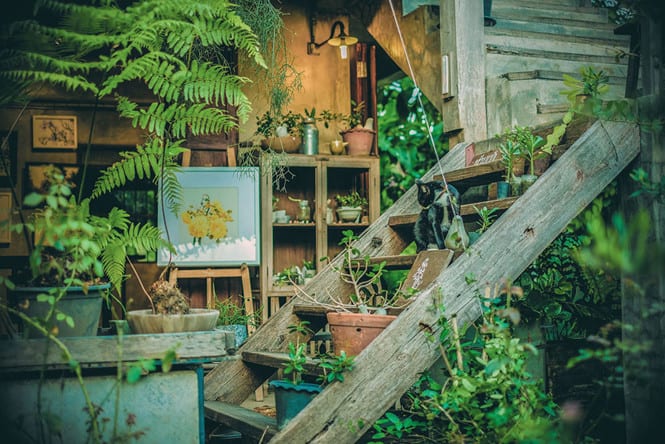
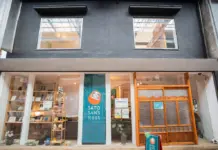
Baan Kang Wat Village is a complex of handmade shops, cafes, exhibition rooms, workshop spaces, outdoor art performance areas, hidden in the green space of trees.
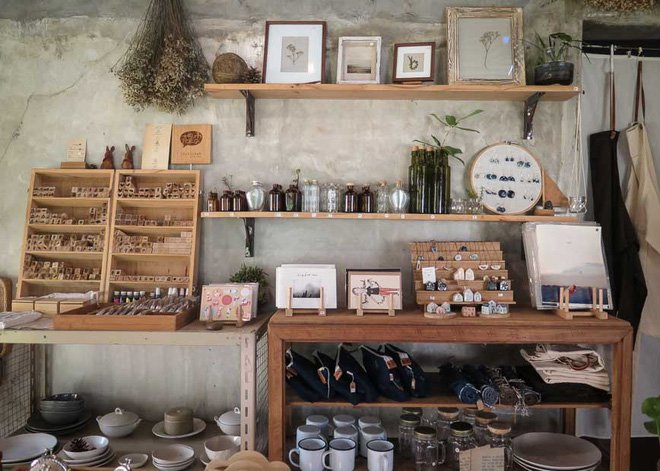
Visitors can participate in workshops such as making notebooks, printing pictures, drawing, dyeing fabric, making jewelry, shopping for handicrafts, sitting in cafes. The shops here are all owned by local artists and craftsmen, the products are unique.
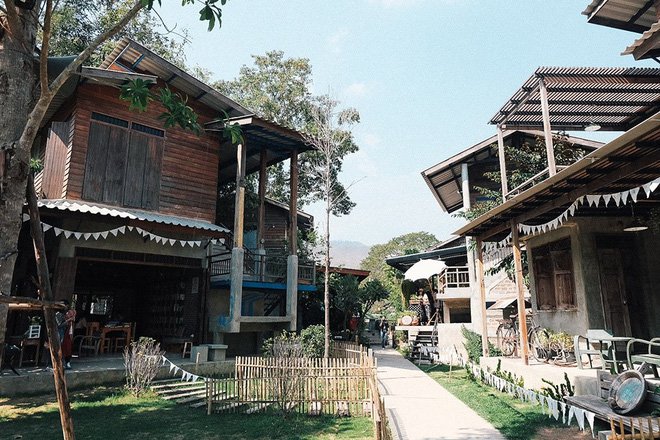
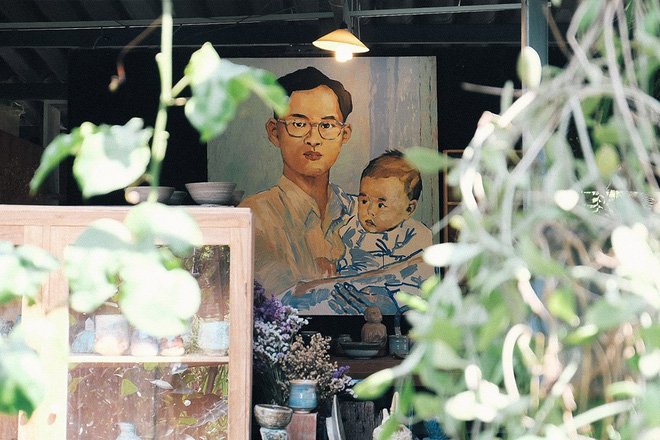
“It’s an artist village, so every corner is beautiful, the village is full of visitors checking in and making handmade items with their own personal stamp,” said Ms. Mai Anh.
A place to enjoy the green summer in Chiang Mai is Ang Kaew Lake – an artificial lake located on the main campus of Chiang Mai University, at the foot of Doi Suthep Mountain. The lake was built to supply water to the school, and has now become a familiar relaxing place for locals and students in the school, with a fresh space, completely separate from the pace of urban life. This place is open to visitors for free from 5am to 10pm every day.
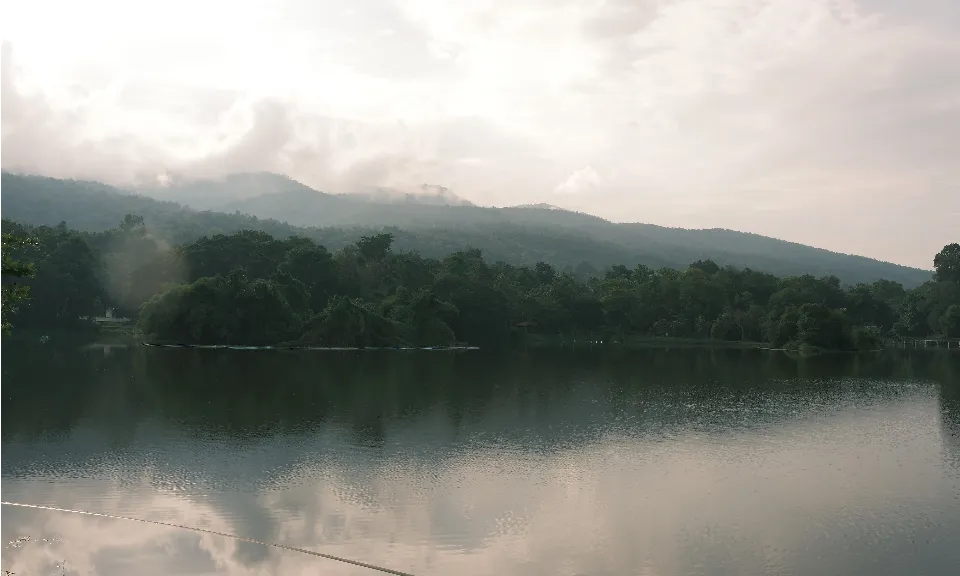
Surrounding the lake are rows of ancient green trees, in the distance is Suthep Mountain. Visitors can come here to watch the sunrise or sunset. Locals often come to jog in the early morning, walk, cycle or spread out a picnic mat.
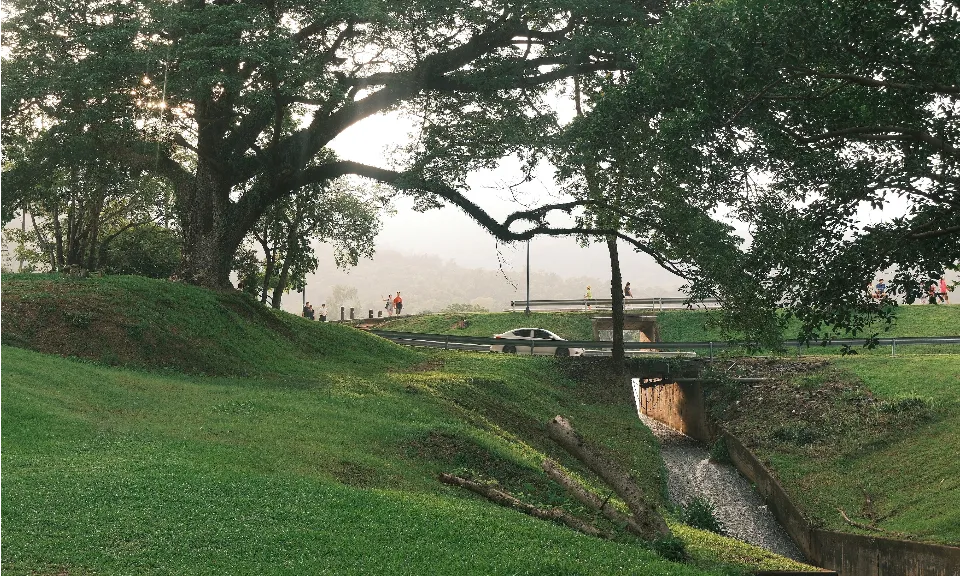
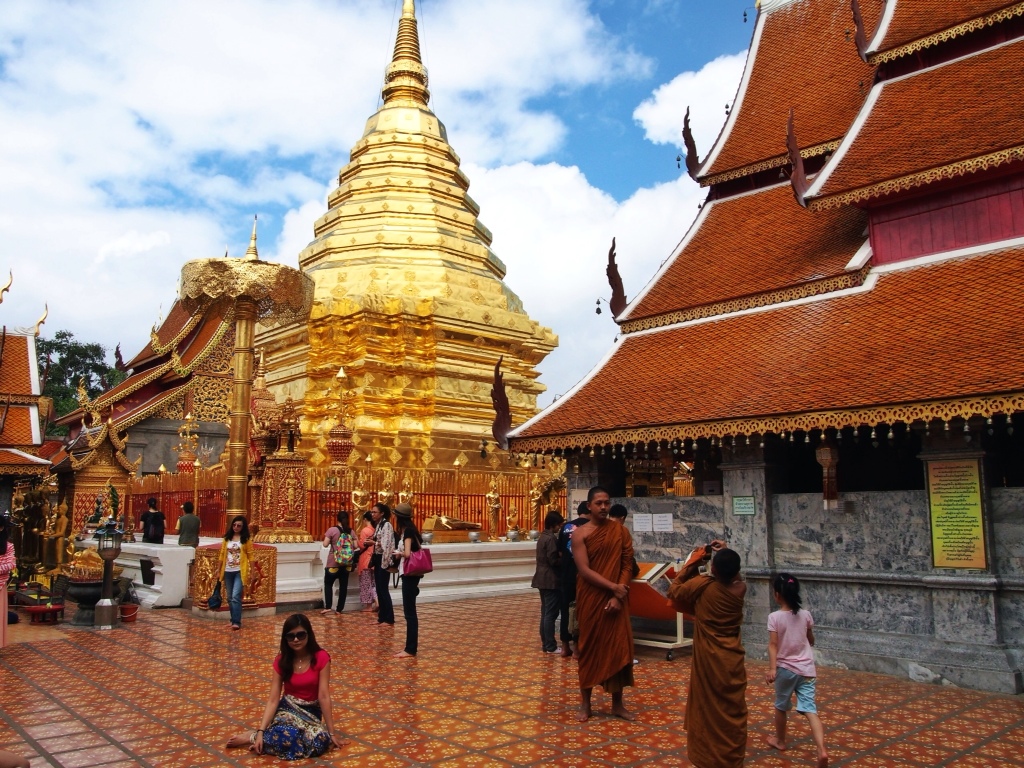
On the second morning in Chiang Mai, Ms. Mai Anh visited Doi Suthep Temple, officially called Wat Phra That Doi Suthep. The Buddhist temple is located on the top of Doi Suthep Mountain, where visitors can have a panoramic view of Chiang Mai city, and is considered one of the most important pilgrimage sites in northern Thailand. The temple stands out with its brilliant gold-plated stupa, sophisticated carvings and architecture bearing the imprint of Lanna culture.
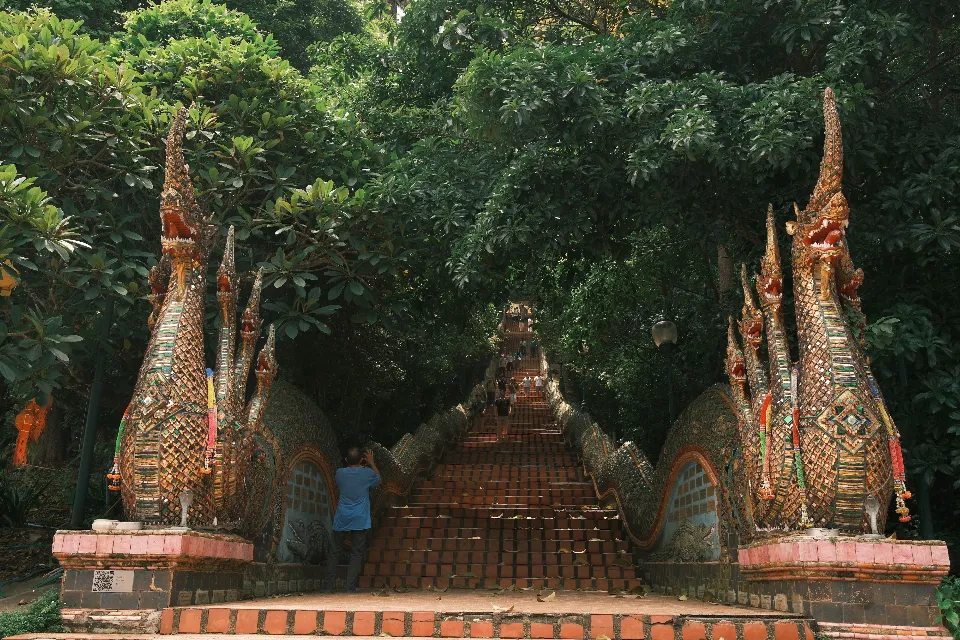
Visitors can choose to conquer the 306 stone steps (pictured above) with a pair of naga snakes winding on both sides or take the elevator to the temple. In summer, the temple space is more pleasant with cool weather, green trees, and the sound of birds chirping in the morning mixed with the sound of leaves rustling in the wind.
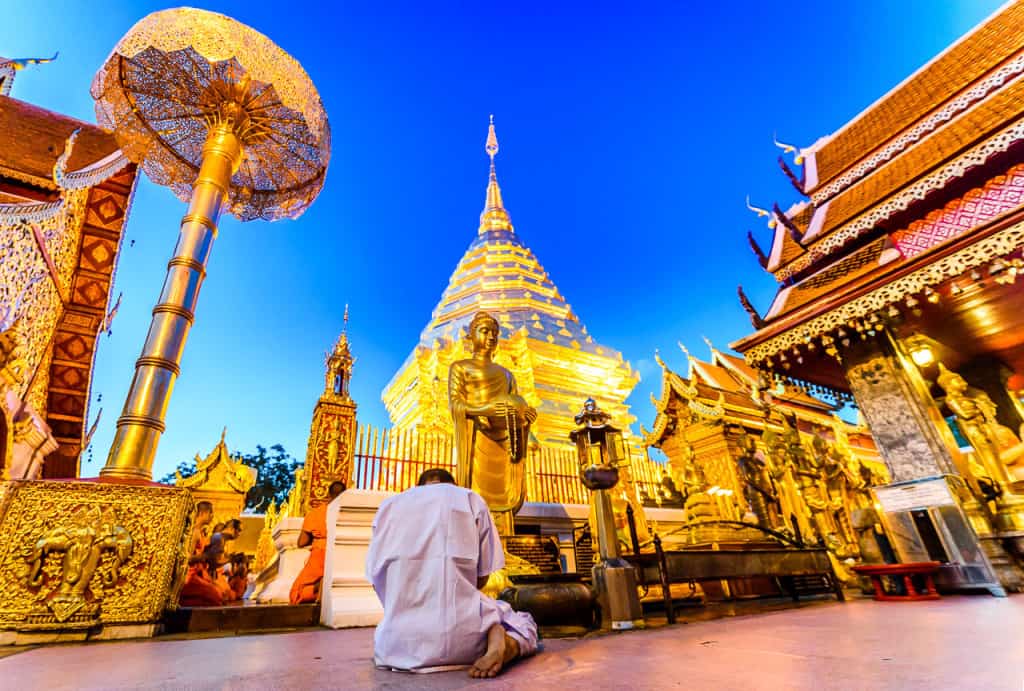
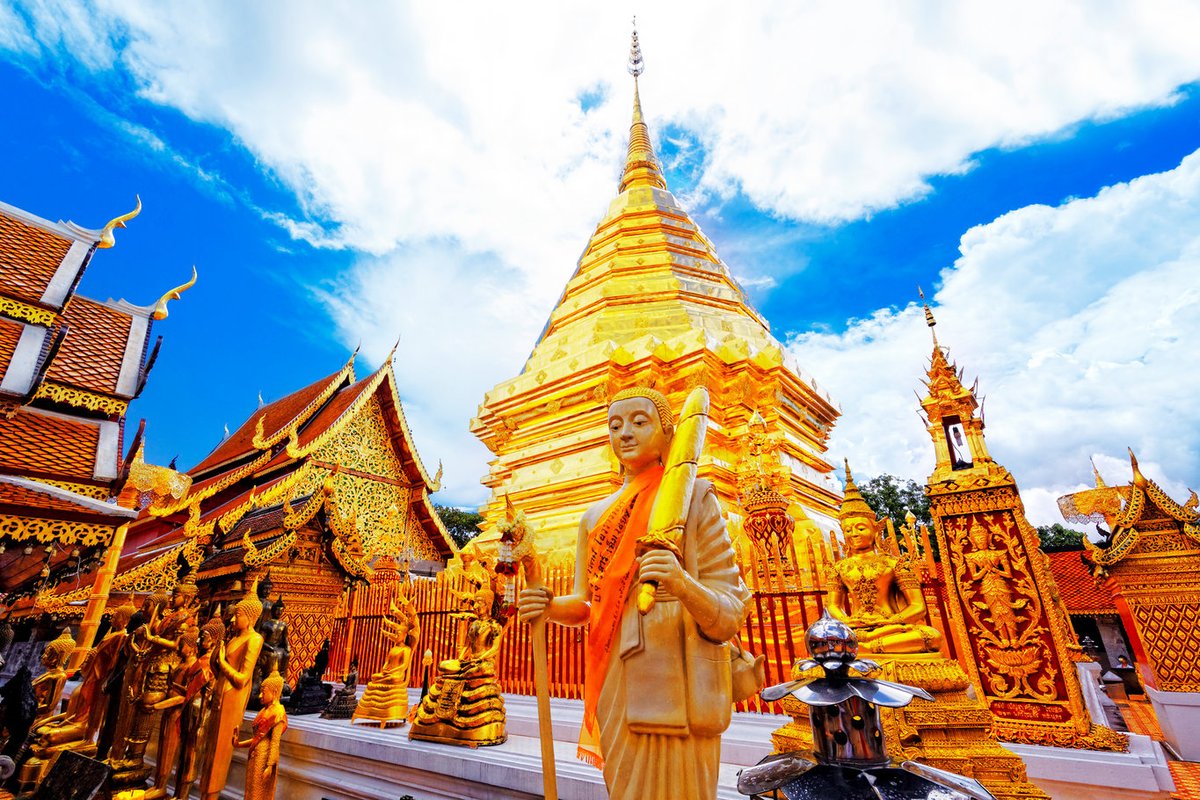
Wat Phra That Doi Suthep was built in the 14th century, associated with the legend of a white elephant searching for sacred land, a symbol of belief and cultural pride of Chiang Mai people for many centuries.

Leaving Wat Phra That Doi Suthep, Mai Anh visited Khun Chang Kian, also known as Baan Khun Chang Kian, a village of the White Hmong people located in Doi Suthep-Pui National Park, about 28 km northwest of Chiang Mai city center. The village is located at an altitude of about 1,350 m above sea level, belonging to the agricultural research station of Chiang Mai University, surrounded by coffee gardens, strawberries, longans and wild Himalayan cherry blossom forests. This flower usually blooms in January-February.
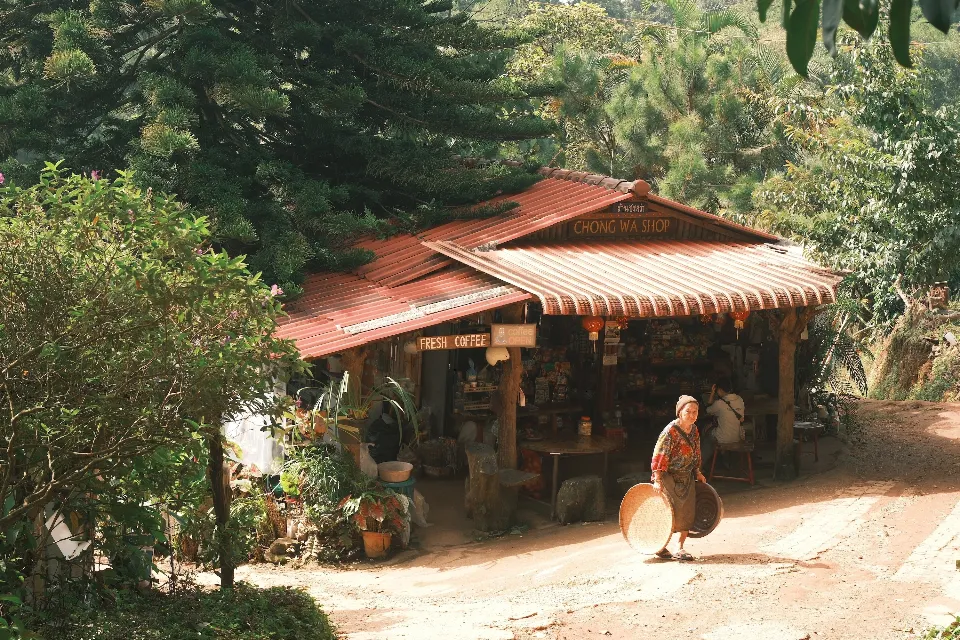
Khun Chang Kian has a rustic charm with tree-lined dirt roads, simple wooden houses, friendly H’Mong people and small cafes. The village is open daily from 6am to 8pm, with free admission. From the Doi Suthep area, visitors can travel to the village by motorbike or by Songthaewkhu – a typical means of transport in Chiang Mai.
On the third day in Chiang Mai, Ms. Mai Anh woke up early to go to the temple and stroll around the Wualai silversmithing district.
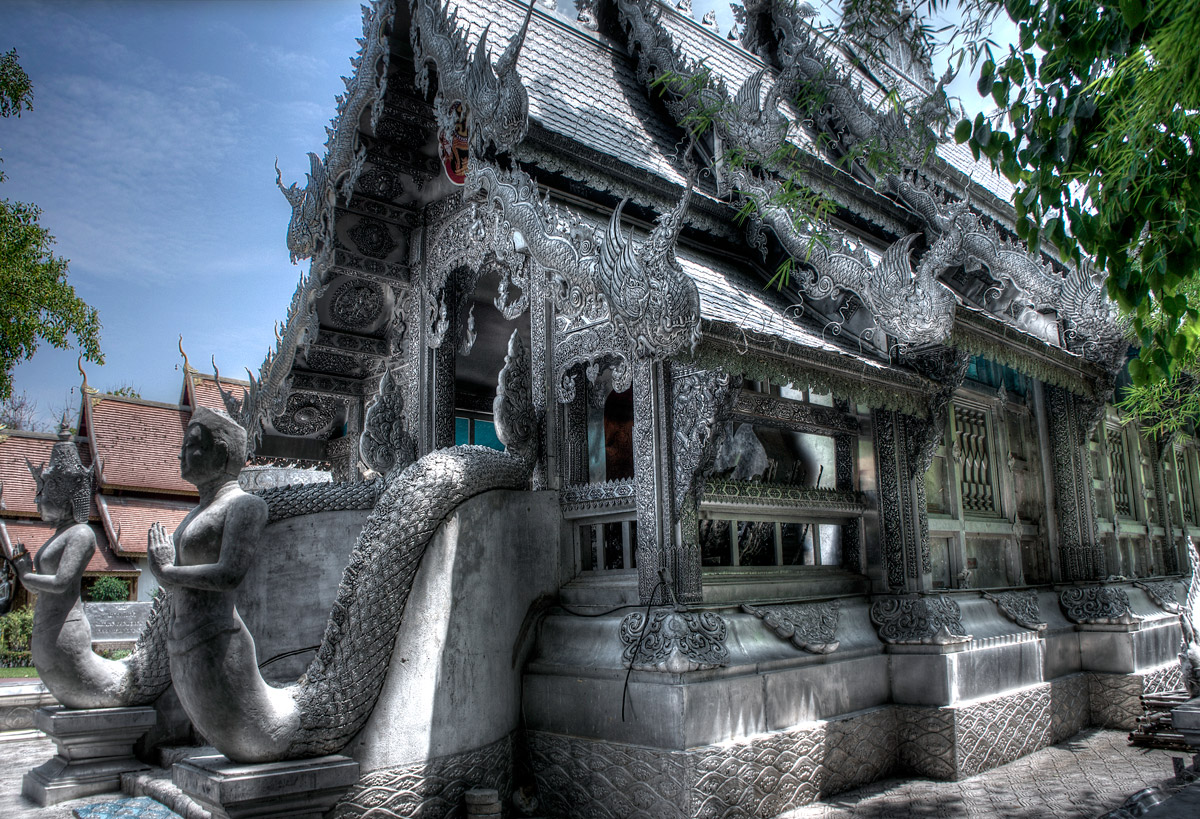
Wat Sri Suphan (Silver Temple), a Buddhist structure located on Wualai silversmithing district, was built in the early 16th century and restored from 2008 to 2016. The temple stands out with its silver-covered main hall (Ubosot), the entire surface of which is intricately carved with silver, nickel, and aluminum, depicting Buddhist legends, village scenes, and zodiac motifs in Lanna style.
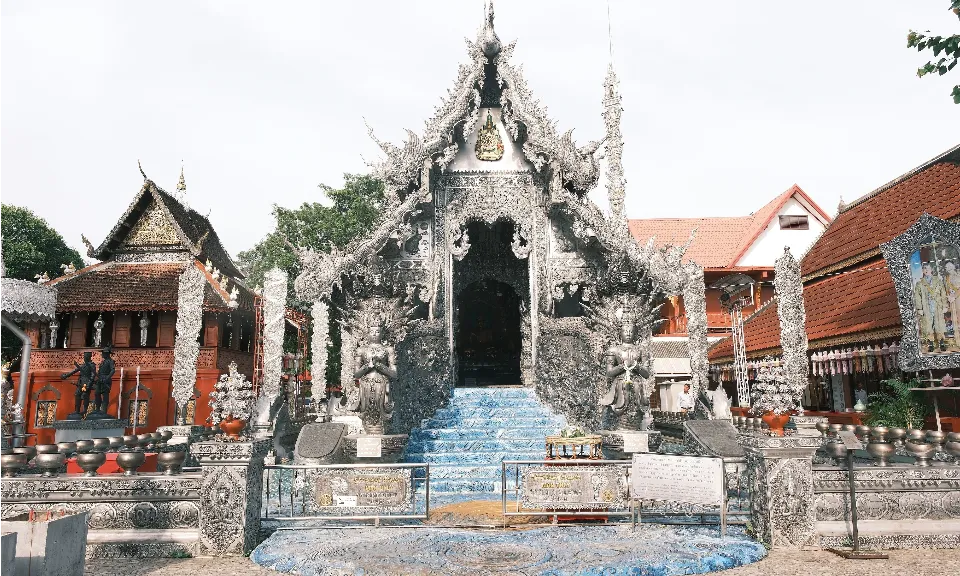
Behind the shiny metal is a classic Lanna structure with multi-tiered roofs, carved teak columns and ornate eaves. The temple grounds also include the main worship hall (Viharn), the stupa (Chedi) and a craft workshop where visitors can watch artisans craft silver on site. According to local custom, only men are allowed to enter the main hall.
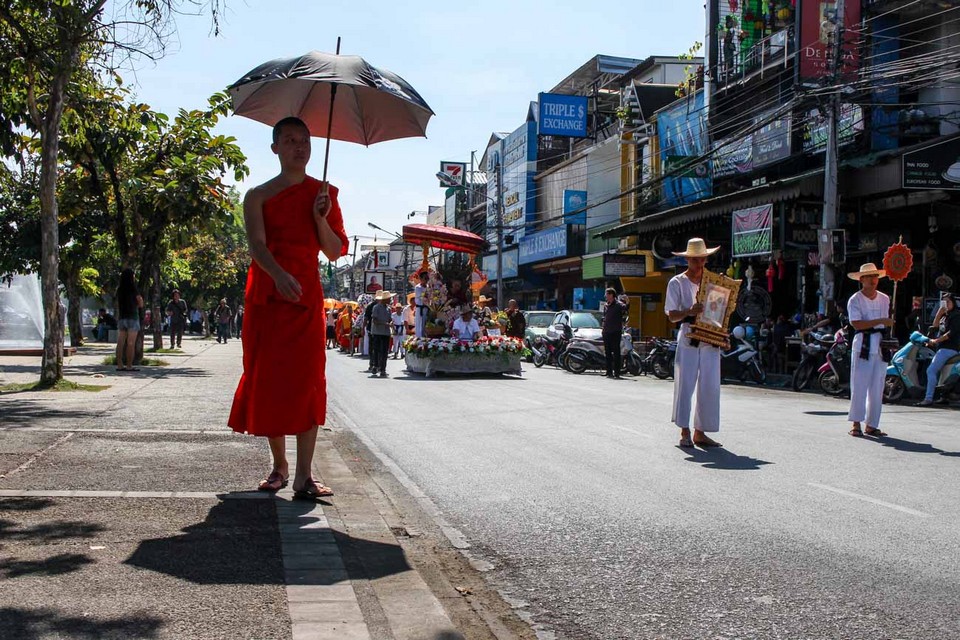
In the afternoon, Mai Anh and her group joined a walking tour to explore the Old Town. “Chiang Mai has preserved the peacefulness of the mountains and forests, the old architecture from centuries ago, and has many convenient and modern services,” Mai Anh said.
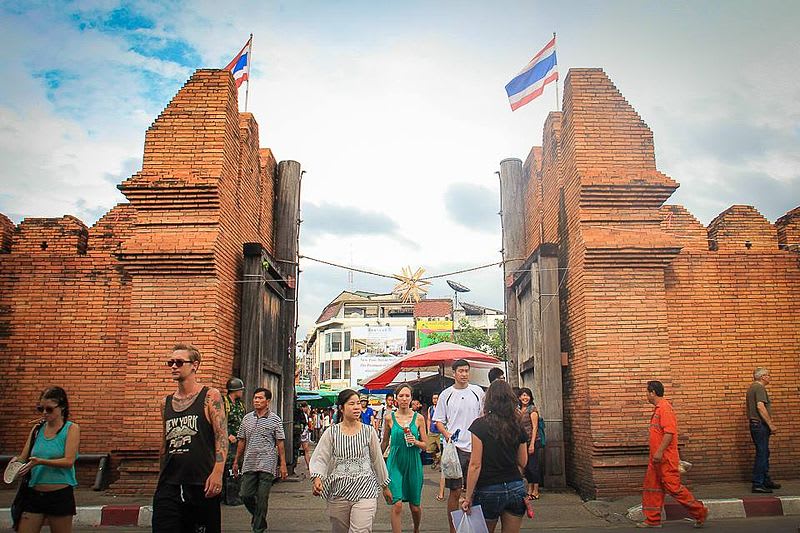
The walking tour of the old town begins at Tha Phae Gate – one of Chiang Mai’s most prominent historical symbols, located on the ancient city wall built in the 13th century. This was once the main entrance from the east, welcoming monks, merchants, and envoys, and was associated with the city’s important commercial connection.
The gate’s architecture is built of solid red bricks, with crenellated walls, and prang-style corner towers in the Lanna defense style. Today, the square in front of the gate is a bustling gathering place, where many major festivals take place, such as the Loy Krathong sky lantern festival, Songkran water festival, and the weekend walking night market.
Located near Tha Phae Gate is Wat Muen Lan – “Temple of Infinite Wealth”, notable for its multi-storey white-painted Chedi tower, a bell-shaped tower covered in gold, and inlaid with ceramics and glass mosaics.
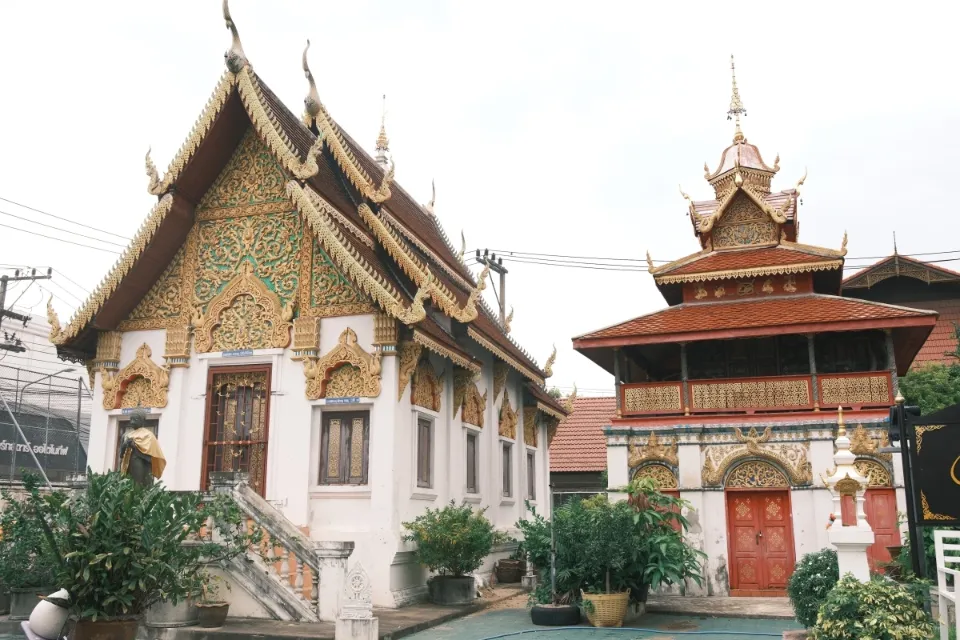
The Ho Trai (library) of the temple has two floors, the lower floor is built of solid stone, the naga gate is gilded, the upper floor is made of wood with elaborately carved railings, the roof has an eye-catching decorative tower. Wat Muen Lan also has the Ho Rakang bell tower with a pyramid roof, naga motifs decorated in stucco, the top is gilded.
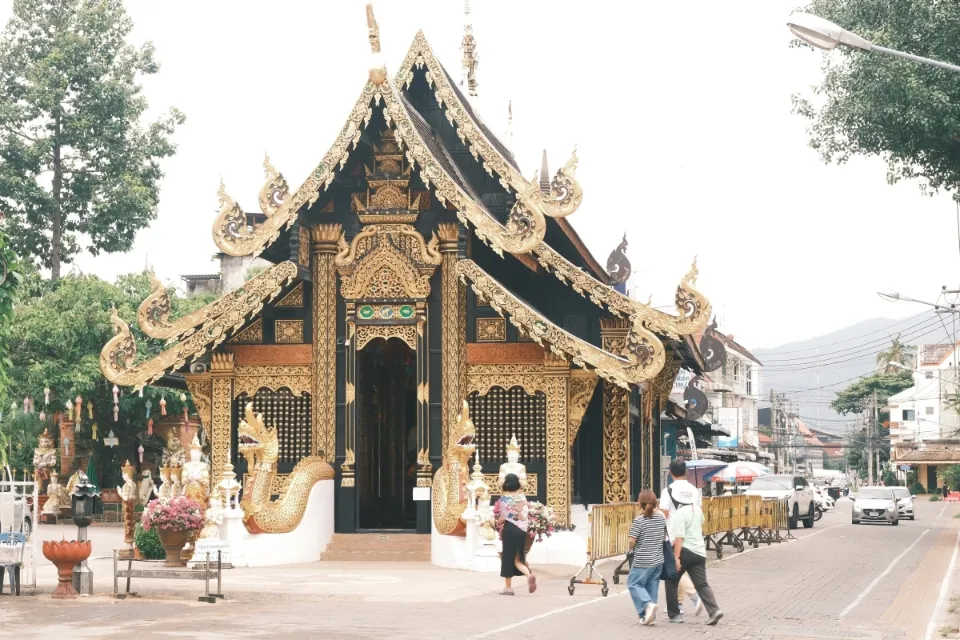
A temple located right on the central road of the Old Town, in the distance is Suthep Mountain. Around the Old Town with about 36 temples, visitors can visit any temple to worship.
On the last day in the mountain town, Mai Anh and her friend stopped by Chaloem Phrakiat Park (Suan Chaloem Phrakiat) for a picnic. This is a suburban park in Chiang Mai, located near the ring road and the provincial administrative area, open for free from early morning to late evening. The park has a large lawn, cool green trees, paved walkways and an artificial lake.
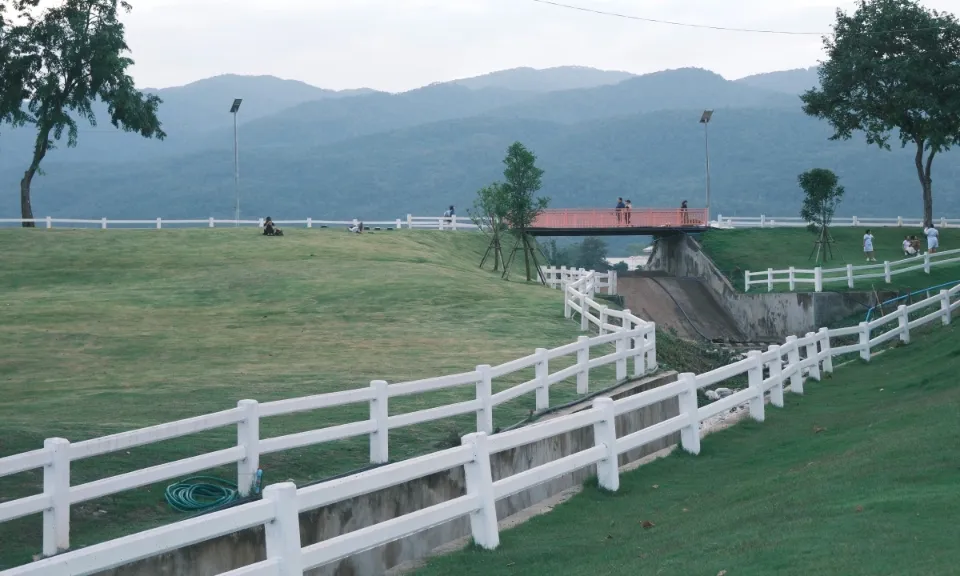
In winter, the park is often the venue for the Chiang Mai Flower Festival. The best time to visit is at sunset or in the evening when the park is lit up. Parking is free, near the food stalls. Pets are allowed but food and drinks should be limited. Chaloem Phrakiat Park is considered a “green oasis” in the mountainous city of Chiang Mai.
Before ending the trip, Mai Anh took the time to visit the markets in the city. One Nimman, a cultural and entertainment complex located in the heart of Chiang Mai’s Nimmanhaemin area, is designed to be half indoor and half outdoor.
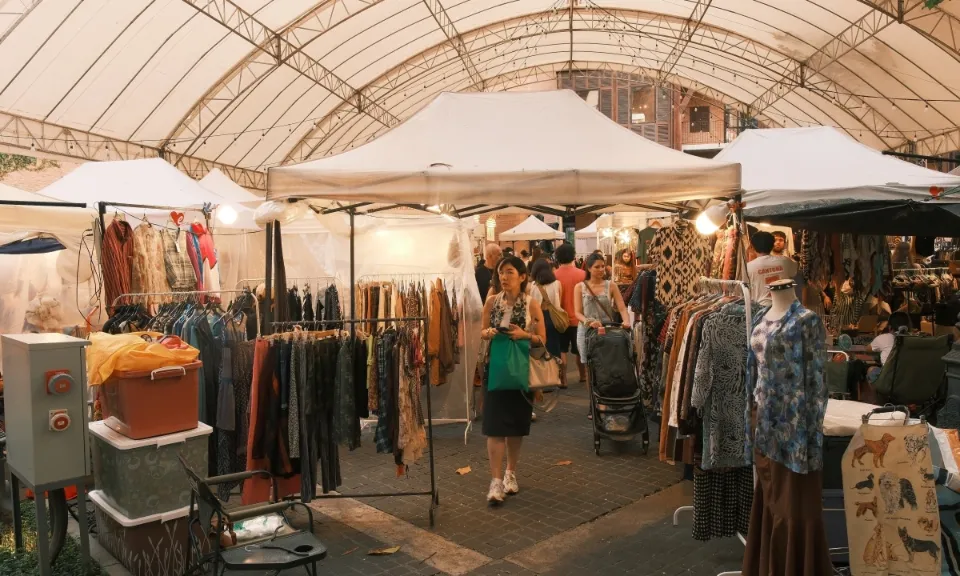
The complex is open from 11am to 10pm and includes many fashion stores, handicraft shops, cafes, restaurants and art galleries. The central market often hosts performances, street food stalls and a weekend night market.
“The second-hand goods stalls here have reasonable prices, unique designs and good quality. I spent nearly 2 million VND to buy clothes and handbags,” said Mai Anh, adding that she will return to the mountain town of Chiang Mai at the end of the year to participate in the sky lantern festival.

Some best day tours, trips, activities and transfer services, tickets in and from Chiang Mai you can refer to
- Private Chiang Mai International Airport Transfers (CNX) for Chiang Mai and More
- Private City Transfers for Chiang Mai
- Chiang Mai City & Temples Half Day Tour by Tour East
- Doi Suthep-Chiang Mai City Temple Tour
- Chiang Mai Custom Tour: Chiang Mai Night Safari, Doi Suthep, Elephant Sanctuary, Zipline Adventure, and More
- Private Car Charter Between Chiang Mai and Pai
- Doi Inthanon National Park Day Tour in Chiang Mai
- [SALE] 4G Sim Card (Thailand Pick Up) for Thailand
- 4G SIM Card (BKK Airport Pick Up) for Thailand (Unlimited Data)
- 4G Pocket WiFi (Bangkok and Phuket Airports Pick Up) for Thailand
- 4G Portable WiFi for Thailand from Uroaming (Unlimited Data)
Are you looking for more Chiang Mai travel guide and top things to do in Chiang Mai? Let’s read: Chiang Mai travel blog — The fullest Chiang Mai travel guide for a great trip to the “Rose of the North” of Thailand.