






































What documents do I need to enter France? What are the customs declaration regulations? What is the immigration process at the airport? Find out now!
- Latest 2026 Guide to Applying for a US Tourist Visa
- How to see the Louvre in one day? Best way & what to see in the Louvre in one day
- What are the requirements to enter Indonesia: The latest Indonesia travel entry requirements for First-Time Visitors
- What are the requirements to travel to Thailand: The latest Thailand travel entry requirements for First-Time Visitors
- The SUPER Loire Valley guide: The Land of Castles and Wine

When mentioning France, people often immediately think of the magnificent Paris, the splendid Eiffel Tower, and the fragrant croissants by the window of a small café. It’s no exaggeration to say that France is a dream destination for many travel enthusiasts. However, before you can immerse yourself in the ancient streets or admire the romantic scenery along the Seine River, you will need to overcome an important “hurdle”: French immigration procedures.
If this is your first time in France, don’t worry! This article will help you understand what you need to know to ensure a smooth trip from the very beginning.

What Do You Need to Prepare Before Entering France?
Before setting foot in beautiful France, thorough preparation of documents and entry procedures is essential, especially for first-time travelers. Passport, visa, health insurance, proof of residence, and proof of financial means are all indispensable.
1. Valid Passport
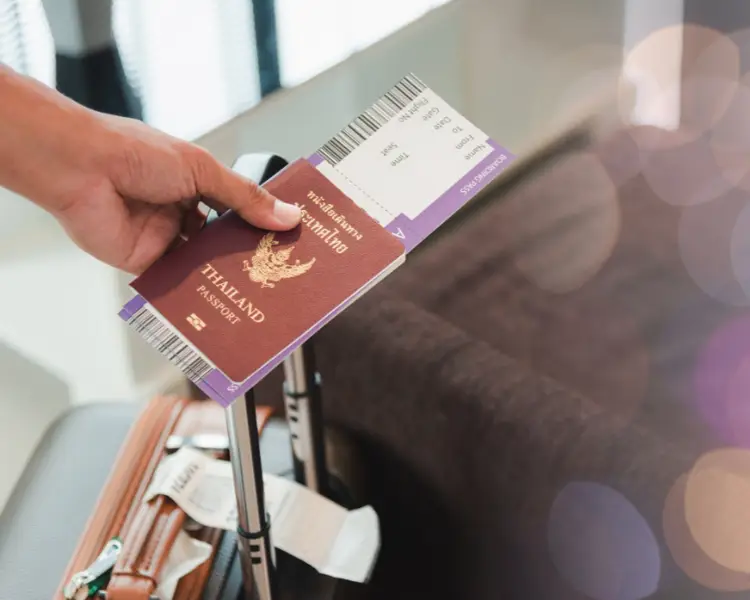
Your passport must have been issued within the last 10 years and be valid for at least 3 months from your planned departure date from France. However, for safety, you should ensure your passport is valid for at least 6 months from your entry date. Additionally, your passport should have at least 2 blank pages for visa stamps and entry/exit stamps.
2. Visa
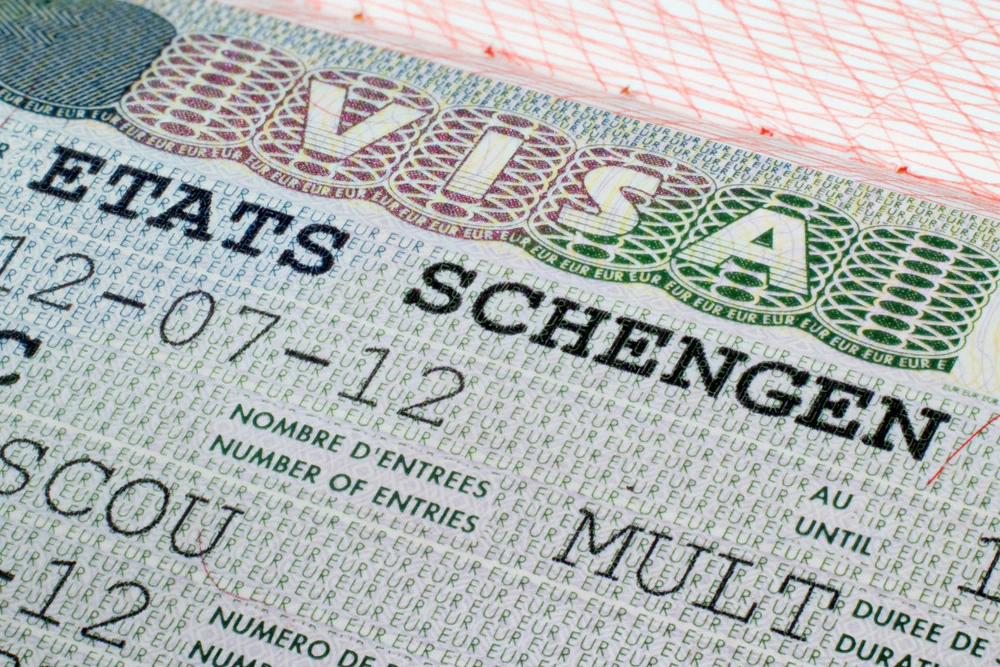
Vietnamese citizens need to apply for a visa to enter France. Depending on the purpose and length of stay, you will need:
- A short-term visa allowing a maximum stay of 90 days within the 180-day Schengen area.
- Long-term visa: For those staying for more than 90 days, such as for studying, working, or family reunification.
Please visit France-Visas (https://france-visas.gouv.fr/en/) for more details and specific instructions, or refer to the latest article from Klook for more detailed information on the French tourist visa application process!
3. Proof of Accommodation

Disneyland Paris Theme Park Ticket
You need to provide information about your accommodation during your stay in France, which may include:
Hotel reservation confirmation: Keep your hotel reservation confirmation. Don’t forget to note down the hotel’s address and phone number.
Certificate of residence: If you are staying with relatives, you need a certificate of residence certified by the local authorities (town hall). This document should clearly state the address, duration of stay, and your relationship with your sponsor.
4. Proof of Financial Means
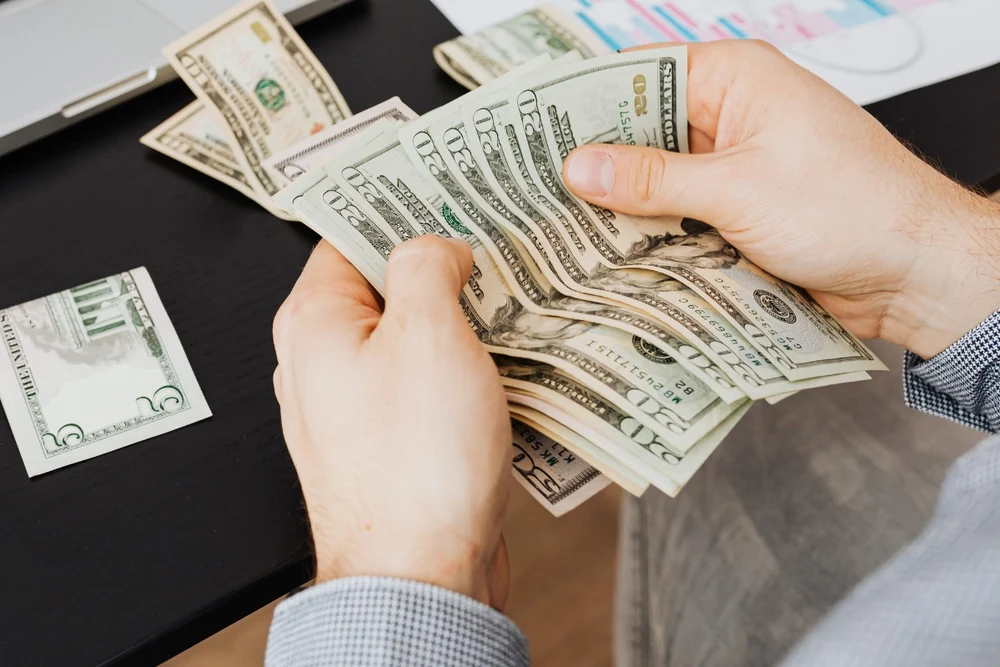
You need to demonstrate that you have sufficient funds to cover the entire trip. The minimum requirement depends on the type of accommodation:
- €32.50/day if you have an invitation from a relative.
- €65/day if you have a hotel reservation.
- €120/day if you do not have specific proof of accommodation.
To prove your financial means, you can use the following documents:
- Bank statement: The bank statement must show sufficient account balance to cover the trip. The statement must be printed and stamped by the bank.
- Credit card: A credit card can also be used to prove financial means, but you should have a statement or document proving the credit limit of the card.
- Other documents: Other documents such as financial guarantee letters, income verification documents, etc., can also be used to prove financial capability.
5. Travel Health Insurance
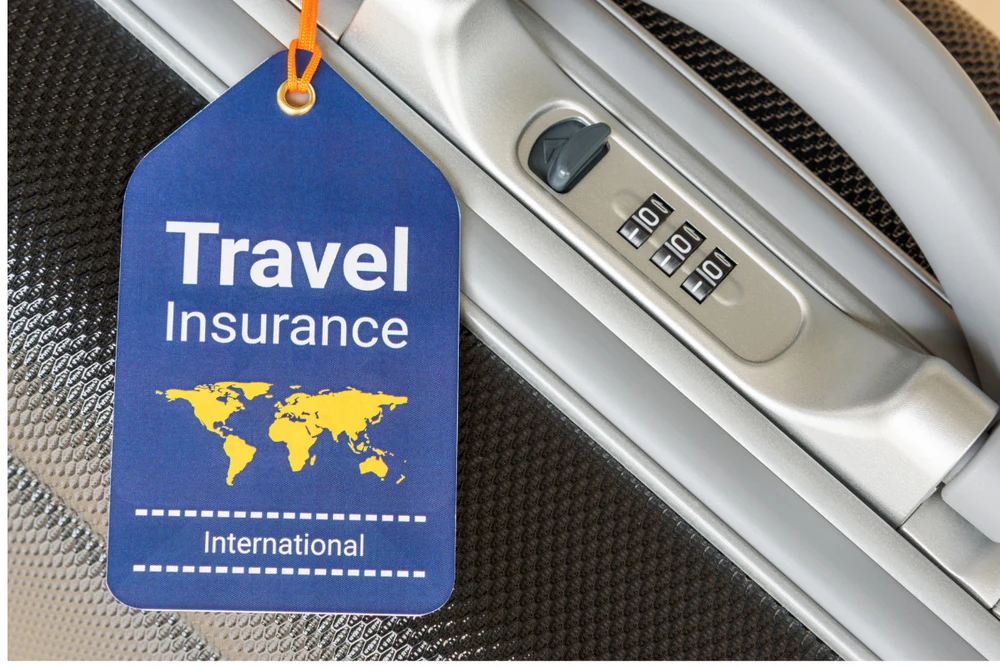
To be granted a Schengen visa, you are required to have travel health insurance that meets the following requirements:
Minimum coverage of €30,000 for medical and repatriation expenses.
- Coverage for the entire duration of your stay in France.
- Valid in all countries within the Schengen area.
- You should consider insurance packages from reputable companies such as AXA or Allianz.
6. Round-Trip Air Ticket
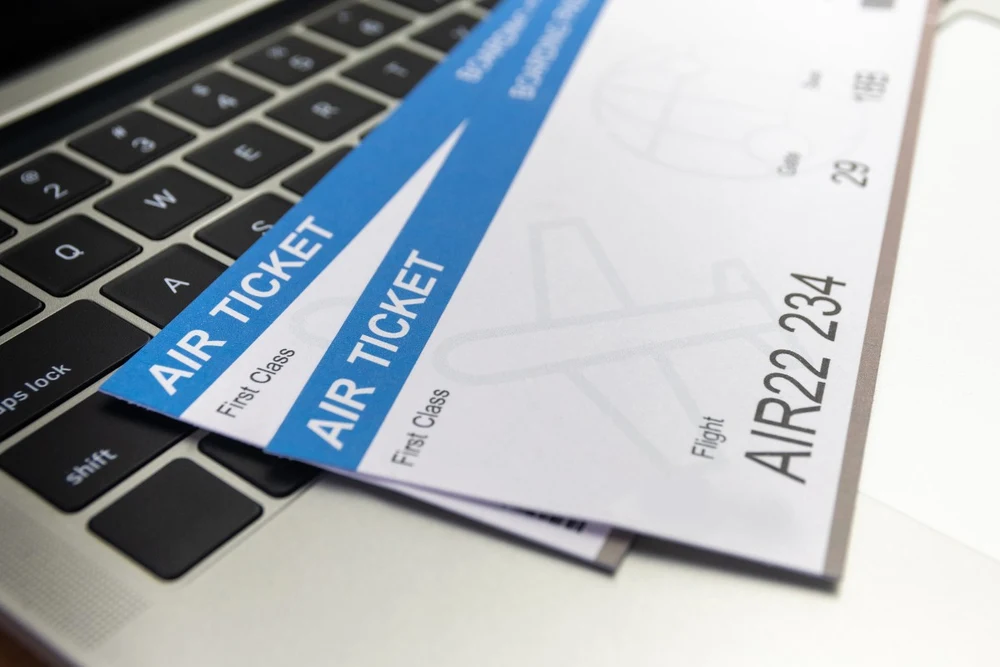
You need a round-trip air ticket or a ticket to another country. This proves to immigration authorities that you plan to leave France after your trip. Print your air ticket or keep an electronic copy on your phone or tablet. Please ensure the information on your flight ticket matches the information on your passport and visa.
7. Immigration Declaration Form
Currently, travelers entering France do not need to fill out an immigration declaration form like in some other countries.
Upon arrival at the airport, you only need to:
- Present your passport and visa
- Provide relevant documents if requested (return ticket, hotel booking, proof of financial means, etc.)
- Answer some basic questions from border control officers
In some special cases (e.g., carrying cash exceeding €10,000 or goods requiring declaration), you may need to fill out a separate customs declaration form.
When is Customs Declaration Required?
Not everyone entering France needs to declare customs, but there are some cases where it is mandatory to ensure safety, control the spread of disease, and comply with the law. Below are specific situations you need to be aware of to avoid violations and penalties:
1. Carrying Cash, Securities, or Valuable Assets
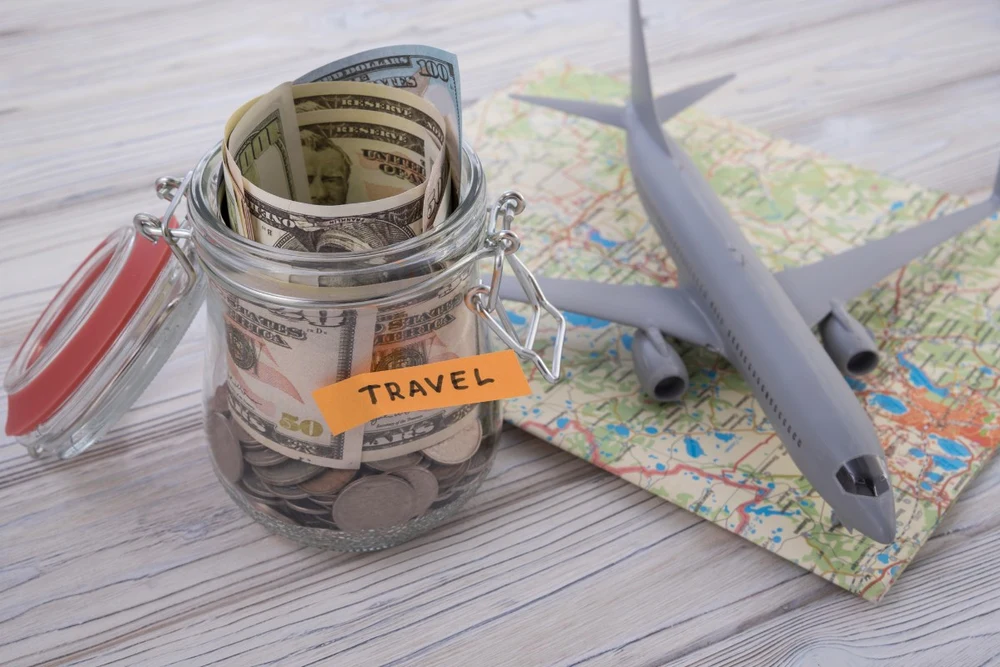
When carrying cash, traveler’s checks, gold, or securities worth €10,000 or more (or the equivalent in foreign currency), you are required to declare them to French customs. You need to declare them in person at the border or use the online DALIA system before entering the country. If you fail to declare or make false declarations, you will:
- Have all the money confiscated
- Be fined up to 50% of the undeclared value, and may even face criminal prosecution
2. Bringing Pets From Outside the EU

If you want to bring a dog, cat, or other pet from outside the EU into France, you need to prepare all the necessary documents as required by the European Union:
- Internationally certified microchip (ISO 11784/11785)
- Valid rabies vaccination certificate (vaccinated after microchip implantation and valid for at least 21 days)
- EU Animal Health Certificate issued by an authorized veterinarian within 10 days before entry
In addition, for pets from some countries outside the EU (including Vietnam), you need to have a rabies antibody test and wait the required time before entry. Warning
Important Note
- Some dog breeds on the endangered list may be banned from entering France.
- Rare or endangered animal species require a CITES permit.
Failure to comply with regulations may result in pets being denied entry, quarantine, or confiscation. In serious cases involving illegal animal trafficking, violators may face very heavy penalties under French law.
3. Bringing Food, Meat, Milk, and Animal Products

France is very strict about food of animal origin from outside the EU. You are not allowed to bring:
- Meat and meat products
- Milk and dairy products
However, some items may be accepted in limited quantities and in their original packaging, such as: seafood, honey, snails, infant formula, and pet food. If you bring the wrong type or exceed the permitted limits, your goods will be confiscated and you will be fined.
4. Bringing Plants, Seeds and Plant Products

Mont Saint Michel Day Tour with Transport
Bringing plants, seeds or plants into France may seem simple, but it is a group of goods that require strict control. If coming from outside the EU, you must have:
A phytosanitary certificate issued by the competent authority of the country of origin
This document must be prepared before leaving Vietnam
Only 5 types of fruit are exempt from certification: bananas, coconuts, durian, dates and pineapples. Invalid items may be confiscated, fined, or imprisoned for up to 3 years if they affect biosecurity.
5. Duty-Free Goods

When entering France, you are allowed to bring duty-free goods without declaration if the total value does not exceed €175 (or €90 for children under 15). However, if you exceed this limit or exceed the quantity limits for items such as cigarettes, alcohol, and coffee, you are required to declare them to customs and pay the corresponding taxes and fees.
Failure to declare or making false declarations will result in a fine of €300 to €3,700 and confiscation of the infringing goods (according to Article 412 of the French Customs Code). Therefore, to avoid problems, you should carefully check the duty-free limit before entering the country and declare truthfully to customs. Travelers can make declarations directly at the border or online through the Douanes system.

Immigration Procedure at the Airport
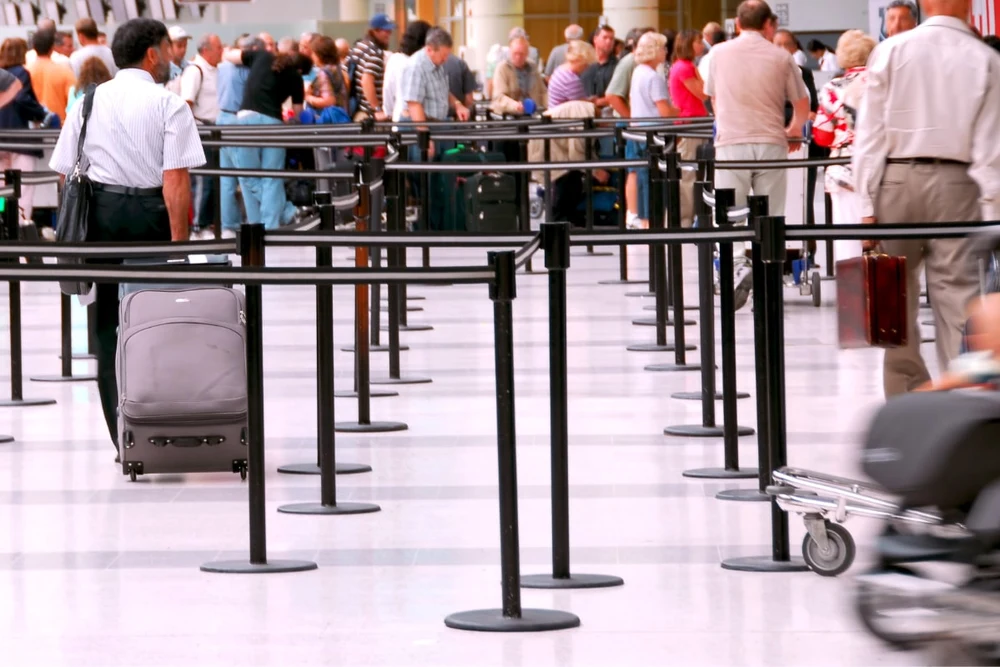
When the plane lands, simply follow the signs such as “Baggage – Exit” or “Arrivals & Baggage Reclaim” to the immigration area. The entire immigration process at the French airport consists of six main steps: filling out the immigration form, document check, security check, baggage claim, customs declaration, and departure from the airport.
Step 1: Customs Declaration If Necessary

Currently, travelers do not need to fill out an immigration form if they are not carrying goods that require declaration, or if they are not required to do so. However, if you are carrying goods exceeding the duty-free limit or cash exceeding €10,000, you need to declare it online via the DALIA system before departure or in person at the airport upon arrival.
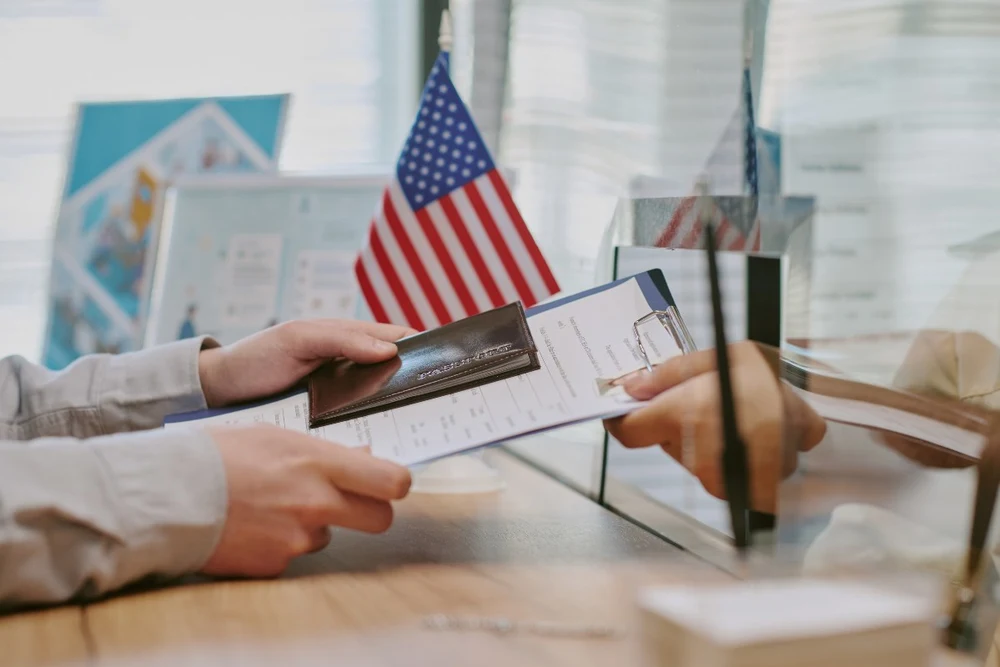
Step 2: Passport and Visa Check

At the border check counter, you need to present:
- A passport valid for at least 3 months after your departure date from France.
- A valid Schengen visa.
- Documents proving the purpose of your trip (return ticket, hotel reservation, invitation letter, travel insurance, etc.)
The staff may ask some basic questions such as how long you will be in France, where you will be staying, and the purpose of your trip. Just answer briefly and truthfully.
Step 3: Security Check
After completing the passport check, you will proceed to the security check area. Here, your carry-on baggage will be scanned, and you may be asked to remove your shoes, belt, or electronic devices for separate inspection. Liquids (perfume, cosmetics) must be in small bottles (under 100ml) and placed in a clear plastic bag. Please follow the security staff’s instructions to ensure a quick process.
Step 4: Collect Checked Baggage
Big Bus Paris Hop on Hop Off Tour
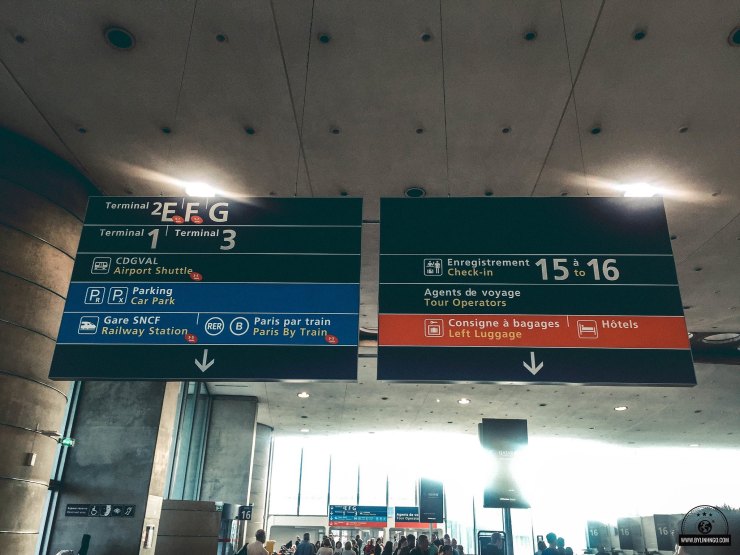
After completing immigration procedures, proceed to the baggage claim area. The electronic display will show your flight number and the corresponding conveyor belt. Your luggage will appear there after a few minutes. If you don’t see your luggage, don’t panic; go to the nearby “Lost & Found” counter for assistance.
Step 5: Customs Declaration

Immediately after the baggage claim area is the French Customs area. If you have goods to declare (e.g., goods exceeding the duty-free limit, cash over €10,000), go through the “Goods to declare” lane (red lane) and submit your declaration to the customs officer. If you have nothing to declare, go through the “Nothing to declare” lane (green lane).
Step 6: Leaving the Airport
Seine River Lunch and Dinner Cruise Experiences
Finally, you will arrive at the Arrival Hall. Here you will find clear signs indicating exits, public transport options such as the RER train, buses, taxis, or shuttle services. If you have booked a car in advance, the driver will usually be waiting near the exit gate with a sign bearing their name.
Important Notes for Tourists When Entering and Traveling in France
Are you eagerly preparing for your dream trip to France? To ensure a smooth and trouble-free journey, there are a few things you should keep in mind before and during your visit to this romantic country!
1. Before Departure
- Schengen Visa: For trips under 90 days, you need to apply for a short-term Schengen visa. Submit your application at least 4 weeks before your departure date to avoid risks.
- Required Documents: Prepare your passport, return flight tickets, hotel reservation confirmation or invitation letter from a relative, and travel insurance.
- Proof of Financial Means: You need to demonstrate sufficient funds for your stay, for example, €65/day if you have a hotel reservation.
2. Upon Entry
- Required Documents: Passport, visa, return flight ticket, immigration declaration form, hotel reservation confirmation, or invitation letter from a relative.
- Customs Declaration Regulations: If carrying cash and valuables worth over 10,000 euros, pets, or other items, you must declare them accurately and truthfully to avoid being denied entry.
3. During Your Trip to France

- Personal Safety: Limit carrying large amounts of cash and always keep your bags and backpacks in front to avoid pickpocketing.
- Transportation: The public transportation system in France is highly developed. You should use the subway, buses, or high-speed trains to travel between cities.
- Communication: Learning some basic French phrases will help you communicate easily and make a good impression on locals.
- Cuisine: Don’t miss the chance to enjoy signature dishes such as baguette bread, Camembert cheese, and Bordeaux wine.
- Ideal travel time: May and September are ideal times to visit France with mild weather and fewer crowds.
Frequently Asked Questions About French Entry Procedures

1. Is online declaration required before arriving in France?
Not mandatory, but if you are carrying €10,000 or more (or equivalent value), you must declare it to customs. You can save time by declaring online via the DALIA system before arriving in France.
2. Are tourists allowed to bring food into France?
Bringing food of animal origin (such as meat, dairy) is prohibited or strictly restricted to protect public health and the environment. It is best to carefully check the regulations before bringing anything.
3. Is proof of financial means required when entering France?
It may be required. You should bring bank statements, cash, or credit cards to demonstrate your financial capability. For example, if you have a hotel reservation, you need to show you have at least €65 per day.

4. What is the maximum length of stay with a Schengen visa?
You are allowed to stay for a maximum of 90 days within any 180-day period in the Schengen area. This applies to both visa-free and visa-exempt visas.
5. Are there limits on bringing cigarettes and alcohol into France?
Yes, you need to adhere to the duty-free limits. For example, you can bring a maximum of 200 cigarettes or 2 liters of alcohol. If you exceed these limits, you must declare and pay taxes.
Hopefully, after reading this article, you feel more confident about the French entry procedure and know what you need to prepare. Understanding the regulations from the start will not only save you time but also prevent unnecessary trouble. Now, pack your bags, double-check your documents, and get ready to enjoy an inspiring journey in this romantic country.
With this guide to French immigration procedures, schedule your trip now!

Some best day tours, trips, activities and transfer services, tickets in, from and to Paris you can refer to
- Paris Museum Pass
- Paris Big Bus Hop-On Hop-Off Tours (Open-Top)
- Eiffel Tower Skip-the-Line Ticket
- The Louvre Museum Skip-the-Line Guided Tour
- Disneyland® Paris Ticket
- [Sale] Seine River Sightseeing Cruise in Paris by Bateaux-Mouches
- Mont Saint Michel Full Day Tour from Paris
- Paris: 1-Hour River Seine Cruise
- Paris: Moulin Rouge Cabaret Show Ticket with Champagne

Are you looking for more top things to do in Paris: Tours, activities, attractions and other things? Read more: Paris travel blog — The fullest Paris travel guide blog for a great budget trip to Paris for the first-timers. And let’s check it out more here.