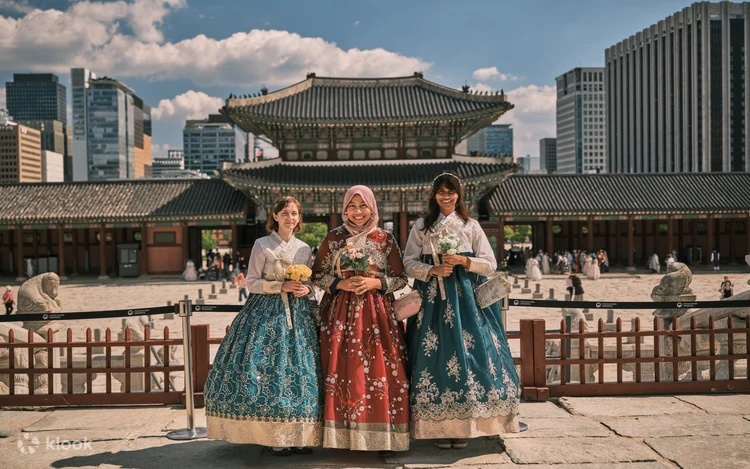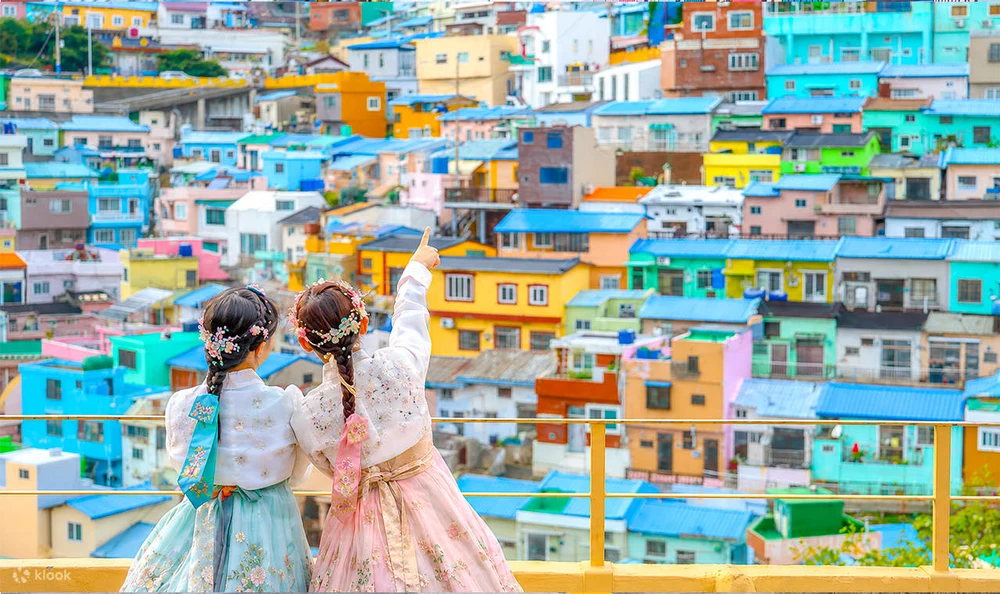

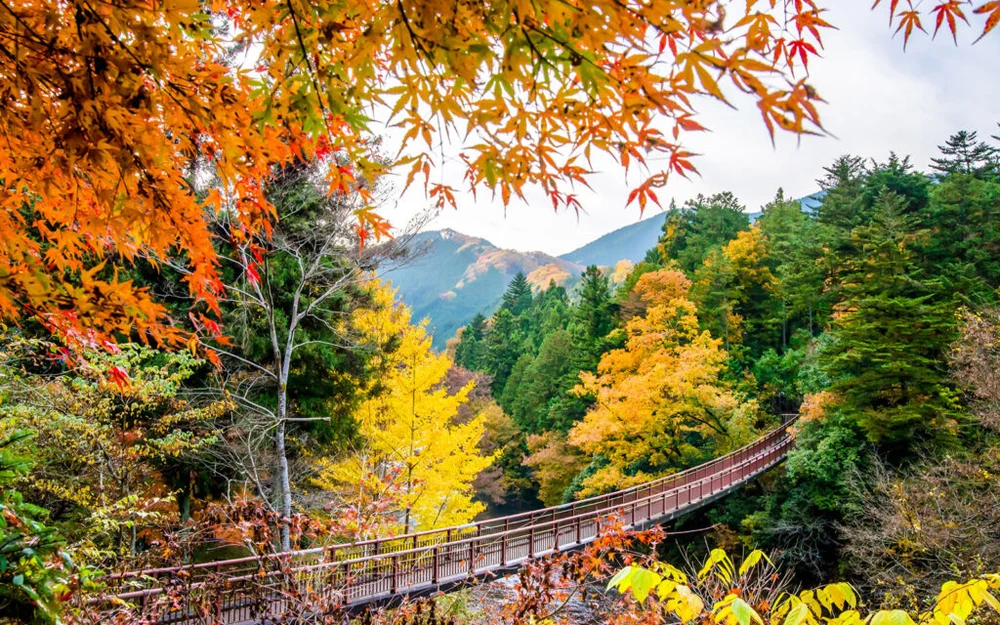
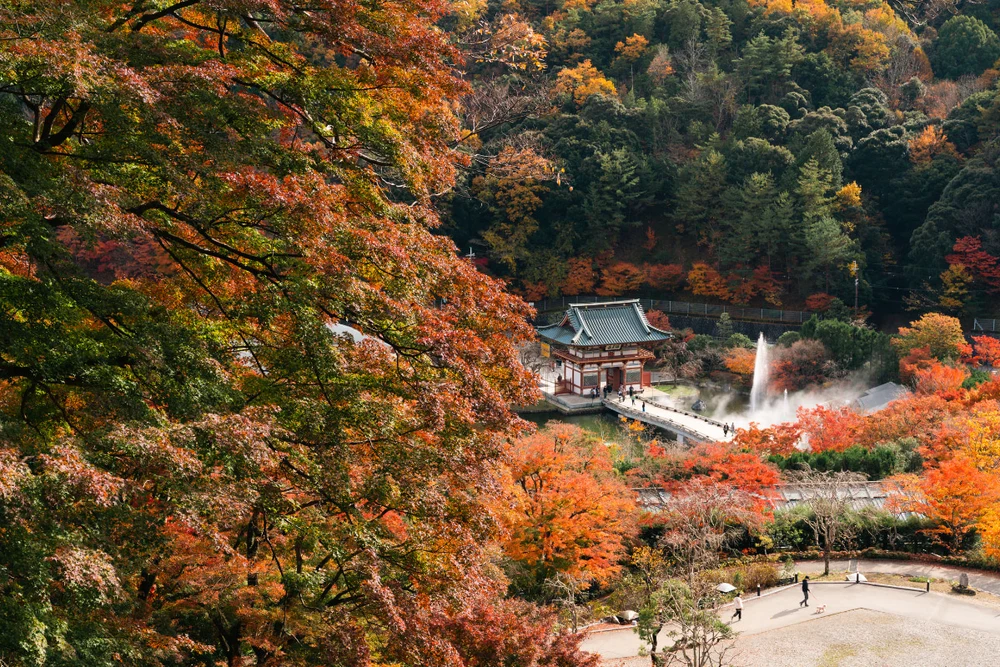
















When it comes to traveling to Japan, people often think of bustling modern cities like Tokyo, Osaka or Kyoto. However, Japan also has countless potential destinations with unique and pristine beauty, including Yamaguchi province – a precious gem located in the southwest of the land of the rising sun. So, is yamaguchi worth visiting, what to do in yamaguchi? Let’s check out The FULLEST Yamaguchi travel guide: Top attractions, best things to do, eat & MORE in this post!
- Must have experiences in Japan: Kimono, Tea Ceremony, Ryokan, Onsen & MORE
- Kyoto festival — Top 10 best events & most famous festivals in Kyoto you must see
- Discovering the art of making Washi paper crafts in Japan
- Best Tokyo Autumn Spots: Don’t Miss These 17 Hot Spots
- 19 Romantic Autumn Spots in Osaka
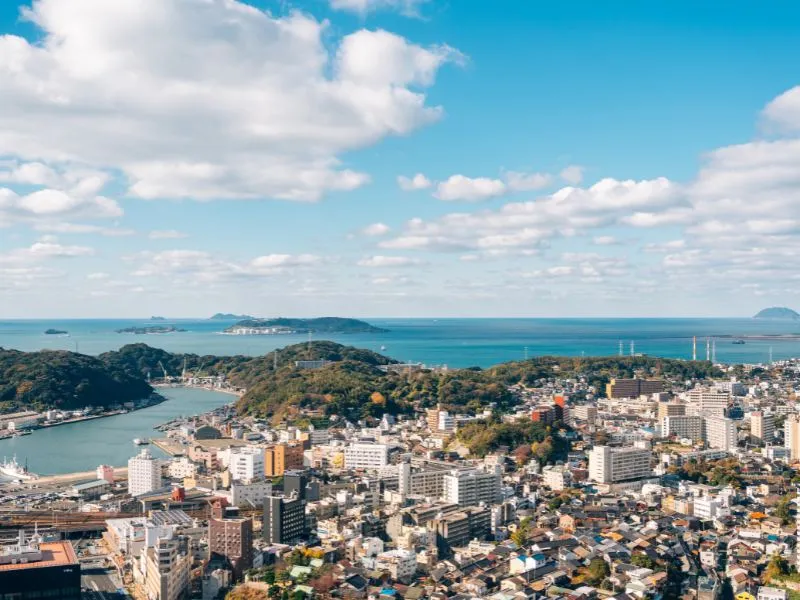
Yamaguchi is a hidden gem located in the far west of Honshu Island, and is also one of the most attractive tourist destinations in the Chugoku region. This land has long been famous for its poetic natural landscapes, picturesque beaches and many unique heritage and architectural works. In particular, this place is also an ideal meeting place for those who want to explore traditional Japanese cuisine and culture.
Let’s find out with Living Nomads the secret to traveling to Yamaguchi from A-Z through the following article!
Yamaguchi travel guide: Where is Yamaguchi?
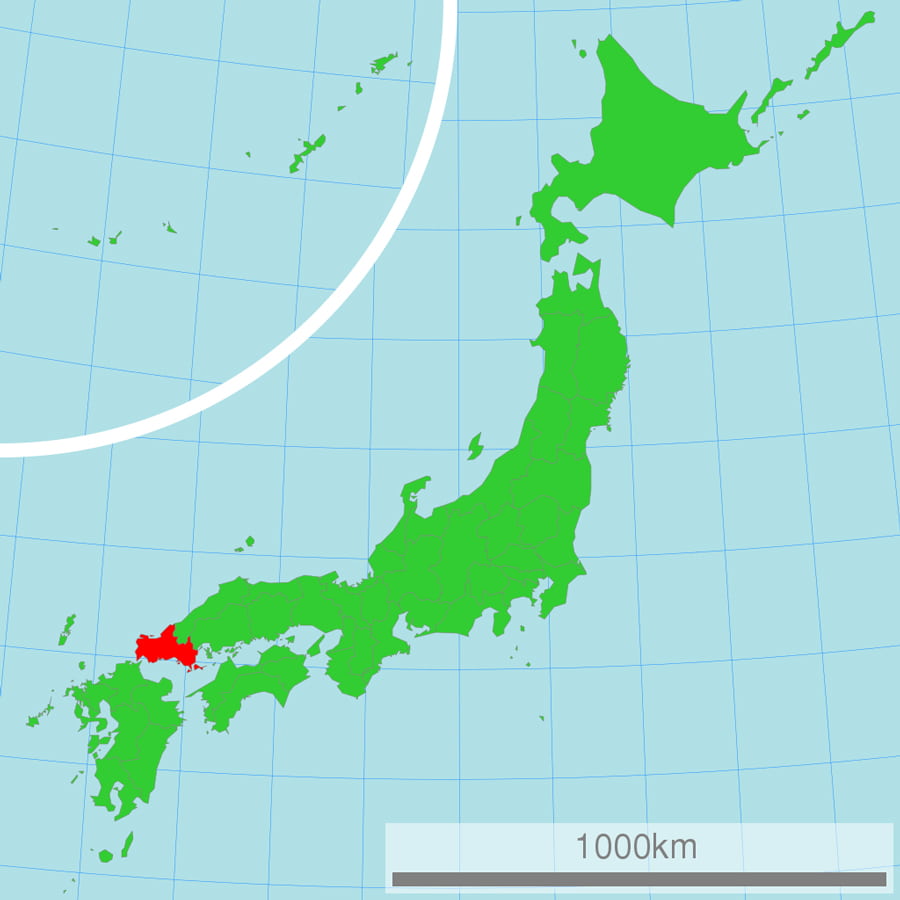
Yamaguchi is a prefecture located in the Chūgoku region, southwest of Honshū Island, Japan. This prefecture is blessed with a 1,500 km long coastline, bordered by three seas: the Kanmon Strait to the west, the Seto Inland Sea to the south, and the Sea of Japan to the north. Yamaguchi’s terrain is diverse with the Chugoku Mountains in the center, plains, and small basins along the coast. Yamaguchi was once the capital of the Choshu domain, one of the most powerful daimyo during the Edo period. Famous for its heroic history and rich culture, Yamaguchi possesses many valuable relics, temples, shrines, and traditional gardens.
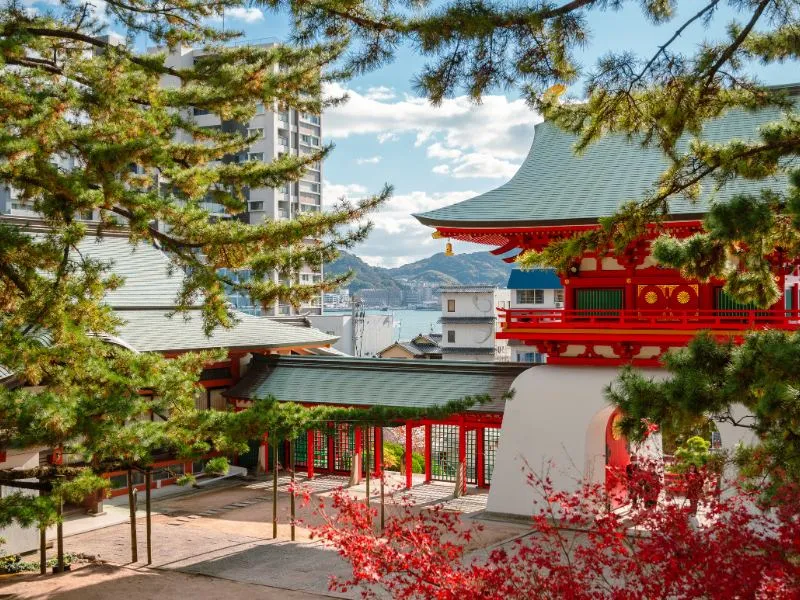
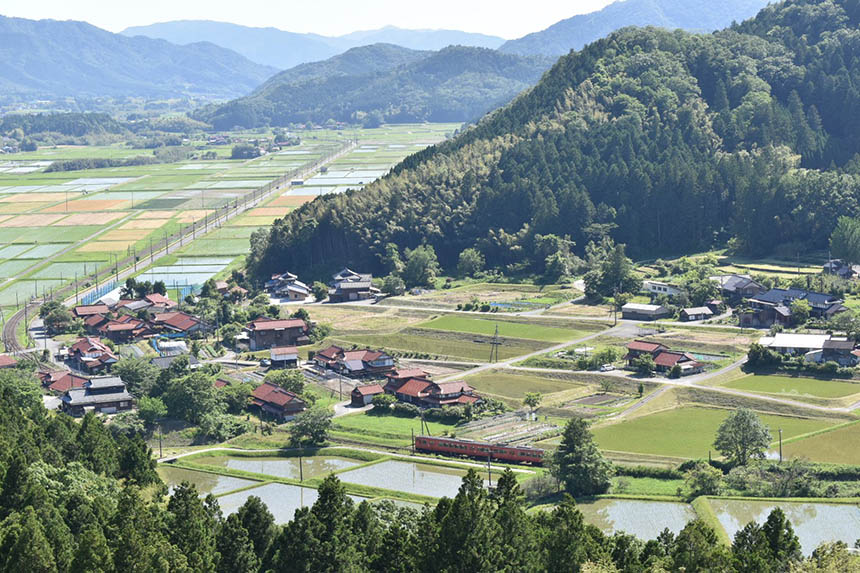
Yamaguchi is a prefecture in the San’yo region, Chugoku region – a geographical area located in the west of Honshu Island, Japan. With its pristine natural scenery, fresh air and peaceful, quiet pace of life, this place is often likened to a hidden gem of the Land of the Rising Sun.
Coming to Yamaguchi, you will have the opportunity to immerse yourself in the natural scenery, poetic sea and sky, explore attractive tourist destinations and experience many interesting activities. Besides, this land is also an ideal destination for those who love traditional cuisine and culture.
The best time to travel to Yamaguchi?
Yamaguchi Prefecture has a warm climate with 4 distinct seasons, the average annual temperature is from 12°C to 16°C. Summer in Yamaguchi is short, warm and cloudy. The average daily high temperature is about 28 – 32 degrees Celsius, not as harsh as in other areas. Winter in Yamaguchi is cold, windy and can snow. The average daily low temperature is usually below 12°C.
The coldest months in Yamaguchi are January, February, April and December. The hottest month of the year is August, with an average high temperature of 29°C and an average low temperature of 23°C. The average annual rainfall in Yamaguchi ranges from 1,600 to 2,300 mm. In particular, Yamaguchi often has showers and storms in the summer and autumn. However, the weather here is generally quite mild and pleasant, suitable for tourists to visit all year round.
Spring (March – May every year) is considered the best time of year for tourists to explore Yamaguchi Prefecture. In particular, the period from March to April is the cherry blossom season. At this time, every street and corner in Yamaguchi is immersed in the brilliant colors of cherry blossoms, creating an extremely poetic and romantic scene. This is the ideal time for you to stroll around, enjoy spring and hunt for impressive virtual photos.
In addition to the spring months, visitors can consider traveling to Yamaguchi in the summer (June – August). Although the atmosphere is somewhat hot, this is a great opportunity for you to freely explore the picturesque beaches.
How to get to Yamaguchi?
From Tokyo, visitors can go to Yamaguchi by 2 popular means of transport: plane and high-speed train. The average flight time from Haneda Airport (Tokyo) to Yamaguchi Ube Airport (Yamaguchi) is about 1 hour 30 minutes. After landing, you can take a bus or book Klook’s airport shuttle service to get to the central area.
If you want to save money, you can choose the Shinkansen bullet train as a means of transportation. The travel time from Tokyo to Shin-Yamaguchi Station is 4.5 hours, the ticket price is about 21,000 yen/way (~ 3,700,000 VND).
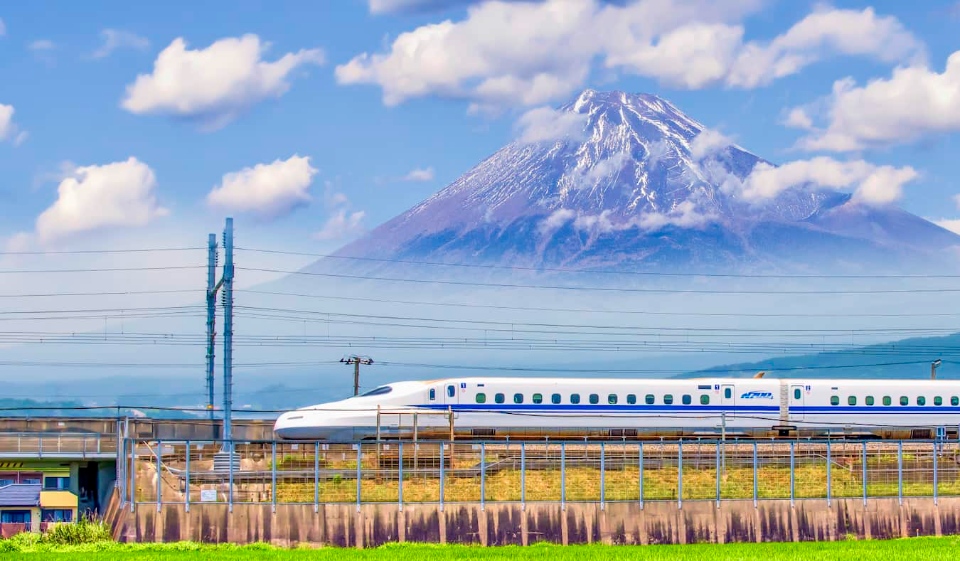
If you are planning to visit Yamaguchi in the near future, don’t forget to visit Klook to book a flight to Tokyo in advance here.
What to do and where to go in Yamaguchi
Yamaguchi Prefecture is one of the most popular tourist destinations in the Chugoku region of Japan. In addition to enjoying the romantic natural scenery, visitors to this land also have the opportunity to visit many attractive tourist destinations. If this is your first time coming to Yamaguchi and you don’t know where to go or what to do, save the following interesting destinations and top things to do.
Ichinosaka River
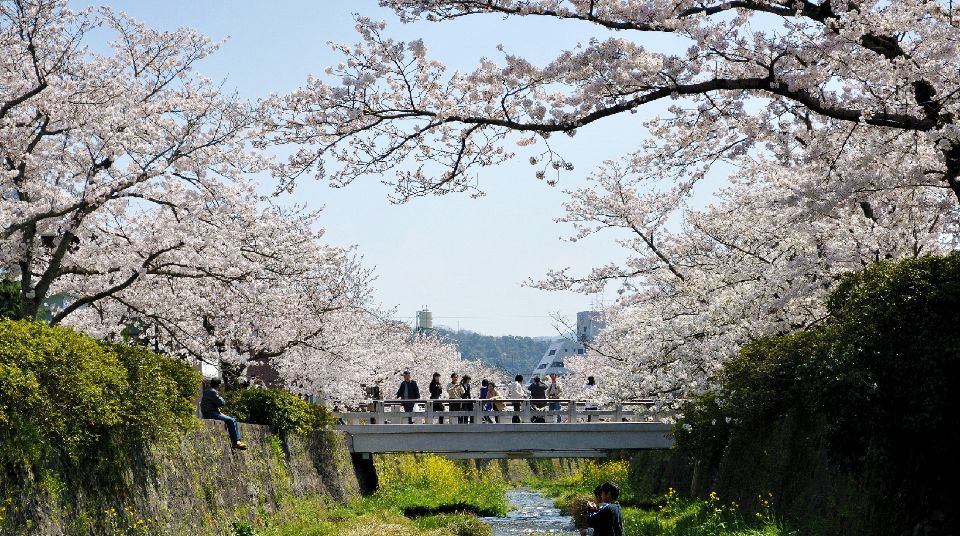
This is the river that divides Yamaguchi City in two and is one of the ideal places to enjoy the scenery. Visitors can stroll along the riverbank, immersing themselves in the atmosphere filled with cherry blossoms in spring. If you visit in the summer months around July and August, you will have the opportunity to admire the sparkling scenery with flocks of fireflies flying in the cool night.
Motonosumi Inari Shrine
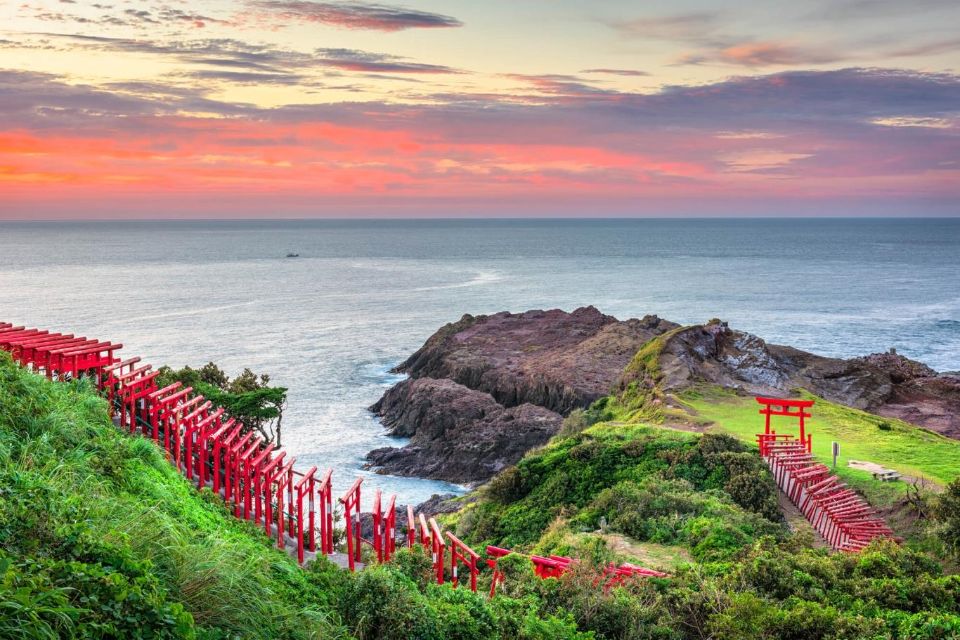
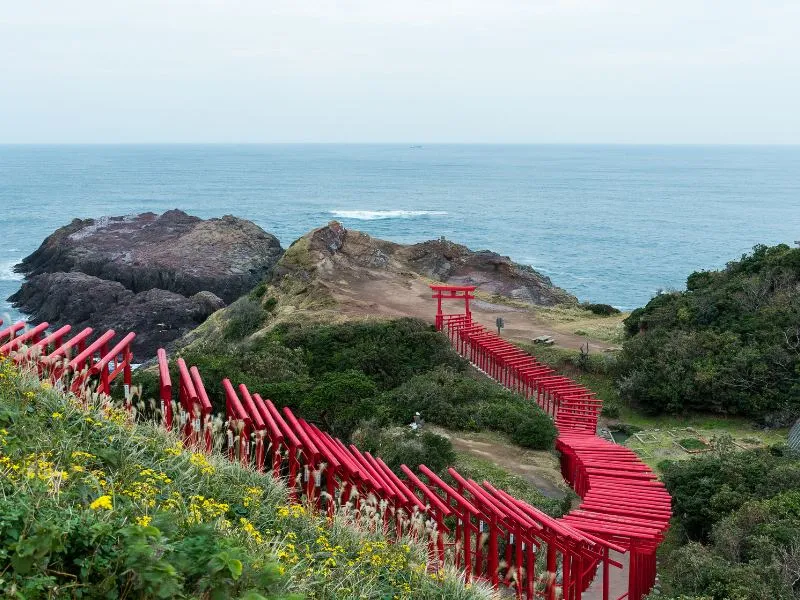
Motonosumi Inari is a famous sacred shrine, possessing a very unique location and architectural design. The shrine is perched precariously on a cliff, with the vast sky and rolling sea in front of it.
When visiting this shrine, you will be amazed by the image of hundreds of bright red torii gates, running from the foot to the top of the cliff. Passing through the long winding gates, you will reach the magnificent shrines, bearing the traditional Shinto architectural mark.
With its prime location, Motonosumi Inari Shrine is voted as one of the most beautiful sightseeing coordinates in Yamaguchi. Standing from the shrine, you can look far away to admire the panoramic view of the vast sea and sky and enjoy the cool sea breeze.
Besides enjoying the natural beauty, visitors to the shrine also have the opportunity to take check-in photos with the brilliant Torii gate in the background.
Tsunoshima Ohashi Bridge
Tsnoshima Ohashi Bridge is a symbolic structure of Yamaguchi Prefecture, and is also one of the most famous tourist destinations in this land. The bridge is more than 1,700m long, connecting the Shimonoseki mainland with Tsunoshima Island.
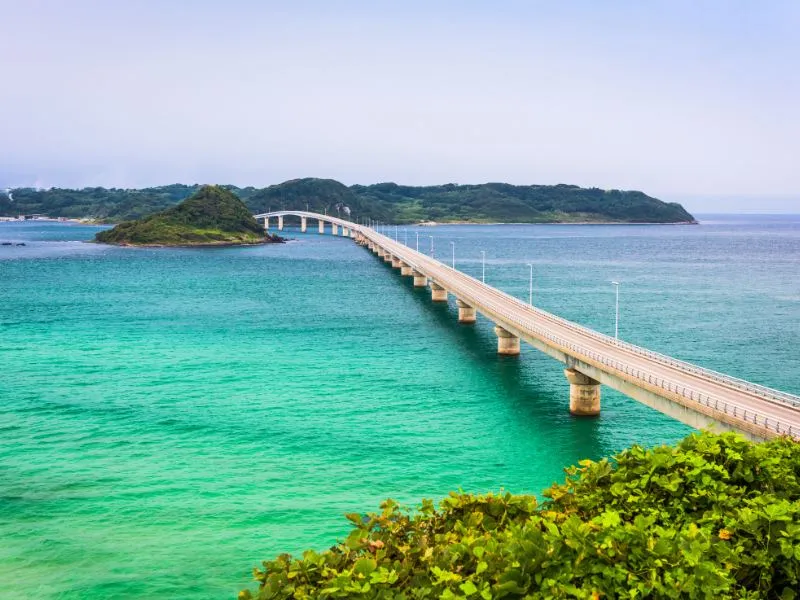
Tsnoshima Ohashi Bridge has a unique curved design, stretching across the blue sea. Standing here, you can almost completely admire the charming landscape and the magical beauty of the sunset.
After visiting Tsunoshima Ohashi Bridge, visitors can visit the beautiful beaches around Tsunoshima Island. The beaches here have long been famous for their poetic scenery, an ideal stop for resort trips.
St. Francis Xavier Memorial Church
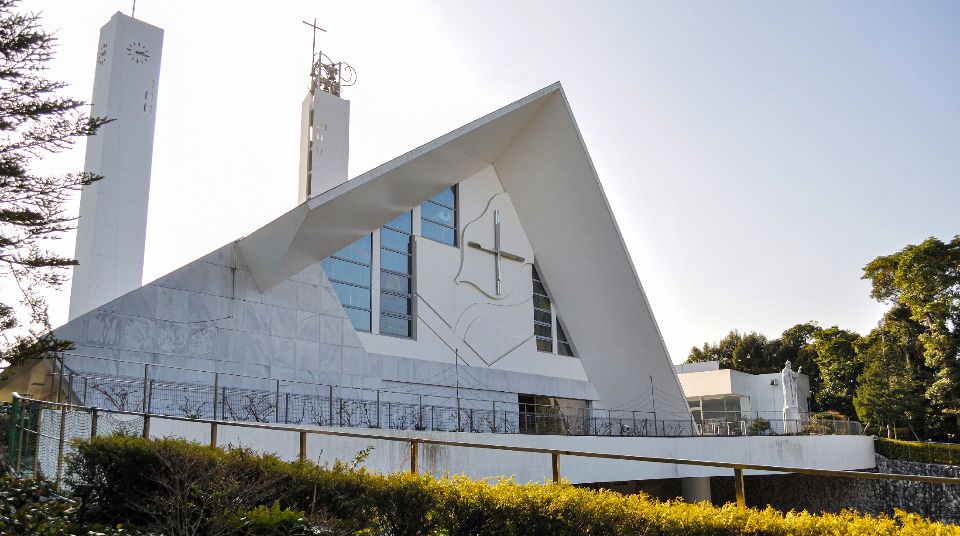
It is a unique destination in Yamaguchi Prefecture. Built in 1952 to commemorate the 400th anniversary of the death of St. Francis Xavier, the first Jesuit missionary to bring Christianity to Japan in 1549, the church is notable for its unusual sloping roof, white walls, angular walls, and modern stained glass. However, its real attraction is its historical and religious heritage. After visiting the church, visitors can relax by bathing in Yuda Onsen, an area famous for its hot springs and foot baths, located about 2km away. Renting a bicycle for the day from outside the station will make traveling easier for visitors.
Kintai-kyo Bridge
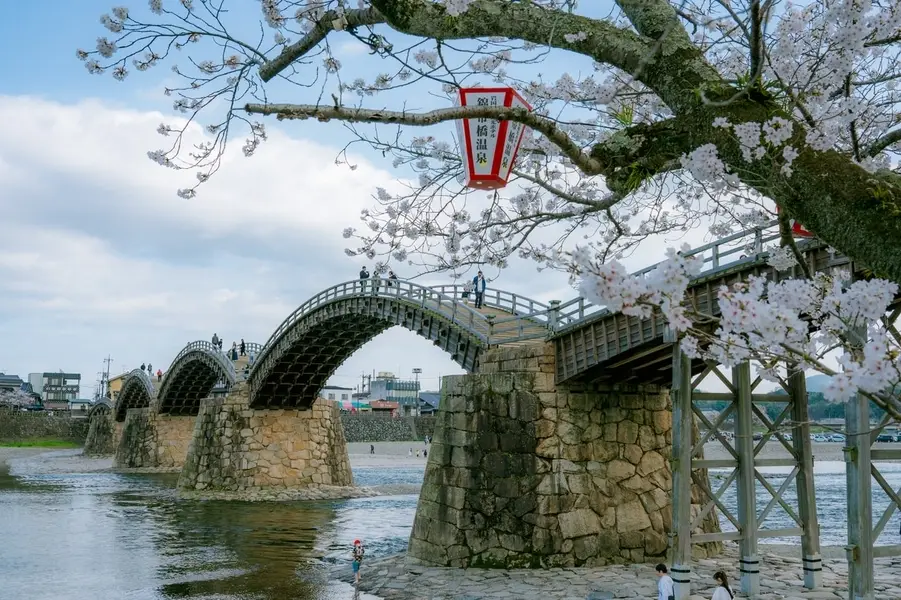
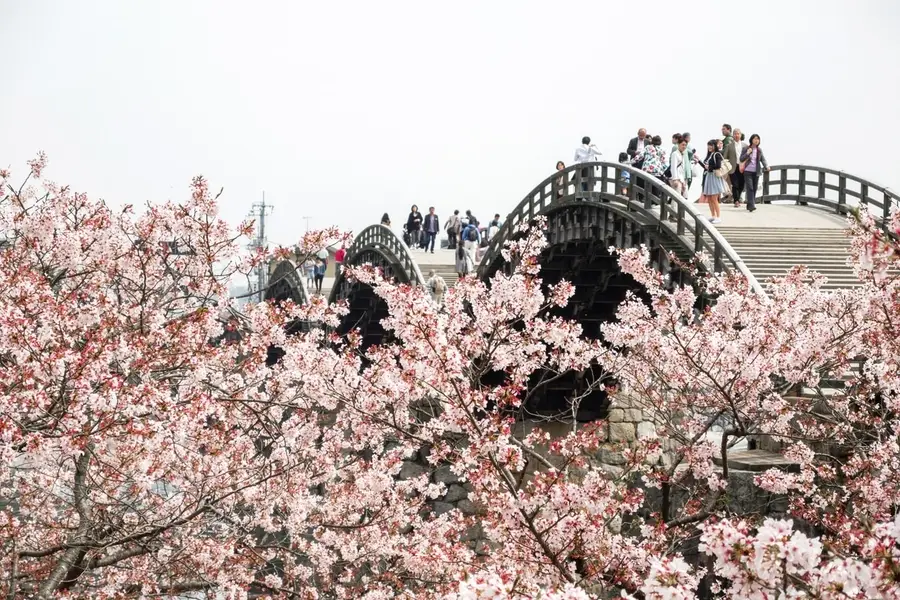
One of the most prominent tourist attractions in Yamaguchi, Kintai-kyo Bridge is a coordinate that you cannot miss on your upcoming trip. Kintai-kyo Bridge was built in the 17th century, spanning the poetic Nishiki River. The most unique feature of the bridge is the design of 5 consecutive arches, connected together by a special wood-joining technique.
Surrounding the wooden bridge is the poetic scene of the blue Nishiki River and the brilliant cherry blossoms. Every spring, the scenery here becomes even more dreamy when the scent of cherry blossoms spreads throughout the space, covering the water surface and the path.
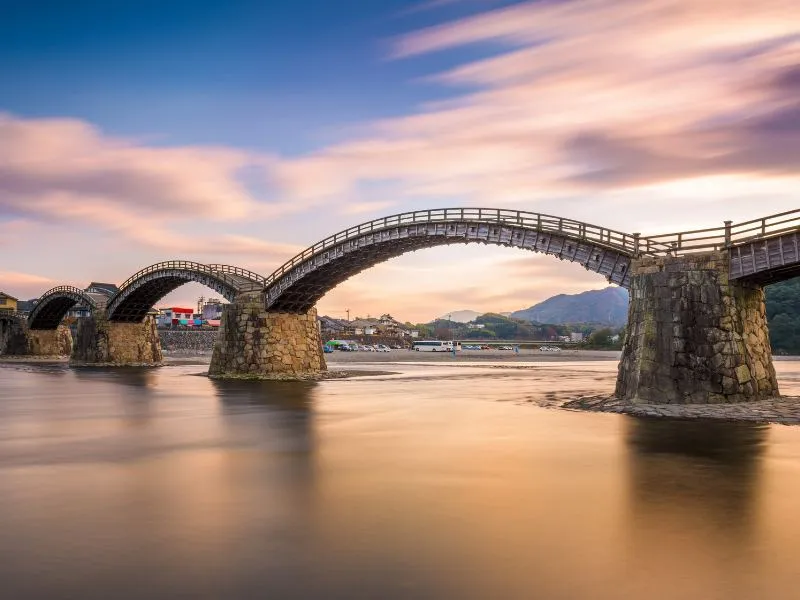
In addition to sightseeing and taking pictures, visitors to Kintai-kyo Bridge in spring should not miss the experience of sitting on a fishing boat and strolling on the river. If you have time, you can also visit Kikko Park nearby to see the old houses of Samurai families.
Sesshu Garden at Joeiji Temple
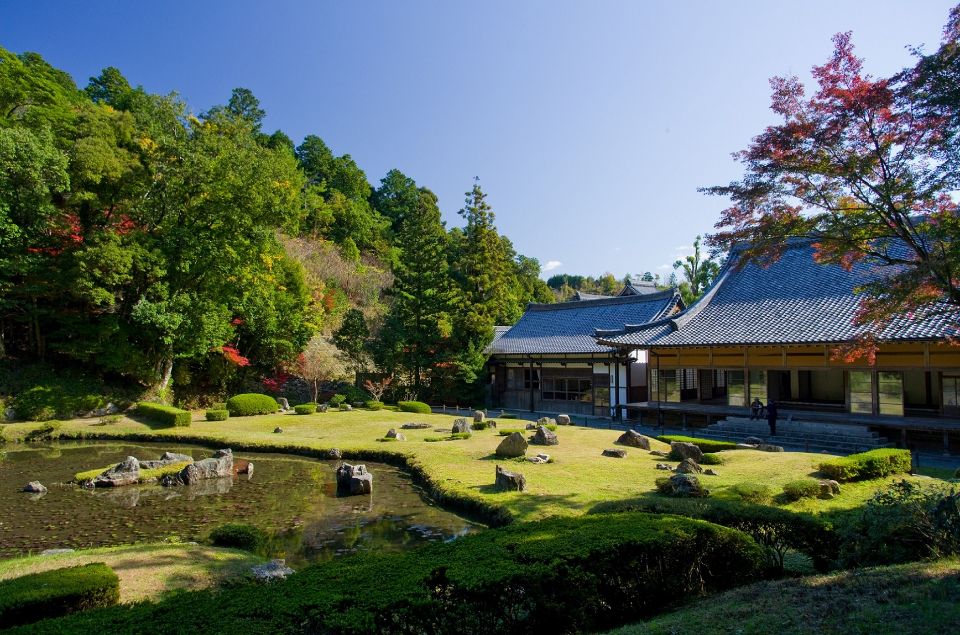
Located in Yamaguchi City, Yamaguchi Prefecture, Japan, Sesshu Garden at Joeiji Temple (also known as Saihoji Garden) is one of the most beautiful and famous Japanese gardens in the world. The garden was designed by Sesson Shukei, a famous Zen monk and gardener in the 15th century. The garden was completed in 1502 and is considered a masterpiece of Japanese gardening, and has become a quiet place for meditation and reflection.
Tsunoshima Lighthouse
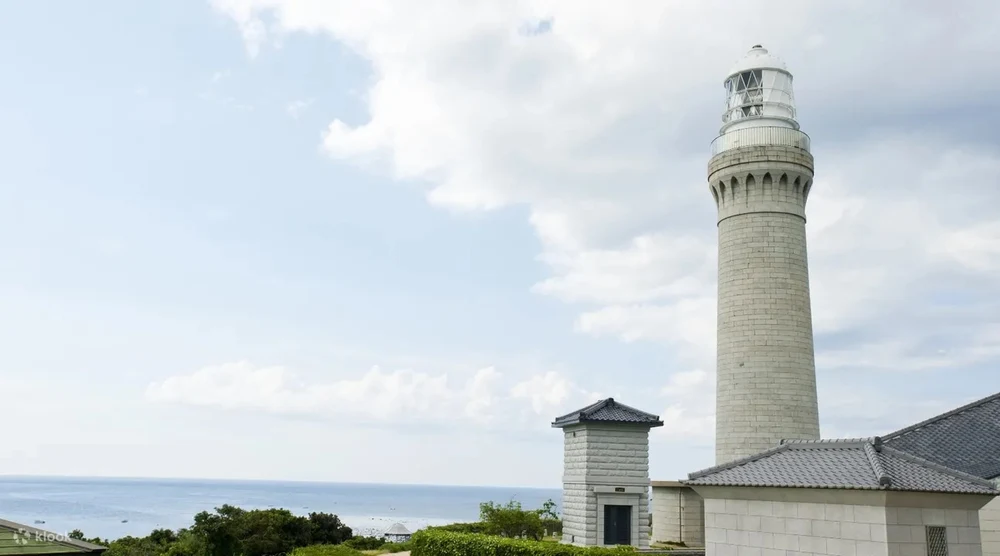
The next place you should not miss is Tsunoshima Lighthouse. This is a beautiful sightseeing destination in the Yumegasaki Mountains. It was built in 1876 and designed by Mr. Richard Henry Brunton – a foreign advisor under the Meiji government.
Tsungoshima is designed in a Western European style. Especially since 2016, this lighthouse has become a favorite destination for many young people. Especially couples often choose this Japanese tourist destination for dating. Therefore, this place is also known as the Lighthouse of Love and visitors will have to pay a small fee of 20 yen for children and 150 yen for adults.
Akiyoshidai Plateau – Countryside and the largest limestone cave in Japan
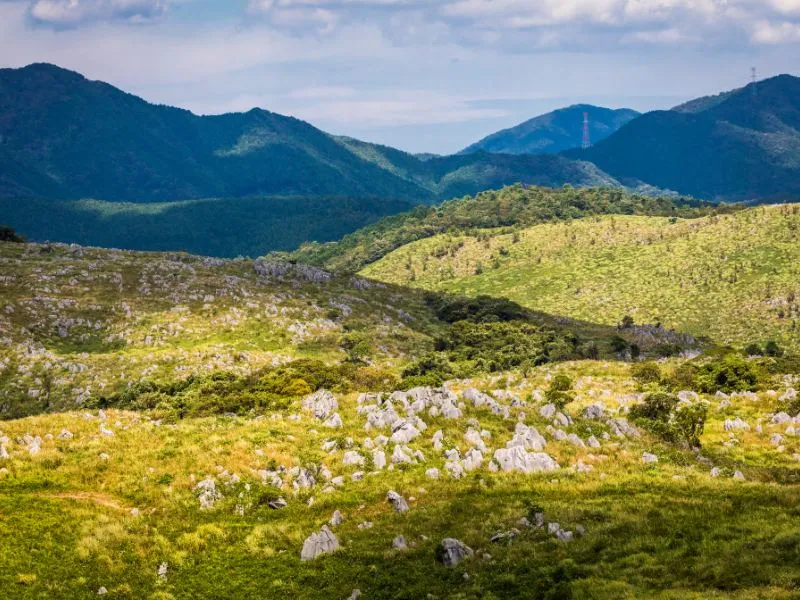
Located near the city of Mine, Yamaguchi Prefecture, Japan, Akiyoshidai Plateau is unlike any other land in Japan. Millions of years ago, this place was under the ocean, after a long period of time the area was pushed up to the mainland.
The rains have eroded the soil to form impressive limestone and stalactite blocks. Here visitors can visit the underground caves of Akiyoshido, the largest cave system in Japan. The cave has a path for visitors and is well maintained.
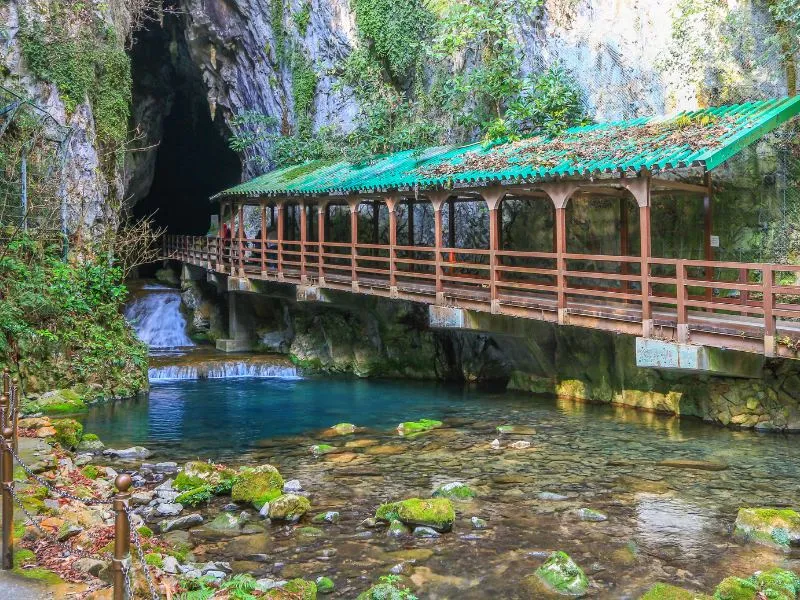
The gentle light that shines in brings a comfortable atmosphere through the stone pools, the stalactites have brought beautiful colors. The sound of the water flowing through the caves is peaceful, as well as eroding the limestone into strange and interesting shapes.
Beppu Benten Lake
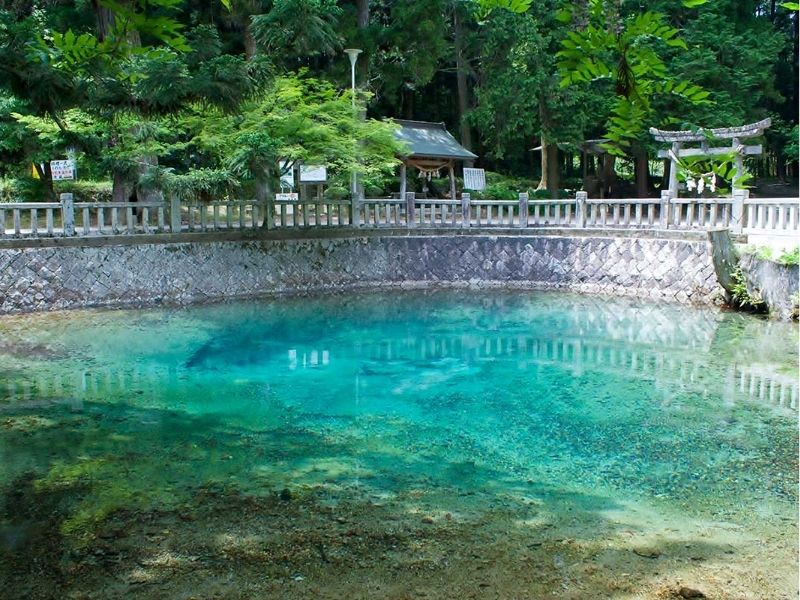
Beppu Benten Lake is an attractive tourist destination for those who love nature and want to discover new things. Beppu Benten captivates visitors with its magical scenery, with mysterious emerald green water that changes shades from outside to inside.
The emerald green water is associated with mysterious legends. @Shutterstock
The clear blue lake is surrounded by rows of shady green trees, creating a fresh and cool atmosphere. In addition to the dreamy scenery, the Beppu Benten Blue Lake also attracts visitors from all over thanks to mysterious stories about the sacred water that bestows health and wealth.
Rurikoji Temple
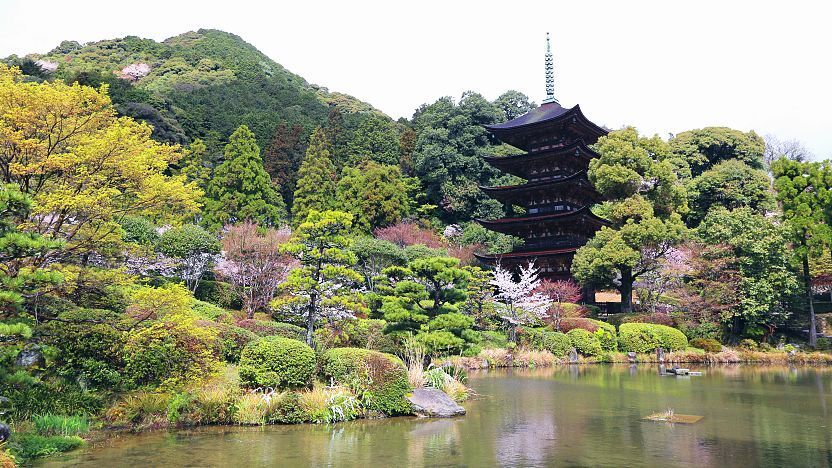
Ruriko-ji Temple is one of the oldest and most artistically valuable Japanese temples in Japan. The temple was built in the 15th century, standing out with its nearly 32-meter-high five-story tower, one of the three most beautiful ancient towers in Japan and recognized as a National Heritage. The temple grounds are surrounded by a small lake, green bamboo groves and a stone-paved path leading to the Zen monastery. In spring, cherry blossoms bloom around the tower, creating a serene scene, while in autumn, the temple grounds are dyed yellow with maple leaves. Visitors come here not only to admire the architectural beauty, but also to find peace and balance in modern life.
This is one of the three most famous temples in Japan. Rurikoji Temple was built in 1442 and has 5 floors. Not only attracted by the ancient architecture of the temple, Rurikoji Temple also owns a large campus with beautiful natural scenery and historical buildings such as warehouses, bell towers or museums.
Iwakuni Castle – Historic castle with panoramic views of the city
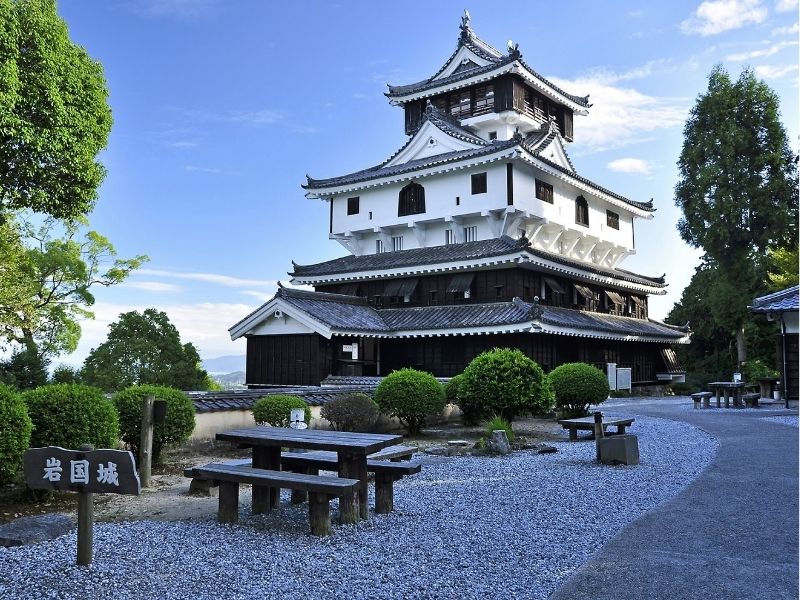
Iwakuni Castle is located on the top of Shiroyama mountain, built in the early 17th century during the feudal period of Japan. Although it was destroyed in the past, the castle has been restored almost to its original state, becoming a cultural symbol of Iwakuni city. From the top, the whole view of Iwakuni city appears before your eyes with the clear Nishiki River and the famous Kintaikyo wooden bridge in the distance. Inside the castle, many valuable historical artifacts such as swords, samurai armor and documents about ancient lords are displayed. The space here is imbued with the breath of the Edo period, making visitors feel part of the samurai spirit and long history of this land.
Karato Market
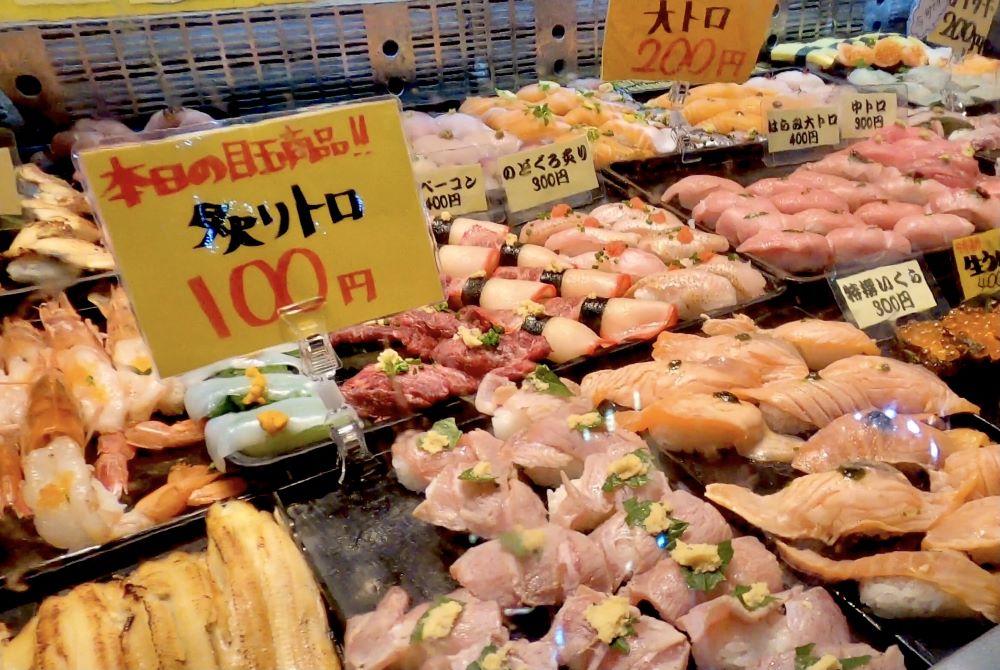
Karato Market is a famous seafood market, located in Shimonoseki City, Yamaguchi Prefecture. This place is known as a paradise of sashimi, sushi and fresh seafood, promising to bring visitors interesting culinary experiences. In addition, when coming to Karato Seafood Market, you also have the opportunity to participate in attractive culinary events.
In addition, when coming to Yamaguchi, visitors can also visit places such as Ganryujima Island, Hagi Castle Town and participate in countless traditional festival activities in Yamaguchi.
Events and festivals in Yamaguchi
Yamaguchi attracts tourists not only by its historical sites and natural landscapes but also by its unique events and festivals that take place throughout the year. Each event and festival has its own unique color, contributing to the colorful cultural picture of Yamaguchi. Some notable events and festivals include:
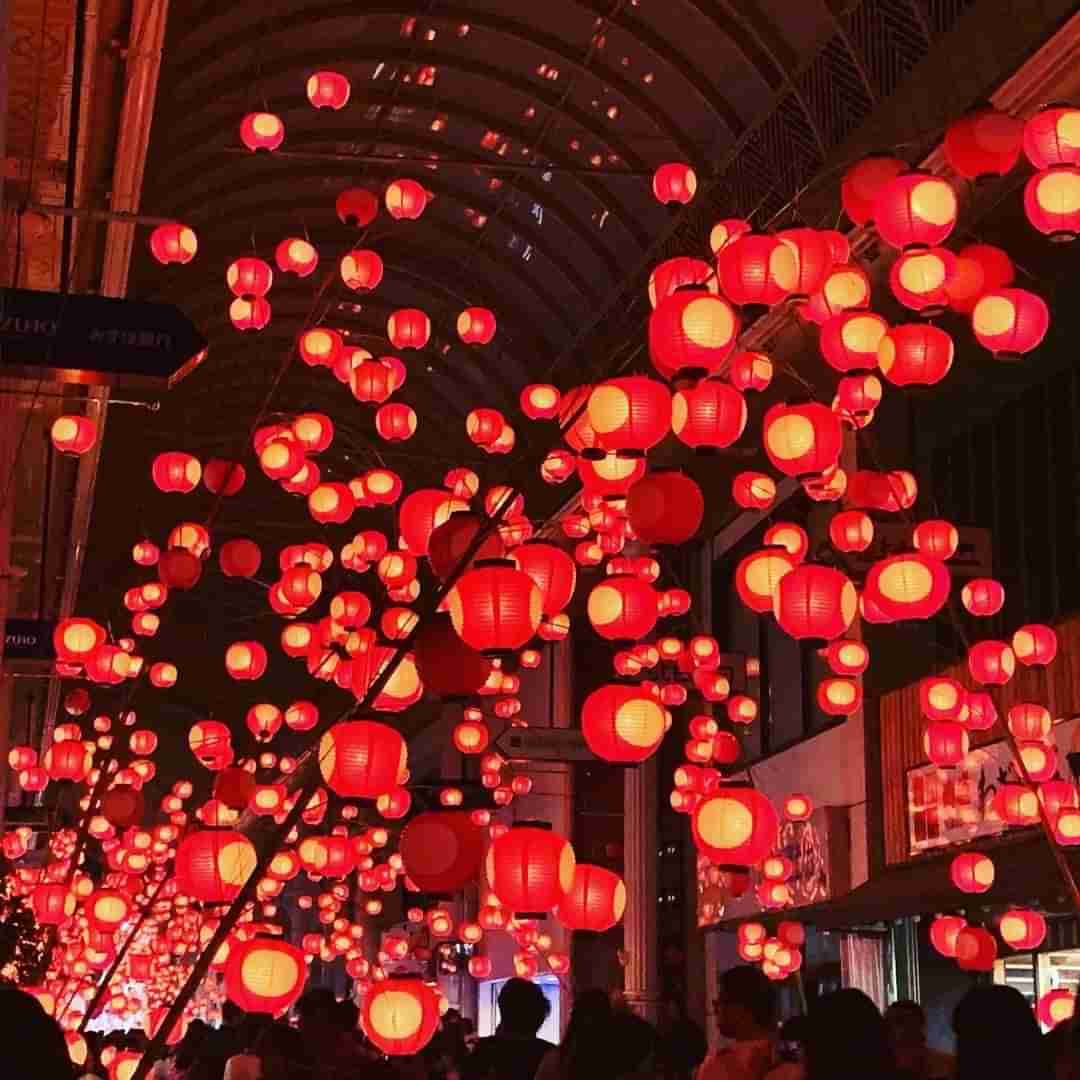
Yamaguchi Tanabata Lantern Festival: Held on August 6 and 7 in Yamaguchi City, this festival creates a romantic, magical atmosphere with colorful paper lanterns decorated along the streets. This festival is based on the ancient Tanabata legend, where two lovers can only meet once a year. Visitors coming here will be immersed in the sparkling, magical space and experience the unique traditional culture of Japan.
Daigaku Odori Festival: Daigaku Odori Festival is a famous traditional cultural event held in early October every year in Hagi City. The festival has a long history, originating from the 17th century. At that time, local school students often held Kyogen and Noh performances to welcome officials visiting Hagi. Gradually, these performances became a traditional festival and are held annually to this day.
Yamaguchi Festival: This festival has a history of over 600 years, taking place from July 20 to 27 in Yamaguchi City. This is an opportunity for locals and tourists to join in the bustling, vibrant activities such as mikoshi parades, traditional dance performances and enjoy local cuisine.
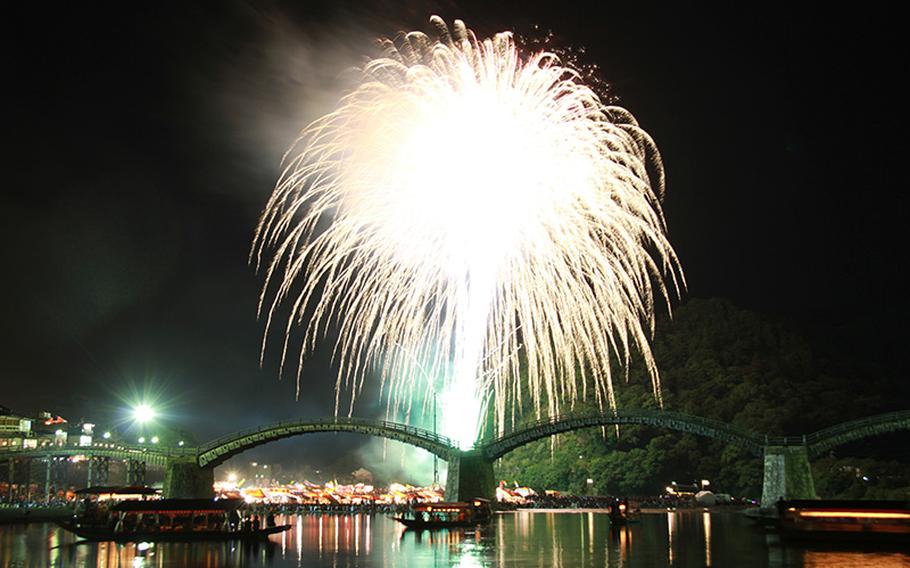
Nishiki River Water Festival: Taking place every August in Iwakuni City, this festival is a spectacular fireworks display with over 6,000 fireworks lighting up the night sky. The festival is meant to express gratitude to the nature surrounding the Nishiki River, while creating a vibrant, bustling atmosphere that attracts many tourists.
Bakan Festival: This is the biggest annual festival in Yamaguchi, taking place in mid to late August in Shimonoseki. The Bakan Festival originated in the Edo period, with many unique traditional entertainment activities such as float parades, music performances and folk dances. This is an opportunity for international visitors to experience the local culture in the most authentic and vivid way.
In addition, Yamaguchi also has countless other events and festivals such as the Ukai Festival at Kintai Bridge, the Goldfish Lantern Festival in Yanai, the Summer Festival in Hagi and the Kanmon Kaikyo Fireworks Festival in Shimonoseki. Each festival has its own cultural features, contributing to the irresistible attraction of Yamaguchi tourism.
Suggested places to stay when traveling to Yamaguchi
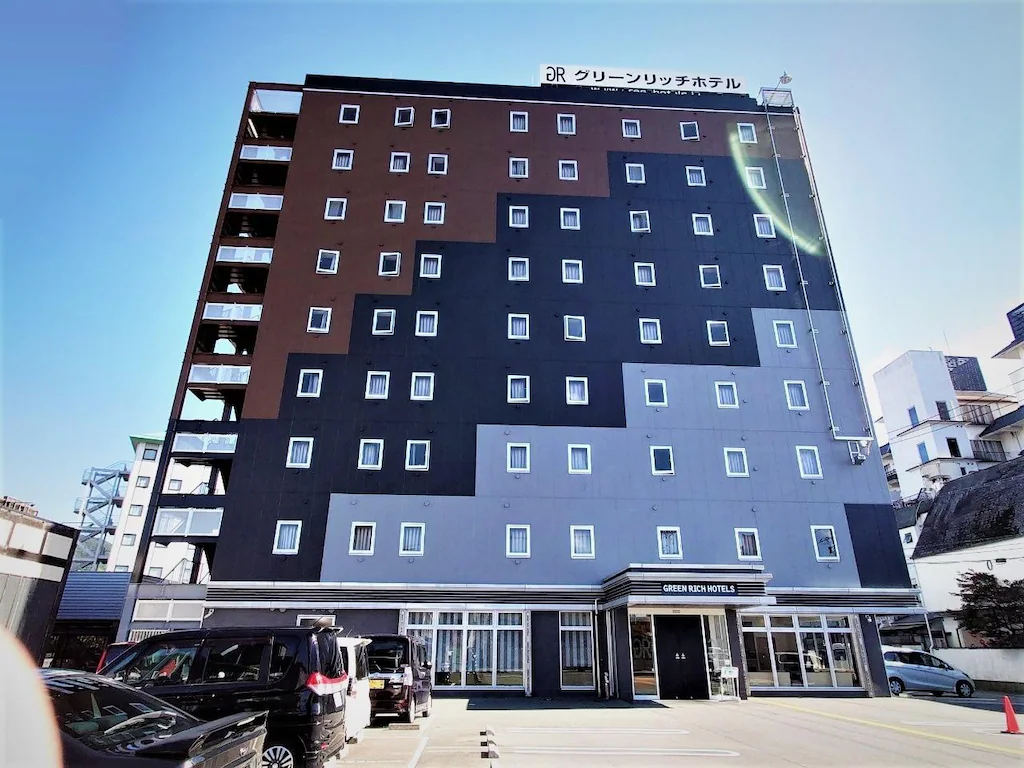
A comfortable and fully equipped place to stay will help you relax and recharge after a long day of exploring. When traveling to Yamaguchi, you will have countless options for places to stay. Depending on your preferences, you can choose romantic sea view homestays, modern hotel models or traditional Japanese ryokan inns as a stopover.
For convenience in sightseeing and traveling, you can choose hotels in the center of Yamaguchi city. This area has many types of accommodation, with prices ranging from affordable to high-end.
Meanwhile, the area around Tsunoshima Bridge is home to guesthouses and coastal homestays with extremely beautiful views. If you want to visit Karato seafood market and experience the unique cuisine of this land, you can refer to hotels in Shimonoseki city.
Right now, you can visit Klook to refer to and book Yamaguchi hotels.
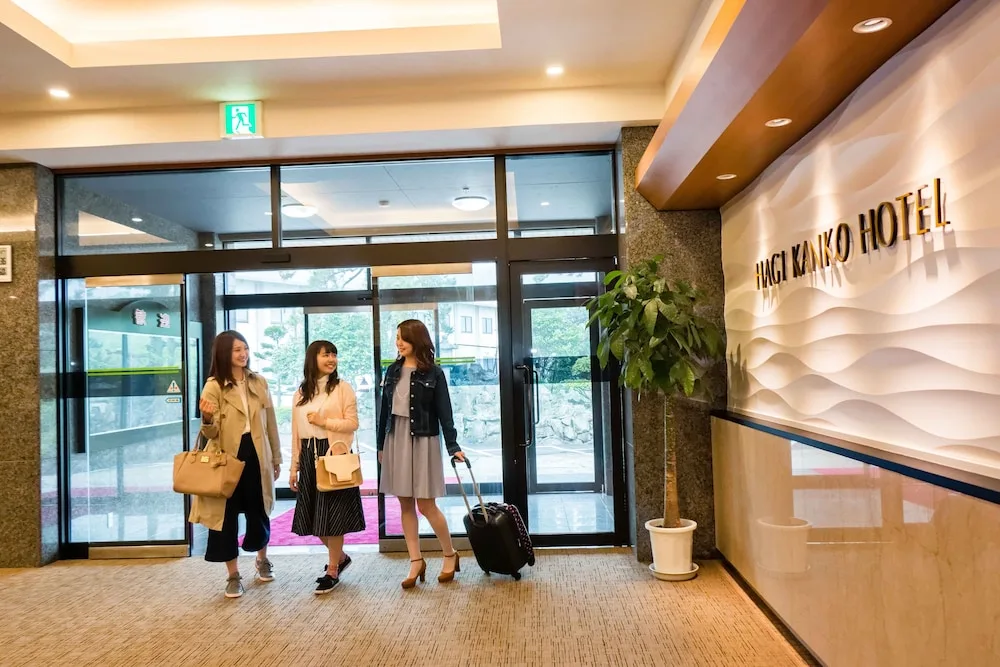
Below are some quality, affordable hotels in Yamaguchi that Living Nomads recommends for you:
- Green Rich Hotel Yamaguchi Yuda Onsen (klook, agoda)
- Hagi Kanko Hotel (klook, agoda)
- Yudaonsen Ubl Matsumasa (klook, agoda)
- AB Ubeshinkawa (klook, agoda)
- YutoreloTsuwano (klook, agoda)
- International Hotel Ube (klook, agoda)
Sea Breeze 1987 (klook, agoda)
What to eat when traveling to Yamaguchi?
In addition to the beautiful scenery and many attractive tourist destinations, Yamaguchi also attracts visitors thanks to its unique culinary culture. If you have the opportunity to visit this beautiful land, you should definitely take the time to enjoy all the specialties below:
Kawara soba
When coming to Yamaguchi, diners should not miss the famous delicious dish Kawara Soba. The flavorful tea Soba dish will be placed on a hot tile, including side dishes such as sweet and spicy boiled beef, Kinshi Tamago. The toppings of the noodles are also extremely diverse, including: stir-fried beef, seaweed, shredded radish, dipped in a rich sauce.
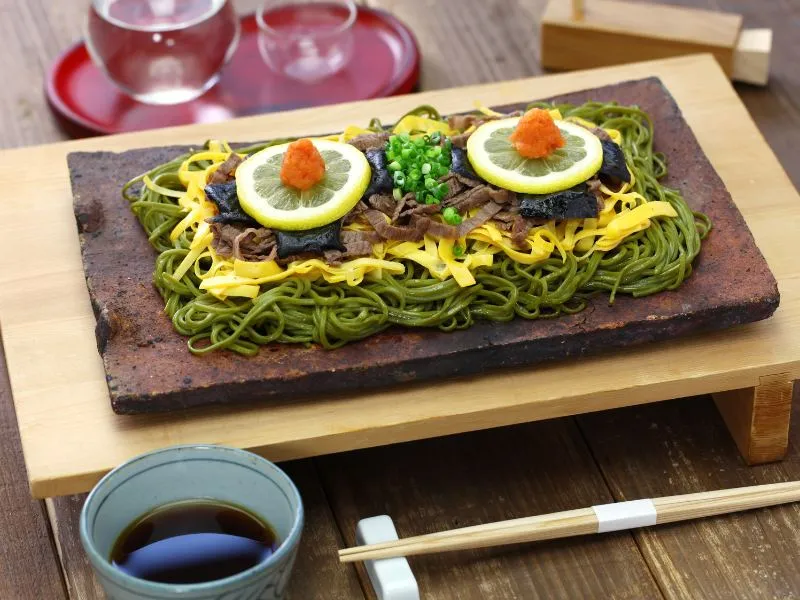
Kawara soba is a typical dish of Yamaguchi province, also known as green tea soba noodles. The most unique point of this dish is that the soba noodles will be grilled on a heated tile at a temperature of up to 300 degrees Celsius, creating a fragrant crispy layer. Tea soba noodles are grilled on a tile at a temperature of nearly 300 degrees Celsius, making the top layer chewy and the bottom layer crispy. Diners can enjoy the delicious taste of the dish until the last minute without worrying about the dish getting cold. People can also change the flavor a bit by adding sliced lemon or shredded maple leaves to create a refreshing feeling.
Yamaguchi puffer fish
Puffer fish (fugu) is a famous specialty of Yamaguchi, and is also one of the most luxurious dishes in Japanese cuisine. Puffer fish here is processed by certified chefs, ensuring safety and preserving the natural flavor of the fish. When eating, you will feel the firm, chewy meat, light taste and not fishy at all.
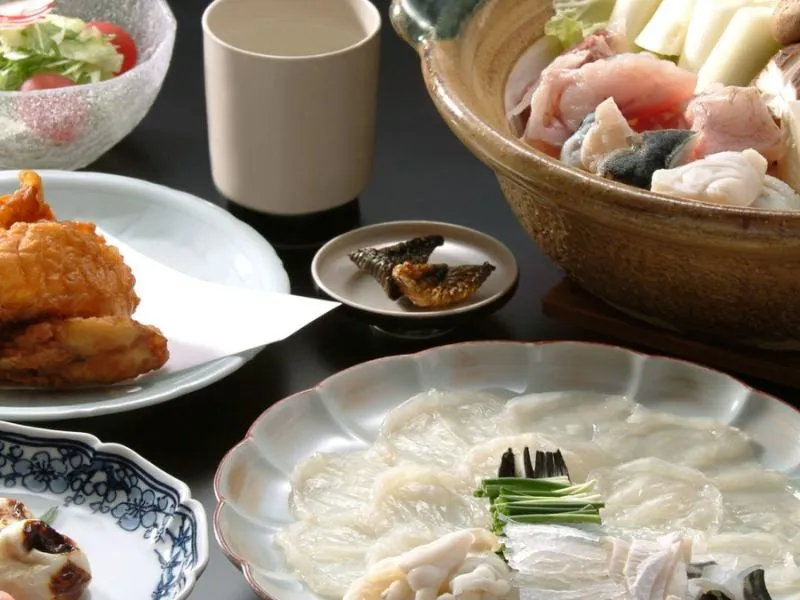
Yamaguchi is known as the “kingdom of fugu” with a long tradition of preparing this dish. Puffer fish (Fugu) is processed into many different dishes such as sashimi, tessa, fuku nabe (cooked in a pot), fuku porridge and rentzake (puffer fish fins braised with Japanese sake). However, consuming Fugu has high potential risks if not processed properly. Therefore, visitors need to be very careful when choosing a place to enjoy this dish.
Uiro
Uiro is the most famous sweet in Yamaguchi Prefecture. It is made from warabi powder (from the roots of the morning glory plant, a large fern). Uiro has a soft and chewy texture, combined with a light sweet taste, very suitable when enjoyed with green tea.
Iwakuni Sushi
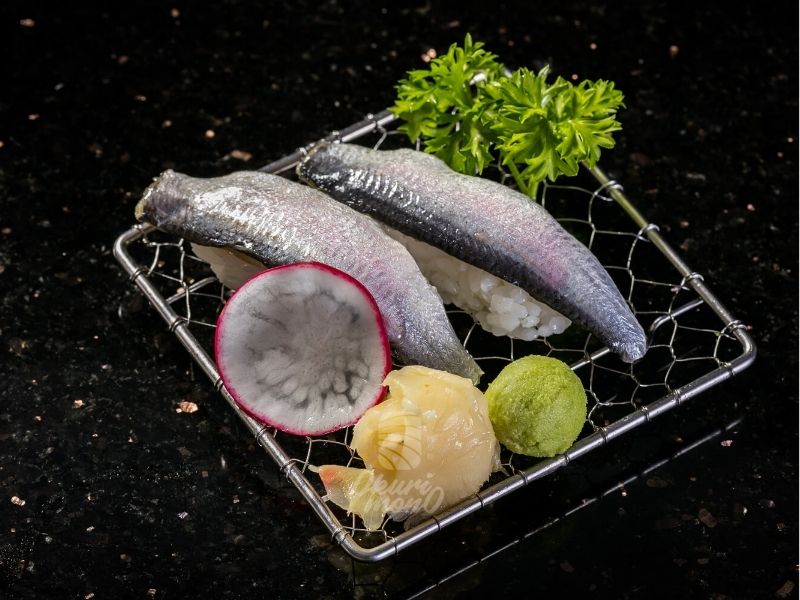
Iwakuni sushi is a traditional dish, with a history of more than 300 years, captivating diners with its delicious flavor and eye-catching color. Different from regular sushi, Iwakuni sushi is prepared by the molding method, rice and toppings will be pressed in a wooden mold to create beautiful sushi pieces. Each layer of ingredients is meticulously arranged, both beautiful and rich in traditional flavor. This dish often appears in festivals, weddings or important events of local people.
The sushi filling includes unique ingredients such as: Seto Inland Sea fish, shiitake mushrooms, renkon lotus root, etc.
Shimonoseki Kanimeshi – Fragrant rice with crab
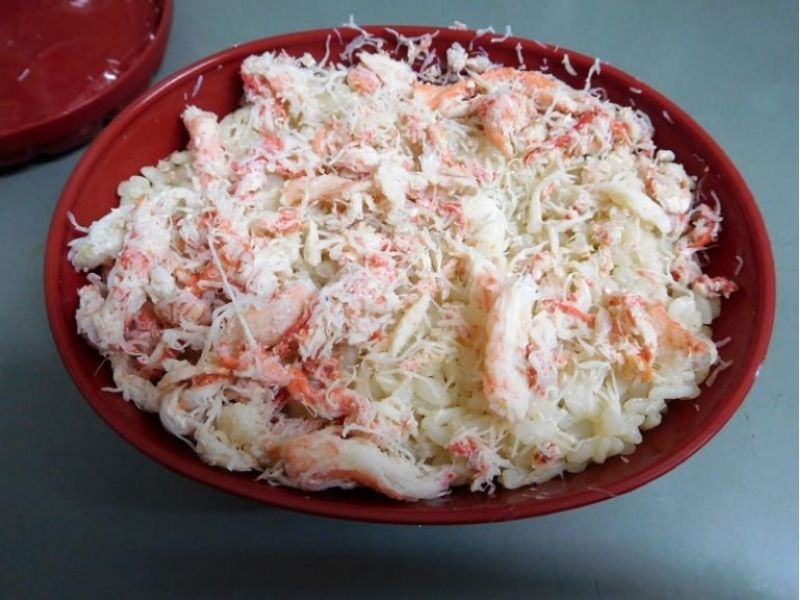
In addition to Fugu puffer fish, Shimonoseki is also famous for Kanimeshi – a fragrant rice dish with crab that delights visitors. The crab is steamed, the meat is separated and mixed with hot rice, adding a little soy sauce and mirin to enhance the aroma. When eating, diners will feel the natural sweetness of the crab meat mixed with the fragrant sticky rice, creating a simple yet rich flavor. Kanimeshi is often served in bento boxes or in seafood restaurants near Shimonoseki port. This is the perfect specialty dish for those who want to enjoy the fresh taste of the sea without being too fussy.
Sake
Yamaguchi is famous for many long-standing sake breweries. Yamaguchi Prefecture offers premium sake with a delicious and smooth taste.
With beautiful natural scenery and countless attractive tourist attractions, a trip to Yamaguchi promises to bring you memorable experiences. Traveling in Yamaguchi is not only about discovering natural beauty and cultural heritage, but also an opportunity for visitors to enjoy the richness and diversity of many aspects of the land of the rising sun. From winding mountains, majestic waterfalls to vibrant traditional festivals, Yamaguchi promises to bring visitors unforgettable experiences. Don’t hesitate to plan your trip to explore Yamaguchi today!
Some best day tours, trips, activities and transfer services, tickets in, to and from Tokyo you can refer to
- Tokyo Subway Ticket (24, 48, or 72 Hours)
- Tokyo Disney Resort Park Ticket
- Klook Pass Greater Tokyo
- SHIBUYA SKY Ticket
- Warner Bros. Studio Tour Tokyo – The Making of Harry Potter Ticket
- Skyliner Narita Airport Express Ticket
- TeamLab Planets Ticket
- TOKYO SKYTREE® Ticket
- Limousine Bus Narita or Haneda Airport to Tokyo
- Skyliner Narita Airport Express With Tokyo Subway Ticket
- JR Tokyo Wide Pass
- Sky Hop-on and Hop-off Bus Pass
- 4G Prepaid Sim Card (JP Airports Pick Up) for Japan
- JR Pass for Whole Japan (7, 14, or 21 Days)
Are you looking for more Tokyo travel guide and top things to do in Tokyo: Tours, activities, attractions and other things? Read more: Tokyo itinerary 3 days — What to do in Tokyo in 3 days?