



































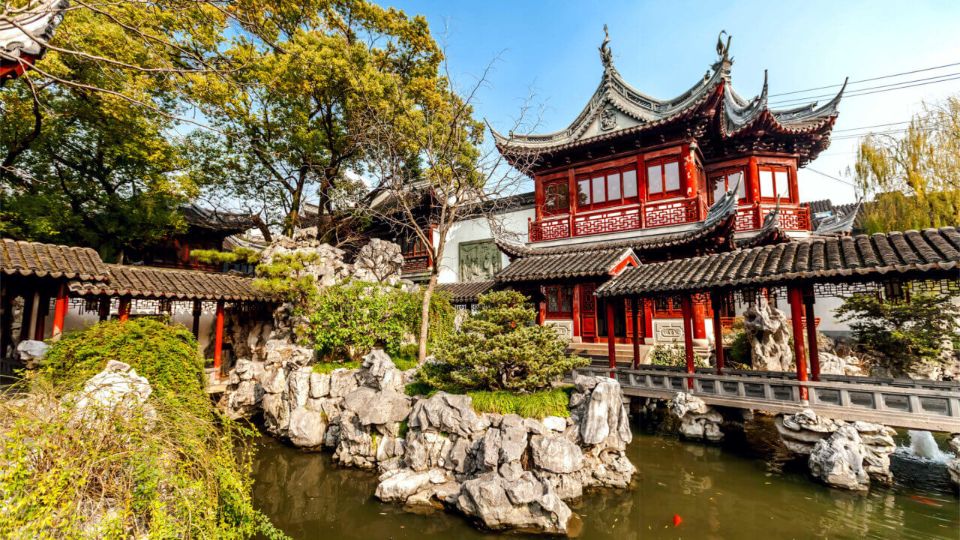
Yu Garden (Yuyuan) in Shanghai is considered one of the most quintessential cultural and architectural wonders in the country of a billion people. Follow Living Nomads to explore this wonderful garden!
- The ULTIMATE guide to Happy Valley Shenzhen for Self-Guided Family Trips
- The Bird Paradise Singapore review: How to get, what to do, tips & MORE
- 24 Exciting Experiences in the Warner Bros Studio Tour Tokyo – The making of Harry Potter
- The Detailed Guide of Nong Nooch Tropical Garden in Pattaya, Thailand
- Where to go in Hunan? 15 most beautiful & best Hunan places to visit
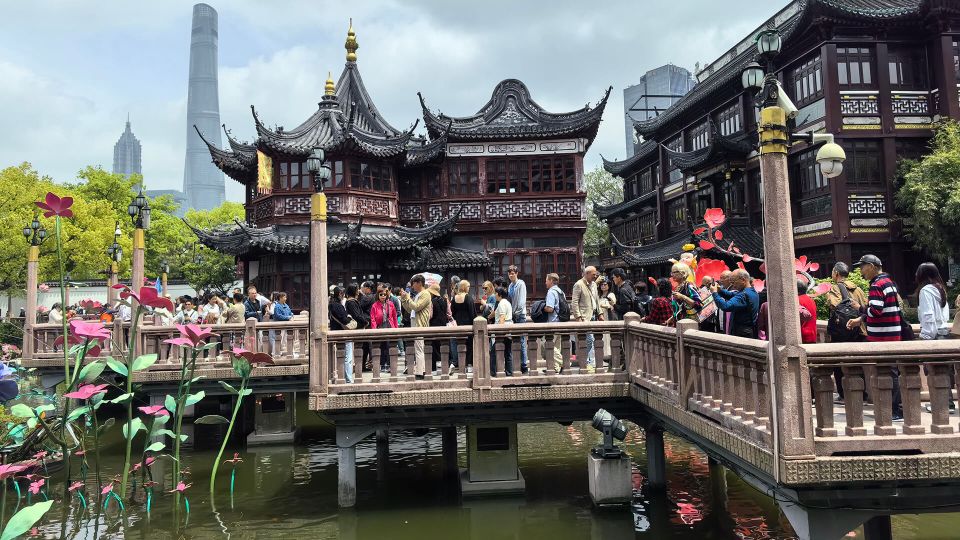
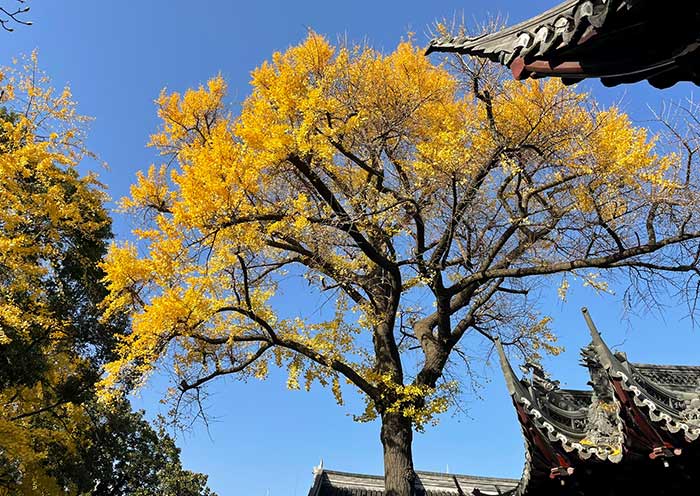
In a modern city like Shanghai, sometimes what makes people fascinated is not the skyscrapers, but the poetic silence in the heart of the city. Yu Garden is a destination with a strong imprint of ancient Chinese architecture and culture for you to “heal”. The fresh air, the sound of trickling water and the peaceful winding paths here will make you forget that you are in the middle of one of the most vibrant centers in Asia.
Let’s explore Yu Garden Shanghai with us to understand why this place makes so many tourists linger. And don’t forget to “pocket” useful experiences for your trip!
Yu Garden guide: Yuyuan Garden – A Place of Crystallization of Thousand Years of Culture
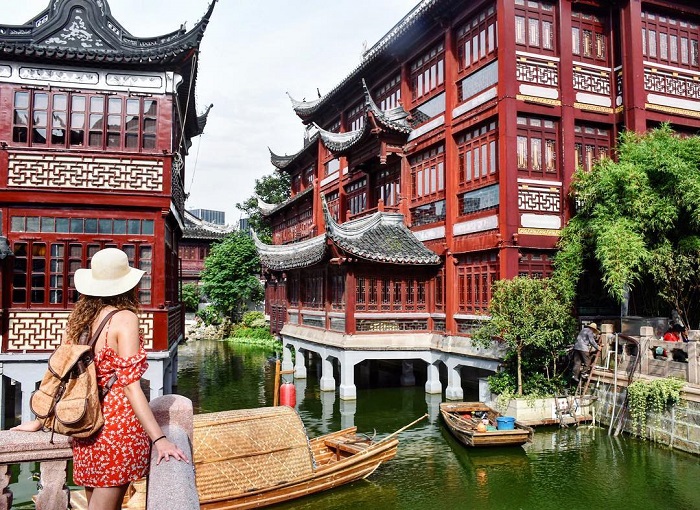
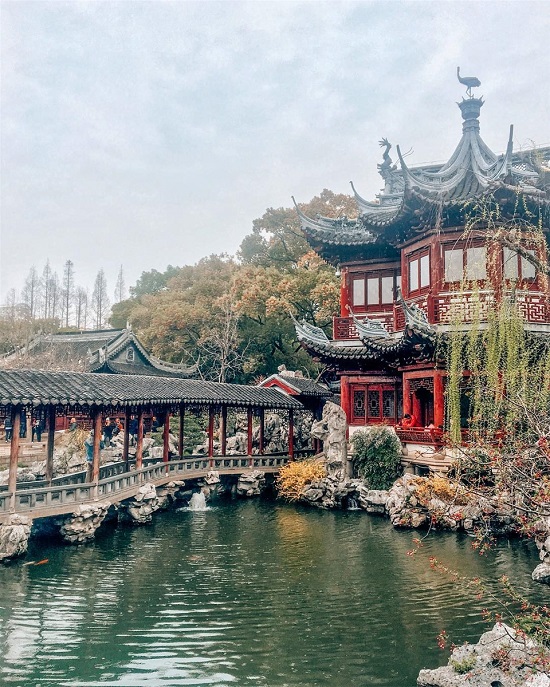
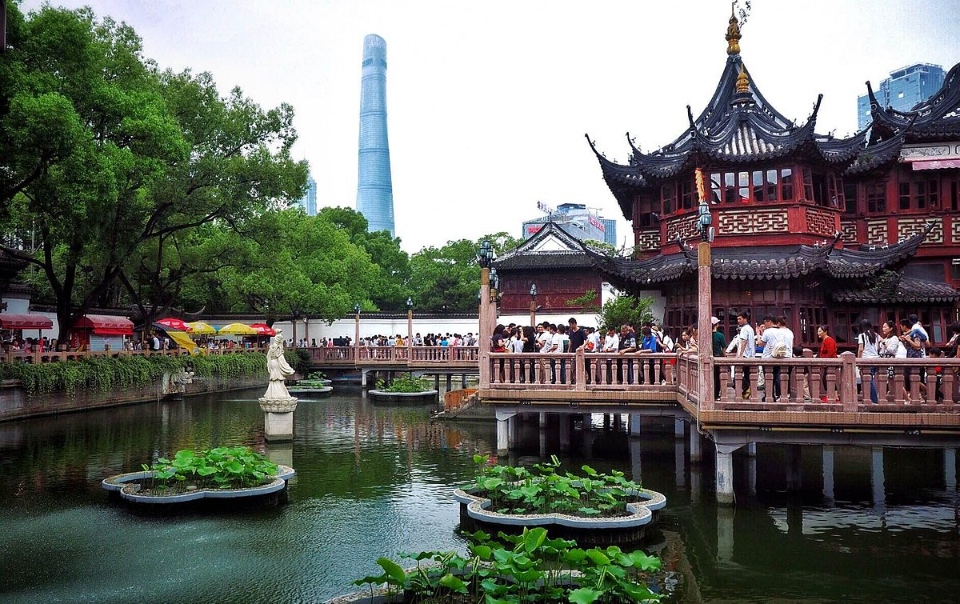
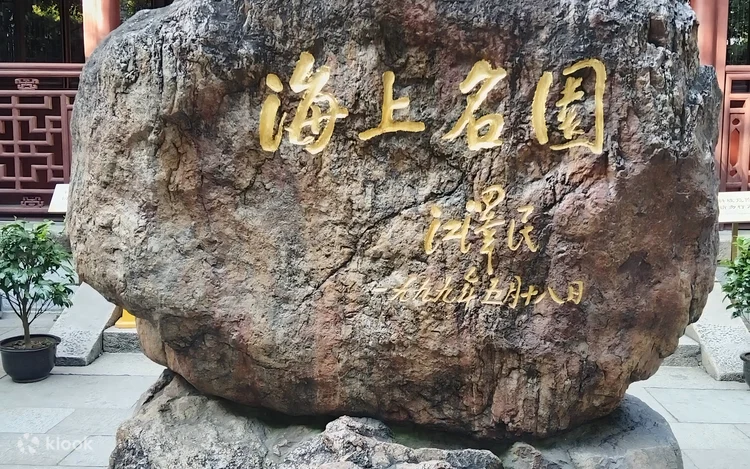
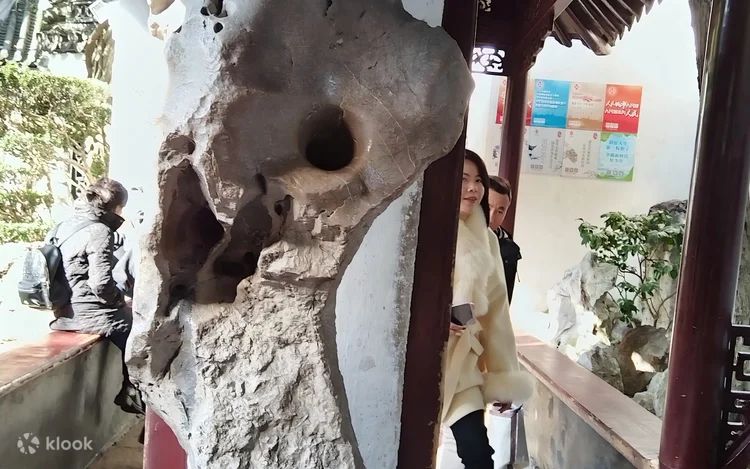
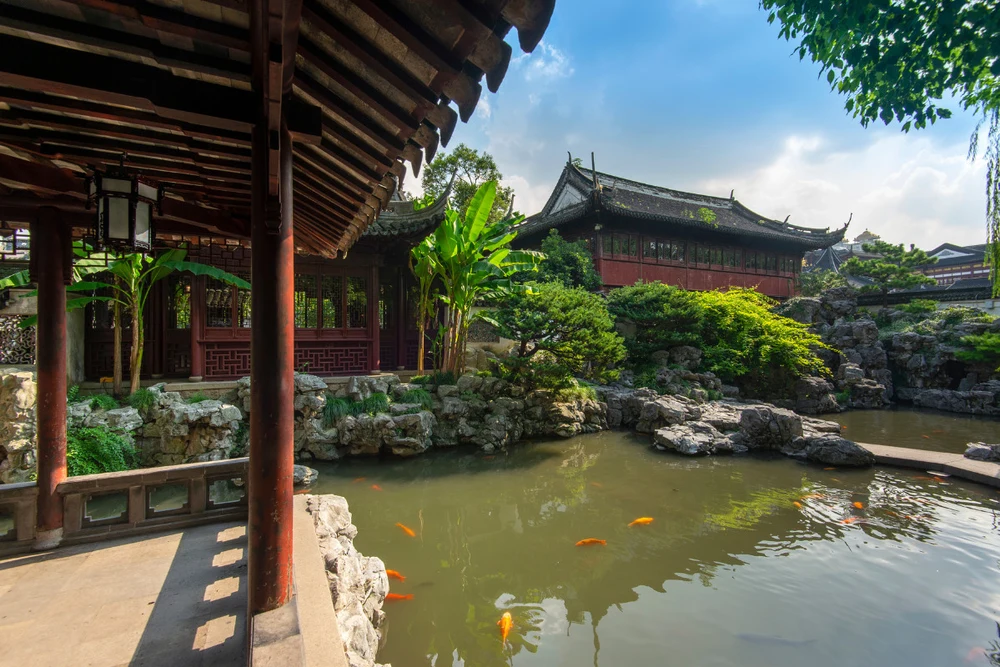
In the heart of bustling Shanghai, Yuyuan Garden is a secluded green oasis, bringing a rare sense of relaxation and peace. The space here is imbued with Asian character, with ancient trees, clear lakes and stone-paved paths that evoke a sense of peace from the first step. Walking around the garden, you will encounter a Jade Rock over 3 meters high with a strange shape, or the small Nine-Curve Bridge spanning over a colorful fish pond.
Yu Garden Admission Ticket in Shanghai
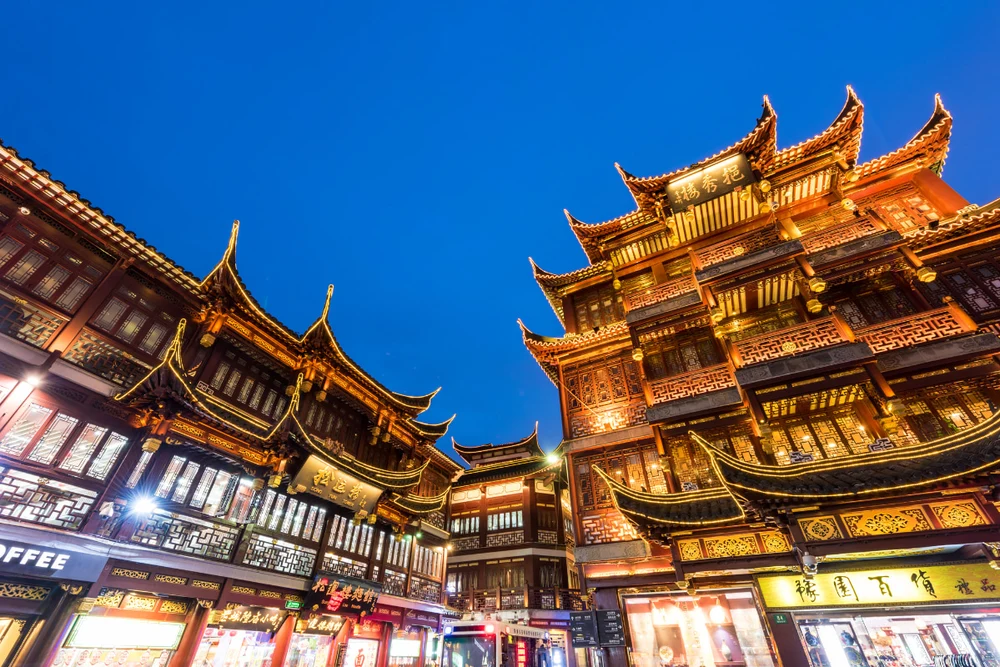
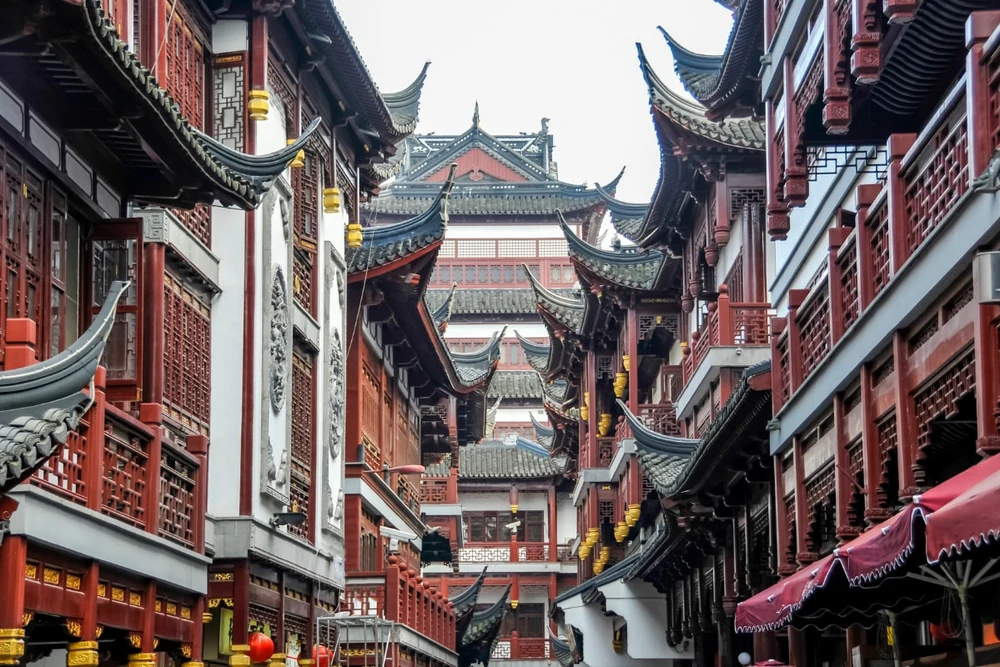
The garden also has prominent attractions such as Sanhuitang, Wanhua Pavilion and Yuhua Hall – each with its own unique beauty, making the journey of discovery interesting. After a walk, you can also visit the Yuyuan Bazaar next door to enjoy delicious street food and find some lovely gifts. If you are looking for a place to “lightly touch” the traditional beauty of Shanghai, Yuyuan is definitely a great choice for you.
History and Architecture of Yu Garden: The Story of Construction & Ancient Beauty
Yu Garden (or Yu Garden) is a symbol of ancient Chinese garden art, carrying over 450 years of history and exquisite architectural beauty. Built in 1559 by Pan Yunduan, a Ming Dynasty official, the garden was created as a filial gift to his father – Pan En, so that he could enjoy his old age in a peaceful space.
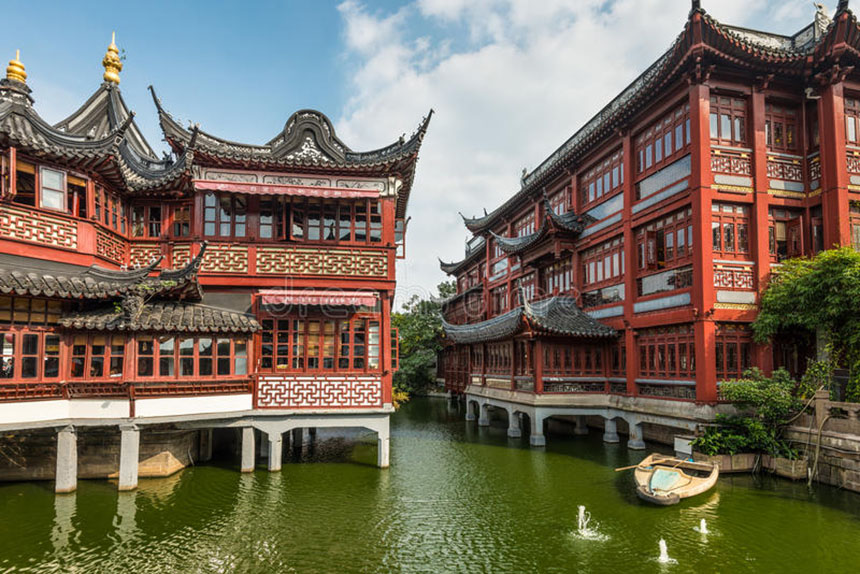
With an area of about 2 hectares, Yu Garden is one of the three most famous gardens in Shanghai during the Ming Dynasty, along with Lu Xiang Yuan and Nhat Thiep Yuan. Experiencing many historical events, the garden was damaged in wars and restored many times, especially in the 1950s, when the Shanghai government carried out a comprehensive restoration.
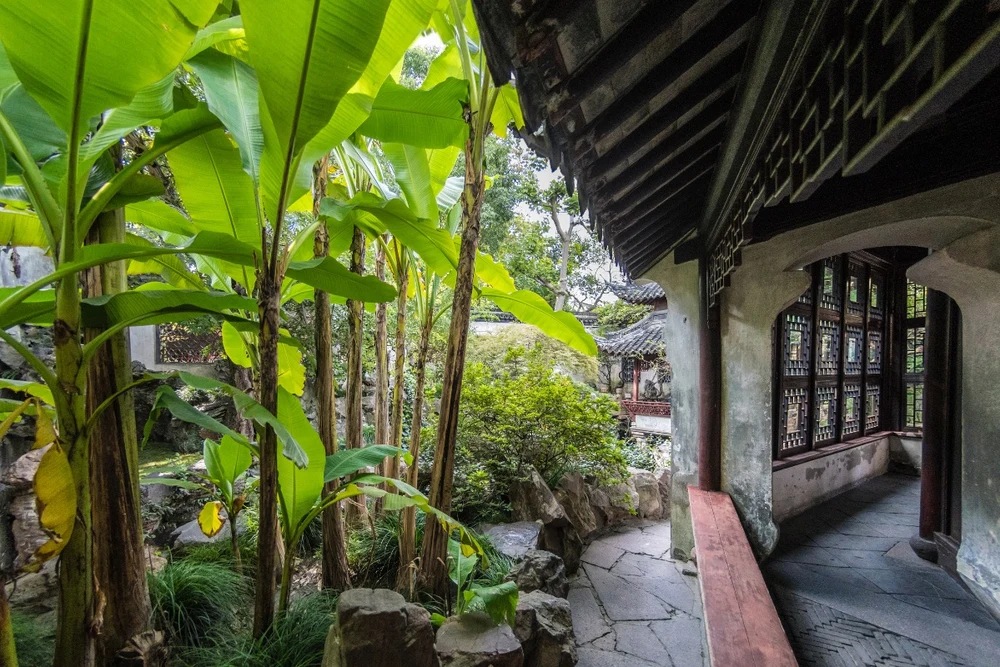
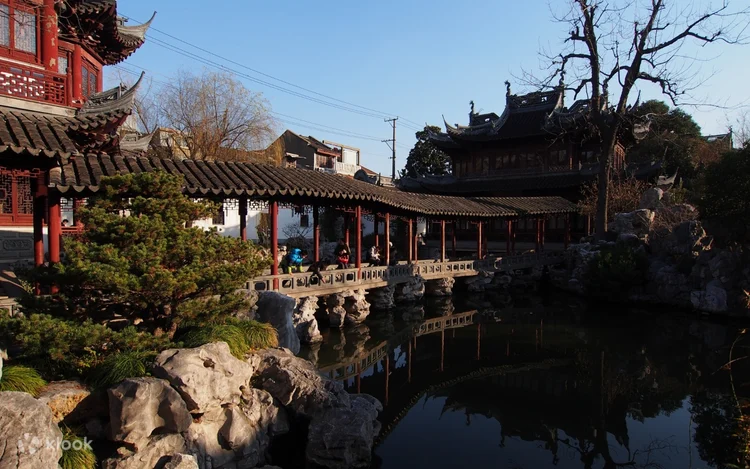
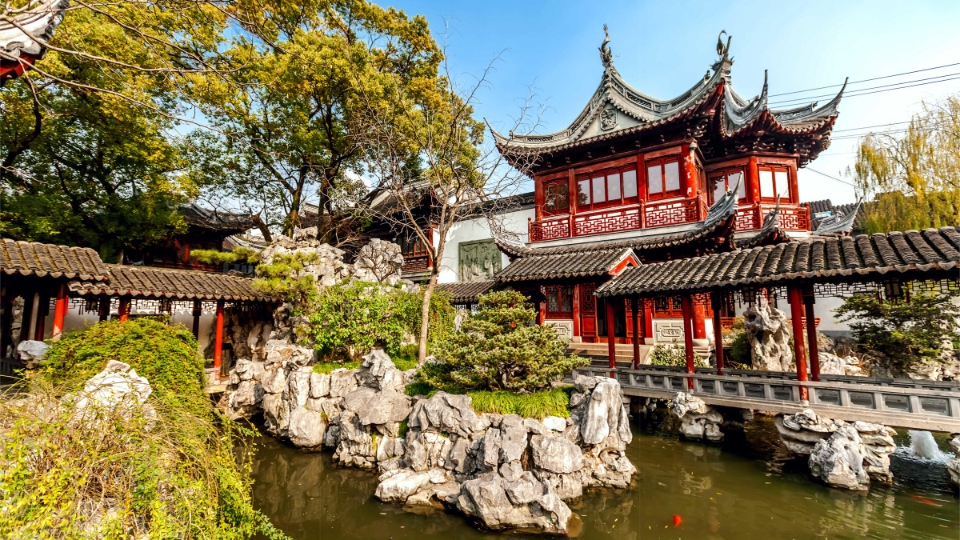
In terms of architecture, Yu Garden is a typical symbol of the Jiangnan garden style, standing out for its harmonious combination of nature and man-made structures. Elements such as lakes, ornamental rocks, winding bridges and trees are delicately arranged, creating a picturesque scene. In particular, the 5-ton Jade Stone with an impressive shape and the winding Nine-Bend Bridge are highlights that cannot be missed.
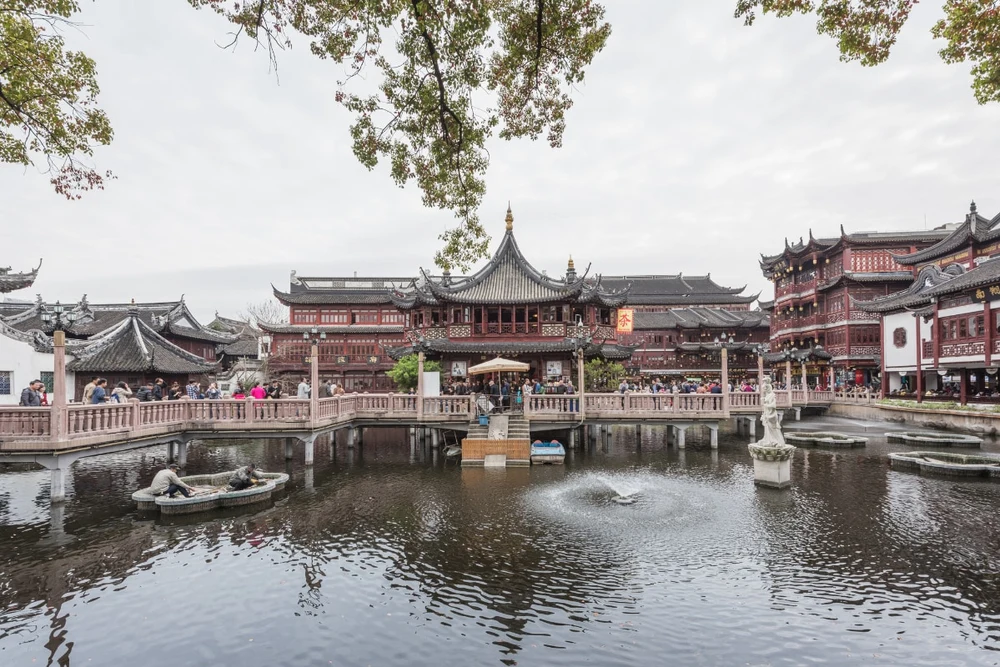
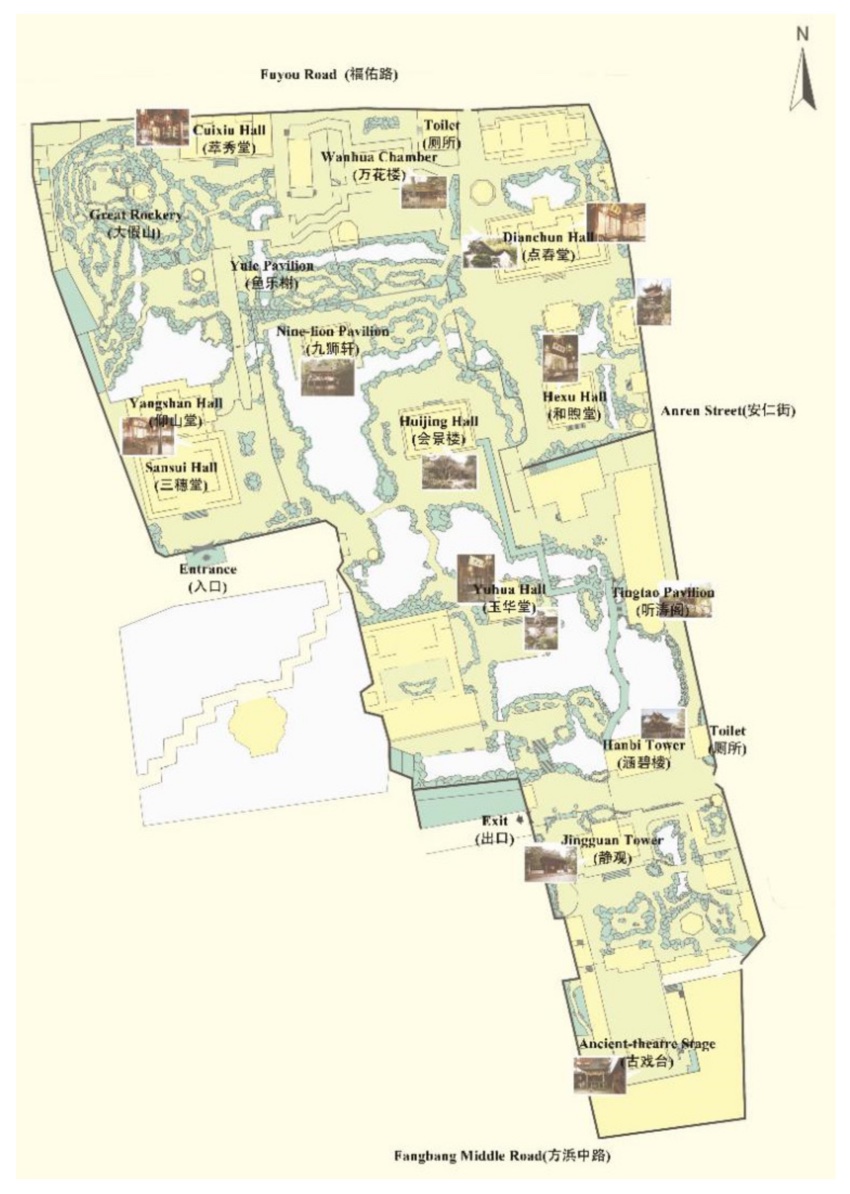
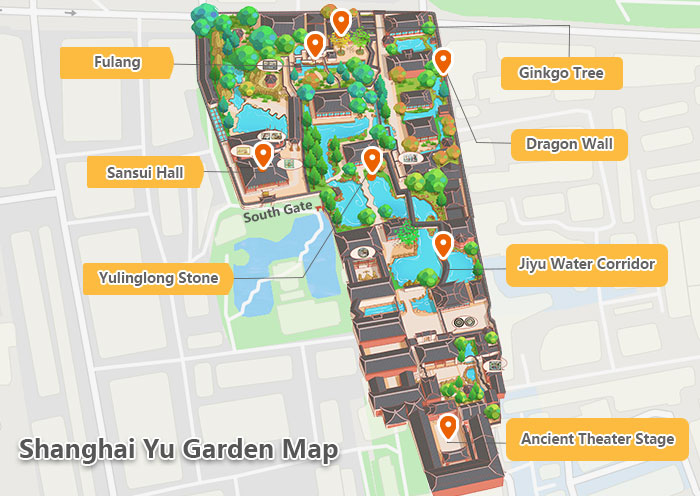
Yu Garden is divided into six main areas: Sansui Hall, Wanhua Lou (Wanhua Pavilion), Dianchun Hall, Huijing Hall, Yuhua Hall, and the Inner Garden. Each area has its own style, reflecting the architectural art and aesthetics of the Ming – Qing period. Constructions such as towers, pavilions, and corridors are meticulously designed, creating a space for relaxation and contemplation.
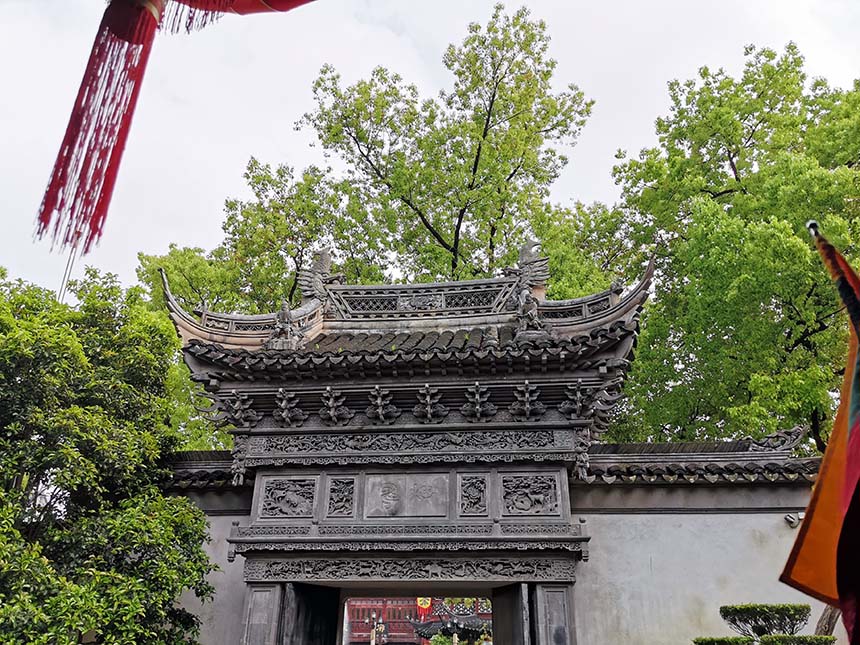
More than just a tourist attraction, Yu Garden is a place to preserve the quintessence of Chinese culture, expressing the philosophy of living in harmony with nature and filial piety. Coming here, you can not only admire the beauty of ancient architecture but also feel the peace amidst the hustle and bustle of Shanghai.
How to Get to Yuyuan Garden in Shanghai
Shanghai Private Transfer to PVG/SHA Airport
Located right in the heart of Shanghai, Yuyuan Garden is a popular tourist destination that attracts a large number of visitors every year. If you are planning to explore this garden, you don’t need to worry about transportation, as getting here is extremely easy with many convenient options.
The subway is fast and economical. Take line 10 or line 14 and get off at Yuyuan Garden (豫园站) station. From the station, it is just a 6–10 minute walk to the garden gate. Note that this station has multiple exits; Exit 1 or Exit 7 both lead to the garden entrance.
Mainland China Bus & Metro Card
If you want to experience the city from the bus, choose lines 64, 736, 805, 911, 920, or 930 and get off at Xinbeimen station. From there, walk along Anren Road for a few minutes to reach the garden. Alternatively, City Sightseeing Bus Line 1 or 3 also stops near this area.
Taxi is a convenient option, especially if you are traveling in a group or have a lot of luggage. Just tell the driver that you want to go to “Yu Yuan” (豫园). However, be aware that Shanghai traffic can be heavy during rush hour.
If you are staying near The Bund or Nanjing Road, walking to Yu Garden is a pleasant experience. The approximately 20-minute walk will take you through the ancient streets, giving you a deeper insight into local life.
Must-See Attractions in Shanghai Yu Garden
Yu garden guide: Sanhui Tang
Sanhui Tang is one of the meaningful attractions in Yu Yuan, located in the northeast corner of the garden. This building was originally called Lac Tho Duong, built in 1760 under the reign of Emperor Qianlong. The name “Sanhui” carries the image of three rice ears on one stalk, representing the desire for advancement and a prosperous life, something very close to the traditional Chinese concept.
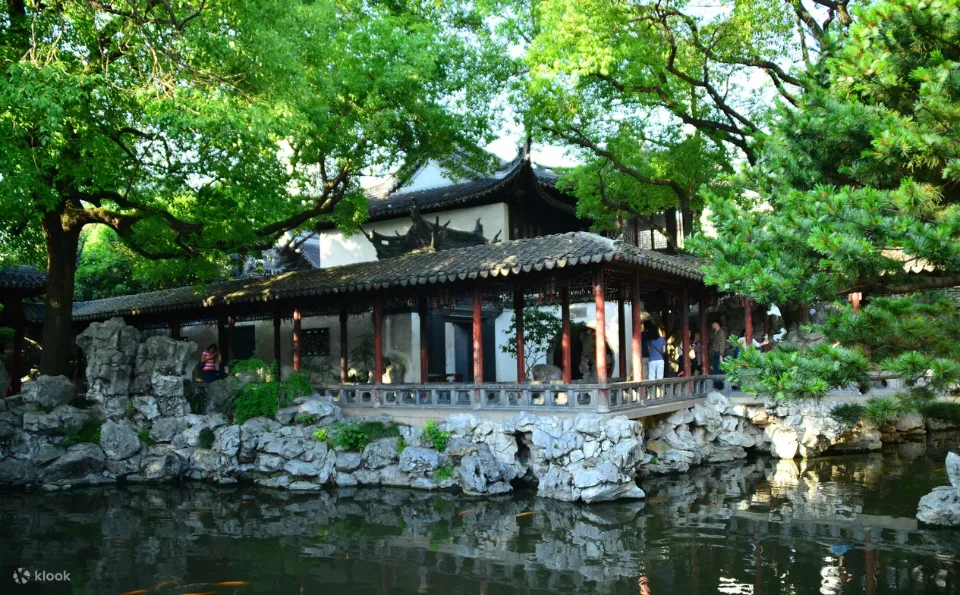
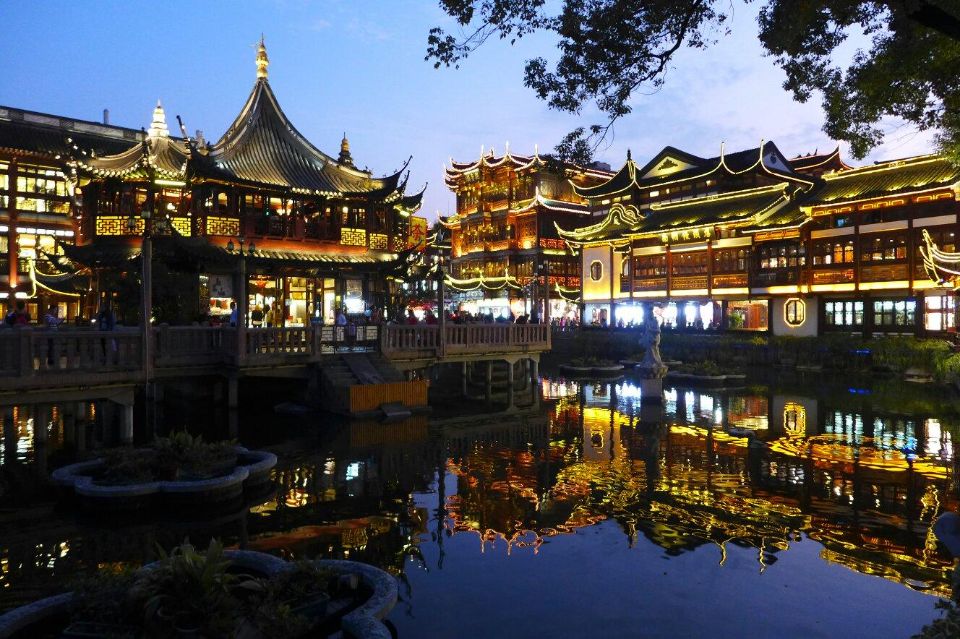
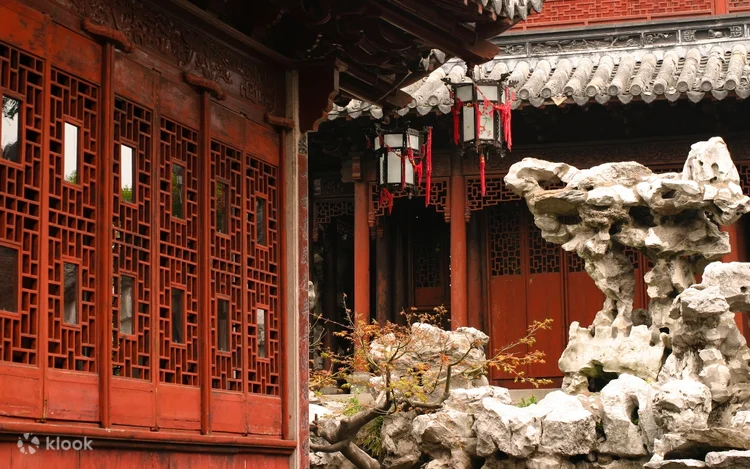
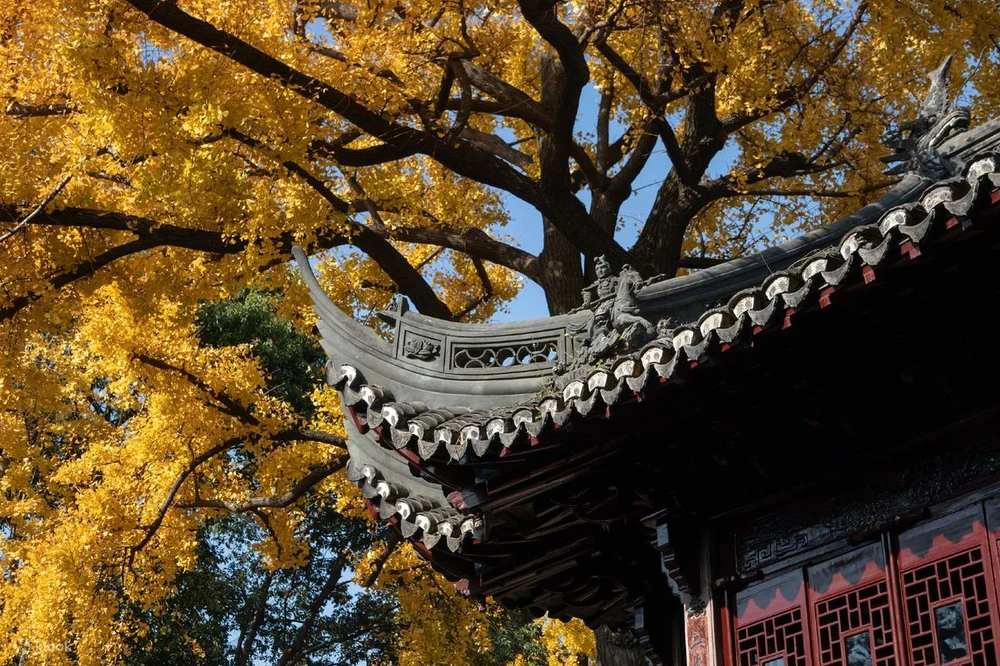
Sanhui Tang used to be the workplace of the Shanghai government in the early Qing Dynasty, and later became the place to price food, closely associated with people’s lives. The space here is imbued with cultural imprints, from the curved tiled roof architecture to the symbolic sculptural details. Don’t forget to look up at the roof, where there is a carving of an elephant carrying a dieffenbachia tree – a symbol of peace, prosperity and renewal.
Essential Half-Day Tour of Shanghai Yu Garden + The Bund + Nanjing Road
Walking around this area, you will come across reliefs that encourage the spirit of studying and making a name for yourself, such as the “Martial Arts Achievements” right at the entrance to the corridor. This is where art, culture and the desire for a good life intersect in every small detail.
Wanhua Lou (Pavilion of Myriad Flowers)
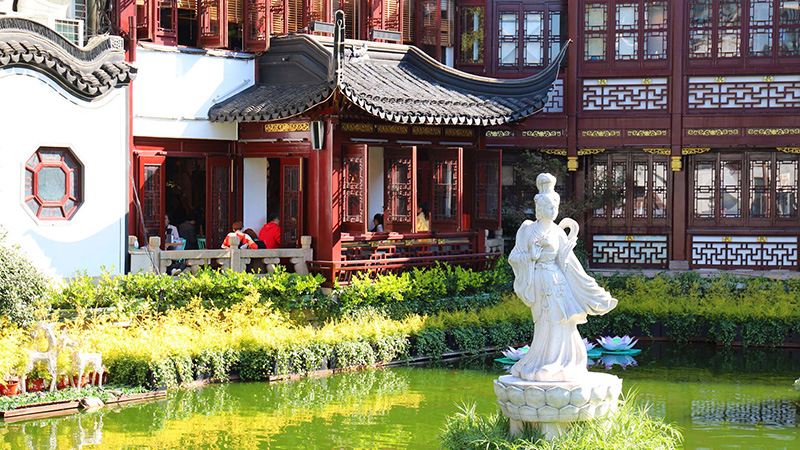
If you want to find a place full of fantasy in the ancient space of Yu Garden, Wanhua Lou is definitely the ideal stop. Located in the north of the garden, this building was rebuilt in 1843, once named “God Chi’dan” with the meaning of a place where humans and fairies are only a small distance apart. Later, this place was called Wanhua Lou, an image that evokes a world of brilliant and magical flowers.
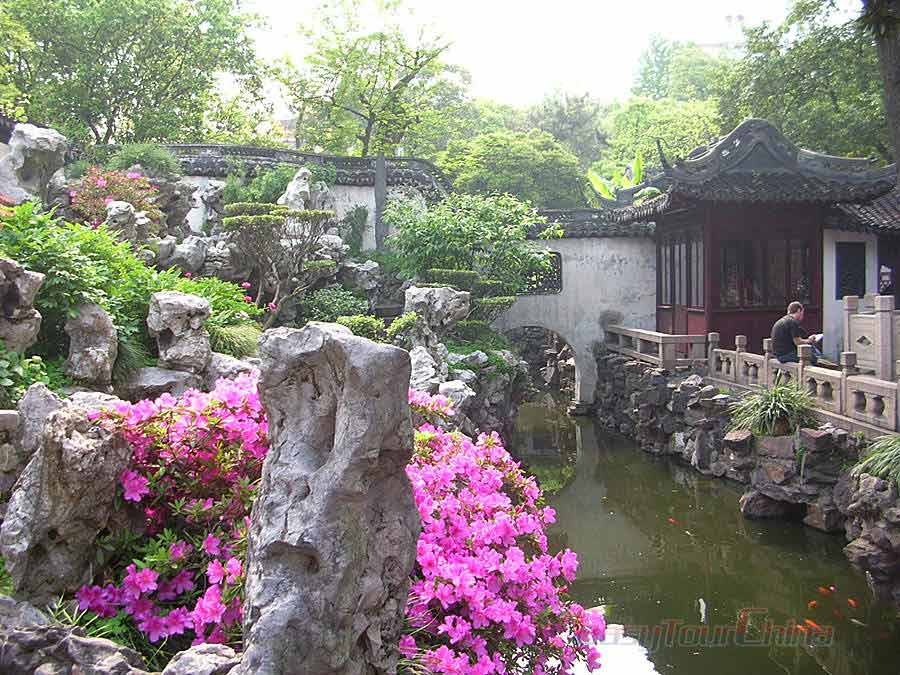
The special thing about Wanhua Lou is the exquisite sculptures of the Eight Immortals, expressing the ancient people’s desire to practice religion and escape the world. These images also have the meaning of advising future generations to live a good life to reach a peaceful realm. In addition, the motif of “fisherman, woodcutter, farmer, and lone” – symbolizing a simple and peaceful life, is also clearly present in this area.
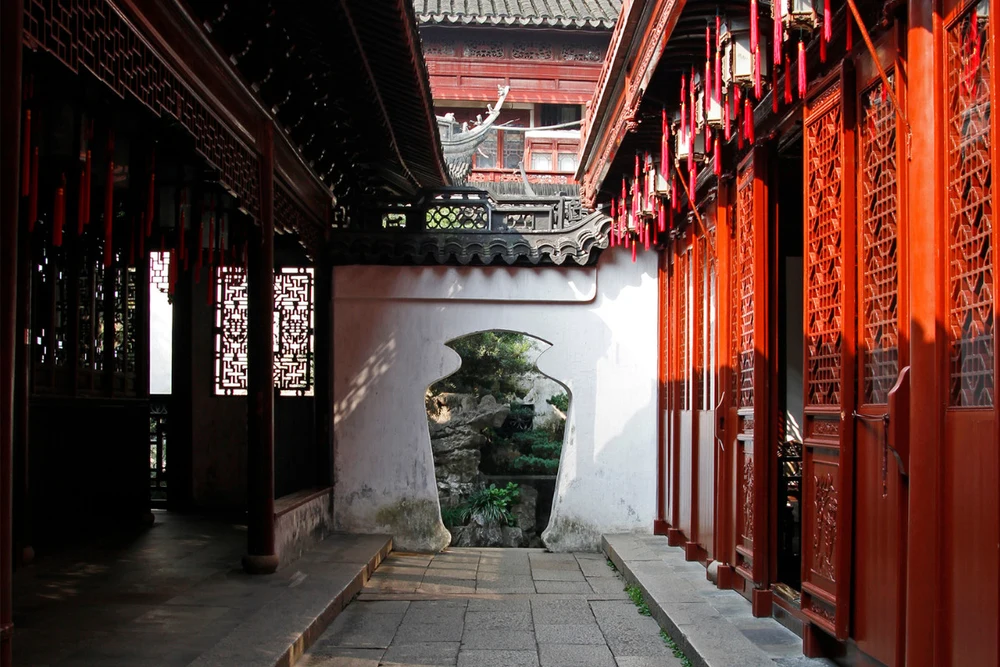
Professional Shanghai Yu Garden Tour + Chinese Tea Experience
Every decorative detail in Wanhua is imbued with the spirit of escape, retreat from the world and return to nature. Walking around this place, you seem to step into a world that is both elegant and full of contemplation.
Dianchun Hall
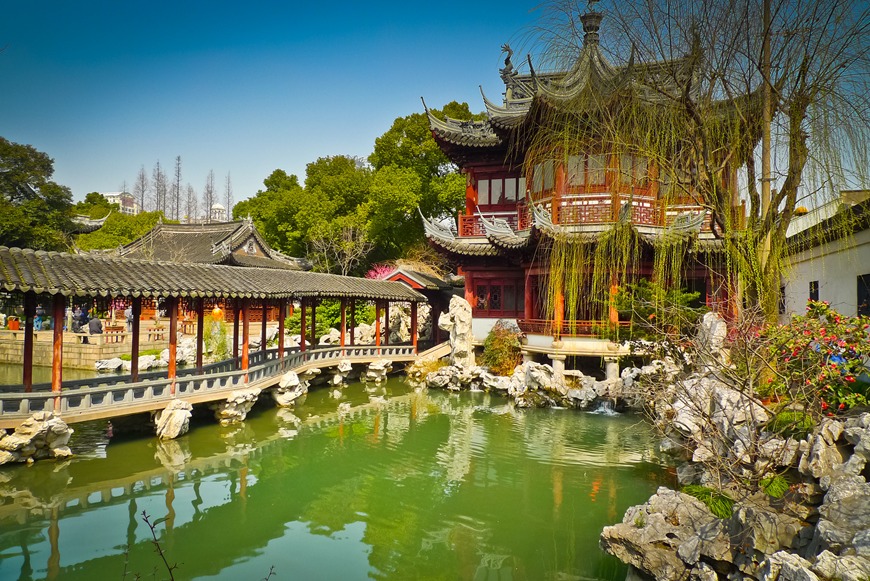
A space full of festival and warmth in Yu Garden is Dianchun Hall – a place that was once used for family reunions on important occasions. The name of this area is inspired by Su Dong Pha’s poem “Basking in the vibrant spring”, this place both reminds of the fresh spring and contains the spirit of solidarity and prosperity. In front of the main building is Guǎngbò Diàntái (Broadcasting station) – a small stage dedicated to performances, reflecting the folk culture of the Ming – Qing dynasties.
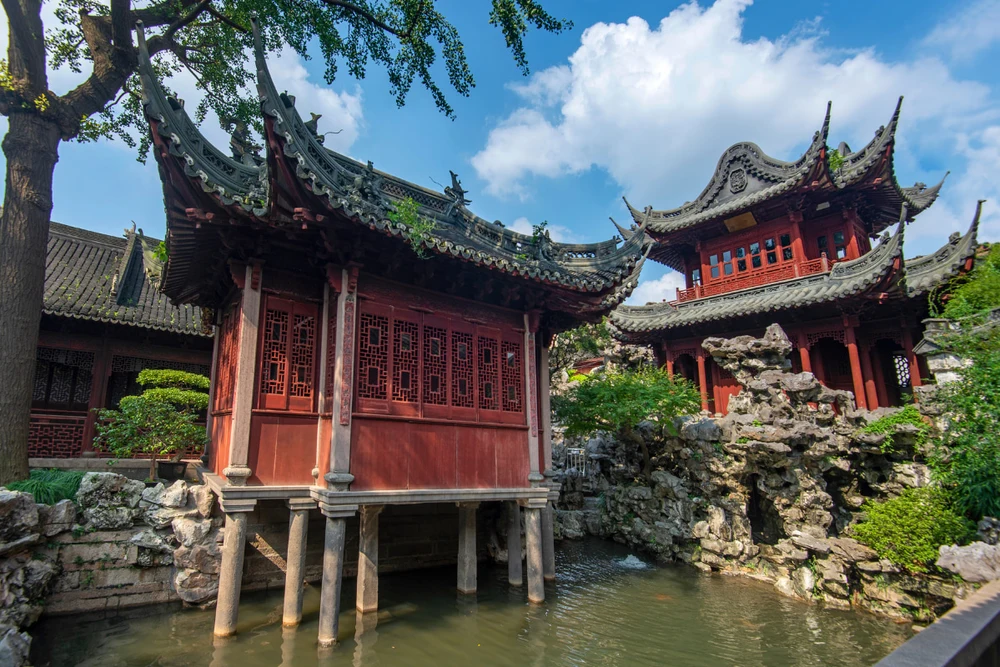
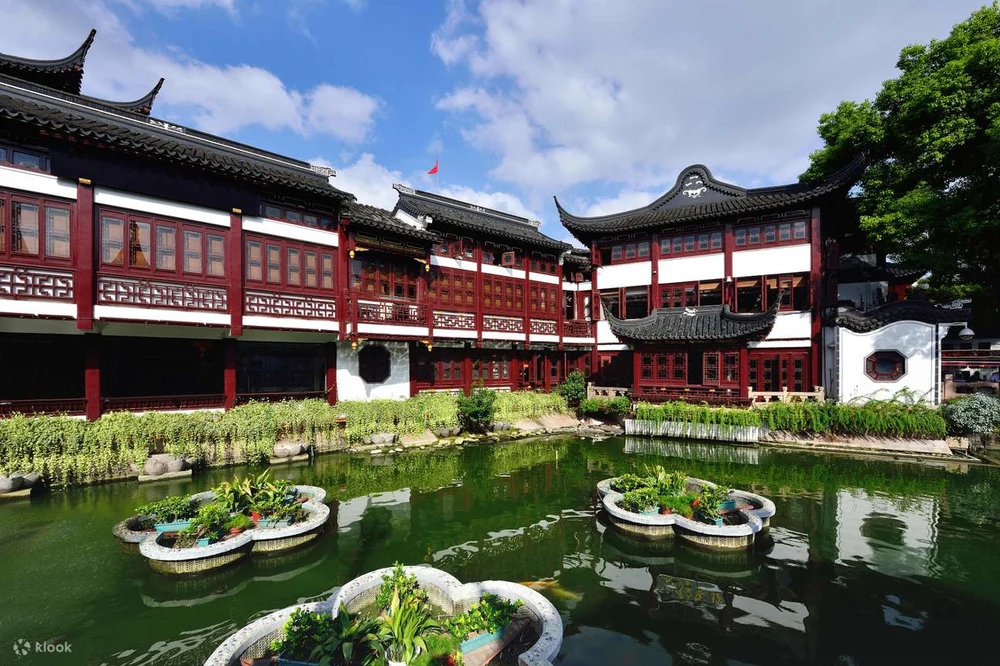
Dianchun Hall also impresses with its dense system of decorative statues with strong symbolic meaning. Nearly 15 general tiles are cleverly arranged, divided into “civil servants” and “military generals”, with familiar characters such as Guan Yu or Lu Bu, to protect the peace of the house. In addition, symbols such as deer, cranes or “Happiness – Prosperity – Longevity” are also harmoniously arranged, evoking the wish for longevity, prosperity and a happy family.
The Great Rockery (大假山, Dà Jiǎ Shān) and Jade Statue
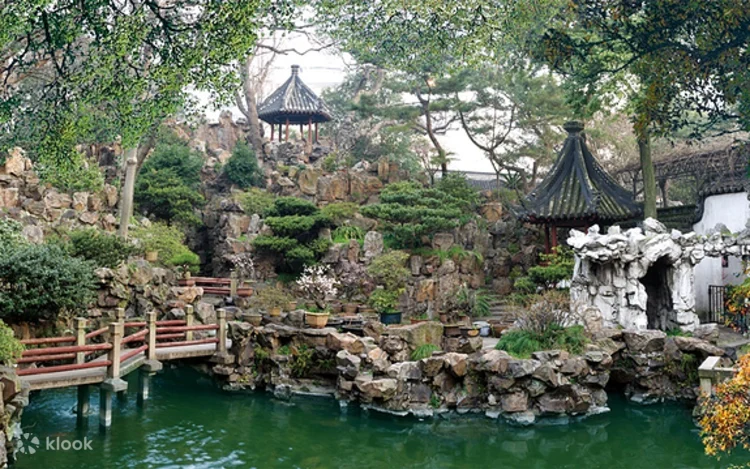
An attraction that cannot be missed in Yu Garden is The Great Rockery – an artificial stone structure up to 14 meters high, standing out with its complex structure and many interesting caves. This work reflects the quintessence of Chinese garden art, symbolizing the majesty of nature. When exploring The Great Rockery, you can enjoy the feeling of being lost in a stone maze and admire the surrounding scenery from above.
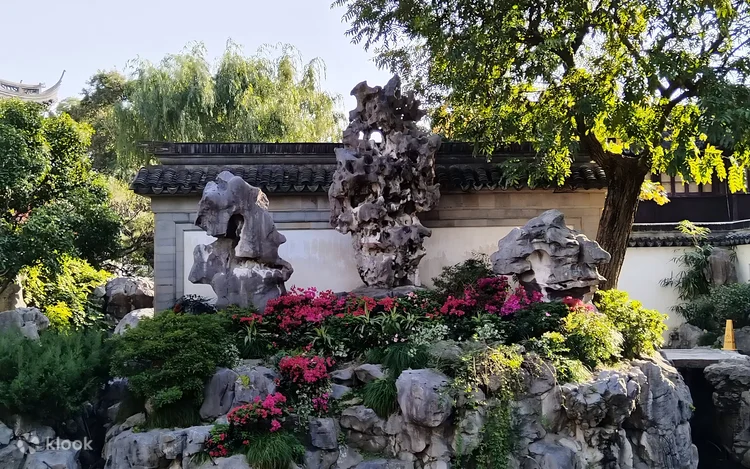
In addition, the jade statue also attracts a lot of attention with its height of 3.3 meters and special hollow structure. The light seeping through the gaps in the stone creates a unique shadow effect, making the work look lively and mysterious. The jade statue is considered a precious symbol in Yu Garden, making everyone who visits admire the sophistication of nature and human hands.
Hu Xin Ting Tea House
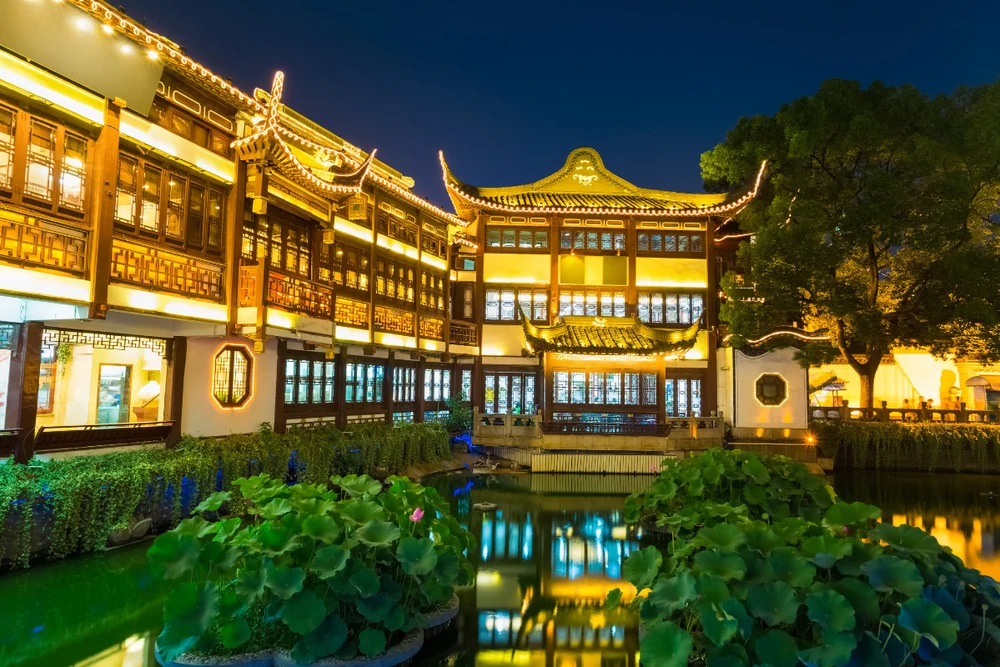
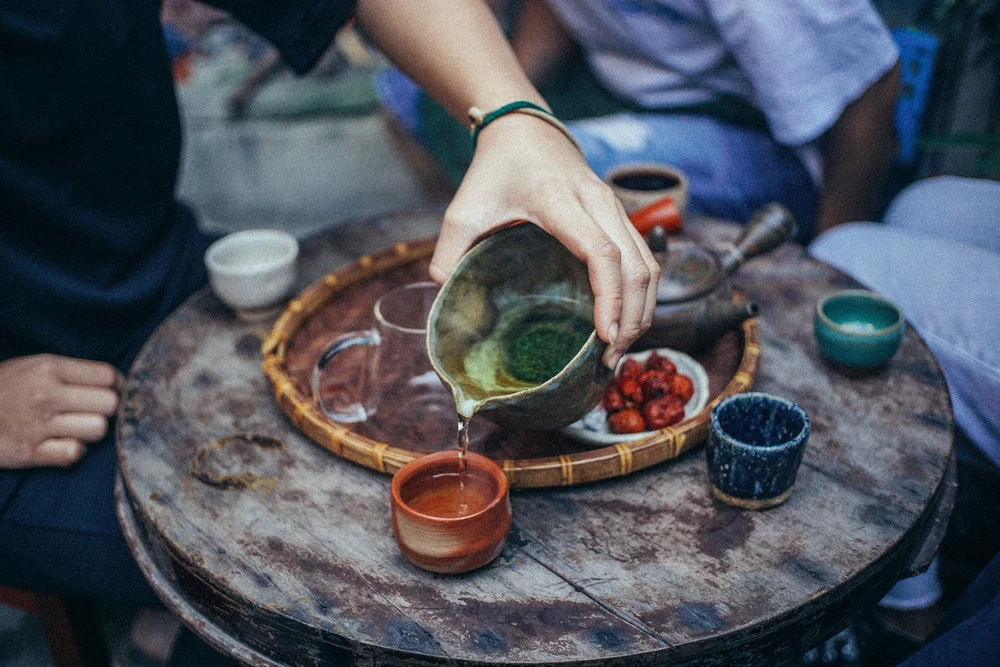
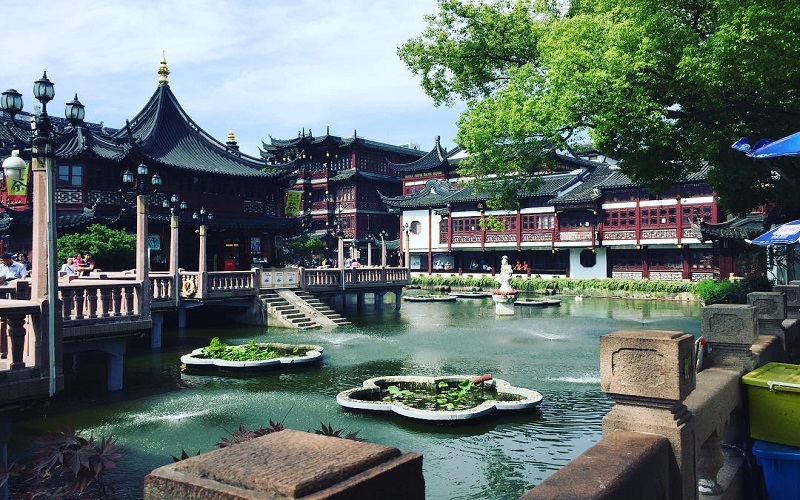
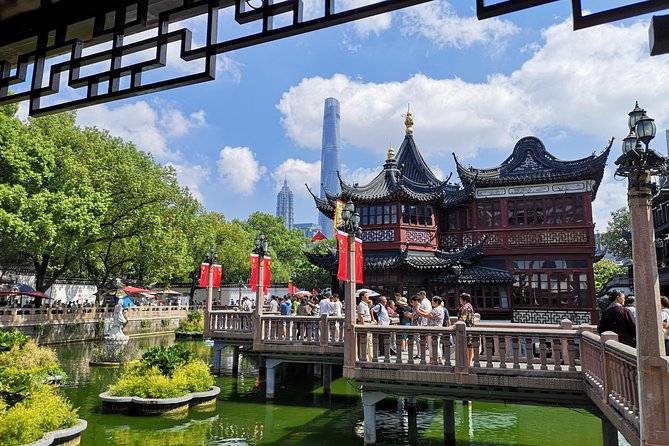
Considered the “top tea house in Shanghai” with a long history and a far-reaching reputation, Hu Xin Ting Tea House is a destination not to be missed when exploring Yu Garden. Located right in the middle of the water, Hu Xin Ting impresses with its typical architecture of the Ming and Qing dynasties, creating a space that is both ancient and peaceful. Through the nine-section “S”-shaped curved bridge, you will clearly feel the traditional culture of the city.
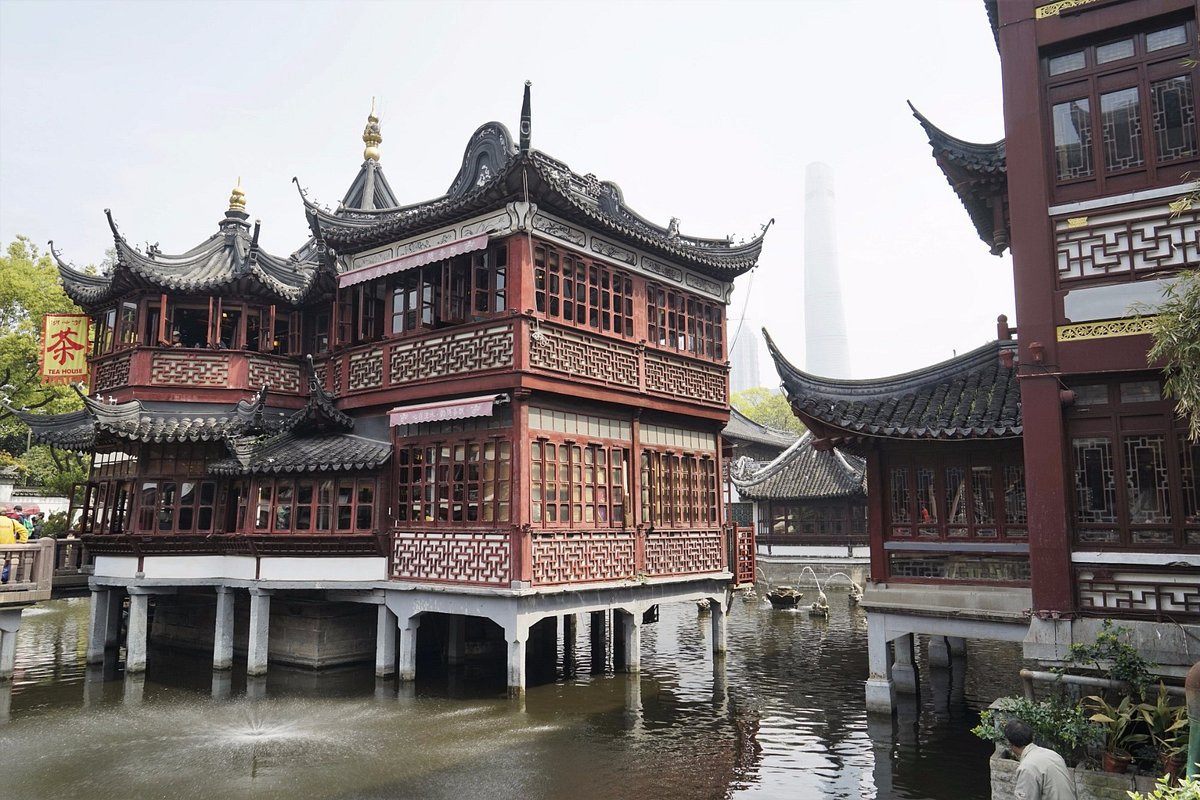
In addition to being a place to enjoy tea, Hu Xin Ting also plays an important role in the city’s commercial history, once being the first headquarters of the merchant guilds in Shanghai. The space here is imbued with traditional features, blending classical architecture with a rich cultural atmosphere. Visiting this teahouse, you will feel the subtle connection between the past and the present, between nature and people.
Ancient Bridge and Sculptures
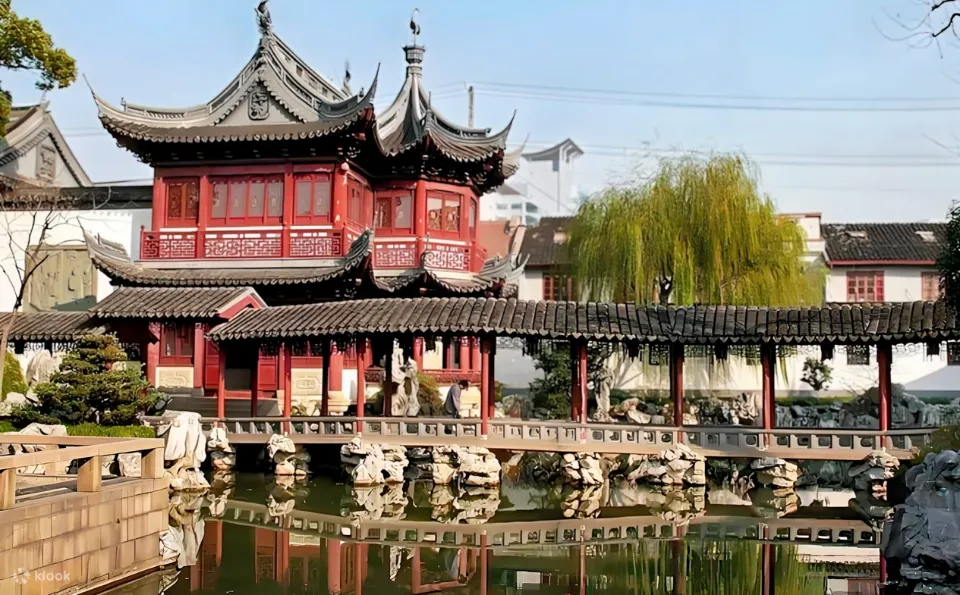
When walking around Yu Garden, don’t just focus on the large structures but pay attention to the delicate details, where true beauty is expressed through sculptures and carvings. You will see many terracotta statues, brick reliefs, along with calligraphy and paintings by famous artisans, creating a vibrant artistic space.
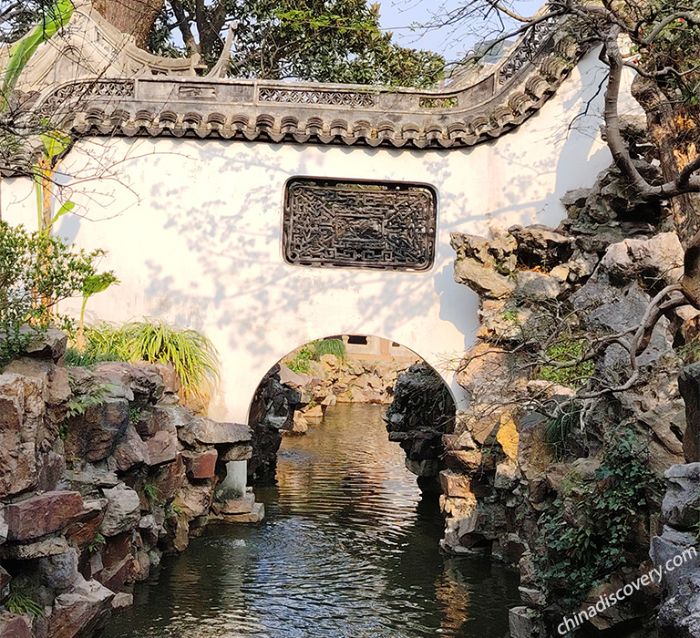
A highlight is the winding bridge called Jiu Quqiao. The zigzag architecture of the bridge is not only beautiful but also has a profound feng shui meaning, helping to avoid bad luck and attract good luck. Crossing the bridge, you will reach the Hu Xin Ting teahouse located right on the water, a typical cultural meeting point of Yu Garden.
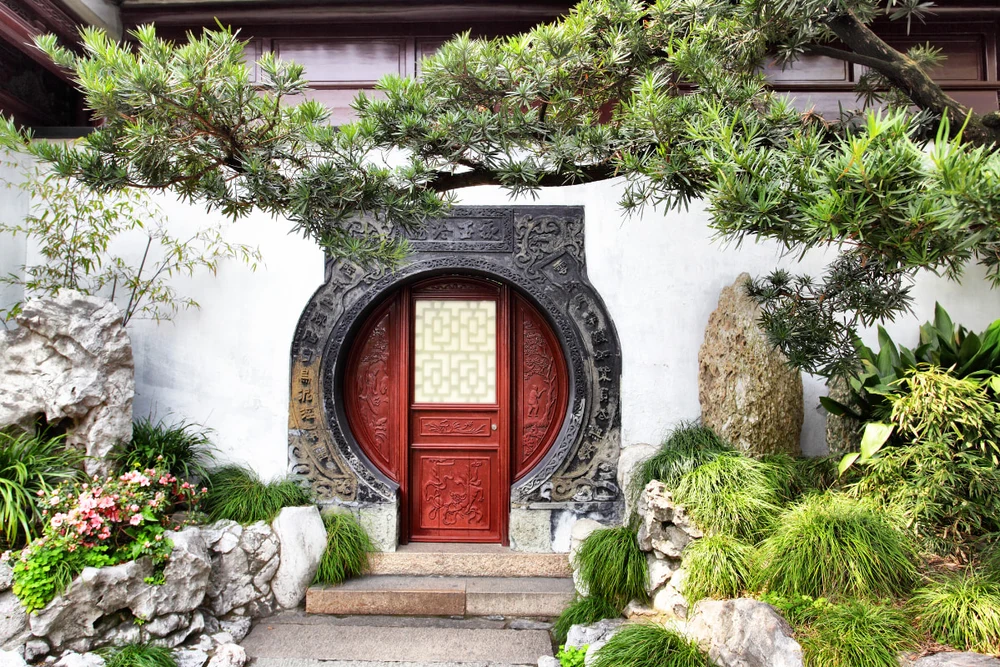
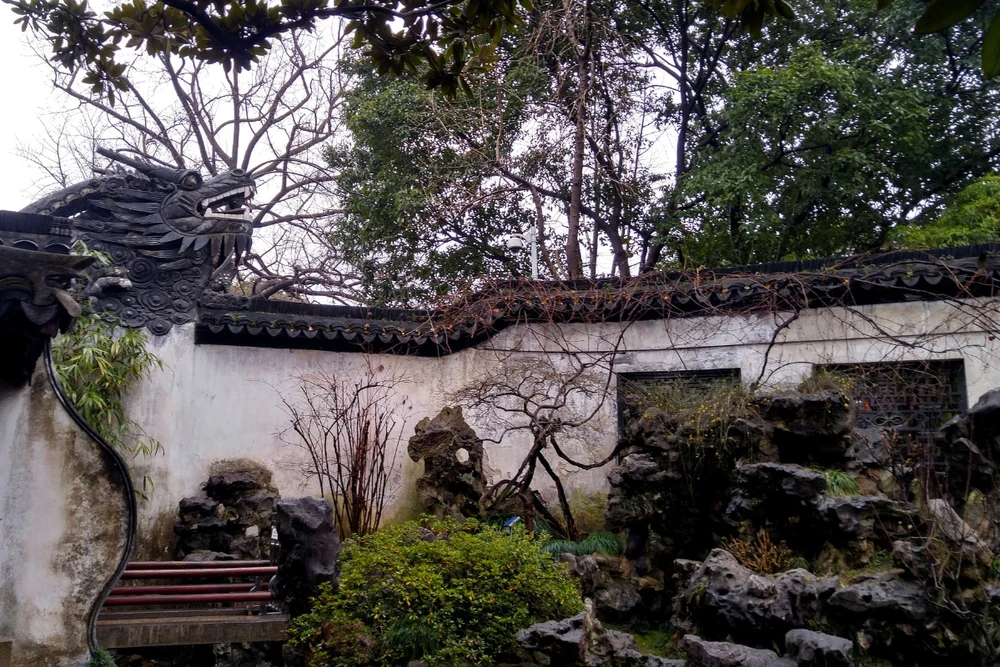
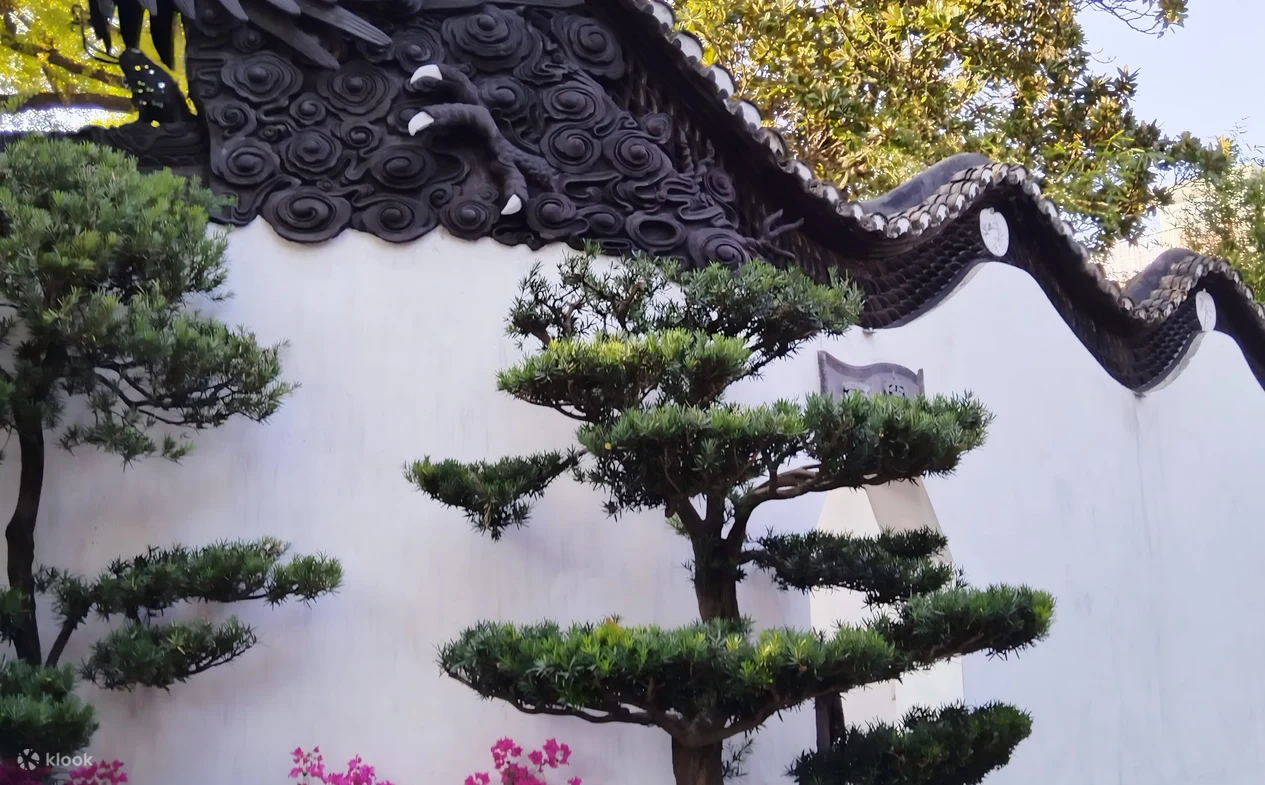
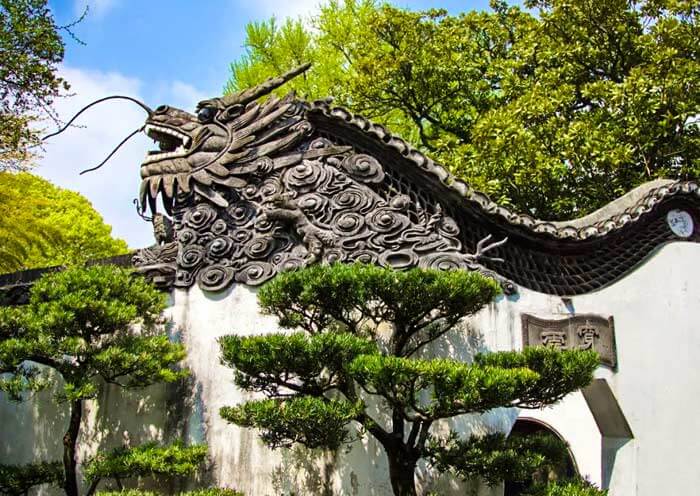
You cannot miss the Dragon Wall with its exquisite dragon reliefs, a symbol of power and prosperity in Chinese culture. This wall also helps divide the areas in the garden, creating a perfect blend of art and traditional architecture.
Private Shanghai Day Tour: Zhujiajiao Water Town + City Attractions
Attractive Cultural Activities at Yu Garden
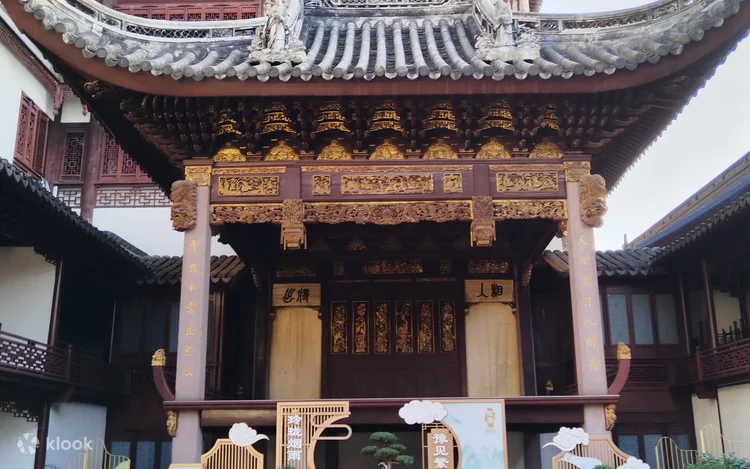
Besides sightseeing, Yu Garden also offers a vivid cultural experience, helping you feel more deeply about Chinese history and art. One of the attractive activities is the Beijing opera performances, which take place on special days. This colorful and emotional performance is a treasure trove of traditional theatrical art, making the garden space more lively.
In addition, the calligraphy performances are also worth watching. Here, talented artists demonstrate the art of writing traditional Chinese characters with delicate and meaningful strokes. The atmosphere of the calligraphy exhibitions helps you better understand the cultural values as well as the soul of the Chinese people through each letter.
Yu Yuan Garden Visit Fees in Shanghai
The entrance fee to Yu Yuan in Shanghai is quite reasonable, suitable for all visitors. Adult tickets in the peak season are about 40 CNY (about 150,000 VND), while in the low season the price is only about 30 CNY (110,000 VND). If you want to understand more about Yu Yuan, you should choose a ticket with a private tour guide service in Chinese or English, which costs about 305 CNY (about 1,100,000 VND).
You can buy tickets directly at the garden gate, but please prepare your passport for quick check-in. If you want more convenience, booking tickets online through platforms like Klook will help you save time queuing. After booking, the electronic ticket will be sent via email, you just need to present the QR code and passport at the entrance.
Tips to Save Money When Traveling to Yuyuan, Shanghai for Self-sufficient Visitors
Yuyuan is a prominent destination in the heart of Shanghai, attracting thanks to its ancient beauty and quiet space. Although located in the middle of a bustling area, the journey here can still be economical. Remember to save the useful tips below:
- Arrive early during the week to avoid crowds and buy a standard ticket price of 40 CNY.
- Bring your own drinks because the area around the garden has quite high prices for drinks.
- Combine a visit to the nearby Thanh Hoang Mieu ancient town – completely free.
- Use public transport such as metro (line 10, Yuyuan Garden Station) instead of taxis.
- If you are traveling in a large group, split the tour guide fee to gain a deeper understanding and save money.
Frequently Asked Questions When Visiting Yu Garden
Where is Yu Garden?
Yu Garden is located at 279 Anren Road, Huangpu District, Shanghai, near the City God Temple and the Old Street. This location is very convenient, only about a 20-minute walk from the Bund.
When should I visit Yu Garden?
The ideal times to visit are spring (March–May) and autumn (September–November), when the weather is cool, the trees are green and the landscape is brilliant.
Should I hire a tour guide when visiting Yu Garden?
If you want to gain a deeper understanding of the architecture and history, hiring a tour guide or using an audio guide will help you have a richer experience.
Do I need to book tickets before going to Yu Garden?
Not required, but booking tickets online saves time and avoids queuing. Tickets can be purchased at the gate or through platforms like Klook.
What are the beautiful photo spots in Yu Garden?
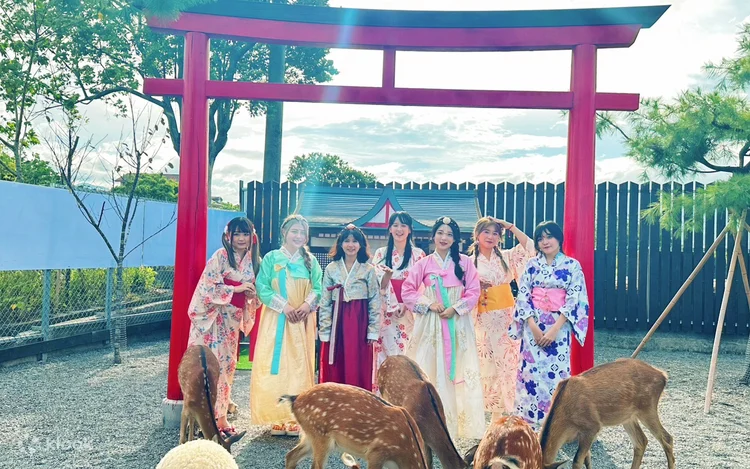
Yu Garden has many great photo angles such as the Nine-Bend Bridge, Dragon Wall, Lotus Pond, pavilions and Yuyuan Bazaar area. In addition, renting Hanfu costumes to take photos here is also an interesting experience.
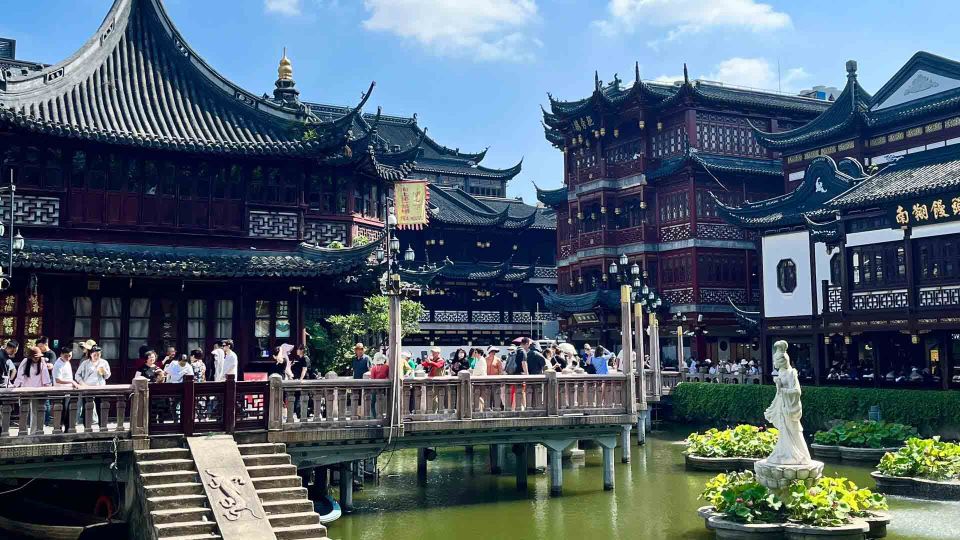
In the midst of the hustle and bustle of Shanghai, Yu Garden is like a gentle pause for you to slow down, take a deep breath and fully enjoy the beauty of traditional China. The peaceful feeling here always easily moves people’s hearts. If you are planning to explore this city, don’t forget to take the time to visit Yu Garden.
Schedule a “healing” session at Yu Garden Shanghai now, don’t hesitate!
Some best day tours, trips, activities and transfer services, tickets in, from and to Shanghai you can refer to
- Shanghai Museum Half Day Tour
- Shanghai Disneyland Admission Ticket
- Huangpu River Cruise(Qingjiang Line)
- Yu Garden Admission Ticket in Shanghai
- Shanghai Tower 118th Floor Observation Deck Ticket
- Shanghai Haichang Ocean Park Ticket
- [World Highest Skywalk] Shanghai Jin Mao Tower 88th Floor Exclusive Skywalk Experience
- Oriental Pearl Tower
- CMHK | HK 7 Days unlimited data + 200 HK Local Mins + 1GB Mainland China and Macau data (HK Airport Pick Up)
- [Thailand Pick Up] Dtac GO INTER SIM Card Zone 1(Asia, Australia, USA, exclude Thailand)
- [Unlimited Data] 4G Portable WiFi for Mainland China, Hong Kong and Macau from Uroaming (HK Airport Pick Up)
- 4G WiFi (HK Airport Pick Up) for Hong Kong/Macau/China (No Speed Limited) from Song WiFi

Read more: Shanghai travel blog — The fullest Shanghai travel guide for first-timers.